Metal Office Storage Cabinets
Organize your office space with our durable and stylish metal office storage cabinets. Designed to meet the demands of a busy workplace, these cabinets offer a sleek and professional solution for storing and securing your important documents, supplies, and equipment. Whether you need to declutter your workspace, store confidential files, or simply enhance the overall efficiency of your office, metal storage cabinets are the perfect addition to almost any business environment. Here are some great options available.
Sort
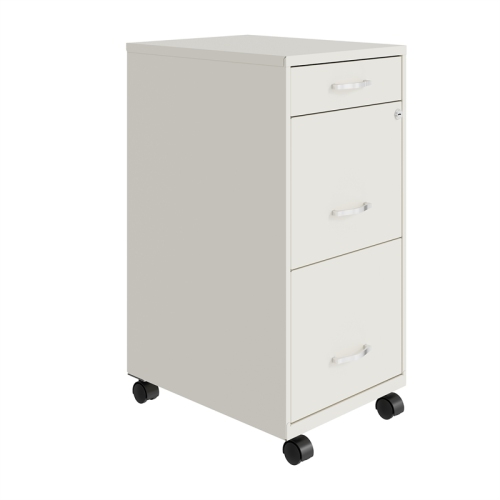
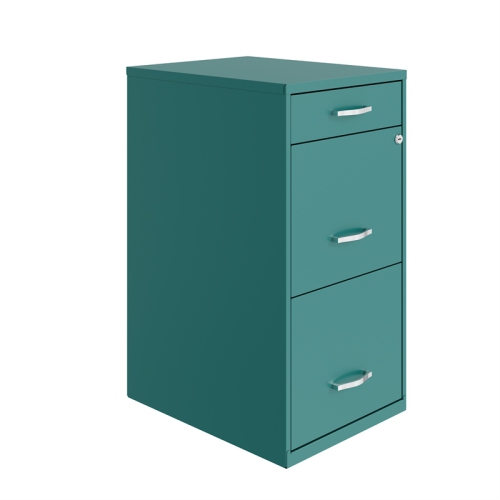
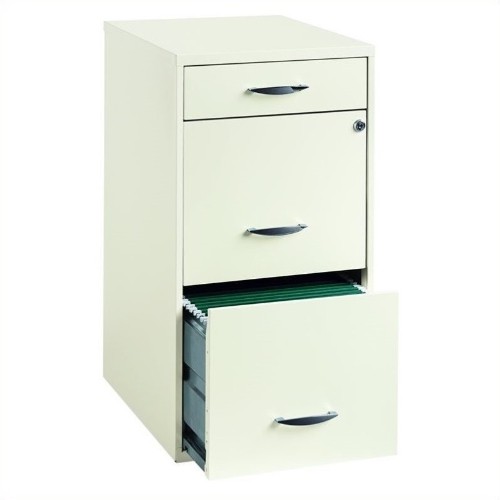

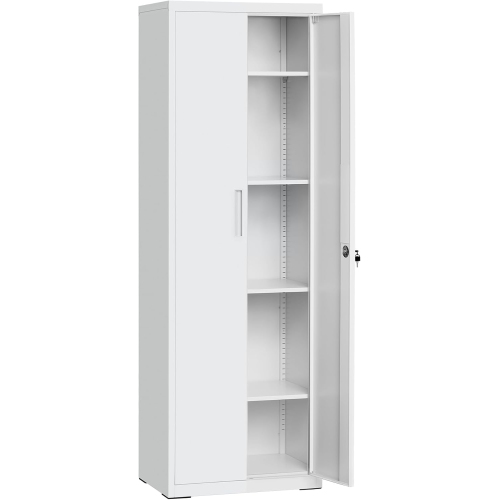
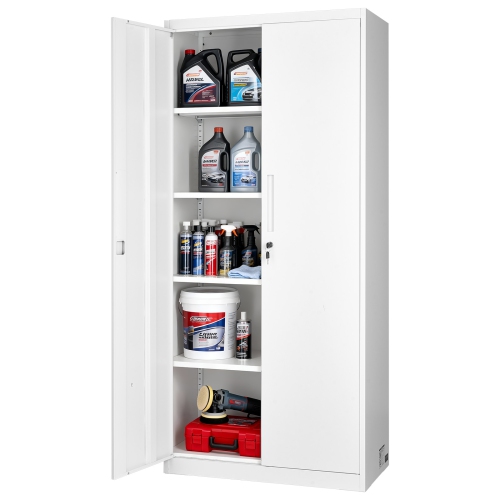
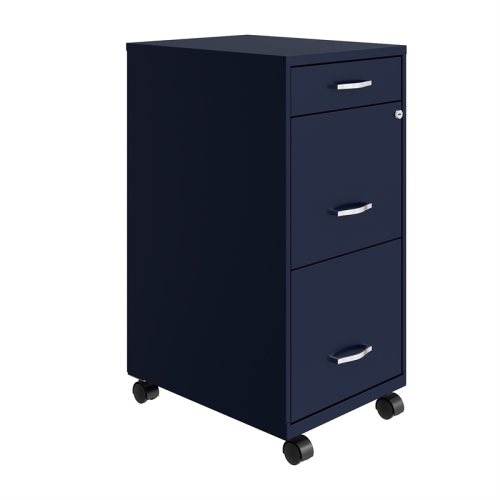
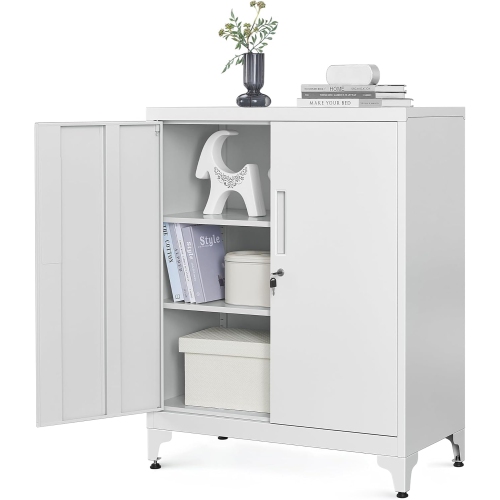
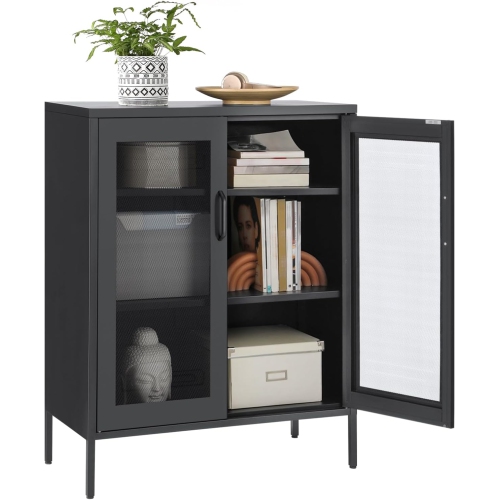

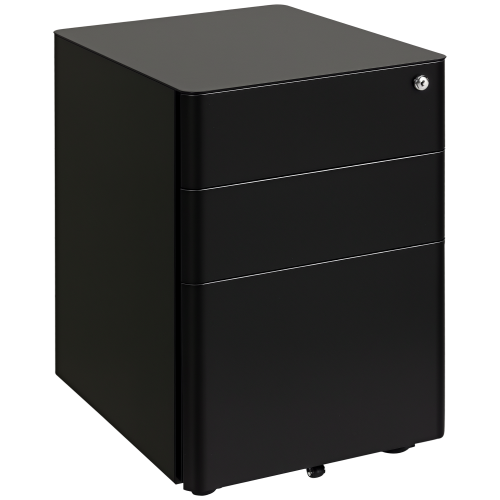
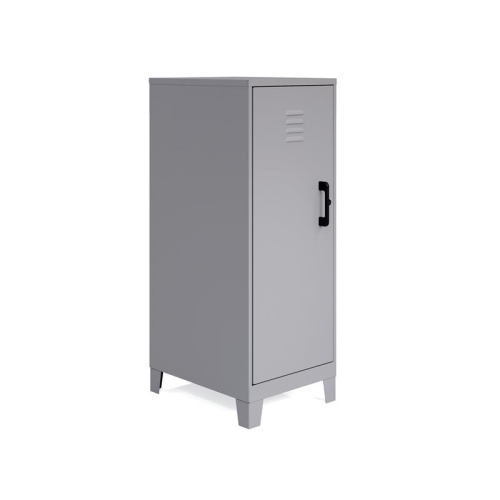
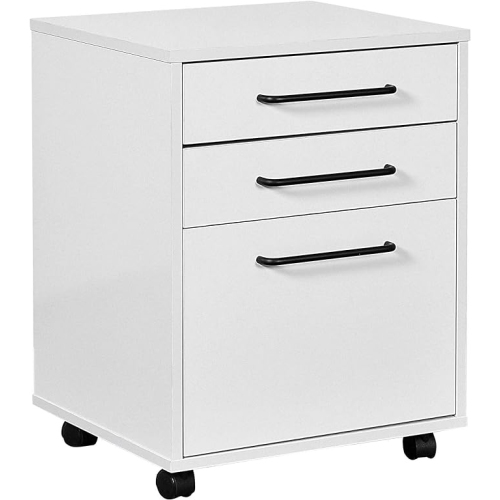
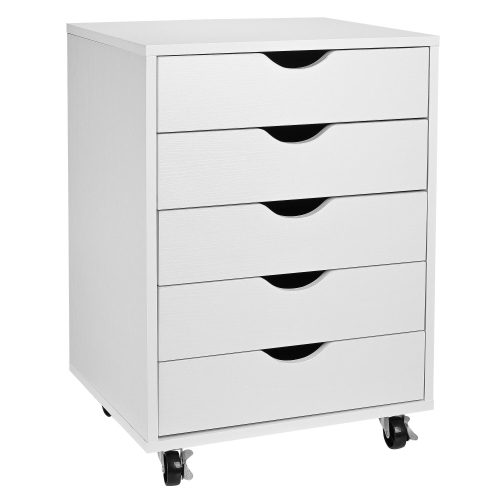
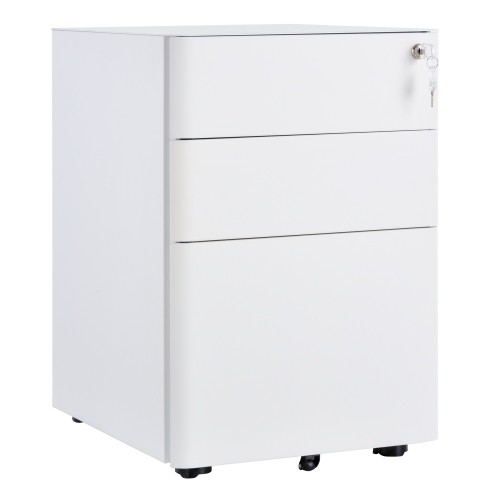
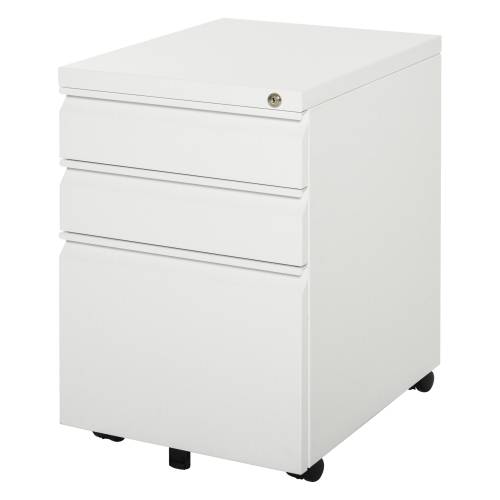
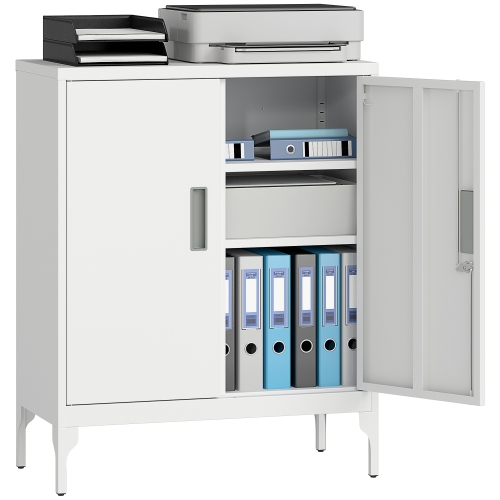
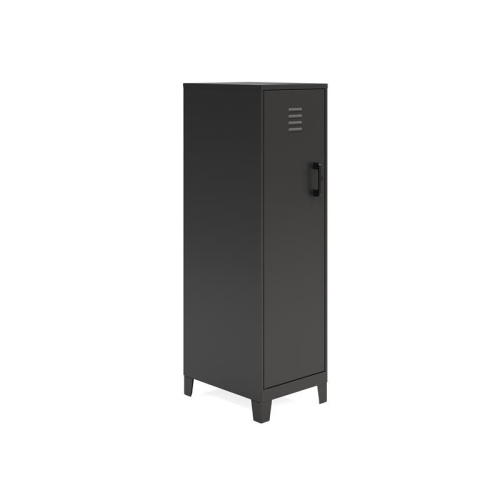
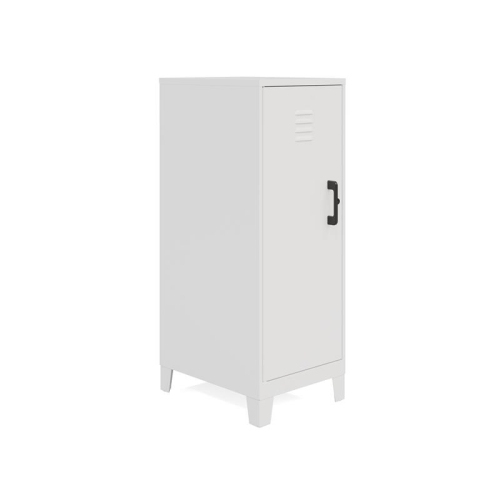
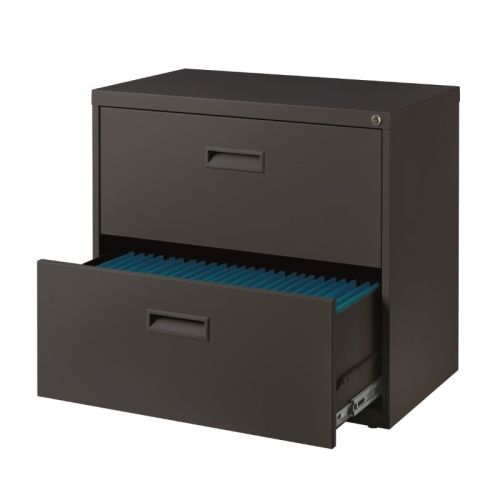
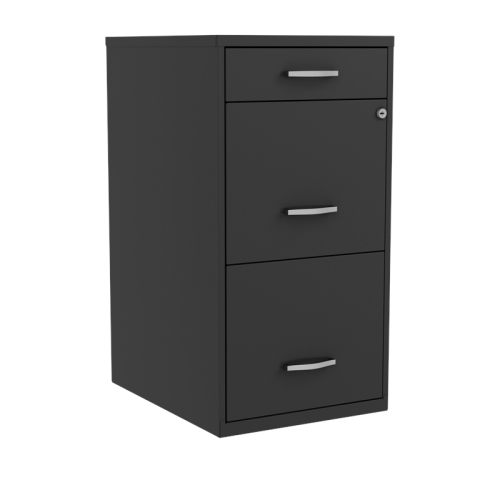
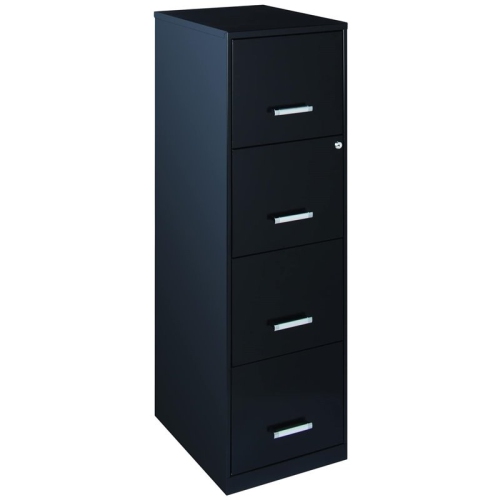
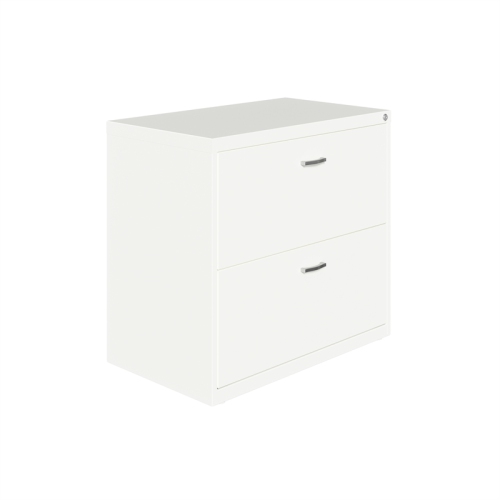
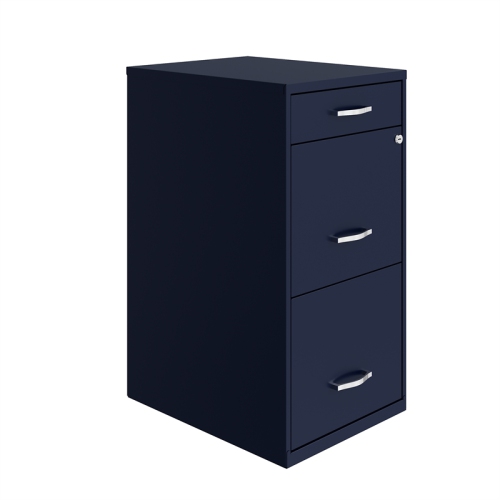
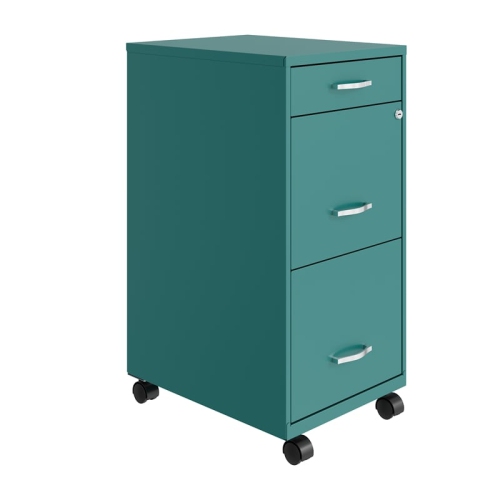
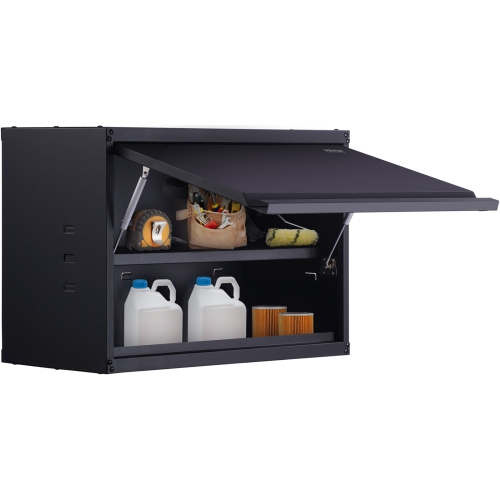
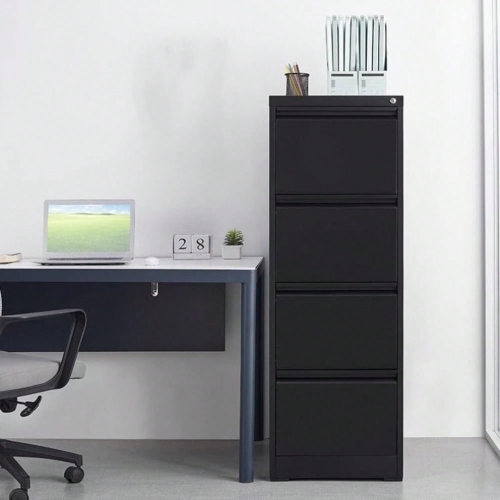
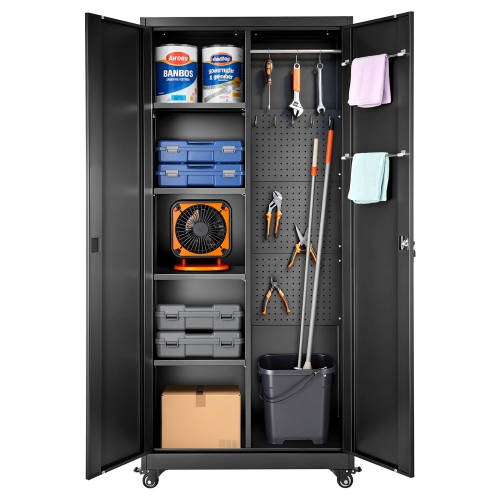
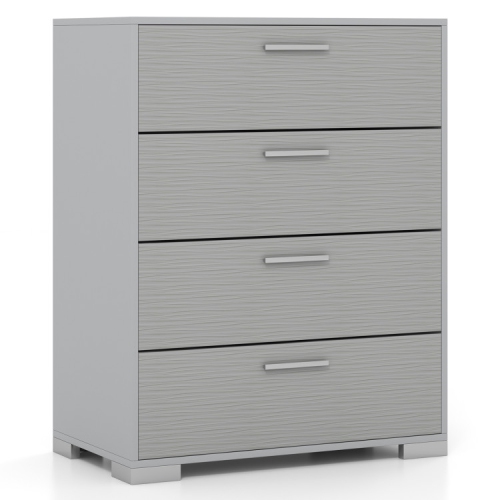
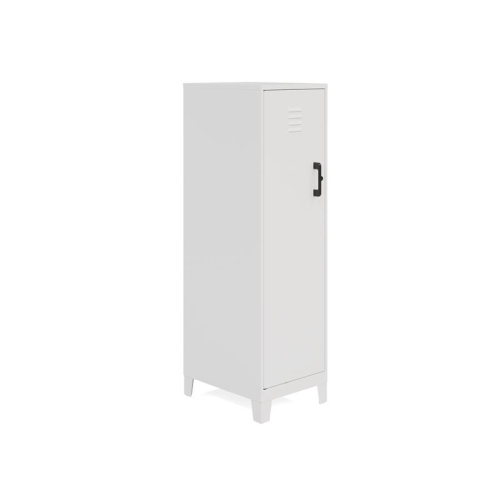
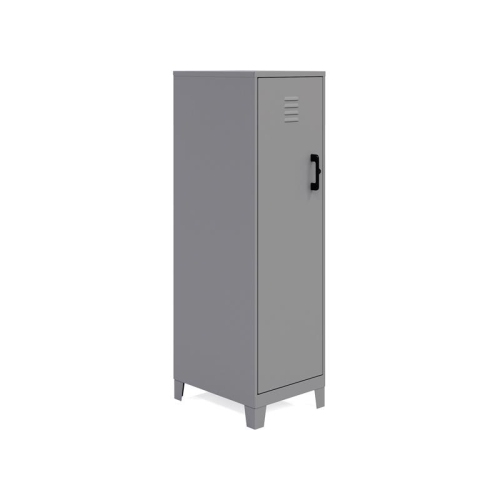
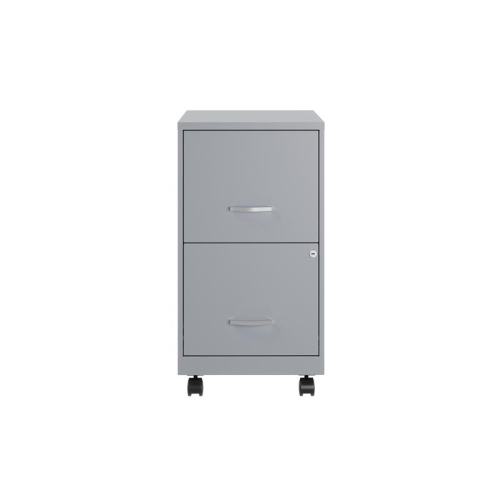
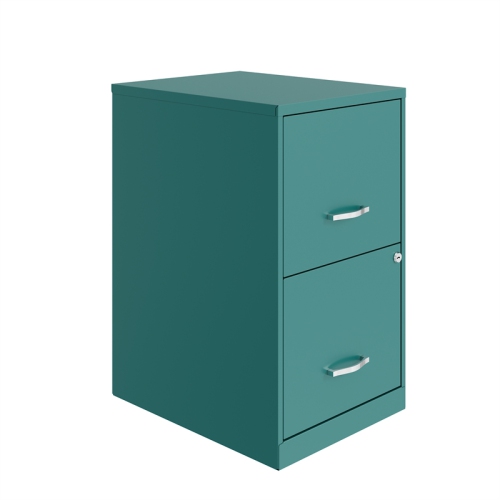
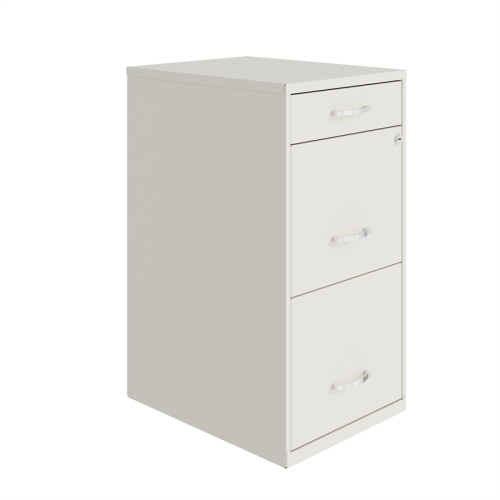
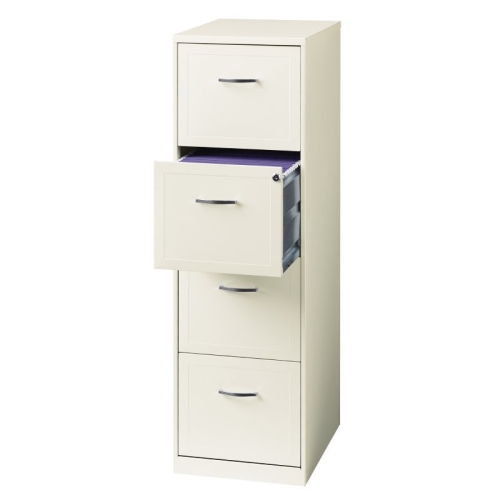
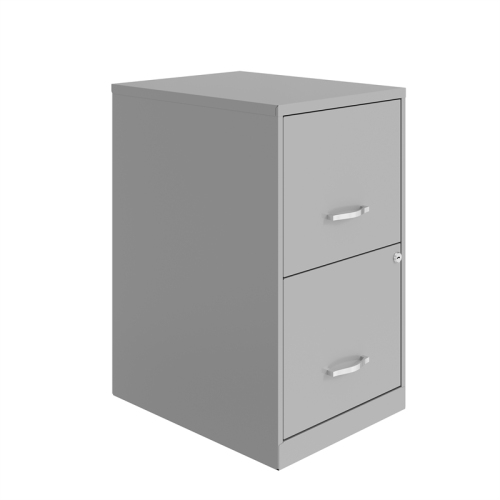
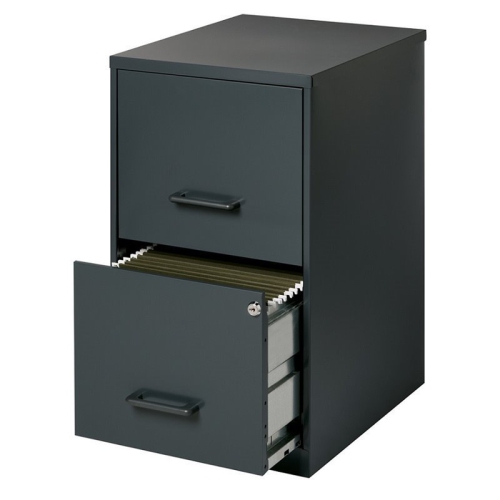
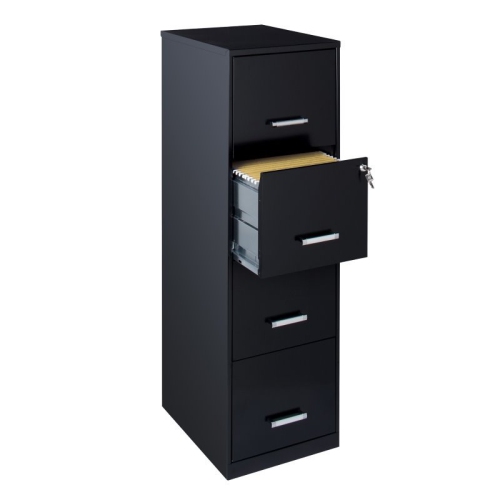

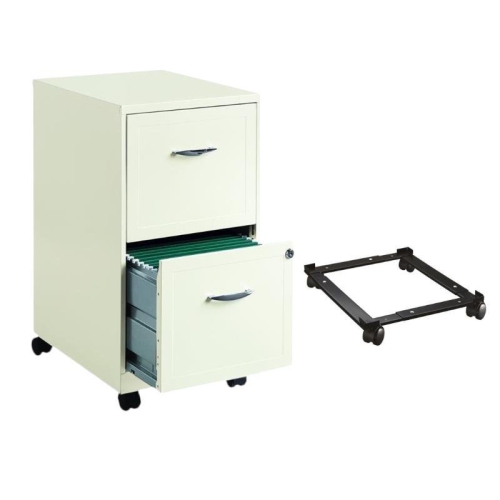
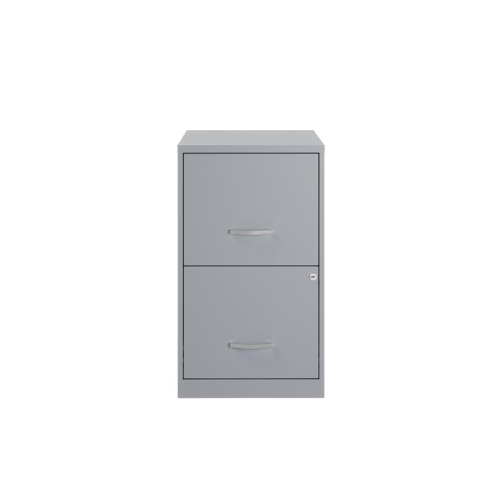
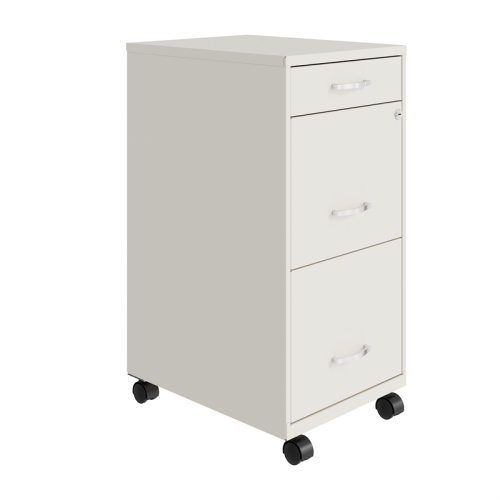
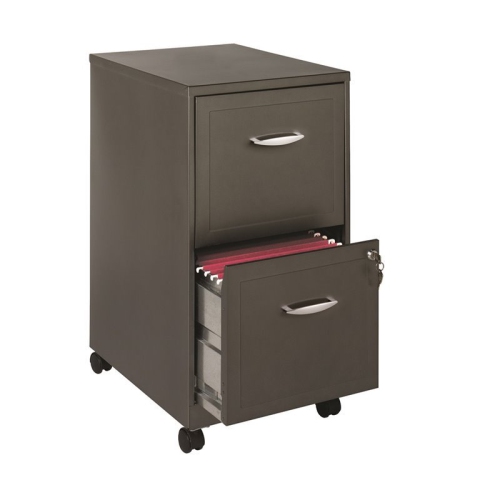
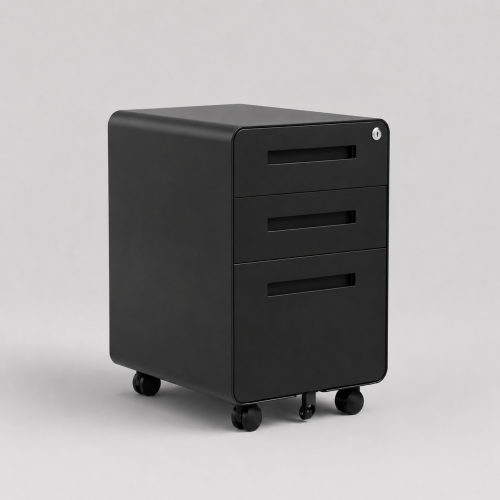
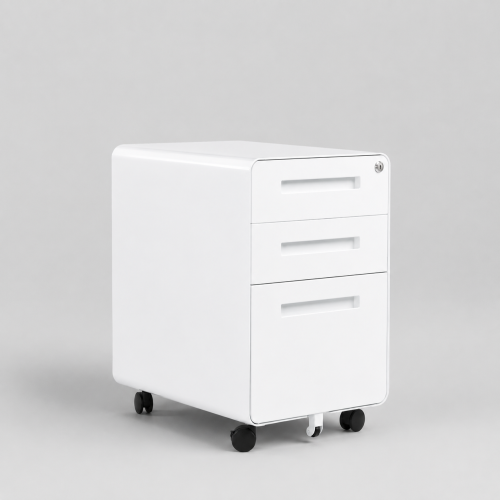
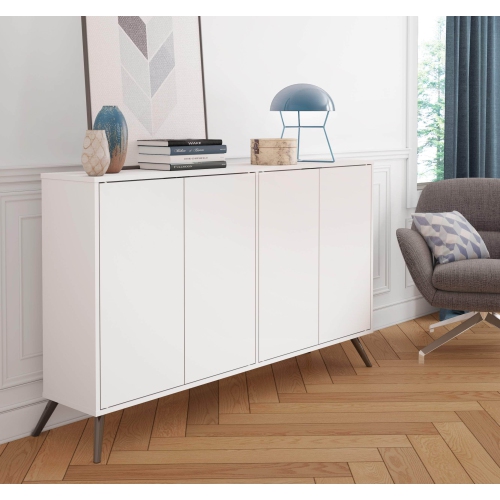
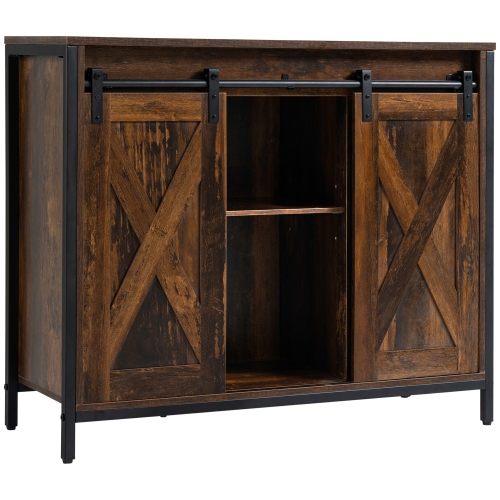

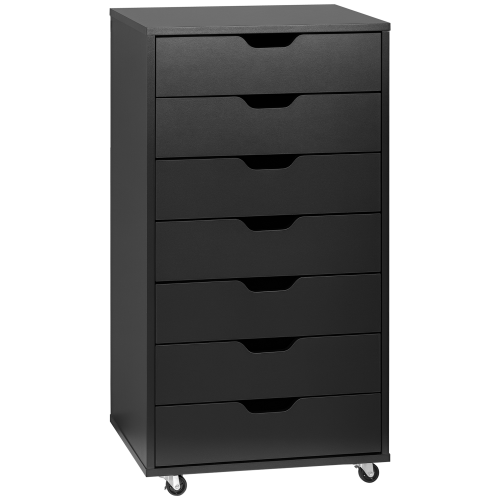
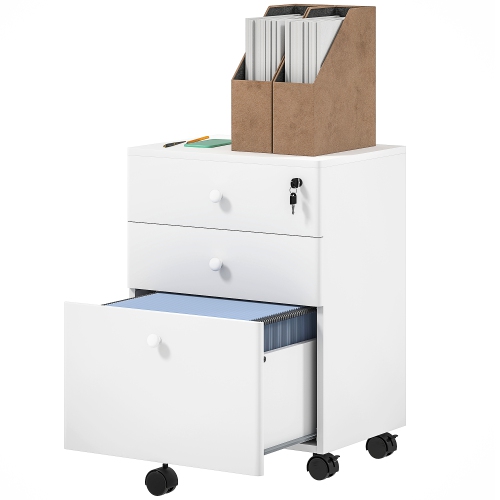
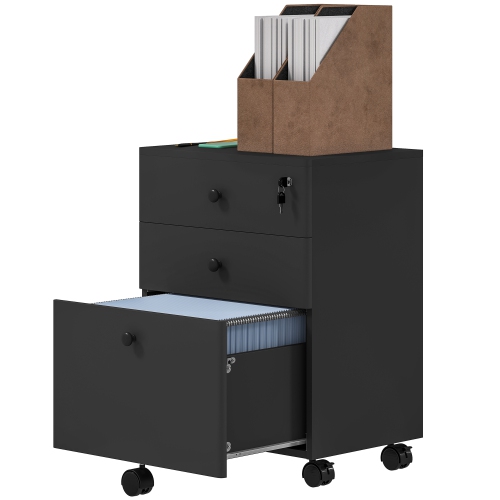
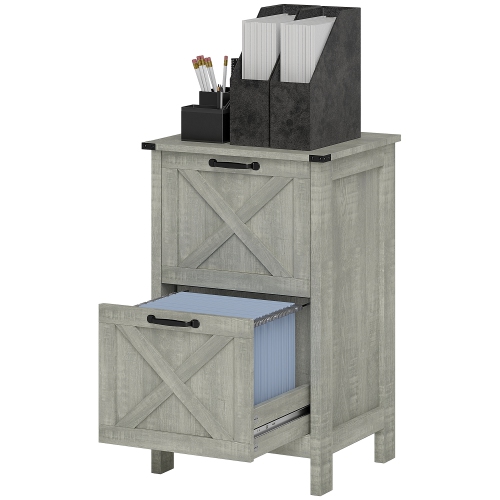
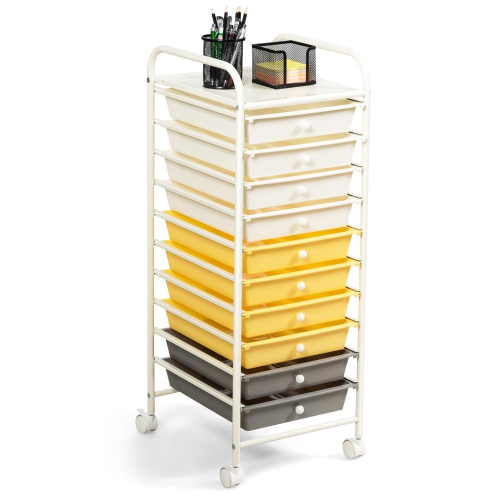
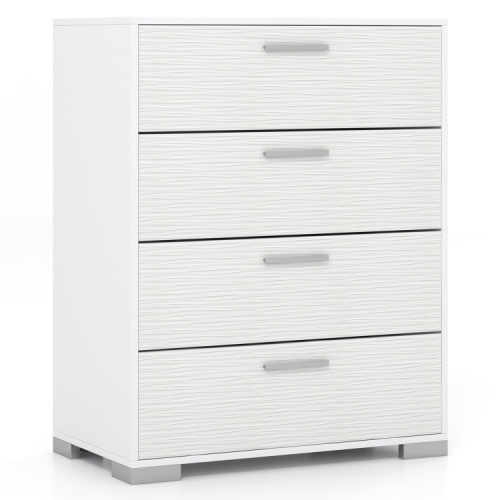
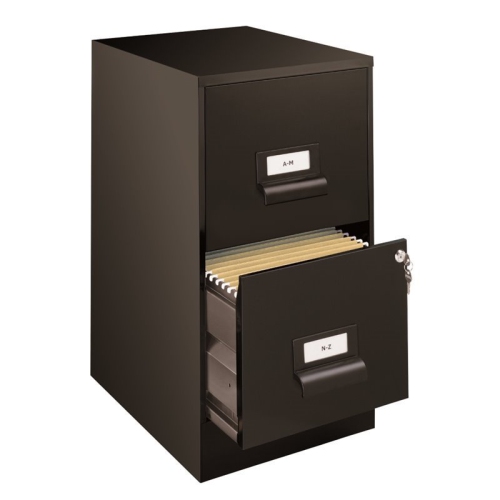
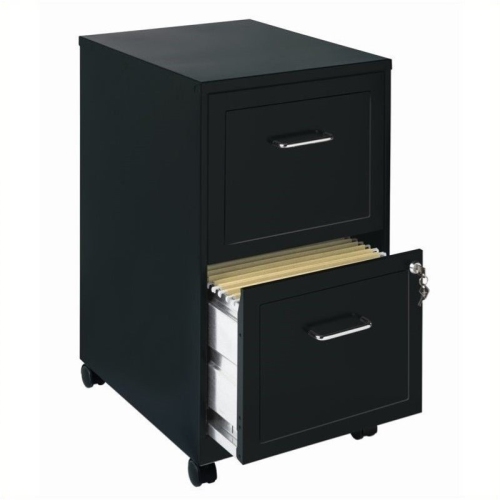
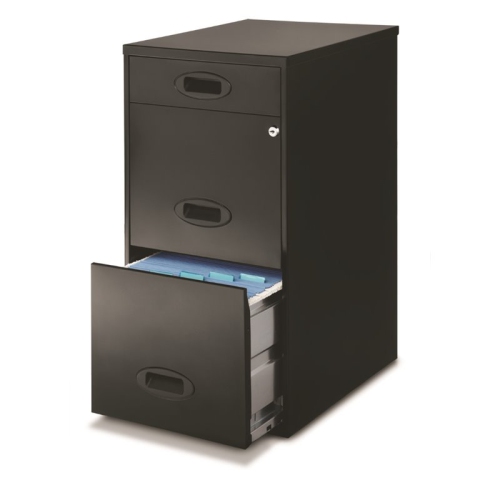
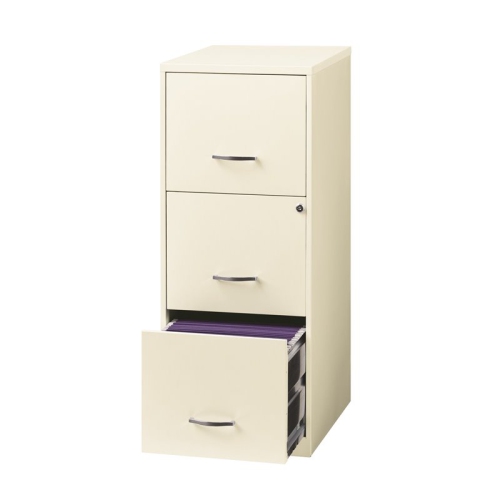
Secure, adaptable storage for busy workspaces
Metal office storage cabinets bring structure, security, and dependable capacity to workspaces that need more than an open shelf or lightweight drawer unit. Built from steel or other durable metal, these cabinets are well suited to storing files, stationery, tools, technology accessories, cleaning supplies, shipping materials, and other essentials that tend to gather around a busy office. Their enclosed design helps keep contents protected from dust while creating a tidier appearance, whether the cabinet is placed in a corporate office, home office, classroom, studio, reception area, workshop, or shared staff room. A tall cabinet can make use of vertical space without taking up a large footprint, while a compact cabinet may fit neatly beneath a counter, beside a desk, or along a narrow wall. For a broader selection of sizes and styles, explore Office Storage Cabinets. Metal office storage cabinets are especially useful when several people need access to shared supplies or when important materials should be kept out of sight between work sessions. Locking models can add an extra layer of control for confidential paperwork, financial records, equipment, medication kept for workplace use, or other items that should not be freely accessible. Key locks and three-point locking mechanisms are common features to look for, with the right choice depending on the level of security required and the number of people who need access. In a home workspace, a lockable cabinet can also separate work documents and devices from everyday household activity, helping create a clear boundary between professional and personal life.
Size and weight capacity are two of the most important considerations when choosing metal office storage cabinets. Begin by measuring the available area, including the height beneath shelves, windows, or ceiling fixtures and the clearance needed to open hinged doors comfortably. A full-height cabinet may provide multiple adjustable shelves for binders, archive boxes, paper, and larger supplies, but its height and weight can make delivery and placement a two-person task. Smaller cabinets are easier to position and can be a practical choice for apartments, compact offices, reception counters, and work areas where only a modest amount of storage is needed. Check the internal dimensions as well as the exterior measurements, since door frames, shelf lips, and cabinet walls can reduce usable space. Adjustable shelves are valuable when storage needs change throughout the year: a shelf can be set higher for a printer or tall storage box, then repositioned to accommodate smaller folders and containers. Pay close attention to the stated shelf capacity, particularly when storing reams of paper, heavy tools, hardware, or dense archive files. Industrial-style shelves may support approximately 150 lb or more per shelf, while compact units are generally intended for lighter office supplies. Distribute weight evenly from the bottom upward to improve stability, and place heavier items on lower shelves so the cabinet remains easier to access and less likely to feel top-heavy. Ventilation may also matter when storing electronics or equipment, while smooth, easy-clean surfaces are helpful in kitchens, studios, workshops, and shared spaces where dust or spills are more likely.
The cabinet’s door style, finish, assembly requirements, and placement can make a noticeable difference in day-to-day use. Hinged doors allow a wide view of the contents once open, though they need clearance in front of the cabinet. Sliding doors can be helpful in a narrow office or corridor because they do not swing into walkways, but they may limit access to part of the interior at a time. Consider handles that are comfortable to grip, shelves that can be adjusted without complicated tools, and doors that close evenly after frequent use. Large steel cabinets may arrive fully assembled, while smaller or modular options may require basic assembly; review the product dimensions, package size, and recommended number of people for installation before making a selection. Position the cabinet on a level surface and avoid blocking vents, exits, or frequently used pathways. In a home office, a neutral metal cabinet can support a clean, focused setup while holding paperwork, cables, notebooks, and spare peripherals behind closed doors. In a professional environment, matching cabinets can help establish consistent storage zones for each department, project, or type of material. They can also be a thoughtful practical gift for someone setting up a first home office, opening a studio, managing a small business, or reorganizing a workshop, particularly when the recipient values an orderly space more than decorative accessories. During the cooler months, when more work, study, and creative projects may move indoors, reliable storage helps keep frequently used rooms comfortable and uncluttered. By considering dimensions, shelf capacity, locking features, door clearance, assembly, and the materials being stored, it becomes easier to choose metal office storage cabinets that suit the space today and remain useful as routines evolve.
Size and weight capacity are two of the most important considerations when choosing metal office storage cabinets. Begin by measuring the available area, including the height beneath shelves, windows, or ceiling fixtures and the clearance needed to open hinged doors comfortably. A full-height cabinet may provide multiple adjustable shelves for binders, archive boxes, paper, and larger supplies, but its height and weight can make delivery and placement a two-person task. Smaller cabinets are easier to position and can be a practical choice for apartments, compact offices, reception counters, and work areas where only a modest amount of storage is needed. Check the internal dimensions as well as the exterior measurements, since door frames, shelf lips, and cabinet walls can reduce usable space. Adjustable shelves are valuable when storage needs change throughout the year: a shelf can be set higher for a printer or tall storage box, then repositioned to accommodate smaller folders and containers. Pay close attention to the stated shelf capacity, particularly when storing reams of paper, heavy tools, hardware, or dense archive files. Industrial-style shelves may support approximately 150 lb or more per shelf, while compact units are generally intended for lighter office supplies. Distribute weight evenly from the bottom upward to improve stability, and place heavier items on lower shelves so the cabinet remains easier to access and less likely to feel top-heavy. Ventilation may also matter when storing electronics or equipment, while smooth, easy-clean surfaces are helpful in kitchens, studios, workshops, and shared spaces where dust or spills are more likely.
The cabinet’s door style, finish, assembly requirements, and placement can make a noticeable difference in day-to-day use. Hinged doors allow a wide view of the contents once open, though they need clearance in front of the cabinet. Sliding doors can be helpful in a narrow office or corridor because they do not swing into walkways, but they may limit access to part of the interior at a time. Consider handles that are comfortable to grip, shelves that can be adjusted without complicated tools, and doors that close evenly after frequent use. Large steel cabinets may arrive fully assembled, while smaller or modular options may require basic assembly; review the product dimensions, package size, and recommended number of people for installation before making a selection. Position the cabinet on a level surface and avoid blocking vents, exits, or frequently used pathways. In a home office, a neutral metal cabinet can support a clean, focused setup while holding paperwork, cables, notebooks, and spare peripherals behind closed doors. In a professional environment, matching cabinets can help establish consistent storage zones for each department, project, or type of material. They can also be a thoughtful practical gift for someone setting up a first home office, opening a studio, managing a small business, or reorganizing a workshop, particularly when the recipient values an orderly space more than decorative accessories. During the cooler months, when more work, study, and creative projects may move indoors, reliable storage helps keep frequently used rooms comfortable and uncluttered. By considering dimensions, shelf capacity, locking features, door clearance, assembly, and the materials being stored, it becomes easier to choose metal office storage cabinets that suit the space today and remain useful as routines evolve.
Top selling and popular products
-
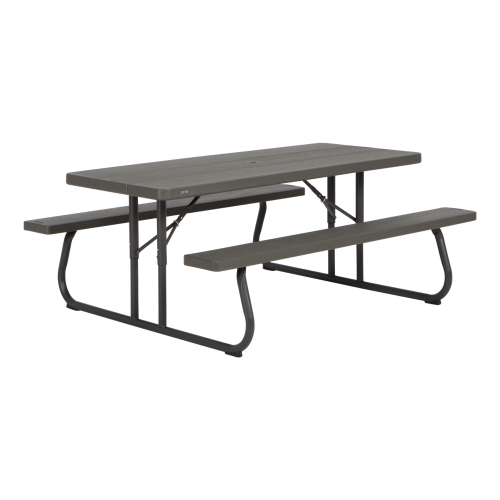 Your price for this item is $369.99
 -
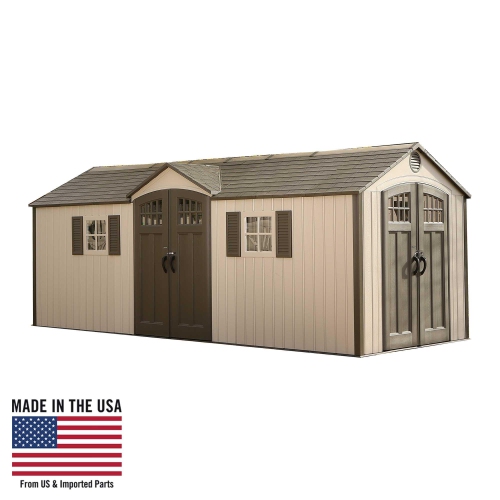 Your price for this item is $5599.99
 -
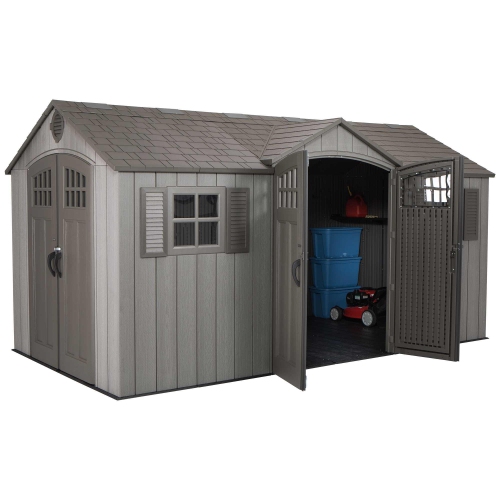 Your price for this item is $4269.99
 -
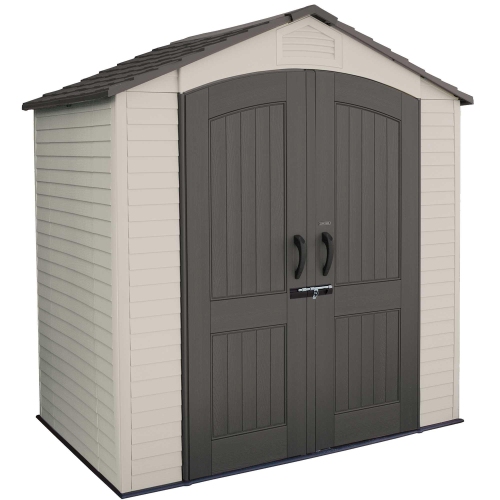 Your price for this item is $1639.99
 -
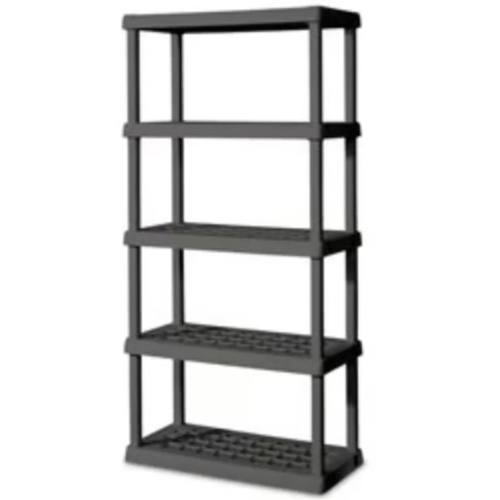 Your price for this item is $967.99
 -
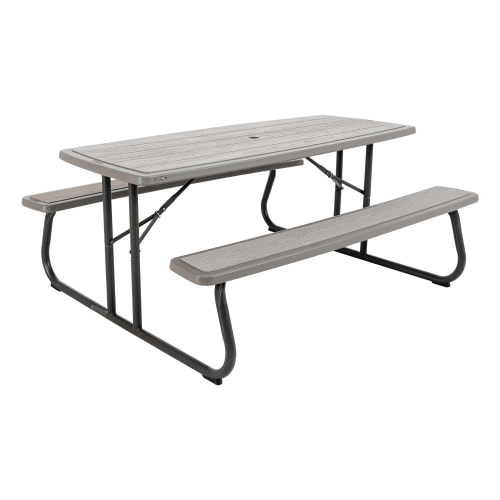 Your price for this item is $369.99
 -
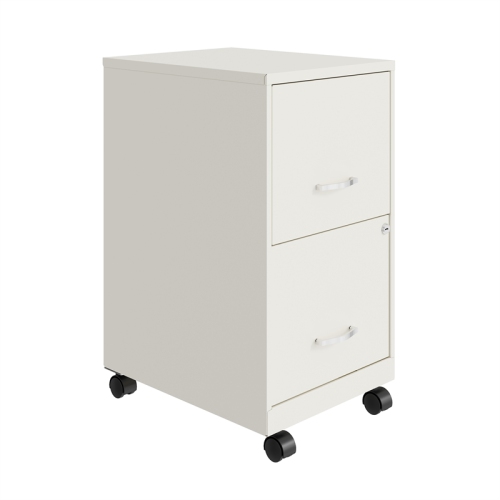 Your price for this item is $399.93
 -
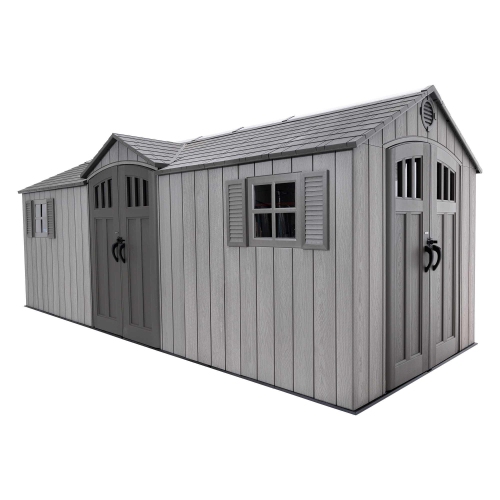 Your price for this item is $5589.99
Discover more categories related to Metal Office Storage Cabinets
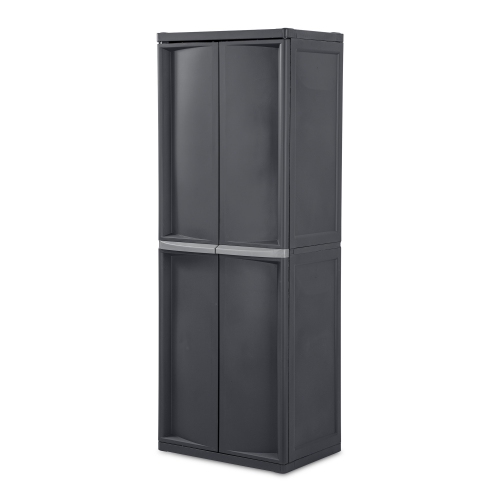
Top Collections:
Pokemon Centers, Kindle Devices, Best Budget Office Chairs, Apple iPhones 16, Best Laptops for Writers, iPhone 15 Apple, Canon G7X Cameras, Refurbished Apple Laptops, Alarm Clock, Motorola Razr Phones
Some products may be subject to Environmental Handling Fees
(EHF) depending on your province.
Learn more about EHFs.