Office Storage Cabinets
Transform your workspace with an office storage cabinet designed to keep your essentials organized and within easy reach. Whether you're setting up a home office or upgrading your business environment, the right storage solution can help create a clutter-free and efficient area. Explore a variety of office storage cabinet options to find the perfect fit for your documents, supplies, and equipment, making it simple to maintain a tidy and productive workspace.
Sort




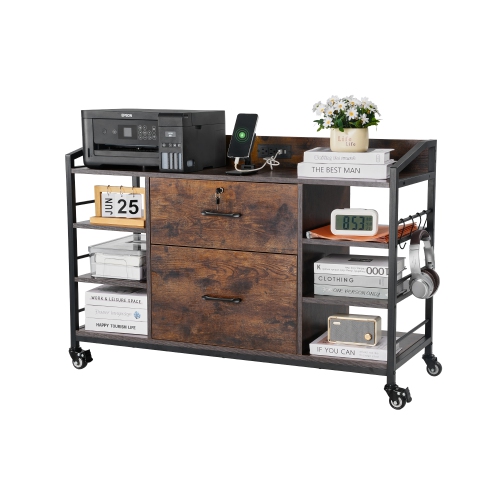

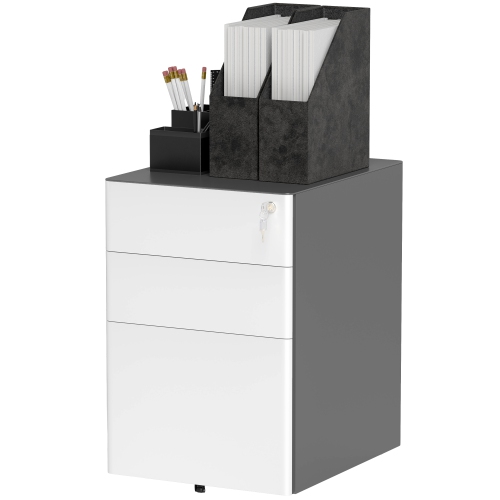

Storage that fits your supplies and your workspace
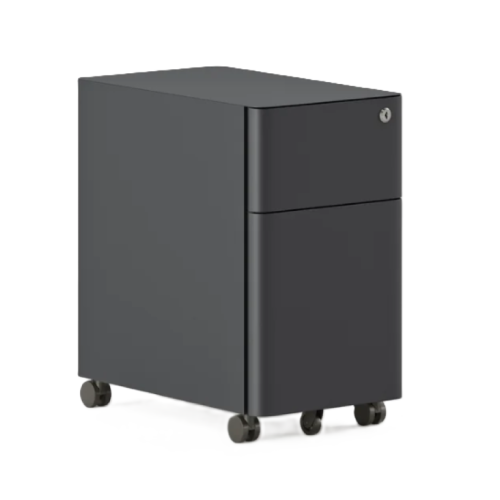
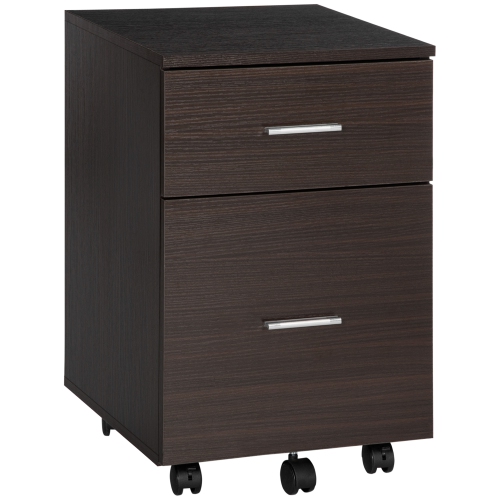
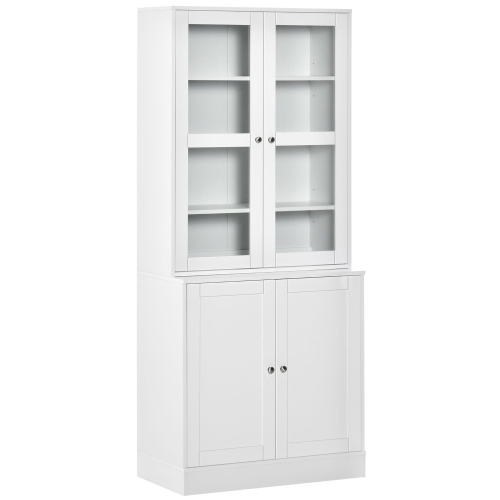
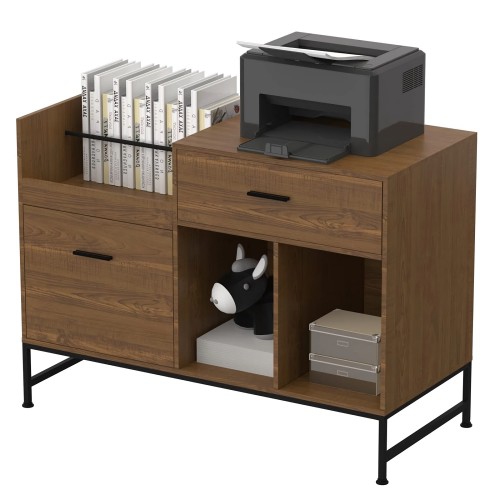
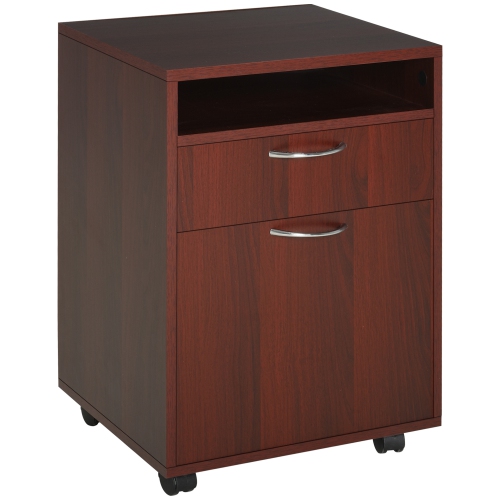
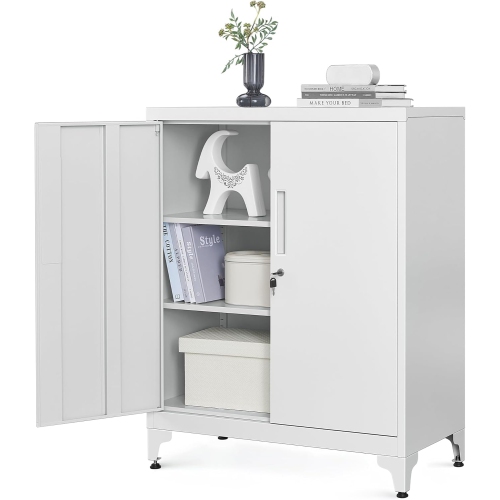
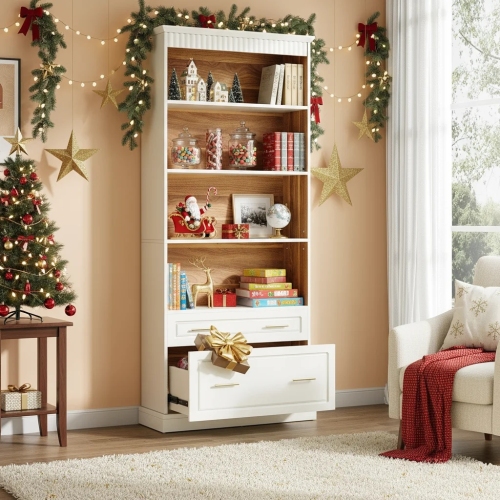
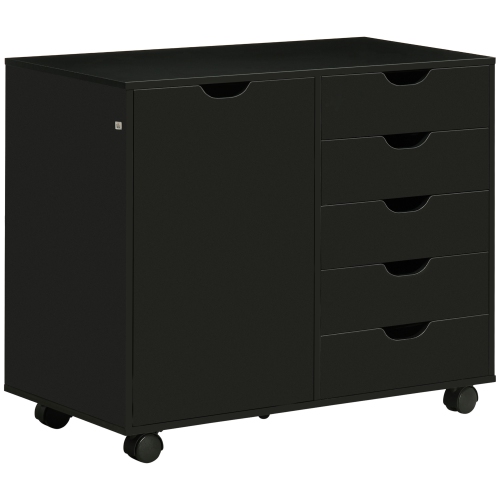
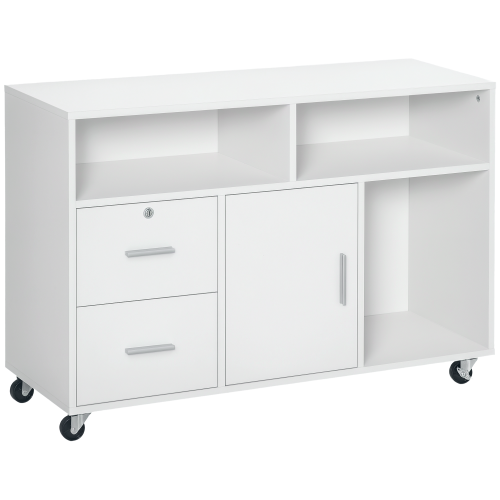
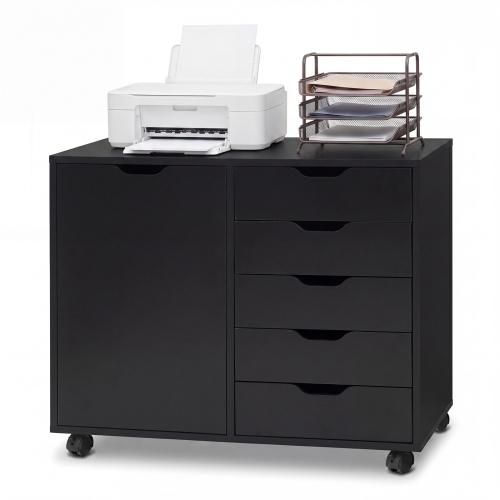
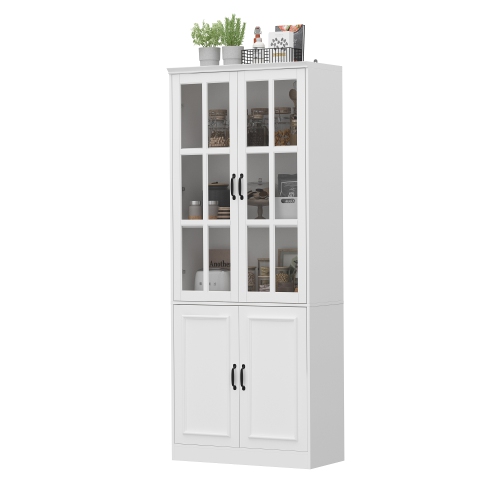
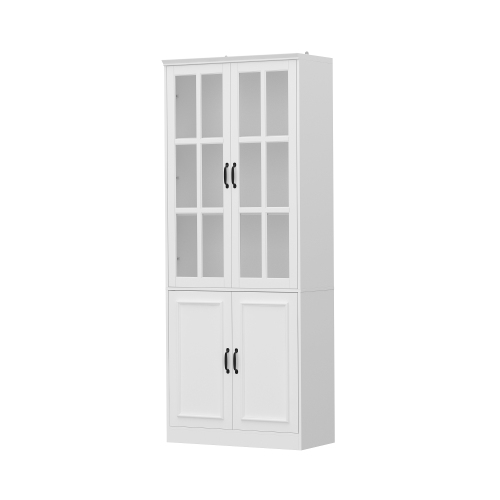
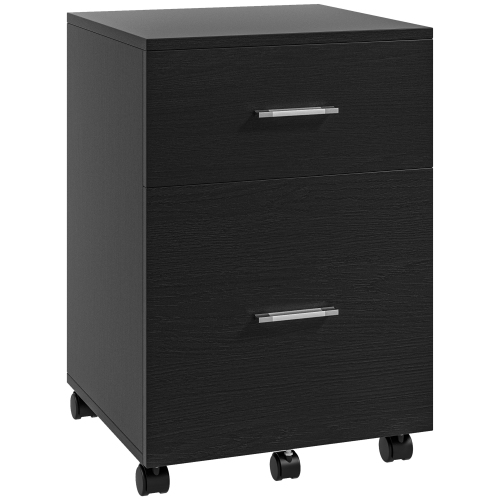
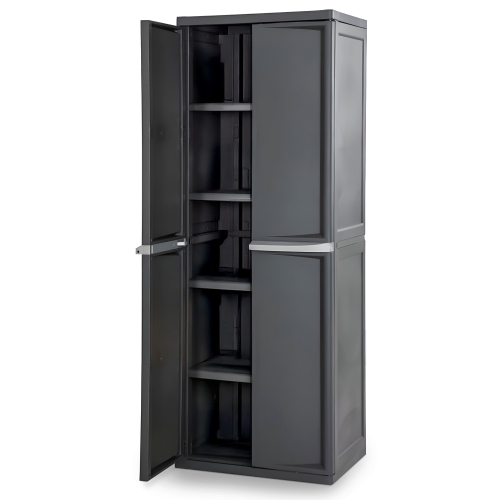
Office storage cabinets keep paperwork, stationery, technology accessories, and everyday supplies organized behind doors or inside drawers. Common styles include compact under-desk cabinets, mobile cabinets on casters, locking metal cabinets, and tall cupboards with adjustable shelves. Each serves a different purpose: a drawer unit keeps frequently used files close to a desk, while a full-height cabinet creates room for binders, paper cartons, and supplies that would otherwise crowd a work surface. In a home office, enclosed storage can help a workspace blend into a bedroom or living area after the workday ends. In a shared office, designated shelves and drawers make it easier to separate communal supplies from individual files. The most useful layout depends on what needs a home. Loose stationery benefits from shallow drawers or internal organizers, while bulky equipment and boxed supplies need deeper shelves and wider openings. Hanging documents require compatible filing drawers or rails rather than a general-purpose cupboard. Fit involves more than the cabinet’s outside dimensions: doors need room to swing, drawers need space to extend, and a desk chair still needs a clear path when storage is open. An under-desk cabinet should leave comfortable knee room and clear any support bars beneath the desktop. Mobile designs make it easier to reposition supplies beside a work surface, though caster height must be included when checking clearance. A low cabinet can provide a convenient surface for sorting paperwork or supporting a printer, provided its dimensions and weight rating suit that use. Printers also need the clearances specified by their manufacturer for ventilation, paper loading, and maintenance. Tall cabinets make use of vertical space without taking up as much floor area as a wider unit, but upper shelves are generally better suited to lighter, less frequently used supplies. For rooms with larger storage needs, Large Storage Cabinets offer another way to bring binders, equipment, and shared supplies together in a dedicated area.
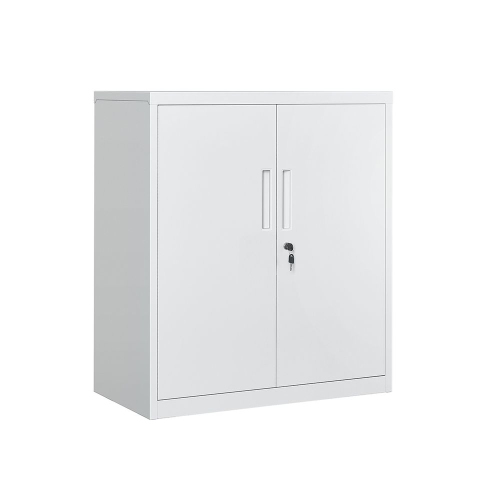
Materials and construction influence how office storage cabinets look, feel, and stand up to daily handling. Steel cabinets are a practical choice for busy administrative spaces, supply rooms, and workshops used for office tasks. Their surfaces are generally straightforward to wipe clean, although resistance to scratches, dents, and moisture depends on the finish and construction. Wood and wood-finish cabinets bring a furniture-like appearance to home offices, reception areas, and meeting rooms. Solid wood, veneered panels, and engineered wood each have different care requirements, so appearance alone does not indicate how a cabinet should be maintained. Laminate and melamine surfaces can provide a smooth, consistent finish, with edges and seams that benefit from protection against standing moisture. A wood-grain finish may coordinate with a desk or shelving, while white, grey, and black finishes can sit quietly alongside existing furniture. Beyond colour, everyday durability depends on details such as shelf supports, hinges, drawer slides, and securely fitted handles. Adjustable shelves allow the interior to accommodate tall binders or smaller supply boxes, but their usefulness still depends on the spacing of the adjustment points and the load rating for each shelf. A cabinet intended for dense stacks of paper needs adequate support, even when those stacks occupy very little space. Drawers that extend fully can make files at the back easier to reach, while soft-close hardware can reduce the abrupt sound of doors and drawers closing near a shared workstation. Lockable office storage cabinets add controlled access for personnel documents, invoices, or supplies that should not be freely accessible. Lock arrangements vary: one lock may secure an entire cabinet, or individual compartments may lock separately. A standard cabinet lock does not establish fire resistance, water resistance, or suitability for every confidential record. In workplaces with formal document-handling requirements, the cabinet’s specifications need to match the organization’s policies. Thoughtful hardware and suitable materials matter most when they support the actual demands of the room.
Interior organization makes the difference between a cabinet that holds supplies and one that keeps them easy to find. Shelves suit binders, reference books, paper, and labelled containers, while drawers help separate smaller supplies that tend to disappear behind larger objects. A mix of both can support a home-based business where client folders, charging cables, mailing supplies, and notebooks share limited space. In a communal office, a consistent arrangement gives replacement paper, envelopes, and meeting materials a recognizable place, reducing the need to search through several cupboards. Filing cabinets and cabinets with file drawers need particular attention to document size. Letter-size and legal-size folders require suitable rails and usable interior dimensions; a deep drawer is not necessarily equipped for hanging files. Interior measurements also matter for storage bins, since door hinges and drawer hardware can reduce the available opening. Heavy supplies belong low in the cabinet, with shelf loads kept within the manufacturer’s limits and distributed as directed. Tall furniture may require an anti-tip restraint, and installation should follow the supplied instructions using hardware appropriate for the wall. On mobile cabinets, locking casters can help limit movement while drawers are in use, but the cabinet still needs a level surface and careful loading. Routine care is usually simple when it follows the finish manufacturer’s recommendations. Dusting with a soft cloth helps keep surfaces and hardware clean, and spills should be removed promptly rather than left around panel edges or metal joints. Harsh abrasives and excessive water can damage finishes, so cleaning methods should suit the material. Hinges, handles, and casters may also need occasional inspection and adjustment according to the care instructions. Storage is easier to maintain when everyday supplies remain within comfortable reach and occasional-use materials have their own space. Whether the setting is a compact study, a professional office, or a shared workroom, a well-proportioned cabinet provides a dependable place for the practical details of the working day.
Top selling and popular products
-
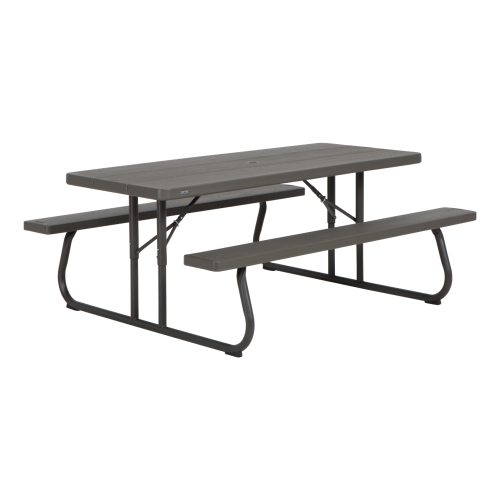 Your price for this item is $399.99
-
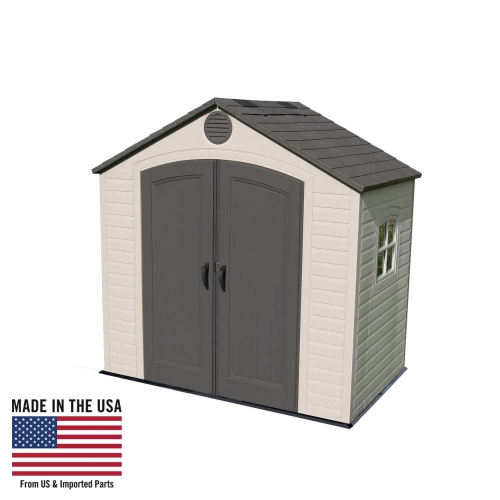 Your price for this item is $2399.99
-
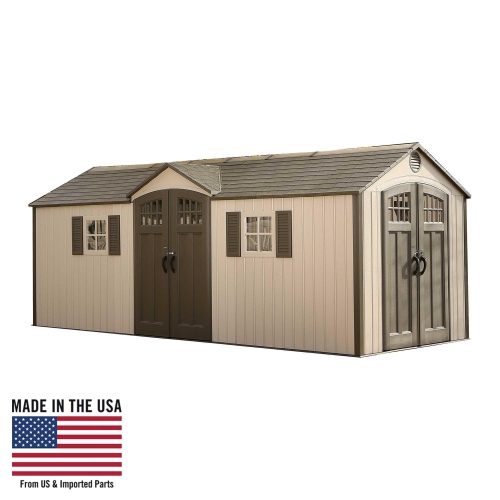 Your price for this item is $5999.99
-
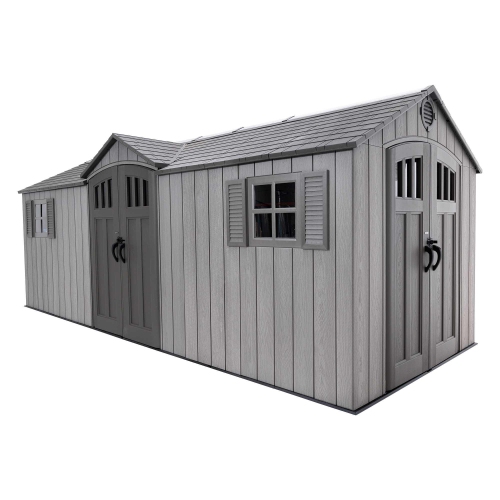 Your price for this item is $5999.99
-
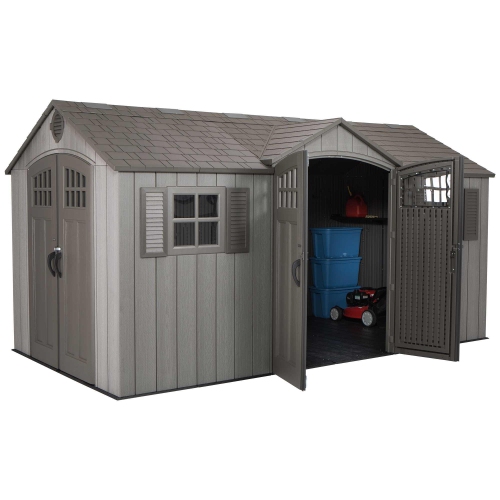 Your price for this item is $4499.99
-
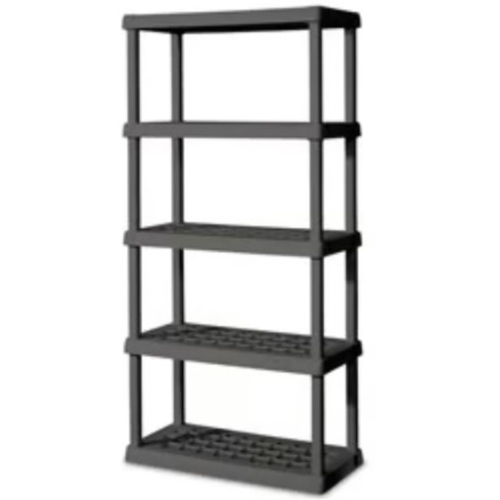 Your price for this item is $691.99
-
 Your price for this item is $399.99
-
 Your price for this item is $134.99
Discover more categories related to Office Storage Cabinets


Top Collections:
Best Black Friday Deals This Year, Best Black Friday Deals On Electronics, Kindle Devices, Pokemon Centers, Best Black Friday Deals On Apple Products, Best Cameras for Sports Photography, Dyson Airwrap, Pokémon 30th Celebration Cards, Apple iPhone 17 Pro, Canon G7X Cameras
Some products may be subject to Environmental Handling Fees
(EHF) depending on your province.
Learn more about EHFs.