Metal Table Frames
Looking to add a touch of modern elegance to your space? Our tables with metal frames are the perfect solution. Crafted with precision and durability in mind, these versatile frames offer a sleek and contemporary look that complements any style of decor. Whether you're revamping your dining area, creating a stylish workspace, or simply looking for a sturdy base for your tabletop, our tables with metal frames provide the stability and aesthetic appeal you need.
Sort


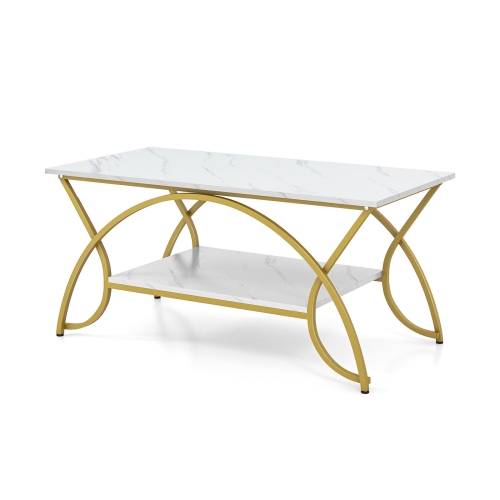

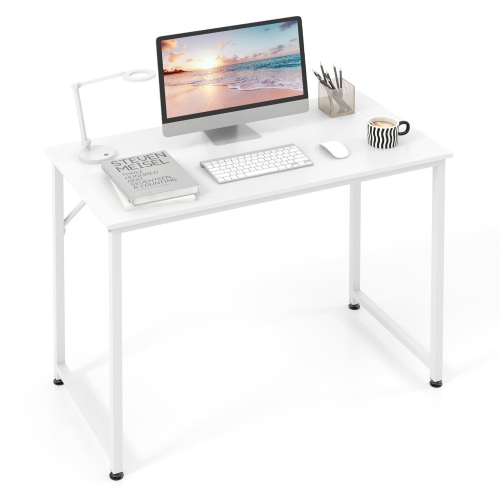

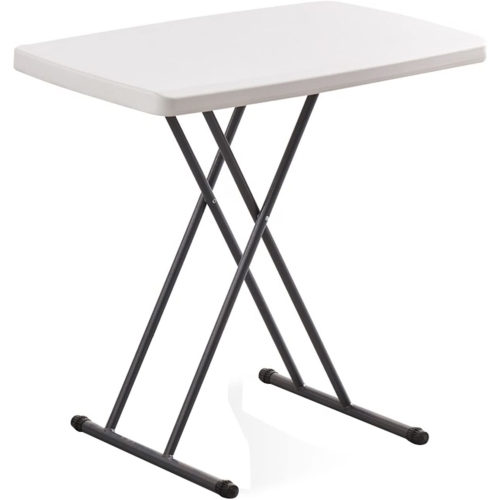


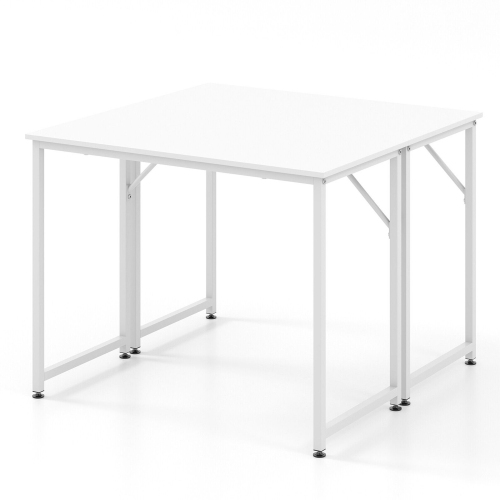
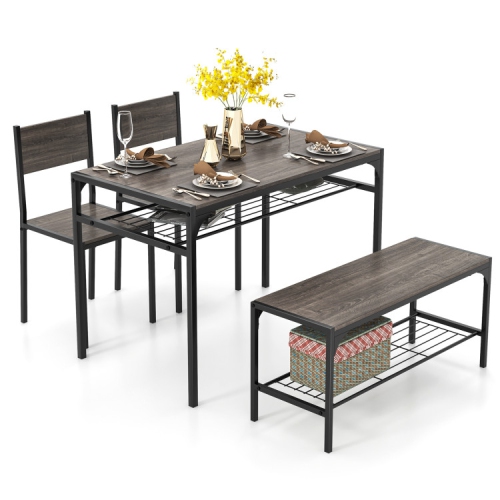


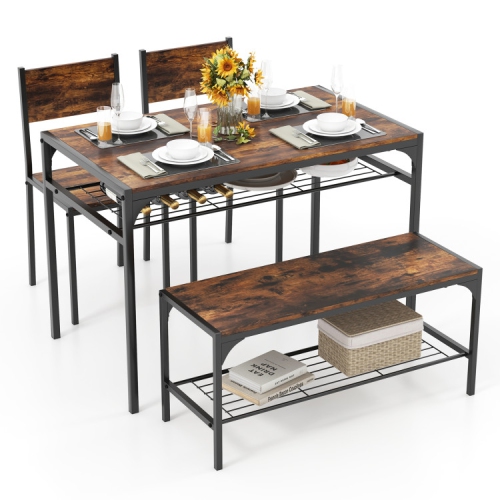
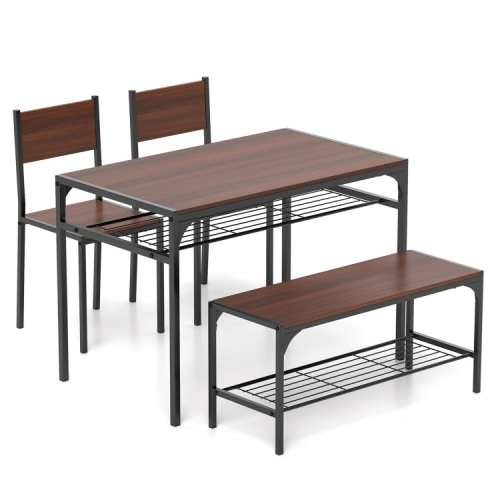
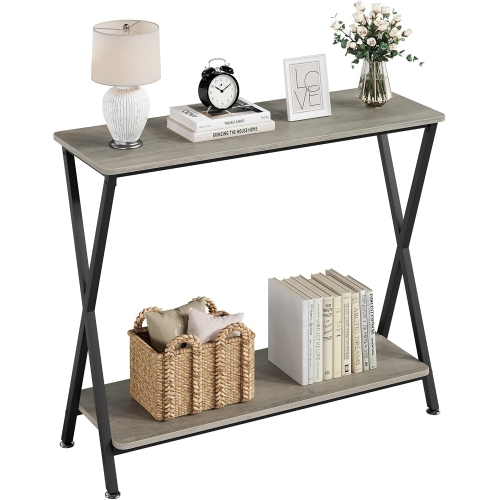


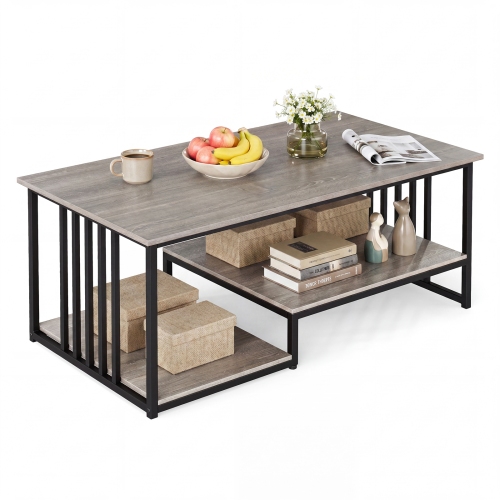

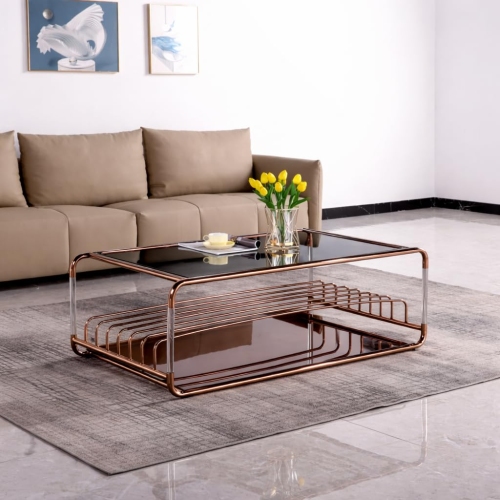


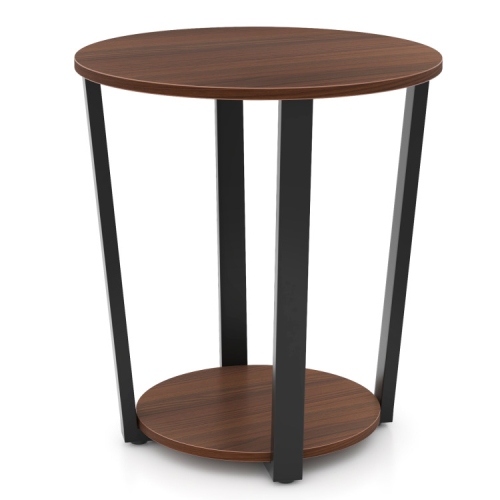


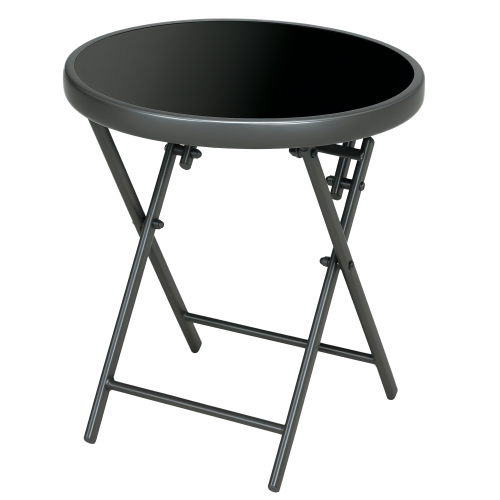
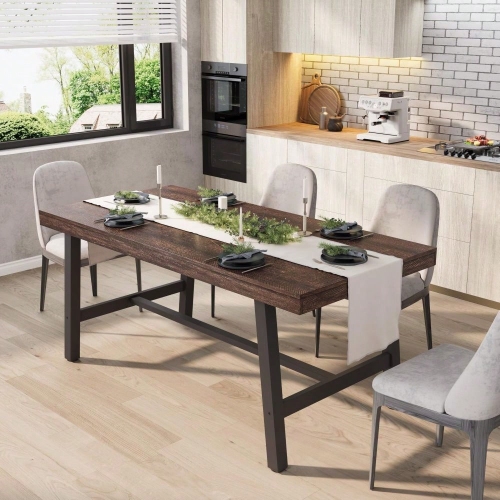

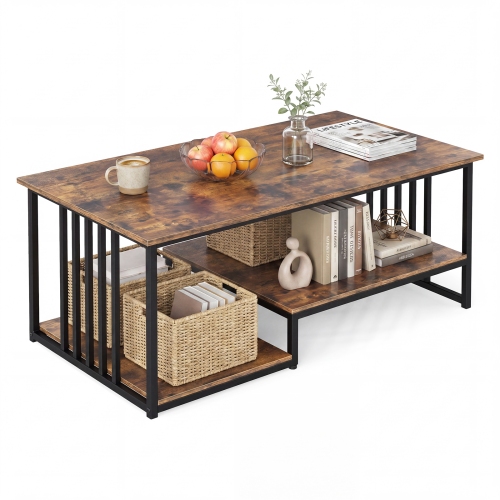
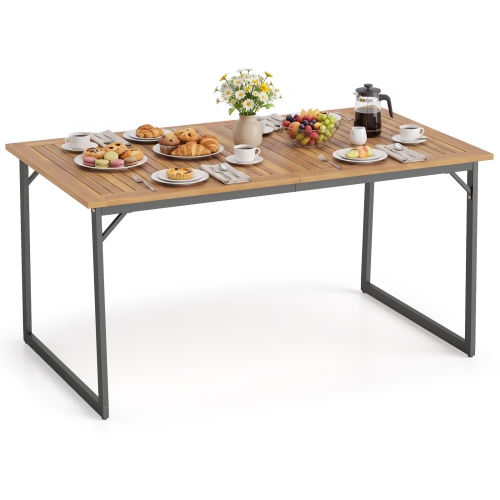


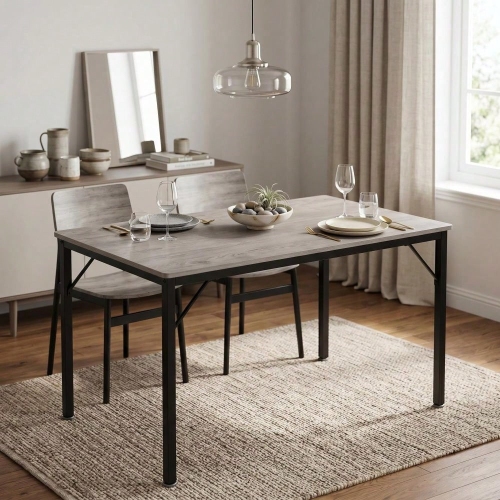


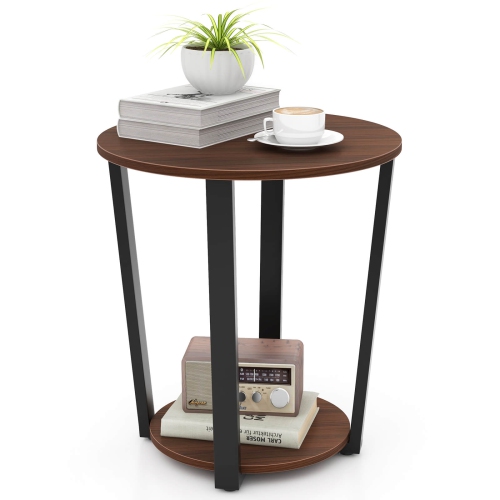


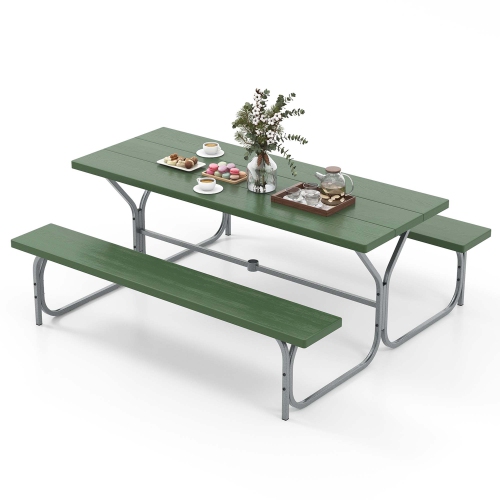

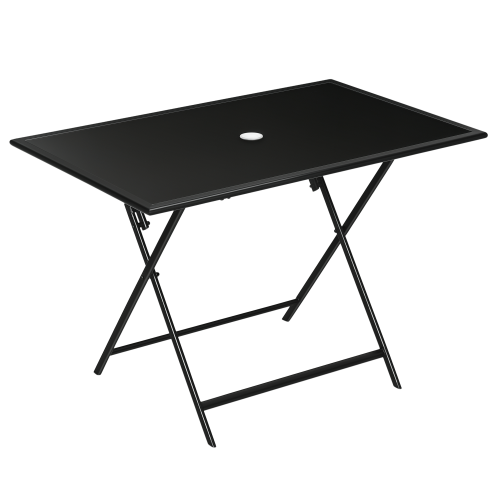

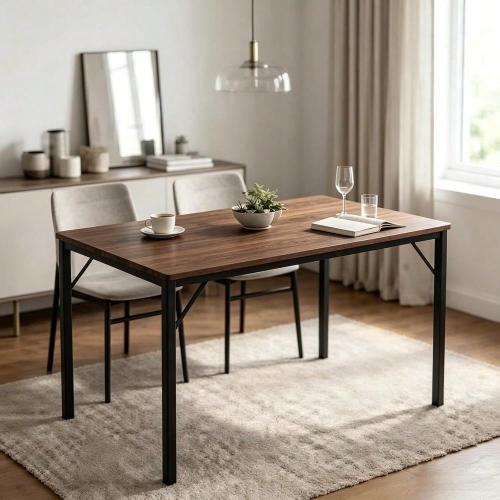
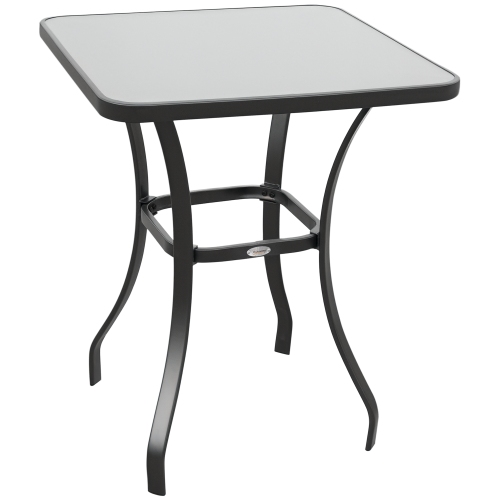

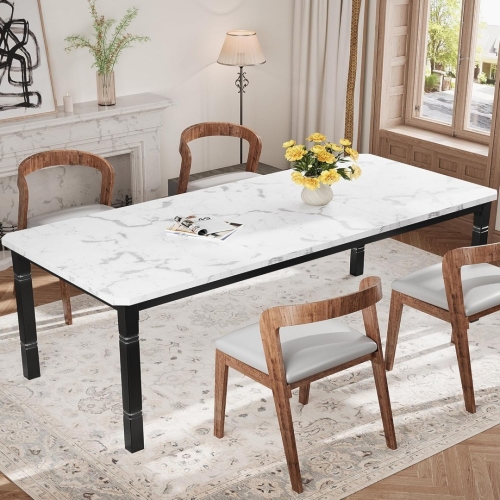
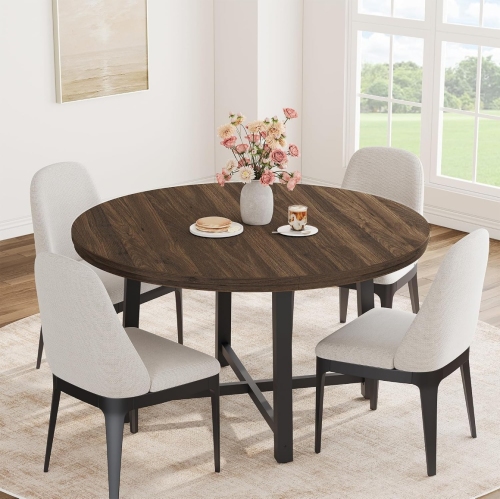
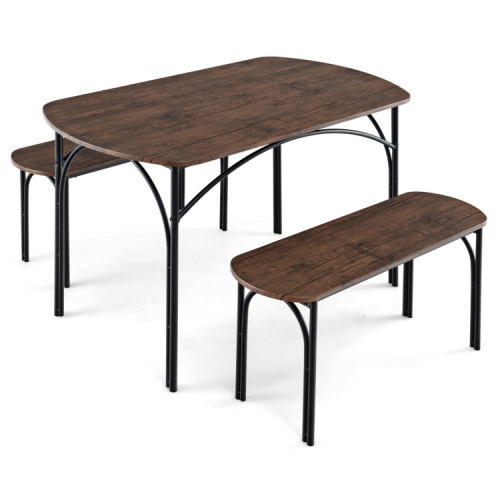


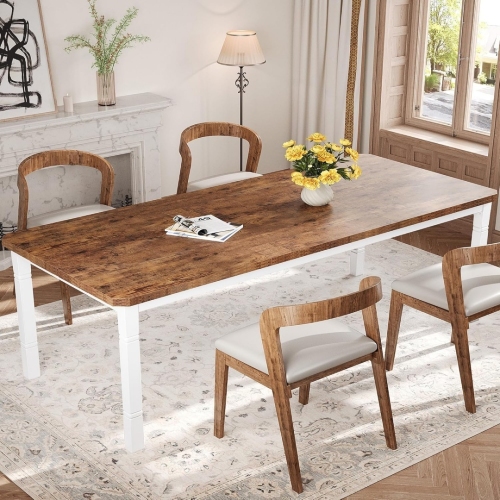


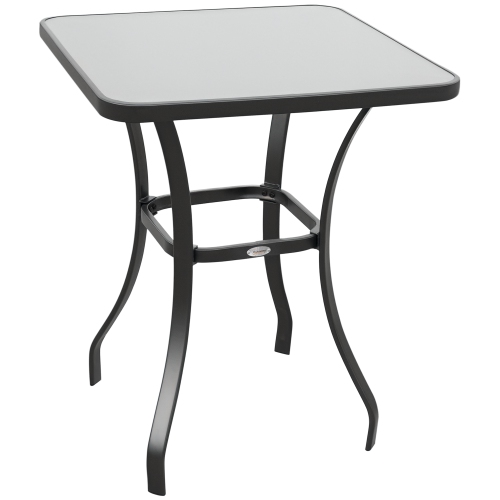


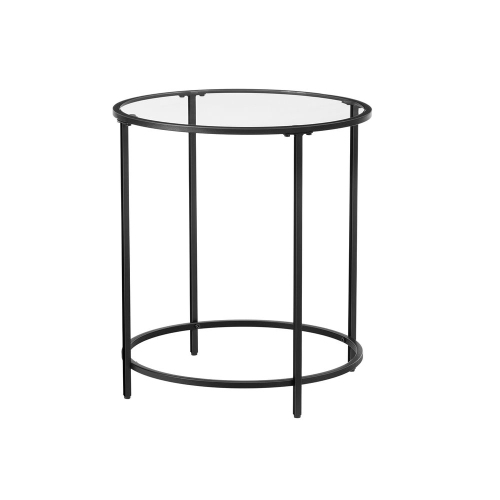
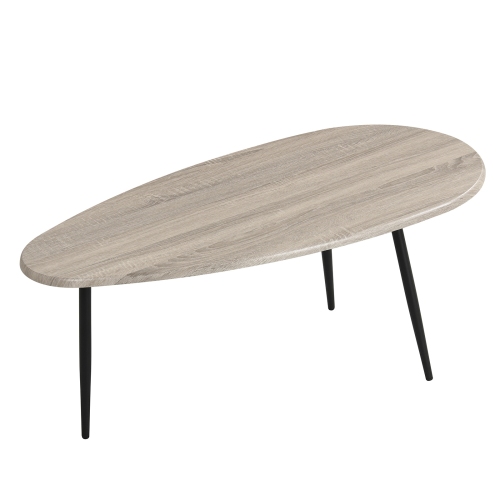
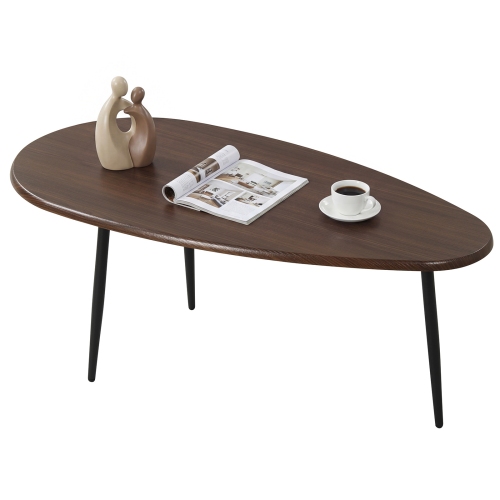
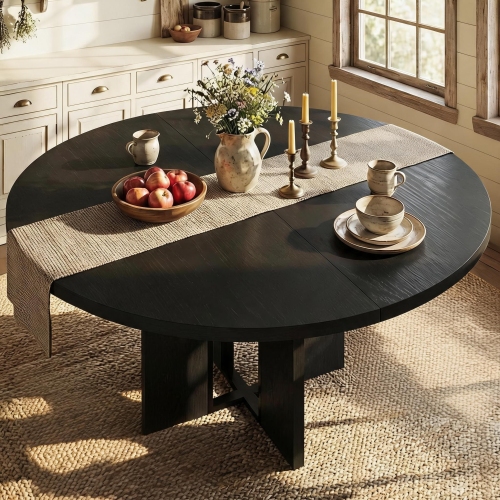

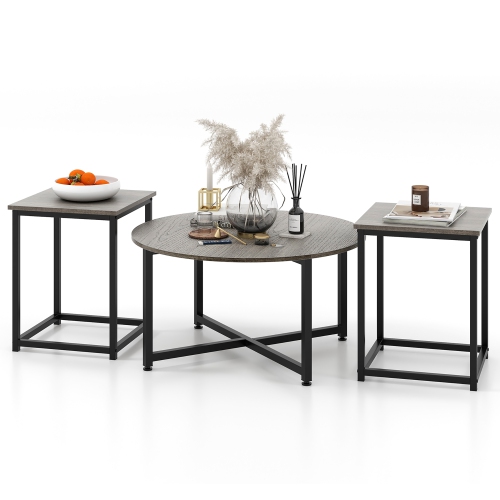


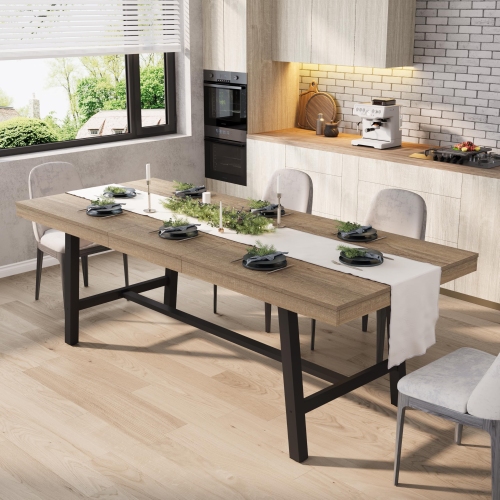
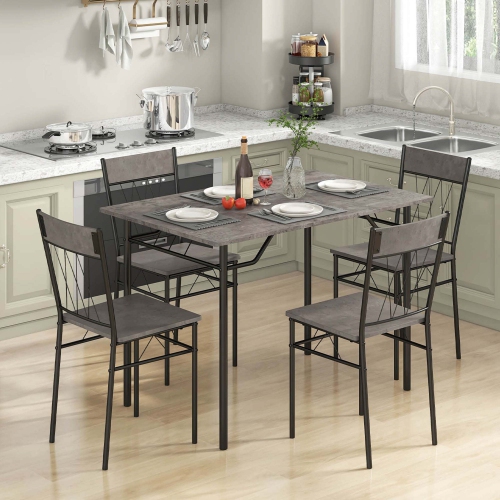


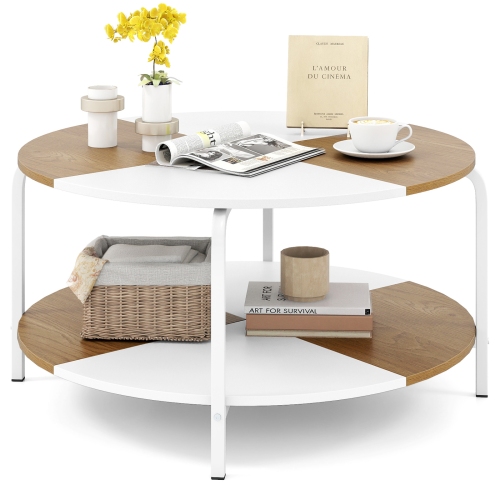
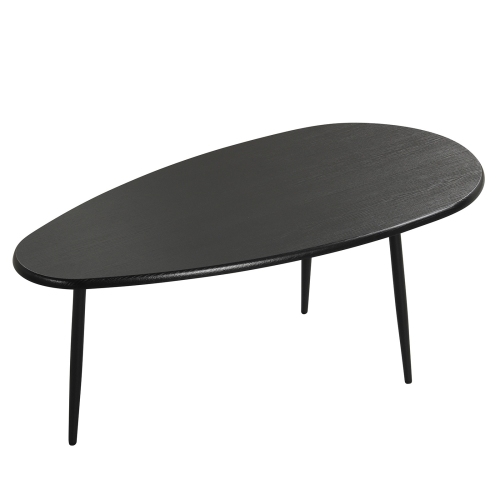
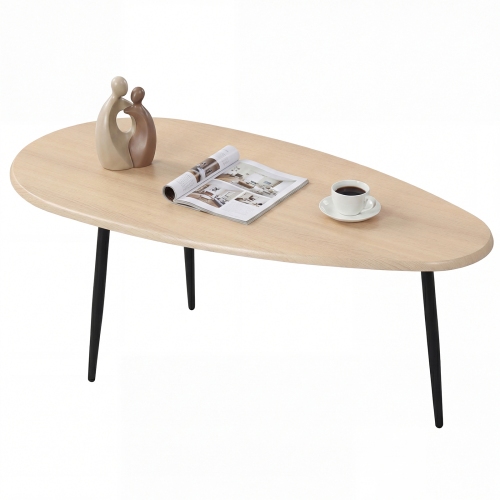

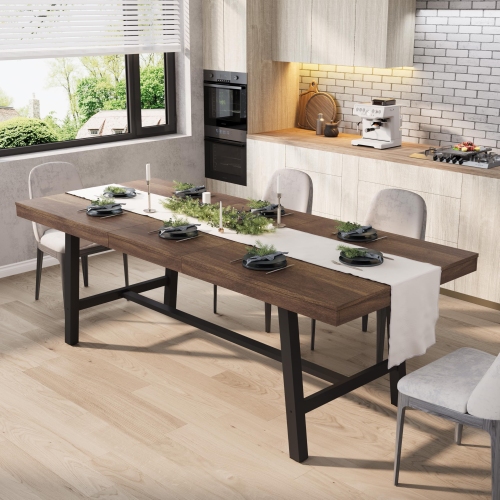
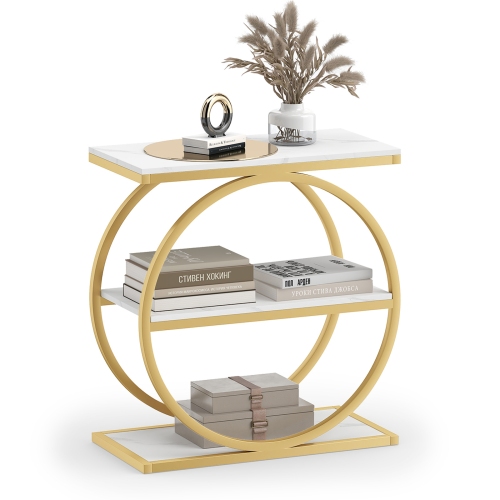


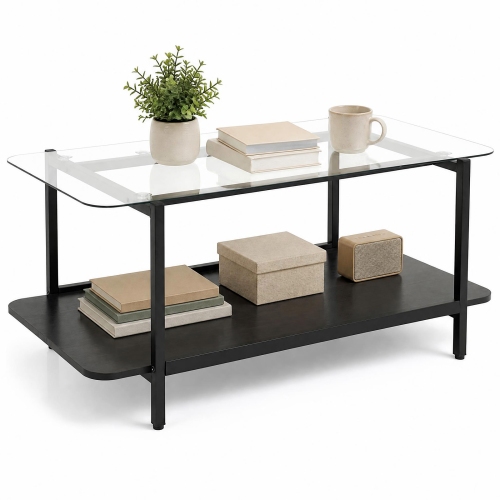
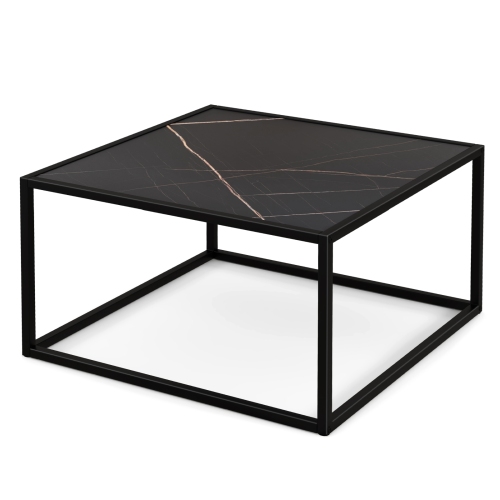
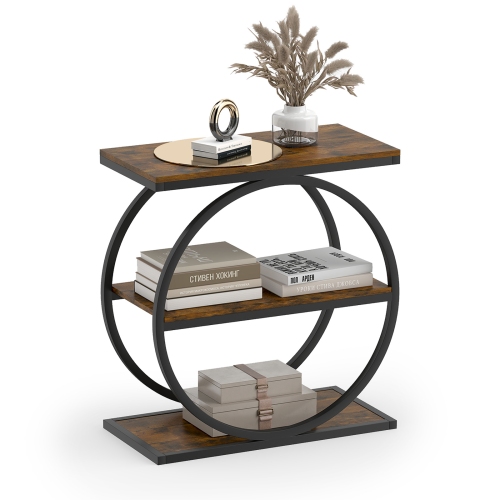


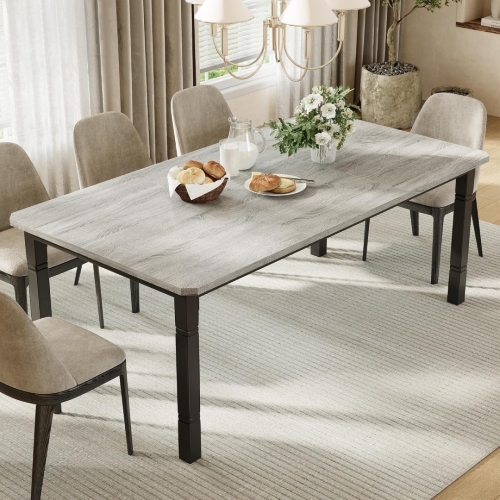


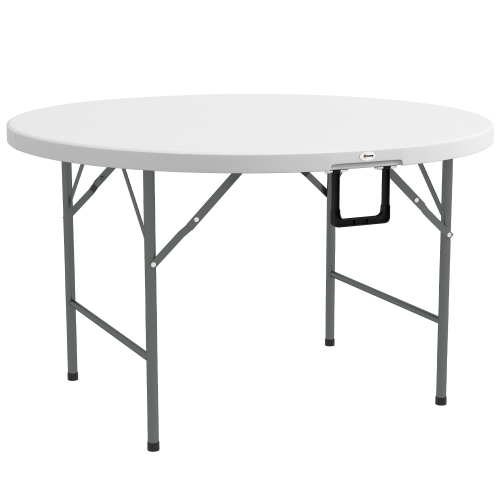
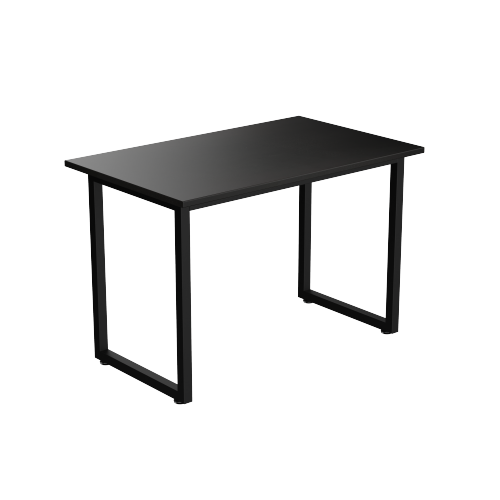
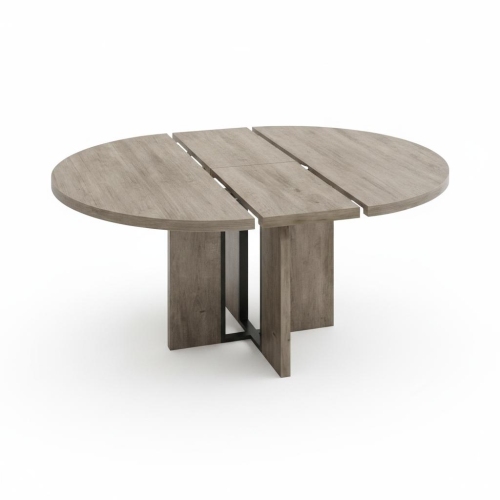


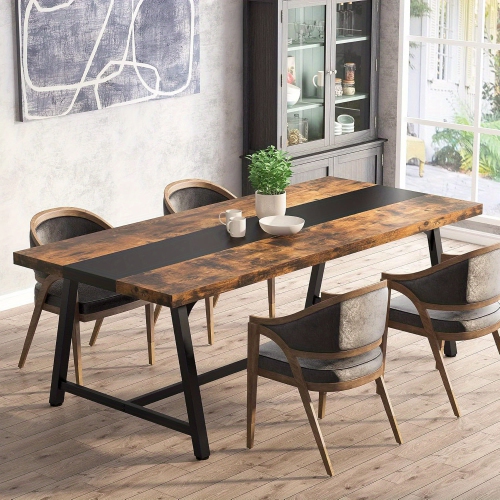


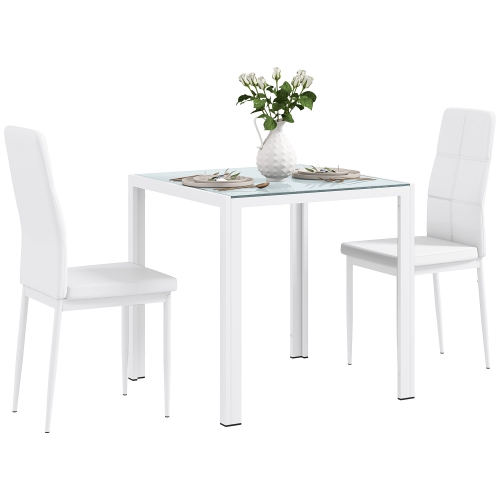
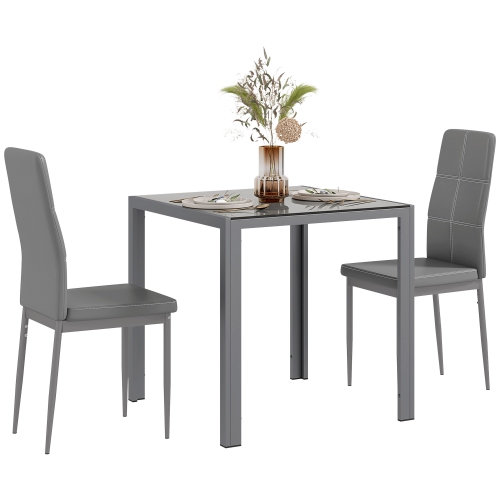
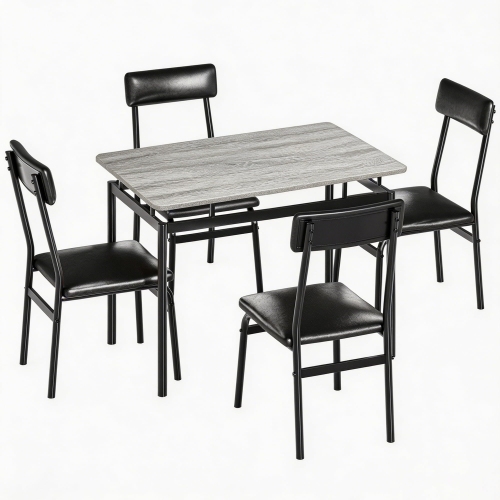

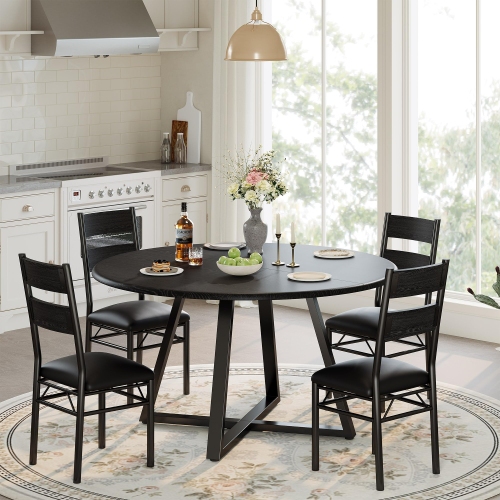

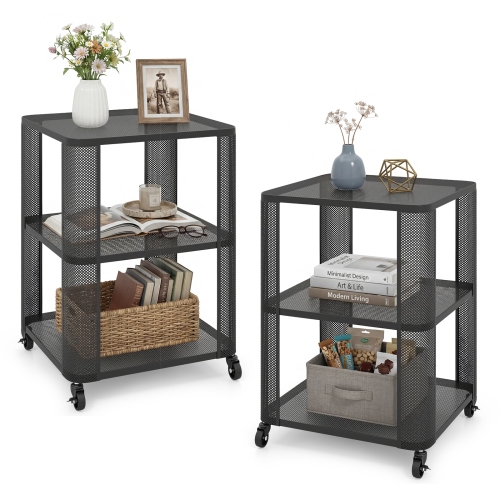

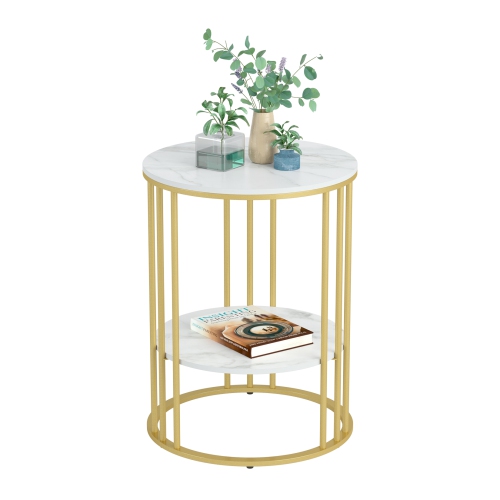


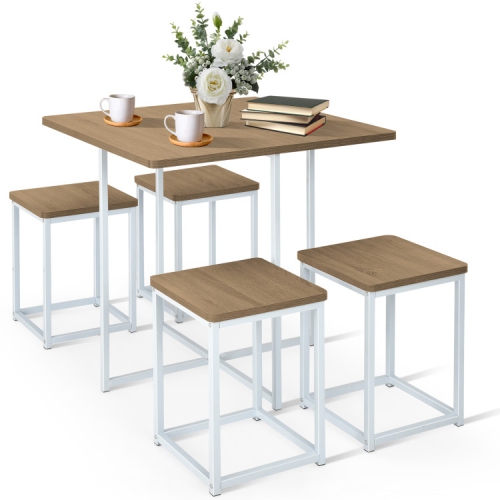
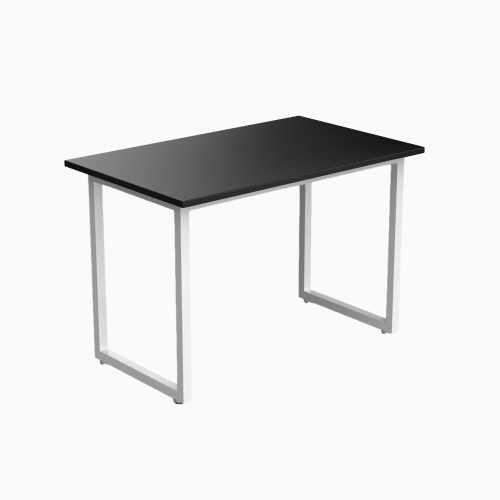


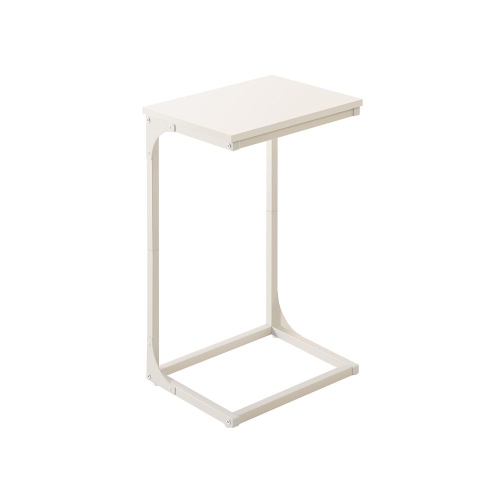
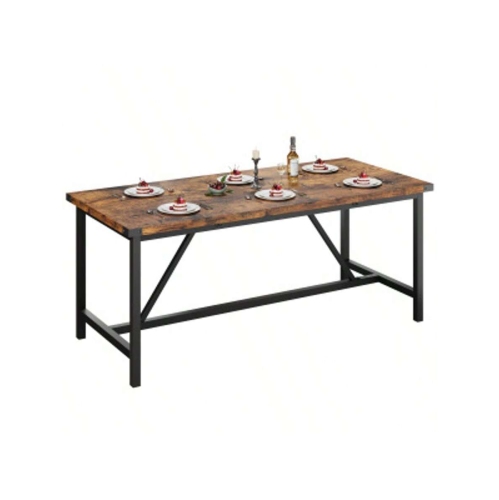
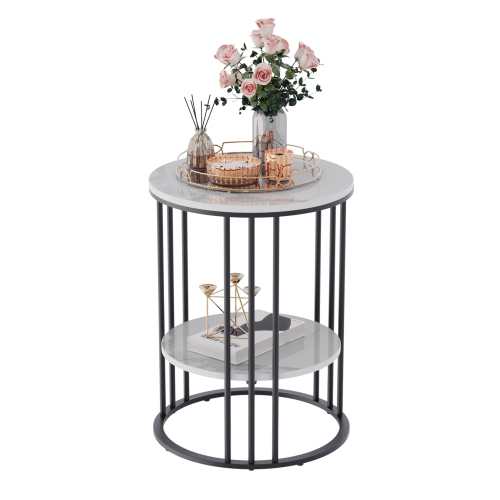
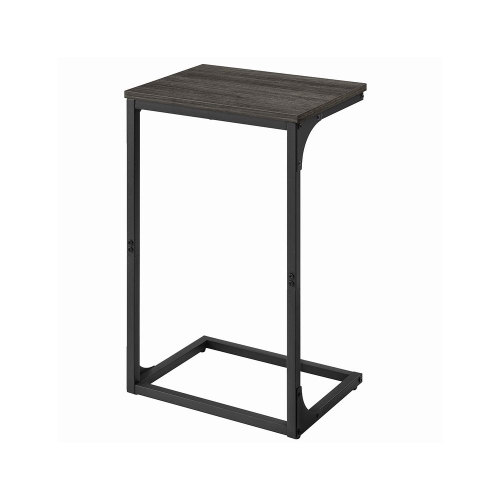


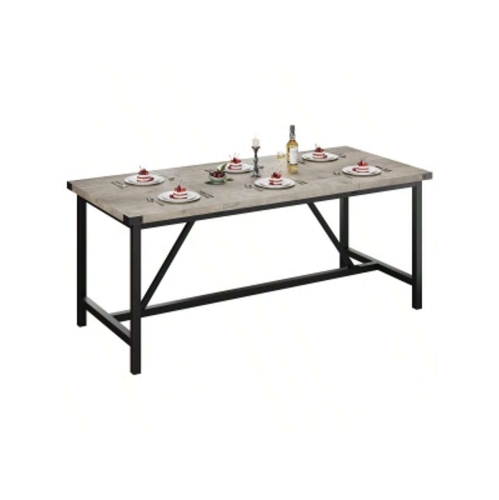
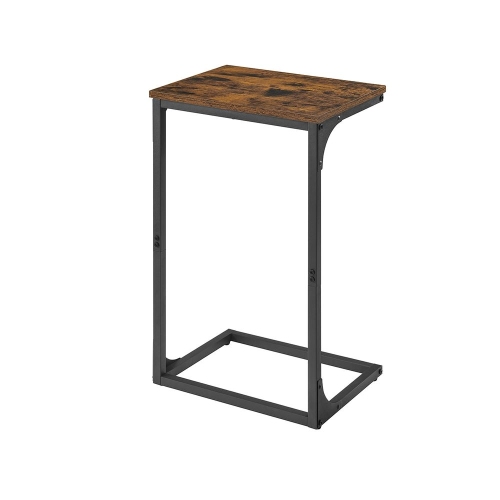


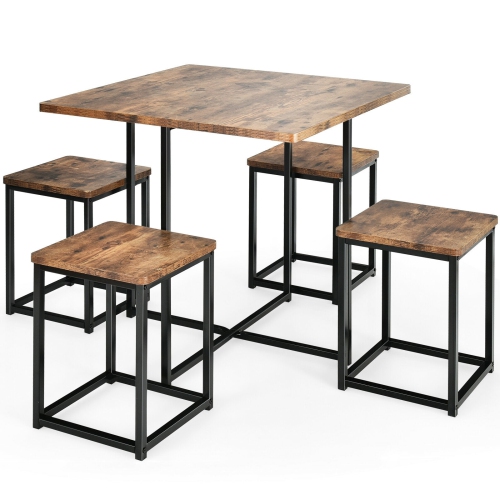
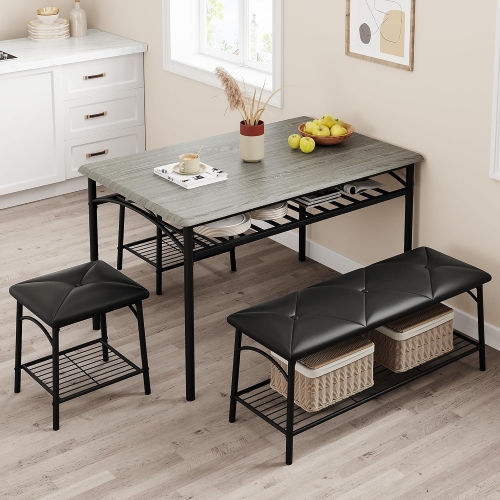

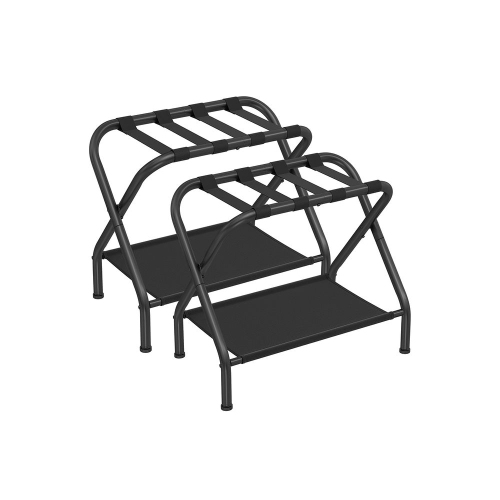

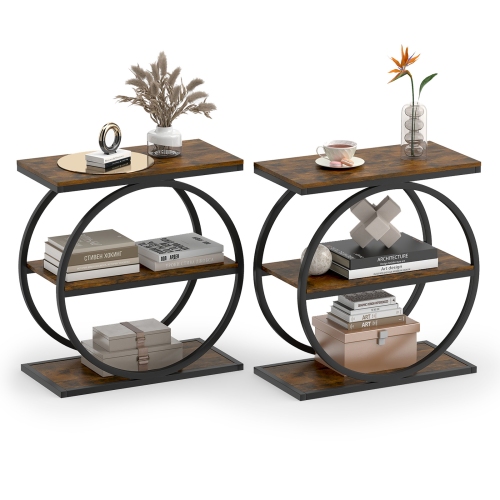


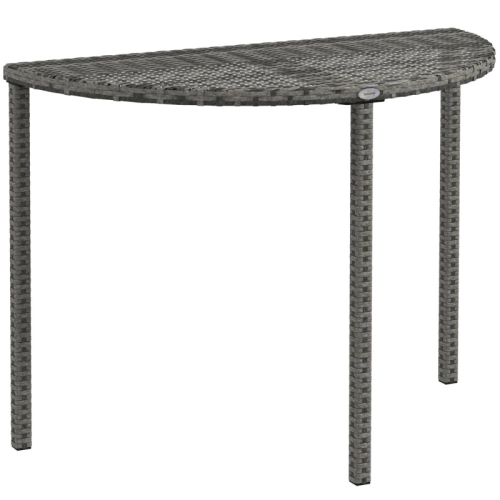

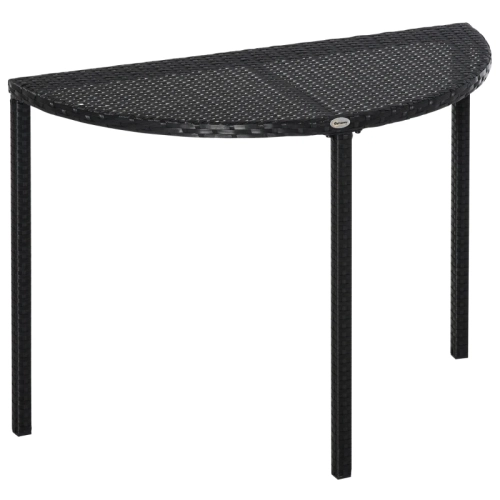
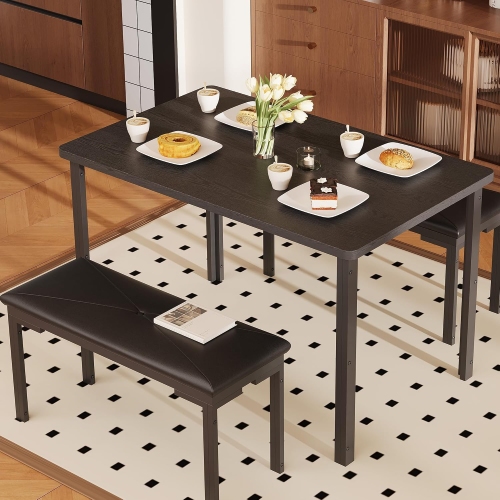
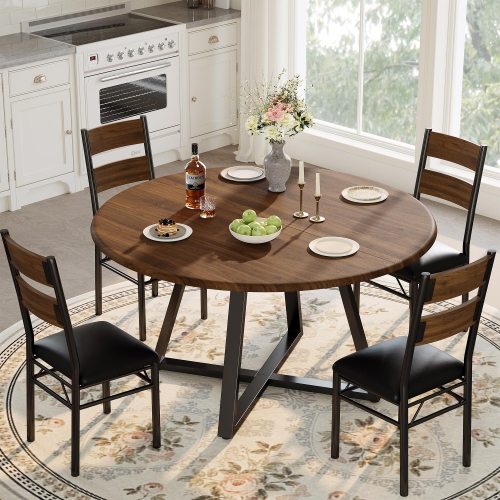


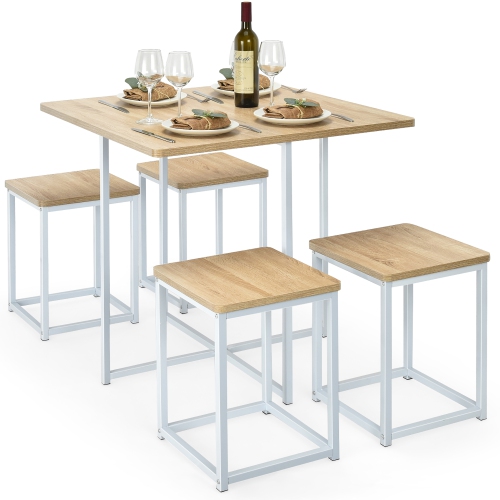
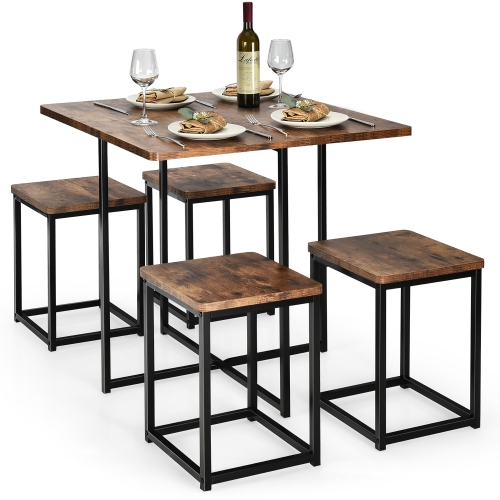
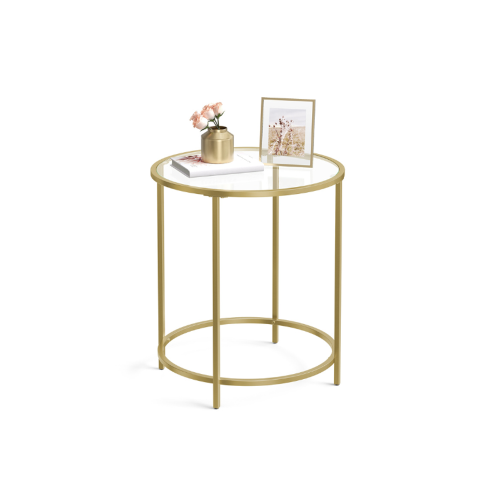


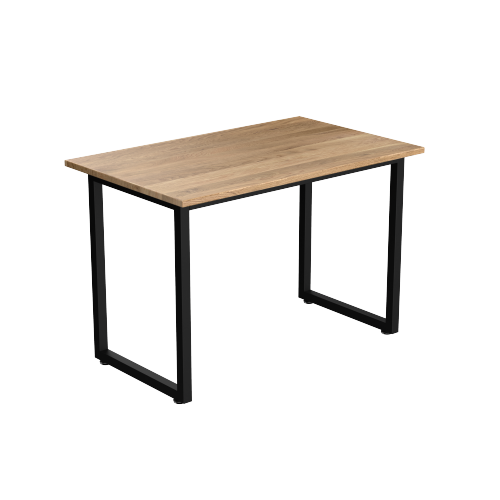


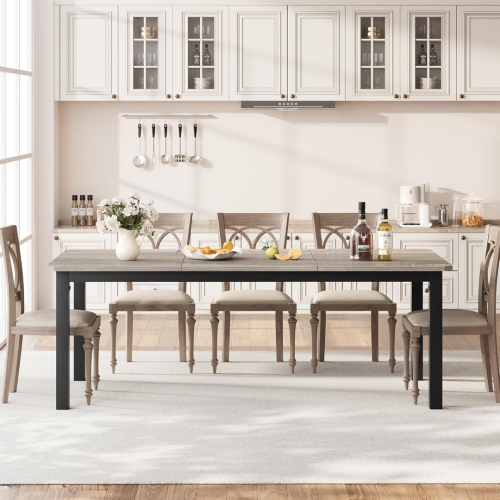


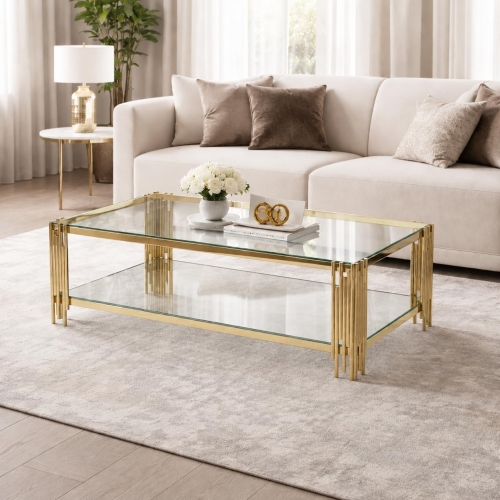
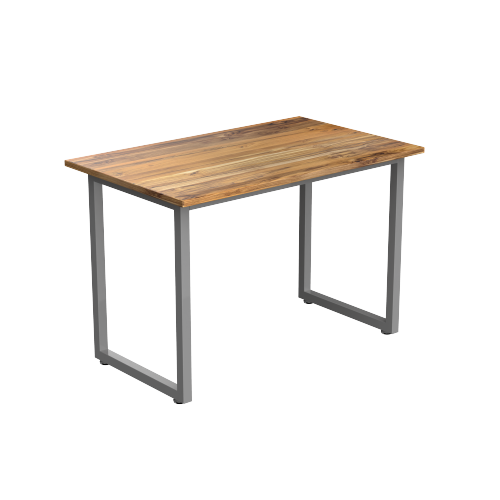
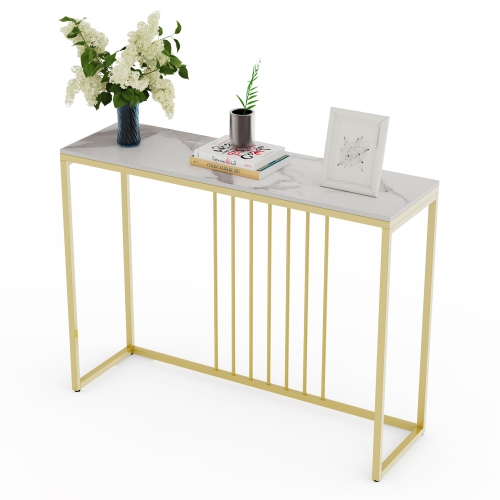


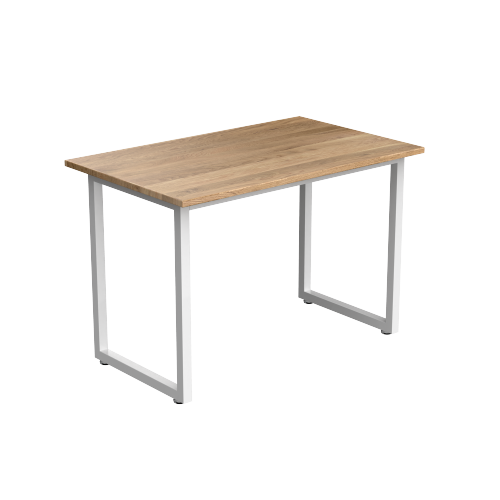

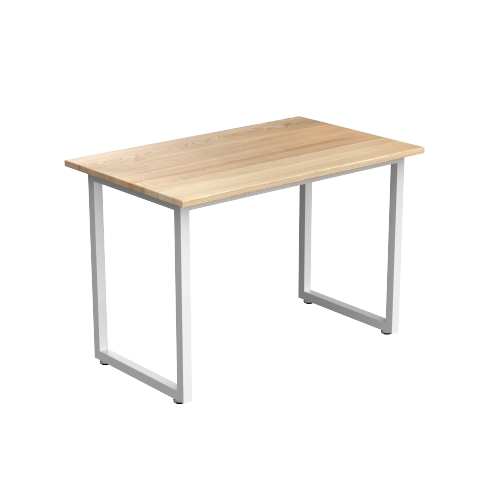

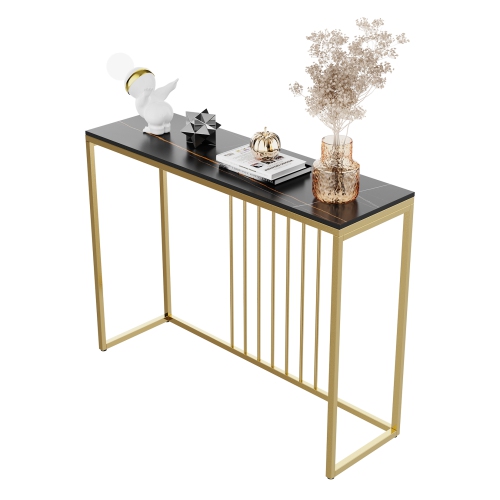
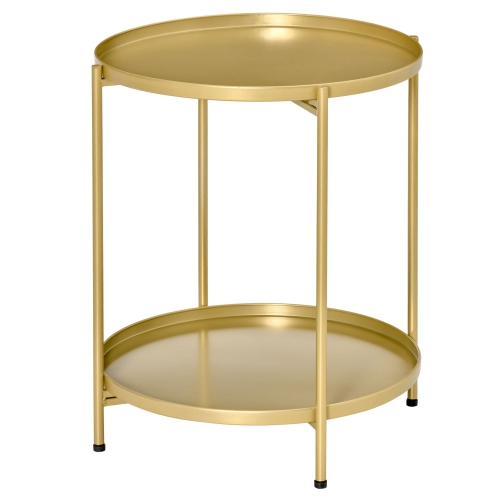
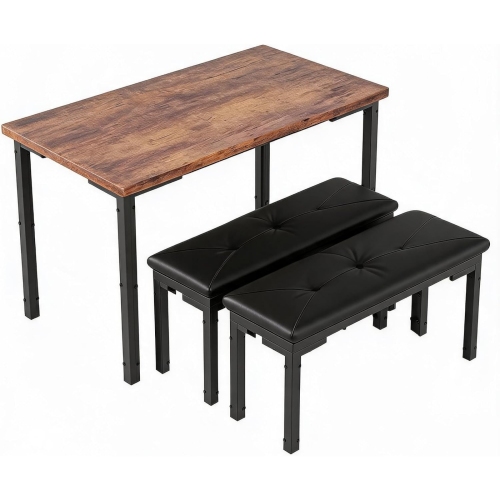
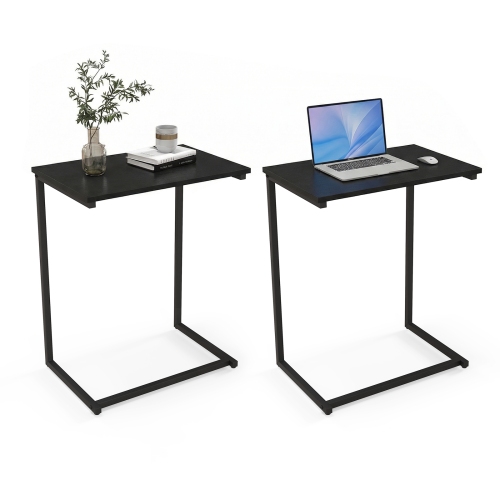


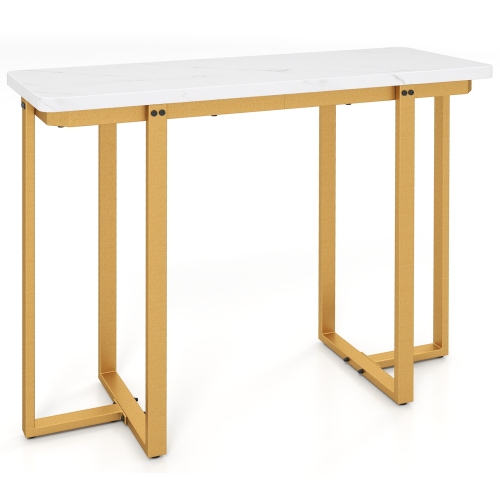
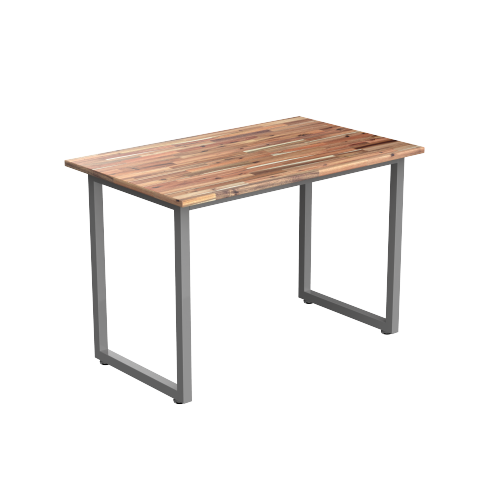


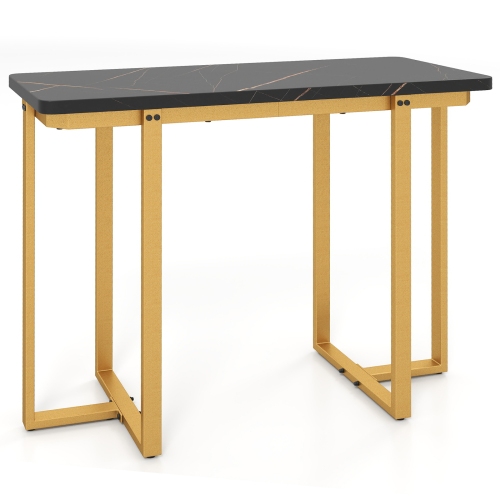
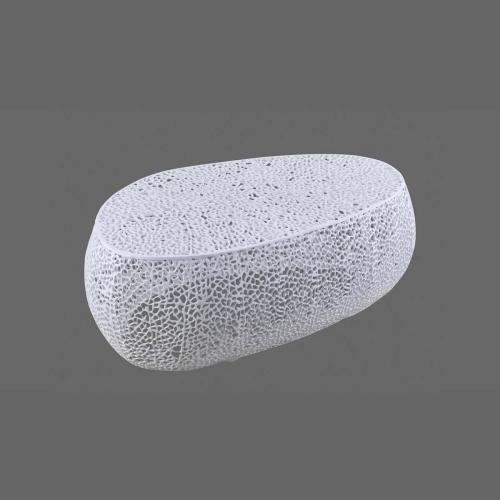
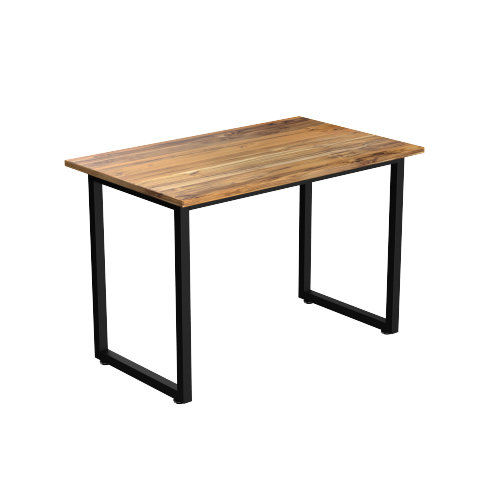
A table’s base shapes its look and everyday comfort
Metal table frames provide the supporting structure beneath a tabletop, combining a functional base with a visible part of the furniture’s design. They can be used to build a table around a new surface, replace an existing base, or give a well-loved tabletop a different look. Common materials include steel, aluminium, and cast iron, each with its own weight, appearance, and construction characteristics. Steel is widely used for welded bases and tubular frames, while aluminium can offer a lighter structure that is easier to reposition. Cast iron is often associated with substantial pedestal bases and traditional detailing. Among these options, Steel Table Frames work with a broad range of tabletop styles, from solid wood dining surfaces to laminate desktops. The frame’s shape has as much influence on the finished table as its material. Rectangular legs create clean outlines, angled supports introduce a more architectural feel, and cross-braced bases add a prominent design feature beneath the surface. A slim black frame can make a pale wood top appear to float, while a broad metal pedestal gives a round table a more grounded presence. Finishes also affect how easily a base fits into a room. Matte surfaces tend to look understated, polished metal reflects surrounding colours, and textured coatings add visual depth. The relationship between the frame and nearby furnishings matters more than matching every metal finish exactly. A dark base can connect visually with cabinet handles, shelving, or a light fixture without making the room feel overly coordinated. For a dining area, home office, craft space, or compact kitchen, metal table frames offer a way to shape furniture around an existing room rather than arranging the room around a complete table. Their open construction can also leave more of the floor visible, although the actual footprint and position of the supports determine how much usable space remains underneath.
Fit begins with the tabletop, but it extends well beyond matching its length and width. A frame needs to support the surface at suitable points without leaving an excessive unsupported span or an overhang that makes the finished table unstable. A long dining top may need a connecting structure between its supports, whereas a smaller top may work with a compact central base designed for that shape and size. The tabletop material matters, too. Solid wood, engineered wood, glass, and stone have different attachment and support requirements; a base intended for a screw-mounted wooden top is not automatically suitable for glass or a heavy stone slab. Glass and stone surfaces may require dedicated mounting plates, pads, reinforcement, or specialist installation. For solid wood, attachment methods that accommodate natural movement across the grain can help prevent splitting or distortion. Finished height is another practical detail: the frame height and tabletop thickness together determine where the working surface sits. A thick butcher-block top can noticeably change the height of a desk or dining table, especially when paired with chairs that have fixed seats or armrests. Knee room deserves equal attention. A crossbar that looks neatly tucked away in a photograph may sit where someone wants to stretch their legs, and an inward-sloping support may reduce space for a chair at the end of the table. Pedestal bases can free up the corners, but their floor plates still need to leave comfortable room for feet. For a desk, the underside may also need clearance for a chair, cable tray, or drawer unit. Weight capacity should be assessed using the stated rating for the particular frame, including any conditions attached to that rating. The load includes the tabletop itself as well as everything placed on it, and an evenly distributed load is different from a heavy object concentrated near one edge. Metal alone does not guarantee strength: tube dimensions, wall thickness, joints, bracing, mounting hardware, and assembly all contribute to the stability of the finished table.
Everyday use brings the smaller construction details into focus. A dining table needs to feel steady when someone cuts food or rests their forearms on the edge; a desk should remain comfortable to work at while typing or writing. Well-fitted connections and an appropriate frame-to-top pairing help limit unwanted movement, while adjustable feet can help a base sit evenly on a slightly uneven floor. Levelling feet cannot correct a poorly supported tabletop or loose assembly, but they can make a useful difference when the frame itself is sound. Floor protection is worth considering before the table is put into place. Suitable glides or pads help separate metal feet from finished flooring, and their condition should be checked periodically because trapped grit can leave marks. Assembly is usually easier with the tabletop protected on a clean, padded surface and the frame positioned carefully before fastening. Hardware must suit both the mounting plate and the tabletop thickness; screws that are too long can damage the upper surface, while unsuitable fasteners may not hold securely. Once assembled, a heavy table is best lifted with appropriate help rather than dragged by one end, which can strain connections and damage flooring. Care depends on the finish, but routine cleaning generally starts with a soft cloth and prompt removal of spills, followed by drying. Abrasive pads and harsh cleaners can scratch coatings or alter polished surfaces, so finish-specific care directions remain important. Painted and powder-coated frames benefit from occasional checks around feet, joints, and mounting points, where chips or wear may expose the metal beneath. These practical details are particularly relevant for households refreshing a dining space, people setting up a home workspace, and furniture builders working with a favourite tabletop. A well-proportioned metal frame supports not only the surface above it, but also the routines around it: pulling up a chair, spreading out paperwork, sharing a meal, or clearing space for a hands-on project.
Top selling and popular products
-
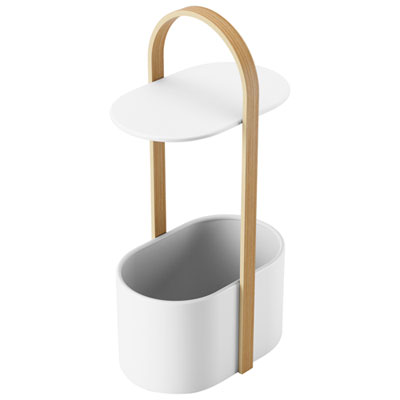 Your price for this item is $69.98
-
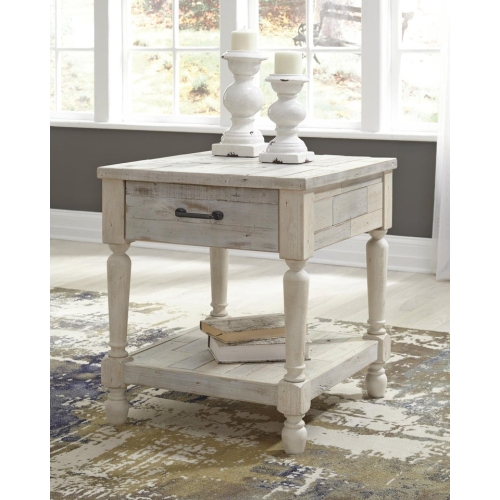 Your price for this item is $179
-
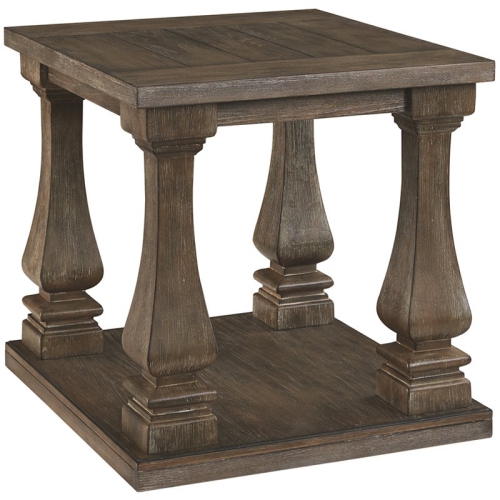 Your price for this item is $375
-
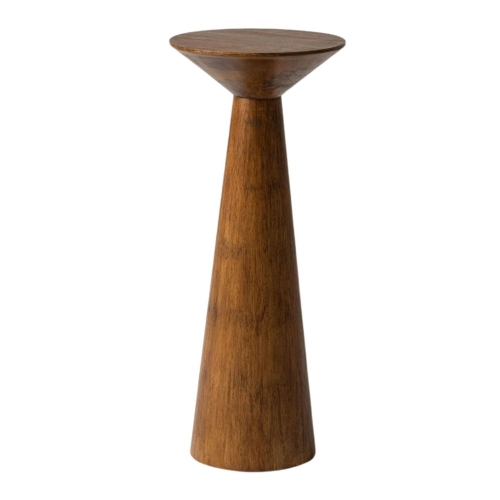 Your price for this item is $183.99
-
 Your price for this item is $199
-
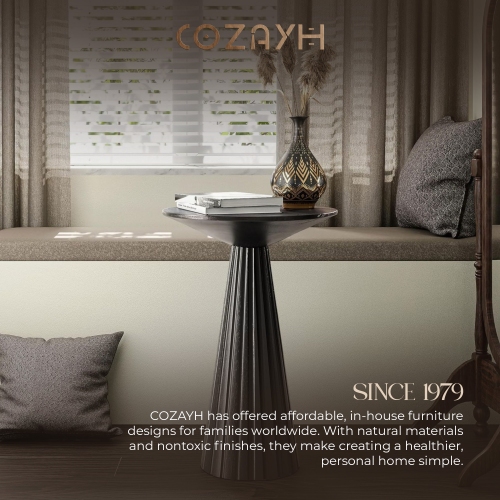 Your price for this item is $211.99
-
 Your price for this item is $233.99
-
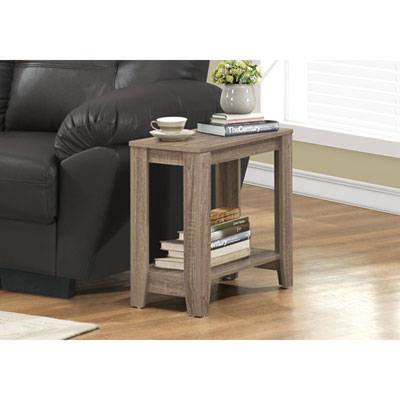 Your price for this item is $121.99
Discover more categories related to Metal Table Frames
Top Collections:
Best Black Friday Deals This Year, Best Black Friday Deals On Electronics, Kindle Devices, Pokemon Centers, Best Black Friday Deals On Apple Products, Best Cameras for Sports Photography, Dyson Airwrap, Pokémon 30th Celebration Cards, Apple iPhone 17 Pro, Canon G7X Cameras
Some products may be subject to Environmental Handling Fees
(EHF) depending on your province.
Learn more about EHFs.