Mid Century Accent Cabinets
Looking to add a touch of vintage charm and style to your home decor? Mid-century accent cabinet collections are the perfect solution. Whether you're looking for a statement piece for your living room, a stylish storage solution for your bedroom, or a functional addition to your hallway, mid-century accent cabinet collections offer a range of options to suit your needs and personal style. Here are some great options available.
Sort
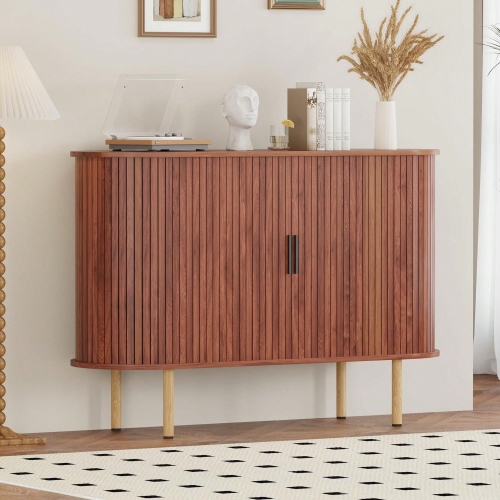
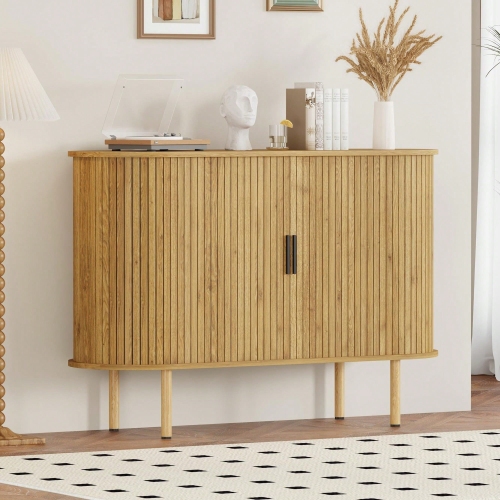
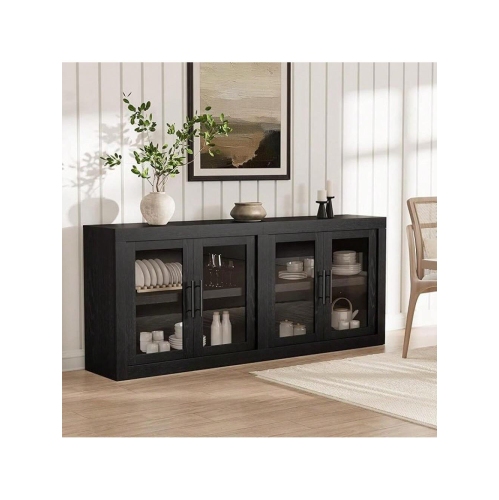
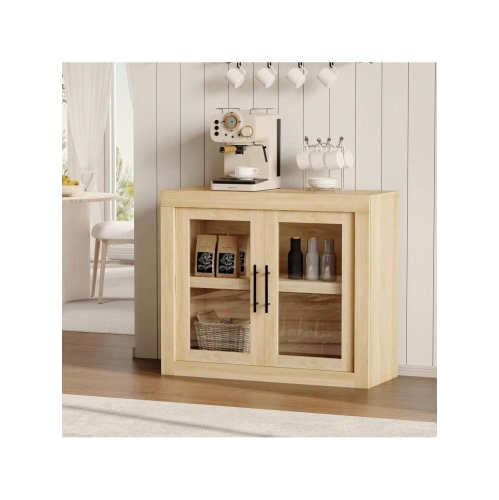
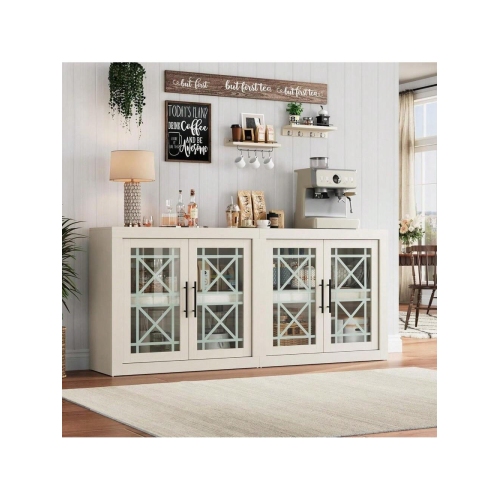


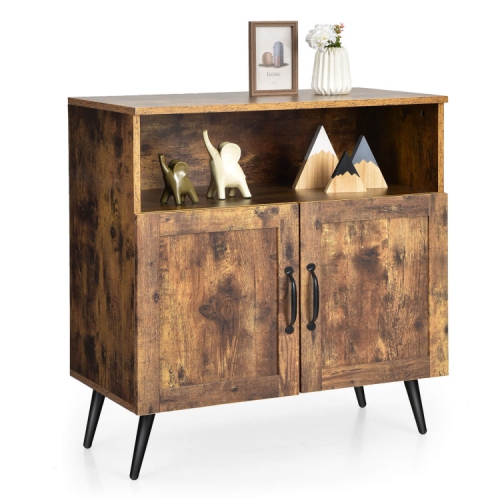

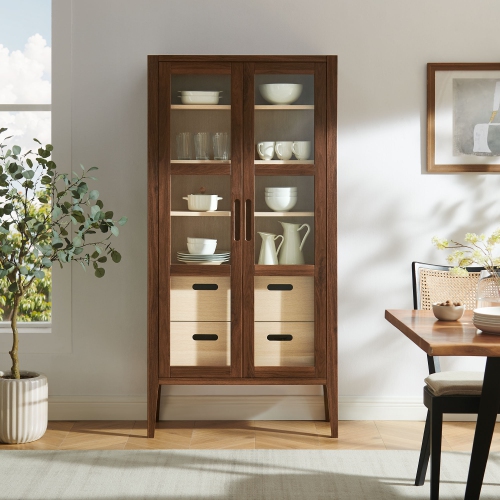

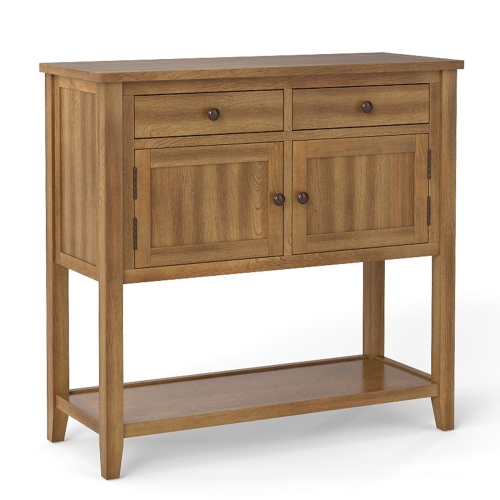


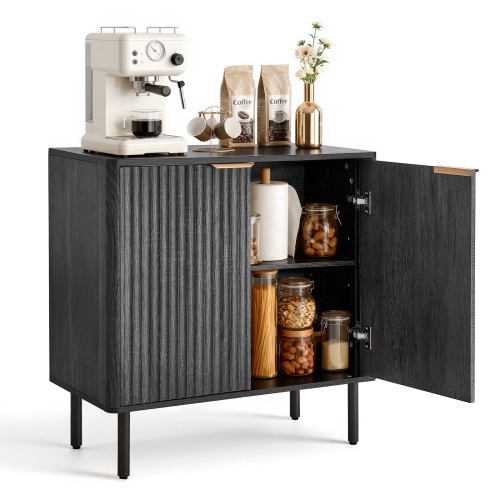
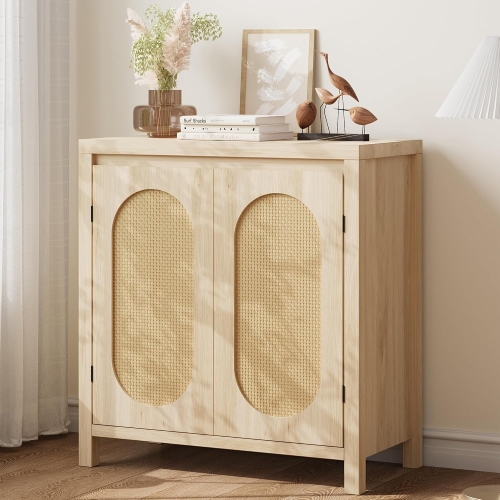

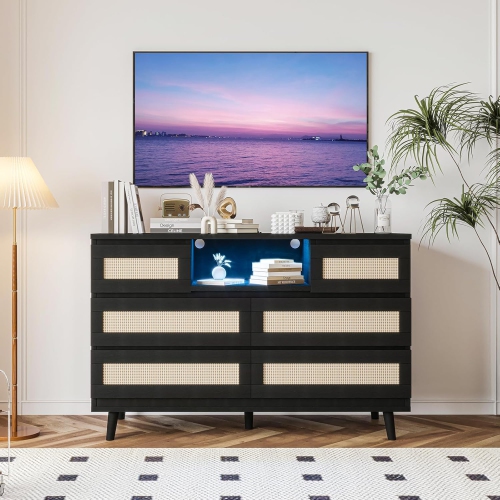
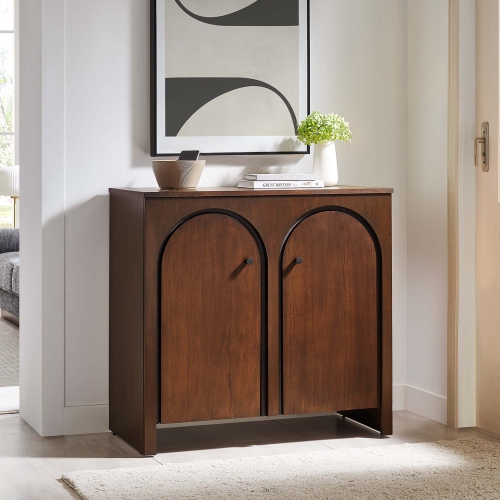

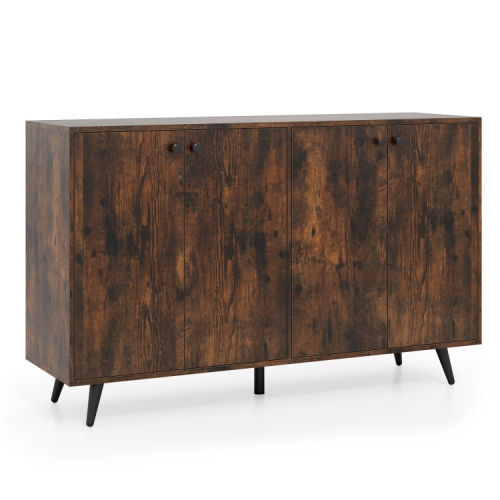
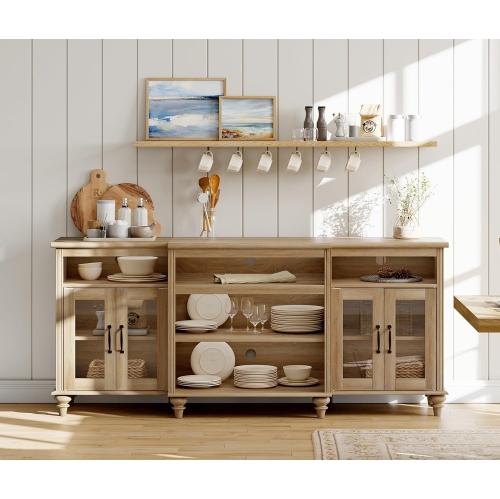
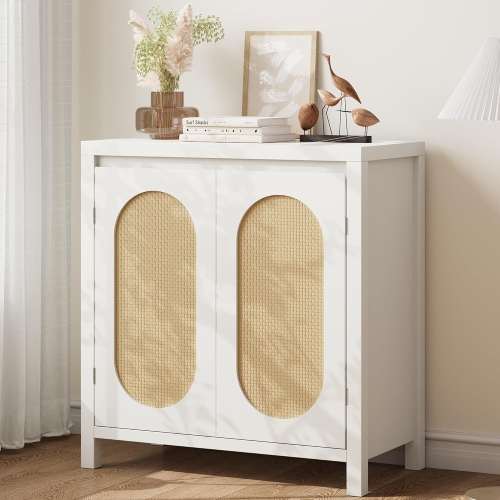


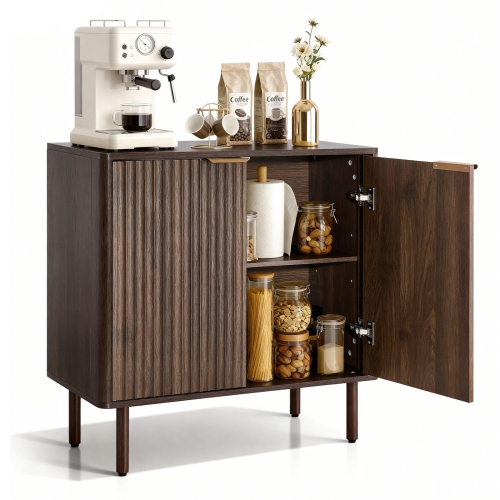

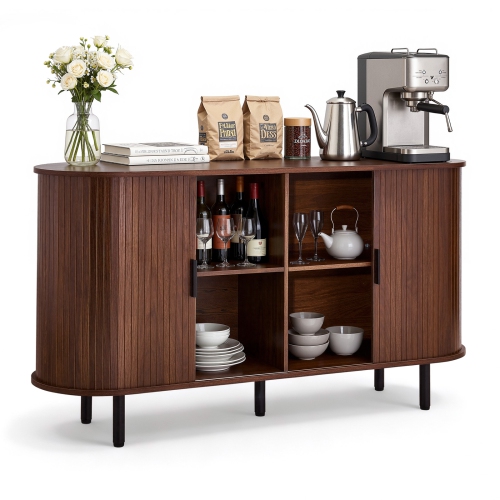


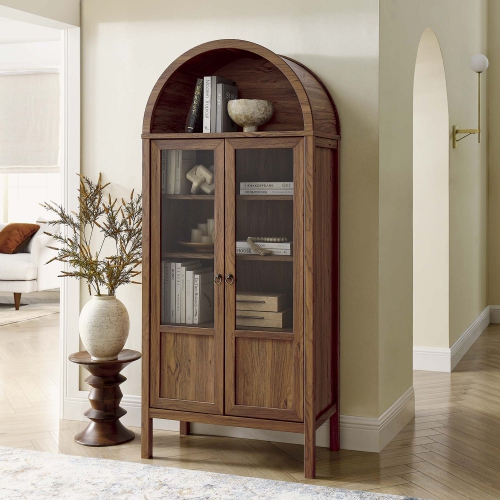
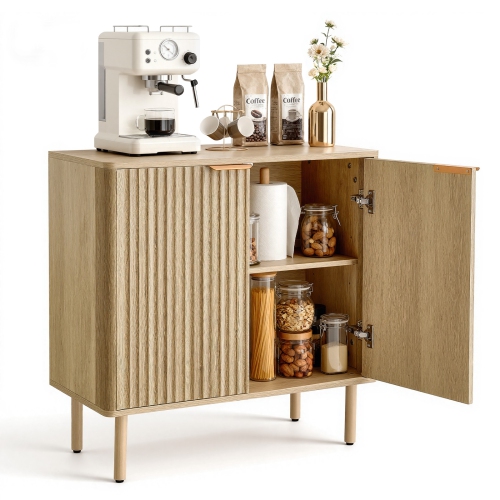
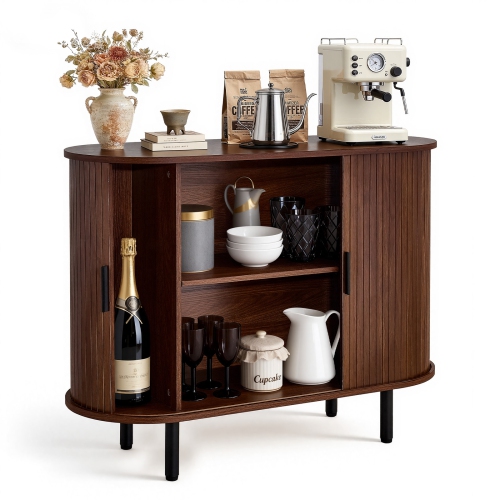


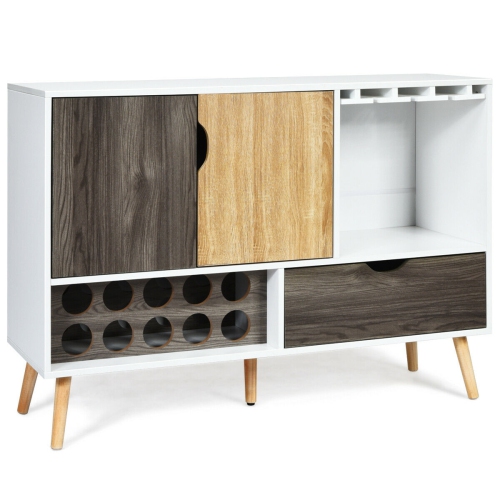


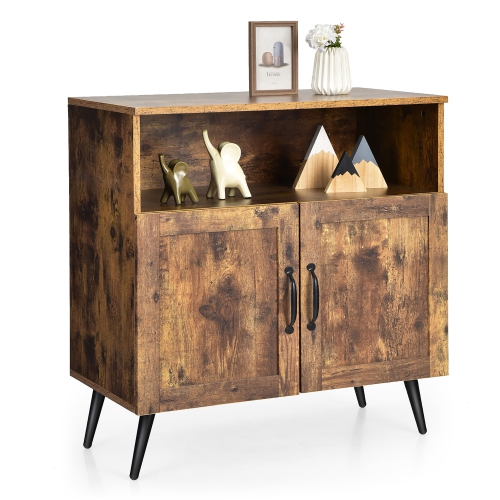
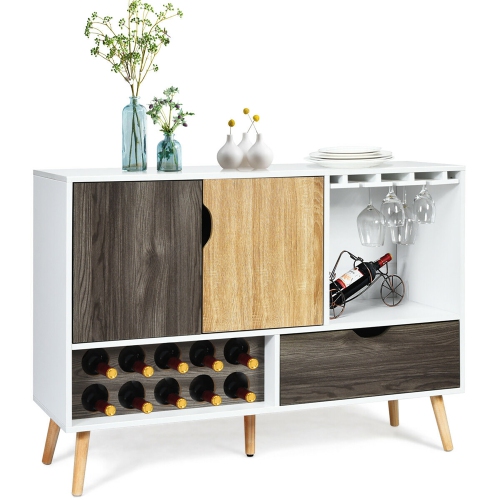
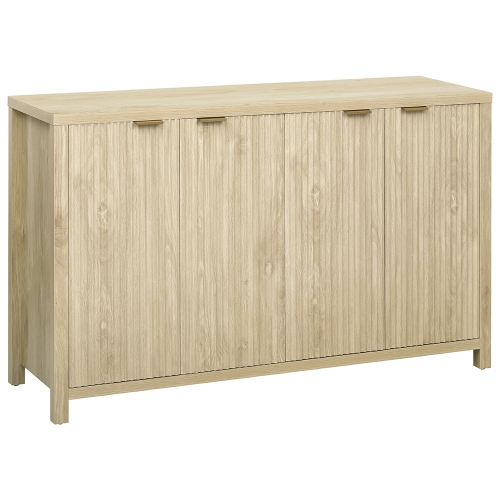

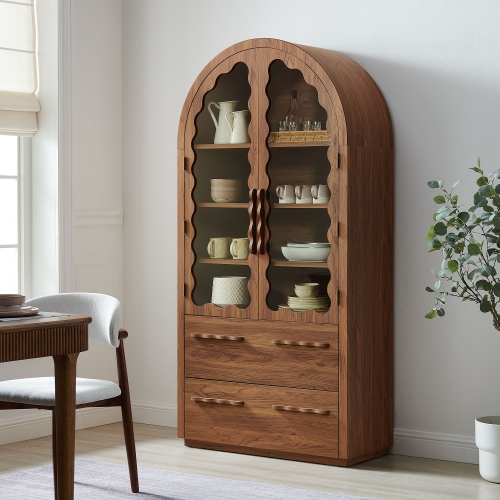

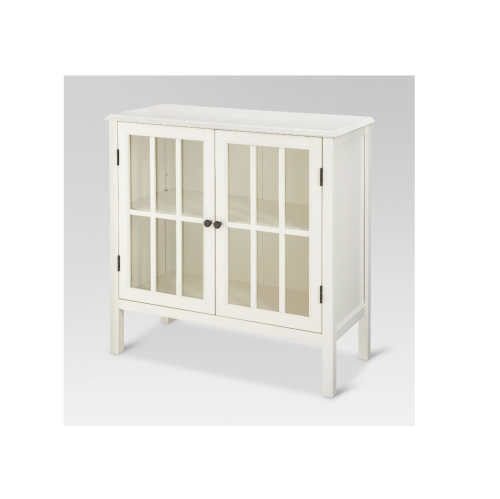
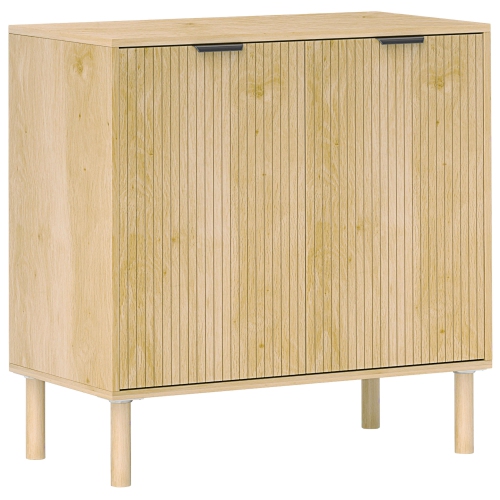


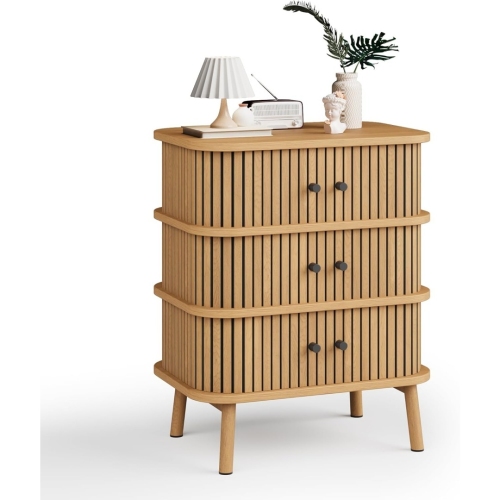
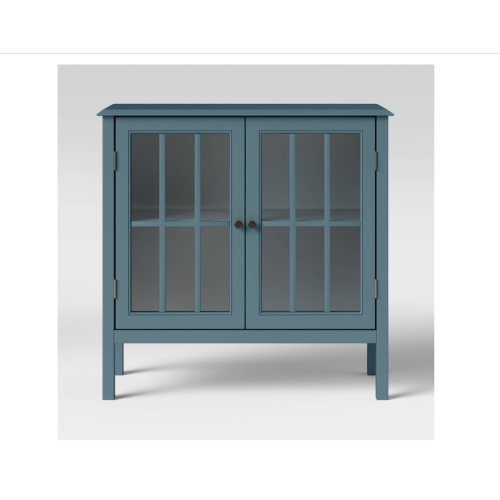
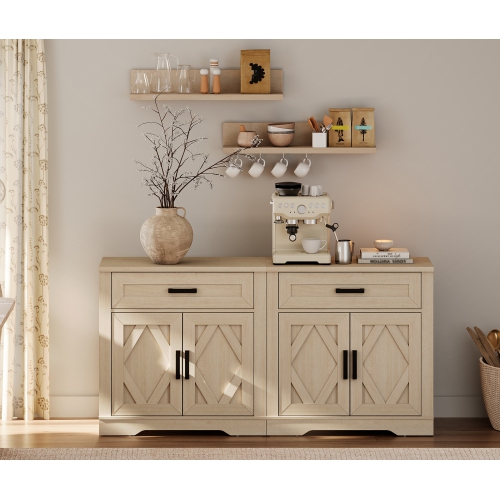
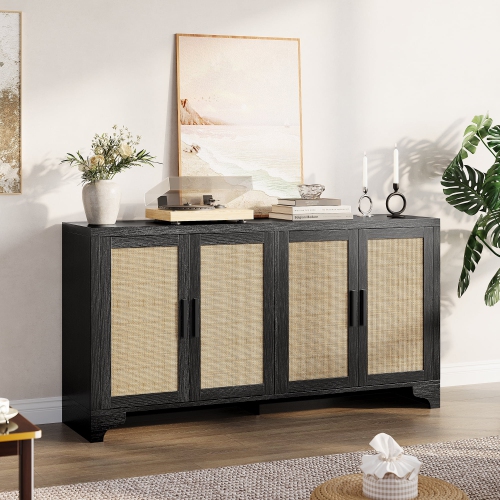
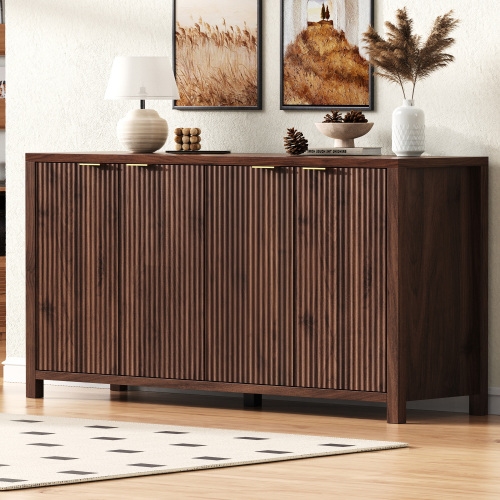
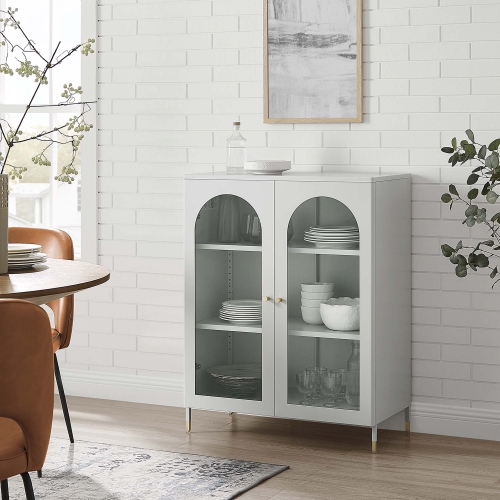
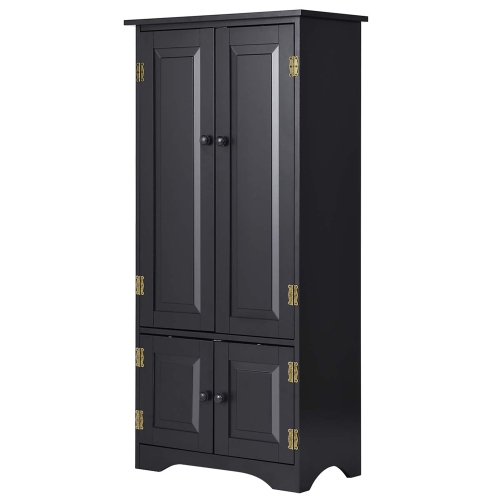
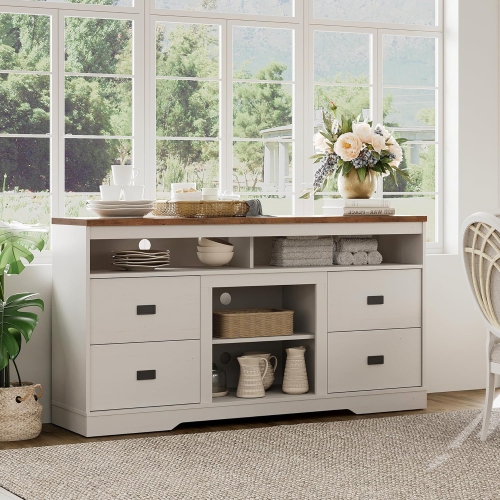
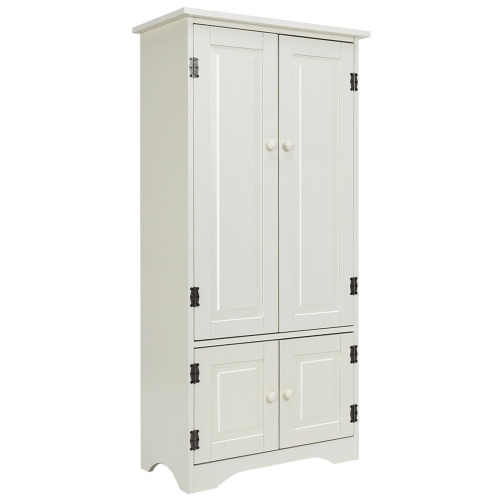


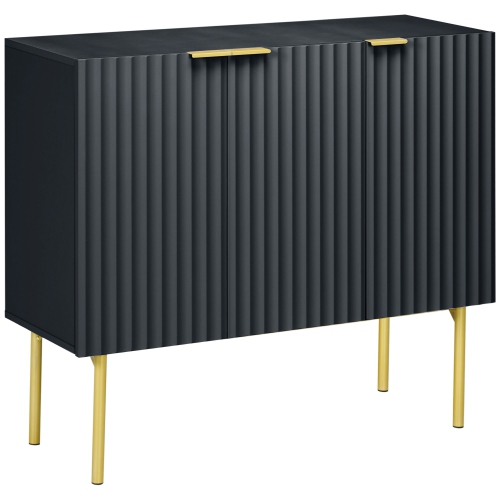

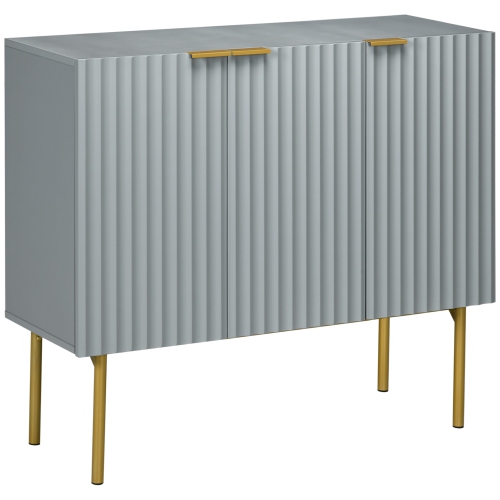


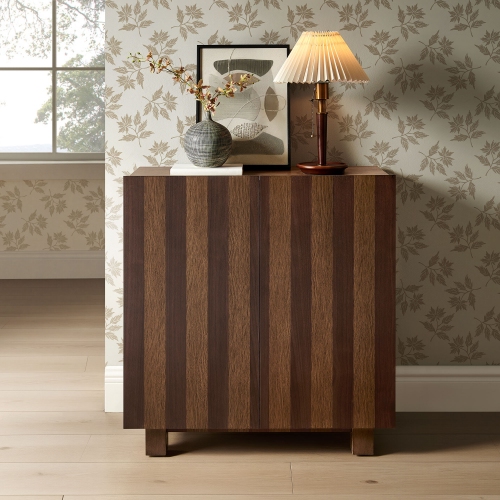
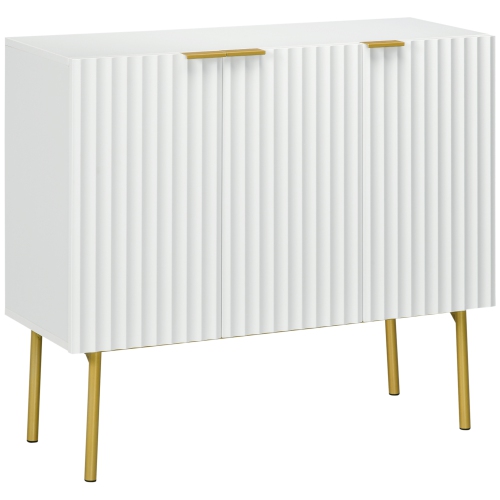


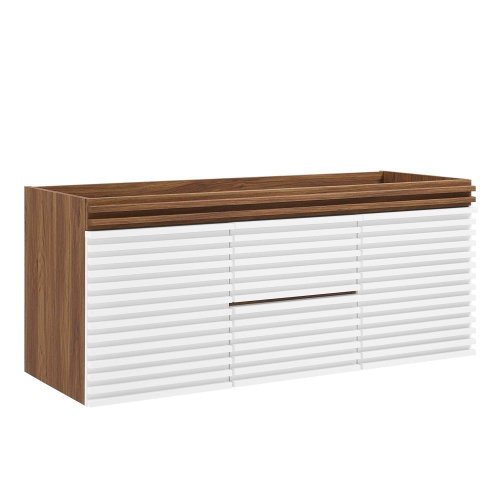
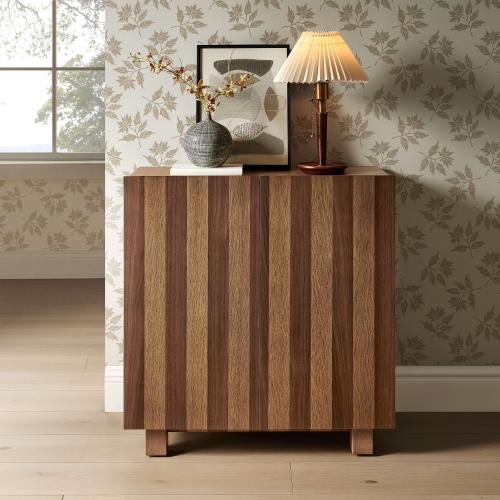


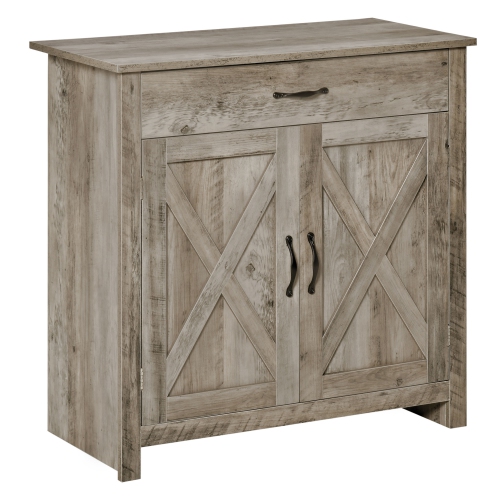


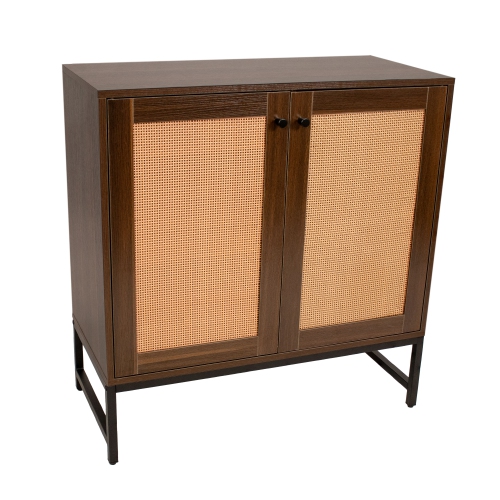
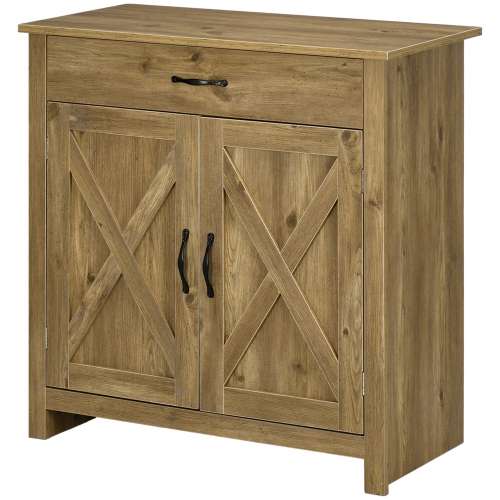

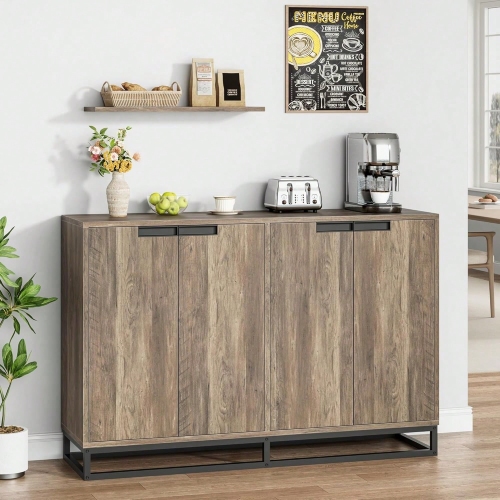

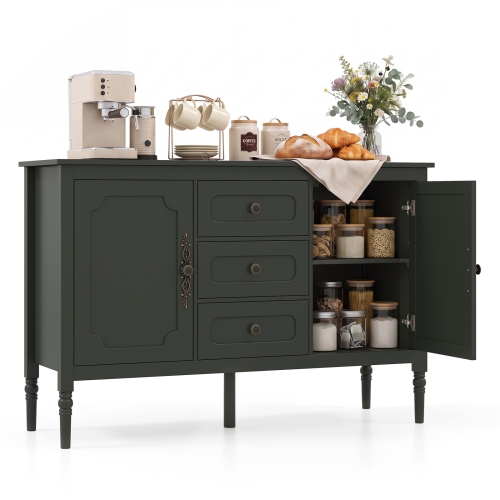

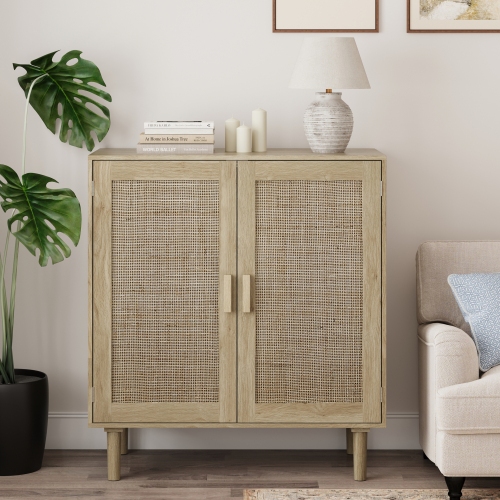
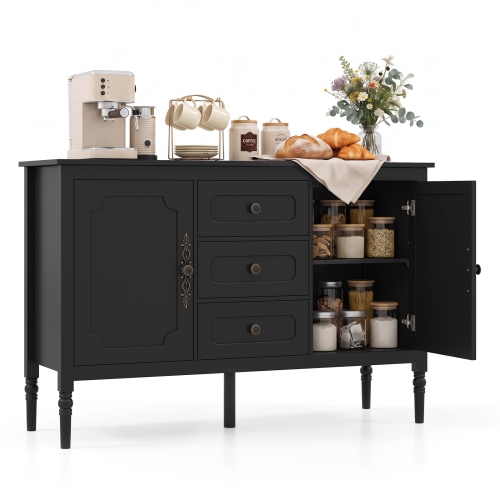

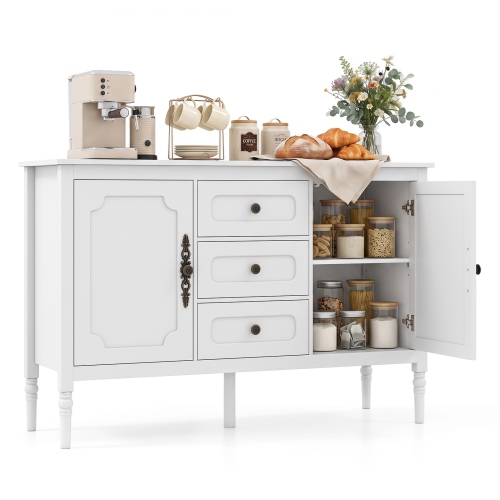
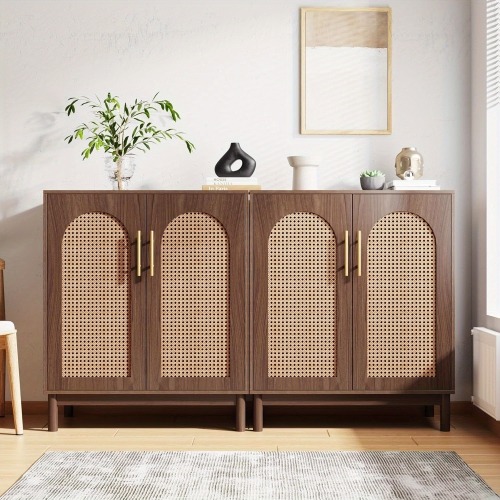

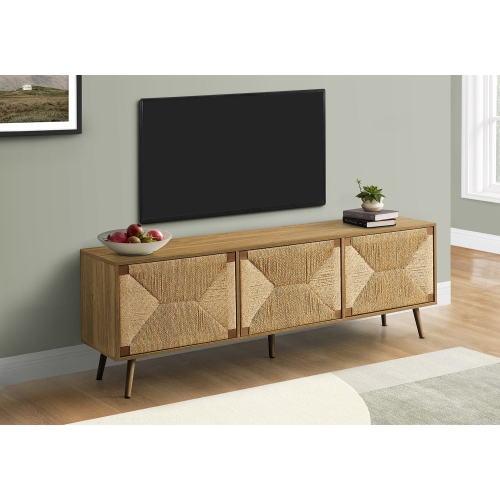
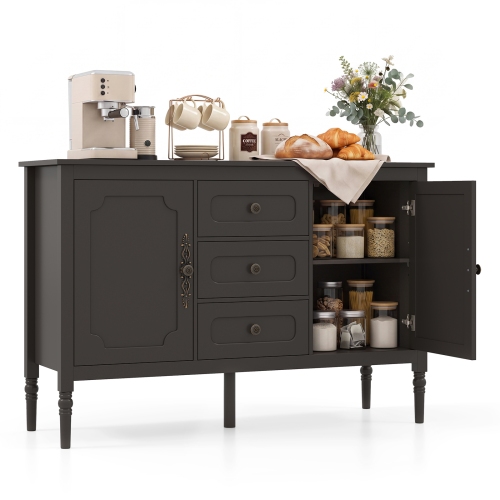


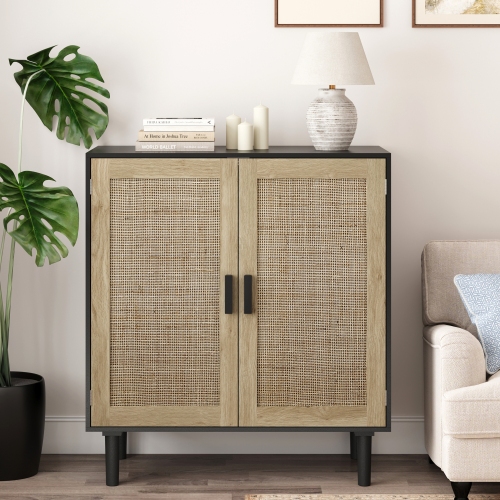
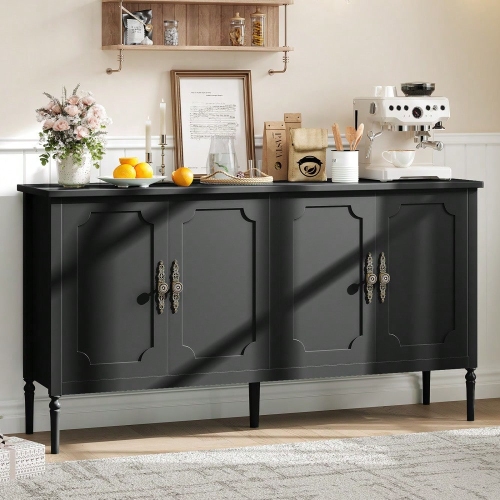
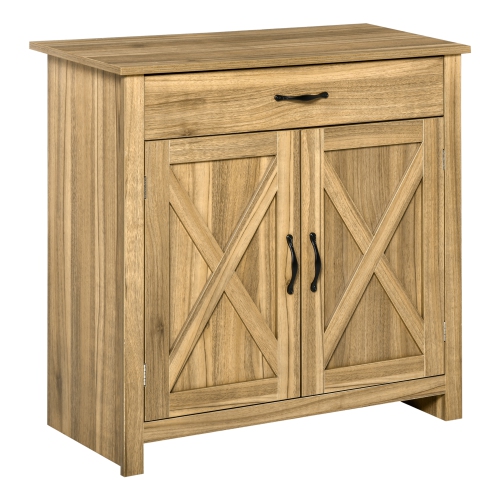
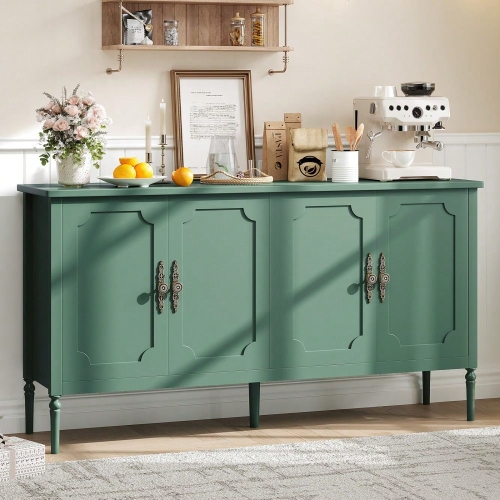
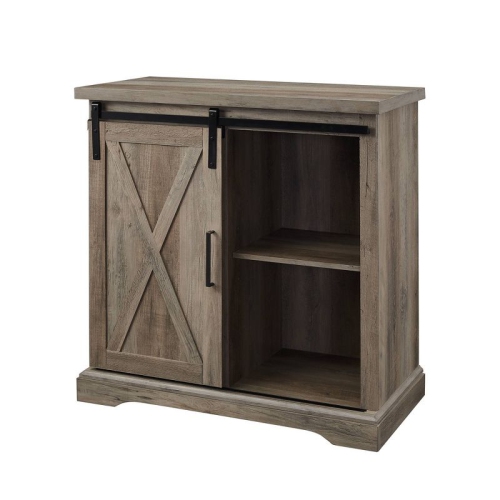

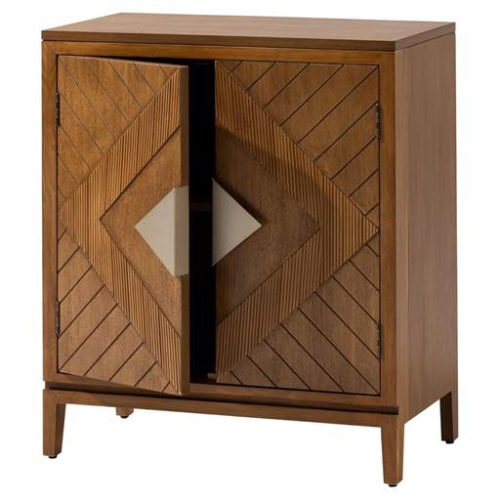
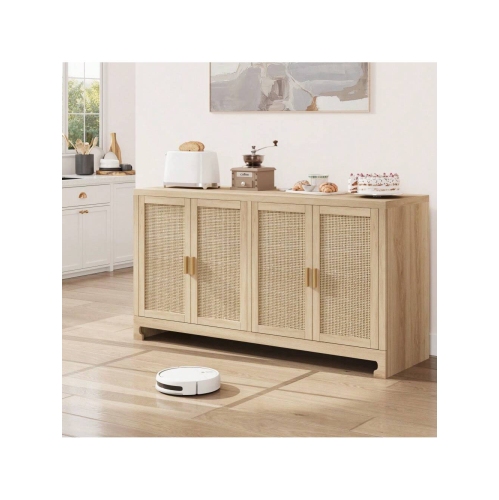


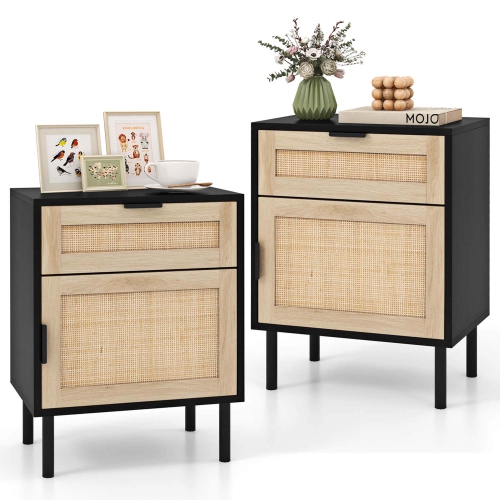
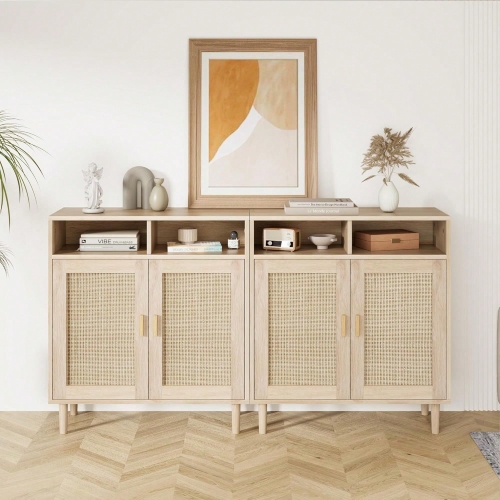


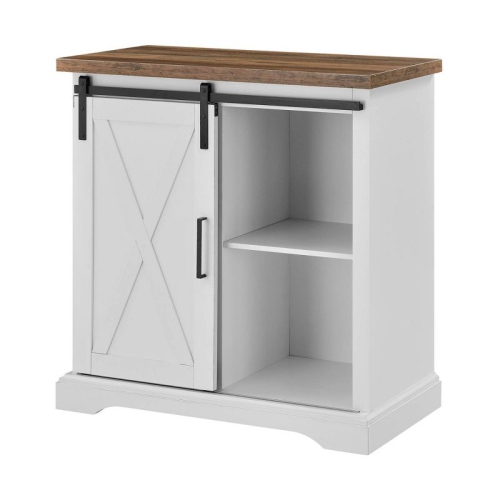


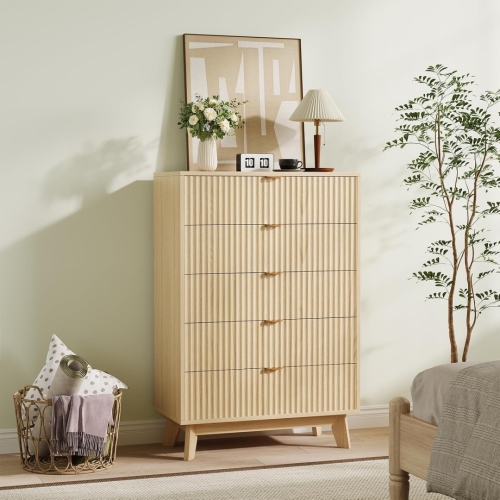
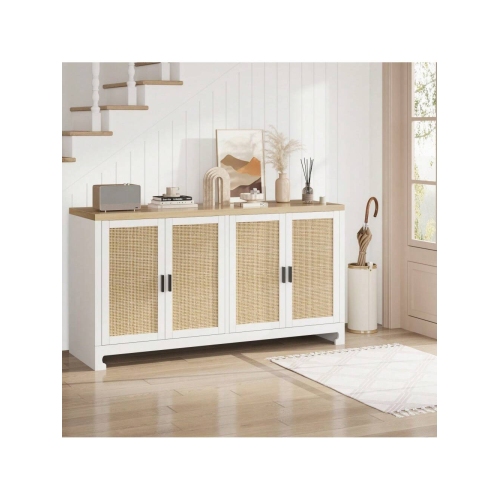


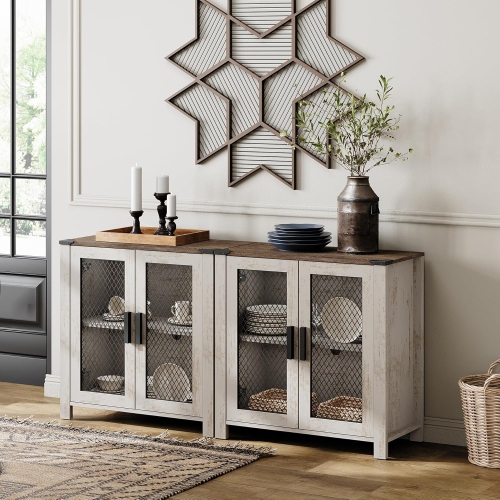
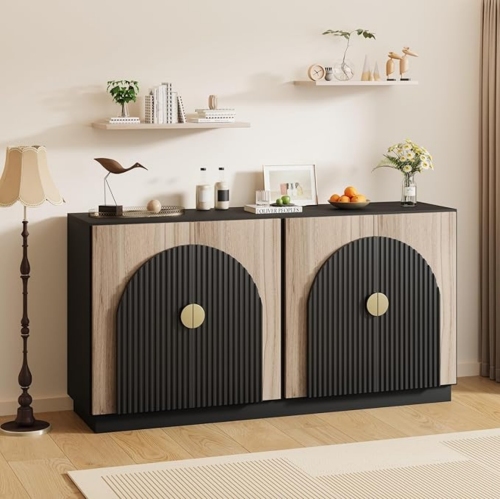

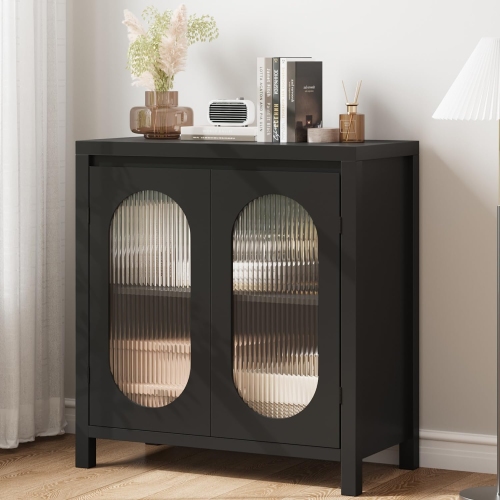

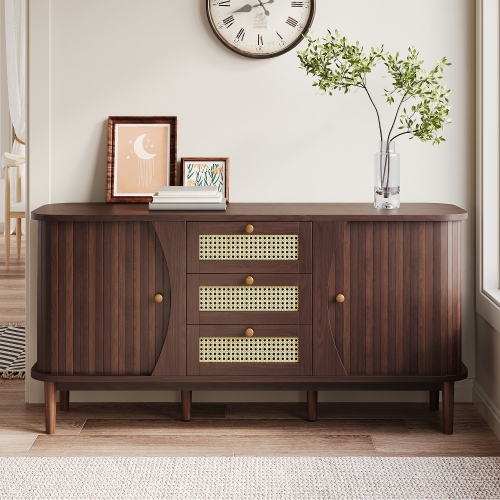
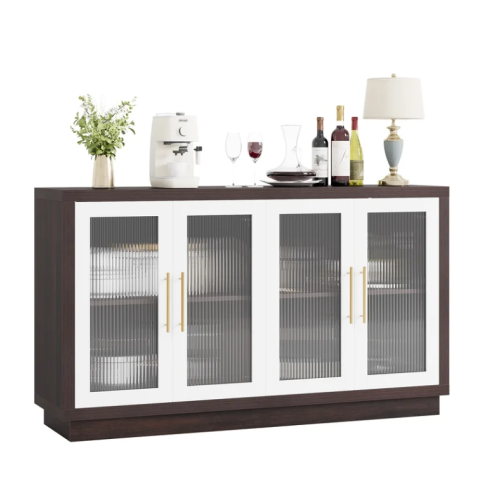

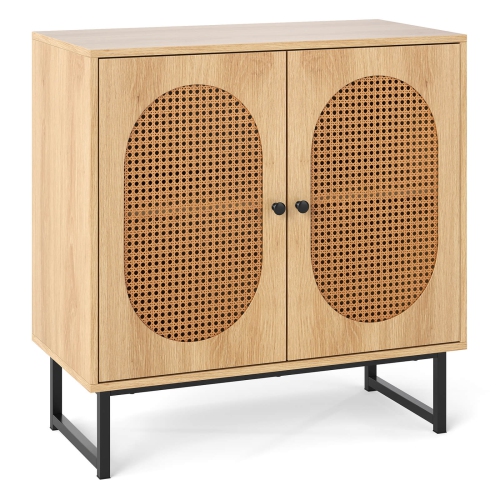


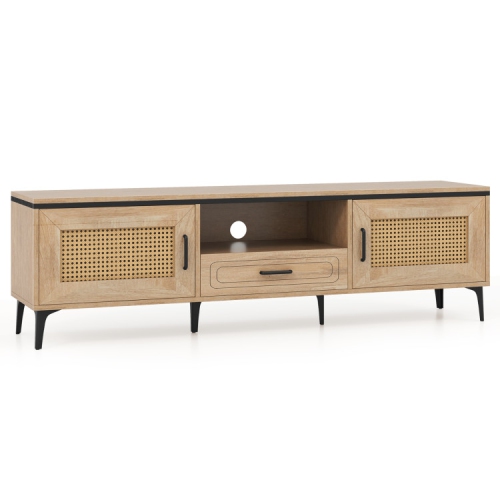
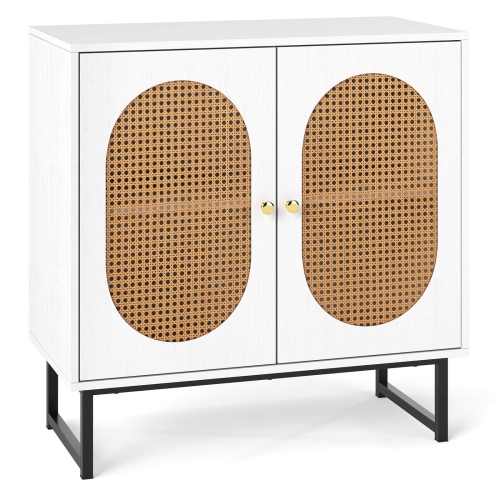
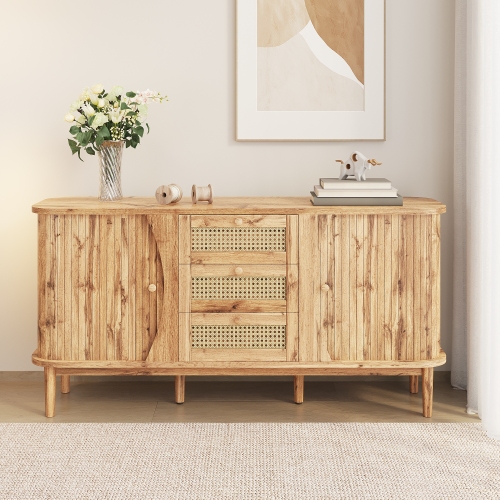
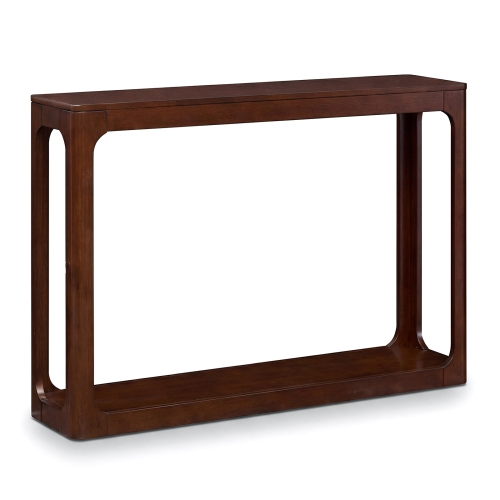

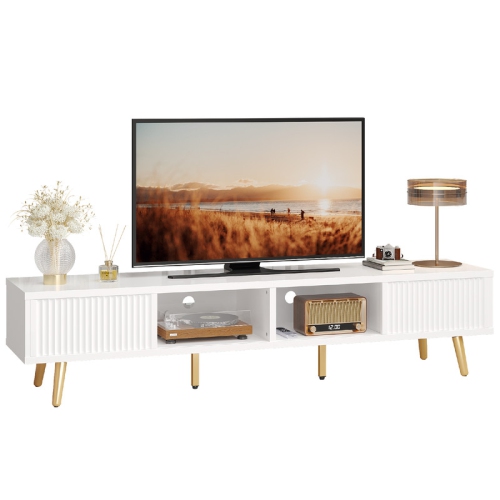

Warm wood and slender legs meet everyday storage
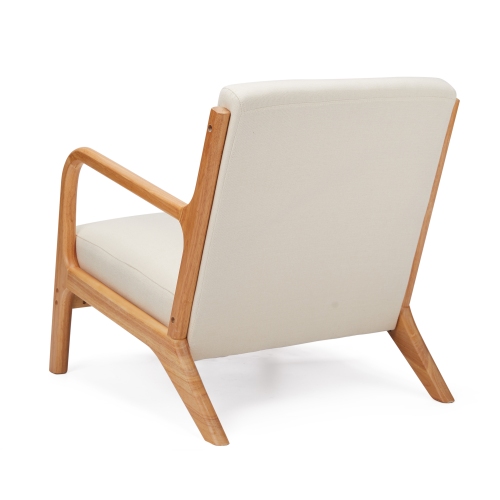
Mid-century accent cabinets bring together compact storage, warm wood tones, and the clean-lined shapes associated with furniture design from the middle of the twentieth century. Their appeal comes from a balance of useful proportions and distinctive details: a rectangular cabinet raised on slender legs, a smooth door front framed by visible wood grain, or a simple brass-toned pull that adds just enough contrast. Tapered or gently splayed legs are common, giving the cabinet a lighter appearance than a piece that sits directly on the floor. Some interpretations feature curved corners, recessed handles, sliding doors, or geometric fronts, while others introduce fluted panels for extra texture. These details vary, so the overall silhouette often says more about the style than any single feature. Walnut-toned finishes lend depth to a room, lighter oak tones feel understated, and painted doors can create a crisp contrast against a wood-look frame. An accent cabinet is generally intended to provide a smaller storage surface and a visual focal point rather than the extensive capacity of a full-size sideboard, although dimensions and naming can overlap. In a living room, it can hold board games, charging accessories, and the small necessities that otherwise collect on a coffee table. In an entryway, closed doors can keep bags and everyday essentials out of sight, with a tray on top providing a landing place for keys. A bedroom cabinet can offer storage for folded accessories or personal belongings without the visual weight of a tall chest. The style also works well beyond a room furnished entirely with retro pieces. Its restrained lines sit comfortably beside upholstered seating, a simple woven rug, or contemporary lighting. Pairing a cabinet with mid-century accent tables can repeat a tapered leg shape or warm finish without making every piece identical. A shared undertone, rounded edge, or hardware finish is often enough to make the arrangement feel connected while allowing the cabinet to have its own character.
The most useful mid-century accent cabinet is one whose interior suits the belongings it will hold and whose footprint fits the room comfortably. Outside measurements tell only part of that story. A cabinet may fit neatly along a wall yet leave too little space for its doors to open beside a sofa arm or for someone to pass through a narrow entrance. Door swing, drawer extension, baseboards, and nearby outlets all affect placement. Sliding doors can be helpful where clearance is limited, though they usually expose only part of the interior at a time. Hinged doors provide a wider opening, and drawers make smaller belongings easier to separate. Adjustable shelves offer flexibility for objects of different heights, while fixed shelves require a closer match between the storage space and its intended contents. For a dining area, that might mean enough depth for serving dishes and enough vertical clearance for taller glassware. For a home office, it could mean room for paper supplies, notebooks, and accessories that do not need to remain on the desk. Closed storage creates a quieter-looking backdrop, whereas an open compartment keeps frequently used belongings within reach. A mixture of both can suit a shared living space where practicality matters as much as appearance. Shelf and top-panel weight limits are especially important for dense loads such as books or stacked dishes; a substantial-looking cabinet is not necessarily designed to carry them. A cabinet used for media equipment also needs suitable ventilation and cable access rather than simply enough space behind its doors. Height changes how the piece functions, too. A lower cabinet can sit beneath artwork without crowding it, while a taller surface may be more convenient for setting down everyday belongings. In smaller condos and apartments, raised legs can preserve a sense of visible floor space, but they do not reduce the actual footprint. Measuring the intended position, including the space needed to use the cabinet, helps distinguish a good visual fit from a practical everyday one.
Materials, construction, and finish influence how an accent cabinet feels in use and how it holds up over time. Solid wood brings natural grain variation and can develop small changes in appearance with use; depending on the finish, some surface wear may be repairable. Wood veneer provides a real wood surface over a supporting core, offering the look of grain without requiring every panel to be solid timber. Its durability depends on the veneer, the core, the finish, and the quality of the edges, and thin veneer is not suited to aggressive sanding. Engineered wood with a laminate or other applied finish can offer a consistent colour and pattern, with care requirements that differ by surface type. None of these descriptions alone establishes overall quality. Secure leg attachments, well-fitted joints, supported shelves, and doors that align properly all contribute to a cabinet that feels steady and works smoothly. Hardware matters during daily use: comfortable pulls, smoothly moving drawers, and adjustable hinges can make a noticeable difference when a cabinet is opened several times a day. Assembly requirements also deserve attention, particularly for larger pieces that may need two people to position safely. Any supplied wall-restraint hardware should be installed as directed, especially in homes with children or pets, and cabinet doors and drawers should never serve as climbing supports. Routine care is usually straightforward but should follow the manufacturer's instructions for the particular finish. A soft cloth removes dust from flat surfaces, while a soft brush can reach fluting, grooves, and the areas around handles. Spills should be wiped up promptly, and coasters or protective pads help separate the top from drinkware, plant pots, and objects with rough bases. Excess moisture, abrasive cleaners, and prolonged direct sunlight can damage or alter some finishes. Leaving a little open space on top also makes cleaning easier and lets the cabinet's proportions remain visible. Whether furnishing a first apartment, adding storage to a shared home, or completing a quiet reading corner, a well-proportioned mid-century accent cabinet offers a useful combination of concealed organization and furniture that feels considered rather than purely functional.
Top selling and popular products
-
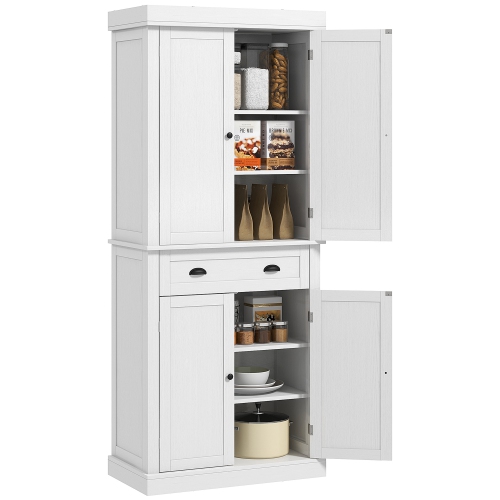 Your price for this item is $274.99
-
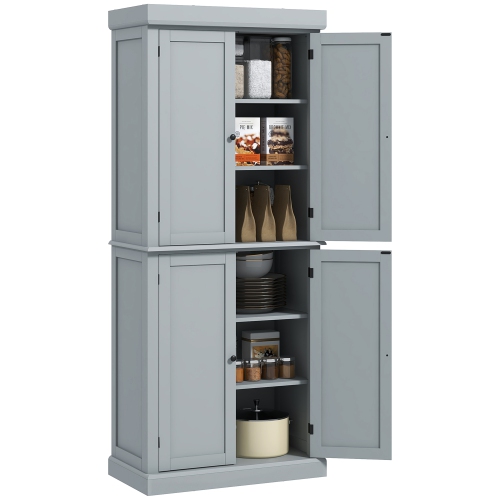 Your price for this item is $299.99
-
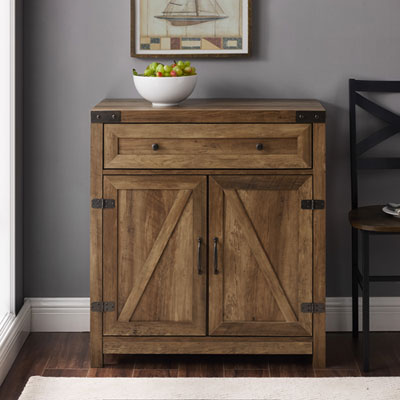 Your price for this item is $401.99
-
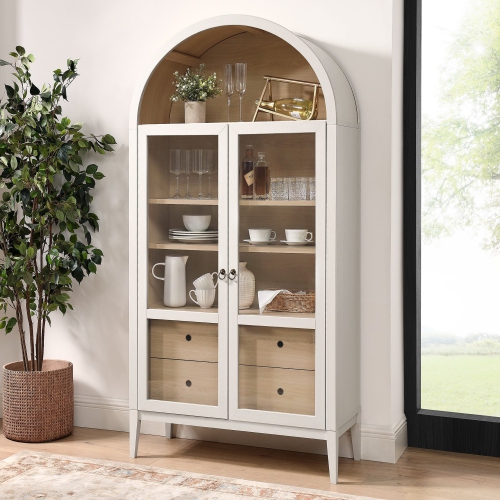 Your price for this item is $1155.71
-
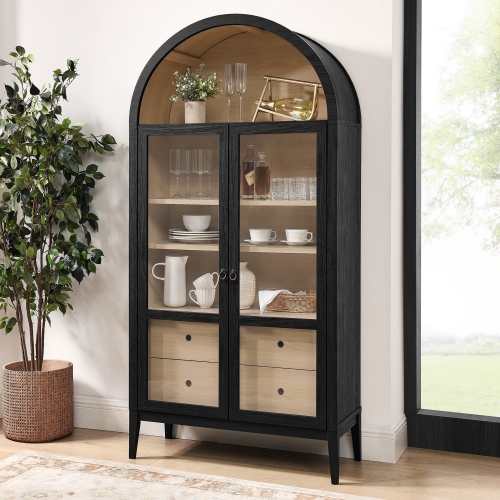 Your price for this item is $1155.71
-
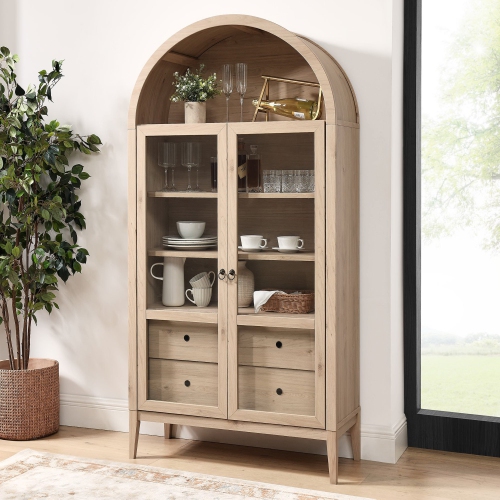 Your price for this item is $1155.71
-
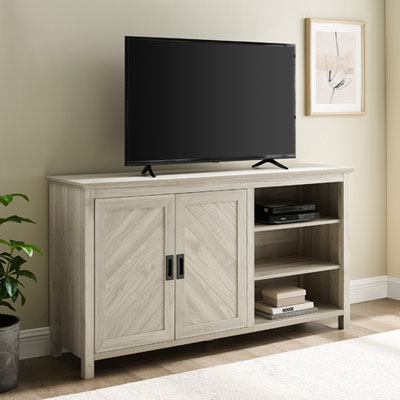 Your price for this item is $593.99
-
 Your price for this item is $144.99
Discover more categories related to Mid Century Accent Cabinets

Top Collections:
Pokemon Centers, Kindle Devices, Best Cameras for Sports Photography, Pokémon 30th Celebration Cards, Apple iPhones 16, Canon G7X Cameras, iPhone 15 Apple, Flip Phones, Samsung Galaxy Phones, Alarm Clock
Some products may be subject to Environmental Handling Fees
(EHF) depending on your province.
Learn more about EHFs.