Mid Century Modern Accent Furniture
Mid century modern accent furniture brings timeless style and character to any space, blending classic design with a contemporary touch. Featuring clean lines, gentle curves, and iconic silhouettes, these pieces create a sophisticated focal point in living rooms, bedrooms, or offices. Discover how mid century modern accent furniture can elevate your home décor, offering versatile options to complement both minimalist and eclectic interiors. Whether you're refreshing a single room or updating your entire home, explore a curated selection designed to inspire and impress.
Sort
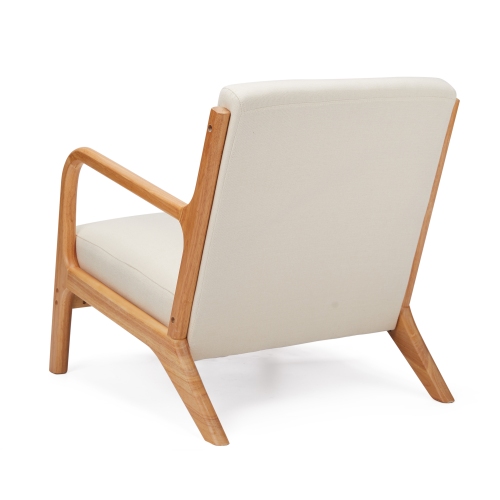
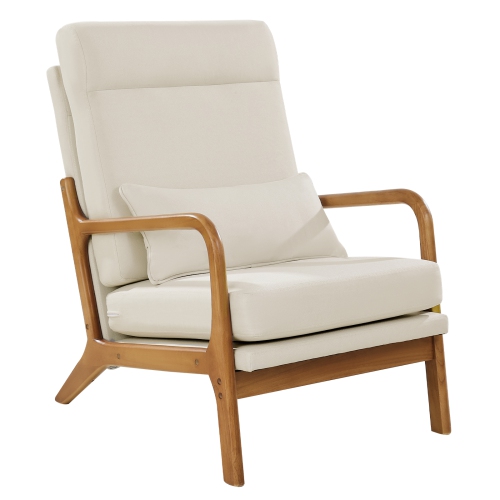


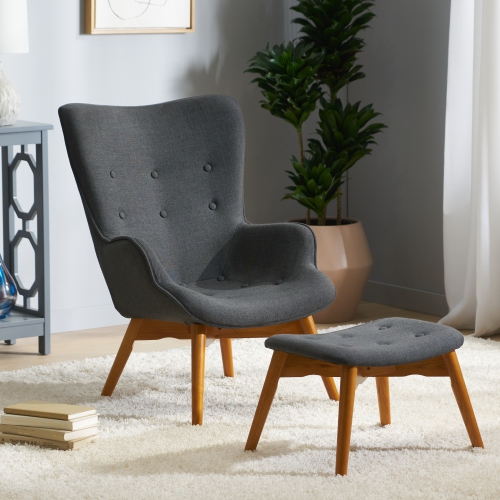


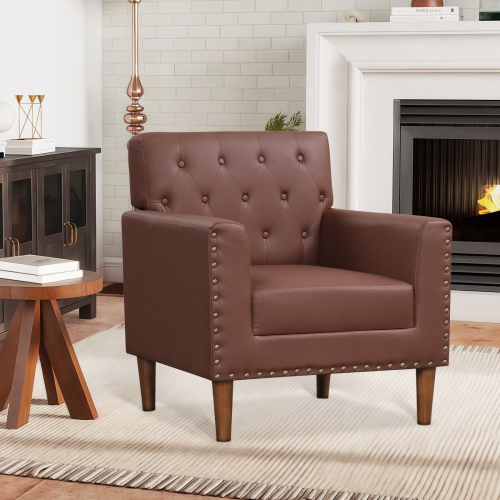

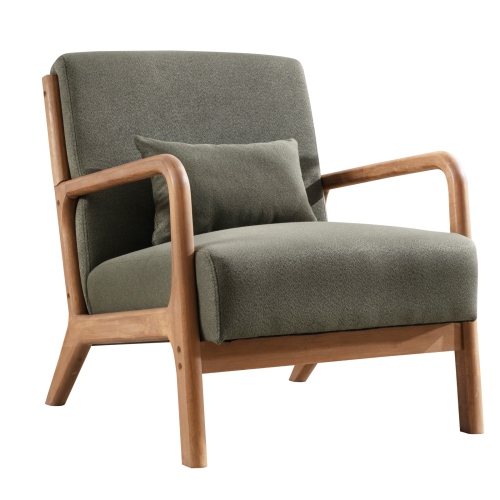
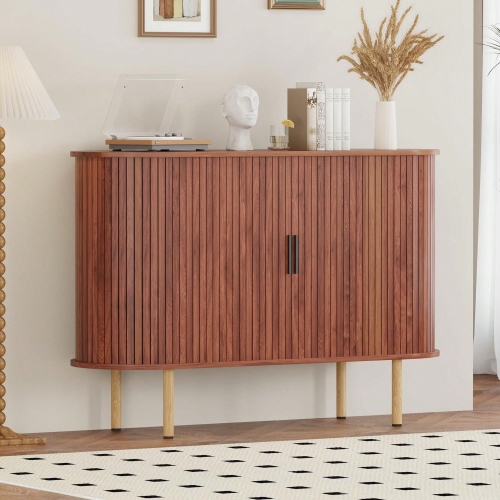
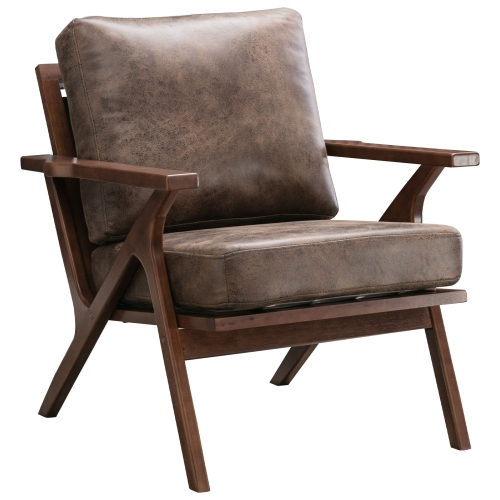

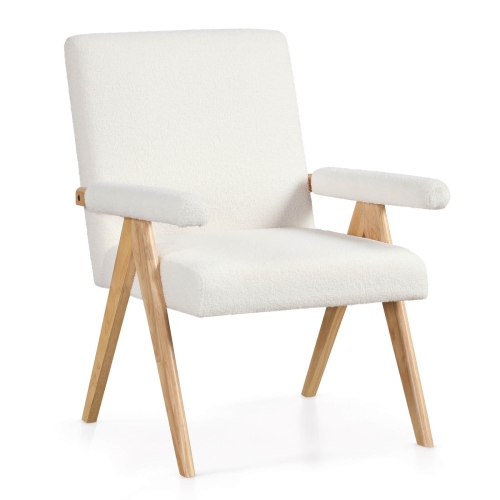


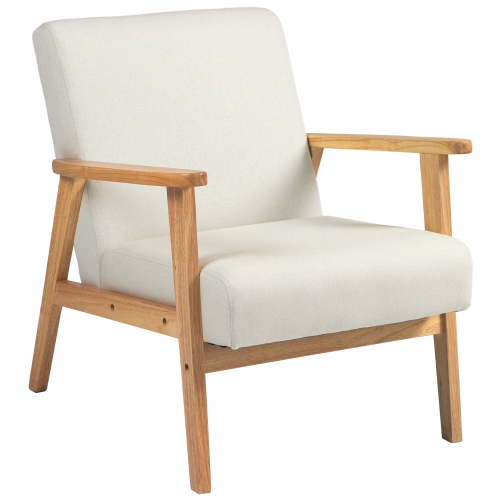

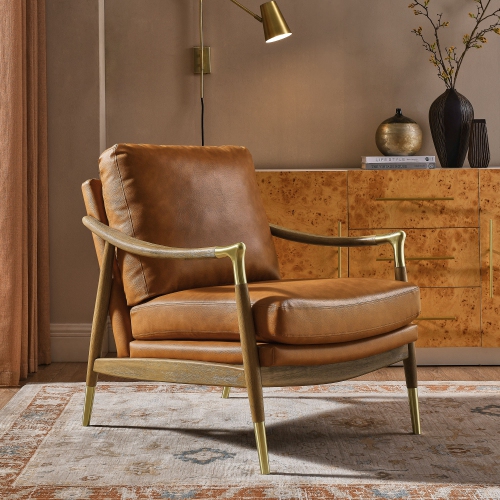


Sculptural shapes that work with your existing furniture
Mid-century modern accent furniture combines clean lines, sculptural shapes, and practical proportions to bring character to a room without overwhelming it. Associated with the design movement that gained prominence in the middle of the twentieth century, the style often features tapered legs, gently curved backs, simple drawer fronts, and warm wood tones. Its appeal comes from the balance between useful furniture and expressive details: a chair can provide a comfortable place to read while adding a distinctive silhouette, and a compact cabinet can keep everyday belongings tucked away while giving a blank wall some definition. Accent chairs, side tables, benches, ottomans, and storage cabinets all fit within this approach, with each serving a different purpose around the home. In a living room, an upholstered chair beside a sofa can create an extra conversation spot without requiring a matching furniture suite. A slim console can give an entryway a place for keys and mail, while a small bedside table brings a similar sense of order to a bedroom. For enclosed storage, Mid Century Accent Cabinets can carry the look beyond the seating area while keeping everyday belongings out of sight. Walnut-coloured finishes, lighter oak tones, textured upholstery, and restrained metal details are common ways to express the style, though mid-century modern furniture is not limited to brown wood or neutral fabric. Olive, rust, mustard, and deep blue can add colour without obscuring the furniture’s shape. The look also works alongside existing furnishings rather than demanding a complete room makeover. A rounded chair can soften the straight edges of a contemporary sofa, while a simple wood table can sit comfortably beside a more traditional upholstered seat. Repeating one or two details, such as a wood tone or curved profile, helps the arrangement feel connected without making every piece look identical.
Materials and construction influence how accent furniture looks, feels, and holds up to everyday use. Solid wood can show natural variations in grain and colour, while wood veneer provides a real wood surface over another material; both can appear in well-made furniture, and neither term alone describes the quality of the entire piece. Engineered wood, metal, glass, woven panels, and upholstered surfaces each bring different qualities to the finished design. A wood-look finish is not necessarily wood veneer, so material descriptions matter when a particular surface or construction is important. The details beneath the finish deserve attention as well: secure joints, stable legs, neatly fitted upholstery, and smoothly operating drawers contribute to furniture that feels dependable in daily use. For seating, comfort depends on more than a generous cushion. Seat depth, back angle, cushion firmness, and arm height affect whether a chair suits an upright conversation area or a relaxed reading corner. A deep, low seat may appeal to someone who likes to curl up, while a firmer cushion and supportive arms may make sitting down and standing up easier for another person. Upholstery also changes the experience. A textured weave can add visual depth to a restrained room, while a smoother fabric may have a more tailored appearance. Leather and leather-look materials have different care requirements and wear characteristics, so their cleaning instructions should not be treated as interchangeable. In homes with children or pets, removable covers, accessible spaces beneath furniture, and fabrics with documented cleaning guidance can make routine upkeep more manageable. Wood surfaces generally benefit from prompt attention to spills, coasters beneath drinks, and protection from abrasive objects. Upholstery needs care suited to its fibre and finish; a cleaning method that works on one fabric may leave marks on another. Direct sunlight can affect the colour of some woods and textiles over time. Manufacturer care instructions remain the most useful reference, especially for specialty finishes, woven inserts, and mixed-material designs where different parts may need different treatment.
Fit is just as important as appearance, particularly when accent furniture has to work around an established layout. Overall width, depth, and height help describe a piece, but usable space includes the room needed to walk past it, open doors and drawers, or pull a chair away from a table. A cabinet that fits neatly against a wall may still be awkward if its doors swing into a busy passage. A side table can look balanced beside a chair yet feel inconvenient if its surface sits well above the arm or too far below it. In a compact condo, raised legs and an open base can preserve sightlines, although that lighter appearance does not necessarily mean a smaller footprint. Rounded corners may make a narrow route feel less crowded, but clear walking space still matters. Storage should match the belongings it will hold: shelf depth affects whether books and serving pieces fit, adjustable shelves offer flexibility, and drawers can keep smaller accessories from collecting on top. Published weight limits are important for shelves, seating, and surfaces, and a decorative bench or ottoman should only be used as a seat when it is designed for that purpose. Tall or tip-prone furniture should be secured as directed, with hardware appropriate to the wall construction. Delivery and assembly also affect fit, especially in apartments with narrow stairways, small elevators, or tight doorways. Checking the largest assembled dimensions, package dimensions, and any removable components can help prevent an awkward arrival. Once in place, accent furniture earns its space through the way it supports ordinary routines: a chair near a reading lamp, a bench where shoes are put on, or a cabinet that keeps dining essentials close at hand. For a first apartment, an established family home, or a quieter corner within a shared room, mid-century modern accent furniture offers a useful combination of distinctive form and everyday function. The strongest arrangements leave enough room to move, place useful surfaces within reach, and let a few well-chosen shapes give the space its character.
Top selling and popular products
-
 Your price for this item is $13.3
-
 Your price for this item is $102.99
-
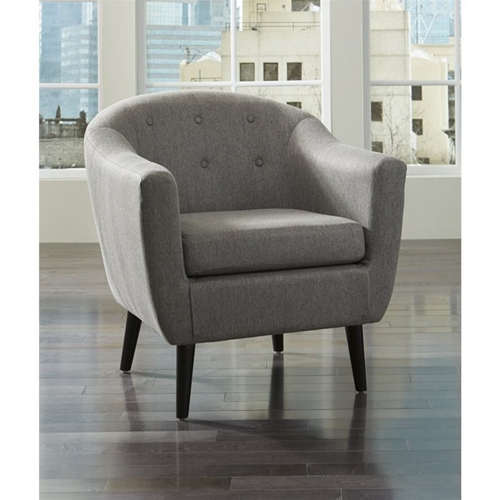 Your price for this item is $544.85
-
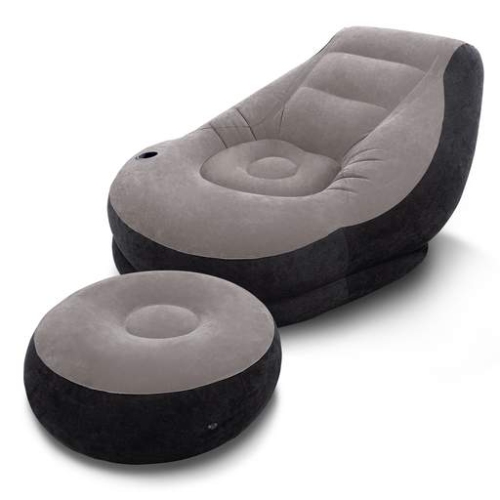 Your price for this item is $274.99
-
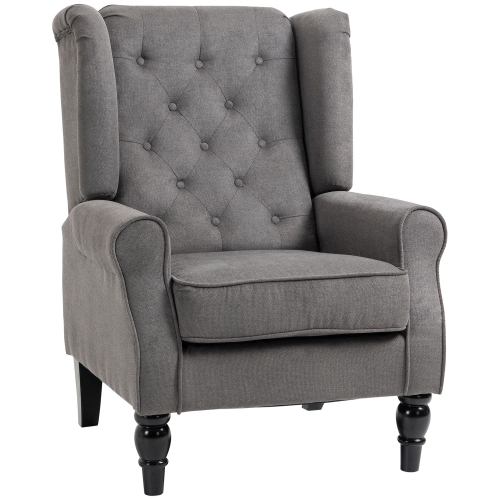 Your price for this item is $234.99
-
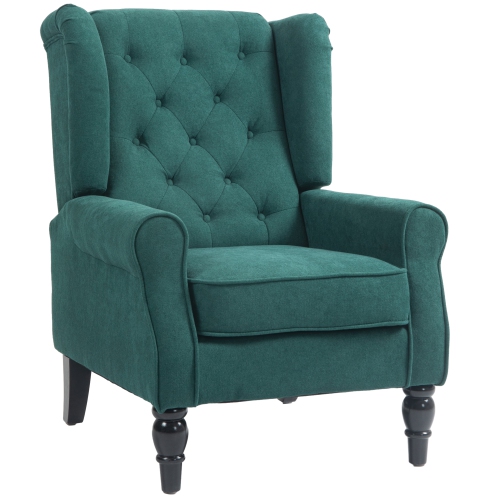 Your price for this item is $247.19
-
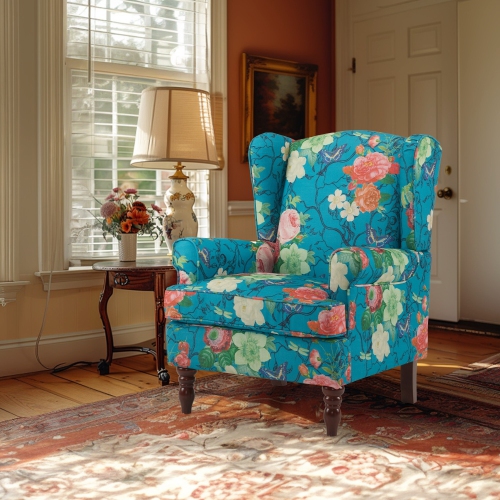 Your price for this item is $289.99
-
 Your price for this item is $167.99
Discover more categories related to Mid Century Modern Accent Furniture


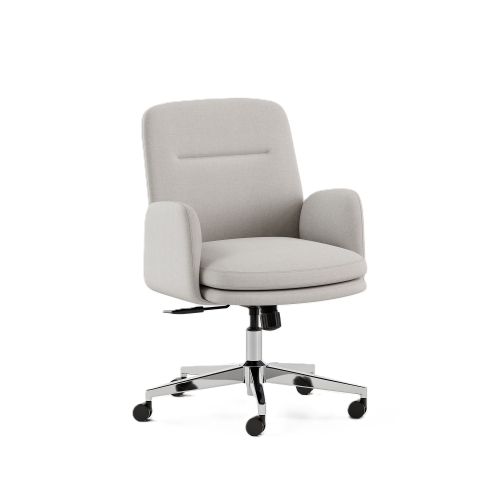

Top Collections:
Pokemon Centers, Kindle Devices, Best Cameras for Sports Photography, Pokémon 30th Celebration Cards, Apple iPhones 16, Canon G7X Cameras, iPhone 15 Apple, Flip Phones, Samsung Galaxy Phones, Alarm Clock
Some products may be subject to Environmental Handling Fees
(EHF) depending on your province.
Learn more about EHFs.