Mid Century Modern Dining Chairs Sets
Elevate your dining space with a Mid Century Modern Dining Chairs Set, perfect for adding timeless style to any home. Featuring clean lines and classic silhouettes, these chairs bring a touch of retro charm that complements a wide range of interior décors. Whether updating your kitchen or refreshing your dining room, discover the ideal blend of comfort and sophistication with a Mid Century Modern Dining Chairs Set designed to impress family and guests alike.
Sort
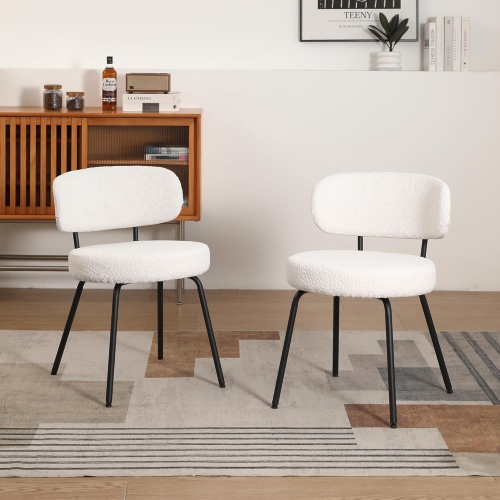
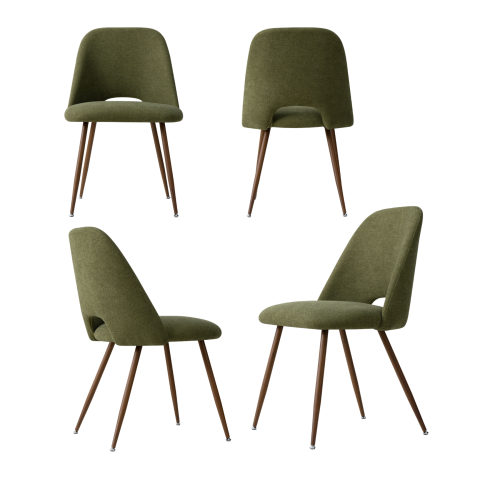


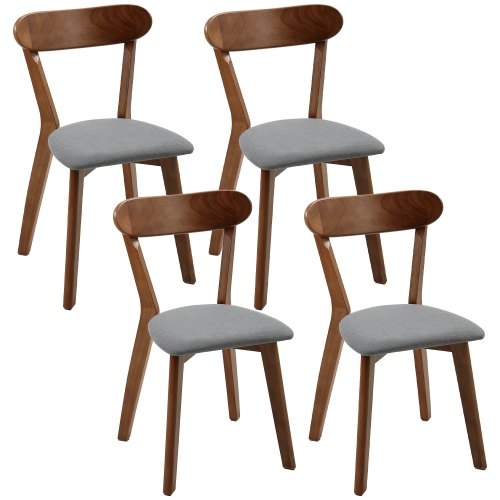
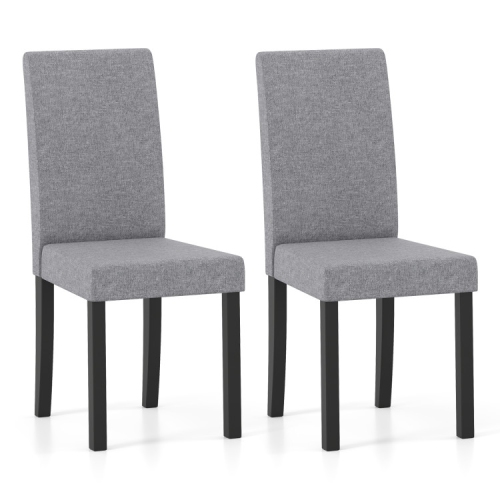
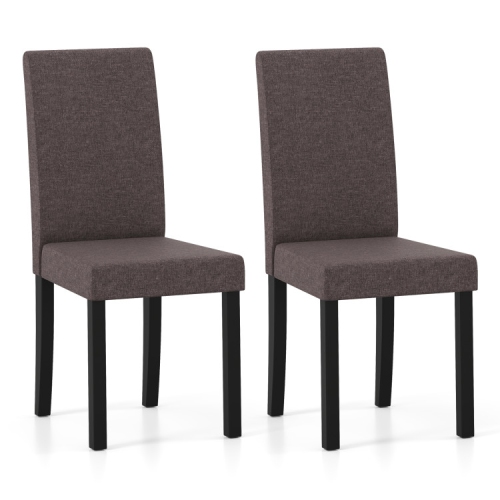
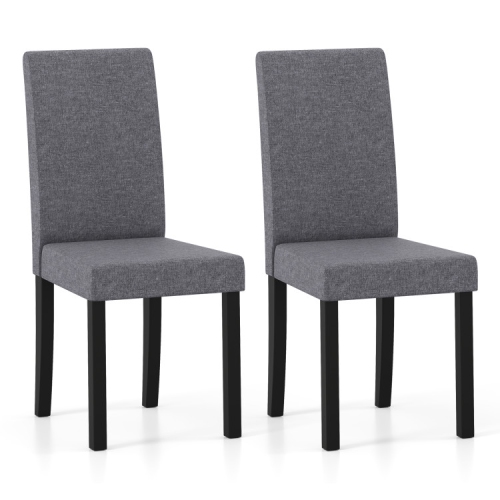
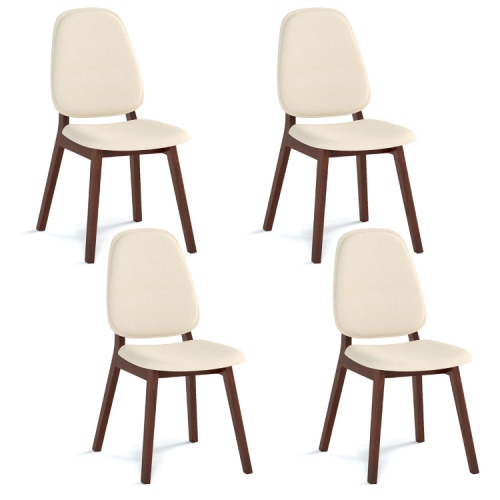
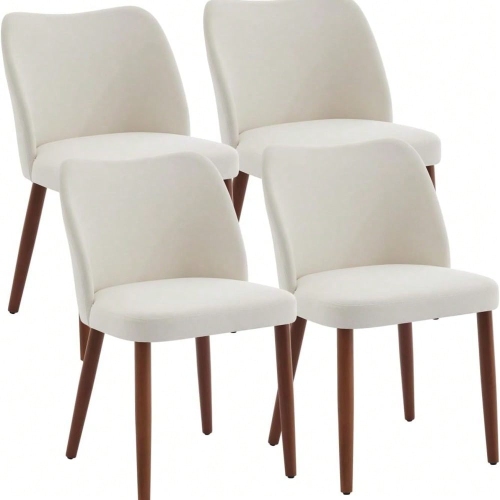
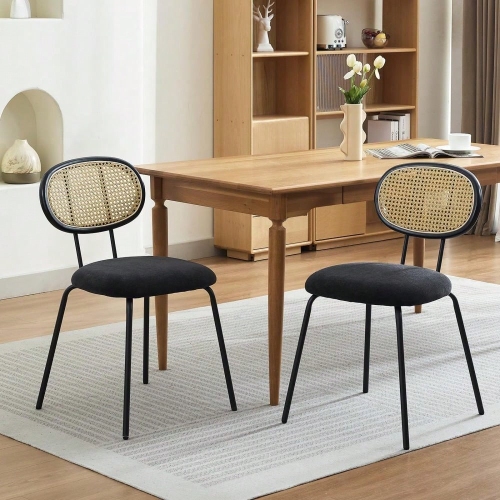
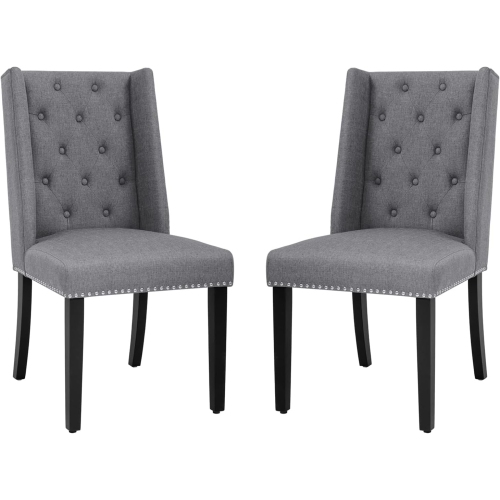
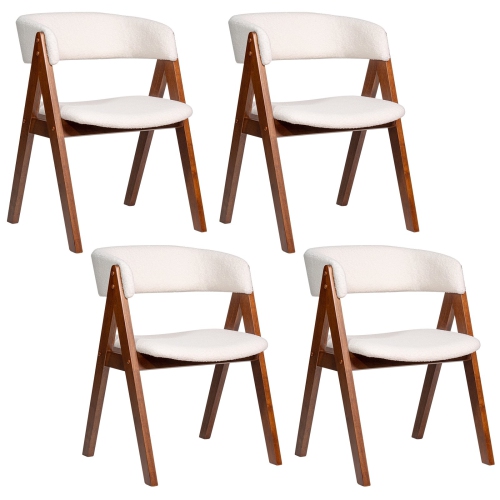
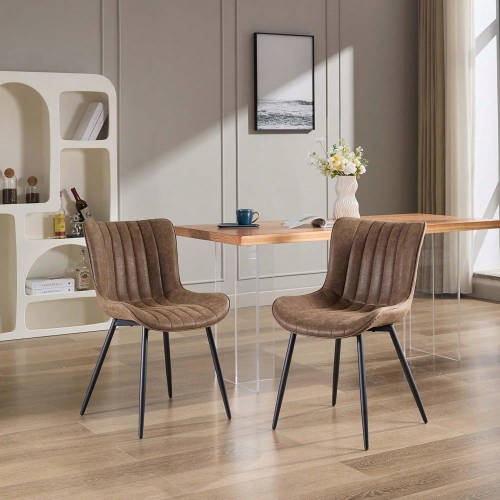
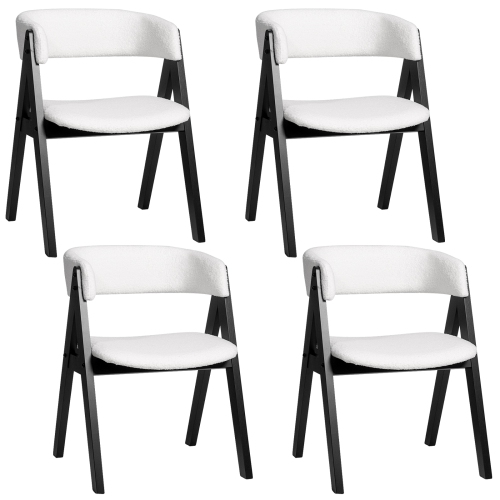
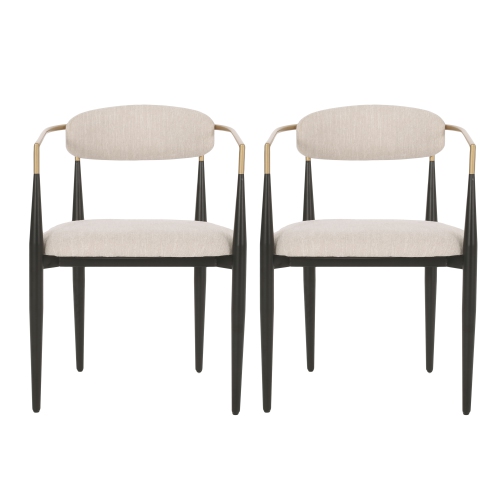
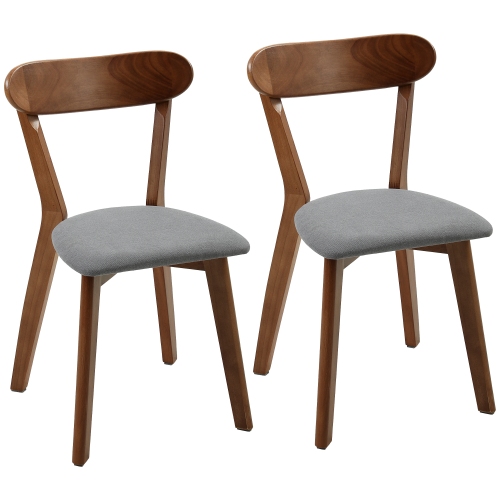
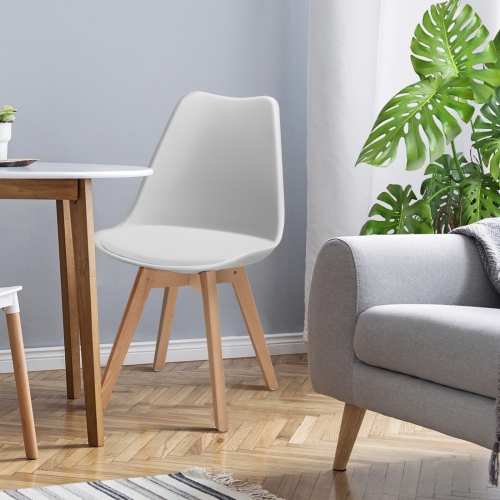
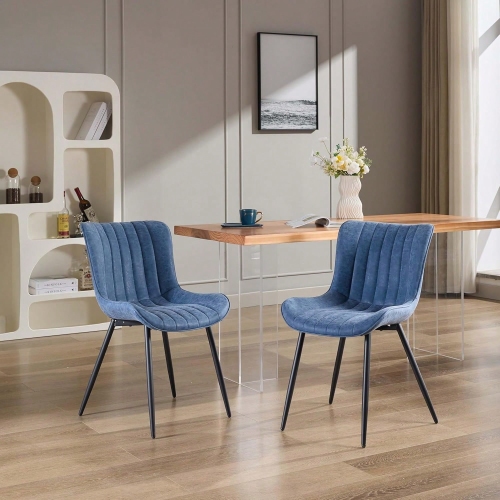
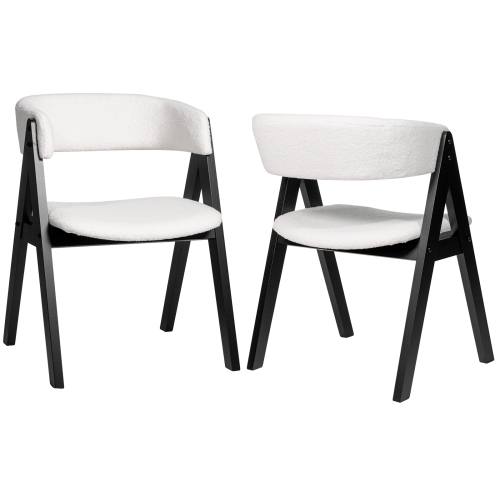
Coordinated seating without matching every piece of furniture
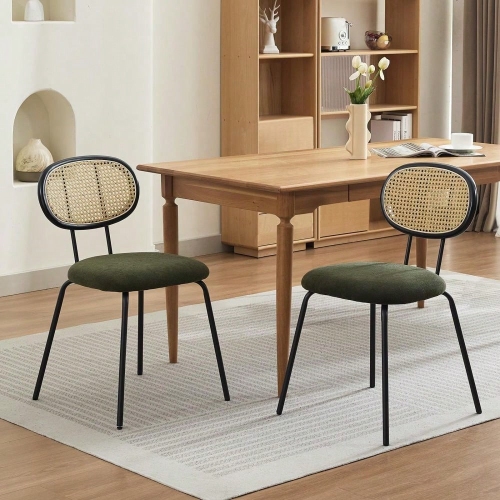
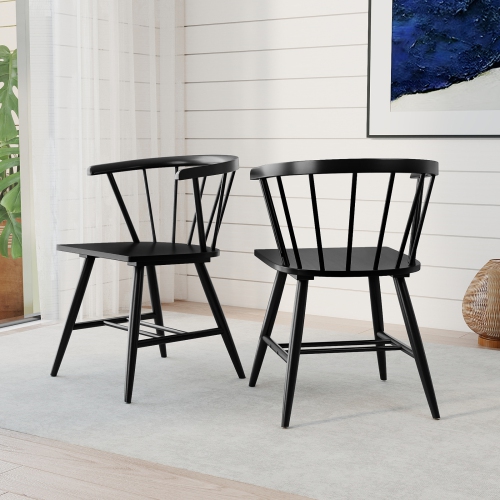
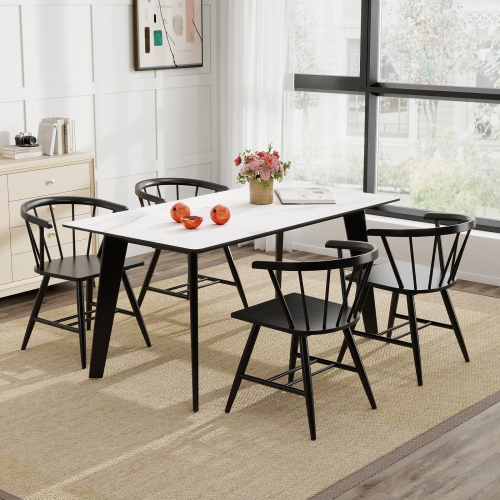
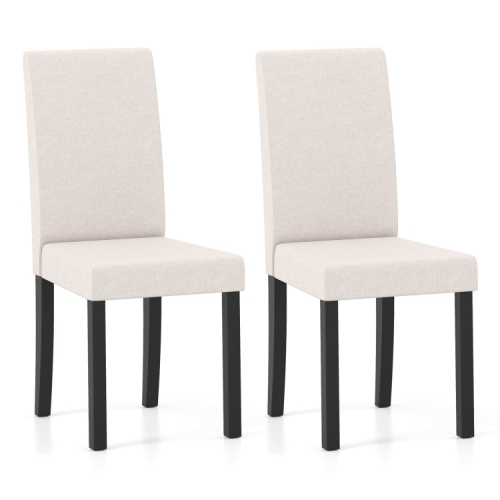
Mid-century modern dining chair sets bring coordinated seating and a distinctive, understated look to the dining table. Rooted in furniture design from the middle decades of the twentieth century, the style is known for tapered legs, curved backs, simple profiles, and an emphasis on everyday function. A matching set repeats those shapes around the table, creating a sense of order without requiring every piece of furniture in the room to match. Sets of two can suit a breakfast nook or add seating at the ends of a table, while sets of four or six often work well for everyday household dining. The right number depends on the table’s usable space as much as the number of people it needs to seat. Within this style, materials make a noticeable difference to both appearance and feel. Solid wood frames show natural grain and can give slender legs a substantial presence, while bent plywood allows for gently rounded shells that follow the shape of the back. Wood veneers can provide a consistent grain pattern over a shaped or engineered core; their care and wear characteristics depend on the underlying construction and finish. Metal bases offer another interpretation, pairing slim supports with moulded seats or upholstered cushions. For a closer look at grain, frame shapes, and wood-focused designs, mid-century wood dining chairs offer a related direction. Upholstery softens the overall effect: a textured woven fabric adds visual depth, smooth leather has a distinct surface character, and faux leather offers a similar look with different maintenance needs. Cream, charcoal, and brown are easy to pair with many table finishes, while muted green or rust can make the chairs a focal point. Matching the exact wood colour is not essential. A shared undertone, a repeated curve, or a similar level of visual lightness can connect the chairs to the table more naturally than an almost-identical finish that looks slightly off.
Fit determines whether a dining chair set feels comfortable in daily use, especially when the table serves as a place for meals, homework, and conversation. Seat height should be considered alongside the height of the tabletop and the clearance beneath it. A gap of roughly 25 to 30 cm between the seat and the underside of the tabletop is a useful starting point, but an apron, drawer, or support rail can reduce room for thighs and knees. Cushioned seats may also compress when occupied, changing the seated position. Chair width matters just as much. Allowing around 60 cm of table edge per person is a common planning reference, although broader chairs and armrests may require more space. The distance between table legs can be more important than the overall table length: two chairs that appear to fit along one side may not tuck in if their outer legs meet the table supports. Round pedestal tables remove corner legs from the equation, but the base can still affect foot placement. Behind each chair, there needs to be room to pull out the seat and stand comfortably; approximately 90 cm between the table edge and a wall is a useful starting point, with more room needed where people regularly pass behind occupied chairs. In a compact condo, armless chairs with open backs can keep sightlines clear and slide neatly beneath a suitable table. Chairs with arms may suit longer dinners or someone who prefers a place to rest their forearms, provided the arms clear the table apron. Comfort also comes from the relationship between seat depth, back angle, and support. A deep seat can feel generous to a taller person but leave a shorter person sitting forward without back support. A curved backrest may feel welcoming, yet its height and contour still need to suit the person using it. For households that linger over meals or play board games at the dining table, supportive padding and a well-positioned backrest can matter more than a dramatic silhouette.
Daily routines help narrow the choice between upholstered, moulded, and bare wood seats. In a busy eating area, crumbs tend to gather along seams, piping, and the junction between the seat and back. A relatively smooth seat with accessible corners can make quick cleanups simpler, while richly textured fabric may need more frequent vacuuming with an appropriate attachment. Upholstery care should follow the manufacturer’s cleaning instructions, since some fabrics tolerate water-based spot cleaning and others require different treatment. Spills are generally best blotted promptly rather than rubbed into the fibres. Leather and faux leather should not be treated as interchangeable: conditioners intended for genuine leather may be unsuitable for a coated synthetic surface, and harsh cleaners can damage either material. Finished wood usually benefits from a soft cloth and prompt drying after cleaning, rather than soaking or abrasive scrubbing. Durability depends on more than the visible material. Secure joints, stable leg placement, suitable fasteners, and a stated weight capacity appropriate for each user are important details in a chair that will be moved several times a day. Where assembly is required, correct alignment and tightening help the frame sit evenly; fasteners may need periodic checks according to the care instructions. Floor contact deserves attention, too. Suitable protective pads can reduce marking on hard flooring, while wide-set or angled legs need enough room that they do not become obstacles around a narrow table. A rug should extend far enough beyond the table for the chair legs to remain supported when someone pulls back to stand. For a first apartment, a shared family dining area, or a dedicated room used for hosting, a coordinated set can make the space feel settled without adding visual bulk. Rounded backs can echo a circular tabletop, and slim wood frames can balance the heavier presence of a substantial rectangular table. The most satisfying choice brings those visual details together with comfortable proportions and manageable care, so the chairs feel equally at home during a quick breakfast and an unhurried meal with friends.
Top selling and popular products
-
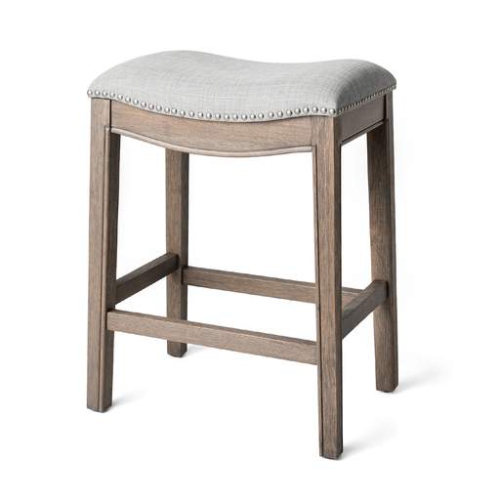 Your price for this item is $226.99
-
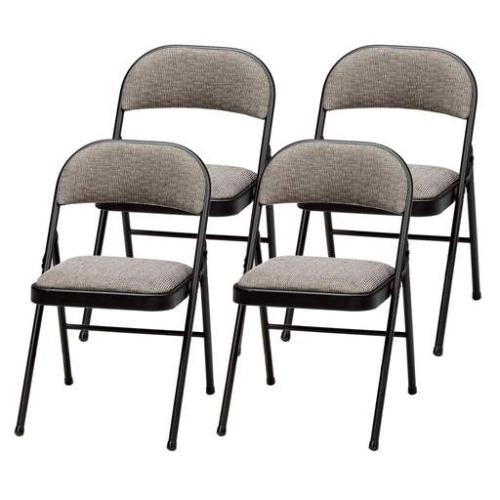 Your price for this item is $373.99
-
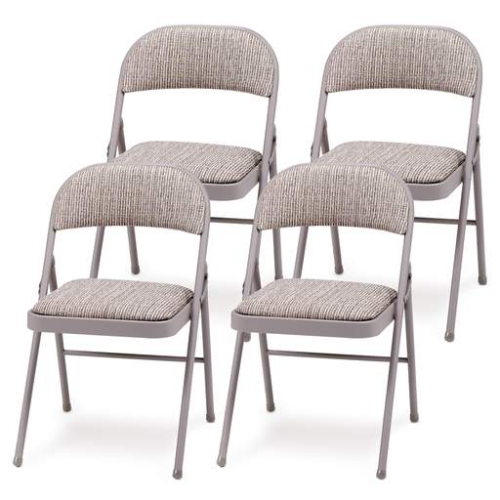 Your price for this item is $398.99
-
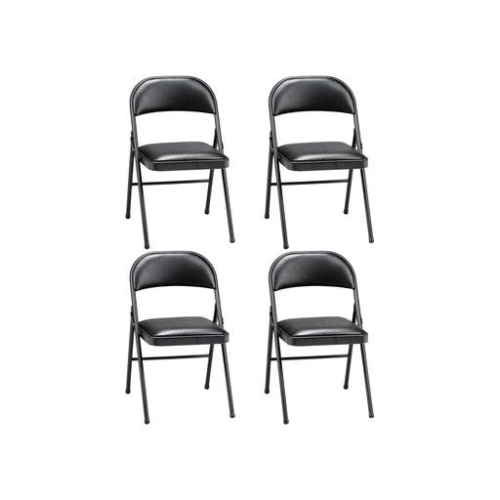 Your price for this item is $379.99
-
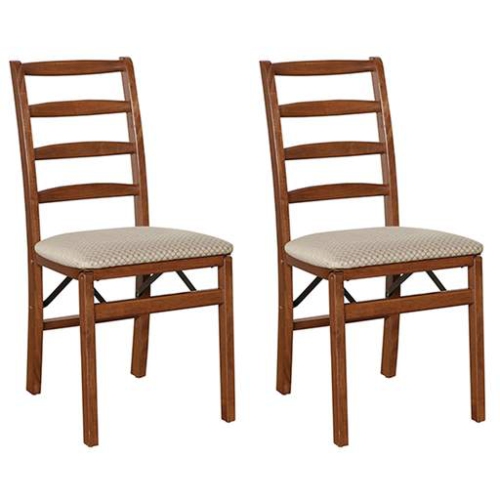 Your price for this item is $374.99
-
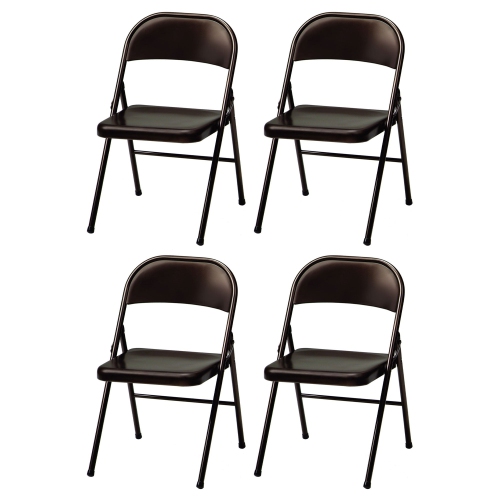 Your price for this item is $212.99
-
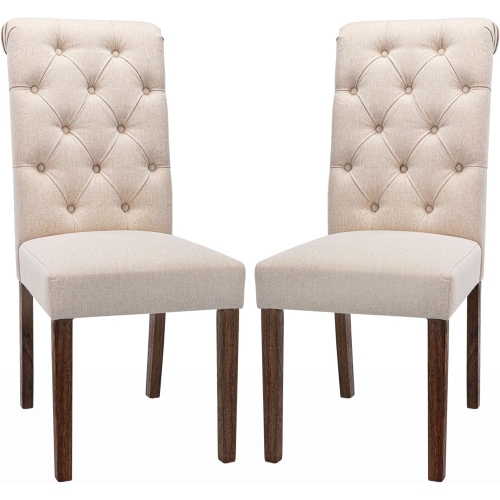 Your price for this item is $210
-
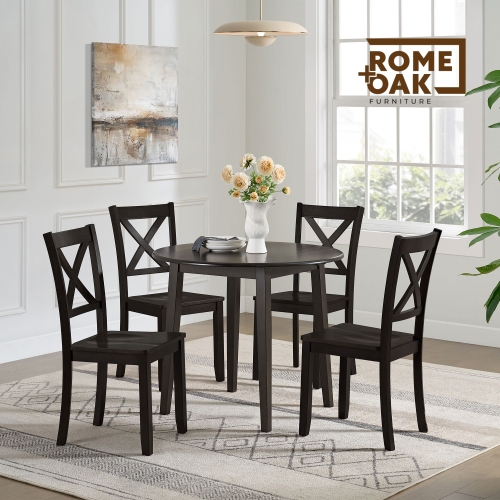 Your price for this item is $421.99
Discover more categories related to Mid Century Modern Dining Chairs Sets
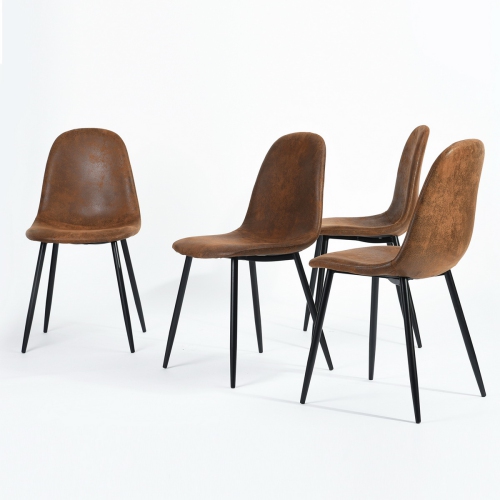
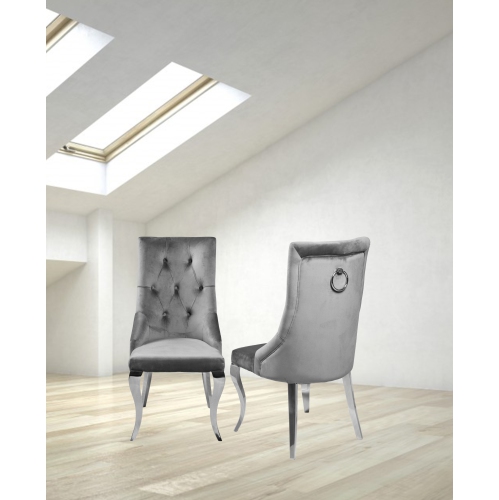
Top Collections:
Best Black Friday Deals This Year, Best Black Friday Deals On Electronics, Kindle Devices, Dyson Airwrap, Best Cameras for Sports Photography, Best Budget Office Chairs, Canon G7X Cameras, PS5 Pro Consoles, Best Black Friday Deals On Apple Products, XBOX One S Consoles
Some products may be subject to Environmental Handling Fees
(EHF) depending on your province.
Learn more about EHFs.