Mid Century Wood Dining Chairs
Mid Century Wood Dining Chairs bring a timeless blend of style and comfort to any dining space. With their iconic designs and warm wood finishes, these chairs are perfect for creating an inviting atmosphere in your home. Whether you're updating your dining room or furnishing a new space, Mid Century Wood Dining Chairs offer a classic look that complements a variety of décor styles. Explore options that add both elegance and functionality to your dining area, making every meal feel special.
Sort
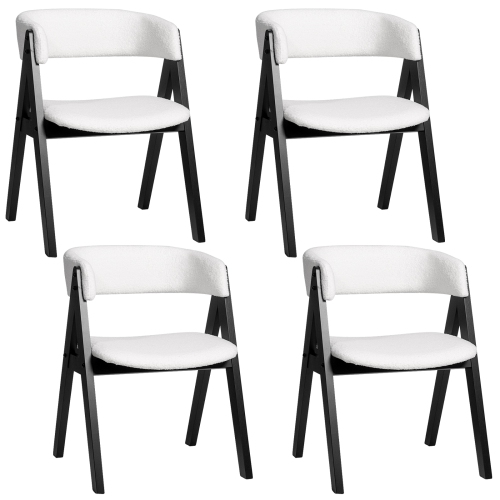
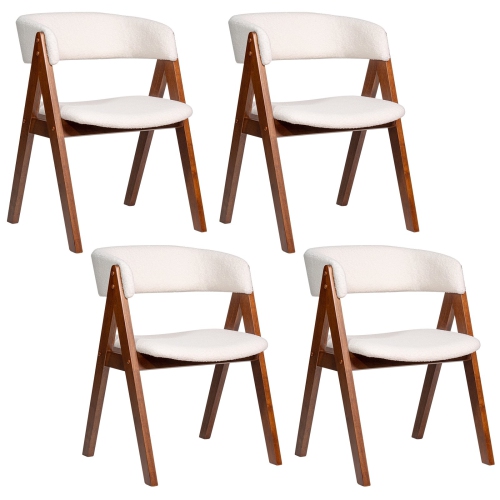
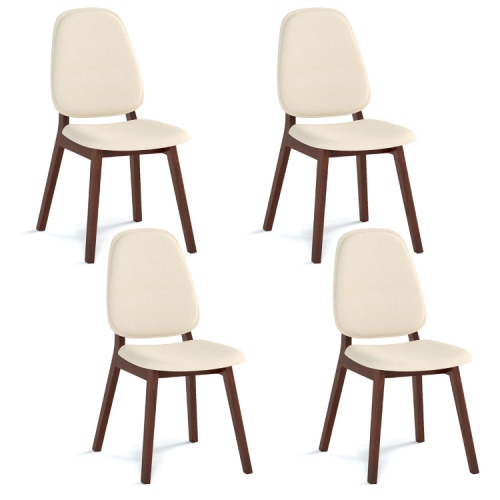
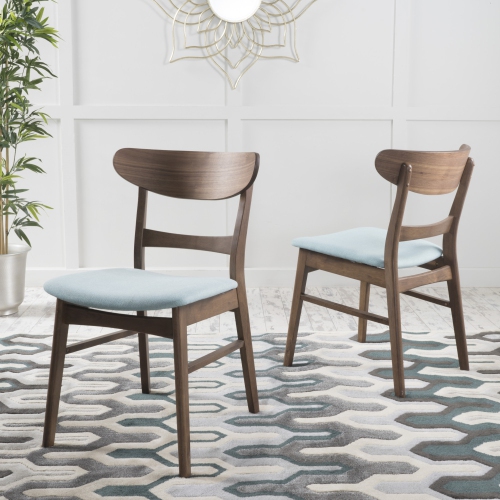
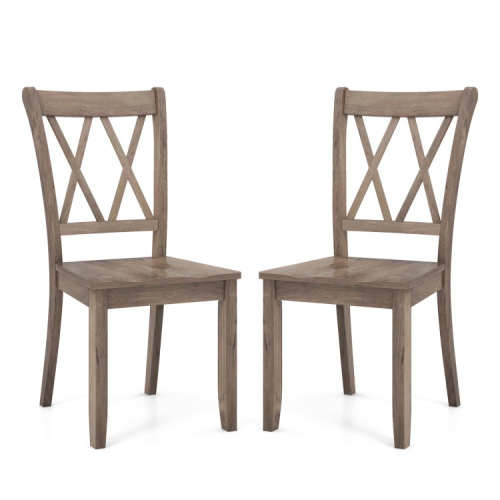
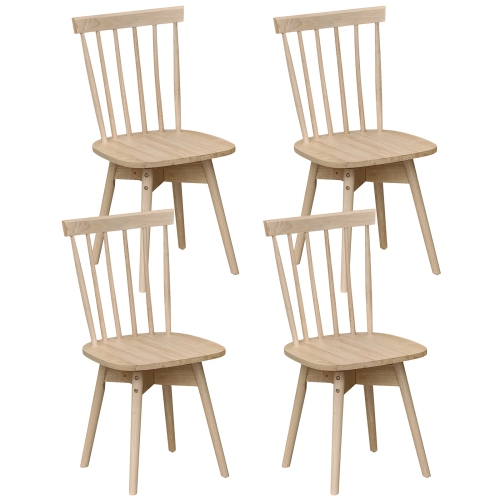
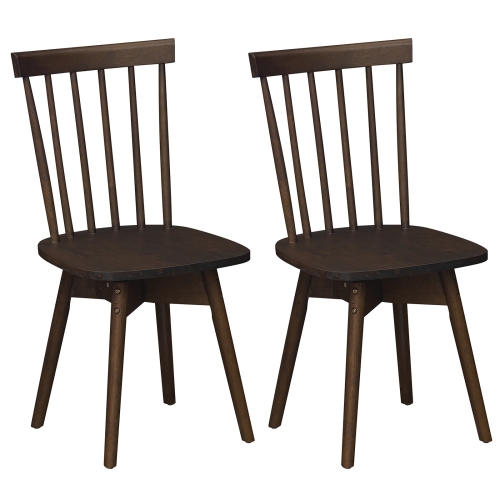
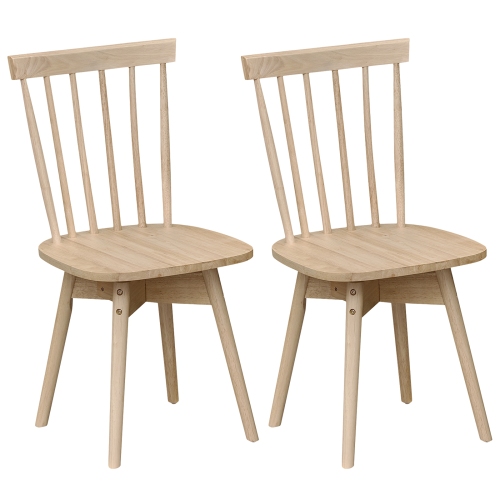

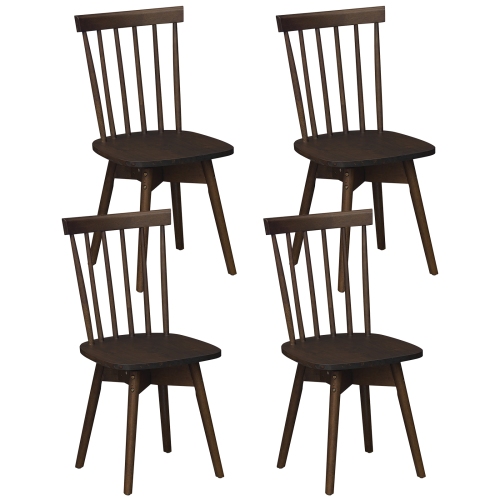
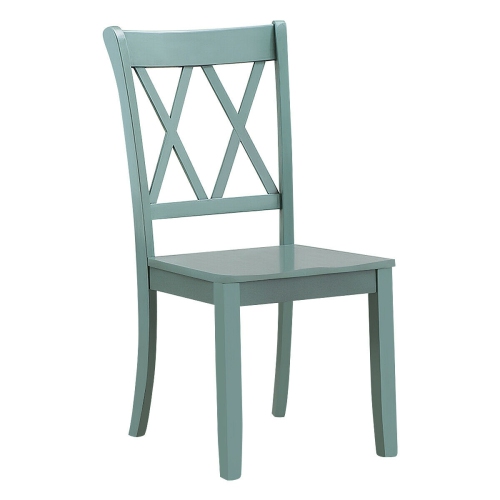
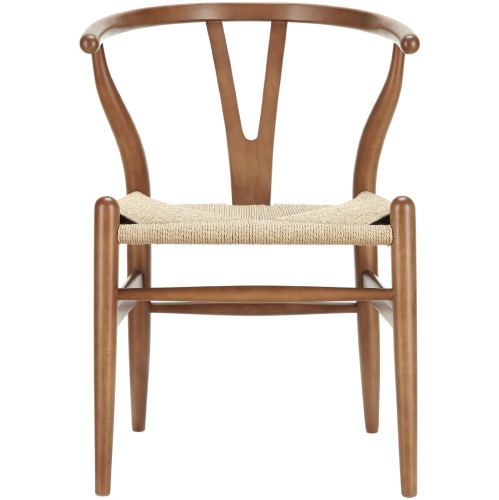
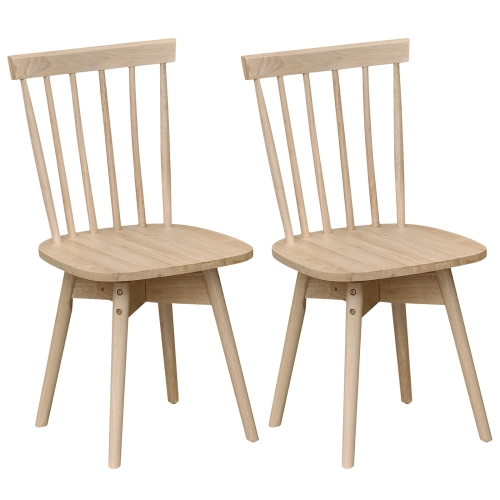


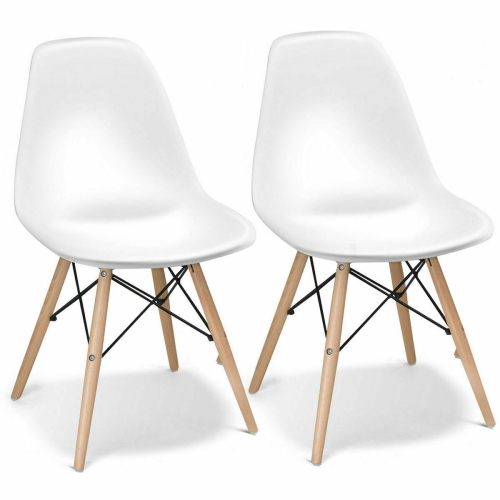
Why chair proportions matter more than matching finishes
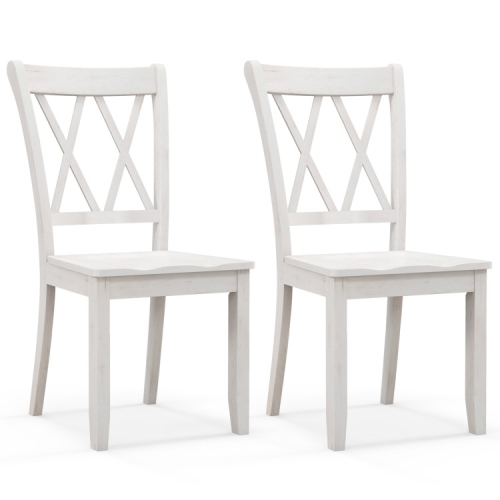
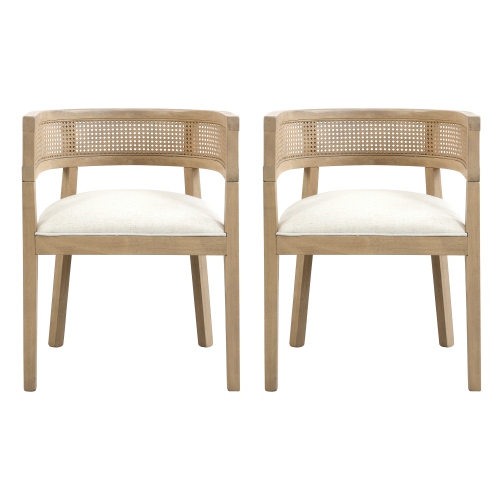
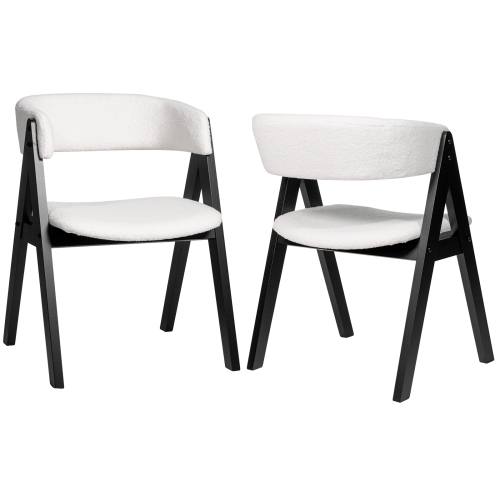
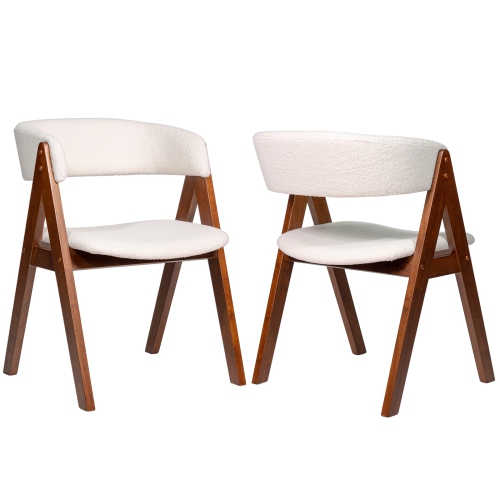
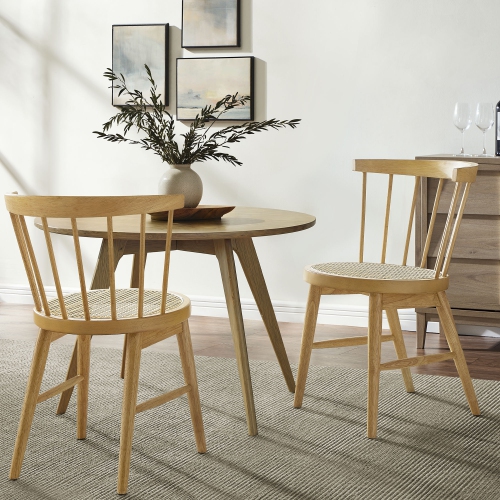
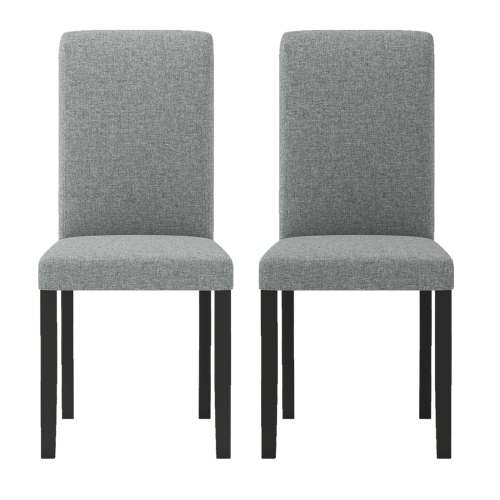
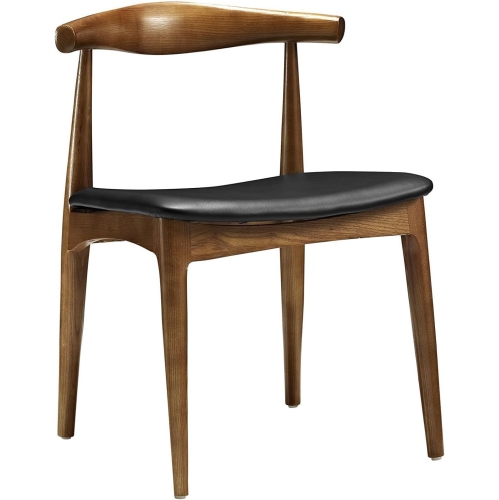
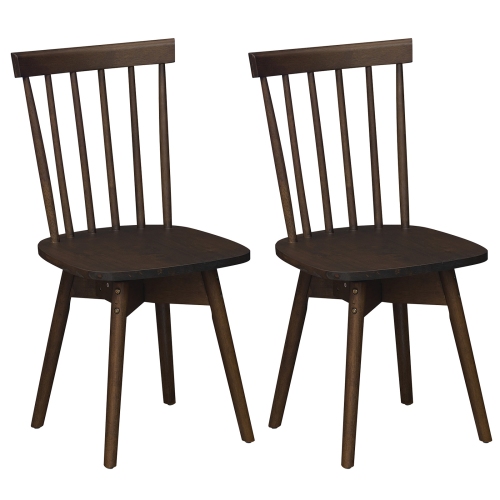
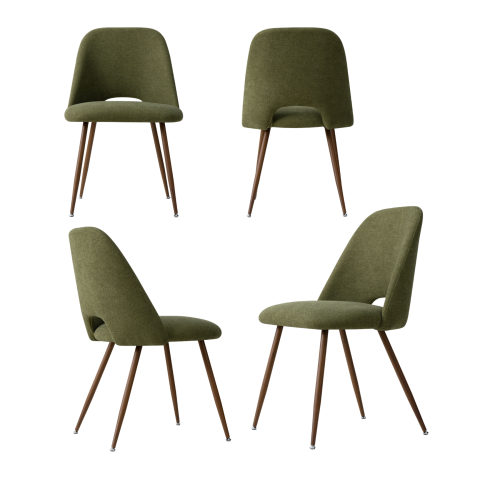
Mid-century wood dining chairs bring warmth and a distinctive sense of proportion to the dining area. Rooted in furniture design from the middle of the twentieth century, the style often pairs tapered legs with gently curved backs, compact frames, and details that make everyday seating feel thoughtfully shaped. The appeal lies in that balance: a chair can have a sculptural profile without overwhelming a small table or making a dining room feel formal. Wood grain adds variation to otherwise simple forms, whether the finish has a pale, honeyed appearance or a deeper brown tone. Lighter finishes can create a softer contrast beside a dark tabletop, while darker frames can give definition to a room with pale walls and flooring. Matching the table exactly is not essential; a shared undertone, similar leg shape, or repeated curve can bring different pieces together. Construction matters as much as appearance. Solid wood components show natural grain variation and may develop small marks with use, while wood veneer creates a real-wood surface over another material. Veneer should not be confused with a printed wood-look finish, and neither a solid-wood label nor a particular finish colour alone establishes how well a chair is built. The quality of the joints, frame design, surface finish, and assembly all contribute to everyday performance. Some designs combine wooden legs with a moulded seat, woven seat, or upholstered cushion, so the amount and placement of wood can vary considerably. An exposed wooden back keeps the grain visible from across the room, while an upholstered seat introduces a softer texture at table level. These differences influence both the look and the feel of the seating. A slim, open frame may suit a compact eating nook, whereas a broader back and more substantial legs can hold their own beside a large dining table. The most convincing arrangement usually comes from compatible proportions rather than identical finishes throughout the room.
Fit becomes especially noticeable once chairs are pulled up to the table and used for a full meal. Seat height needs to work with the tabletop, but the underside of the table deserves equal attention. A deep apron can reduce thigh clearance even when the overall table height seems suitable, and crossbars or pedestal bases may limit where feet and chair legs can sit comfortably. Armchairs introduce another measurement: the arms need enough clearance to slide beneath the table if the chairs are meant to tuck away. Overall chair width also matters more than seat width alone, particularly when curved backs or angled legs extend beyond the sitting area. At a rectangular table, generous-looking end positions may still be awkward if a table leg blocks the chair from moving inward. Around a round table, the available space narrows toward the centre, making the relationship between chair legs and the table base worth checking. Leave enough room behind each place for someone to pull out a chair without pressing against a wall, sideboard, or neighbouring seat. Comfort is similarly personal. A curved back can provide a reassuring point of contact, but its height and angle determine where that support lands. A shaped wooden seat can feel quite different from a flat one, while upholstery adds cushioning that may be welcome during long conversations, shared meals, or an evening board game. A seat that is too deep can make it difficult for a shorter person to rest against the back while keeping their feet supported. For someone who also uses the dining table for paperwork, comfort over a longer sitting period deserves more weight than appearance alone. Exploring Mid Century Modern Dining Chairs Sets can help when a consistent silhouette and finish are priorities around the table. A coordinated group can still feel personal alongside a contrasting table, patterned rug, or different chairs at the ends.
Everyday care helps preserve both the appearance and usefulness of mid-century wood dining chairs. Dust and crumbs can collect along seat seams, backrest joints, and the point where the legs meet the frame, so a soft cloth and gentle cleaning routine are useful starting points. Spills should be blotted promptly rather than left on the surface, and cleaning products should suit the specific finish. A damp cloth may be appropriate for some sealed surfaces, but soaking wood or leaving moisture around joints can cause damage. Abrasive pads, strong solvents, and polishing products used without checking compatibility can alter the sheen or leave residue. Upholstered seats need their own care approach: woven fabric, leather, and leather-look coverings do not necessarily tolerate the same cleaners. Removable seat pads can make some tasks easier, but a removable cushion is not automatically machine washable. The manufacturer’s care directions remain the best reference for both the frame and the seat covering. Floor protection is another small detail with a noticeable effect. Suitable pads beneath the legs can help reduce scraping sounds and marks on hard flooring, provided they are kept clean and replaced when worn. On a rug, chair legs should remain supported when the chair is pulled back for sitting; repeatedly catching a leg at the rug edge can make movement awkward. For chairs that require assembly, checking the hardware after initial use and periodically afterward can help identify loosening before it becomes a persistent wobble. Tighten only as directed, since overtightening may damage the connection. Daily habits matter, too: leaning back on two legs places stress on joints, and a dining chair should not double as a step stool. With an appropriate frame, comfortable proportions, and manageable care needs, this style works well for shared dining rooms, apartment eating areas, and kitchen tables that serve several purposes. Its lasting appeal comes from making a practical household essential feel considered, with wood texture and balanced lines that remain easy to live with.
Top selling and popular products
-
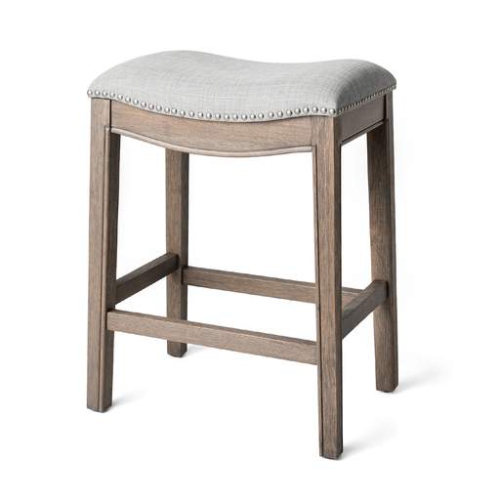 Your price for this item is $226.99
-
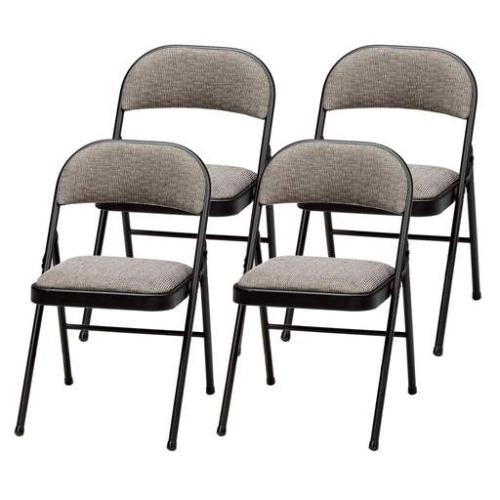 Your price for this item is $386.99
-
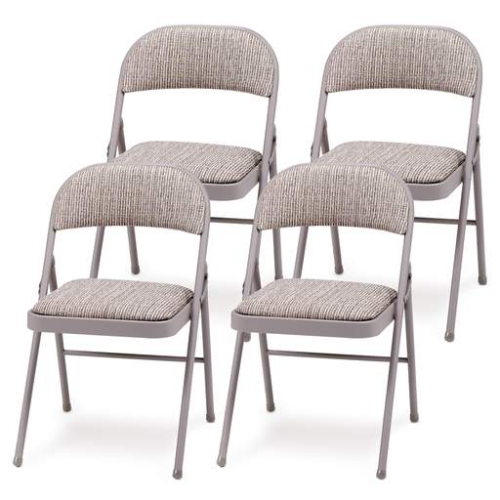 Your price for this item is $409.99
-
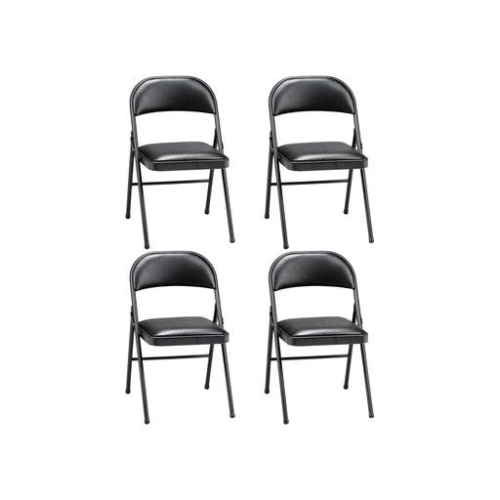 Your price for this item is $401.99
-
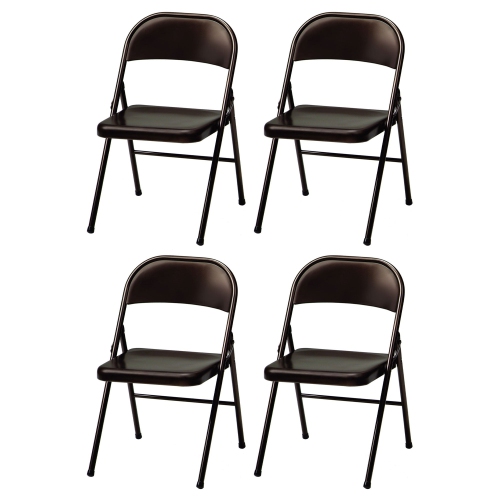 Your price for this item is $212.99
-
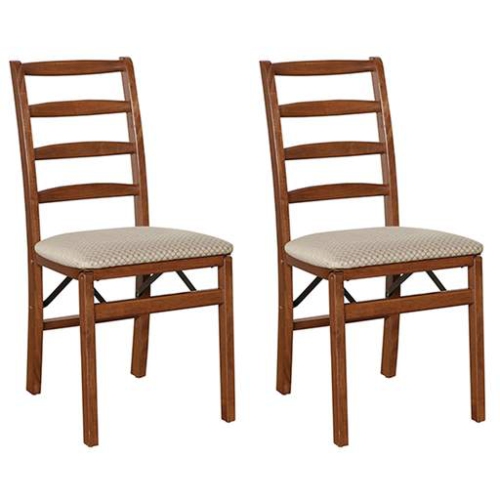 Your price for this item is $374.99
-
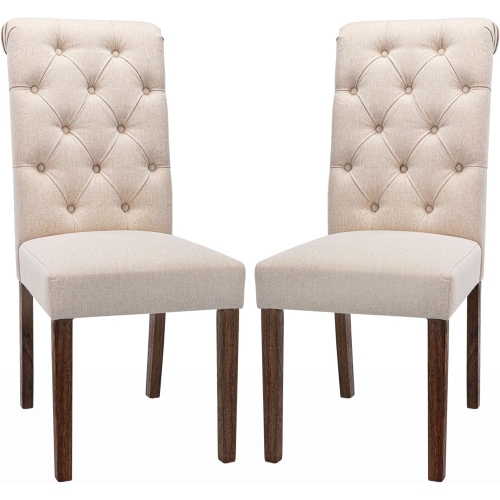 Your price for this item is $210
-
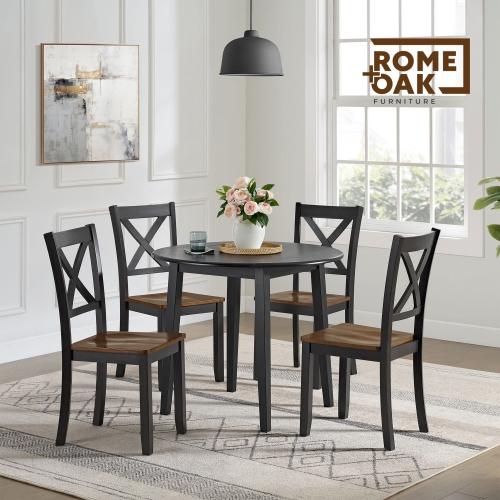 Your price for this item is $426.99
Discover more categories related to Mid Century Wood Dining Chairs
Top Collections:
Best Black Friday Deals This Year, Best Black Friday Deals On Electronics, Kindle Devices, Dyson Airwrap, Best Cameras for Sports Photography, Best Black Friday Deals On Apple Products, PS5 Pro Consoles, Portable Snow Blowers, Canon G7X Cameras, Pokémon 30th Celebration Cards
Some products may be subject to Environmental Handling Fees
(EHF) depending on your province.
Learn more about EHFs.