Mid Century Modern Footstool
Enhance the style and comfort of your living space with a touch of timeless elegance through our mid-century modern footstools. Designed to effortlessly blend functionality with sleek aesthetics, these footstools capture the essence of mid-century design, making them the perfect addition to any contemporary or retro-inspired home. Crafted with attention to detail and using high-quality materials, our mid-century modern footstools offer a versatile seating option that not only elevates your relaxation experience but also adds a sophisticated touch to your interior decor.
Sort
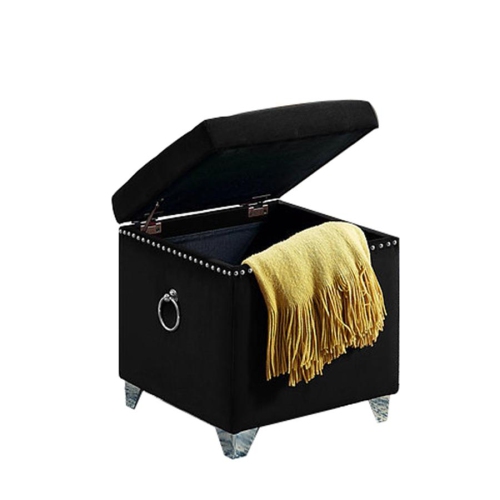
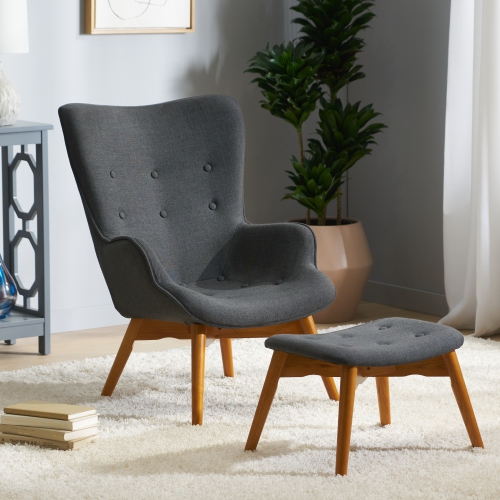

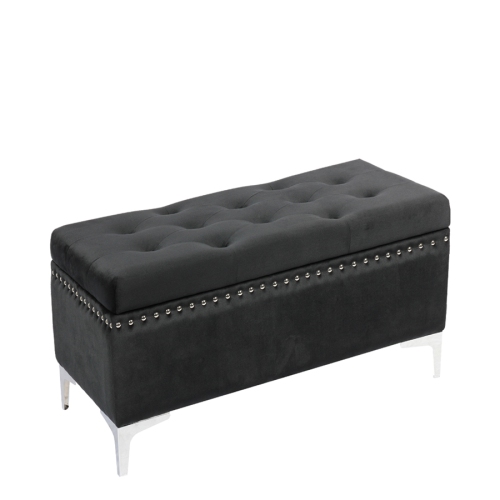
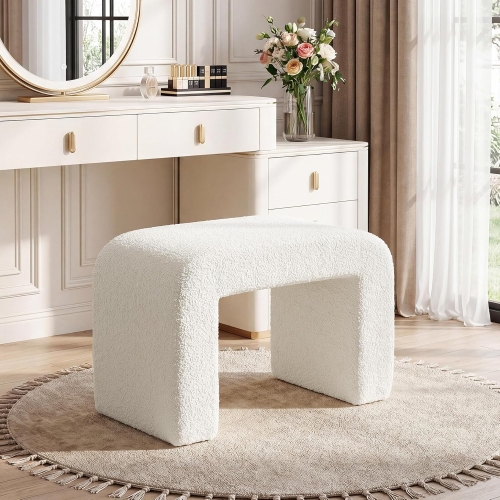


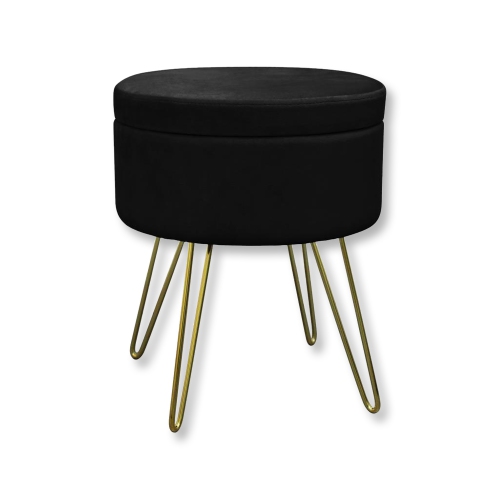

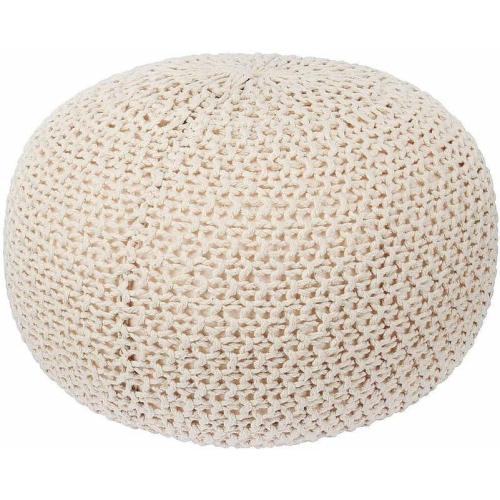
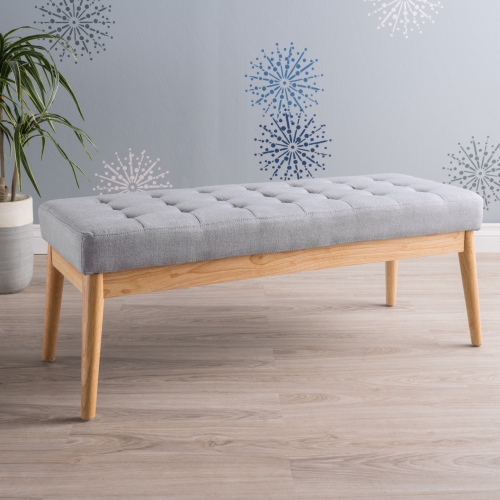


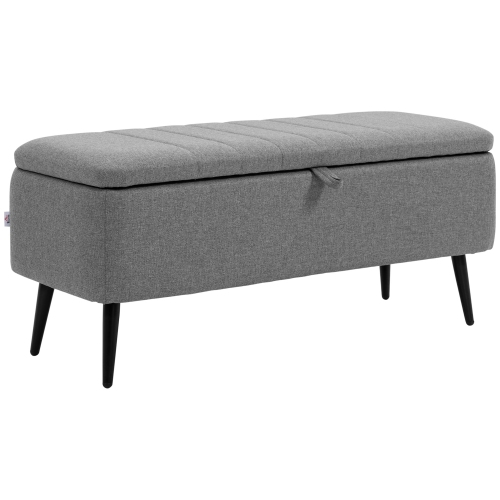


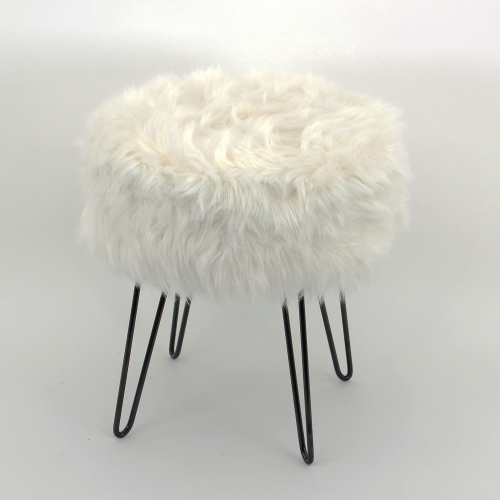
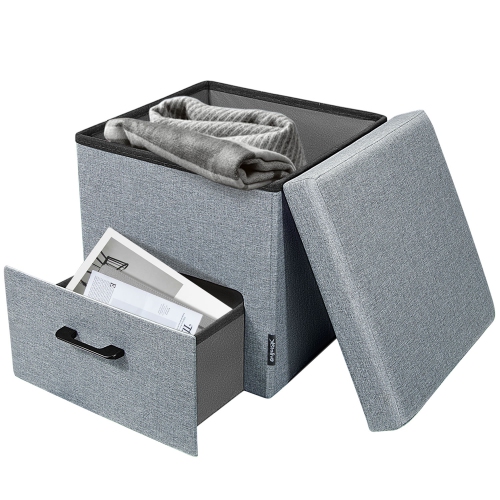


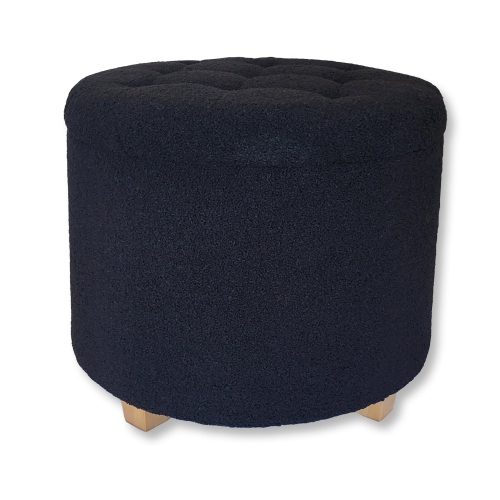

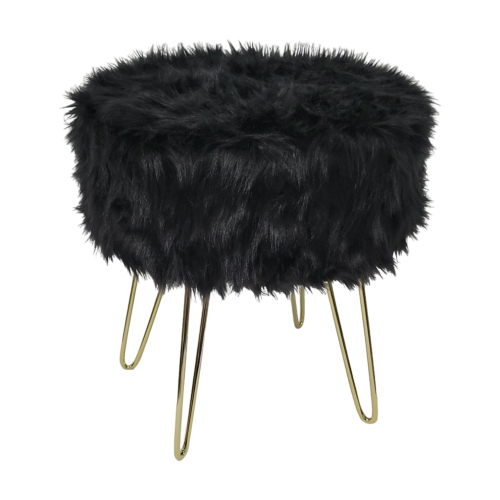


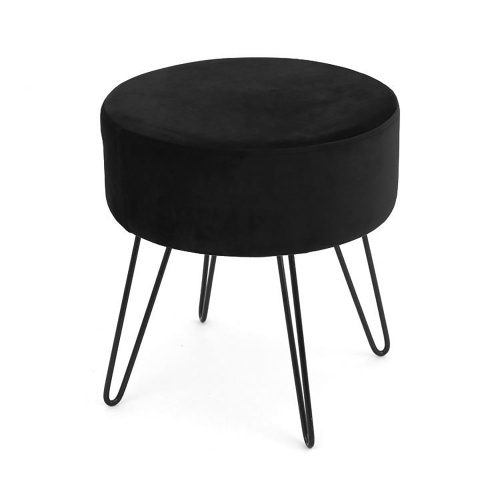


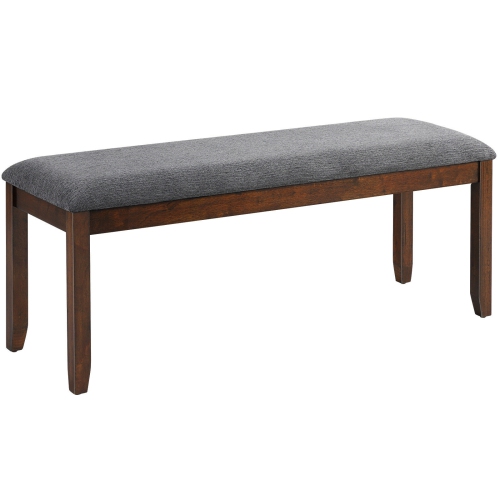


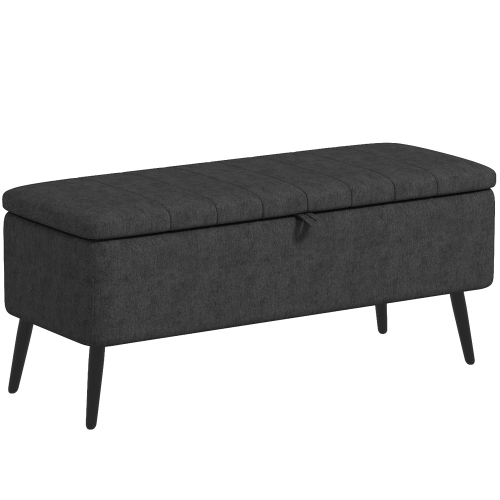


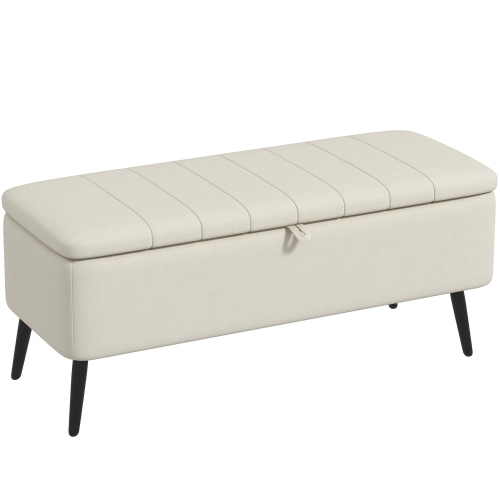

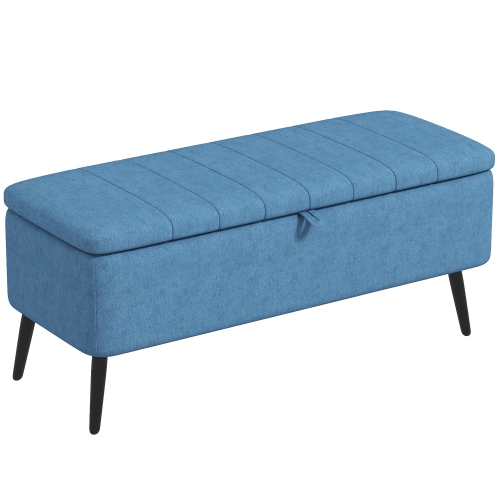
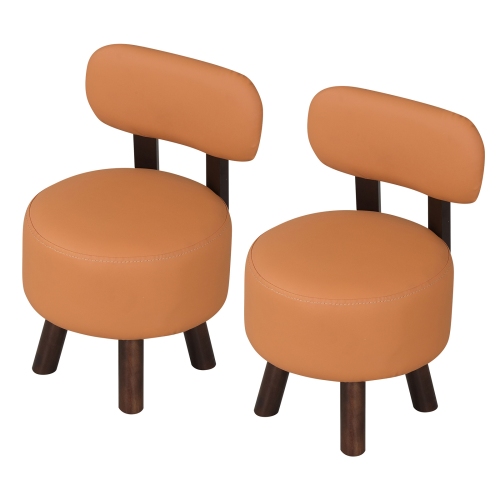


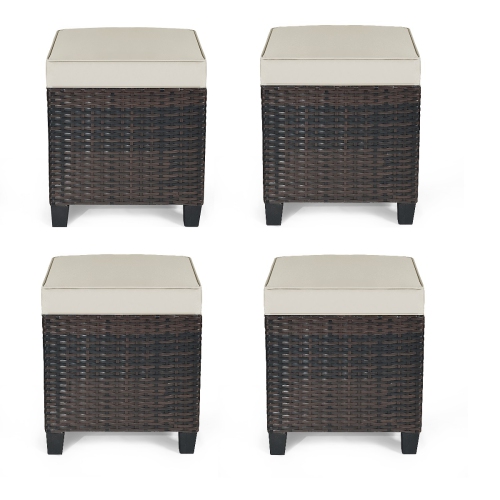


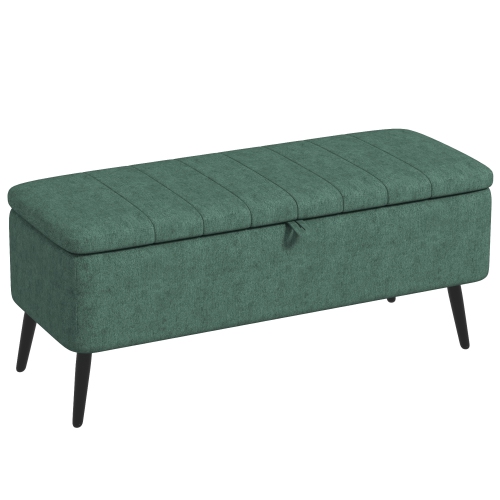
Compact comfort with warm wood and tapered legs
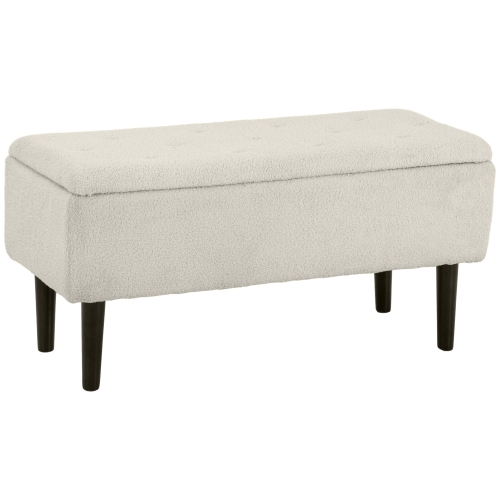
Mid-century modern footstools bring a distinctive mix of clean lines, warm wood tones, and comfortable upholstery to living rooms, reading corners, and bedrooms. The style draws on furniture design associated with the middle decades of the twentieth century, when simple shapes and practical proportions helped everyday furnishings feel lighter and less formal. Tapered legs, gently rounded edges, and an uncluttered silhouette remain familiar features, though the look can range from a compact upholstered cushion on a wooden base to a broader rectangular form with subtle tufting. A footstool adds a place to stretch out without the footprint of a chaise or reclining chair, making it useful beside an apartment-sized sofa or a favourite armchair. Its smaller scale also creates room for colour and texture without asking them to dominate the space. An ochre fabric can draw out the warmth of walnut-toned furniture, while charcoal, cream, or muted blue can sit comfortably alongside patterned rugs and wood flooring. Rounded shapes soften arrangements built around straight-edged sofas and shelving; rectangular shapes often echo the lines of a coffee table or media unit. Matching every wood finish is not necessary for a cohesive room. A similar undertone, a repeated upholstery colour, or a shared leg shape can make separate pieces feel connected without looking like a complete matching set. The open space beneath raised legs is another part of the appeal: more of the floor remains visible, which can help a small seating area feel less crowded. For someone who enjoys reading, knitting, watching a film, or simply resting at the end of the day, the footstool’s value is straightforward. It brings a comfortable resting surface within reach while adding a modest but expressive piece of furniture to the room. That balance of purpose and character is central to the style, whether the surrounding furniture is distinctly mid-century or a mix collected over time.
Comfort depends as much on proportions and construction as it does on appearance. A footstool generally feels most natural when its top sits near or slightly below the height of the chair’s seat while someone is sitting in it, although personal preference and posture matter. A deep, soft armchair compresses under body weight, so its listed seat height may not tell the whole story. A stool that looks well matched beside an empty chair can feel too high once the cushion settles. Width and depth shape the experience too: a narrow surface may suit one person resting their heels, while a wider top offers more room to shift position or share space at the end of a sofa. The gap between the chair and footstool should allow a relaxed leg position without forcing someone to stretch, and the surrounding layout still needs clear paths to doorways, drawers, and nearby seating. In a small room, a lightweight footstool can be easier to reposition, while a heavier frame may feel steadier when it is intended to stay in one place. Upholstery makes a noticeable difference in daily use. Woven fabrics offer texture and a broad choice of colours, but their cleaning needs vary with fibre content and construction. Velvet brings depth and a soft feel, with a pile that can show changes in direction or pressure marks. Leather can develop character through use, while coated alternatives have their own care requirements and may respond differently to friction and sunlight. Foam density, padding thickness, and the support beneath the upholstery influence whether the top feels firm, springy, or deeply cushioned. Solid wood, plywood, and other engineered wood components can all appear in furniture construction; joint quality, leg attachment, and the overall frame design deserve attention alongside the material name. A footstool is not automatically suitable as an extra seat or step. Any use beyond supporting feet should follow the manufacturer’s stated purpose and weight limit.
Daily habits help determine which details will remain useful long after the room is arranged. In a busy household, tightly woven upholstery and accessible cleaning instructions may matter more than decorative buttons or deep tufting, where crumbs and pet hair can gather. A removable cover can make upkeep simpler when the care label permits washing, but removable does not necessarily mean machine washable. Routine care often involves gentle vacuuming with an appropriate attachment and prompt attention to spills, following the manufacturer’s directions rather than relying on a general-purpose cleaner. Leather and wood finishes may need different treatments, and any cleaning product should be checked for compatibility before use. Direct sunlight can affect some fabrics and finishes over time, so placement beside a bright window is worth considering. On hard flooring, suitable felt pads or protective glides can help reduce marks when the stool moves; on a rug, stable legs and a level resting position help prevent wobbling. Checking leg fasteners periodically, where the design allows it, can also help maintain a steady base. Function varies across footstool and ottoman designs, particularly when storage is involved. For a room that needs somewhere to tuck away a throw, reading material, or small accessories, Mid-Century Modern Storage Ottomans offer a related furniture style with concealed compartments. The usable interior dimensions, lid design, and clearance needed to open the top all affect how conveniently that storage fits into everyday routines. A cushioned surface should not be treated as a stable place for an uncovered drink, and a storage lid should be operated according to its safety instructions. As a housewarming gift, a footstool can be a thoughtful addition when the recipient’s room dimensions, preferred colours, and existing seating are known. It is especially well suited to someone furnishing a reading nook or adding comfort to a familiar chair. Whether chosen for that purpose or as a finishing touch beside a sofa, a well-proportioned mid-century modern footstool earns its place through comfortable support, manageable care, and a shape that feels at home among the furnishings around it.
Top selling and popular products
-
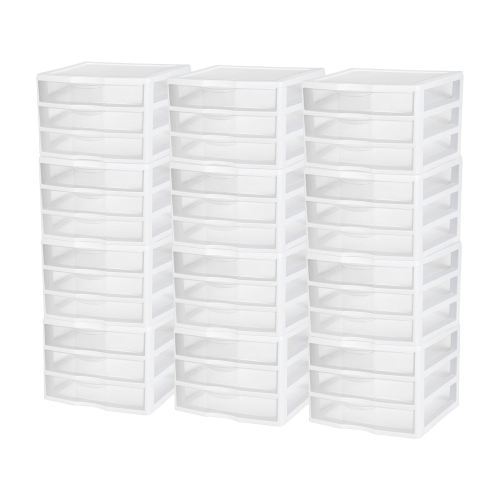 Your price for this item is $496.99
-
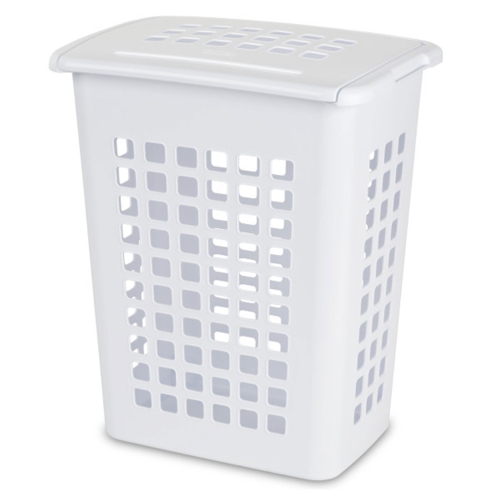 Your price for this item is $703.99
-
 Your price for this item is $580.64
-
 Your price for this item is $295.12
-
 Your price for this item is $286.83
-
 Your price for this item is $286.83
-
 Your price for this item is $765.09
-
 Your price for this item is $765.09
Discover more categories related to Mid Century Modern Footstool
Top Collections:
Pokemon Centers, Best Cameras for Sports Photography, Kindle Devices, Samsung Galaxy Phones, Canon G7X Cameras, Pokémon 30th Celebration Cards, Refurbished Apple Laptops, iPhone 15 Apple, Laptops for Students, Budget Smartphones
Some products may be subject to Environmental Handling Fees
(EHF) depending on your province.
Learn more about EHFs.