Mid Century Modern Chairs
Mid-century modern chairs are a great way to add a touch of style to your home. They're also very comfortable, which makes them a good choice for both work and play. Here are some excellent options available today.
Sort
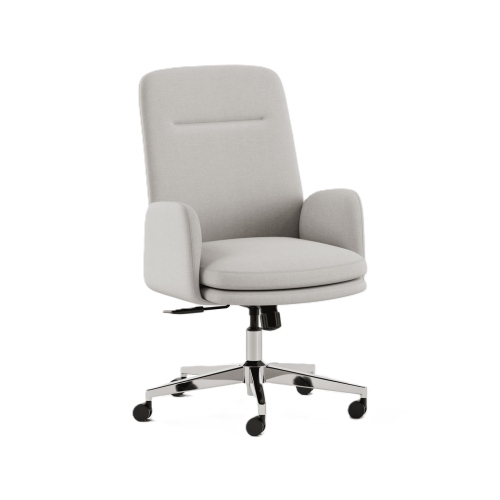

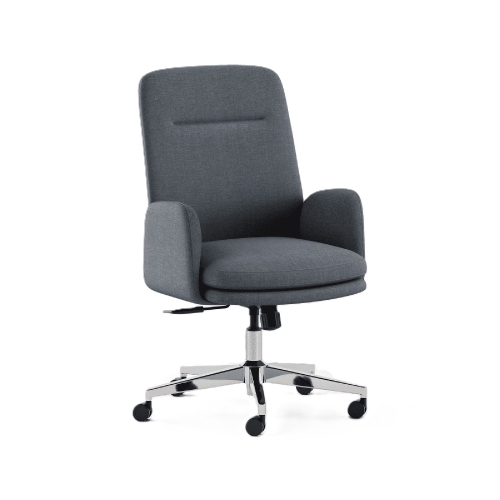
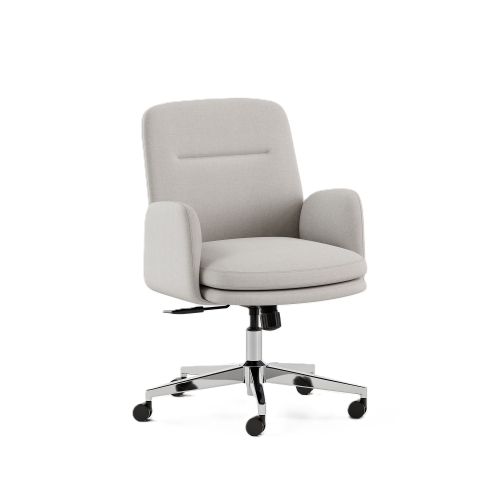
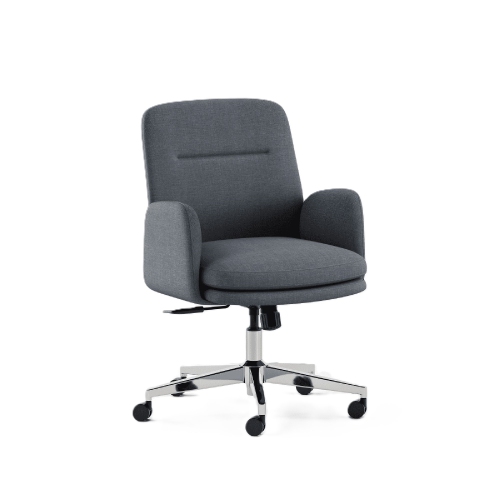
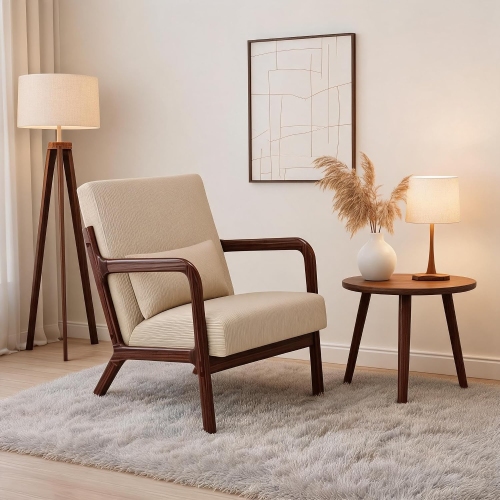
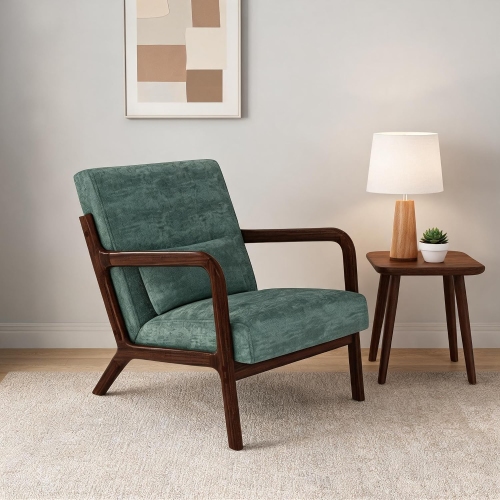
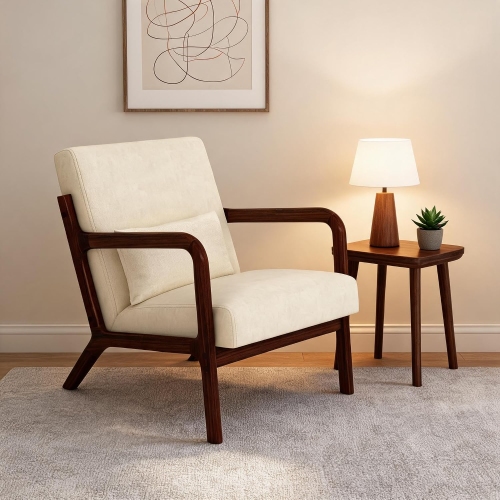
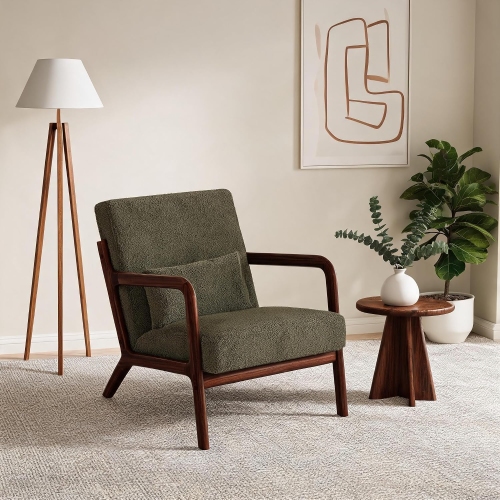


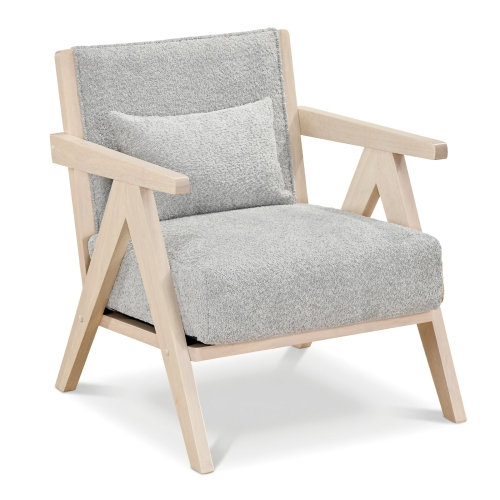
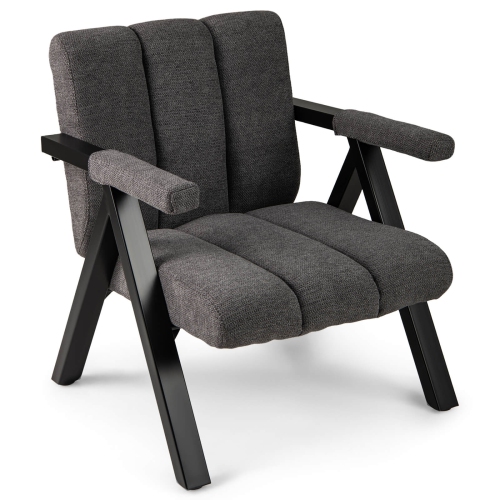
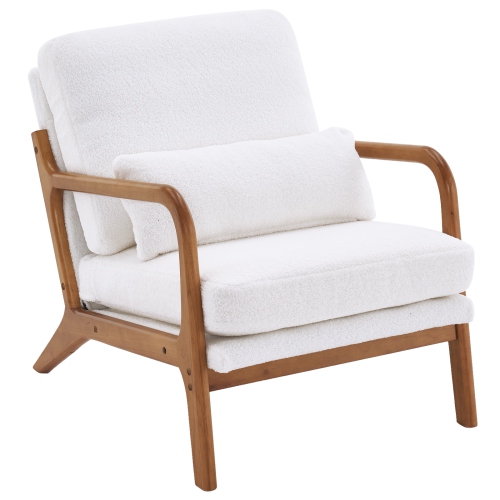
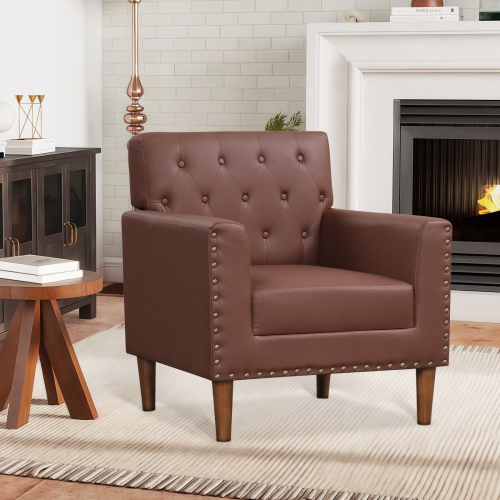

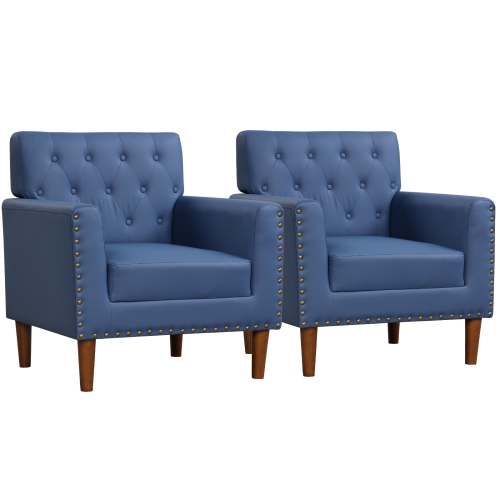
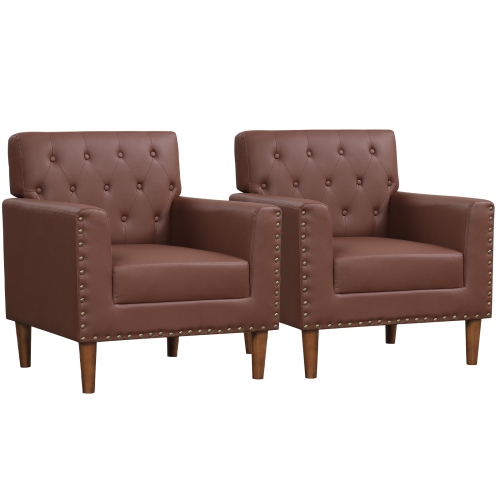
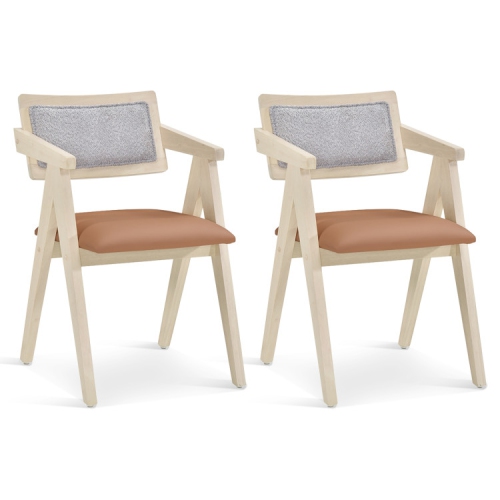
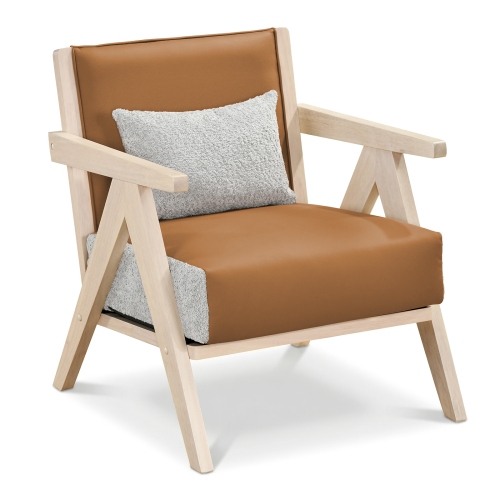


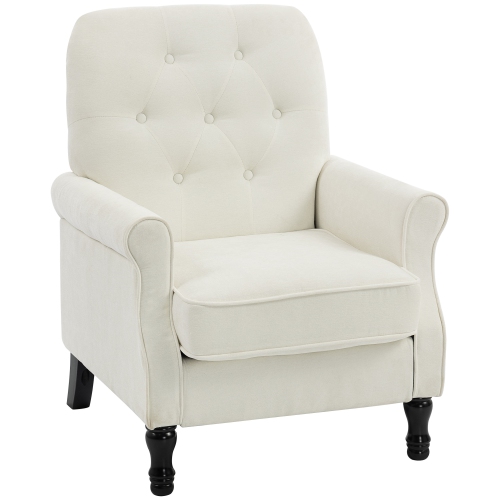
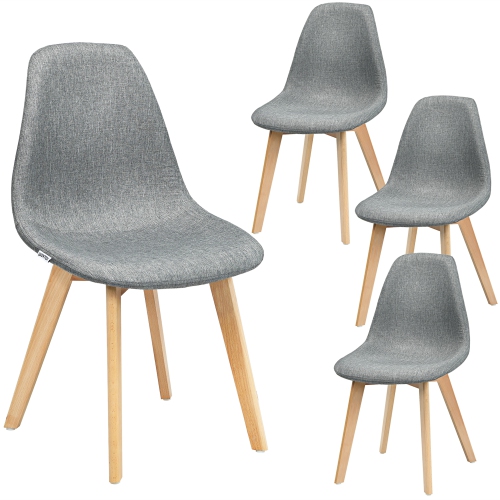
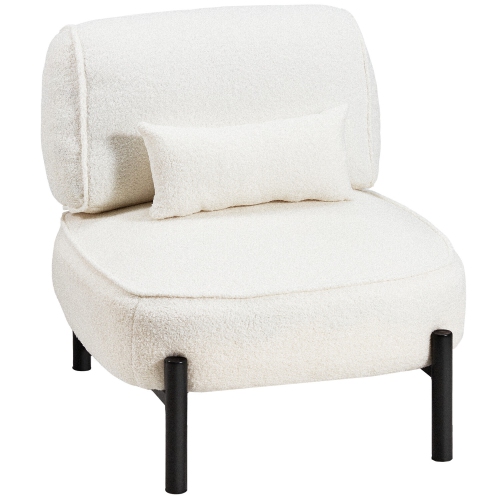
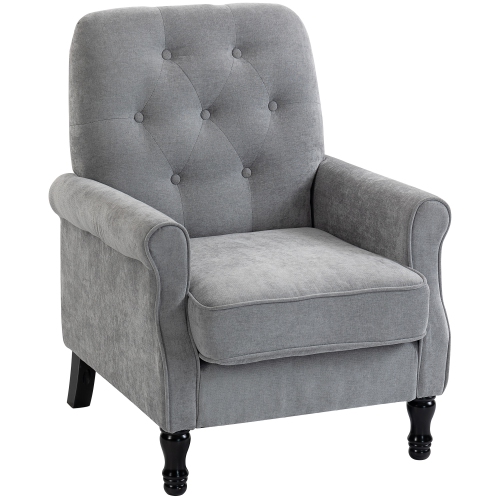
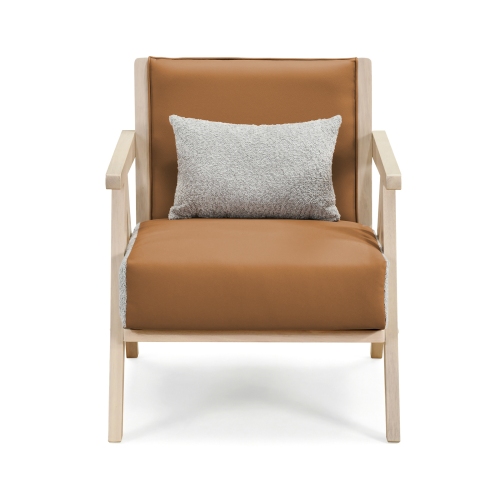
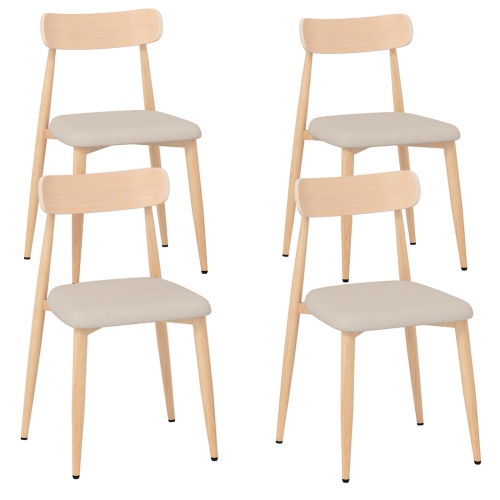
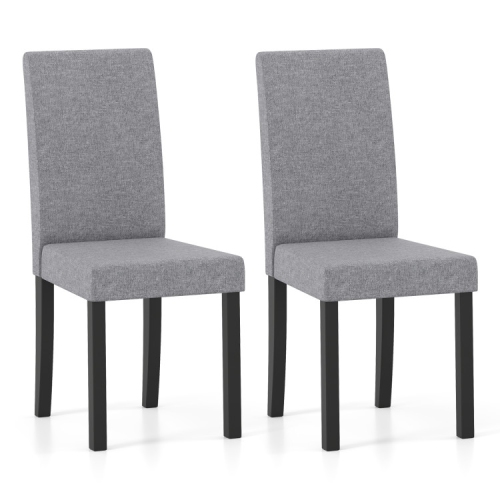
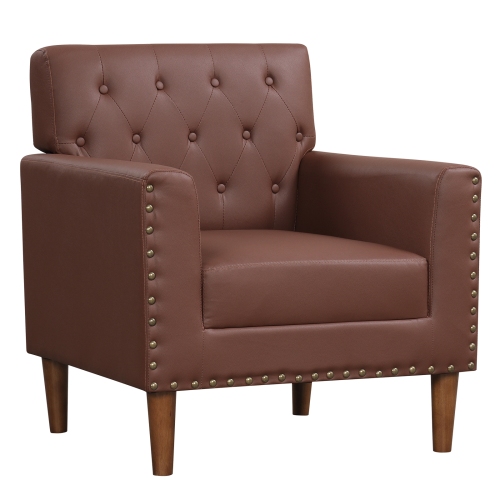
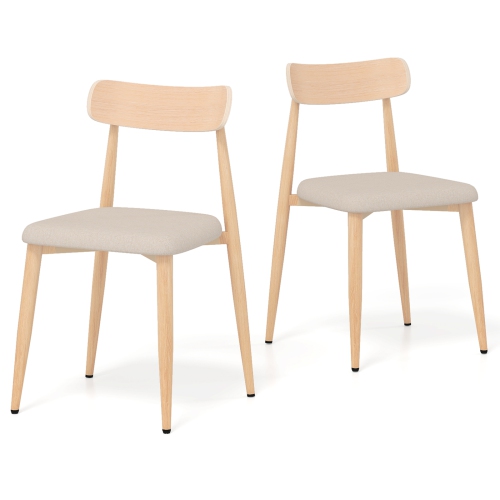
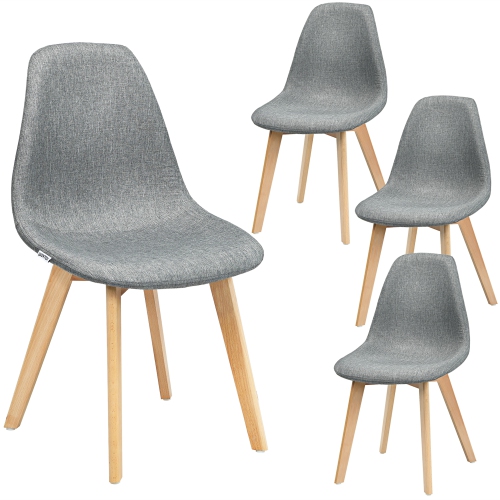
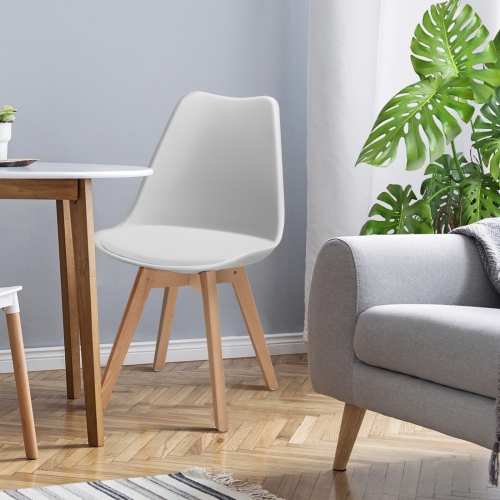
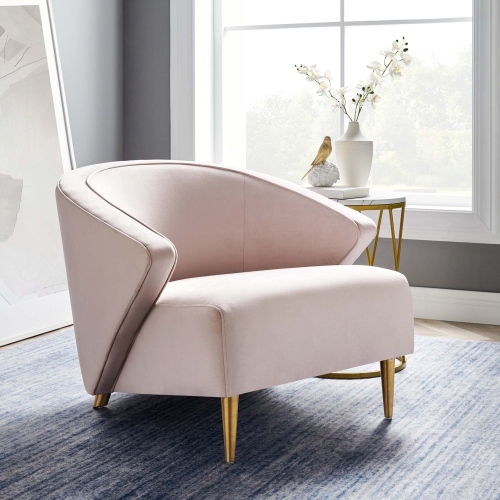
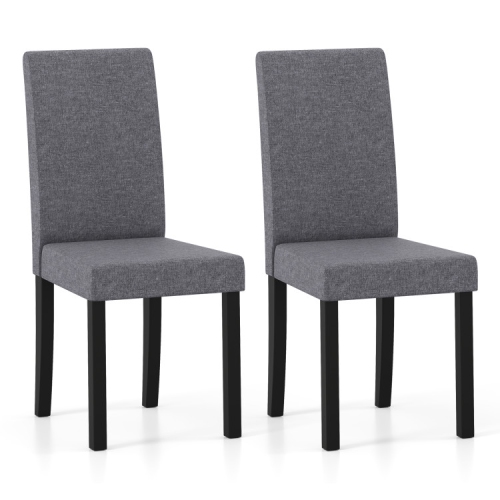
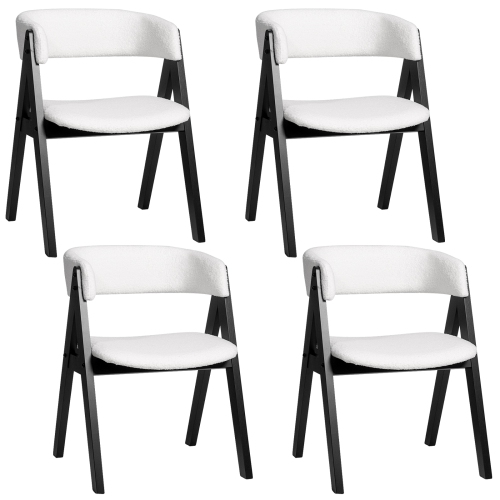
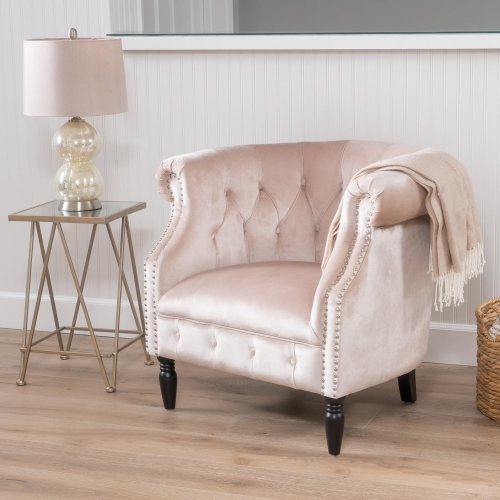
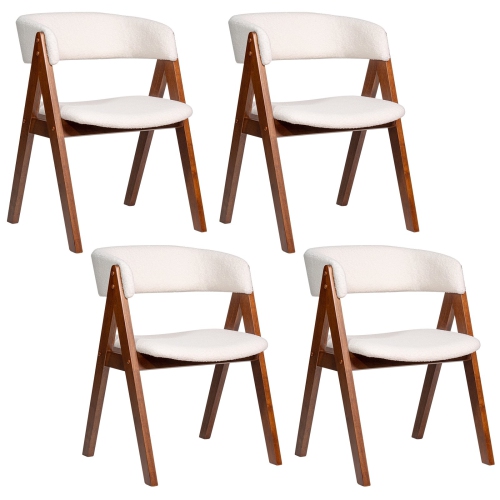


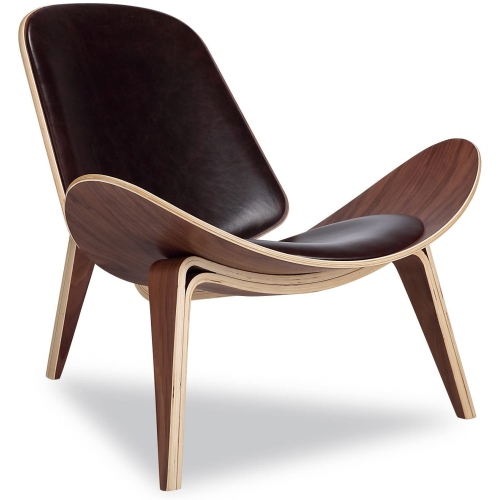
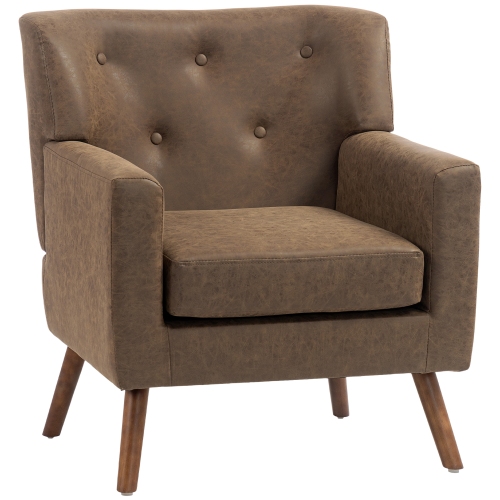
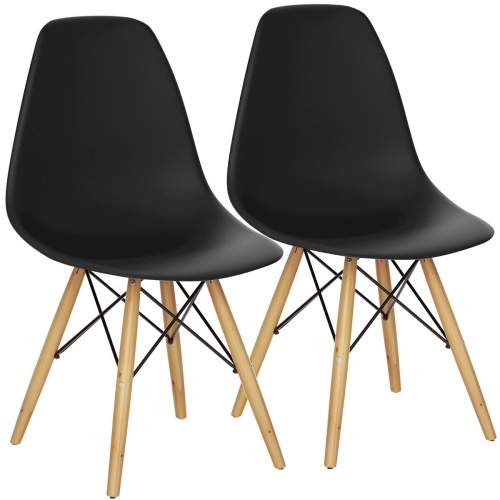
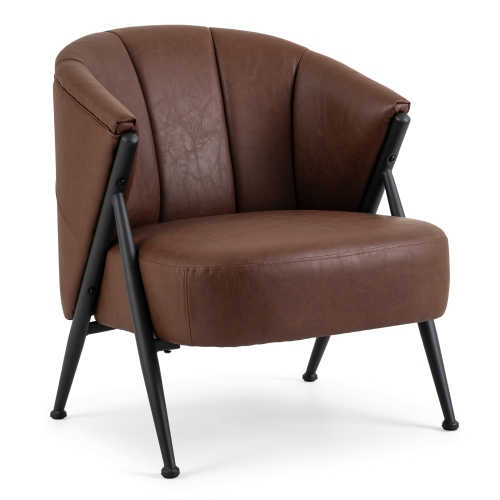



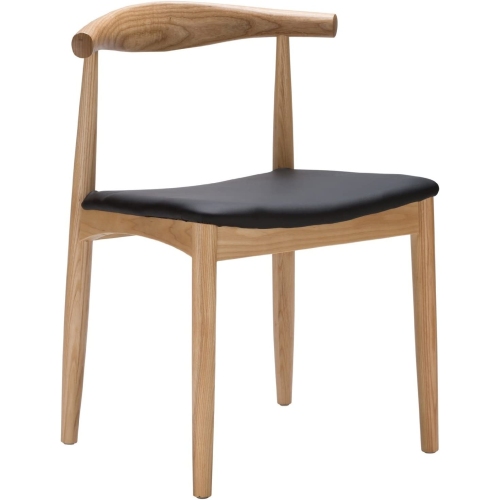
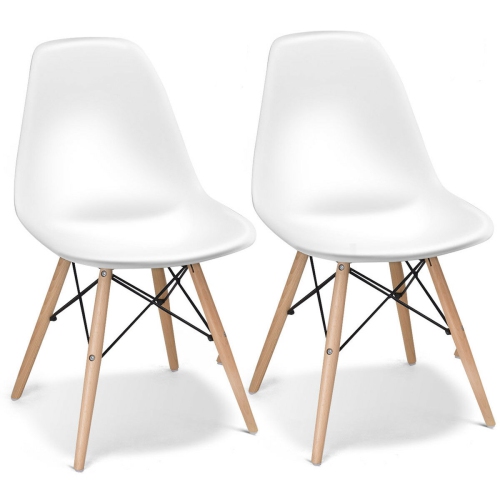

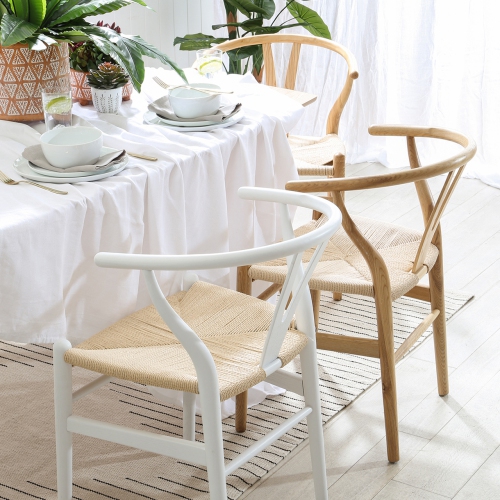
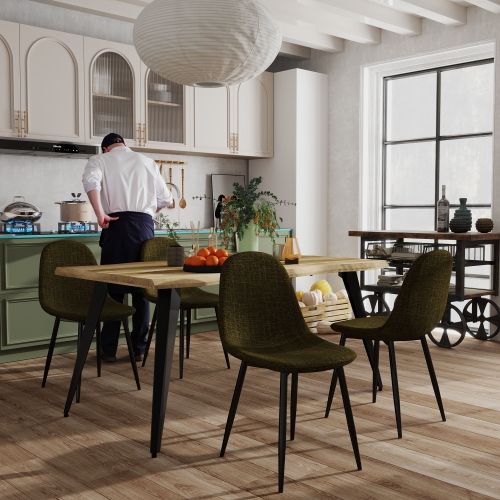
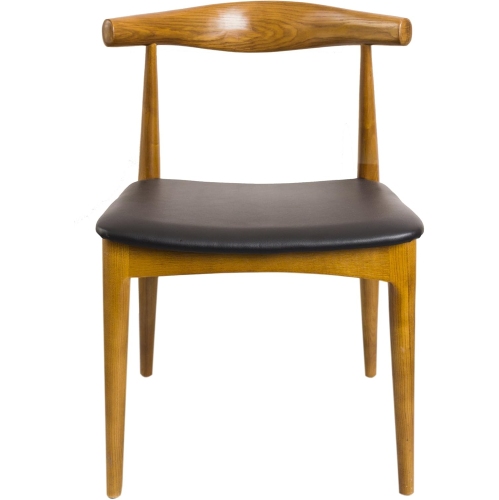

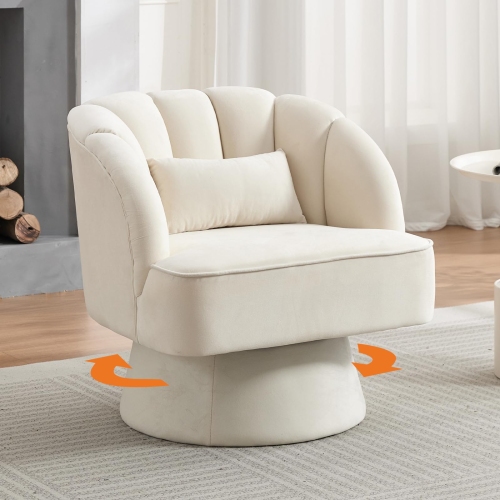
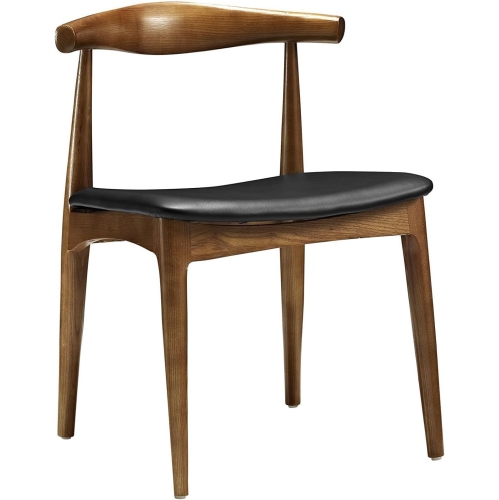

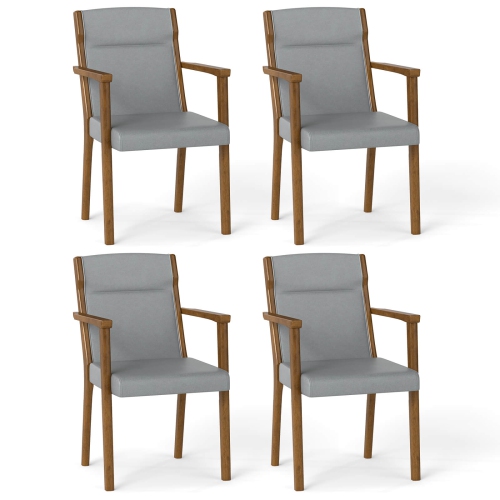





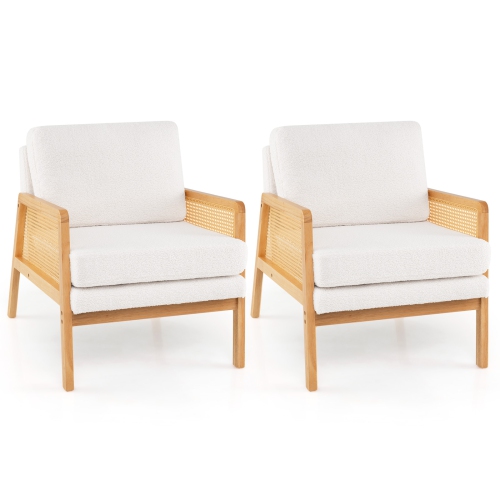
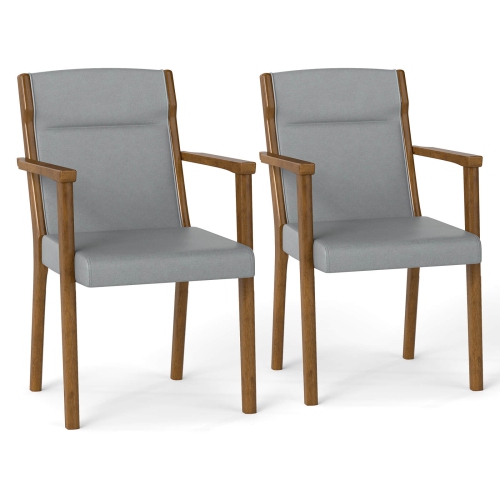
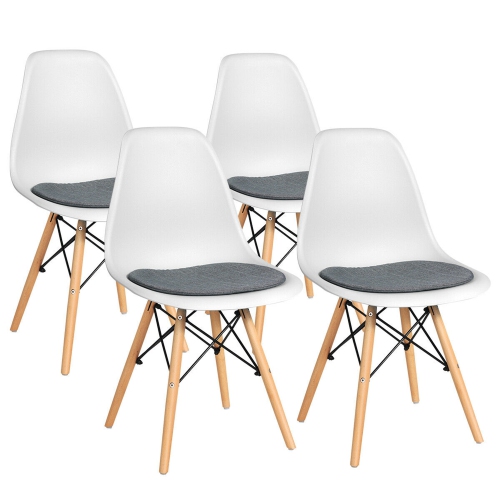
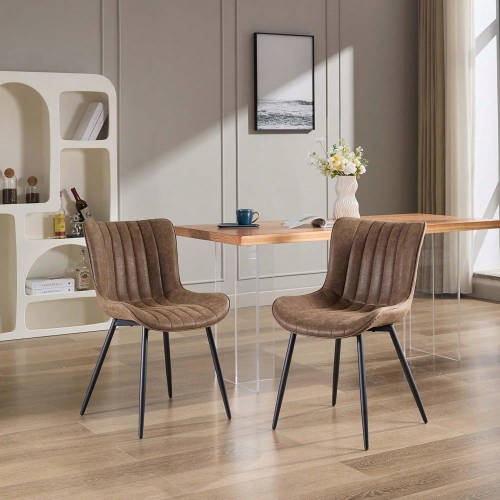
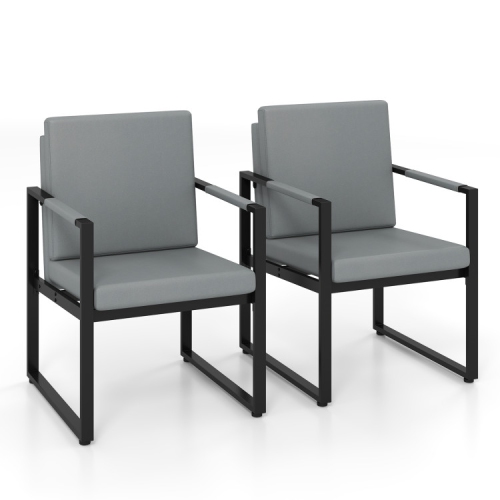
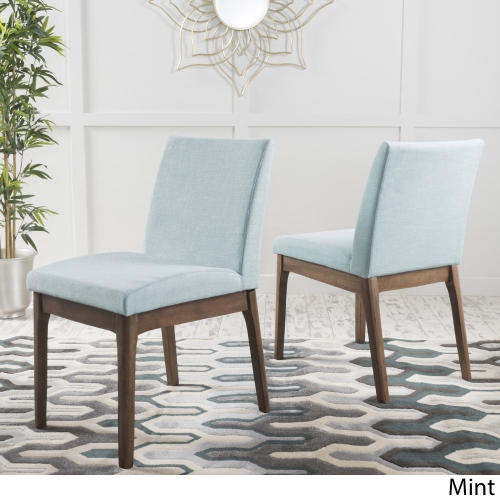
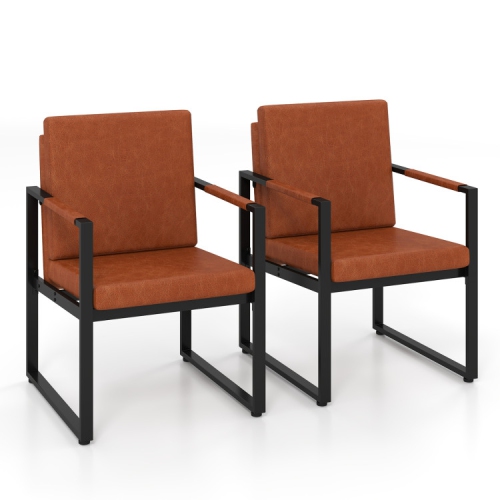
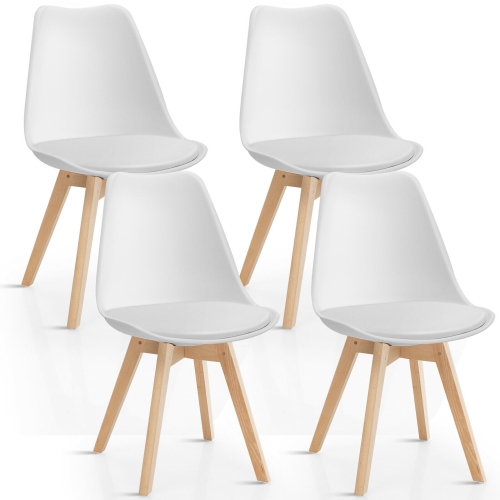

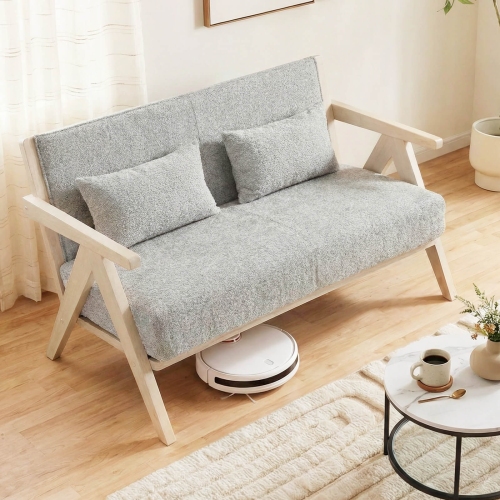
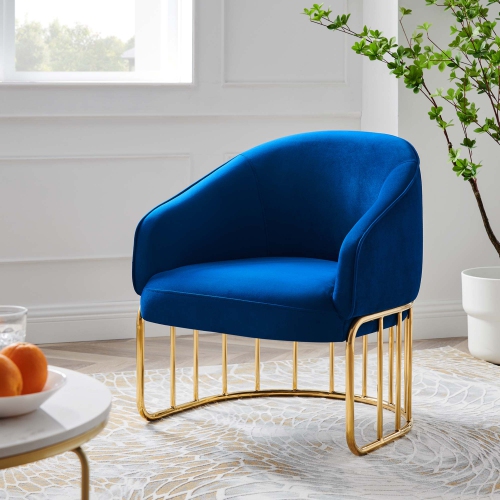
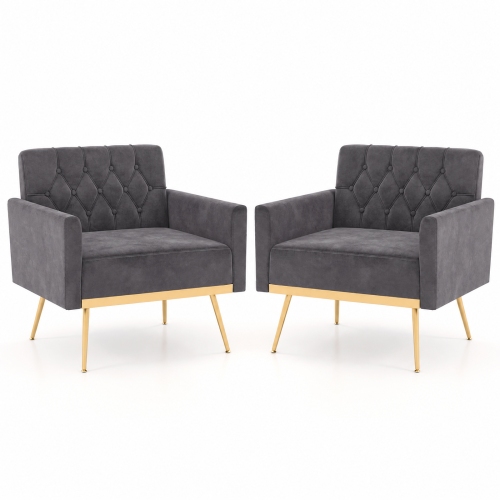
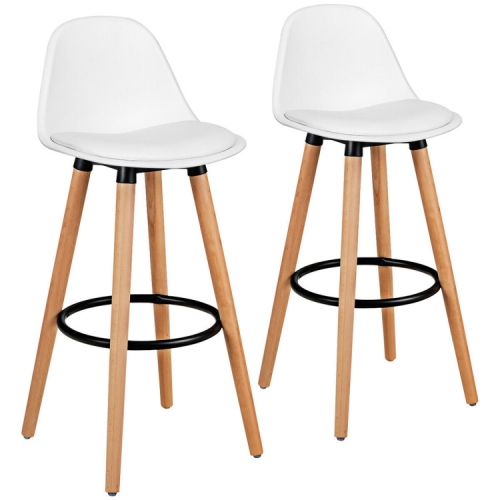
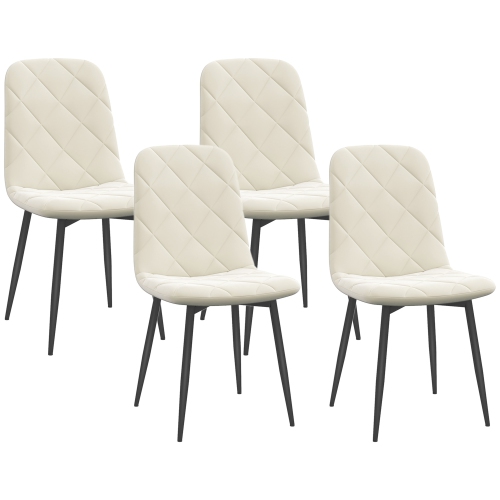
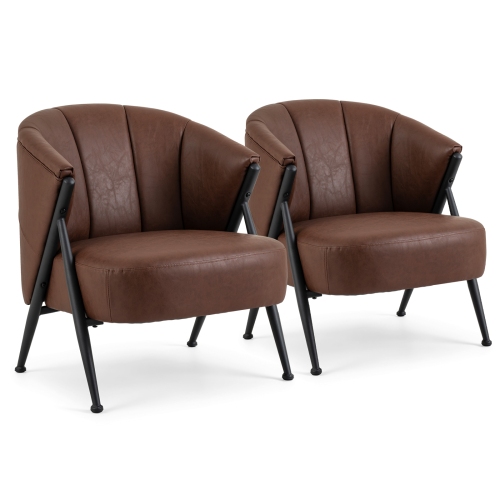
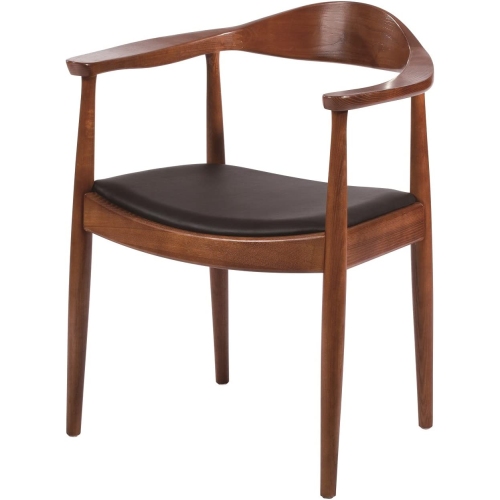
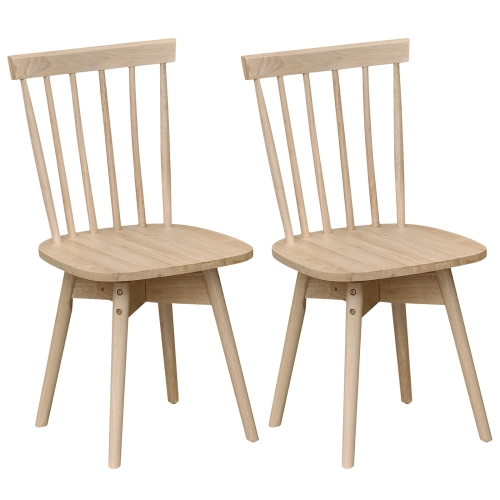

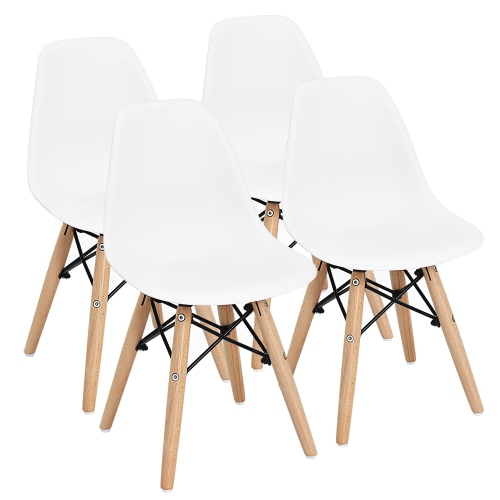

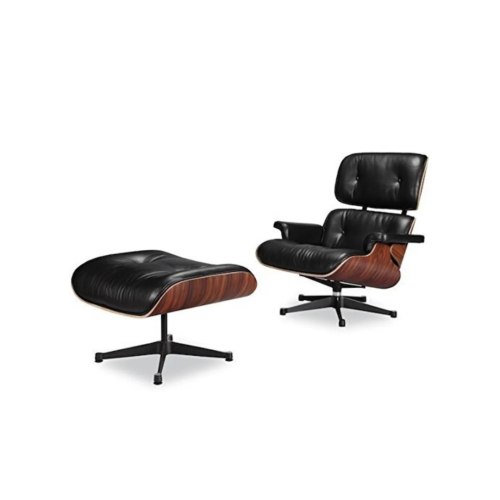
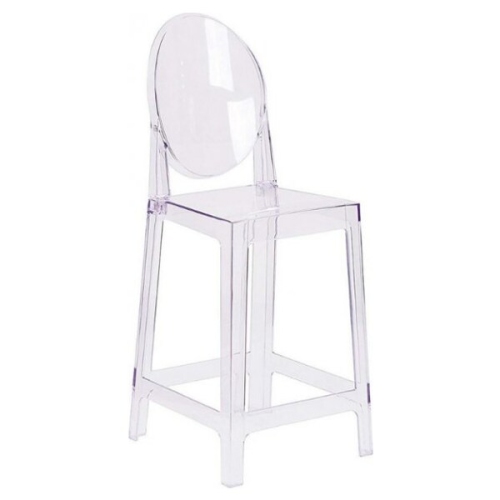
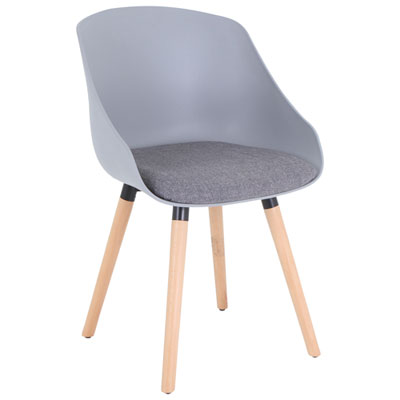


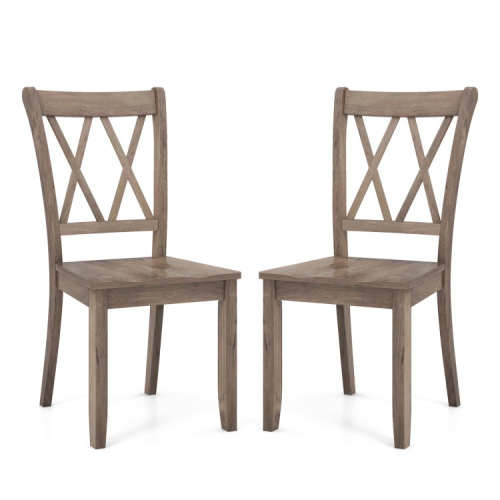
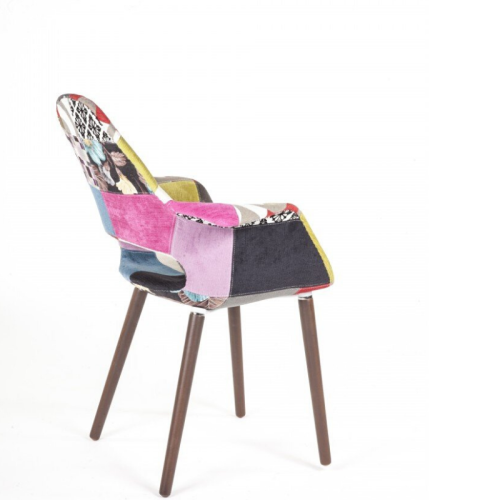

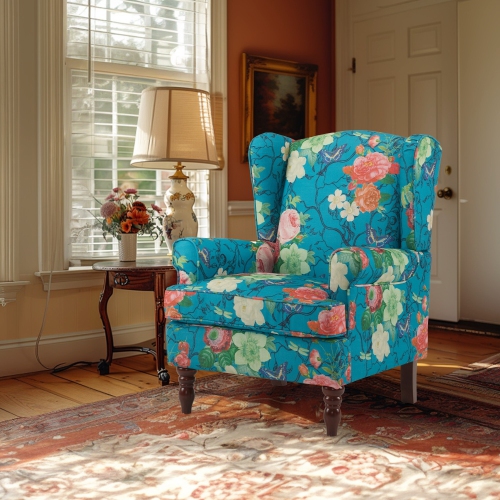
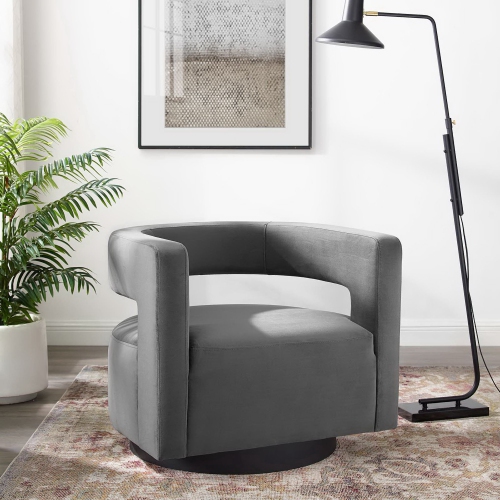
Why chair proportions matter as much as style
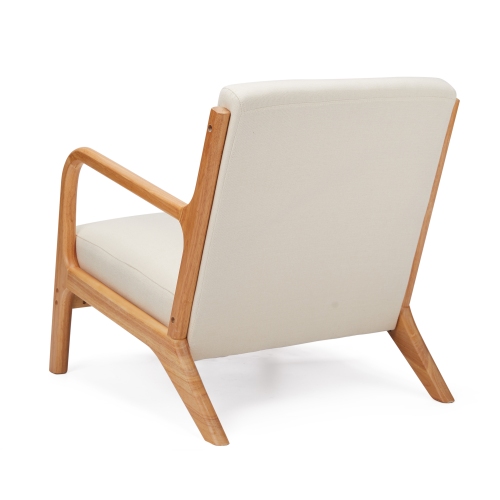
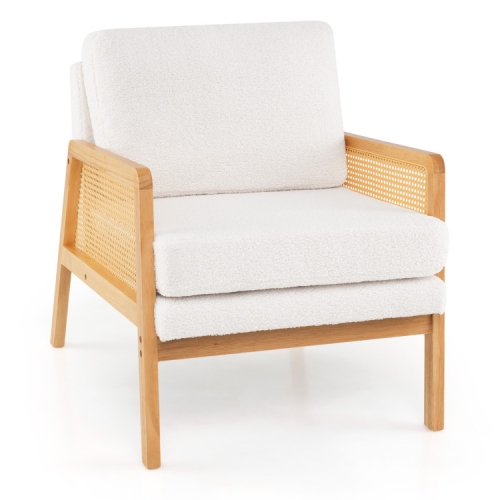
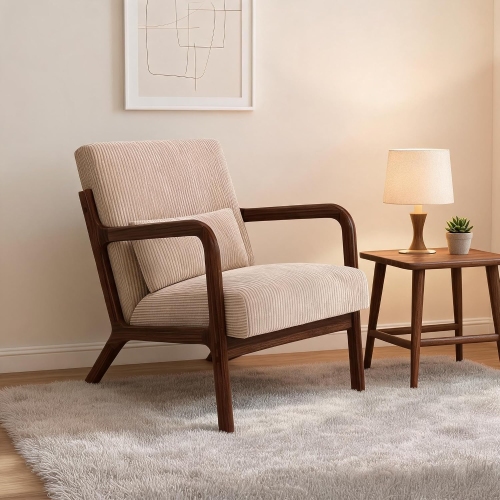
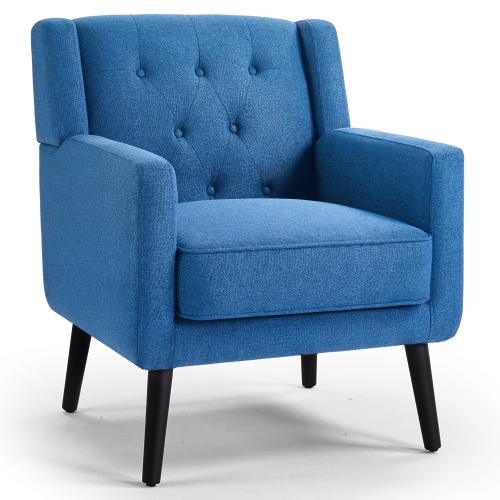
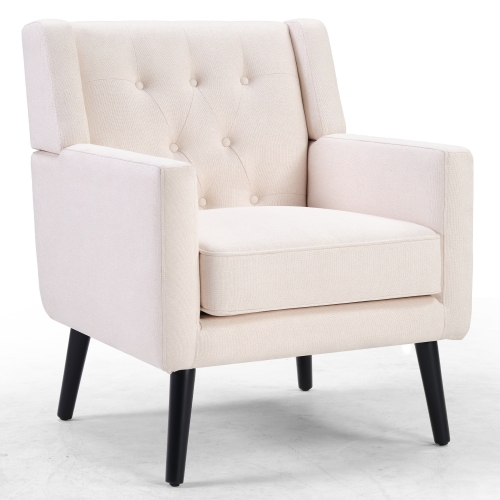
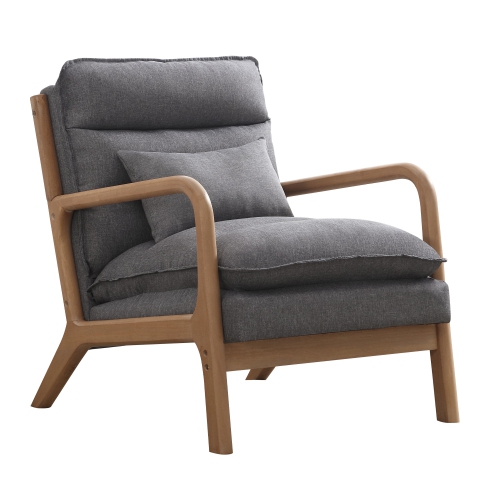
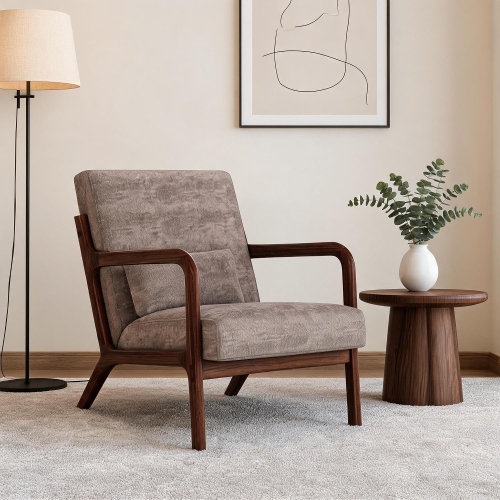
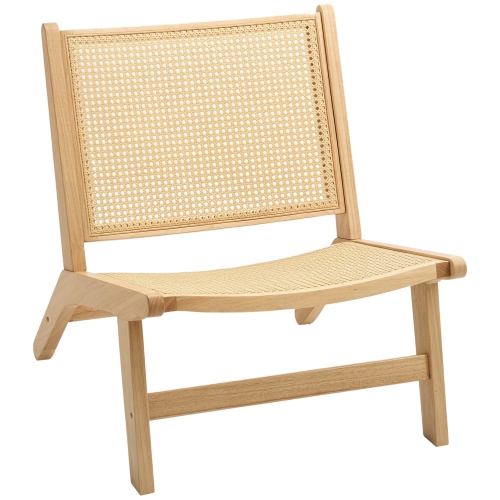
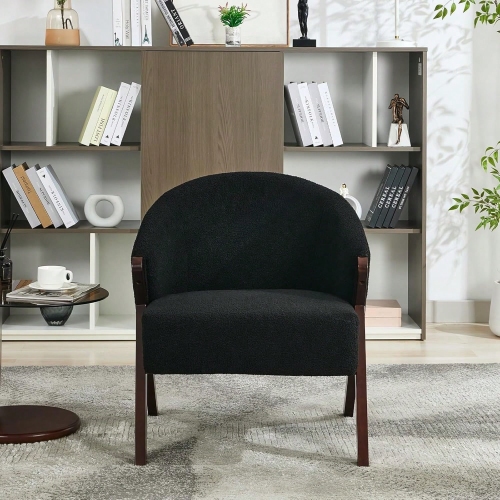
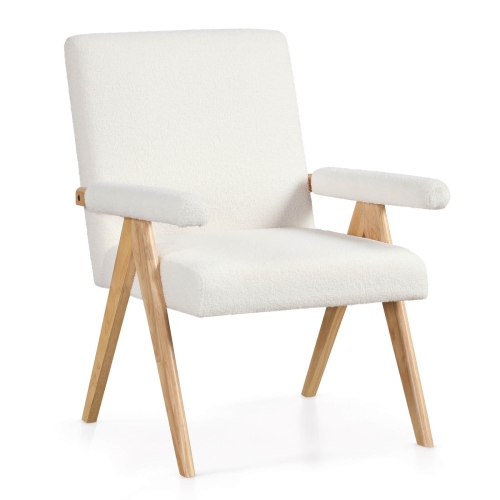
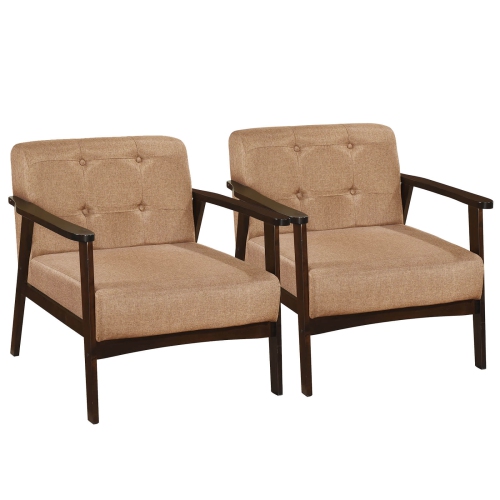
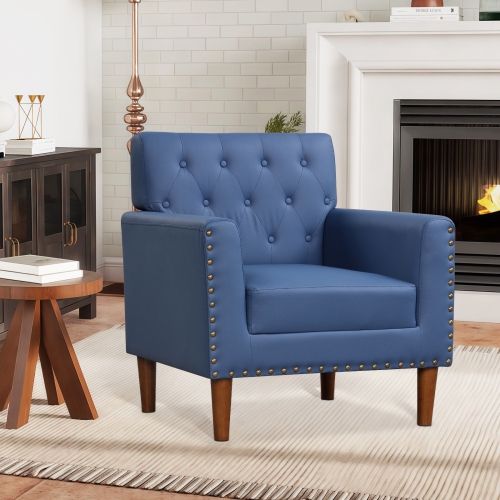
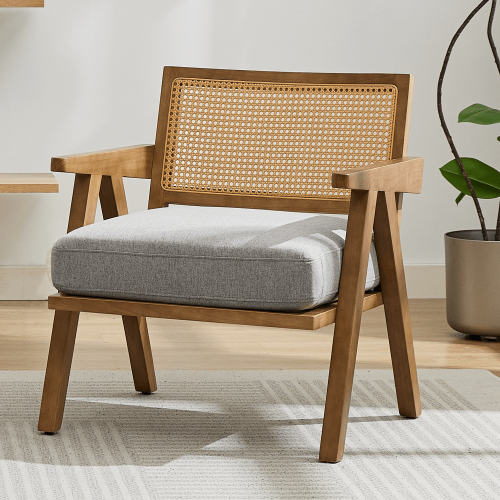
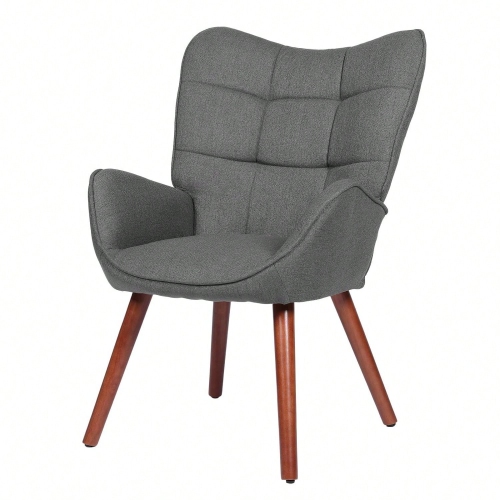
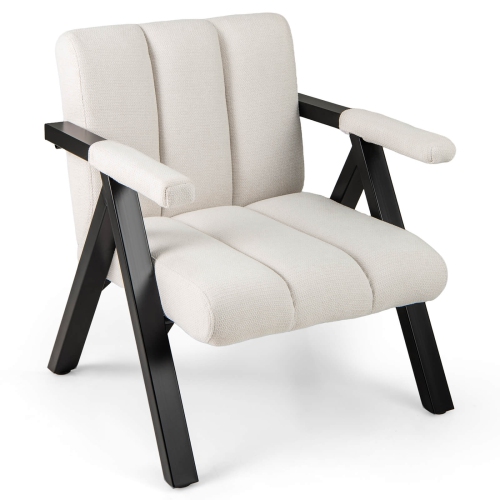
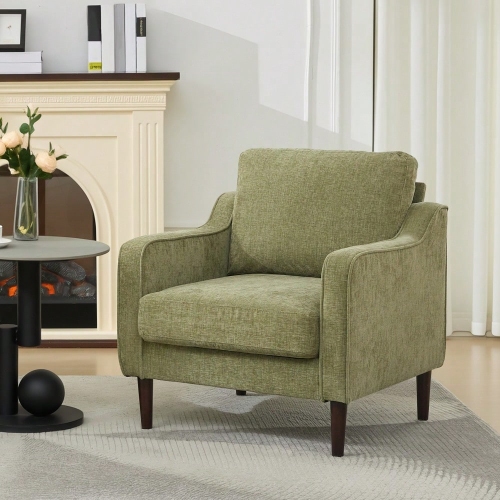
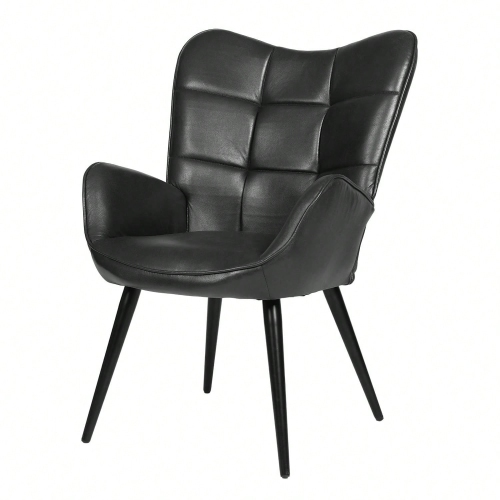
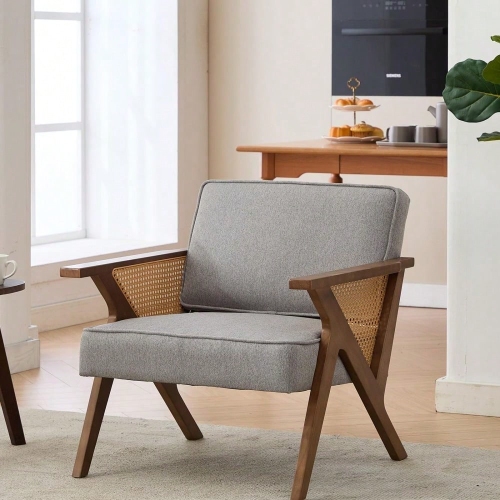
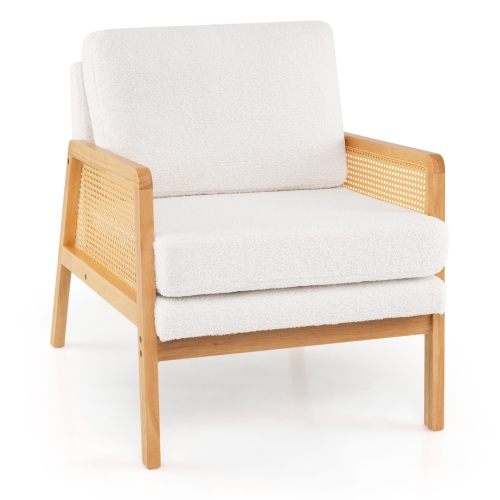
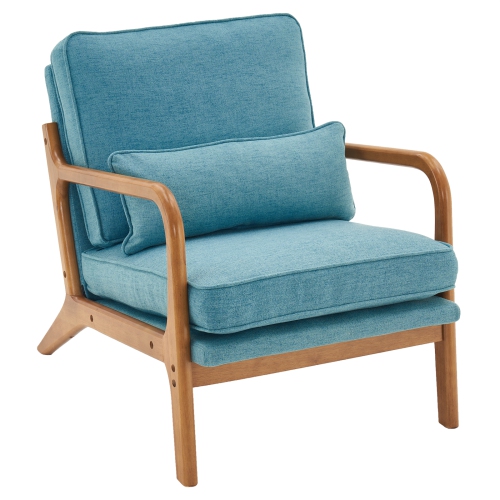
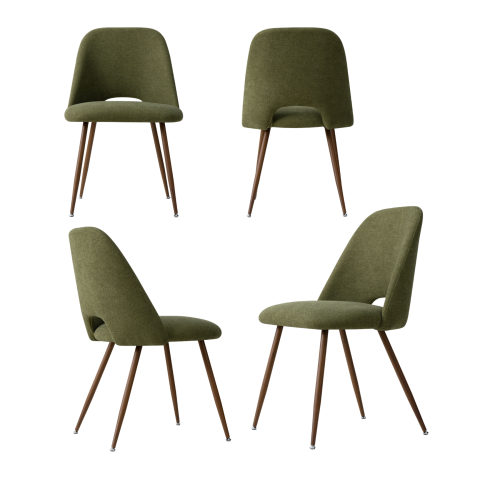
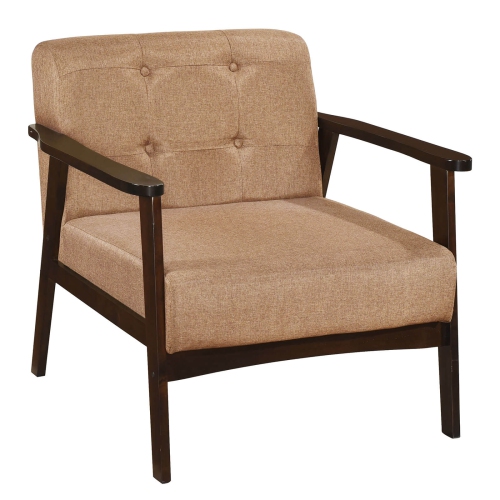
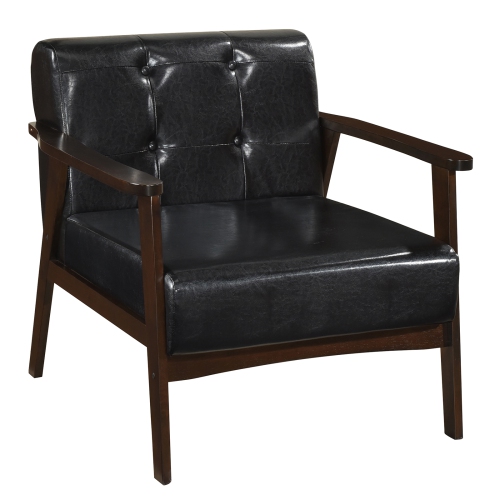
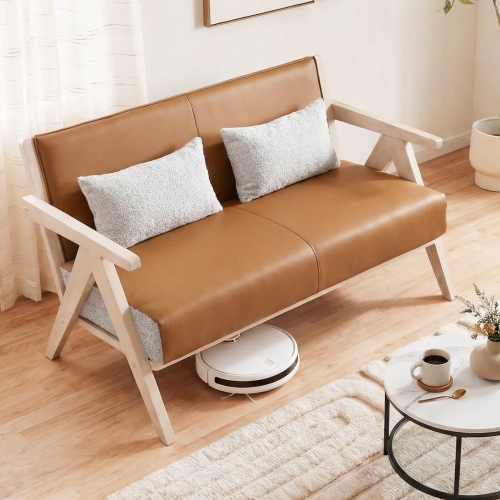
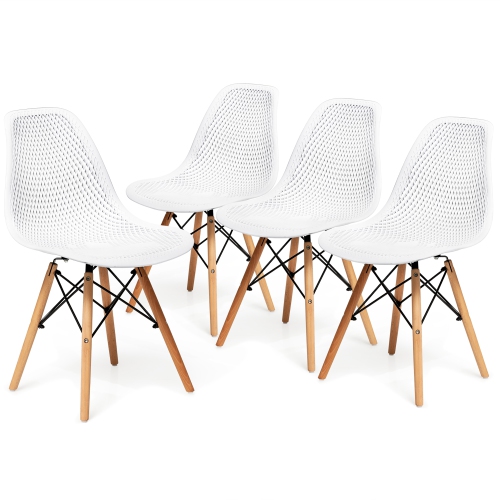
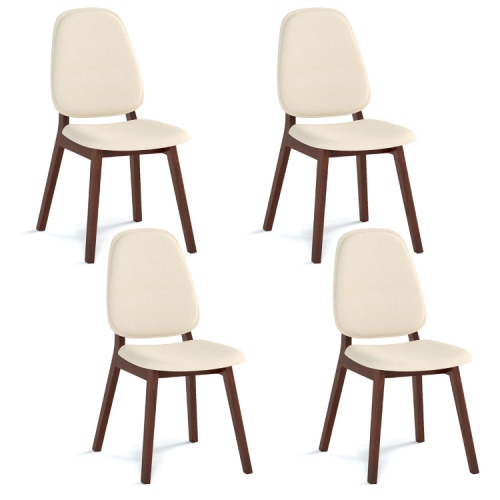
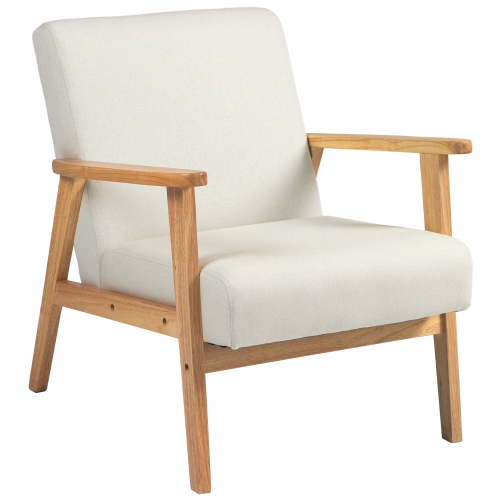
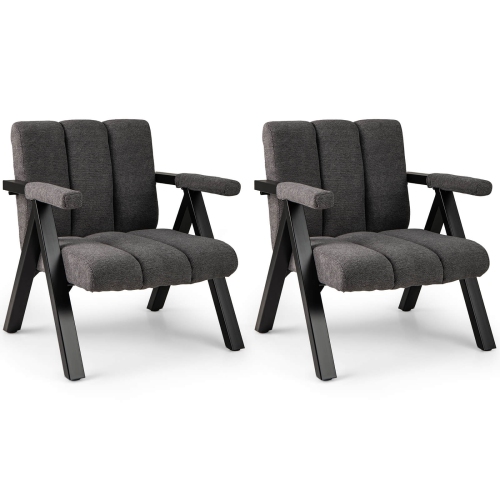
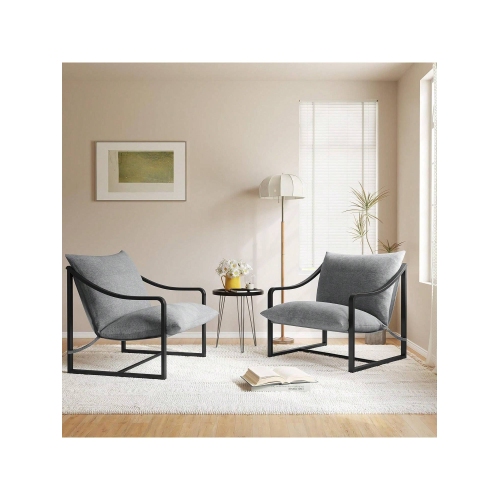
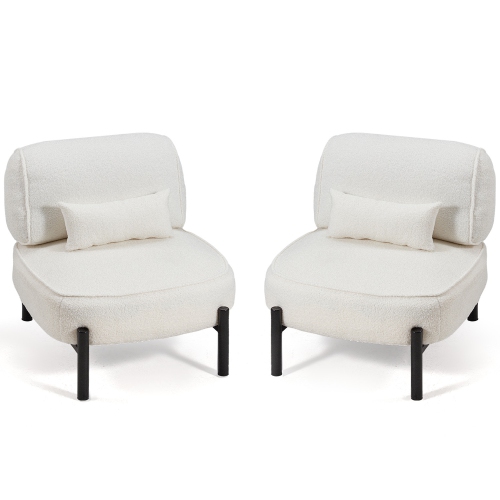
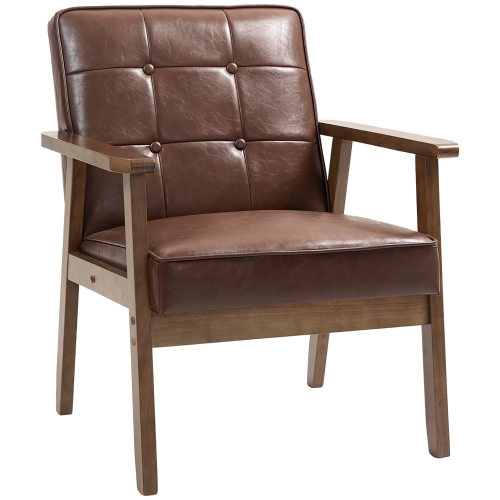
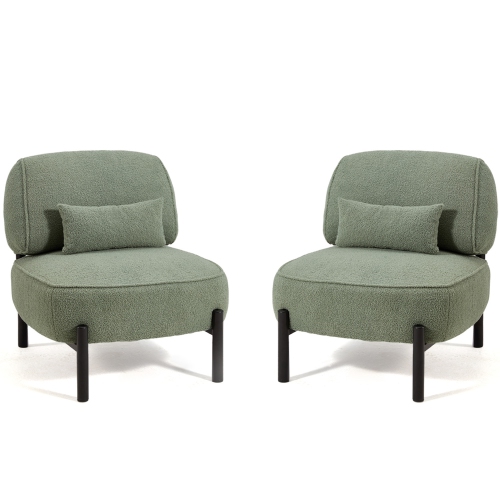
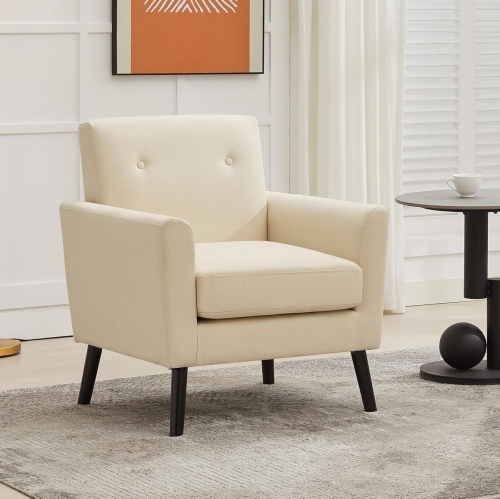
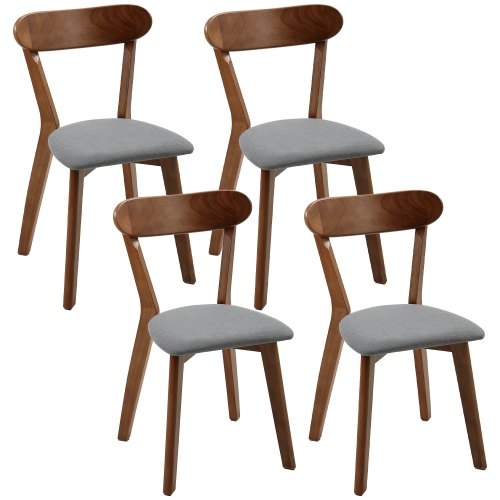
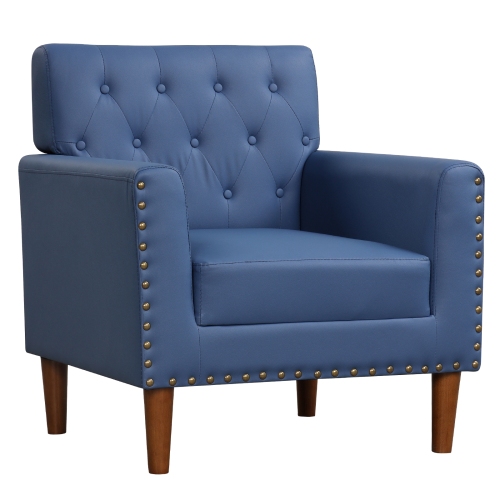
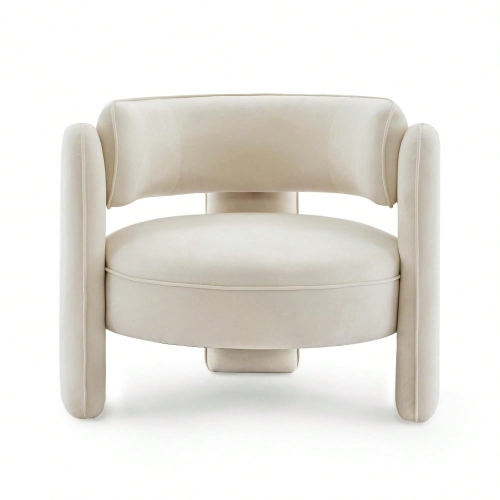
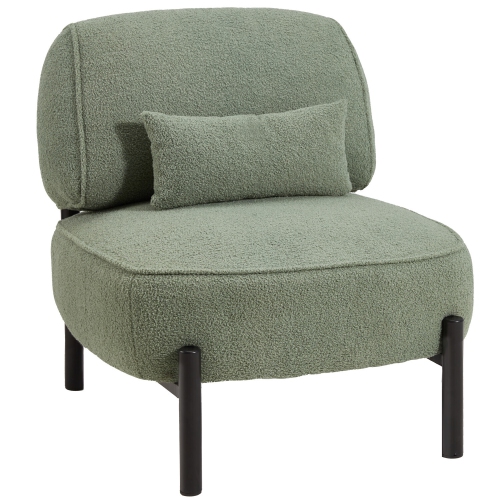
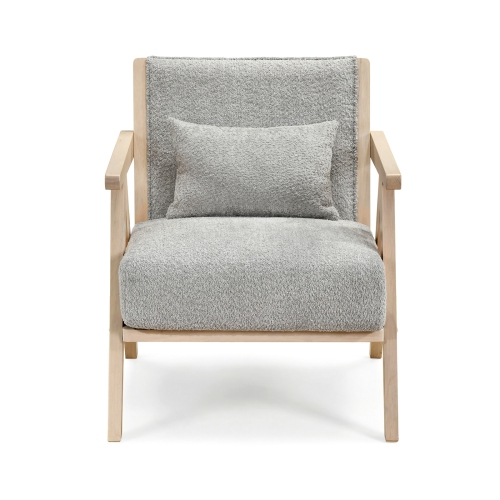
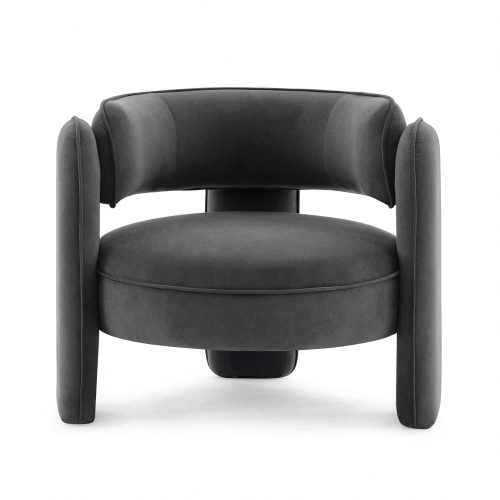
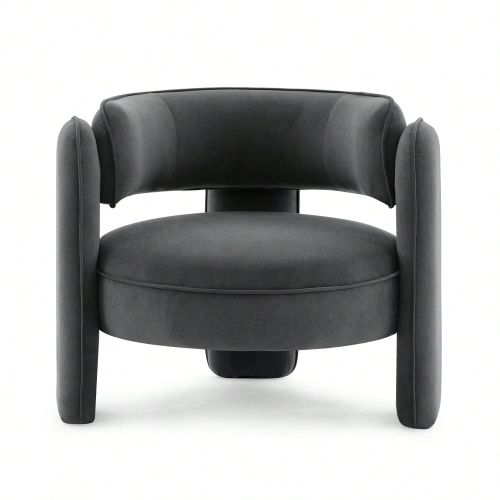
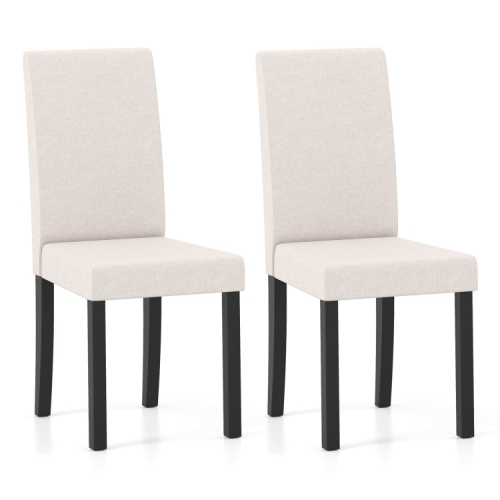
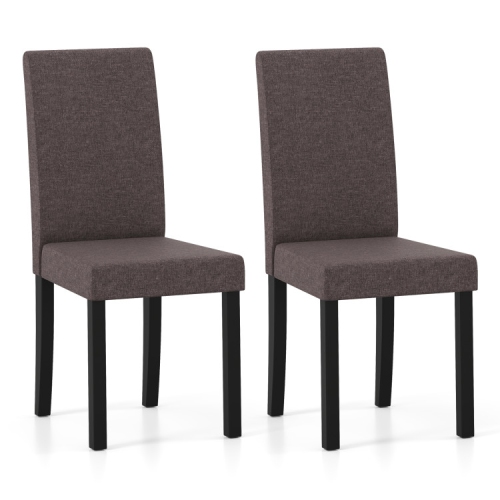
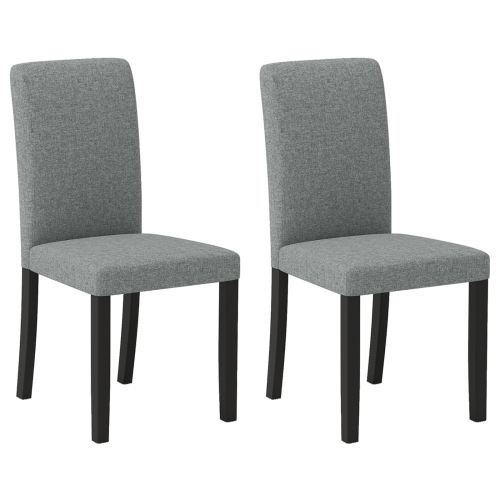
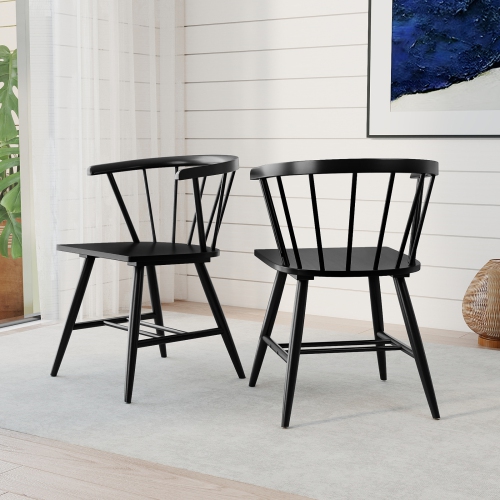
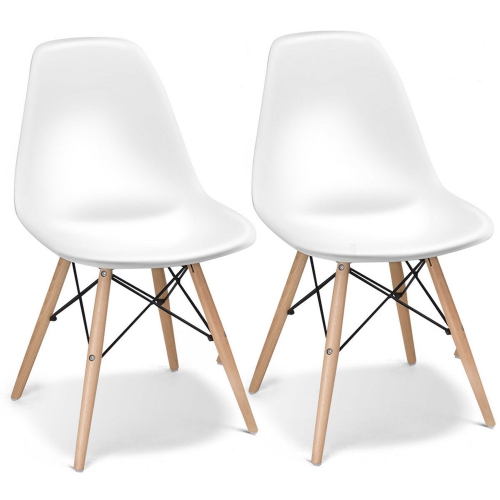
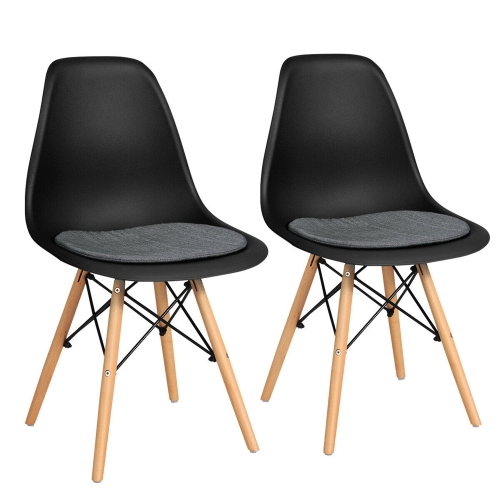
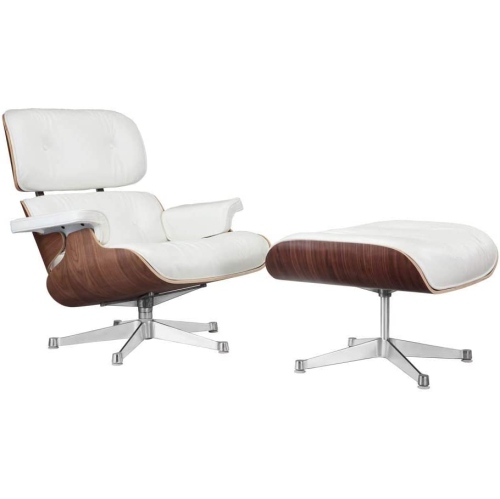
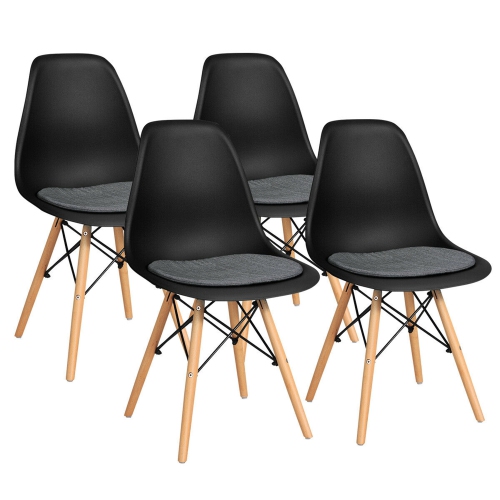
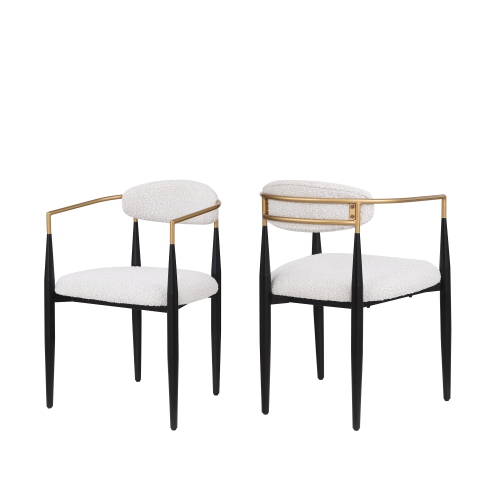
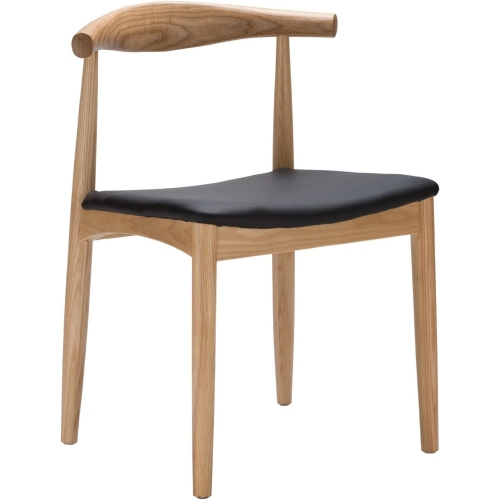
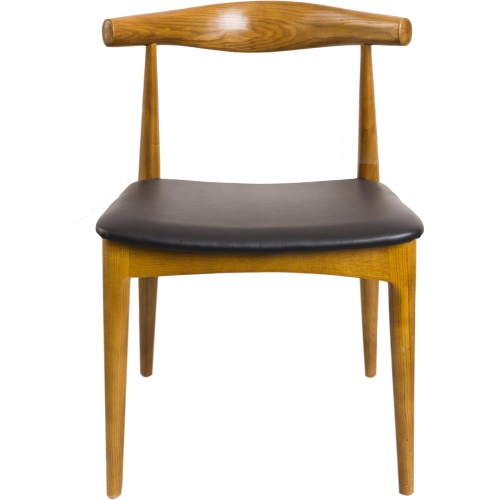
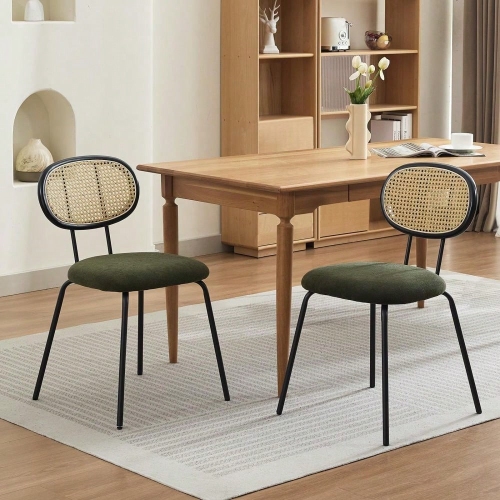
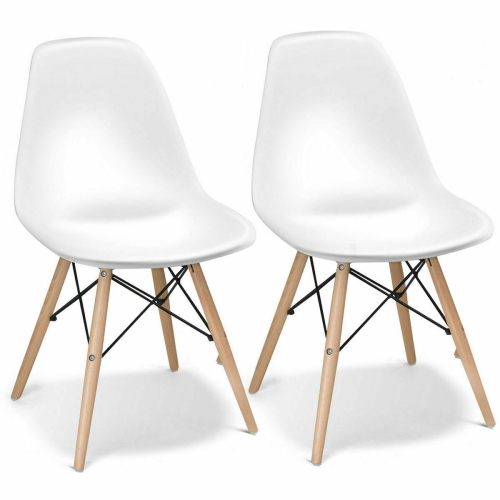
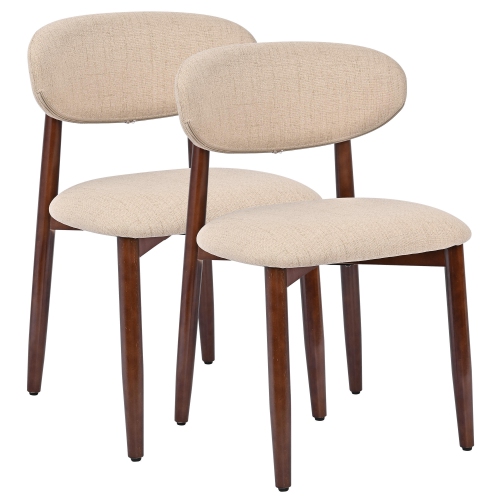
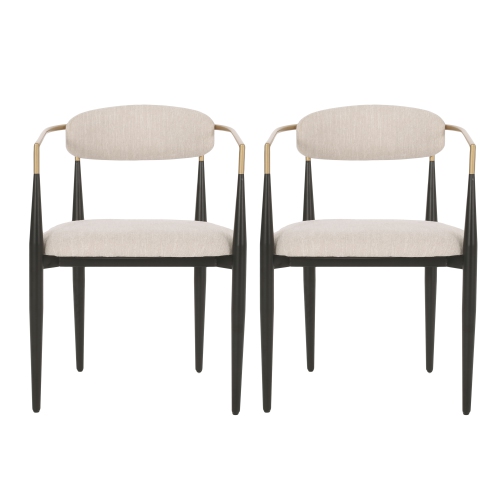
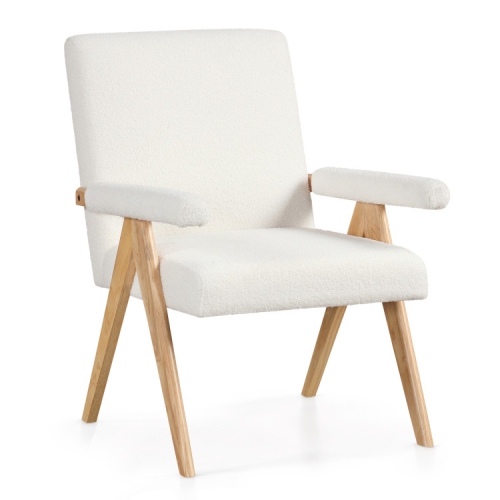
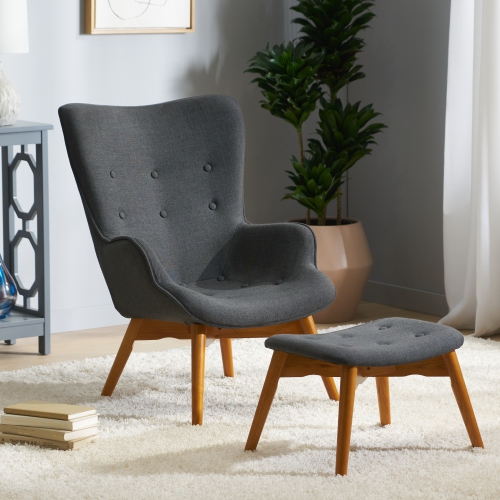
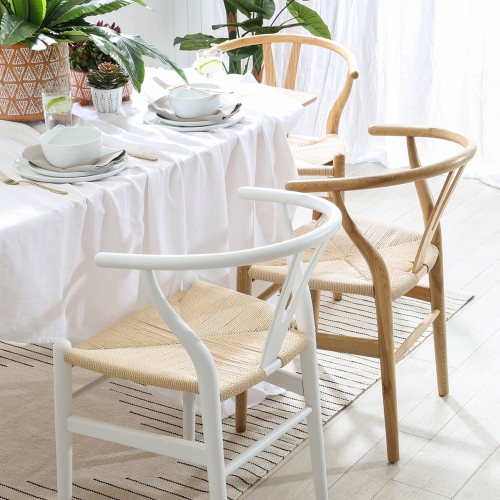
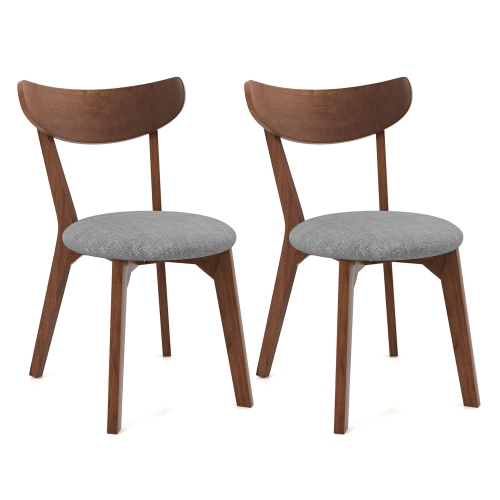
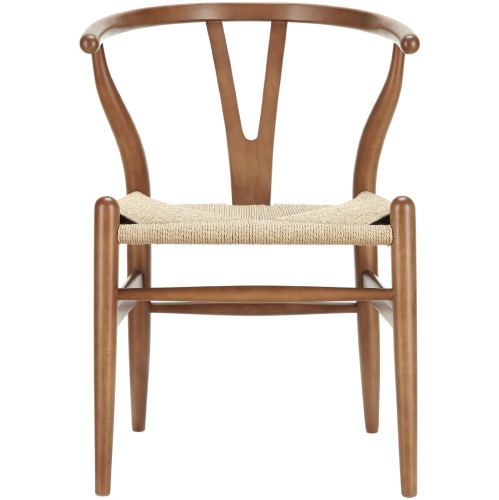
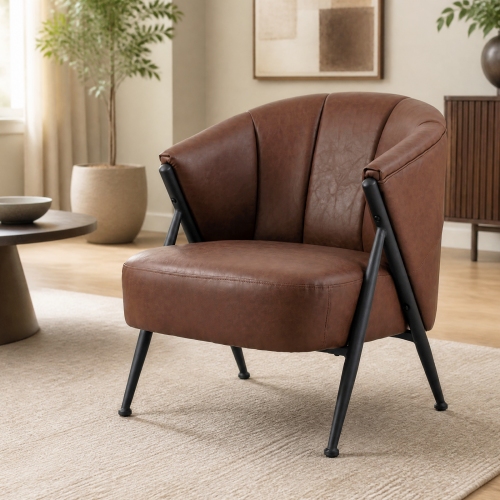
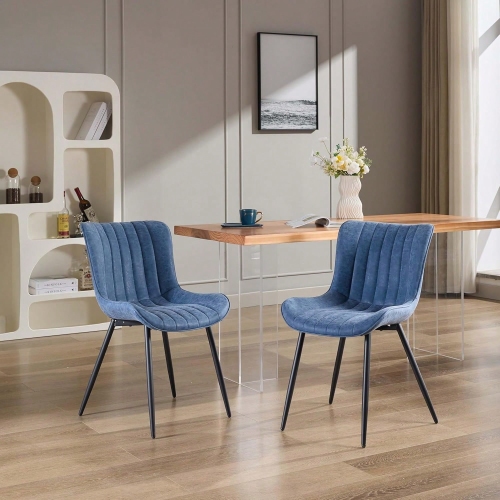
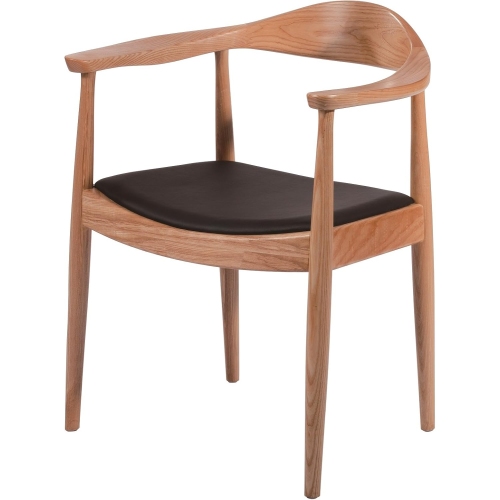
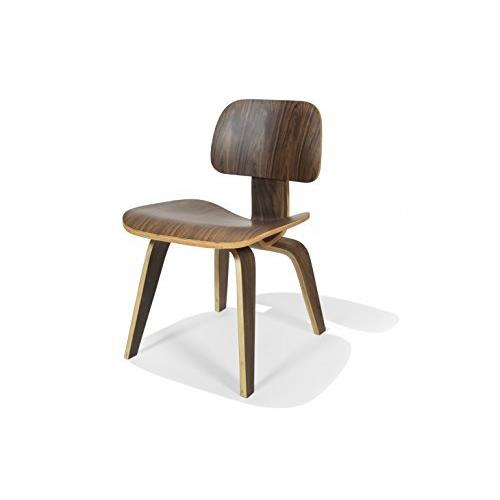
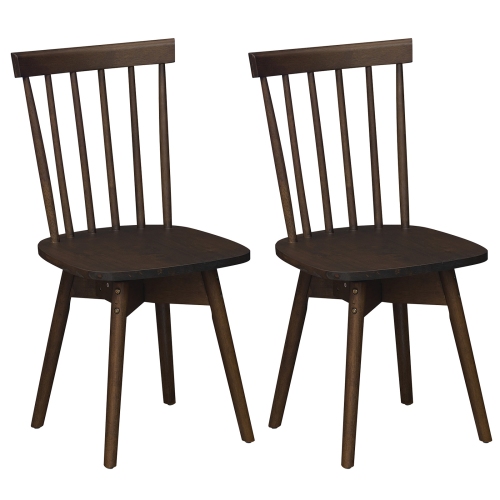
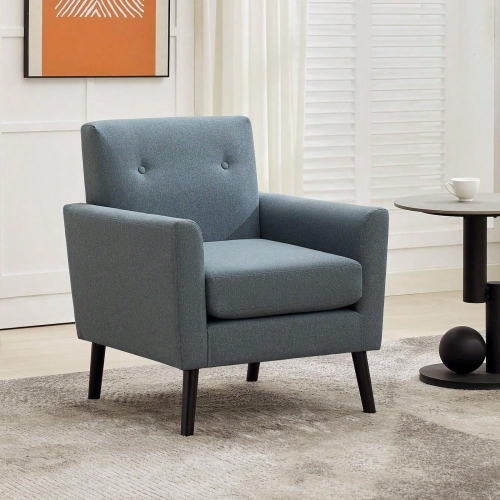
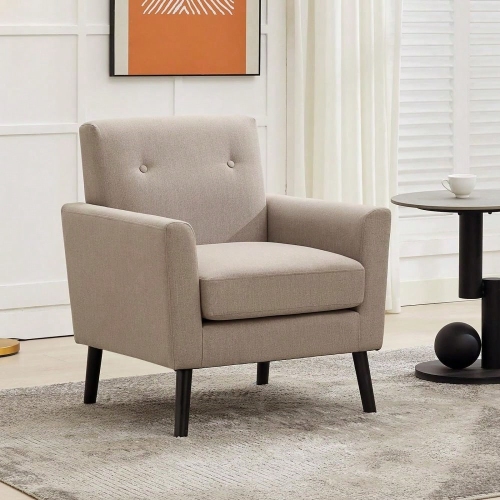
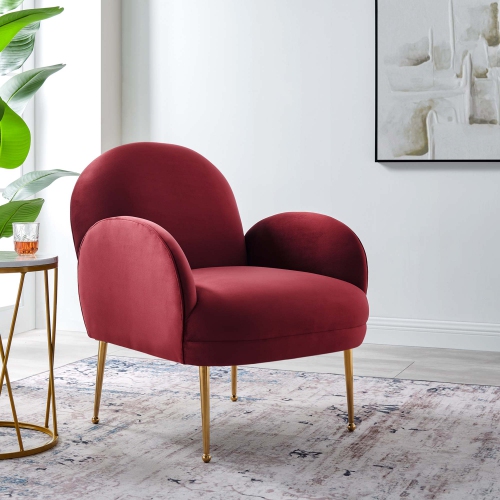
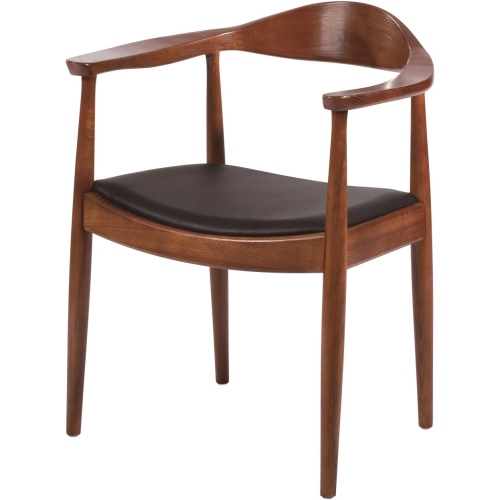
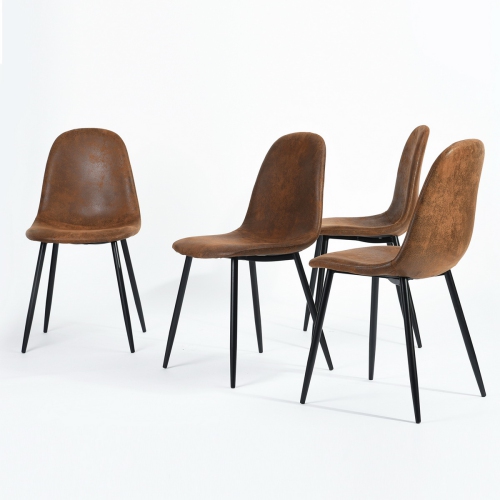
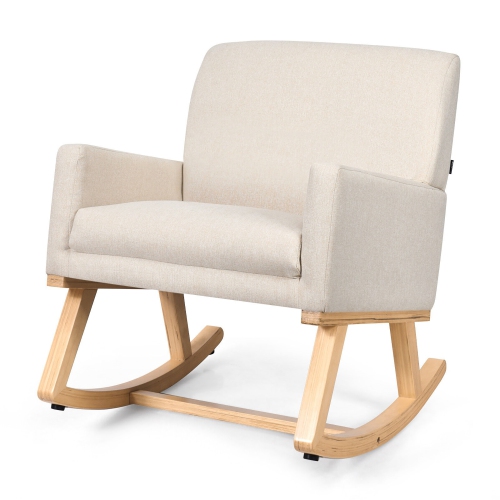
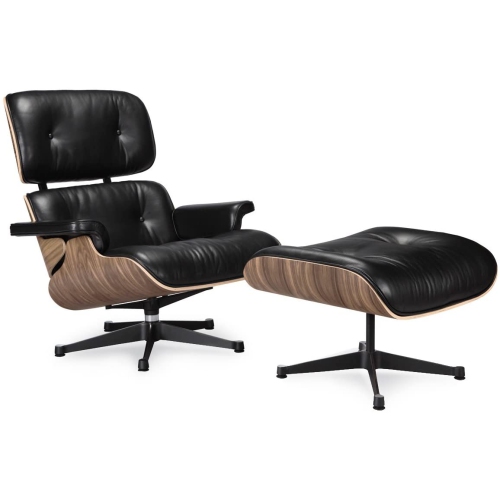
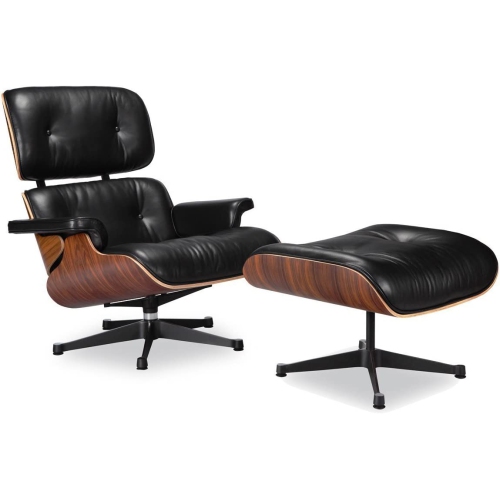
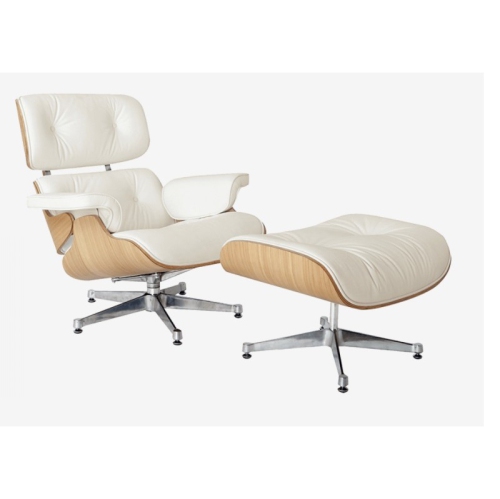
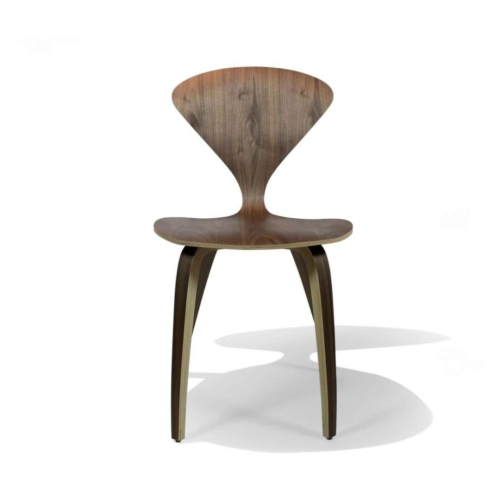
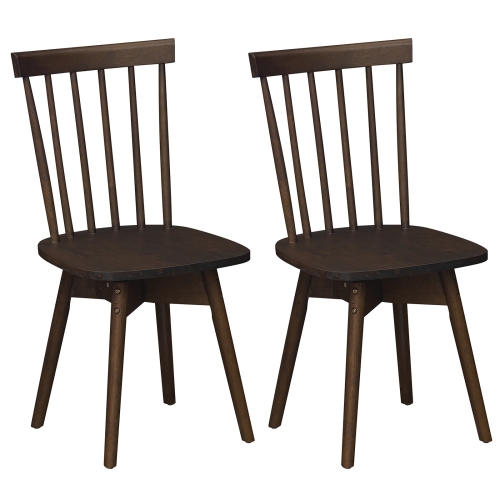
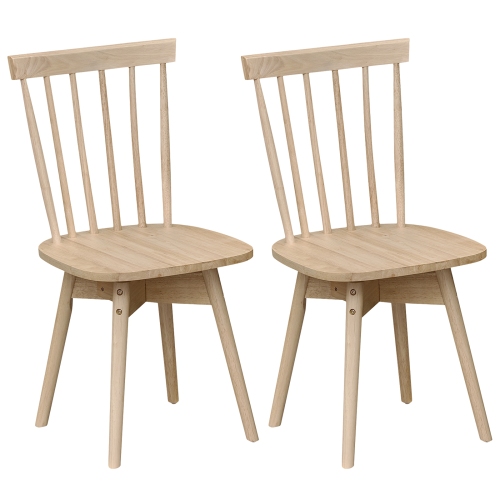
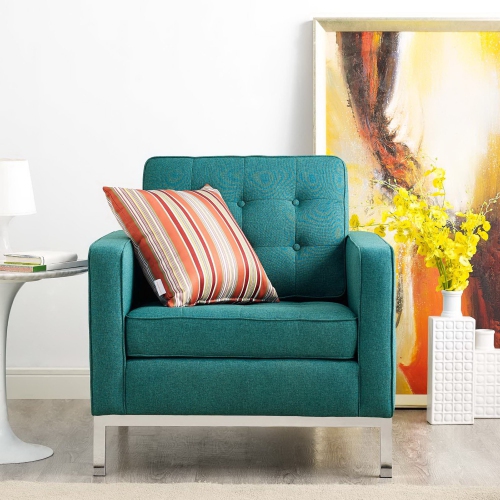
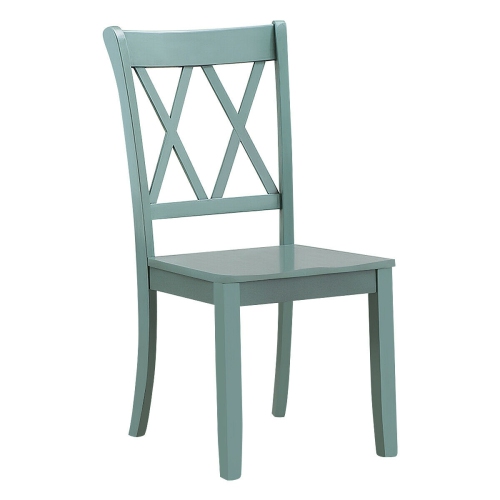
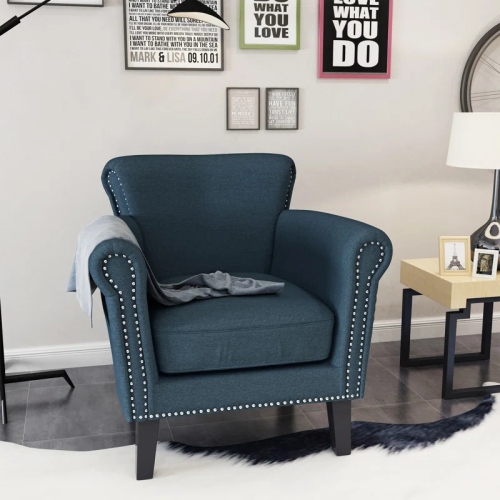
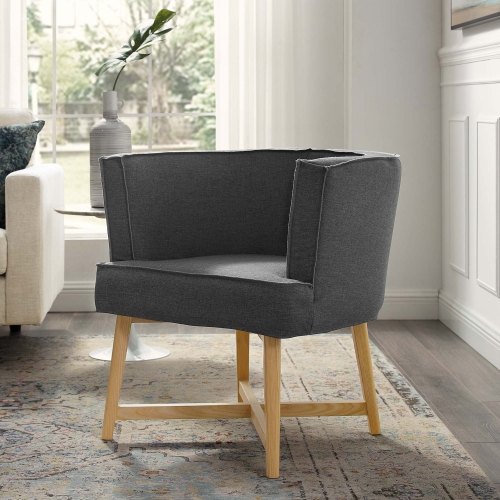
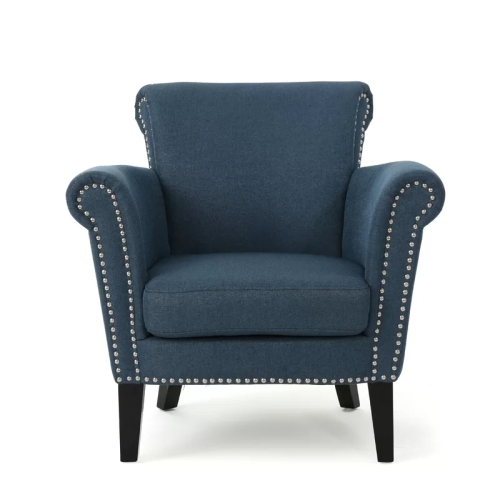
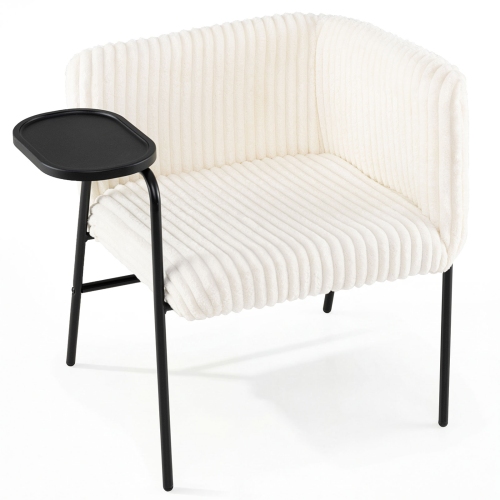
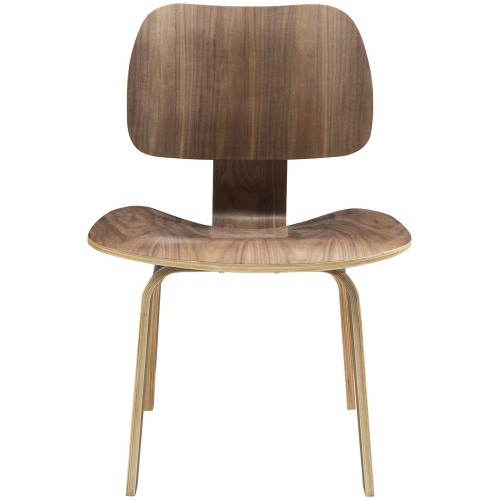
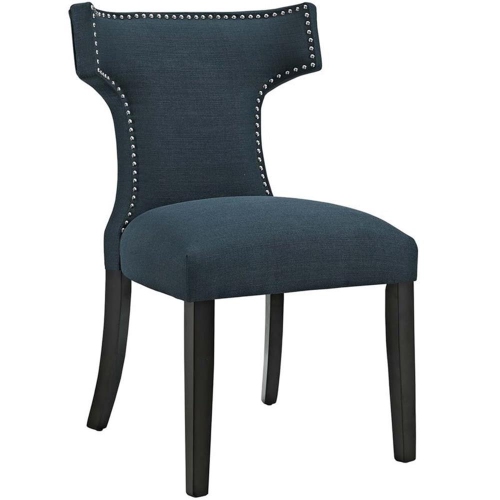
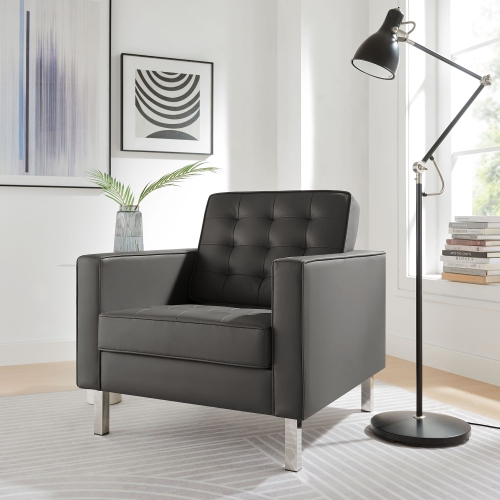
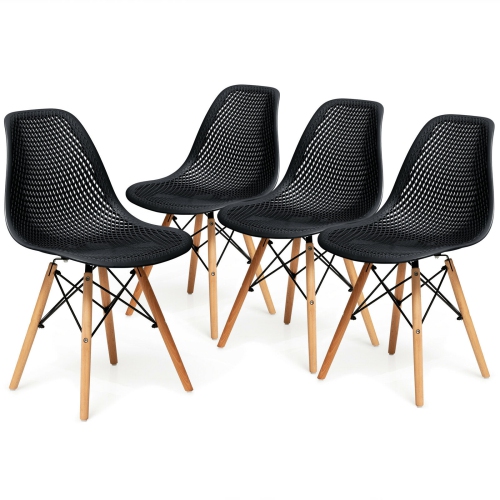
Mid-century modern chairs are defined by clean lines, organic curves, and a balanced mix of materials, often including solid wood, moulded plywood, metal, and upholstery. Rooted in the furniture design of the mid-twentieth century, the style favours practical shapes and restrained details over heavy ornament. Common features include tapered legs, angled supports, rounded backs, and frames that appear light rather than bulky. A curved wooden dining chair and a generously cushioned lounge chair can both belong to this style, even though they serve different purposes. Their shared character comes from proportion: a clear outline, visible structure, and enough softness to make the seat feel inviting. Mid-century modern accent chairs suit living rooms, bedrooms, and reading corners, while dining chairs bring the same visual language to everyday meals and shared tables. Wood tones range from pale and understated to rich brown, with grain patterns adding detail without a busy silhouette. Upholstery offers another way to shape the room: woven fabric adds texture, leather provides a smoother surface, and a muted colour can help a large chair blend into its surroundings. Warm neutrals sit comfortably beside wood furniture, while deeper green, blue, or rust tones create a focal point against simple walls. For a more defined contrast, mid-century modern black chairs can connect with dark table legs, shelving, or lighting without requiring every finish in the room to match. The look also works beyond a fully coordinated interior. A sculpted chair beside a contemporary sofa, or understated dining chairs around a simple table, can introduce mid-century character alongside existing furniture. Repeated curves or similar leg profiles often create a stronger connection than identical finishes, particularly in a room that already combines a wood floor, metal fixtures, and upholstered seating.
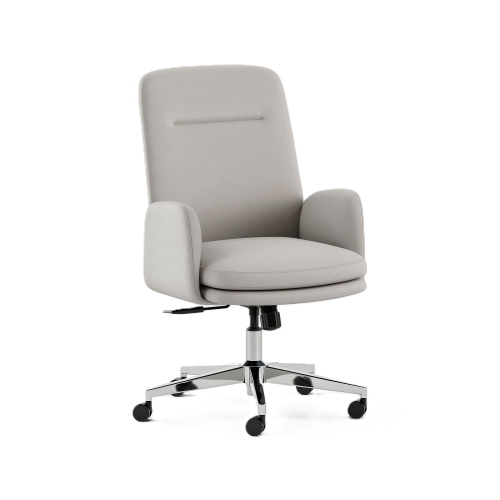
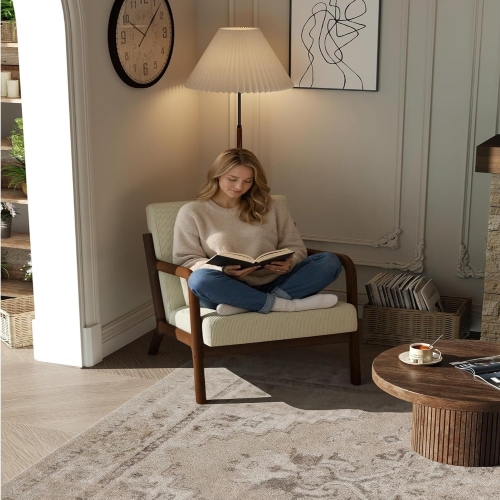
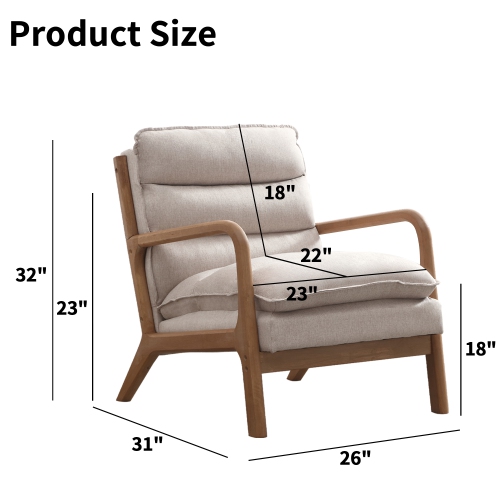
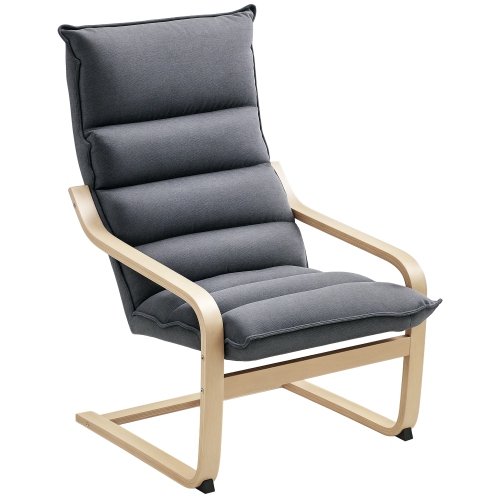
Comfort depends as much on dimensions and intended use as it does on cushioning. A low, deep lounge chair encourages a relaxed posture for reading or conversation, but that same shape may feel awkward at a dining table. A more upright back and a shallower seat can be better suited to meals, puzzles, or an evening spent chatting around the table. Seat height needs to work with the surface above it, leaving enough space for legs to move comfortably; armrests also need clearance beneath the tabletop or apron if the chair is meant to tuck away. Overall width matters when several chairs share a table, especially where angled legs extend beyond the seat. In a living room, the footprint should account for both the frame and the space needed to sit down, stand up, and walk past. Painter’s tape on the floor can help show whether a chair will crowd a doorway or narrow the route between the sofa and a side table. A curved back may look compact from the front while extending farther behind the seat than expected. For a reading corner, supportive armrests and a seat that allows feet to rest comfortably can matter more than a dramatic silhouette. A separate ottoman may suit someone who likes to stretch out, provided there is room to move around it. Firmer cushions can offer a more upright feel, while softer, deeper cushioning creates a more enveloping seat; neither is automatically the better choice for every person. Someone using a chair briefly to put on shoes has different needs from someone sitting through a long conversation. Occasional seating can serve a bedroom or guest space well, but regular computer work generally calls for a task chair with adjustments suited to the user and desktop. The mid-century look is most successful when its proportions support the way the room is actually used.
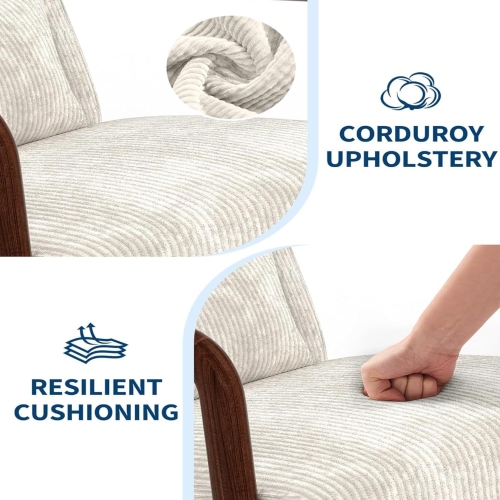
Materials and construction influence how mid-century modern chairs feel, wear, and fit into daily routines. Solid wood frames bring visible grain and natural variation, while moulded plywood allows thin, curved forms that would be difficult to achieve with straight boards. A wood-look finish or veneer has its own care requirements and should not be treated as interchangeable with solid timber. Metal legs can give a chair a slender profile, although stability depends on the complete design, secure connections, and correct assembly rather than the material alone. For frequently used seating, sound joints, appropriate weight capacity, and cushions that retain their shape deserve attention alongside appearance. In a dining area, upholstery faces crumbs and spills; tightly woven fabric, removable covers, or a wipeable surface may be useful where the care instructions support that use. Textured fabric can soften a room visually, but pronounced loops may catch on pet claws or jewellery. Genuine leather and leather-look upholstery also need different cleaning methods, so routine care should follow the manufacturer’s directions rather than a general household cleaning habit. Regular vacuuming with a suitable attachment helps remove dust from seams, and prompt blotting can limit the spread of a spill. Wood surfaces usually benefit from gentle cleaning and drying, while harsh cleaners or excess moisture can damage some finishes. Floor protectors help reduce scuffs, and assembly hardware may need occasional checking as directed. Access also matters before a chair reaches its intended spot: doorways, stair turns, and lift dimensions can affect whether a wide, fully assembled frame will fit. As a housewarming or milestone gift, a chair is a personal choice best matched to the recipient’s space, preferred sitting position, and existing furnishings. A favourite colour or an inviting place beside a bookshelf can give the gift meaning, but practical fit is what makes it useful long after the occasion.
Top selling and popular products
-
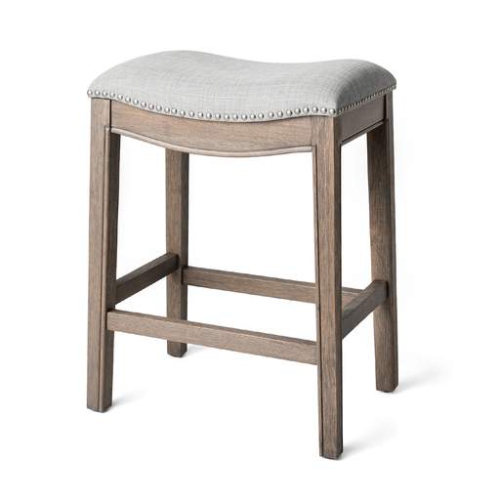 Your price for this item is $226.99
-
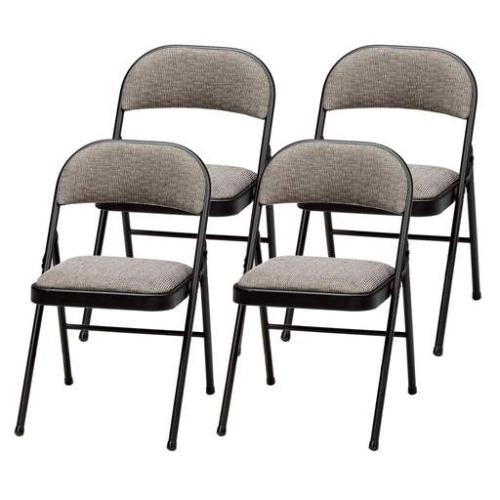 Your price for this item is $373.99
-
 Your price for this item is $398.99
-
 Your price for this item is $379.99
-
 Your price for this item is $374.99
-
 Your price for this item is $212.99
-
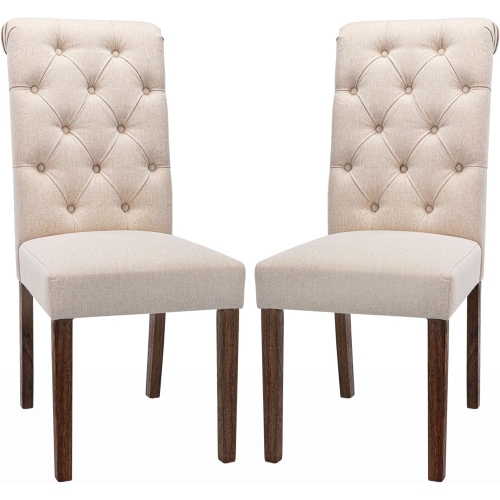 Your price for this item is $210
-
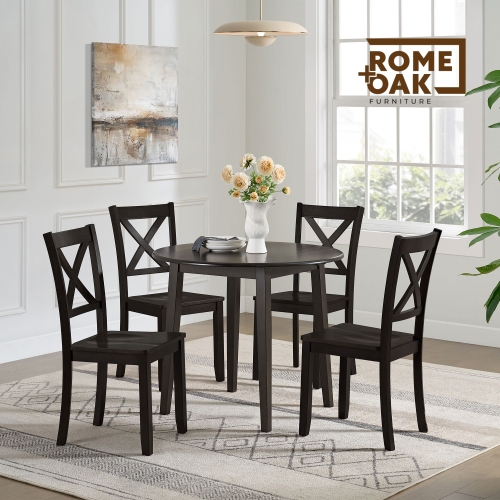 Your price for this item is $421.99
Discover more categories related to Mid Century Modern Chairs
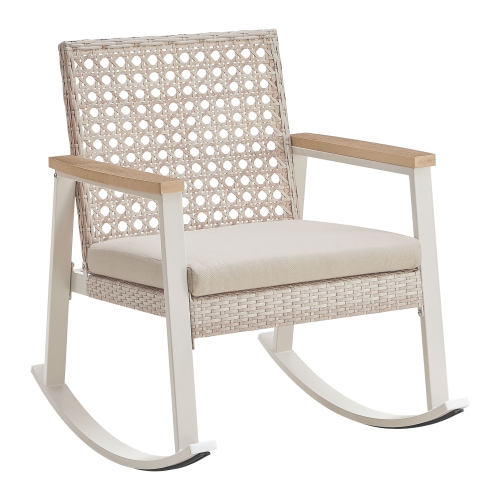
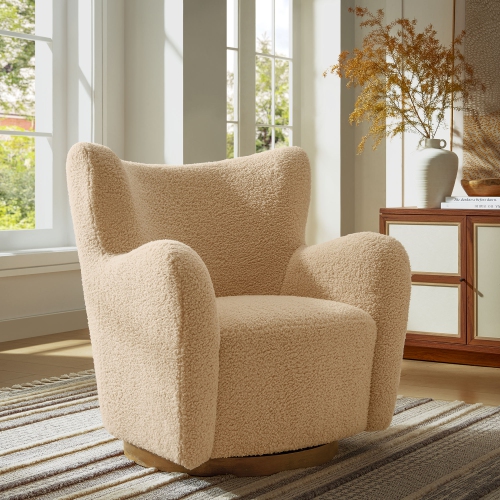
Top Collections:
Best Black Friday Deals This Year, Best Black Friday Deals On Electronics, Kindle Devices, Dyson Airwrap, Best Cameras for Sports Photography, Best Budget Office Chairs, Canon G7X Cameras, PS5 Pro Consoles, Best Black Friday Deals On Apple Products, XBOX One S Consoles
Some products may be subject to Environmental Handling Fees
(EHF) depending on your province.
Learn more about EHFs.