Miniature Cast Iron Pots
Miniature Cast Iron Pots are perfect for adding a touch of charm and versatility to your kitchen or dining table. These compact cookware pieces are ideal for preparing individual servings, serving appetizers, or creating unique presentations for your favorite recipes. Whether you're looking to expand your cookware collection or searching for a thoughtful gift, Miniature Cast Iron Pots offer both style and practicality in a small package. Explore a variety of sizes and designs to find the right fit for your culinary needs.
Sort
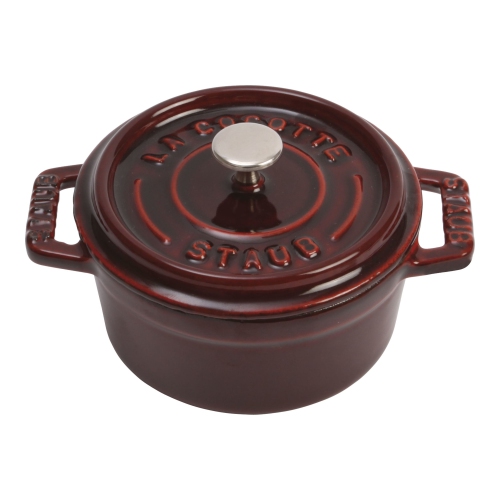


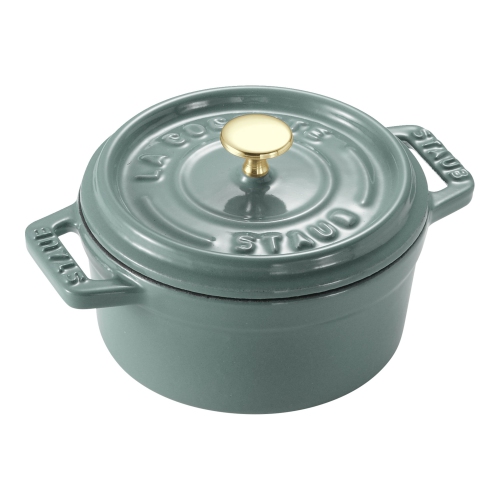
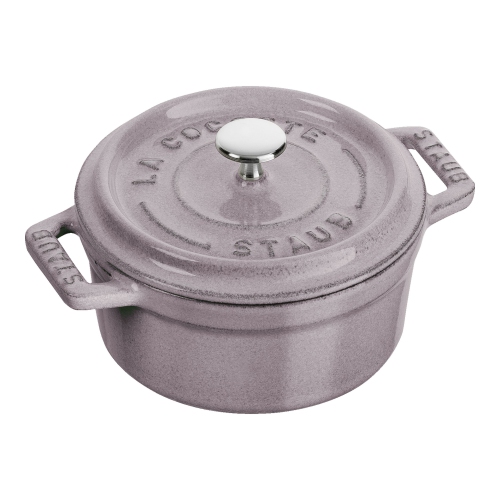
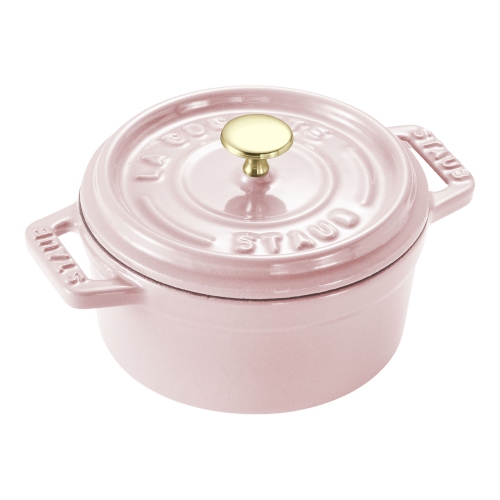
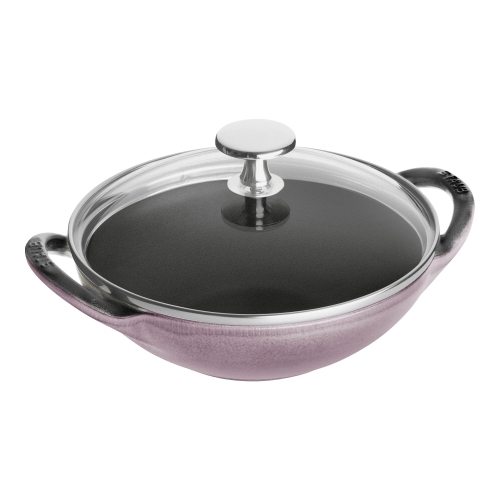
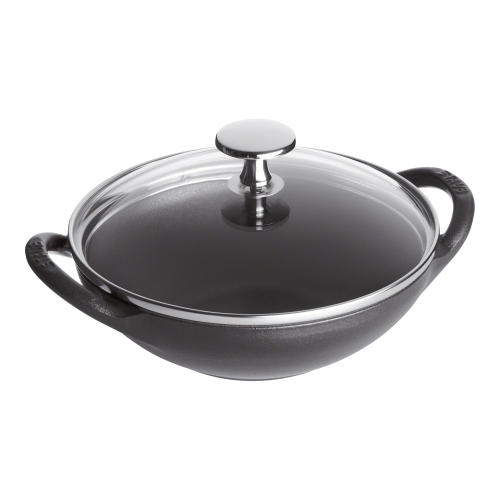
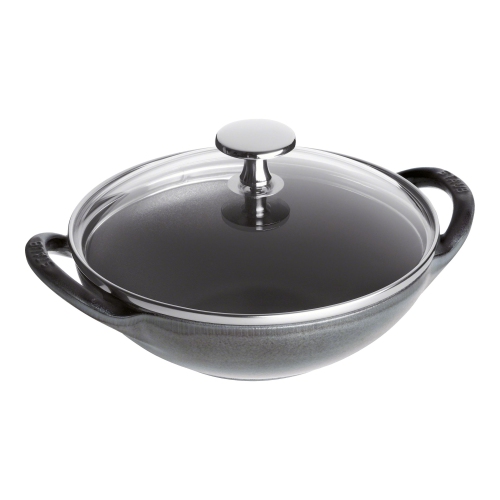
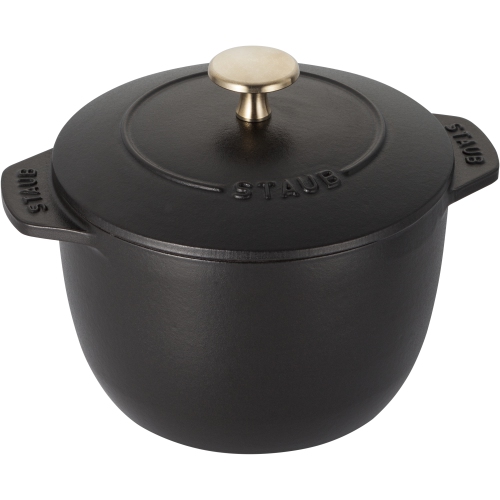
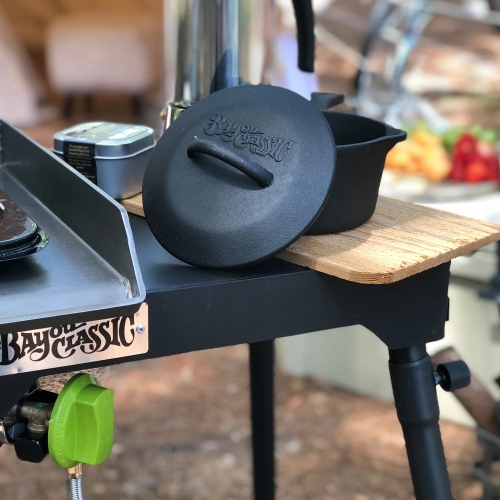
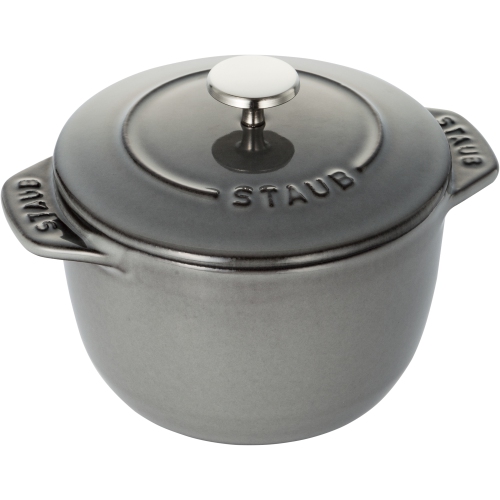
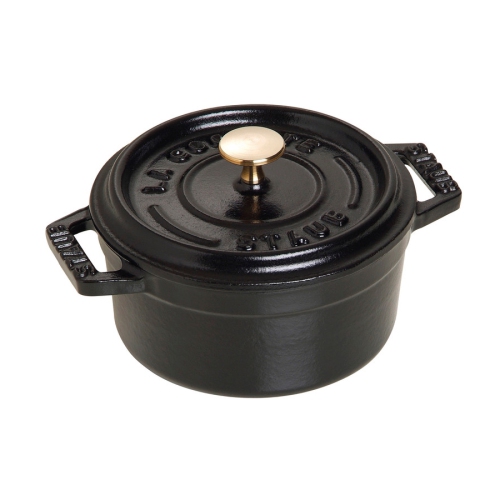
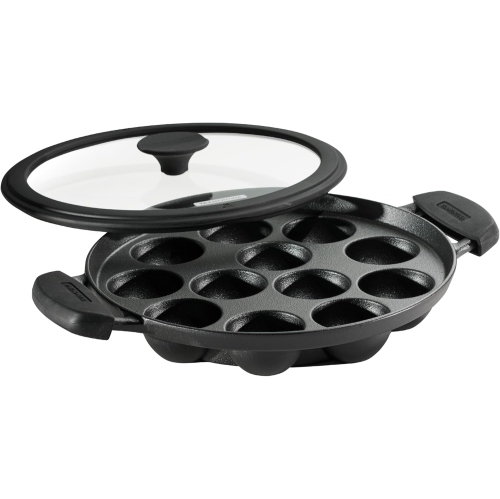
Individual dishes that stay warm at the table
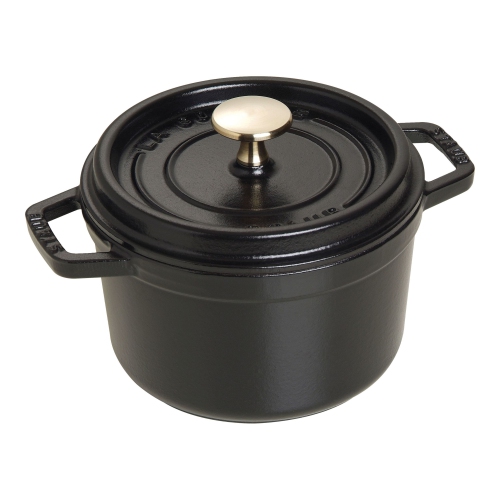
Miniature cast iron pots are small, heavy cooking vessels designed for individual portions, sauces, side dishes, and oven-to-table serving. Often shaped like tiny Dutch ovens or cocottes, they combine a compact footprint with the heat-retaining qualities of cast iron. A lidded mini pot can hold an individual portion of macaroni and cheese, a baked egg dish, or a small serving of stew, while an open design may suit a fruit crumble or warm dip. Their appeal goes beyond presentation: dividing a recipe among separate pots makes it easier to vary toppings, leave an ingredient out of one portion, or serve smaller quantities without using a full-sized casserole. Capacity matters more than appearance when judging how much a pot will hold. A vessel that looks generous in a photograph may be intended for a condiment or side rather than a complete meal. Listed capacity generally describes total volume, so practical cooking space will be smaller when room is needed for bubbling sauces, rising batter, or a lid. Interior depth, base diameter, and opening width also affect how comfortably ingredients fit and how easily food can be spooned out. A wide, shallow shape exposes more surface for a browned topping, while a deeper shape holds liquids with less risk of spilling during careful handling. Handles deserve attention too: two short side handles offer a different grip from a single saucepan-style handle, especially when oven mitts are involved. The lid adds height and weight, which can matter in a compact oven or a tightly arranged cupboard. For households that prepare both individual dishes and larger shared meals, Cast Iron Cooking Pots offers a broader view of this cookware family. Miniature sizes fill a distinct role within it, particularly for cooks who enjoy small-batch baking, portioned accompaniments, or serving a meal in the vessel used to prepare it.
The main material distinction is between seasoned cast iron and enamelled cast iron. Seasoned pots have an exposed iron cooking surface protected by thin layers of oil bonded through heating. Some arrive pre-seasoned, although the surface still benefits from suitable care and regular cooking. Enamelled versions have a glass-like coating over the iron, often with a coloured exterior and either a light or dark interior. They do not normally require seasoning on intact enamel, but they are not automatically non-stick, and their finish needs protection from sharp utensils and hard impacts. Both types retain heat well once heated through, which helps a small baked dish stay warm at the table. That same heat retention means cooking can continue after the pot leaves the oven, an important consideration for eggs, delicate sauces, and small desserts. Cast iron takes time to heat through, so a gradual approach is generally more useful than immediately applying high heat. For stovetop cooking, the base should sit securely on the cooking zone, with a burner size appropriate to the pot. A very small base may not activate an induction element even though cast iron itself is magnetic; the cooktop’s minimum pan-size requirement still applies. Gas flames should not extend around the sides, and heavy cookware should be lifted rather than dragged across a glass surface. Oven compatibility also depends on the entire vessel, including its knob, lid, handles, and any coatings. A cast iron body does not establish the heat limit of every attached component, and suitability for a grill, broiler, or open flame should never be assumed. Manufacturer instructions are the best reference for those applications. A close-fitting lid can help limit moisture loss during cooking, while an uncovered pot allows evaporation and browning. Neither design removes the need to monitor a small portion, which may cook much faster than the same recipe prepared in a larger dish.
Everyday care plays a large part in how well miniature cast iron pots perform over time. For seasoned iron, washing by hand with warm water, a little mild dish soap when needed, and a non-abrasive brush is generally suitable. Prompt drying is essential because moisture left on exposed iron can cause rust. A very thin film of cooking oil can help protect a clean, dry seasoned surface before storage; excess oil can leave it sticky. Long soaking and dishwasher cleaning are generally unsuitable for seasoned cast iron. Enamelled interiors are often easier to clean after saucy dishes, but letting the pot cool before washing helps avoid the sudden temperature changes that can damage the coating. Stubborn food is better loosened according to the maker’s care directions than scraped away with a knife or harsh abrasive. Acidic ingredients such as tomatoes are another reason to distinguish the finishes: extended cooking or storage in seasoned iron can affect the seasoning and the flavour of food, whereas intact enamel provides a barrier between the ingredients and the iron. Leftovers are best transferred to an appropriate storage container rather than left sitting in a seasoned pot. At serving time, the handles and lid can be as hot as the body, so dry oven mitts and a heat-resistant trivet belong alongside the dish. A small size does not mean a light weight or a cool touch, particularly when a pot is filled. Allow enough table space to keep hot cookware away from the edge and within easy reach of the person serving. For storage, thoroughly dry each piece and place a soft separator between stacked surfaces to help protect the finish. With attentive handling, cast iron can provide many years of service, making miniature pots a thoughtful housewarming or wedding gift for someone who enjoys cooking. The most useful choice reflects the recipient’s habits: personal baked dishes, small sauces, shared appetizers, or carefully presented individual servings. Matching the size, finish, and cooking compatibility to those habits gives these compact pots a practical place in the kitchen.
Top selling and popular products
-
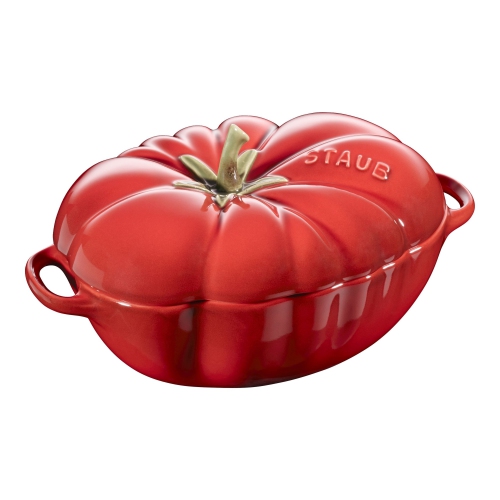 Your price for this item is $59.99
-
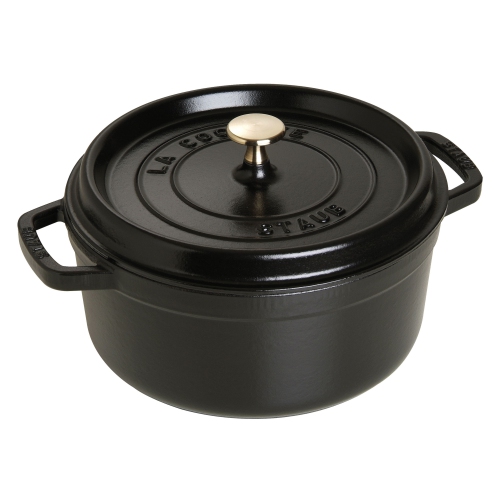 Your price for this item is $199.99
-
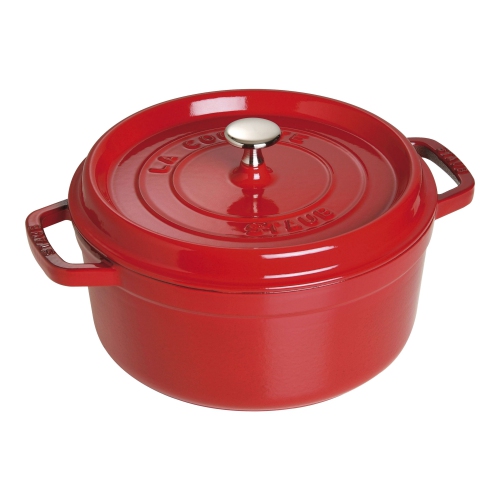 Your price for this item is $199.99
-
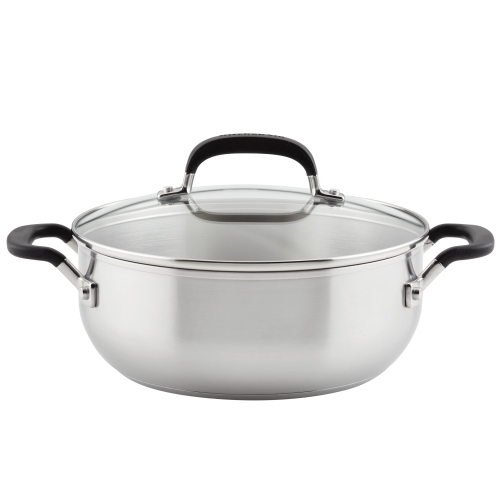 Your price for this item is $69.99
-
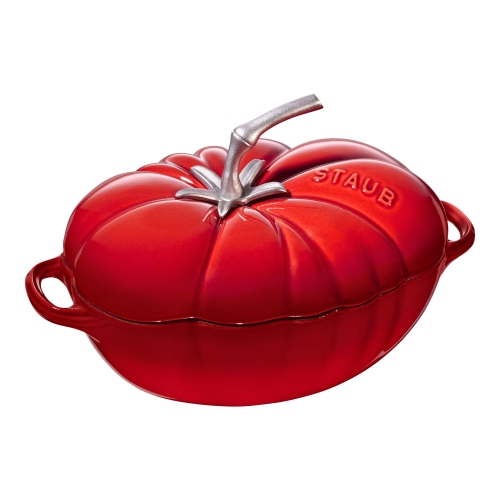 Your price for this item is $399.99
-
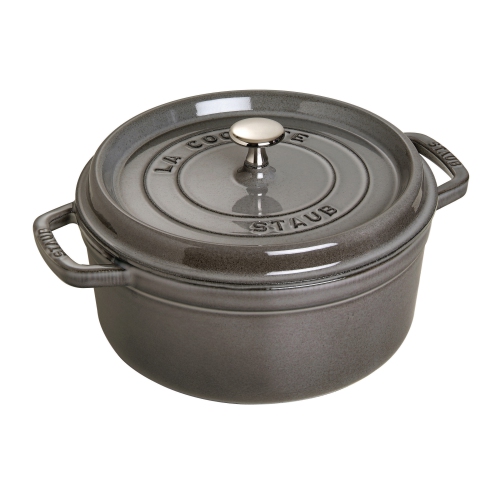 Your price for this item is $199.99
-
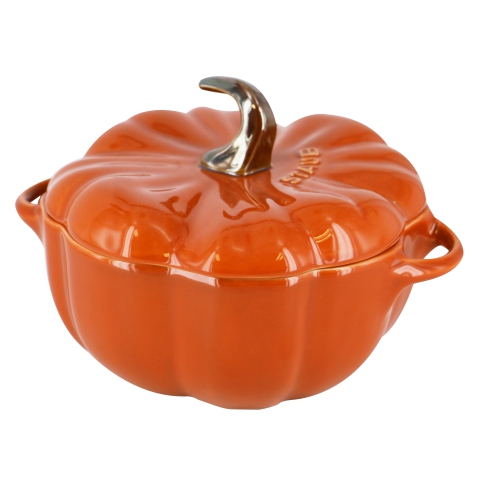 Your price for this item is $49.99
-
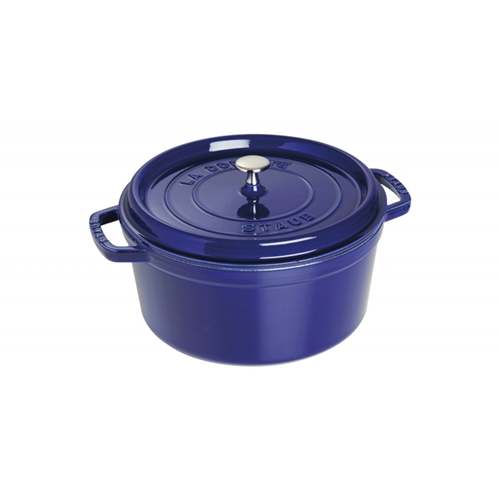 Your price for this item is $549.99
Discover more categories related to Miniature Cast Iron Pots


Top Collections:
Best Black Friday Deals This Year, Best Black Friday Deals On Electronics, Kindle Devices, Dyson Airwrap, Best Cameras for Sports Photography, Best Black Friday Deals On Apple Products, PS5 Pro Consoles, Portable Snow Blowers, Canon G7X Cameras, Pokémon 30th Celebration Cards
Some products may be subject to Environmental Handling Fees
(EHF) depending on your province.
Learn more about EHFs.