Minimalist Desks
If you're looking for a desk that is both stylish and practical, then a minimalist desk may be the perfect choice for you. These desks are designed to be both aesthetically pleasing and highly functional, making them ideal for home or office use. These desks come in a variety of sizes, shapes, and materials, so you can find one that perfectly fits your needs. Here are some of the best options available.
Sort
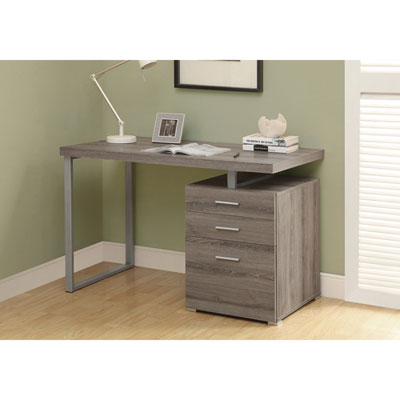
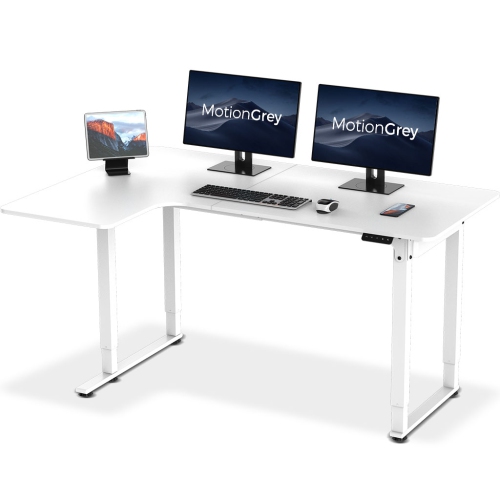
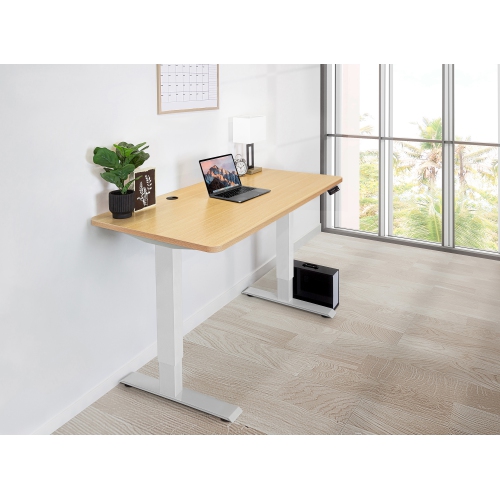
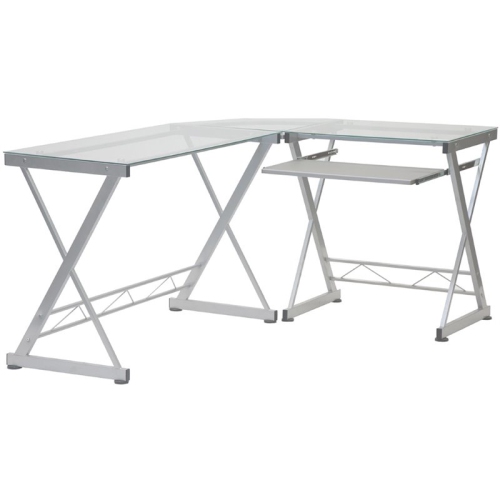
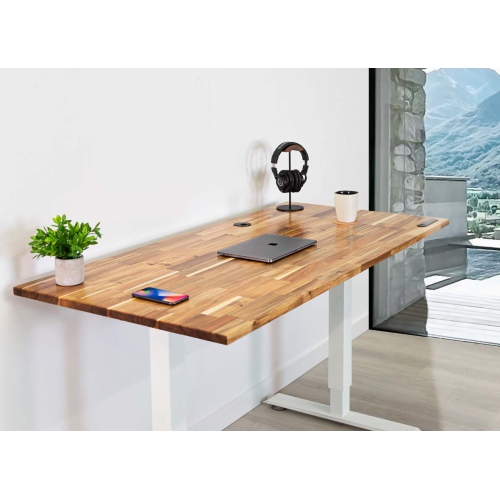
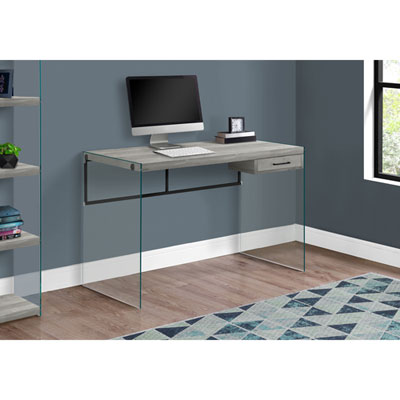
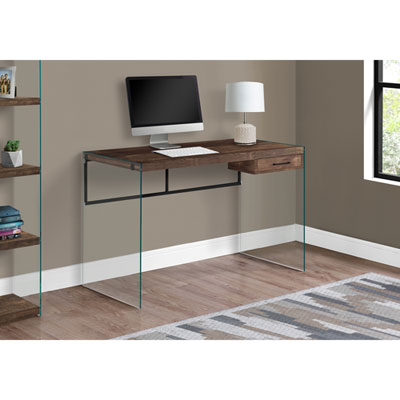
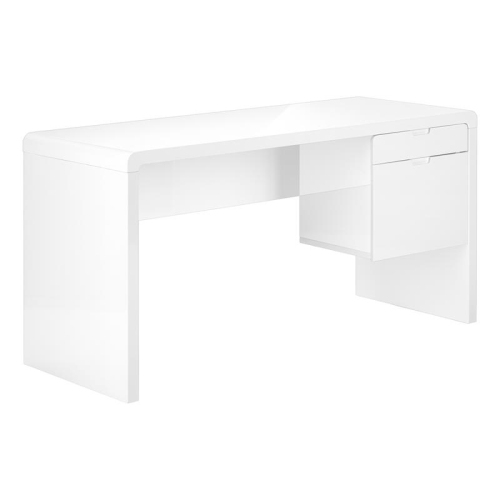


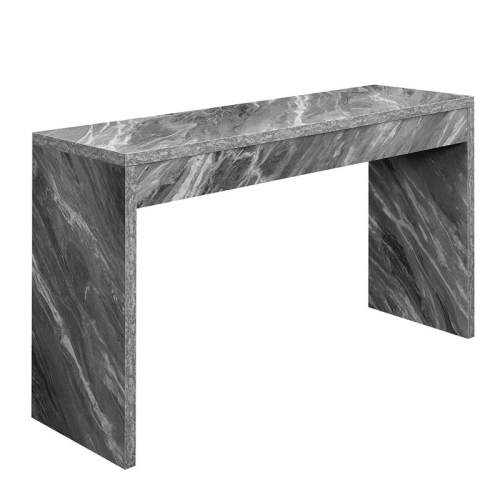
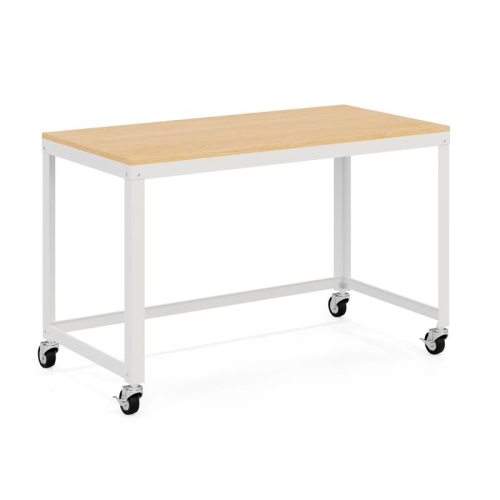
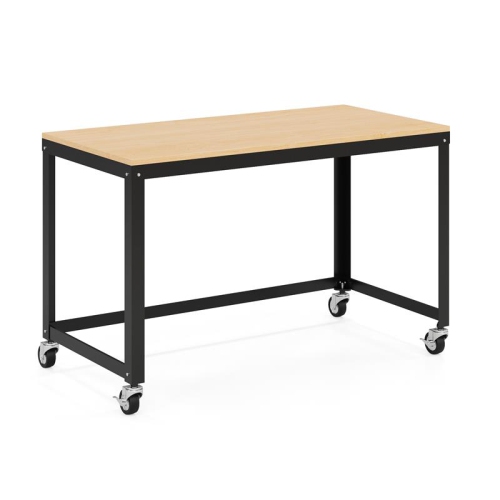
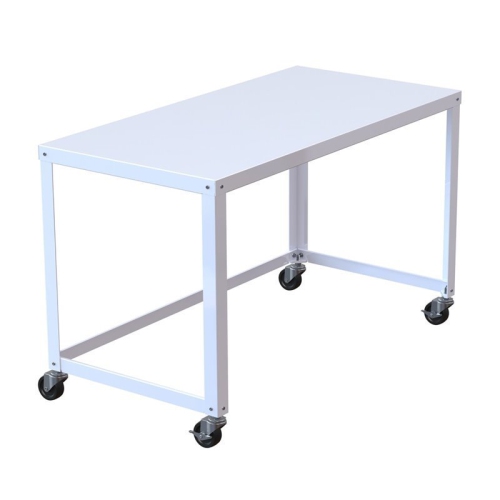
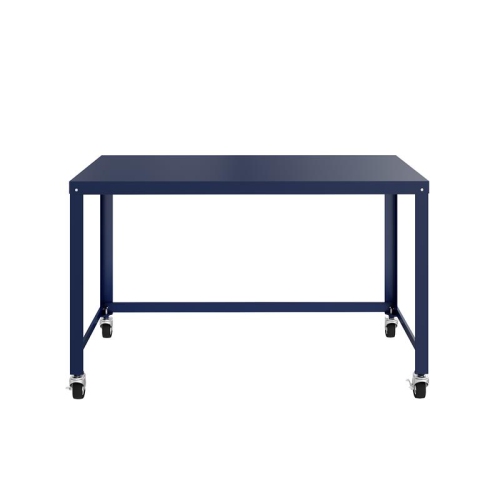
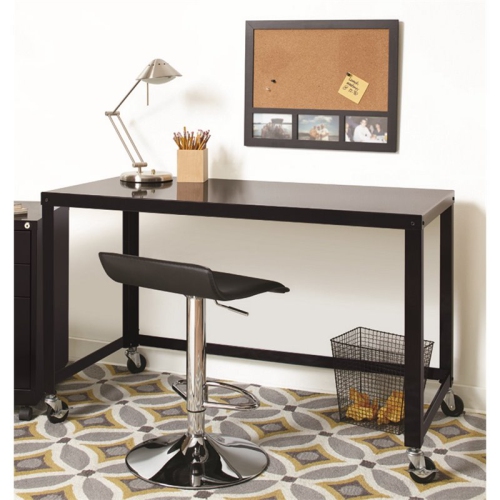
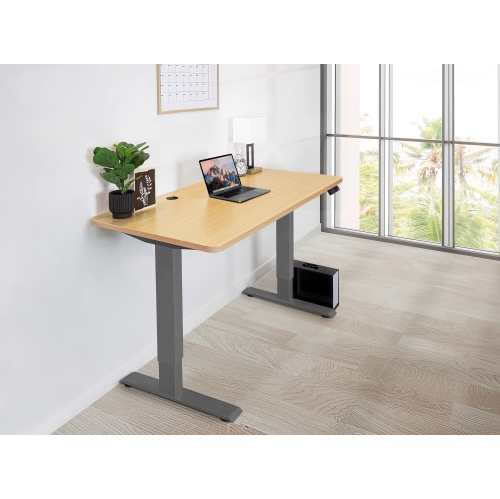
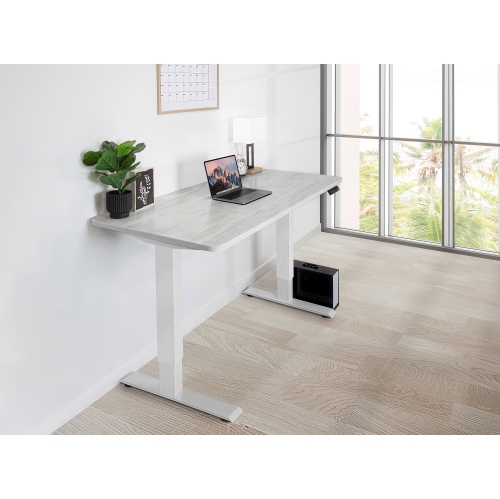
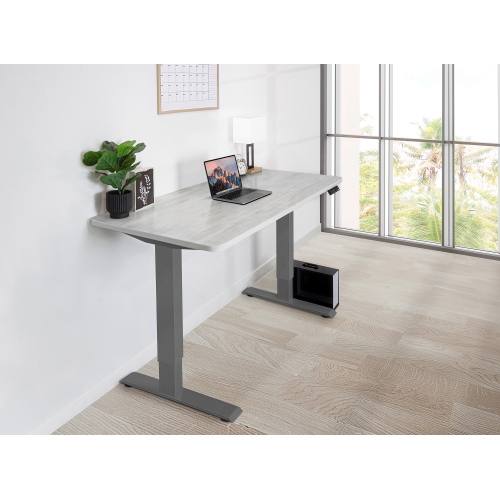
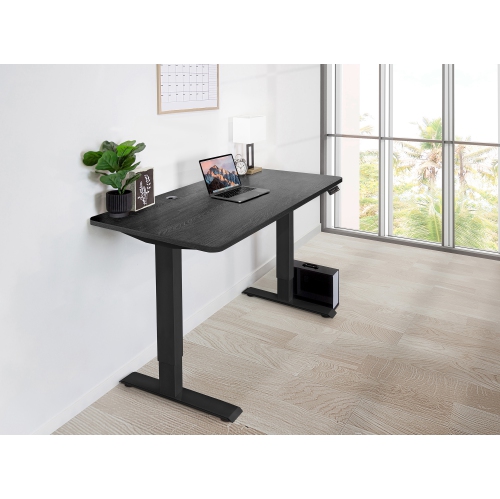
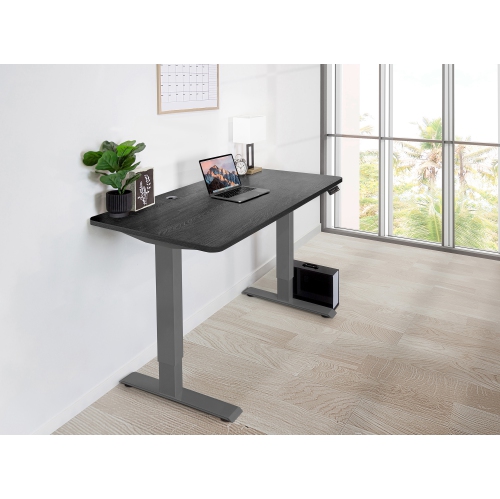
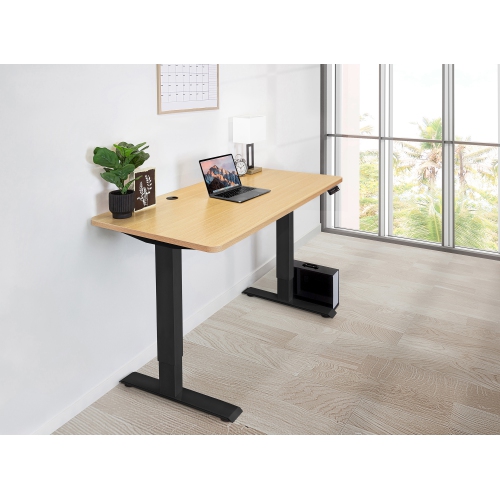
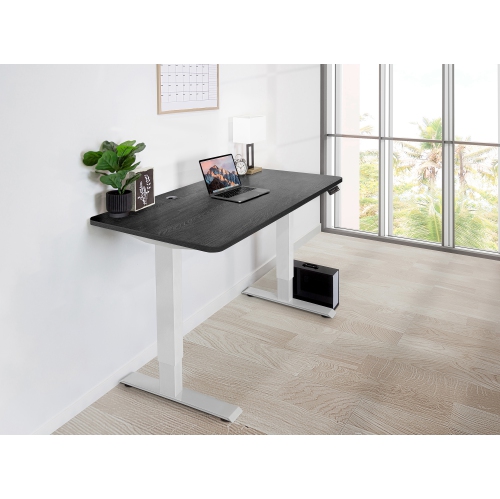

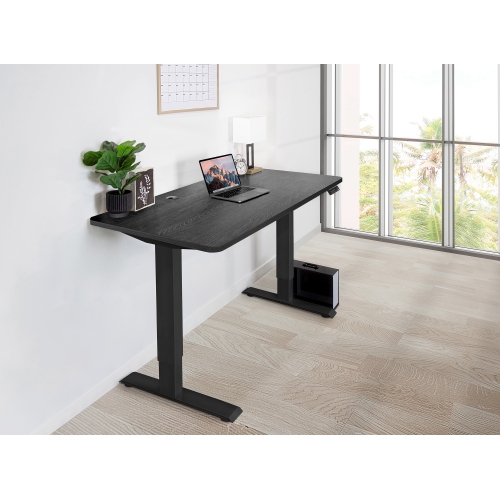
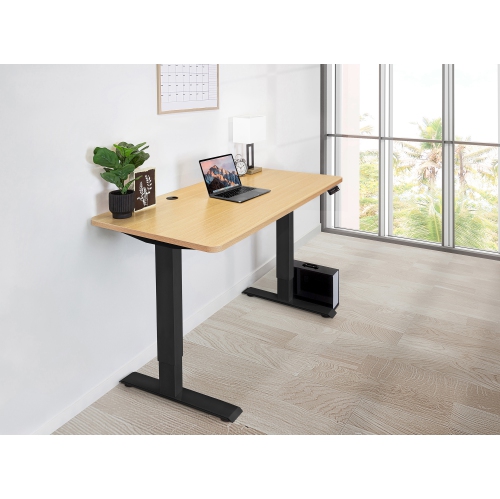
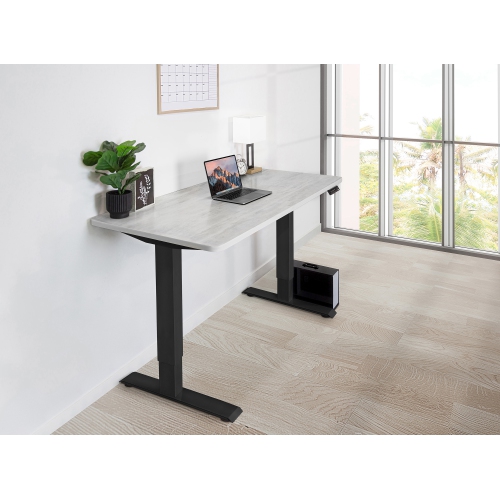

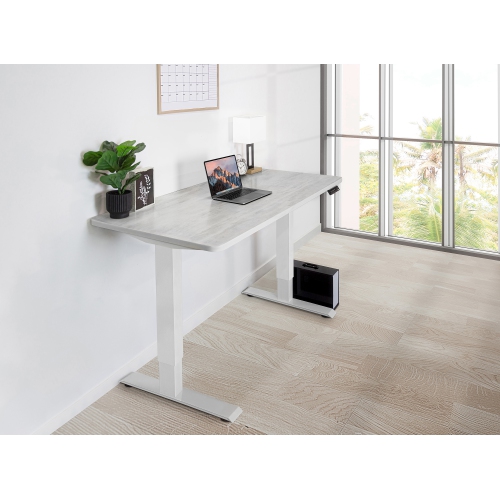
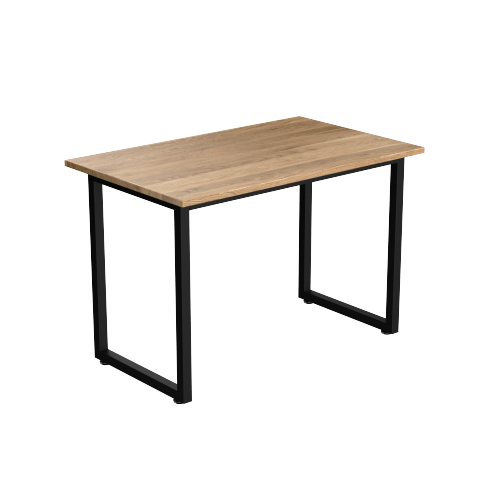

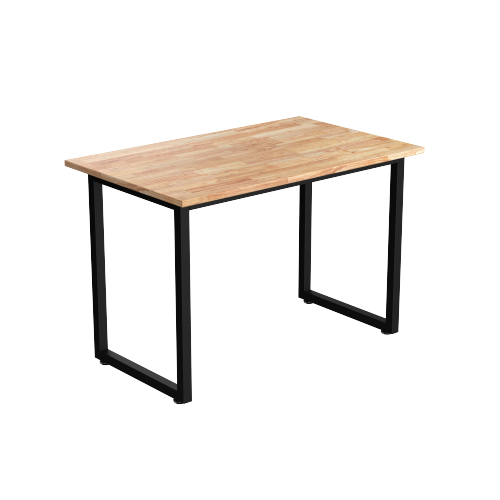
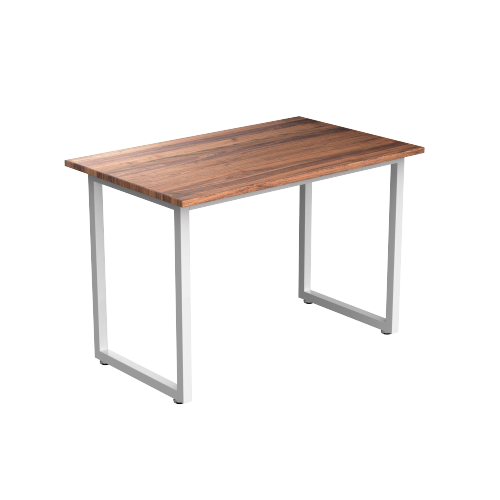
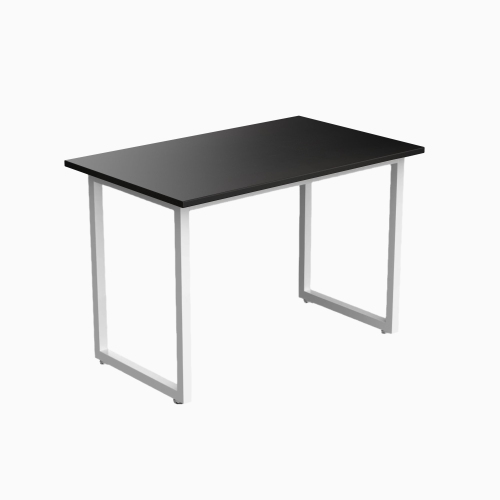
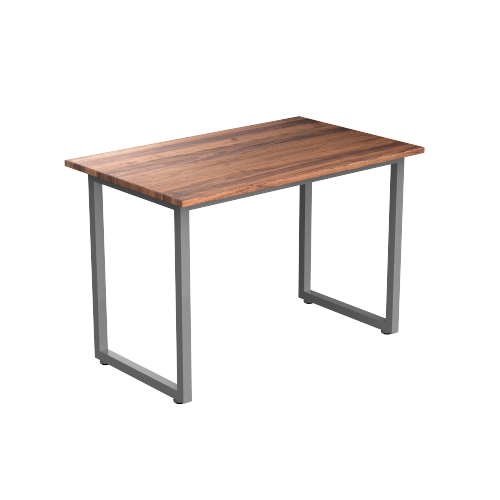
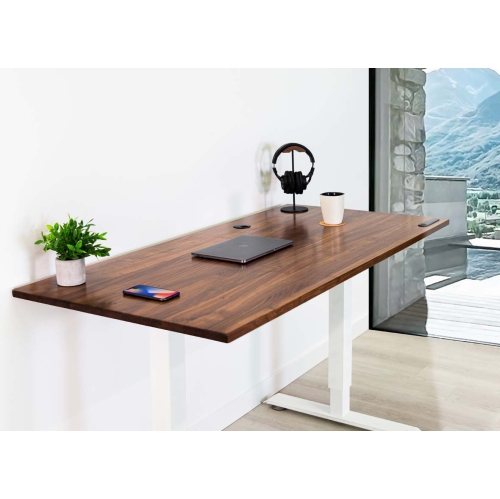
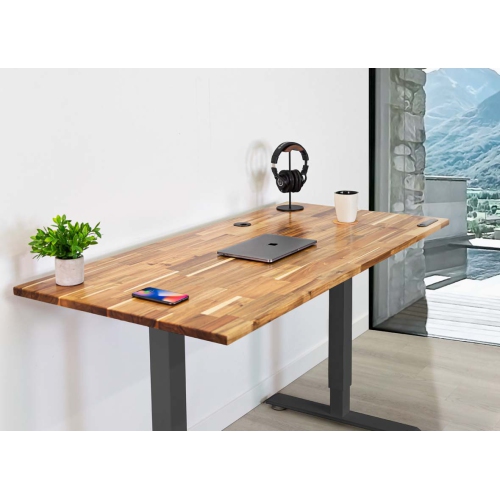
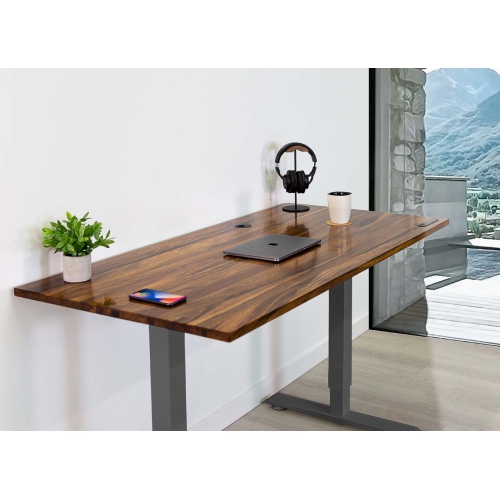
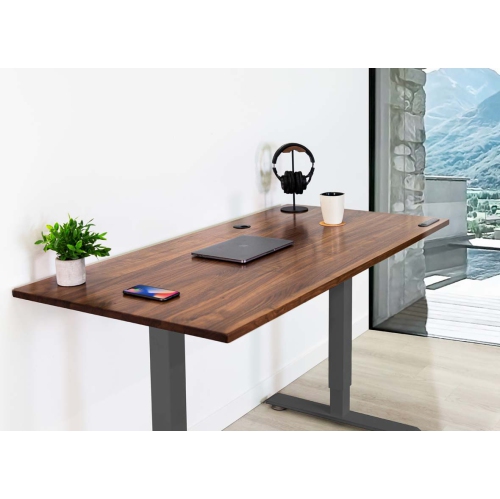
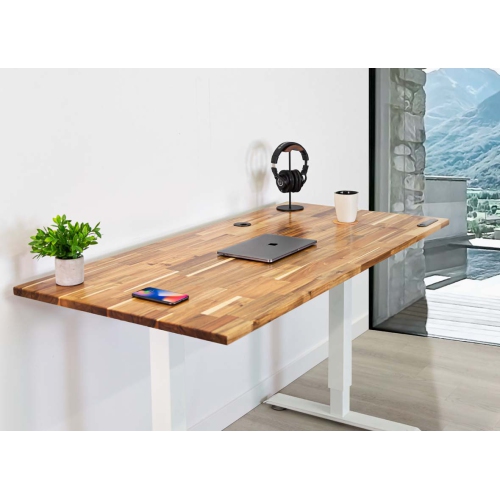
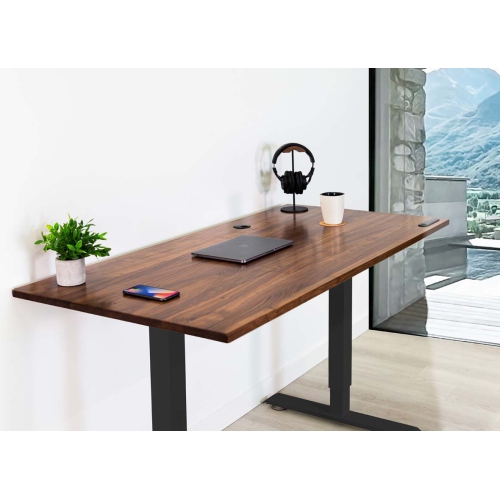
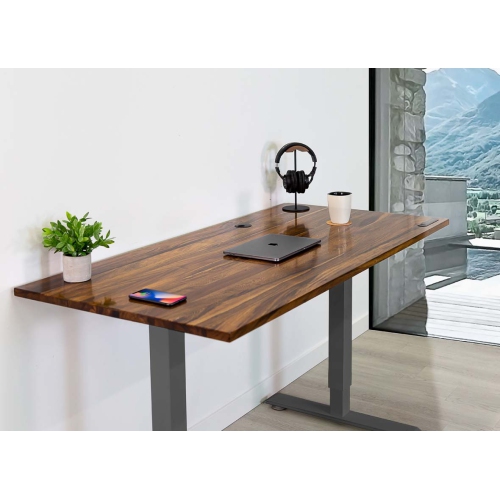
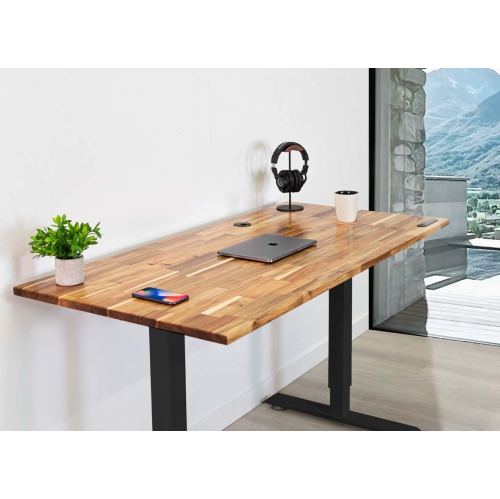
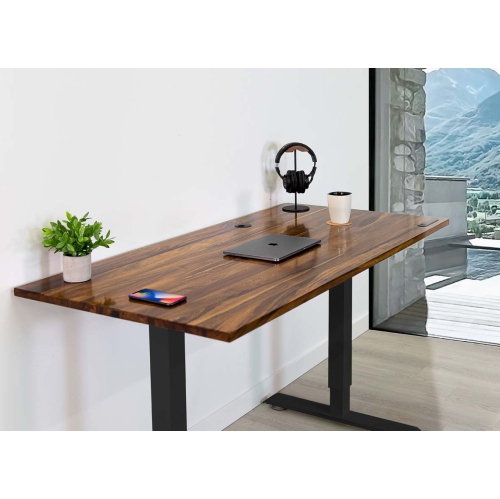
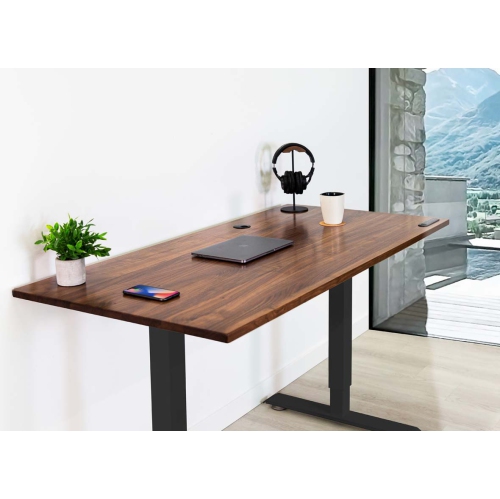
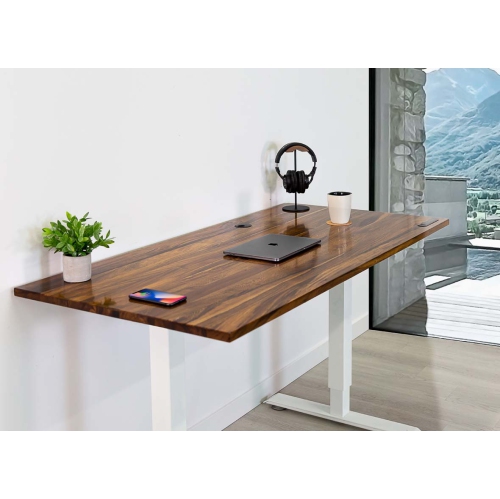
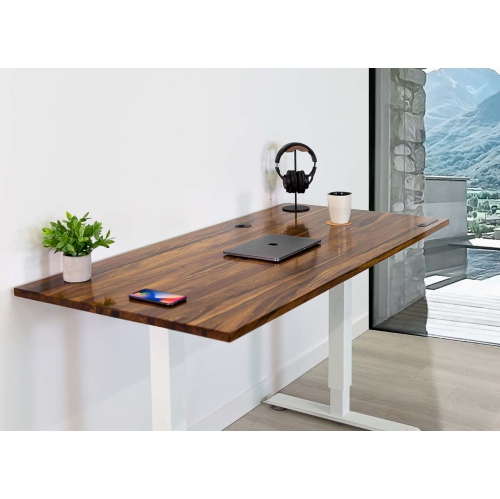
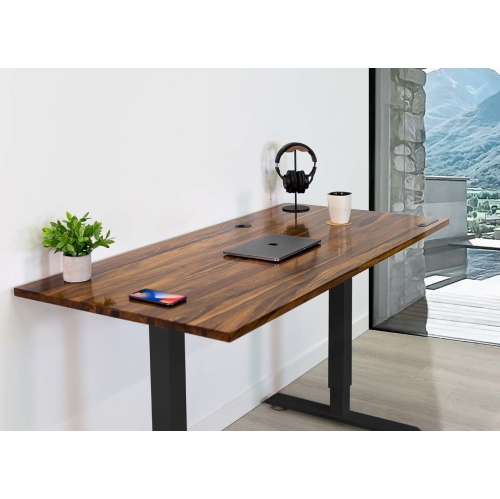
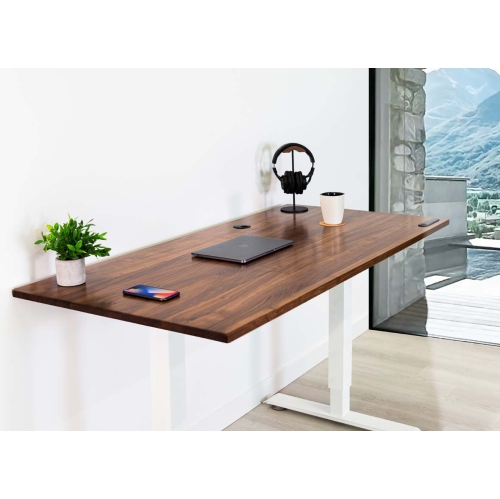

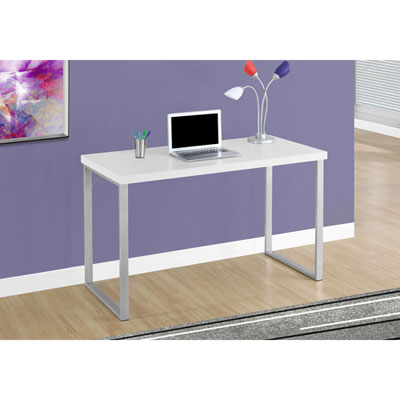
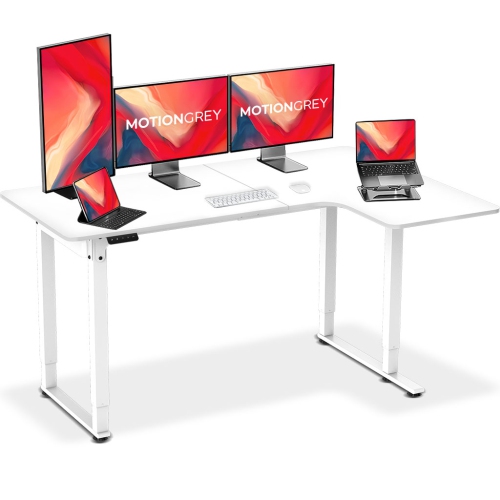
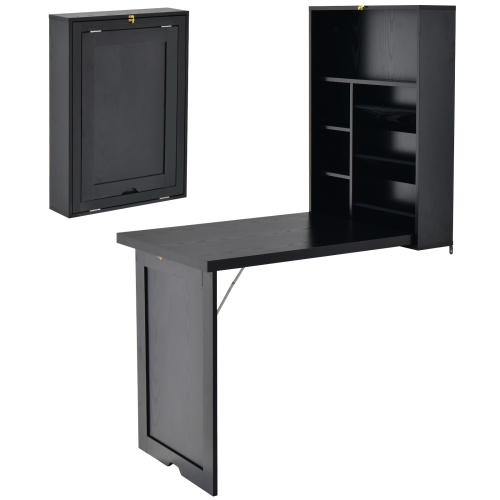
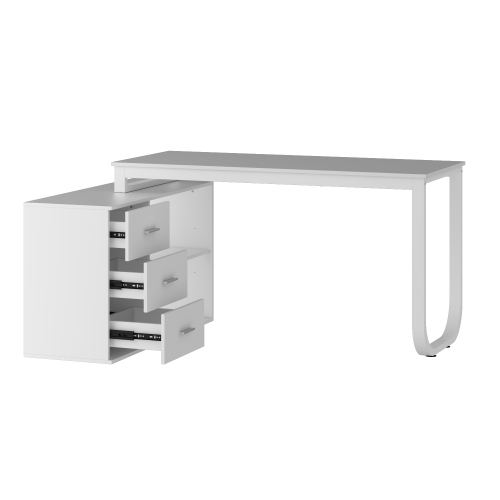
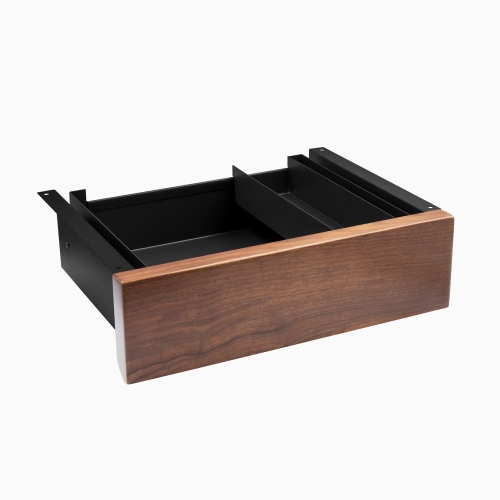
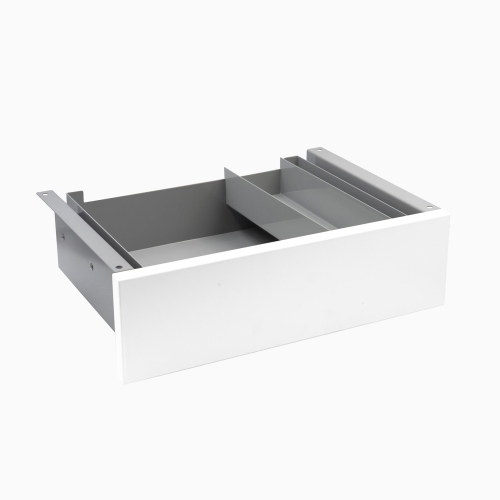
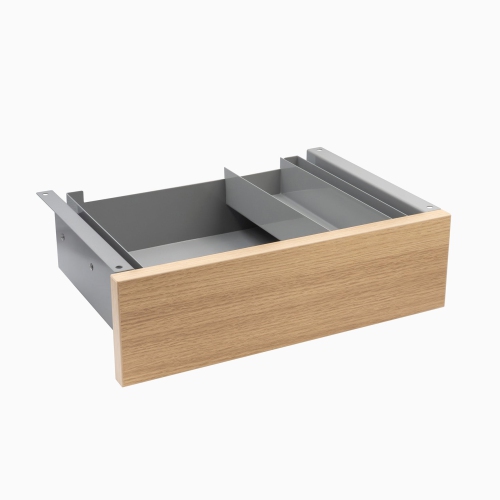
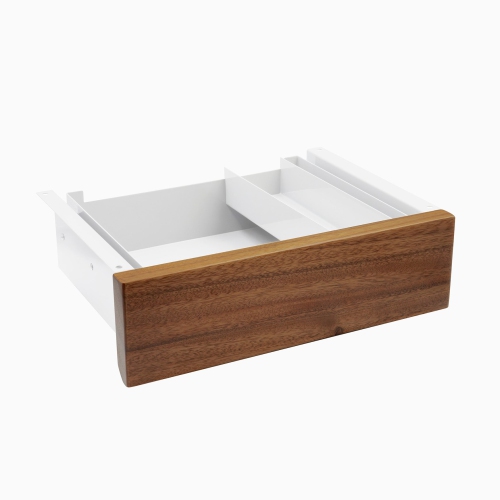
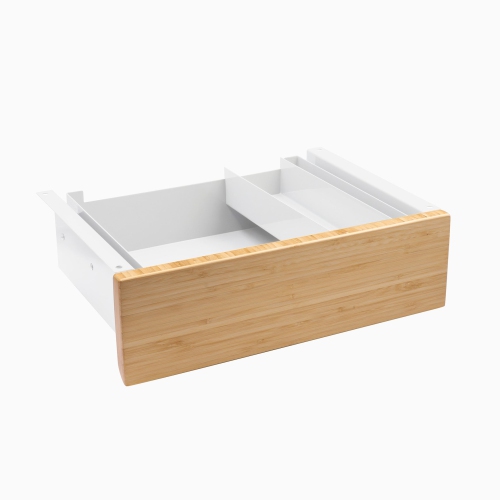
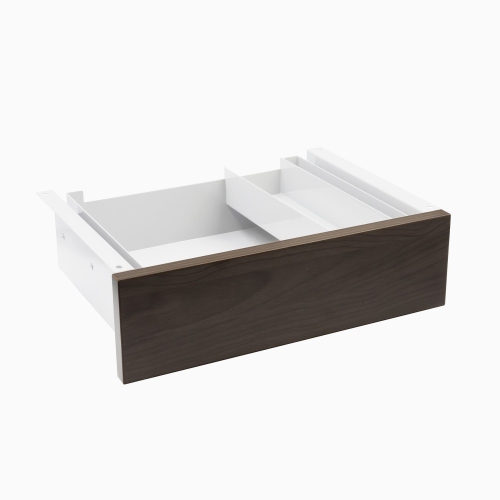
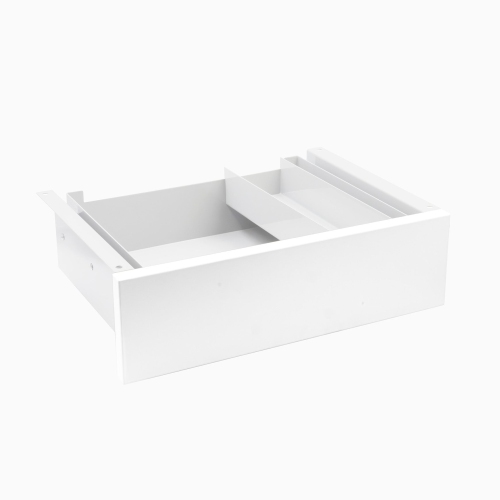
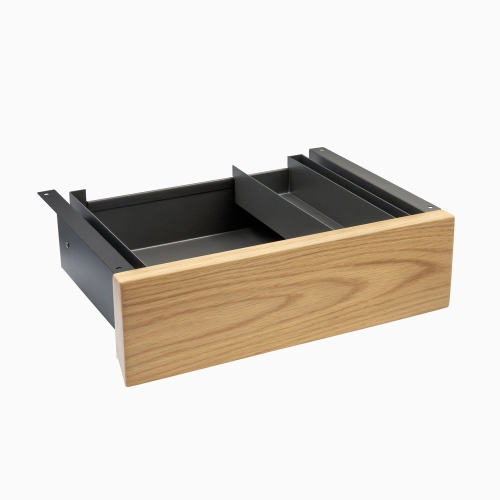
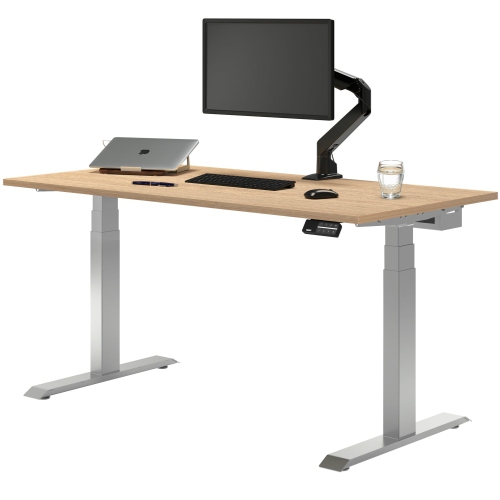
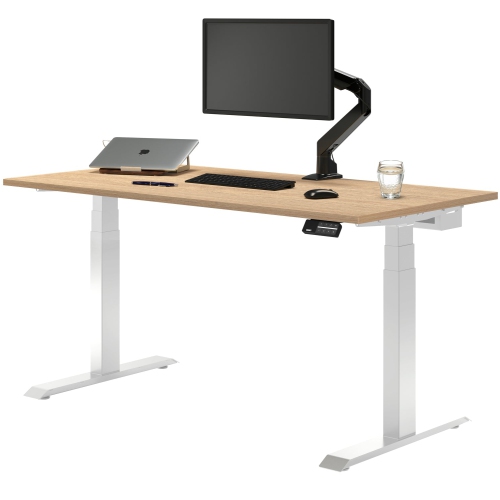
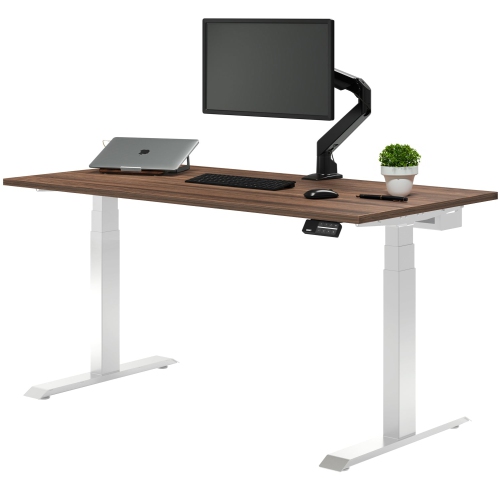
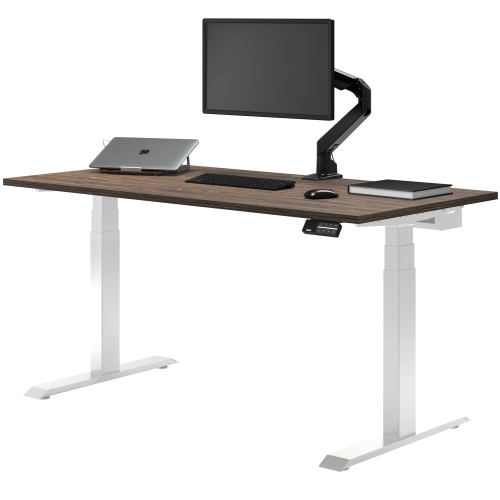
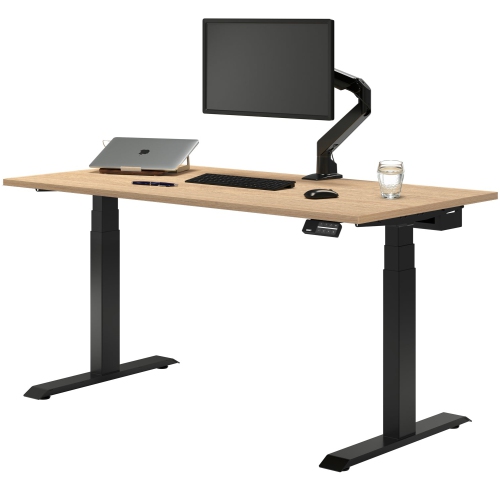
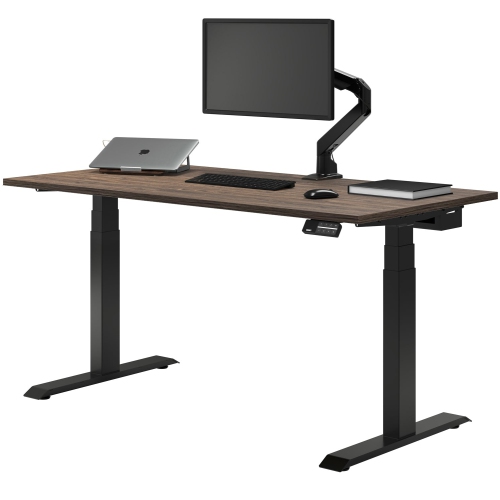
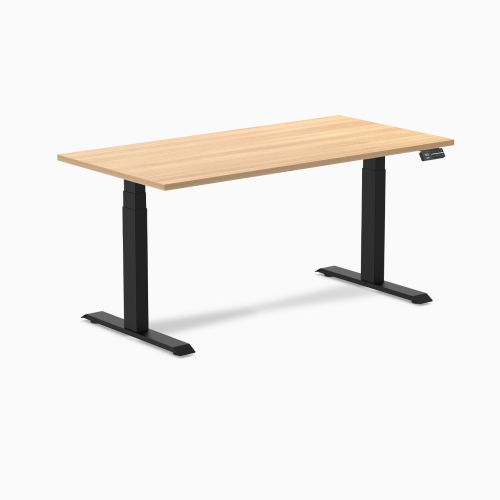
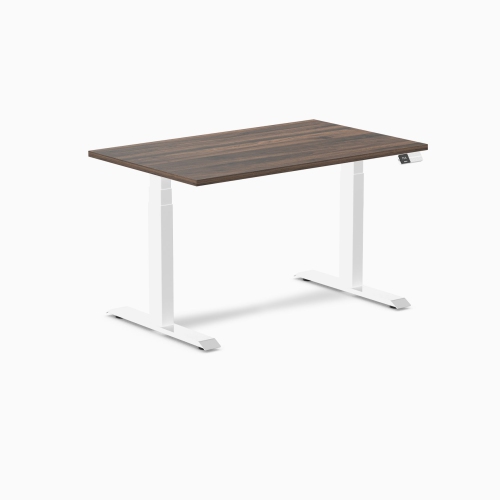
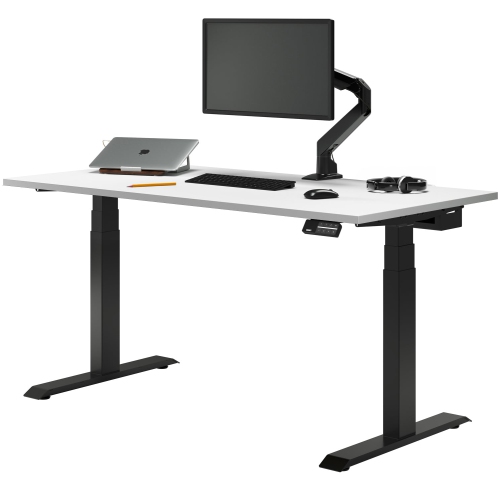
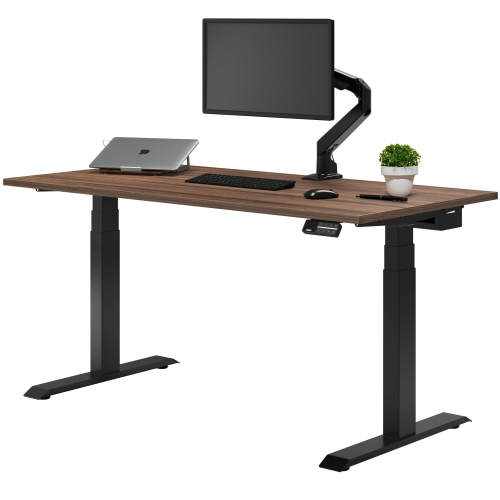
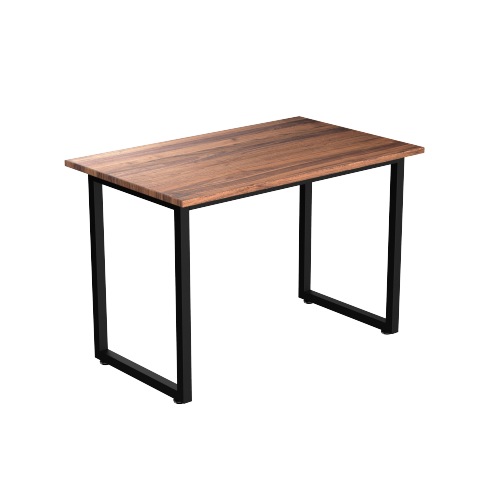
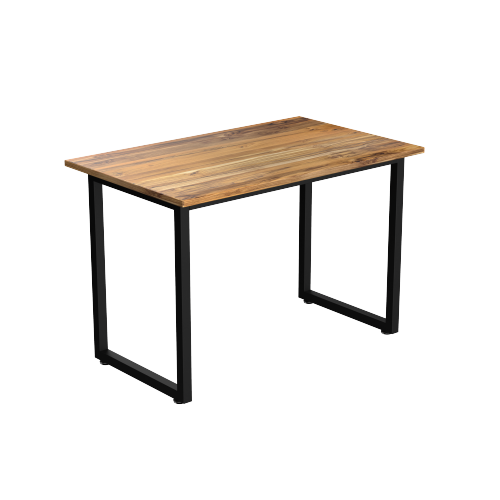
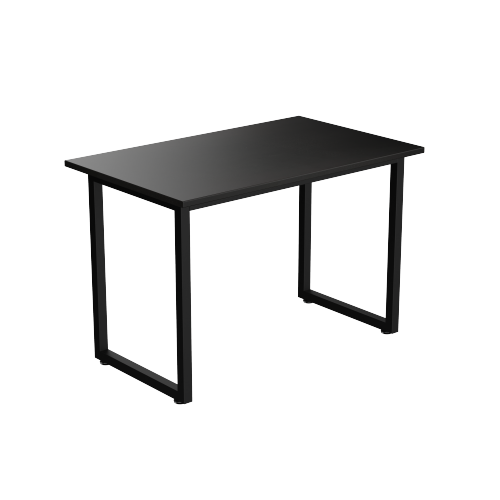
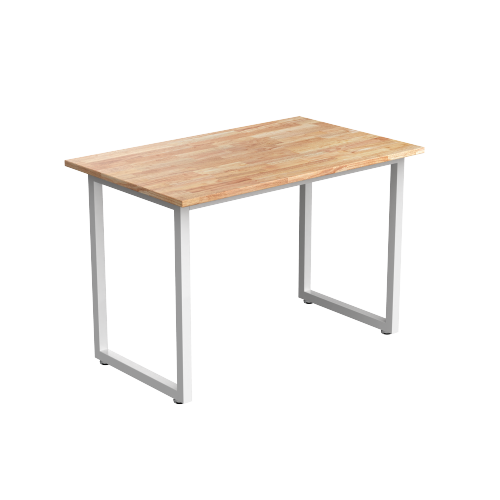
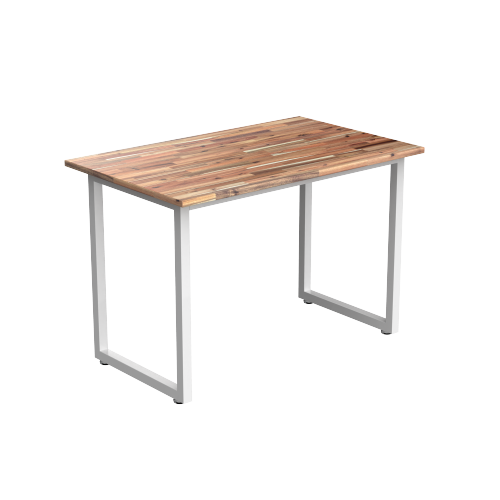
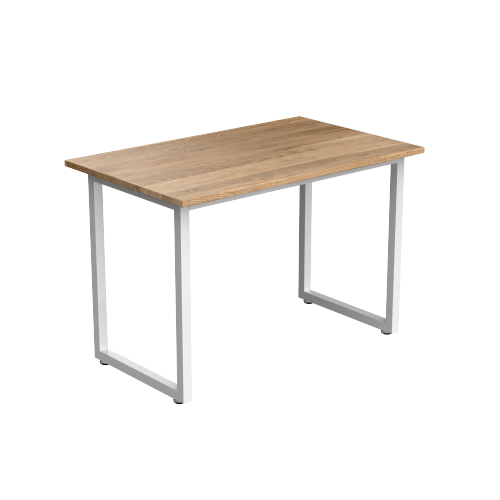
Clean lines with room for everyday work
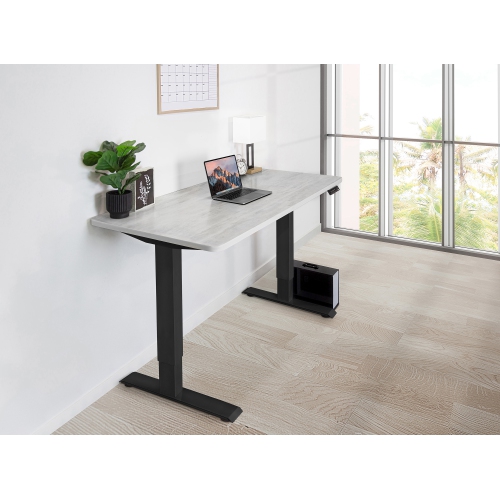
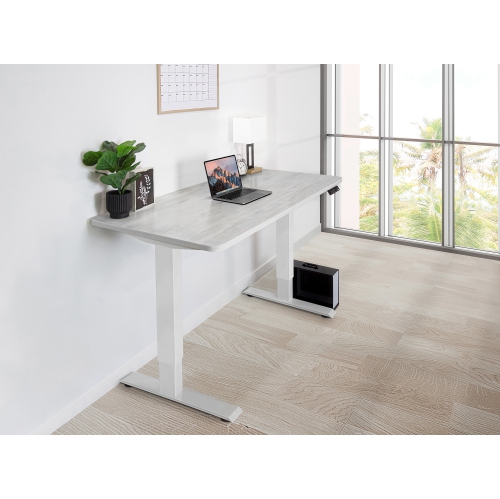
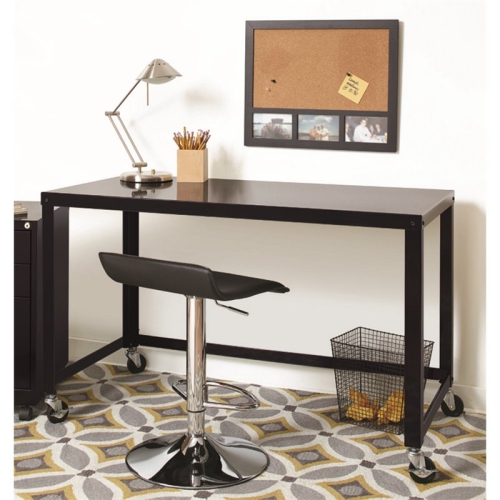
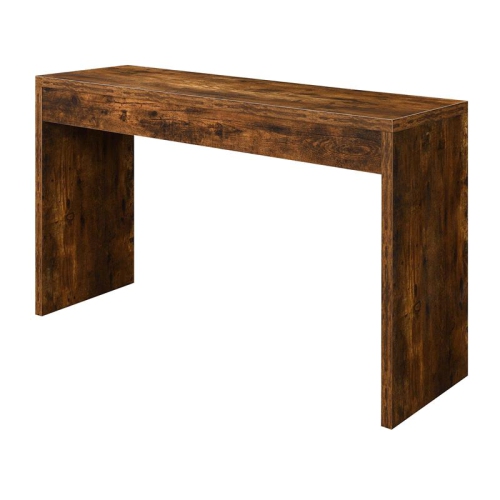
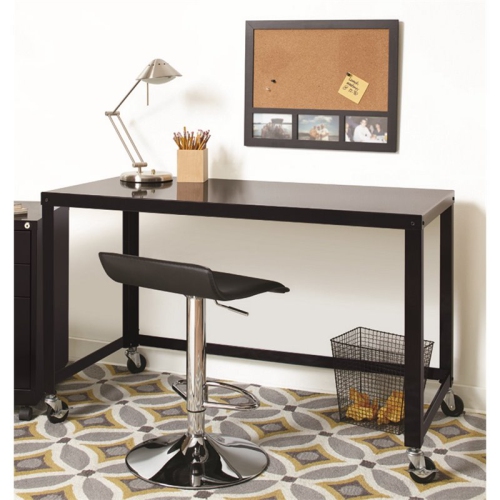
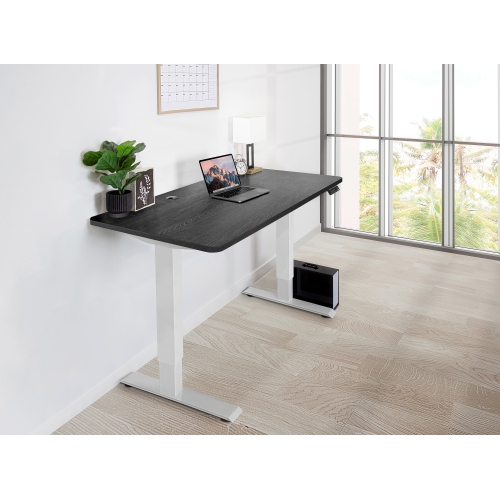
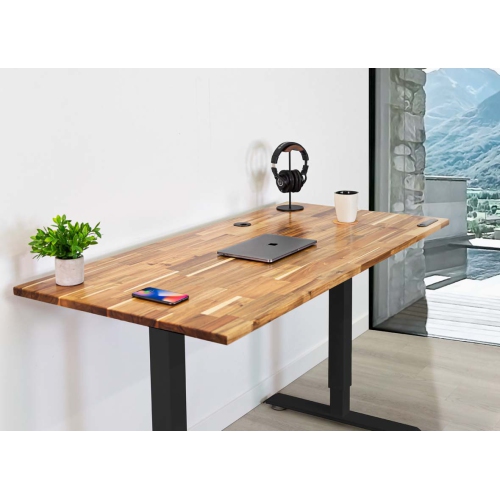
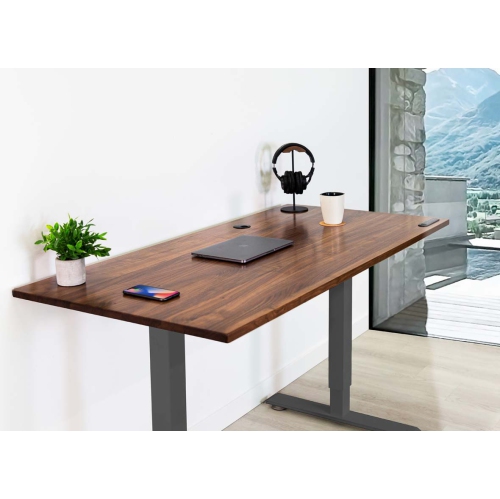
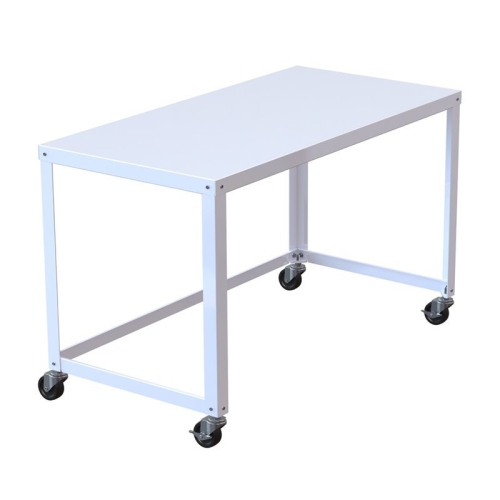
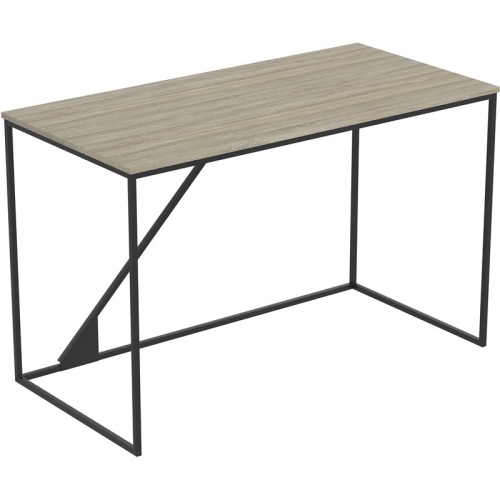
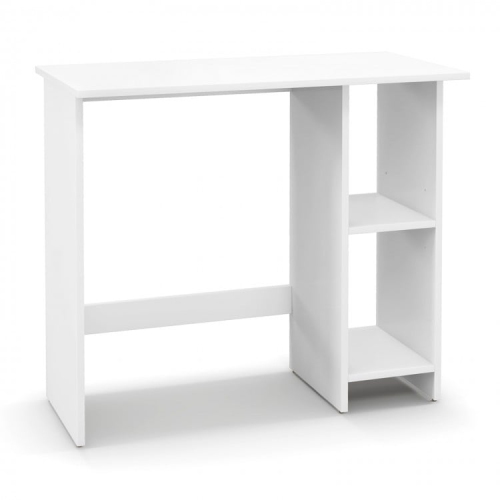
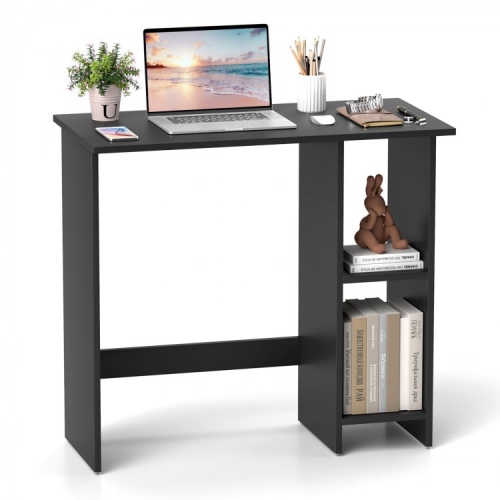
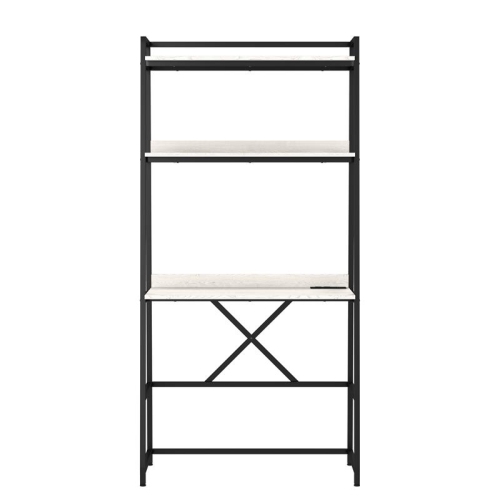
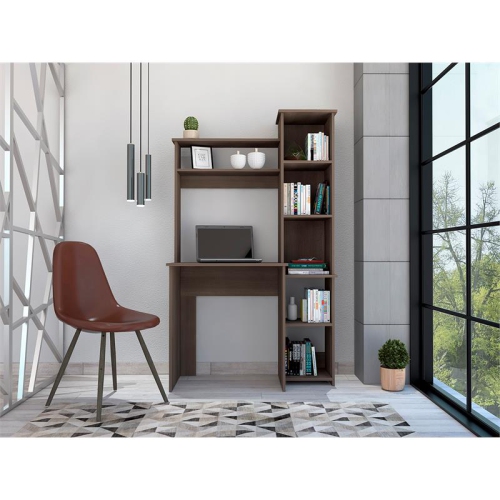
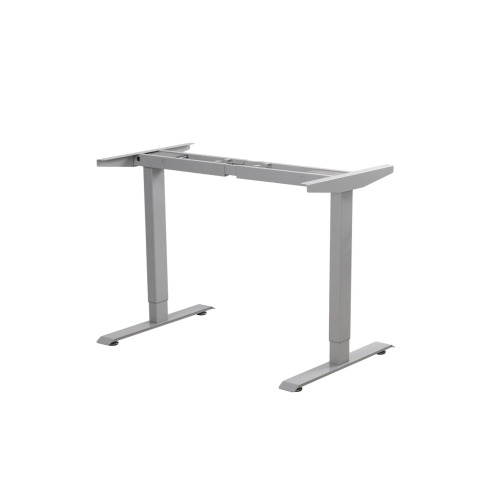
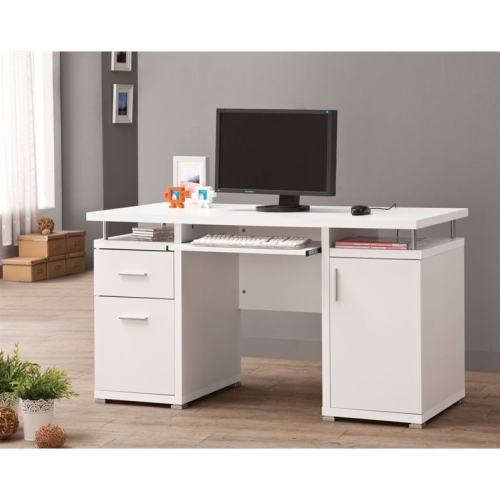
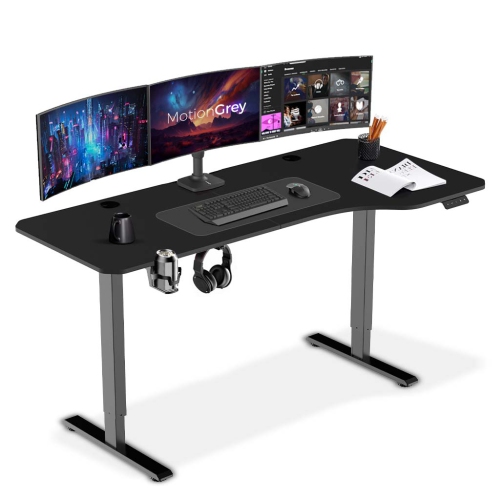
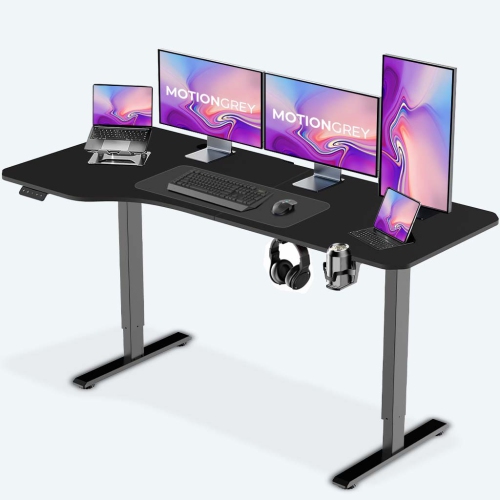
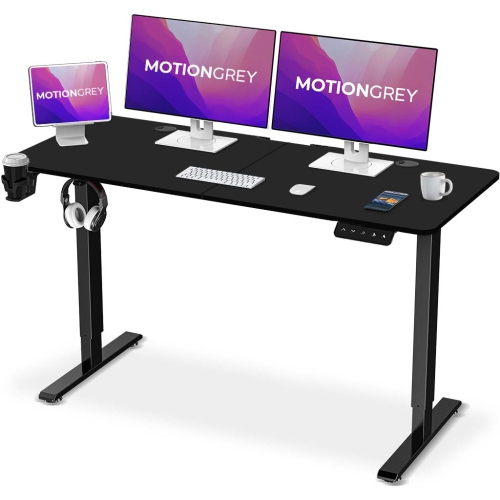
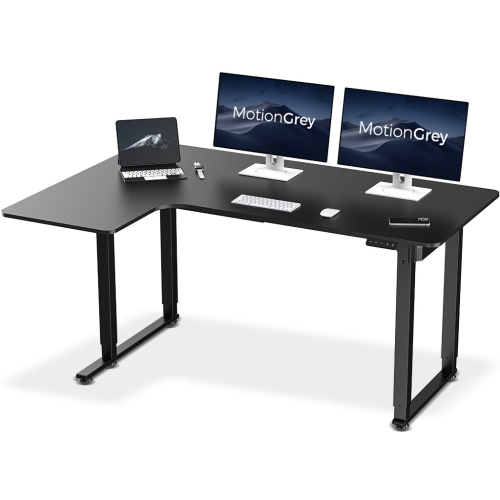
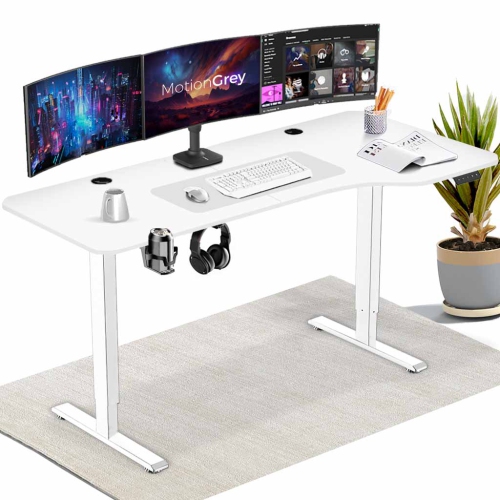
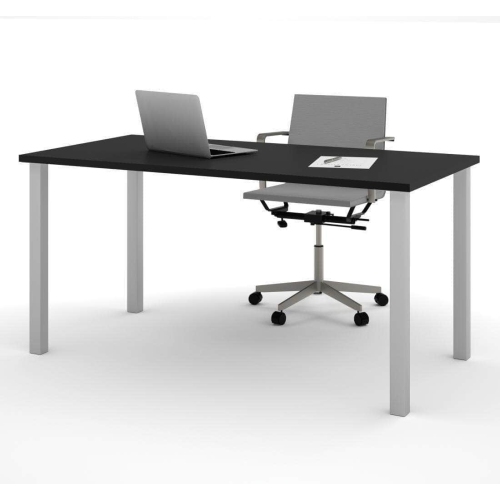
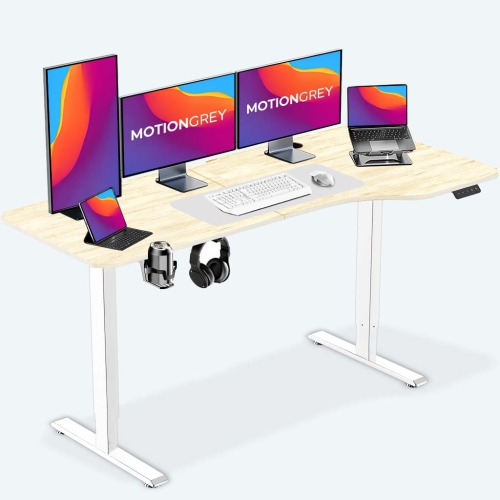
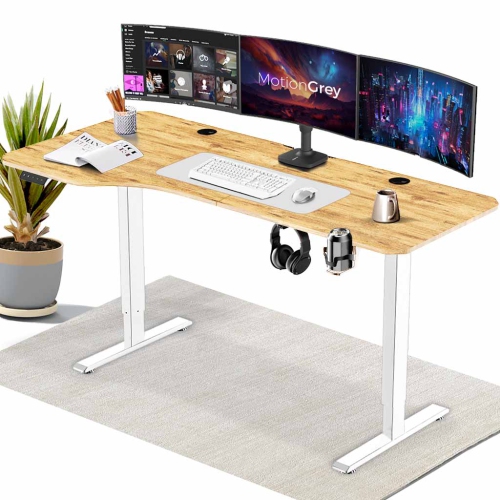
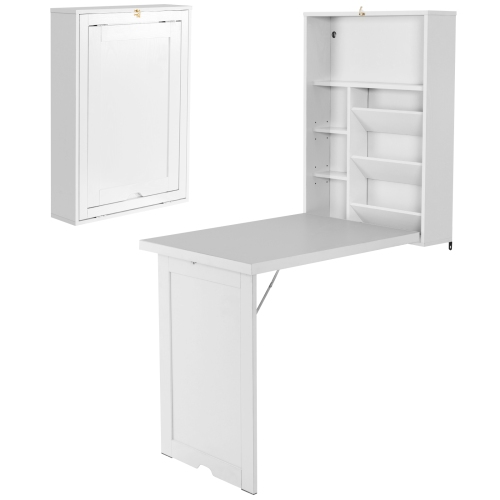
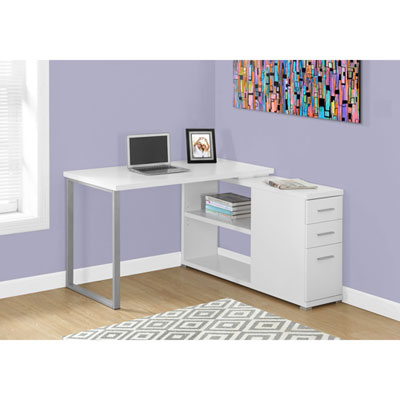
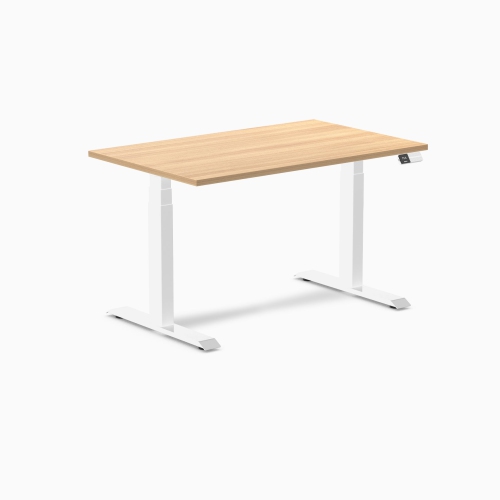
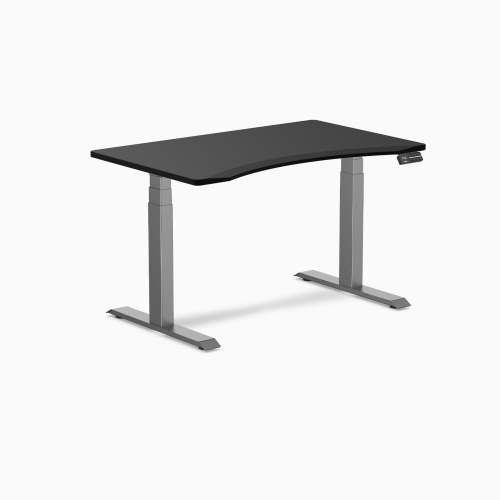
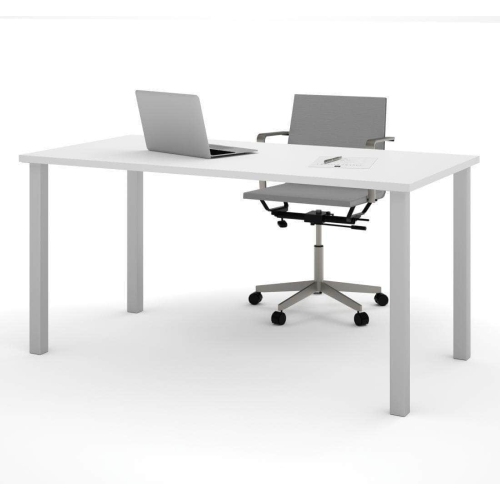
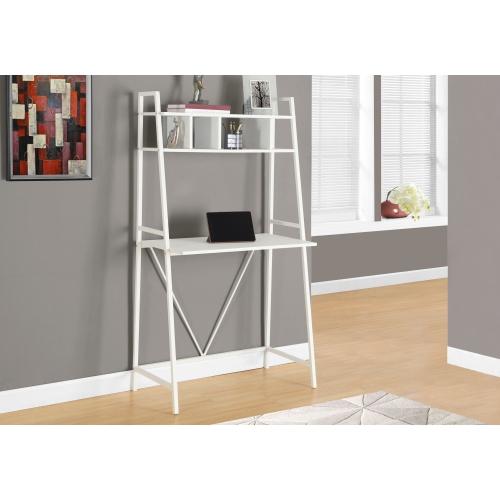
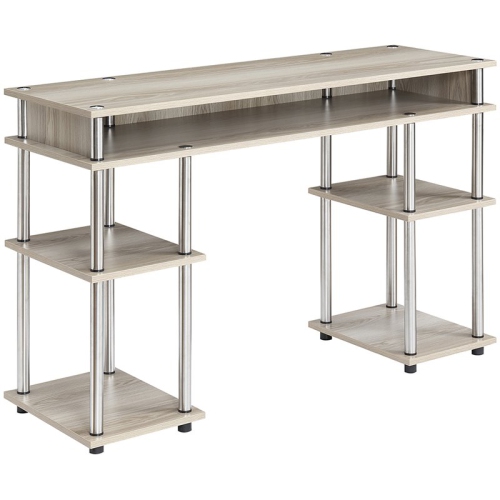
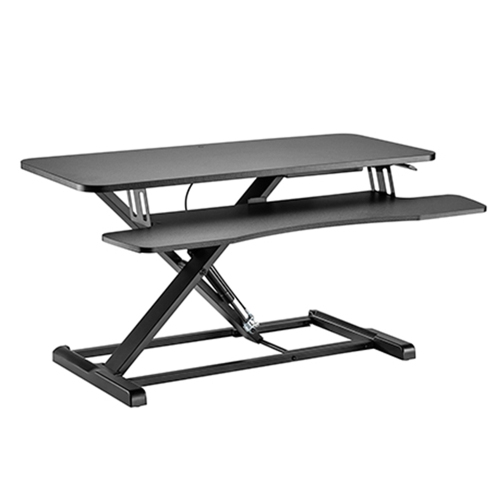
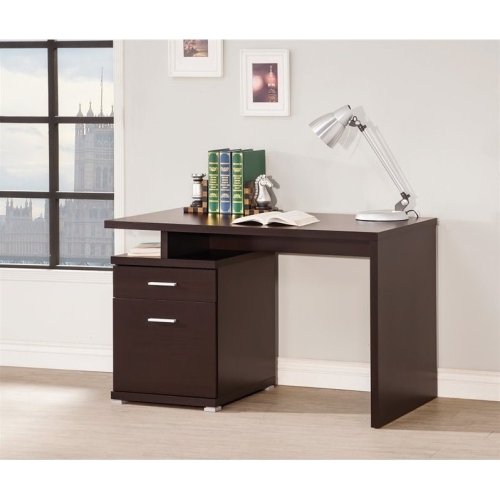
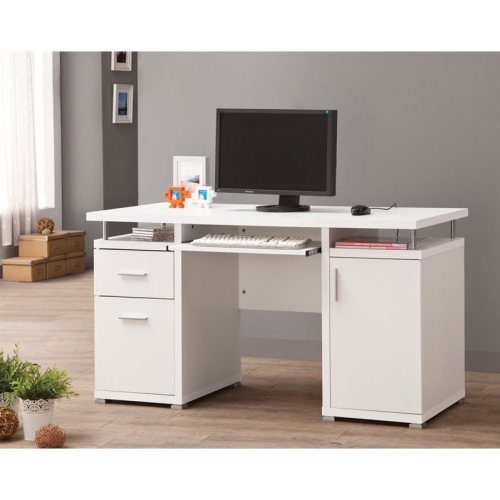
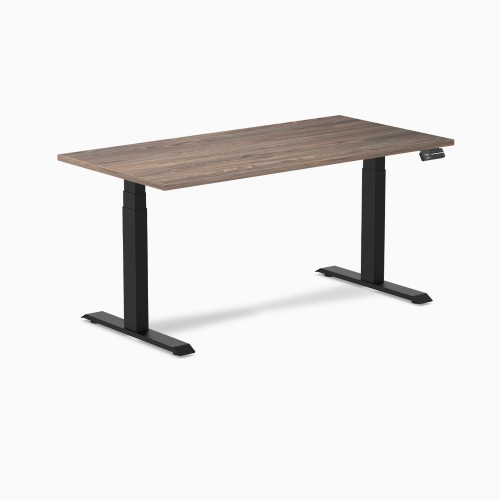
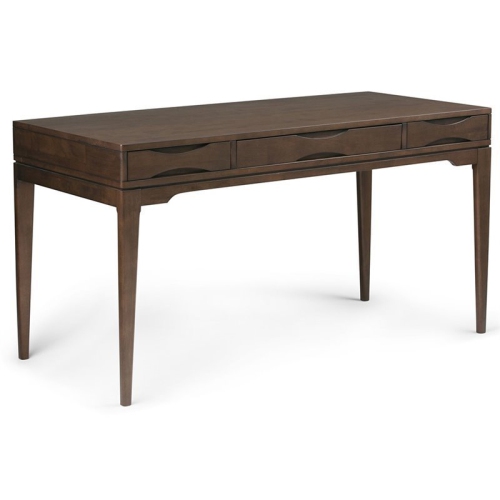
Minimalist desks pair clean lines with practical work surfaces, keeping the shape and details simple so a room feels less visually crowded. Their defining features often include a restrained colour palette, slim legs, understated hardware, and enough open space beneath the desktop to keep the overall profile light. White, black, grey, and natural wood finishes are common, but minimalism is more about proportion and function than a single colour or material. A wood desk with one shallow drawer can look just as pared back as a metal-framed desk with no storage. These designs suit home offices, student bedrooms, apartment living areas, and multipurpose rooms where a workspace needs to sit comfortably alongside other furniture. A narrow writing surface may be enough for someone who mainly uses a notebook or laptop, while a deeper desktop better accommodates a monitor, separate keyboard, and space to rest the forearms. For a focused surface intended for handwritten notes, reading, or light laptop work, Minimalist Writing Desks offer a closely related style. The most useful dimensions depend on what happens at the desk each day: spreading out course notes requires a different layout from answering emails on a single screen. Width determines how much can sit side by side, while depth affects the distance between the user and a monitor. Overall height, clearance beneath drawers, and the position of support bars matter just as much, particularly when a chair has arms that need to tuck under the surface. In a shared living space, the desk also needs enough surrounding room for the chair to pull out without blocking a doorway or walking route. A finished back can be useful when the desk faces into a room rather than against a wall. Rounded corners may make movement around a compact workspace more comfortable, while straight edges allow a surface to sit neatly beside shelving or another desk.
Materials influence both the appearance of a minimalist desk and how it holds up to daily use. Solid wood brings visible grain and natural variation, giving a simple silhouette warmth without requiring extra ornament. Wood veneer provides a real wood surface over a supporting core, although its thin top layer limits how much it can be sanded or refinished. Laminate and melamine surfaces can offer a uniform finish and straightforward everyday cleaning; their resistance to scratches, moisture, and heat depends on the particular construction and finish. Painted surfaces create a smooth, consistent look, but heavily used edges may show wear over time. Metal frames allow for slender supports, with stability depending on the frame design, connections, and quality of assembly rather than appearance alone. Glass desktops have a light visual presence and make spills easy to spot, though fingerprints are more noticeable and edges need careful handling. For any material, durability comes from the whole structure: secure joints, a well-supported top, smooth drawer movement, and feet that sit evenly on the floor. A desk that feels steady while writing may behave differently with a monitor arm attached, so the stated load capacity and any mounting restrictions are important for equipment-heavy setups. Hollow-core tops and certain thin surfaces may not be suitable for clamp-mounted accessories unless the manufacturer permits them. Everyday care is usually simple, but it should match the finish. A soft cloth, prompt attention to spills, and cleaning products approved by the manufacturer help protect the surface without leaving unnecessary residue. Coasters and a desk mat can reduce contact with moisture, pen marks, and abrasion from frequently moved accessories. Wood-based surfaces benefit from avoiding standing water, and glass or painted finishes should not be scrubbed with abrasive pads. Moving a desk by lifting it rather than dragging it helps protect both the leg connections and the floor. Adjustable levelling feet, where fitted, can help resolve minor unevenness without relying on folded paper beneath a leg.
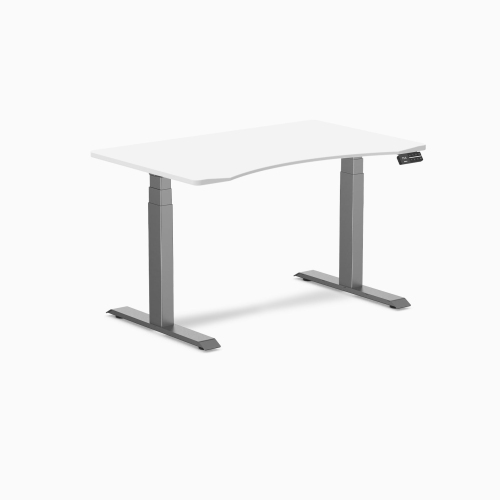
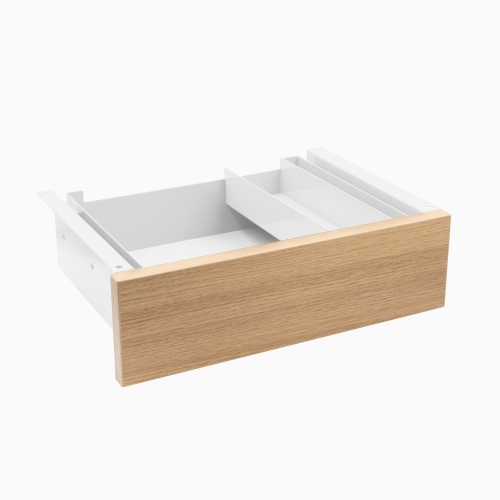
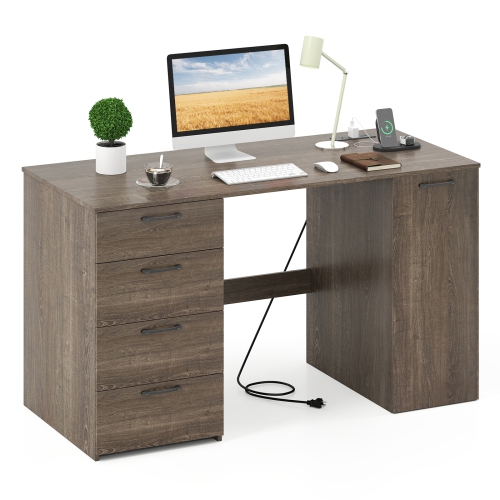
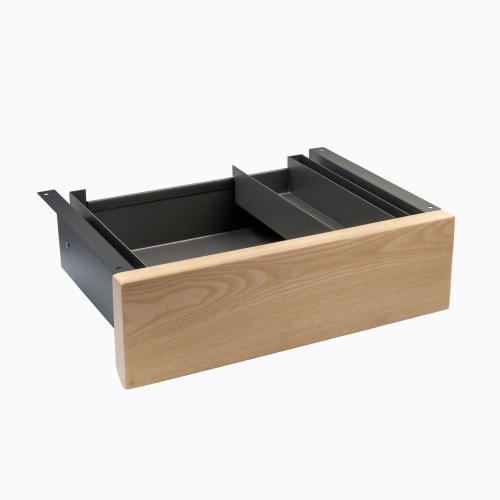
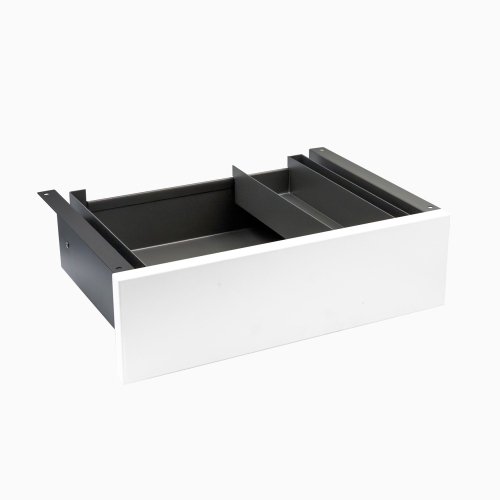
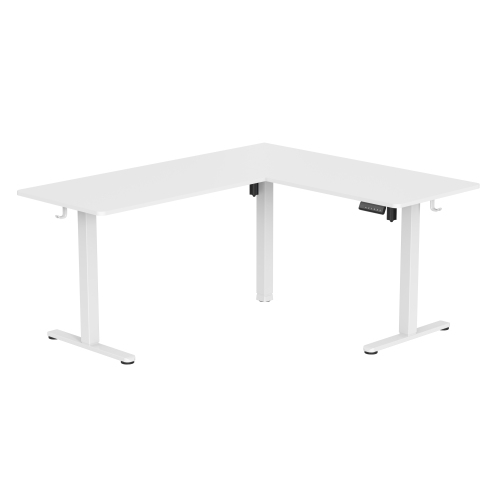
Storage and cable management often determine whether a minimalist desk stays visually tidy after the workday begins. A completely open design offers generous legroom and a simple outline, but it leaves stationery, chargers, and paperwork needing another home. One or two shallow drawers can hold those smaller essentials without creating the bulk of a full pedestal, while a separate cabinet may suit someone who regularly works with printed files. Drawer depth and placement deserve attention because a wide drawer beneath the desktop can reduce thigh clearance even when the desk’s overall height seems suitable. Cable openings, rear channels, and under-desk trays help route cords away from the main work surface, although each serves a different purpose. A desktop opening guides cables through the top, while a tray can support a power bar and keep excess cable length off the floor. Neither replaces the need for accessible outlets and enough slack for equipment to move safely. On height-adjustable desks, cords need to accommodate the full travel of the surface without pulling tight or catching on nearby furniture. A minimalist standing desk can preserve a clean profile while allowing changes between seated and standing work, provided its height range suits the person using it. For a remote worker, space for a monitor and a clear spot for meeting notes may matter most; for a student, an uncluttered area for textbooks and a task lamp can be more useful than built-in compartments. Someone who sketches, journals, or tackles household paperwork may prefer a broad, uninterrupted surface with storage close by rather than directly underneath. Shared desks benefit from easily accessible drawers and a layout that can shift between users without moving heavy equipment. As a gift for a student setting up a study space or an adult furnishing a first home office, a desk is most practical when the recipient’s room measurements, chair, and working habits are known. The lasting appeal of minimalist office furniture lies in that balance: enough structure and storage to support everyday tasks, with a simple form that fits naturally into the room.
Materials influence both the appearance of a minimalist desk and how it holds up to daily use. Solid wood brings visible grain and natural variation, giving a simple silhouette warmth without requiring extra ornament. Wood veneer provides a real wood surface over a supporting core, although its thin top layer limits how much it can be sanded or refinished. Laminate and melamine surfaces can offer a uniform finish and straightforward everyday cleaning; their resistance to scratches, moisture, and heat depends on the particular construction and finish. Painted surfaces create a smooth, consistent look, but heavily used edges may show wear over time. Metal frames allow for slender supports, with stability depending on the frame design, connections, and quality of assembly rather than appearance alone. Glass desktops have a light visual presence and make spills easy to spot, though fingerprints are more noticeable and edges need careful handling. For any material, durability comes from the whole structure: secure joints, a well-supported top, smooth drawer movement, and feet that sit evenly on the floor. A desk that feels steady while writing may behave differently with a monitor arm attached, so the stated load capacity and any mounting restrictions are important for equipment-heavy setups. Hollow-core tops and certain thin surfaces may not be suitable for clamp-mounted accessories unless the manufacturer permits them. Everyday care is usually simple, but it should match the finish. A soft cloth, prompt attention to spills, and cleaning products approved by the manufacturer help protect the surface without leaving unnecessary residue. Coasters and a desk mat can reduce contact with moisture, pen marks, and abrasion from frequently moved accessories. Wood-based surfaces benefit from avoiding standing water, and glass or painted finishes should not be scrubbed with abrasive pads. Moving a desk by lifting it rather than dragging it helps protect both the leg connections and the floor. Adjustable levelling feet, where fitted, can help resolve minor unevenness without relying on folded paper beneath a leg.
Storage and cable management often determine whether a minimalist desk stays visually tidy after the workday begins. A completely open design offers generous legroom and a simple outline, but it leaves stationery, chargers, and paperwork needing another home. One or two shallow drawers can hold those smaller essentials without creating the bulk of a full pedestal, while a separate cabinet may suit someone who regularly works with printed files. Drawer depth and placement deserve attention because a wide drawer beneath the desktop can reduce thigh clearance even when the desk’s overall height seems suitable. Cable openings, rear channels, and under-desk trays help route cords away from the main work surface, although each serves a different purpose. A desktop opening guides cables through the top, while a tray can support a power bar and keep excess cable length off the floor. Neither replaces the need for accessible outlets and enough slack for equipment to move safely. On height-adjustable desks, cords need to accommodate the full travel of the surface without pulling tight or catching on nearby furniture. A minimalist standing desk can preserve a clean profile while allowing changes between seated and standing work, provided its height range suits the person using it. For a remote worker, space for a monitor and a clear spot for meeting notes may matter most; for a student, an uncluttered area for textbooks and a task lamp can be more useful than built-in compartments. Someone who sketches, journals, or tackles household paperwork may prefer a broad, uninterrupted surface with storage close by rather than directly underneath. Shared desks benefit from easily accessible drawers and a layout that can shift between users without moving heavy equipment. As a gift for a student setting up a study space or an adult furnishing a first home office, a desk is most practical when the recipient’s room measurements, chair, and working habits are known. The lasting appeal of minimalist office furniture lies in that balance: enough structure and storage to support everyday tasks, with a simple form that fits naturally into the room.
Top selling and popular products
-
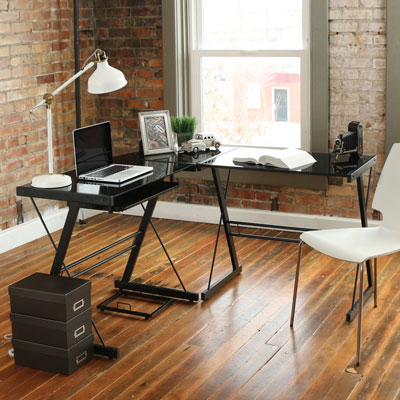 Your price for this item is $304.99
 -
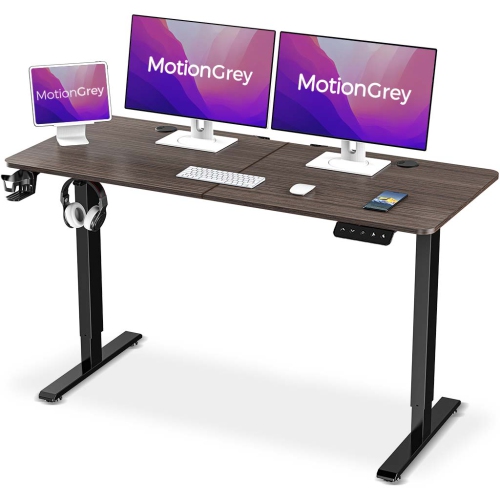 Your price for this item is $93.99
 -
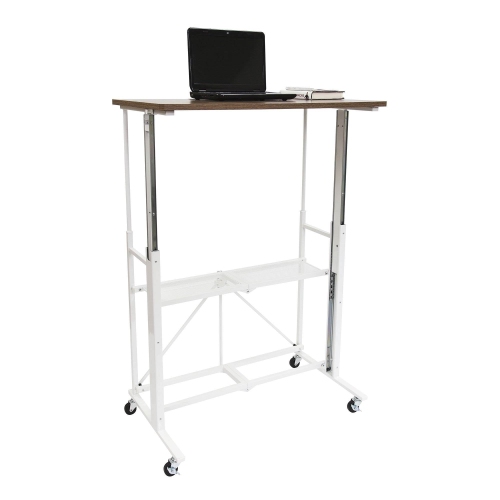 Your price for this item is $248.99
 -
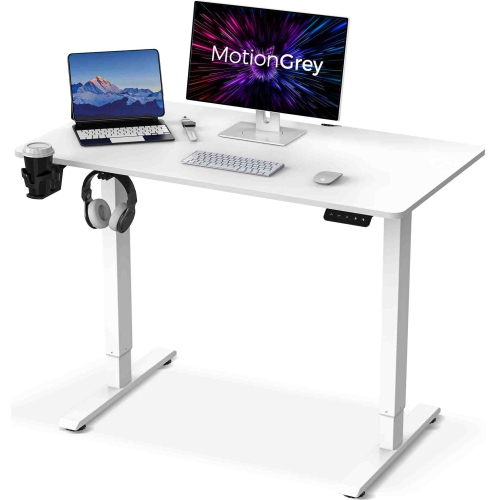 Your price for this item is $83.99
 -
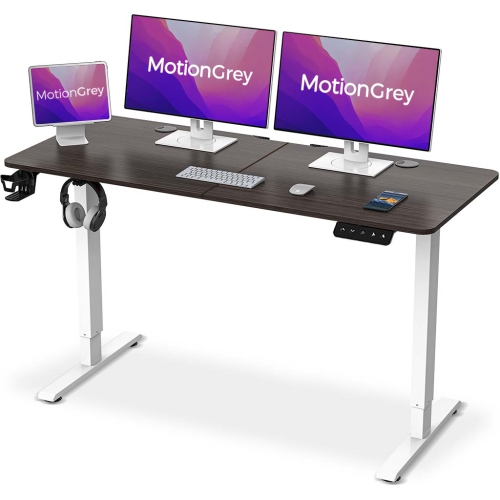 Your price for this item is $108.99
 -
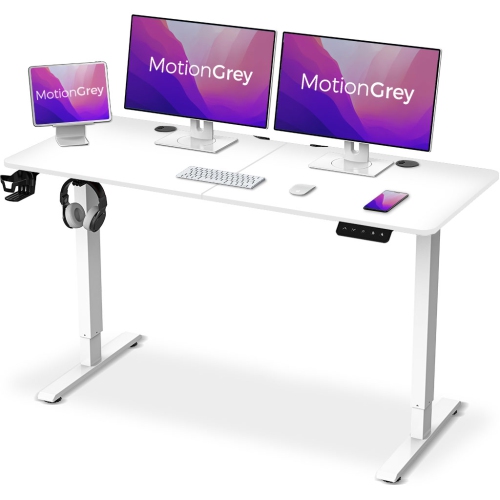 Your price for this item is $94.99
 -
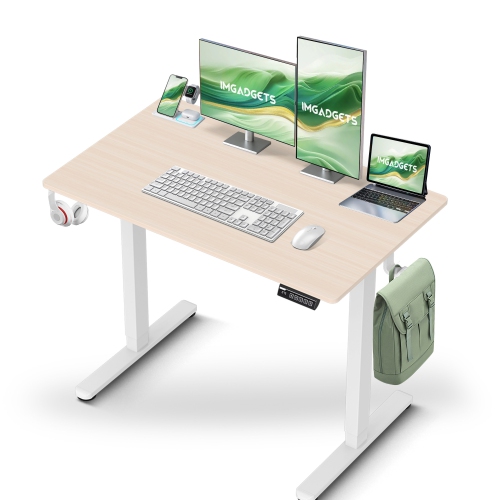 Your price for this item is $74.97
 -
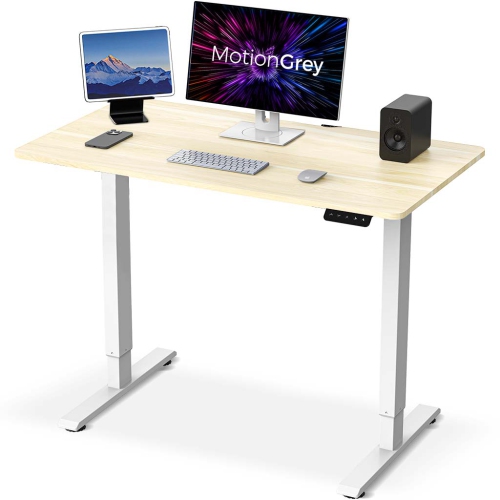 Your price for this item is $83.95
Discover more categories related to Minimalist Desks
Top Collections:
Pokemon Centers, Kindle Devices, Best Budget Office Chairs, Apple iPhones 16, Best Laptops for Writers, iPhone 15 Apple, Canon G7X Cameras, Refurbished Apple Laptops, Alarm Clock, Motorola Razr Phones
Some products may be subject to Environmental Handling Fees
(EHF) depending on your province.
Learn more about EHFs.