Minimalist Writing Desks
Minimalist Writing Desks bring a sleek and modern touch to any workspace, offering a clean and clutter-free environment that enhances productivity. Designed to complement a variety of home or office décors, these desks focus on simplicity and functionality. Whether you're setting up a dedicated home office or creating a quiet corner for study, Minimalist Writing Desks provide an elegant solution to organize your essentials while maximizing space. Explore the selection to find the perfect fit for your style and needs.
Sort
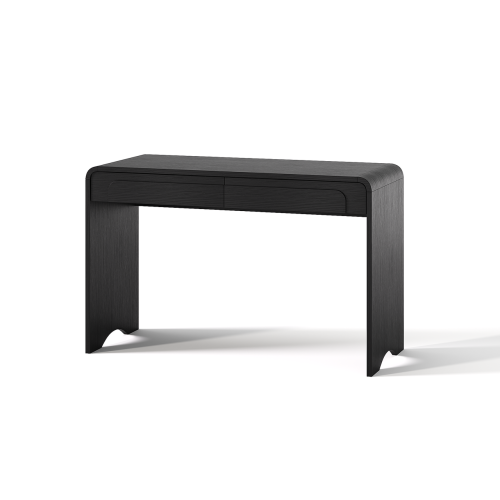
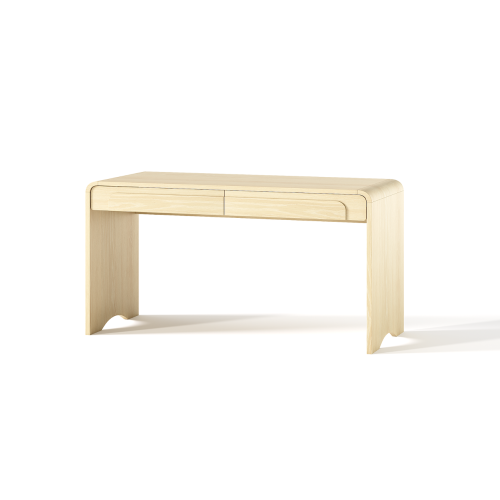
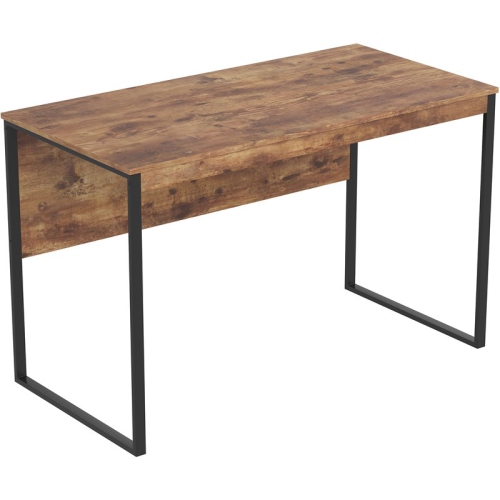
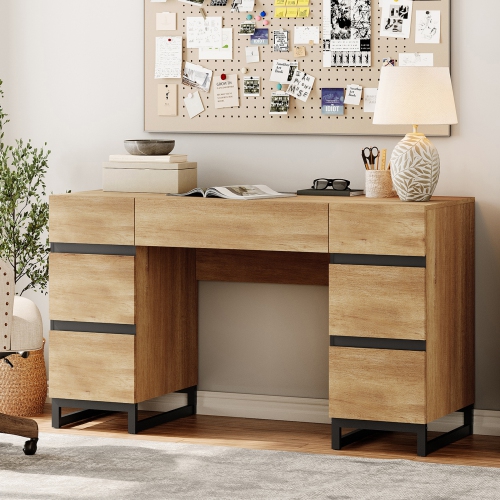
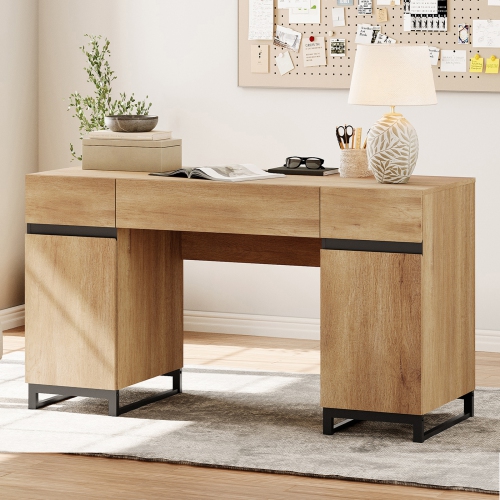
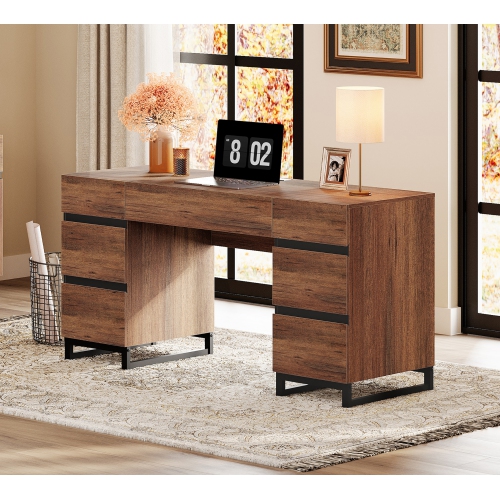
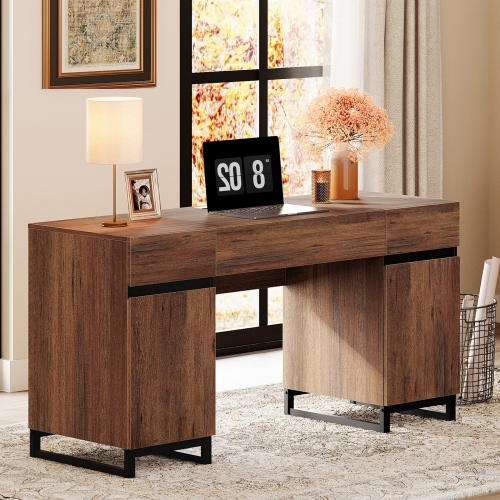
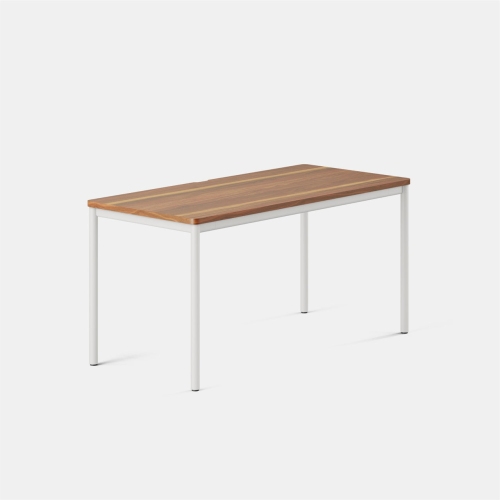
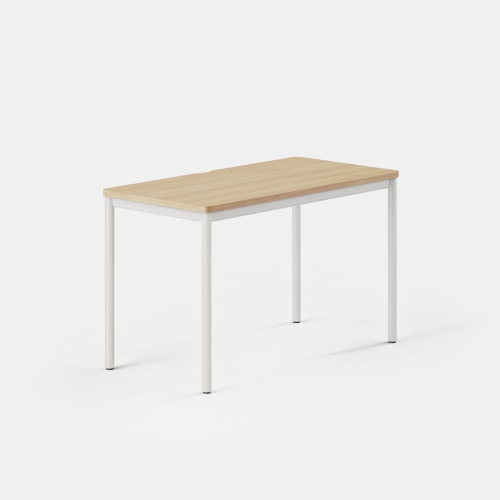
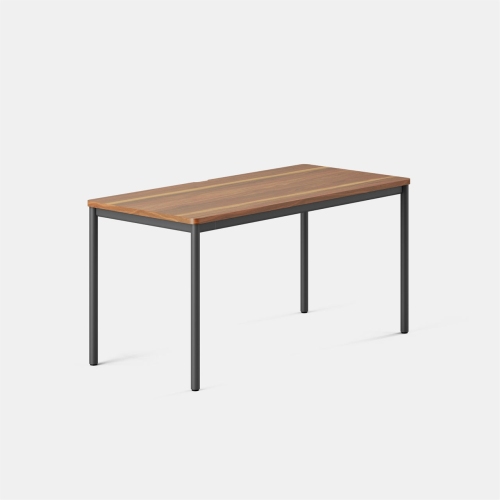
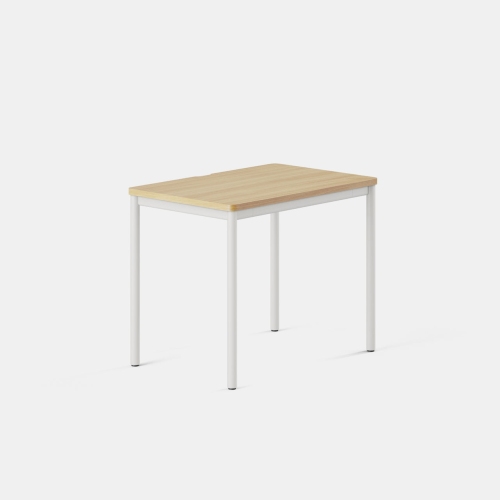
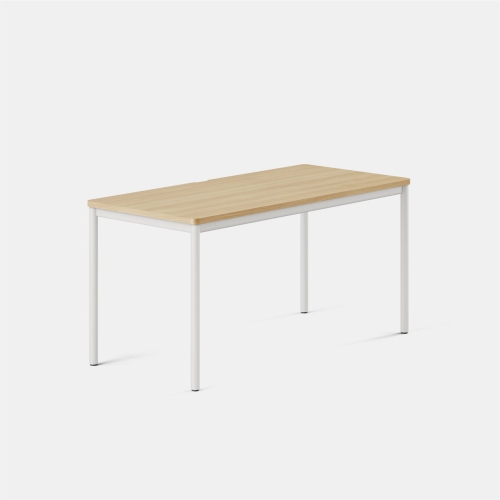

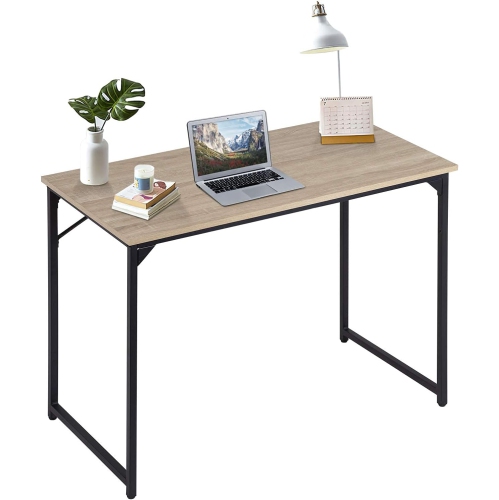
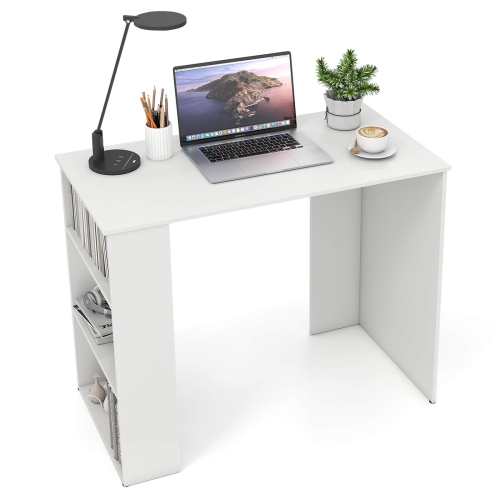
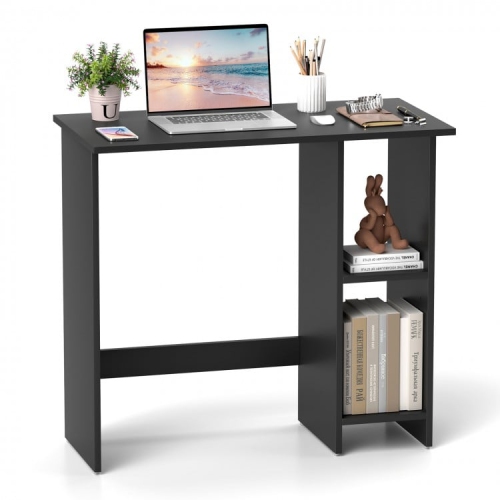
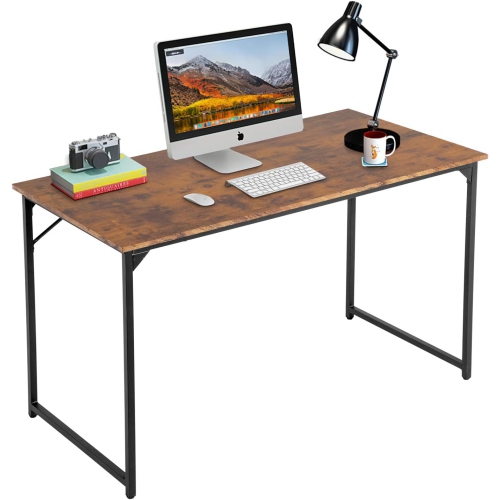
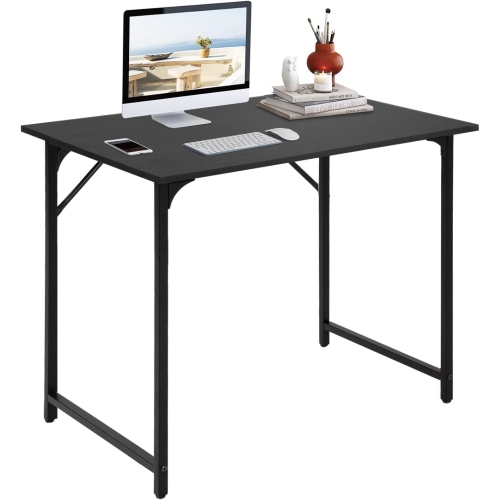

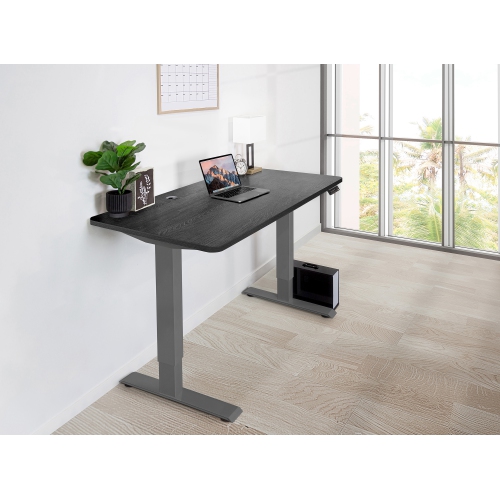
Room to write without the visual bulk
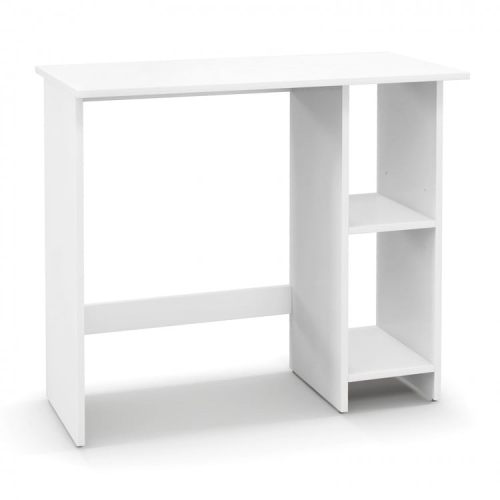
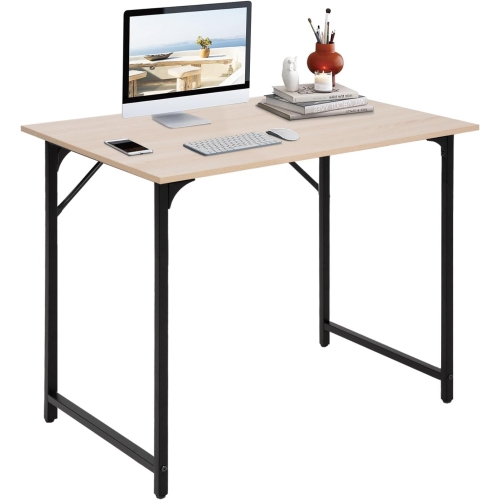
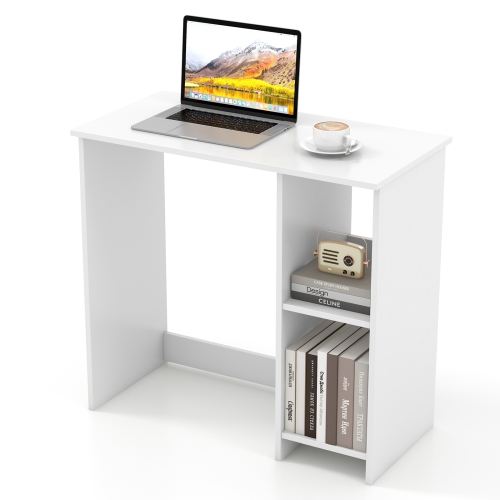
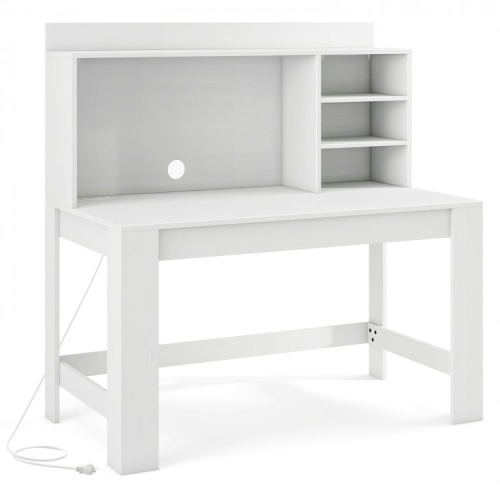
Minimalist writing desks pair clean lines with a practical work surface, creating a place to write, read, study, or use a laptop without adding unnecessary bulk to a room. Their defining features are simple shapes, restrained detailing, and storage that stays visually quiet, whether that means a single shallow drawer or an open frame with no drawers at all. Minimalist does not necessarily mean small: a wider desktop can still look light when it rests on slender legs and leaves the floor beneath it visible. This makes the style useful in a dedicated office, a bedroom study area, or a corner of a living room where furniture needs to sit comfortably alongside everyday activities. A pale wood finish can bring warmth to white walls, while a dark frame can echo nearby shelving or window trim. White surfaces create a crisp look, and visible wood grain adds texture without requiring decorative hardware. The most useful proportions depend on what happens at the desk. Handwritten notes and a reading lamp need less room than an open textbook, a laptop, and a separate keyboard spread across the same surface. Depth matters just as much as width, especially when a screen needs to sit farther back while leaving space for forearms and paper. A compact desk may fit an alcove neatly but still feel crowded if its entire surface is occupied by equipment. The footprint also includes the space needed to pull out a chair, open a drawer, and walk past without catching a hip on the corner. In shared rooms, an open base can preserve sightlines, while a finished back makes placement away from the wall more practical. These details allow a writing desk to serve as a quiet, useful part of the room rather than a piece that dominates it. For students, occasional remote workers, letter writers, and anyone who likes a dedicated spot for planning, the appeal is a clear surface that is easy to return to each day.
Materials influence how minimalist writing desks look, feel, and hold up to regular use. Solid wood often brings distinctive grain and variation in colour, with a surface that may develop small marks over time. Its response to moisture and dry indoor air makes sensible placement important; a desk is better kept away from direct heat sources and prolonged strong sunlight. Wood veneer offers a real wood surface over a supporting core, giving the appearance of grain with a different construction beneath it. Laminate and other finished engineered wood surfaces can provide a uniform appearance and straightforward routine care, although resistance to scratches, heat, and moisture varies by finish. Metal legs and frames create slim profiles, but the quality of the joints and bracing matters more than their appearance alone. A desk should feel steady during ordinary writing and typing, not shift whenever an elbow rests on the edge. Adjustable feet can help compensate for a slightly uneven floor, though they cannot correct loose fittings or an unsuitable assembly. Drawers deserve similar attention: smooth travel, aligned fronts, and comfortable clearance make a difference when reaching for a pen several times a day. Rounded corners may be more comfortable along a narrow walkway, while a gently finished front edge is kinder to forearms than a sharp lip. Care is usually simplest when spills are wiped up promptly and cleaning follows the manufacturer's directions. A soft cloth helps remove dust without unnecessary abrasion, and a writing pad can protect the surface from pen pressure, particularly when working on a single sheet of paper. Drinks benefit from coasters, and hot objects should not rest directly on the desktop unless the finish is specifically rated for that use. Moving the desk by lifting rather than dragging also reduces strain on legs and connections. With a pared-back design, these small construction and care details carry much of the furniture's long-term usefulness because there is little ornament to distract from a worn edge, a loose joint, or a drawer that no longer closes cleanly.
Storage and comfort determine whether a minimalist desk stays pleasant to use once daily life settles around it. A shallow drawer can keep pens, charging leads, and loose notes out of sight without taking away much legroom. Larger drawers hold more, but their depth can reduce the space available beneath the worktop, especially for someone who changes sitting positions often. Open designs leave more freedom for the chair and legs, with nearby shelves or a separate filing space handling paperwork instead. Cable openings and discreet routing can help when a laptop charger or lamp remains plugged in, but their position needs to work with the nearest outlet. A tidy appearance should not depend on stretching a lead across a walkway. For longer sessions, the relationship between chair height, desk height, and the work being done matters more than matching furniture exactly. Feet should have support, shoulders should remain relaxed, and the surface should allow comfortable writing without hunching forward. A monitor stand may improve screen position, but it also uses depth and needs a stable place on the desktop. Lighting belongs in that same calculation: a lamp needs room beside the writing area rather than behind a stack of books, and its position should limit shadows from the writing hand. For spaces used regularly for both paperwork and computer tasks, Minimalist Home Office Desks are a related category to consider alongside writing-focused designs. In a student's room, a simple desk can provide a consistent place for assignments; in a first apartment, it can establish a work corner without making the living area feel like an office. As a housewarming or graduation gift, a desk is most thoughtful when its dimensions and finish suit the recipient's space. The strongest fit is not necessarily the smallest design or the one with the fewest features, but the desk that leaves enough room for actual tasks, keeps essentials within reach, and looks settled among the furniture already there.
Top selling and popular products
-
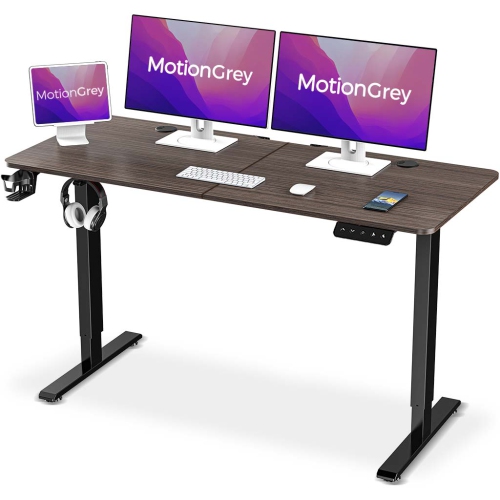 Your price for this item is $97.99
-
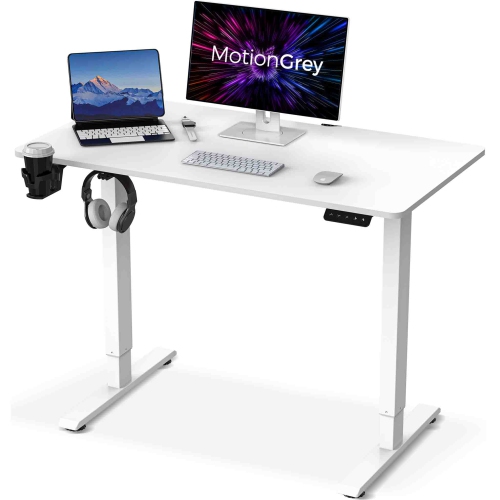 Your price for this item is $89.99
-
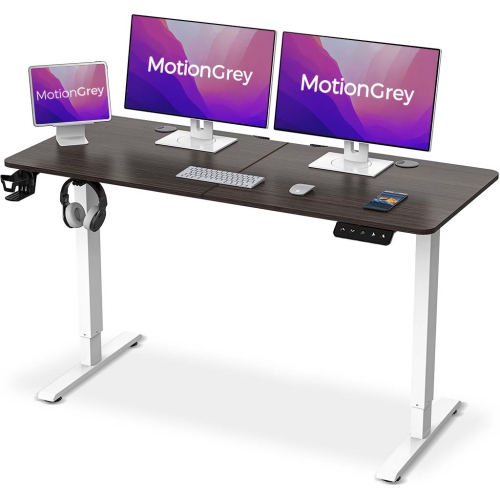 Your price for this item is $84.99
-
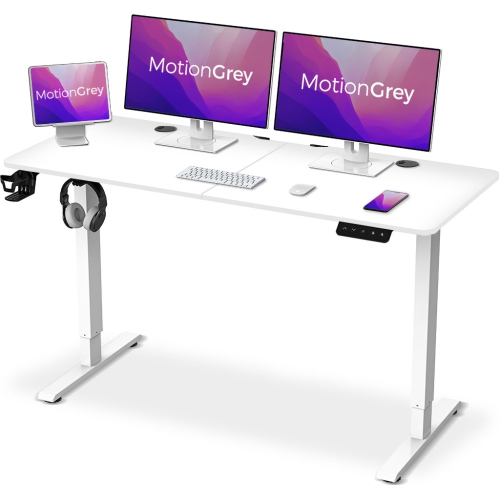 Your price for this item is $97.99
-
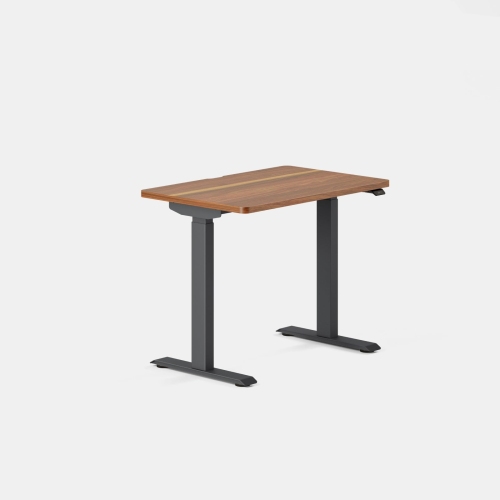 Your price for this item is $649
-
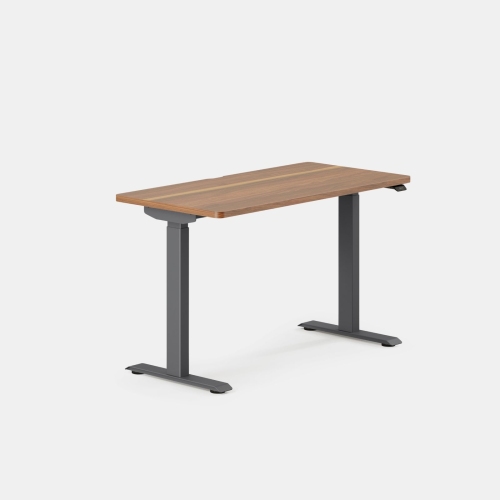 Your price for this item is $749
-
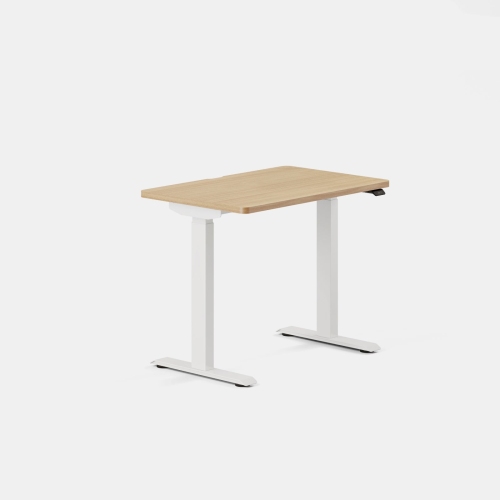 Your price for this item is $649
-
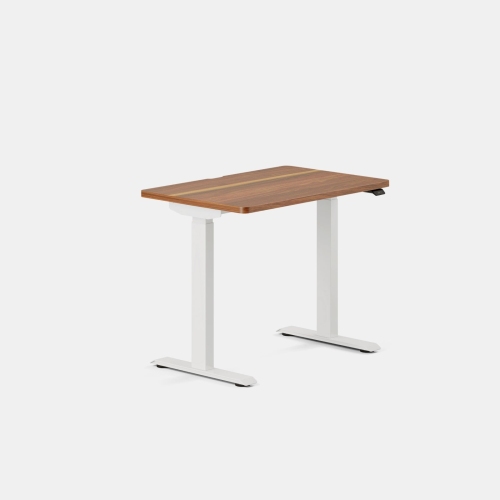 Your price for this item is $649
Discover more categories related to Minimalist Writing Desks
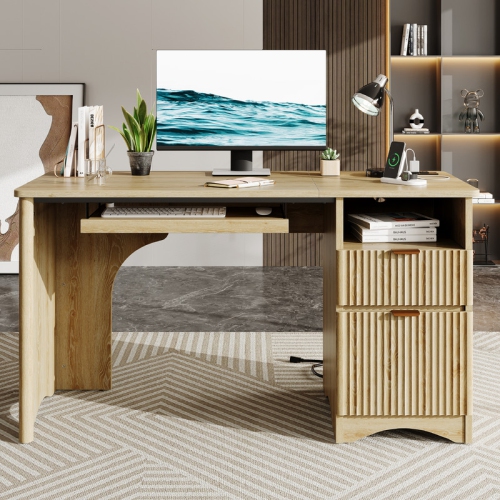
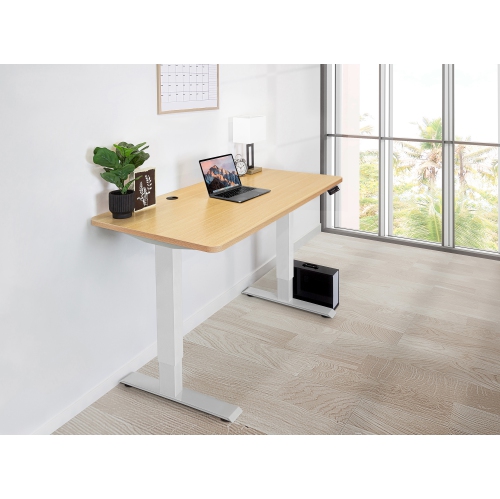
Top Collections:
Best Black Friday Deals This Year, Best Black Friday Deals On Electronics, Kindle Devices, Pokemon Centers, Best Black Friday Deals On Apple Products, Best Cameras for Sports Photography, Dyson Airwrap, Pokémon 30th Celebration Cards, Apple iPhone 17 Pro, Canon G7X Cameras
Some products may be subject to Environmental Handling Fees
(EHF) depending on your province.
Learn more about EHFs.