Minimalist Home Office Furniture
Minimalist home office furniture brings clean lines and understated elegance to your workspace, creating an environment that encourages focus and productivity. Whether you’re designing a dedicated office or updating a small corner, these pieces help maximize space while maintaining a modern, clutter-free look. Explore a curated selection of desks, chairs, shelving, and storage solutions designed to complement any home office setup with simplicity and style. Discover how minimalist home office furniture can transform your work area into a calm and inspiring place to get things done.
Sort
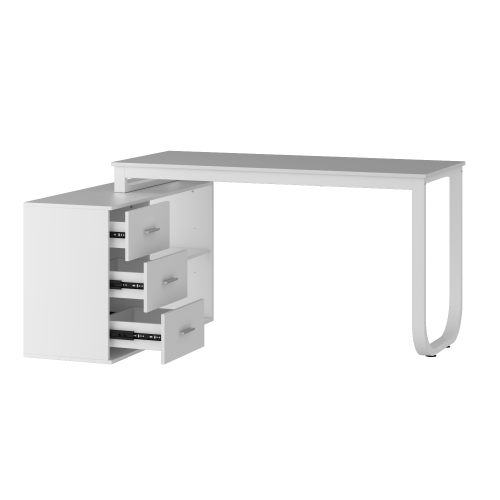
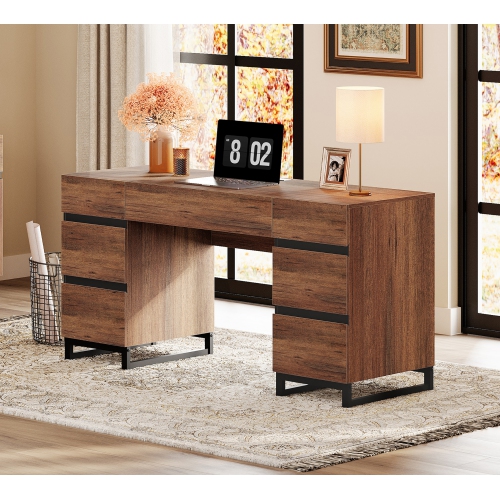
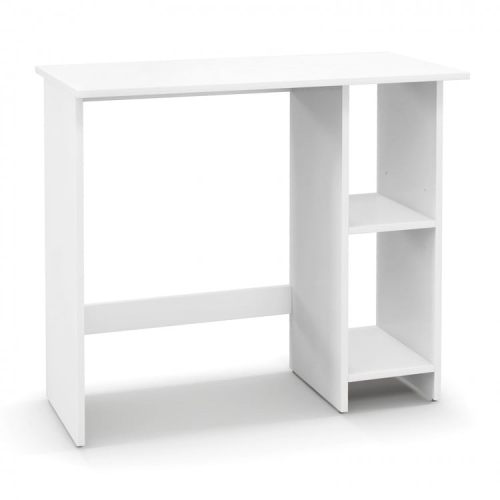
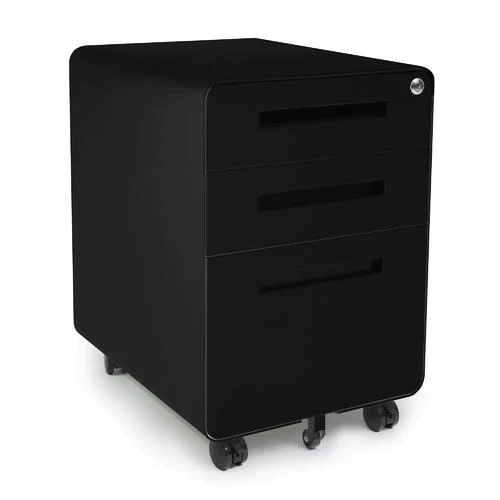
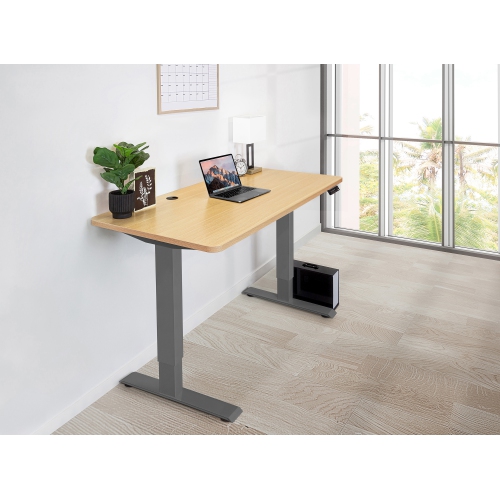
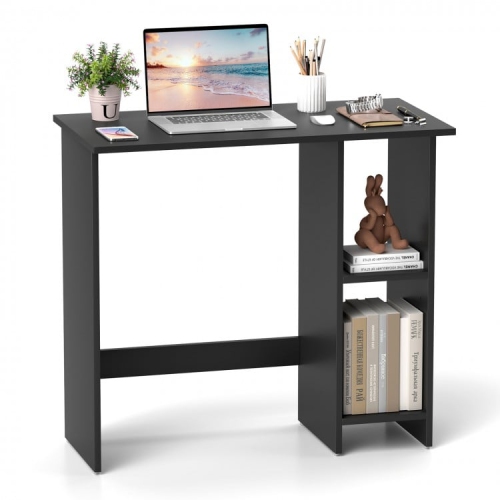
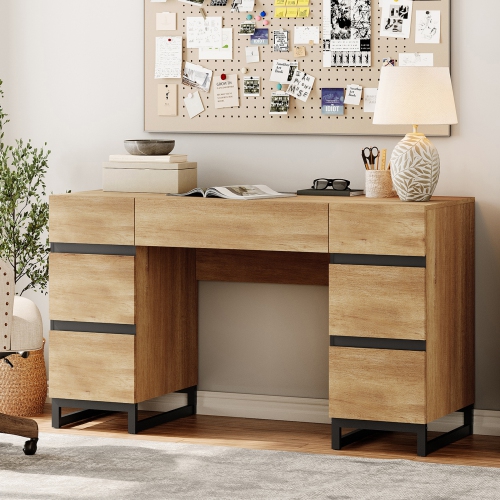

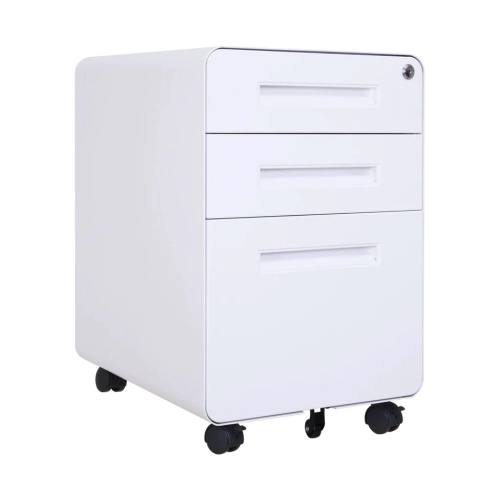
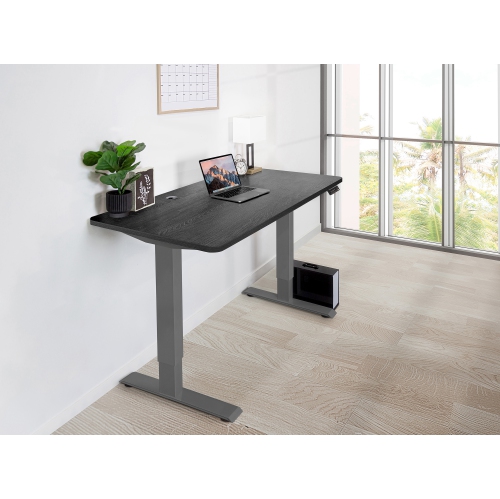
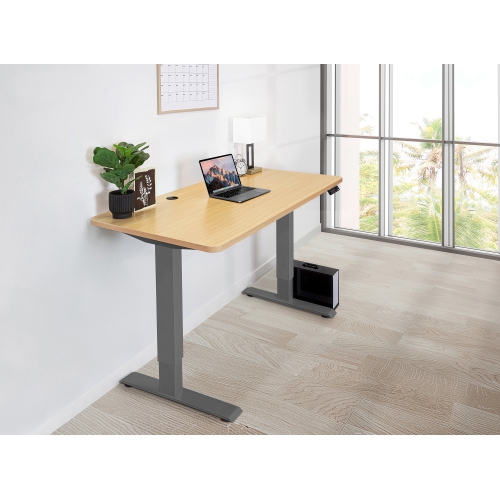
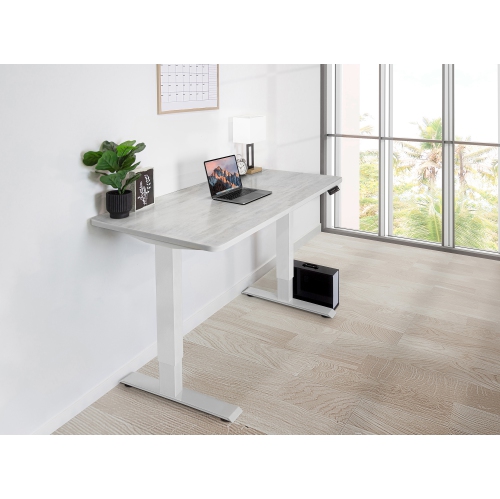
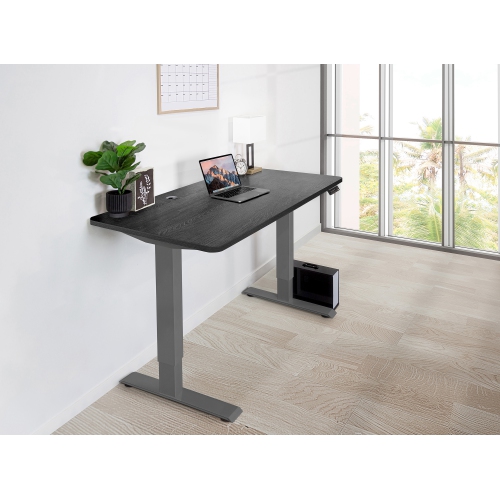
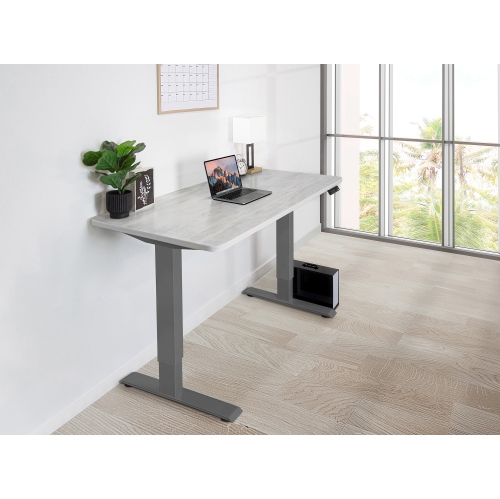
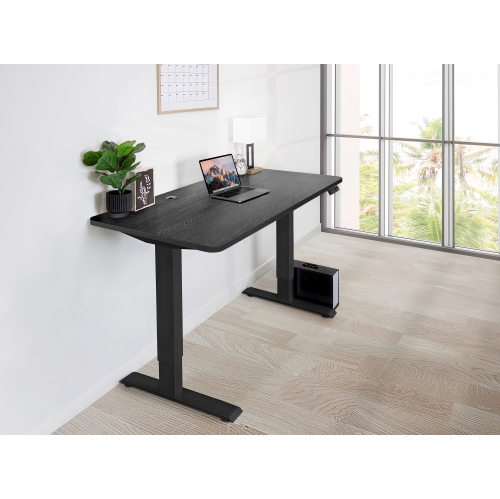
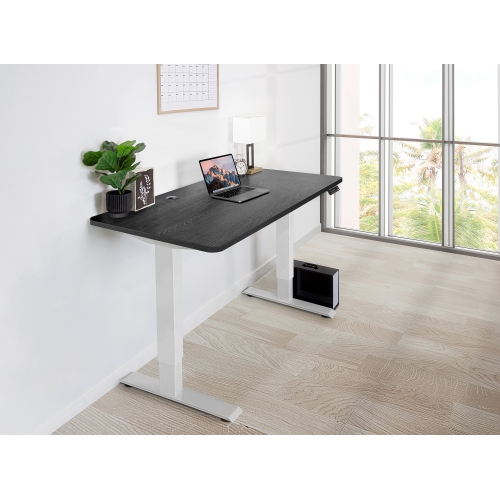

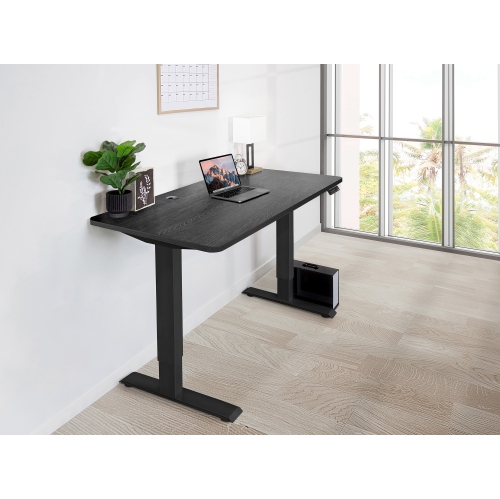
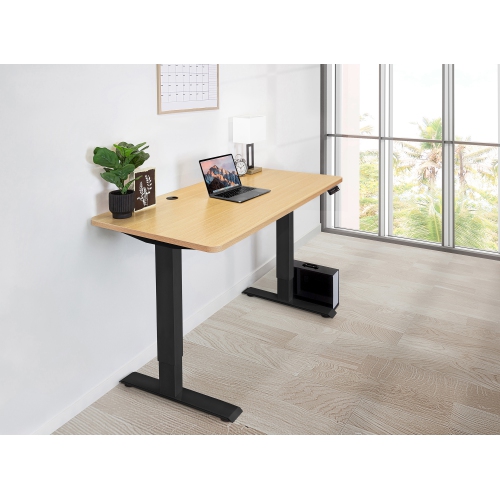
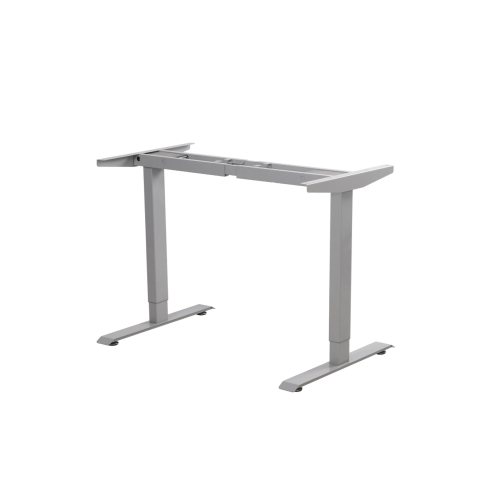

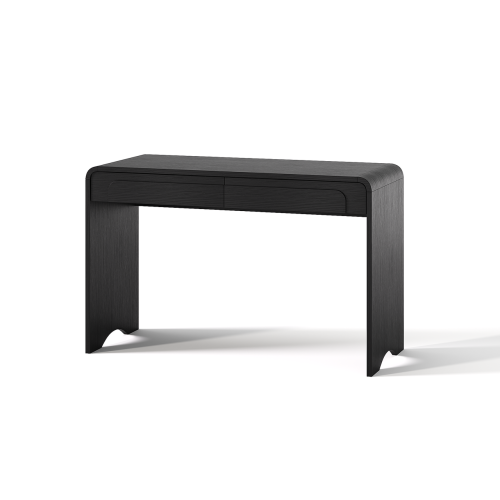
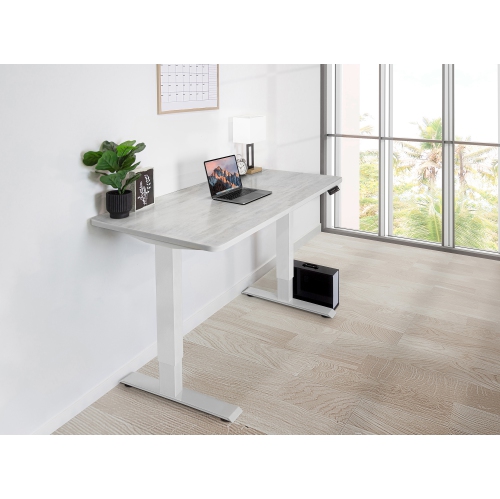

Clean lines with room for a full workday
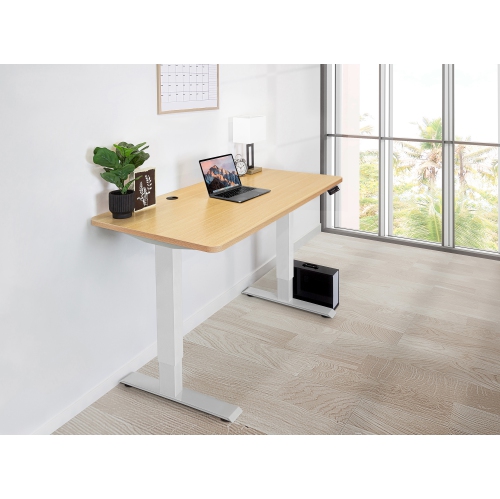
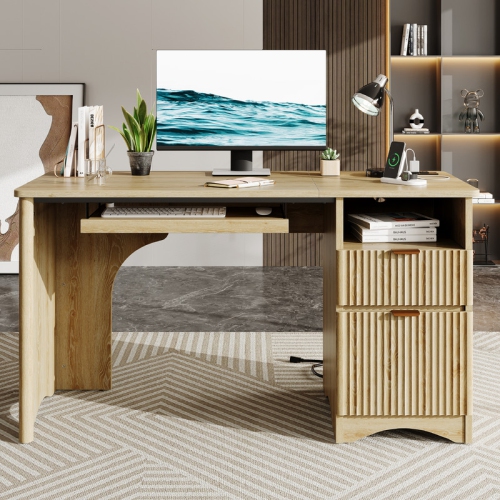
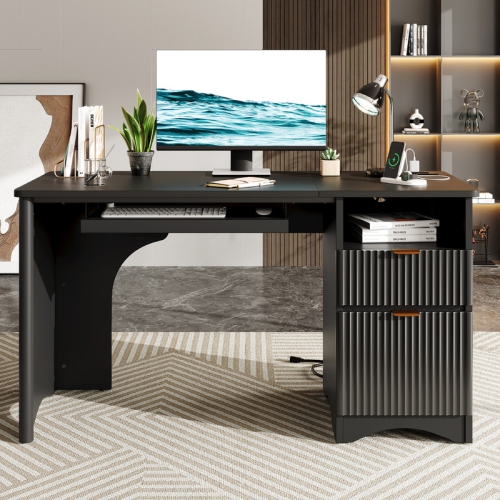
Minimalist home office furniture combines clean lines, restrained finishes, practical storage, and proportions that suit the room. The look is simple, but the furniture still needs to support the details of a working day: a comfortable seat, enough surface space for essential equipment, and somewhere to put paperwork when work is finished. Desks with slim profiles, chairs with uncomplicated silhouettes, and cabinets with discreet handles can create a cohesive workspace without making every piece look identical. White, black, grey, and natural wood tones are common foundations, while differences in grain and texture keep the room from feeling flat. A light wood desktop against a matte frame can feel warm and understated; a darker desk paired with closed storage can give a shared living area a more defined work zone. Minimalism does not have to mean an empty desktop or a room devoted entirely to work. In a condo, a compact desk may sit beside a bookcase in the living room, while a spare bedroom may accommodate a larger work surface and a separate filing cabinet. The useful distinction is between furniture that earns its space and furniture that adds visual bulk without meeting a need. Open bases and slender legs can make a small room feel less crowded, although the overall footprint still matters. A narrow desk may suit occasional laptop use, while regular work with a monitor, keyboard, and reference materials generally calls for more depth and width. The space around the furniture matters just as much as the furniture itself: doors should open freely, drawers need clearance, and a chair needs room to move back from the desk. For homes where the office shares space with other activities, the broader Minimalist Furniture style can help connect the work area with nearby seating and storage through similar finishes and balanced proportions. That continuity allows a desk to feel like part of the home rather than an unrelated addition.
Materials and construction affect how minimalist office furniture feels, wears, and fits into daily routines. Solid wood brings visible grain and natural variation, while wood veneer offers a real wood surface over a supporting core. Engineered wood with a laminate or melamine finish can provide a consistent appearance and a surface that is straightforward to maintain, depending on its construction and finish. Metal frames create crisp outlines and can support a visually lighter design, but a slim frame alone does not establish strength or stability. Joint construction, bracing, hardware, and the stated weight capacity are more useful details when assessing furniture for monitors, books, or other equipment. Glass surfaces offer an airy appearance, though fingerprints and visible cables may stand out more readily than they would on an opaque desktop. Smooth edges and well-finished contact points also make a difference when forearms rest on the desk for extended periods. Fit is especially important because a minimal appearance should not come at the expense of comfortable movement. A suitable desk and chair combination leaves room for the thighs, allows the shoulders to relax, and supports a working position with the keyboard and mouse within easy reach. Chair height, seat depth, back support, and armrest placement all affect that relationship. Armrests that prevent a chair from moving close enough to the desk can make an otherwise compact setup awkward to use. An adjustable-height desk may suit someone who likes to alternate positions, provided its height range, lifting capacity, and clearance match the intended setup. For fixed-height furniture, chair adjustment and a footrest may help accommodate differences in body height. Durability also depends on use: a desk used briefly for household paperwork faces different demands from one supporting a full workday. Drawer movement, shelf support, and accessible hardware for occasional tightening can matter more over time than decorative details. A clean design is most useful when its construction is equally well considered.
Storage gives a minimalist home office its everyday practicality. Closed cabinets and drawers keep paperwork, charging accessories, and small supplies out of sight, while open shelves can hold frequently used reference books without interrupting the work surface. Neither approach needs to dominate the room. A mix of concealed and accessible storage often suits a space used for video meetings, focused work, and personal administration. Shallow drawers can keep small objects from disappearing into piles, while deeper compartments may be better suited to larger materials. Filing storage should match the paper sizes being used, and shelves need enough usable depth for their contents without projecting unnecessarily into a walkway. Cable openings, trays, and channels can reduce the tangle behind a desk, but their placement matters: cords still need to reach outlets without stretching across walking routes or catching in moving parts. In shared homes, separate storage compartments can help distinguish work documents from school materials and household records. Students may need room to spread out notes, remote workers may prioritize a stable monitor setup, and people using a home office for creative hobbies may value an open surface that can be cleared between tasks. Furniture that accommodates those routines is more useful than a perfectly matched arrangement with too little working space. Care is generally simplest when it follows the material and the manufacturer’s directions. A soft cloth, prompt attention to spills, and protection from hot mugs or abrasive objects can help preserve many finishes; excess moisture and unsuitable cleaners can damage surfaces or edges. Felt pads beneath accessories may help limit scuffs, while regular checks of chair castors and furniture feet can prevent grit from marking flooring. The most successful minimalist home office is not necessarily the one with the fewest pieces. It is the one where the desk supports the work, the chair fits the person, storage contains the daily essentials, and the room remains comfortable to use after the working day ends.
Top selling and popular products
-
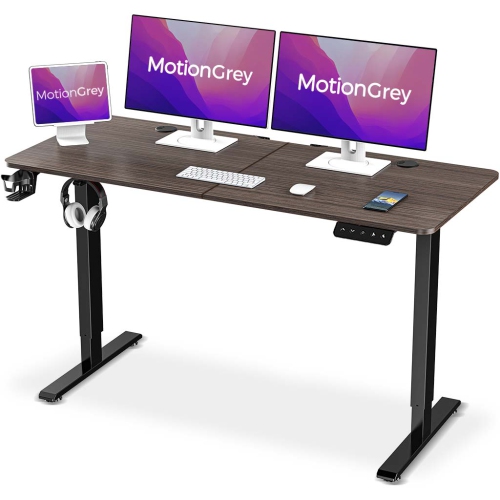 Your price for this item is $97.99
-
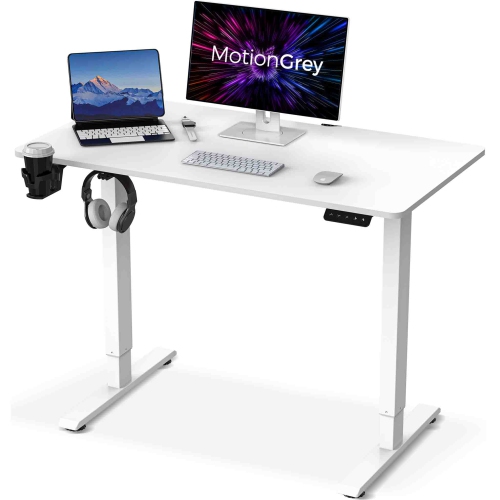 Your price for this item is $89.99
-
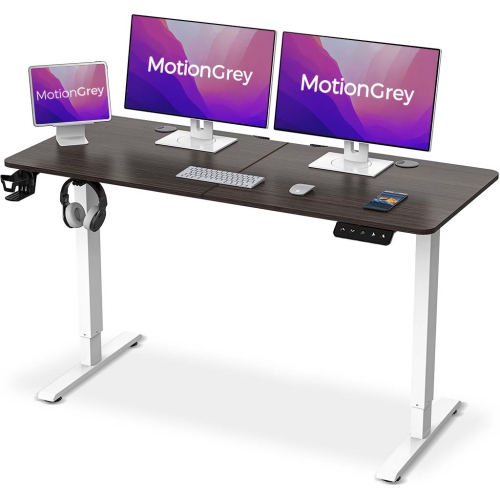 Your price for this item is $84.99
-
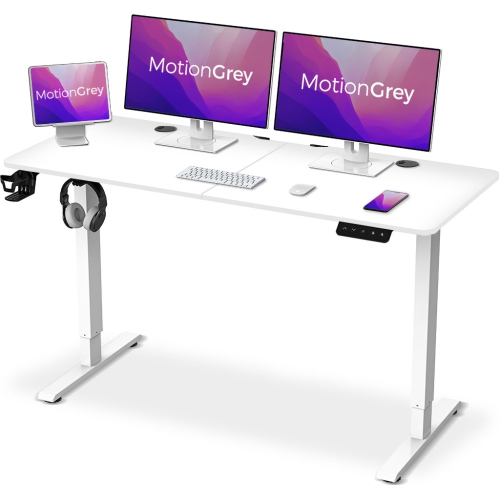 Your price for this item is $97.99
-
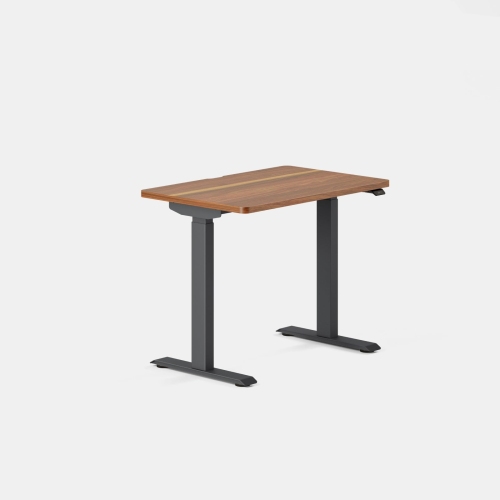 Your price for this item is $649
-
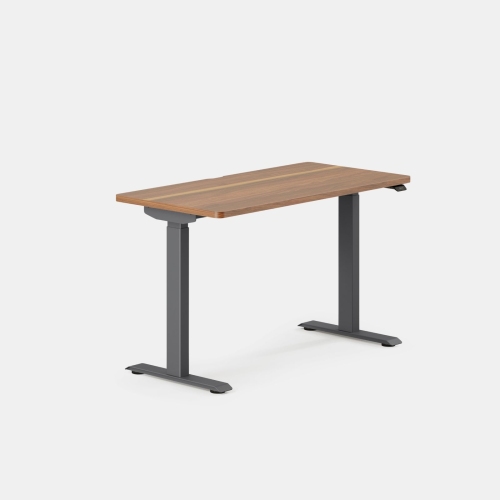 Your price for this item is $749
-
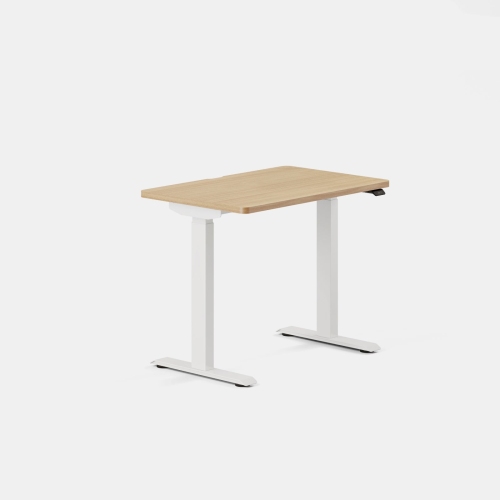 Your price for this item is $649
-
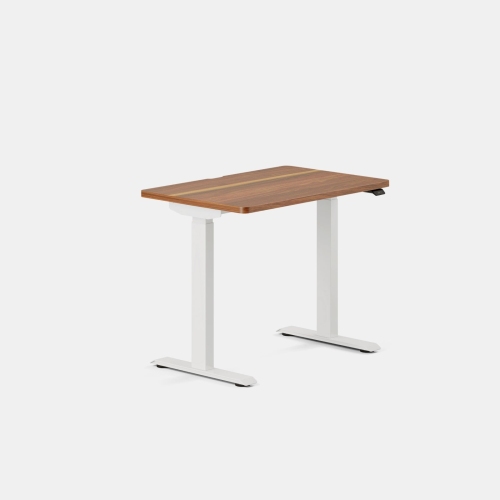 Your price for this item is $649
Discover more categories related to Minimalist Home Office Furniture
Top Collections:
Best Black Friday Deals This Year, Best Black Friday Deals On Electronics, Kindle Devices, Pokemon Centers, Best Black Friday Deals On Apple Products, Best Cameras for Sports Photography, Dyson Airwrap, Pokémon 30th Celebration Cards, Apple iPhone 17 Pro, Canon G7X Cameras
Some products may be subject to Environmental Handling Fees
(EHF) depending on your province.
Learn more about EHFs.