Mobile Tool Boxes
Organize your tools with ease and convenience using our selection of mobile tool boxes. Whether you're a professional tradesperson or a DIY enthusiast, having a reliable tool box that can keep your equipment secure and easily transportable is essential. With various sizes, designs, and features to choose from, finding the perfect mobile tool box to suit your needs has never been easier. Stay organized on the go and tackle projects efficiently with these versatile storage solutions.
Sort
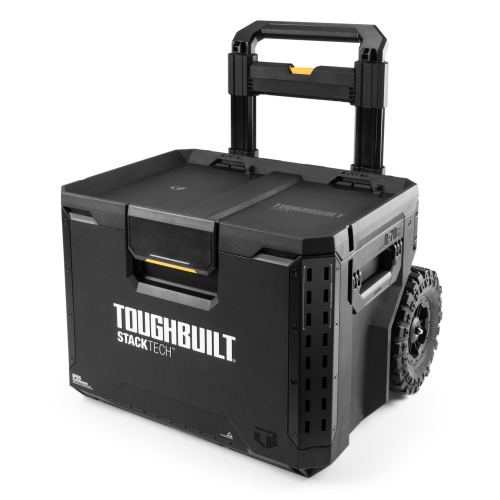
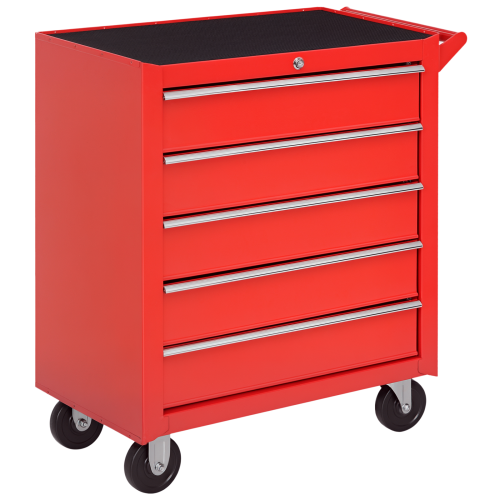
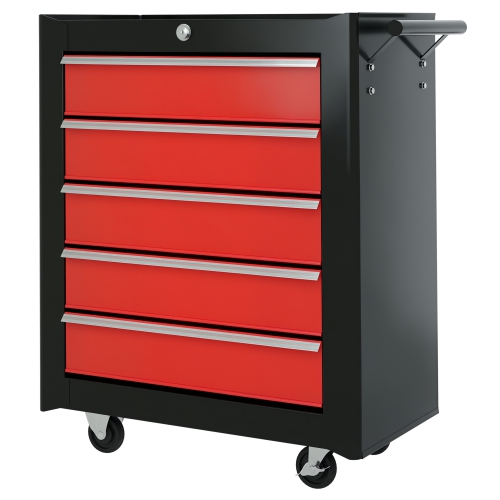
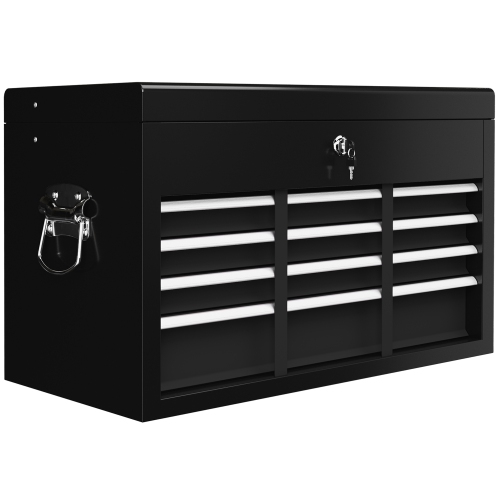
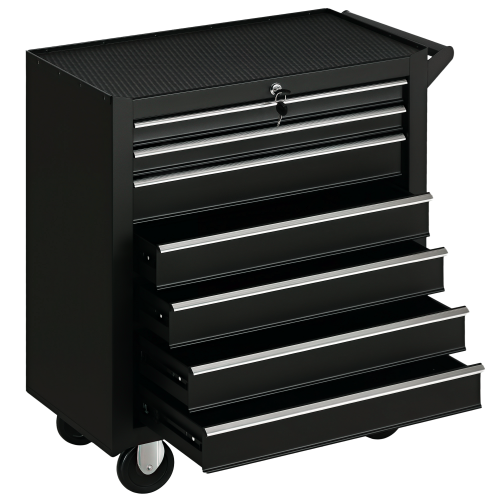
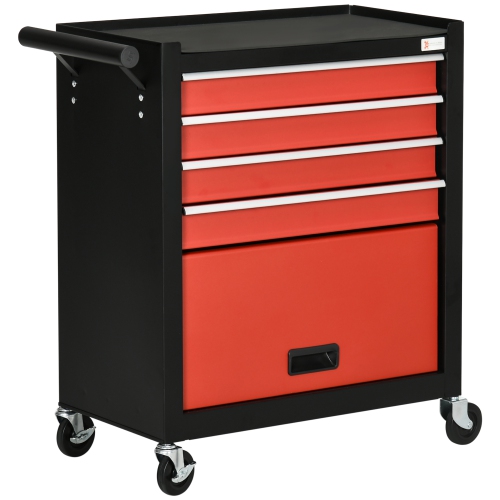
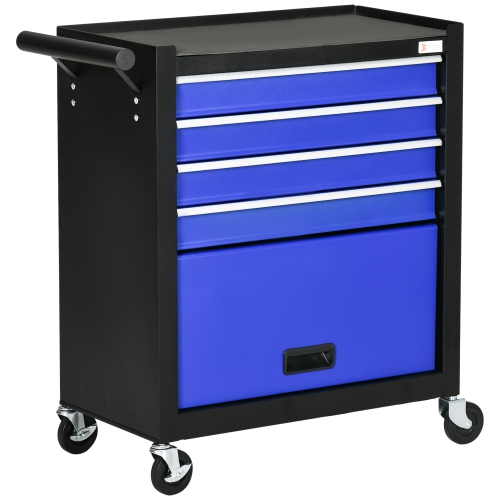
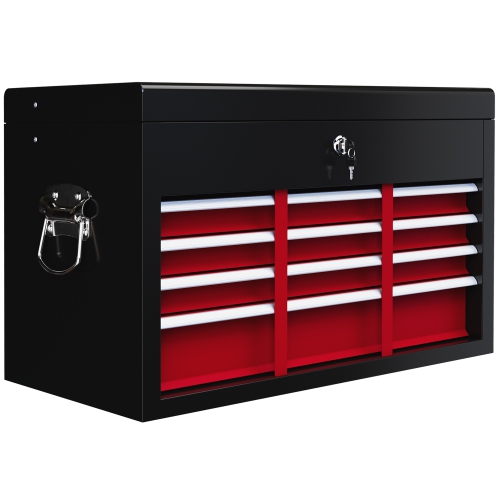

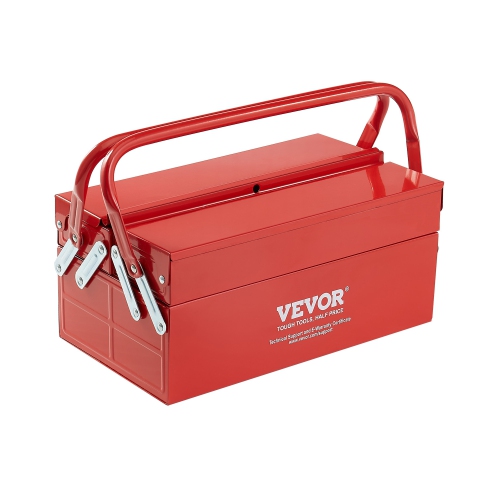
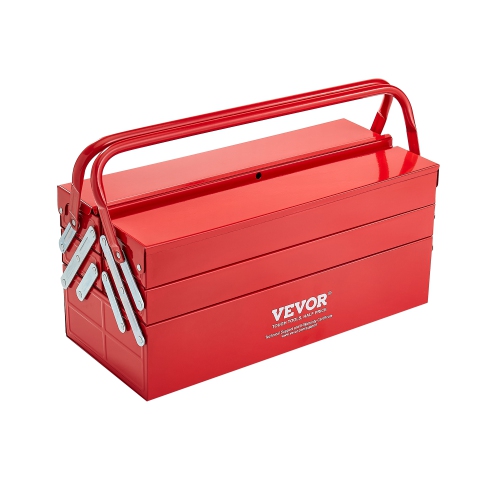
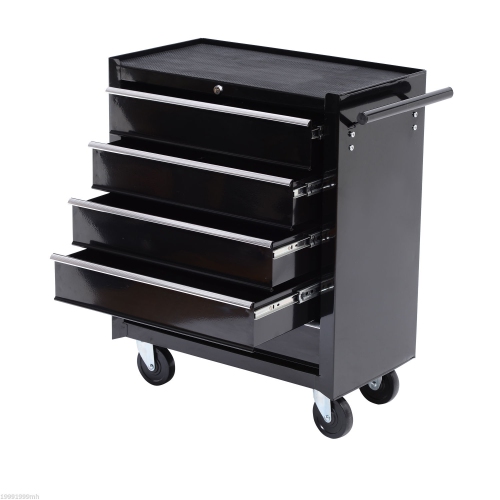
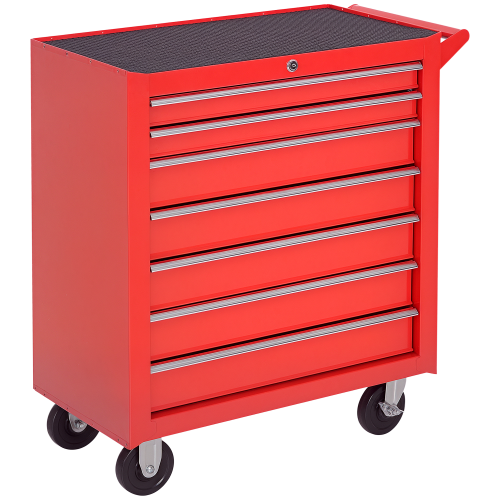
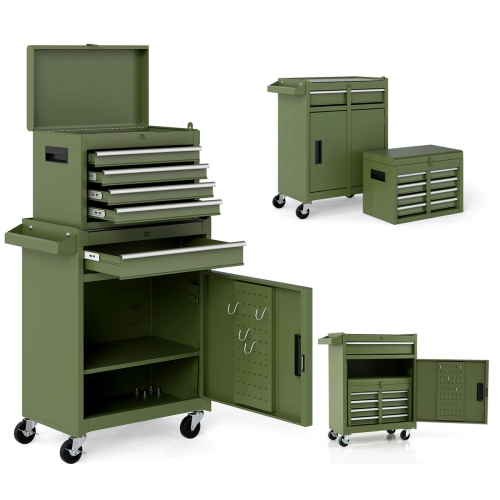
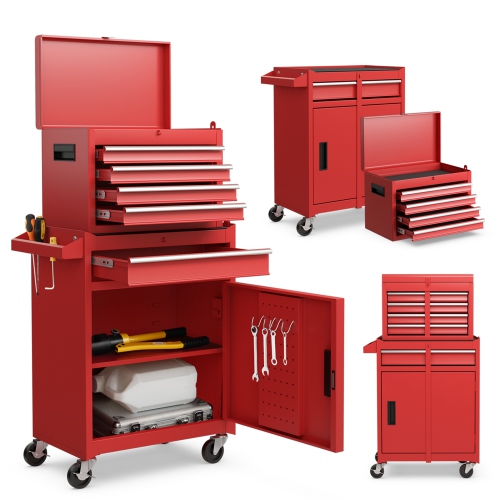
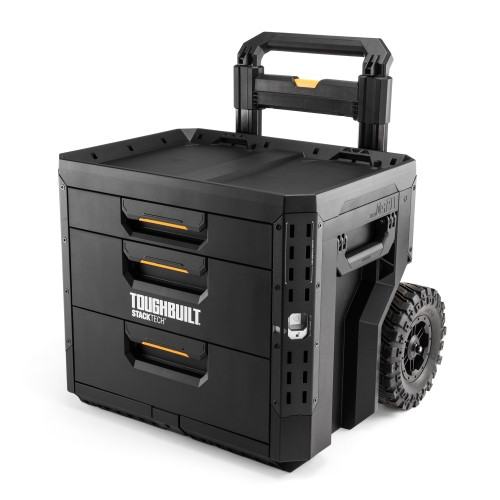
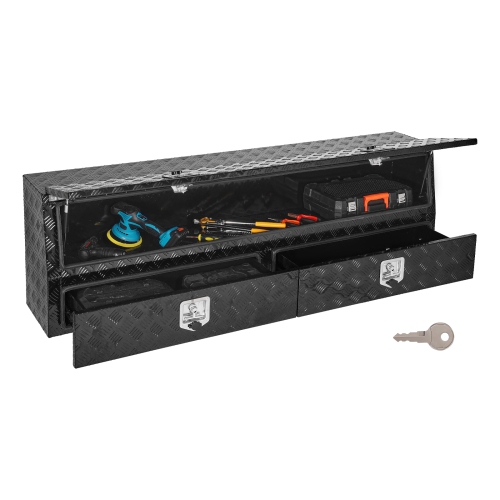
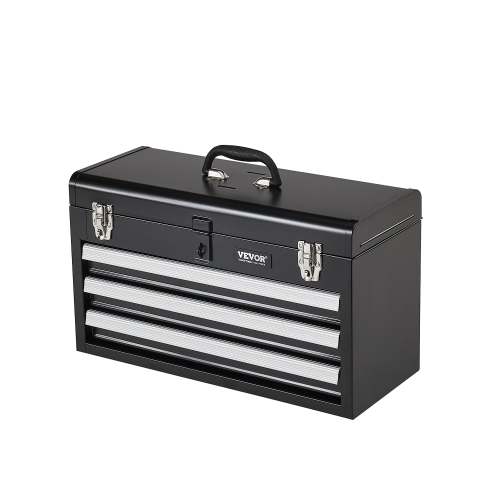
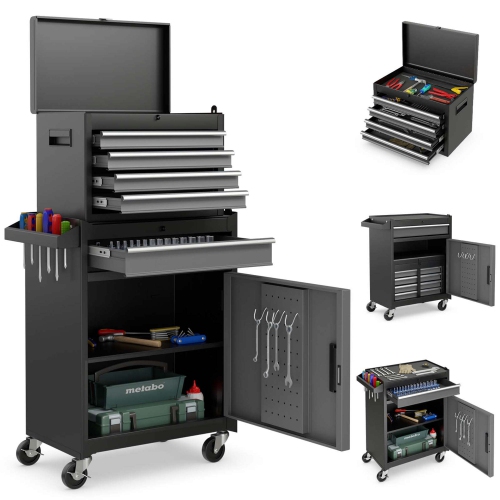
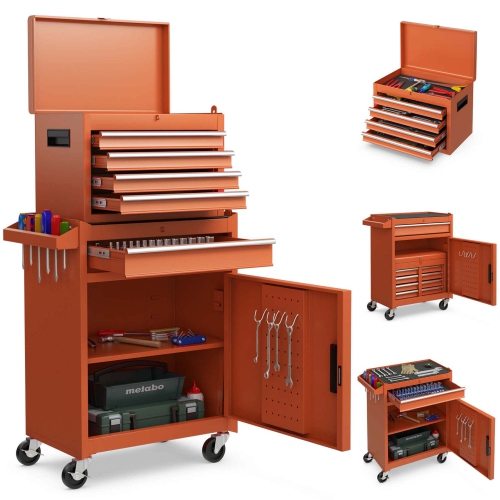
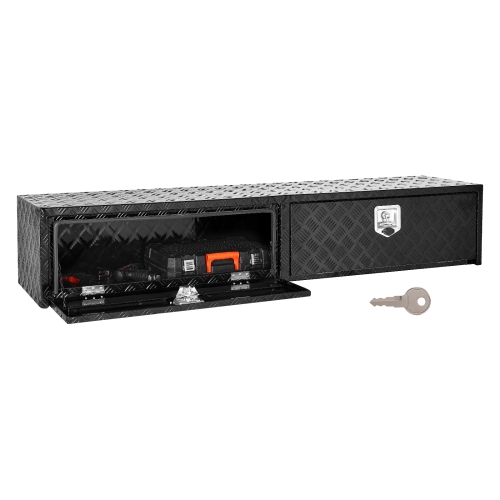
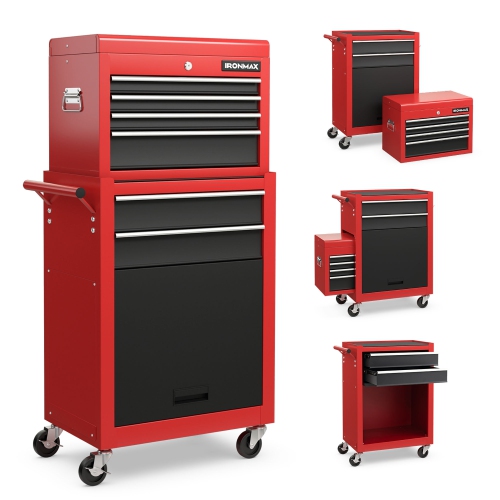
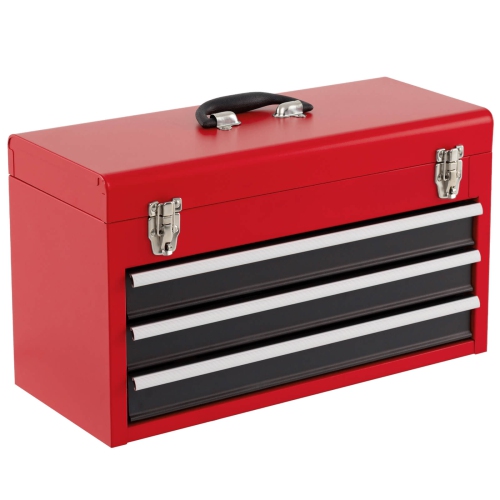
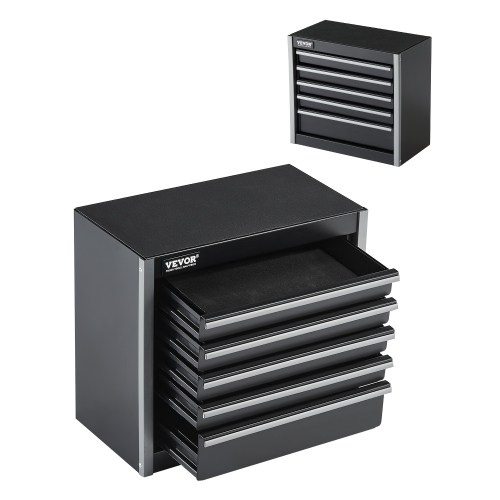
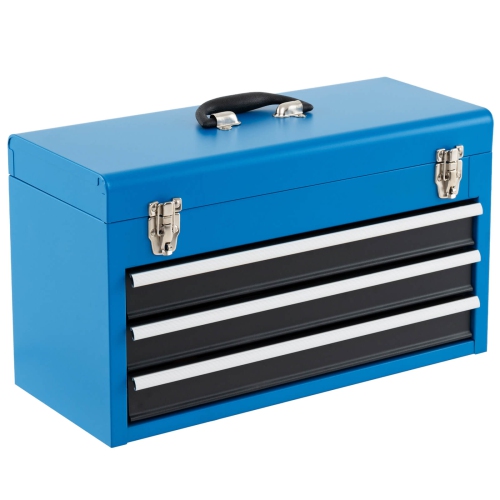
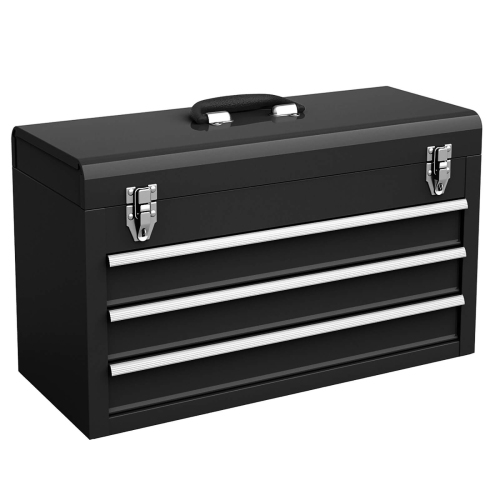
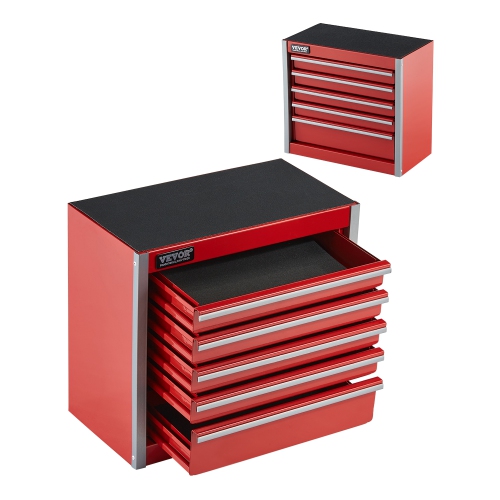
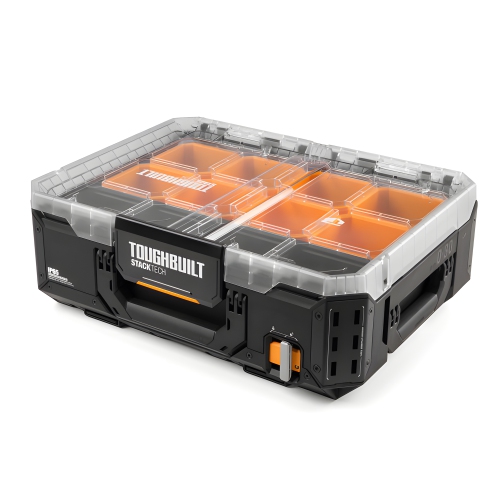
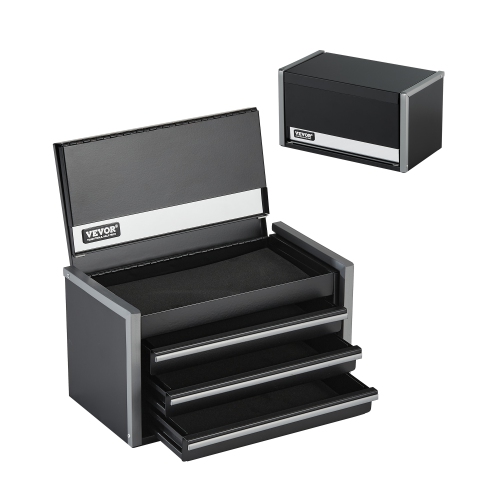
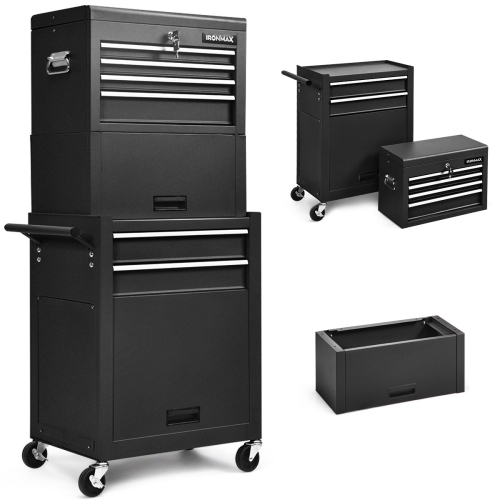
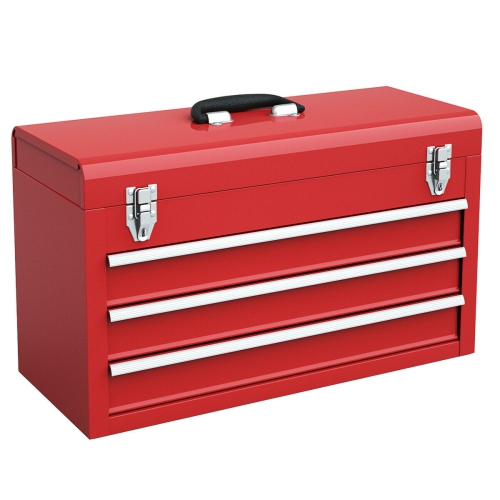
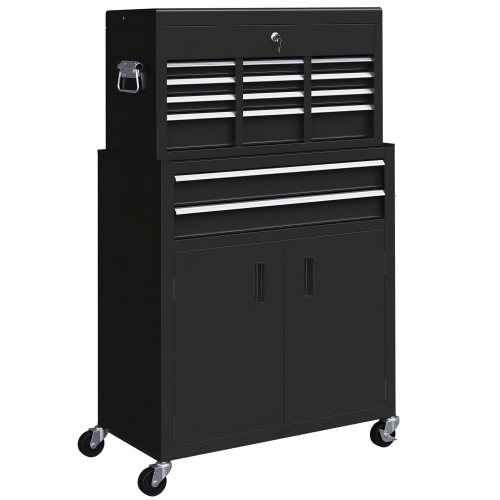
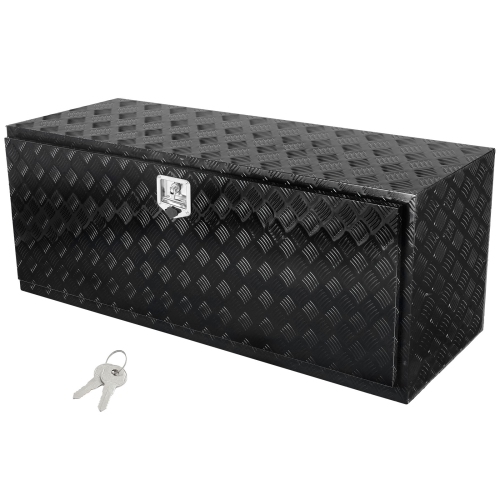
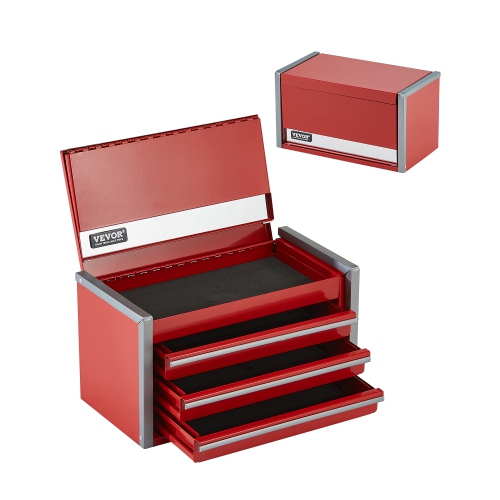

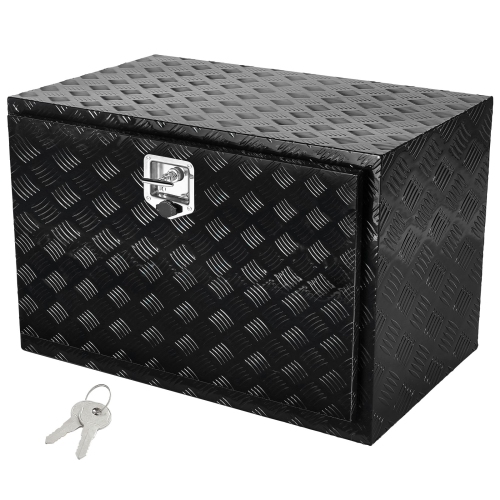
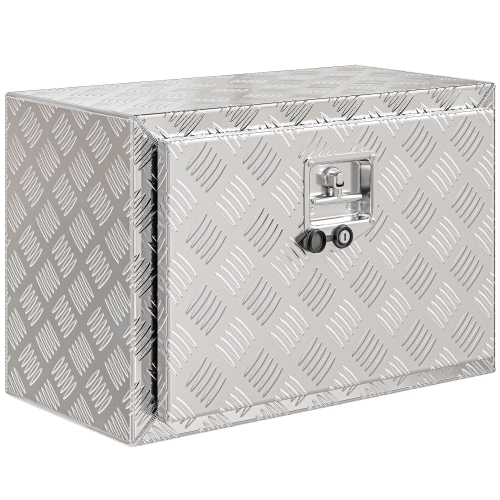
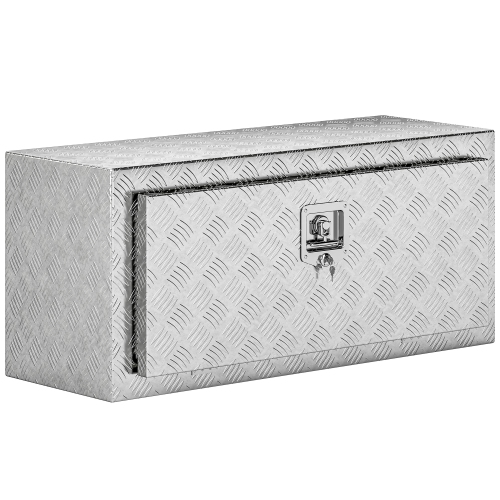
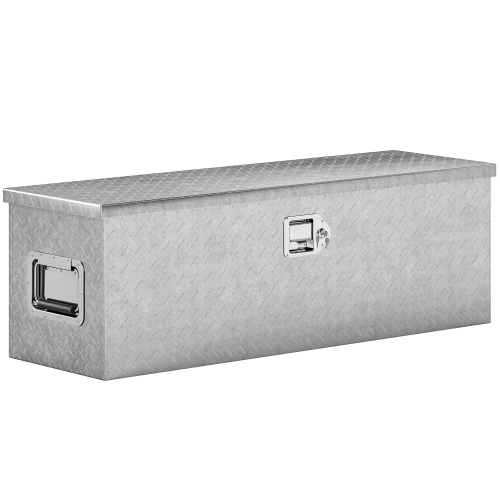
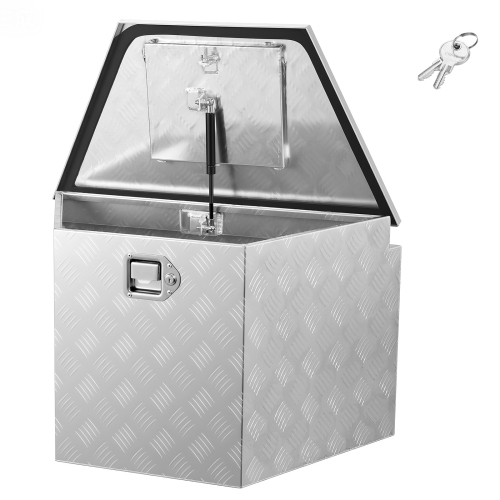
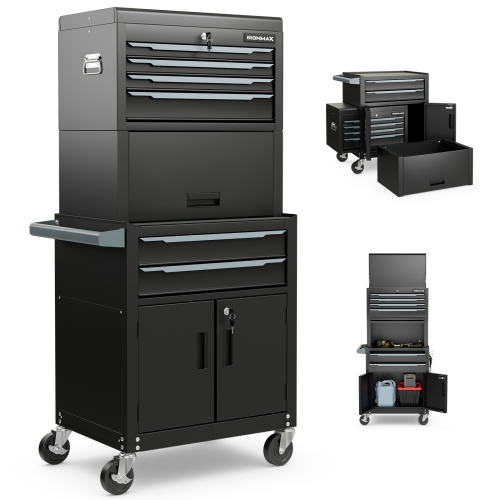
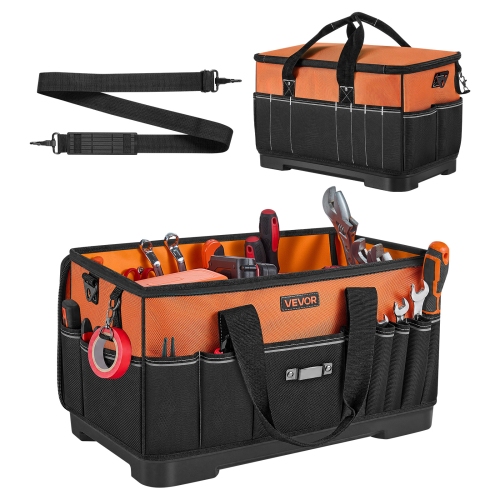
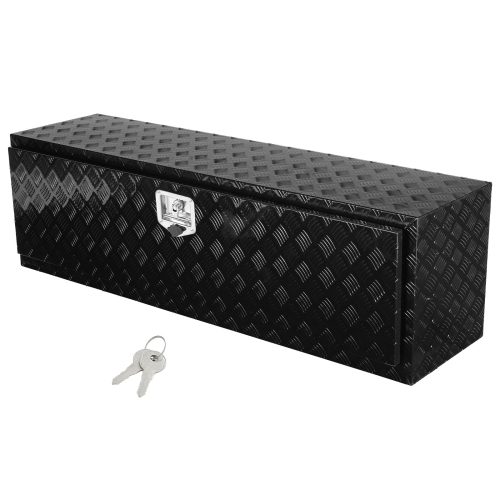
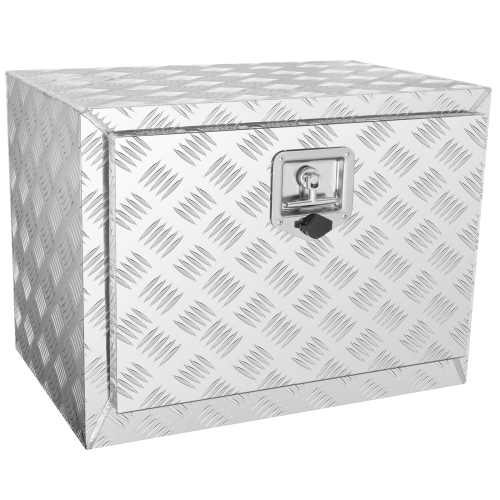
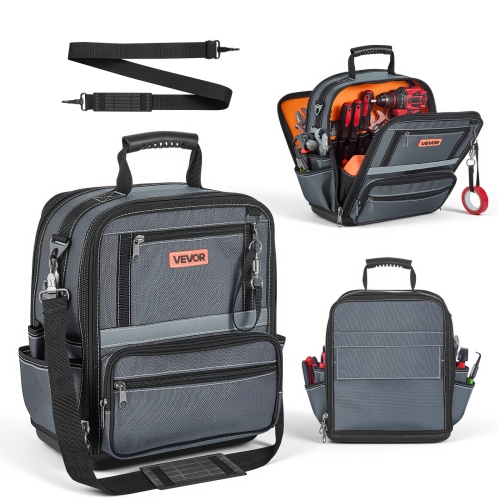
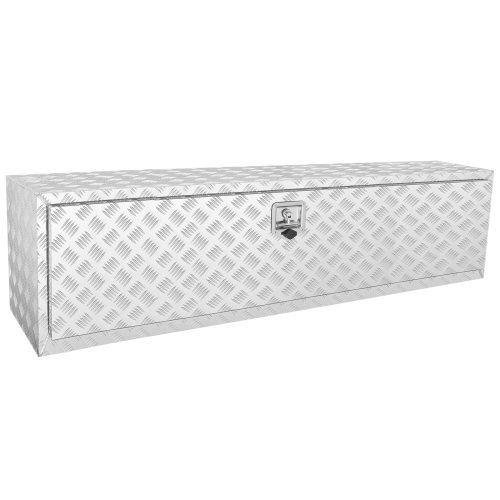

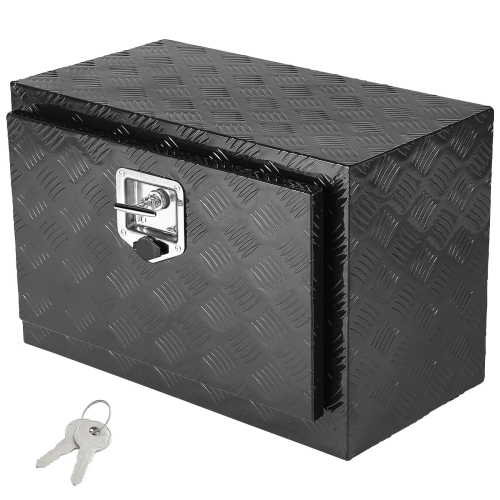
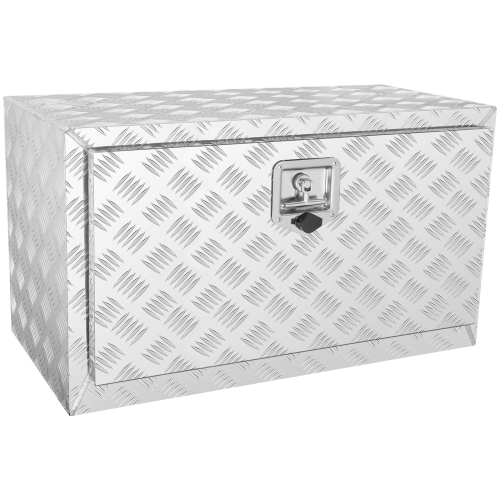
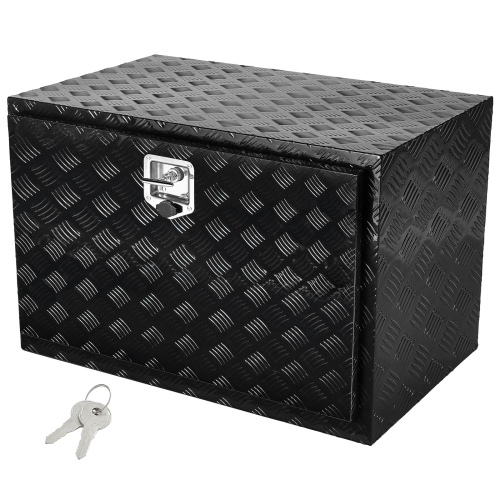
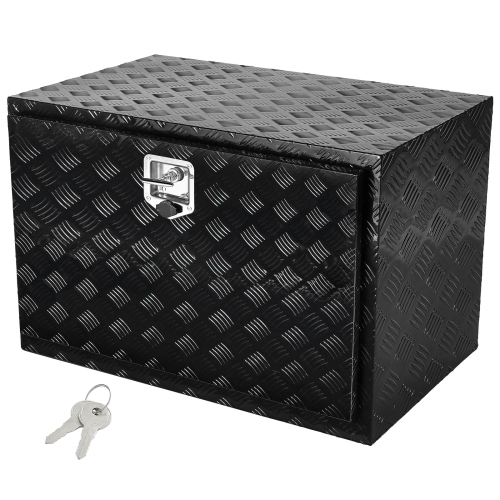
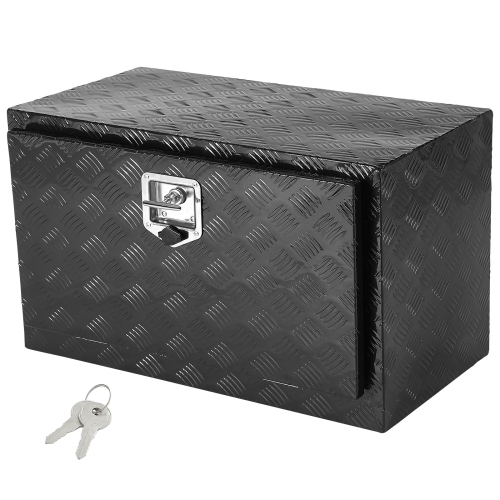

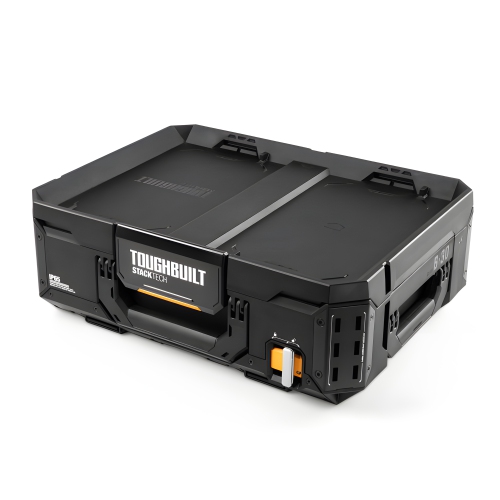
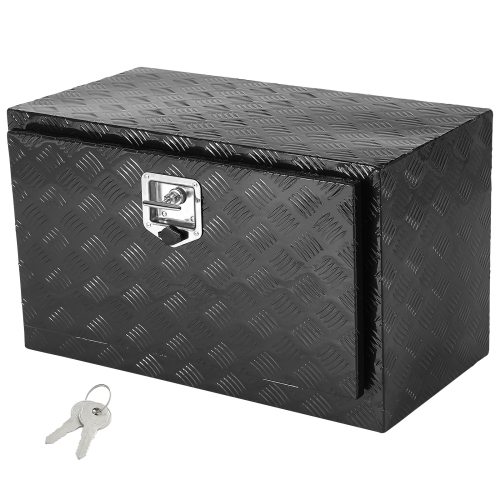
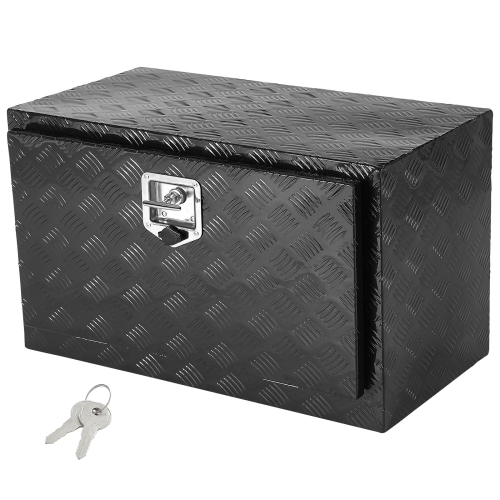
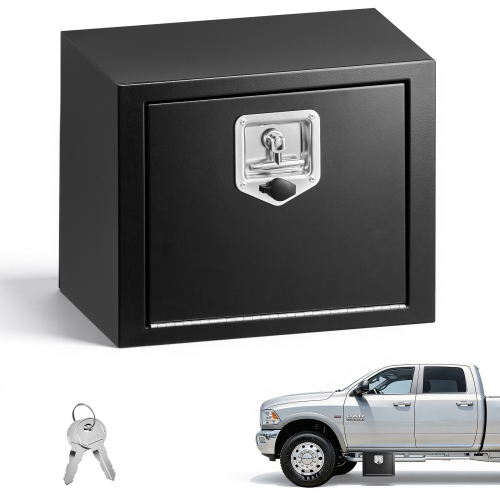
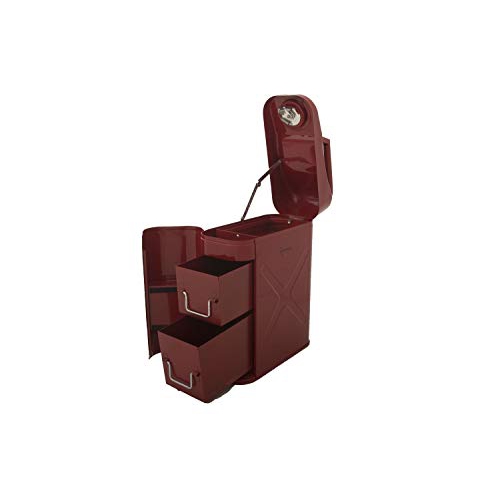
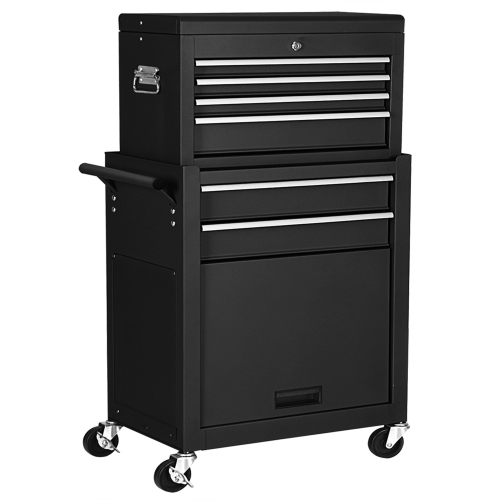
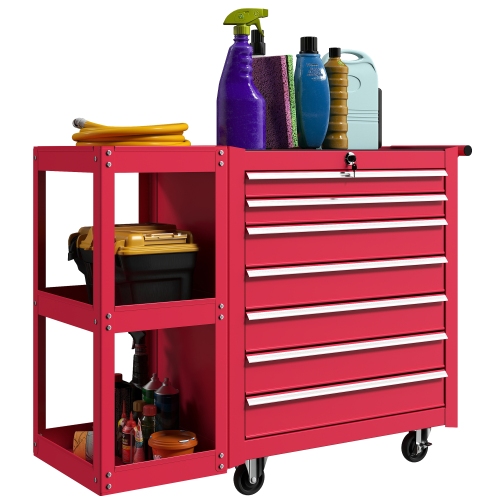
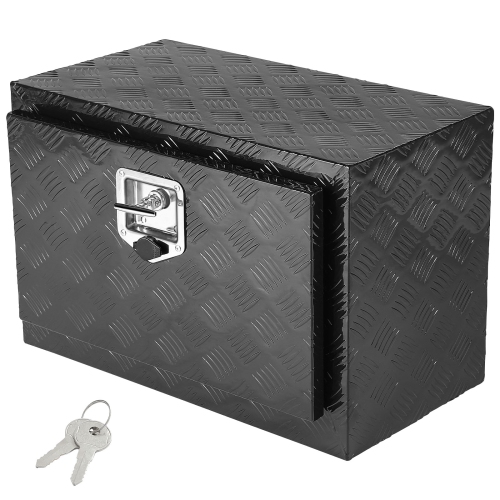
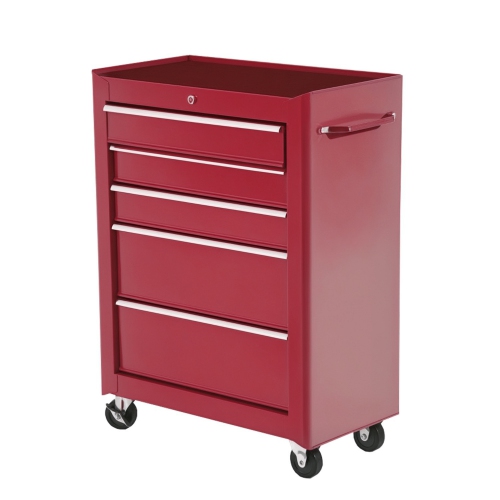

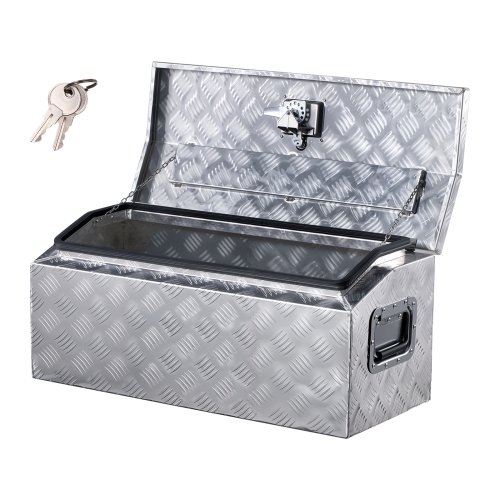
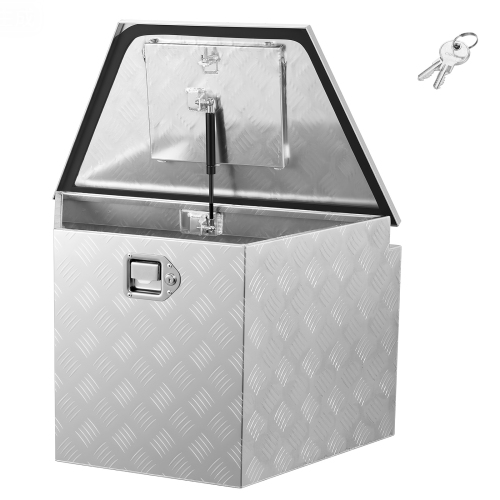
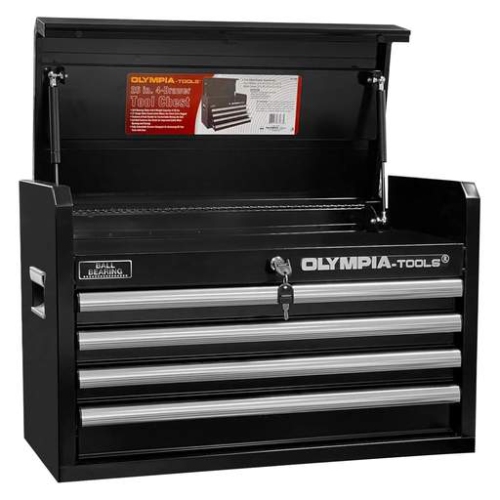
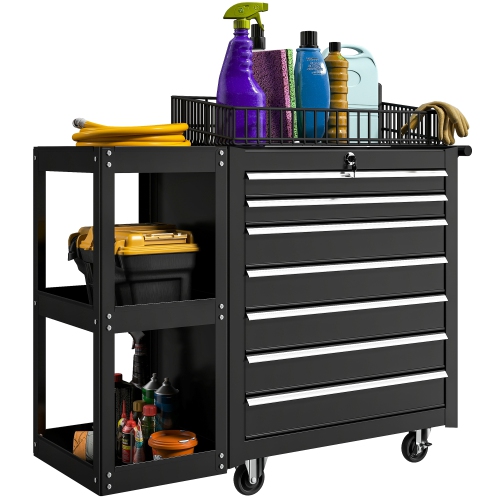
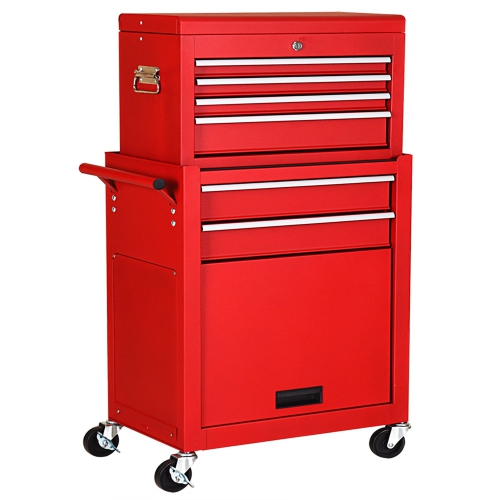
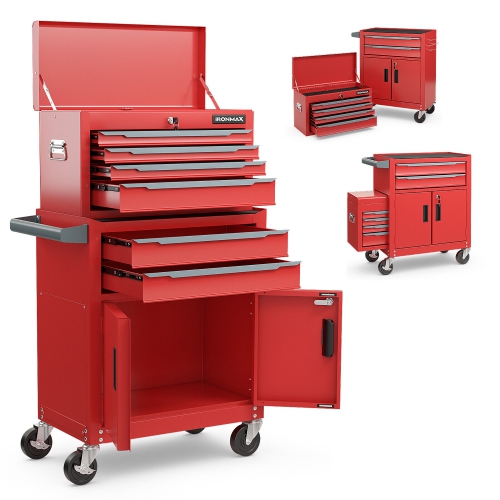
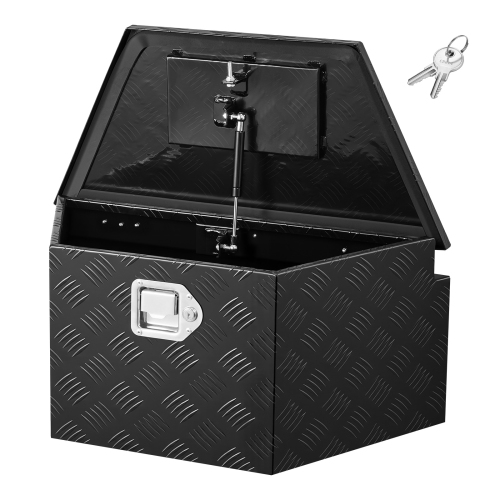
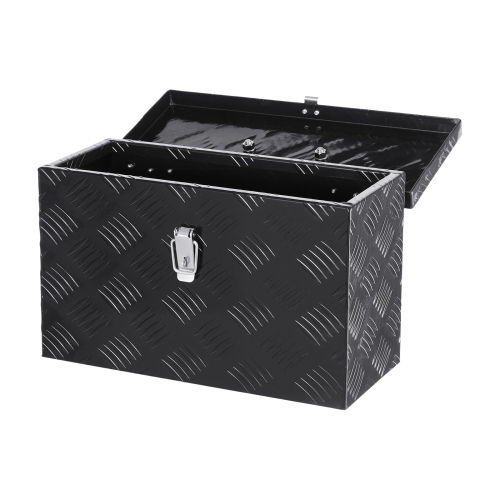
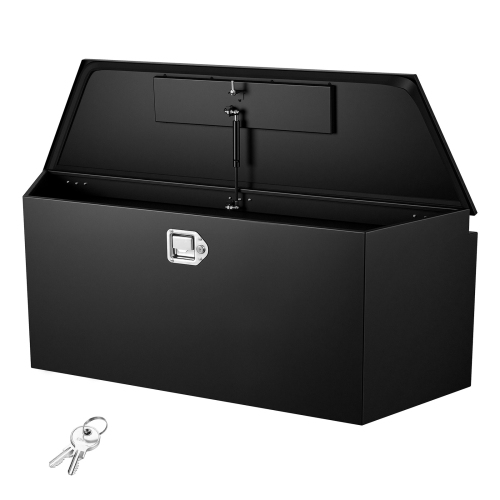
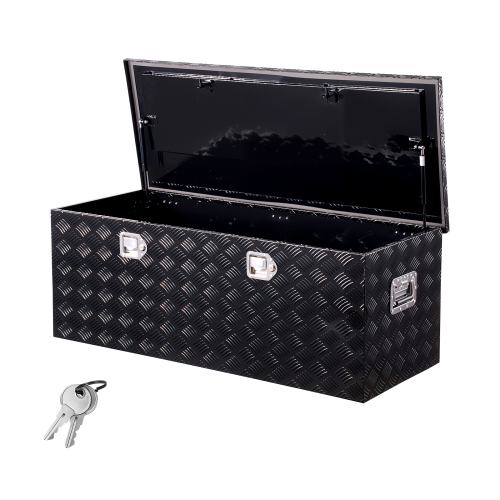
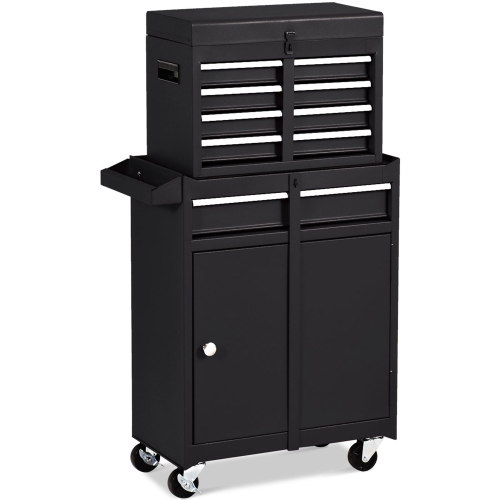

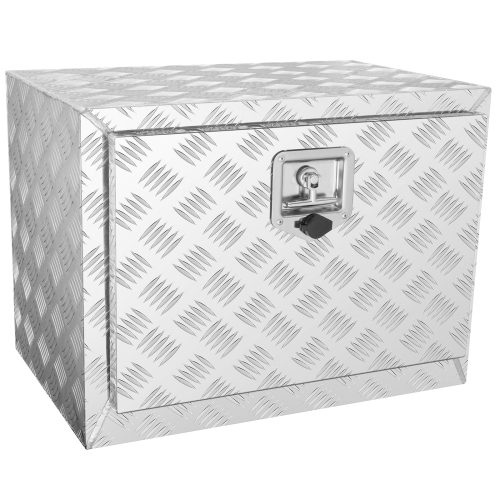
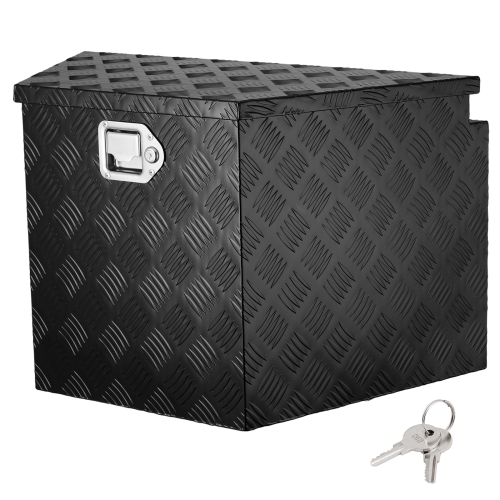
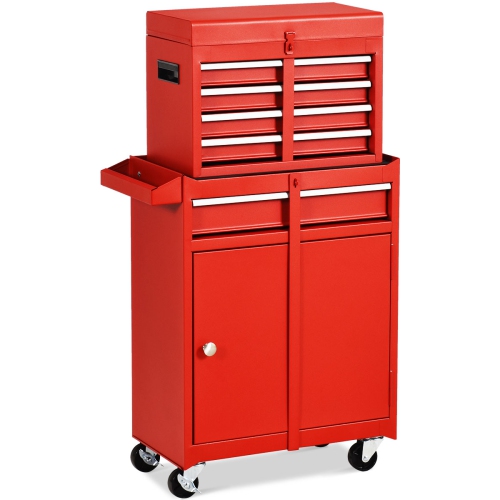
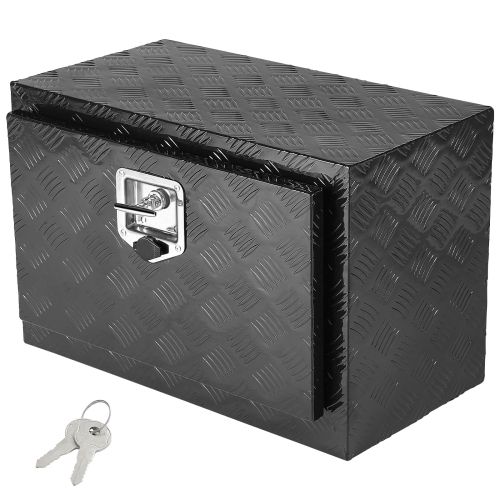
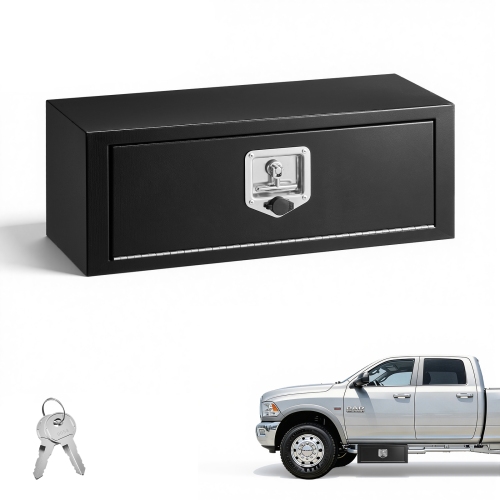
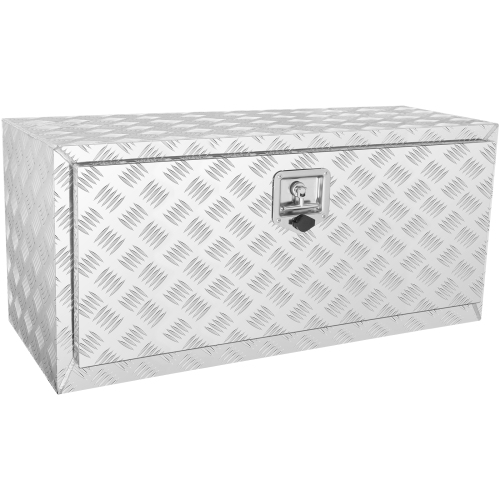
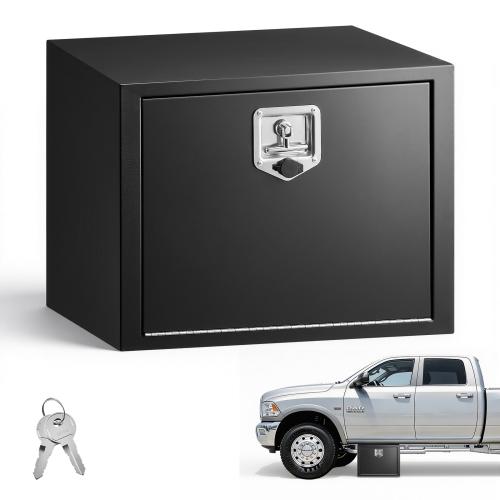
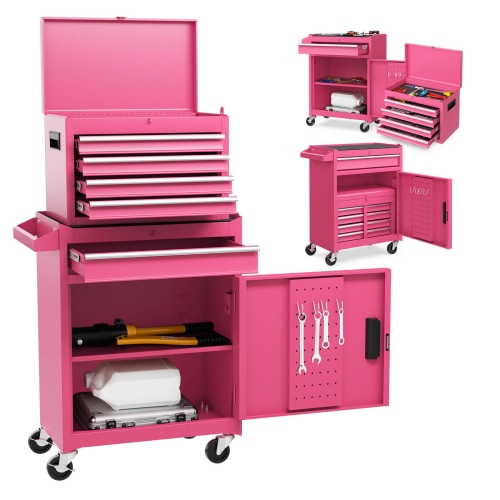
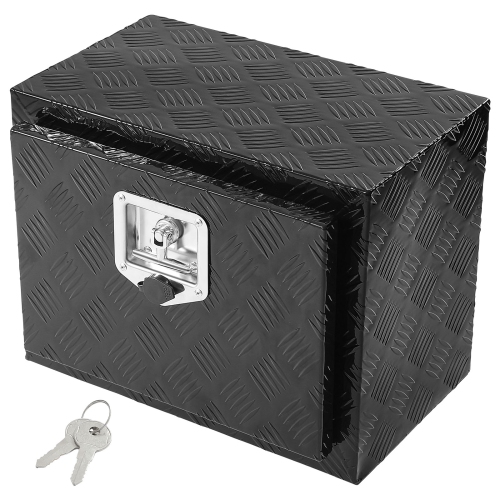
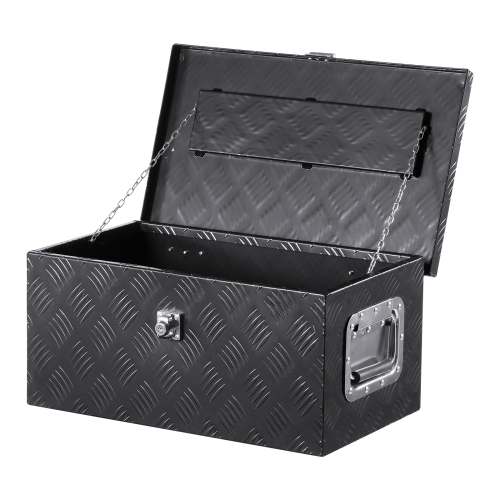

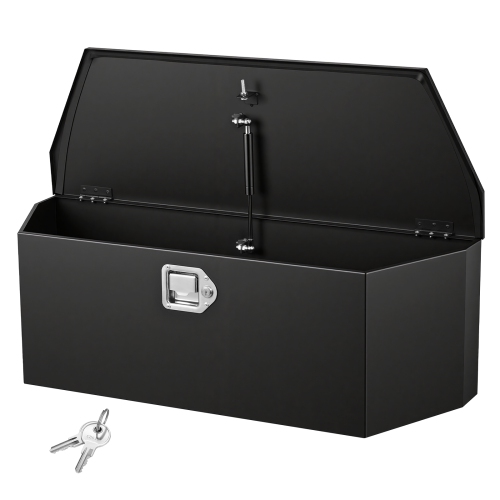
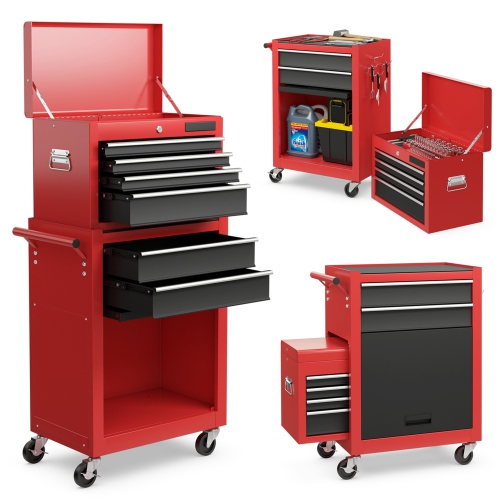
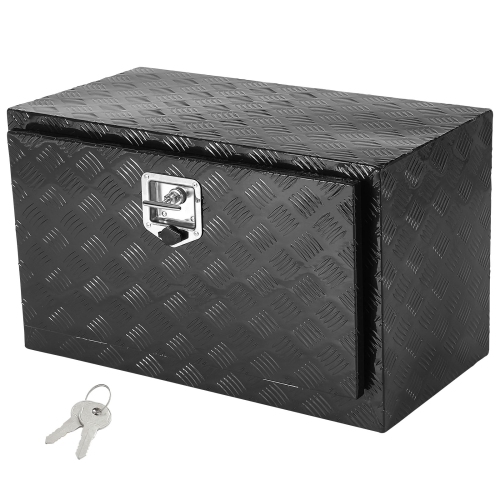
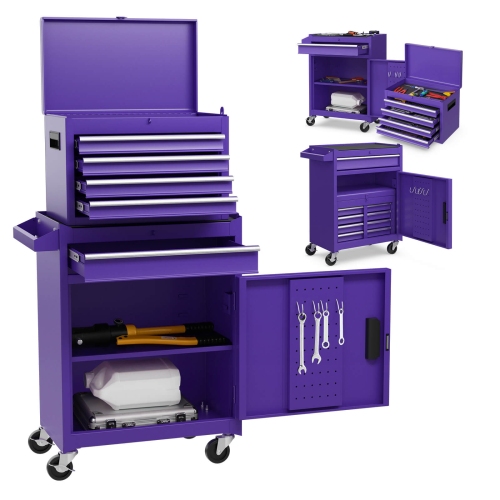
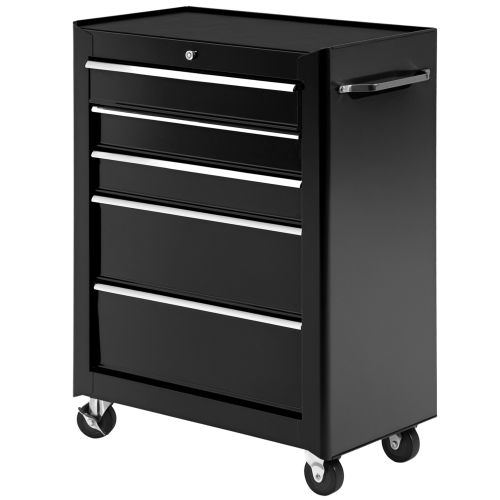
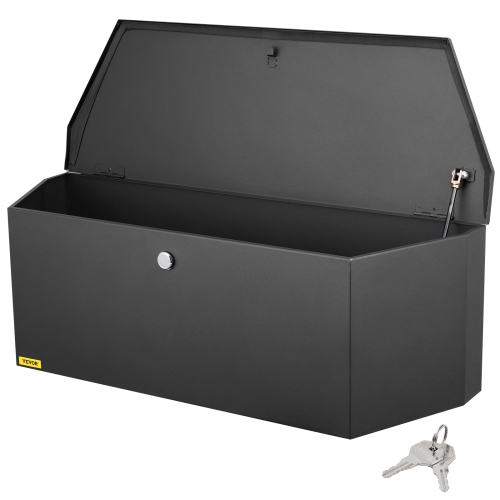

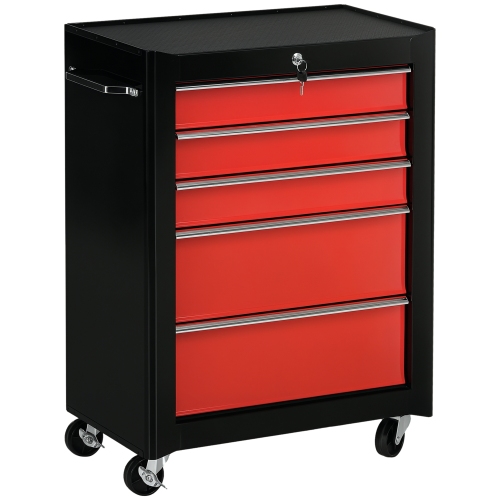
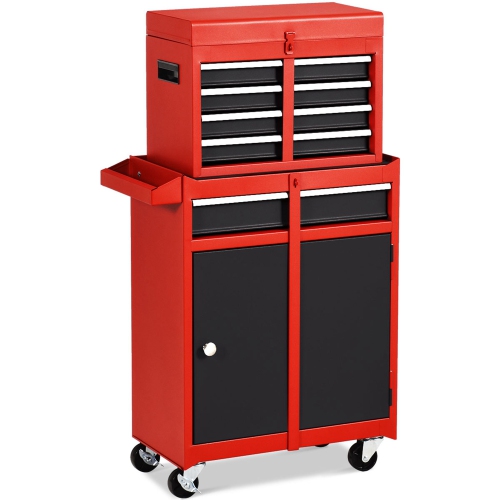

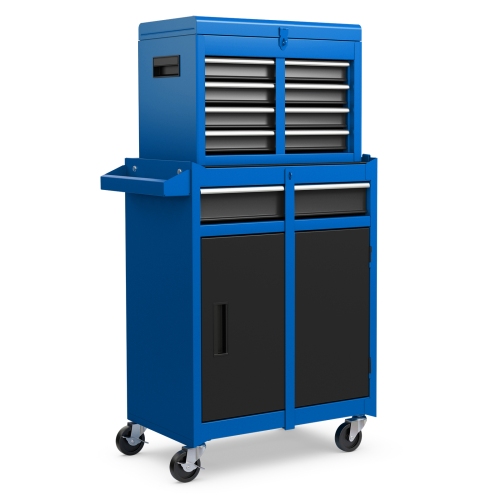
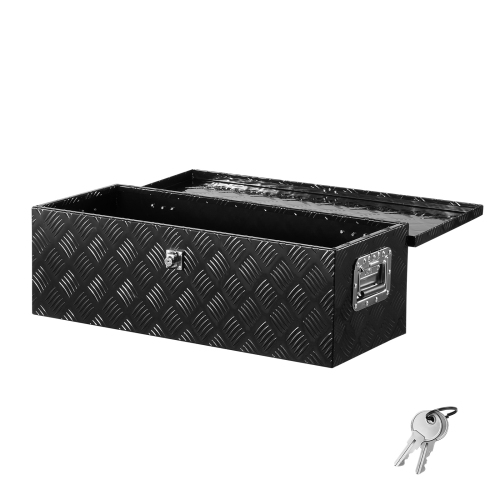
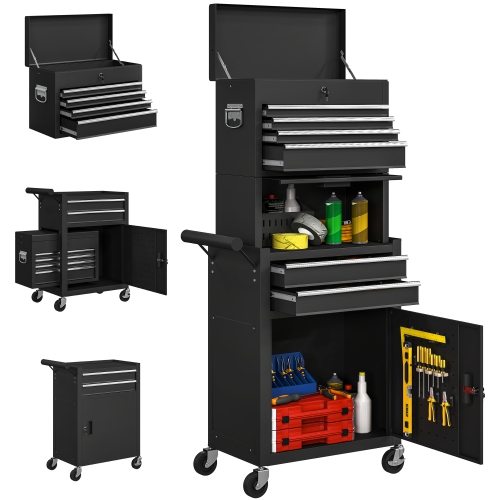
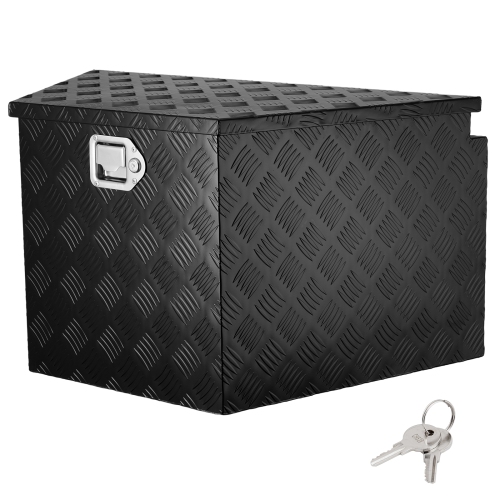
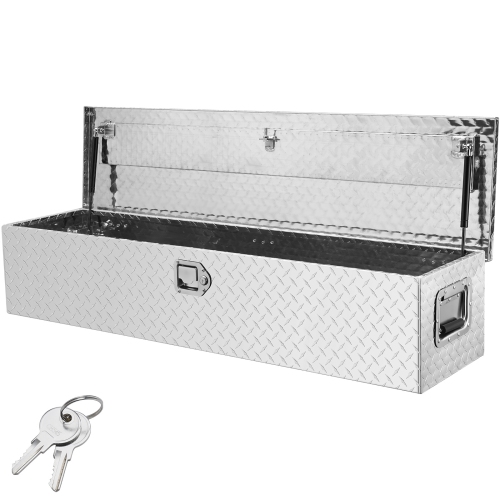

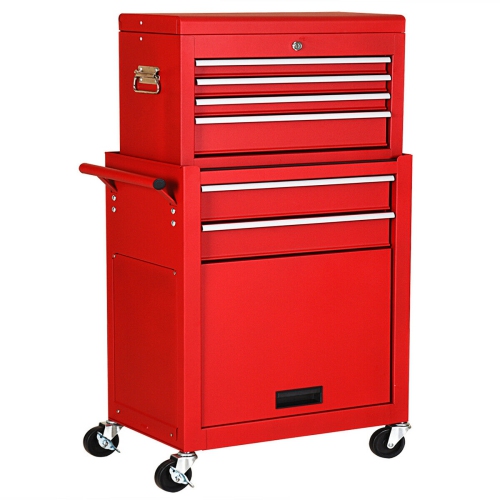
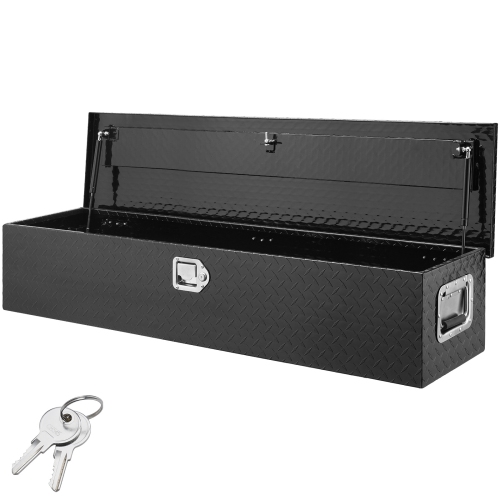
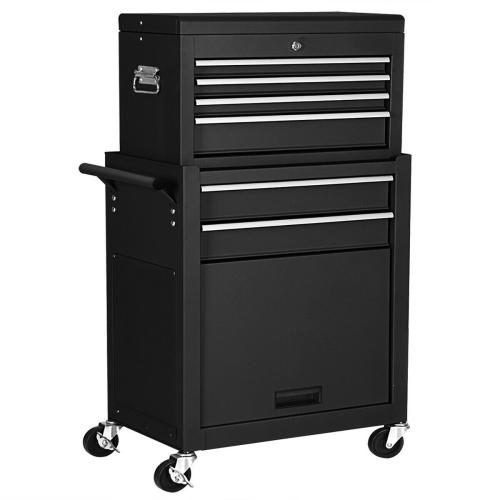
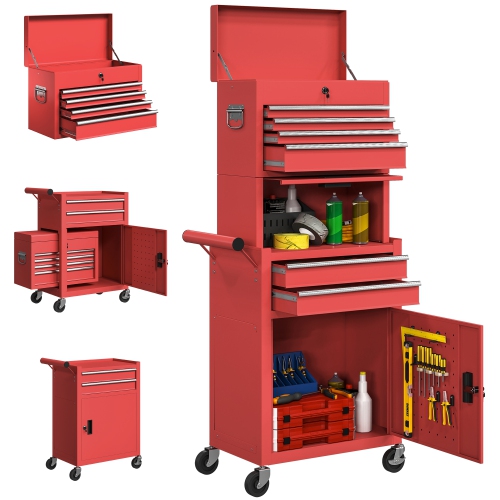
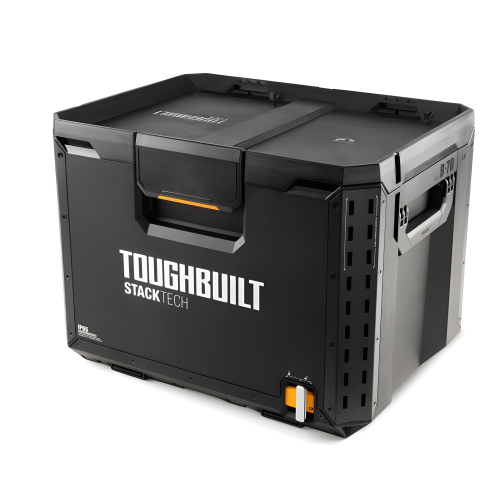
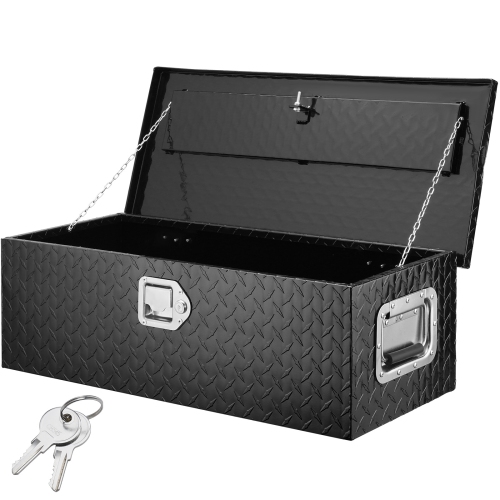

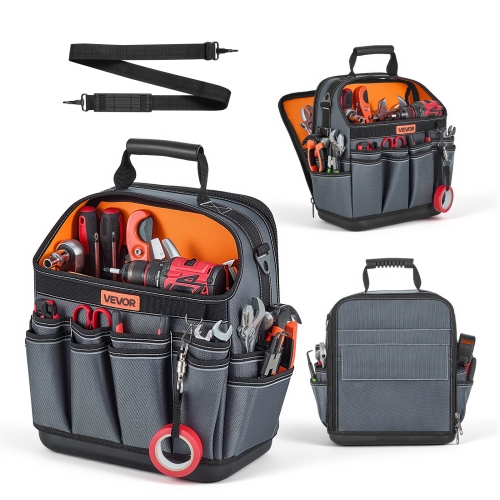


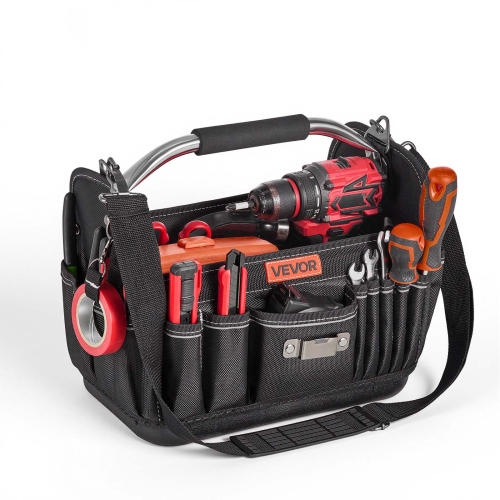
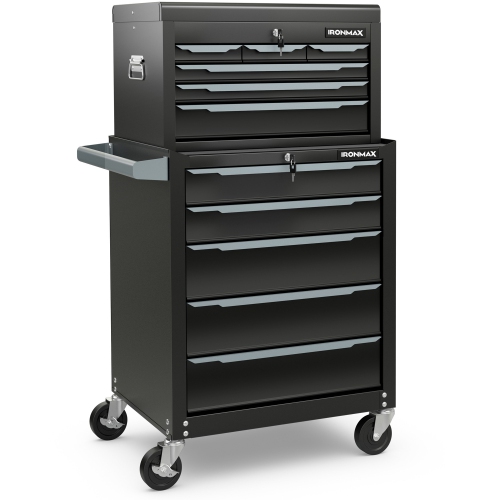
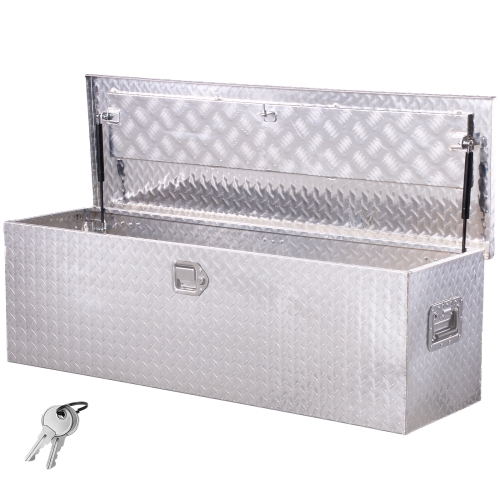
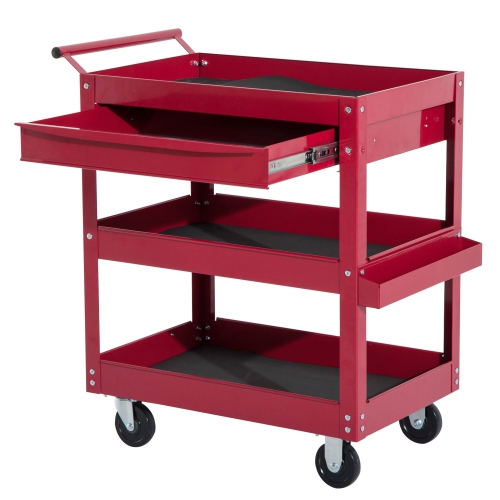
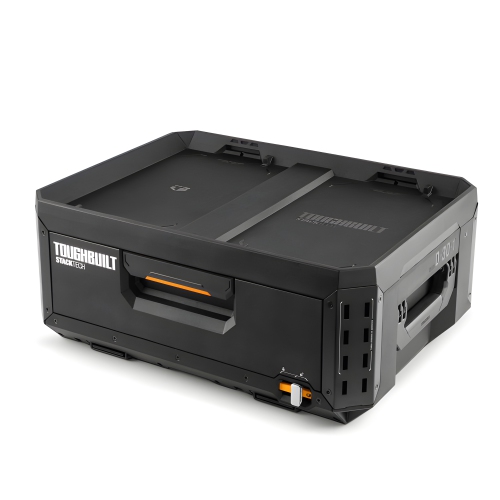
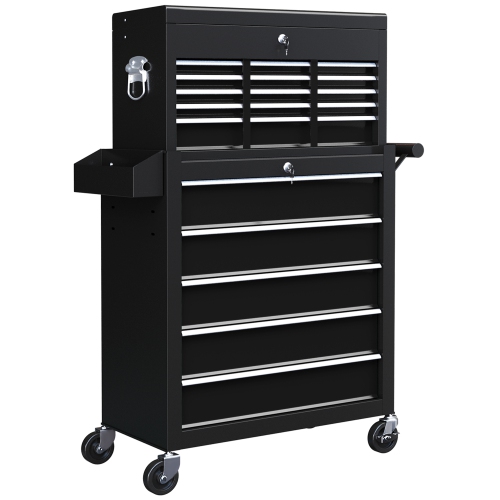
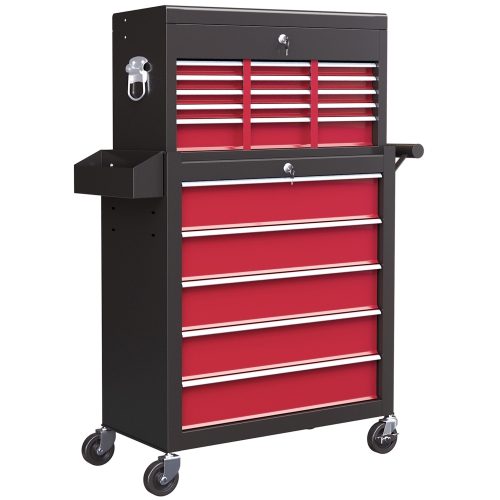
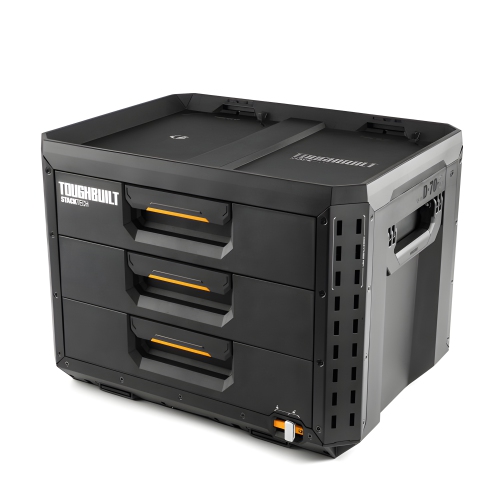
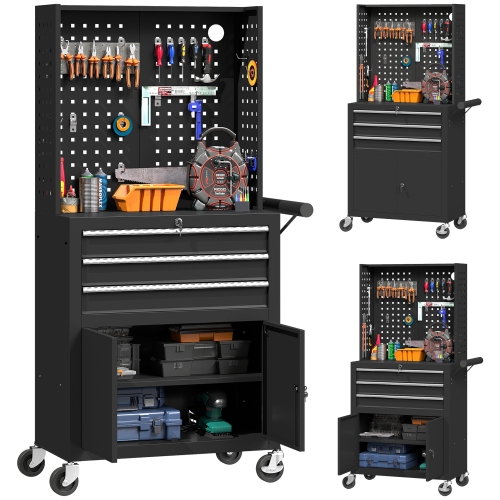
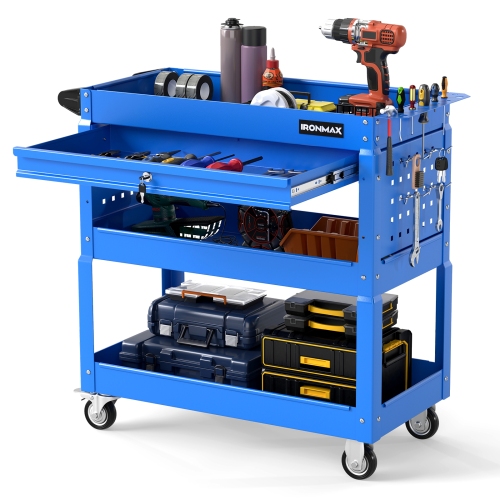

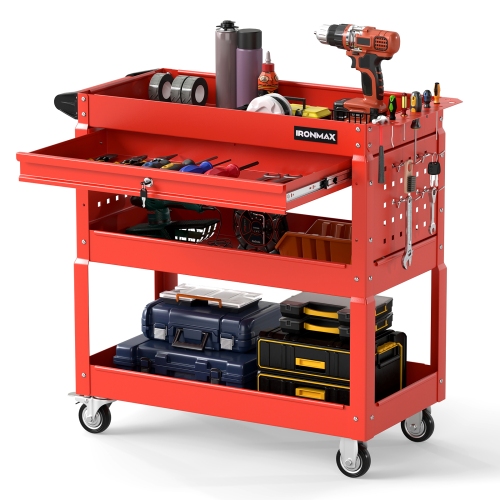
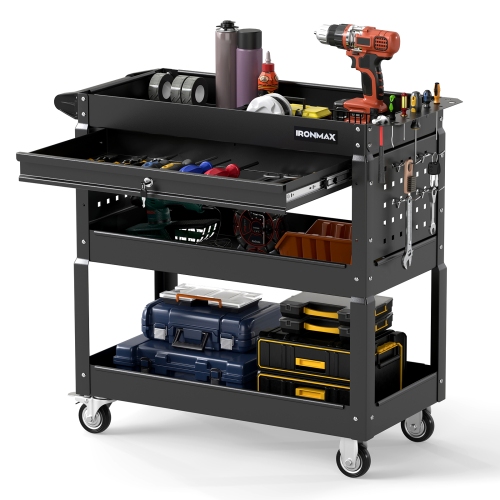
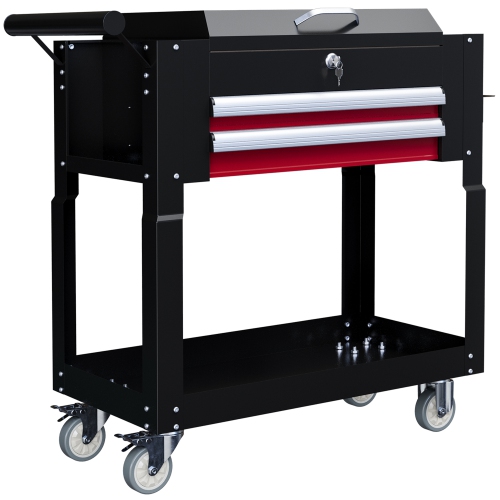
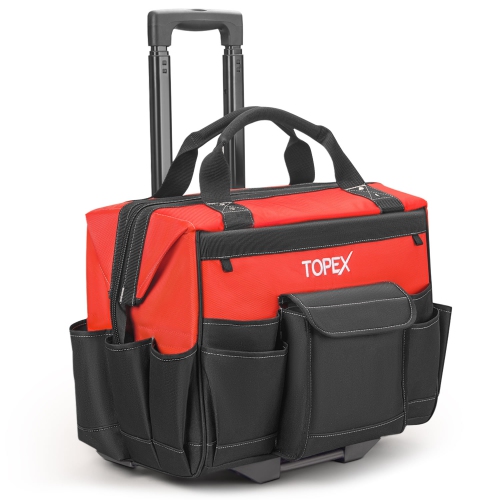


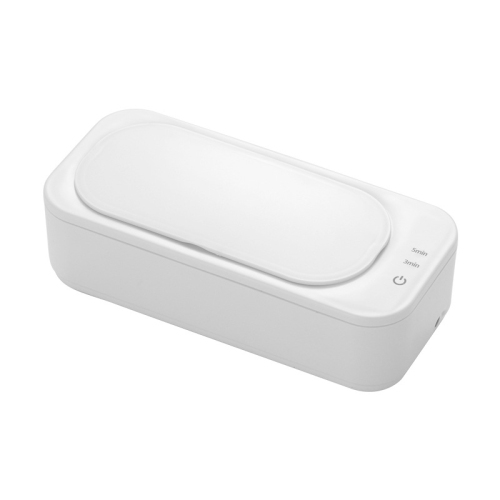
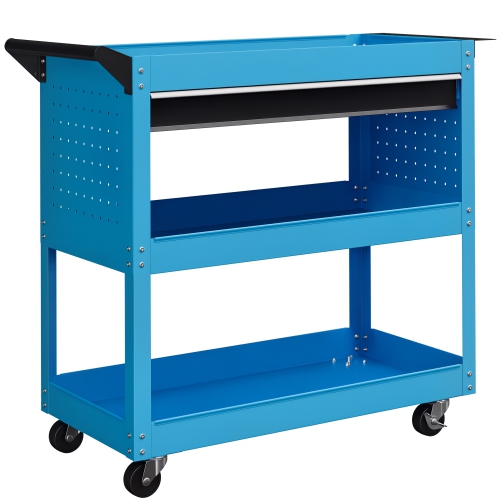
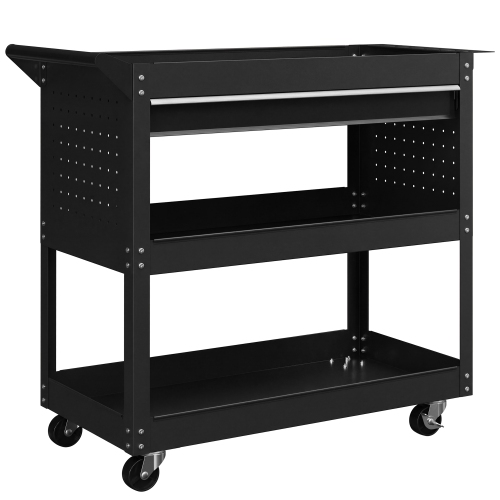
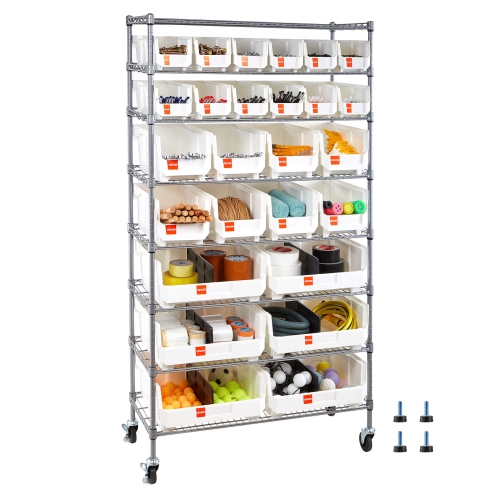
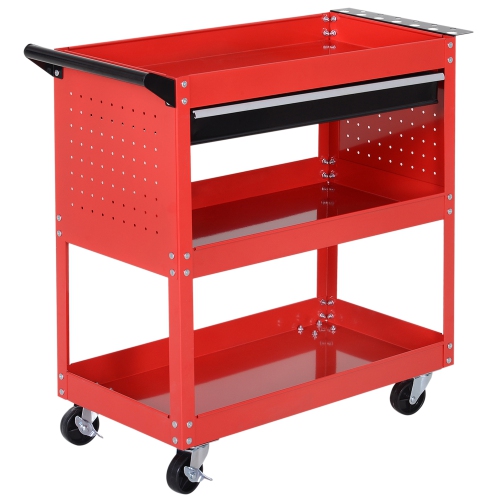
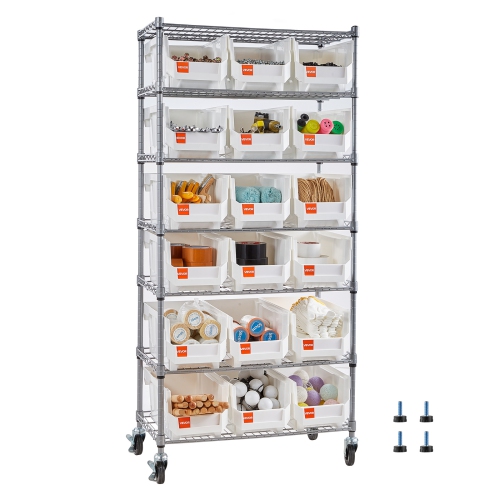

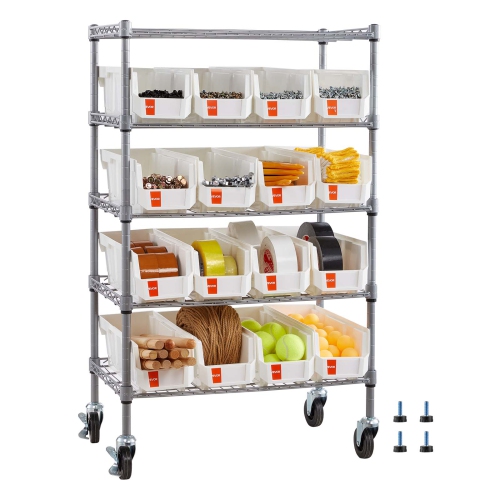

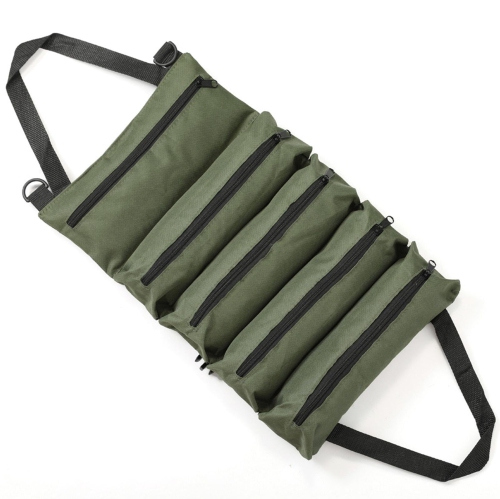
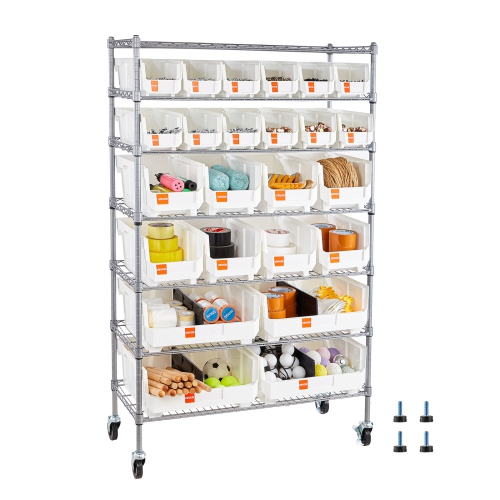
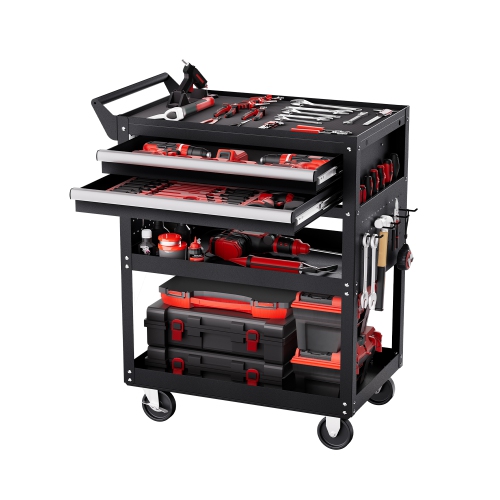

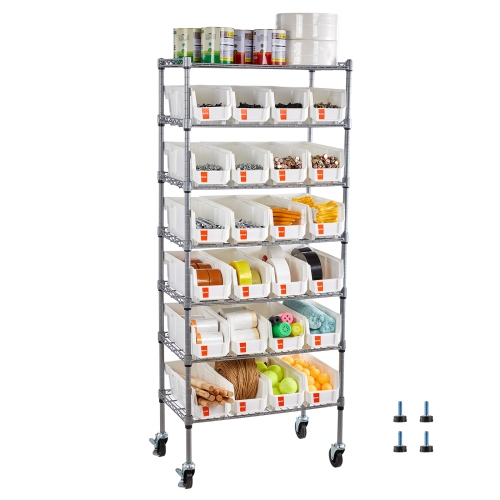
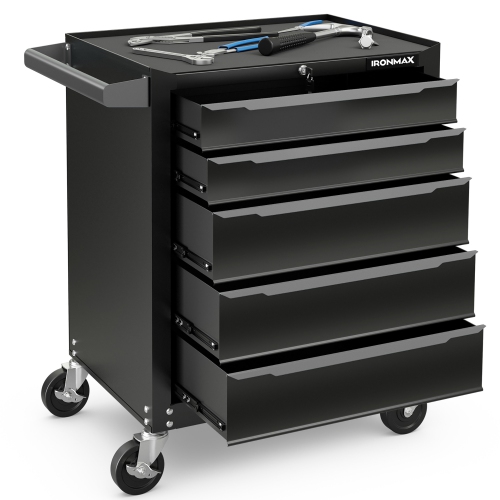

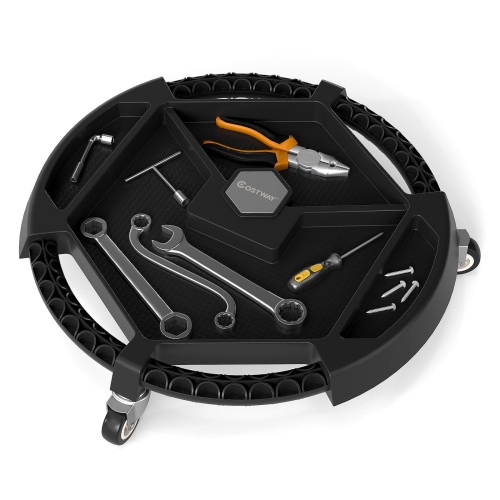
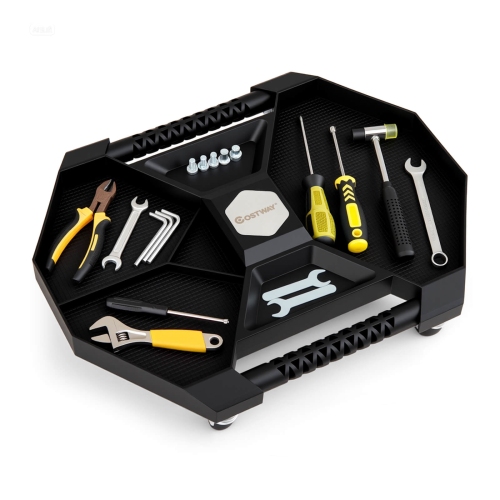


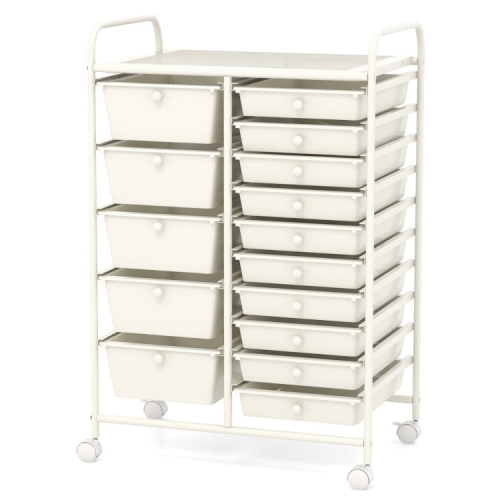


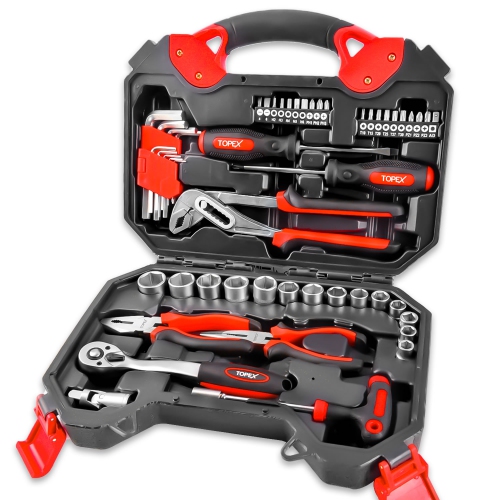


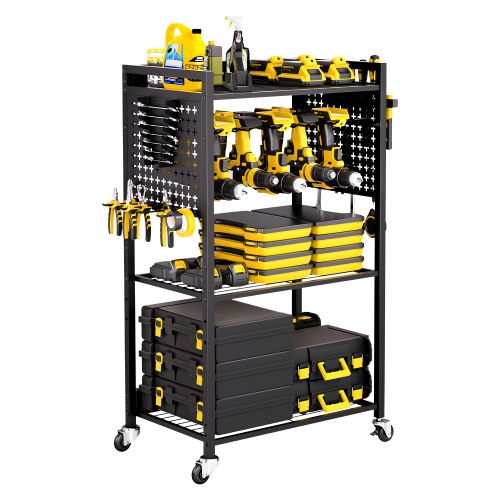


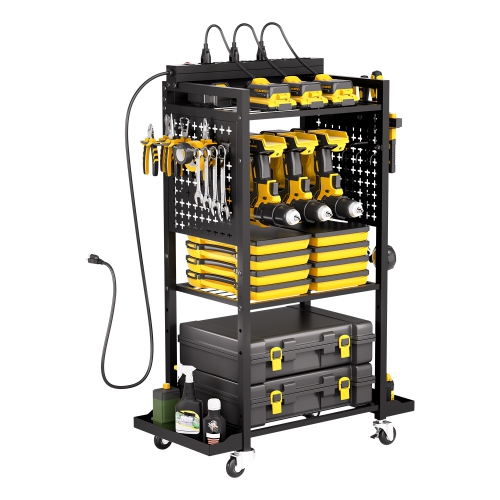
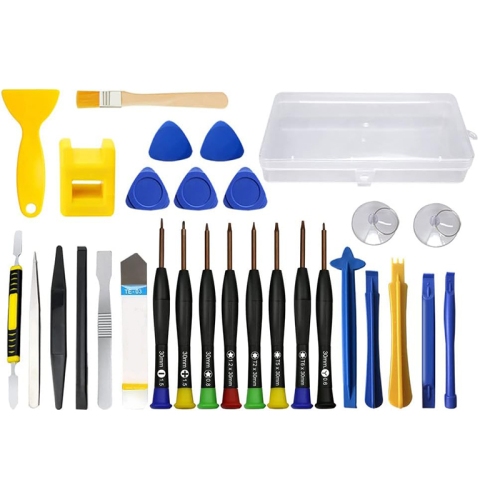

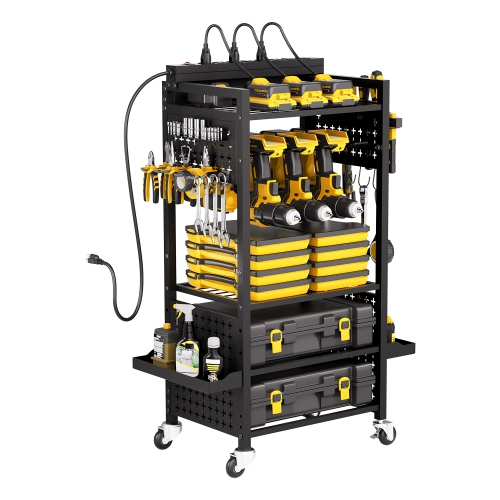
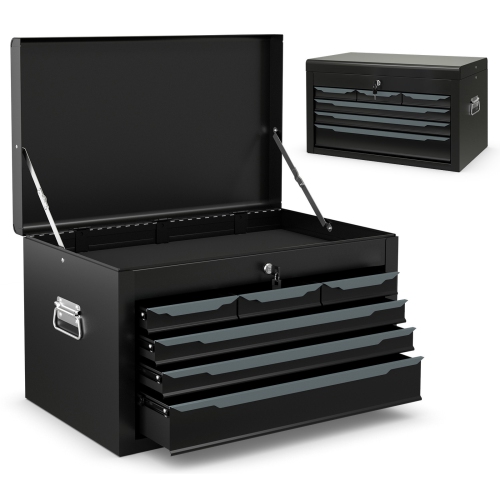
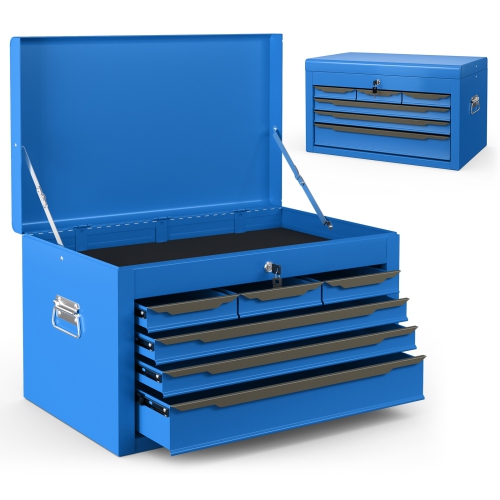

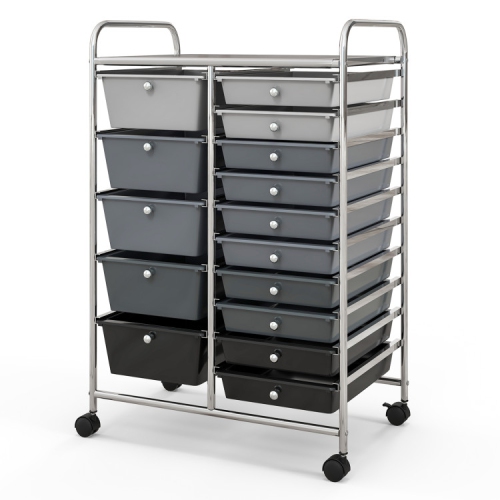
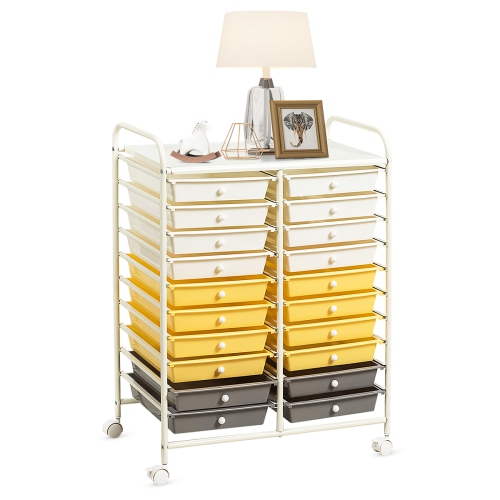
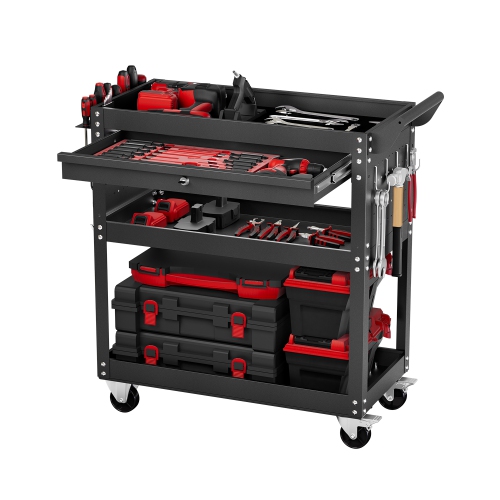

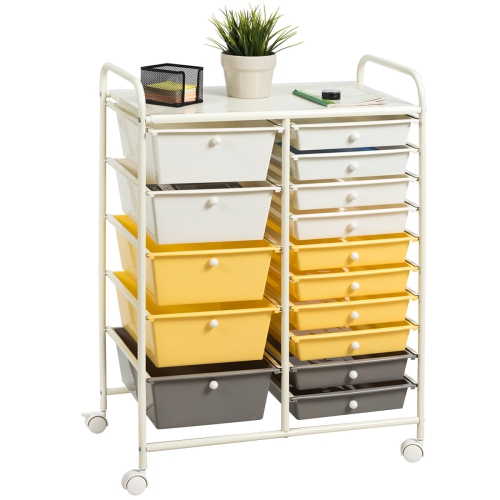

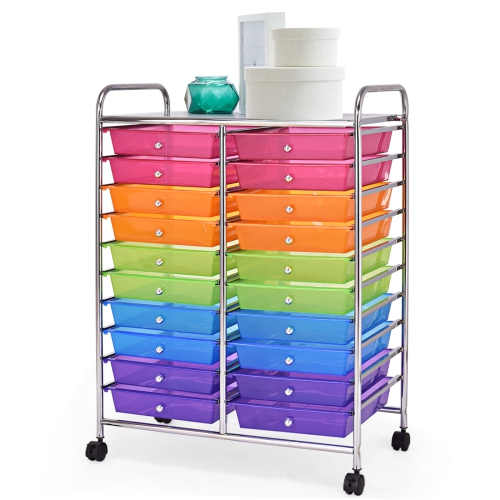
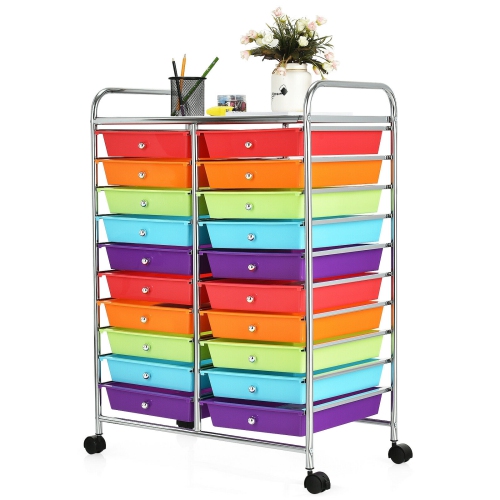
Organized tools that roll from garage to driveway
Mobile tool boxes combine organized tool storage with wheels and handles, making it easier to move hand tools, power tools, accessories, and small parts between work areas. Rather than carrying several separate cases, a rolling tool box keeps a working kit together for trips from a garage to a driveway, across a workshop, or between rooms during repairs. The category includes wheeled chests with deep main compartments, portable drawer units, and modular storage towers with sections that connect for transport and separate at the work area. Each layout suits a different routine. A deep chest can accommodate bulky equipment, while shallow drawers make sockets, pliers, and measuring tools easier to spot without emptying the box. Removable trays put frequently used essentials near the top, and divided organizers help keep screws, washers, and drill bits from becoming a loose pile at the bottom. For someone installing shelving, that might mean keeping a drill and its accessories below, with fasteners and a tape measure within easy reach above. Modular rolling tool boxes offer flexibility when the tools needed for one task differ from those needed for the next, although connecting sections generally need to belong to a compatible system. Drawer access also matters in a stacked setup: front-opening compartments can reduce the need to lift off upper cases to reach tools stored underneath. Some users need a compact mobile tool box that tucks beneath a workbench; others need a taller arrangement that holds a broader collection. Useful capacity depends on the shape of the contents as much as the overall storage volume. Long tools, fitted power tool cases, and bulky attachments may need uninterrupted interior space, while a collection of smaller hand tools benefits from more divisions. Interior measurements, drawer depth, and the space taken up by trays provide a clearer picture of fit than exterior dimensions alone. A layout that gives frequently used tools a consistent home can make both setup and tidying more straightforward.
Construction affects how a mobile tool box handles repeated loading, transport, and daily use. Metal bodies can provide a rigid structure for heavier tool collections, while moulded resin or plastic designs often reduce the weight of the empty case and may have fewer exposed metal surfaces. Neither material alone determines durability: wall thickness, reinforcement around handles, hinge design, latch construction, and the way the wheels attach all contribute to the strength of the finished box. Shoppers comparing rigid storage styles can also explore Metal Tool Boxes for related options. Coated steel needs attention where scratches expose bare metal, and any protective finish benefits from avoiding unnecessary scraping against rough surfaces. On drawer-based designs, well-supported slides help drawers move smoothly under their intended load; a stated drawer capacity is separate from the total capacity of the unit. For wheeled storage, the route between the storage spot and the work area is just as important as the space inside. Larger wheels generally handle floor joints, cords, and uneven surfaces more readily than small castors, while swivel castors can make a cabinet easier to position in a confined workshop. Wheel materials can affect rolling noise and how a loaded box moves across finished flooring. Brakes help keep suitably equipped units stationary during use, but they do not replace a stable, level resting surface. A telescopic handle should offer a comfortable pulling position and lock securely when extended, while side handles provide grip points for lifting where the design allows. The box's own weight adds to the weight of its contents, which matters when loading it into a vehicle or carrying it over a threshold. Wheels make horizontal travel easier, but they do not make a fully loaded chest suitable for stairs. Doorway clearance, turning space, and vehicle opening dimensions can all influence whether a particular format works well for a daily routine.
Mobile tool storage serves tradespeople, maintenance staff, automotive hobbyists, makers, and anyone whose tools need to travel beyond a single bench. An apartment resident handling occasional repairs may value a compact wheeled case that stores neatly in a cupboard, while someone maintaining equipment may need separate compartments for hand tools, attachments, and replacement parts. In a shared garage, clearly divided storage can make it easier to return tools to their places and notice what has not been put away. A mobile tool box can also be a practical gift for someone building a workshop or expanding a repair kit, particularly when its dimensions and storage layout match the tools they already own. For an existing modular collection, connection compatibility is especially important; similar-looking cases do not necessarily latch together. Day-to-day usability also comes from details that are easy to overlook, such as latches that can be operated comfortably with work gloves, trays that lift out without catching, and lids that stay supported as intended while tools are being retrieved. Lockable compartments can help limit casual access, though the level of security depends on the construction and locking arrangement. During transport, closed drawers, secured latches, and properly connected modules help keep the contents contained. Heavier tools belong low in the unit to support stability, with lighter accessories above and sharp edges protected from contact with hands or surrounding equipment. Care is usually straightforward: removing loose debris, wiping compartments with a material-appropriate cleaner, and allowing tools and storage surfaces to dry before closing the box help keep the interior ready for its next use. Wheels and axles benefit from checks for trapped debris, and drawer slides, hinges, and fasteners should be maintained according to the manufacturer's directions. Protective liners can reduce rattling and surface scuffs, provided they fit without interfering with drawer movement. With a suitable balance of capacity, access, and mobility, a rolling tool box becomes a dependable part of the workspace, keeping the tools for the task together without tying them to one location.
Top selling and popular products
-
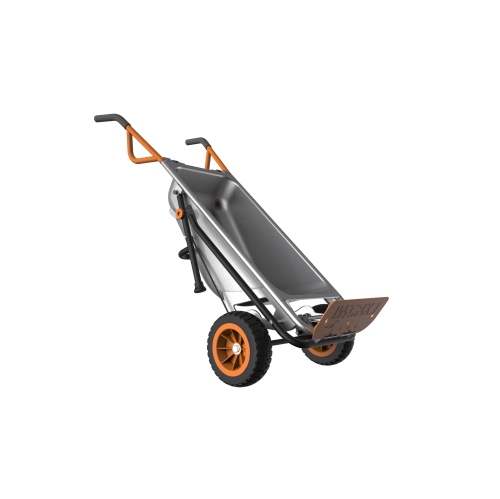 Your price for this item is $329.99
-
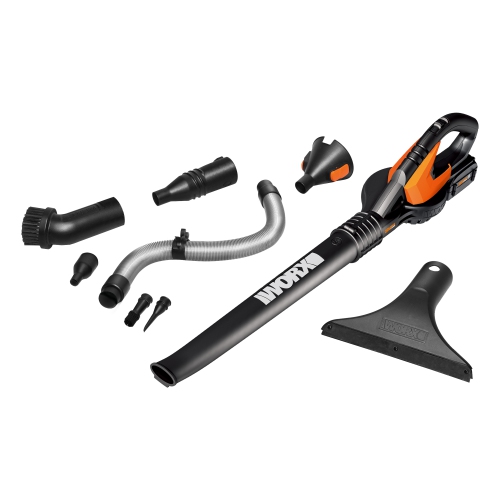 Your price for this item is $150
-
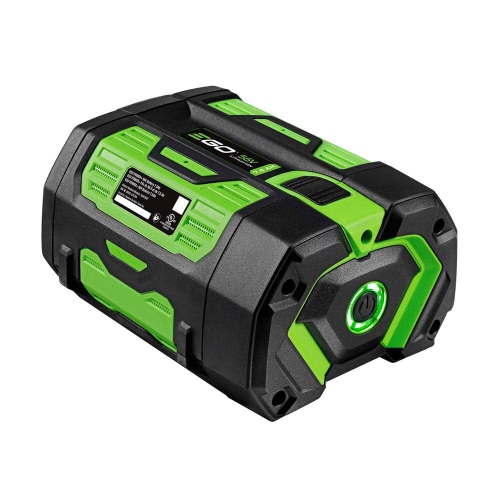 Your price for this item is $449.99
-
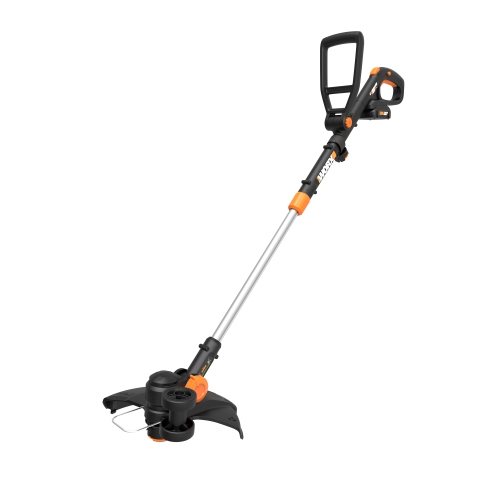 Your price for this item is $199.99
-
 Your price for this item is $359.99
-
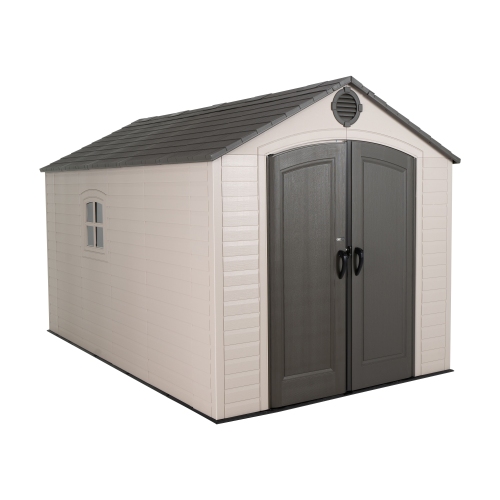 Your price for this item is $3028.99
-
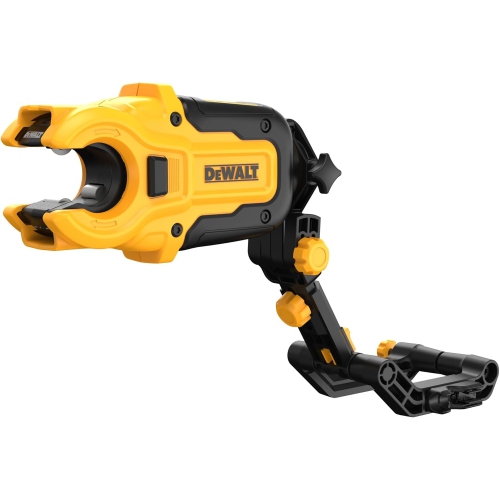 Your price for this item is $94.99
-
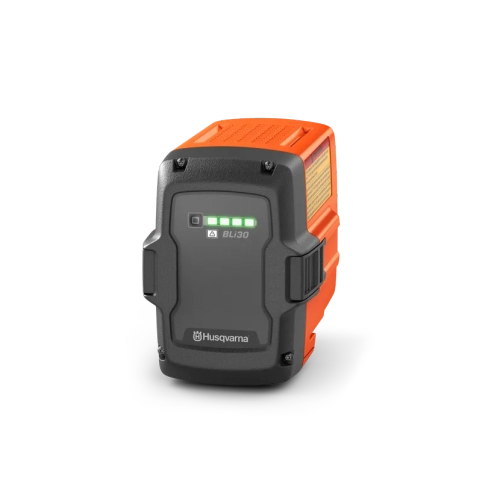 Your price for this item is $299.99
Discover more categories related to Mobile Tool Boxes
Top Collections:
Pokemon Centers, Best Cameras for Sports Photography, Kindle Devices, Samsung Galaxy Phones, Canon G7X Cameras, Pokémon 30th Celebration Cards, Refurbished Apple Laptops, iPhone 15 Apple, Laptops for Students, Budget Smartphones
Some products may be subject to Environmental Handling Fees
(EHF) depending on your province.
Learn more about EHFs.