Mobile Tool Chests
Mobile tool chests are essential for keeping your tools organized and easily accessible, whether you're a professional tradesperson or a DIY enthusiast. With sturdy construction and convenient features like wheels and handles, these portable storage solutions make it simple to transport your tools around the workshop or job site. Explore our selection of mobile tool chests to find the perfect solution for your storage needs and take your tool organization to the next level.
Sort
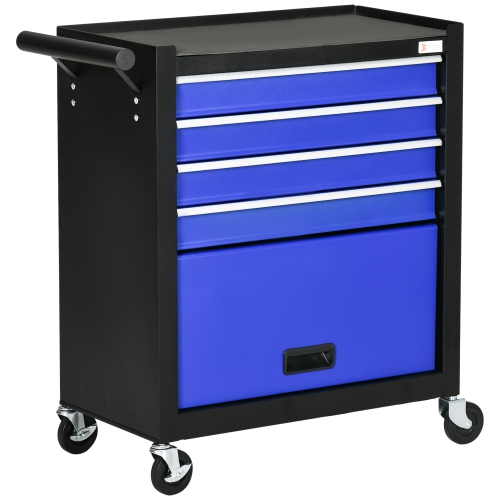
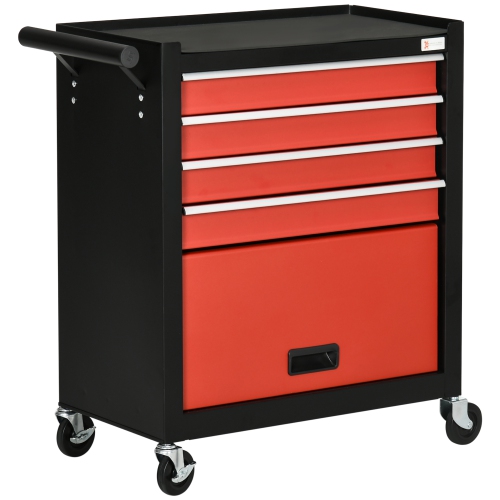
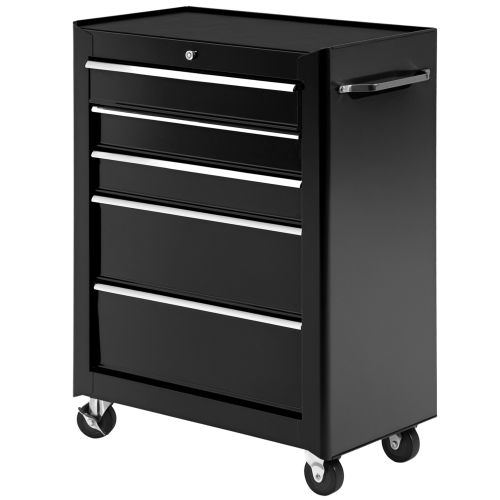
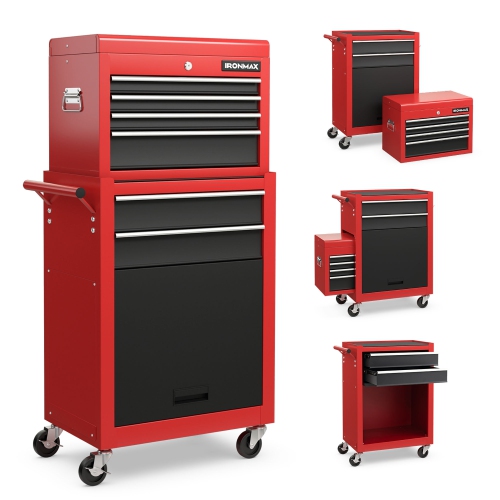

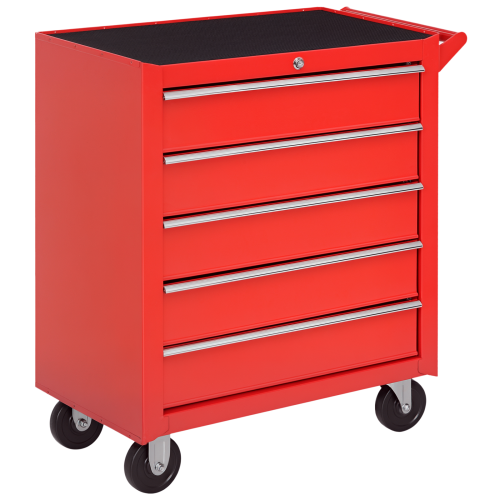
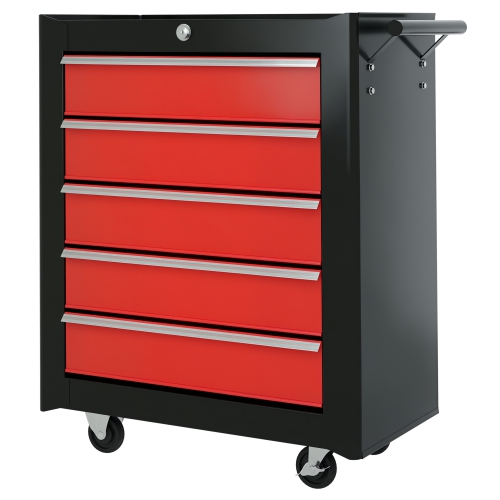
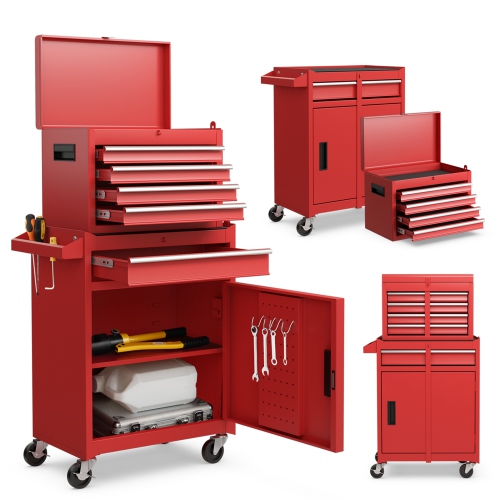
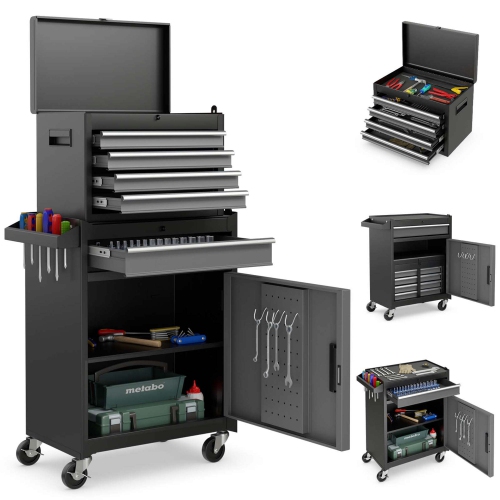
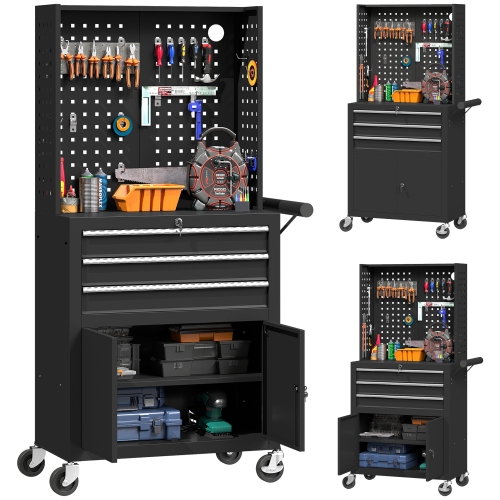
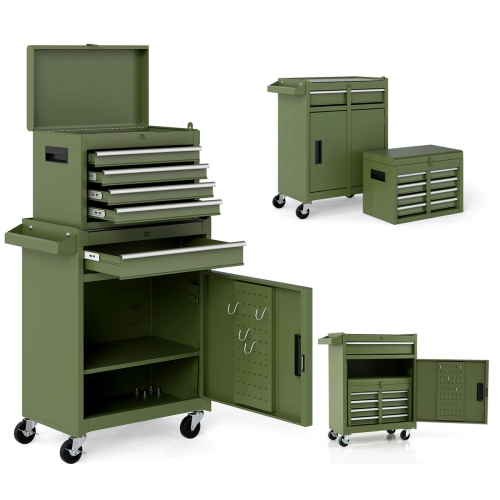
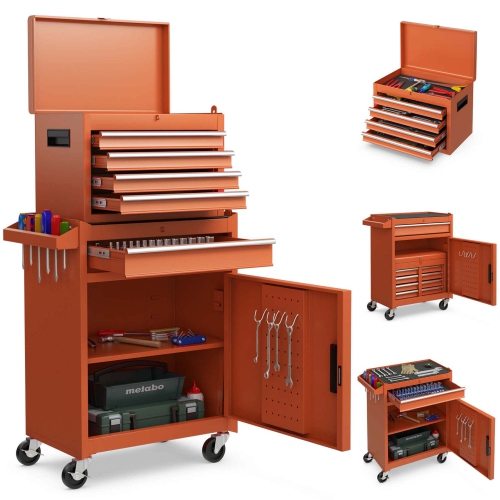
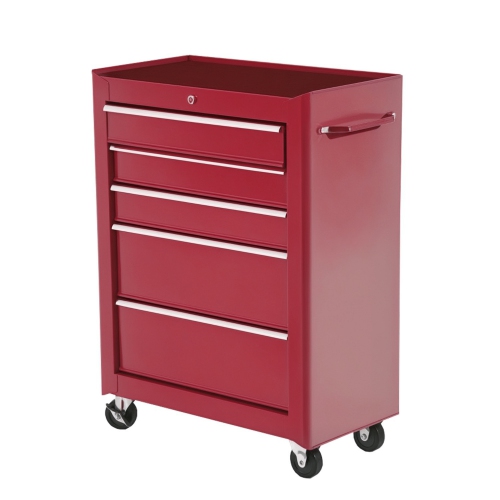
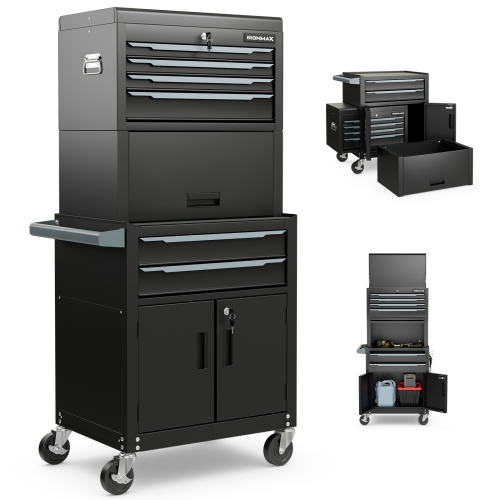
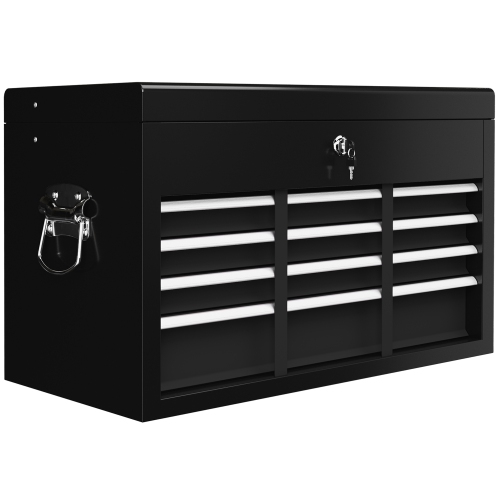
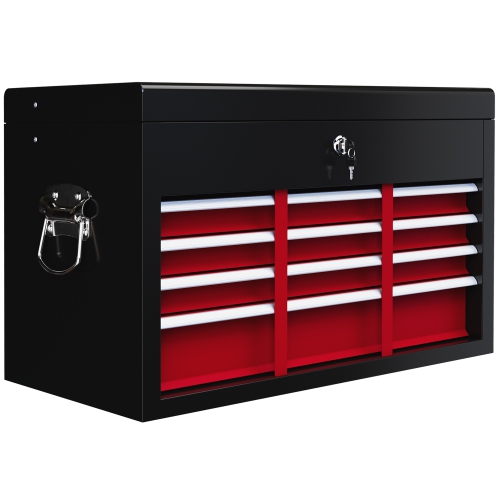
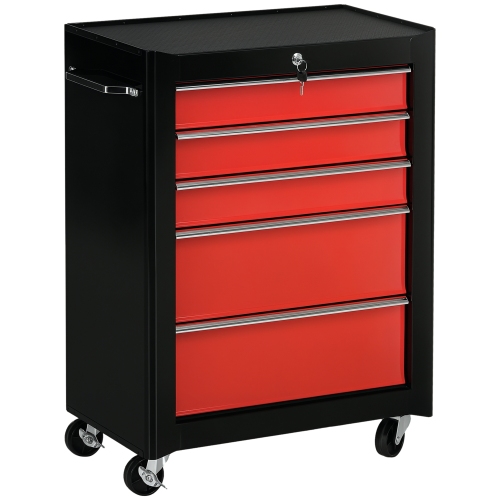
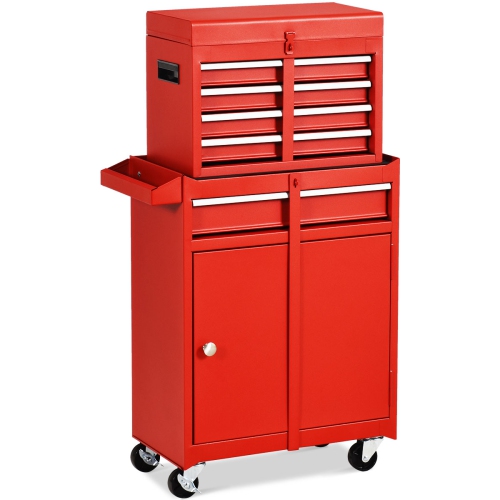
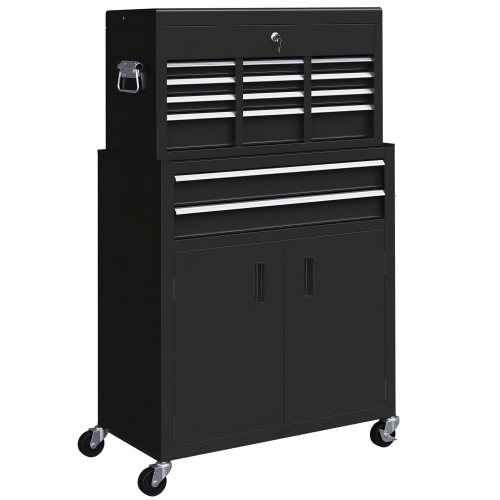
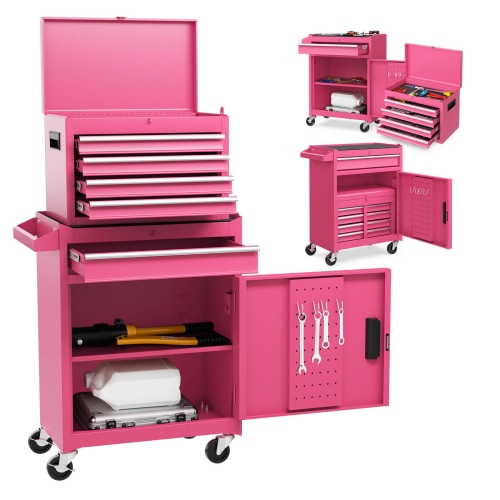
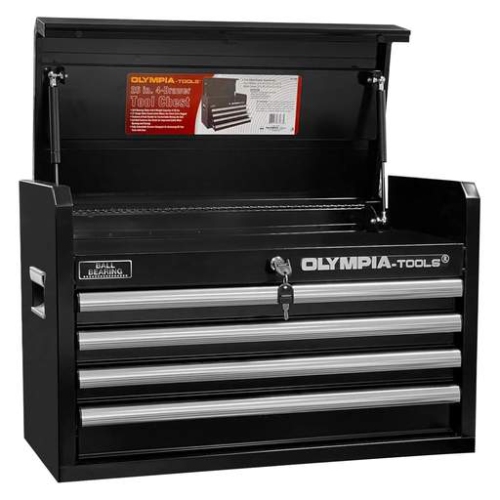
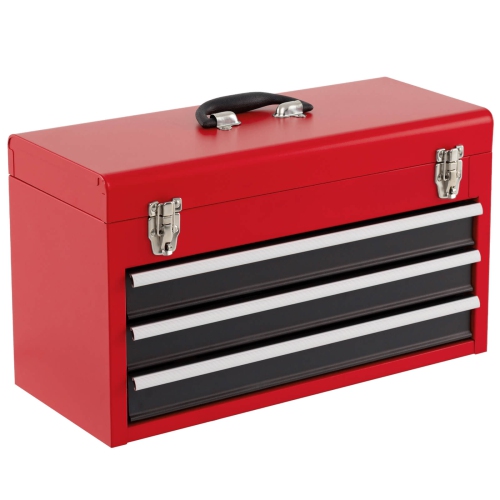
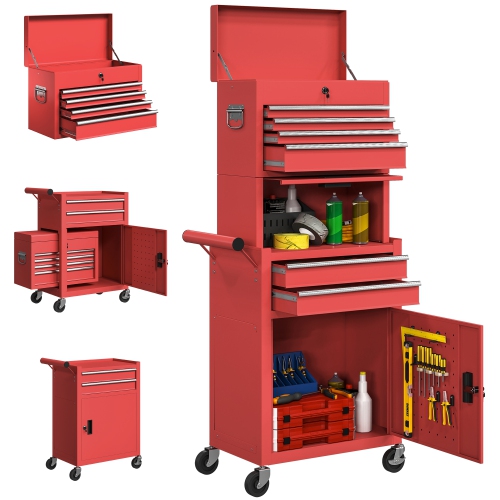
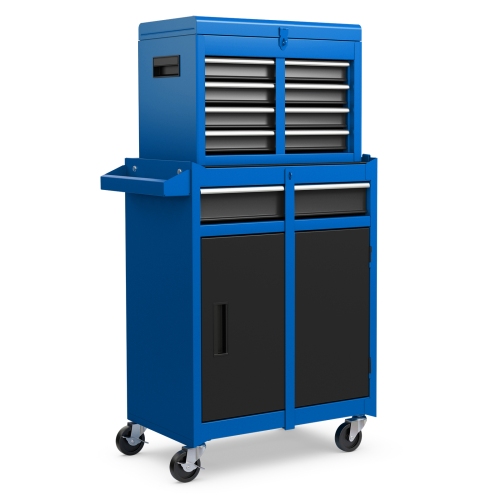
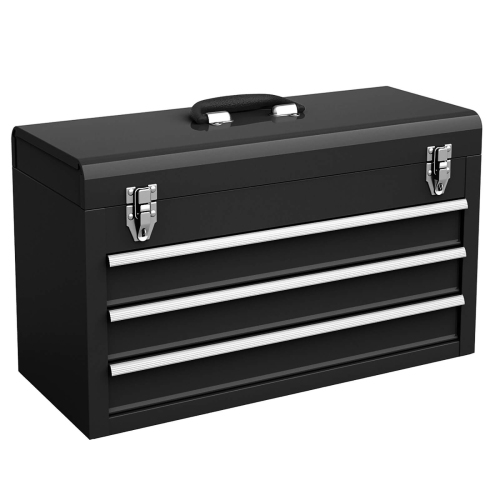
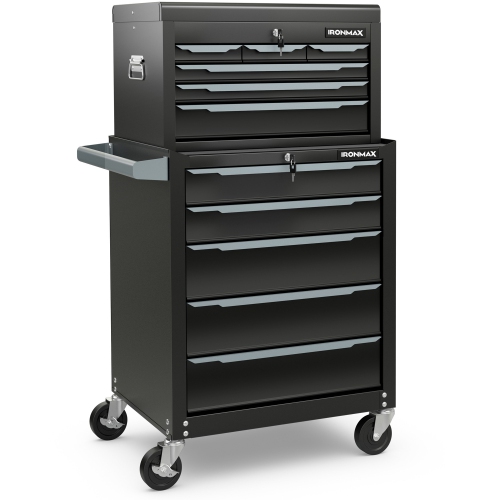
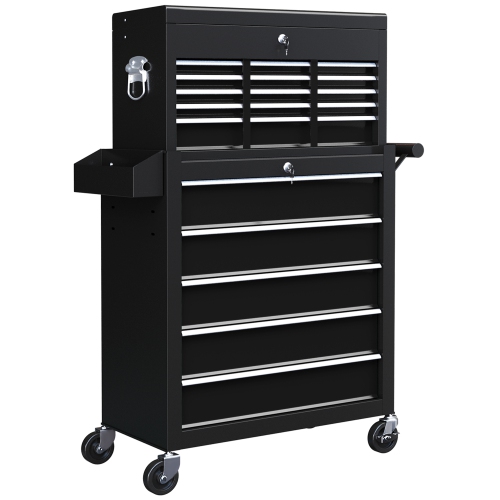
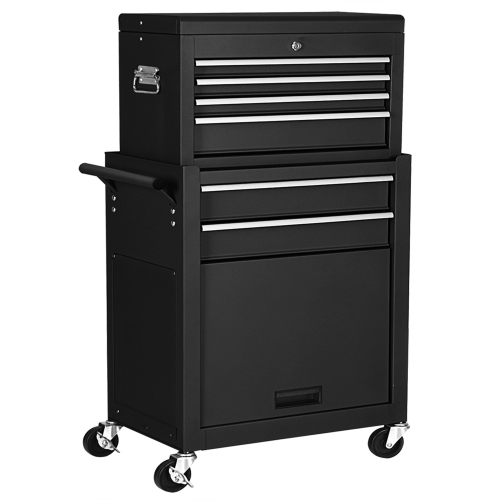
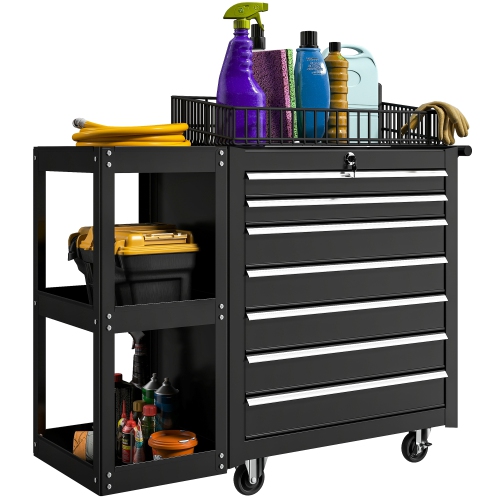
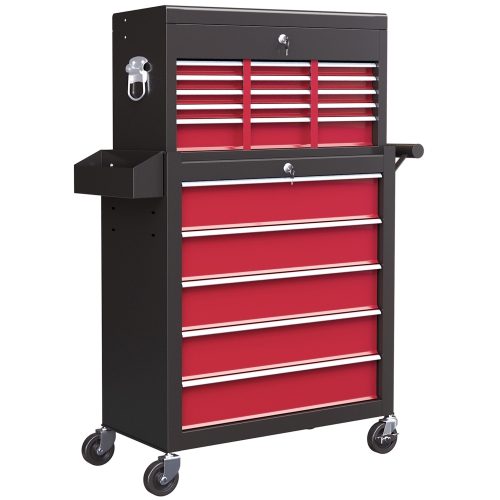
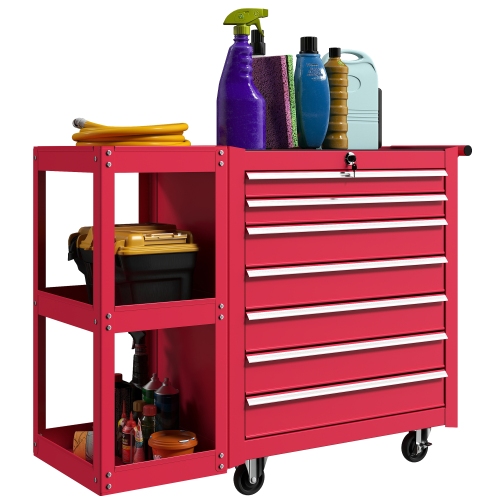
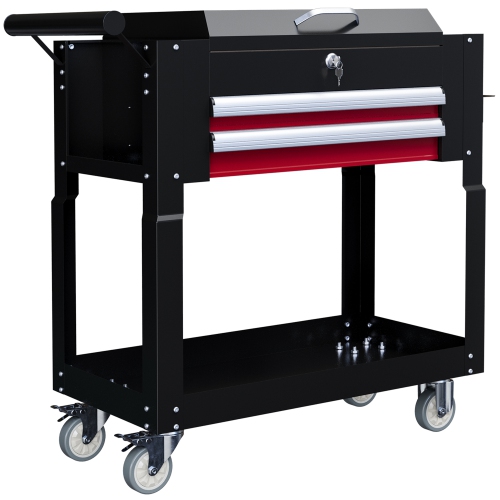
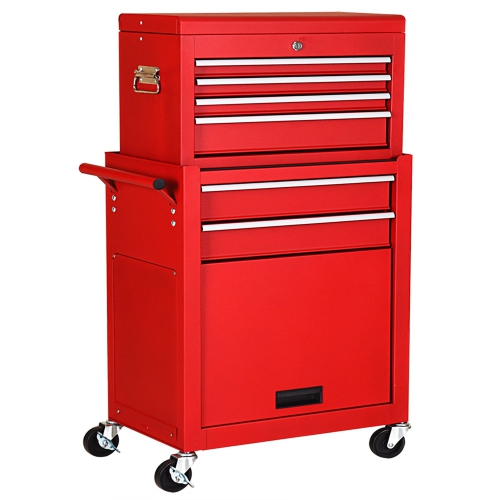
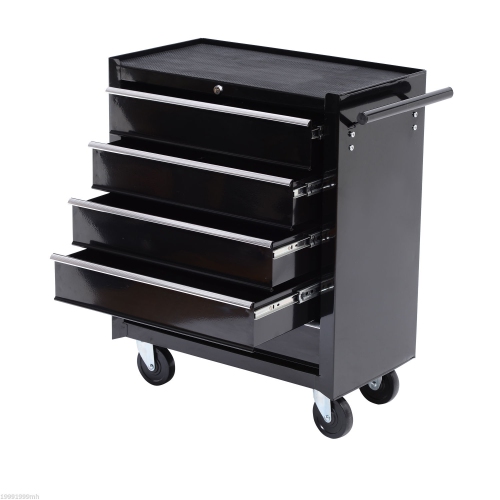
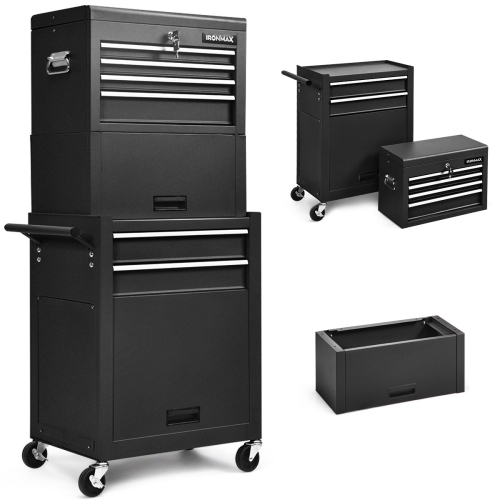
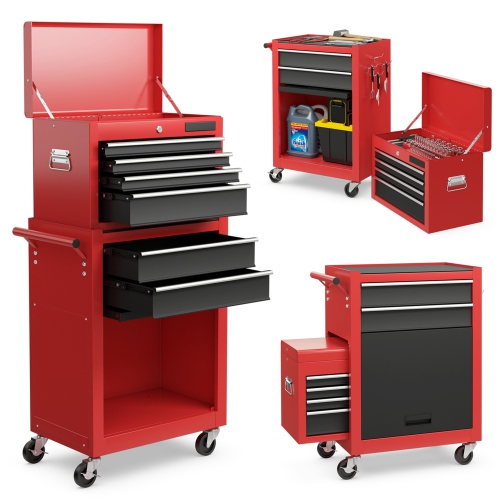
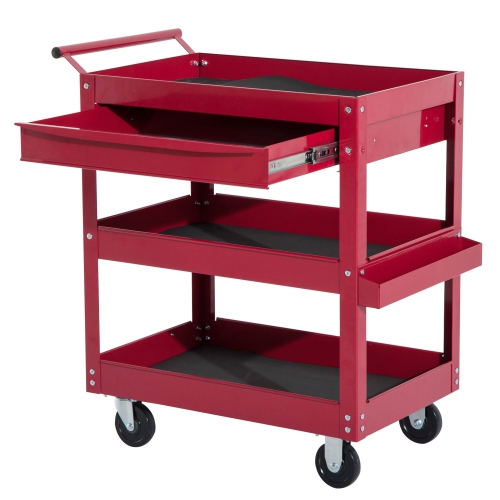
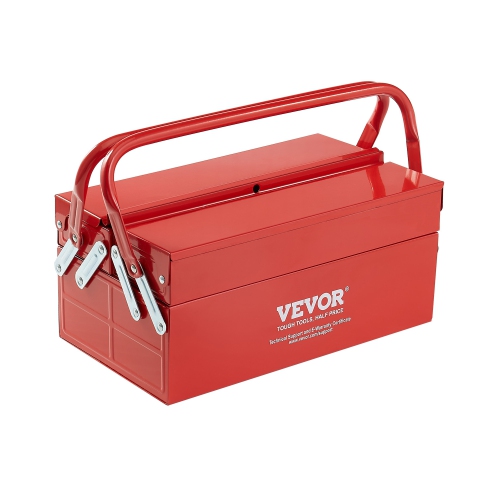
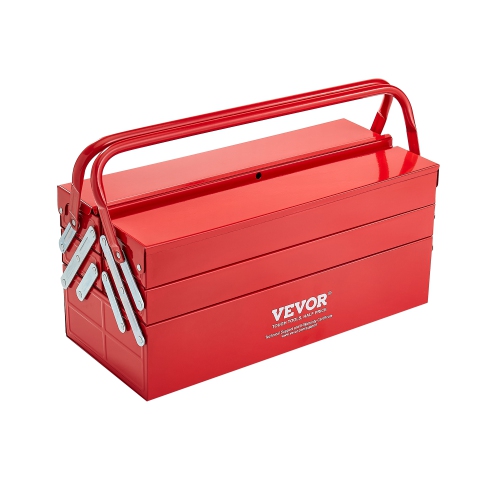
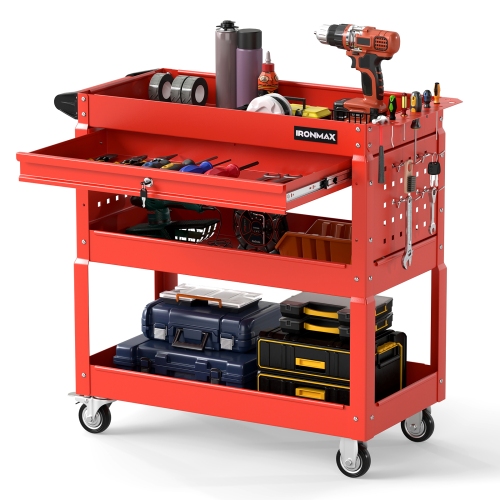
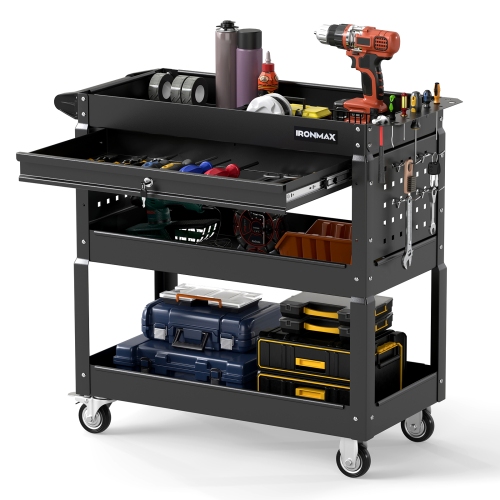
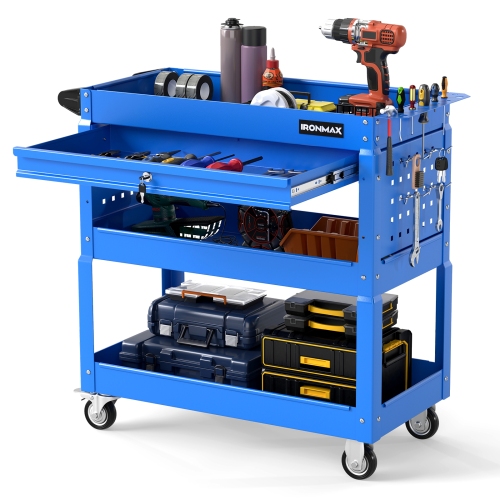
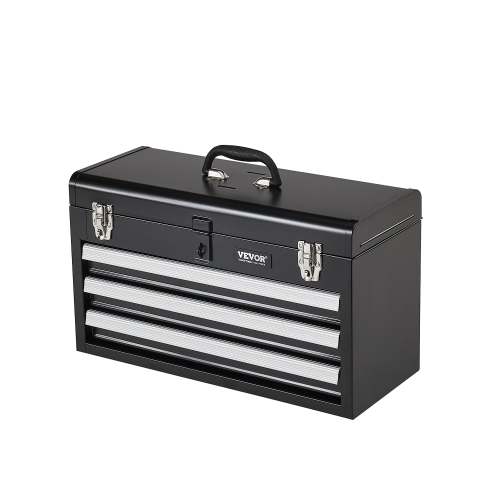
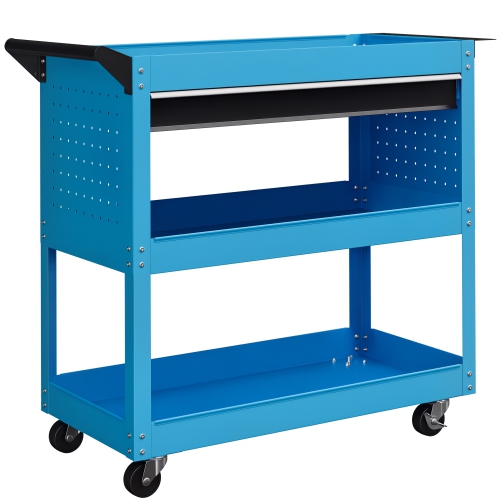
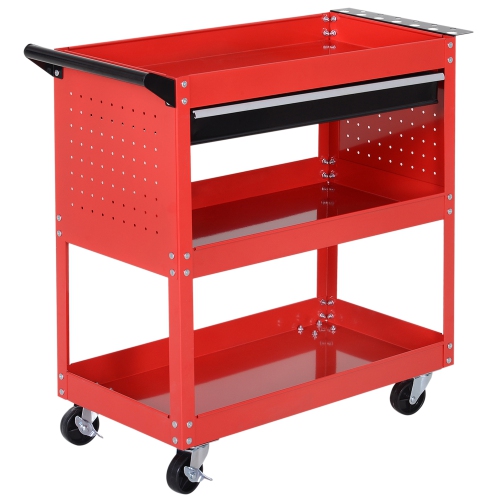
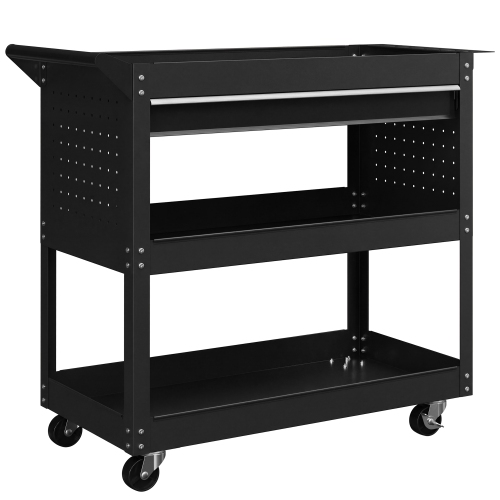
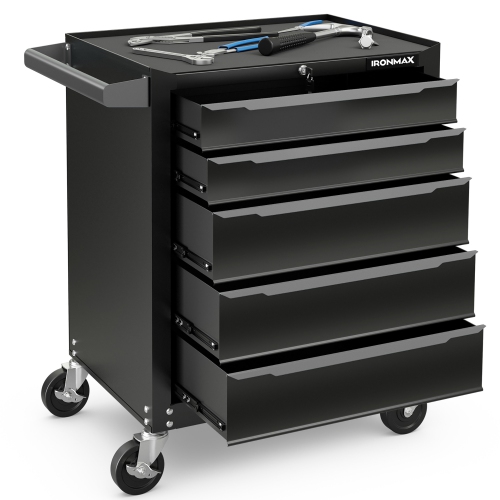
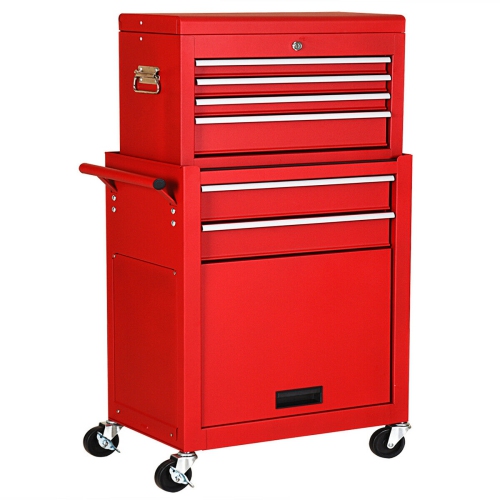
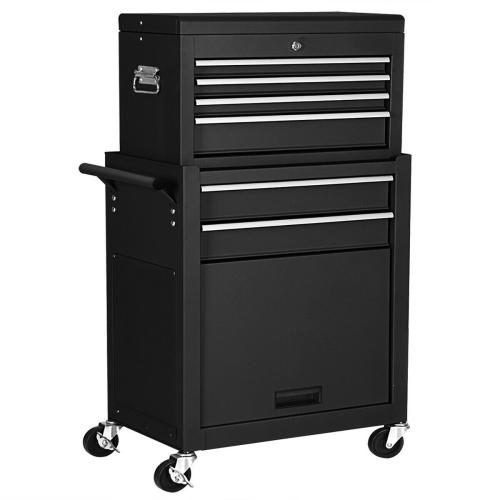
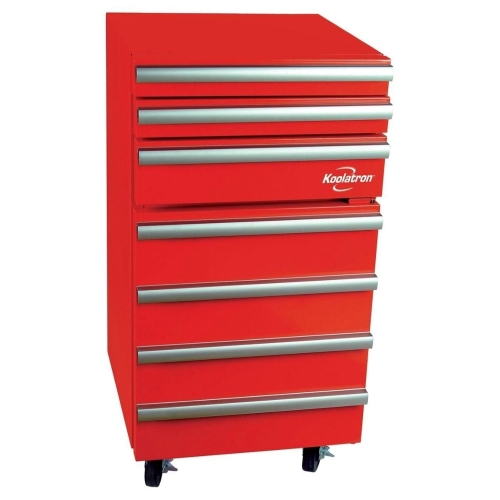
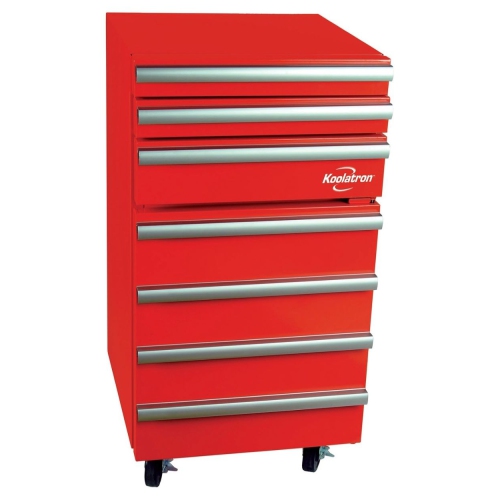
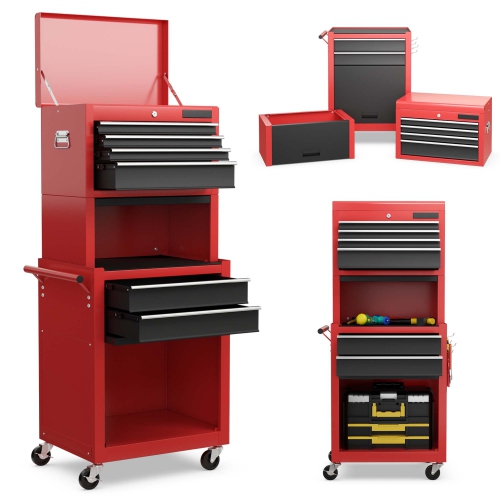
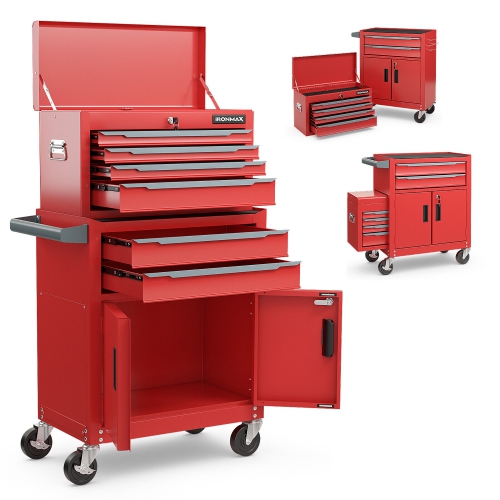
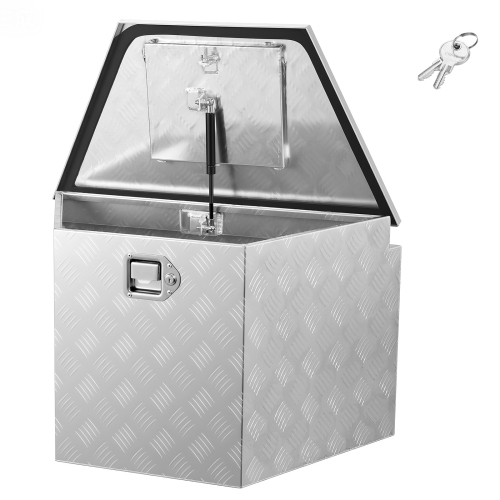
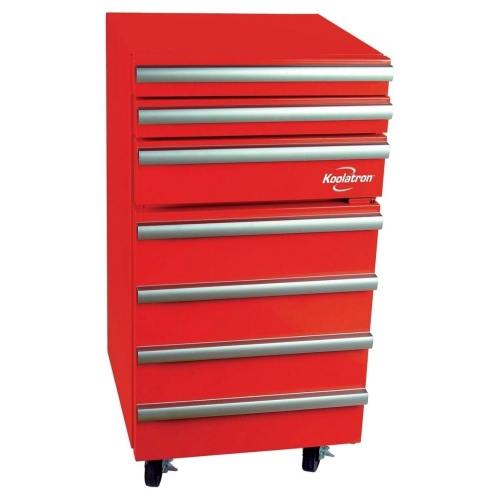
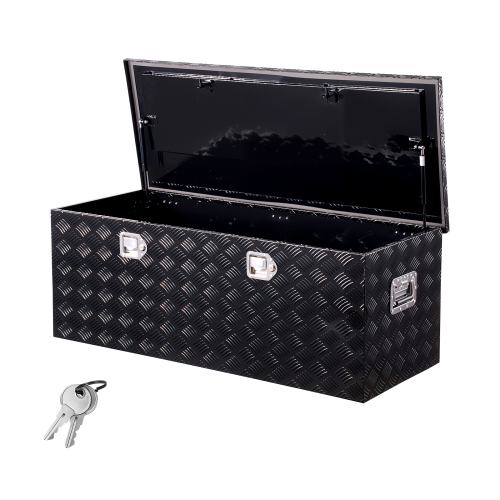
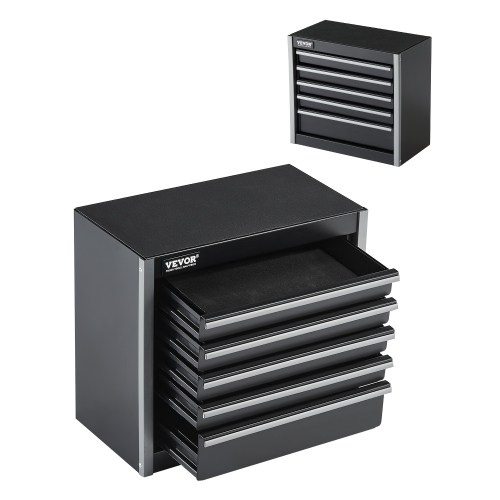
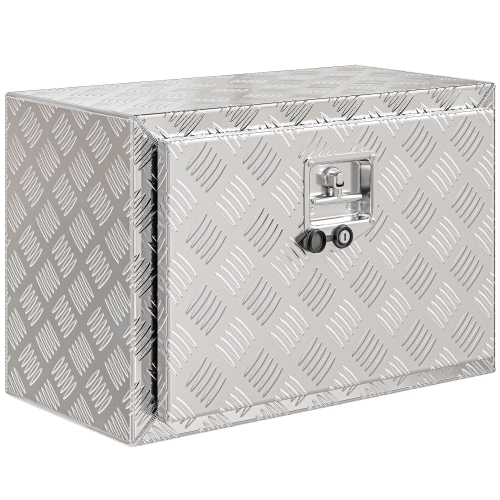
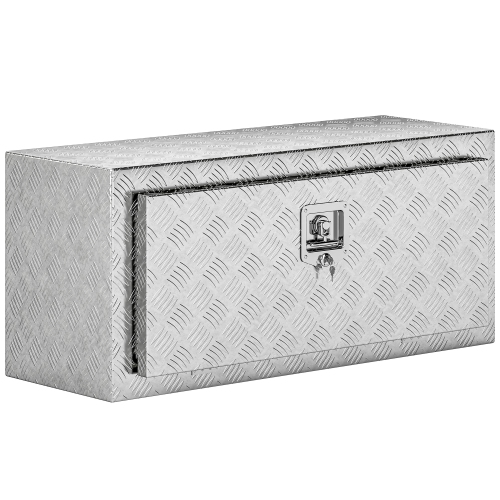
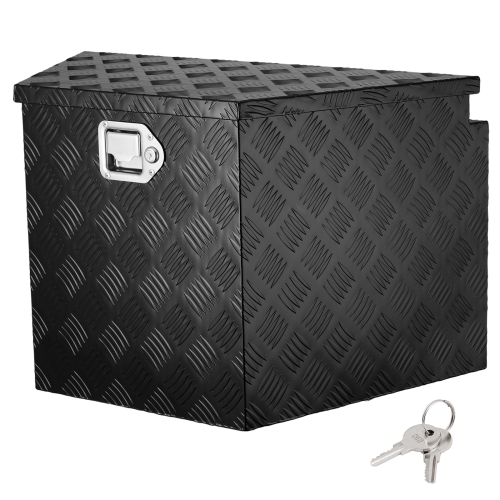
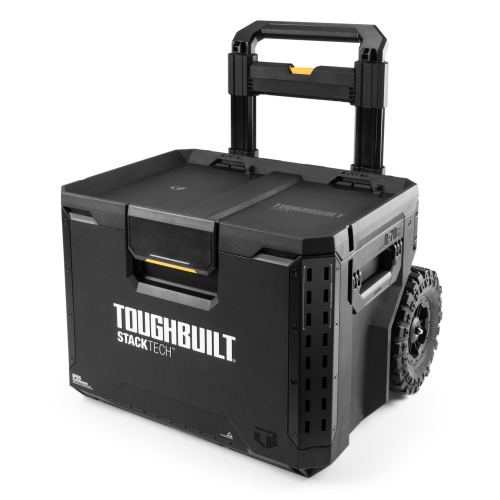
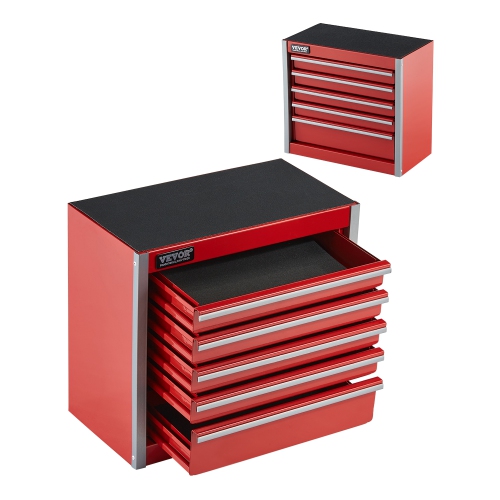
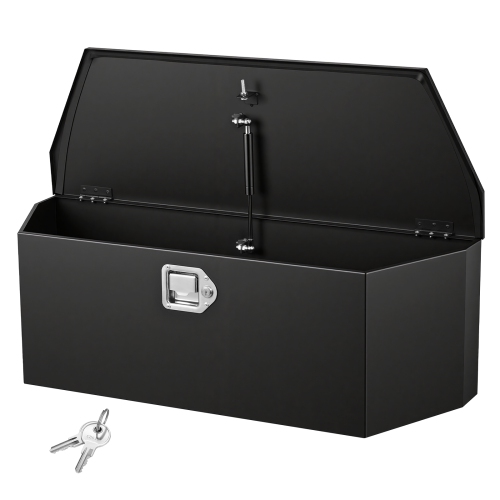
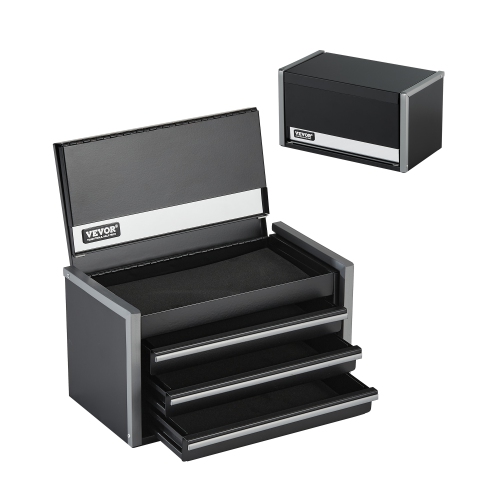

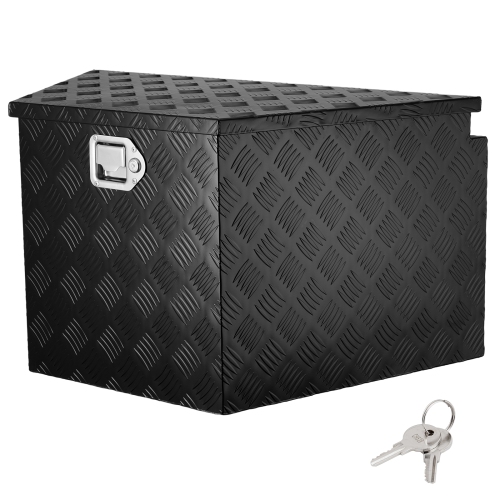
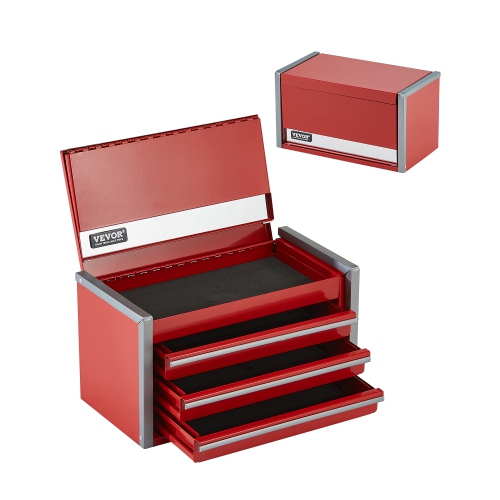


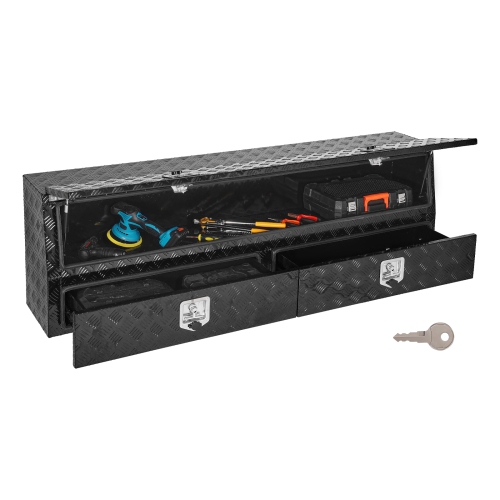
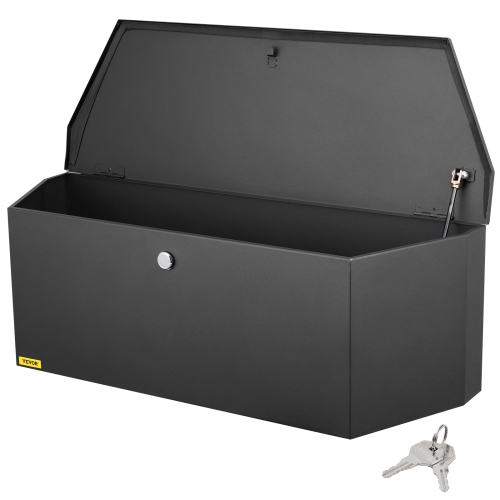
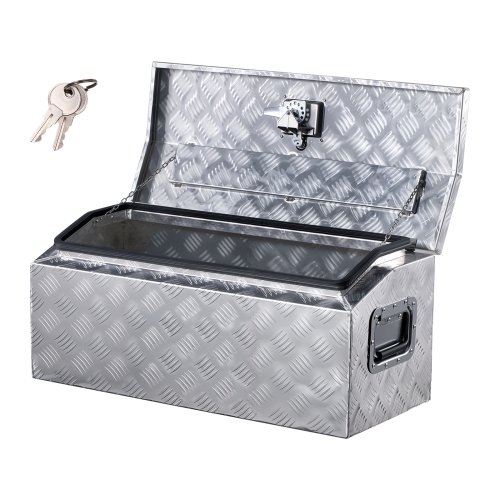
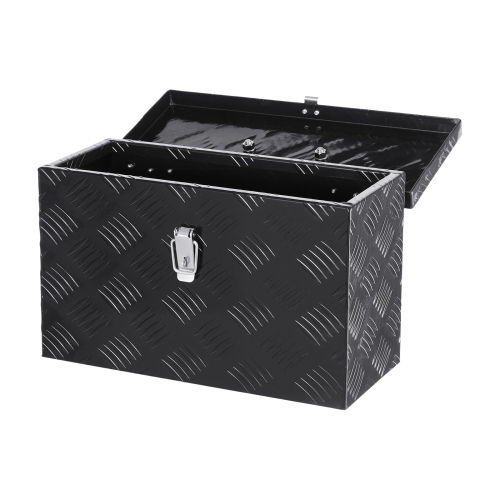
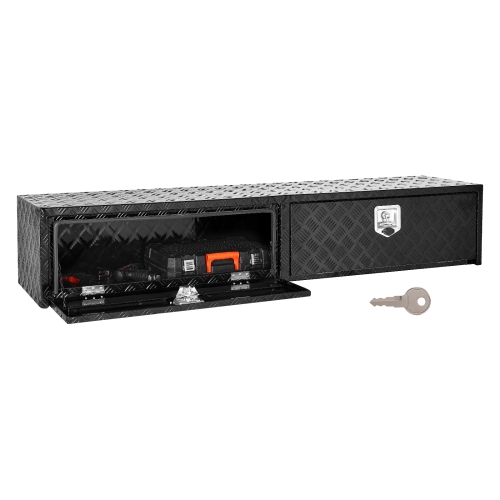
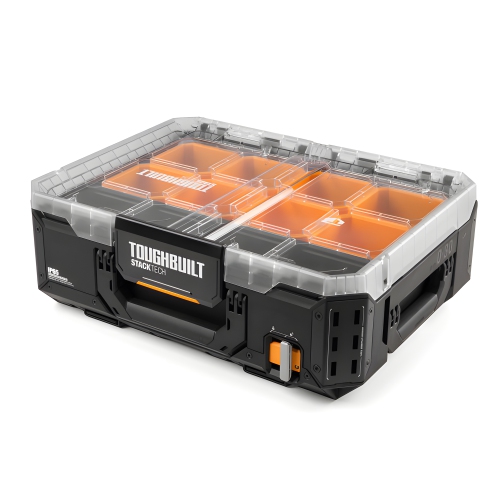
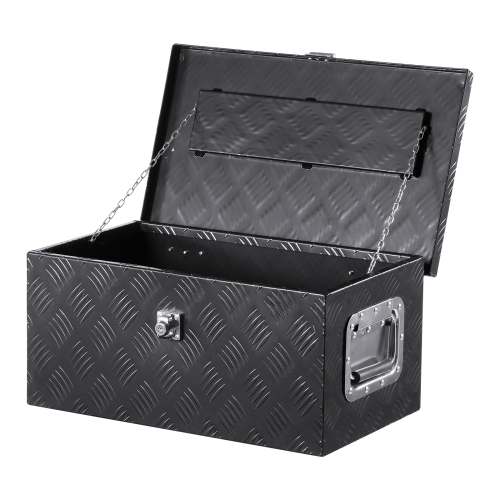
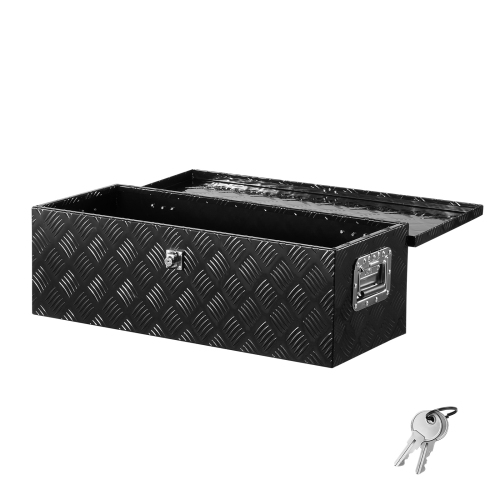
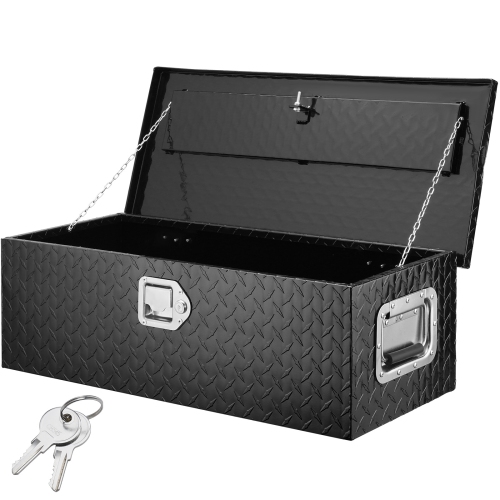

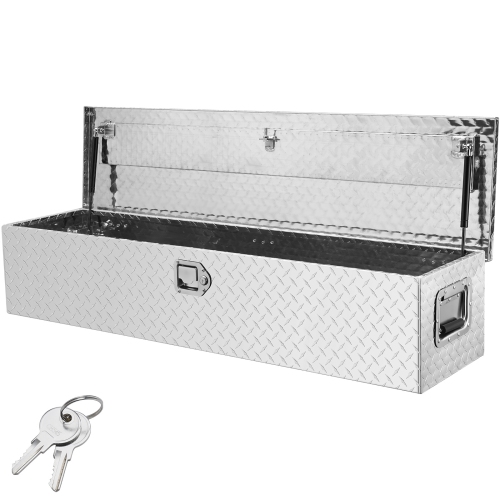


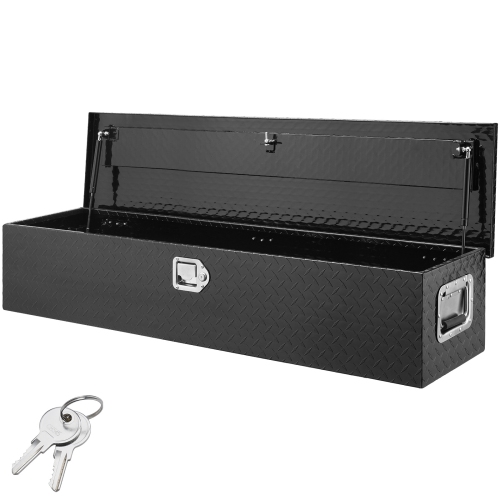




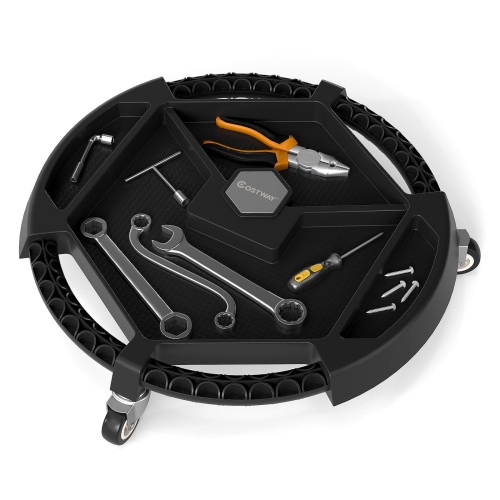
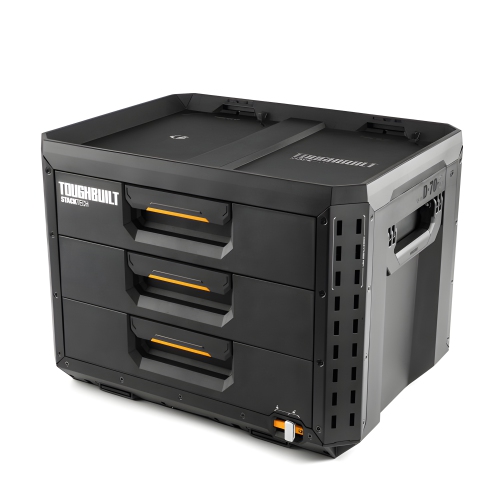
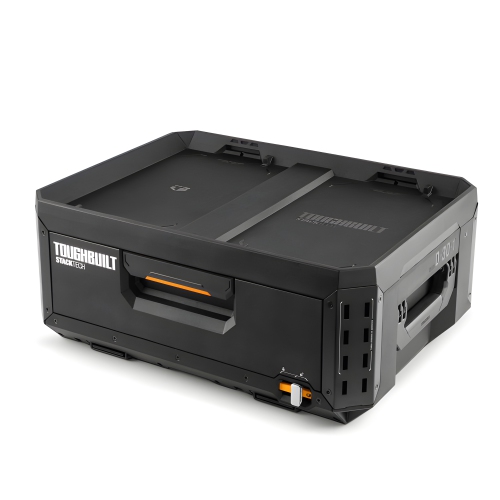

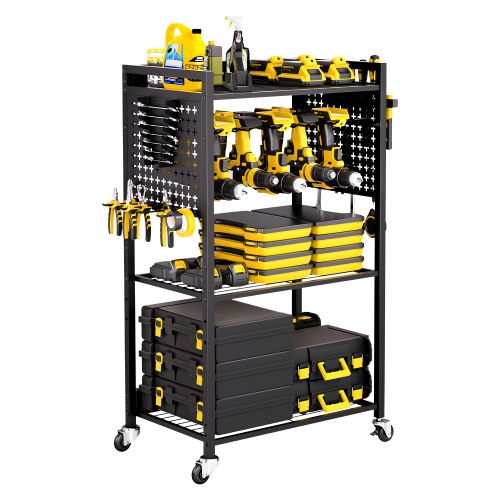


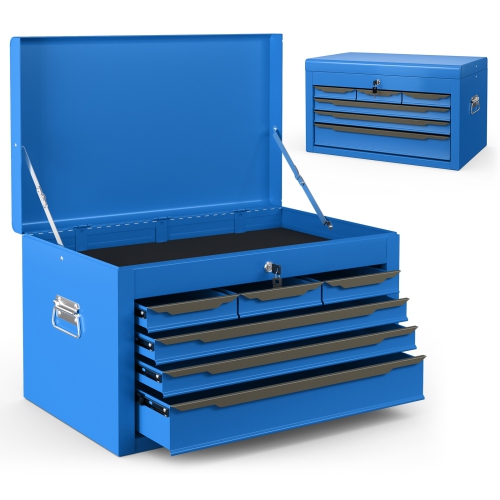
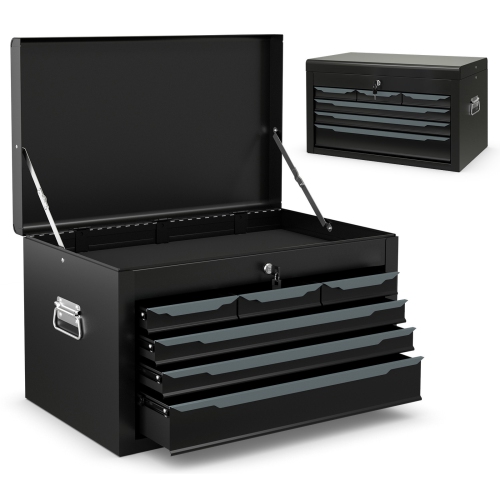
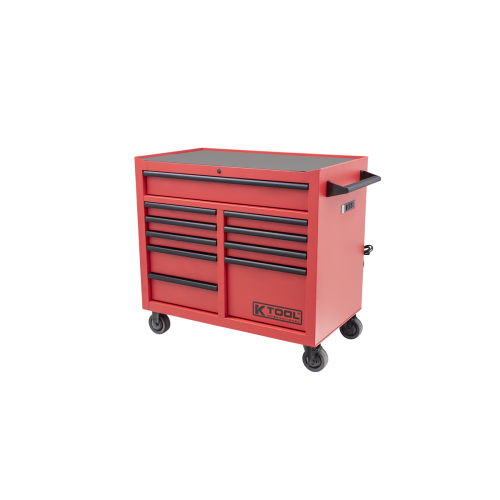
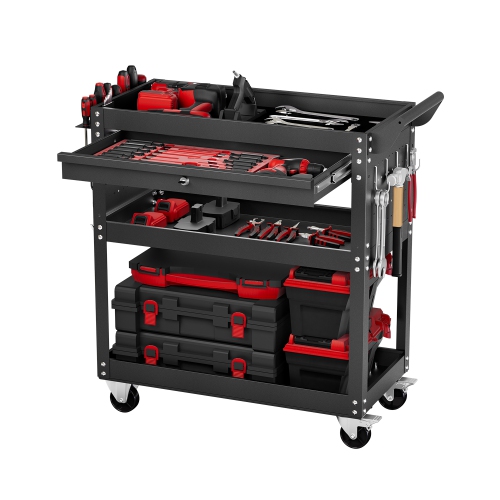

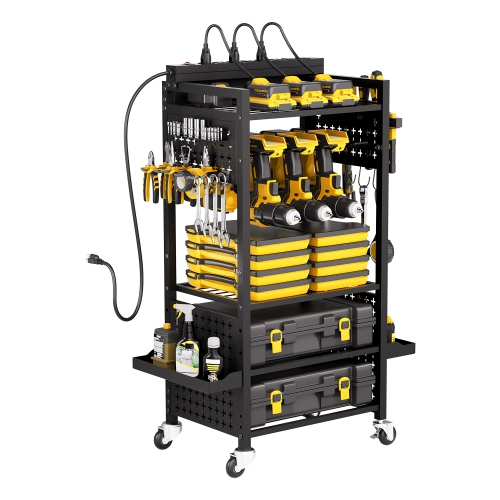
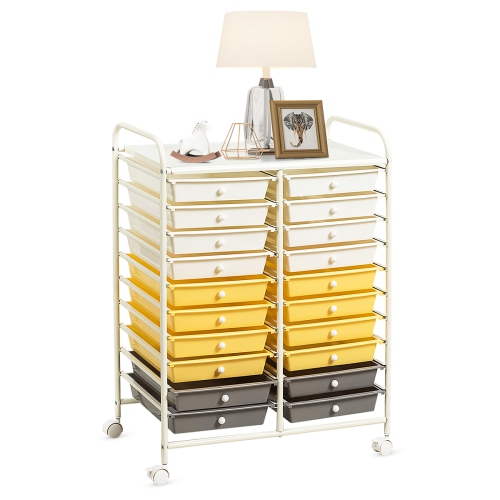
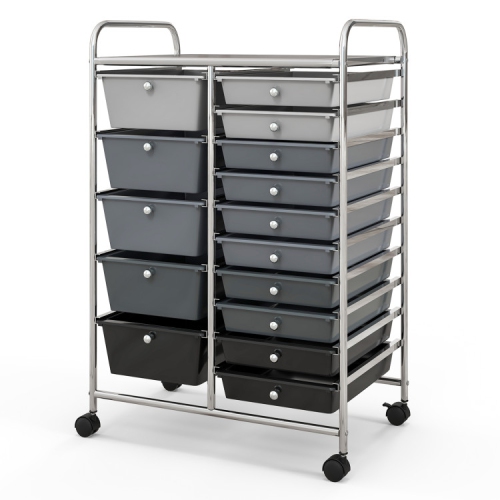
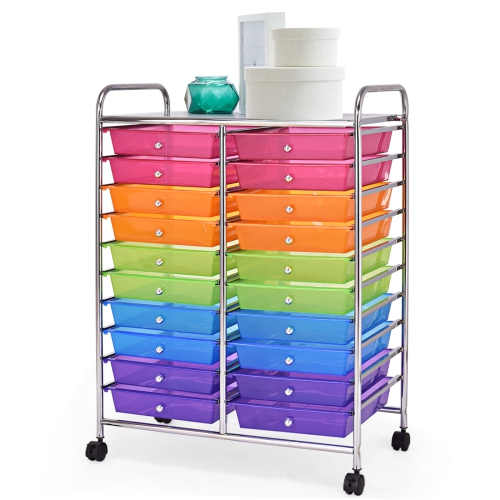
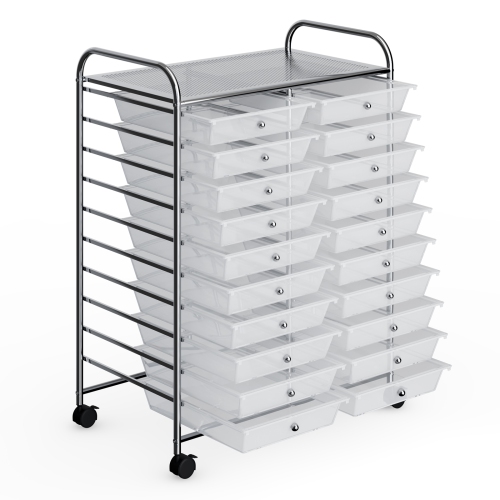
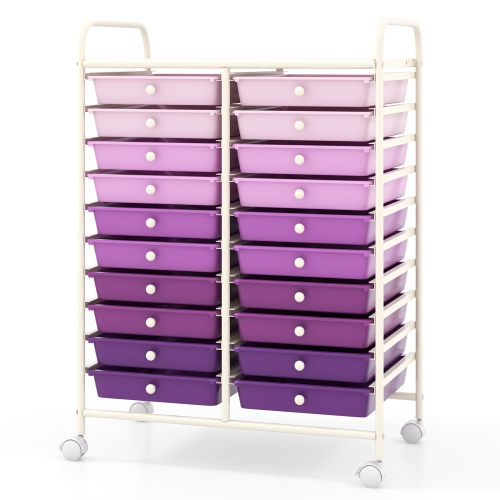
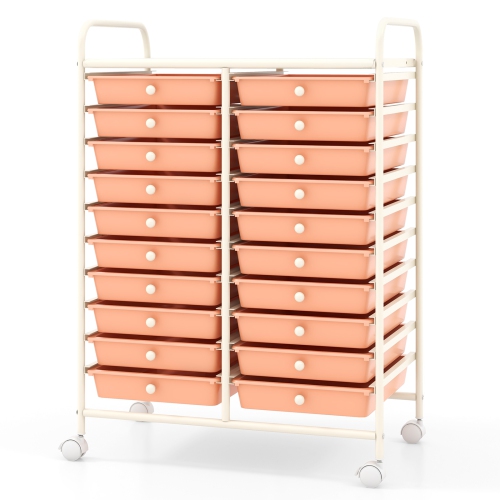
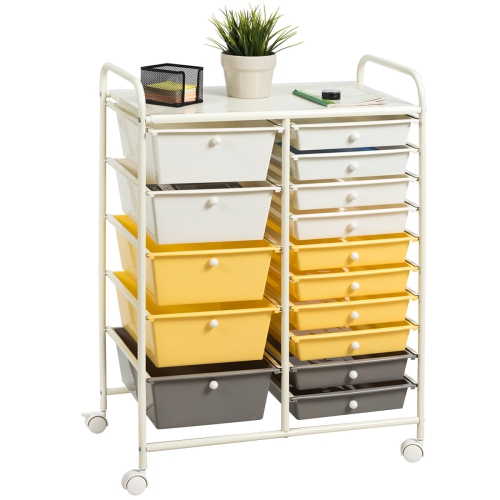
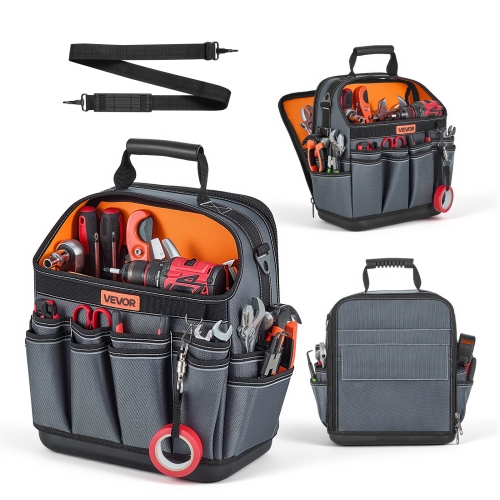
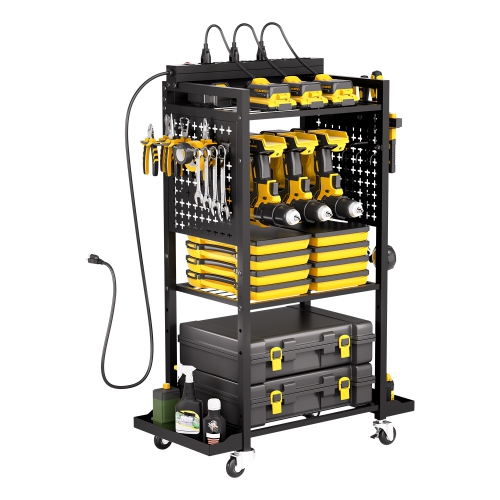
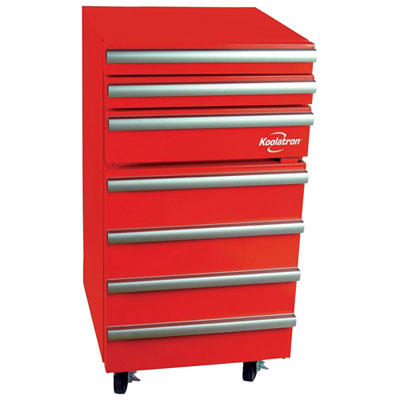
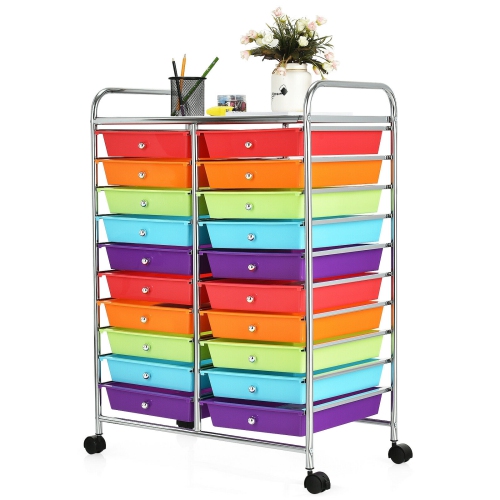
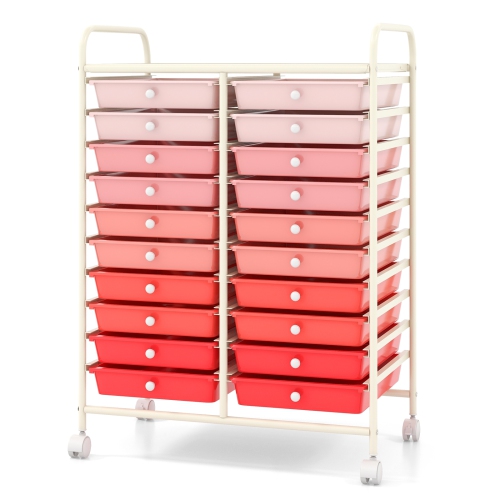

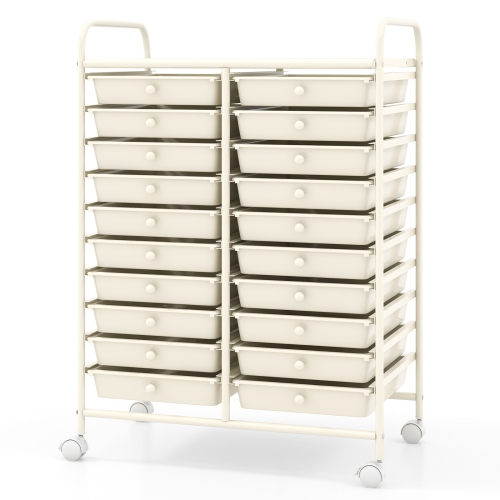
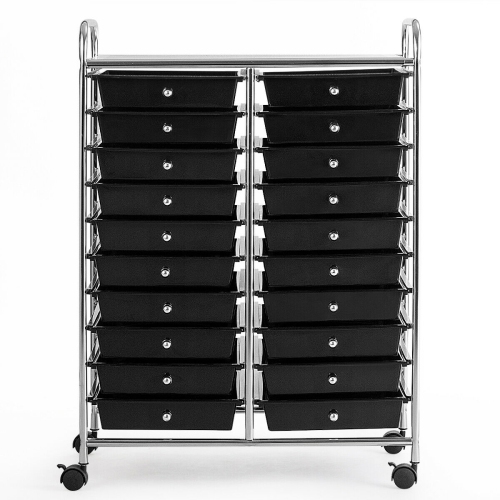
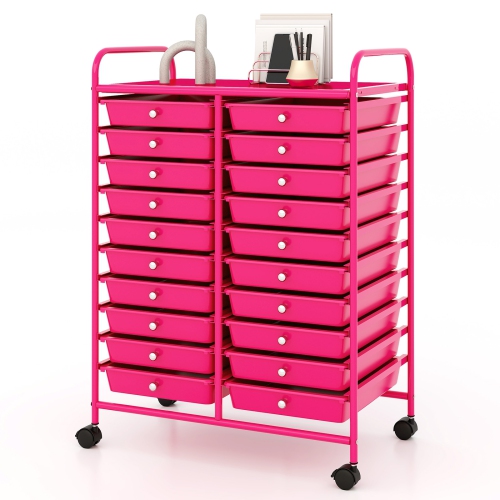
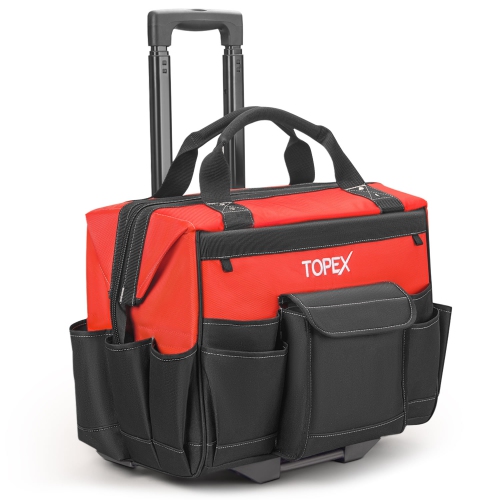
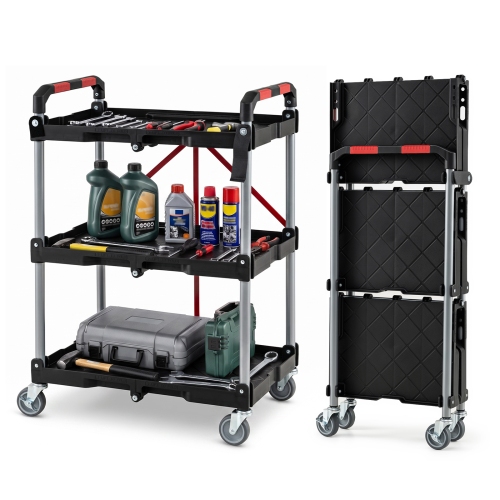
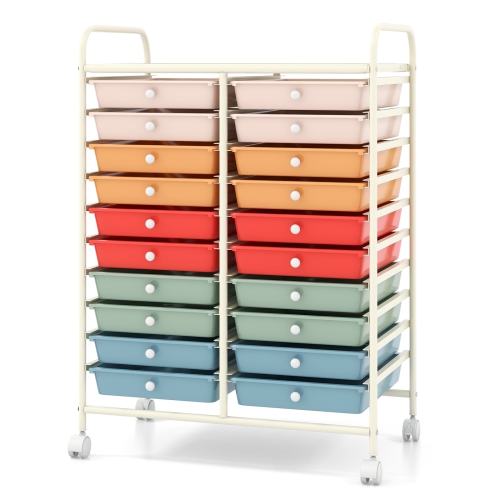
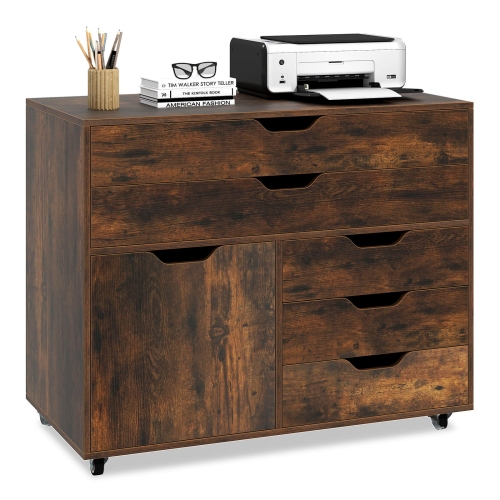
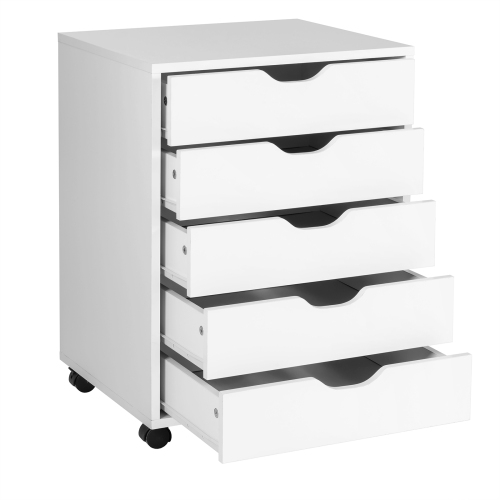
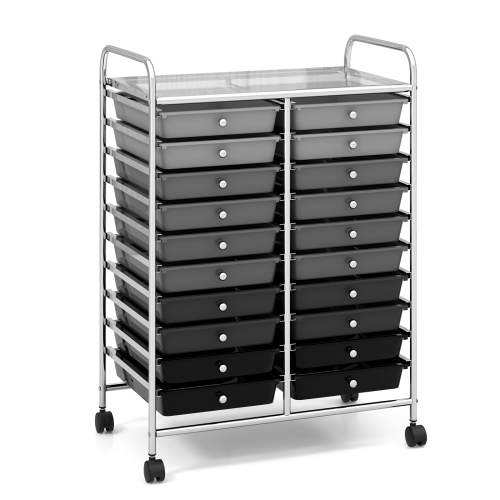
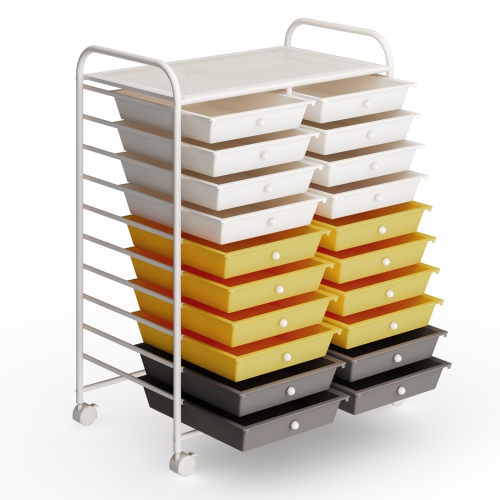

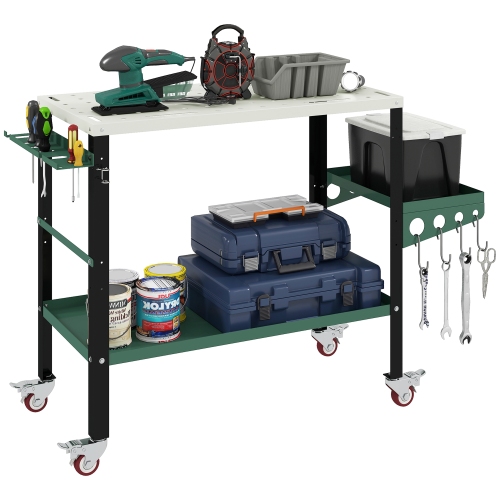
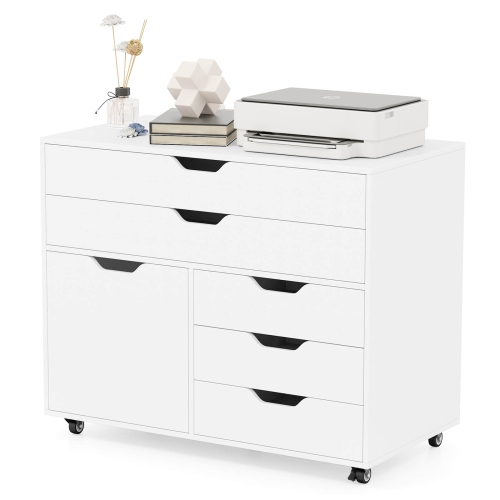
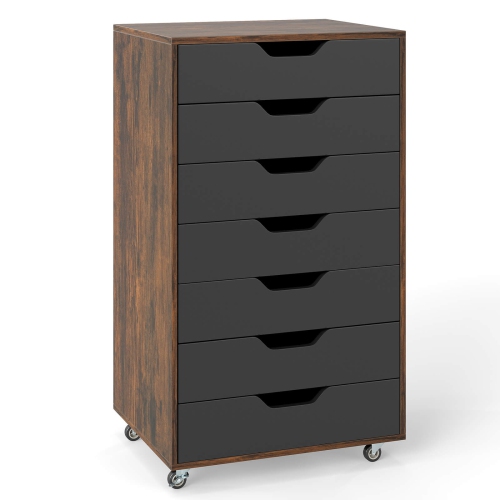
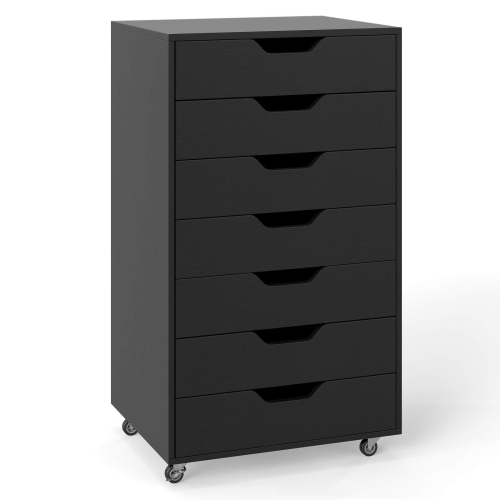
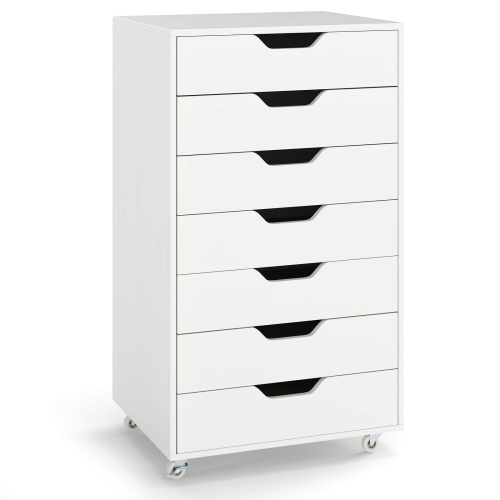
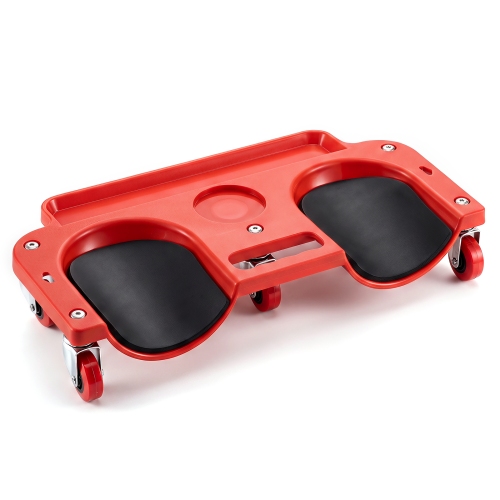
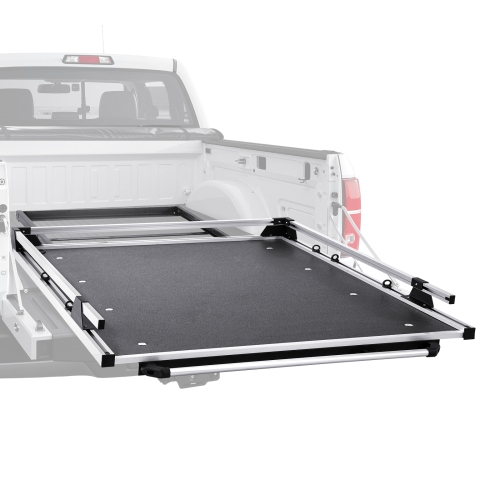
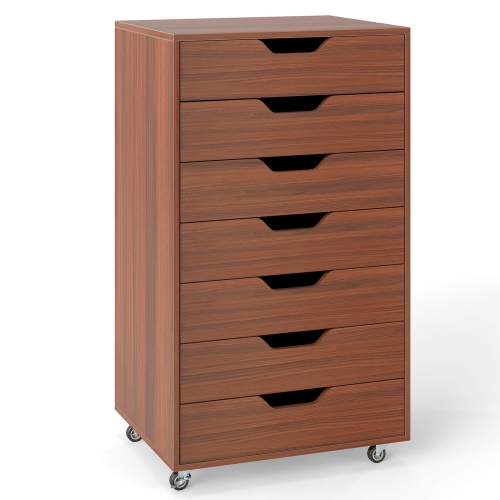
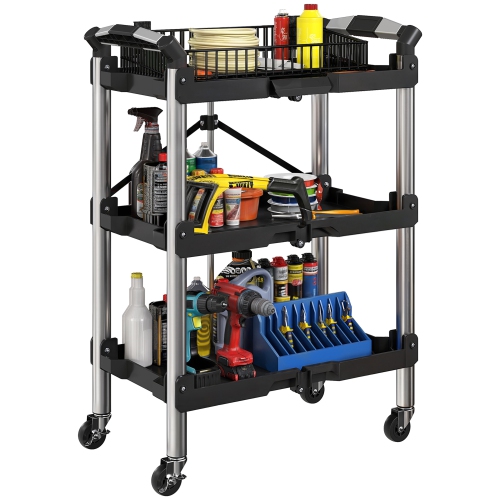
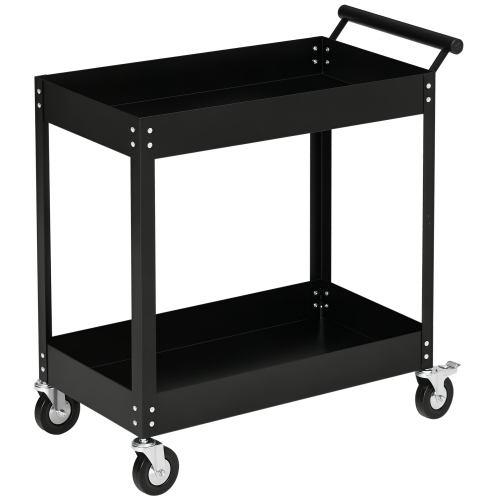
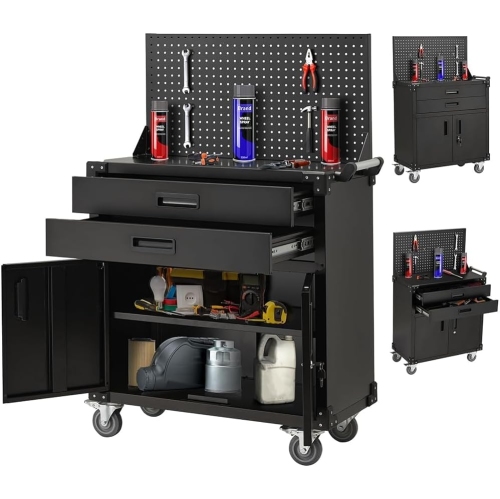


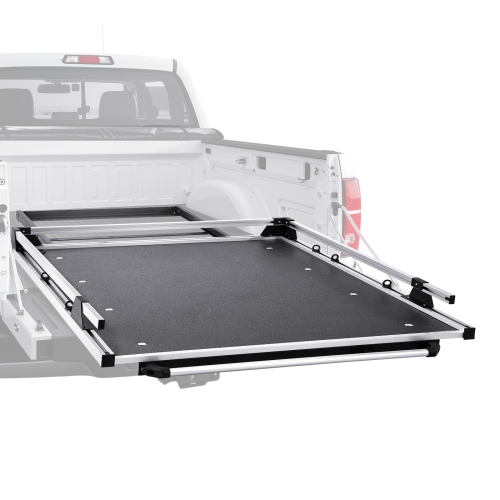
Tool storage that rolls to where work happens
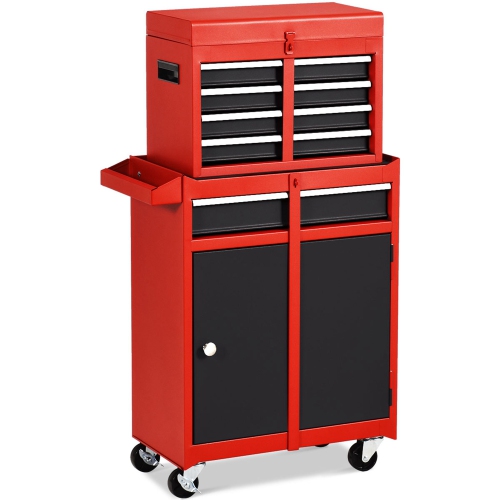
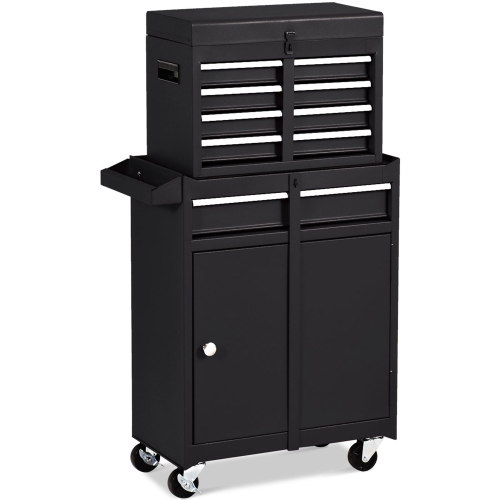
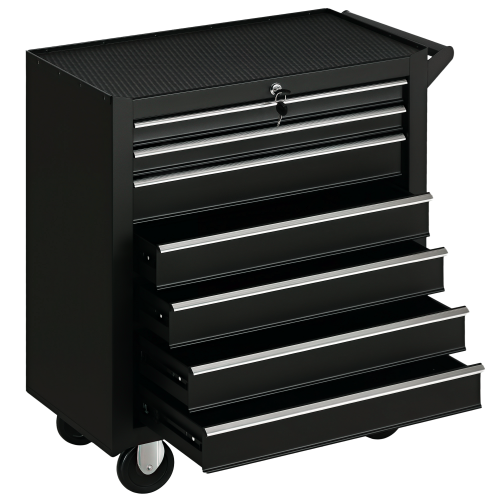
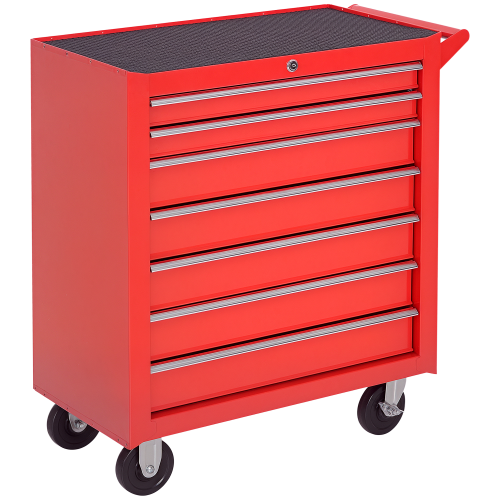
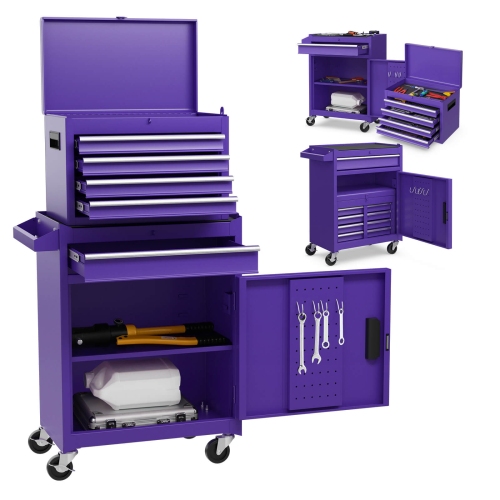
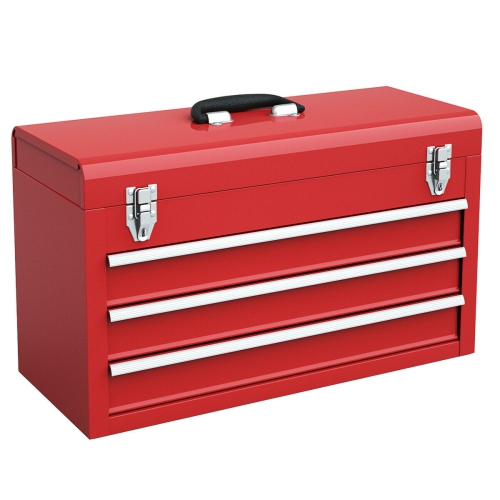
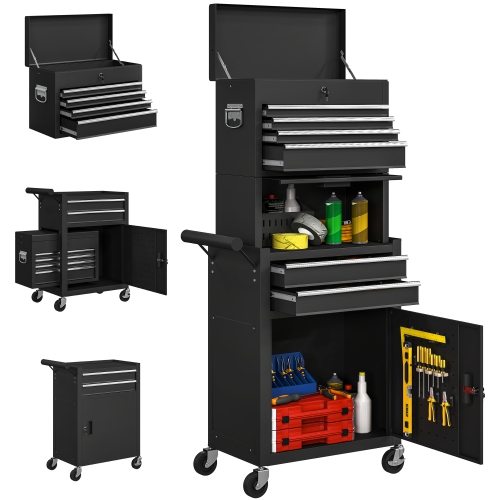
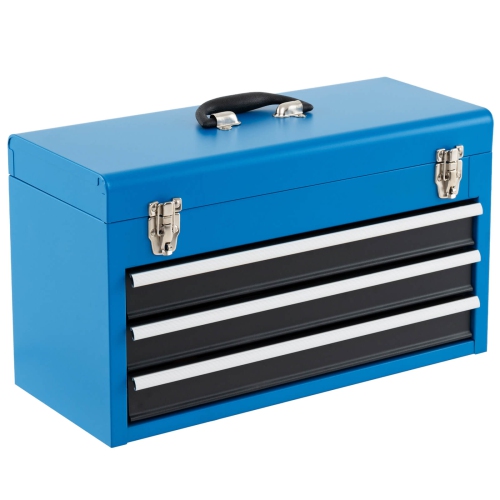
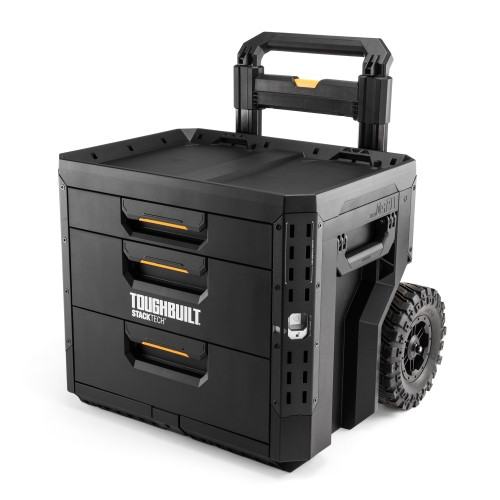
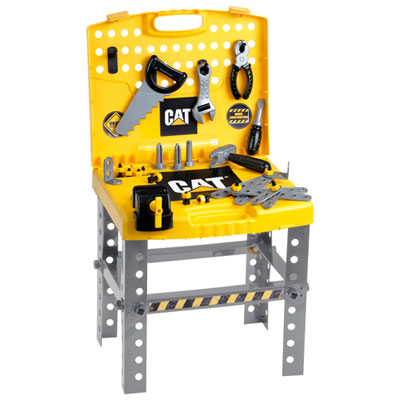
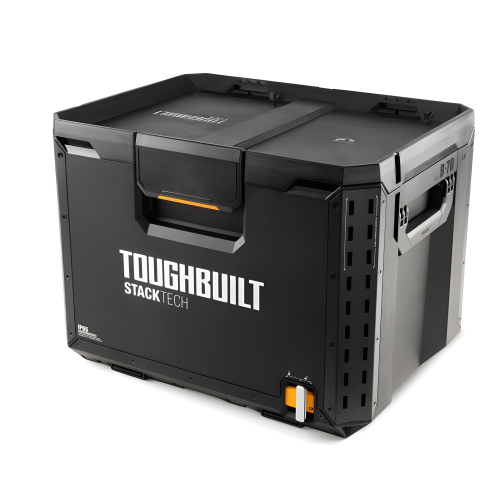
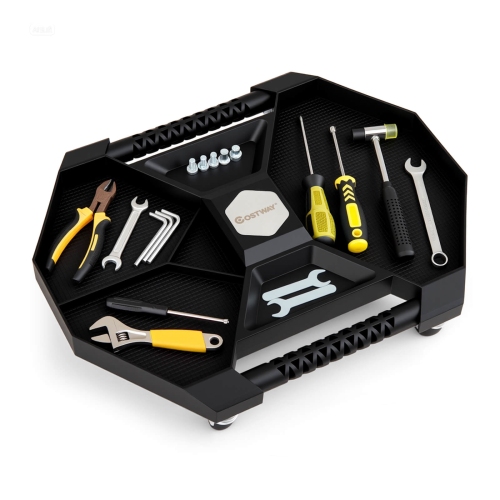
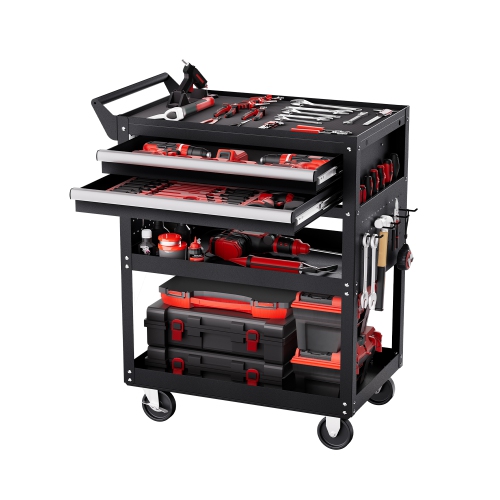
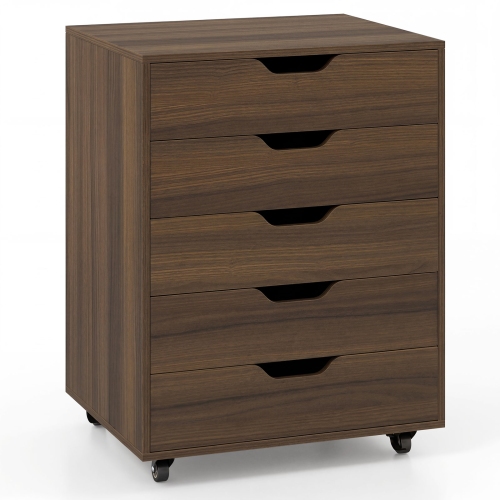
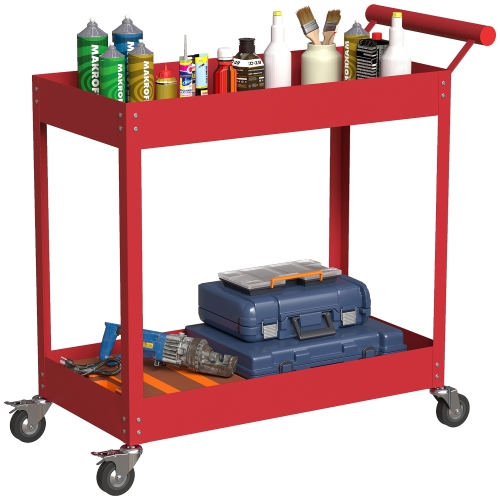
Mobile tool chests combine organized tool storage with a wheeled base, making it easier to bring equipment close to a repair, assembly task, or ongoing project. Instead of carrying several boxes between a bench and a vehicle, a rolling chest keeps frequently used tools together and provides a consistent place to return them. The category includes drawer-style rolling cabinets, mobile workbench cabinets with usable tops, and modular rolling boxes that hold removable storage sections. Each format suits a different way of working. A drawer cabinet offers clear separation for sockets, spanners, screwdrivers, and measuring tools, while deeper compartments accommodate bulkier equipment and protective cases. A mobile workbench can provide storage beneath a surface for laying out parts or completing suitable light tasks, provided its top and load rating support the intended use. Modular systems are useful when tools need to move between locations, particularly when individual sections can be lifted off the base and carried separately. Within the broader category of Tool Chests With Wheels, these differences matter more than appearance alone. A home garage may benefit from wide, shallow drawers that make hand tools easy to identify, whereas a maintenance area may need deeper storage for larger equipment. Furniture assembly, bicycle repairs, woodworking, and automotive projects all involve different combinations of tools, so the interior layout should match the collection it will hold. Mobile storage also helps define a work area in a shared space: the chest can sit beside the project while work is underway, then return to a designated parking spot afterwards. For someone building a tool collection gradually, a flexible mix of drawer depths and open storage can leave room for future additions without making everyday essentials difficult to reach. The most useful layout is one that makes familiar tasks feel straightforward, with small parts contained, heavier equipment accessible, and commonly used tools visible as soon as a drawer or lid opens.
Construction influences how a mobile tool chest handles weight, movement, and repeated use. Steel cabinets are common in workshops because their rigid bodies can support substantial tool collections, although overall performance depends on the frame, drawer construction, joints, and stated load capacities rather than the material name alone. Powder-coated finishes help protect metal surfaces from everyday wear, while stainless steel surfaces have their own cleaning requirements and can still show scratches or fingerprints. Rigid moulded plastic is often used for portable rolling boxes, where reduced empty weight can make lifting and transport more manageable. Reinforced corners, sturdy handles, and well-fitted latches are worth considering for storage that will be moved frequently. A seal around a lid may help limit dust or moisture entering a box, but any protection should be confirmed in the product specifications rather than assumed from its appearance. Fit is equally important. Overall width, depth, and height determine whether a chest can sit beneath shelving, pass through a doorway, or park beside a workbench without narrowing a walkway. Drawers need clearance in front to open comfortably, and a side handle may add to the space required even when the cabinet itself fits. Drawer dimensions also affect how efficiently the interior can be used: shallow drawers suit neatly arranged hand tools, while deeper drawers can hold taller cases but may need dividers to prevent smaller pieces from disappearing underneath them. Smooth slides, secure drawer retention, and liners that help reduce shifting contribute to a more orderly setup. Full-extension drawers can improve access to tools stored at the back, especially in deeper cabinets. Both the total chest capacity and individual drawer ratings matter, since a cabinet’s overall rating does not mean every drawer can carry the same weight. Placing heavier tools lower in the chest helps keep the centre of gravity down, while lighter, frequently reached items can occupy upper drawers. Removable trays and adjustable compartments offer useful flexibility when the same storage must accommodate several kinds of projects.
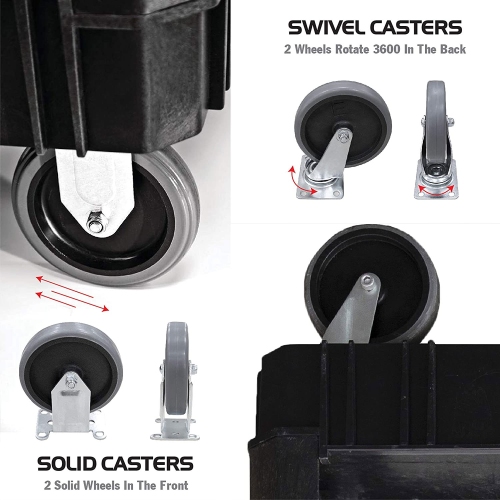
Mobility depends on more than simply having wheels. Caster size, wheel material, swivel action, and the placement of the push handle all affect how a loaded chest moves across a floor. Small casters may roll adequately on a smooth workshop surface but struggle at joints, thresholds, or uneven sections. Larger wheels can make some obstacles easier to cross, although no rolling cabinet should be assumed suitable for stairs or rough access routes. A combination of fixed and swivel casters can provide predictable steering, while wheel brakes help hold the chest in place once it reaches the work area. The braking arrangement should suit the intended use, particularly if the cabinet has a work surface. A chest should be parked on a stable, level surface, with brakes engaged before drawers are opened or work begins. Moving it with drawers and lids closed reduces the chance of tools shifting or compartments opening unexpectedly; manufacturer instructions remain important for loading, transport, and any restrictions on opening multiple drawers. Locks can help control access to tools in shared garages or workshops, though a locking drawer is not a substitute for secure premises. Everyday care is usually straightforward: remove loose debris, wipe up spills promptly, keep drawer tracks clear, and inspect handles, fasteners, and casters for wear. Liners can be lifted out for cleaning, and metal surfaces should be dried after wiping. Any lubrication or cleaning treatment should follow the manufacturer’s directions to avoid damaging slides, finishes, or seals. For tradespeople, repair enthusiasts, and hobbyists, the benefit is a dependable storage routine rather than simply more capacity. A well-matched chest keeps the socket set from getting buried beneath power-tool cases and gives loose fixings somewhere other than the edge of a bench. It can also make a thoughtful gift for someone setting up a workshop, provided the recipient’s available space, tool collection, and preferred working height are understood. Whether the priority is compact storage beside a household workbench or a larger rolling cabinet for regular repairs, practical dimensions, manageable loaded weight, and a useful compartment layout help make mobile tool storage part of an efficient workspace.
Top selling and popular products
-
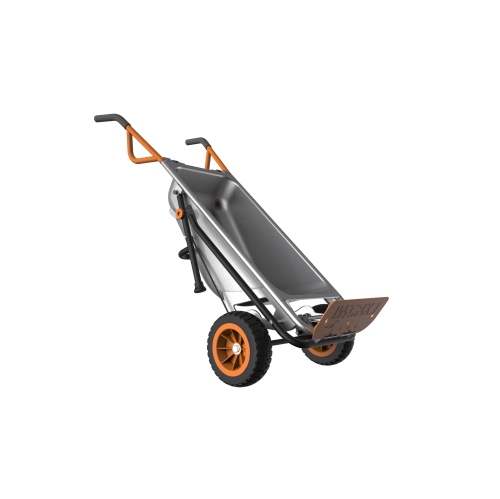 Your price for this item is $329.99
-
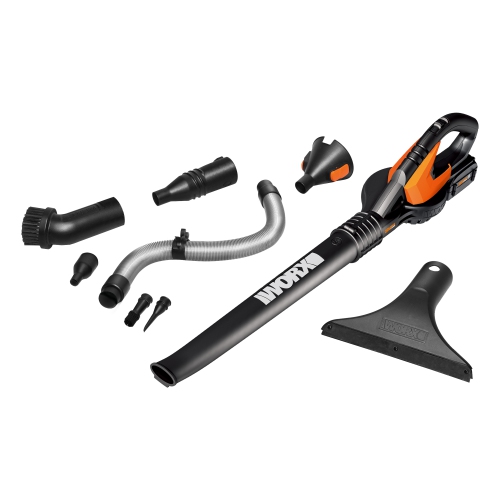 Your price for this item is $150
-
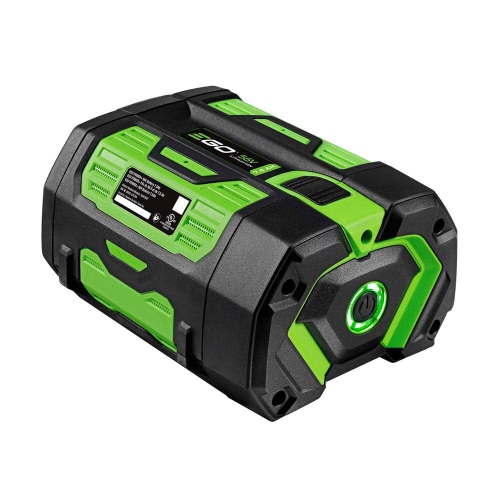 Your price for this item is $449.99
-
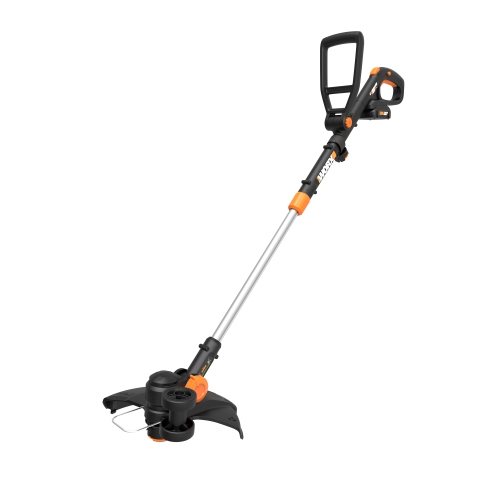 Your price for this item is $199.99
-
 Your price for this item is $359.99
-
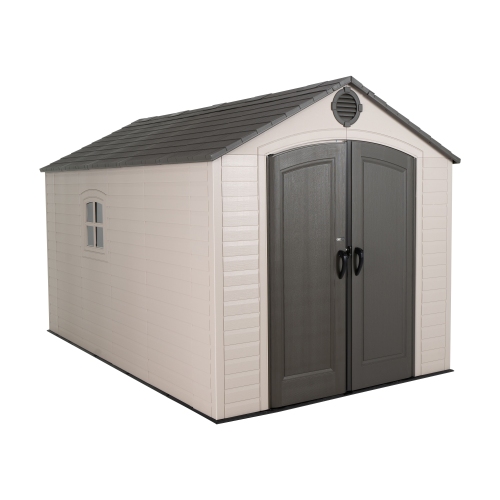 Your price for this item is $3028.99
-
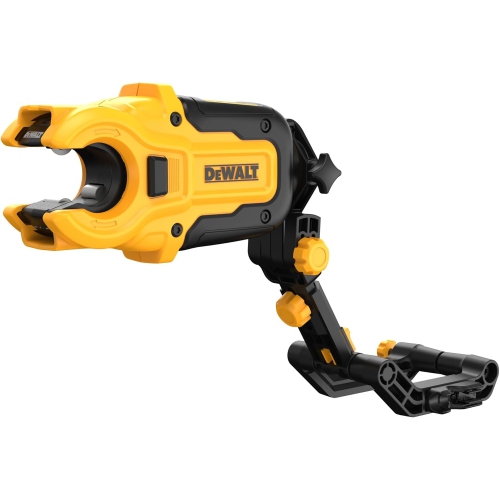 Your price for this item is $94.99
-
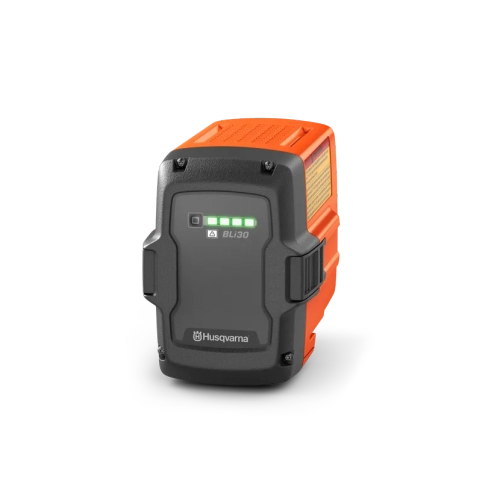 Your price for this item is $299.99
Discover more categories related to Mobile Tool Chests
Top Collections:
Pokemon Centers, Best Cameras for Sports Photography, Kindle Devices, Samsung Galaxy Phones, Canon G7X Cameras, Pokémon 30th Celebration Cards, Refurbished Apple Laptops, iPhone 15 Apple, Laptops for Students, Budget Smartphones
Some products may be subject to Environmental Handling Fees
(EHF) depending on your province.
Learn more about EHFs.