Mobile Vertical File Cabinets
Mobile Vertical File Cabinets offer a practical solution for organizing documents and maximizing office space. Designed to fit seamlessly into a variety of work environments, these cabinets provide a convenient way to keep important files easily accessible and neatly arranged. With the added benefit of mobility, Mobile Vertical File Cabinets can be moved wherever they are needed, making them an excellent choice for both home offices and professional settings. Explore a range of options to find the perfect storage solution for your workspace needs.
Sort
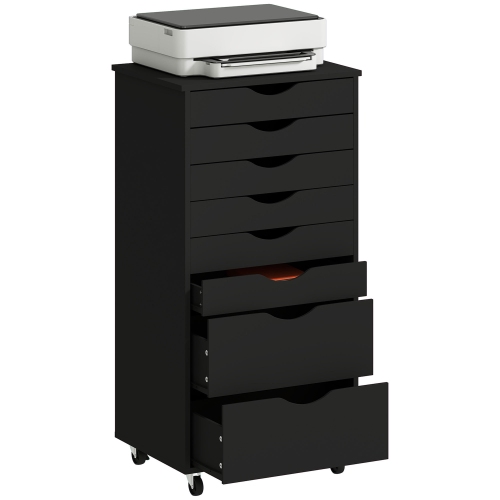
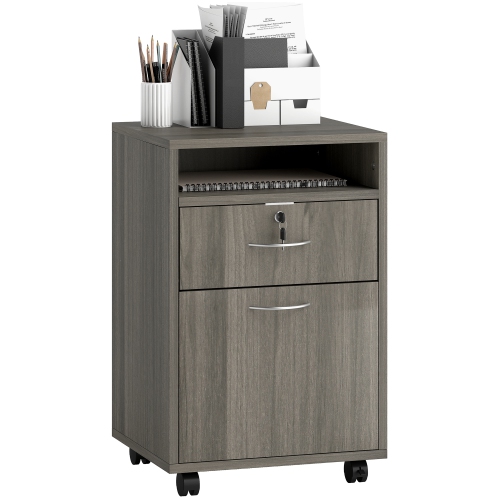
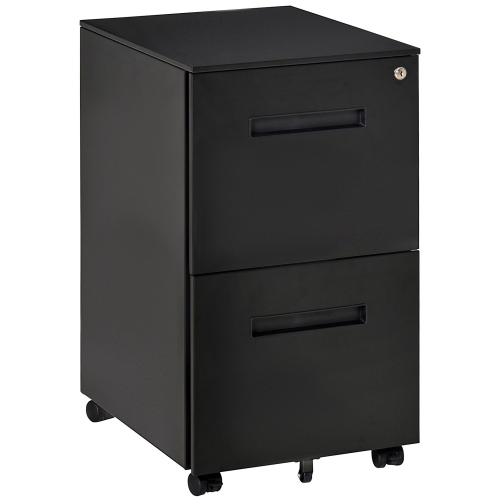
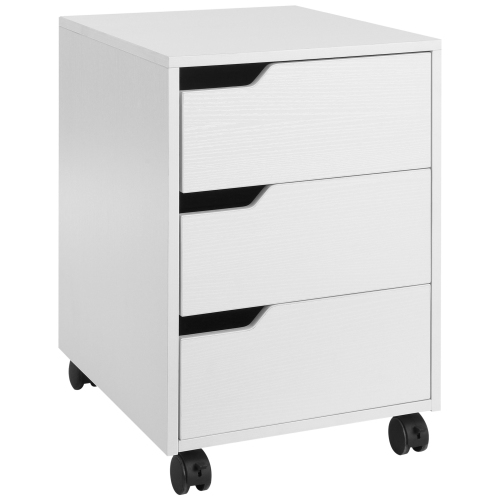
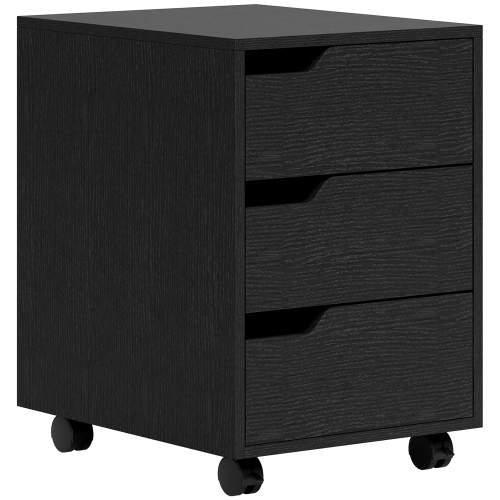
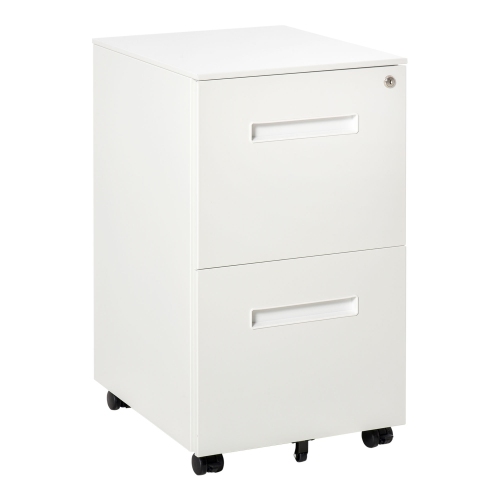
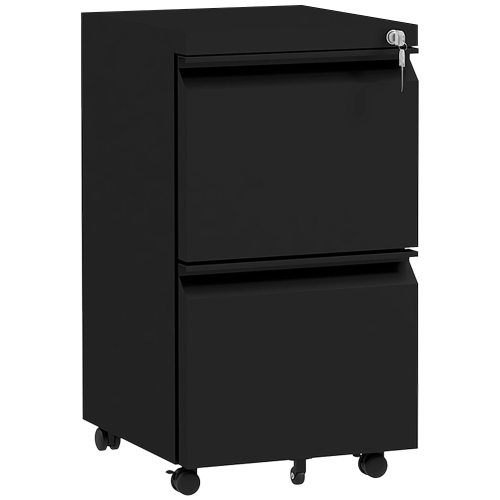
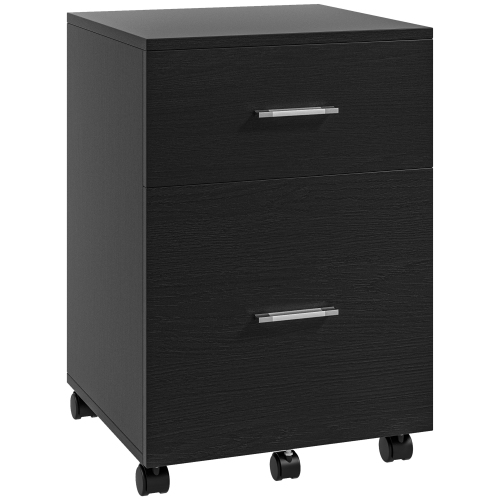
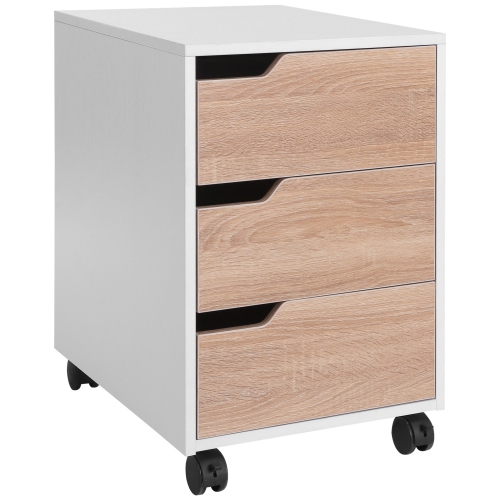
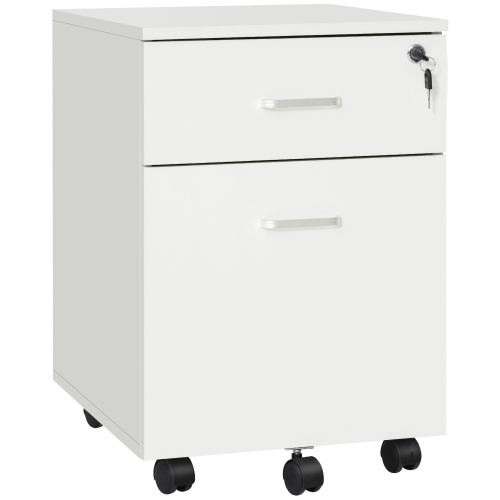
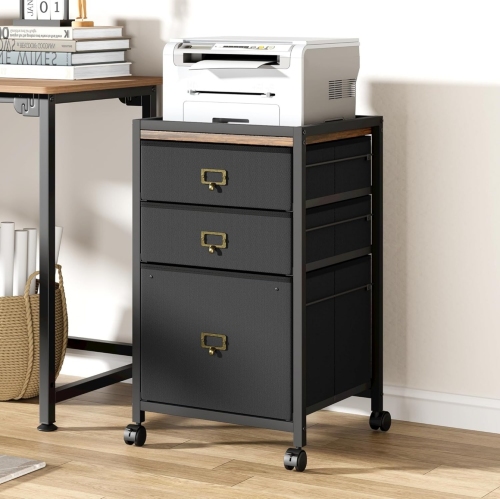
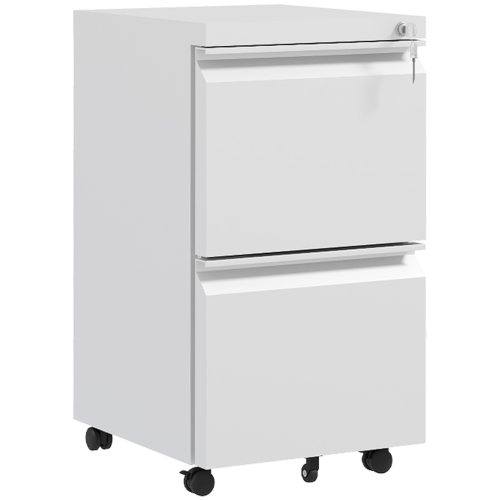
How rolling file storage works in tight spaces
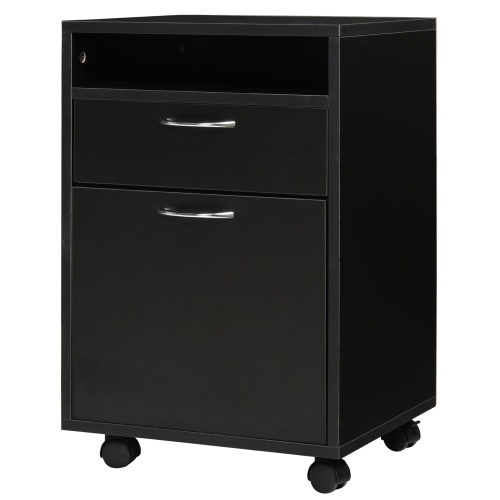
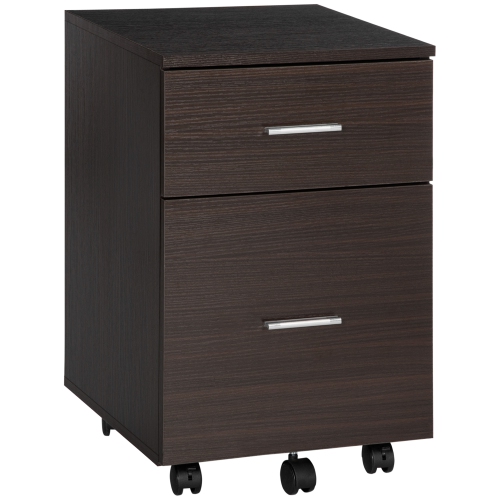
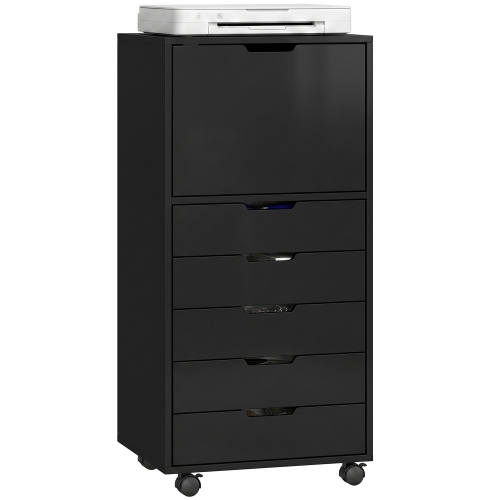
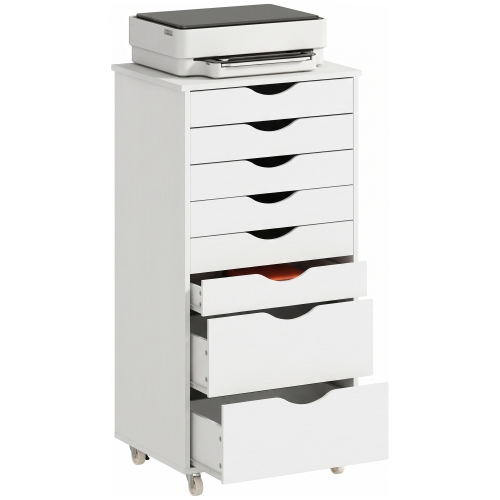
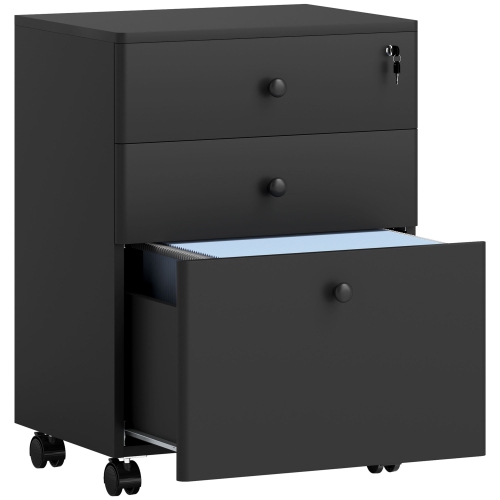
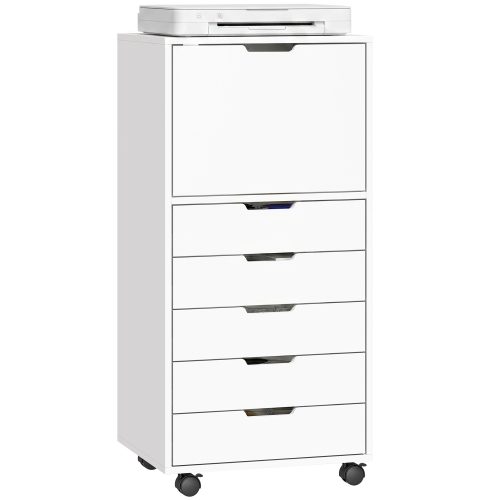
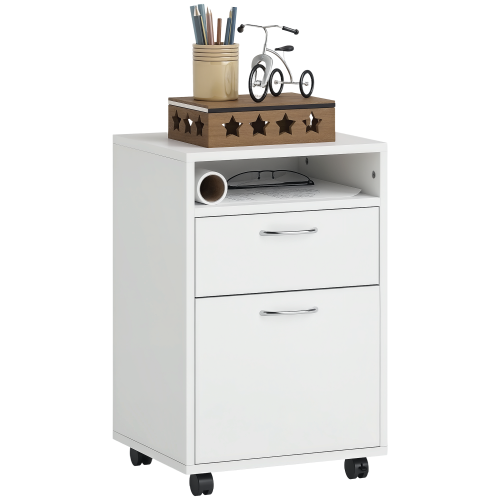
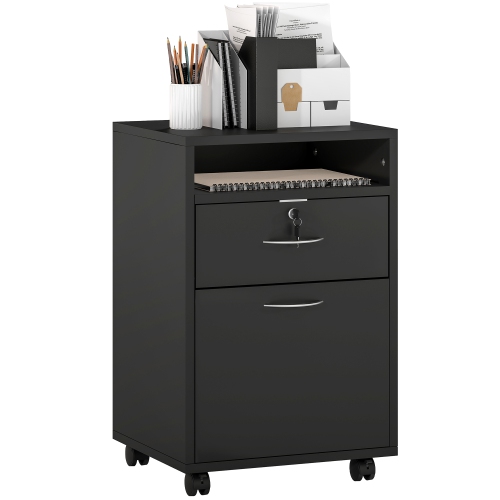
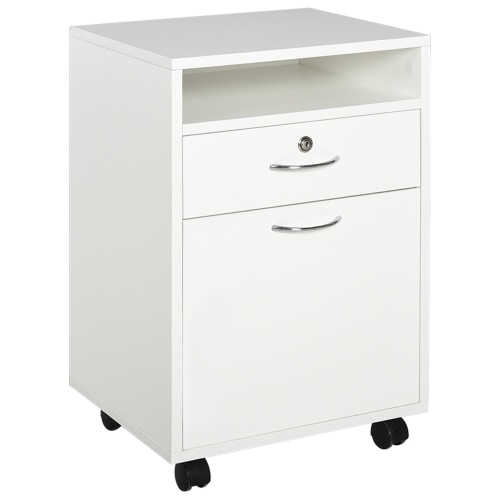
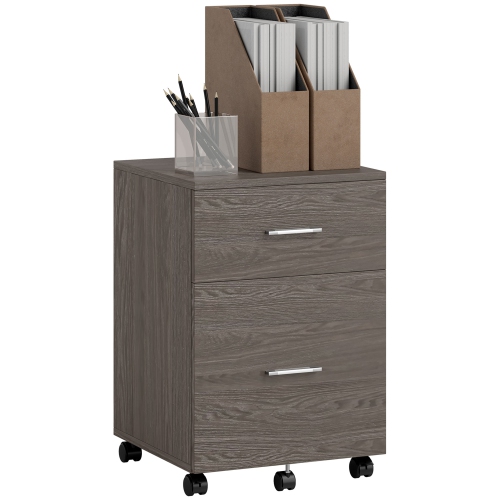
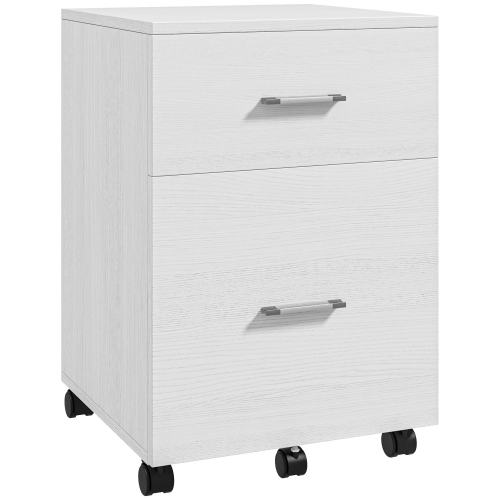
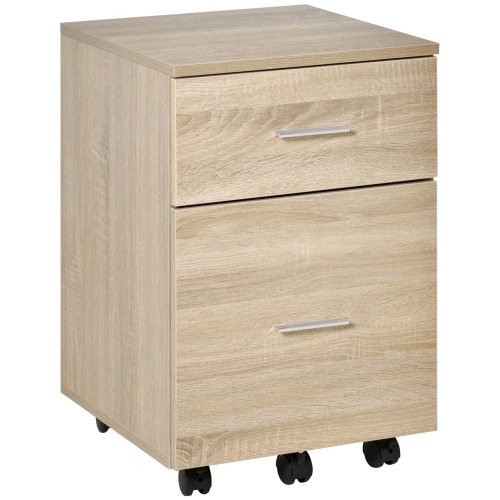
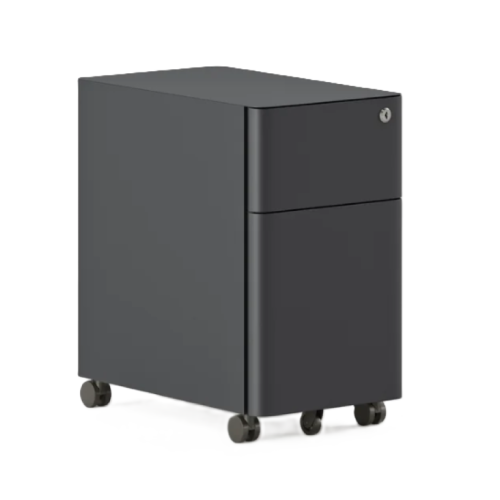
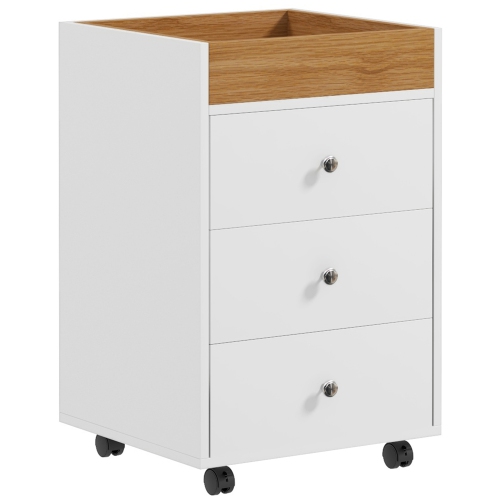
Mobile vertical file cabinets combine a narrow stack of drawers with wheels, giving paper records a place to live without taking up much space beside a desk. Unlike a lateral file cabinet, which typically has a wide drawer front, a vertical cabinet generally stores folders in a deeper row running from front to back. The wheels, also called casters, let the cabinet tuck under an open desktop or roll alongside a work surface when files need to be close at hand. Compact models often pair a deep file drawer with one or two shallow drawers for smaller supplies, while taller models can offer more room for records without taking up much more space from side to side. The right layout depends on what tends to pile up. A household might keep appliance manuals, receipts and insurance documents in hanging folders below a shallow drawer for pens and stamps. In a shared office, a separate file drawer for active projects can keep paperwork close to the person handling it without leaving it spread across a communal table. Among Filing Cabinets With Wheels, the vertical format is especially useful where the gap beside a desk is narrow but there is room for a drawer to pull forward. For an under-desk fit, the height of the cabinet with its casters installed matters as much as its width. A support bar or cable tray can make the usable opening lower than the desktop suggests, and a cabinet that slides neatly into place can still leave too little room for knees or a chair to swivel. Drawer clearance matters in tight rooms, too: a deep drawer needs enough space to open fully without catching a chair leg or blocking the path around the desk. A cabinet parked just outside the desk may take up a little more visible space but make the files much easier to reach.
Drawer dimensions and folder support determine how much of a mobile vertical file cabinet is useful for filing. Letter-size paper measures 8.5 by 11 inches, while legal-size paper measures 8.5 by 14 inches. A drawer wide enough to hold loose sheets may not have rails in the right position for matching hanging folders. Cabinets that accommodate both sizes may use adjustable rails, so it helps to check which sizes each drawer supports and how the folders sit. Full-extension drawers can make the last few folders in a deep cabinet as accessible as the first, particularly when dividers and tabs run the length of the drawer. Shallow drawers are handy for labels, clips and notepads, but they do not replace a file drawer when there are enough documents to fill several rows of folders. Materials also affect how the cabinet feels in everyday use. Painted or powder-coated steel provides a firm surface that is easy to wipe down, while laminate over engineered wood can give the cabinet a furniture-style finish that sits comfortably next to a desk or bookcase. For drawers that will be opened repeatedly, the slides, handles and caster mounts deserve as much attention as the cabinet panels. Paper gets heavy quickly, especially in a deep drawer packed with reports, so drawer load ratings are more useful than judging capacity by size alone. A lock can help limit casual access in a shared space, but some locks secure only one drawer while others secure several. That distinction matters if the upper drawer holds office supplies and the paperwork that needs to be kept out of casual reach is stored below. A standard cabinet lock is not the same as dedicated security storage for sensitive records.
The wheels are most useful when they suit both the floor and the way the cabinet will move. On hard flooring, a cabinet can shift when a drawer is pulled, so locking casters can help it stay put while paperwork is being sorted. On thicker carpet, small wheels can be slow to turn, particularly if the drawers are full. A rug edge or raised threshold can also catch a caster that rolls easily across the rest of the room. For a cabinet that stays under a desk most of the time, an occasional move to reach cords or clean the floor may be all that is needed. In a workspace where files are pulled up to a table for regular reviews, easy steering and a stable parked position make more of a difference. Keep heavier files in the lowest suitable drawer, stay within the stated load limits and open only one drawer at a time. Before rolling the cabinet, close the drawers and remove loose items from the top; use the cabinet frame rather than a drawer handle to move it, and follow the manufacturer’s directions on whether to unload it first. Routine care usually means dusting the cabinet, wiping marks with a soft, lightly damp cloth if the finish allows, and drying the surface afterward. Avoid letting moisture collect at seams or along exposed laminate edges, and clear lint and threads from the casters so they can turn freely. A little room in each file drawer helps, too. When folders are packed so tightly that the tabs bend or a file has to be pulled out with both hands, it is harder to keep records in order. Leaving space to lift out a folder and slip it back into place can make a narrow cabinet more useful than a larger one filled to its limit.
Top selling and popular products
-
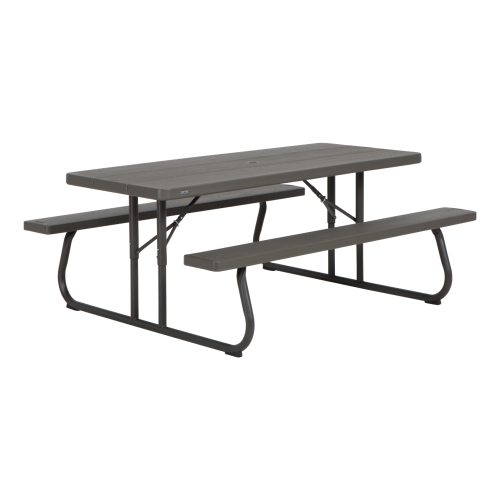 Your price for this item is $369.99
-
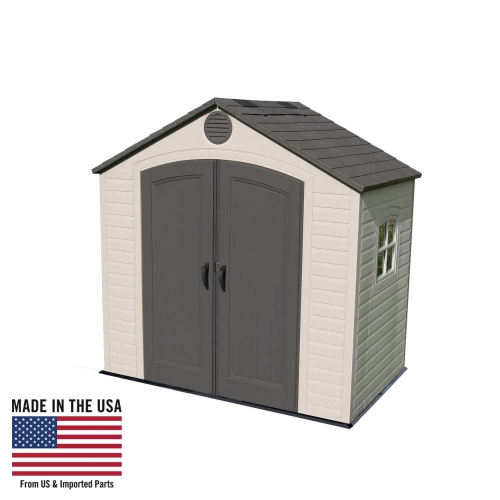 Your price for this item is $2249
-
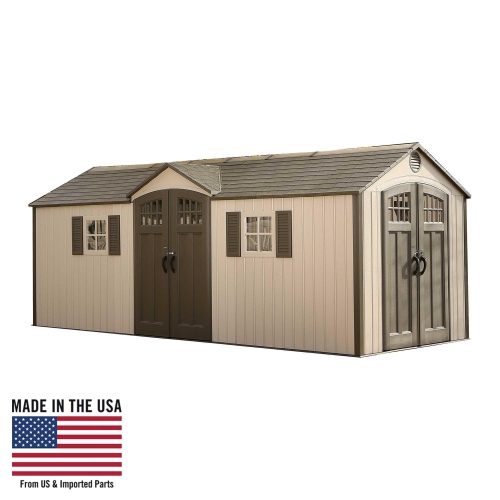 Your price for this item is $5999.99
-
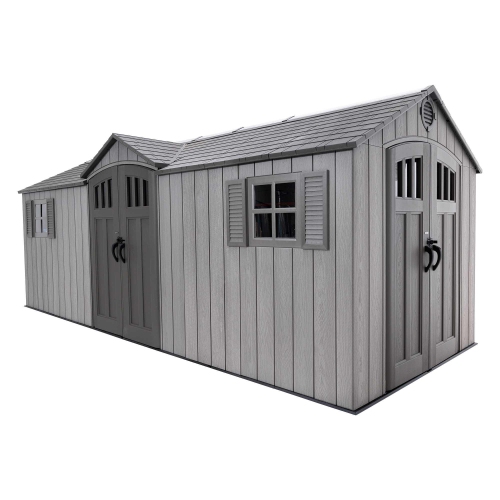 Your price for this item is $5999.99
-
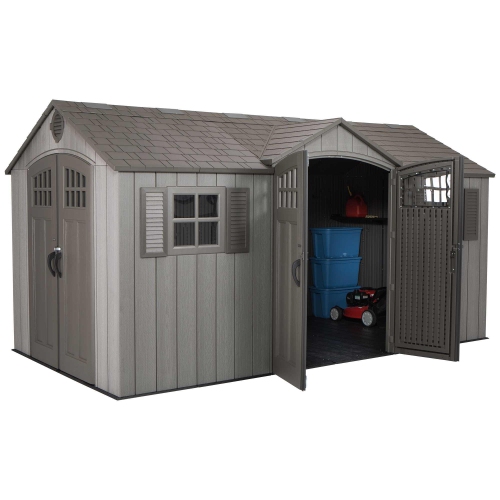 Your price for this item is $4499.99
-
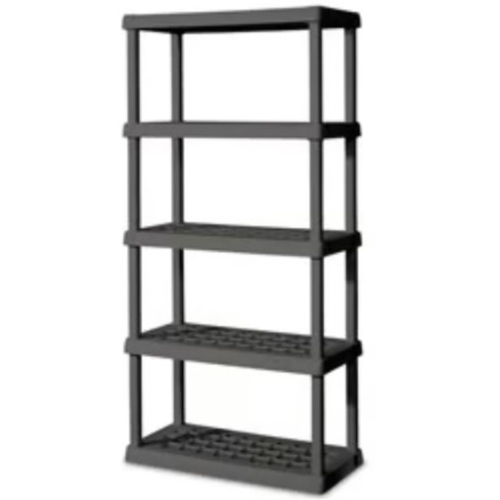 Your price for this item is $629.99
-
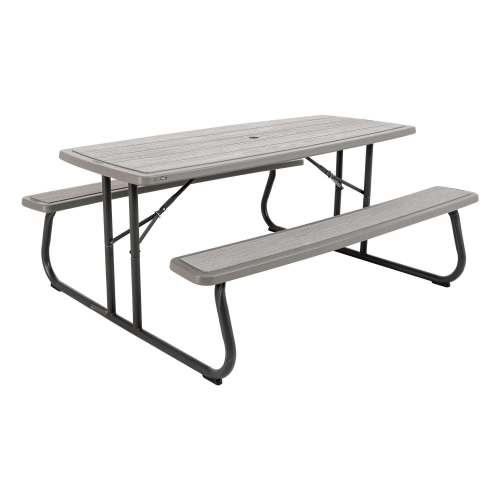 Your price for this item is $369.99
-
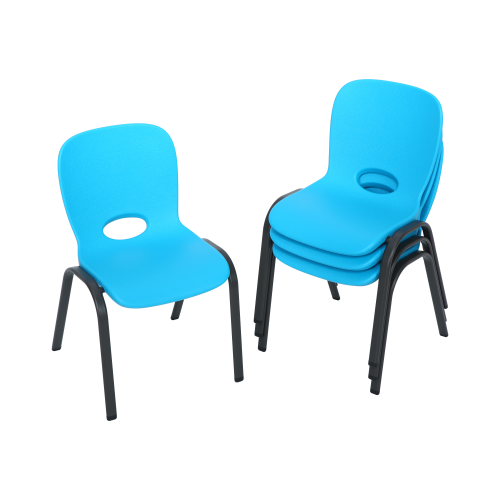 Your price for this item is $119.99
Discover more categories related to Mobile Vertical File Cabinets
Top Collections:
Best Black Friday Deals This Year, Best Black Friday Deals On Electronics, Kindle Devices, Dyson Airwrap, Best Cameras for Sports Photography, Best Budget Office Chairs, Canon G7X Cameras, PS5 Pro Consoles, Best Black Friday Deals On Apple Products, XBOX One S Consoles
Some products may be subject to Environmental Handling Fees
(EHF) depending on your province.
Learn more about EHFs.