Space Saving File Cabinets
Space Saving File Cabinets offer a smart solution for organizing documents and maximizing your workspace. Perfect for home offices, small businesses, or any area where efficiency matters, these cabinets help keep paperwork neatly stored without taking up unnecessary room. Explore a variety of styles and sizes designed to fit seamlessly into compact spaces while maintaining easy access to important files. With Space Saving File Cabinets, it's simple to create a tidy, productive environment that suits your needs.
Sort
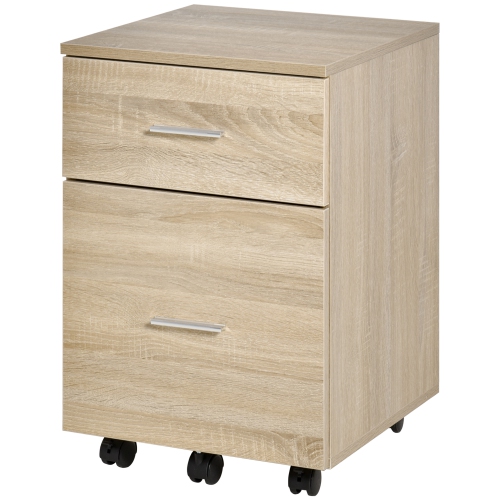
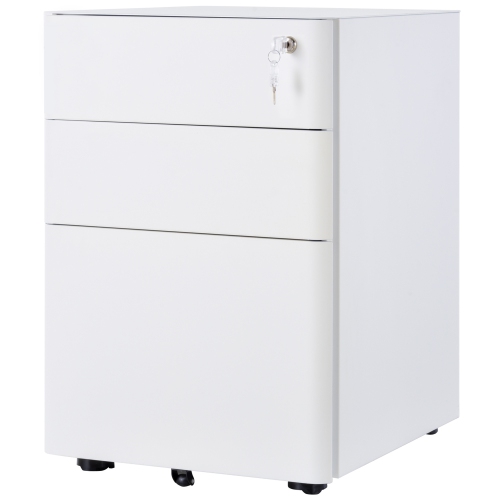
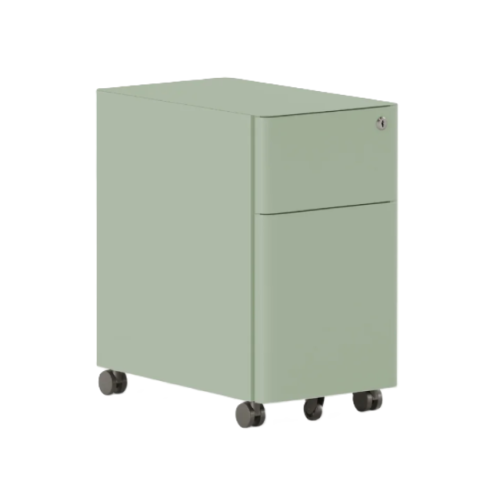
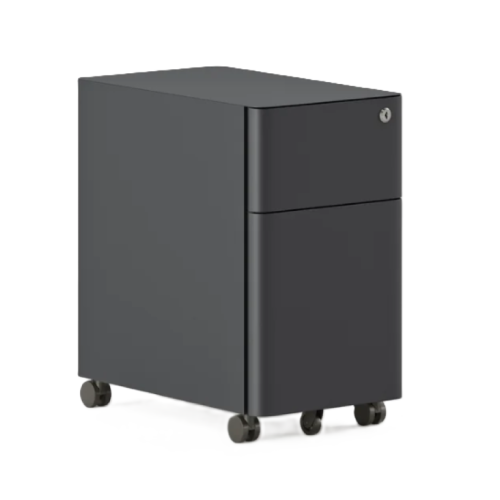
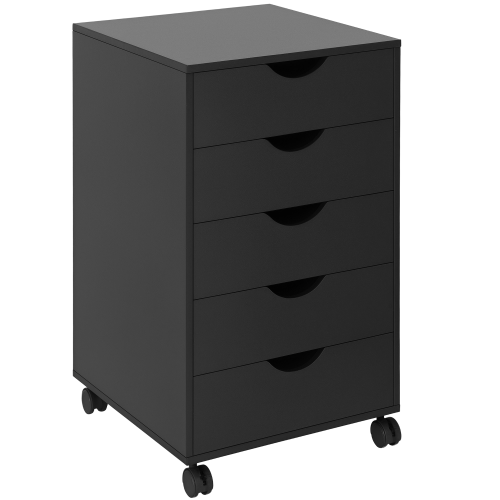
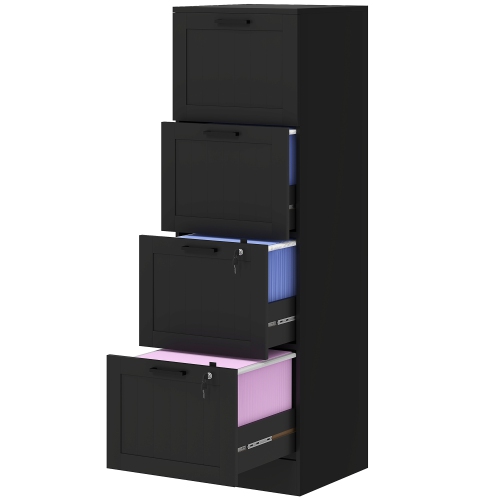
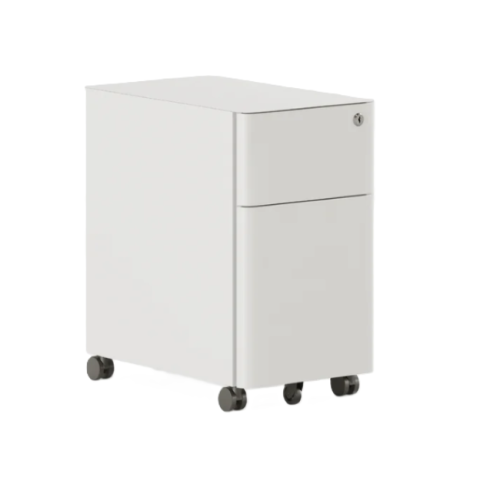
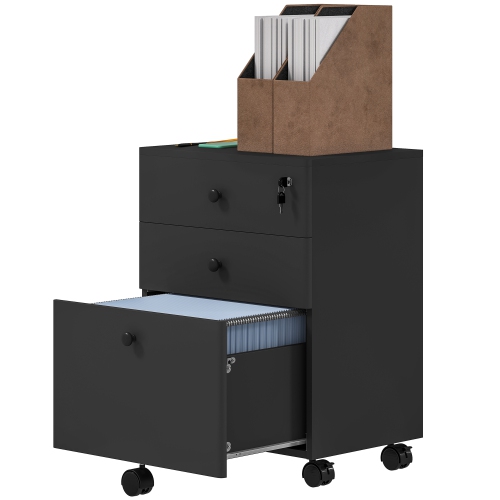
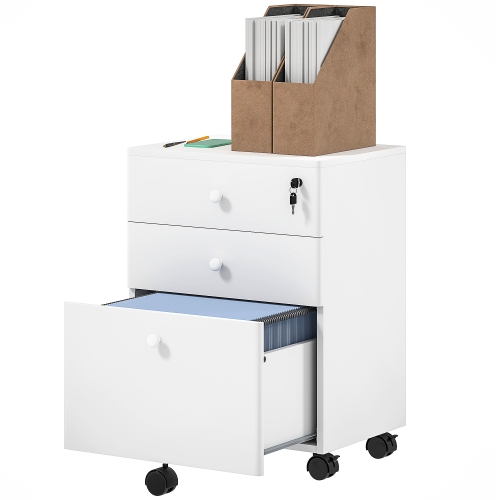
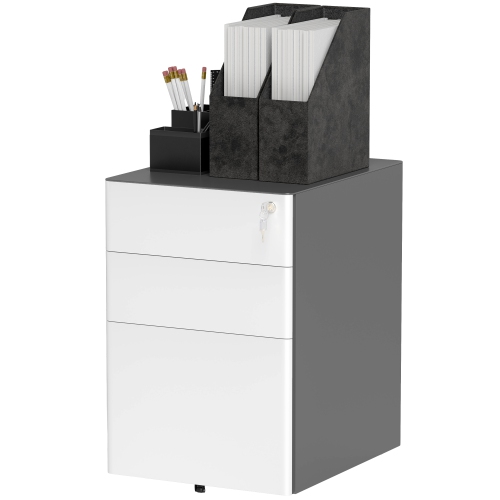
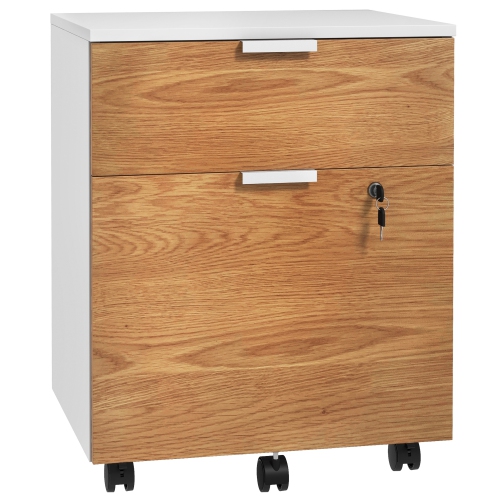
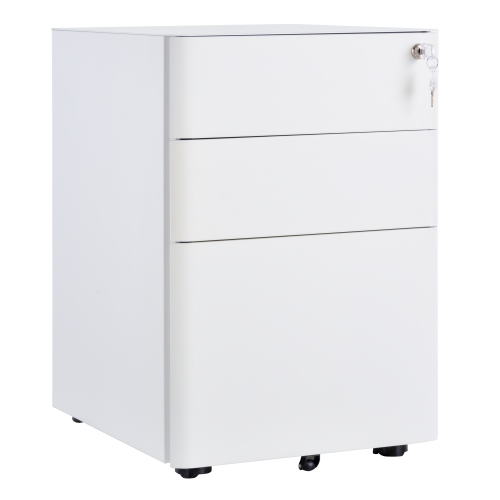
Organized paperwork without sacrificing room to work
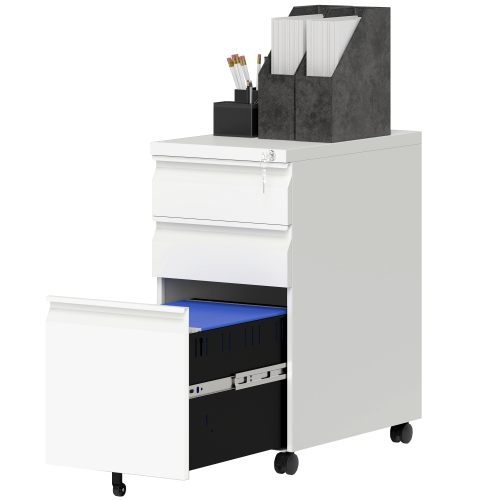
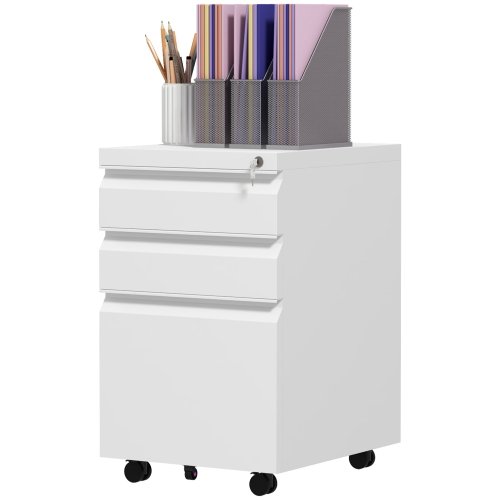
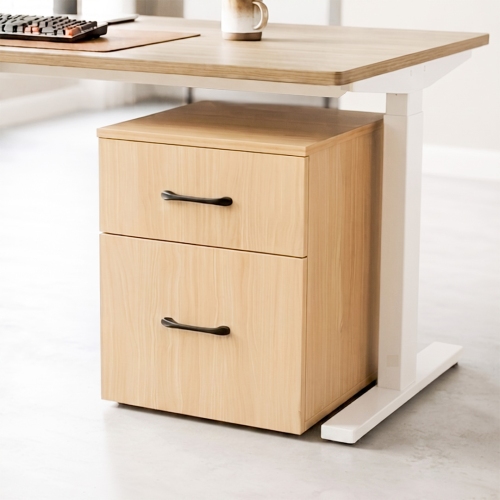
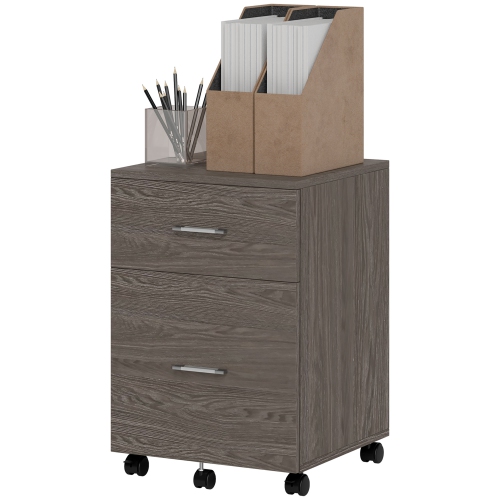
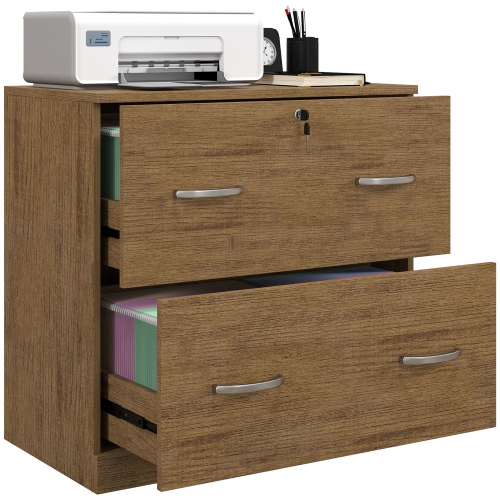
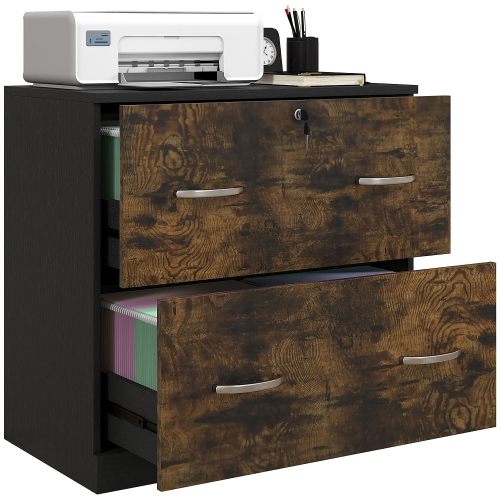
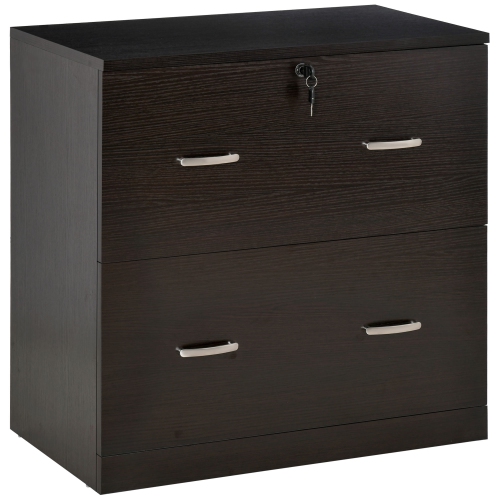
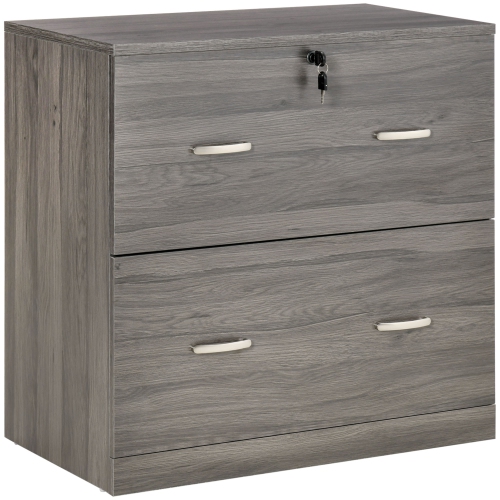
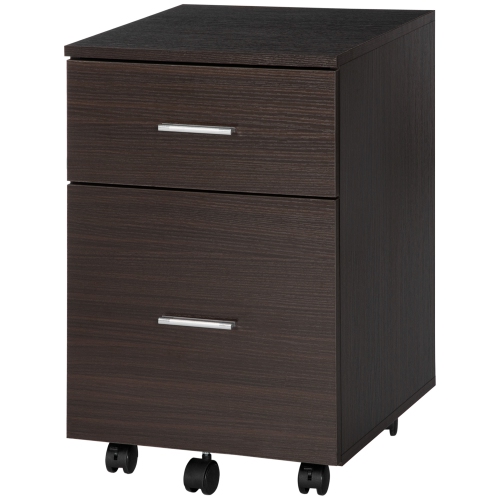
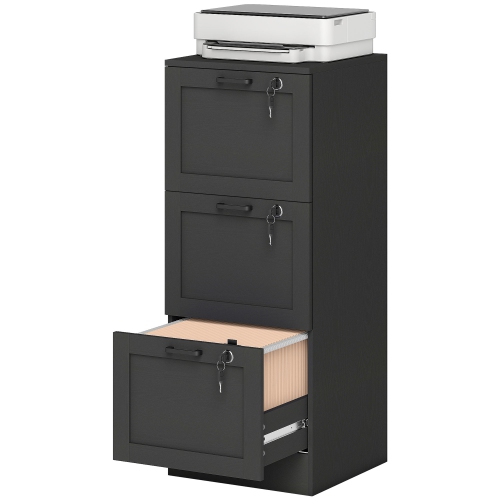
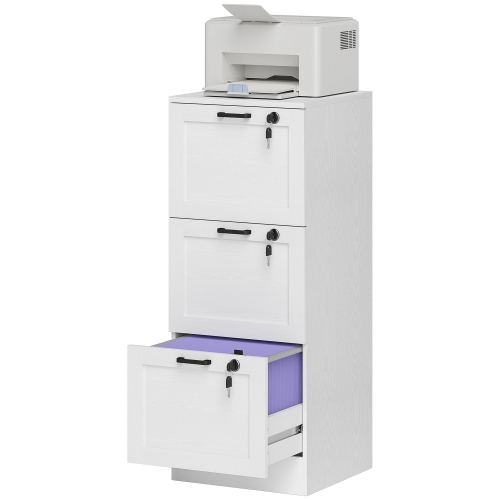
Space-saving file cabinets keep paperwork organized without taking over a home office, study nook, or shared workspace. Their compact footprints make them useful beside a desk, beneath a suitable work surface, or along a wall where a wider storage unit would interrupt the room’s layout. Vertical file cabinets generally use taller, narrower proportions to store files across several drawers, while low-profile cabinets can make use of otherwise empty space under a desk. A narrow cabinet is not automatically the best fit for every room: drawer depth, opening clearance, and the space needed to sit comfortably all affect how efficiently it works. Beneath a desk, the cabinet should leave enough room for knees, chair movement, and access to cables or nearby outlets. Beside a doorway, it needs to allow an easy passage even when someone is retrieving a folder. The most useful size also depends on the paperwork being stored. Letter-size files are common for household records and everyday office documents, while legal-size folders and A4 documents require compatible drawer dimensions or adjustable rails. Cabinet width alone does not confirm which formats will fit, since some drawers hold hanging folders front to back and others position them side to side. Interior measurements and supported file formats provide a clearer picture of usable capacity than exterior dimensions alone. A compact two-drawer layout can separate personal records from work documents, while a design with smaller upper drawers can keep stationery apart from hanging files. Full-extension slides improve access to folders at the back, although the open drawer still needs sufficient space in front of the cabinet. For an apartment office or a desk tucked into a living room, these details help compact filing storage earn its place: papers stay close at hand, the desktop remains usable, and retrieving a document does not mean moving the chair or shifting another piece of furniture.
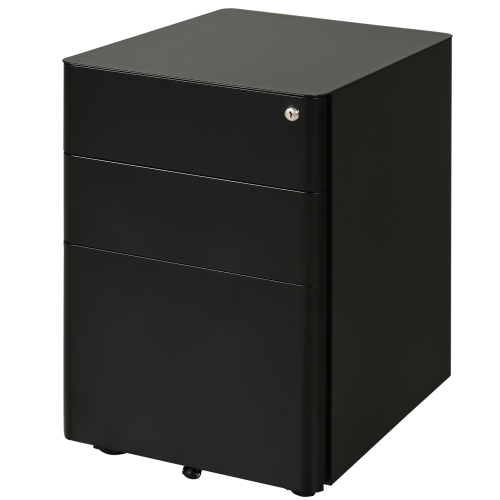
Materials and construction influence how a space-saving file cabinet feels in daily use, how much weight it can support, and how it blends with surrounding furniture. Steel cabinets often have a clean, practical appearance suited to busy work areas, with painted or powder-coated finishes that can be wiped down according to the care instructions. Metal construction can be durable, but drawer alignment, slide quality, and the stated load limits matter as much as the material itself. Wood, wood veneer, and engineered wood options offer different surface textures and finishes, making it easier to coordinate filing storage with a desk, bookcase, or living room furniture. Engineered wood may have a laminate or other protective surface; keeping joints and exposed edges dry helps prevent damage from spills. Solid wood and veneered surfaces may require different cleaning methods, so a soft cloth and the manufacturer’s recommended care approach are preferable to harsh cleaners or abrasive pads. Handles should be easy to grasp without catching on clothing in a narrow passage, and drawers should move smoothly when filled within their rated capacity. A cabinet that feels light when empty can become considerably heavier once it holds several rows of paperwork. Mobile file cabinets add flexibility through castors, allowing storage to move beside a desk during work and tuck away afterwards. Locking castors, where included, help limit unwanted movement, while wheel design and floor type affect how easily the cabinet rolls. A stationary base may be a better match for a permanent filing spot. Stability remains important with either style: heavy files belong in lower drawers, drawers should not be overloaded, and any supplied anchoring or anti-tip hardware should be used as directed. A drawer interlock or an extra support wheel may improve stability when specified, but neither removes the need to follow the cabinet’s installation and loading instructions. Locks can help restrict casual access to paperwork, though a standard locking cabinet should not be assumed to provide fire protection, water resistance, or the security of a rated safe.
The value of compact filing storage becomes clearest in everyday routines. A remote worker may need signed agreements and expense receipts within reach without giving up the desk space used for a monitor and keyboard. A student can keep course paperwork, rental documents, and reference materials together instead of spreading them across a small bedroom. In a shared household, separate drawers or clearly labelled folders can make warranties, insurance records, and school forms easier to find without mixing them with work files. The right layout gives frequently used documents an accessible home while keeping less-used records out of the way. Hanging files help divide broad categories, and folders within them can separate individual accounts, projects, or family members. Drawer interiors designed for office supplies can hold pens, charging cables, and spare labels, reducing the number of loose containers on the desk. A cabinet top may also serve as a useful surface for a printer or a document tray, provided its dimensions and weight rating support that use. Printer placement should allow room for paper trays, cables, ventilation, and access during maintenance; a narrow top is not suitable simply because the printer’s feet fit on it. Where storage needs may grow, stackable file cabinets offer another way to organize paperwork vertically, with stacking limited to units specifically designed to connect safely. For any compact arrangement, leaving some room within the drawers makes folders easier to browse and reduces the strain of forcing papers into a tightly packed row. Keeping only the records that need to remain close by also helps a smaller cabinet stay useful over time. Whether the setting is a dedicated office or a corner of a multipurpose room, well-proportioned filing storage supports a workspace where documents are easy to reach, drawers open freely, and essential furniture still has room to function.
Top selling and popular products
-
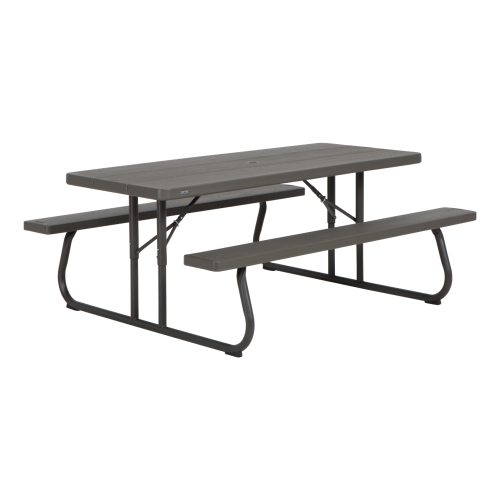 Your price for this item is $369.99
-
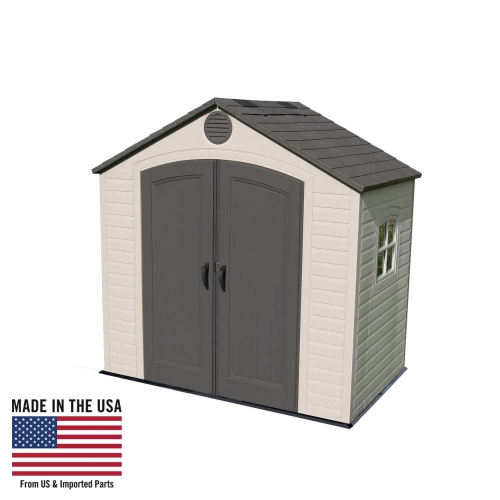 Your price for this item is $2249
-
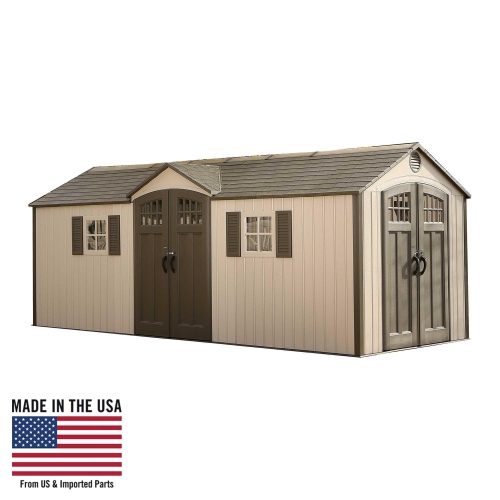 Your price for this item is $5999.99
-
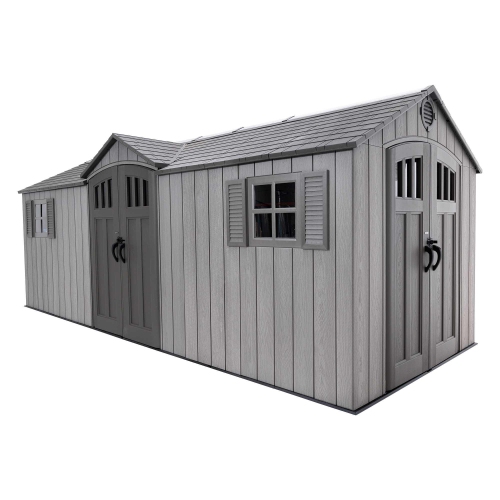 Your price for this item is $5999.99
-
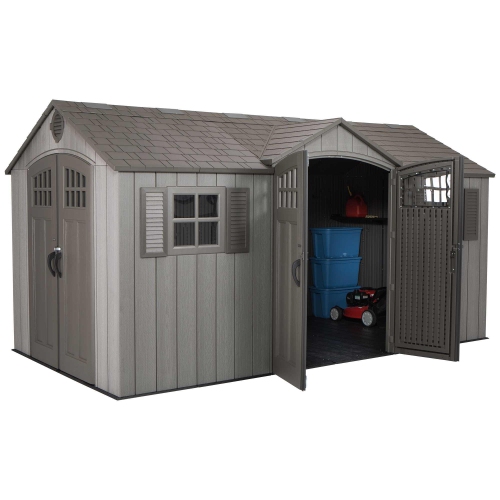 Your price for this item is $4499.99
-
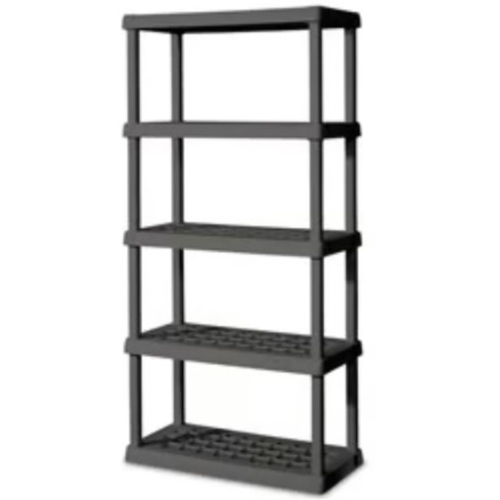 Your price for this item is $629.99
-
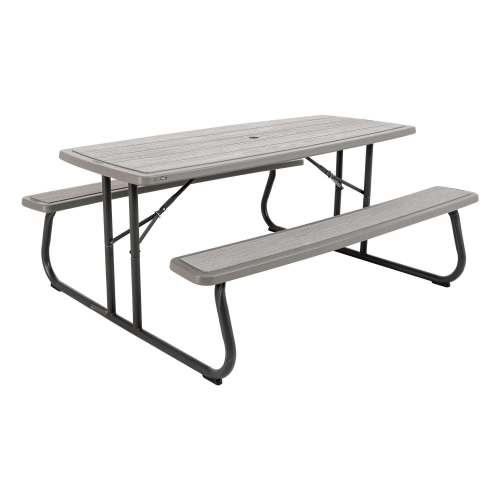 Your price for this item is $369.99
-
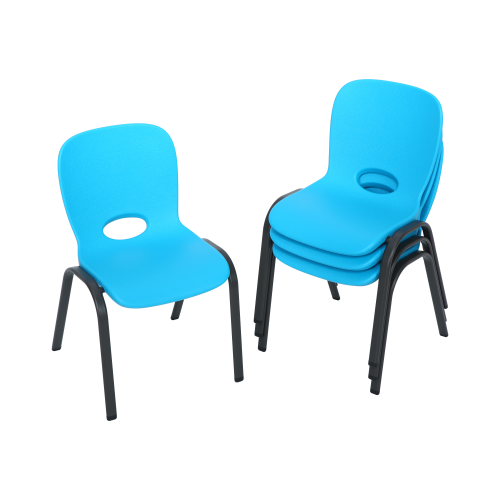 Your price for this item is $119.99
Discover more categories related to Space Saving File Cabinets
Top Collections:
Best Black Friday Deals This Year, Best Black Friday Deals On Electronics, Kindle Devices, Dyson Airwrap, Best Cameras for Sports Photography, Best Budget Office Chairs, Canon G7X Cameras, PS5 Pro Consoles, Best Black Friday Deals On Apple Products, XBOX One S Consoles
Some products may be subject to Environmental Handling Fees
(EHF) depending on your province.
Learn more about EHFs.