Mobilier De Chambre
Mobilier De Chambre offers a wide variety of stylish and functional options to help you create the bedroom of your dreams. Whether you're looking to refresh your space or furnish a new room, you'll find an impressive selection designed to suit every taste and lifestyle. Explore choices that make it easy to organize, relax, and personalize your bedroom environment with Mobilier De Chambre.
Sort
Why bed frame dimensions matter beyond mattress size
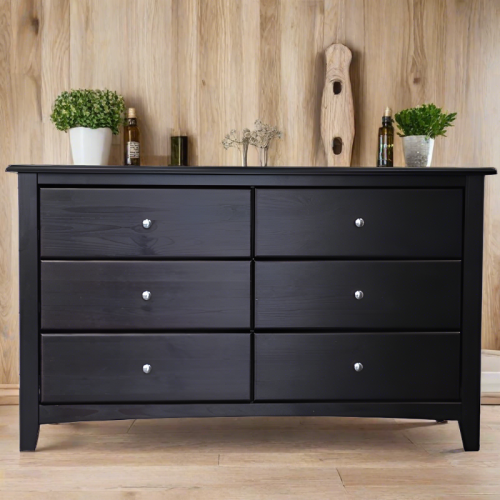
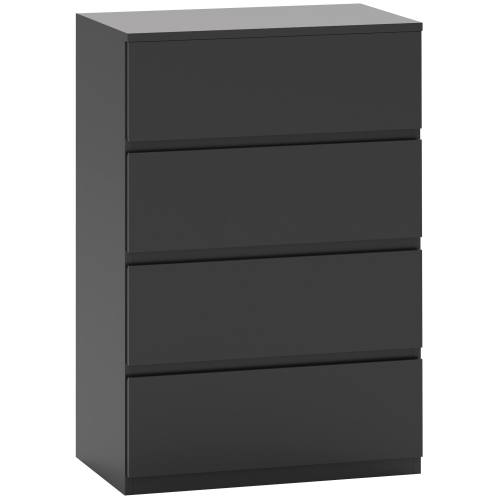
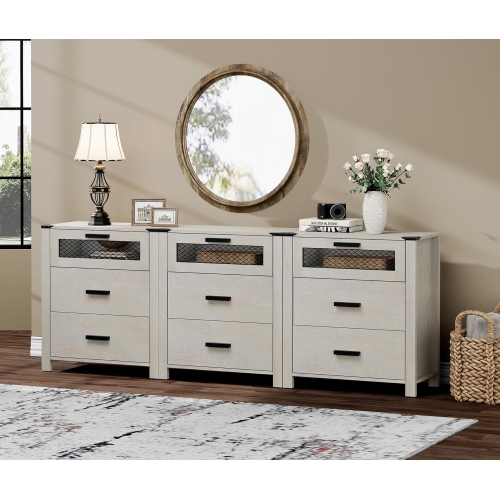
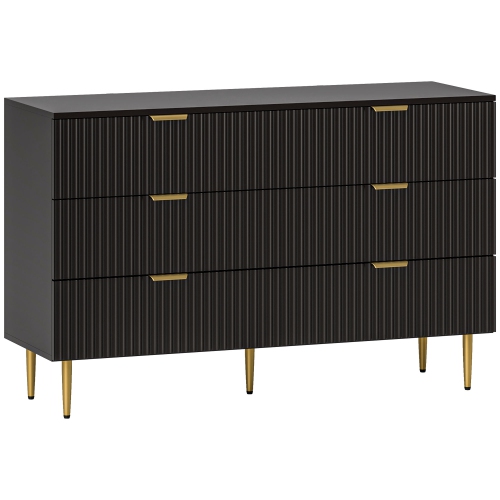
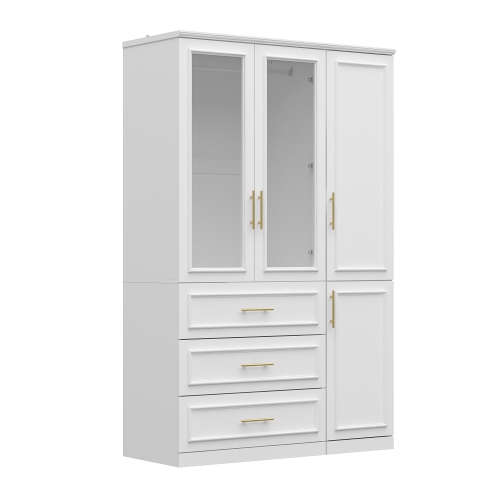
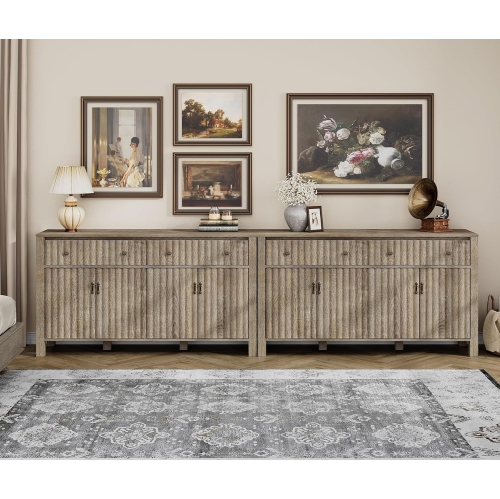
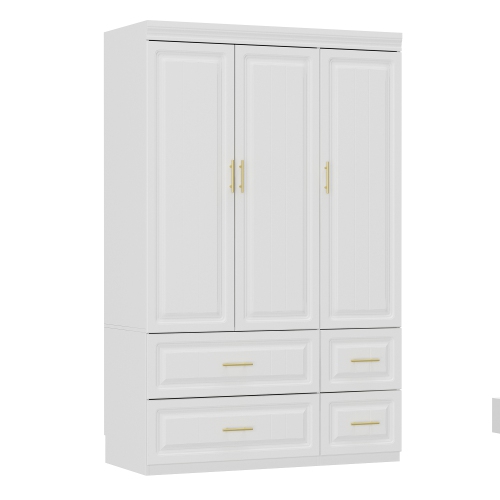
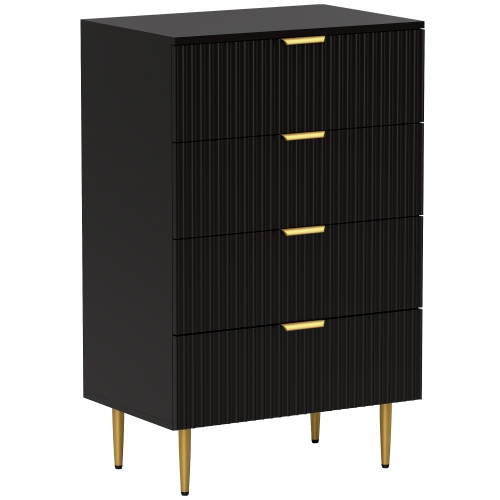
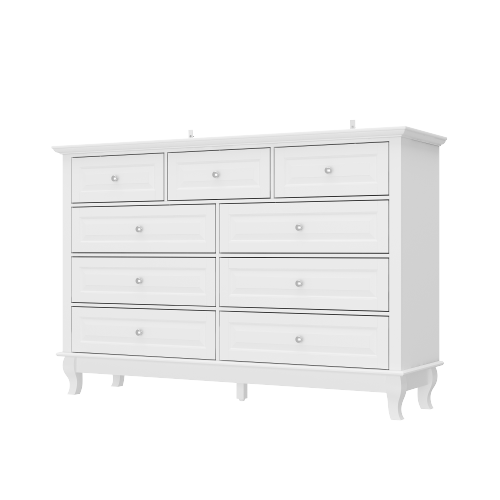
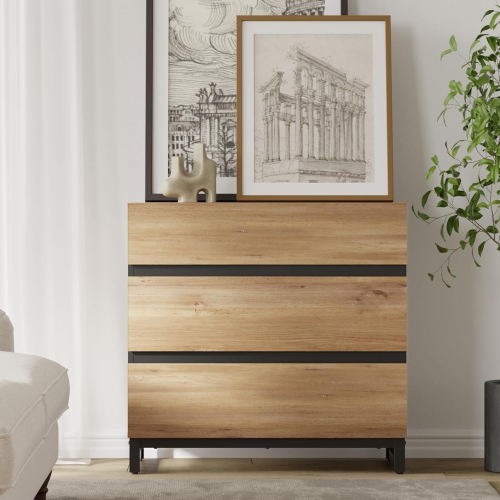
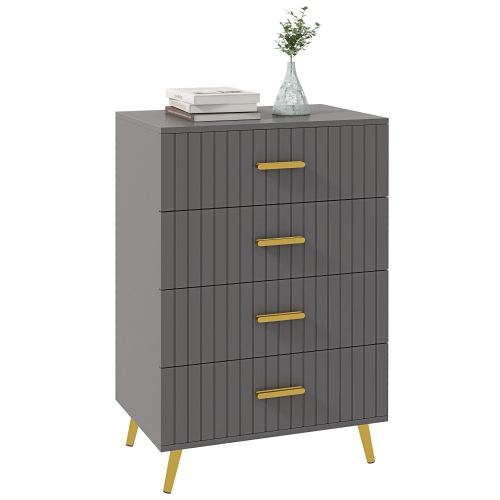
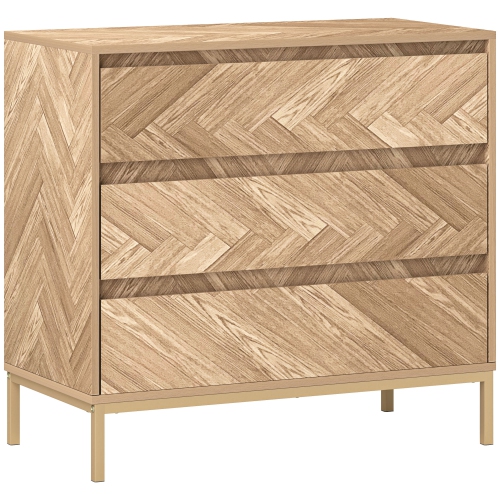
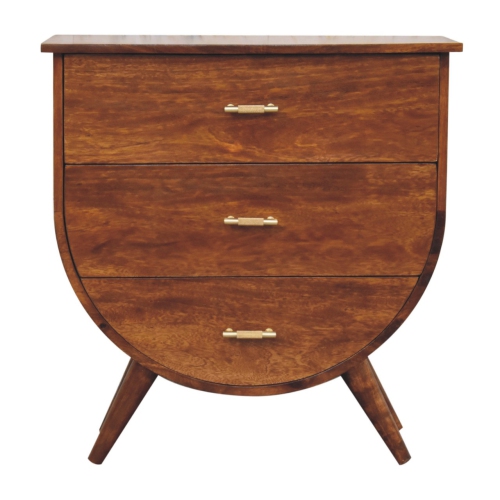
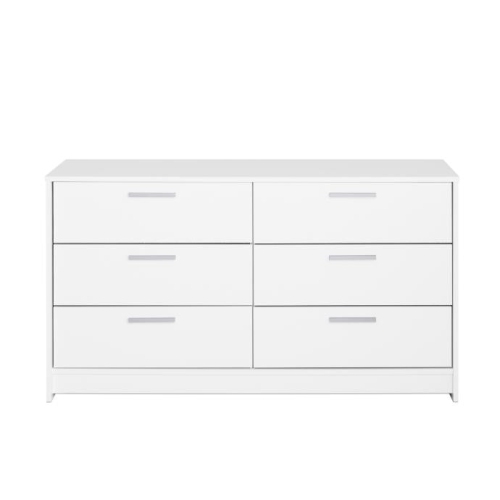
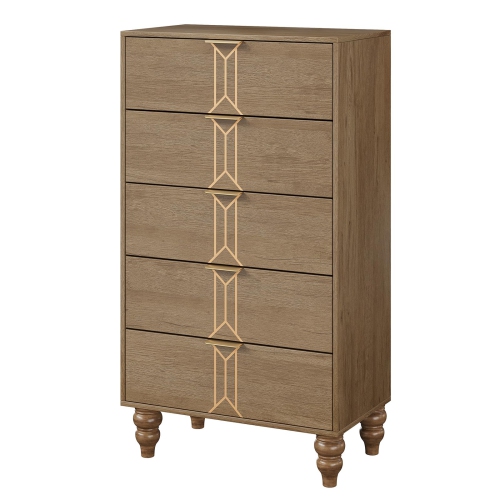
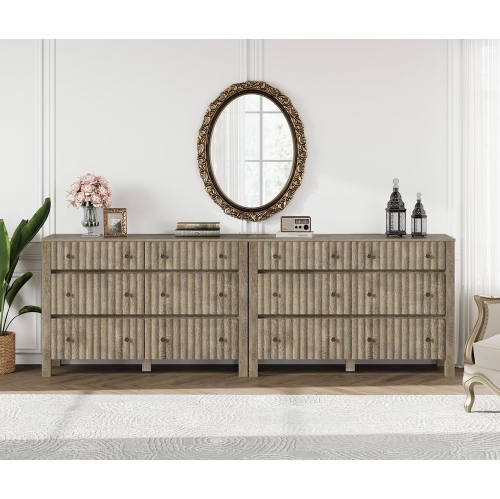
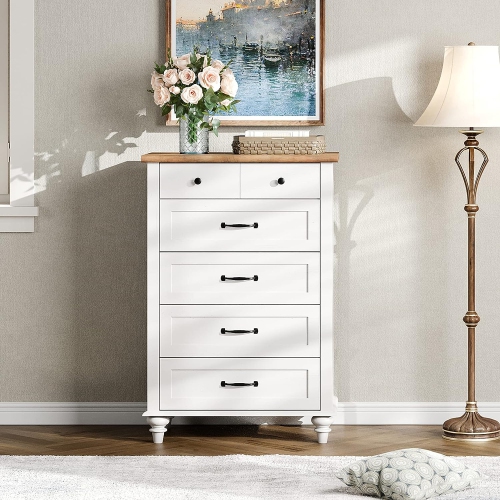
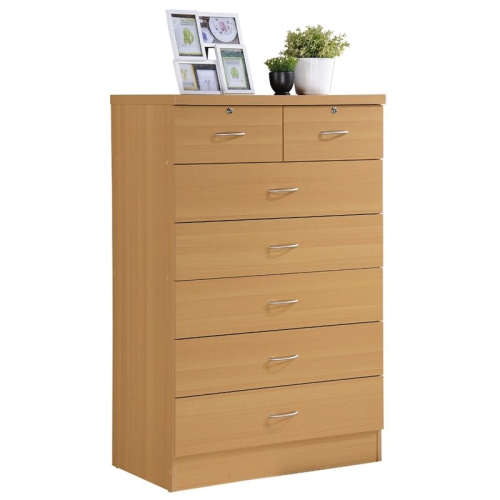
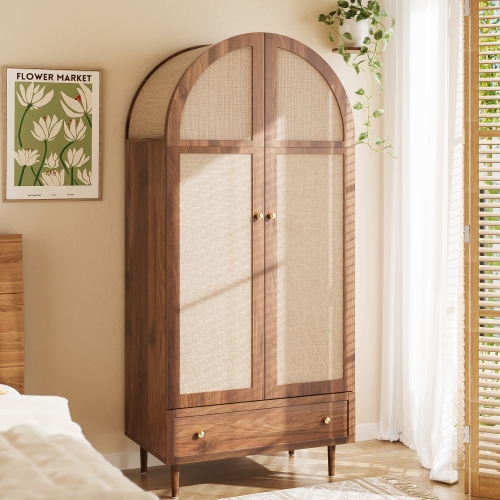
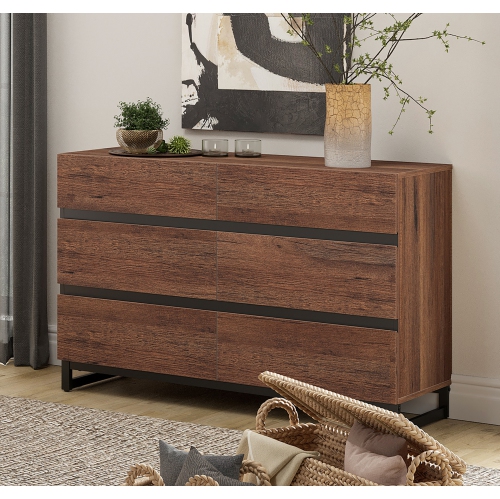
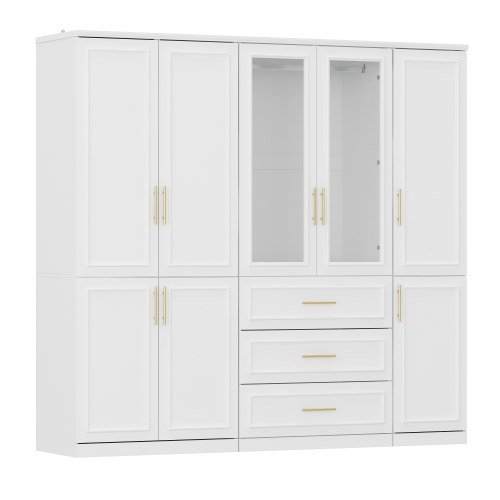
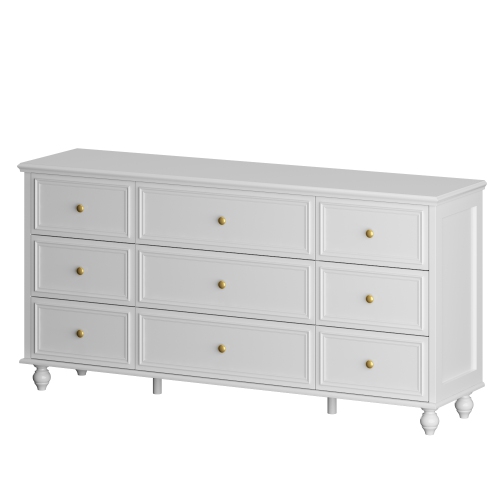
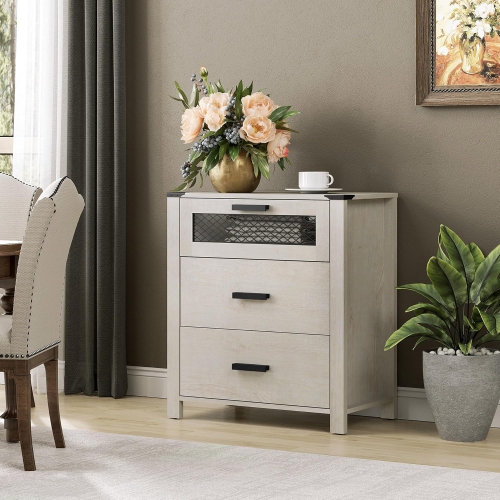
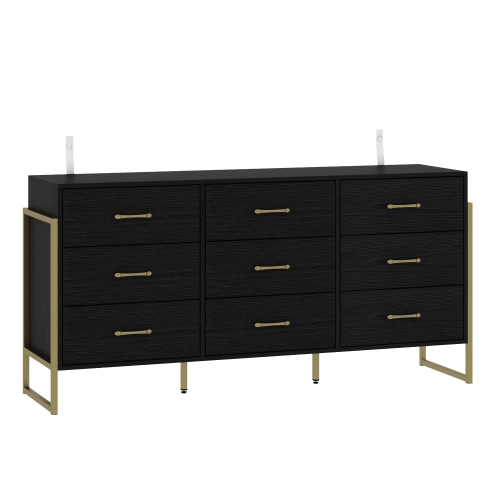
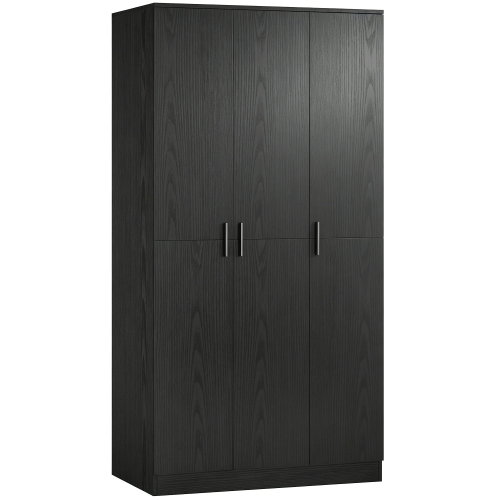
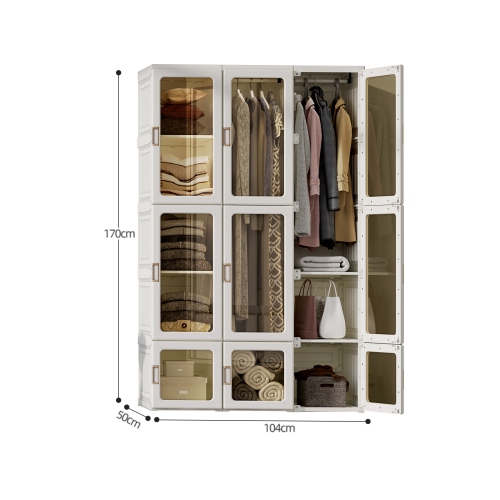
Bedroom furniture brings together the pieces that support sleep, clothing storage, and everyday routines, from bed frames and bedside tables to dressers, chests, and wardrobes. A well-proportioned arrangement makes room for both rest and the practical details of getting dressed, putting away laundry, or keeping a book within reach. The bed usually establishes the layout, but its outer dimensions matter as much as the mattress size. A frame with a wide upholstered surround or a substantial footboard can occupy considerably more floor space than the mattress alone. Headboard height also affects how a bed sits beneath a window or against a wall with artwork. In a compact bedroom, a frame with built-in drawers can put the area beneath the mattress to work, provided there is enough clearance to pull those drawers out comfortably. Lift-up storage offers another approach, though the mechanism, mattress weight requirements, and ease of access deserve attention. Bedside tables work best when their tops are easy to reach from the sleeping position and have enough surface area for the essentials without feeling crowded. A drawer keeps small belongings tucked away, while an open shelf leaves reading material close at hand. Dressers provide broad surfaces and separate compartments for folded clothing; taller chests offer storage on a smaller footprint. A wardrobe can supplement a limited closet, with hanging space, shelves, or a combination suited to different garments. Storage pieces in the Bureau De Chambre category can complement these arrangements, particularly where folded clothing needs a dedicated home. Beyond the measurements of each piece, a comfortable layout leaves space to walk beside the bed, open closet doors, and reach outlets. The route into the bedroom matters, too: narrow stairways, tight corners, and door openings can affect whether a large piece can be moved into place. Checking both assembled dimensions and delivery access helps keep the finished arrangement practical rather than simply attractive.
Materials and construction influence how bedroom furniture looks, feels, and holds up to daily use. Solid wood has natural grain variation and can develop surface marks over time; whether those marks can be repaired depends on the wood, finish, and depth of the damage. Wood veneer provides a real wood surface over a supporting core, while laminate and other applied finishes offer a range of colours and textures with care requirements that vary by construction. Engineered wood is used in many furniture designs, and its performance depends on factors such as panel quality, hardware, edge protection, and assembly. No single material tells the whole story. Secure joints, properly fitted components, and support suited to the intended load are important across furniture types. On a dresser, smoothly operating drawer runners and handles that are comfortable to grip make a difference during ordinary routines. Drawer depth and internal dimensions determine whether a piece suits bulky sweaters, smaller accessories, or neatly folded shirts. For bed frames, the support system must suit the mattress: slat spacing, centre supports, and any requirement for a foundation should match the relevant specifications. Metal frames can create a visually light outline or a more substantial statement, depending on their design, while upholstered frames introduce texture and a softer surface around the headboard. Fabric composition, weave, and cleaning instructions are especially relevant where pets share the room or a headboard gets frequent contact from hair and skin. Style can be coordinated without making every surface identical. A simple frame beside a textured wood nightstand can feel balanced when the proportions and colours work together. Matching bedroom sets offer a consistent finish and repeated design details, while separate pieces allow more flexibility around an existing bed or dresser. Pale finishes can keep a small room feeling open, deeper tones add visual weight, and restrained hardware lets the shape and texture of the furniture stand out.
The most useful bedroom furniture reflects the person using the room and the routines it needs to accommodate. In a shared bedroom, separate bedside storage can give each sleeper a convenient place for glasses, chargers, and personal belongings, even when the two sides of the room have different dimensions. A guest bedroom benefits from accessible clothing storage and an uncluttered surface where visitors can place everyday essentials. For a student or someone furnishing a first apartment, pieces that combine functions can make limited floor space easier to use, but access remains important: under-bed drawers are less helpful if another piece blocks them. A bench at the foot of the bed can provide a place to sit while getting dressed, as long as it is designed for seating and does not narrow the walking path. For people who find bending or reaching difficult, bed height, handle shape, and drawer placement can influence comfort more than decorative details. Children’s bedrooms call for furniture appropriate to the child’s age and use, with particular attention to the manufacturer’s safety requirements. Dressers, chests, and wardrobes should be anchored as directed, using suitable hardware for the wall type; drawers should not be treated as steps. Ongoing care helps preserve both appearance and function. A soft cloth removes everyday dust, spills should be wiped up promptly, and cleaning products should be compatible with the finish rather than chosen solely for their scent or shine. Coasters or protective pads can reduce marks from drinking glasses, lamps, and frequently moved objects. Upholstery may need gentle vacuuming and a fabric-specific cleaning method, while wood and veneered surfaces benefit from avoiding prolonged moisture and harsh abrasives. Checking fittings periodically and tightening them according to the assembly instructions can help address movement before it becomes persistent. Furniture intended for a move, a shared home, or years of daily use is most satisfying when its dimensions, storage layout, and care needs fit ordinary life as comfortably as its appearance fits the room.
Materials and construction influence how bedroom furniture looks, feels, and holds up to daily use. Solid wood has natural grain variation and can develop surface marks over time; whether those marks can be repaired depends on the wood, finish, and depth of the damage. Wood veneer provides a real wood surface over a supporting core, while laminate and other applied finishes offer a range of colours and textures with care requirements that vary by construction. Engineered wood is used in many furniture designs, and its performance depends on factors such as panel quality, hardware, edge protection, and assembly. No single material tells the whole story. Secure joints, properly fitted components, and support suited to the intended load are important across furniture types. On a dresser, smoothly operating drawer runners and handles that are comfortable to grip make a difference during ordinary routines. Drawer depth and internal dimensions determine whether a piece suits bulky sweaters, smaller accessories, or neatly folded shirts. For bed frames, the support system must suit the mattress: slat spacing, centre supports, and any requirement for a foundation should match the relevant specifications. Metal frames can create a visually light outline or a more substantial statement, depending on their design, while upholstered frames introduce texture and a softer surface around the headboard. Fabric composition, weave, and cleaning instructions are especially relevant where pets share the room or a headboard gets frequent contact from hair and skin. Style can be coordinated without making every surface identical. A simple frame beside a textured wood nightstand can feel balanced when the proportions and colours work together. Matching bedroom sets offer a consistent finish and repeated design details, while separate pieces allow more flexibility around an existing bed or dresser. Pale finishes can keep a small room feeling open, deeper tones add visual weight, and restrained hardware lets the shape and texture of the furniture stand out.
The most useful bedroom furniture reflects the person using the room and the routines it needs to accommodate. In a shared bedroom, separate bedside storage can give each sleeper a convenient place for glasses, chargers, and personal belongings, even when the two sides of the room have different dimensions. A guest bedroom benefits from accessible clothing storage and an uncluttered surface where visitors can place everyday essentials. For a student or someone furnishing a first apartment, pieces that combine functions can make limited floor space easier to use, but access remains important: under-bed drawers are less helpful if another piece blocks them. A bench at the foot of the bed can provide a place to sit while getting dressed, as long as it is designed for seating and does not narrow the walking path. For people who find bending or reaching difficult, bed height, handle shape, and drawer placement can influence comfort more than decorative details. Children’s bedrooms call for furniture appropriate to the child’s age and use, with particular attention to the manufacturer’s safety requirements. Dressers, chests, and wardrobes should be anchored as directed, using suitable hardware for the wall type; drawers should not be treated as steps. Ongoing care helps preserve both appearance and function. A soft cloth removes everyday dust, spills should be wiped up promptly, and cleaning products should be compatible with the finish rather than chosen solely for their scent or shine. Coasters or protective pads can reduce marks from drinking glasses, lamps, and frequently moved objects. Upholstery may need gentle vacuuming and a fabric-specific cleaning method, while wood and veneered surfaces benefit from avoiding prolonged moisture and harsh abrasives. Checking fittings periodically and tightening them according to the assembly instructions can help address movement before it becomes persistent. Furniture intended for a move, a shared home, or years of daily use is most satisfying when its dimensions, storage layout, and care needs fit ordinary life as comfortably as its appearance fits the room.
Top selling and popular products
-
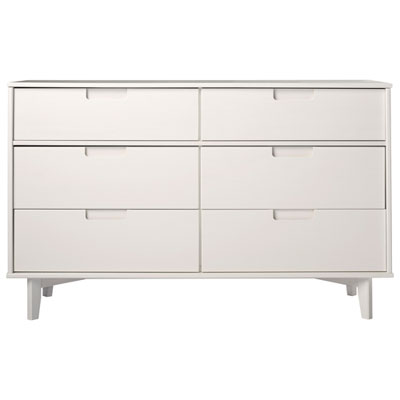 Your price for this item is $569.99
 -
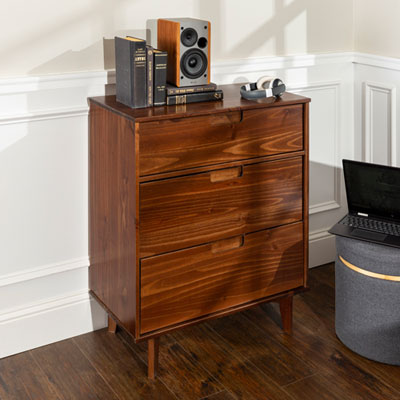 Your price for this item is $364.99
 -
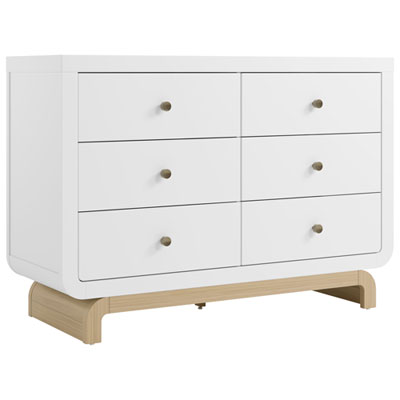 Your price for this item is $899.99
 -
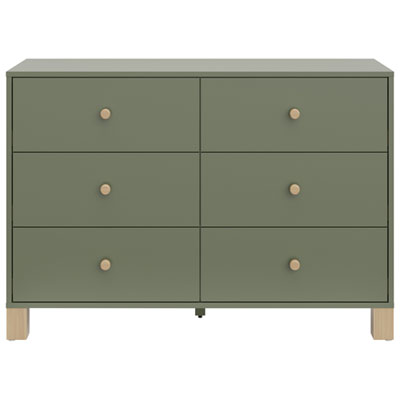 Your price for this item is $699.99
 -
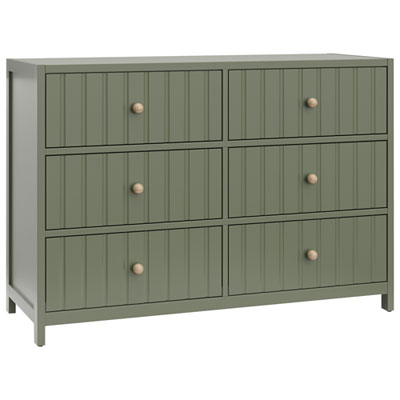 Your price for this item is $699.99
 -
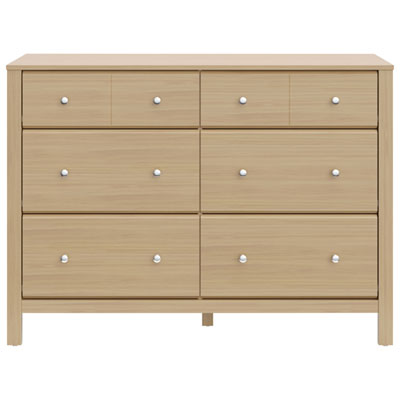 Your price for this item is $399.99
 -
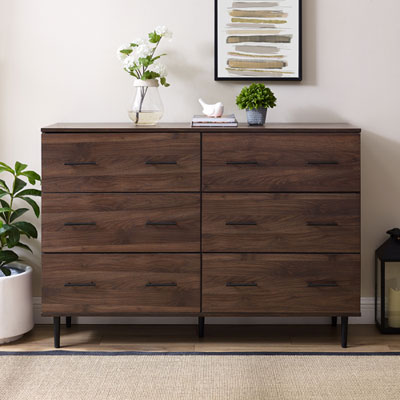 Your price for this item is $886.99
 -
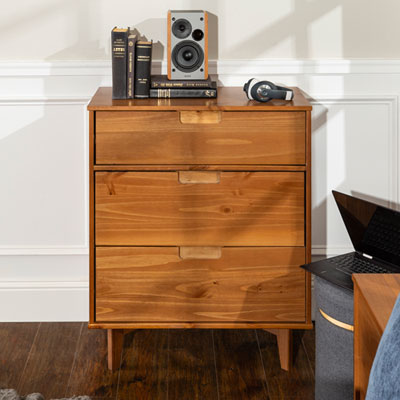 Your price for this item is $364.99
Discover more categories related to Mobilier De Chambre
Top Collections:
Pokemon Centers, Kindle Devices, Best Budget Office Chairs, Apple iPhones 16, Canon G7X Cameras, iPhone 15 Apple, Alarm Clock, Refurbished Apple Laptops, Flip Phones, Best Laptops for Writers
Some products may be subject to Environmental Handling Fees
(EHF) depending on your province.
Learn more about EHFs.