Modern Apartment Essentials
Modern apartment essentials bring style, comfort, and convenience to your living space, helping you create a home that fits your unique lifestyle. Whether you're setting up your first apartment or looking to refresh your current place, the right mix of electronics, furniture, appliances, and home accessories can transform any apartment into a functional and inviting retreat. Discover how modern apartment essentials can elevate your everyday routine and make the most of your space.
Sort


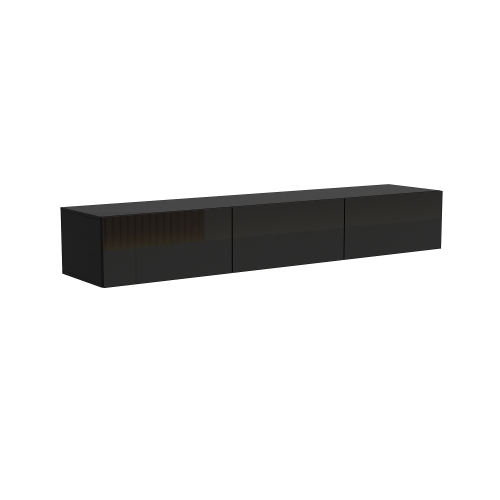
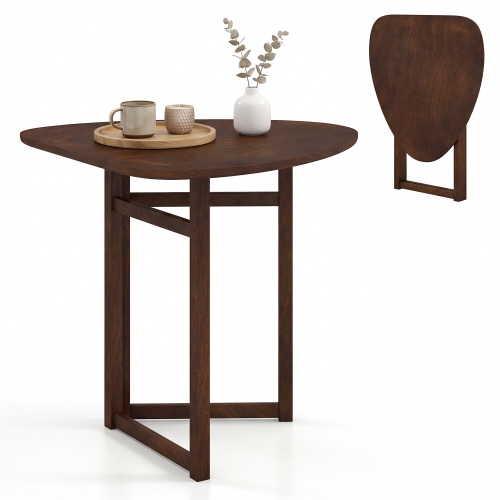


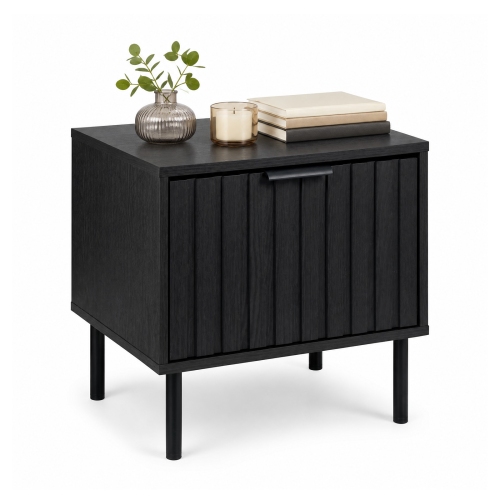
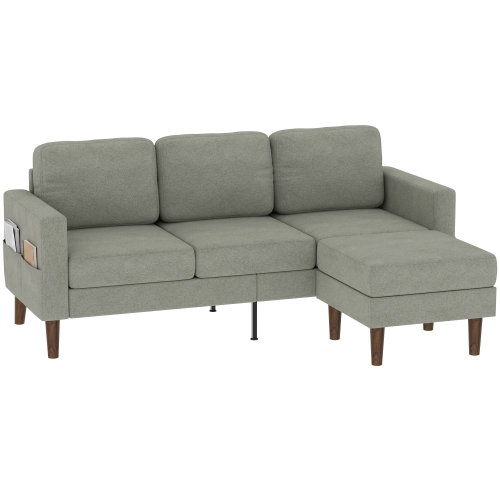
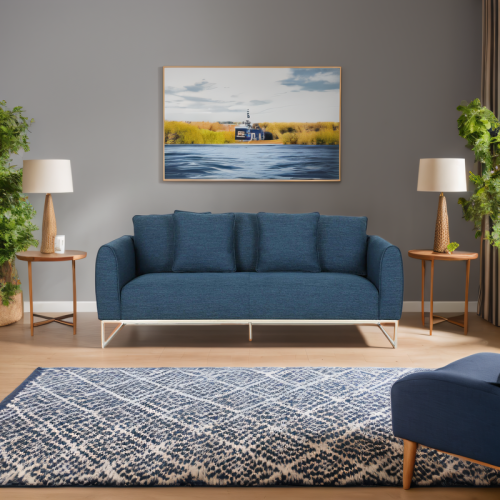
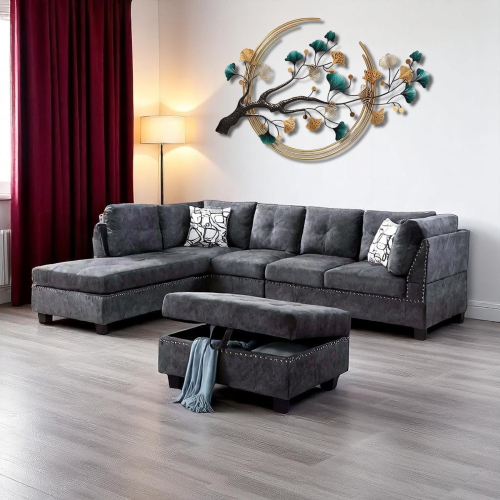
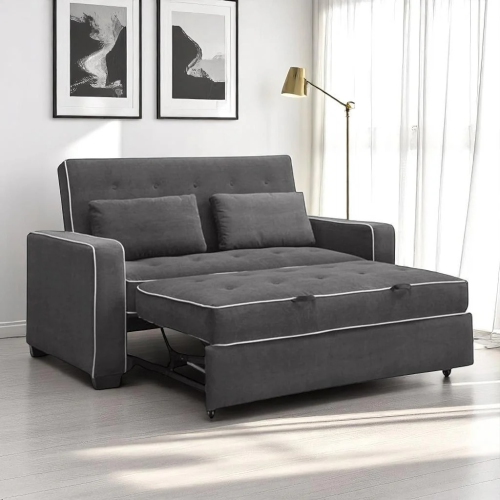
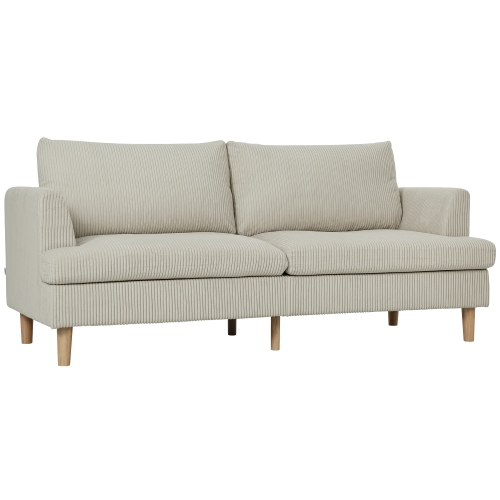
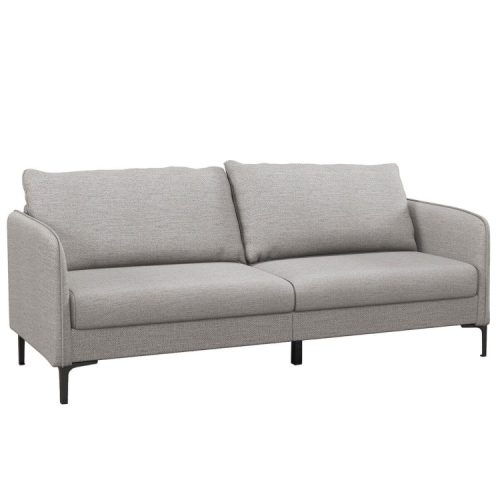
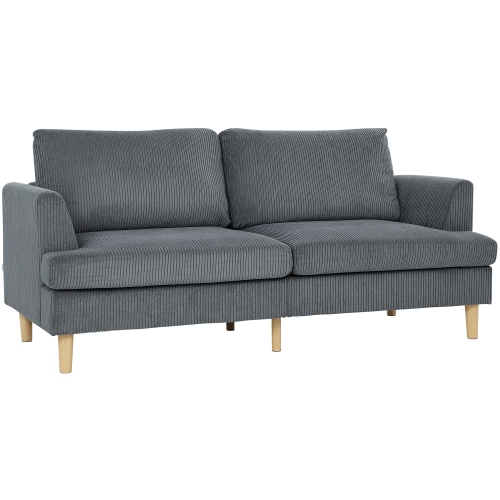


Space-saving pieces that leave more room for everyday living
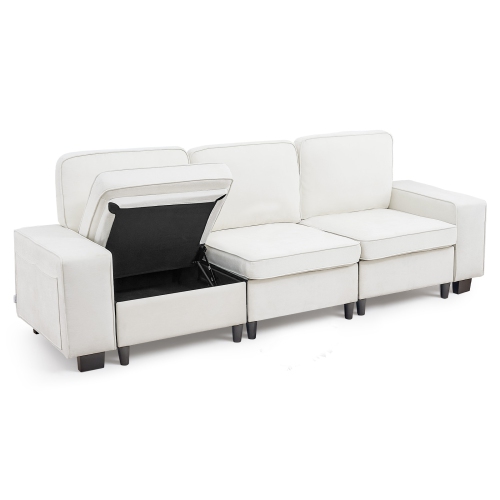
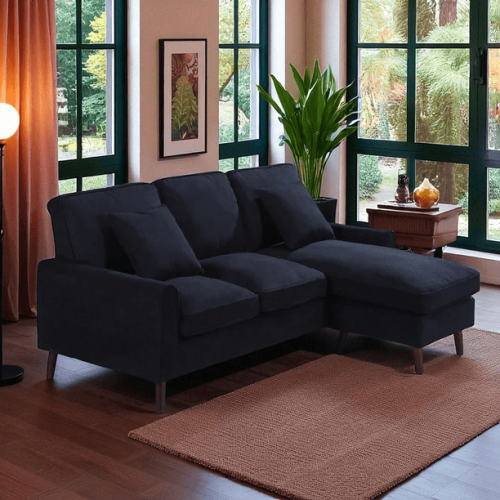
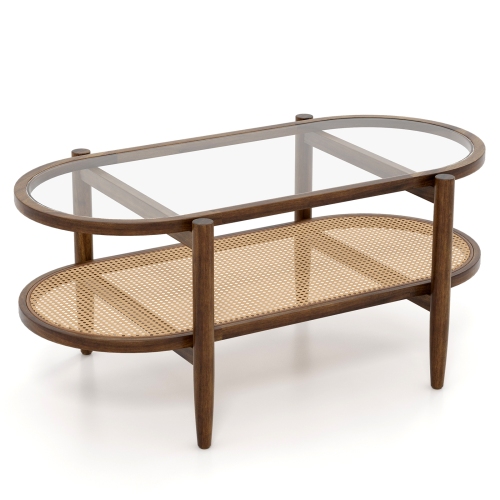
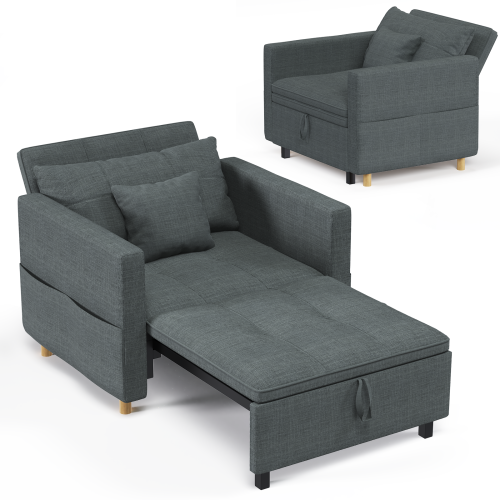
Modern apartment essentials combine space-saving design, multifunctional furniture, and practical organization to make everyday routines feel less crowded. They suit homes where the living room doubles as a workspace, the dining area sits beside the kitchen, or one closet handles everything from coats to cleaning supplies. A modern look does not require an entirely matching room; clean lines, balanced proportions, and a few repeated finishes can connect pieces with different purposes. Furniture with built-in storage gives blankets, charging cables, and board games a place to disappear, while nesting designs and extendable surfaces leave more open floor space between uses. A slim entryway arrangement creates a landing spot for keys and a bag without blocking the front door. In a living area, raised furniture legs can make the floor feel more visible, while a compact footprint leaves room to walk comfortably around seating. Useful dimensions extend beyond width and depth: door swing, drawer clearance, seat height, and the space needed to pull out a chair all affect how furniture fits. Elevator interiors, stairwell turns, and apartment doorways also matter when larger furnishings arrive. Materials influence both appearance and upkeep. Solid wood brings natural variation, metal frames offer a crisp profile, and laminated or veneered surfaces provide different finishes with care requirements that depend on their construction. Upholstery colour and texture deserve the same attention as silhouette, especially in homes shared with children or pets. Tightly woven fabrics may be easier to keep free of crumbs than deeply textured surfaces, and removable covers offer added flexibility when their care instructions allow washing. Stable bases, well-supported shelves, and secure hardware contribute to everyday durability, particularly for furniture that folds, extends, or opens several times a day. The most useful pieces have a clear role, whether that means comfortable seating for two, concealed storage beside a sofa, or a surface that shifts from dinner to a laptop.
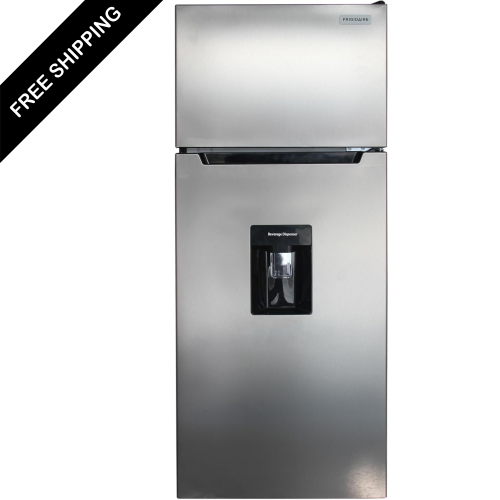
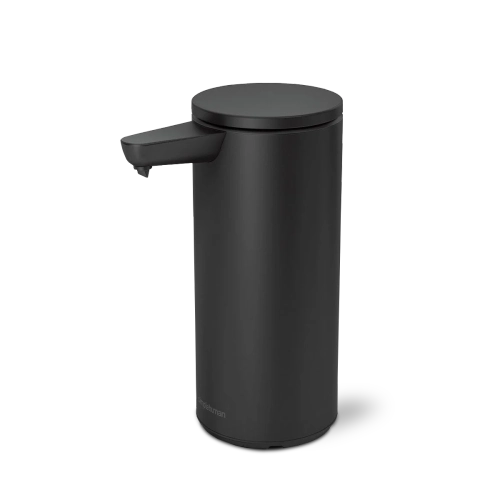
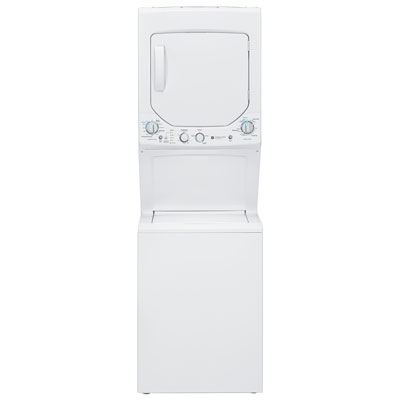
Apartment kitchens often benefit more from thoughtful proportions than from a large collection of equipment. Compact countertop appliances, stackable food storage, and cookware sized for everyday portions support regular meals without taking over the preparation area. An appliance needs room for its intended operation as well as storage, including any ventilation clearance specified by its manufacturer. Cabinet height, nearby outlets, and the space required to open a lid or remove a container can determine whether it feels convenient or awkward to use. Smooth, accessible surfaces simplify wiping up splashes, while removable components can make cleaning less of a chore when their care instructions suit the household’s routine. Vertical organizers and adjustable shelving make better use of cupboard interiors, especially when mugs, dishes, and pantry staples have different heights. Similar thinking applies to laundry and cleaning essentials: compact storage, comfortable handles, and equipment suited to the floor surface matter more than a long list of features. In an open-plan home, noise levels also affect comfort because a running appliance may be close to a work call or an evening conversation. Technology has a practical place in this mix when it supports the way the apartment is used. Reliable Wi-Fi helps connect work, streaming, and compatible smart-home accessories, while organized cables keep shared surfaces easier to use. Compatibility with existing devices, account requirements, and available connection points are useful considerations for connected equipment. A home workspace benefits from a supportive chair, a surface with enough depth for comfortable viewing, and lighting that does not cast a shadow across the keyboard. When work happens in the main living area, closed storage can put paperwork and accessories out of sight at the end of the day. Furniture that accommodates cables neatly makes the transition between working and relaxing feel less cluttered, without requiring a separate office.
Comfort in a modern apartment also comes from the quieter details: bedding that feels pleasant against the skin, lighting positioned where it is needed, and storage that makes daily routines easier to repeat. Bedroom furniture works best when drawers can open fully and there is enough clearance to move around the bed. Under-bed storage can provide room for spare linens or less frequently used belongings, provided the frame allows suitable access. Cotton bedding offers a familiar feel, while blends and textured fabrics vary in softness, wrinkle resistance, and washing requirements. Fit matters as much as fabric, particularly the relationship between mattress depth and fitted-sheet pocket depth. Washable textiles and accessible care labels are useful for busy households and shared laundry arrangements. In the bathroom, compact shelving, moisture-appropriate materials, and containers that fit the vanity help keep daily necessities organized without crowding the sink. Living spaces feel more settled when lighting supports different activities rather than relying on a single overhead source. Task lighting provides focused illumination for reading or work, while softer accent light can make a seating area more inviting. Rugs, curtains, and upholstered surfaces add texture and may soften some reflected sound, although they do not replace soundproofing. Their proportions affect the room, too: a rug that relates to the seating arrangement can help distinguish a living area from a nearby dining space. These connections between comfort, fit, and everyday function are central to Apartment Living Essentials, whether the home is a studio, a first rental, or a larger apartment shared with roommates. For a housewarming gift, practical household basics are often most useful when they suit the recipient’s storage space, routines, and existing setup. A compact footprint, straightforward care, and versatile styling give everyday furnishings lasting relevance as rooms are rearranged and household needs change.
Top selling and popular products
-
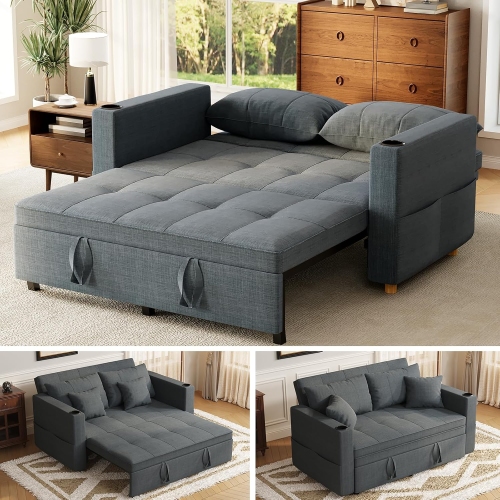 Your price for this item is $549.99
-
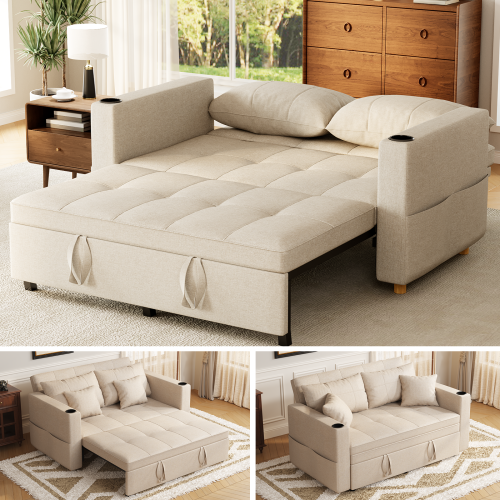 Your price for this item is $559.99
-
 Your price for this item is $599.97
-
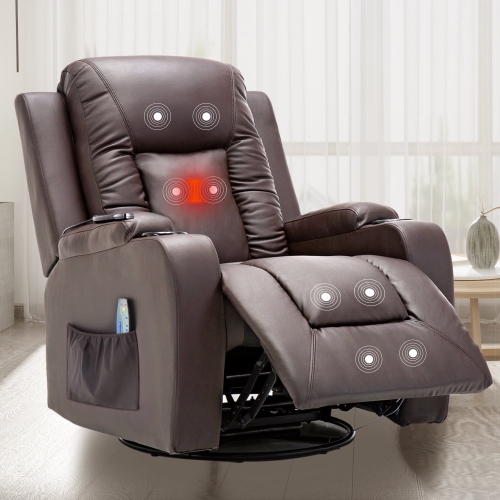 Your price for this item is $599.99
-
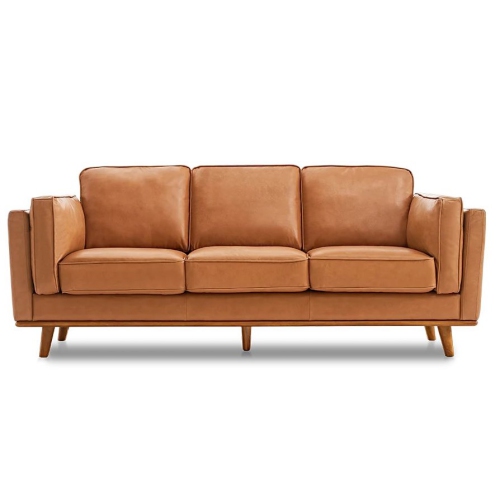 Your price for this item is $1949.99
-
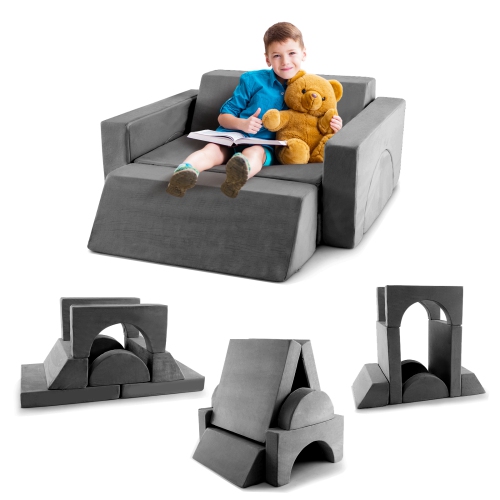 Your price for this item is $167.99
-
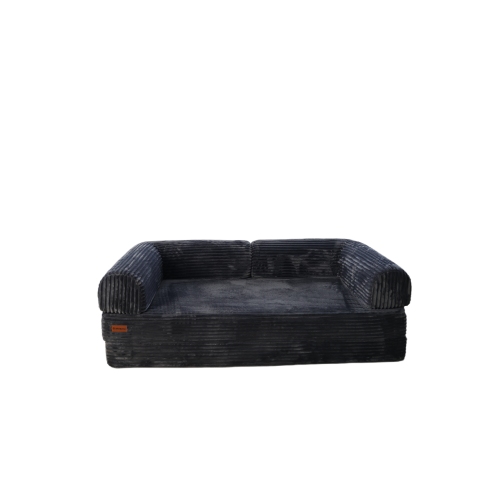 Your price for this item is $599.97
-
 Your price for this item is $289.99
Discover more categories related to Modern Apartment Essentials
Top Collections:
Pokemon Centers, Best Black Friday Deals This Year, Best Black Friday Deals On Electronics, Kindle Devices, Best Budget Office Chairs, Best Black Friday Deals On Apple Products, Best Cameras for Sports Photography, Pokémon 30th Celebration Cards, Dyson Airwrap, Canon G7X Cameras
Some products may be subject to Environmental Handling Fees
(EHF) depending on your province.
Learn more about EHFs.