Modern Dining Room Rugs
Elevate your dining space with Modern Dining Room Rugs designed to add style and comfort to every meal. Whether you’re looking to complement your décor or create a bold statement, these rugs offer a variety of designs and colors to suit any taste. Modern Dining Room Rugs provide the perfect finishing touch, helping define your dining area while enhancing the overall ambiance of your home. Discover options that bring contemporary flair and inviting warmth to gatherings around the table.
Sort
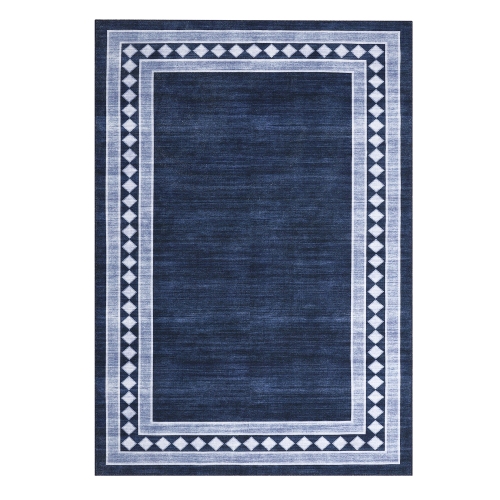

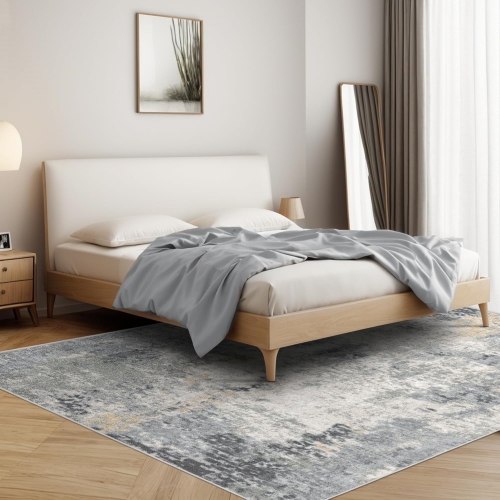


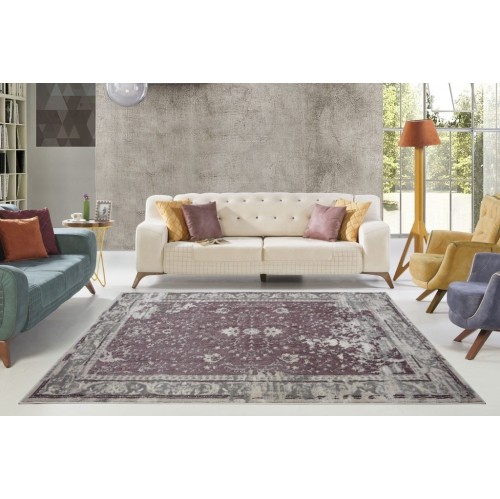

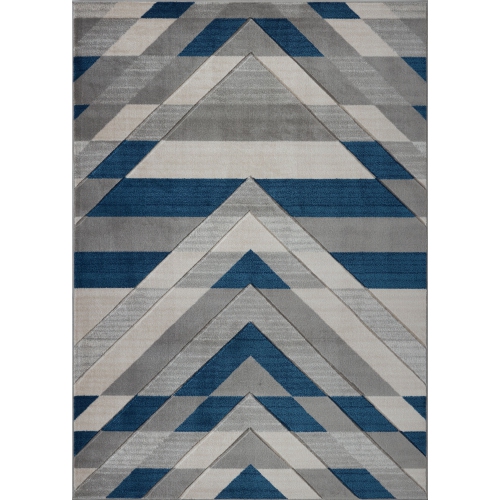


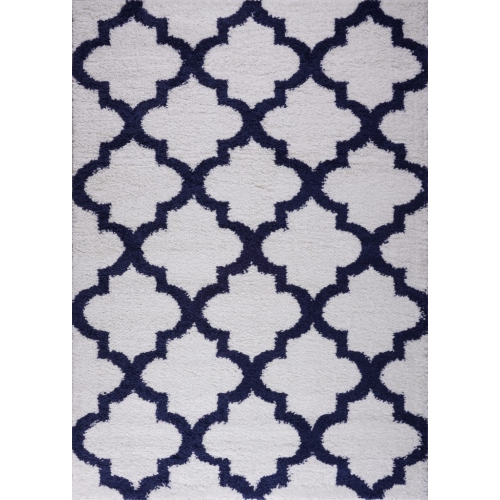


A stylish foundation with room for every chair
Modern dining room rugs give the dining table a defined place in the room, bringing colour, texture, and visual balance to a space built around everyday meals and shared occasions. Their designs often favour clean lines, geometric patterns, abstract shapes, or subtle tonal variation rather than elaborate borders. A softly patterned rug can add depth beneath a simple wood table, while a bold grid or sweeping curve can introduce movement among straight-backed chairs and streamlined cabinetry. In an open-plan home, a rug also helps distinguish the dining area from nearby seating without adding a physical divider. The right proportions matter as much as the pattern: a dining room rug generally needs to extend at least 24 to 30 inches beyond every side of the tabletop so chair legs remain on the rug when someone pulls out a seat. Larger chairs, deep seats, or a generous table base may need more clearance, so the space occupied by a seated diner is a useful reference alongside the table measurements. For an extendable table, the rug should accommodate the arrangement used most often, with extra room considered if the table regularly stays open. Rectangular rugs naturally complement rectangular and oval tables, while round rugs echo circular tables and can soften a square dining nook. Matching shapes is not essential, though; a round table on a square rug can look balanced when the surrounding floor space is even. Nearby furniture also affects the fit. A sideboard, doorway, or kitchen island should not force chairs onto the rug edge or interrupt a walkway. Leaving a visible border of flooring helps the dining arrangement feel intentional rather than crowded. In a compact condo, a restrained pattern and a colour close to the floor can create a continuous look, while a contrasting rug gives a larger dining area a stronger focal point.
Material and construction influence how a dining room rug feels underfoot, how easily chairs move, and how much attention it needs between meals. Low-pile rugs and flatweaves are practical choices because their relatively even surfaces are easier to vacuum and less likely to obstruct chair legs than thick, plush piles. A slim profile is particularly useful beneath frequently used chairs, although the texture of the weave and the shape of the chair feet still affect movement. Wool offers a resilient feel and natural variation in texture, making it appealing for dining spaces that need comfort without a shaggy surface. It can shed, especially when new, and spills still need prompt attention despite the fibre’s natural resistance to absorbing some liquids immediately. Polypropylene is often chosen for its resistance to many common stains and its straightforward care requirements, while polyester can offer softness and clear colour definition. Nylon is another durable option for spaces with regular foot traffic. Fibre alone does not determine performance: pile density, backing, edge finishing, and the manufacturer’s care instructions all contribute to how well a rug handles daily use. Cotton flatweaves can suit relaxed dining areas, and some are washable, but washability depends on the complete rug construction and its dimensions. A large dining rug may require equipment beyond a household washing machine, even when its label permits machine washing. Jute and other coarse plant fibres bring a textured look, but they can be harder to clean after food spills and may not suit a table used for children’s meals or messy craft projects. Viscose and similarly delicate fibres need particular care around moisture. For a busy household, a dense, low-profile surface with secure edges is often easier to live with than a loose weave or long fringe. Beneath any rug, an appropriately sized pad that is compatible with the flooring can improve grip and cushioning; floor-finish guidance matters, especially where certain backings may leave marks.
Daily dining habits help determine which colours and finishes will remain satisfying beyond the first impression. A pale, solid rug creates a calm backdrop, but it also makes dark crumbs and marks more noticeable. A very dark rug can reveal lint, pet hair, and lighter debris just as clearly. Mid-tone colours, small-scale patterns, and gentle variations within the weave are often more forgiving between cleanings without making the room feel busy. In a dining area with expressive artwork or patterned chairs, a quieter rug lets those details stand out. Where the furniture is simple, an abstract design or contrasting border can supply the room’s main decorative detail. The rug does not need to match every finish exactly: warm grey can sit comfortably beside oak, muted blue can balance a walnut table, and cream with charcoal lines can connect light upholstery with black metal chair legs. Households drawn to more detailed motifs can also explore Traditional Dining Room Rugs for a different visual direction beneath contemporary furniture. Whatever the design, regular care helps preserve the surface. Vacuuming removes crumbs and grit before they settle into the pile, while settings and attachments should follow the care label, particularly for wool, fringe, or loosely woven textures. Spills are best blotted promptly with a clean, absorbent cloth rather than rubbed into the fibres. Cleaning solutions should be suitable for the material and tested in an inconspicuous area; soaking a spot can affect the backing or leave a visible ring. Rotating the rug periodically can distribute wear from favourite seats and frequently used routes around the table. Smooth, well-maintained chair feet help limit snagging, and lifting furniture during rearrangement avoids dragging weight across the edges. For a dining space that doubles as a homework station, work area, or gathering place for board games, these practical details matter just as much as appearance. A well-proportioned modern dining room rug brings those uses together, giving the room a finished look while remaining comfortable for the routines that happen around the table.
Top selling and popular products
-
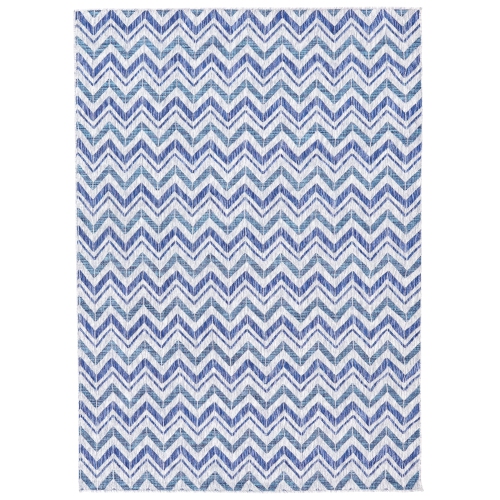 Your price for this item is $129.15
-
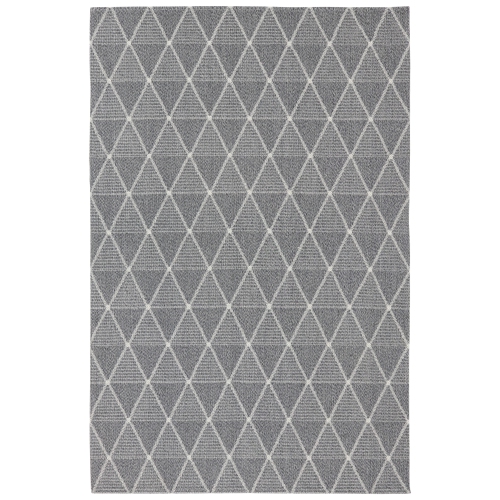 Your price for this item is $130.55
-
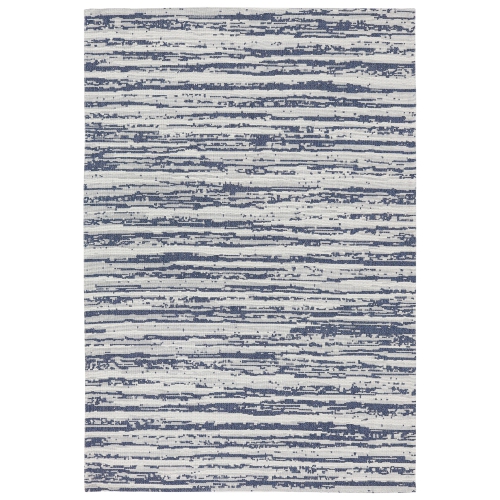 Your price for this item is $130.55
-
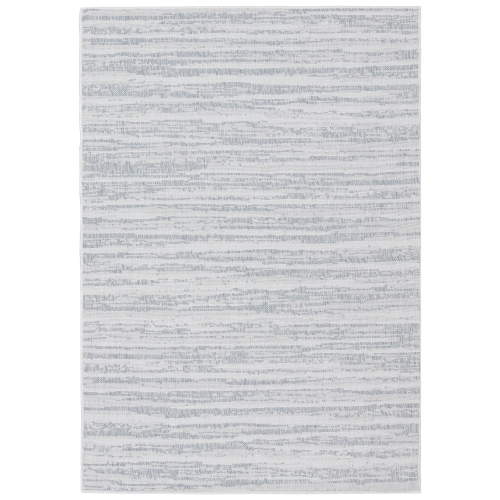 Your price for this item is $129.15
-
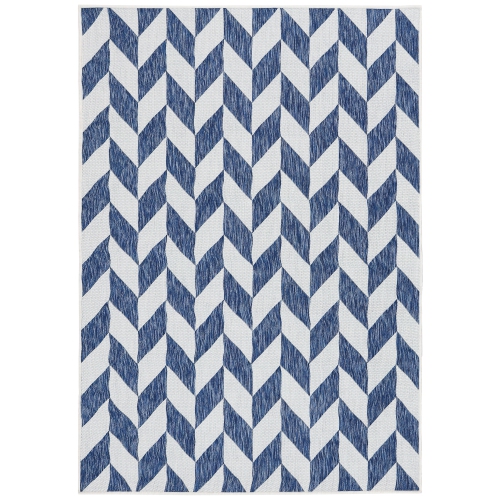 Your price for this item is $129.15
-
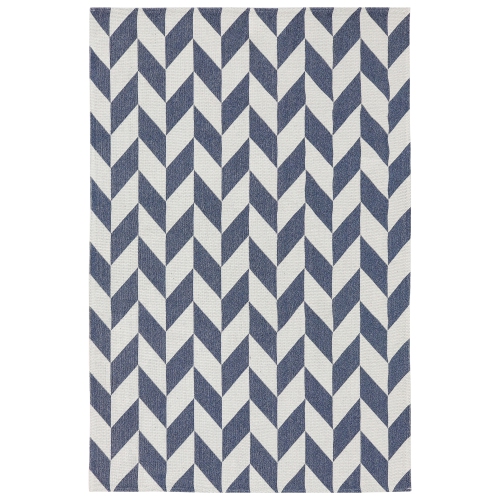 Your price for this item is $130.55
-
 Your price for this item is $111.99
-
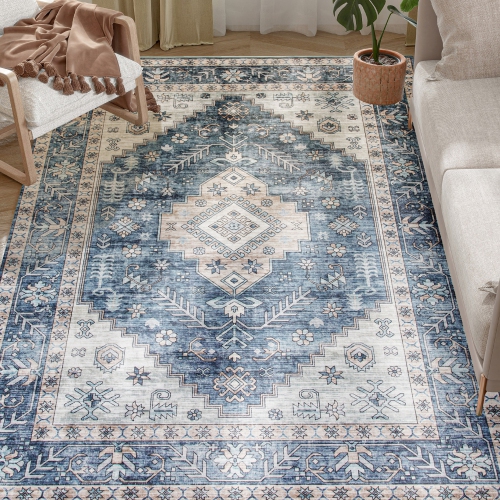 Your price for this item is $124.99
Discover more categories related to Modern Dining Room Rugs

Top Collections:
Pokemon Centers, Kindle Devices, Best Cameras for Sports Photography, Pokémon 30th Celebration Cards, Apple iPhones 16, Canon G7X Cameras, iPhone 15 Apple, Flip Phones, Samsung Galaxy Phones, Alarm Clock
Some products may be subject to Environmental Handling Fees
(EHF) depending on your province.
Learn more about EHFs.