Modern Grey Sofas
Looking to update your living room with a touch of modern sophistication? Grey sofas are the perfect solution. With their sleek lines, contemporary design, and versatile grey hue, these sofas effortlessly blend style and comfort. Whether you're looking for a statement piece or a cozy spot to relax, modern grey sofas are designed to elevate your space with their timeless appeal. Here are some great options available.
Sort
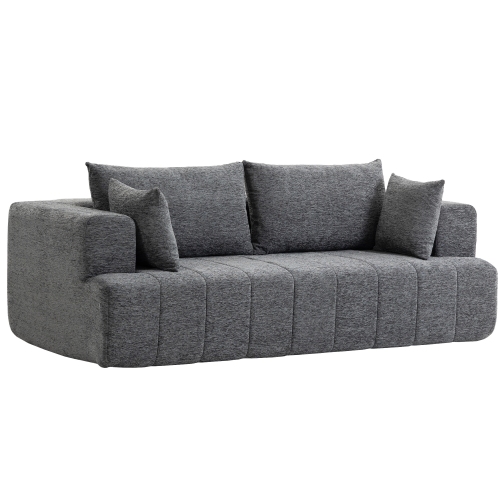
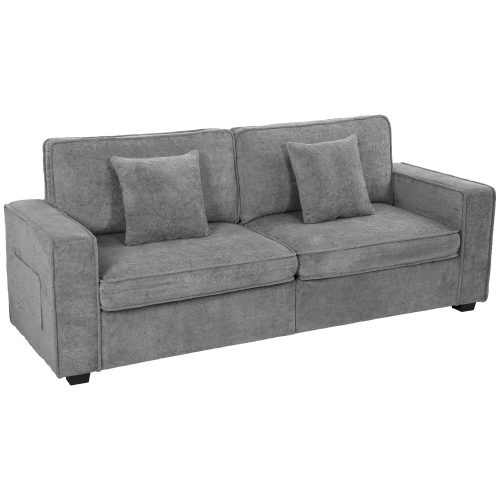
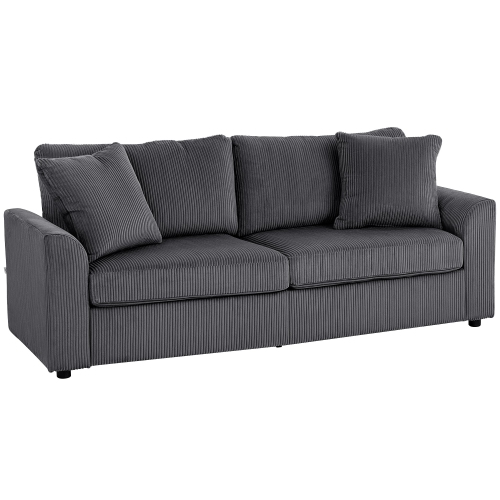
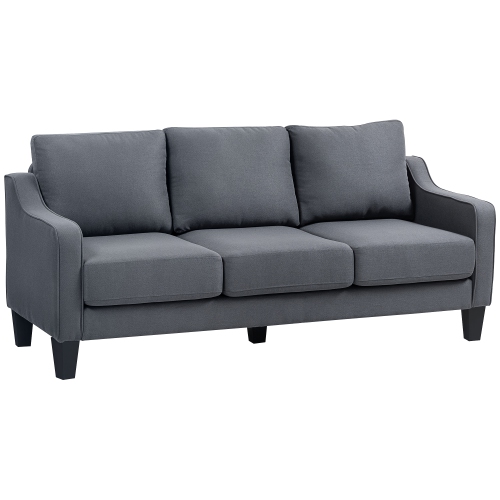
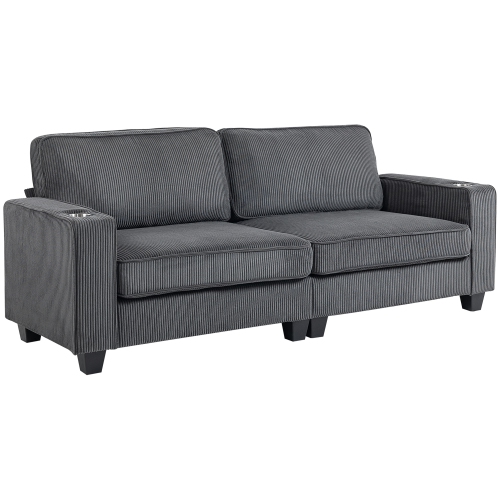
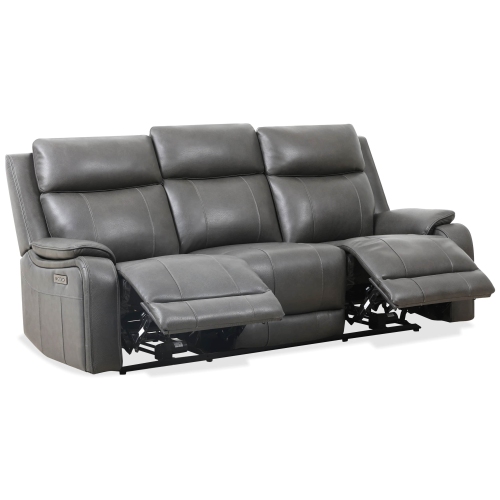
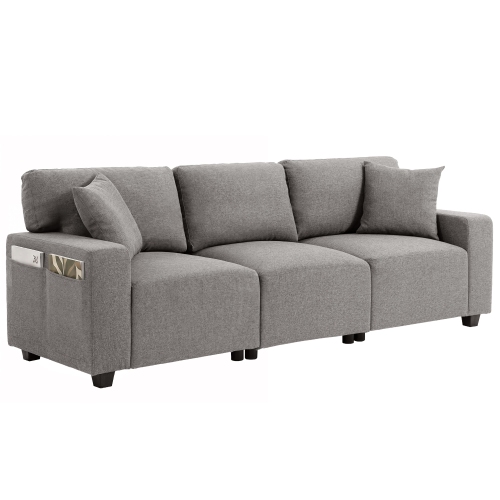
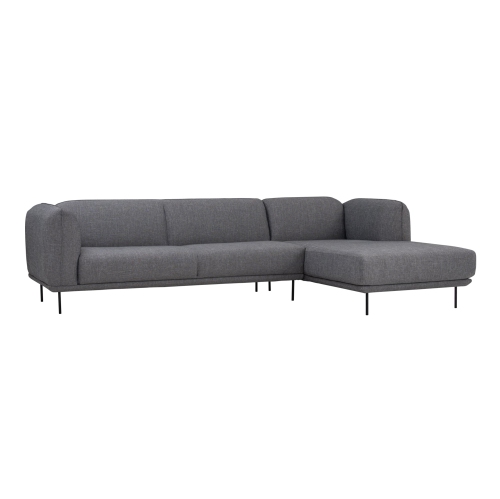
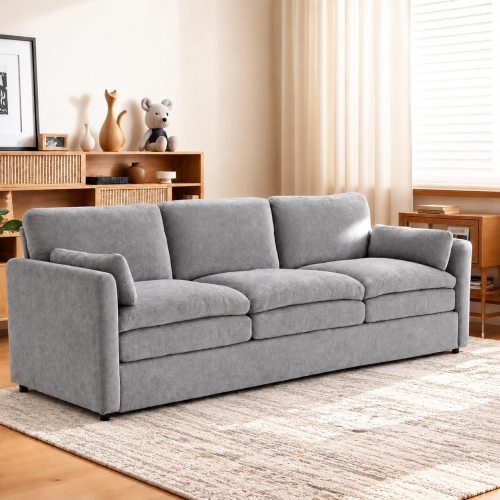
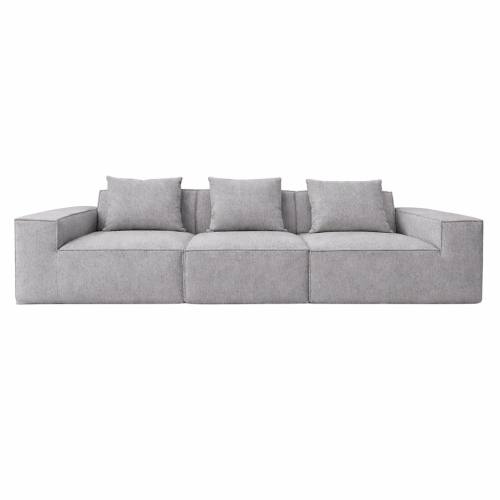
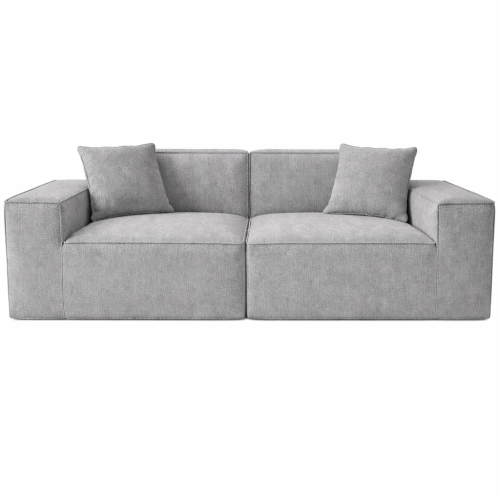
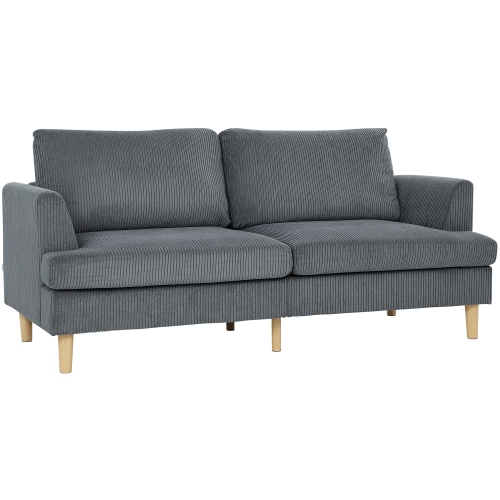
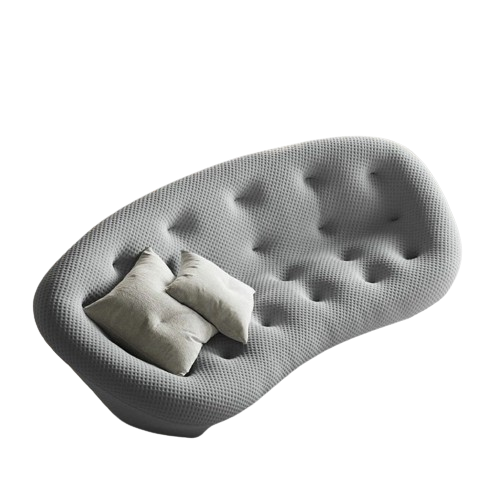
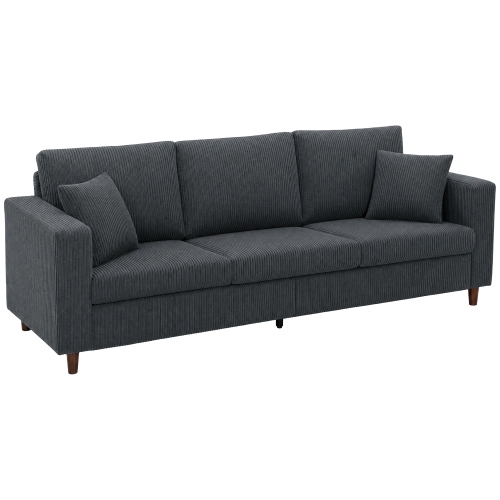


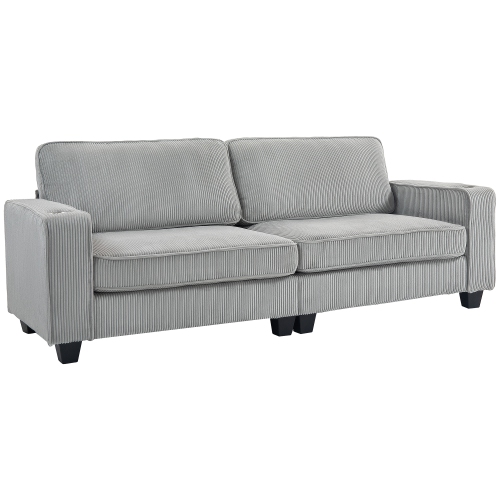
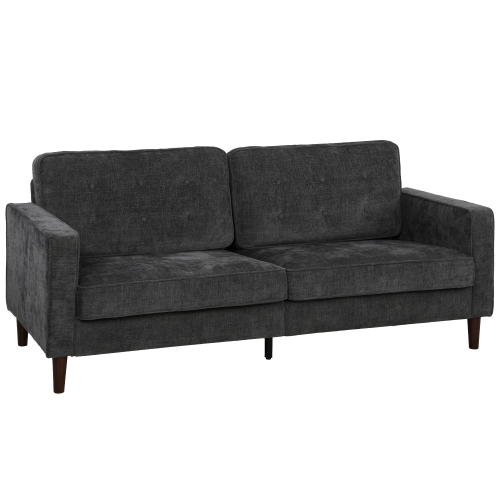
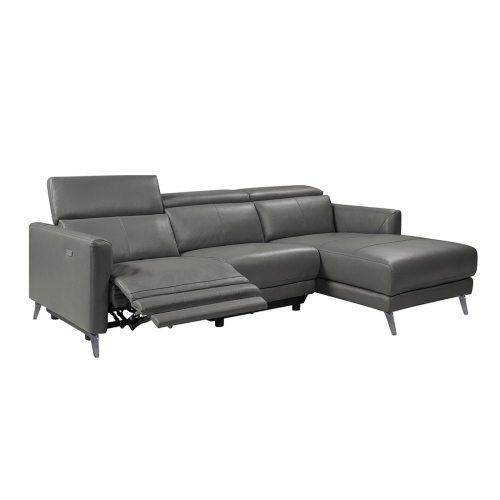
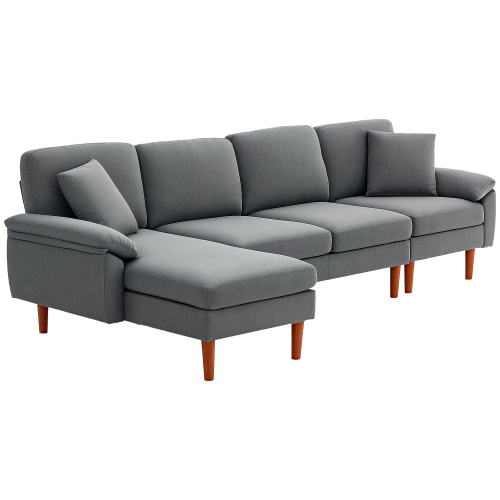
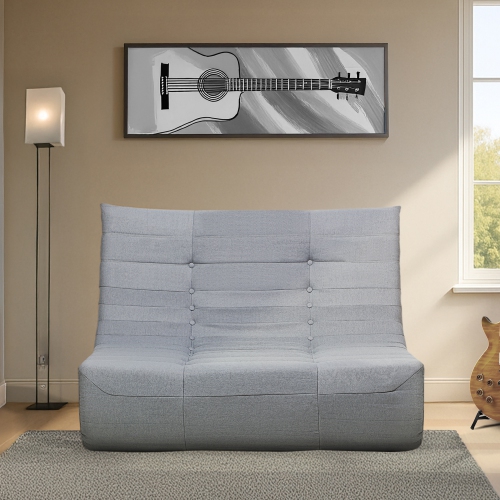
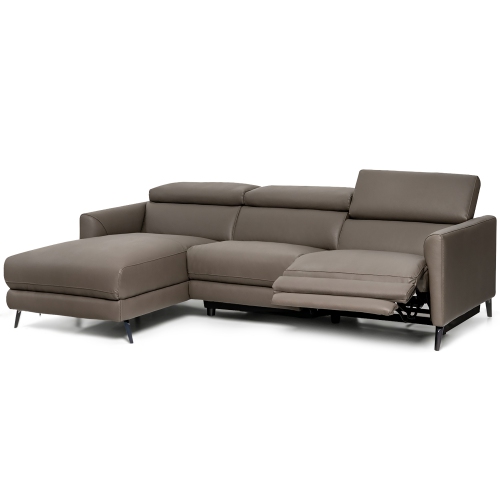
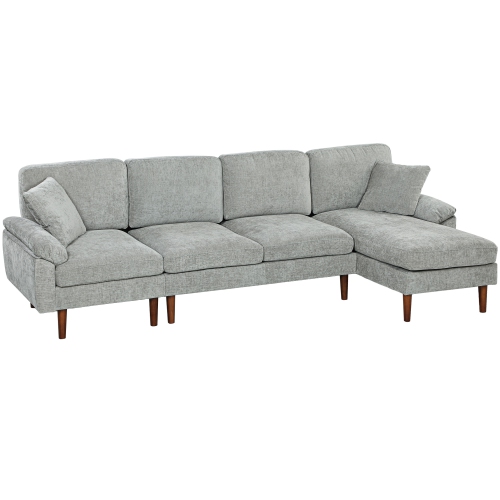
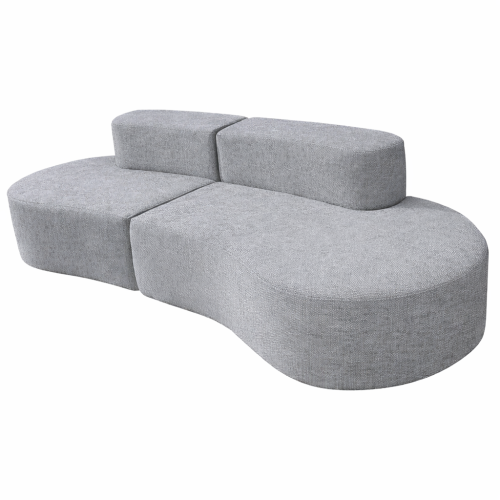

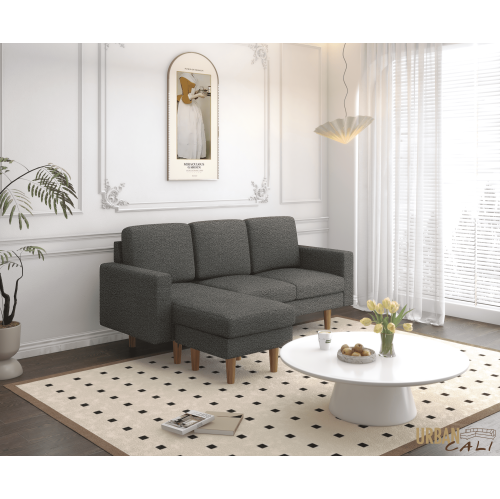
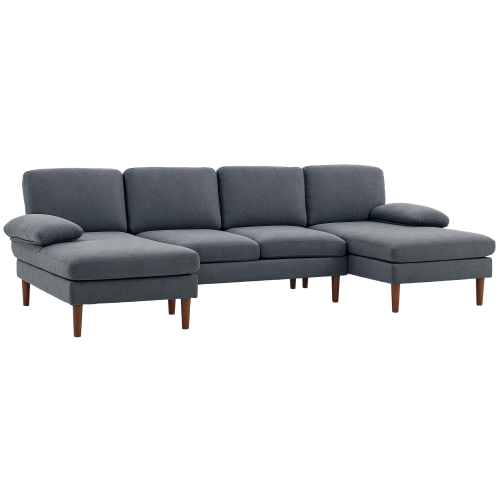

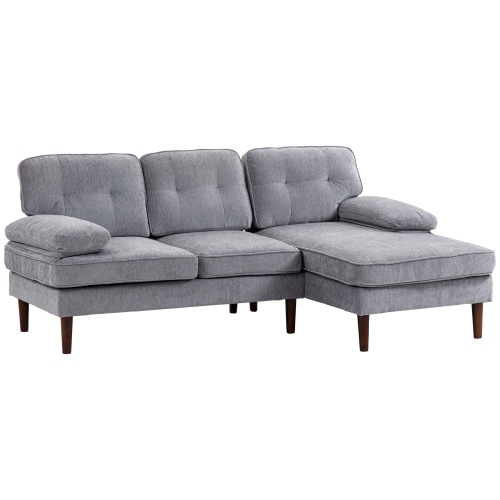
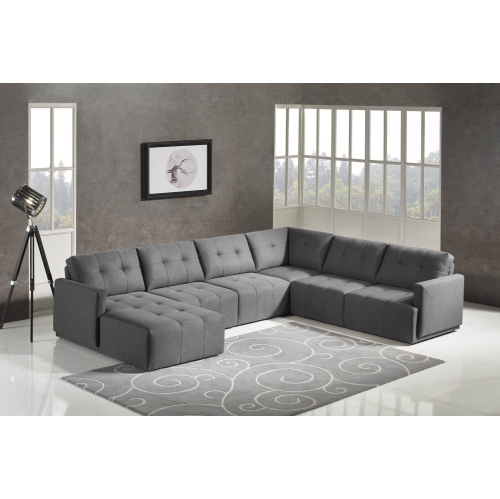
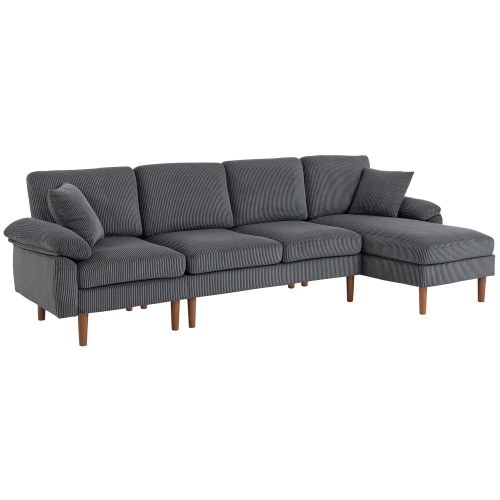
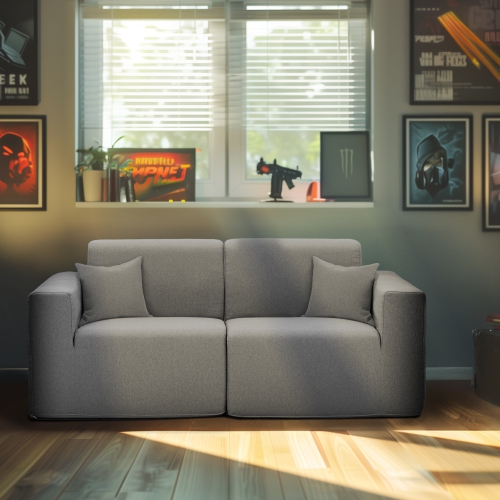
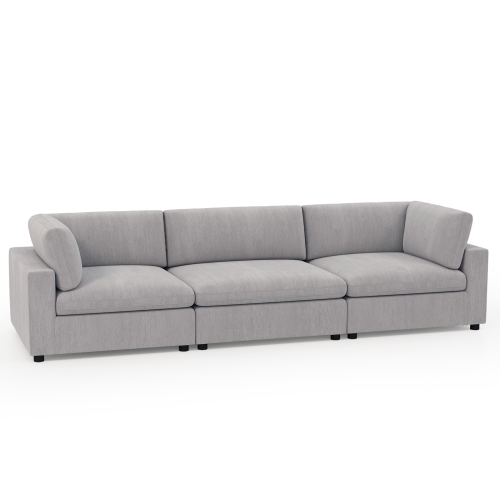
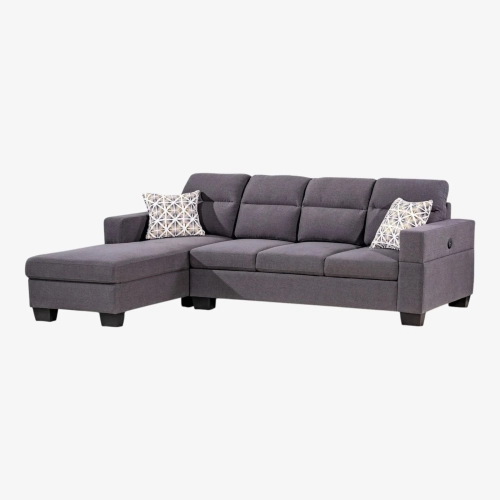
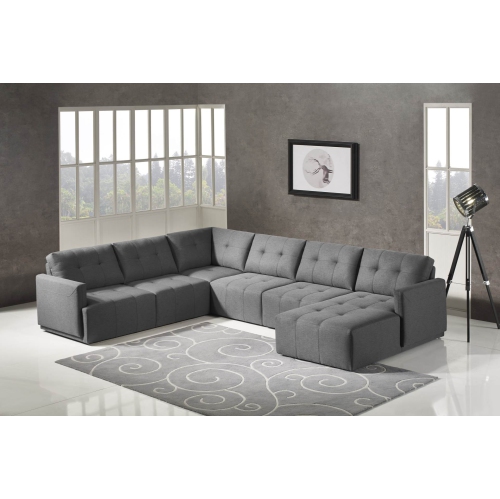
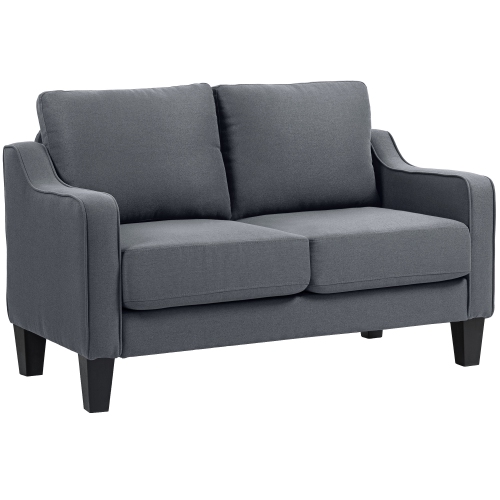
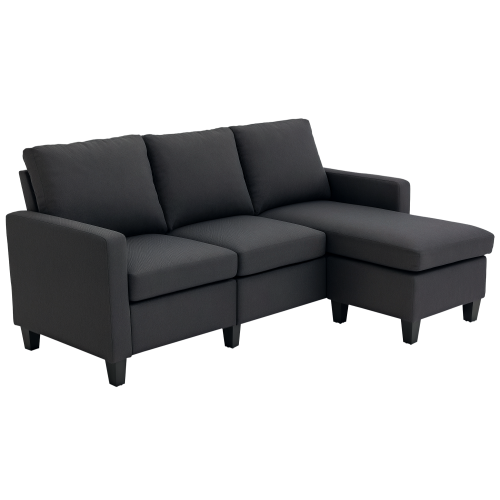
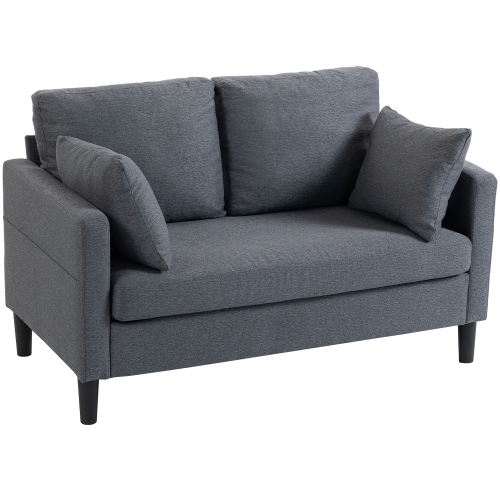
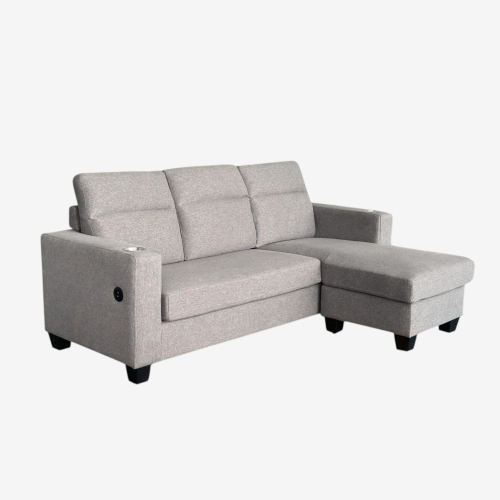
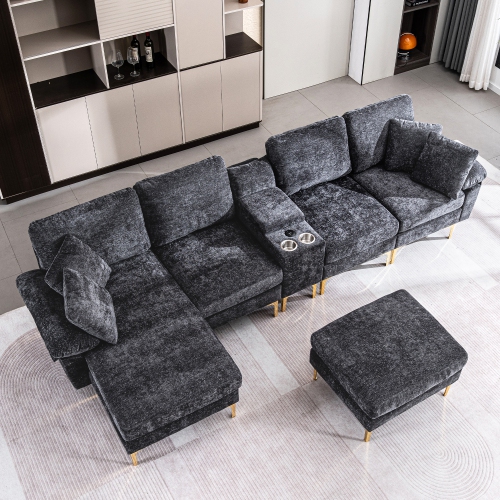
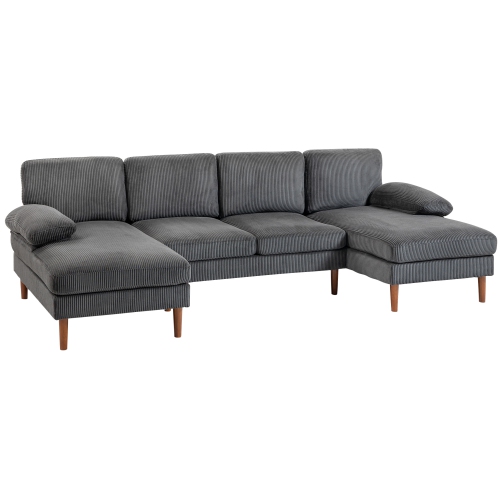
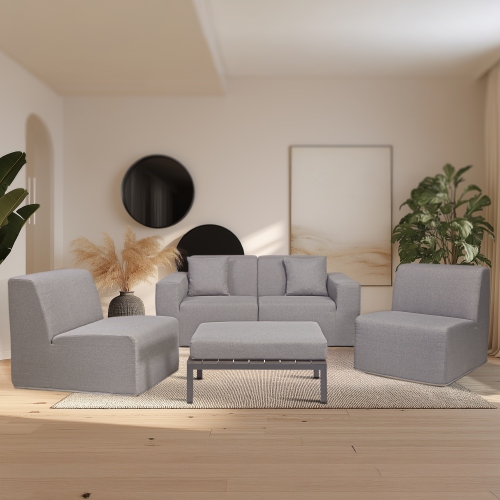
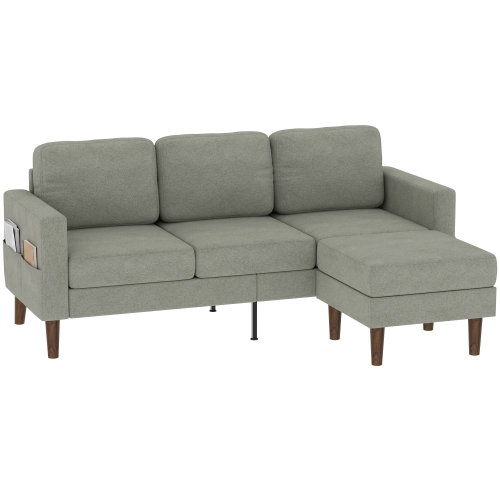
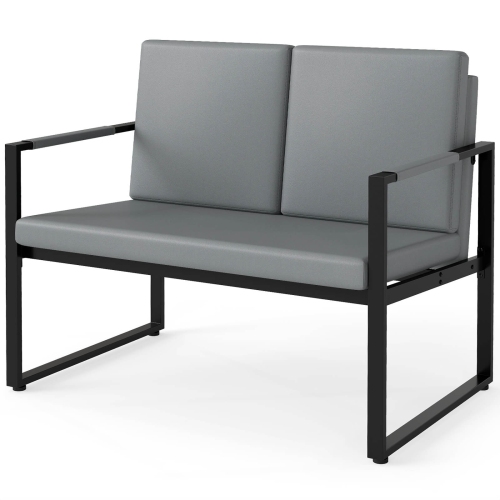
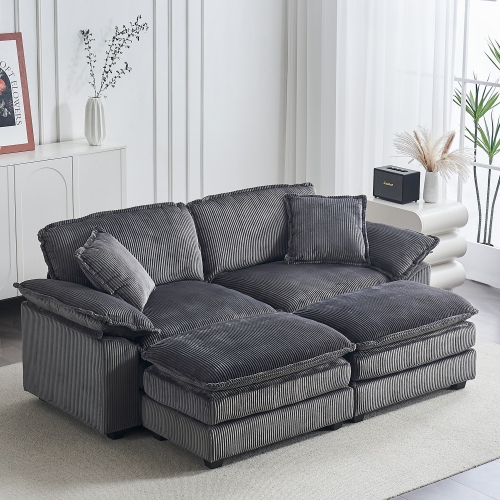
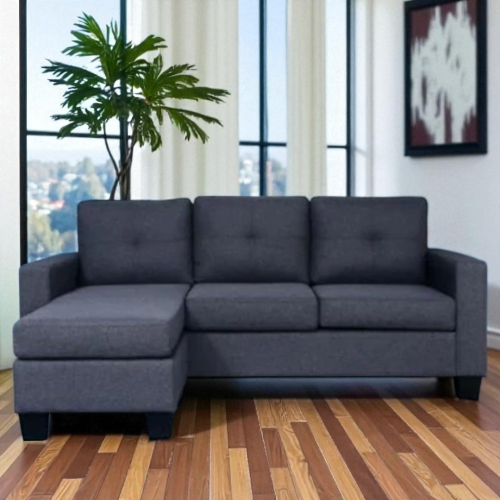
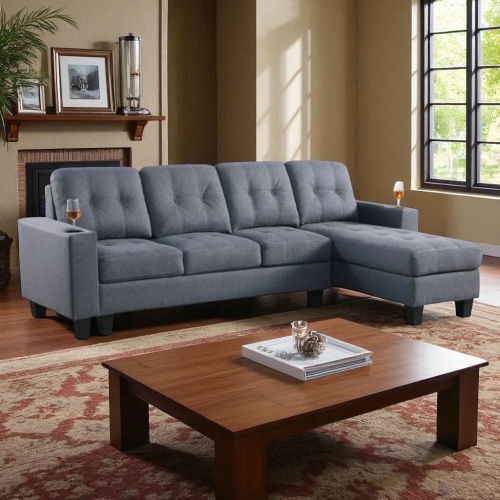
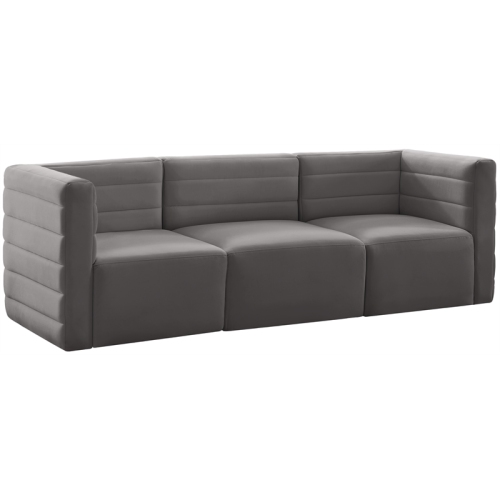
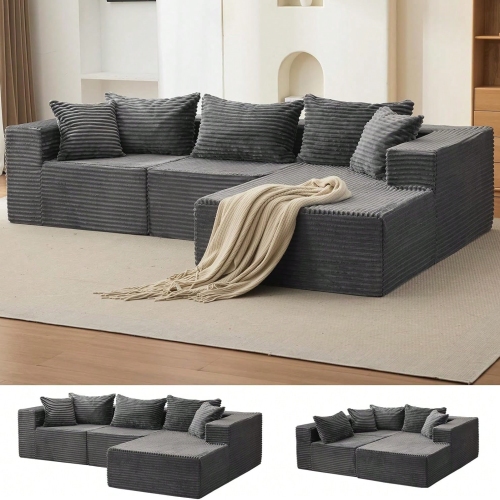
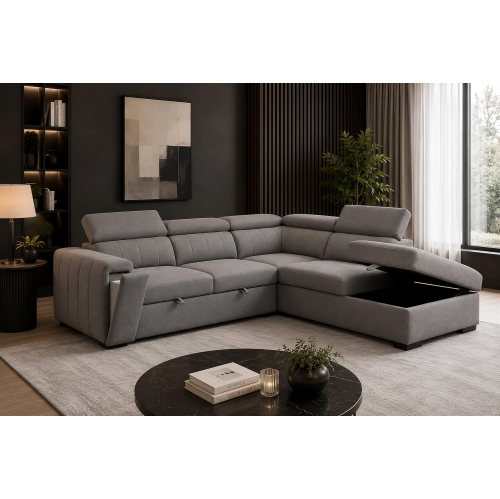
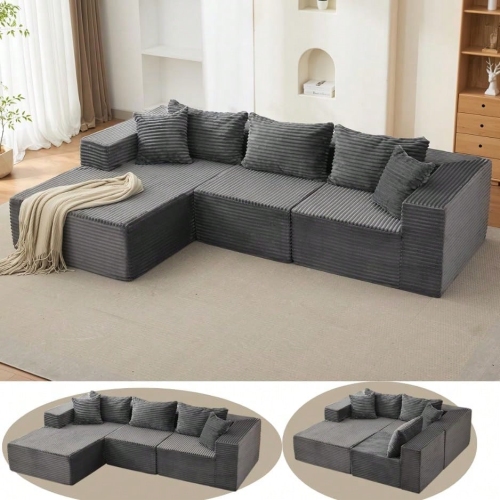
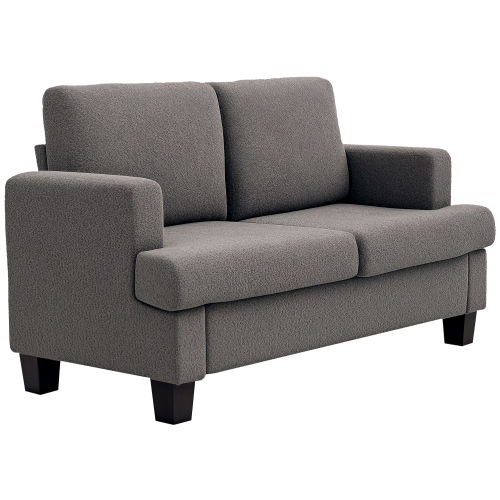
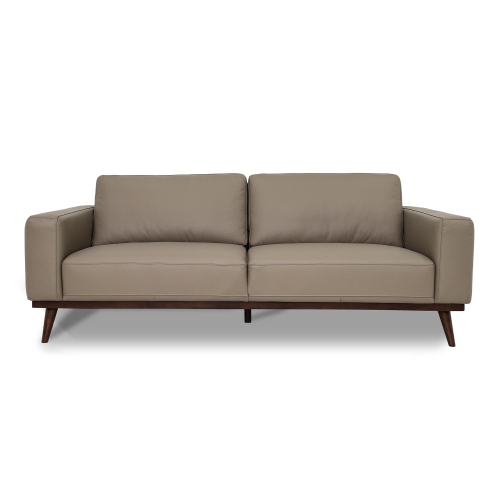
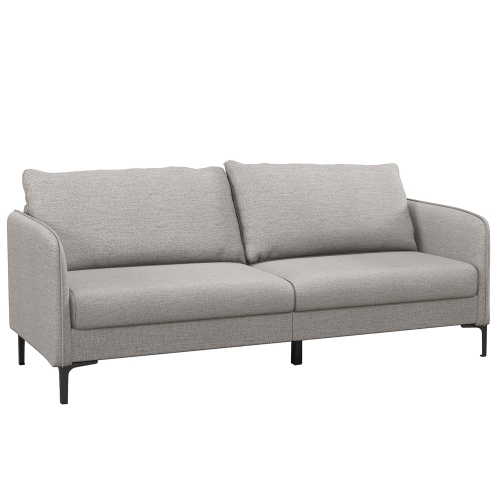
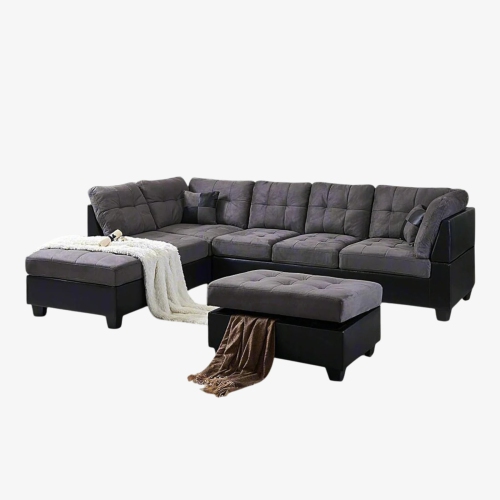
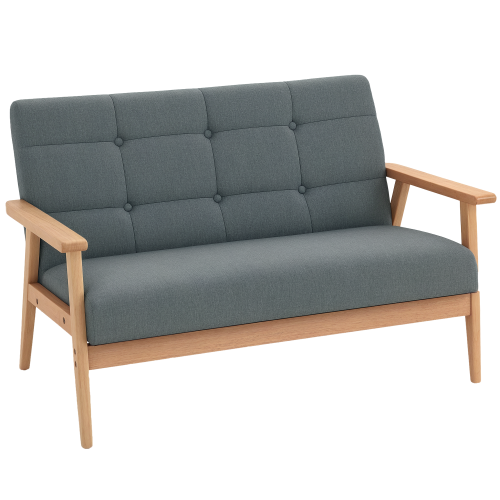

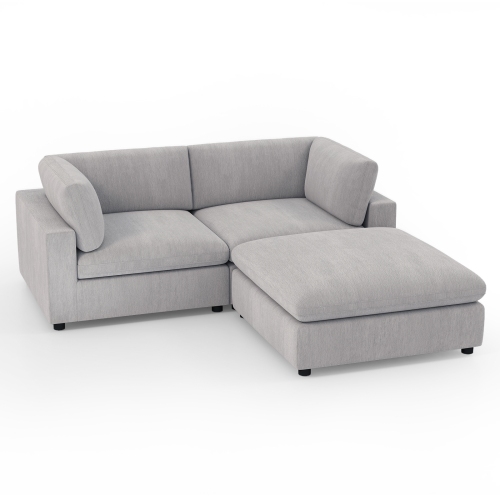
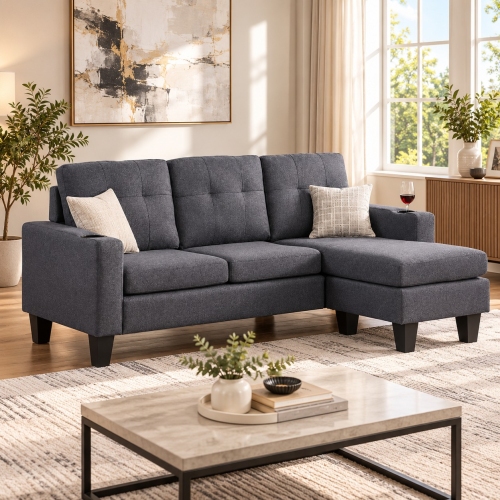
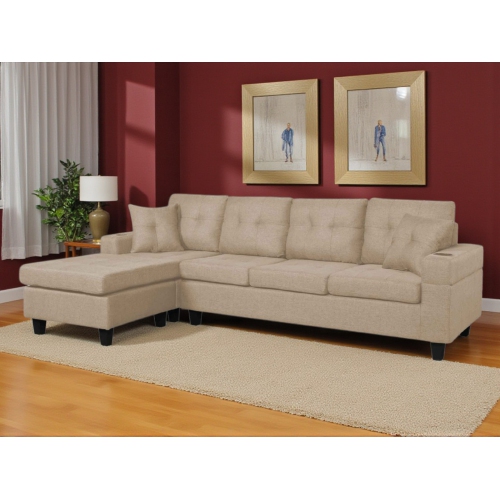
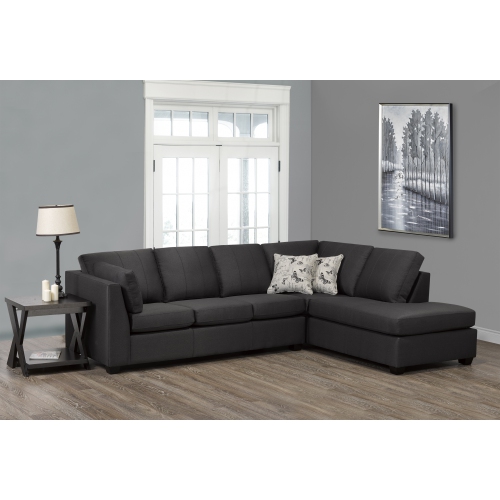
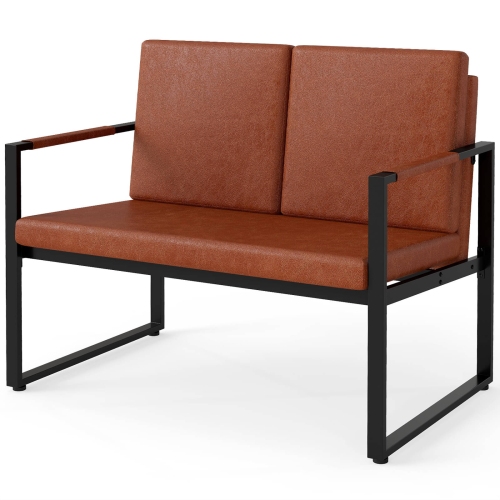
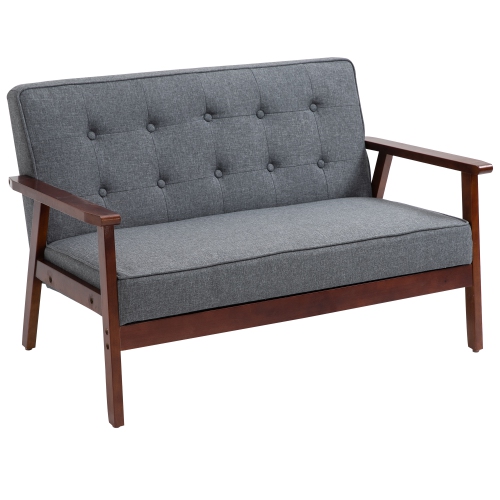
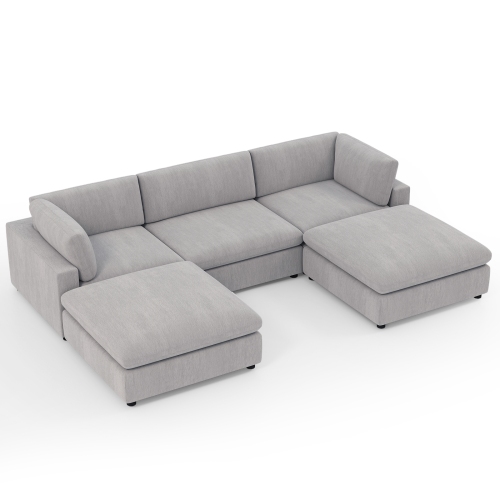

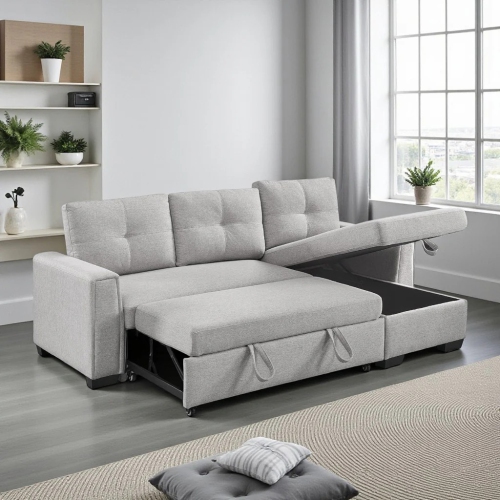
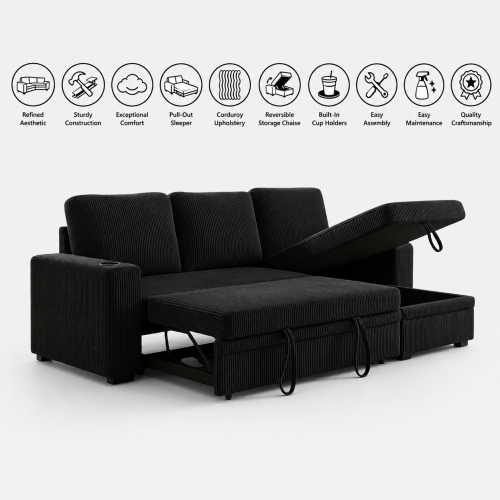
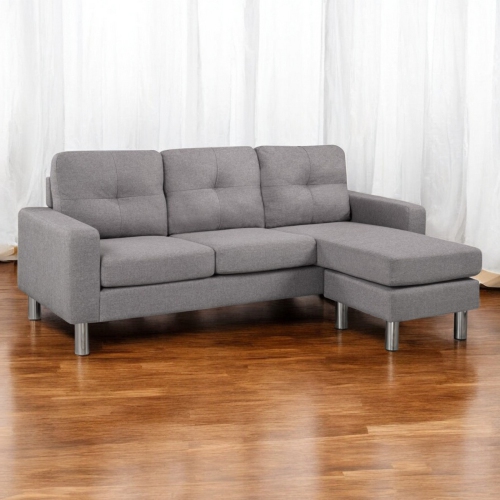
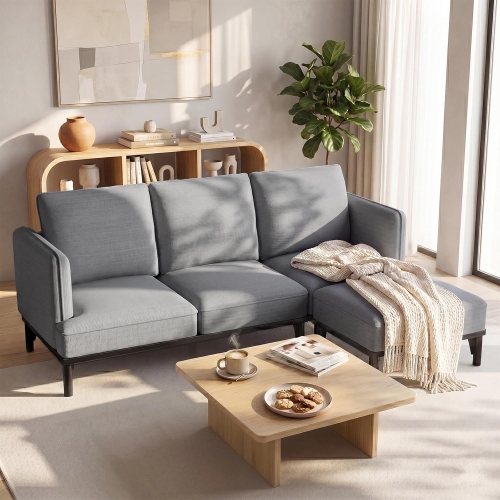
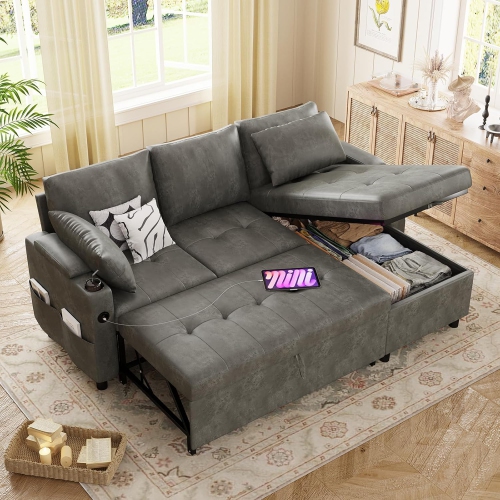
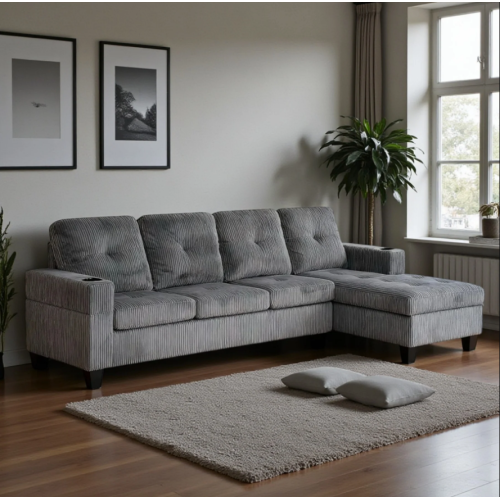
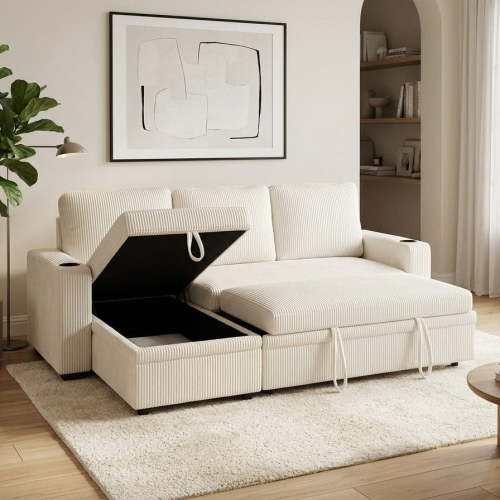
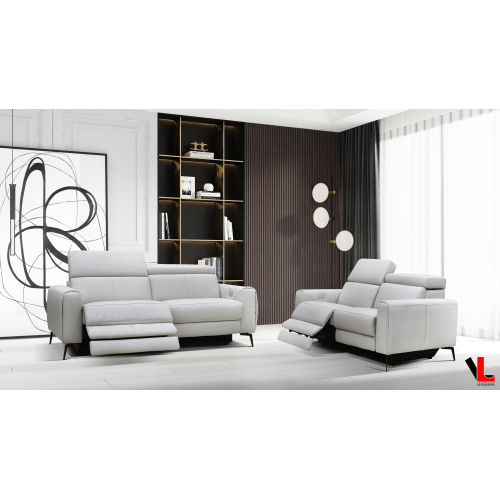

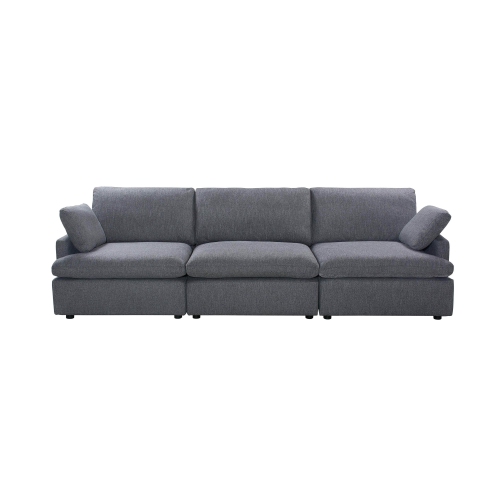

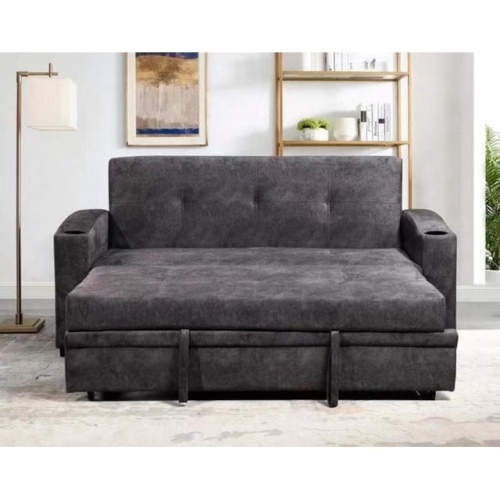

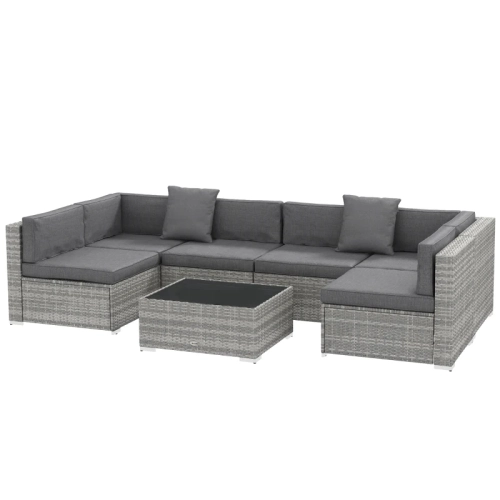
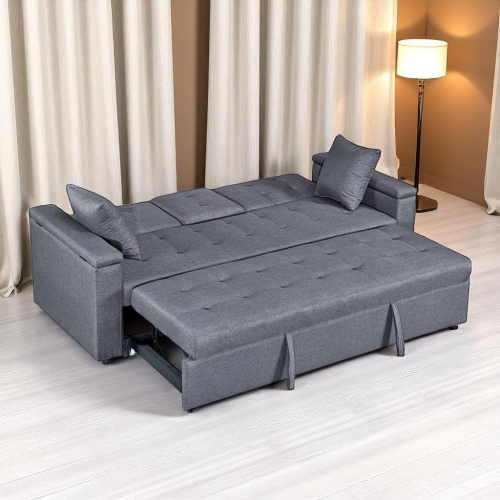

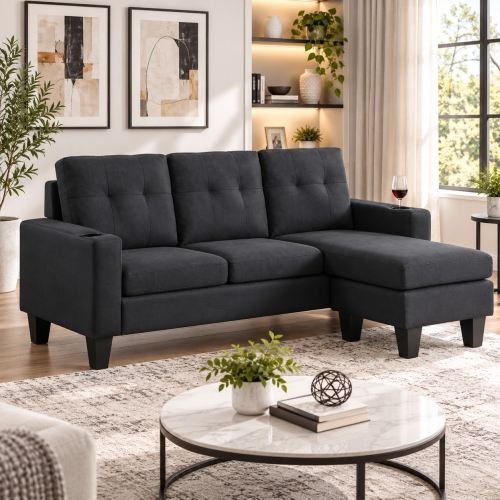
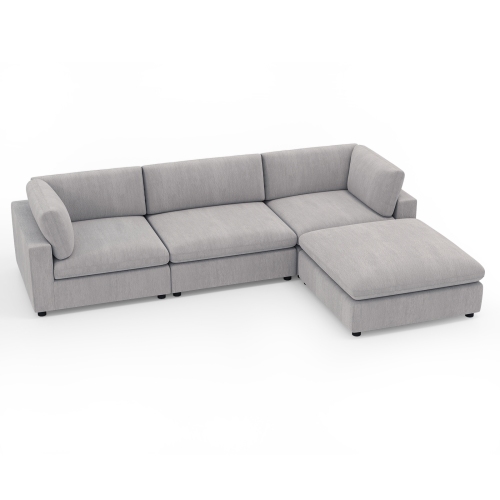
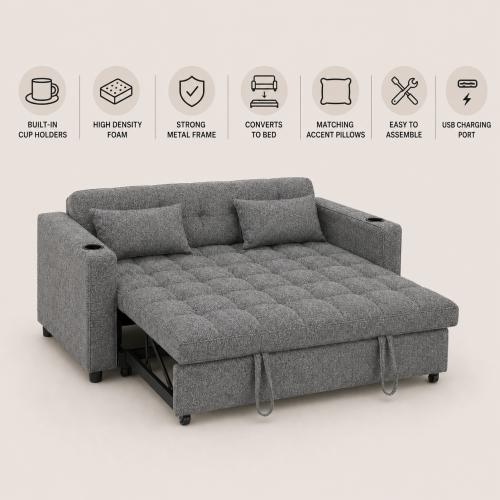
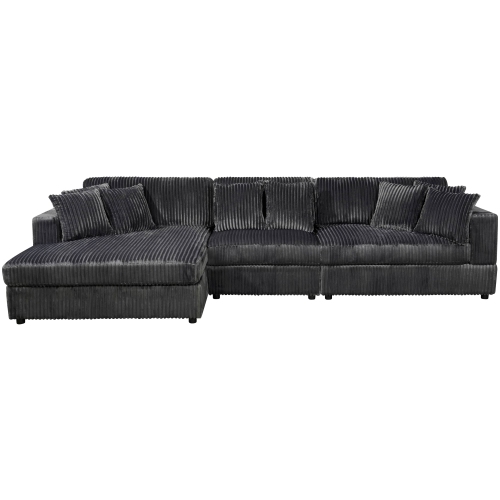
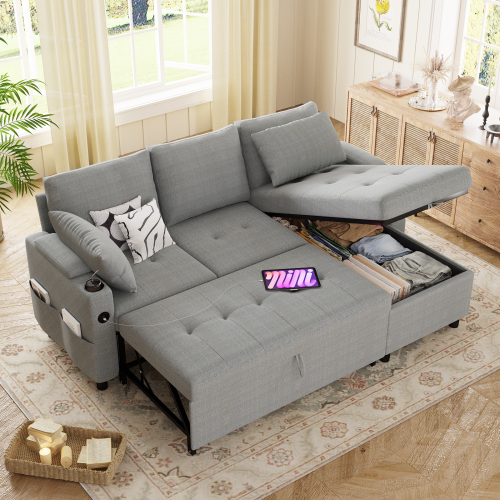
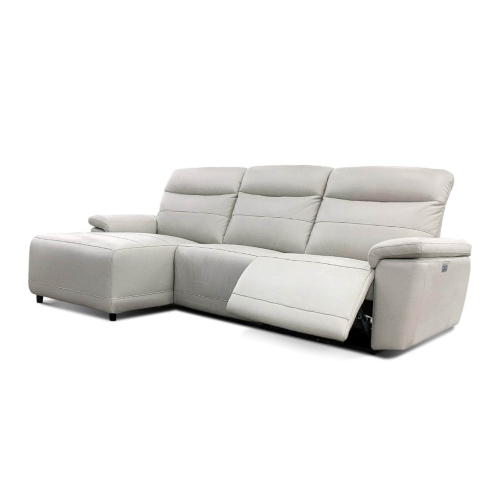
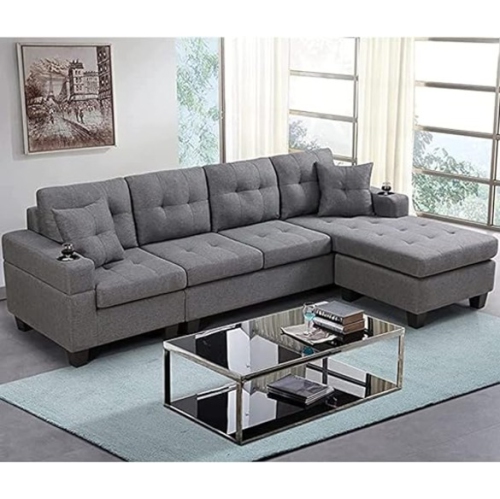

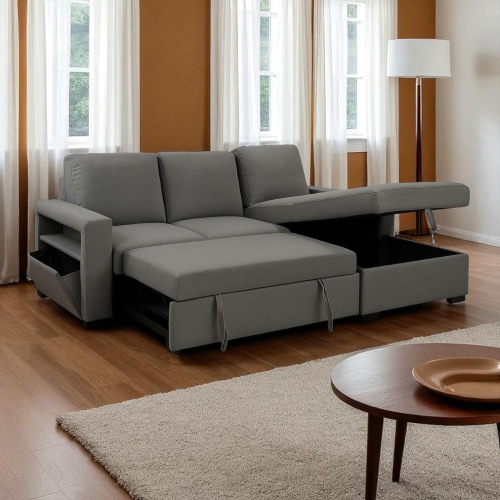
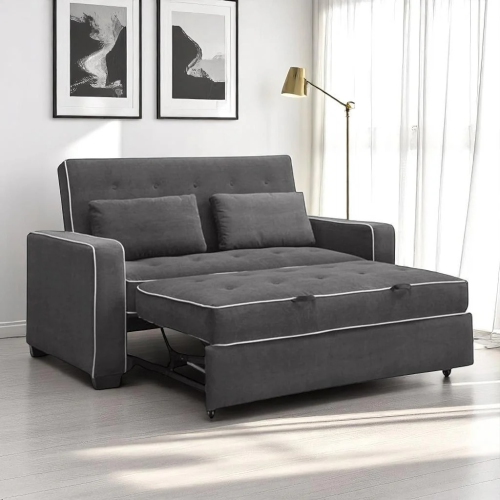


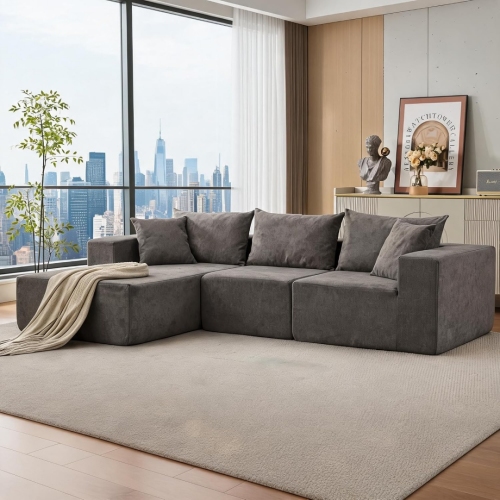
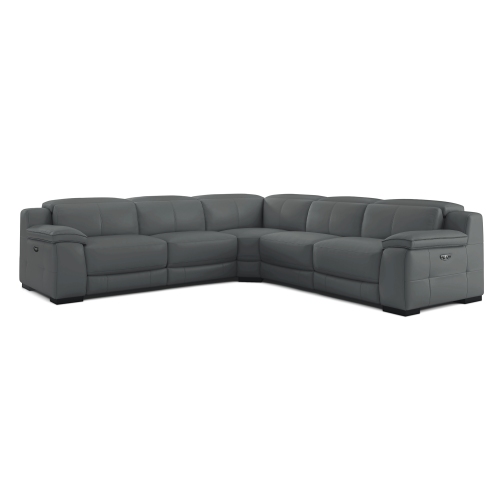
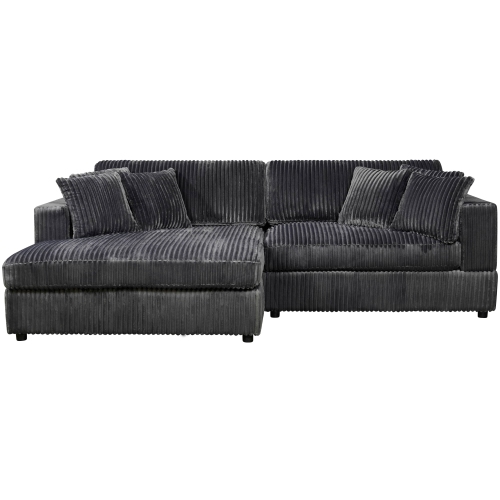
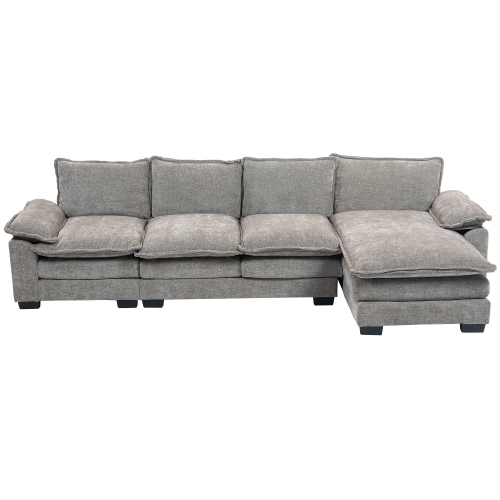
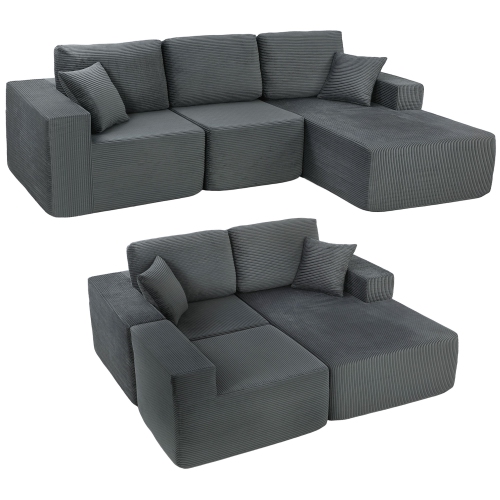

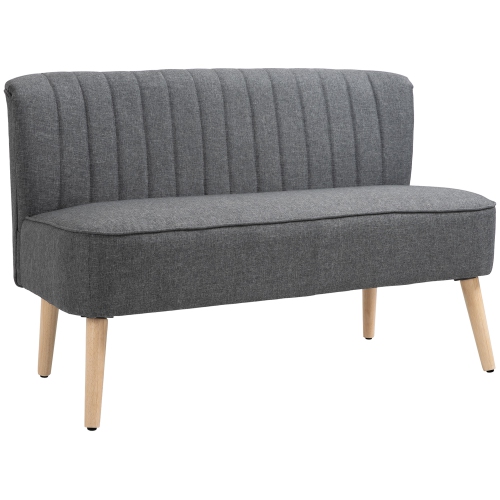
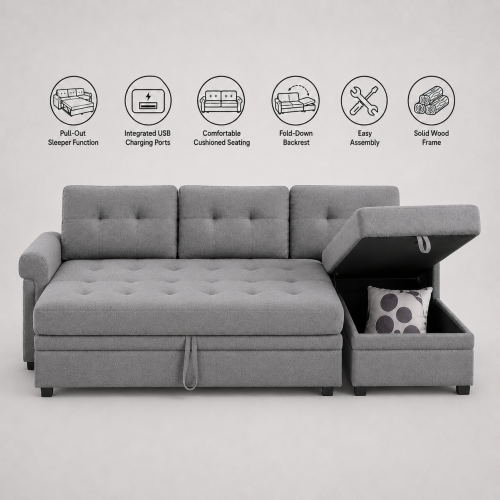
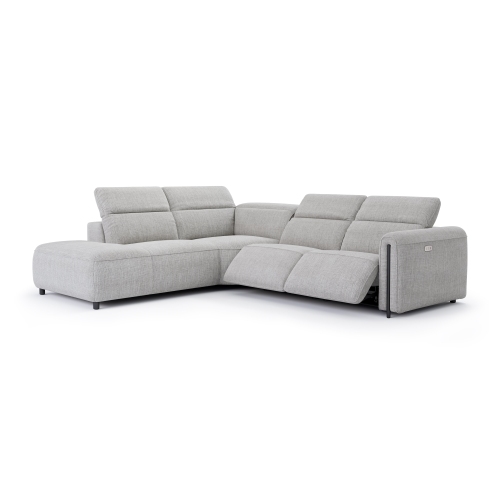
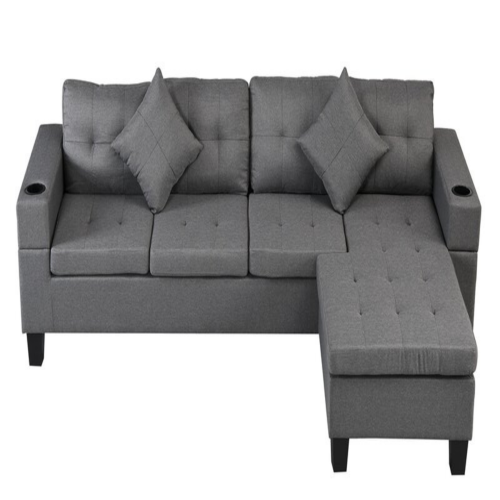


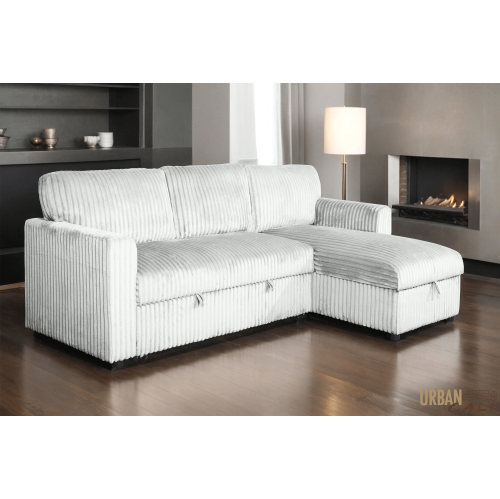
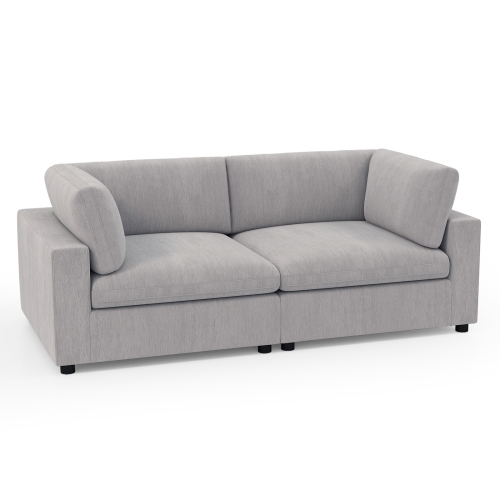

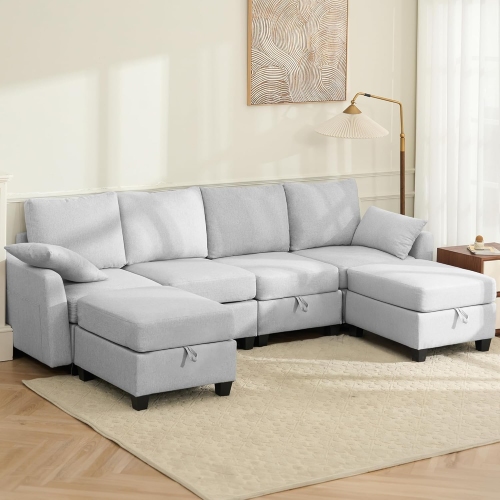
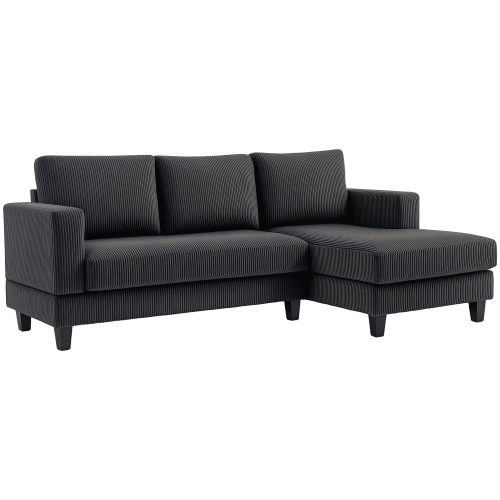
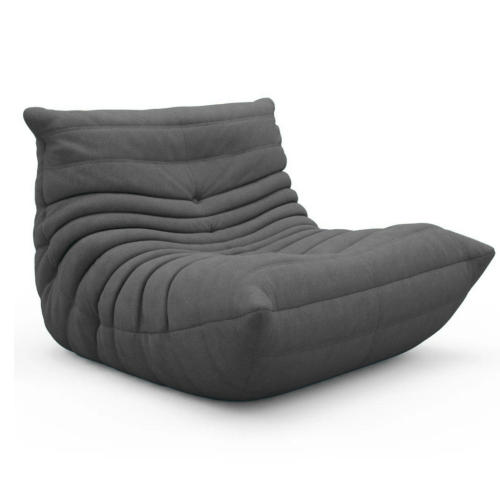
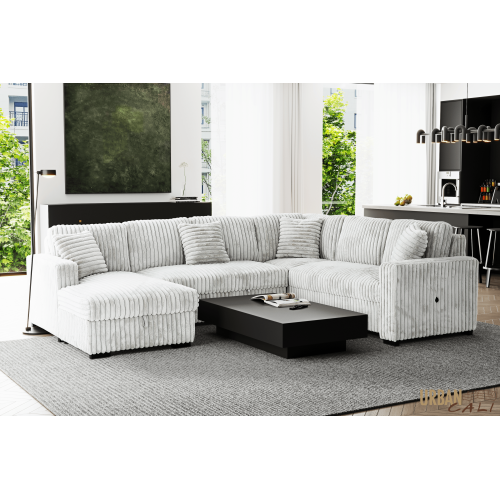
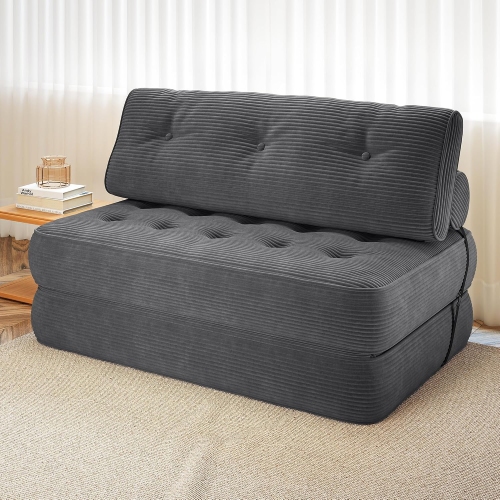
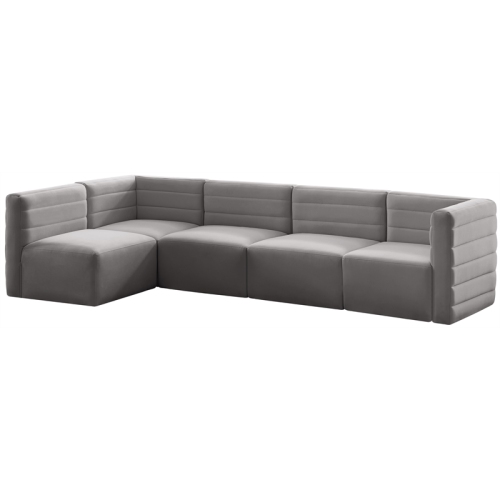
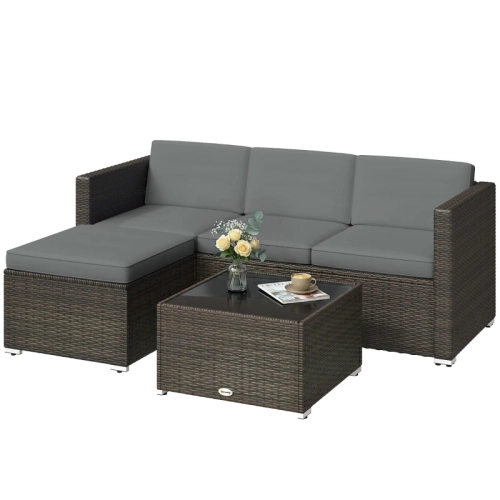

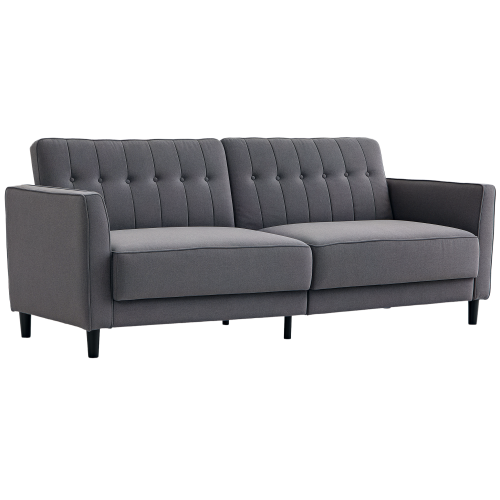
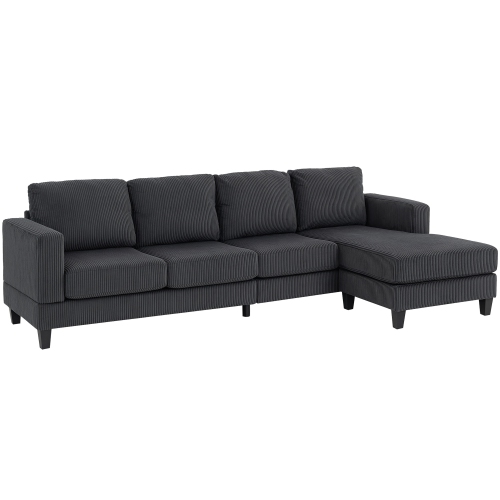
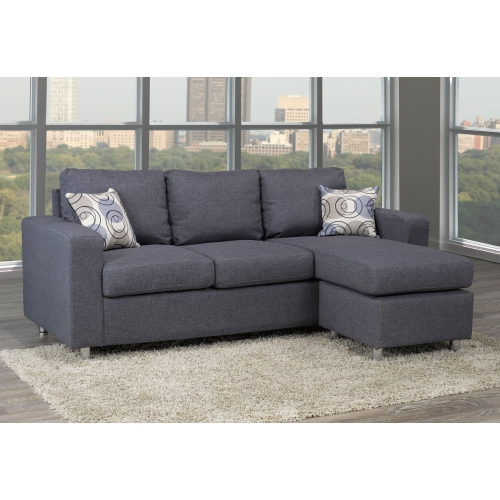

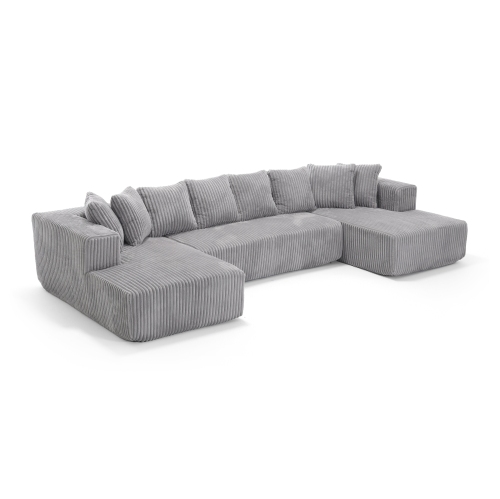
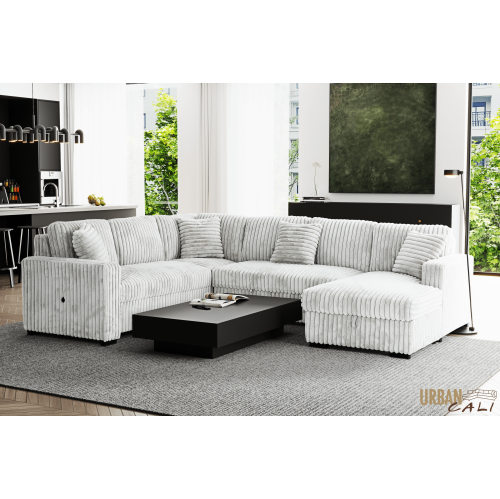
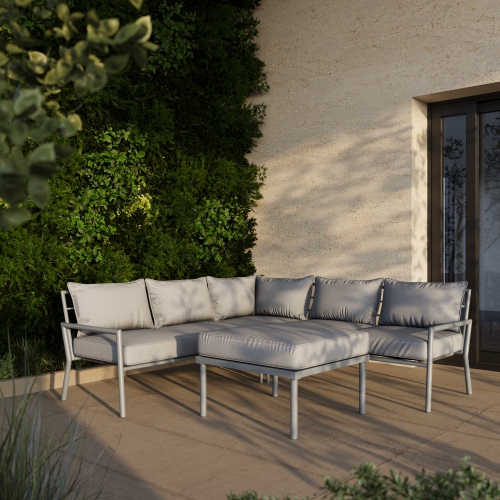
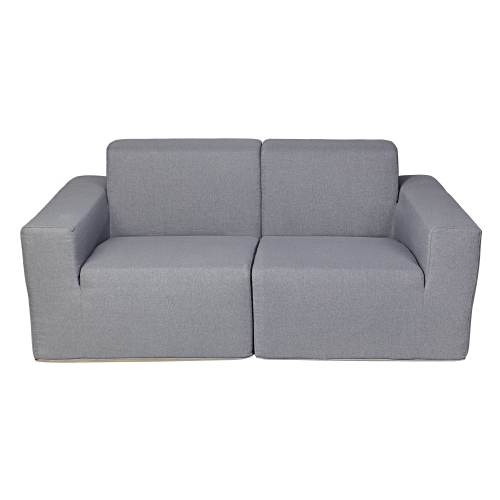

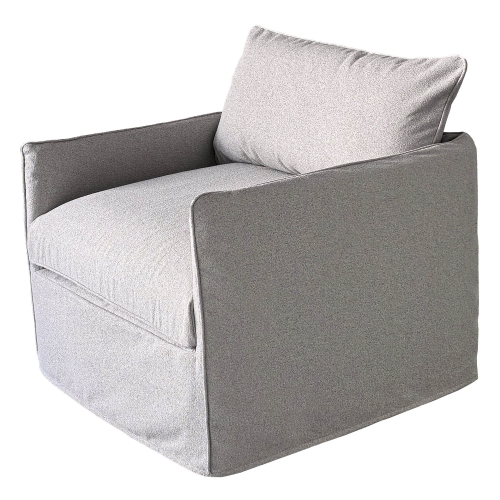

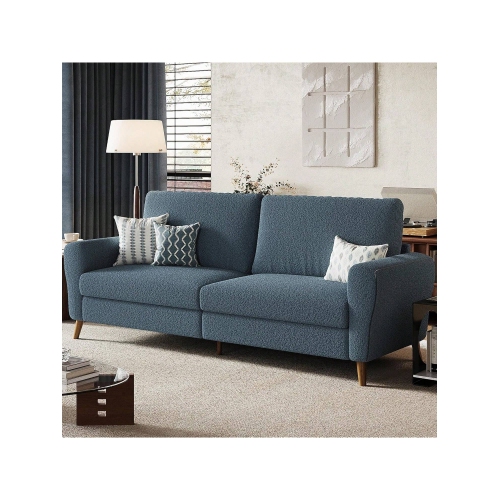

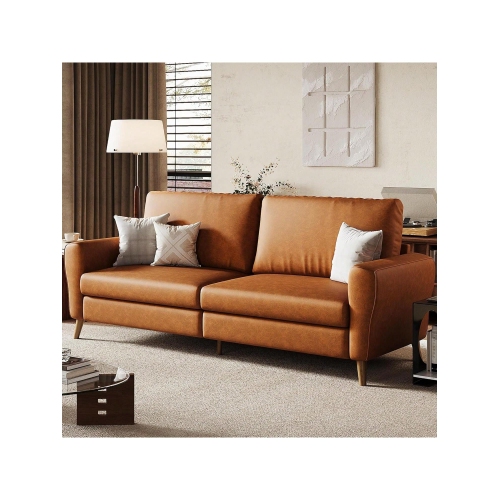
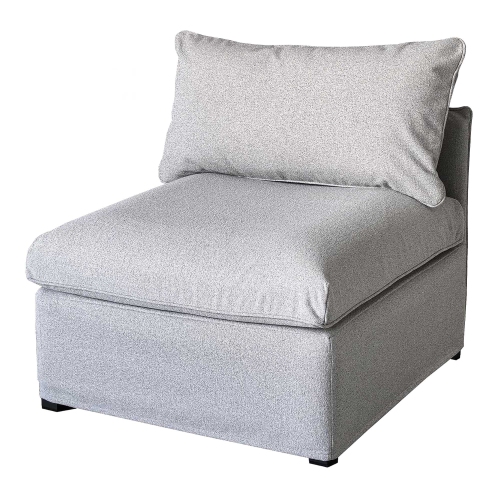
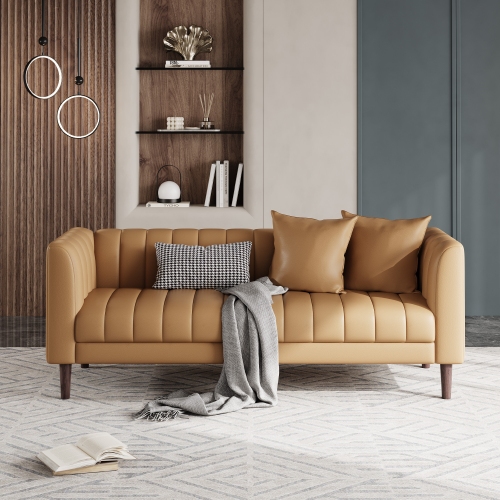
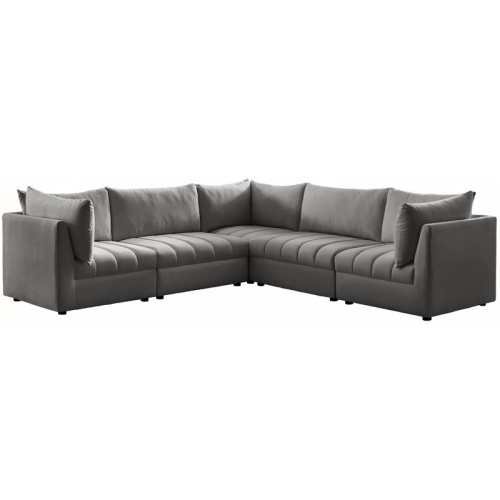

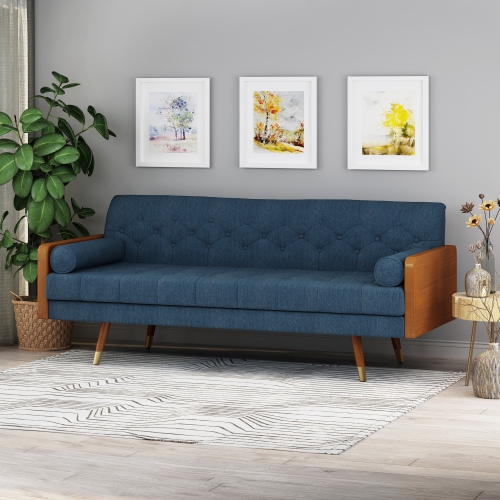
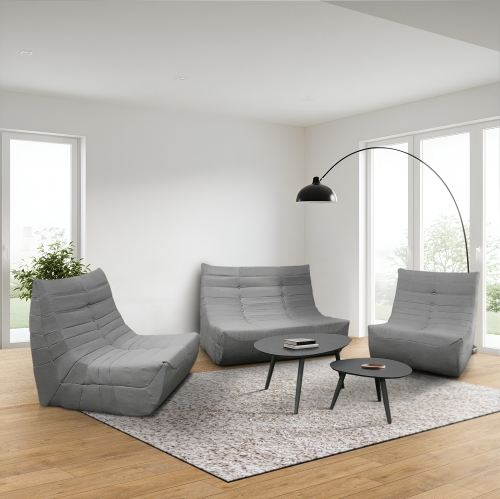
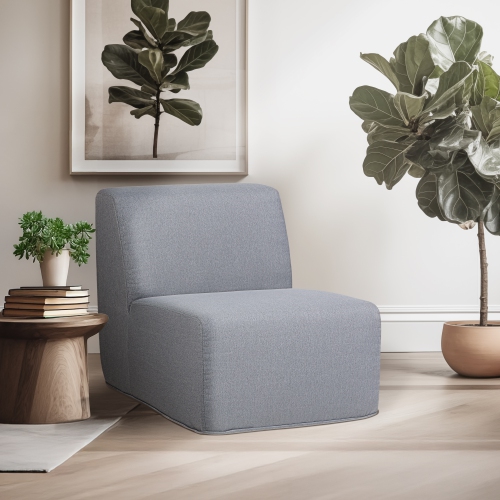
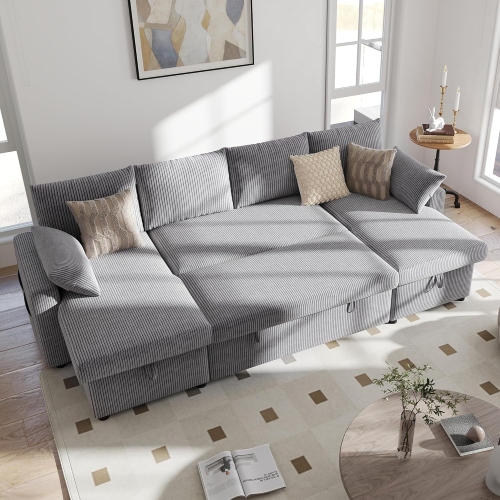
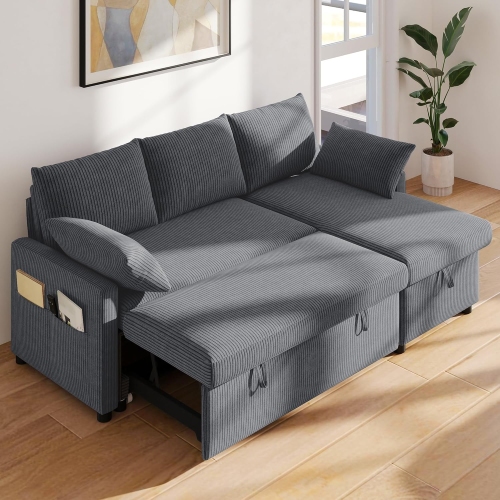
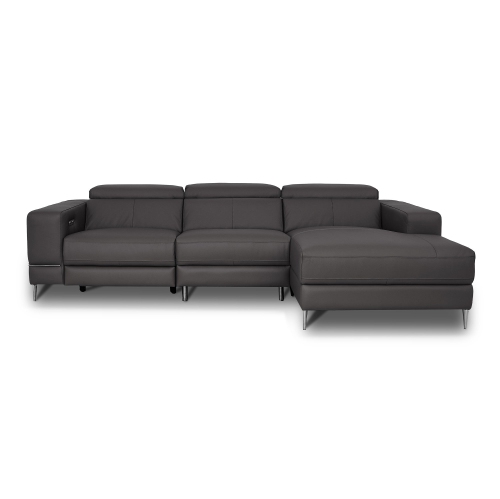

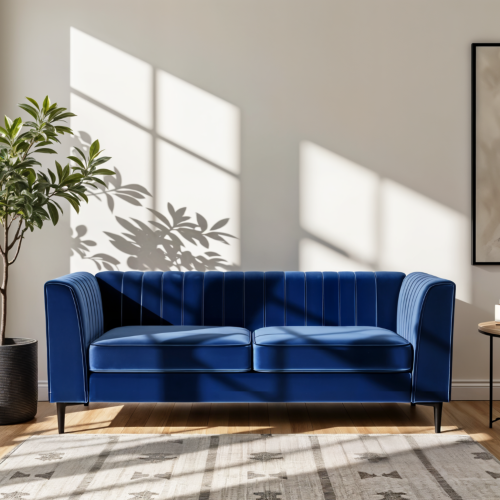
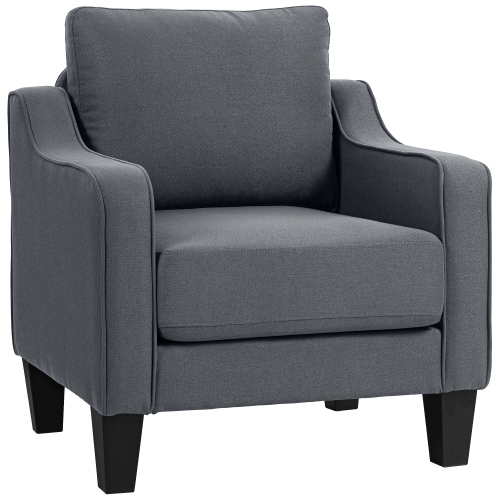
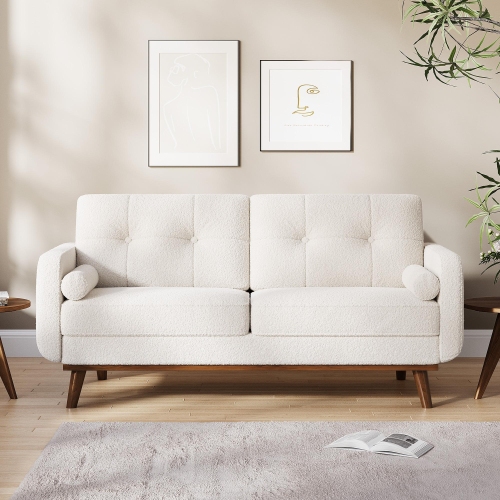
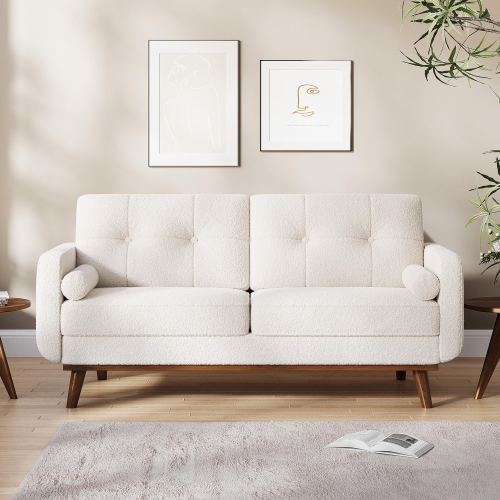
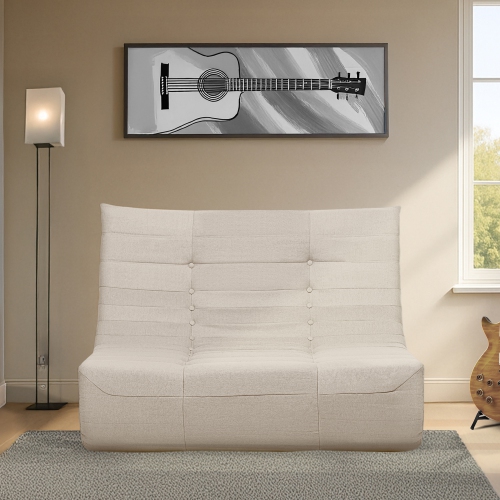
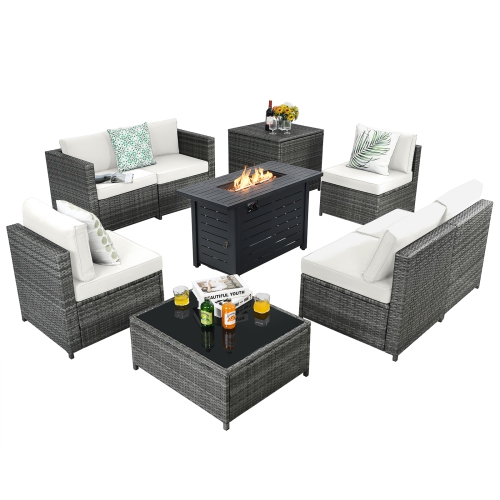
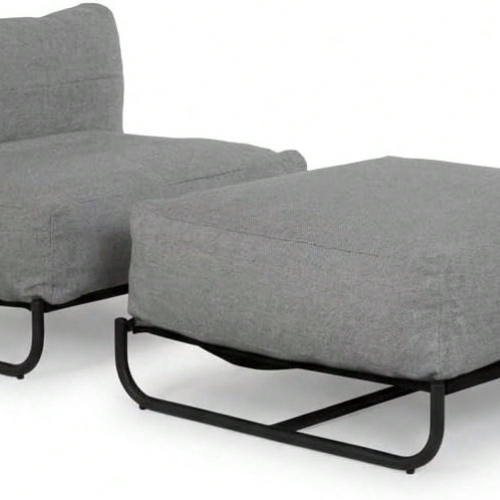
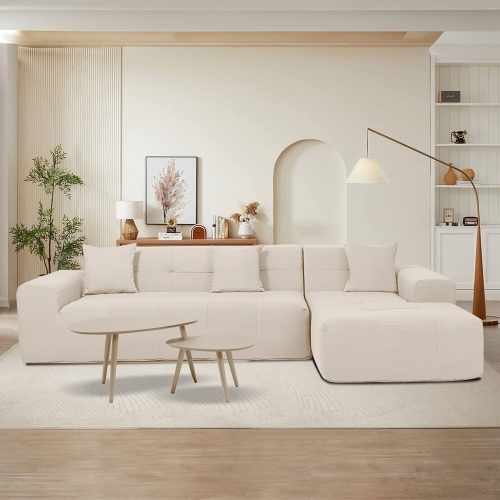
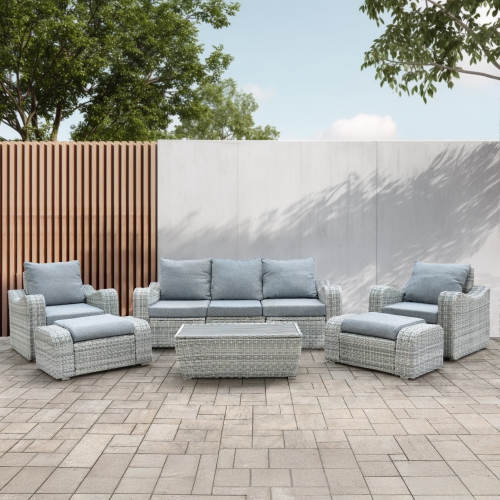
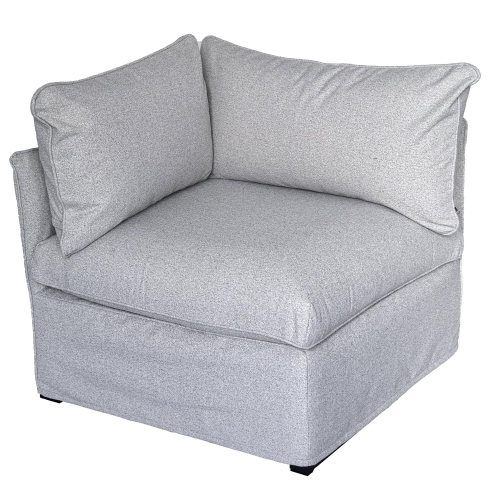
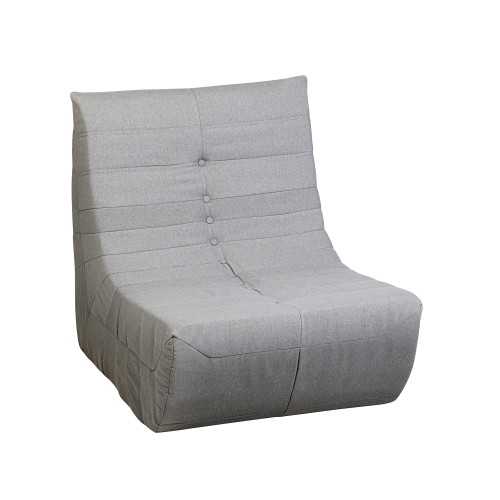

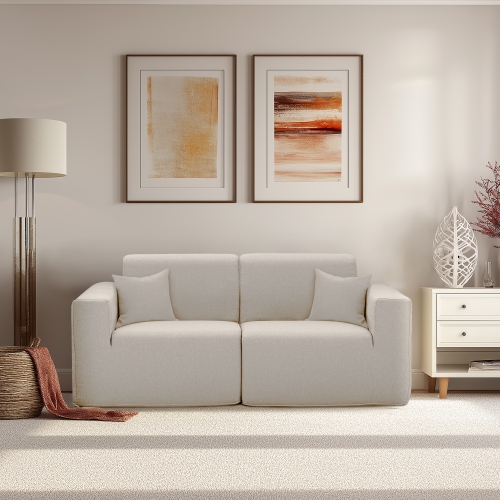

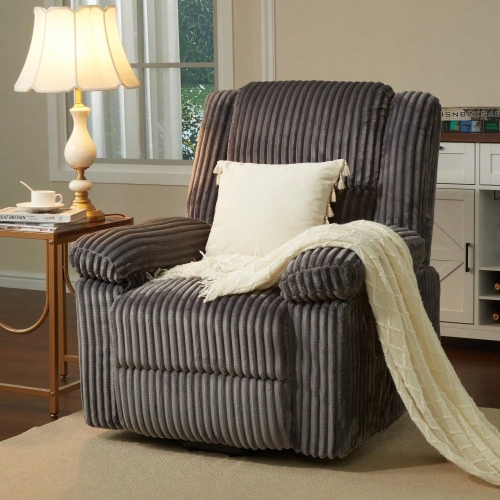
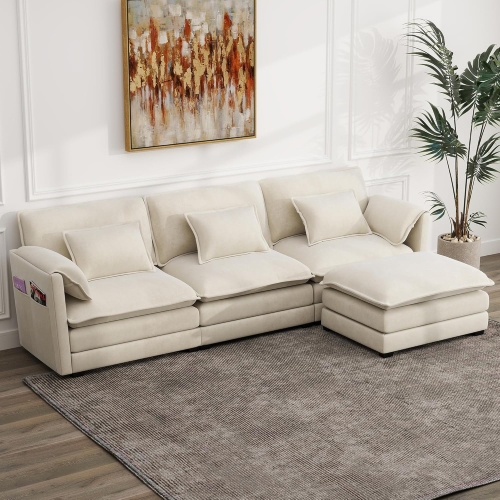
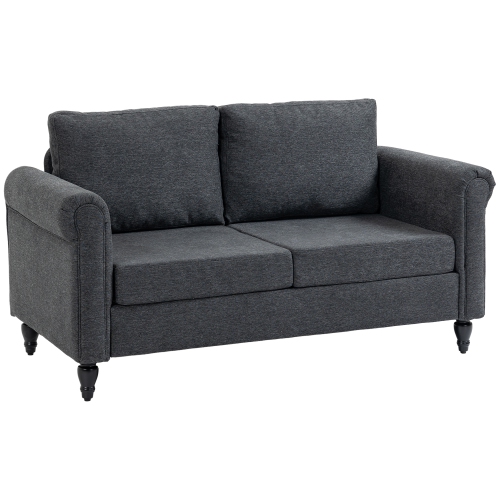
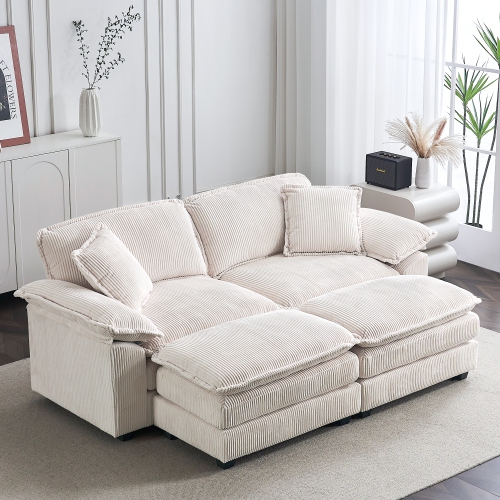
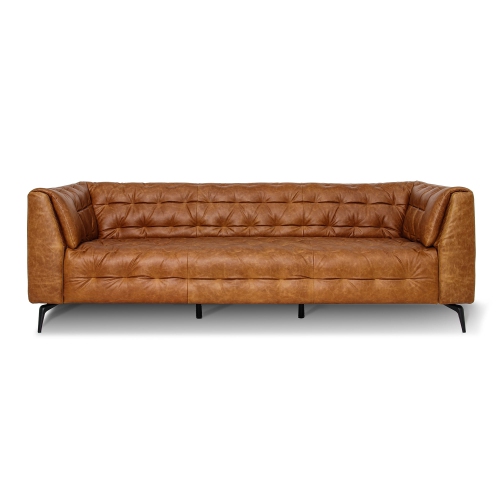
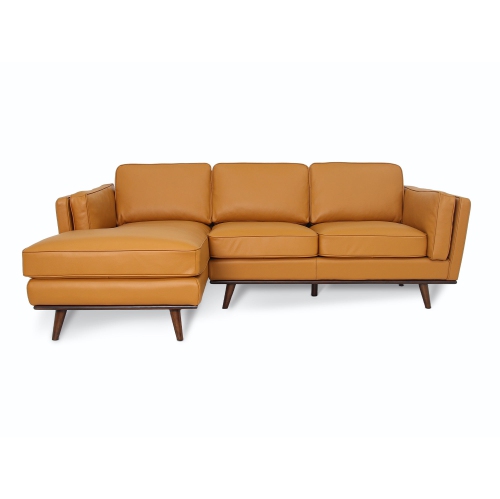
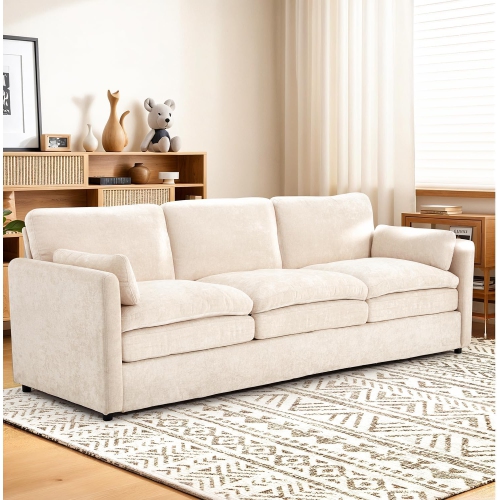
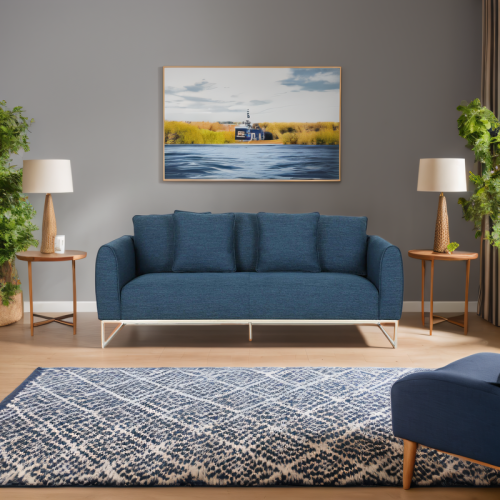
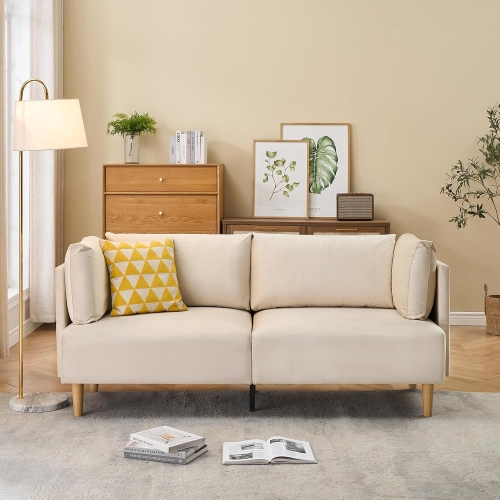
How shade and silhouette shape your living room
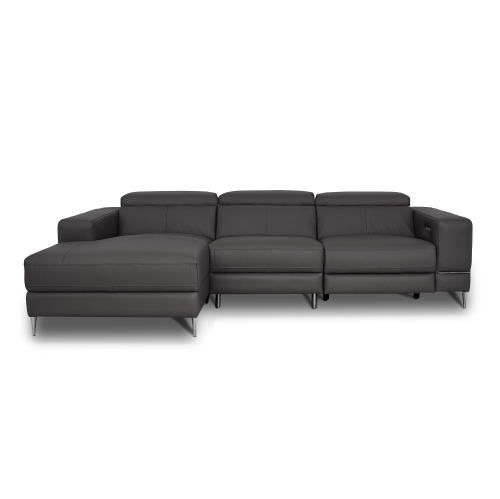
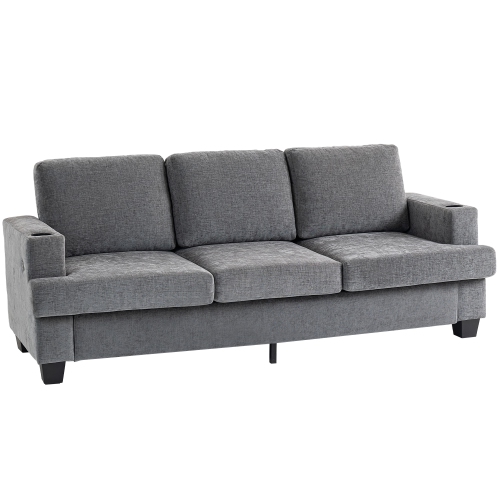
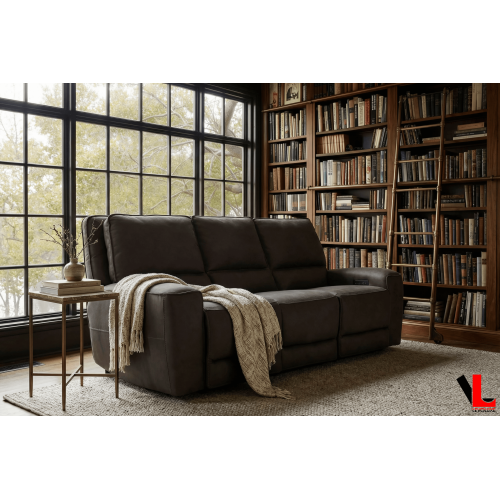
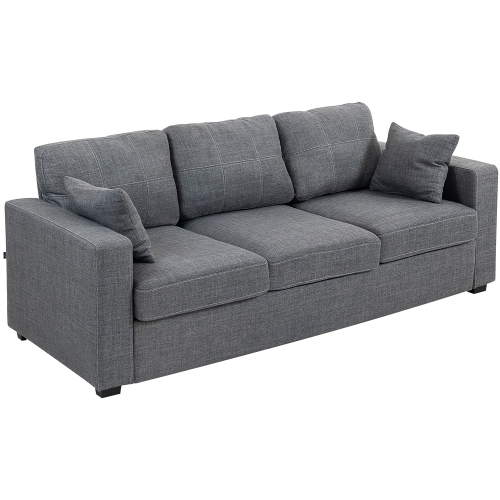
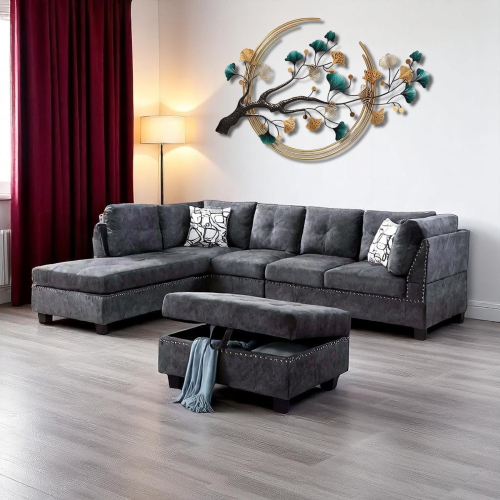
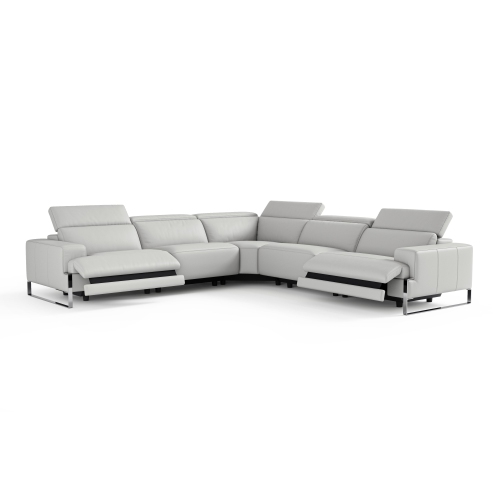
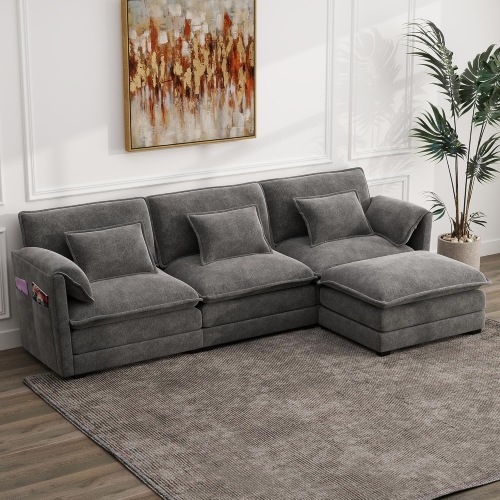
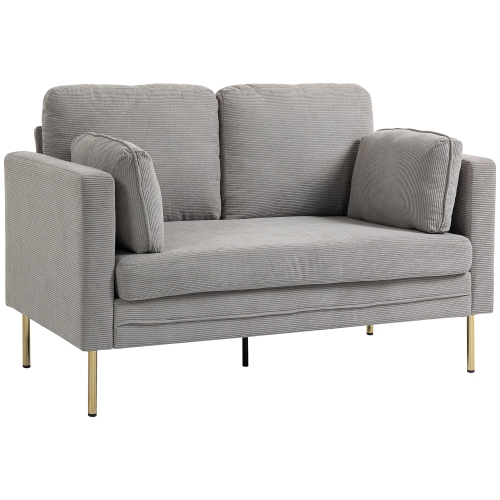
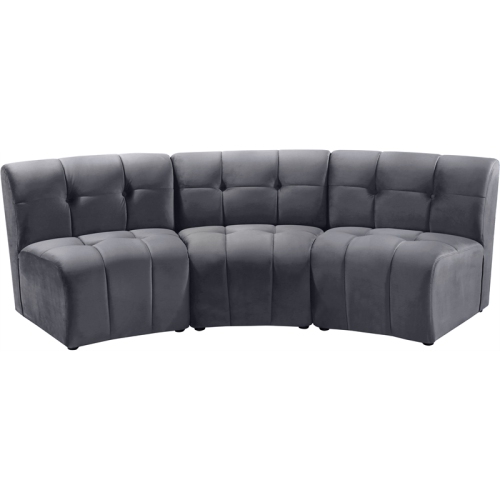
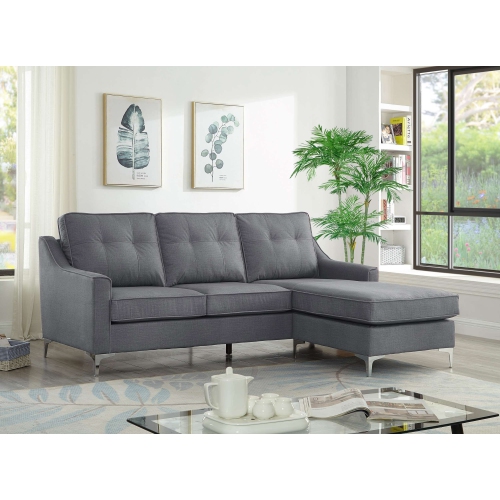
Modern grey sofas combine contemporary shapes with a neutral upholstery colour that works across a wide range of living rooms. Their character often comes from clean lines, balanced proportions, and details such as narrow arms, low backs, raised legs, or softly rounded corners. Grey can feel crisp and architectural beside black metal and glass, or more relaxed against oak furniture, woven rugs, and textured cushions. The shade matters as much as the silhouette: pale grey creates a lighter visual presence, mid-grey provides definition without a strong contrast, and charcoal gives a seating area a more substantial focal point. For rooms that suit a deeper shade, dark grey sofas can complement light walls, warm wood tones, and patterned textiles. Undertones also influence how upholstery sits within a room. A grey with a beige or brown undertone tends to pair comfortably with cream and natural wood, while blue-toned grey can look more distinct beside white cabinetry or polished metal. Daylight and household lighting can change the appearance of these undertones, and a textured weave may look lighter or darker depending on its direction. Modern styling is not limited to a firm, straight-edged design, either. A curved back can soften a room with angular furniture, while a low-profile sofa with generous cushions creates an informal place to stretch out. Slim legs leave more floor visible, which can make the furniture feel less visually heavy in a compact room. A sofa with a base close to the floor has a more grounded appearance. Together, colour, texture, and proportion determine whether a grey sofa blends into the room or becomes its main feature. Cushions, throws, and artwork can introduce rust, navy, olive, or muted pink without changing the seating itself, making grey a practical foundation for different decorating preferences.
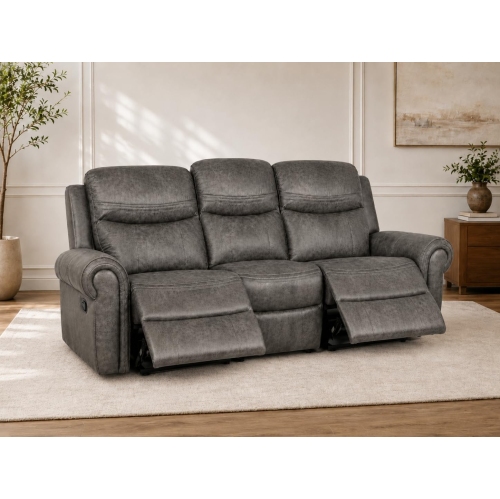
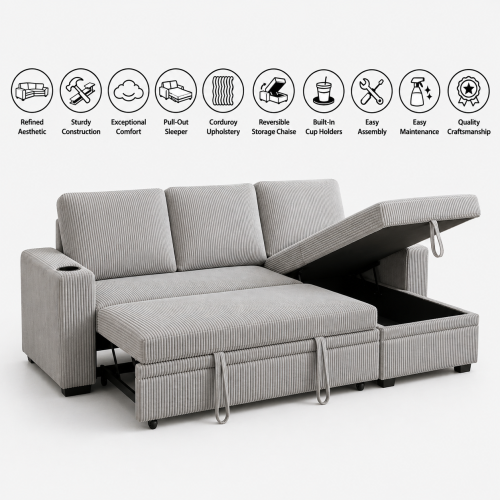
The right proportions allow a modern grey sofa to feel comfortable without overwhelming the space around it. Overall width describes the sofa’s footprint, but the usable seat width can vary considerably with arm thickness and cushion design. Broad arms provide a substantial outline while taking up space that narrower arms leave for sitting. Seat depth and height also affect everyday comfort. A deeper seat suits lounging, reading with legs tucked up, or sharing space with a pet, while a shallower seat can make it easier to sit upright with feet resting on the floor. Taller occupants may appreciate extra depth, whereas shorter occupants may find a supportive back cushion helpful on a deep sofa. Neither a low back nor a generous seat automatically means better comfort; the relationship between the seat, back angle, and cushion firmness matters more. In a shared living room, a standard sofa can keep the layout flexible, with separate chairs offering additional places to sit. A sectional or chaise configuration creates a more defined lounging area, though its projecting section needs enough room to avoid interrupting a walkway. Modular seating can suit households whose layouts change, provided the sections connect securely and their dimensions work in the intended arrangement. Reclining designs need clearance for moving parts, and sleeper sofas need enough open floor space when extended. Delivery access is another part of fit: door openings, stair turns, lift dimensions, and hallway corners can all affect whether a sofa reaches its destination. Removable legs or arms may help with access when the construction allows it, but assembly details vary. For everyday use, the layout should leave comfortable routes between seating, doorways, and nearby furniture. A compact sofa can anchor an apartment living area, while a longer design may better accommodate family film nights or several guests. The most useful size is the one that supports those routines without making movement through the room awkward.
Upholstery and internal construction shape how a modern grey sofa feels and how it handles repeated use. Woven fabrics offer anything from a smooth, close-knit surface to a visibly textured finish, and the differences become noticeable when sitting, cleaning, or living with pets. Tight weaves are generally less inviting to claws than loose loops, although no upholstery is completely resistant to scratching or snagging. Velvet brings a soft surface and a gentle sheen, with a pile that can show pressure marks or changes in direction. Those marks may be part of its appearance rather than damage, but care requirements depend on the fibre and finish. Leather has its own texture and can develop creasing through use; its finish influences how it responds to spills, rubbing, and cleaning. Faux leather is a different material and should be maintained according to its own care instructions. Performance fabric is also a broad description rather than a promise that every stain will come out. Specific cleaning information is more useful than a general label, especially in homes where snacks, children, or pets are part of daily life. Grey upholstery does not eliminate visible dirt: pale lint can stand out on charcoal, while darker marks may be more noticeable on light grey. Removable cushion covers are convenient only when their care instructions permit the intended cleaning method; a zip does not necessarily mean a cover is machine washable. Regular vacuuming with an appropriate upholstery attachment helps remove crumbs and grit from seams, and prompt blotting can limit how far a spill spreads. Beneath the upholstery, frame construction, reinforced joints, and the suspension system contribute to stability and support. Foam cushions often provide a more defined shape, while fibre-filled cushions may feel softer and need more frequent reshaping. Rotating or turning cushions where the design allows can help distribute wear. These practical details matter for a sofa used daily for conversation, television, reading, or an occasional afternoon rest. A well-suited modern grey sofa brings together the appearance of the room and the comfort of the people who use it, with materials and care needs that fit ordinary household life.
Top selling and popular products
-
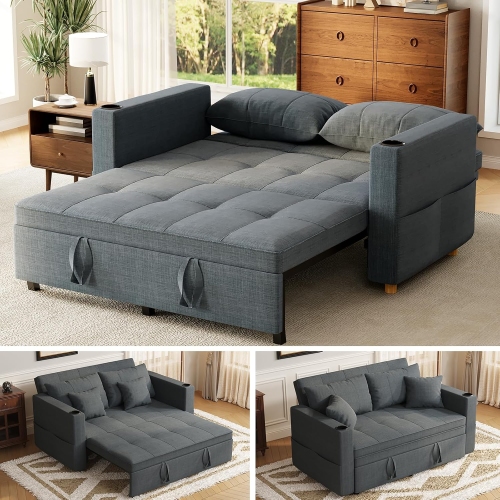 Your price for this item is $549.99
-
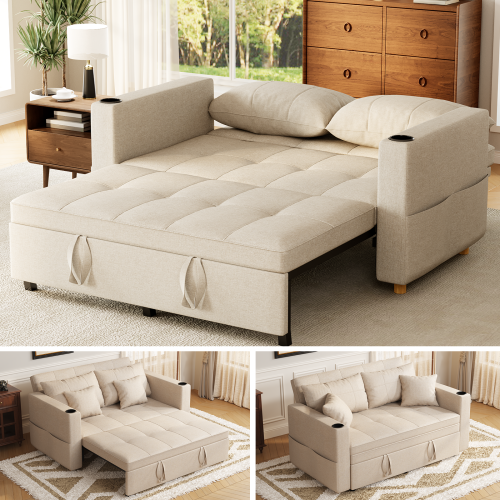 Your price for this item is $559.99
-
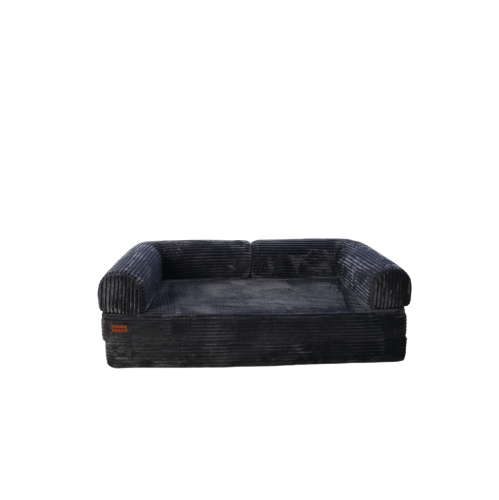 Your price for this item is $599.97
-
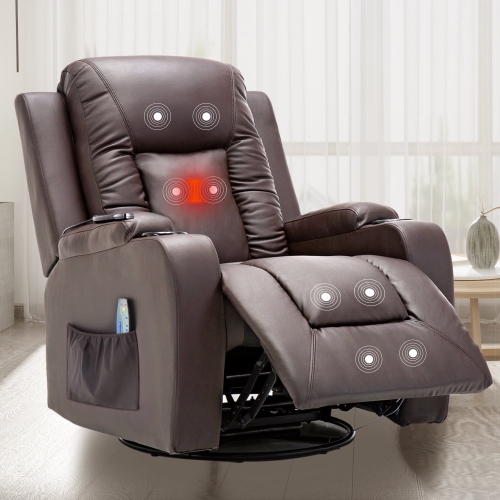 Your price for this item is $599.99
-
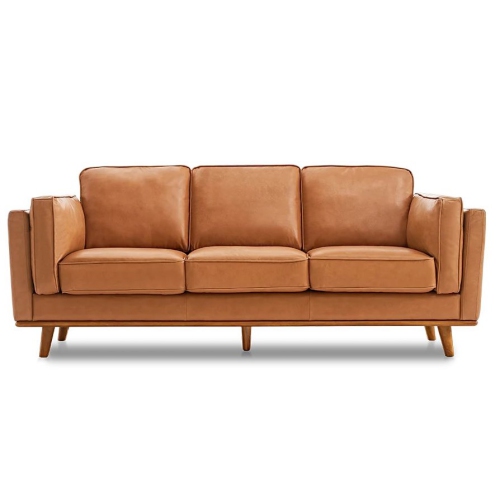 Your price for this item is $1949.99
-
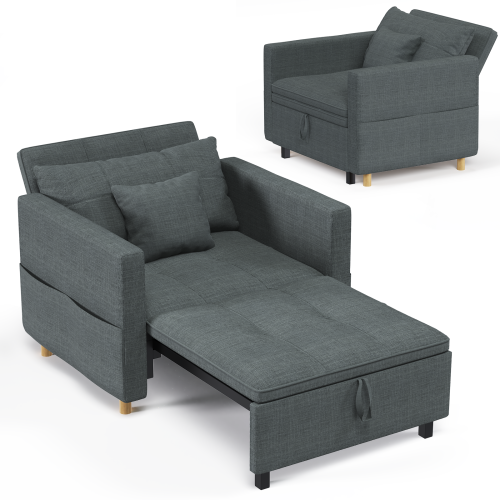 Your price for this item is $299.99
-
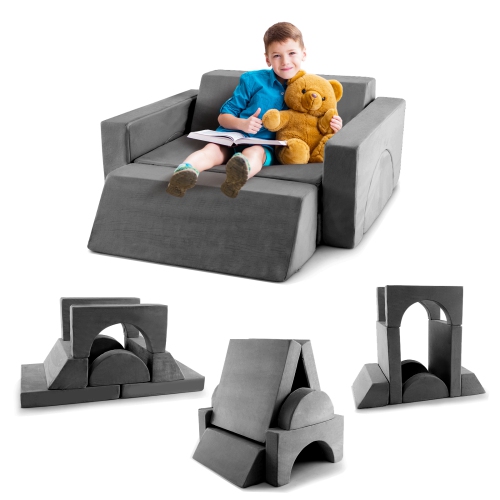 Your price for this item is $167.99
-
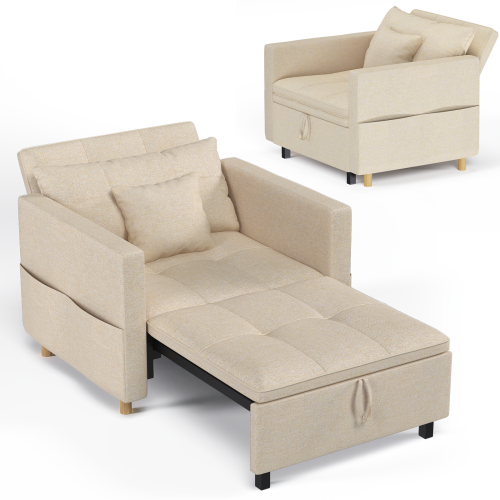 Your price for this item is $299.99
Discover more categories related to Modern Grey Sofas
Top Collections:
Best Black Friday Deals This Year, Best Black Friday Deals On Electronics, Kindle Devices, Best Black Friday Deals On Apple Products, Best Budget Office Chairs, Best Cameras for Sports Photography, Dyson Airwrap, Canon G7X Cameras, Best Laptops for Writers, Samsung Galaxy Phones
Some products may be subject to Environmental Handling Fees
(EHF) depending on your province.
Learn more about EHFs.