Modern Leather Dining Chairs
Elevate your dining space with the sophisticated appeal of a Modern Leather Dining Chair. Perfect for contemporary homes, these chairs combine sleek design with timeless elegance, making them an ideal choice for stylish gatherings and everyday meals alike. Whether you're updating your kitchen or creating a statement in your dining room, a Modern Leather Dining Chair brings comfort and refined charm to any setting. Discover options that complement your décor while enhancing the overall ambiance of your home.
Sort
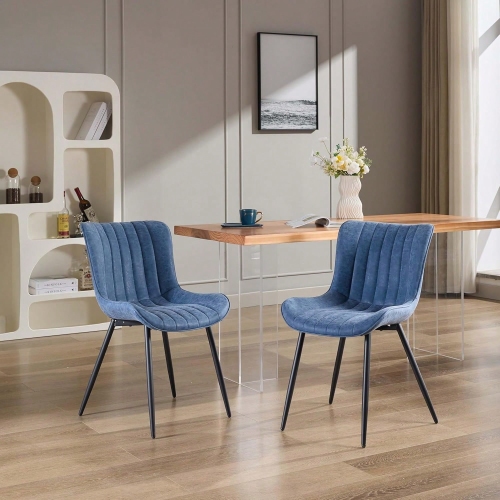
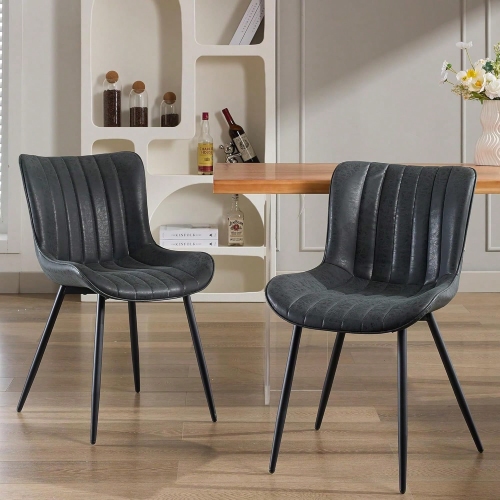
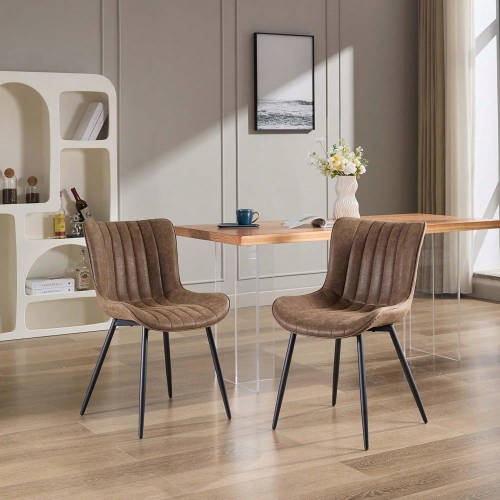
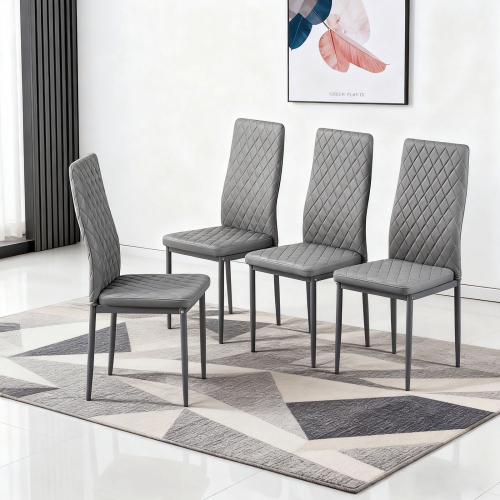
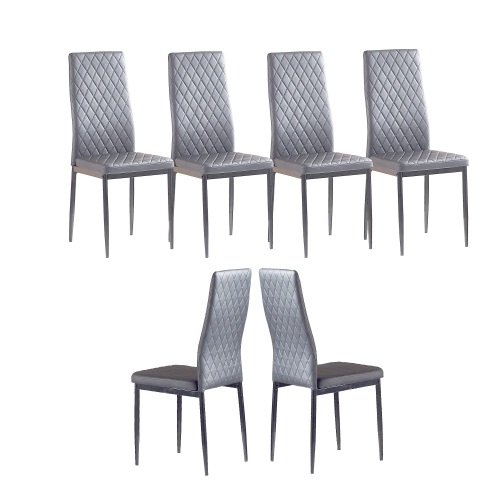
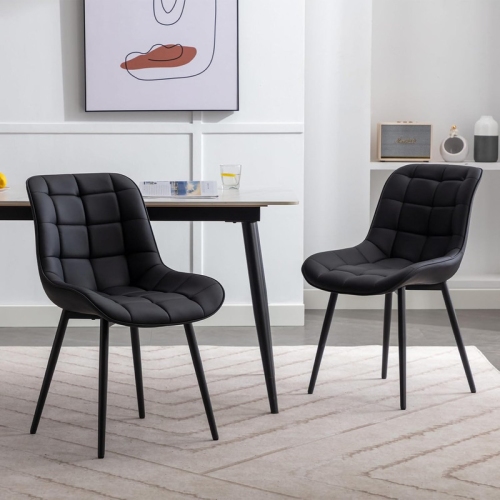
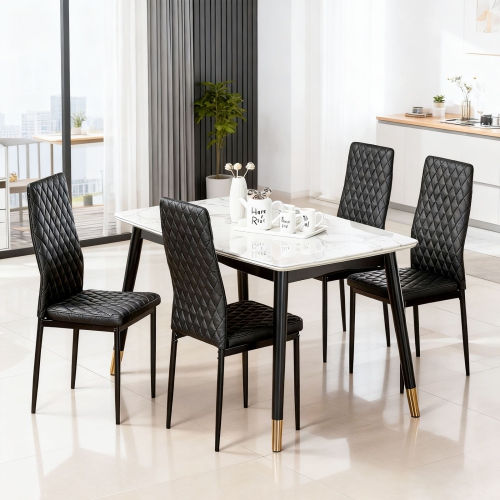
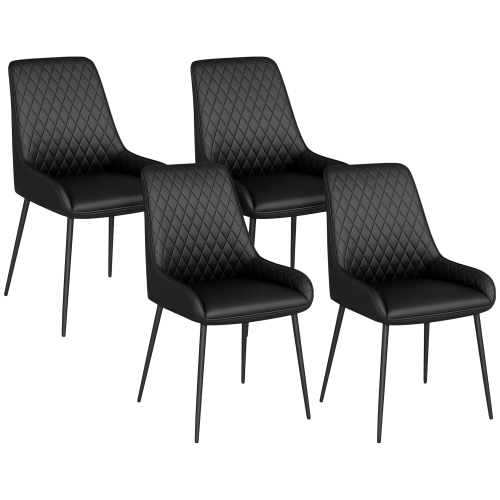
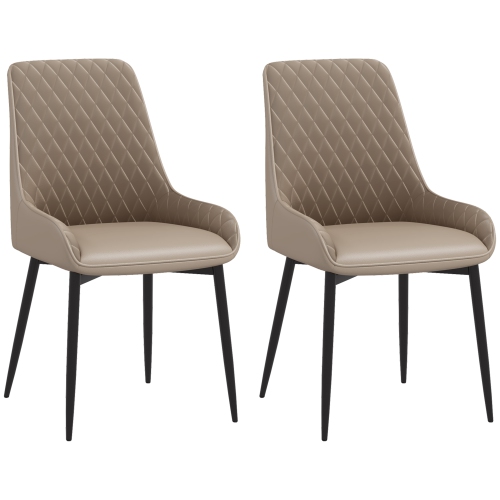
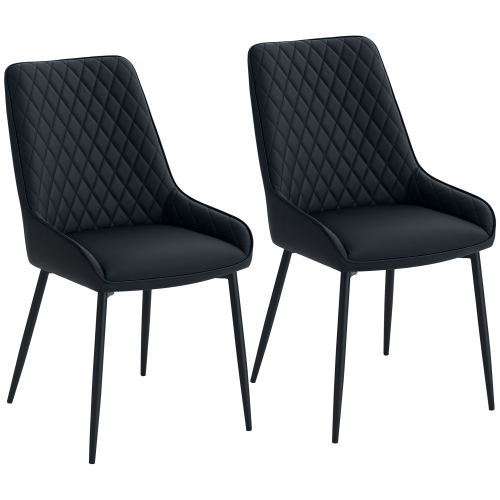
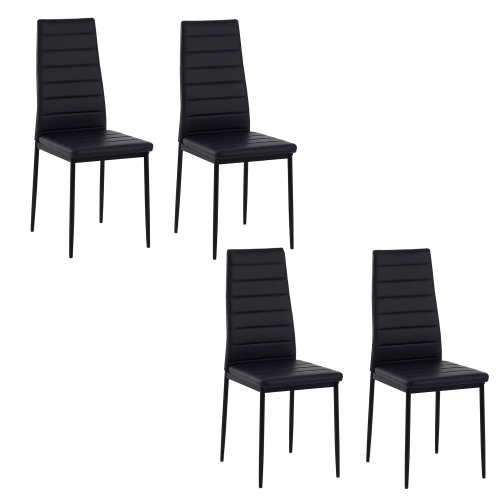
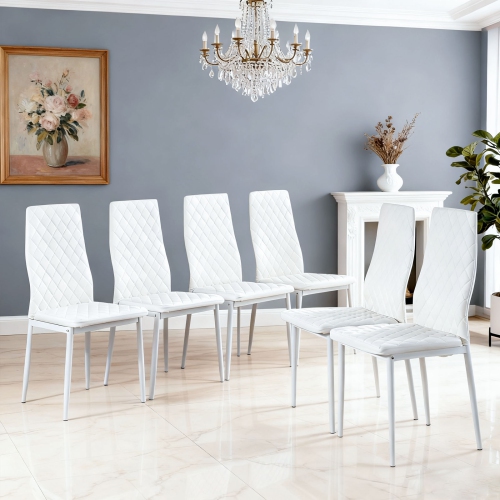
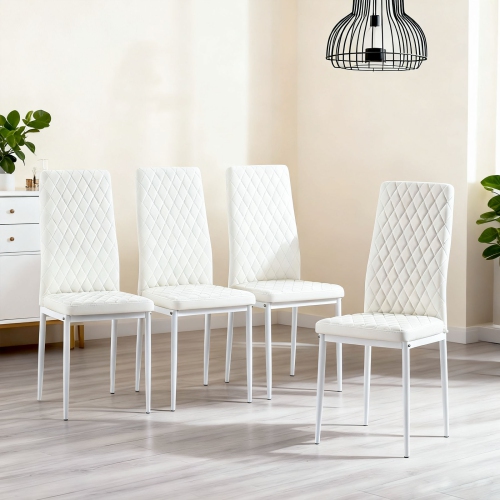

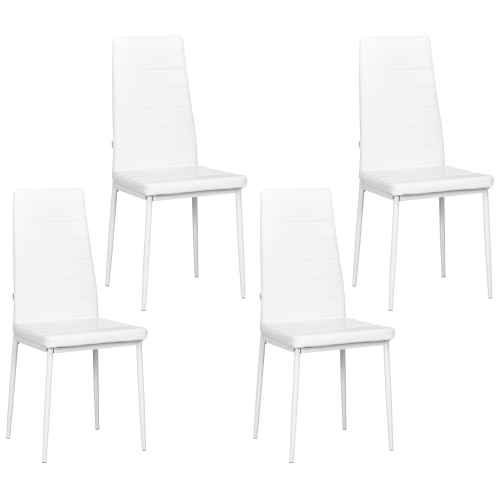

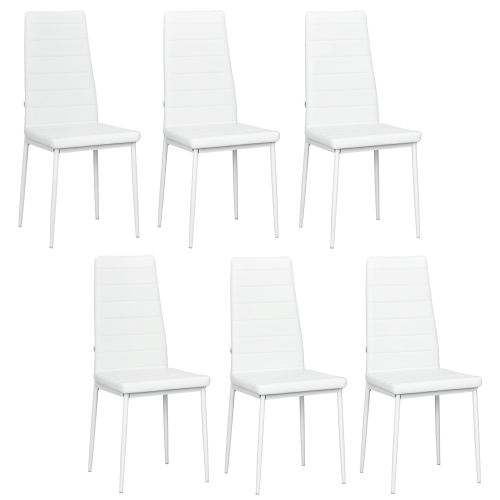
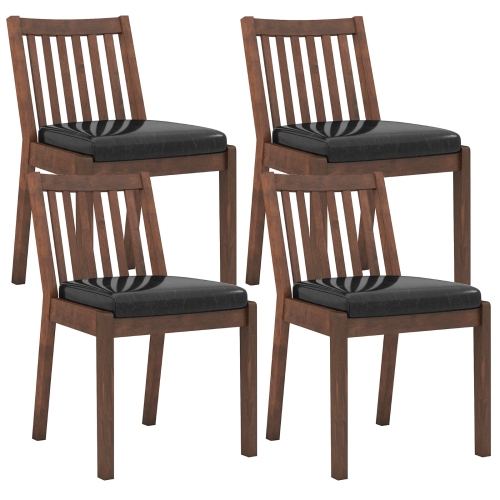
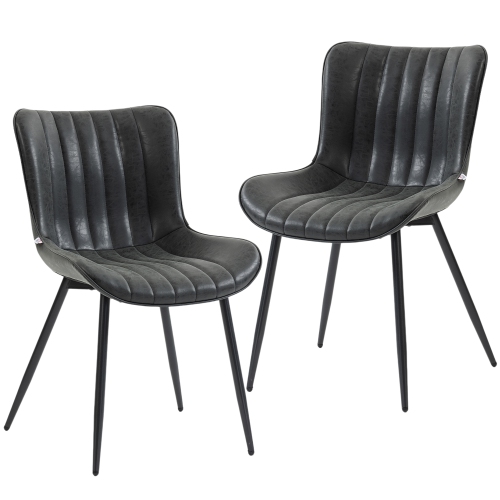
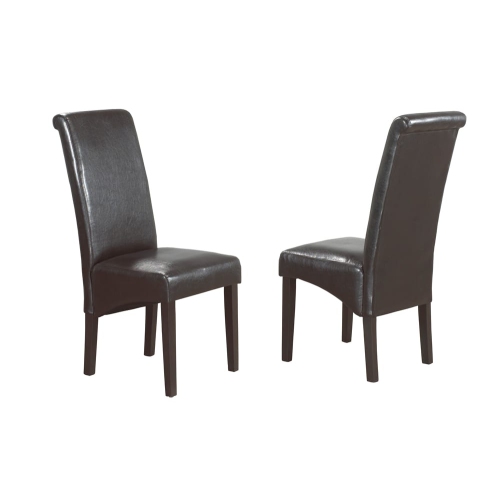
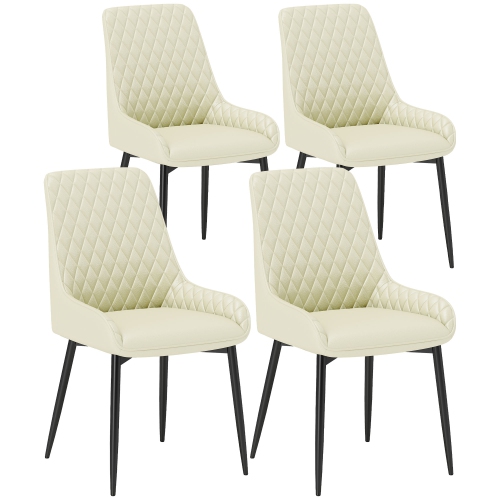
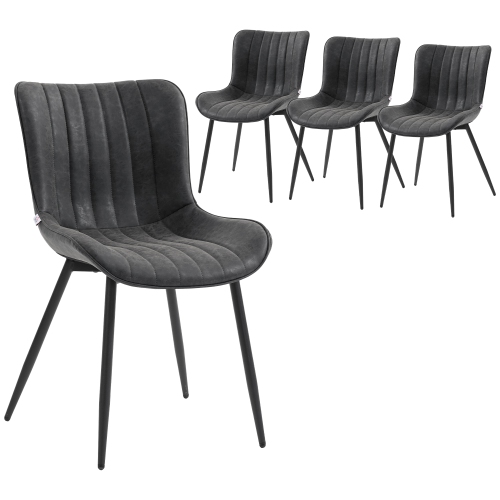
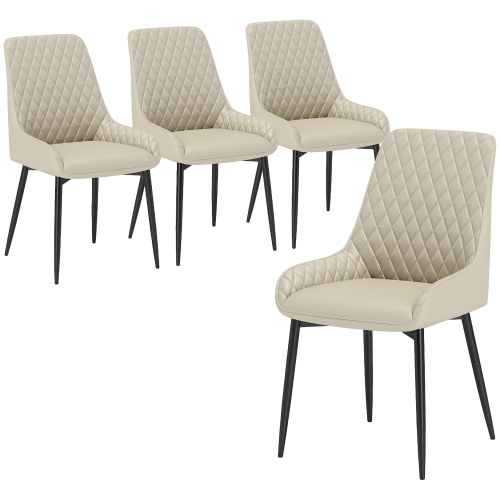
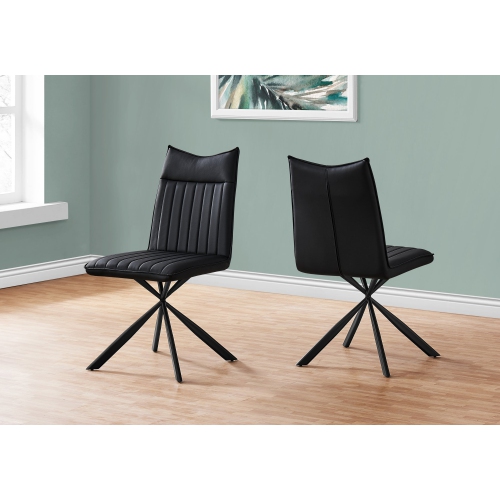
Slim silhouettes with support for longer meals
Modern leather dining chairs combine streamlined frames, supportive seating, and leather or leather-look upholstery in designs made for use around a dining table. Their appeal comes from the contrast between a smooth upholstered surface and a clearly defined silhouette: a gently curved back above slim metal legs, a tailored seat on a warm wood frame, or a softly padded shell with minimal visible stitching. These details let the chairs feel substantial without making a dining area look crowded. Black leather with dark metal legs creates a crisp, understated look, while tan or cognac upholstery brings warmth to pale wood, stone, and glass tabletops. Cream, grey, and deeper brown shades offer other ways to coordinate seating with flooring, cabinetry, and nearby living room furniture. The upholstery description matters as much as the colour. Genuine leather is made from animal hide, and its grain, finish, and protective coating affect how it looks, feels, and responds to daily use. Full-grain leather retains the original grain surface, while top-grain leather has had its surface refined; neither term alone describes every aspect of a chair’s quality or care requirements. Some leather develops visible variation and a patina with use, whereas more heavily finished surfaces tend to have a more uniform appearance. Faux leather uses a manufactured surface, often polyurethane or PVC, to create a leather-like finish. It can provide consistent colour and a smooth feel, though its resistance to cracking, peeling, and abrasion depends on its composition and construction. Bonded leather contains leather fibres combined with binding materials and should not be confused with a full leather hide. Clear upholstery specifications help distinguish these materials, particularly when the desired look is similar but the expected feel and maintenance differ. Across these options, modern styling can range from angular and architectural to rounded and inviting, leaving room for both formal dining rooms and everyday kitchen eating areas.
A comfortable dining chair needs to suit the table, the room, and the people who use it. Seat height works in relation to the underside of the tabletop, not simply the table’s overall height. A gap of roughly 25 to 30 centimetres between the seat and the underside of the table often provides useful legroom, although deep aprons, crossbars, and individual proportions can change the fit. Standard dining chairs are different from counter-height and bar-height seating, even when their upholstery and frames look alike. Armrests introduce another measurement: their height must clear the table’s underside if the chair is meant to tuck in neatly. Armless styles can make it easier to move sideways into a seat and may suit a compact dining nook, while arms can provide a comfortable place to rest during longer conversations. Neither shape guarantees comfort on its own. Seat depth, back angle, cushioning, and the position of the front edge all influence how a chair feels through a meal. A very deep seat may leave a shorter person sitting forward without back support, while a shallow seat can feel restrictive for someone taller. Firm padding can provide steady support without the sink-in feel of a lounge chair, and a curved back can follow the body more naturally than a completely flat panel. Around the table, chair width and leg placement determine how many seats fit comfortably without elbows competing for space. There also needs to be room to pull each chair out and walk behind it, especially near a wall, sideboard, or doorway. In an open-plan home, the backs of the chairs remain visible from the living area, making their shape and finish part of the larger room. Matching chairs create a consistent outline, while upholstered armchairs at the table ends can add variety when their seat heights and proportions remain compatible with the other seating.
Durability comes from the whole chair rather than the upholstery alone. A stable frame, secure joints, well-supported seat, and neatly finished seams all contribute to how seating handles repeated daily use. Wood and metal frames can both be suitable for dining, with performance depending on their construction, finish, and stated weight capacity. Chairs that move frequently between the table and another room benefit from a manageable weight and a back that is easy to grasp. Floor protection matters too: suitable glides or felt pads can reduce scraping on hard flooring, while loose grit beneath a chair foot can still leave marks. Leather and faux leather surfaces often make small spills easier to address than absorbent upholstery, but they are not automatically stain-proof, scratch-proof, or waterproof. Blotting a spill promptly with a soft cloth helps keep liquid from settling into seams. Routine care should follow the upholstery manufacturer’s directions, since cleaners and conditioners intended for genuine leather may be unsuitable for faux leather, and some finished leathers require different treatment from others. Harsh cleaners, abrasive pads, and excessive moisture can damage a surface or alter its appearance. Direct sunlight and nearby heat sources may also affect colour and finish over time. In homes with young children or pets, smooth upholstery can simplify everyday wiping, although claws, sharp toy edges, and clothing hardware can still leave scratches. Subtle grain and mid-tone colours may make minor marks less noticeable, without preventing wear. For households that use the dining table for meals, homework, and occasional laptop tasks, supportive proportions and straightforward care are often more useful than elaborate detailing. A consistent interior can also connect dining seating with other Modern Leather Chairs through a shared upholstery colour, wood tone, or metal finish rather than an exact match. The result can feel coordinated while still giving each space seating suited to its purpose, whether that means an upright chair for dinner or a more relaxed seat elsewhere in the home.
Top selling and popular products
-
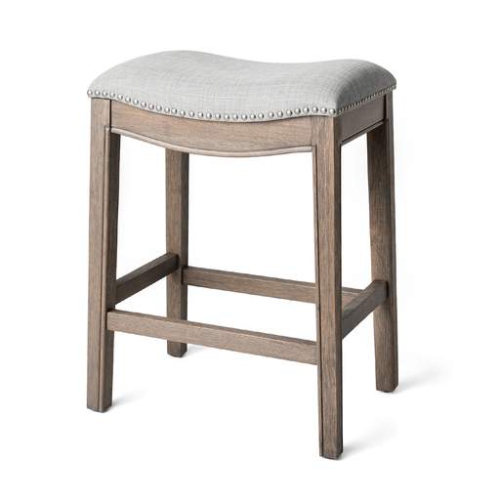 Your price for this item is $227.99
-
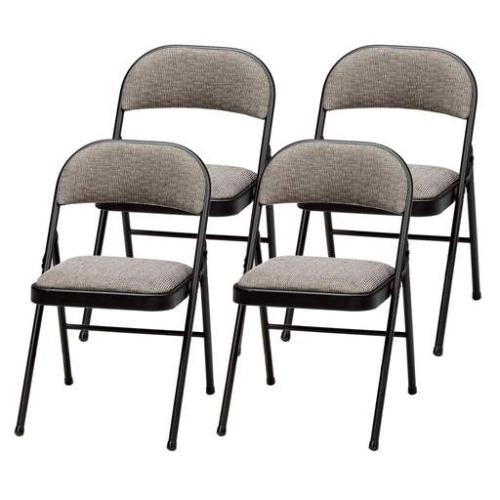 Your price for this item is $363.99
-
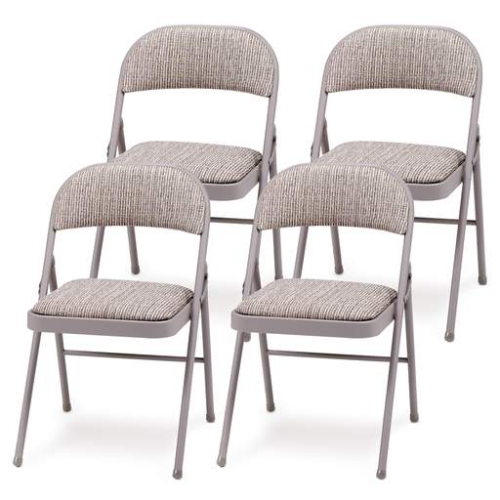 Your price for this item is $398.99
-
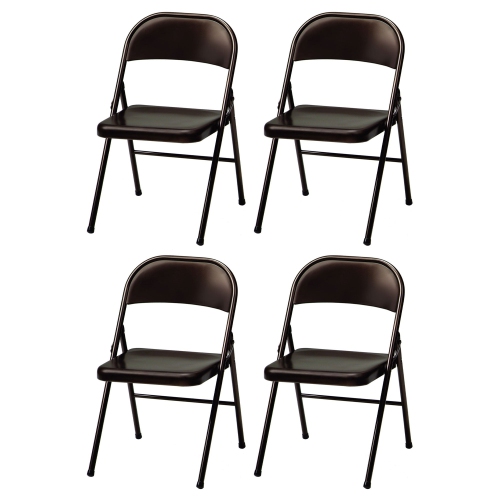 Your price for this item is $212.99
-
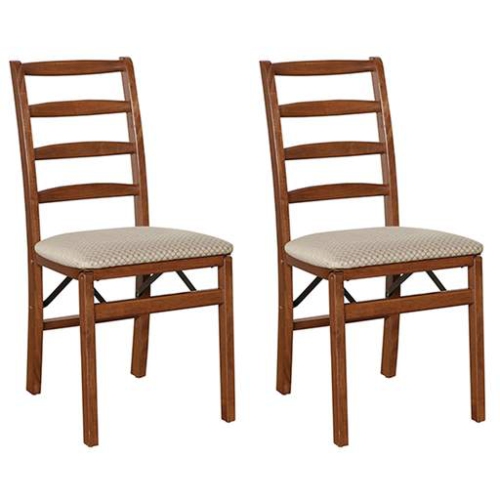 Your price for this item is $364.99
-
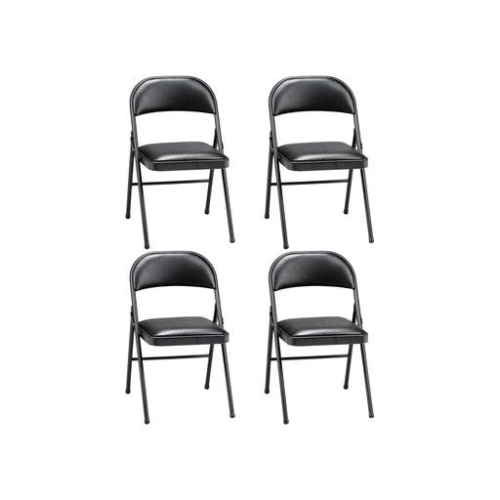 Your price for this item is $376.99
-
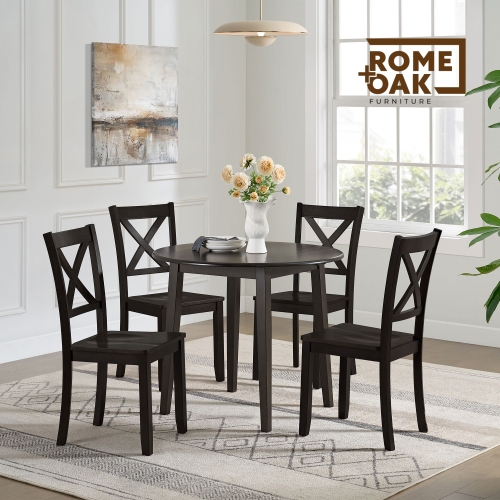 Your price for this item is $403.99
-
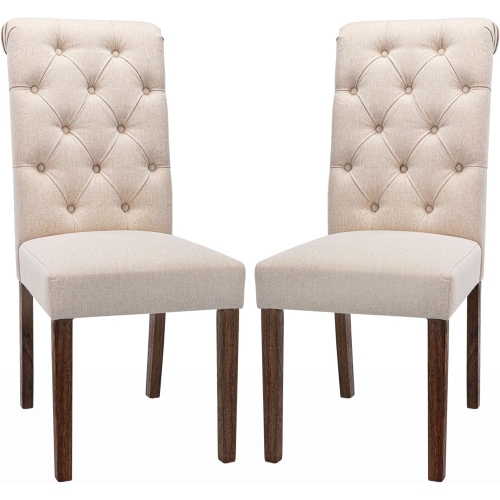 Your price for this item is $210
Discover more categories related to Modern Leather Dining Chairs
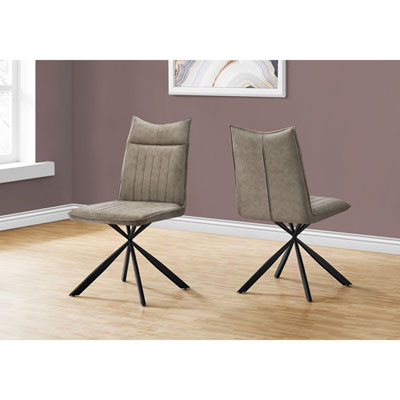
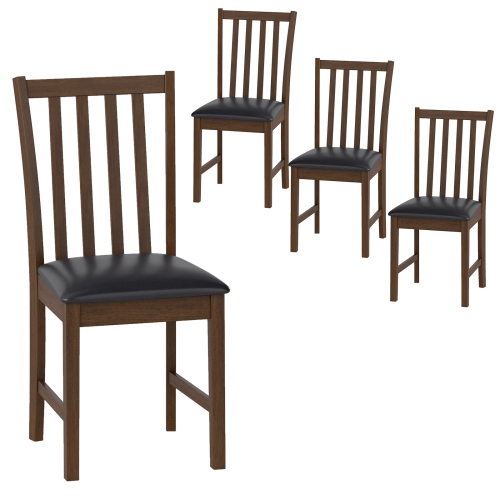
Top Collections:
Best Black Friday Deals This Year, Best Black Friday Deals On Electronics, Kindle Devices, Pokemon Centers, Best Black Friday Deals On Apple Products, Best Cameras for Sports Photography, Dyson Airwrap, Pokémon 30th Celebration Cards, Apple iPhone 17 Pro, Canon G7X Cameras
Some products may be subject to Environmental Handling Fees
(EHF) depending on your province.
Learn more about EHFs.