Modern Leather Reclining Sofas
A modern leather reclining sofa is a great addition to almost any home. It is available in many different styles and colors to match any decor. These reclining sofas are designed to be used as a living room or family room couch. It has a very comfortable and relaxing design that will make you want to stay for hours on end. Here are some of our favorites.
Sort
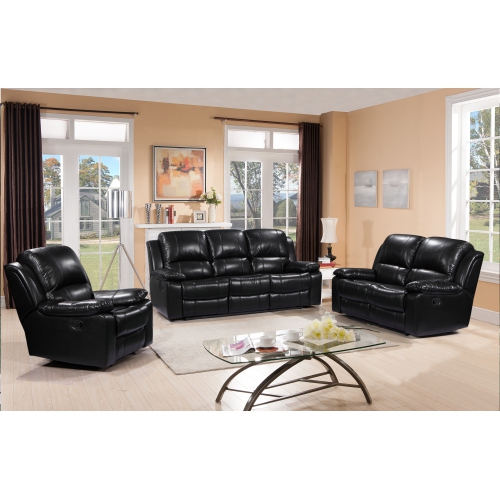
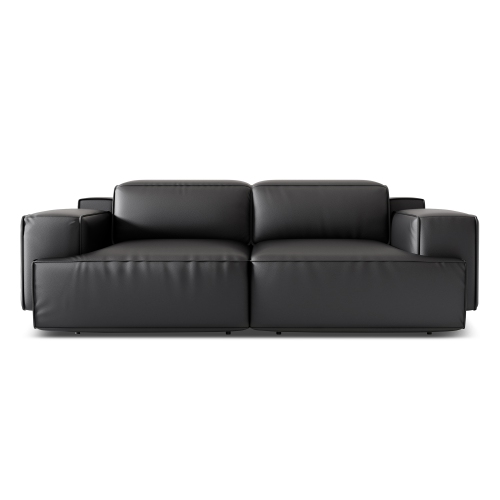
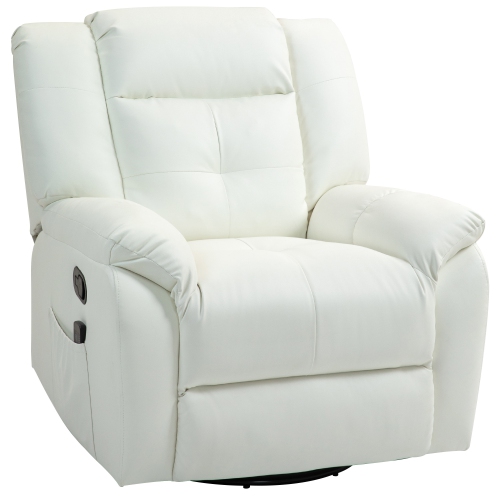
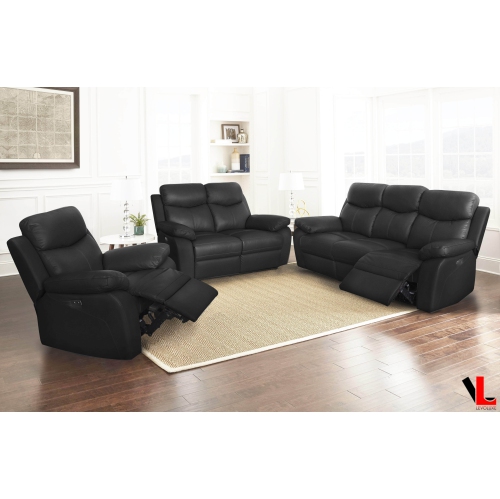
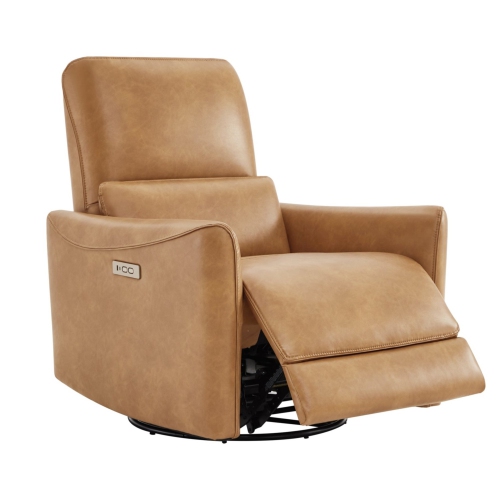
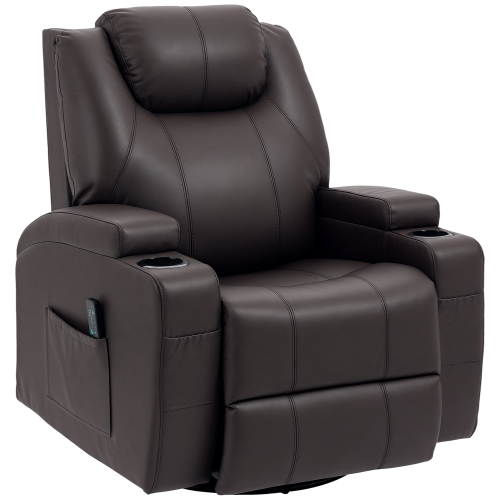
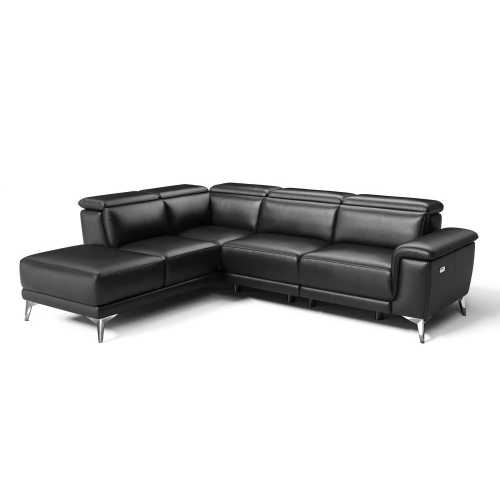
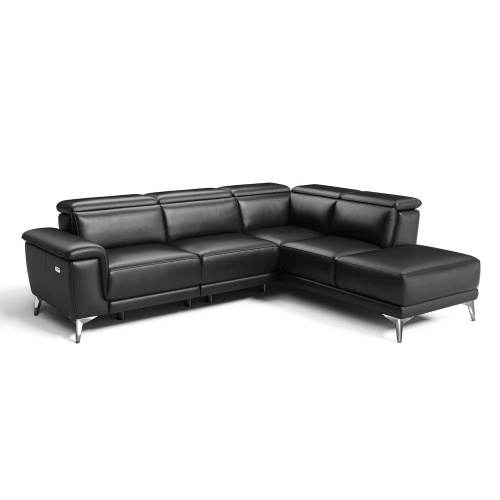
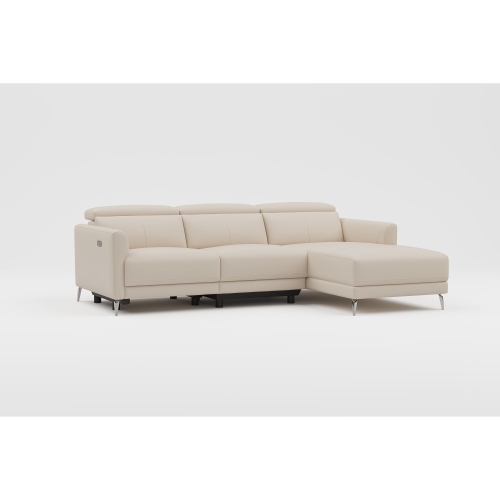
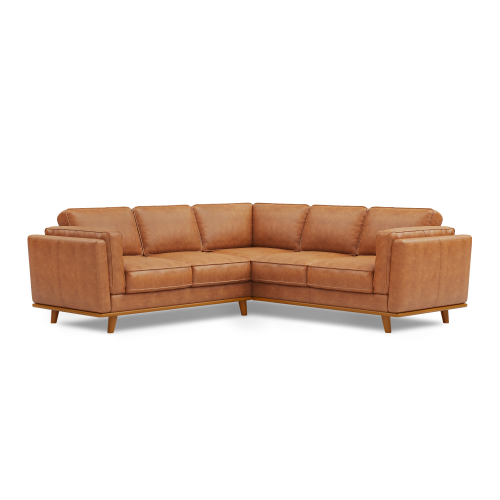
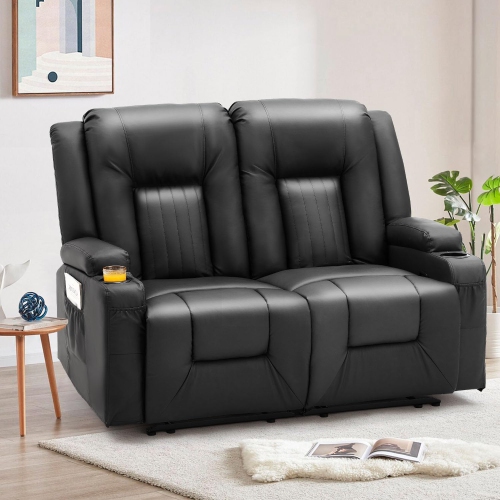
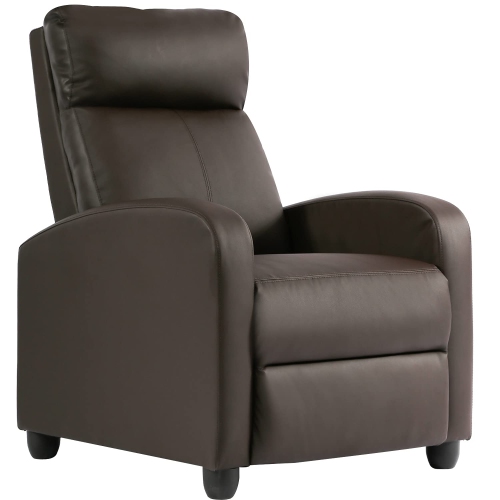
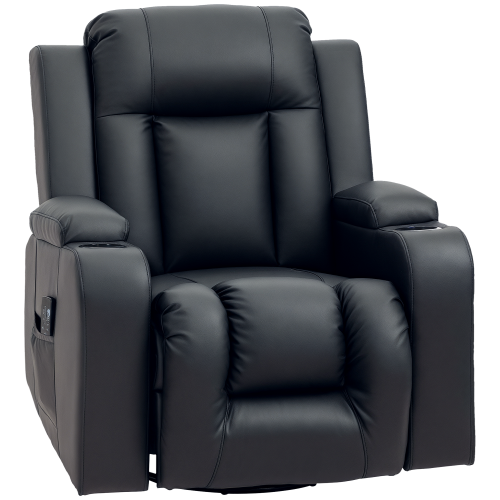
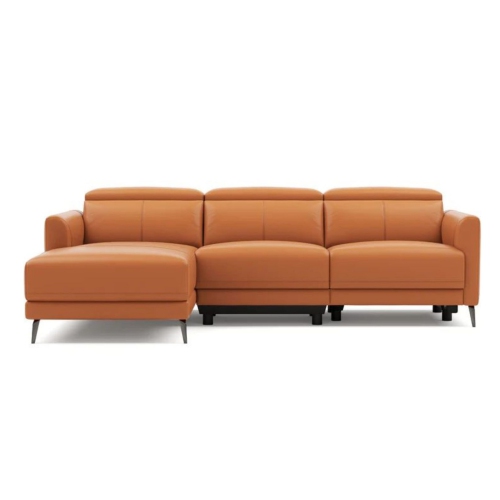
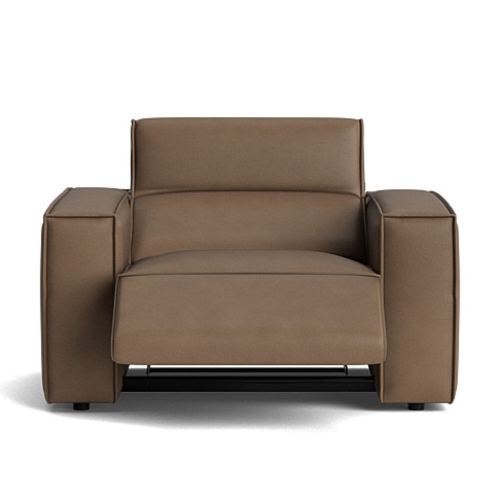


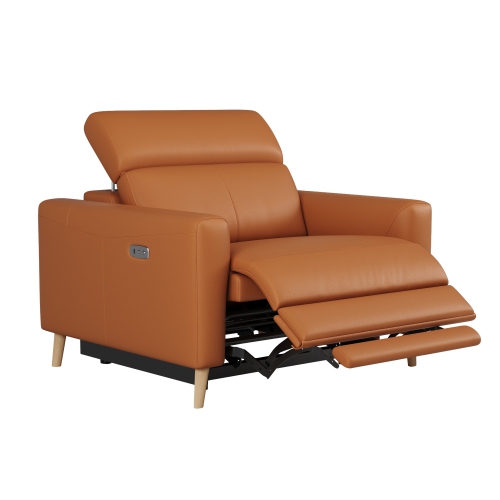
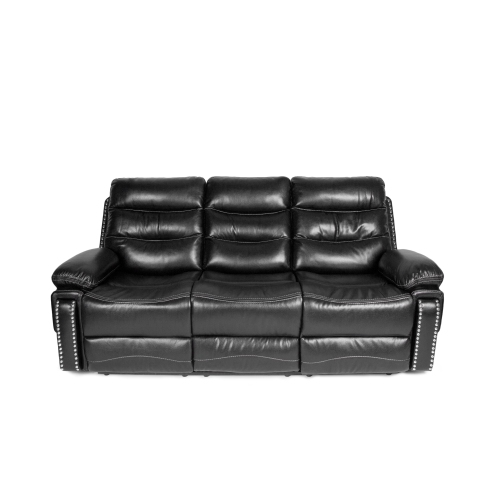
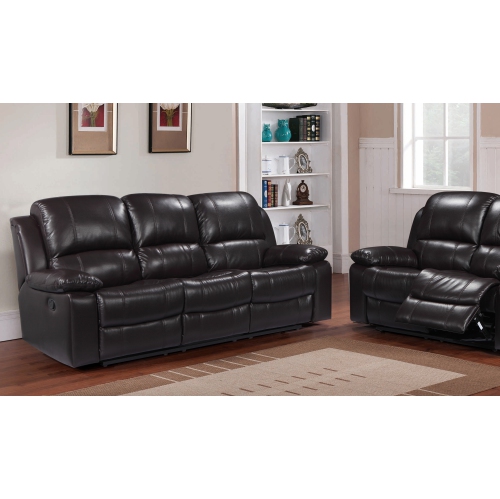

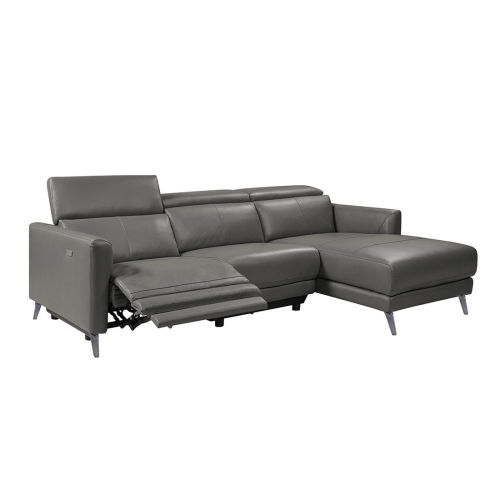
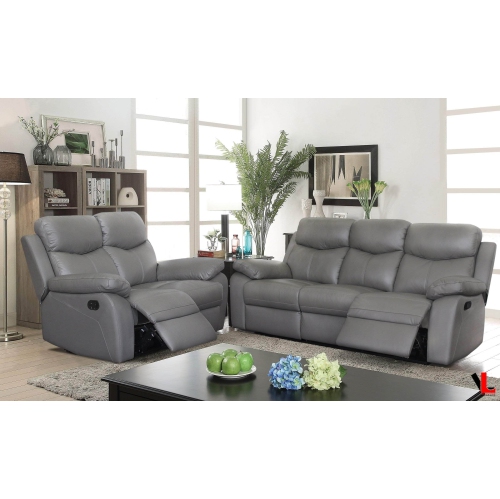
Reclining comfort without the bulk of traditional designs
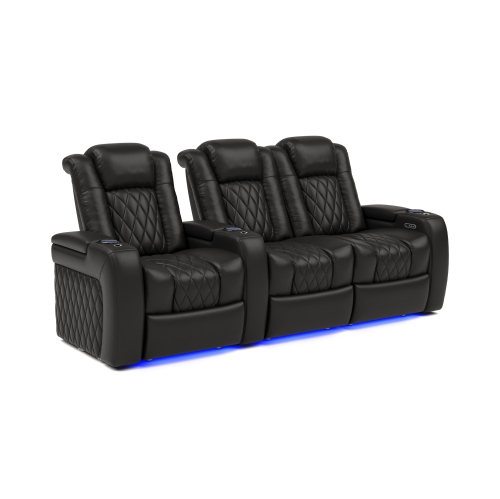
Modern leather reclining sofas bring the comfort of adjustable seating into a living room without relying on the bulky shapes associated with traditional recliners. Clean lines, gently rounded arms, tailored stitching, and neatly integrated footrests give these sofas a contemporary profile, while reclining seats make room for reading, watching a film, or stretching out after a long day. The overall effect depends as much on proportion as on upholstery: a low back can keep an open-plan room feeling spacious, while a taller back offers a different level of upper-body support. Slim arms leave more of the sofa’s width for seating, and broader arms create a substantial look with space to rest an elbow. Leather adds its own character through grain, colour variation, and the way its surface changes with use. Full-grain leather retains the hide’s natural grain surface, including distinctive markings, while top-grain leather may be lightly corrected or finished for a more uniform appearance. Neither label alone tells the whole story of how a sofa will feel or wear; the finish, upholstery thickness, construction, and care requirements also matter. Aniline leather generally shows more natural variation and is more susceptible to staining, whereas pigmented leather has a protective finish that can make everyday cleaning more straightforward. Semi-aniline leather offers a balance between visible character and surface protection. Upholstery descriptions are particularly important with reclining furniture because some sofas use leather on the seats, back cushions, and armrests, with a different material on the sides or rear. Leather-match construction is not the same as leather upholstery throughout, and bonded leather differs from full-grain or top-grain leather. Black, grey, cream, and brown each bring a different mood to the same silhouette. A warm brown sofa can soften a room with metal and glass furnishings, while a pale neutral shade keeps a larger seating arrangement visually light. For a household that uses the living room every day, the most appealing combination is often a balanced shape, a comfortable seat, and a finish suited to ordinary routines.
Reclining mechanisms determine how that comfort works in practice. Manual reclining sofas use a handle, lever, or body movement to release the footrest and adjust the seat, while power reclining sofas use electric motors controlled by buttons or a panel. Power operation can make small adjustments easier, although independent movement of the backrest, footrest, headrest, or lumbar support depends on the design. An adjustable headrest can be useful when watching a television from a reclined position, allowing the head angle to change without bringing the whole seat upright. Some designs also offer positions described as zero gravity, which raise the legs and angle the torso into a more supported resting posture; the range of movement varies, and the term does not establish a medical benefit. Seating layouts matter just as much as the controls. A sofa with two reclining outer seats and a fixed centre seat suits different activities at once, such as one person reading upright while another stretches out. A centre console can add storage or cupholders, but it also changes the seating layout and the space for lying across the sofa. Integrated USB ports or wireless charging can keep compatible devices close by, with charging capabilities dependent on the built-in hardware. Beyond the sofa’s closed dimensions, the fully reclined depth determines how comfortably it fits into a room. Footrests need space to extend without hitting a coffee table, and walkways should remain usable when someone is reclining. Wall-hugger mechanisms move the seat forward as the back tilts, reducing the clearance needed behind the sofa, but required distances are specific to each design rather than universally zero. Seat height and depth influence everyday comfort too: a deep cushion may suit someone who likes to curl up, while a shallower seat can make it easier to sit with feet resting on the floor. Doorways, stair turns, lifts, and hallways also affect delivery access. Removable backs may help with tight entrances, but packed dimensions and assembly requirements remain important. For a broader look at contemporary reclining shapes and upholstery options, Modern Recliner Sofas offers a related starting point.
Long-term satisfaction with a leather reclining sofa rests on what happens beneath the upholstery as well as how the surface is treated. A well-built frame, secure joints, supportive suspension, and cushions that retain their shape all contribute to consistent comfort. Cushion firmness is a matter of preference rather than a simple measure of quality: a firmer seat gives a more supported feel, while a softer one allows more sinking in. Leather will often soften and develop creases in frequently used areas, particularly where the seat and footrest bend. This is different from peeling or cracking, which can reflect issues with the finish, material, wear, or care. Moving sections bring additional considerations, including the smoothness of the mechanism, accessible controls, and sufficient clearance around upholstery folds. In homes with children or pets, keeping hands, paws, toys, and loose throws away from the mechanism is an important part of daily use. Power cords should be routed away from foot traffic and moving parts, with access to an appropriate outlet. Routine care is usually simple but should follow the upholstery manufacturer’s directions: gentle dusting with a soft cloth and prompt attention to spills help prevent grit and residue from building up. Liquids are best blotted rather than rubbed, and any approved cleaner should first be tested in an inconspicuous area. Household detergents, solvents, abrasive tools, and unapproved oils can damage leather finishes. Direct sunlight and nearby heat sources can also contribute to fading or drying, making placement worth considering alongside the room’s layout. For shared family rooms, easy-to-reach controls and a forgiving finish can matter more than extra features; in a dedicated media room, independent reclining seats and adjustable head support may take priority. A compact sitting area benefits from restrained proportions and a carefully planned reclining footprint. Across these settings, modern leather reclining sofas offer a combination of tailored upholstery and adaptable seating, with the best fit shaped by how people sit, relax, and move through the room.
Reclining mechanisms determine how that comfort works in practice. Manual reclining sofas use a handle, lever, or body movement to release the footrest and adjust the seat, while power reclining sofas use electric motors controlled by buttons or a panel. Power operation can make small adjustments easier, although independent movement of the backrest, footrest, headrest, or lumbar support depends on the design. An adjustable headrest can be useful when watching a television from a reclined position, allowing the head angle to change without bringing the whole seat upright. Some designs also offer positions described as zero gravity, which raise the legs and angle the torso into a more supported resting posture; the range of movement varies, and the term does not establish a medical benefit. Seating layouts matter just as much as the controls. A sofa with two reclining outer seats and a fixed centre seat suits different activities at once, such as one person reading upright while another stretches out. A centre console can add storage or cupholders, but it also changes the seating layout and the space for lying across the sofa. Integrated USB ports or wireless charging can keep compatible devices close by, with charging capabilities dependent on the built-in hardware. Beyond the sofa’s closed dimensions, the fully reclined depth determines how comfortably it fits into a room. Footrests need space to extend without hitting a coffee table, and walkways should remain usable when someone is reclining. Wall-hugger mechanisms move the seat forward as the back tilts, reducing the clearance needed behind the sofa, but required distances are specific to each design rather than universally zero. Seat height and depth influence everyday comfort too: a deep cushion may suit someone who likes to curl up, while a shallower seat can make it easier to sit with feet resting on the floor. Doorways, stair turns, lifts, and hallways also affect delivery access. Removable backs may help with tight entrances, but packed dimensions and assembly requirements remain important. For a broader look at contemporary reclining shapes and upholstery options, Modern Recliner Sofas offers a related starting point.
Long-term satisfaction with a leather reclining sofa rests on what happens beneath the upholstery as well as how the surface is treated. A well-built frame, secure joints, supportive suspension, and cushions that retain their shape all contribute to consistent comfort. Cushion firmness is a matter of preference rather than a simple measure of quality: a firmer seat gives a more supported feel, while a softer one allows more sinking in. Leather will often soften and develop creases in frequently used areas, particularly where the seat and footrest bend. This is different from peeling or cracking, which can reflect issues with the finish, material, wear, or care. Moving sections bring additional considerations, including the smoothness of the mechanism, accessible controls, and sufficient clearance around upholstery folds. In homes with children or pets, keeping hands, paws, toys, and loose throws away from the mechanism is an important part of daily use. Power cords should be routed away from foot traffic and moving parts, with access to an appropriate outlet. Routine care is usually simple but should follow the upholstery manufacturer’s directions: gentle dusting with a soft cloth and prompt attention to spills help prevent grit and residue from building up. Liquids are best blotted rather than rubbed, and any approved cleaner should first be tested in an inconspicuous area. Household detergents, solvents, abrasive tools, and unapproved oils can damage leather finishes. Direct sunlight and nearby heat sources can also contribute to fading or drying, making placement worth considering alongside the room’s layout. For shared family rooms, easy-to-reach controls and a forgiving finish can matter more than extra features; in a dedicated media room, independent reclining seats and adjustable head support may take priority. A compact sitting area benefits from restrained proportions and a carefully planned reclining footprint. Across these settings, modern leather reclining sofas offer a combination of tailored upholstery and adaptable seating, with the best fit shaped by how people sit, relax, and move through the room.
Top selling and popular products
-
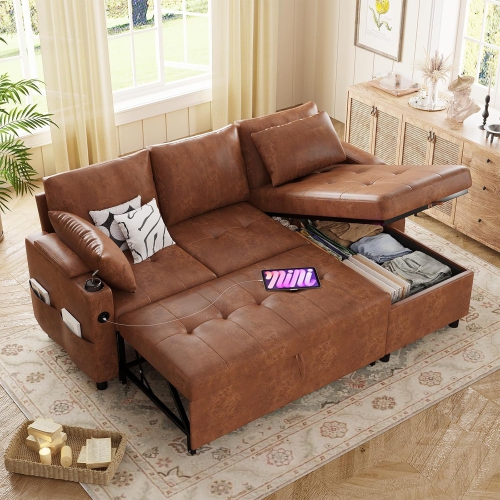 Your price for this item is $689.99
 -
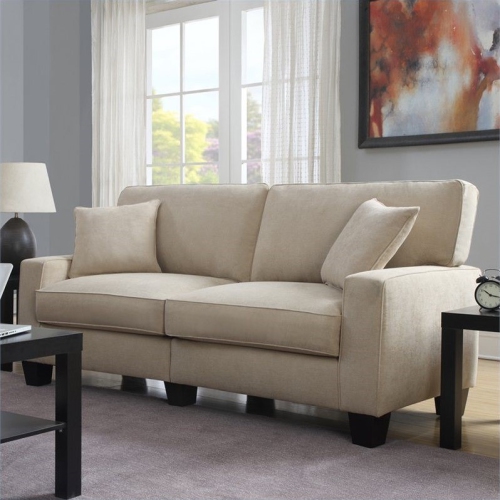 Your price for this item is $1707.8
 -
 Your price for this item is $265.99
 -
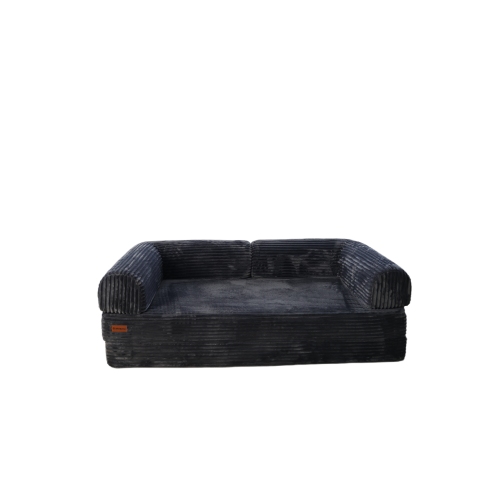 Your price for this item is $599.97
 -
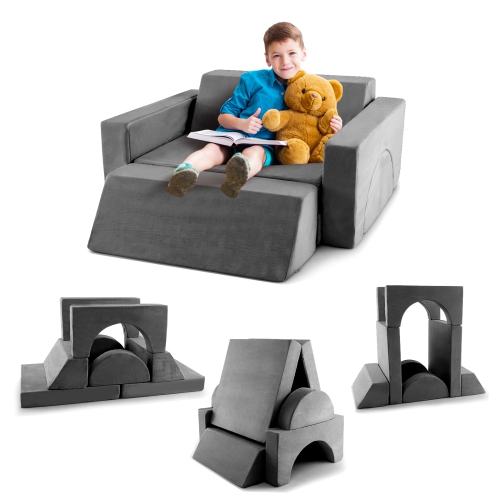 Your price for this item is $167.99
 -
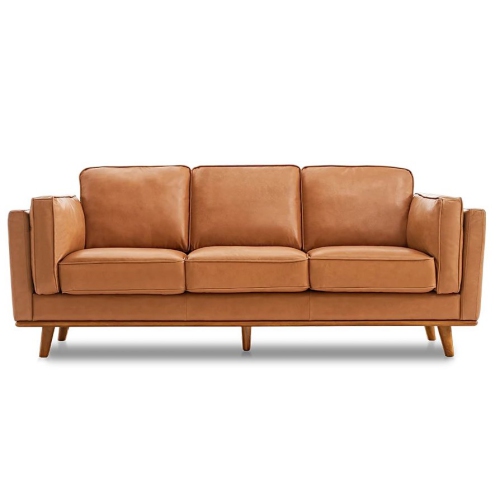 Your price for this item is $2399.99
 -
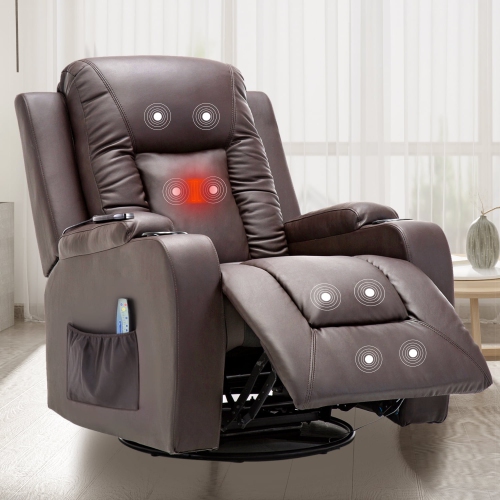 Your price for this item is $599.99
 -
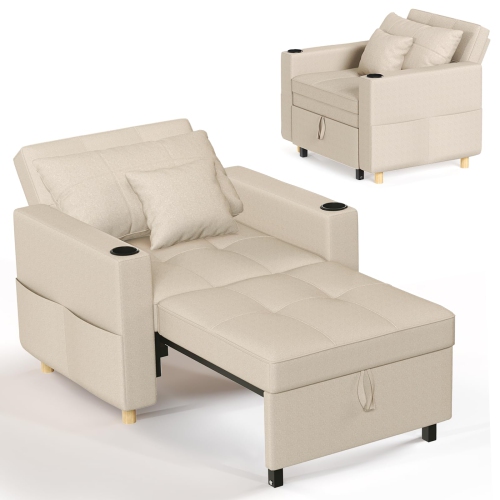 Your price for this item is $329.99
Discover more categories related to Modern Leather Reclining Sofas
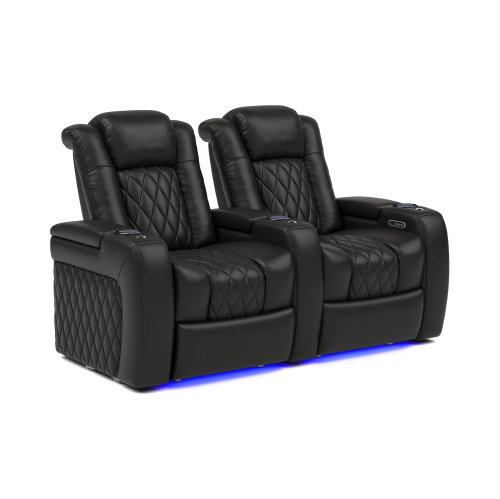
Top Collections:
Pokemon Centers, Kindle Devices, Best Budget Office Chairs, Apple iPhones 16, Best Laptops for Writers, iPhone 15 Apple, Canon G7X Cameras, Refurbished Apple Laptops, Alarm Clock, Motorola Razr Phones
Some products may be subject to Environmental Handling Fees
(EHF) depending on your province.
Learn more about EHFs.