Modern Outdoor Area Rugs
Modern Outdoor Area Rugs instantly elevate your patio, deck, or balcony with stylish designs that complement any outdoor setting. These rugs add a touch of comfort and visual appeal, creating inviting spaces for relaxing or entertaining guests. Perfect for tying together your outdoor furniture and décor, Modern Outdoor Area Rugs offer an easy way to refresh your exterior living areas with contemporary flair. Explore a variety of sizes, patterns, and colors to find the perfect fit for your unique outdoor space.
Sort
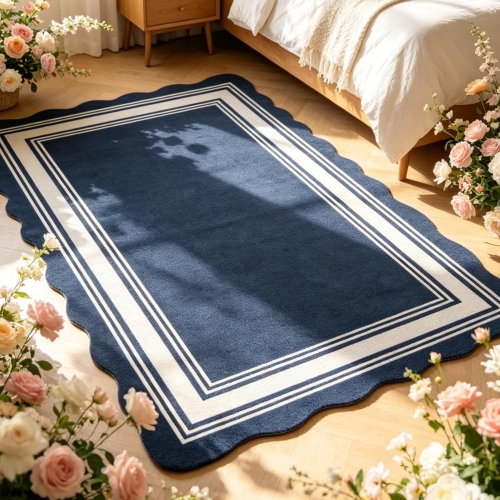
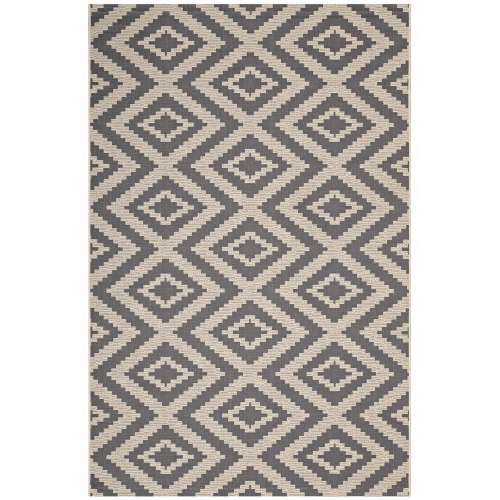
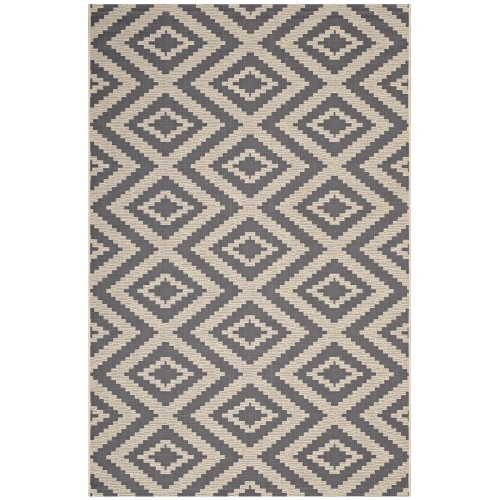
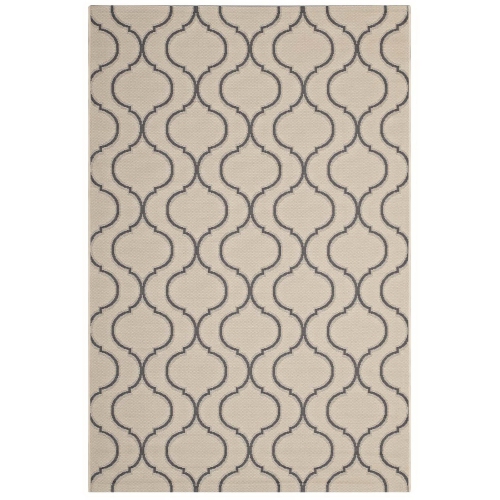
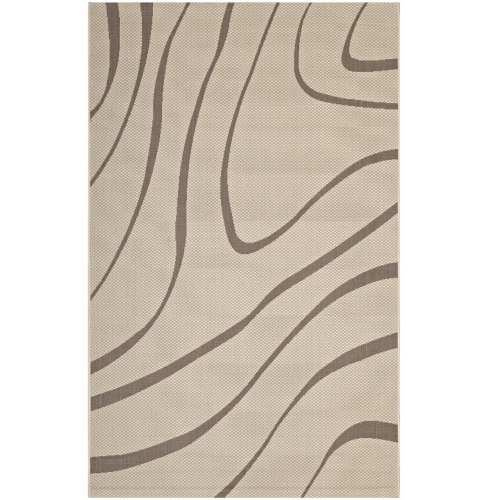
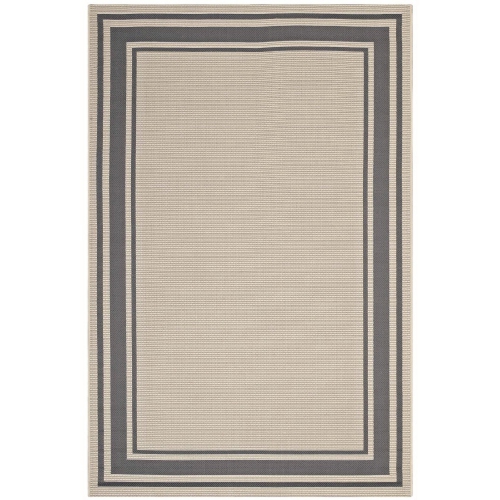
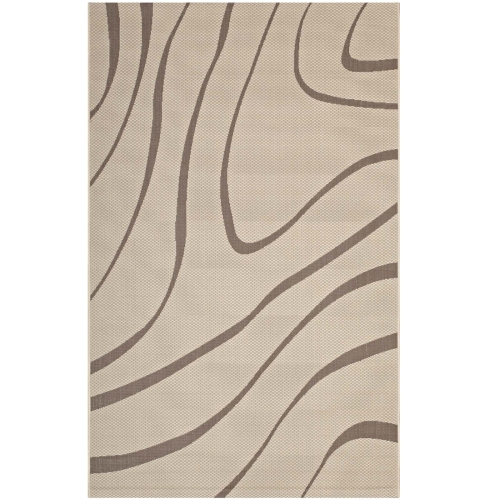
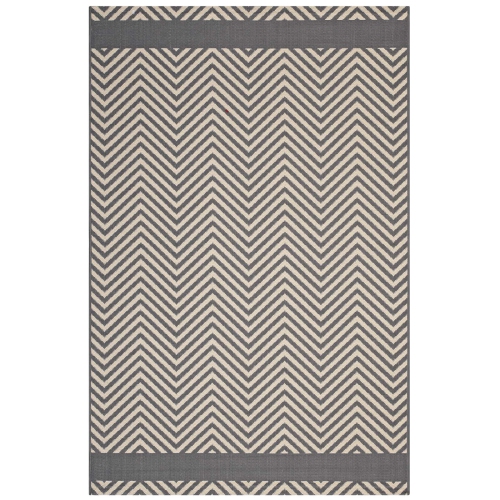
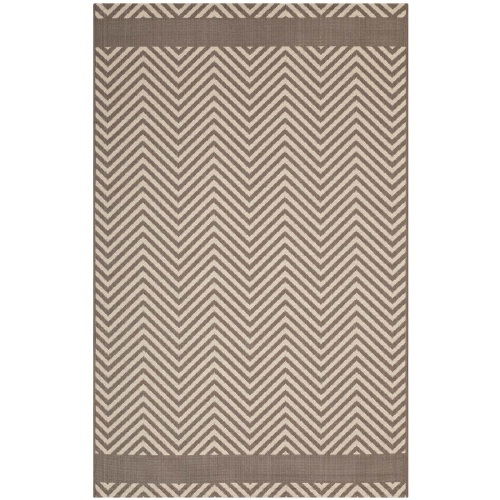
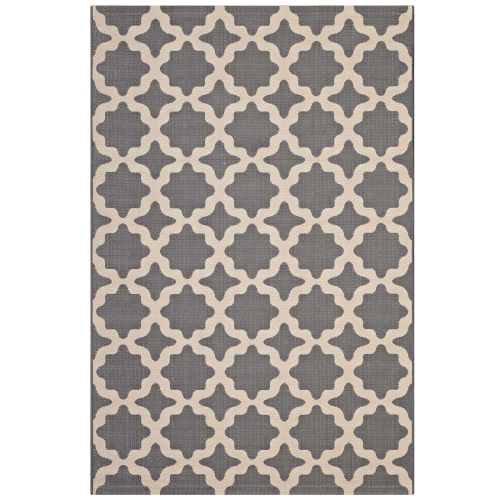
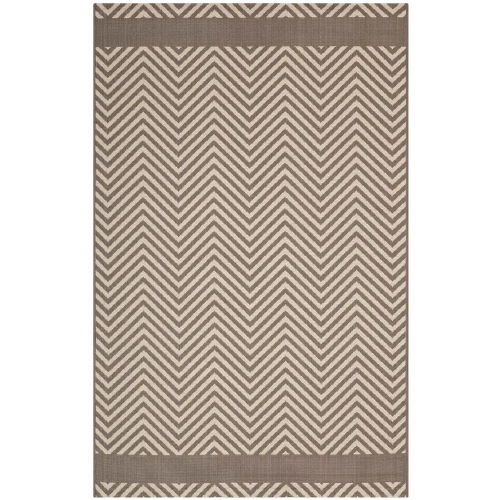
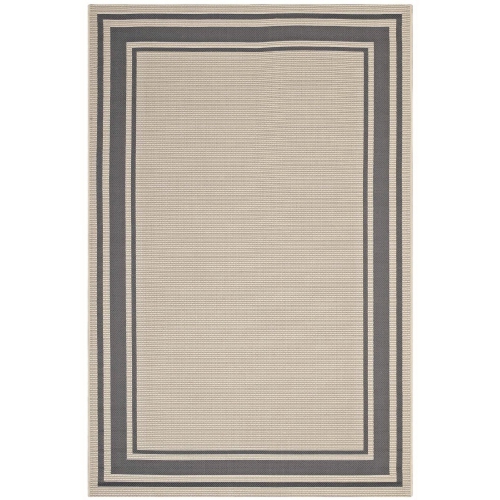
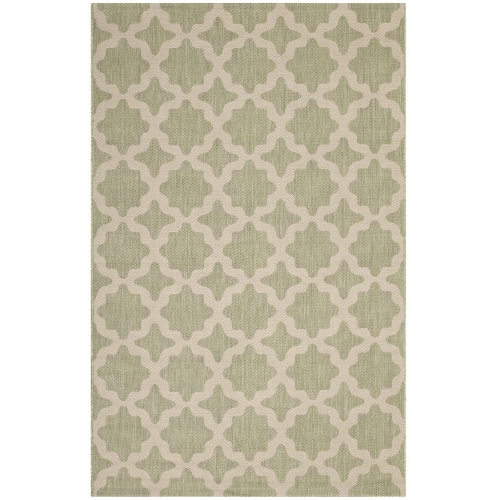
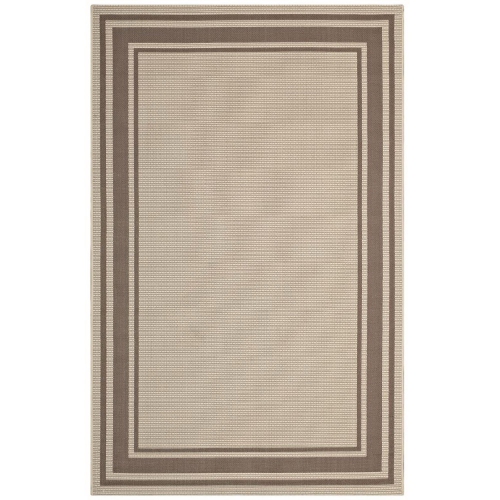
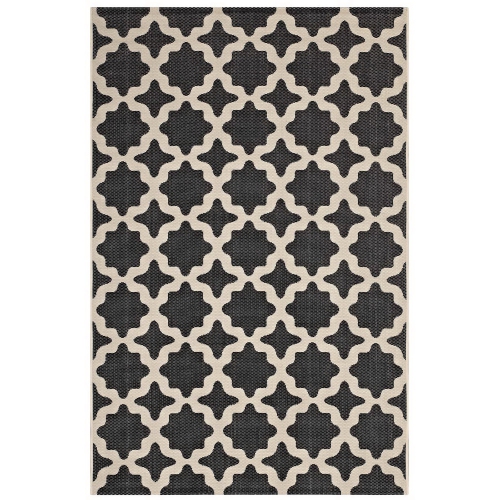
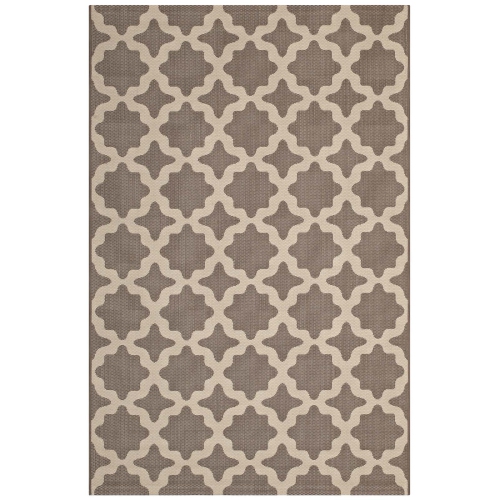
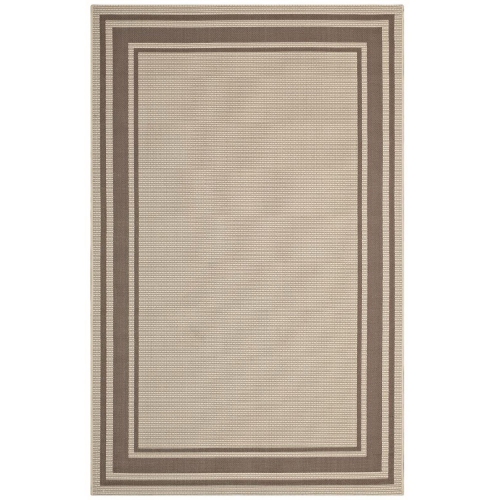
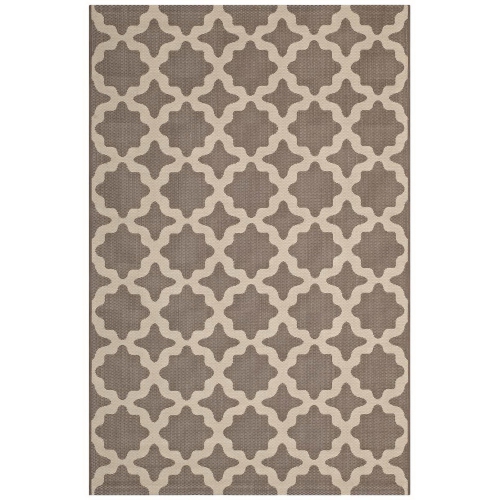
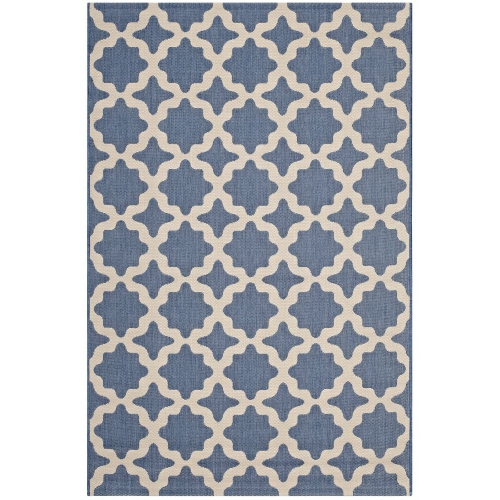
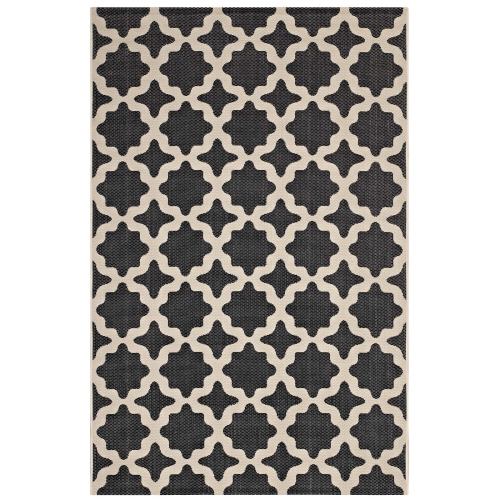
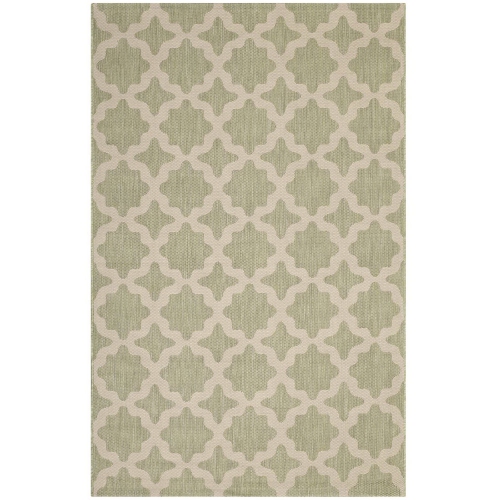
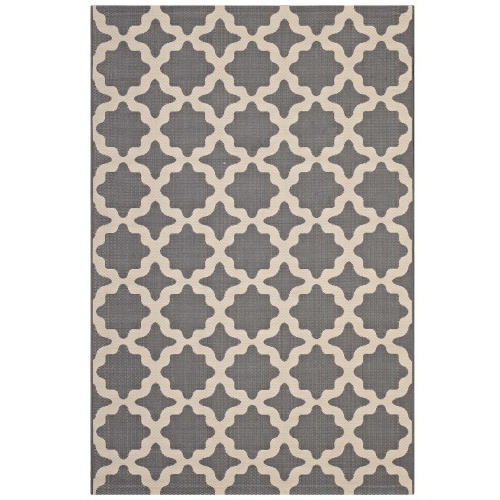
A well-placed rug ties outdoor seating together
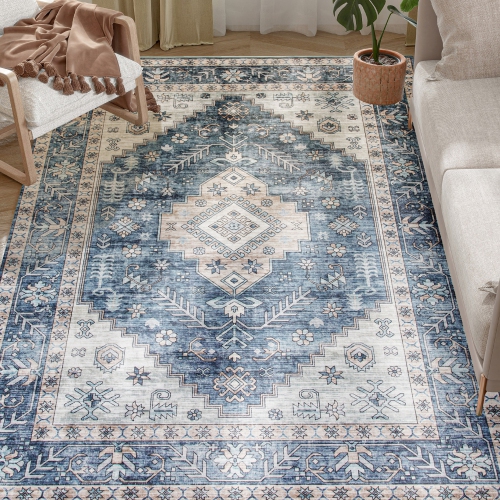
Modern outdoor area rugs give patios, balconies, decks, and covered porches a more defined, furnished feel. A rug beneath a conversation set can draw separate chairs into one seating area, while a long, narrow design can bring visual order to a balcony with a bench and a few planters. The modern look often comes from clean geometry, restrained colour combinations, and texture rather than elaborate ornament. Broad stripes, offset blocks, abstract lines, and subtle woven patterns can complement streamlined furniture without making the space feel stark. Charcoal and ivory create a crisp contrast against pale cushions, while sand, taupe, and warm grey sit comfortably beside wood, wicker, and stone. A muted blue or terracotta accent can connect the rug to seat cushions or nearby pottery without requiring every detail to match. Modern designs also overlap with Contemporary Outdoor Rugs, particularly where understated patterns and tactile finishes take the place of traditional motifs. Size and placement have as much influence as pattern. In a lounge arrangement, a rug large enough to sit beneath the front legs of the main seating pieces usually creates a stronger connection than one floating beneath the coffee table alone. Under a dining table, allow room for chairs to move back while their legs remain on the rug; measuring with a chair pulled out gives a clearer picture than measuring the tabletop by itself. On a compact balcony, leaving a visible border of flooring can help the rug look intentional rather than squeezed into place. Door swings, thresholds, drainage openings, and frequently used walking routes also deserve attention. Marking the proposed outline with removable tape makes it easier to picture the proportions before choosing a size, especially around sectional seating or an unusually shaped patio. A rectangular rug can reinforce a long layout, while a round rug may soften the angles around a small bistro table.
Materials and construction help determine how an outdoor rug feels underfoot and how well it suits its setting. Polypropylene is a common choice because the fibre absorbs little moisture and can be practical for spaces exposed to everyday spills and damp conditions. Polyester also appears in outdoor designs, offering varied textures and colour effects, although suitability for direct exposure depends on the particular construction and care specifications. A rug described as indoor use only is not interchangeable with one made for outdoor use, even if the colours and weave look similar. For an uncovered deck, look for stated outdoor suitability and information about resistance to fading, moisture, and mildew. These features can reduce maintenance demands, but they do not make a rug immune to prolonged dampness, accumulated dirt, or strong sunlight. A covered porch presents different demands: protection overhead may allow a wider range of textures, provided the rug is still rated for the conditions it will encounter. Flatwoven and low-pile designs are often useful beneath dining furniture because chair legs move across them more easily than across a deep, plush surface. Their relatively slim profile can also help near a doorway, though clearance should be measured with any pad included. A more textured weave may feel inviting beneath bare feet in a lounging area, but raised details can catch crumbs or make lightweight chairs less steady. Households with children, pets, or frequent visitors may appreciate a closely woven surface with a pattern that makes small marks less noticeable between cleanings. Mid-tone colours and mixed yarn effects tend to disguise everyday dust better than a solid, very pale field. Edges matter too: secure binding and a rug that lies flat help keep the space comfortable to move through. Where extra grip is needed, use a pad specifically suited to both outdoor use and the underlying surface, following the flooring and rug manufacturers’ recommendations.
Care works best when it accounts for both the rug and the surface beneath it. Loose grit can work into a weave and rub against deck boards or patio finishes, so regular sweeping, shaking, or vacuuming, as permitted by the care label, helps limit buildup. Spills are generally easier to manage when blotted promptly rather than scrubbed into the fibres. Mild soap and water may be suitable for some outdoor rugs, while others have more specific cleaning requirements; bleach, strong cleaners, pressure washers, and machine washing should never be assumed safe. Even when a rug can be rinsed with a hose, it needs space and airflow to dry thoroughly on both sides before being laid back down. Outdoor fibres may resist moisture, but dirt, leaves, and other debris can still hold dampness against the backing and the floor. Lifting the rug periodically makes it easier to clear trapped material and check for moisture beneath furniture or along shaded edges. On wood or composite decking, confirm compatibility with the deck manufacturer, since some backings and pads can trap moisture or affect the finish. Occasional repositioning, where the layout allows, can help distribute wear and light exposure, though it cannot prevent all differences in colour over time. Rugs should also sit clear of barbecues, fire pits, and other heat sources, with the clearances required by those appliances; an ordinary outdoor area rug is not a substitute for a purpose-made protective mat. When the space will be unused for an extended period, a clean, completely dry rug can be rolled and stored according to its care instructions rather than left beneath pooled water or heavy debris. These practical details matter whether the rug anchors a family dining area, makes an apartment balcony more comfortable for morning coffee, or finishes a quiet reading corner on a covered porch. The strongest choice balances the look of the space with the way people actually use it: enough room for moving chairs, a texture comfortable underfoot, and a maintenance routine that fits everyday life.
Top selling and popular products
-
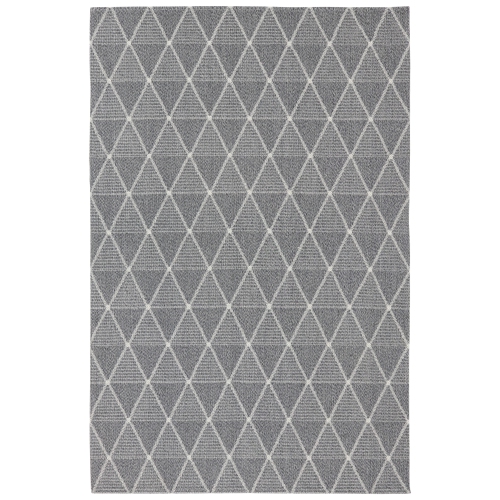 Your price for this item is $130.55
-
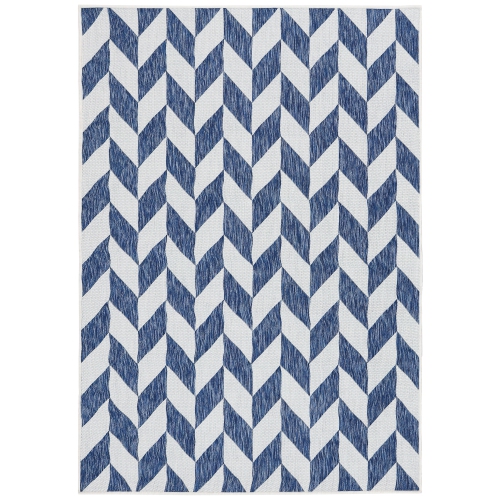 Your price for this item is $129.15
-
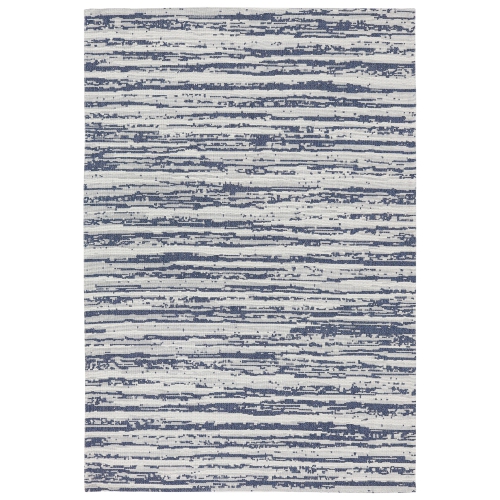 Your price for this item is $130.55
-
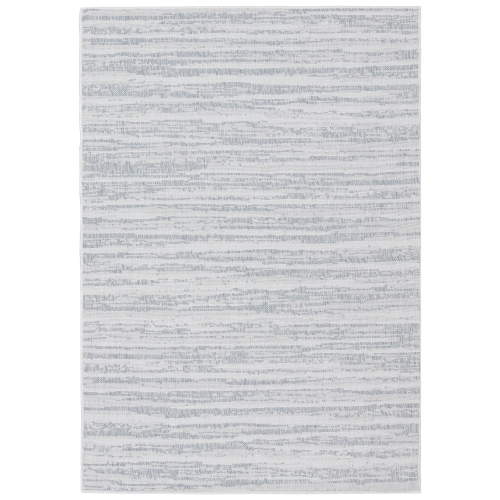 Your price for this item is $129.15
-
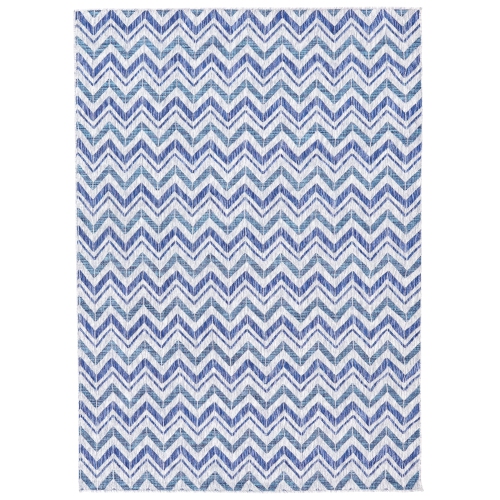 Your price for this item is $129.15
-
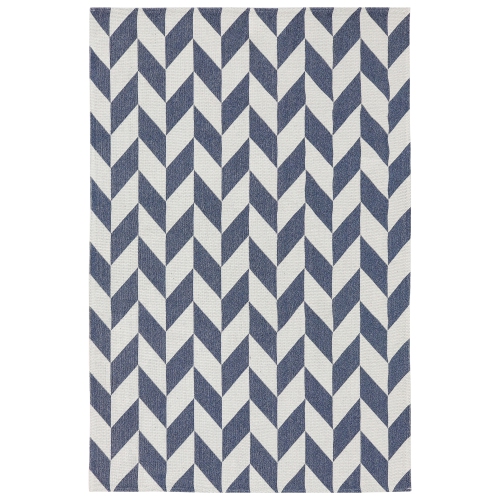 Your price for this item is $130.55
-
 Your price for this item is $144.99
-
 Your price for this item is $103.99
Discover more categories related to Modern Outdoor Area Rugs

Top Collections:
Best Black Friday Deals This Year, Best Black Friday Deals On Electronics, Kindle Devices, Dyson Airwrap, Best Cameras for Sports Photography, Best Budget Office Chairs, Canon G7X Cameras, PS5 Pro Consoles, Best Black Friday Deals On Apple Products, XBOX One S Consoles
Some products may be subject to Environmental Handling Fees
(EHF) depending on your province.
Learn more about EHFs.