Modern Textured Area Rugs
Elevate your home décor with Modern Textured Area Rugs that bring visual interest and stylish comfort to any room. These rugs are designed to complement contemporary spaces, adding depth and dimension to your floors while enhancing the overall aesthetic of your living area, bedroom, or office. Explore a variety of patterns, colors, and sizes to find the perfect Modern Textured Area Rug that reflects your personal style and ties your space together beautifully.
Sort
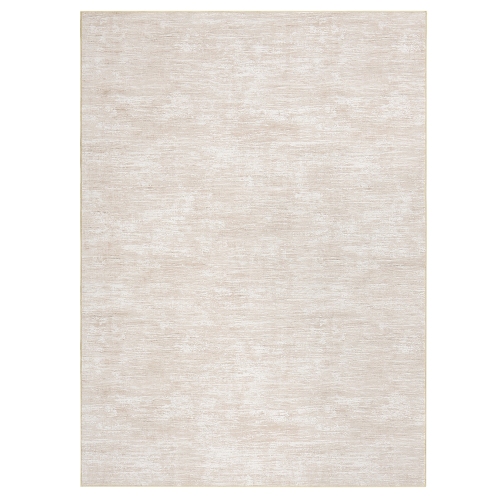
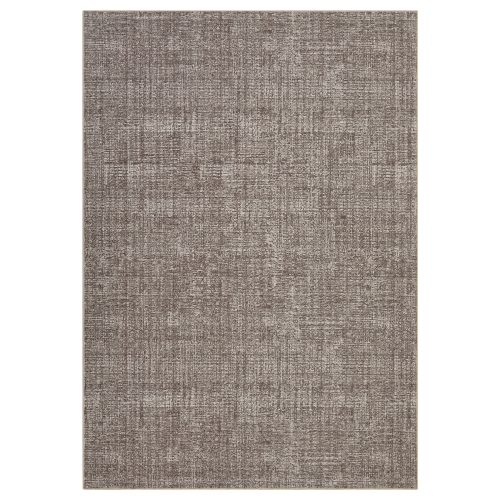
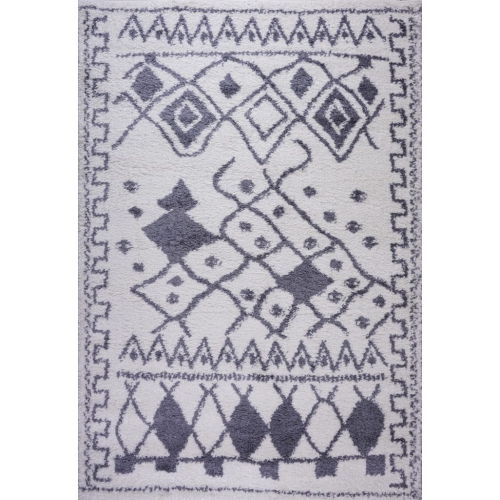

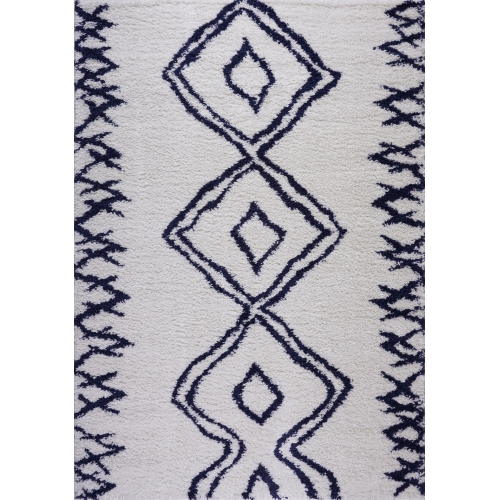
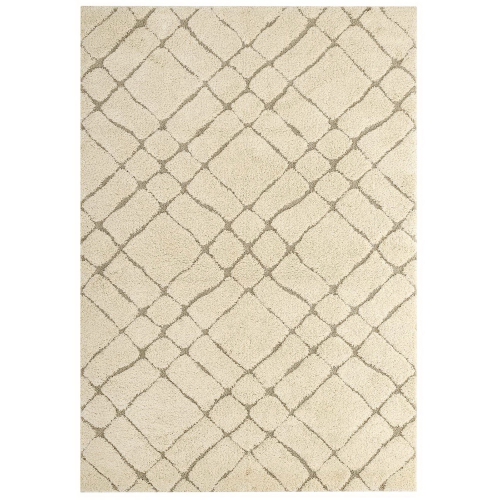
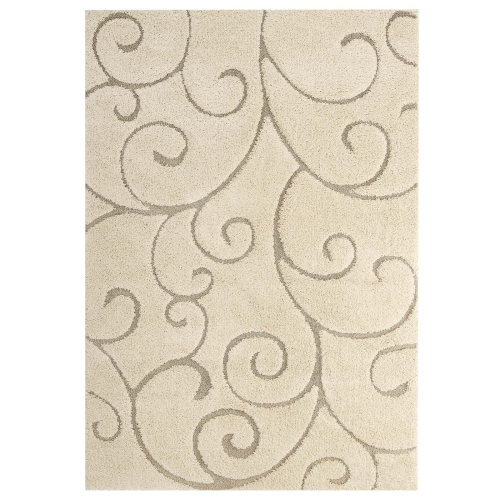
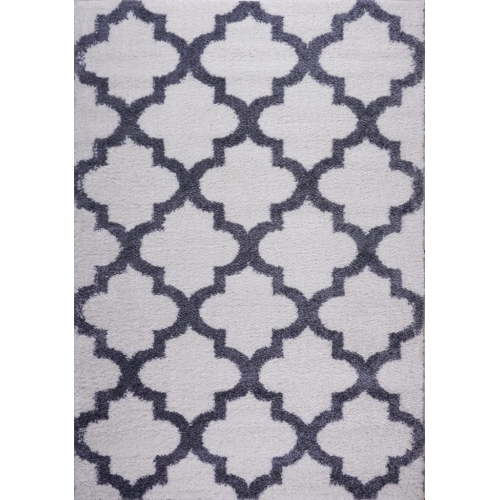
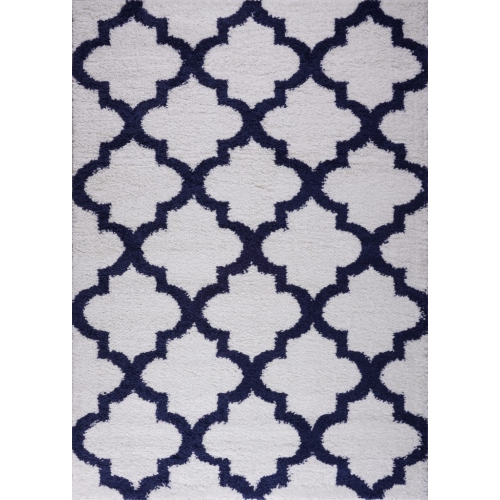
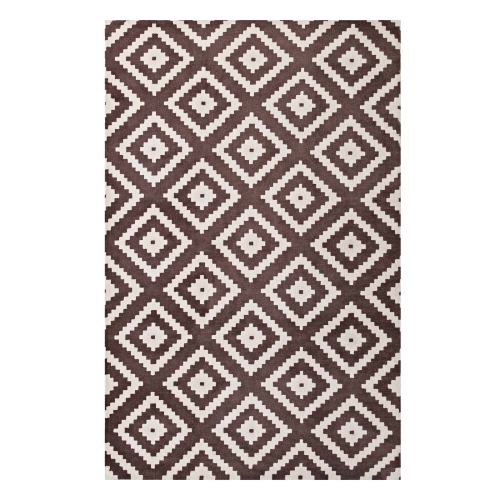

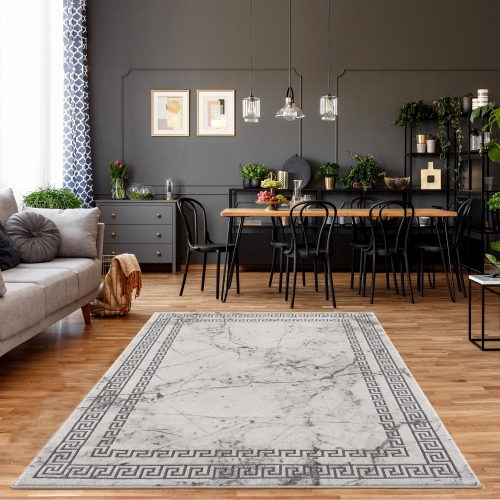
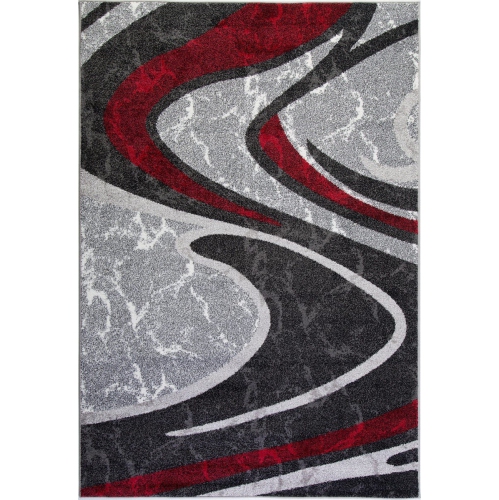

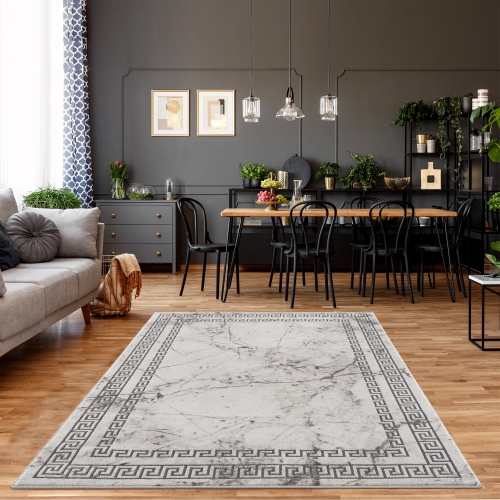
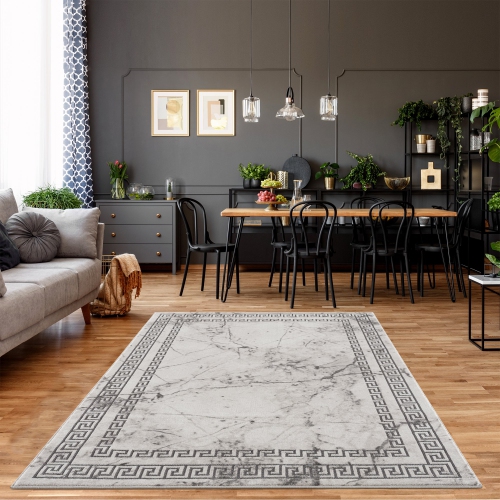
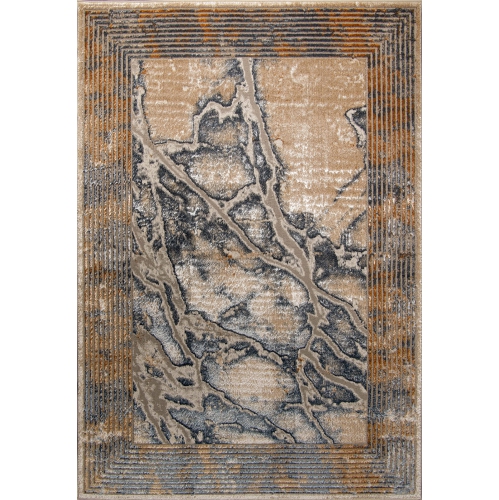
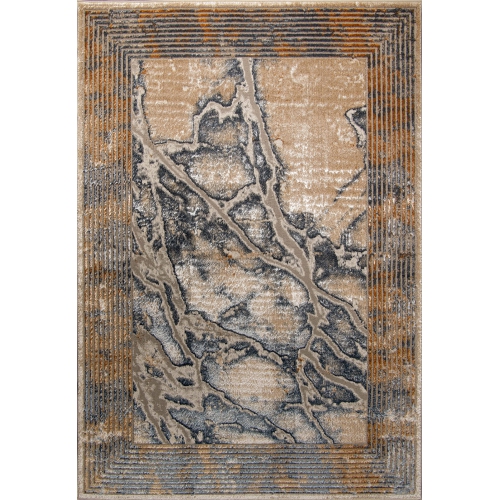
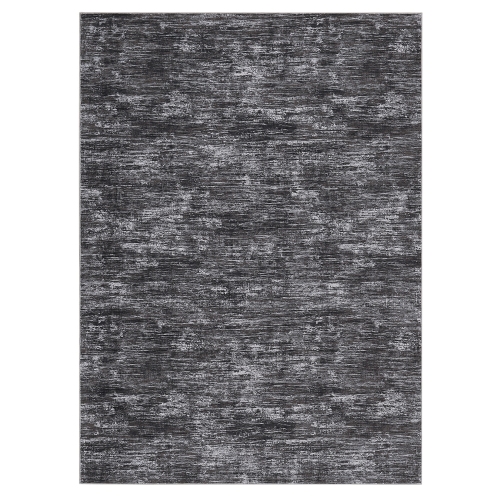
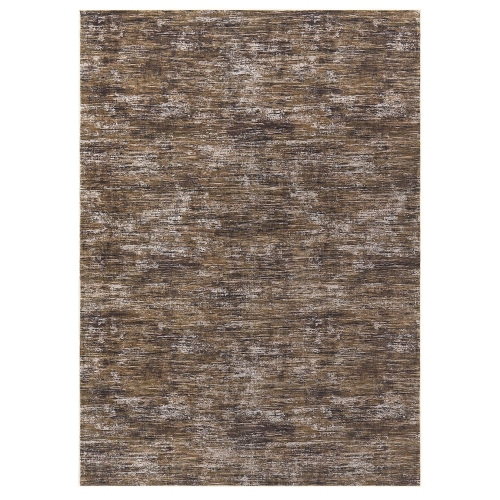
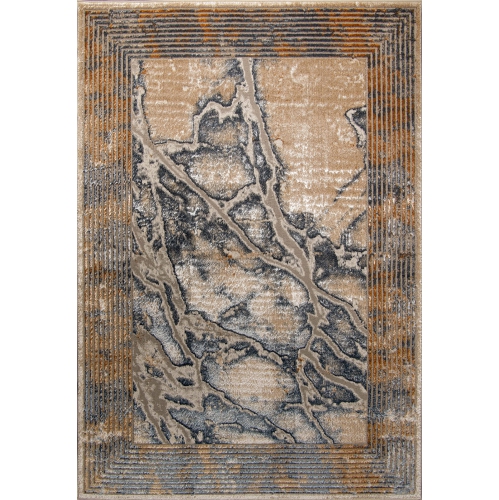
Raised patterns add depth without overwhelming your room
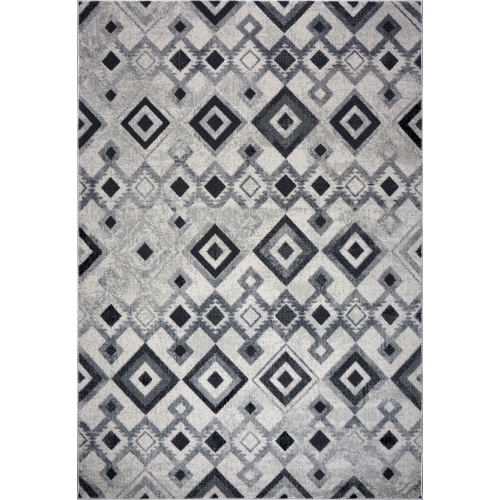
Modern textured area rugs bring dimension to a room through raised patterns, varied pile heights, and woven surfaces that are as noticeable underfoot as they are to the eye. Unlike a flat printed design, a textured rug uses its construction to create contrast: a soft geometric motif may sit above a tightly woven background, or alternating rows of loops and cut fibres may form subtle stripes. High-low pile is especially suited to modern interiors because it adds definition without requiring bold colours or busy artwork. Ivory, oatmeal, taupe, charcoal, and muted earth tones let these details stand out through light and shadow, while deeper shades can give pale flooring and light-coloured furniture a stronger visual anchor. Within the broader range of Modern Area Rugs, textured styles offer a way to introduce interest while keeping the overall palette restrained. A raised checkerboard can complement a simple sofa, an irregular linear pattern can soften the appearance of angular furniture, and a gently ribbed surface can give a minimalist bedroom more depth. Texture also changes how a rug looks throughout a room: a pattern that appears quiet from the doorway may become more distinct beside a chair or beneath a coffee table. Large, open motifs tend to feel less busy across a broad floor area, while closely spaced details create a more uniform, tactile surface. These rugs can connect a seating arrangement, define a reading corner, or distinguish the living area within an open-plan space. Their appeal is not limited to one decorating style. Clean-lined furniture, rounded upholstery, wood finishes, and metal accents can all work with a textured foundation, provided the rug’s pattern and scale leave enough visual space for the surrounding furnishings. The result can feel layered and comfortable without making every surface compete for attention.
Materials and construction influence how a modern textured area rug feels, how it wears, and how much attention it needs. Wool generally offers a resilient, springy feel, making it appealing for living rooms and bedrooms where softness matters. Some shedding is normal with new wool rugs, and its extent depends on the fibres and construction. Polyester can provide a soft surface and clear colour definition, while polypropylene is often used for its resistance to moisture absorption and many everyday stains. Neither material makes a rug immune to spills, flattening, or damage, so care requirements still matter. Blended fibres can balance different qualities, although the full fibre composition is more informative than a broad description such as “soft touch.” Cotton can lend flexibility and a relaxed woven appearance, while jute and sisal offer a firmer, more pronounced texture that may feel coarse against bare feet. Those plant-fibre surfaces generally belong in dry spaces rather than areas exposed to frequent splashes. Construction deserves equal attention. A dense, low-pile rug usually allows dining chairs to move more easily and gives crumbs fewer places to settle. A taller cut pile feels more cushioned beside a bed or beneath a lounge chair, but may require more careful vacuuming and can show furniture impressions. Looped designs create appealing definition, though exposed loops may catch pet claws or snag on sharp furniture edges. In a household with children or pets, a tightly constructed surface with manageable pile height may be more practical than deep, loosely formed texture. Subtle tonal variation can make small traces of daily use less noticeable, but very pale raised sections may still show soiling along well-used paths. Durability depends on more than fibre alone: density, backing, edge finishing, placement, and routine care all contribute. A rug used beneath a frequently moved dining chair faces different demands from one placed in a quiet reading nook, even when both share the same material.
Size and placement determine whether texture becomes a cohesive part of the room or an isolated accent. In a living room, a rug large enough to sit beneath the front legs of the main seating pieces can help the arrangement feel connected. A small rug floating between a sofa and chairs may leave the furniture looking disconnected, particularly in an open space. Under a dining table, the rug should extend far enough beyond the tabletop for chairs to remain on it when pulled out for everyday use; a lower, more even surface also helps reduce catching at the edges. Beside a bed, the most useful coverage falls where feet naturally land, rather than disappearing entirely beneath the frame. Painter’s tape can outline a proposed footprint on the floor before a size is selected, making it easier to assess walkways, furniture spacing, and door clearance. Raised patterns and thicker piles need particular attention near swinging doors, low furniture, and transitions between rooms. A compatible rug pad can add cushioning, help limit movement, and reduce abrasion between the backing and flooring, but its material should suit the floor finish and the rug manufacturer’s recommendations. Pads should sit slightly inside the rug’s edges rather than protruding into walking paths. Ongoing care helps preserve the distinction between raised and recessed areas. Regular vacuuming removes grit that can work into the pile, while suction-only cleaning may be appropriate for delicate loops or longer fibres when specified by the care label. Rotating the rug periodically can spread out foot traffic and light exposure. Spills are best blotted promptly with a clean cloth rather than rubbed across the surface, and cleaning solutions should be tested discreetly before wider use. A washable label does not necessarily mean every rug size will fit a household washing machine; capacity, backing, drying requirements, and the manufacturer’s instructions all matter. For larger rugs or fibres requiring specialist treatment, professional cleaning may be the more suitable option. With a size that fits the furniture layout and a texture suited to daily activity, a modern area rug can provide a distinctive foundation without making the room harder to live in.
Top selling and popular products
-
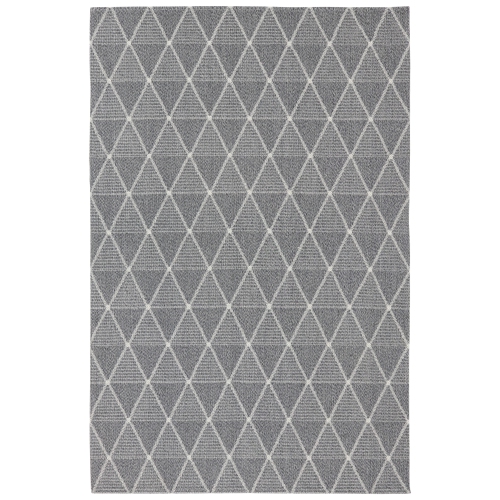 Your price for this item is $130.55
-
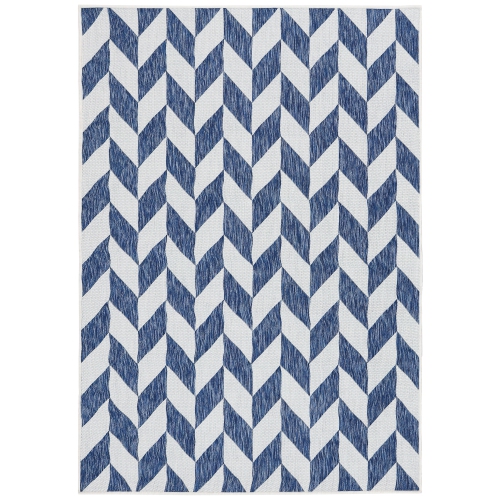 Your price for this item is $129.15
-
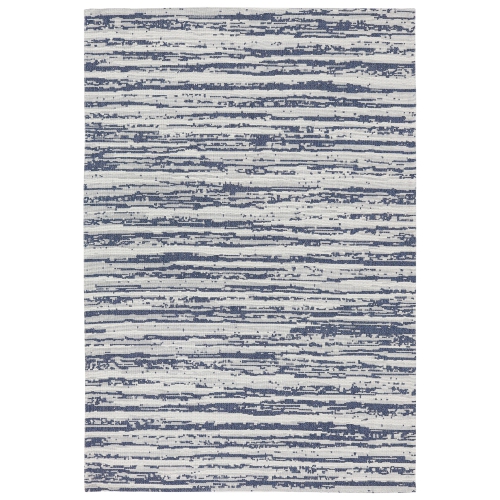 Your price for this item is $130.55
-
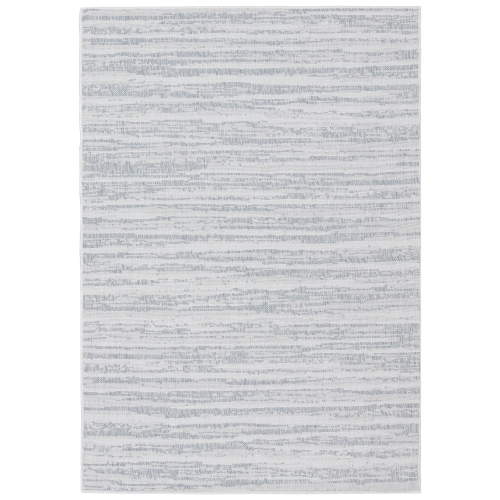 Your price for this item is $129.15
-
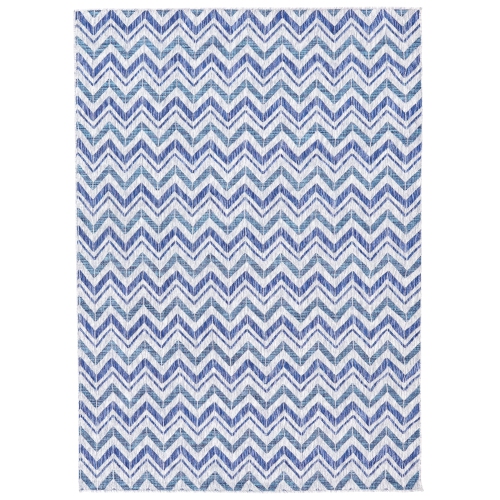 Your price for this item is $129.15
-
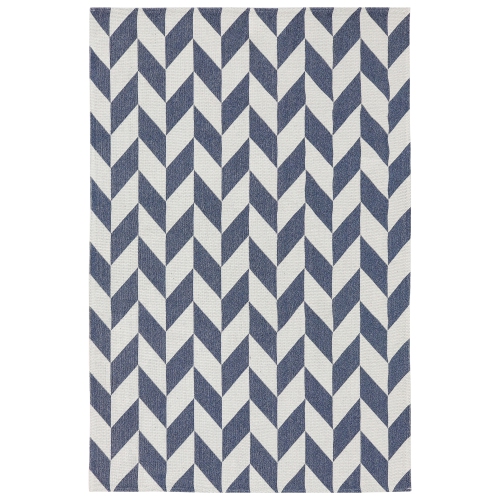 Your price for this item is $130.55
-
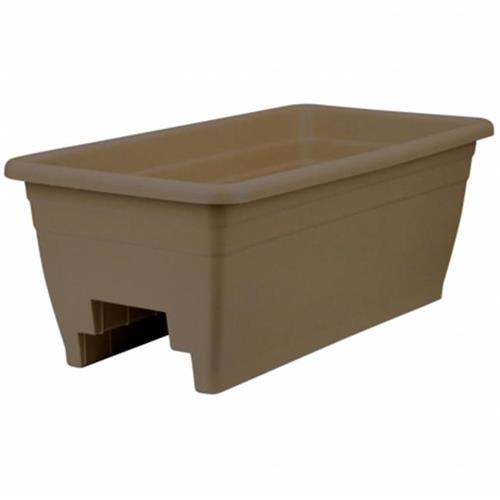 Your price for this item is $144.99
-
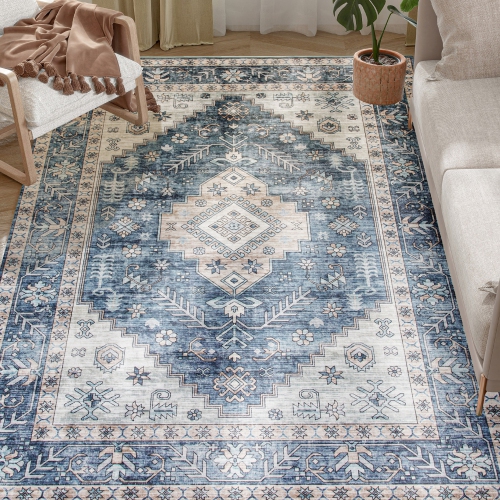 Your price for this item is $103.99
Discover more categories related to Modern Textured Area Rugs
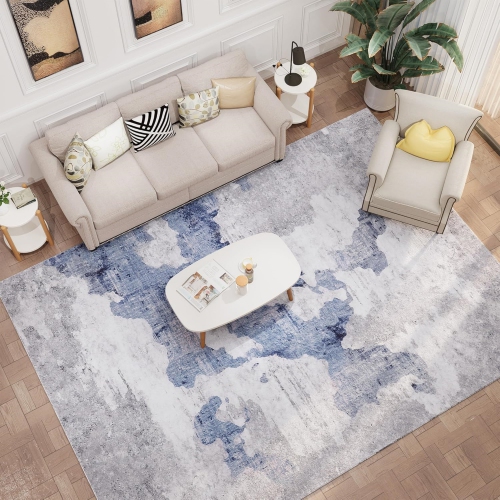

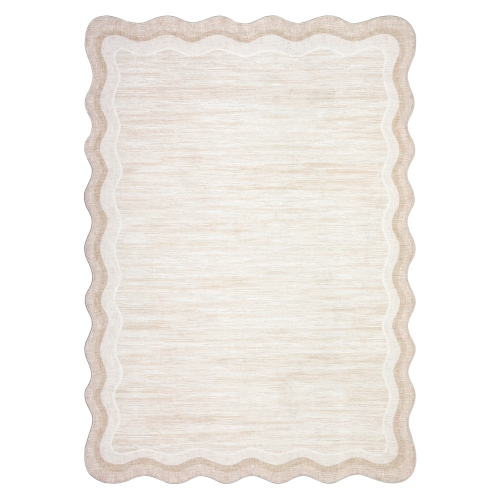
Top Collections:
Best Black Friday Deals This Year, Best Black Friday Deals On Electronics, Kindle Devices, Dyson Airwrap, Best Cameras for Sports Photography, Best Budget Office Chairs, Canon G7X Cameras, PS5 Pro Consoles, Best Black Friday Deals On Apple Products, XBOX One S Consoles
Some products may be subject to Environmental Handling Fees
(EHF) depending on your province.
Learn more about EHFs.