Modern Shoe Shelves
A modern shoe shelf is a great way to store your shoes. Not only do these shelves provide an attractive and organized way to display your shoes, but they also help keep them in good condition. Here are some of the best modern shoe shelves.
Sort
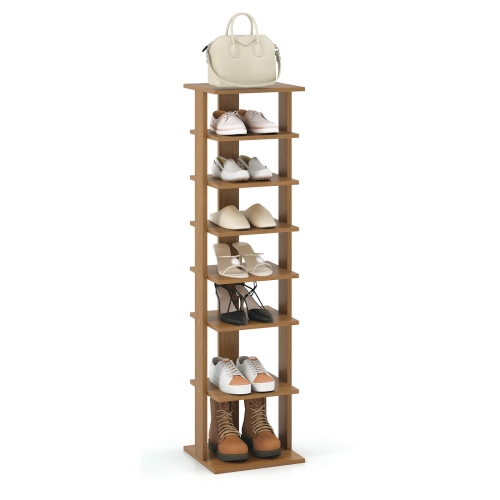
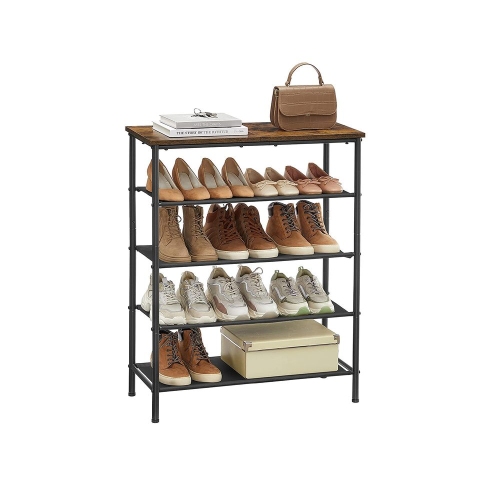
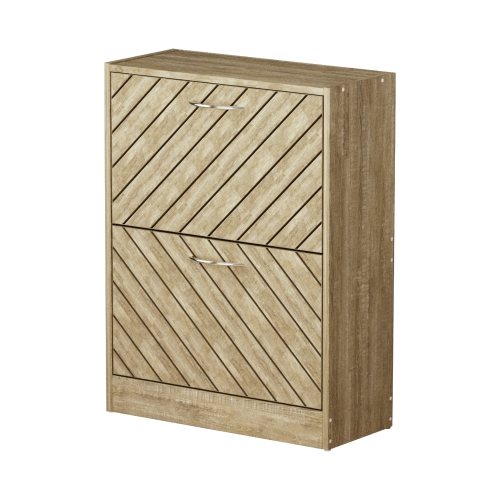
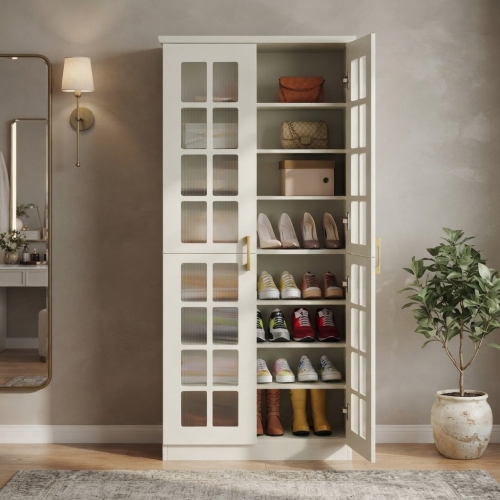
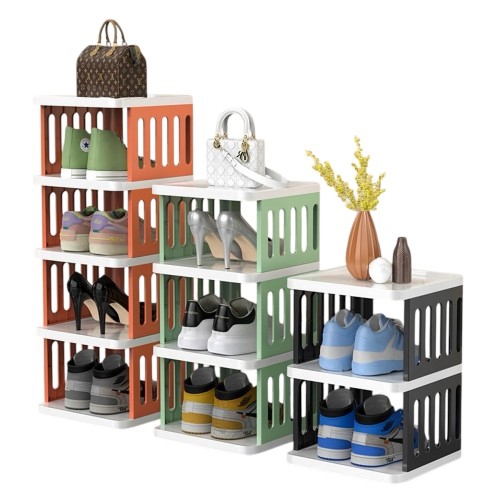
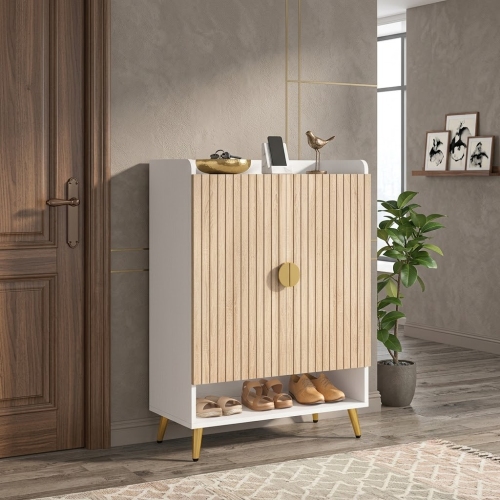
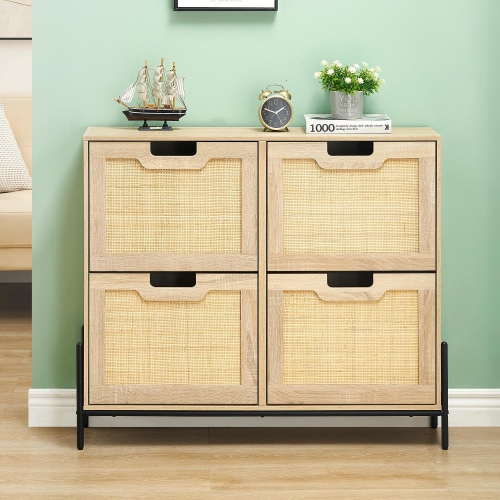
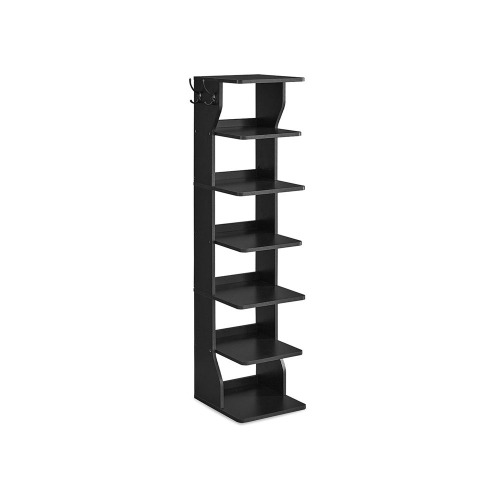
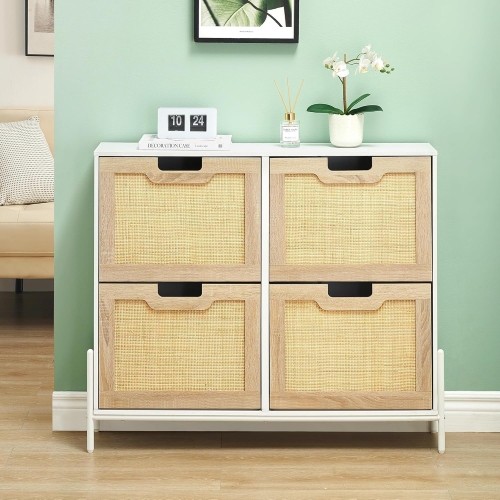
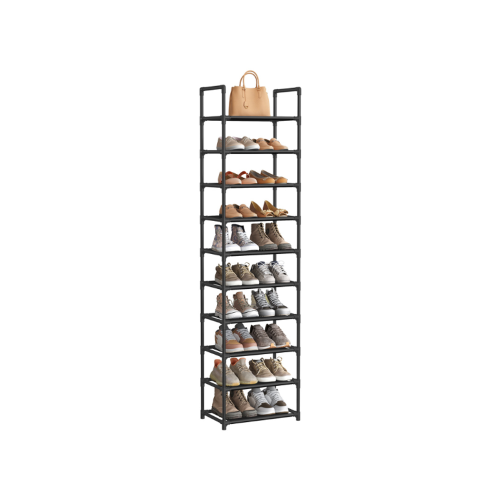
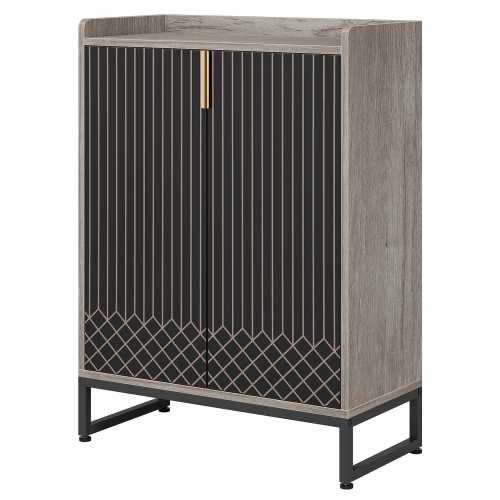
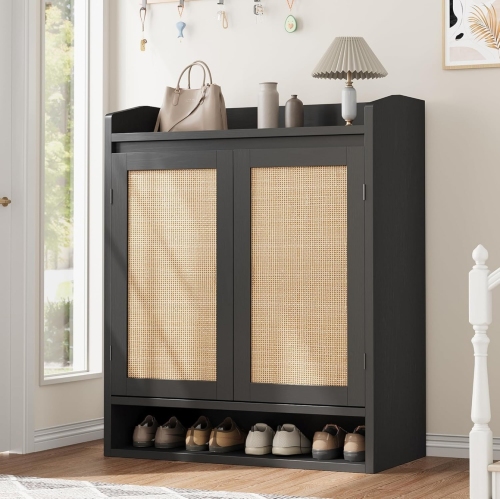
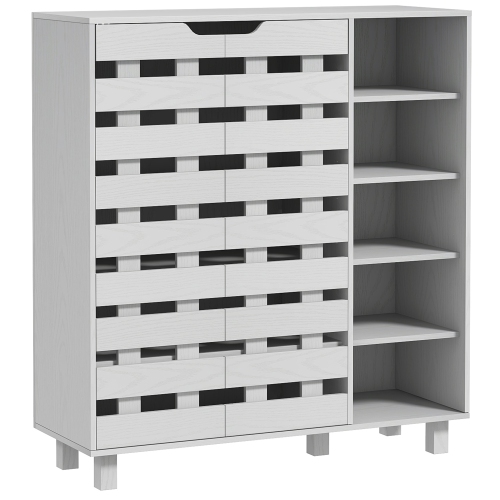
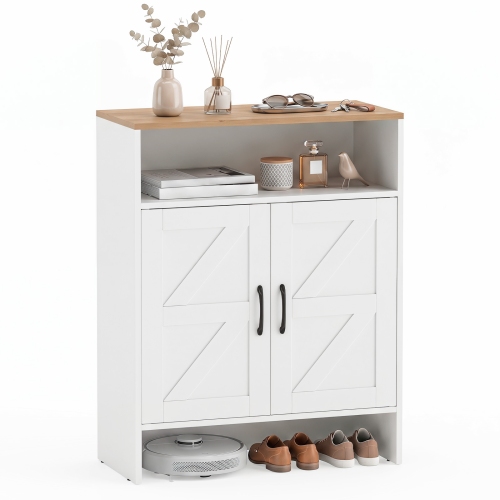

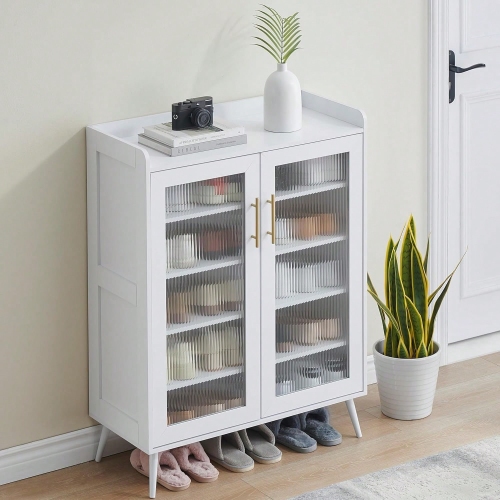
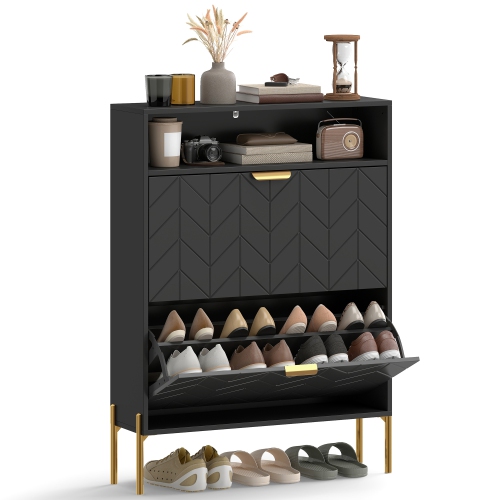
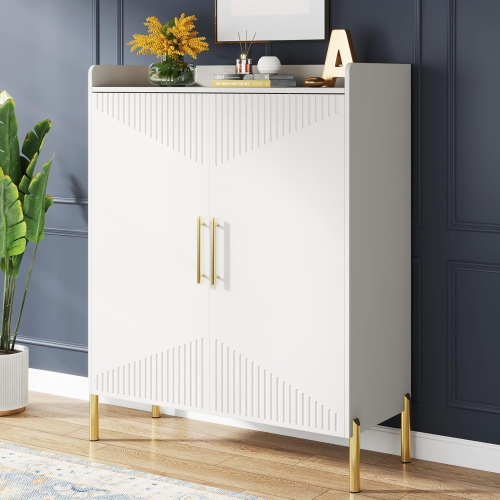
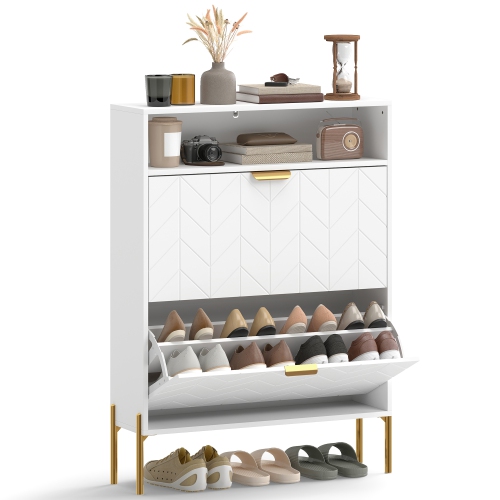
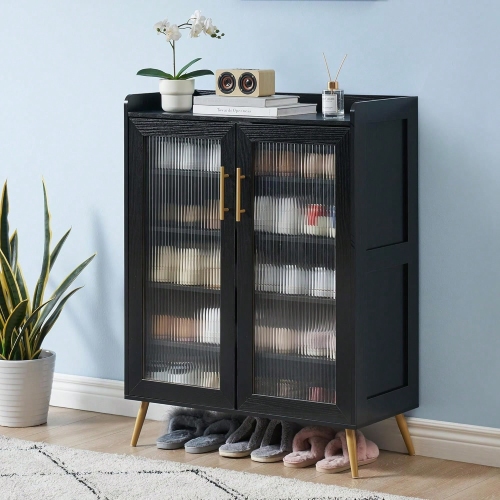
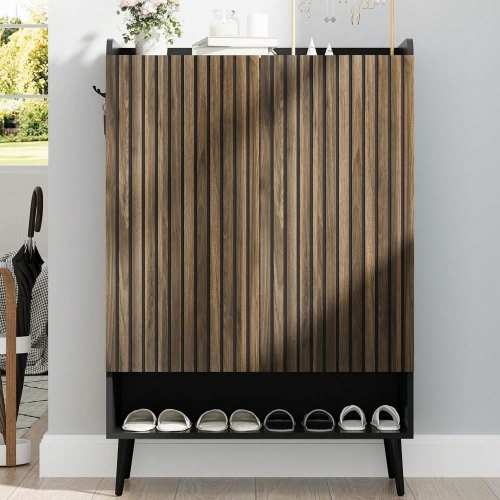
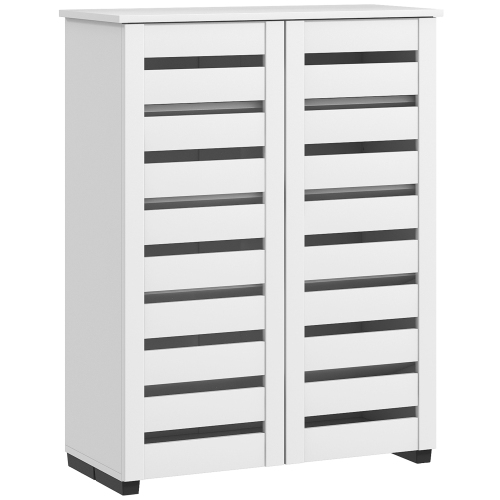
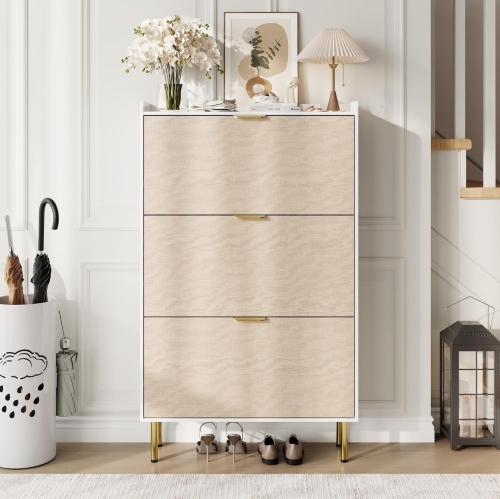
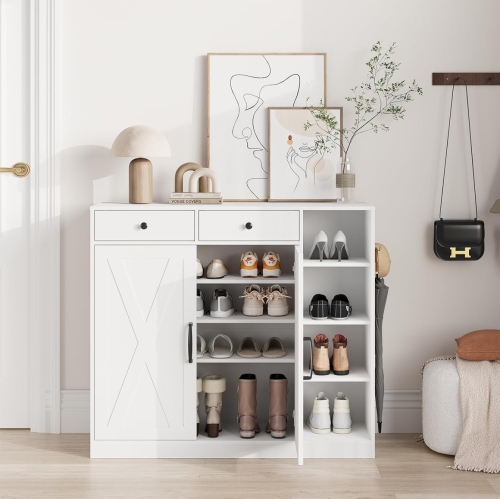
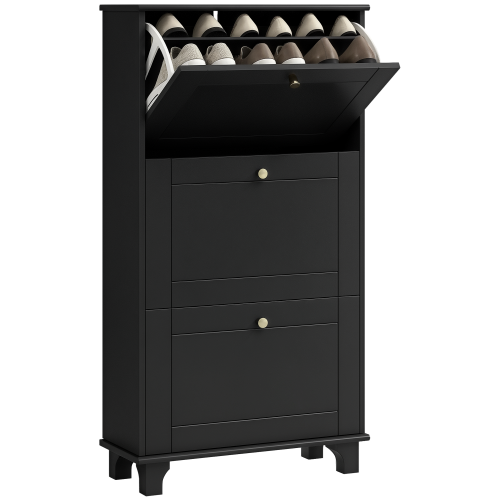






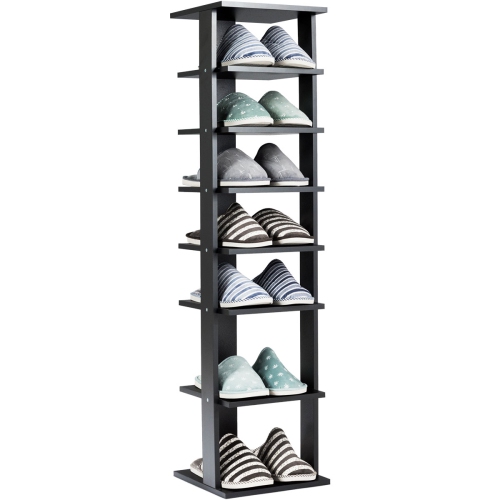
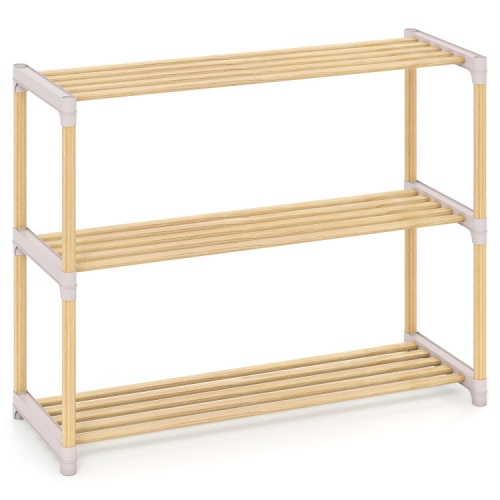
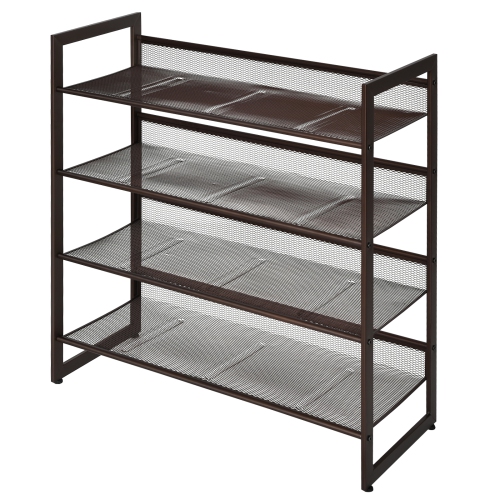
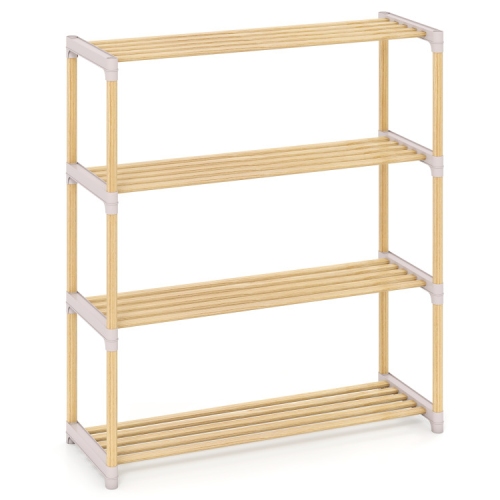
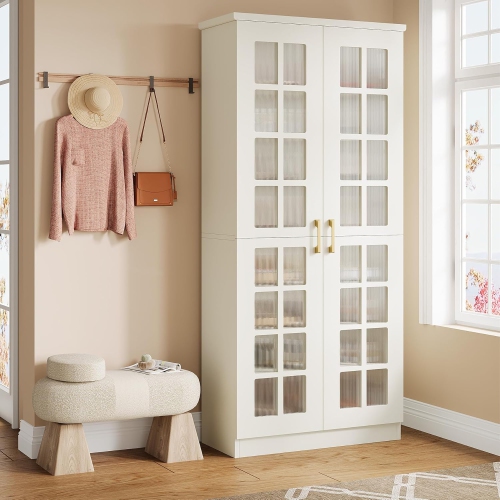
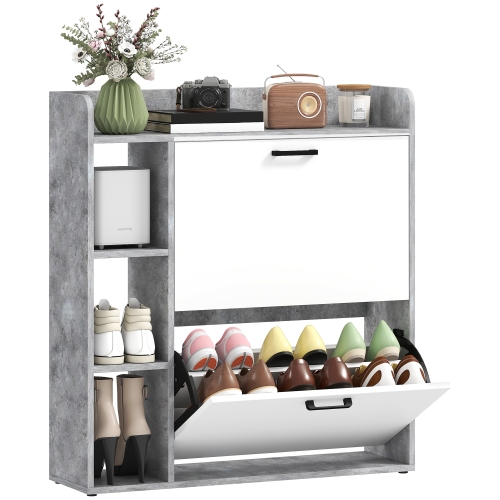
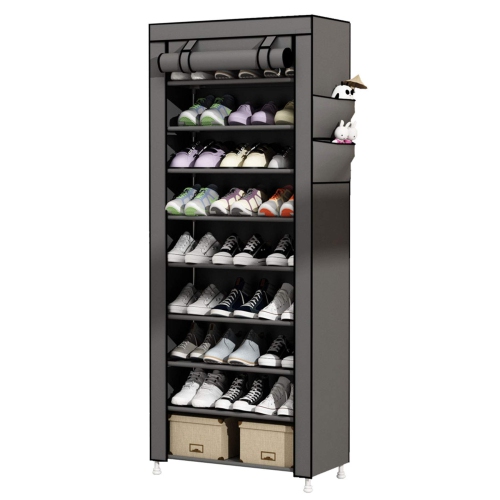
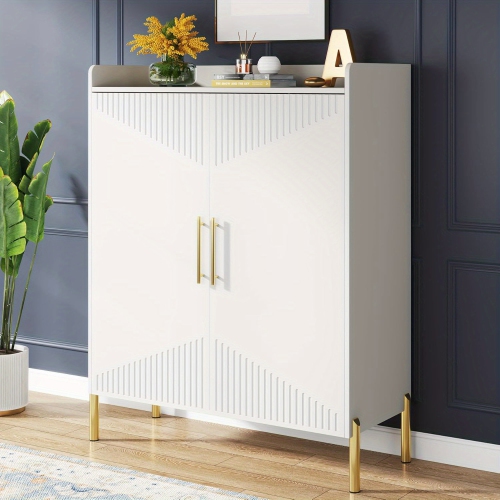
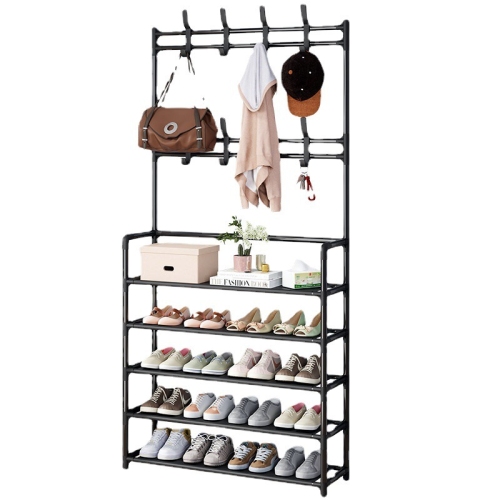
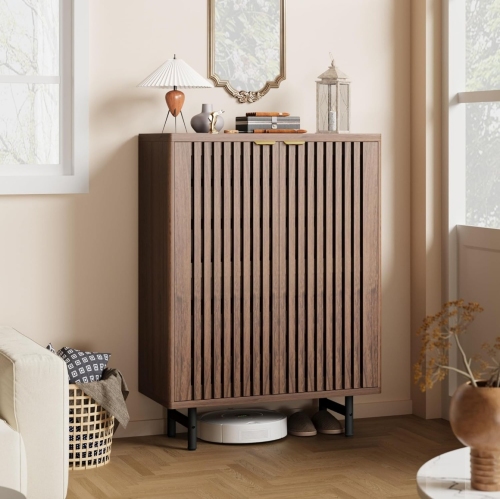
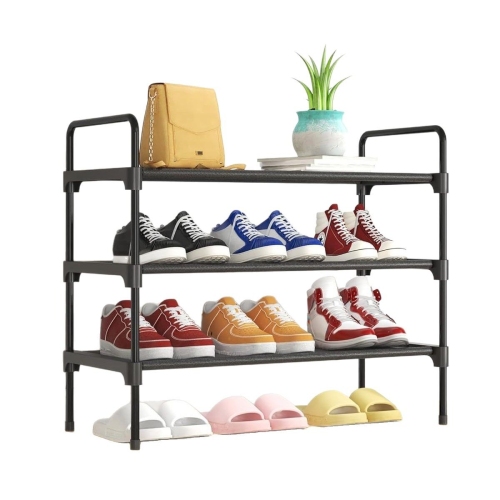

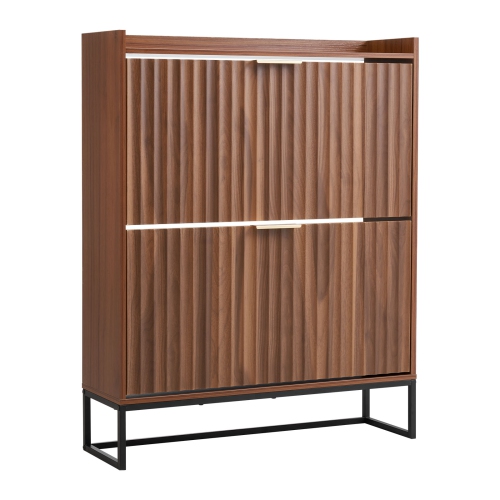
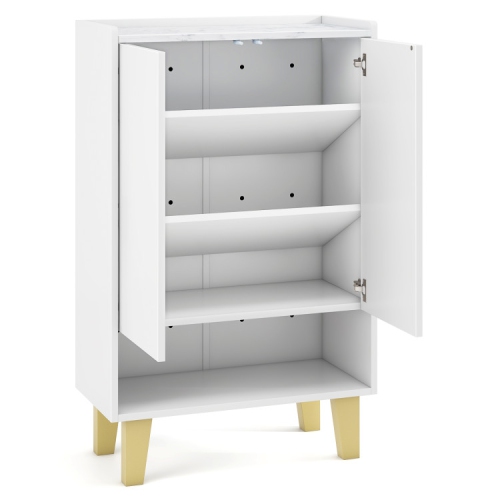
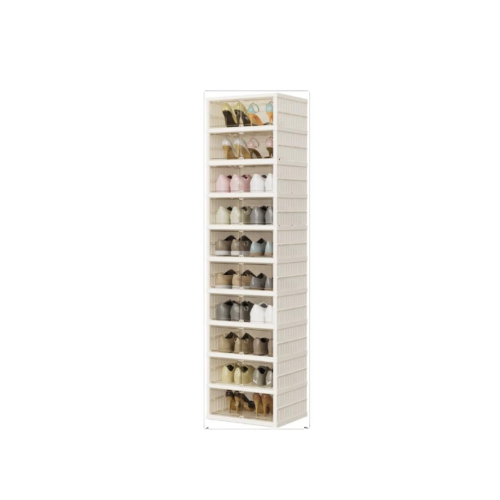
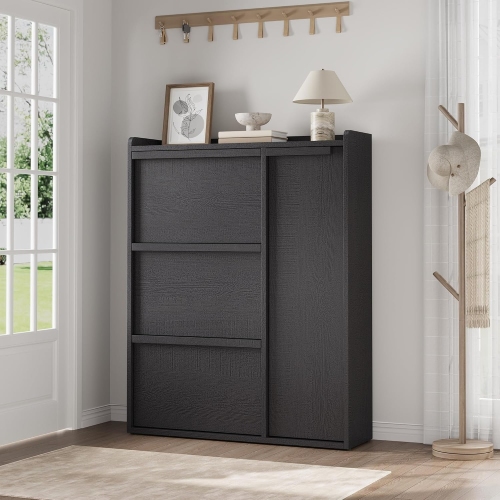
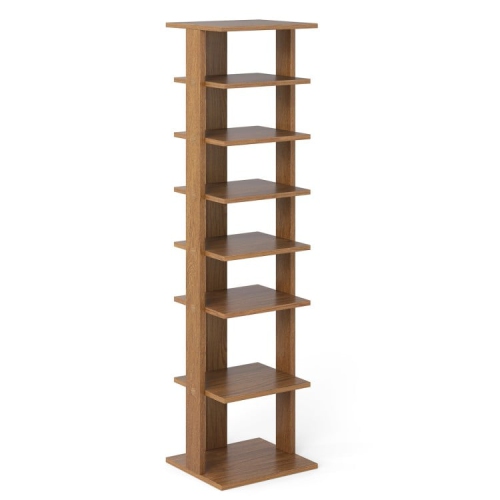
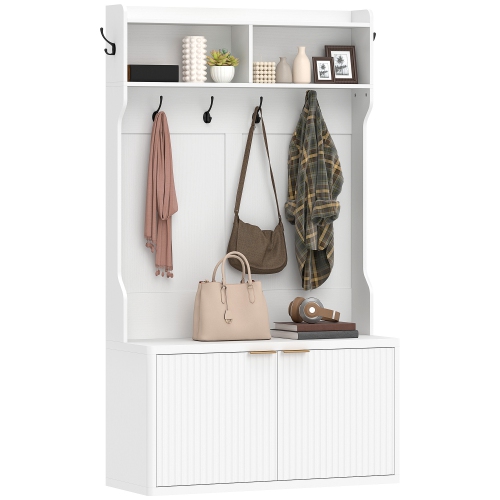
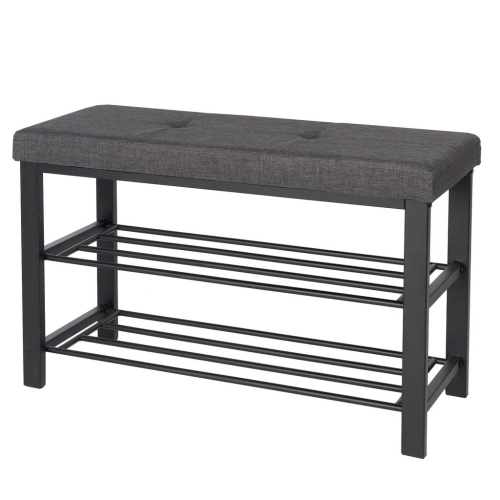
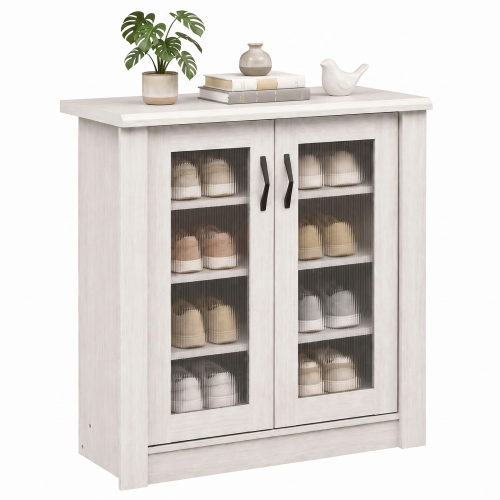
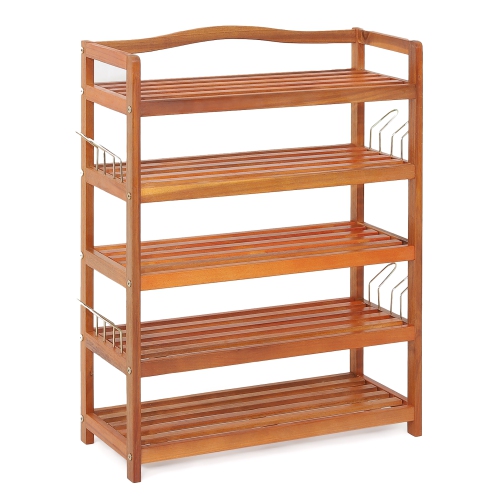
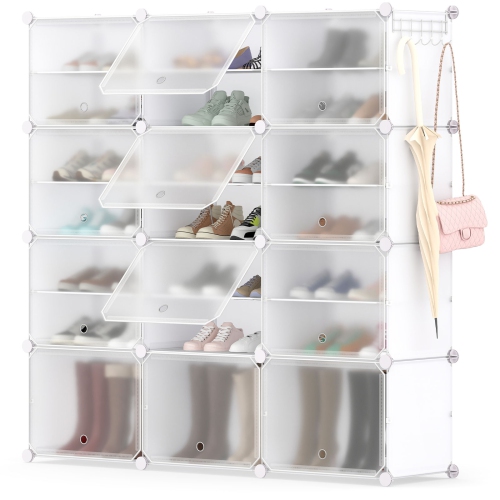
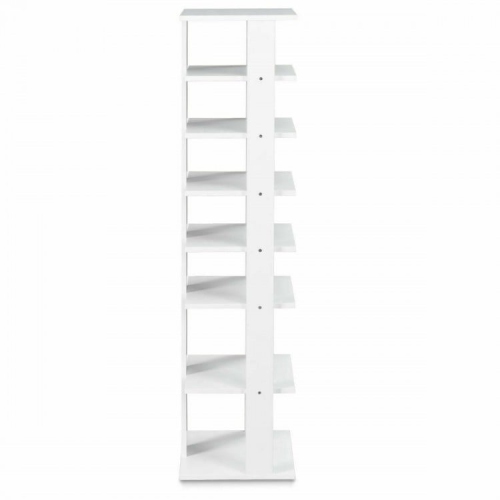
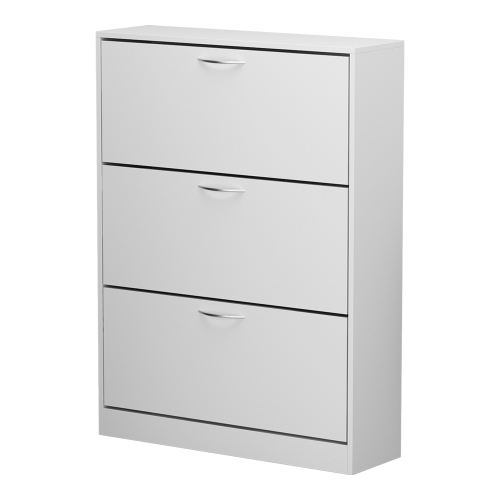
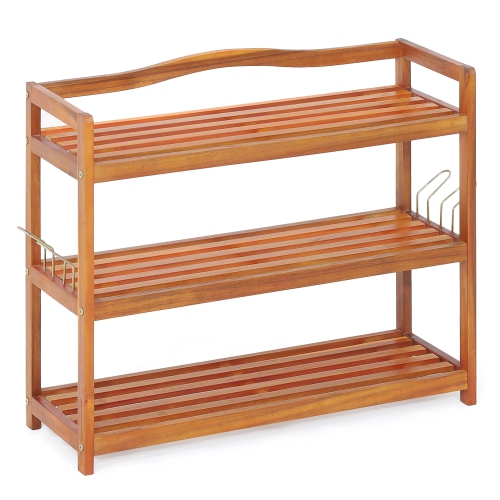

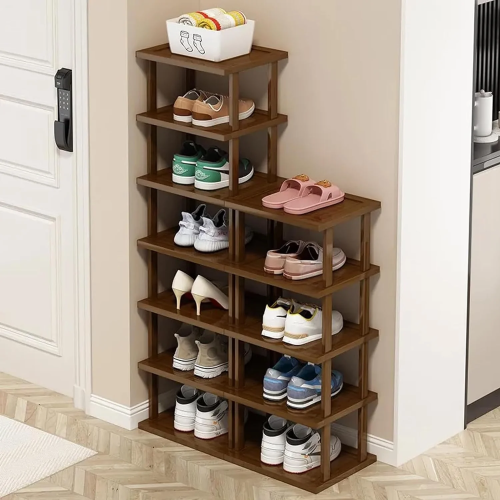
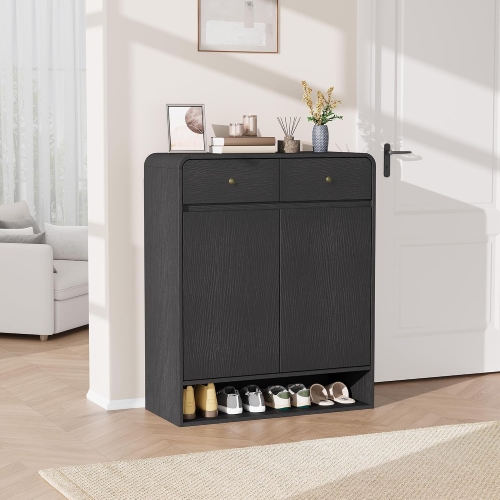
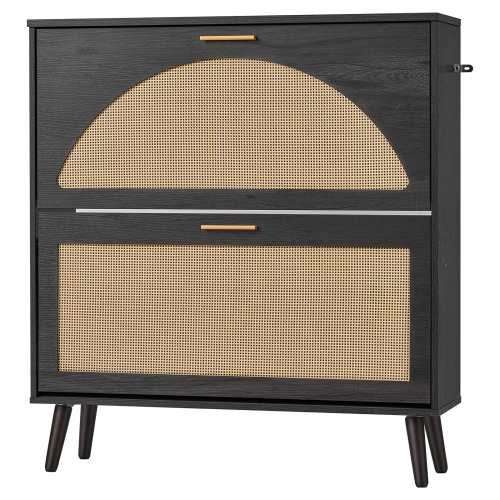
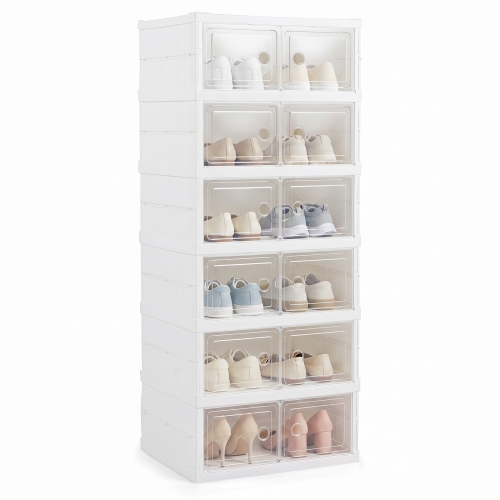
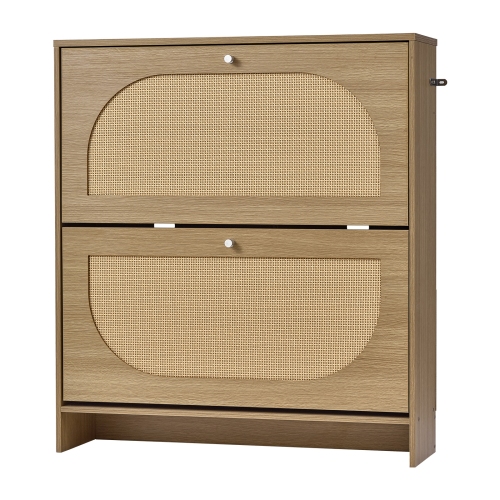
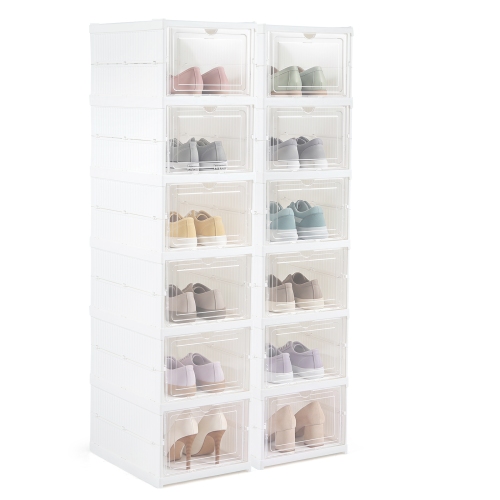
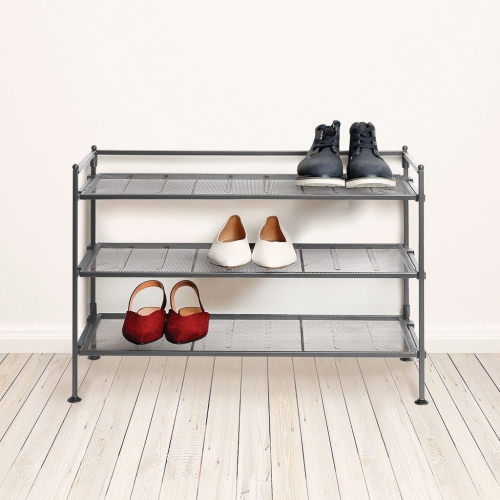
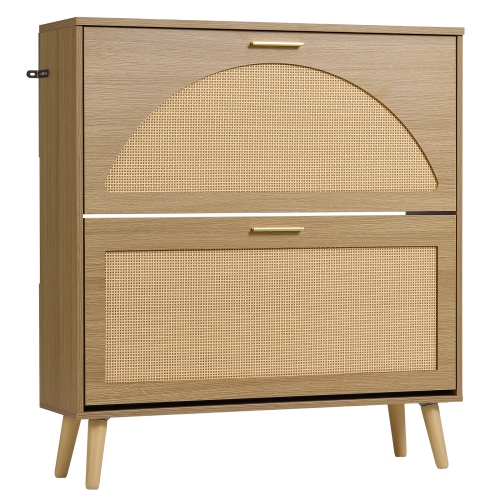
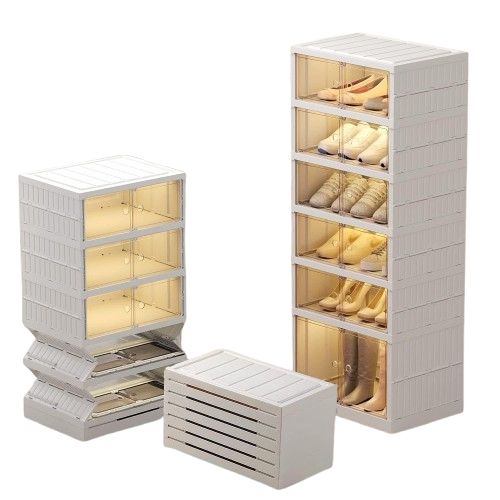
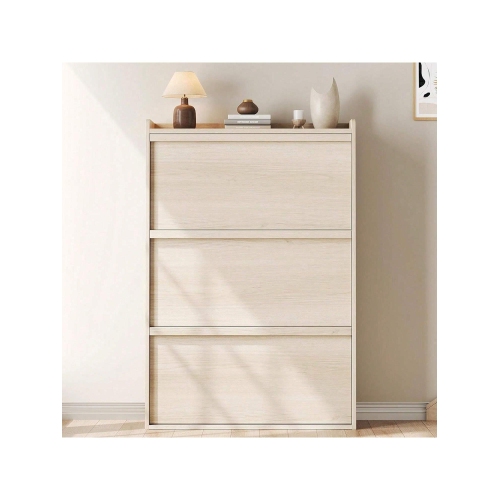
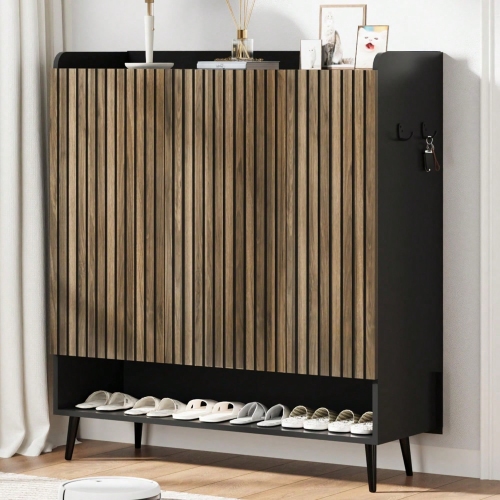
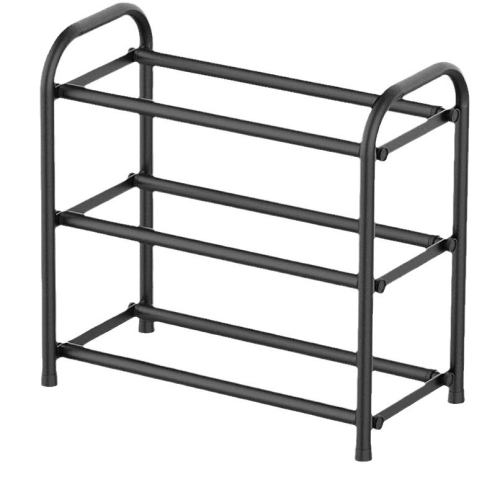
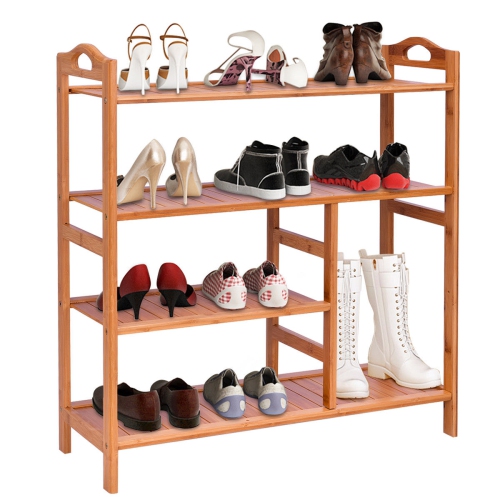
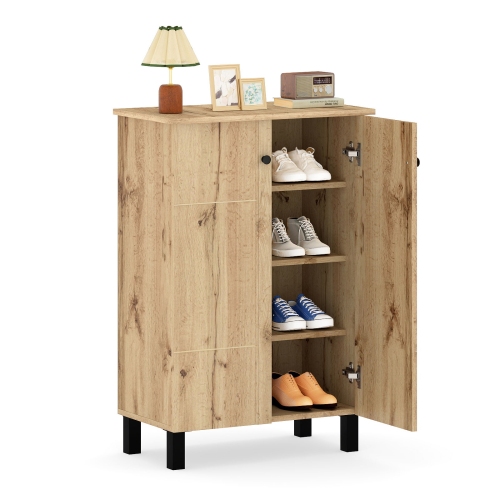
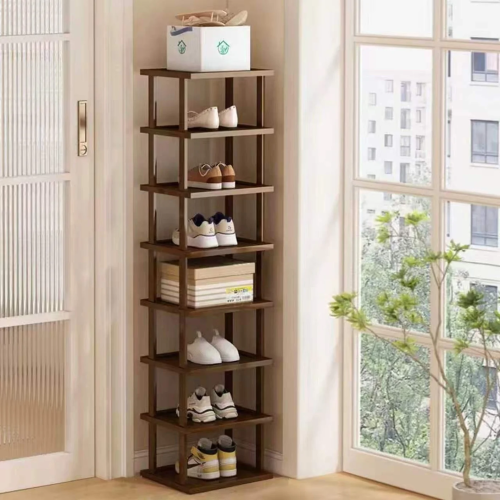
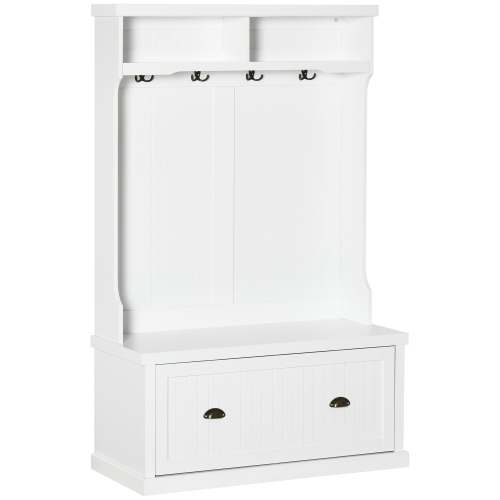
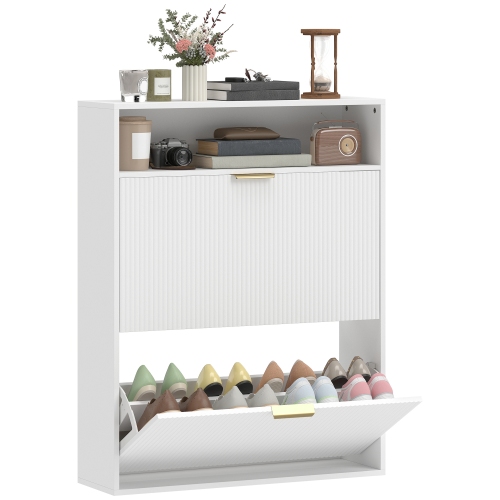
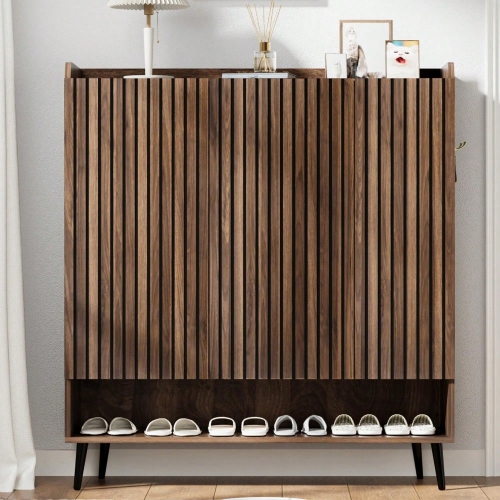
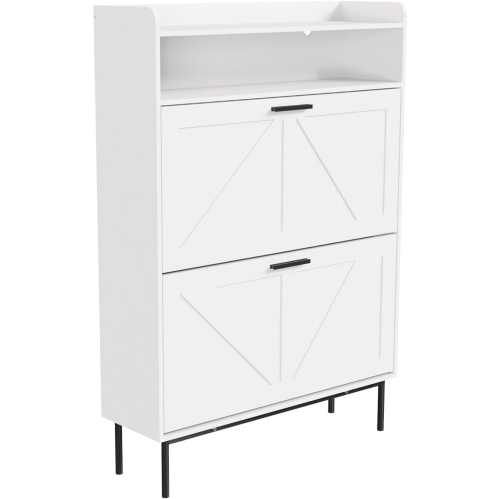
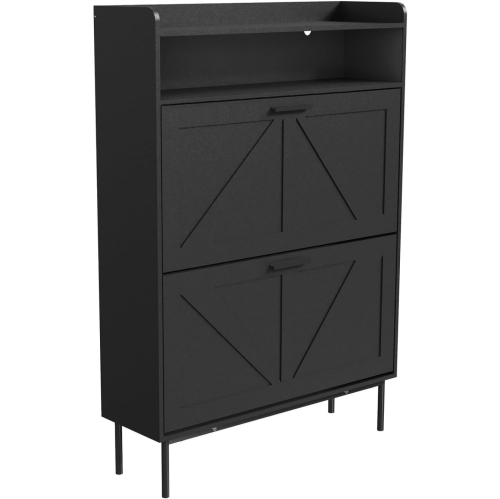
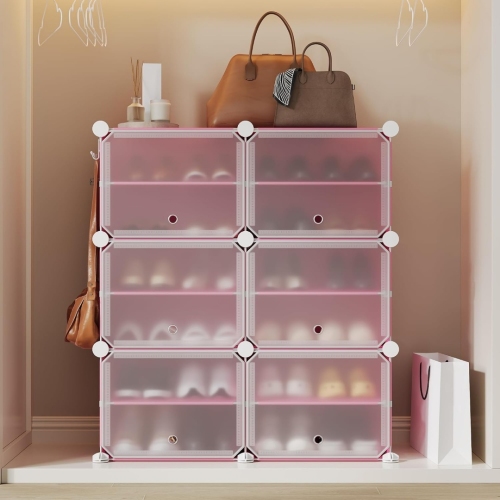
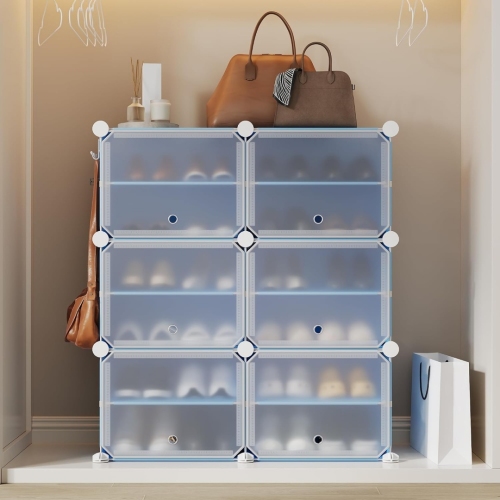
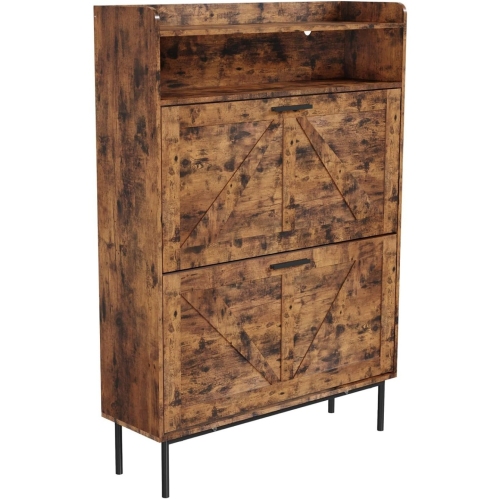

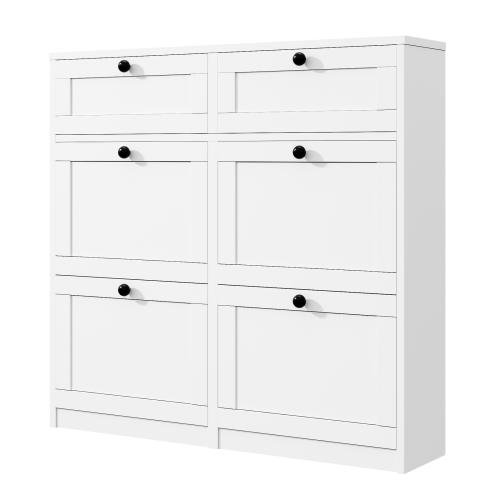
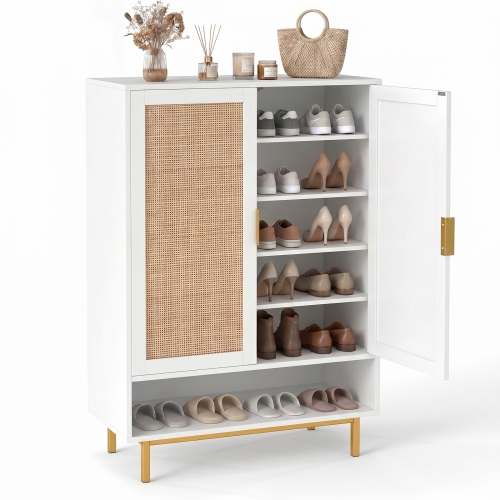
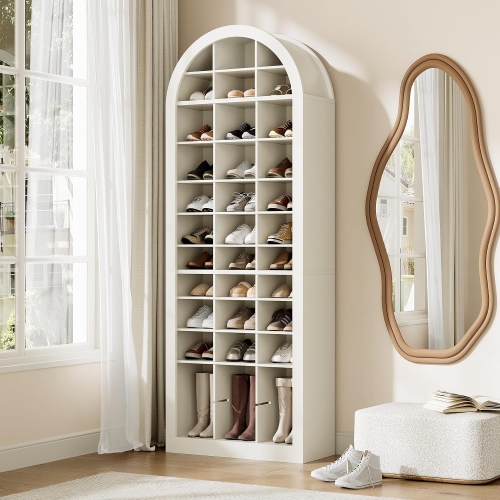
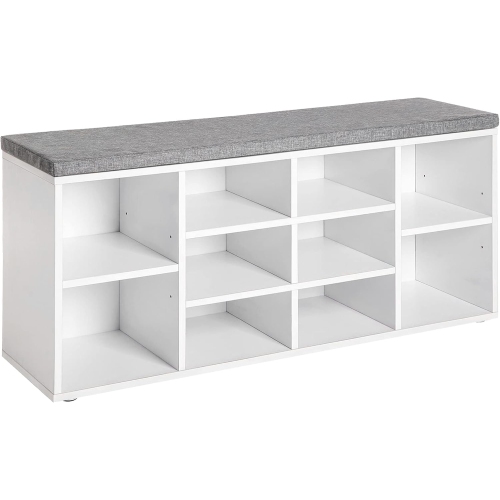
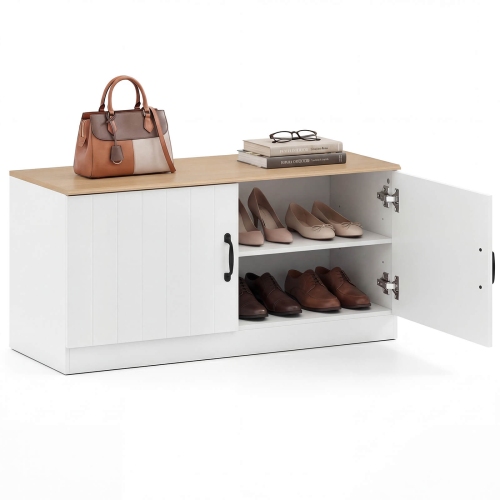
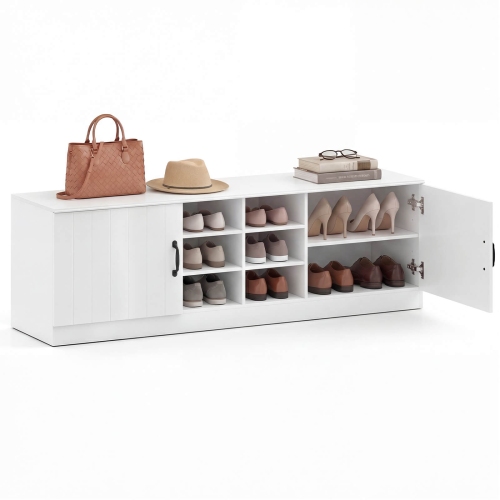
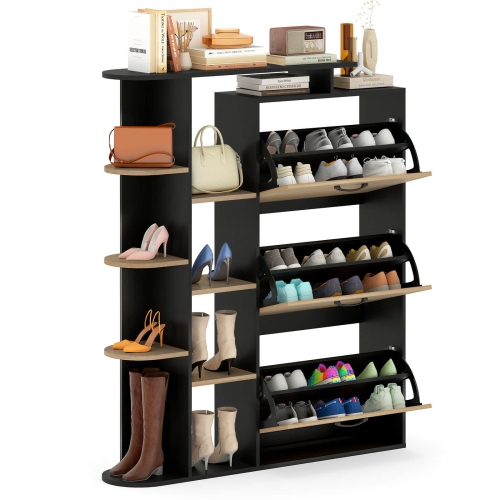
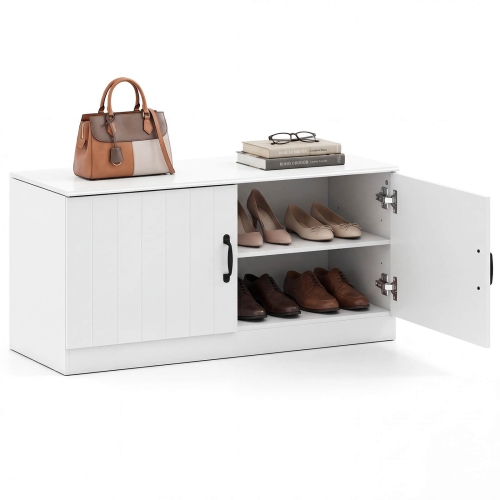
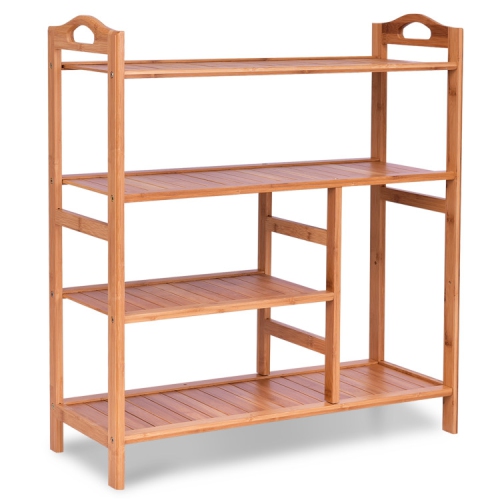
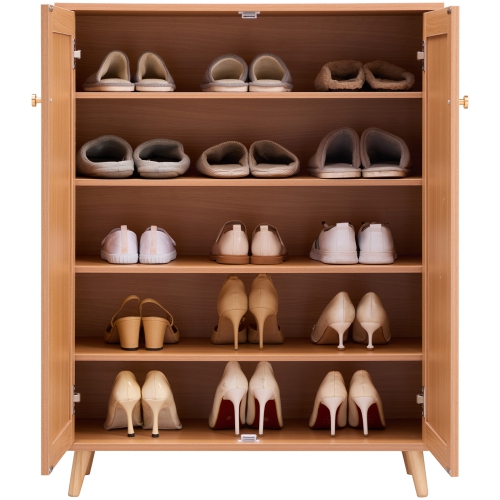
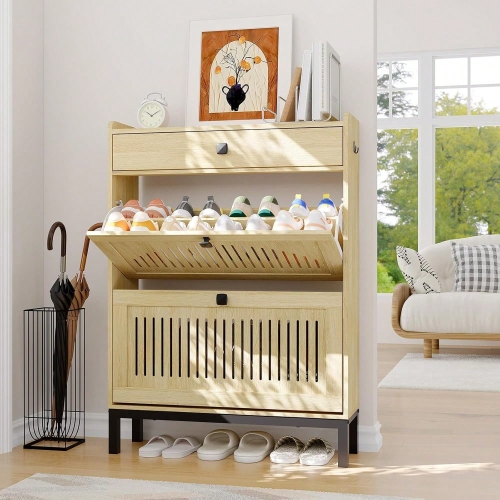
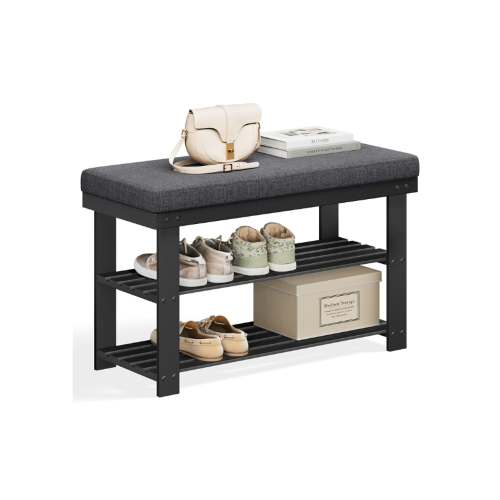
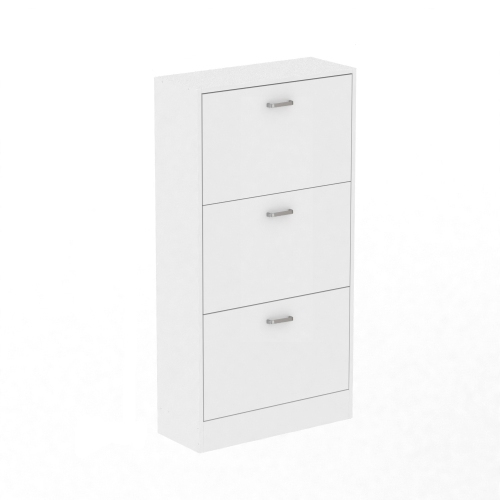
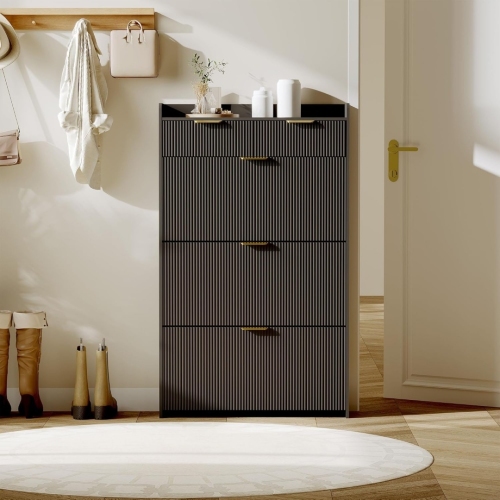
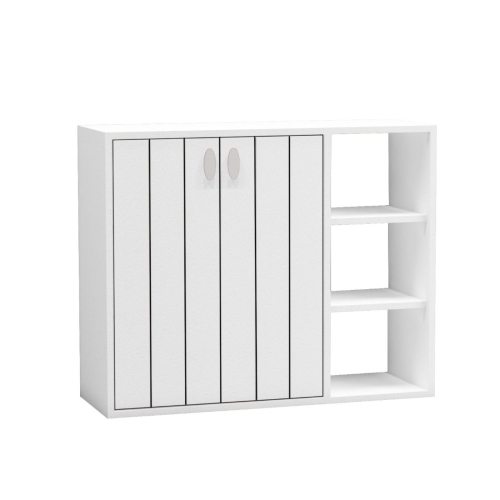
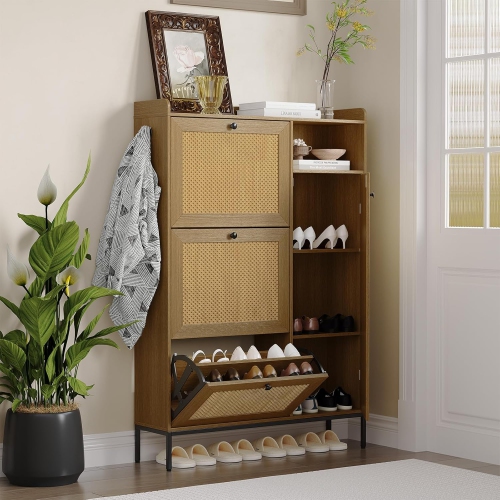
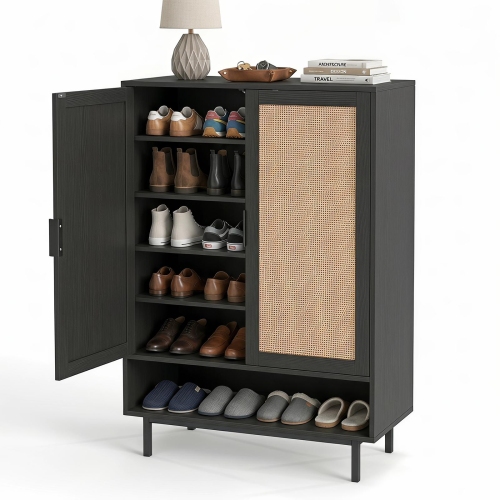
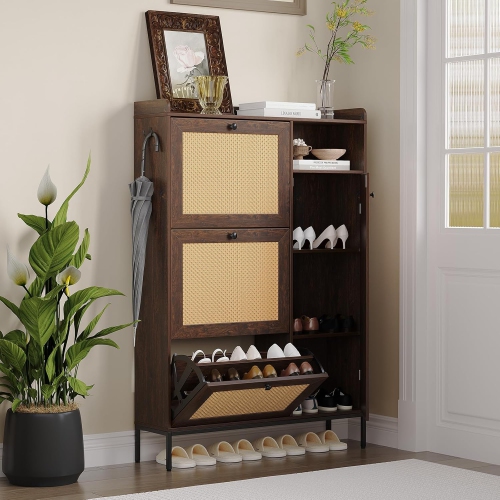
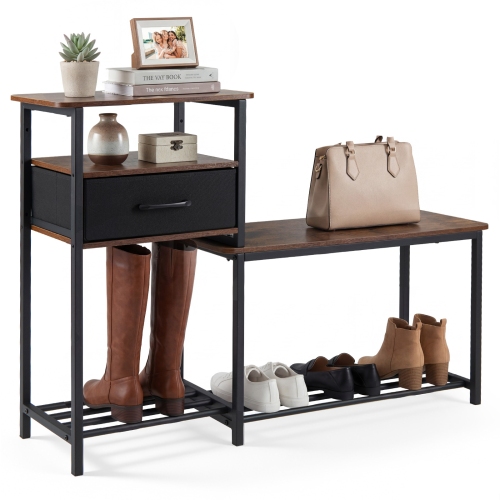
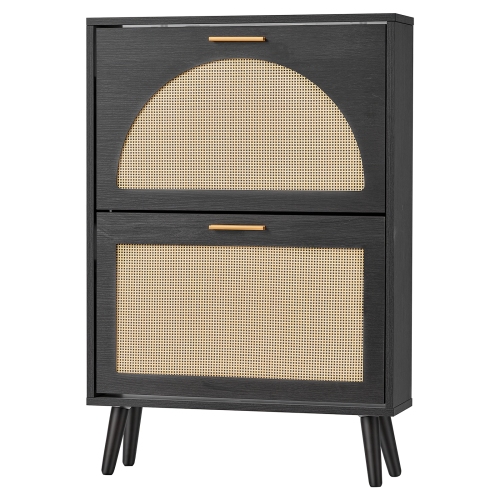
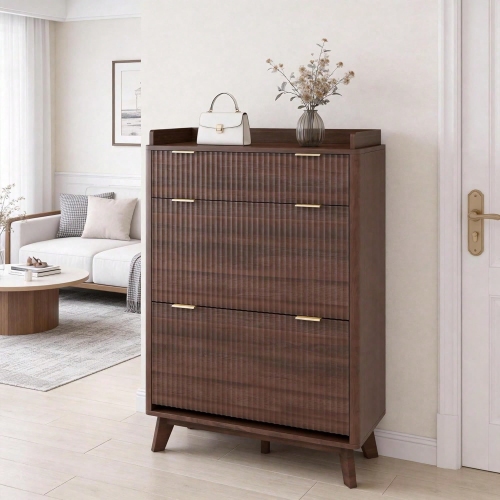
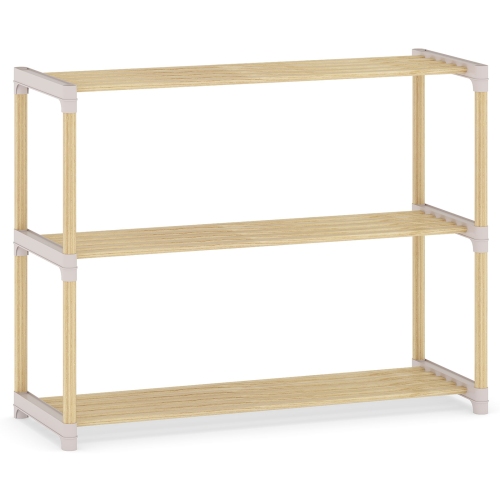
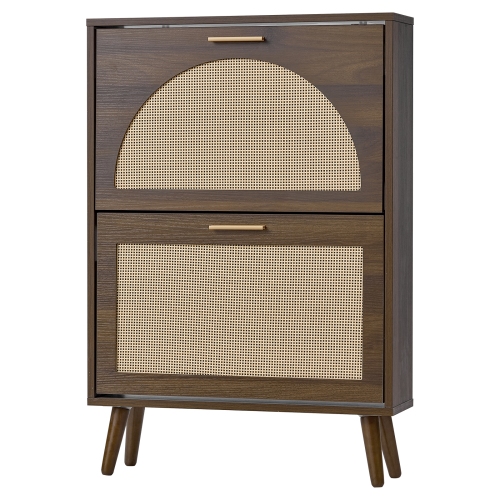
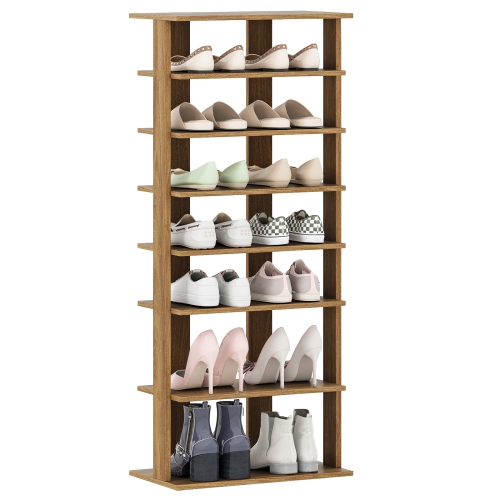
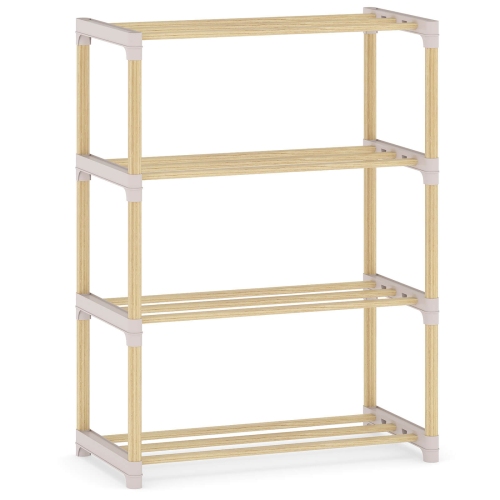
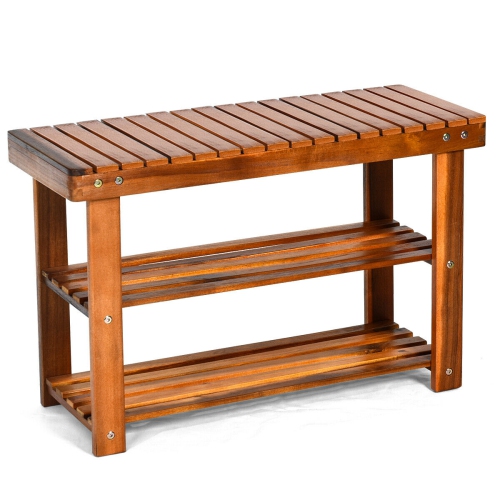
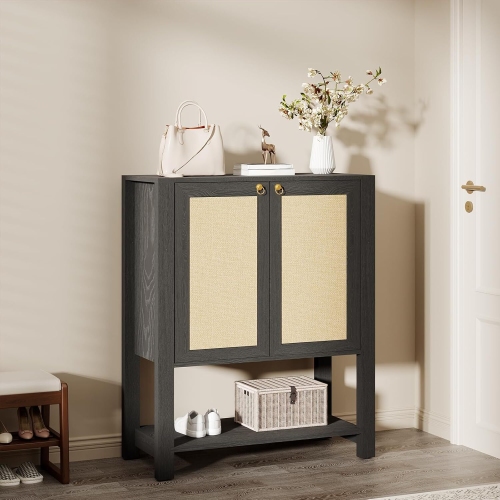
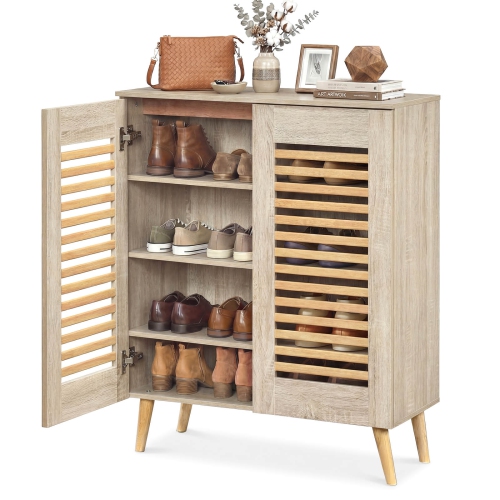
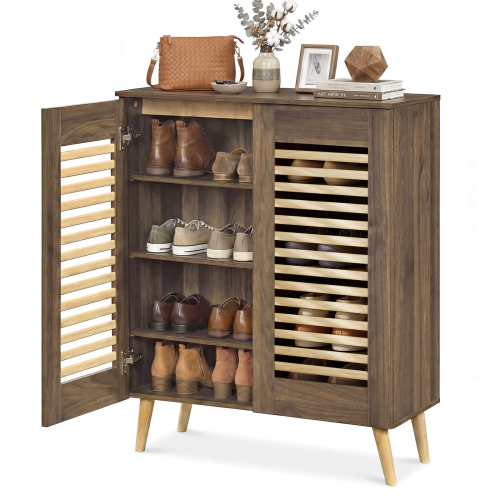
Open shoe storage that leaves room to move
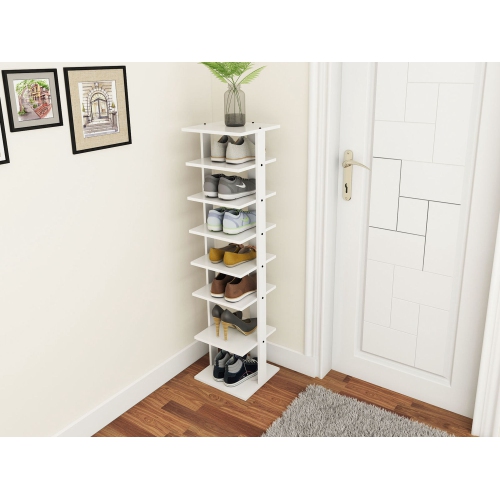
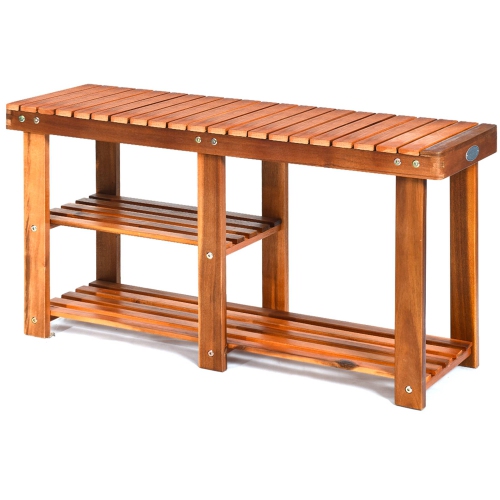
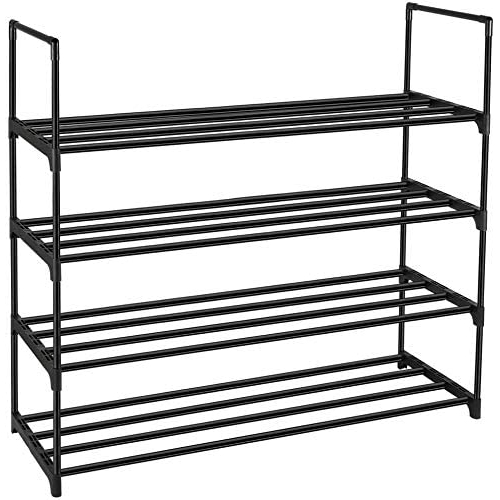
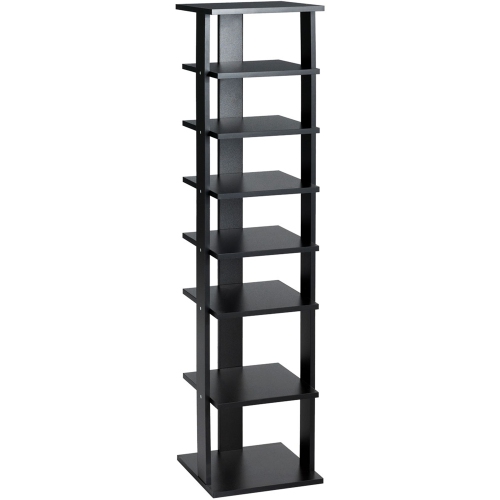
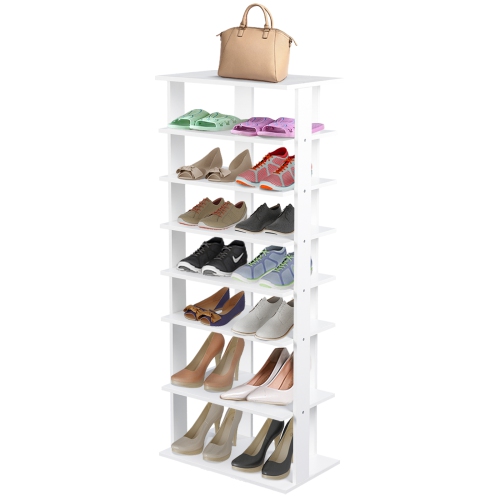
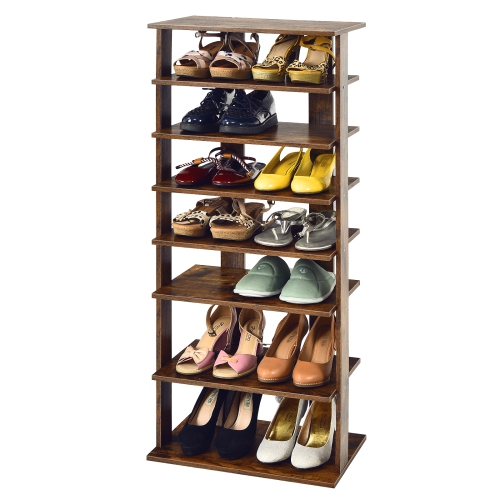
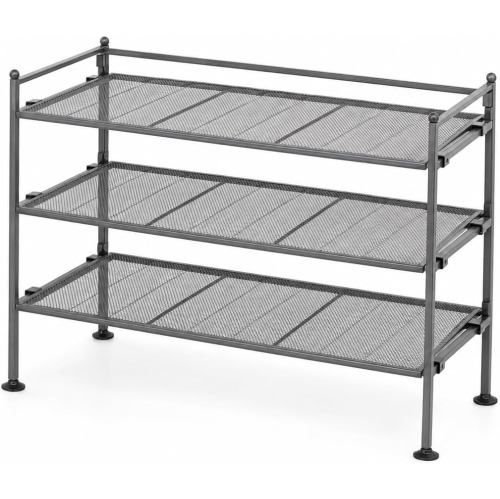
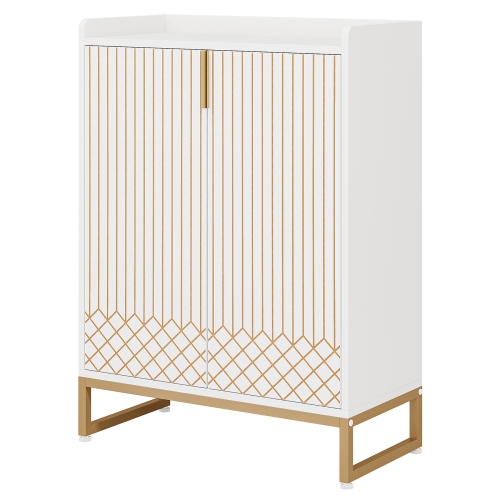
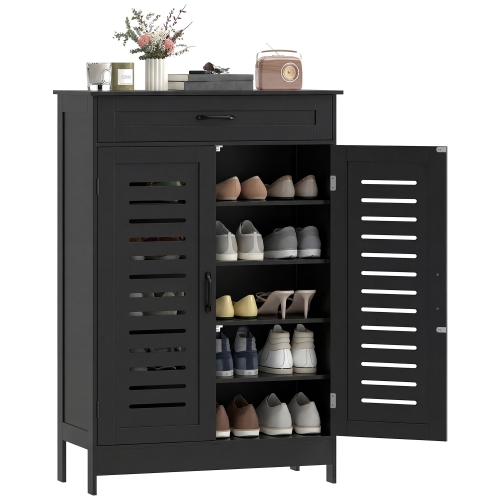
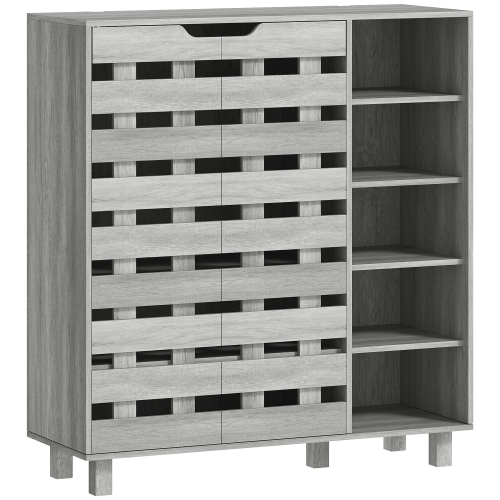
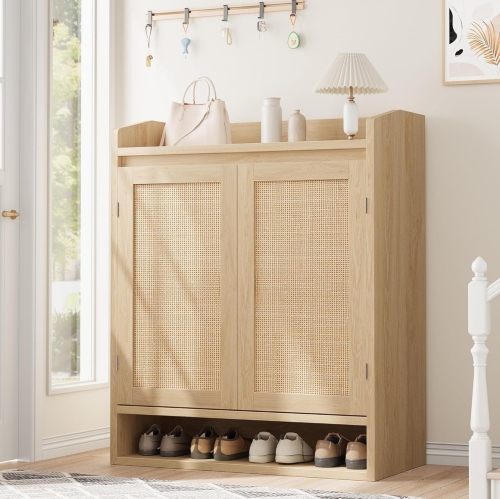
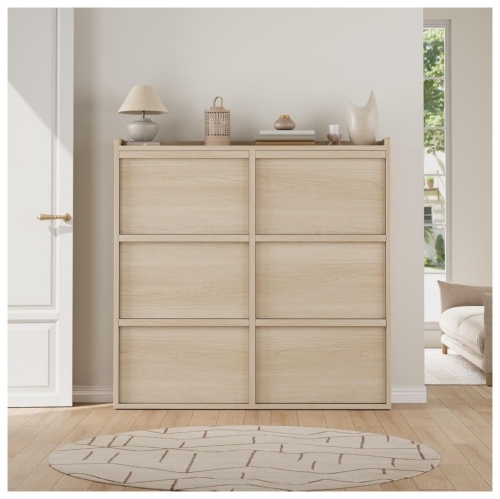
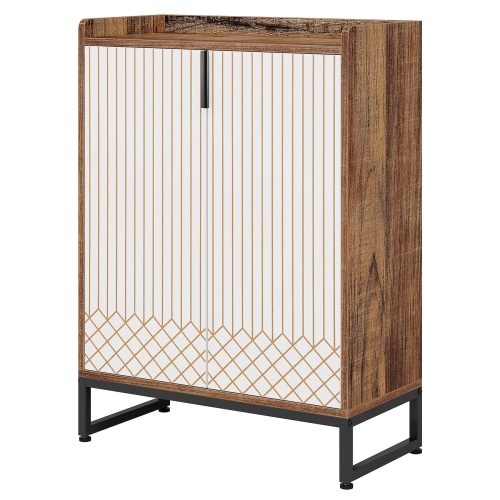
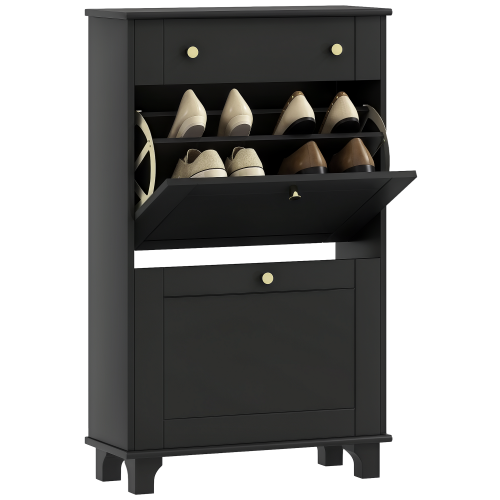
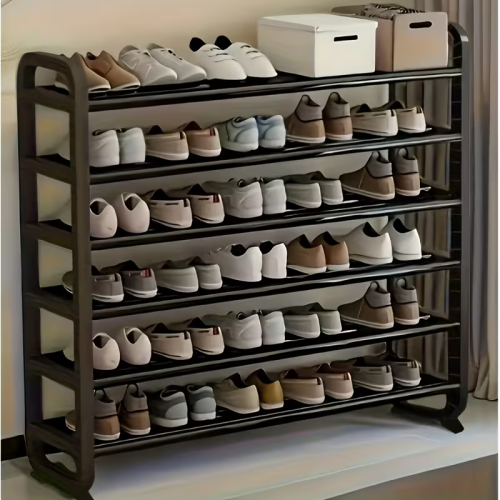
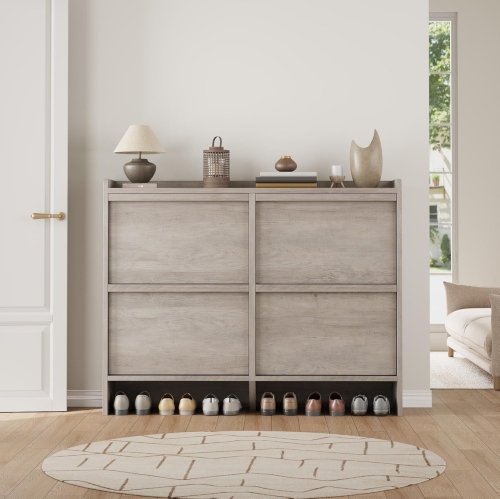
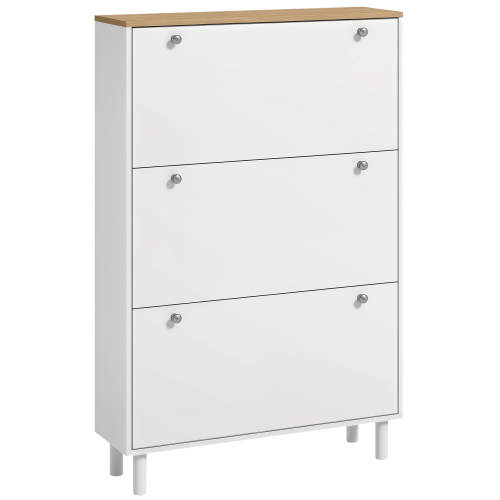
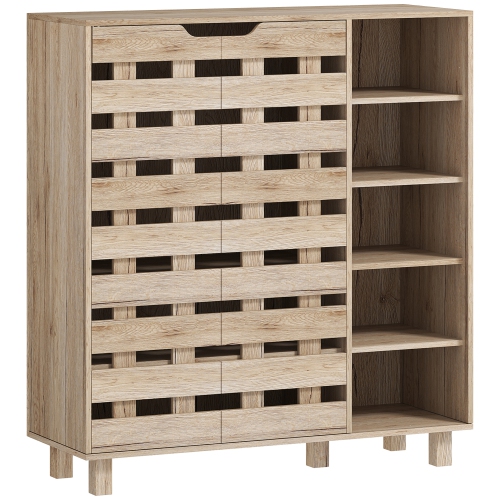
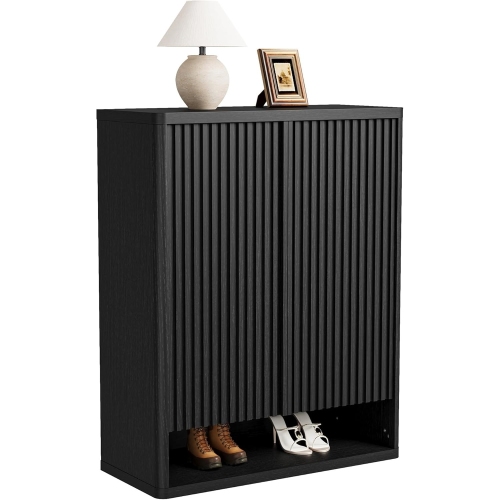
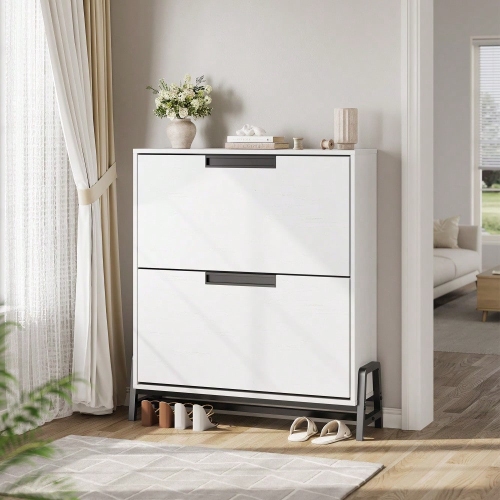
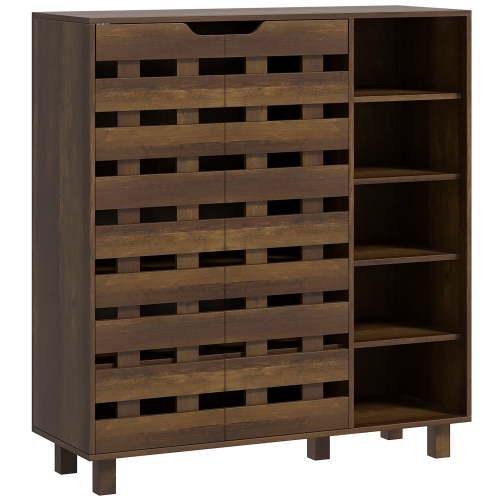
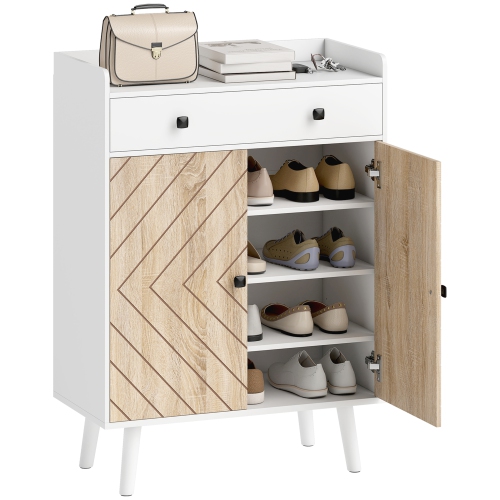
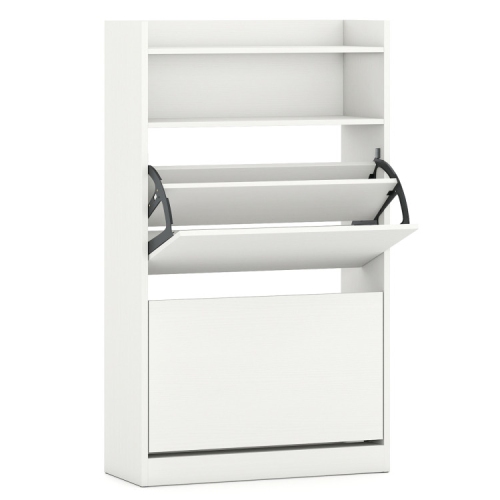
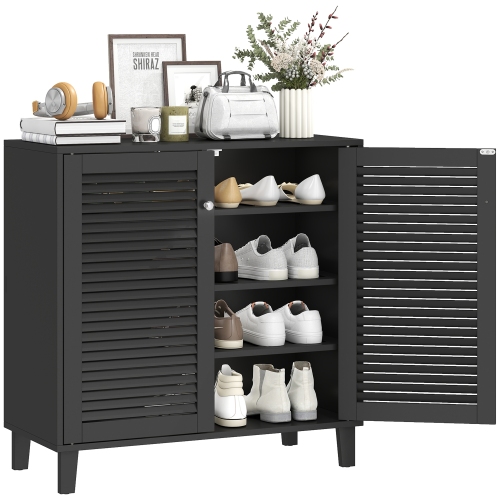
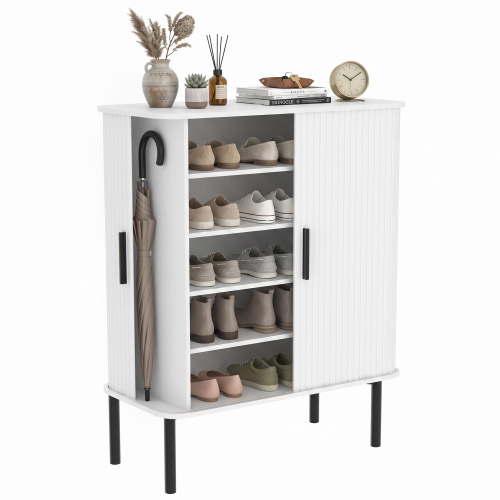
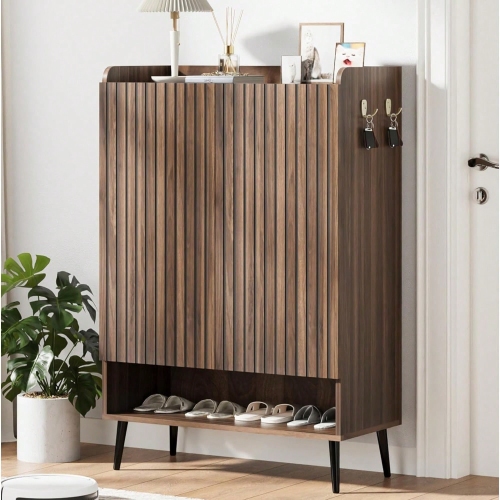
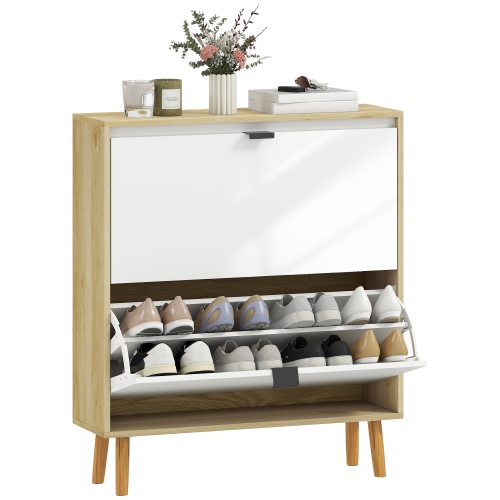
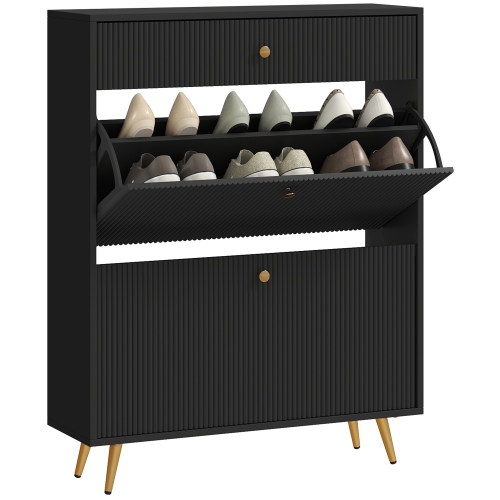
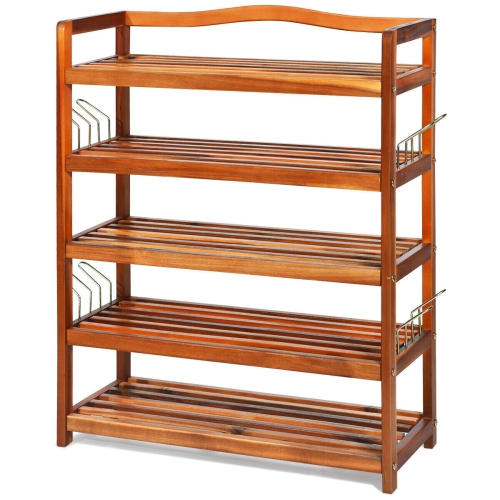
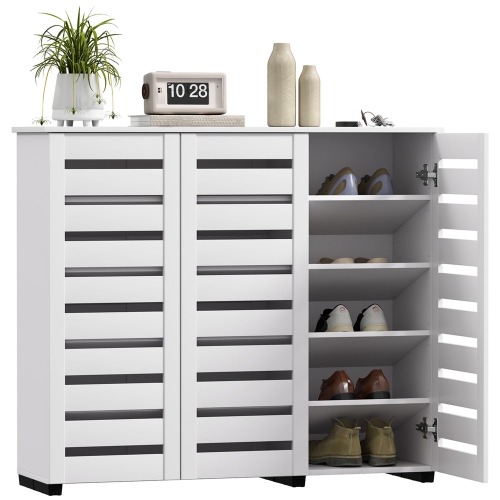
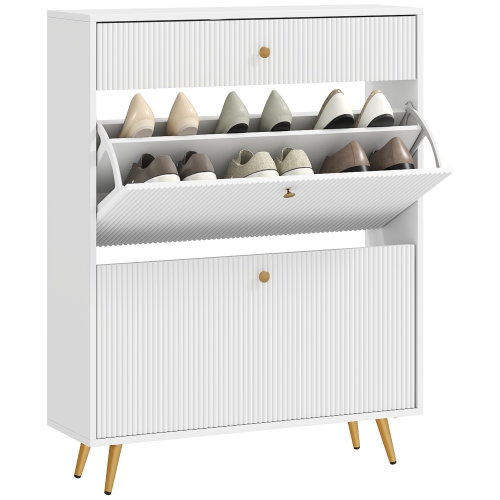
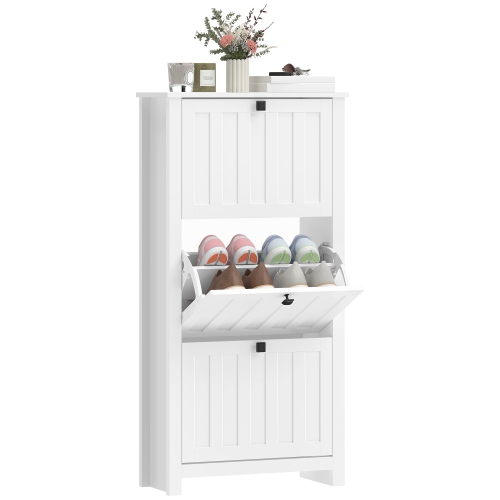
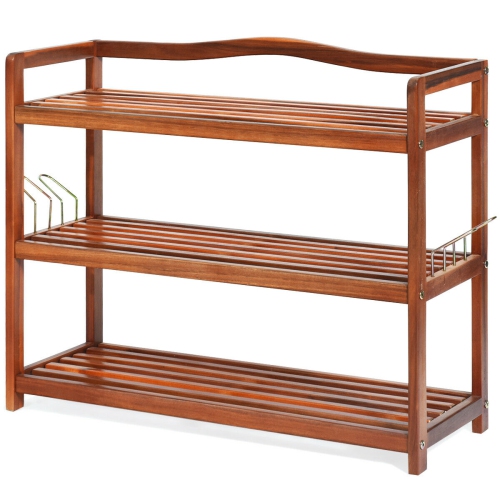
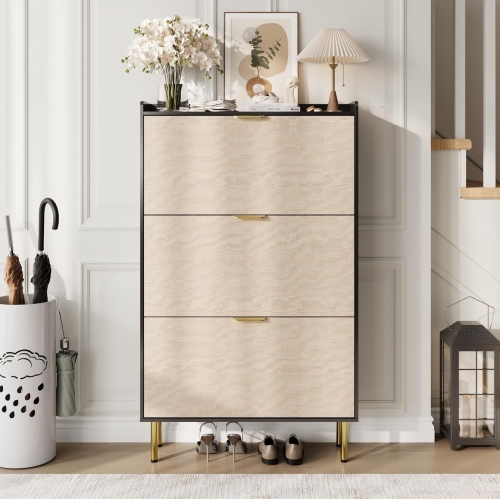
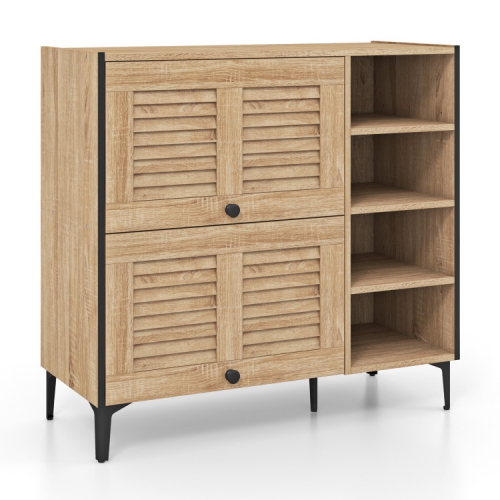
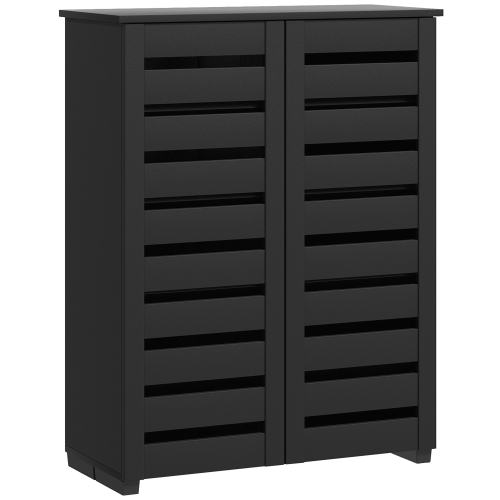
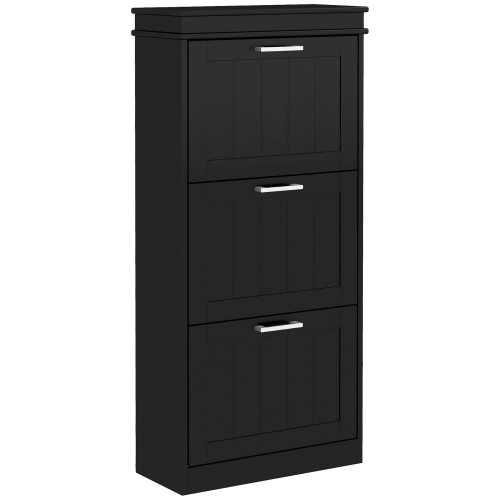
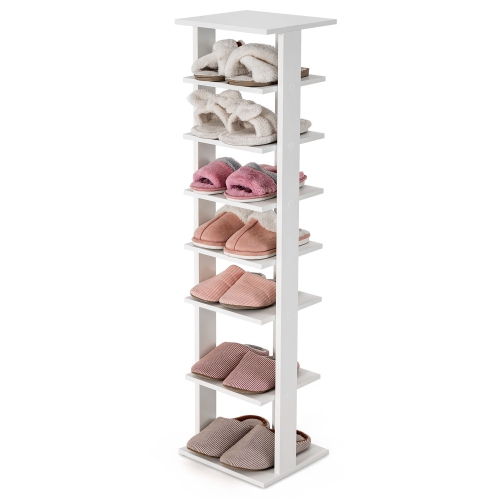
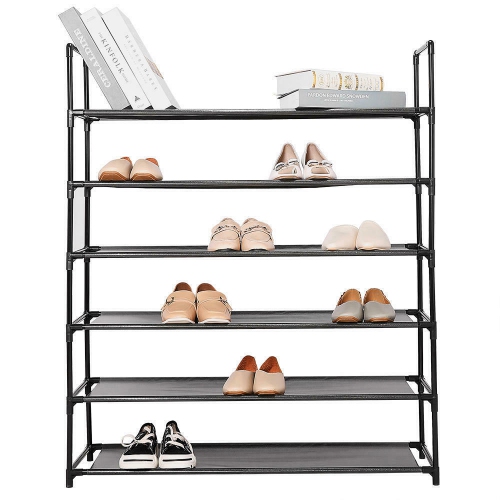
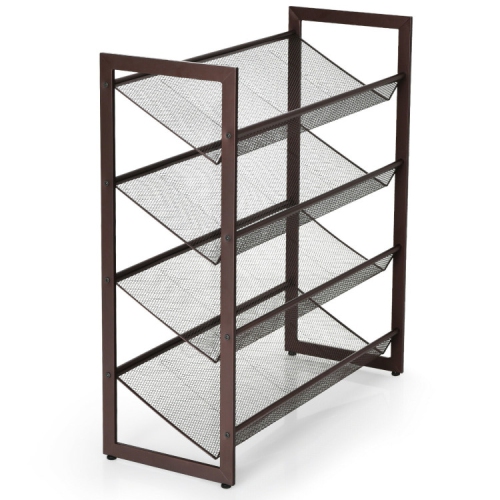
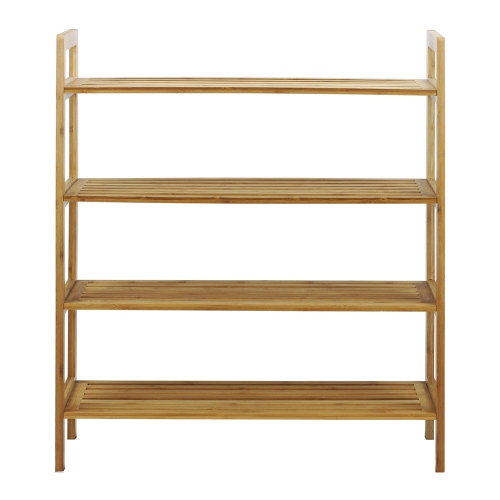
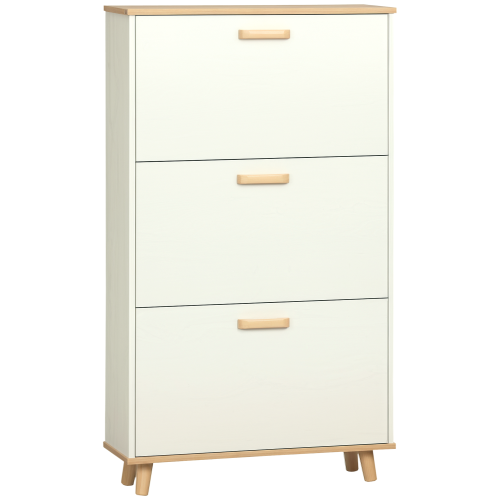
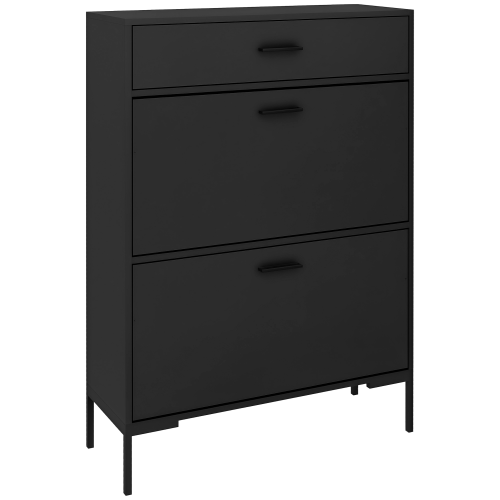
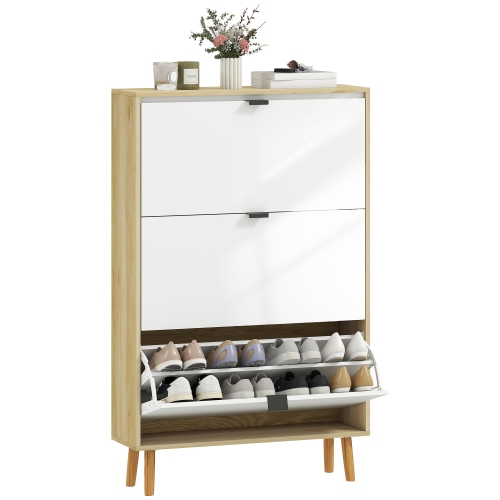
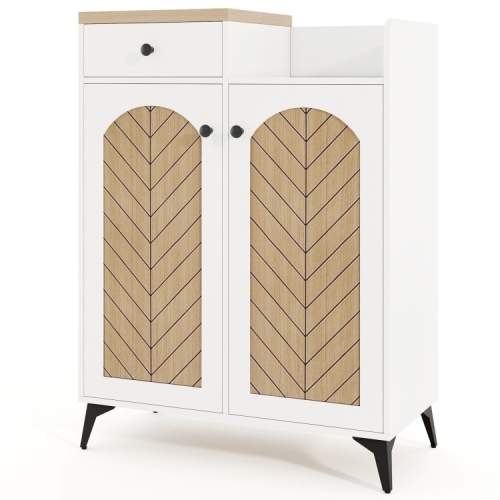
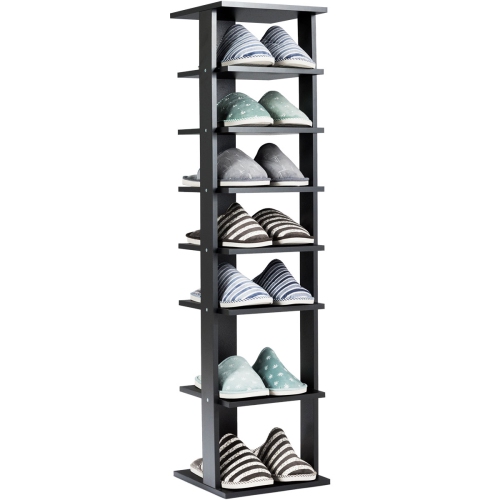
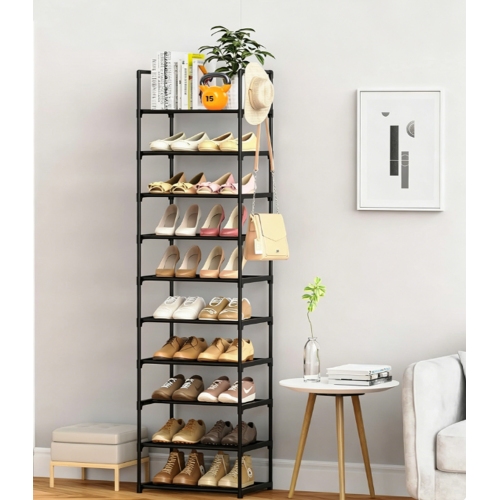
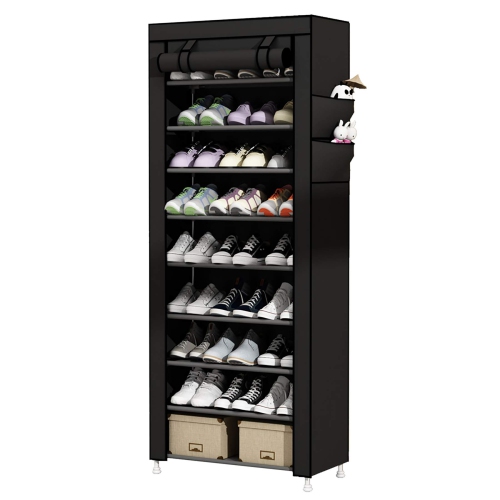
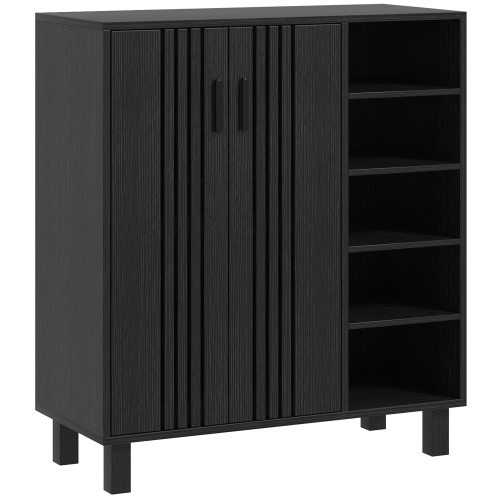
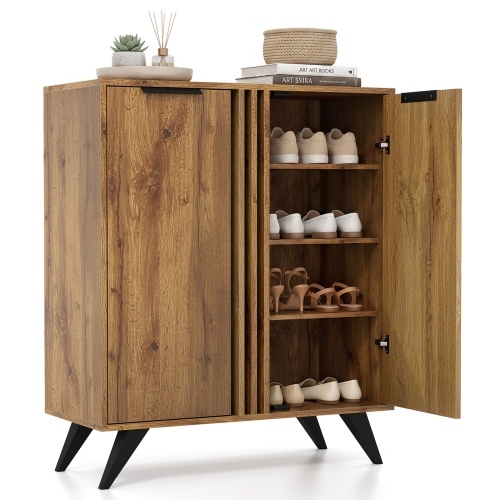
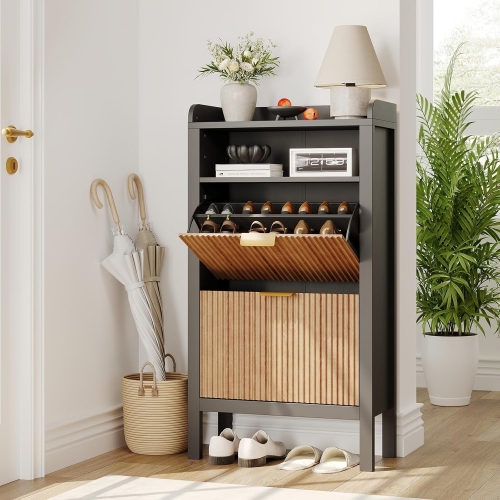
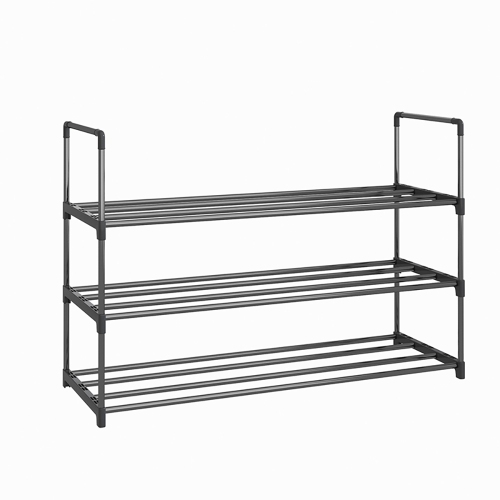
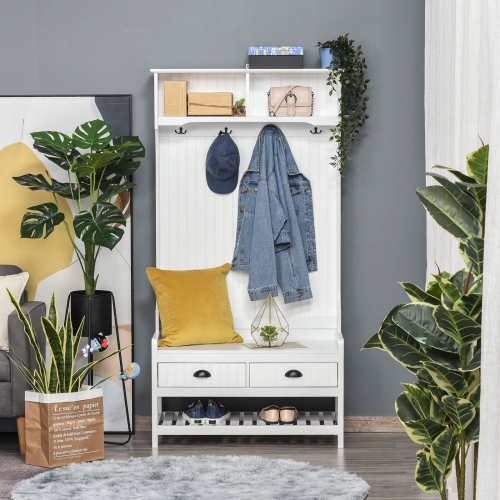
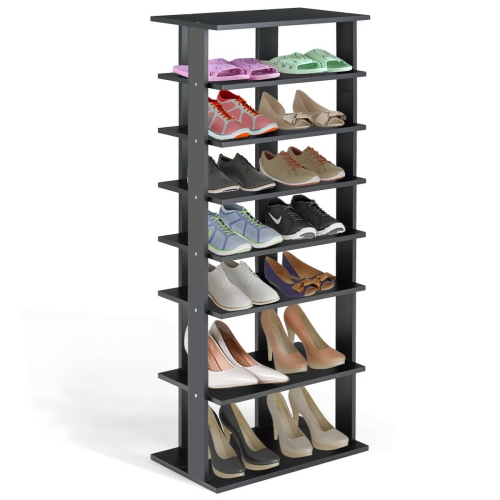
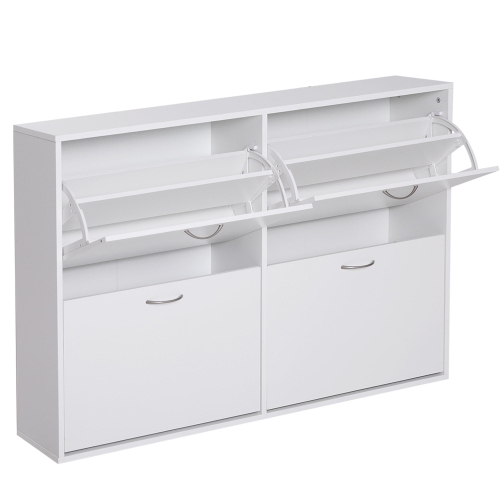
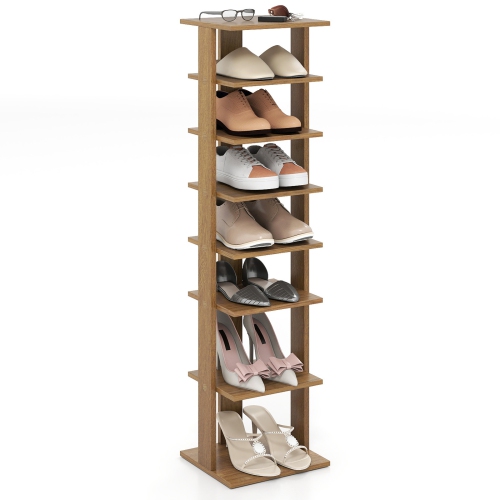
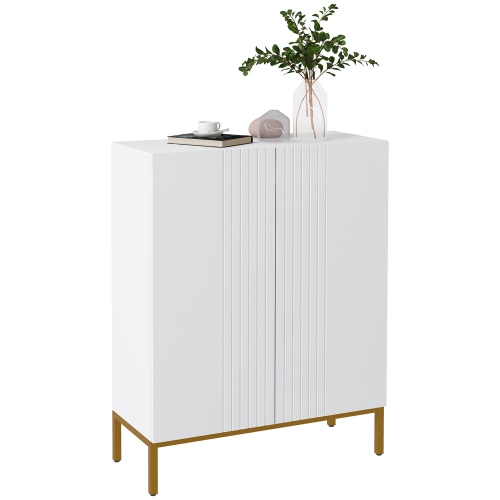
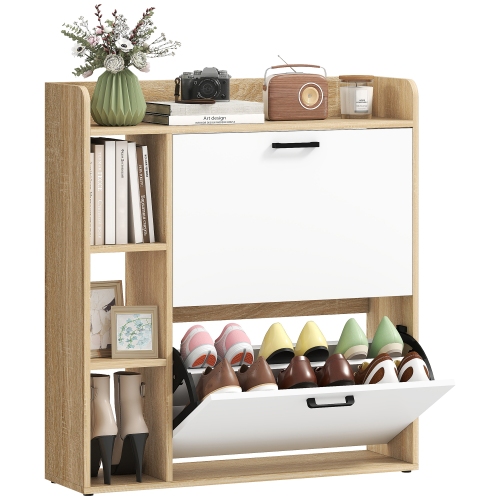
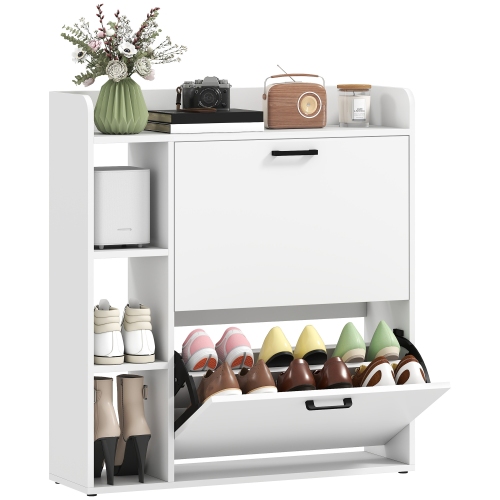
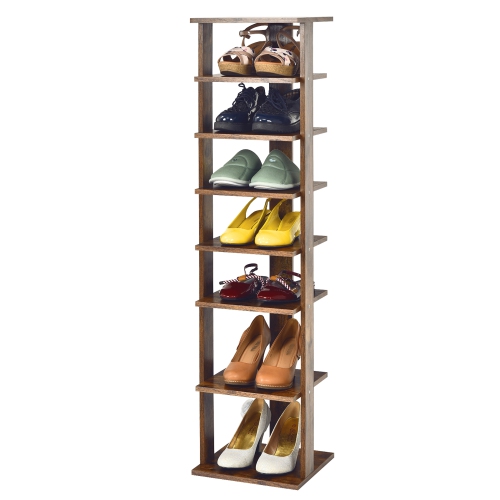
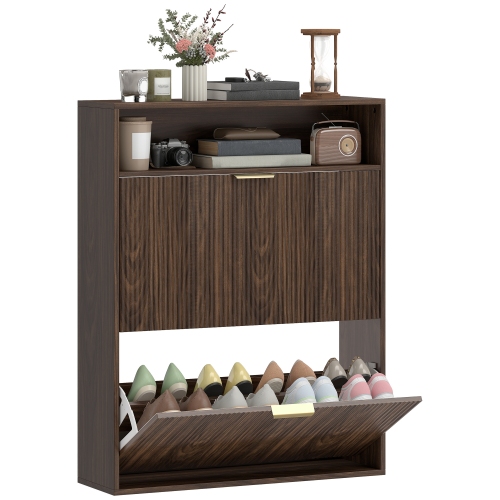
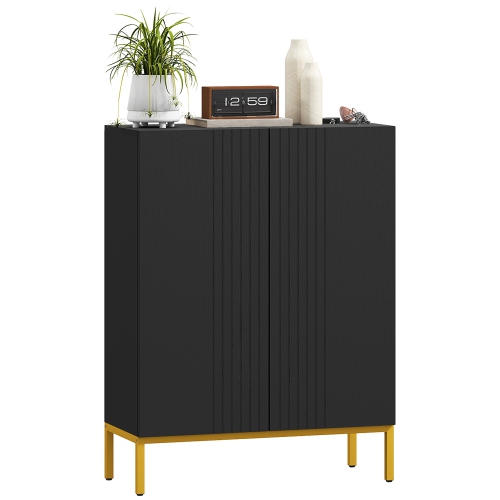
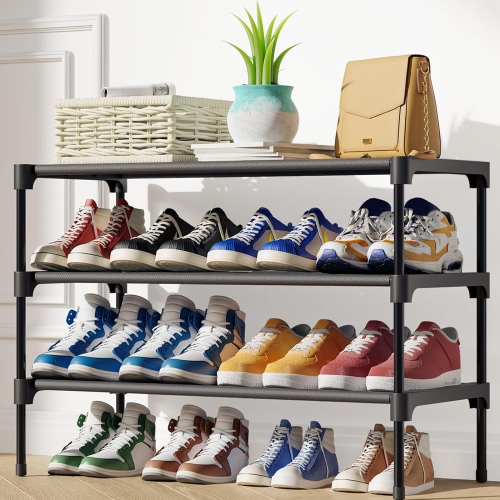
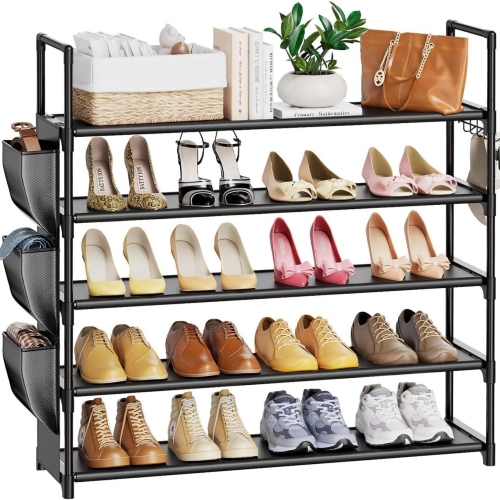
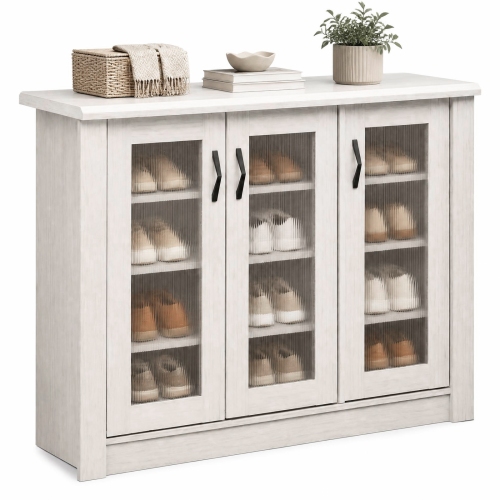
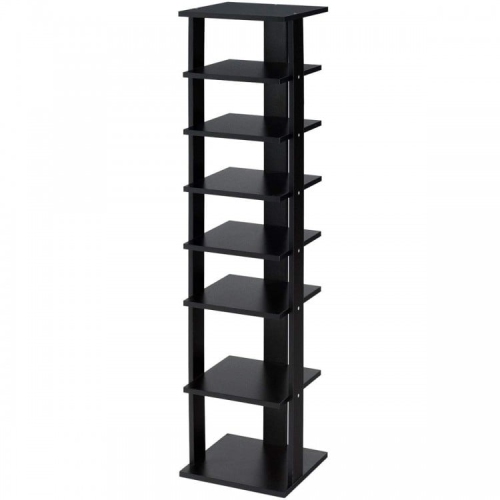
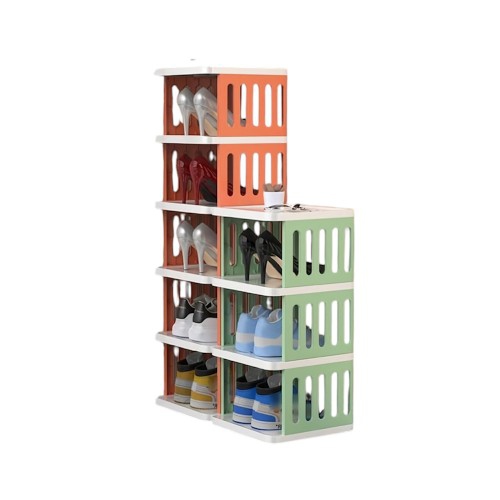
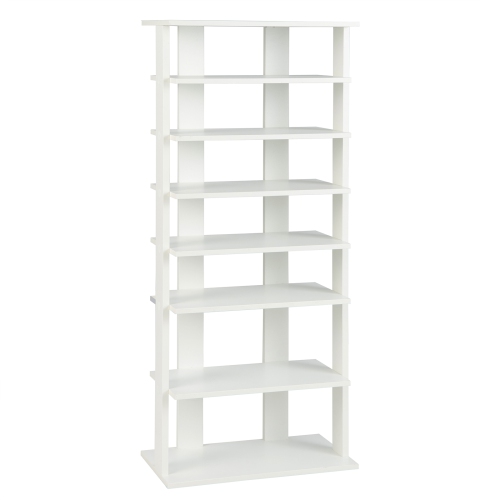
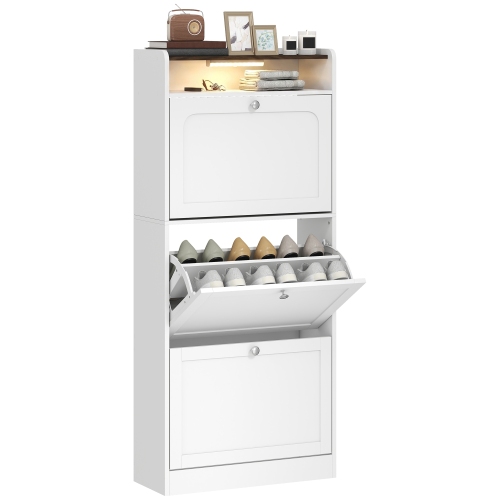
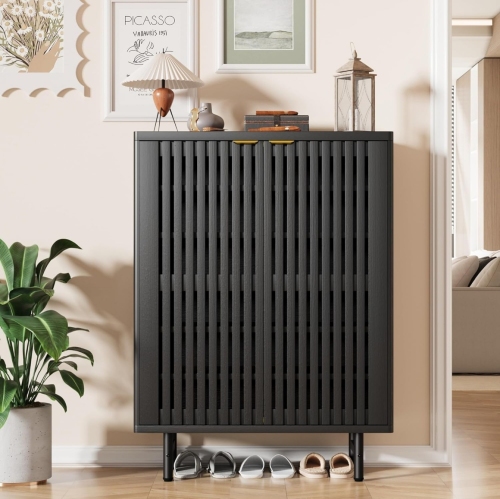
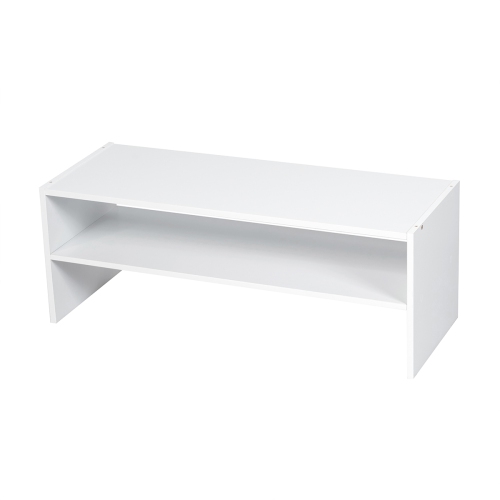
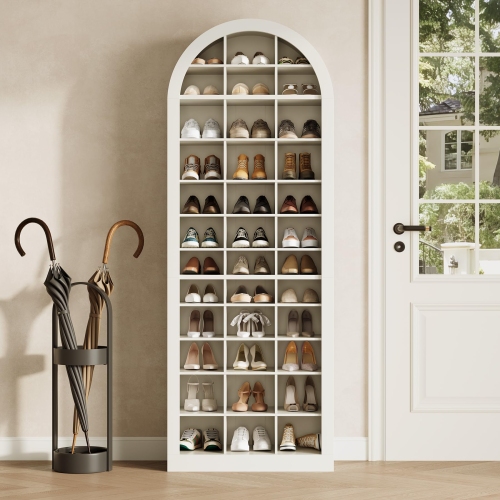
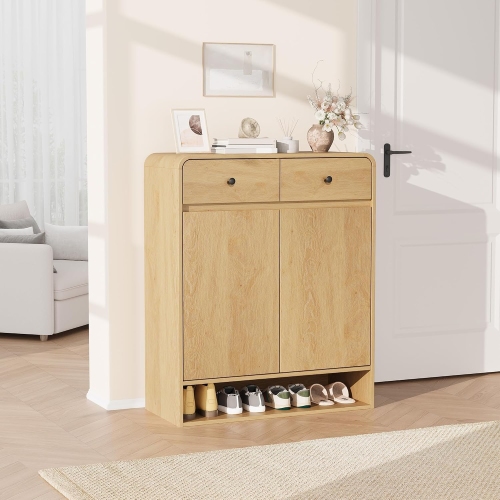
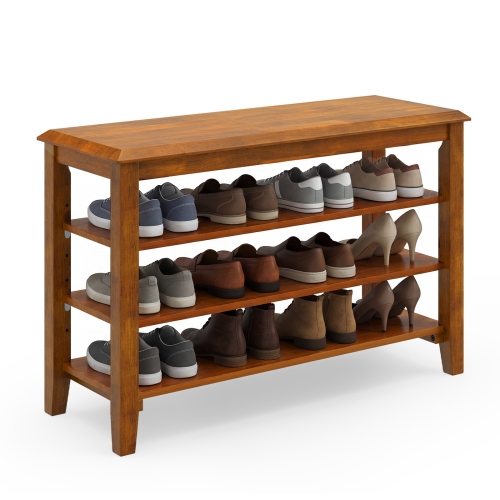
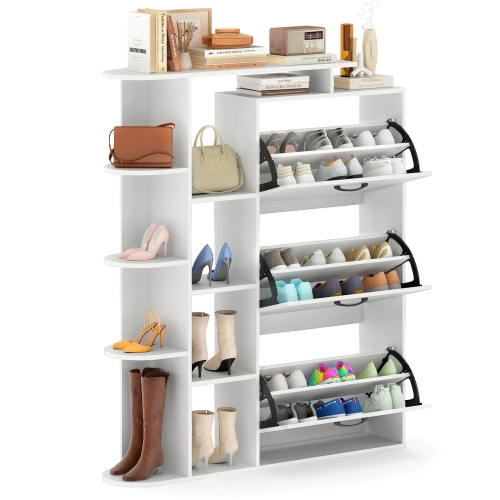
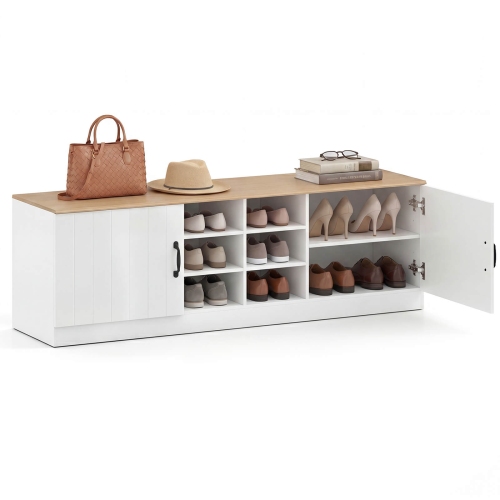
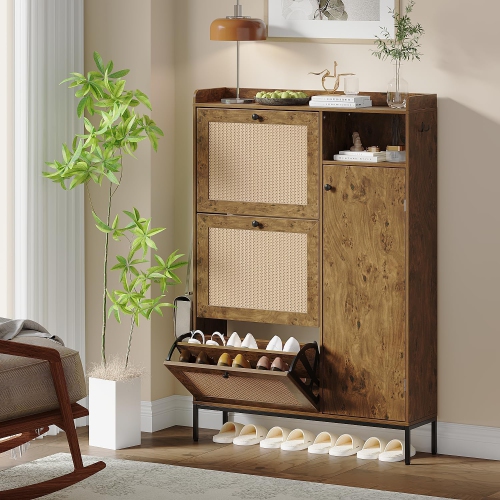
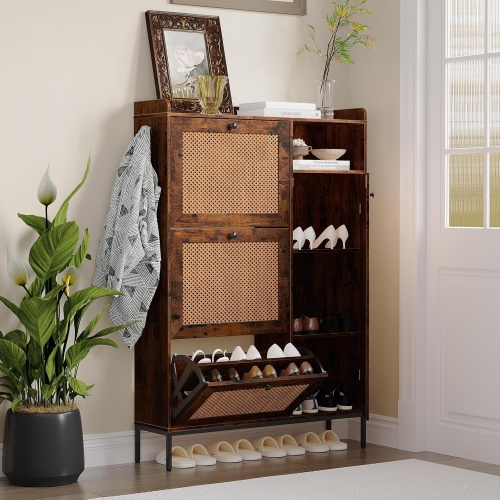
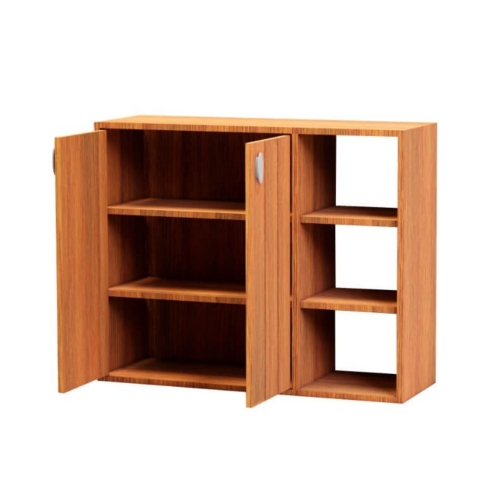
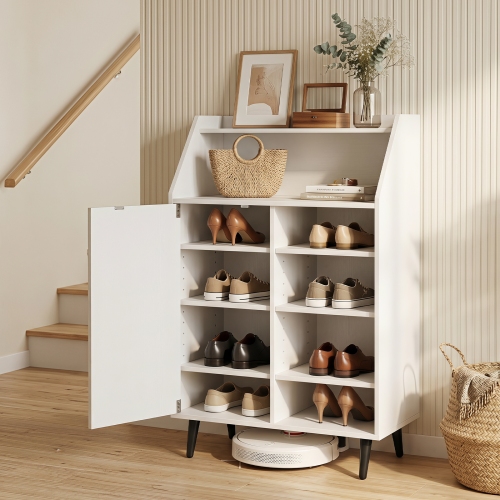
Modern shoe shelves give everyday footwear a defined place without making an entryway feel closed in. Their open design keeps pairs visible and easy to reach, whether the space holds a few frequently worn shoes or serves a busy household with different routines. Clean lines, slim frames, and simple finishes suit modern interiors, while the choice of shape can make a noticeable difference to how a room functions. A low, wide shelf can sit beneath a mirror without interrupting the view through a hallway, while a taller, narrower design makes use of wall space in a compact condo or bedroom. Open sides allow light to pass through, which can help a small entrance feel less crowded than it would with a solid storage unit. Proportion matters as much as appearance: a shelf needs enough depth to support footwear properly without extending into a walking route or interfering with a door. Baseboards, door trim, nearby drawers, and closet tracks can all affect how closely a unit fits against a wall. In a shared entrance, leaving clear space beside the shelf gives someone room to set down a bag or remove shoes without blocking another person. Finishes can either blend into the room or provide a deliberate contrast. A pale wood look can sit comfortably alongside light flooring, while a dark metal frame adds definition against a neutral wall. Repeating the finish of nearby hooks, a mirror frame, or a console table can help the space feel coordinated without requiring every piece to match. For households that prefer footwear hidden from view, Modern Shoe Cabinets provide an enclosed alternative. Open shelves have a different appeal: they keep favourite pairs in sight and make it easier to notice an empty spot when shoes have not been put away. That visibility is especially useful near the door used most often, where convenient storage is more likely to become part of the daily routine.
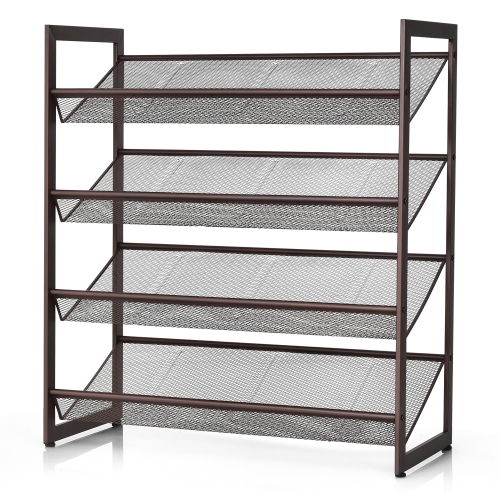
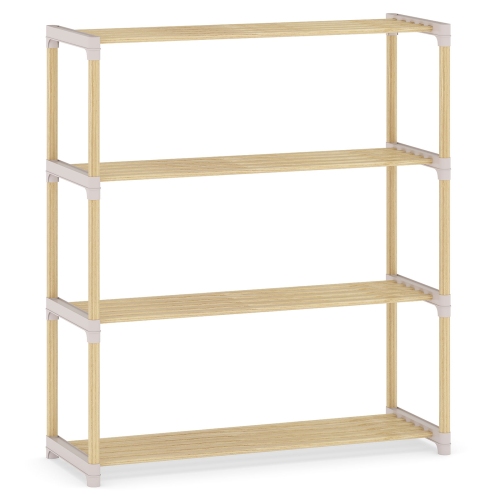
Materials influence not only the look of modern shoe shelves but also their weight, upkeep, and suitability for a particular space. Solid wood brings natural grain and variation, though its finish determines how well the surface handles scuffs and occasional moisture. Engineered wood can provide a smooth, consistent appearance, with edges and joints deserving particular attention wherever damp soles might rest. Metal frames often create a lighter visual profile, and a coated finish can make routine wiping straightforward; scratches or chips may need care according to the manufacturer’s directions. Bamboo offers a distinctive grain and is often used in slatted designs, but it still benefits from prompt drying rather than prolonged contact with water. Mixed-material shelves combine these qualities in different ways, such as a rigid metal structure with flat wood-look tiers. The shelf surface is just as important as the frame. Closely spaced slats can support a range of footwear while allowing loose dirt to fall through, whereas widely spaced bars may be less suitable for narrow heels or small children’s shoes. A continuous surface gives those smaller contact points more support, although dust and grit remain on the shelf until removed. Smooth edges, secure connections, and a frame that sits evenly on the floor contribute to a more dependable feel in daily use. Adjustable feet can help accommodate a slightly uneven surface when included in the design, while suitable floor protectors can reduce marks on finished flooring. For cleaning, a soft cloth and a method approved for the material are generally a better starting point than abrasive pads or harsh cleaners. Removing grit from shoe soles before storage also helps limit scratching. Damp footwear should be allowed to dry as directed by its care instructions, and standing moisture should not be left on a shelf. Removable trays, where included, can make debris easier to contain, but they still need regular emptying and cleaning. These practical details matter most in an entrance that sees repeated use throughout the day.
The most useful shelf layout reflects the footwear that actually needs a home. A collection of low-profile flats takes up space differently from adult running shoes, ankle boots, or high-top sneakers, so a stated pair capacity is best treated as an estimate rather than a guarantee. Shelf width determines how many pairs can sit side by side without overlapping, while usable depth helps keep toes and heels supported instead of projecting into the room. Vertical clearance matters too: a low gap may work well for slippers but press against the uppers of taller shoes. Adjustable or removable tiers can offer more flexibility when the design allows them, making room for a mixture of footwear rather than forcing every pair into the same opening. In a family entrance, lower shelves can put children’s shoes within reach, while separate tiers give each person a recognizable place to return their pairs. In a bedroom or dressing area, open storage can make it easier to compare colours and styles before getting dressed. A closet shelf arrangement may instead prioritize a compact footprint and straightforward access, especially where hinged or sliding doors limit movement. Keeping frequently worn pairs at a comfortable height reduces unnecessary bending, while less-used footwear can occupy the remaining space without crowding the daily essentials. Stability deserves attention wherever a shelf is placed. The assembled unit should suit the intended load, and any supplied wall restraints should be installed according to the manufacturer’s instructions, particularly in homes with children or pets. A shoe shelf should only be used as seating if it is expressly designed and rated for that purpose; a low profile alone does not make it a bench. Assembly access is also worth considering in a narrow hallway, where a fully built frame may be awkward to turn into position. With dimensions, shelf spacing, and construction suited to the household, modern shoe shelves can make footwear storage feel like a natural part of the room rather than an obstacle beside the door.
Top selling and popular products
-
 Your price for this item is $95.99
-
 Your price for this item is $84.99
-
 Your price for this item is $171.99
-
 Your price for this item is $144.99
-
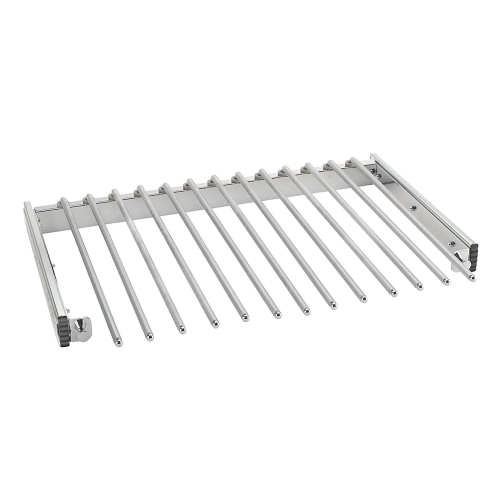 Your price for this item is $271.99
-
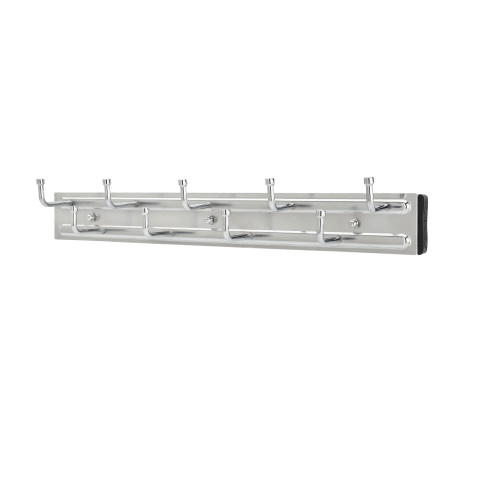 Your price for this item is $82.99
-
 Your price for this item is $88.99
-
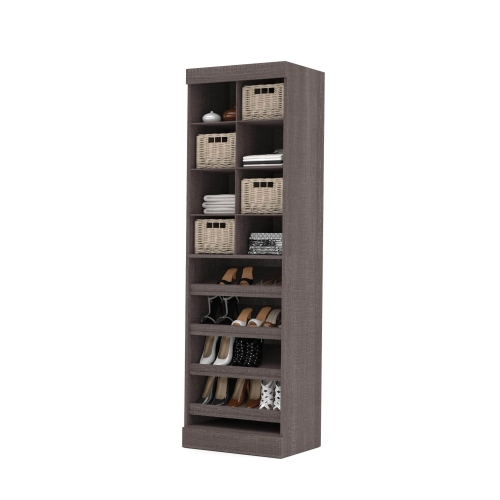 Your price for this item is $689.99
Discover more categories related to Modern Shoe Shelves
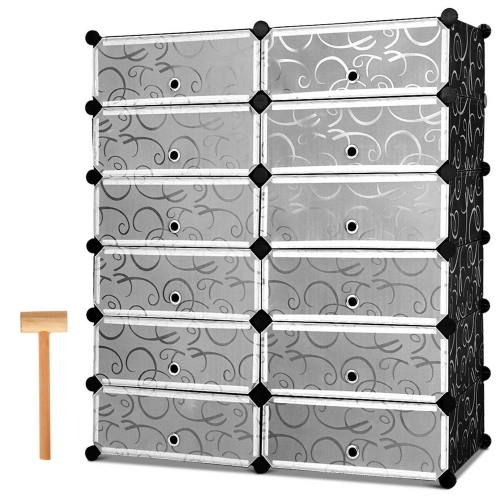
Top Collections:
Best Black Friday Deals This Year, Best Black Friday Deals On Electronics, Kindle Devices, Dyson Airwrap, Best Cameras for Sports Photography, Best Black Friday Deals On Apple Products, PS5 Pro Consoles, Portable Snow Blowers, Canon G7X Cameras, Pokémon 30th Celebration Cards
Some products may be subject to Environmental Handling Fees
(EHF) depending on your province.
Learn more about EHFs.