Modern Two Tone Nightstands
A modern two-tone nightstand is a great way to add a modern touch to your bedroom. These nightstands can be used as a bedside table, but they're also often used as an accent piece in the room. Here are some great options for modern two-tone nightstands.
Sort
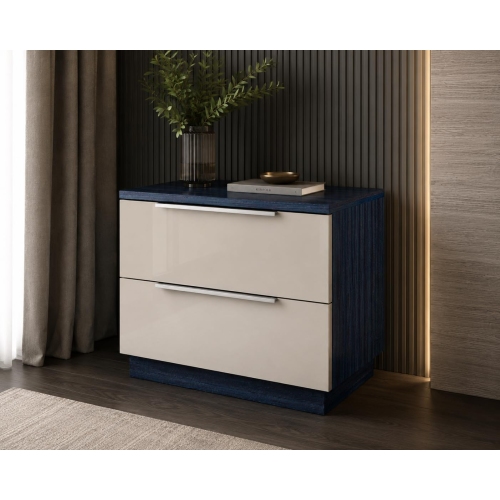
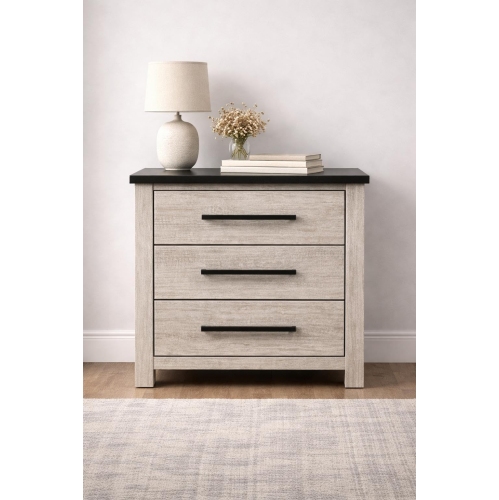
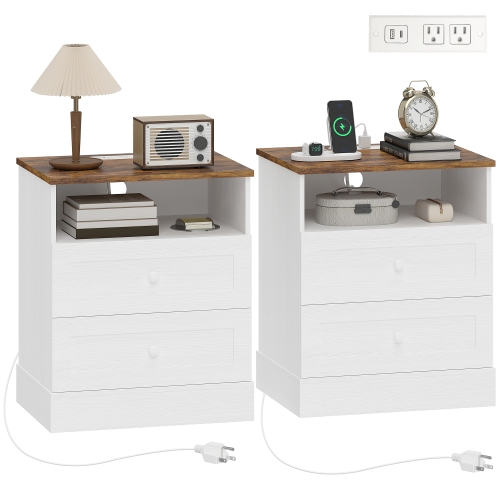
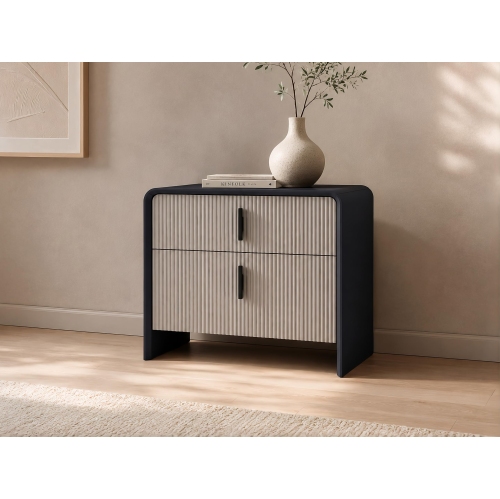
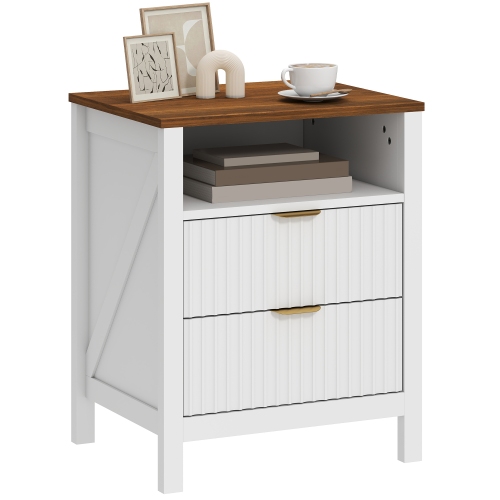
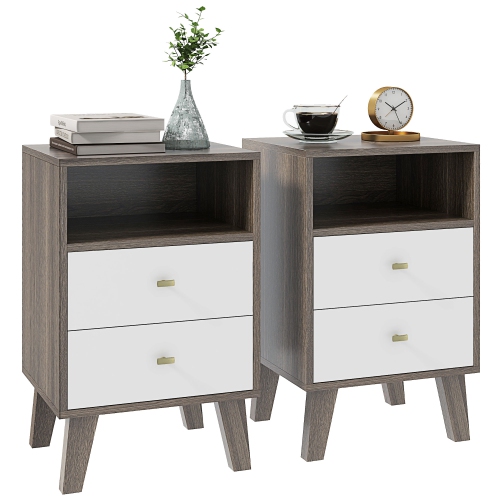
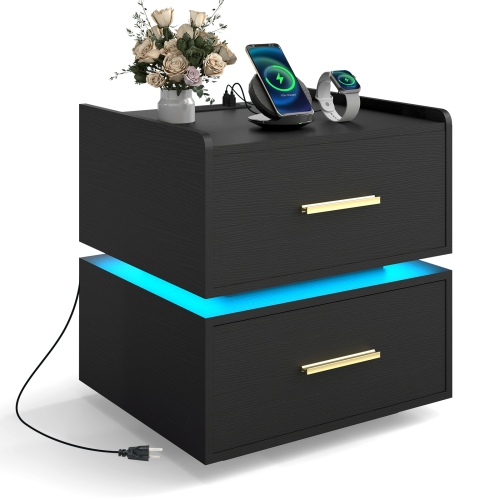
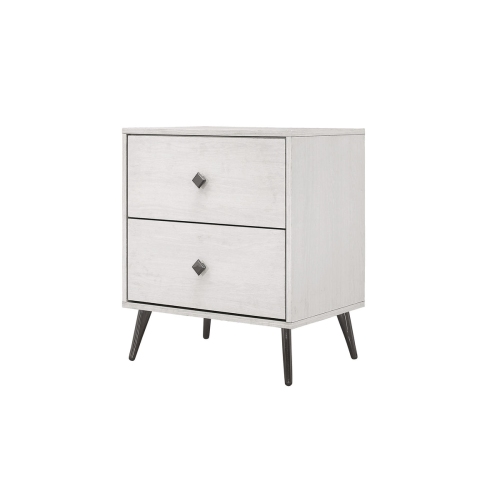
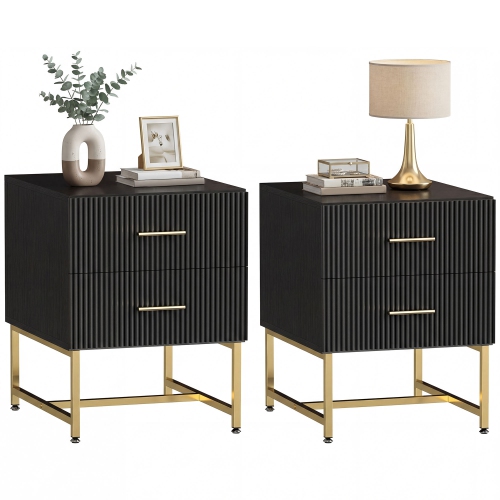
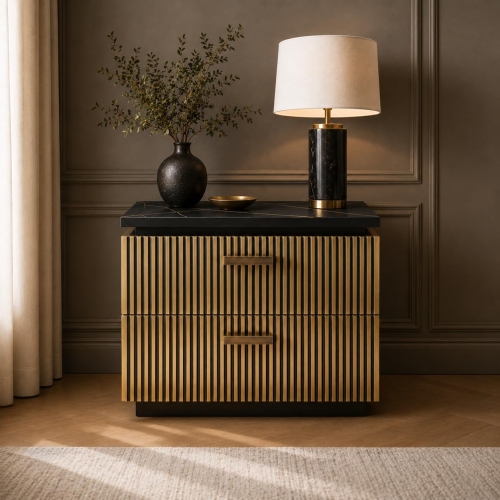
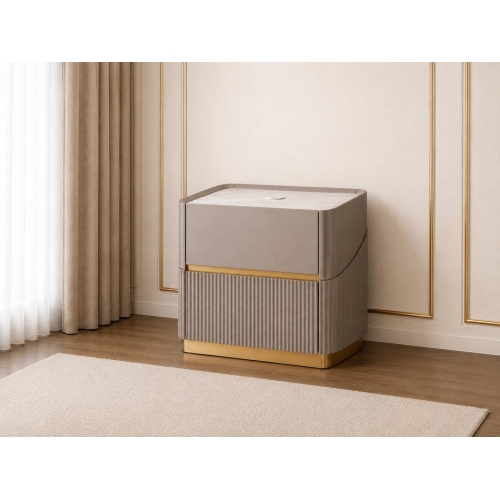
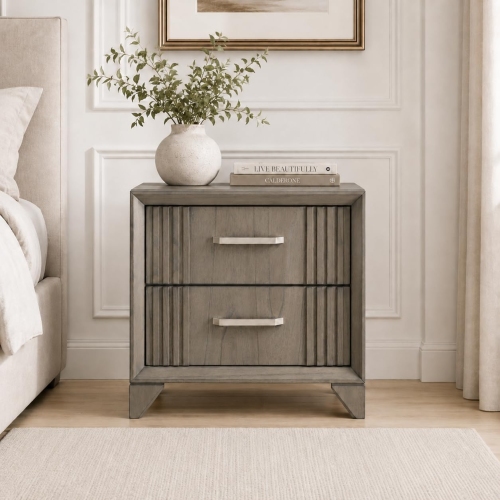
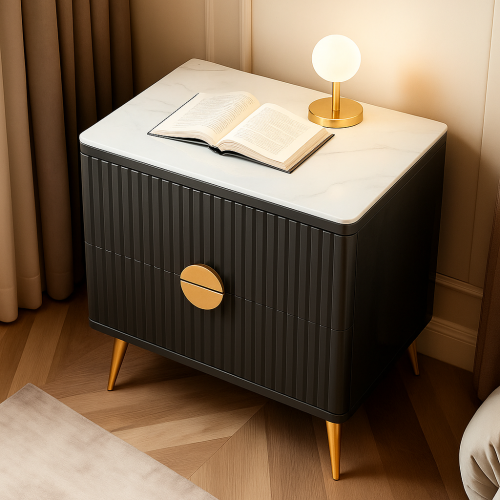
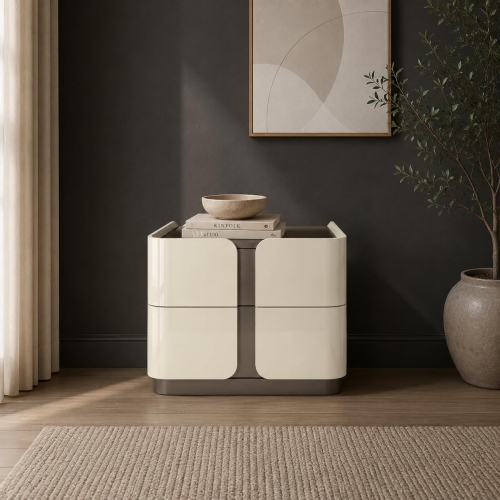
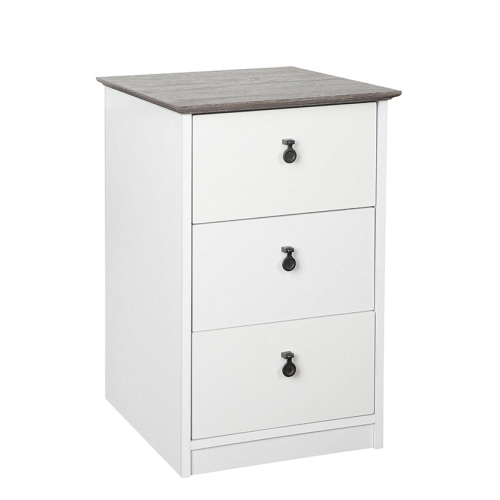
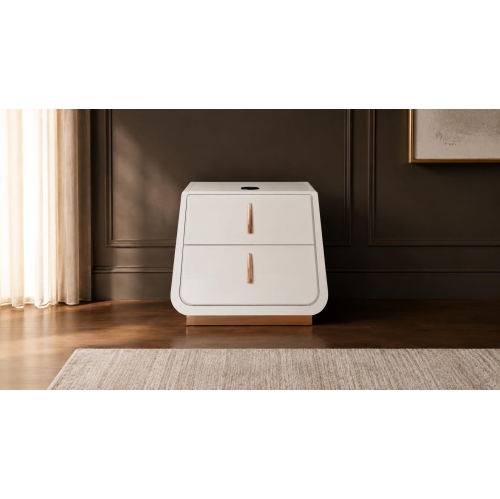
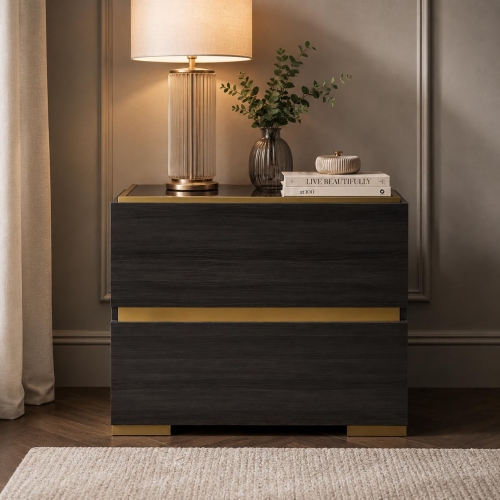
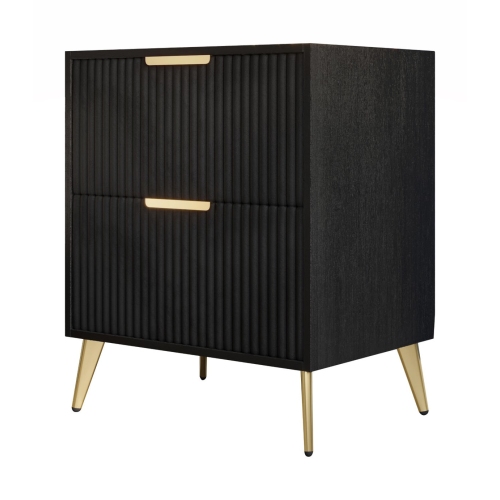
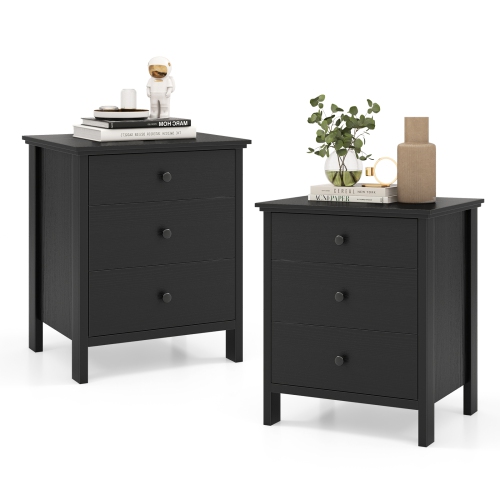
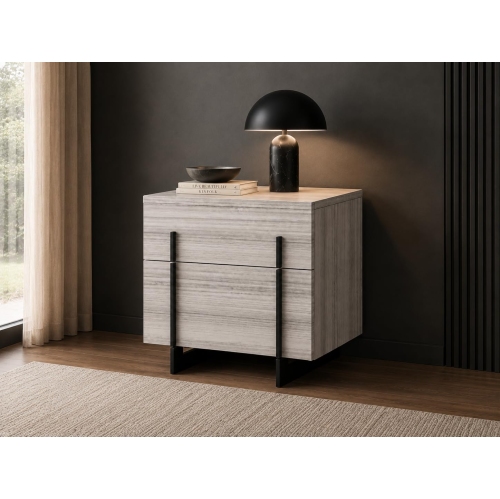
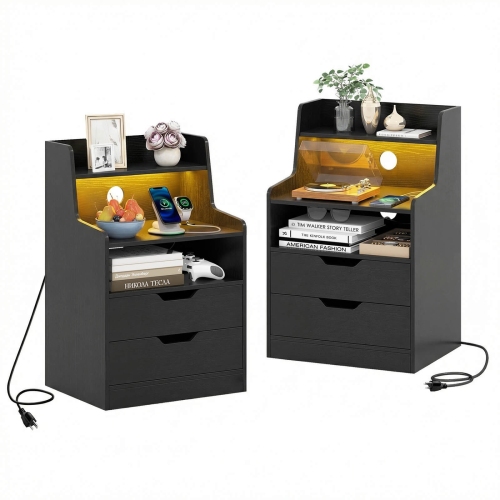
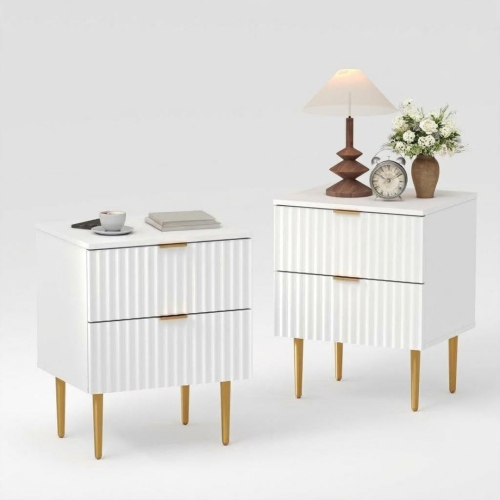
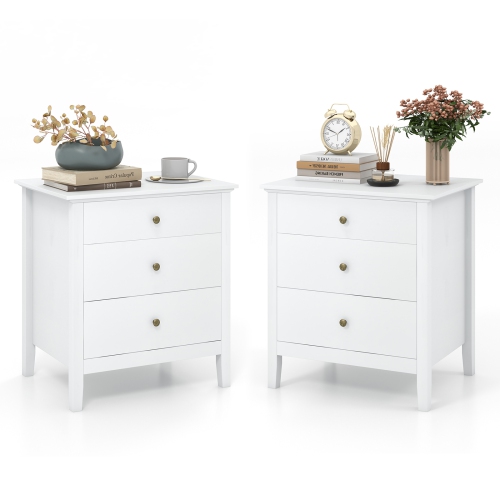
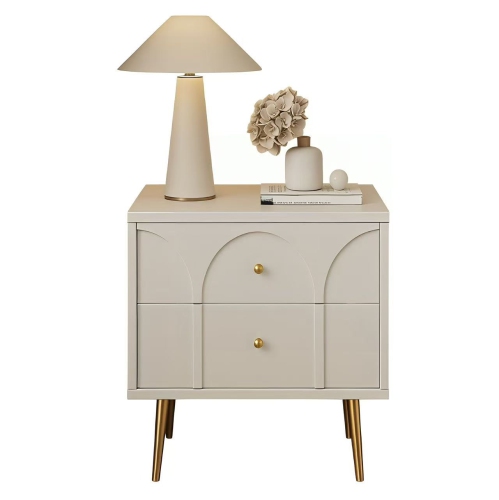
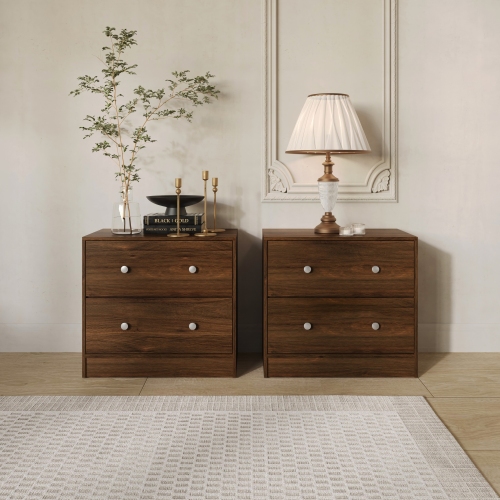
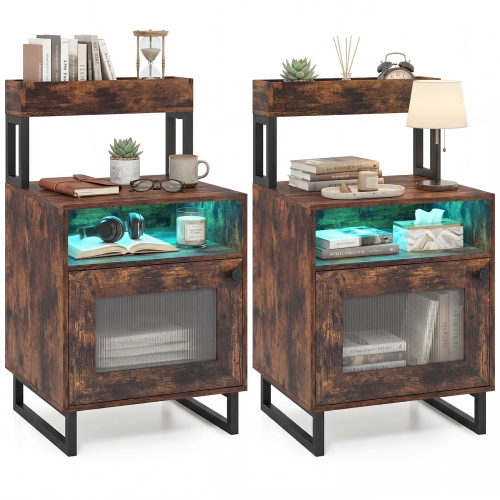
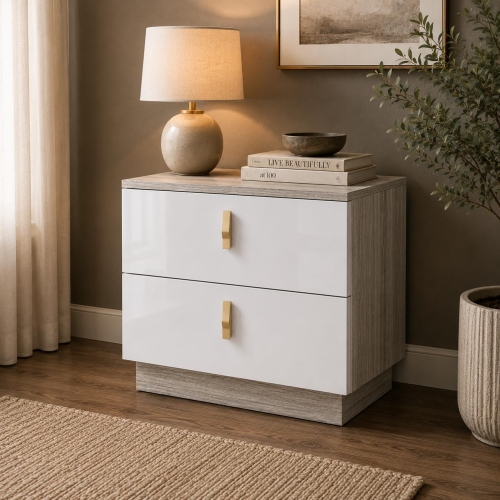
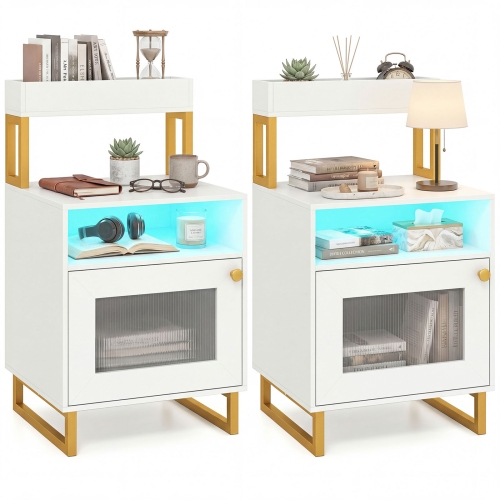
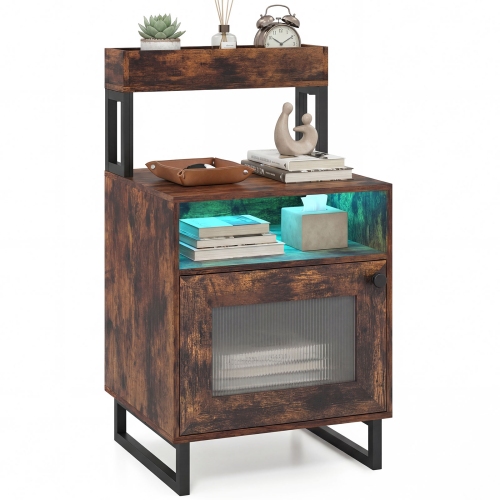
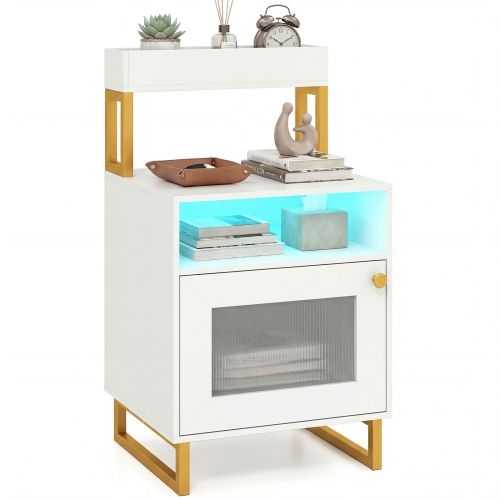
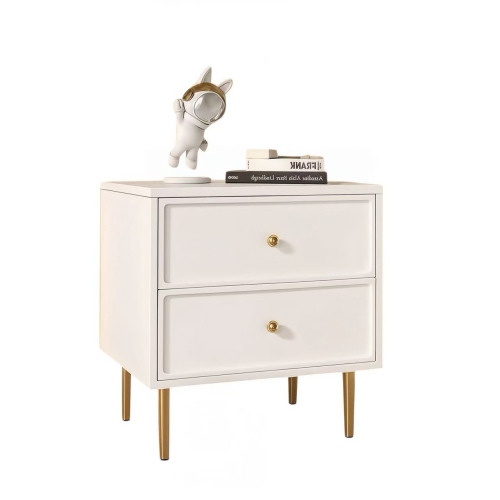
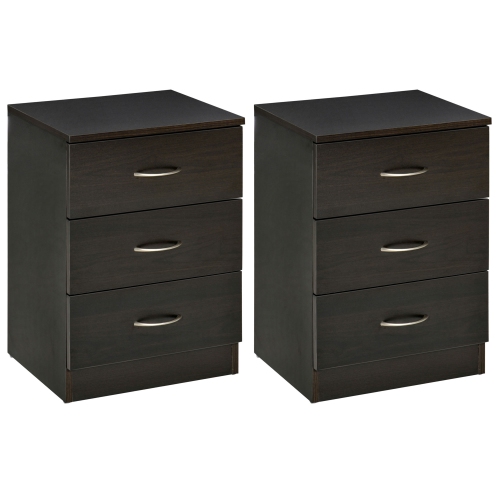
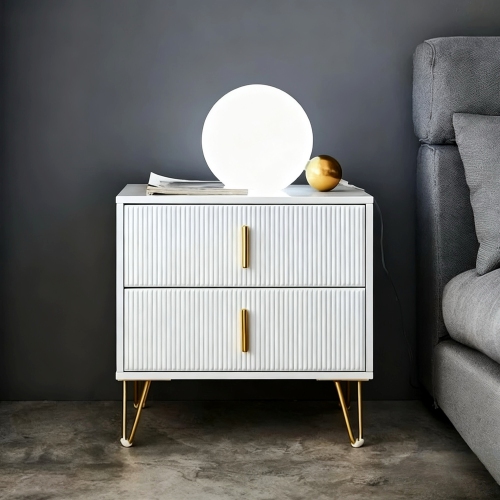
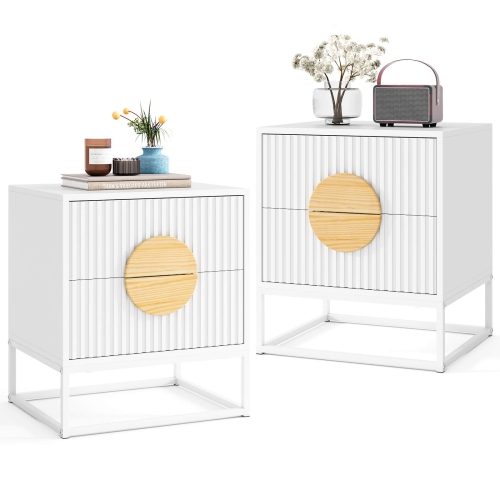
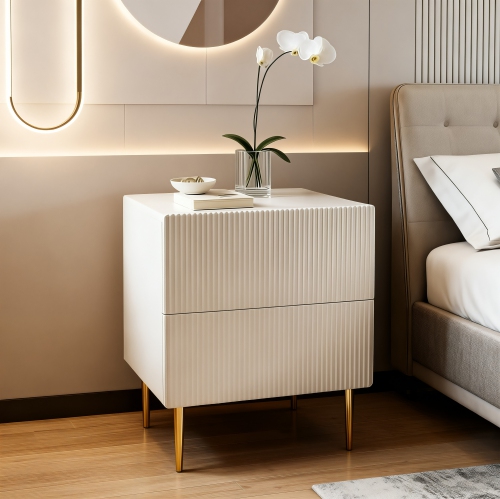
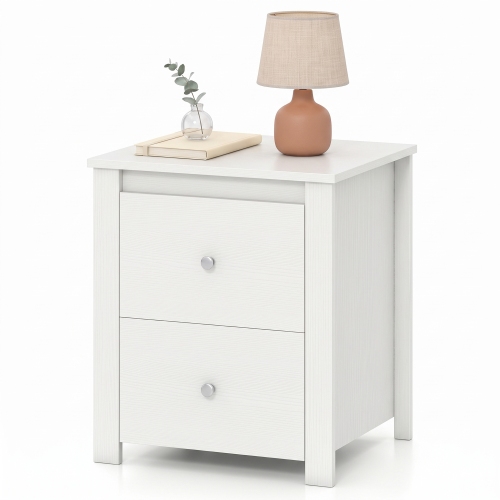
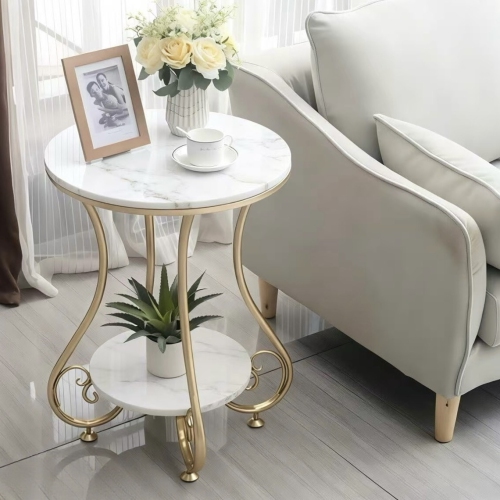
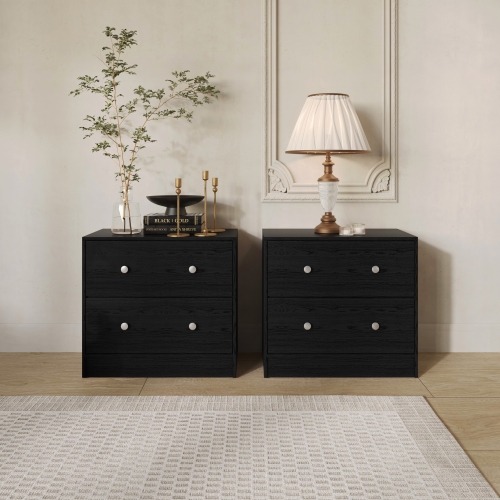
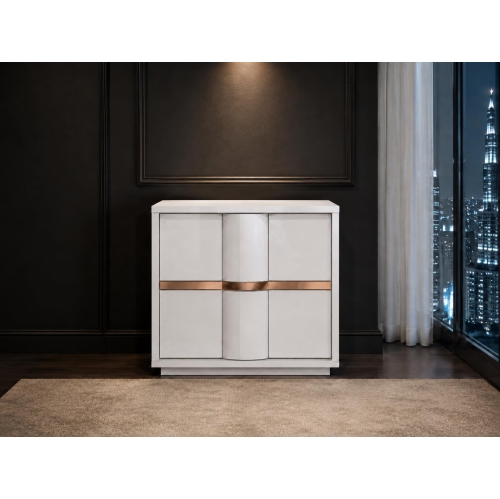
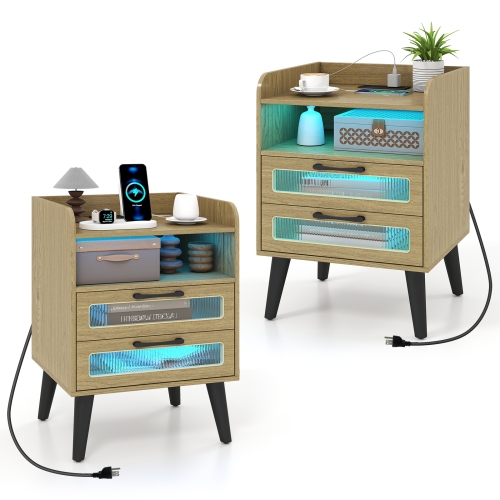
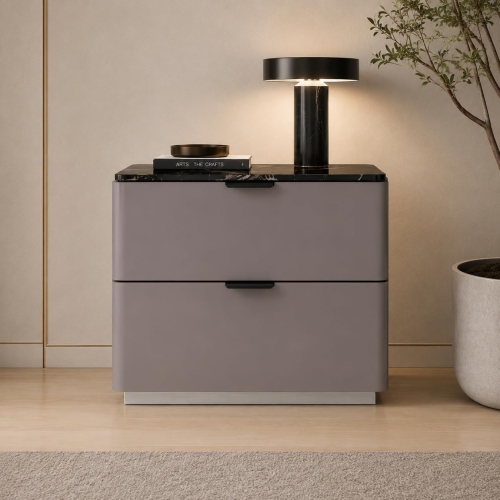
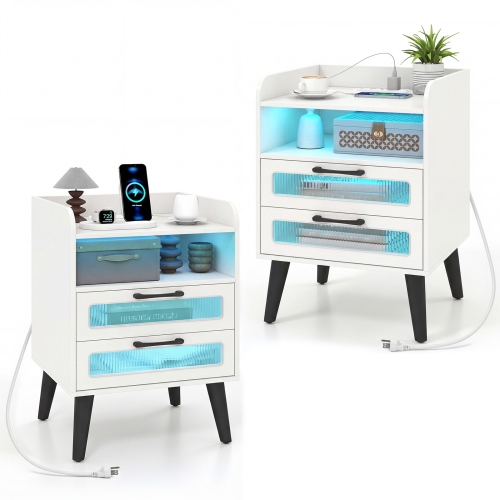
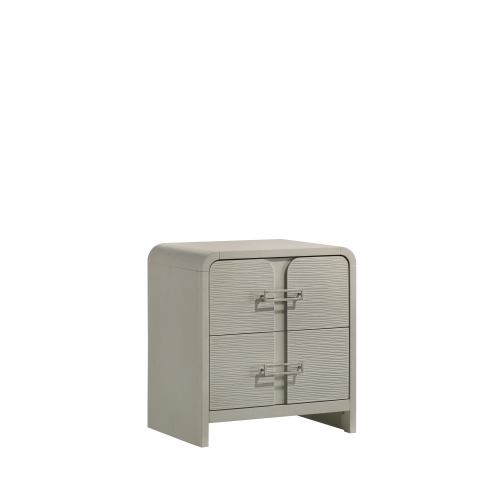
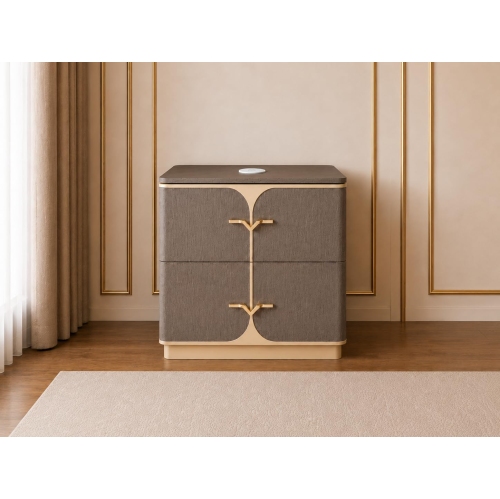
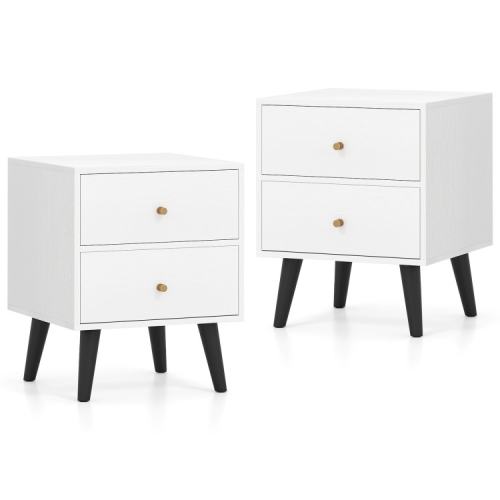
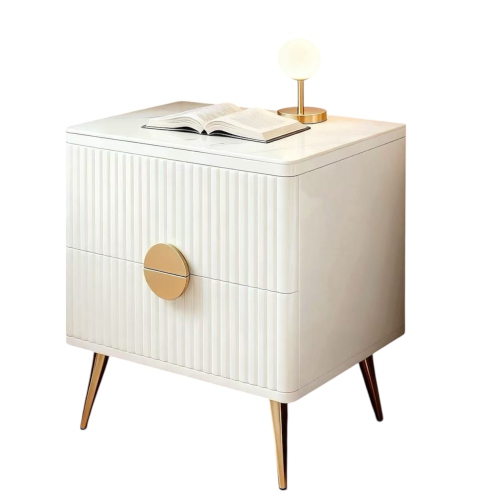
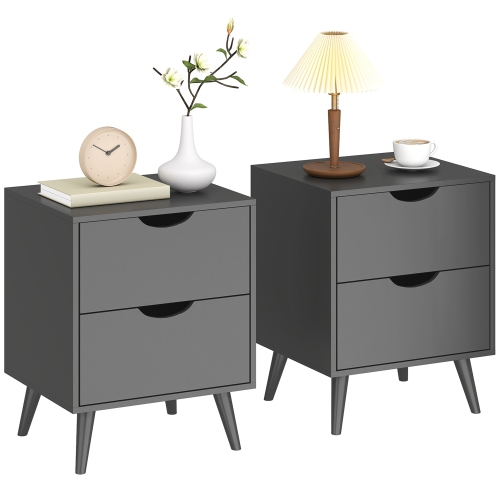
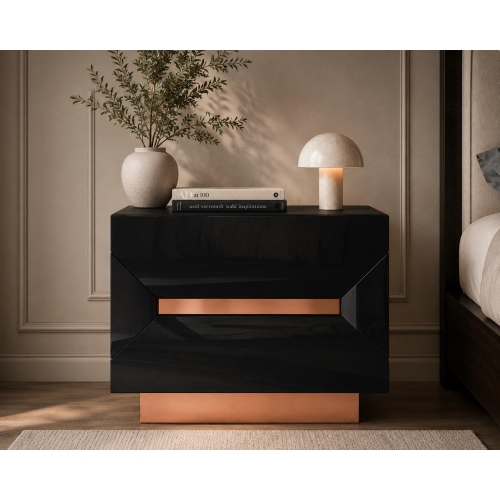
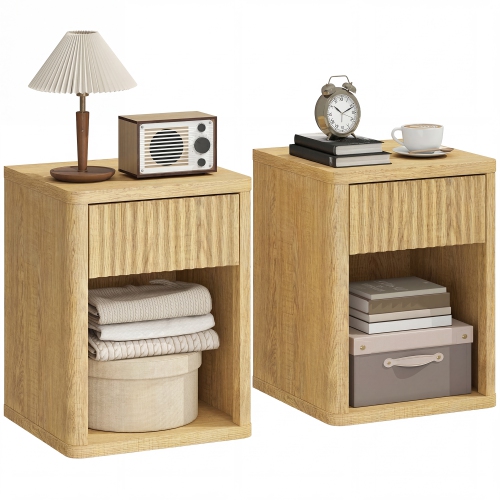
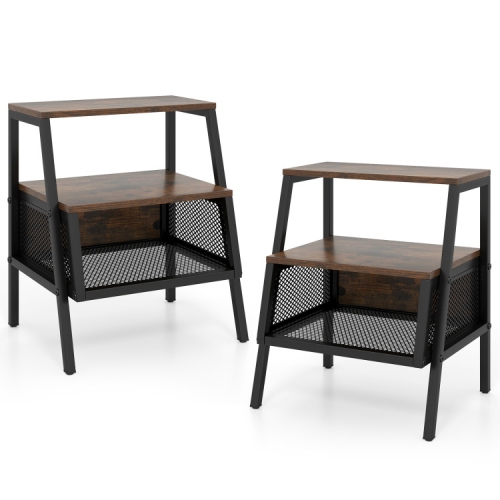
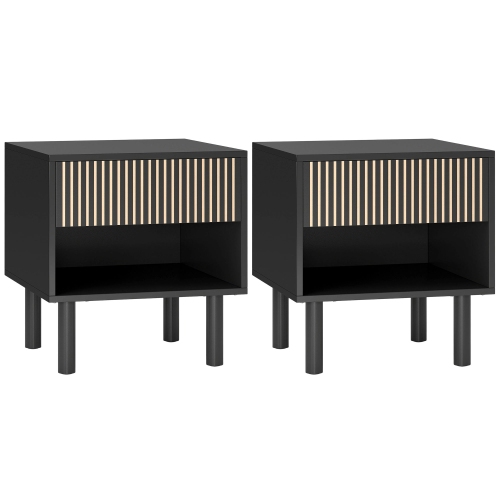
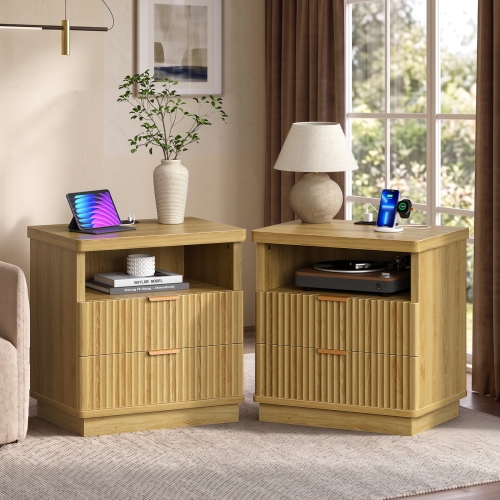
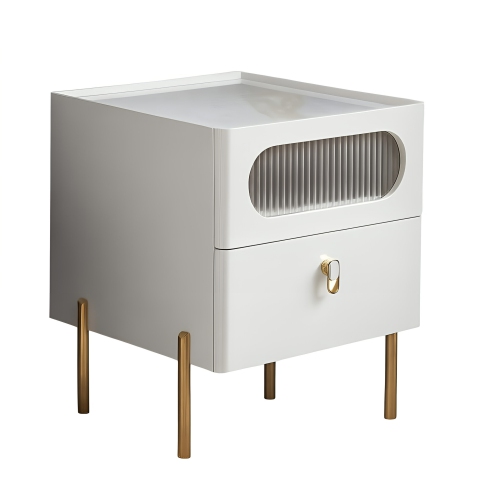
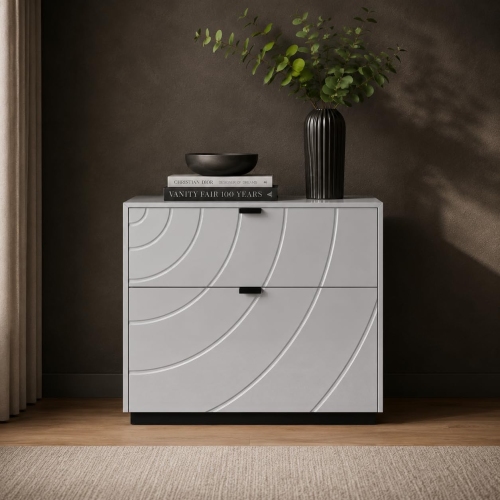
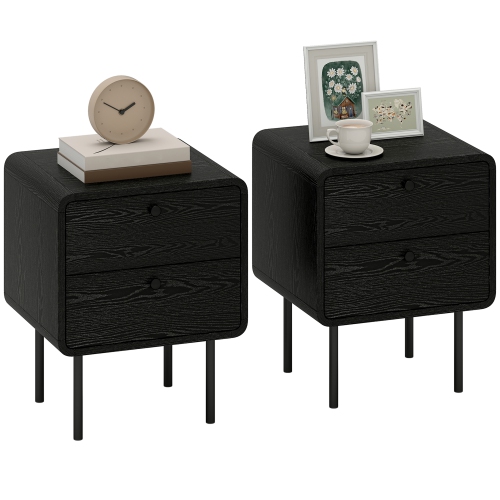
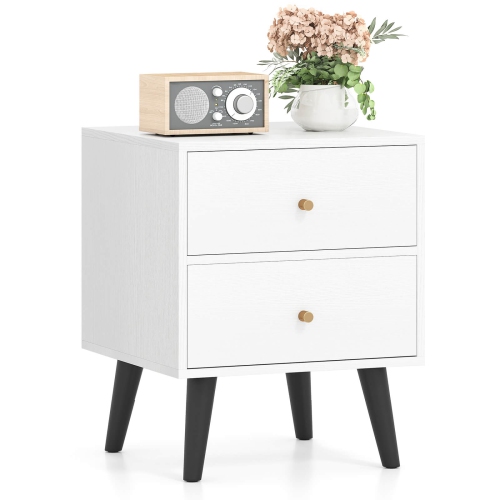

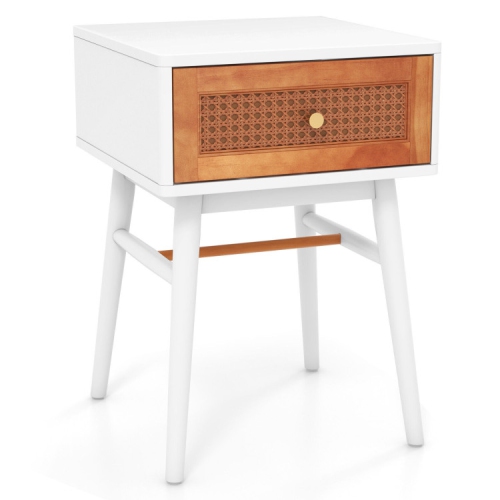
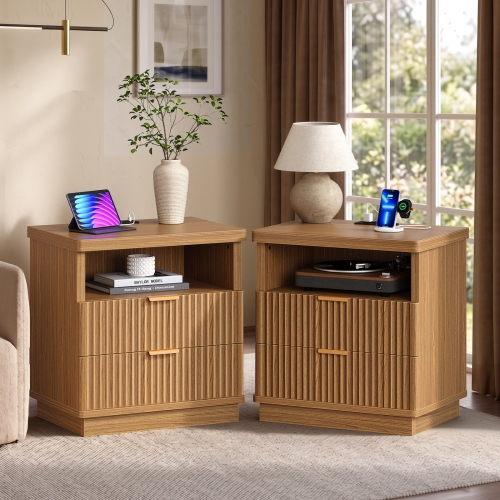
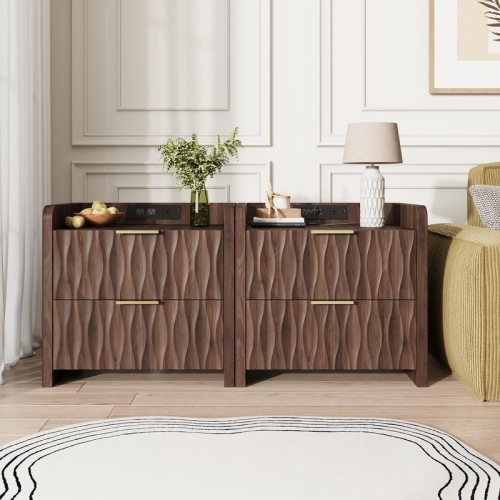
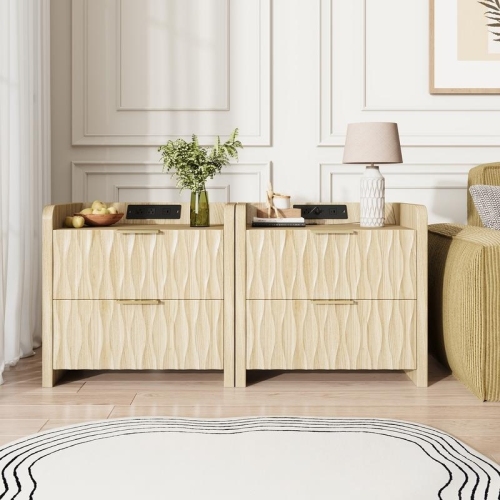
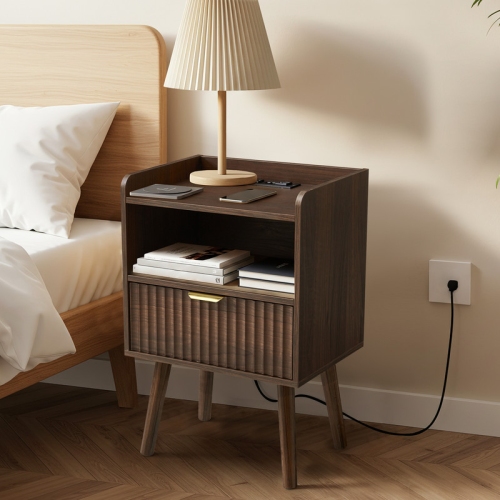
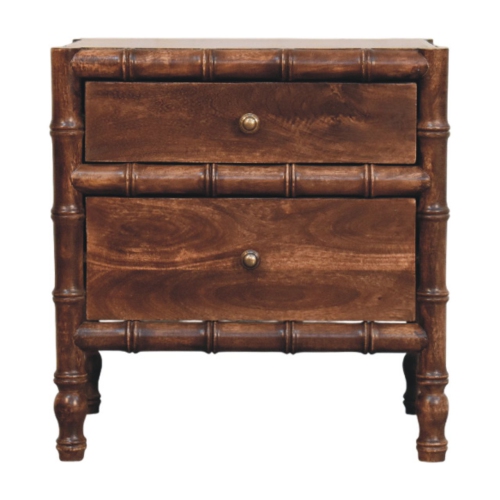
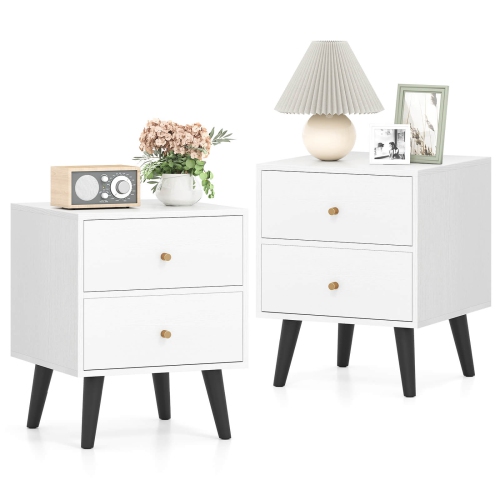
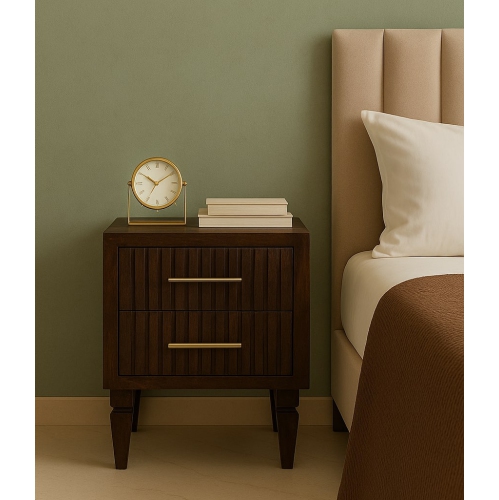
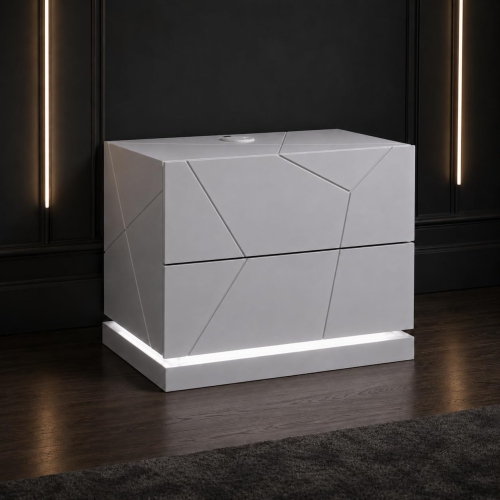
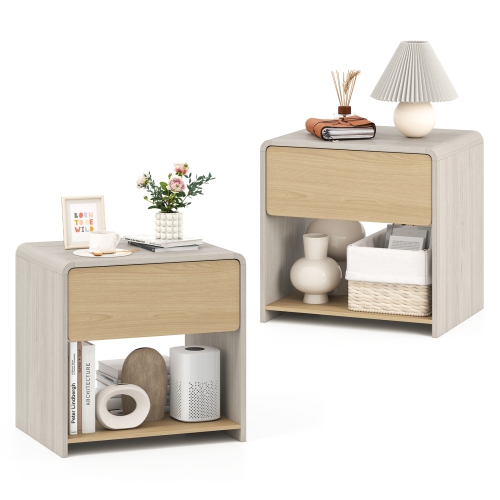
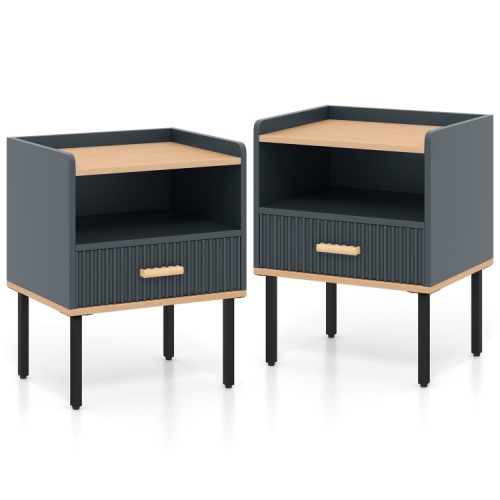

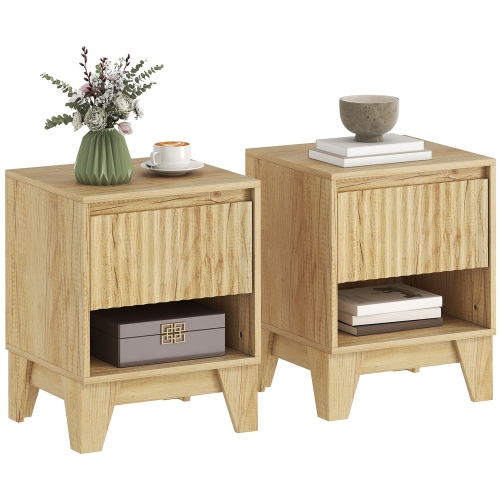

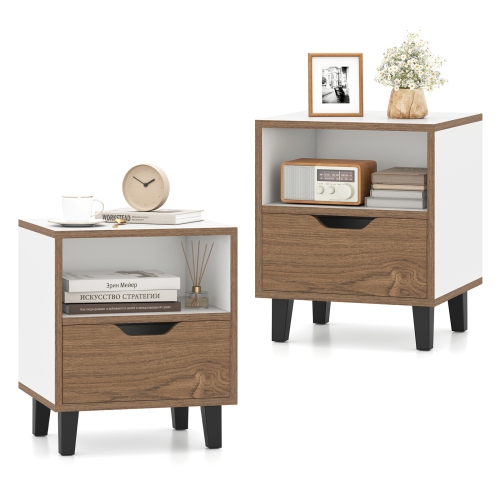
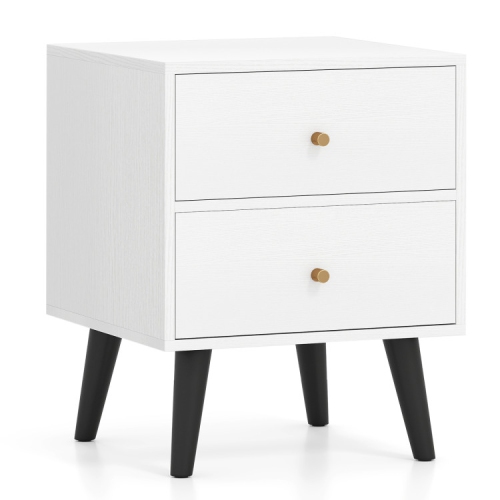

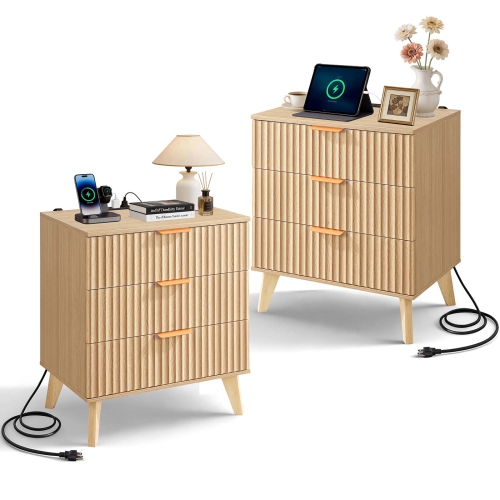
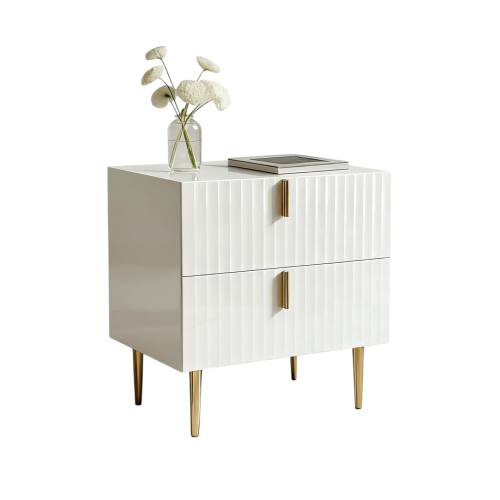
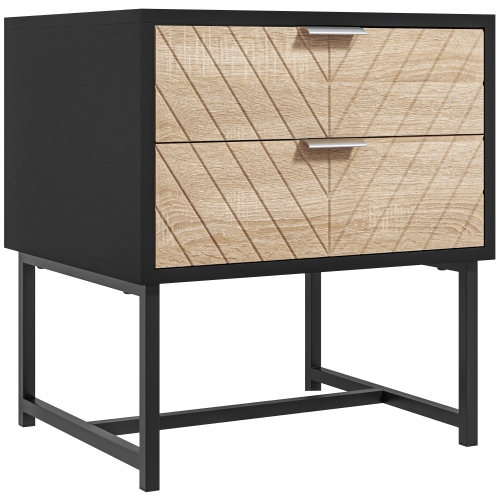
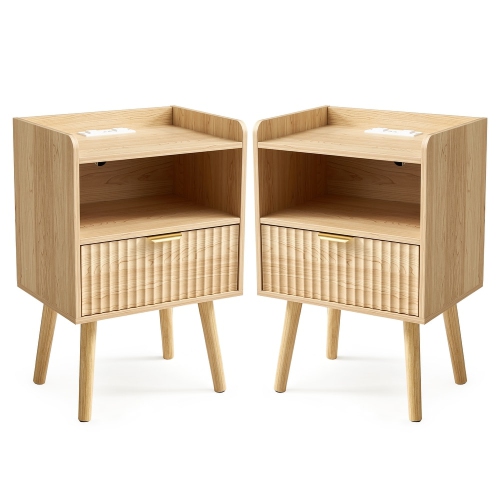
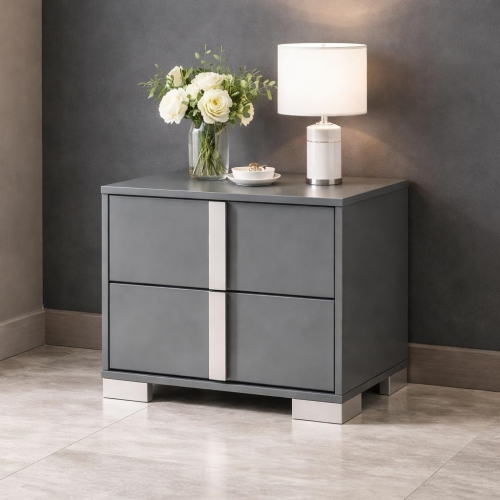
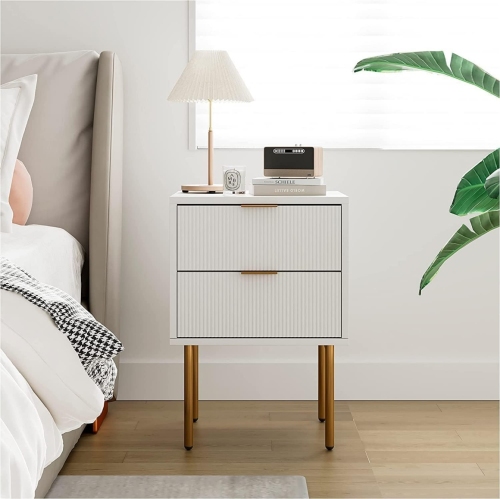

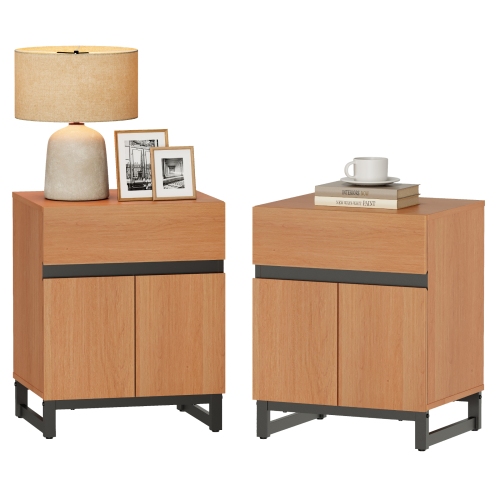
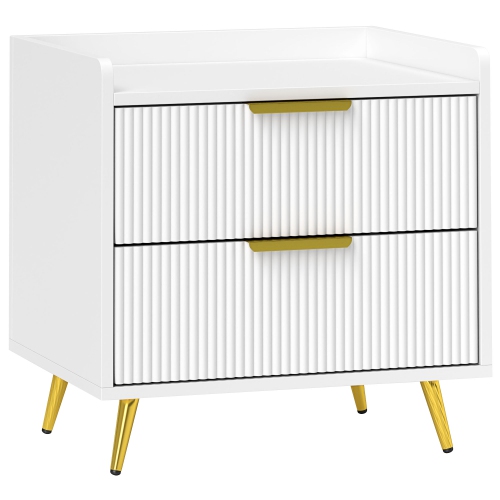
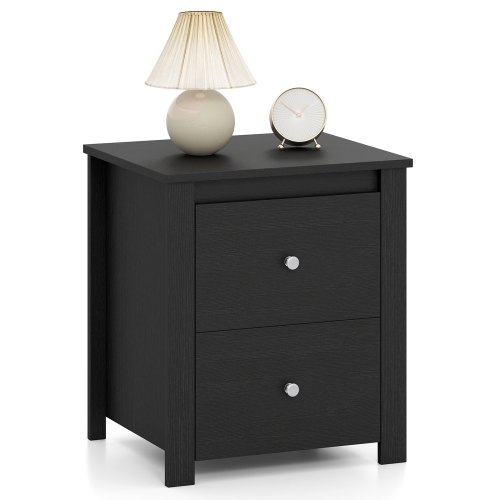

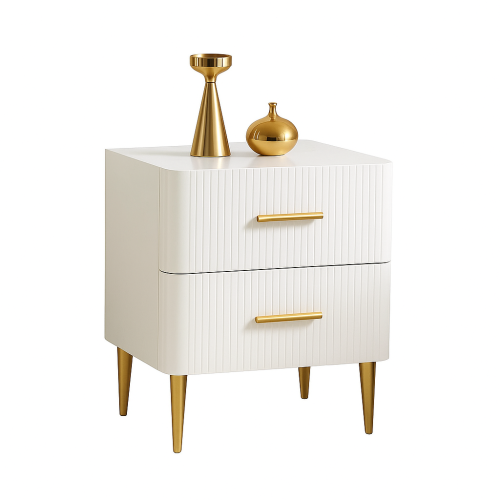
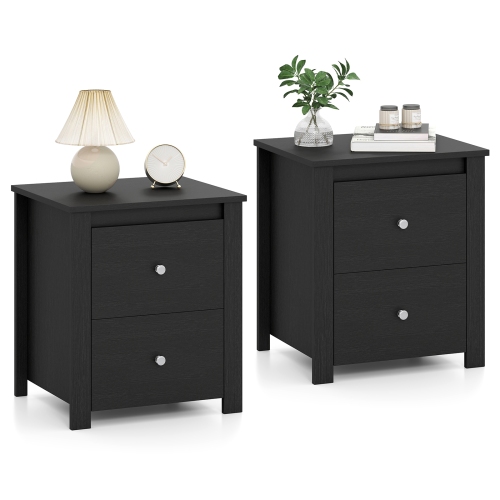
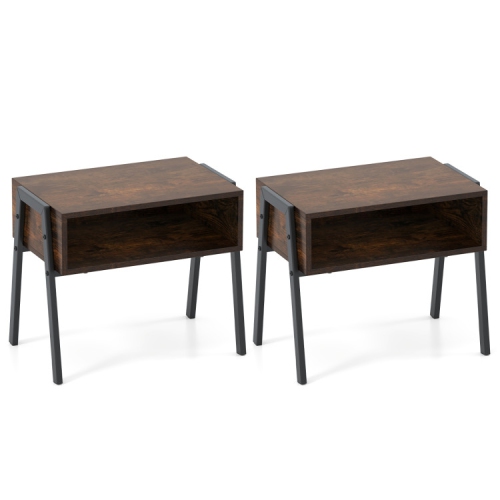

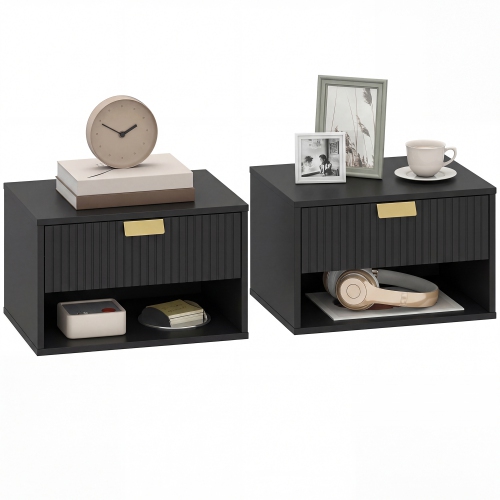
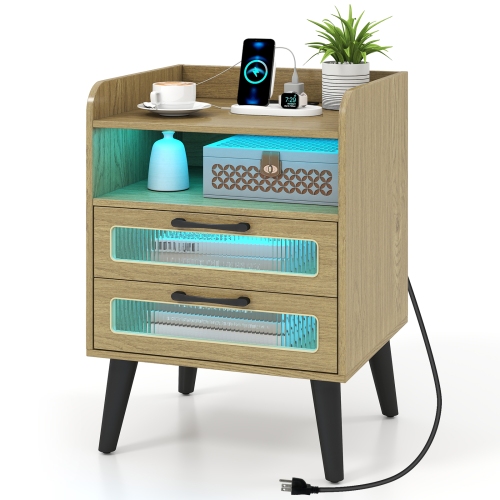


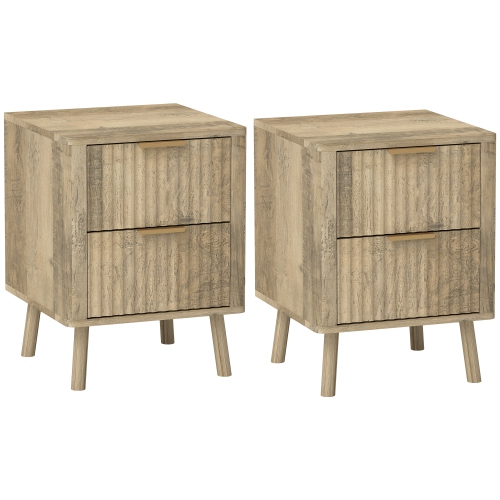
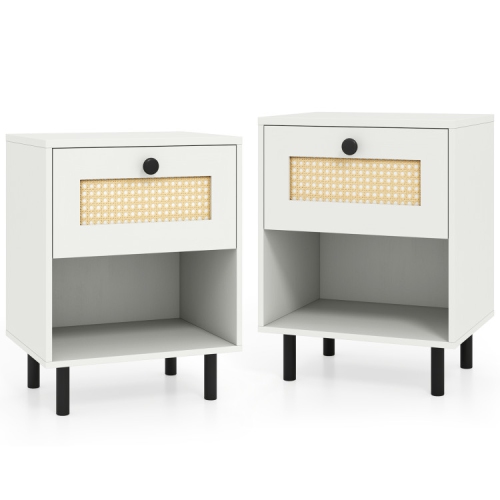
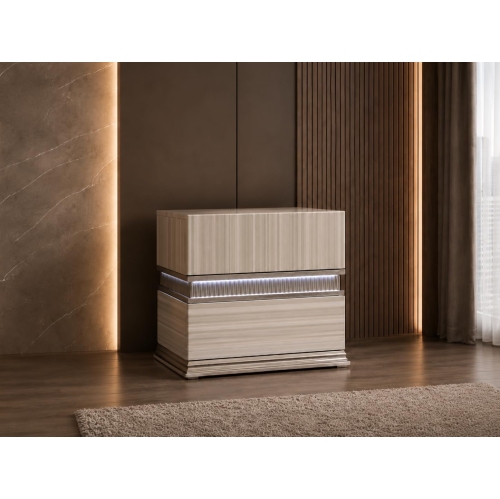
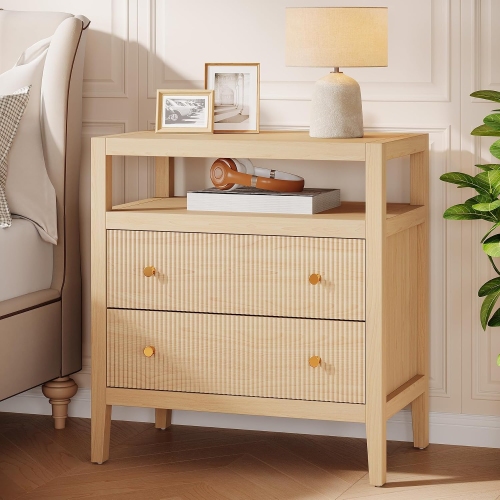
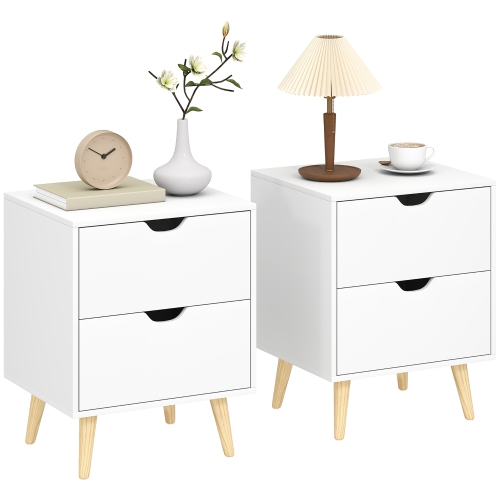
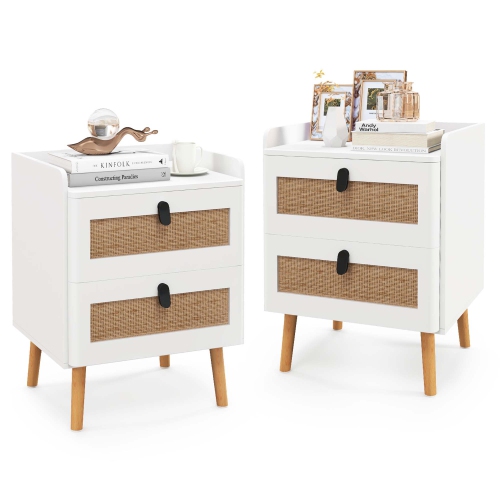
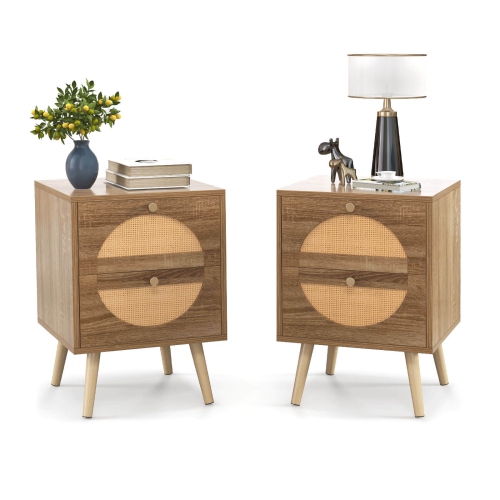
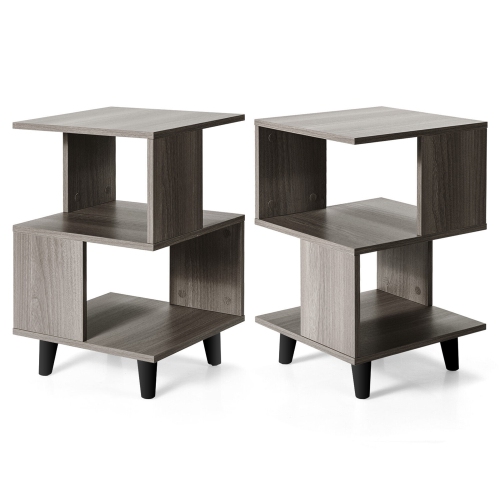
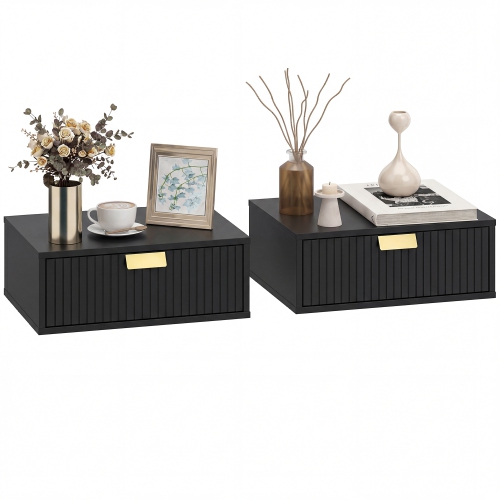
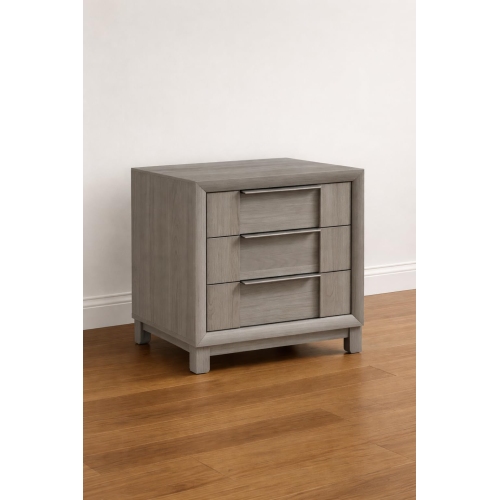
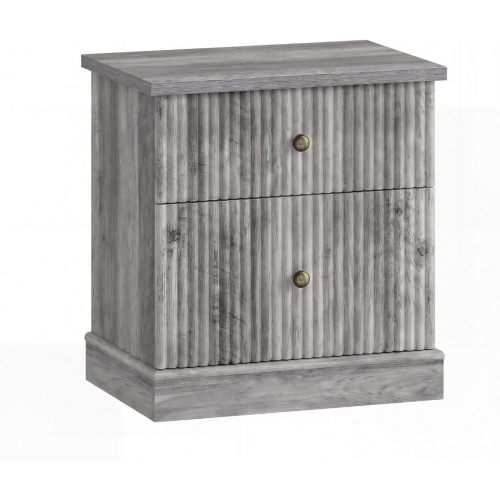
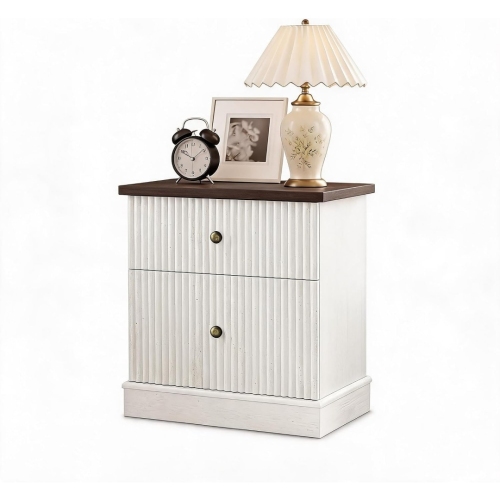
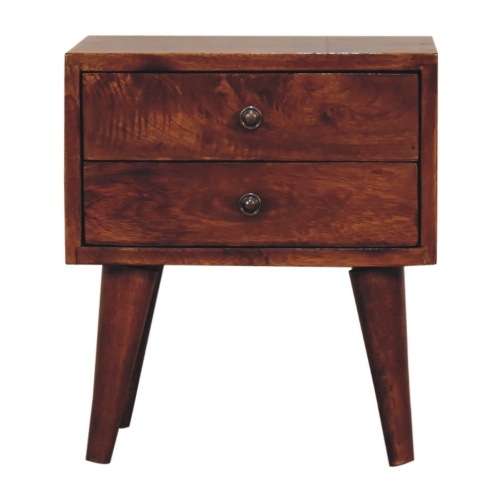
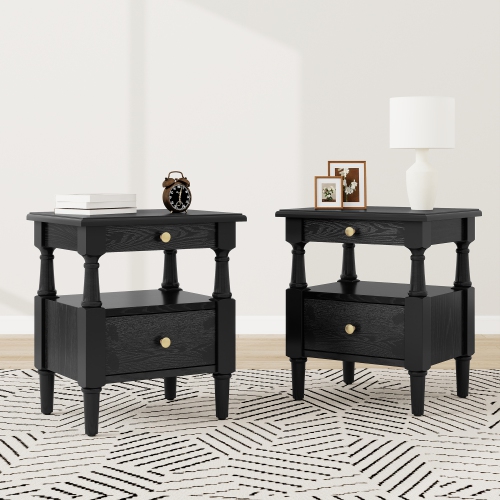
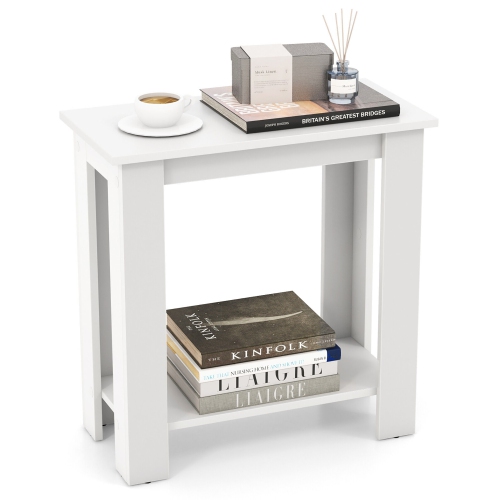
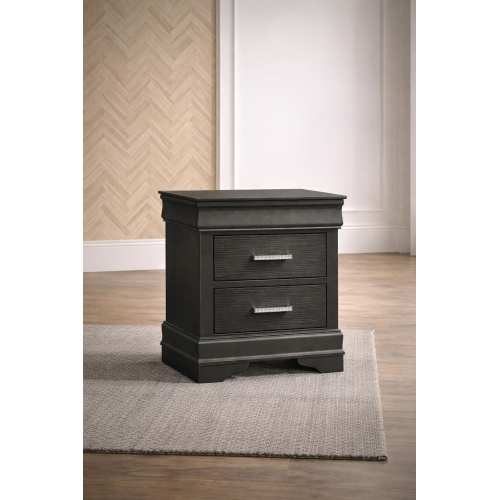



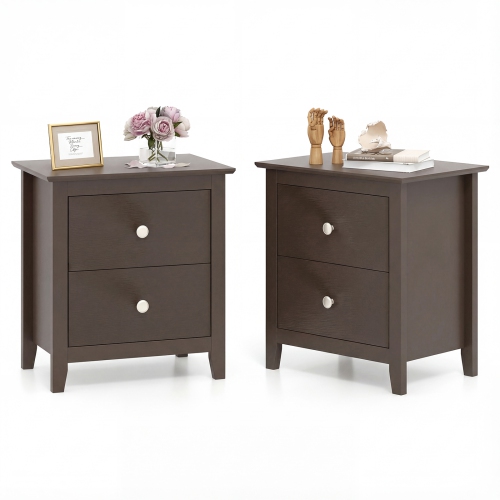
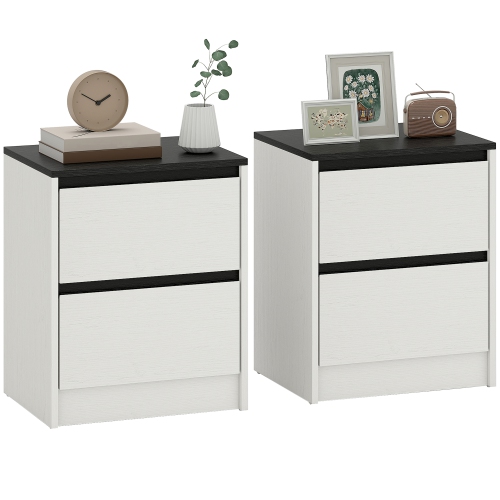
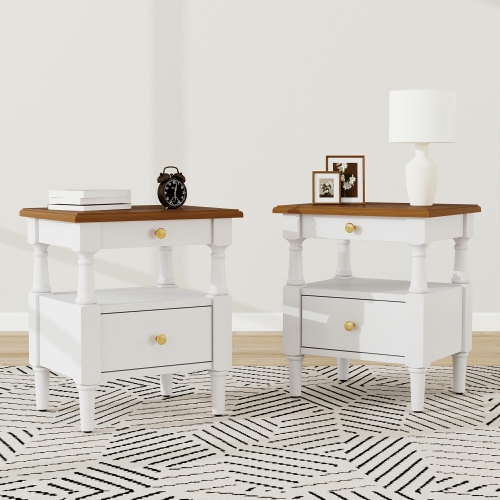


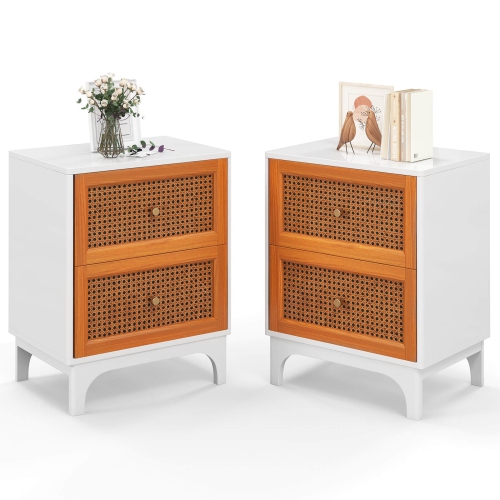
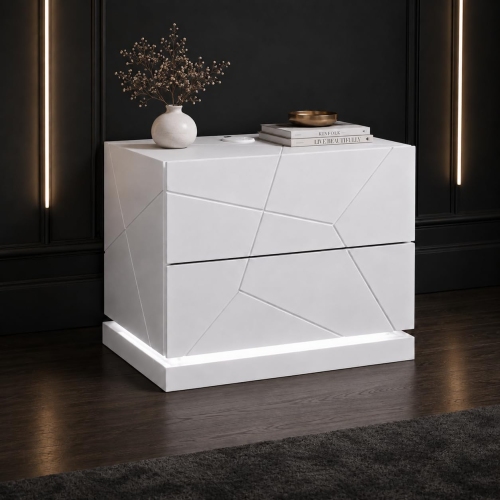
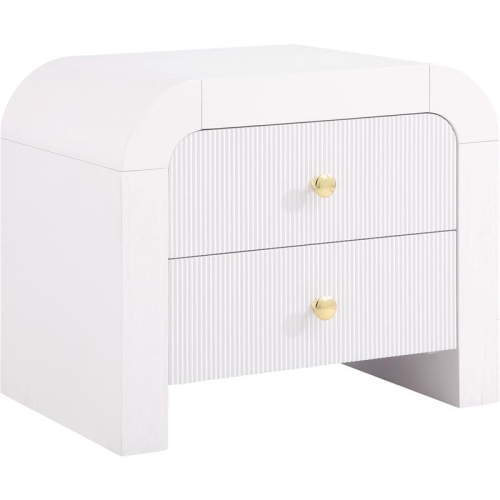
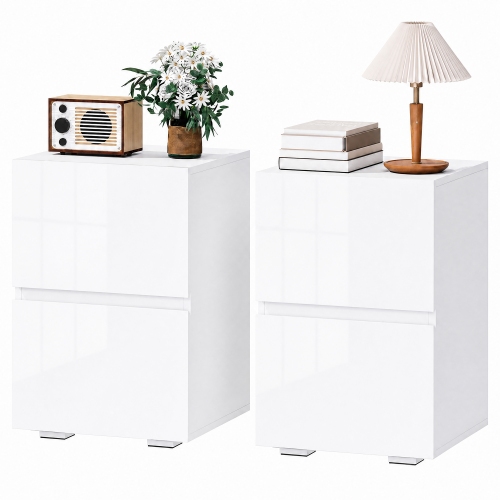
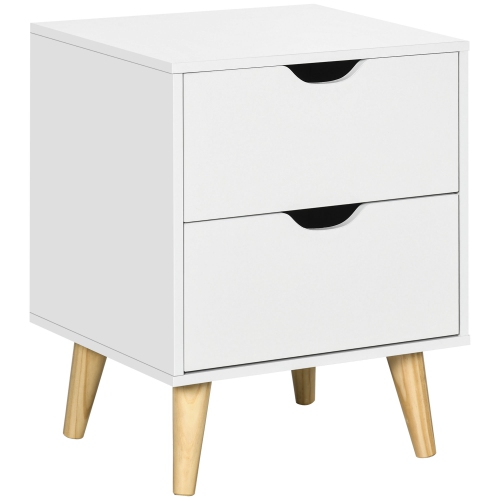
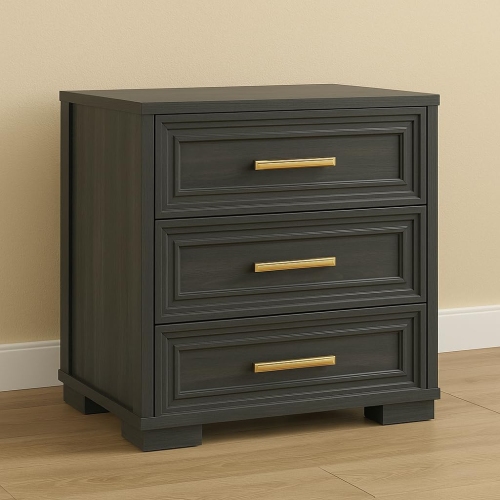
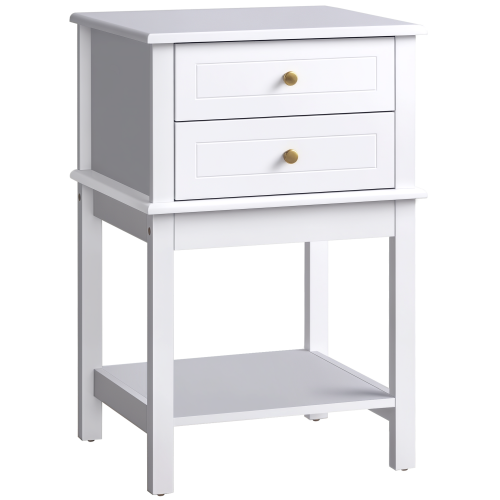
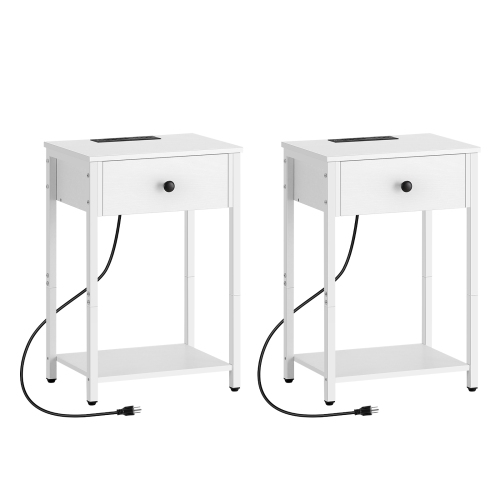
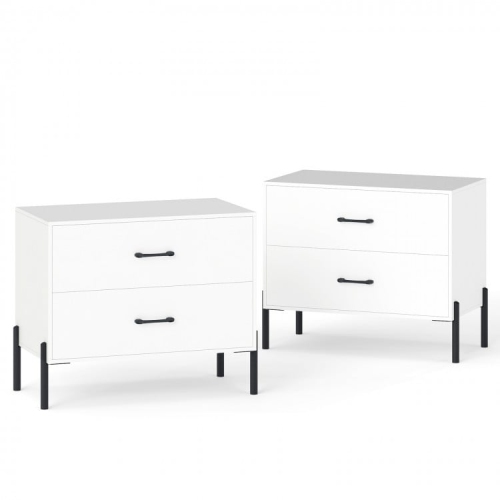

How contrasting finishes pull a bedroom together
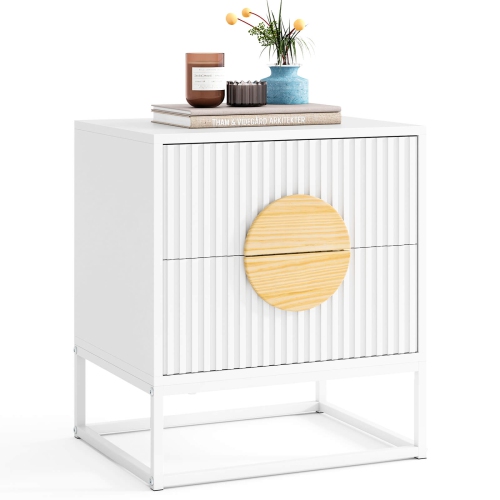
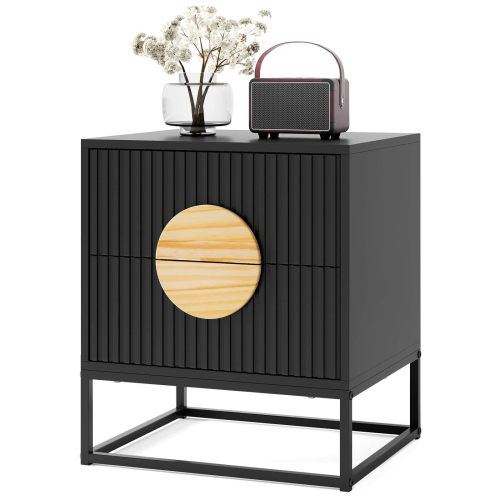
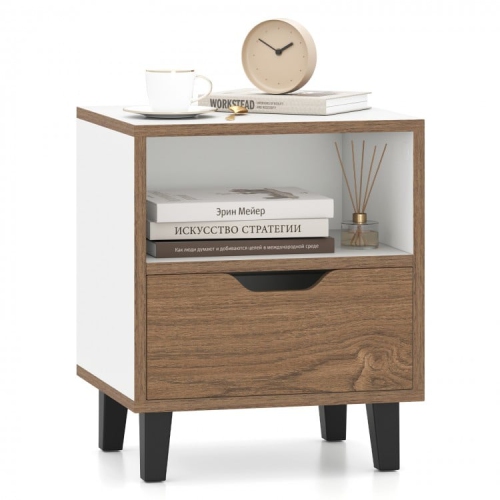
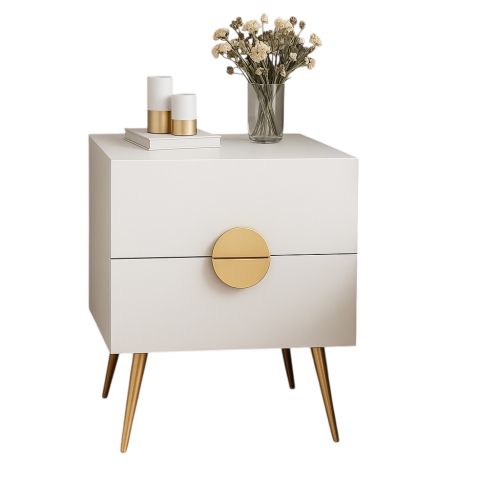
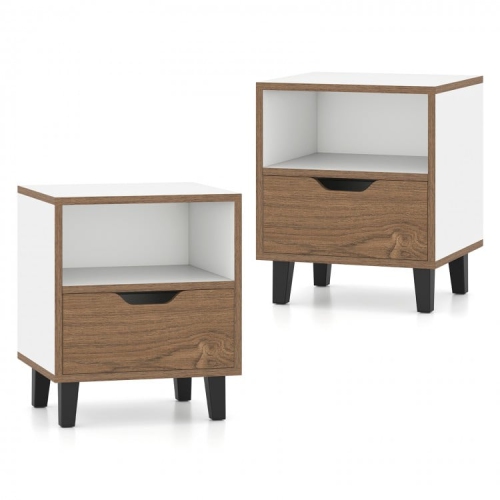
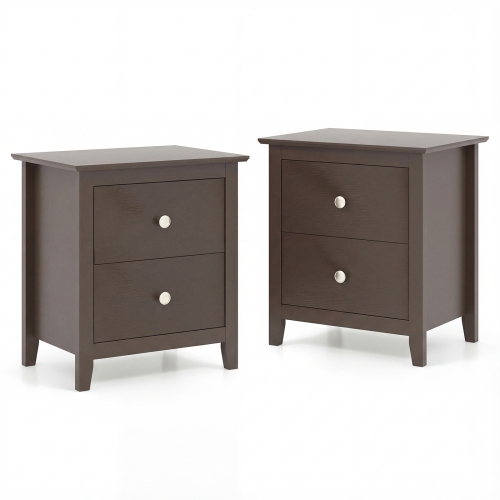
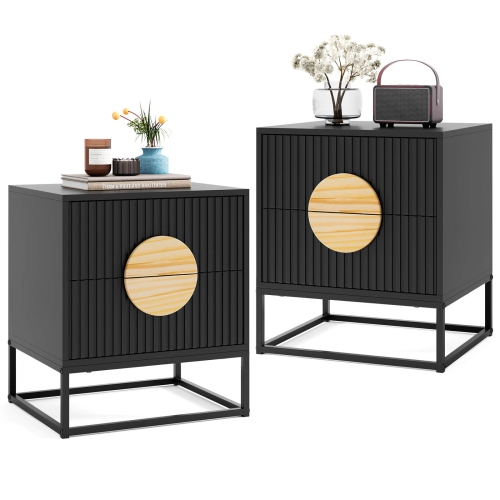
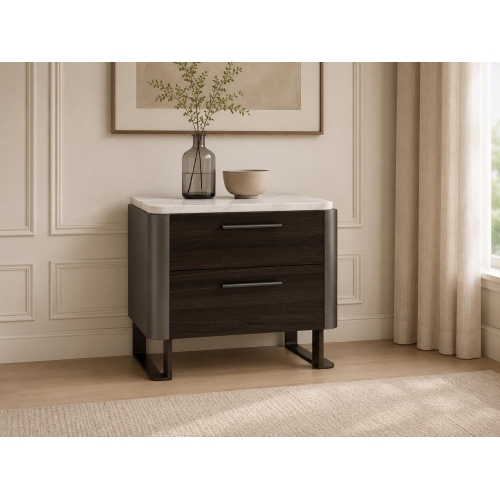
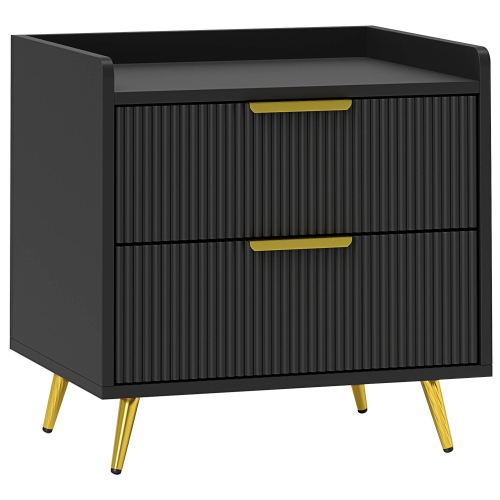
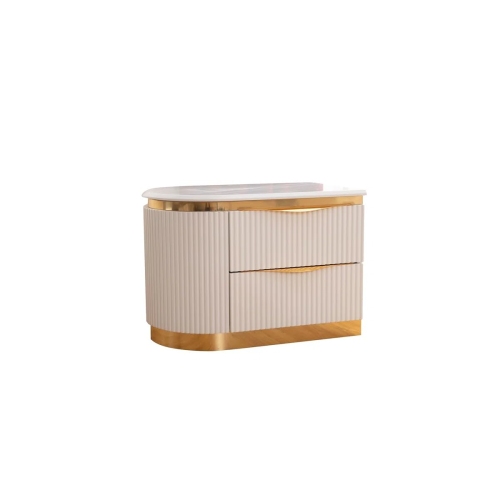
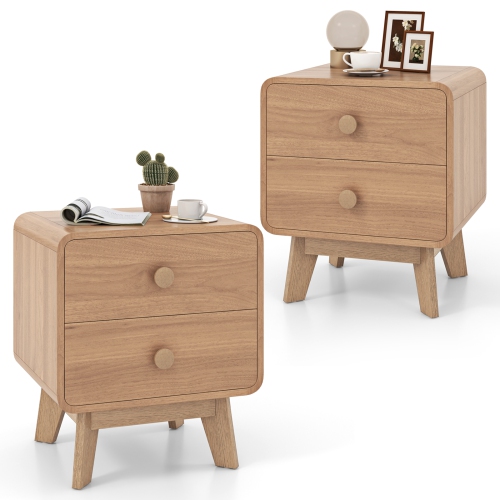
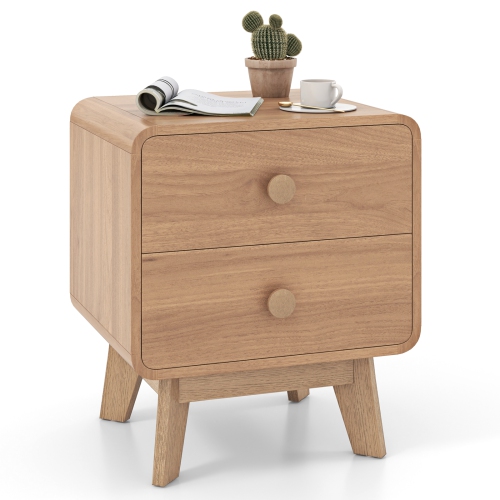
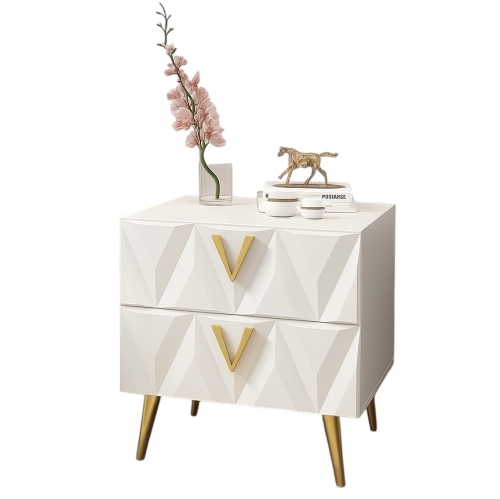
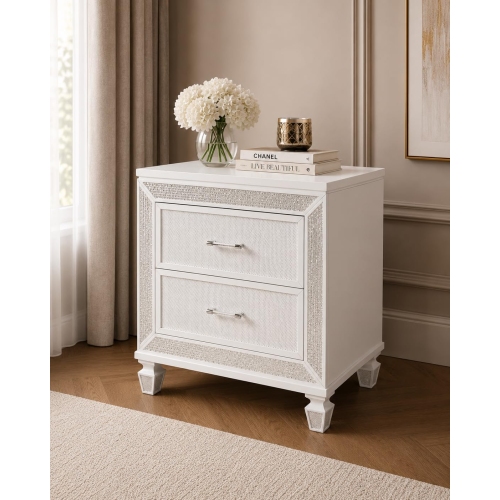
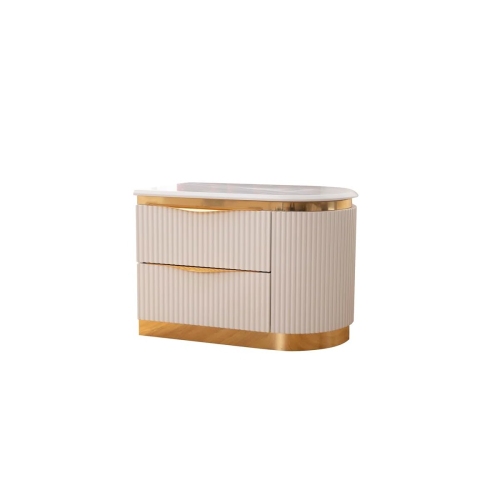
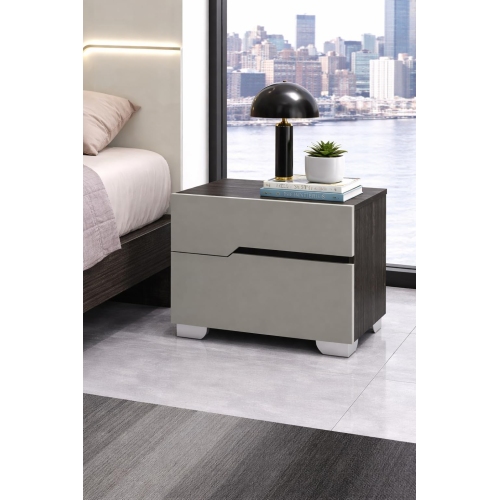
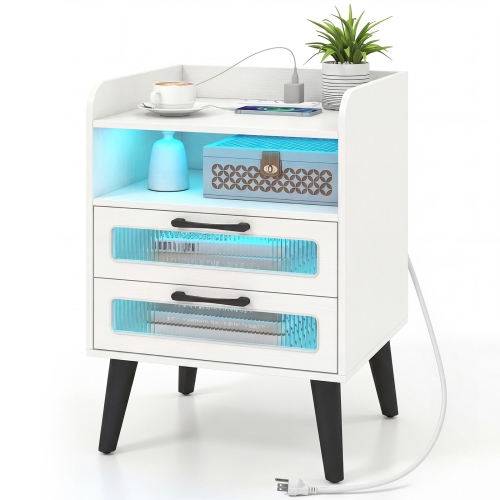
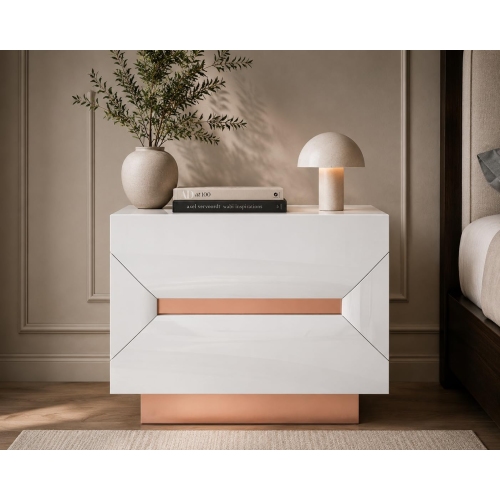
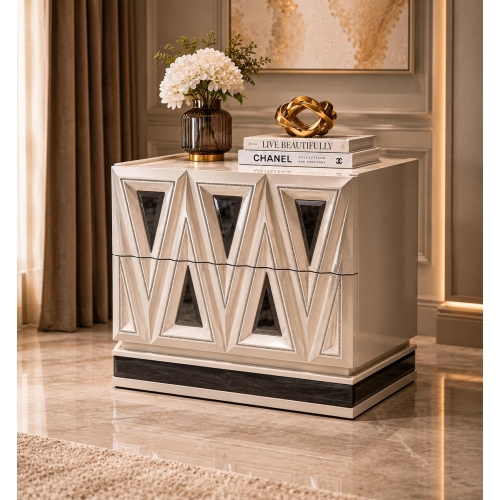
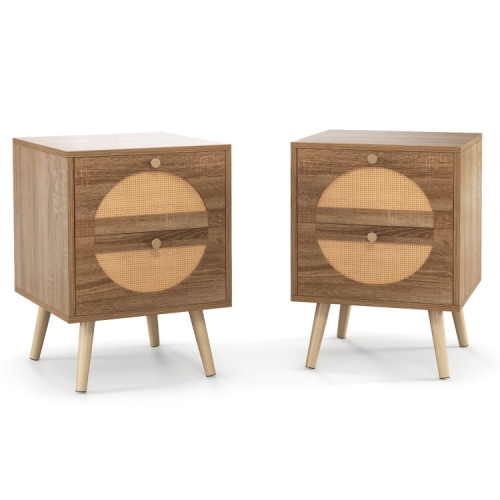
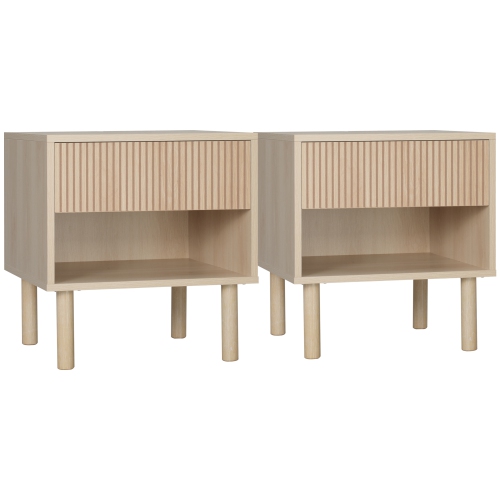
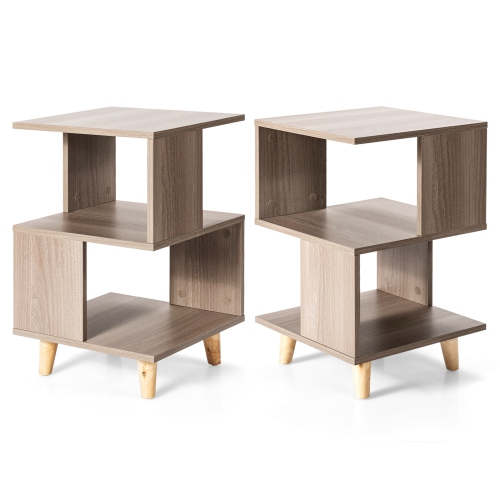
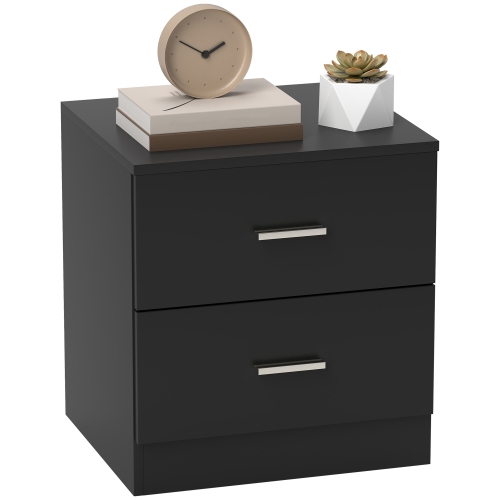
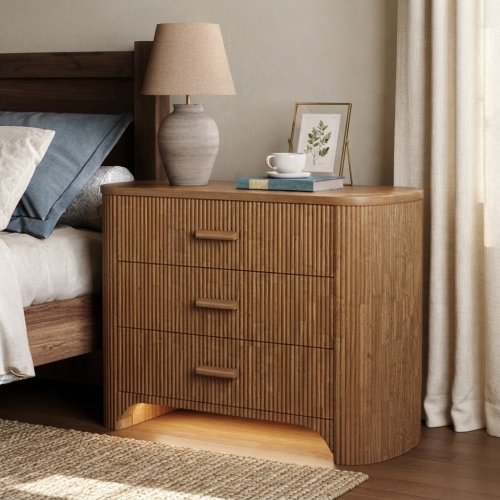
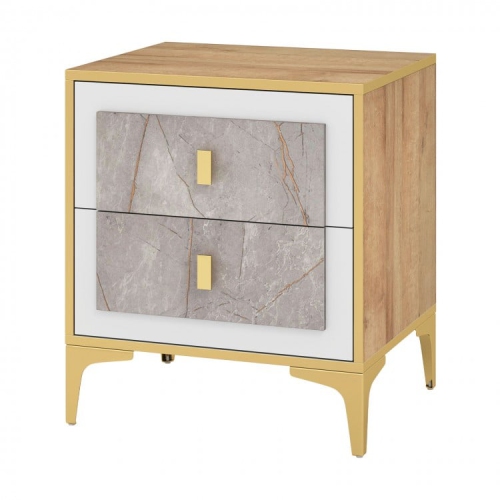
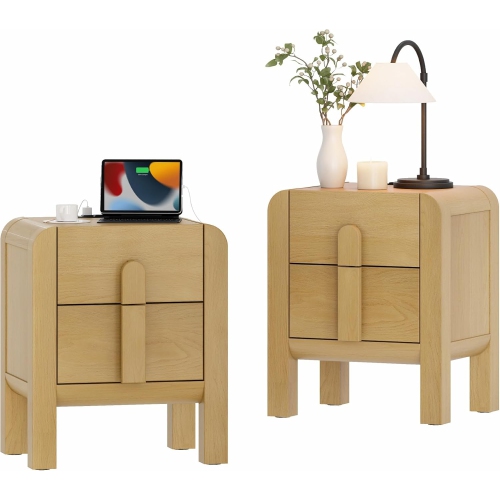
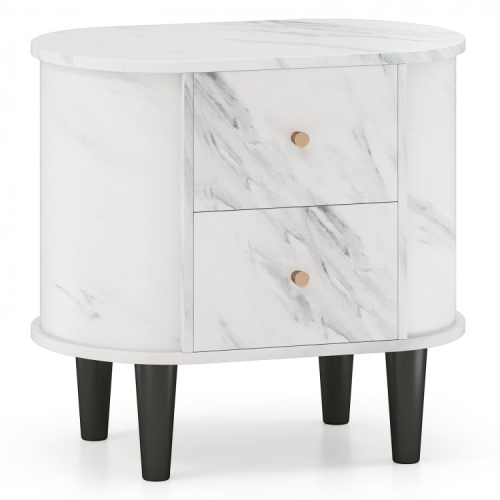
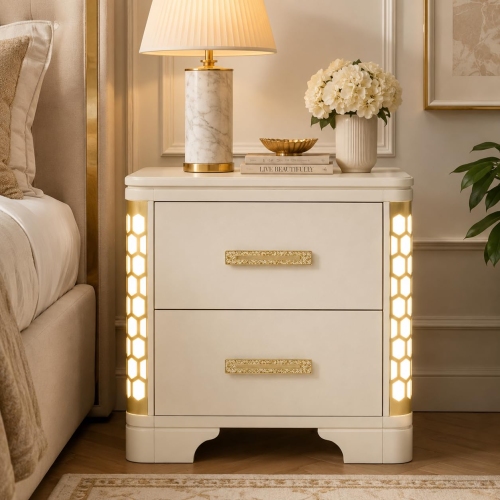
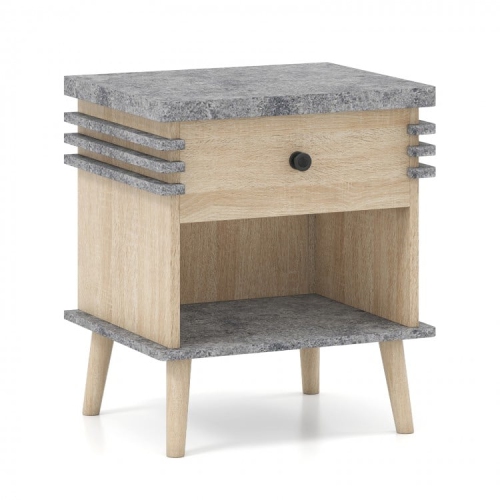
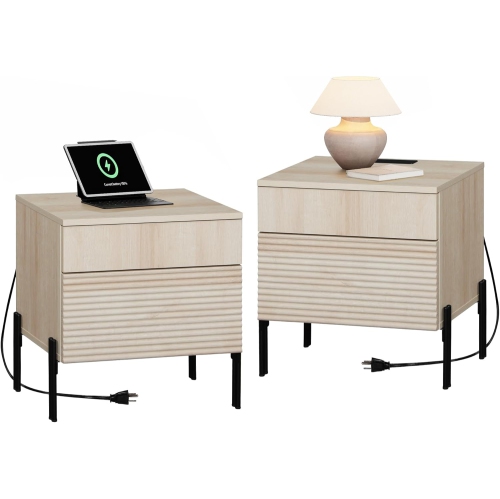
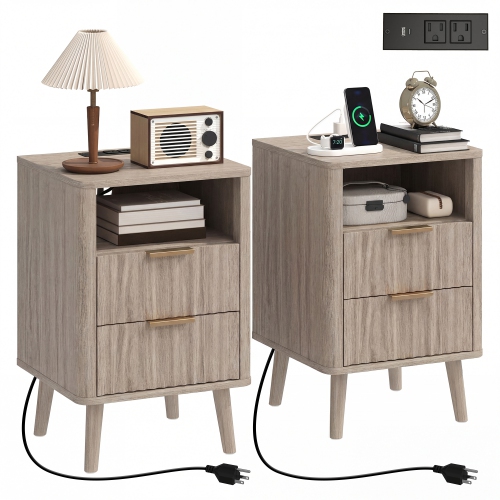
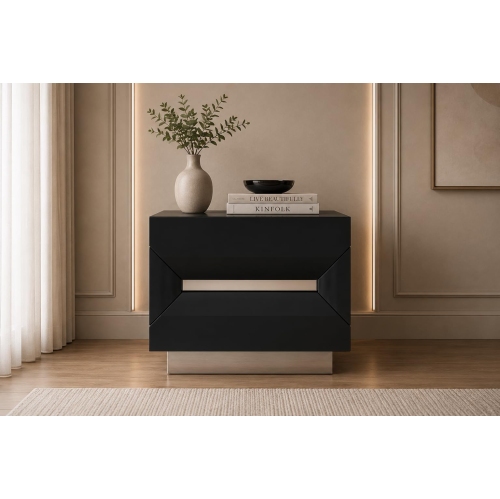
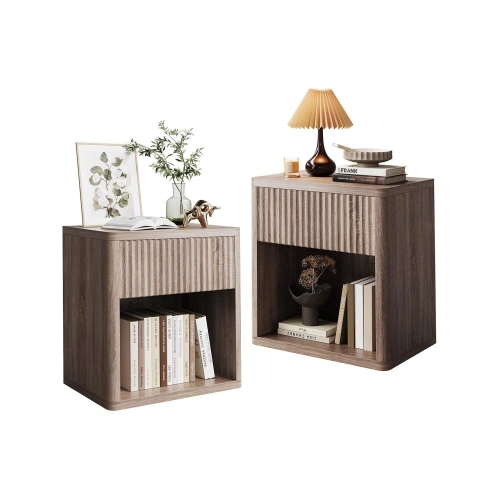
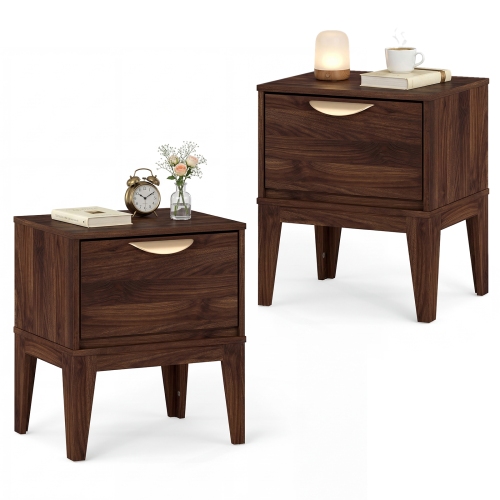
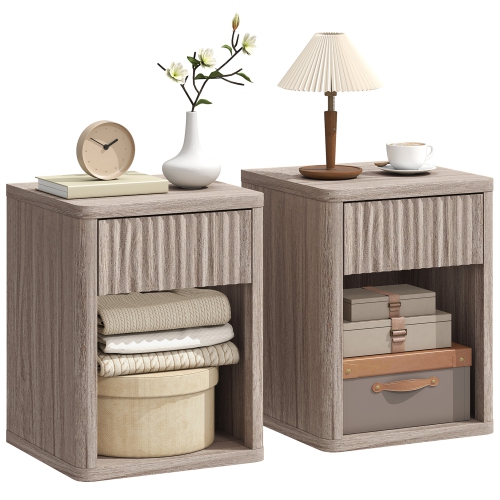
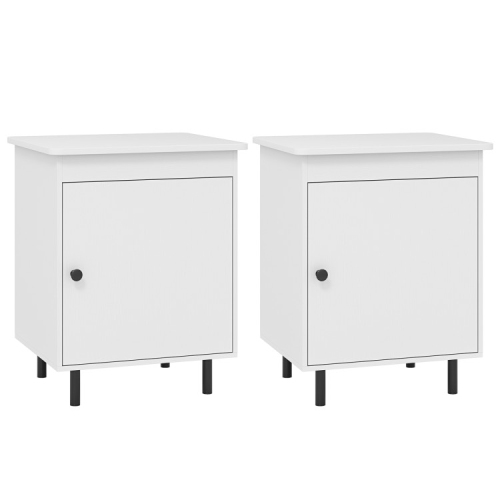
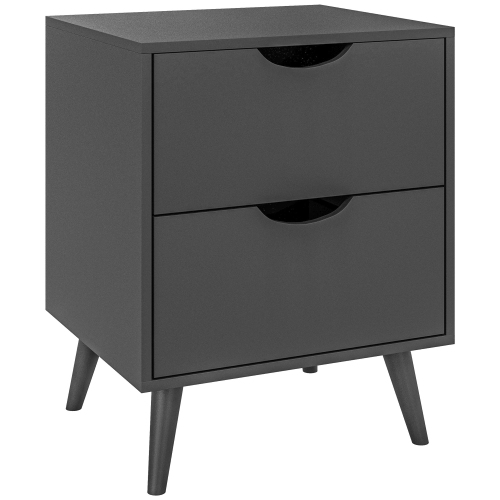
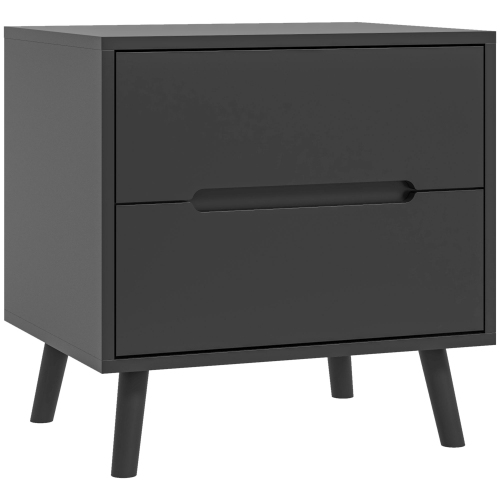
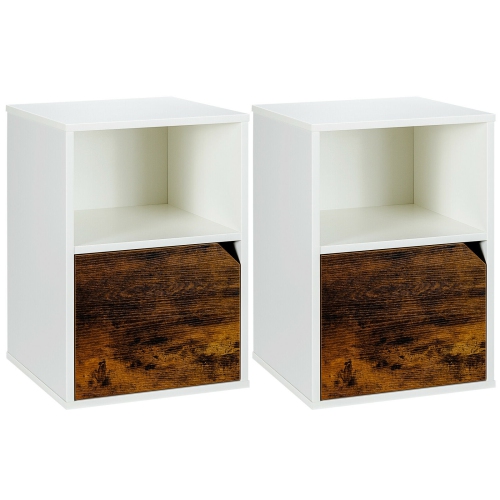
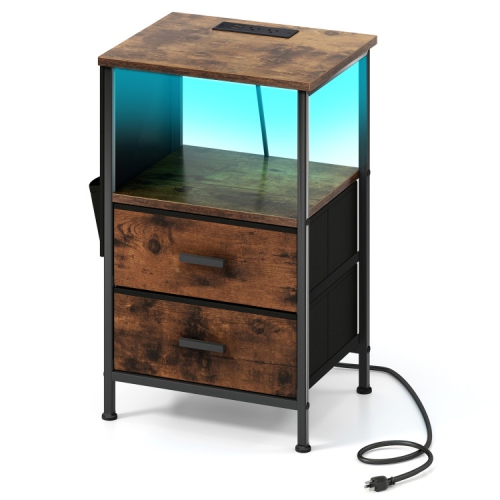
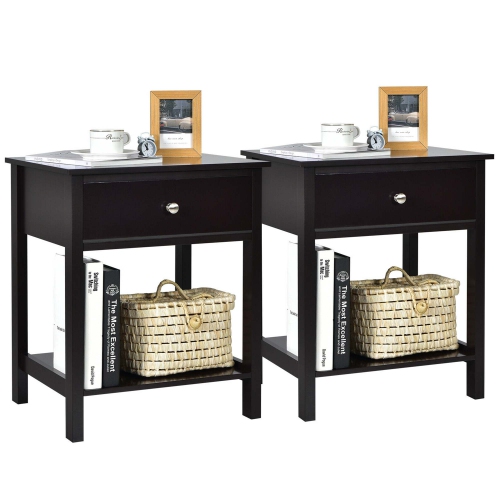
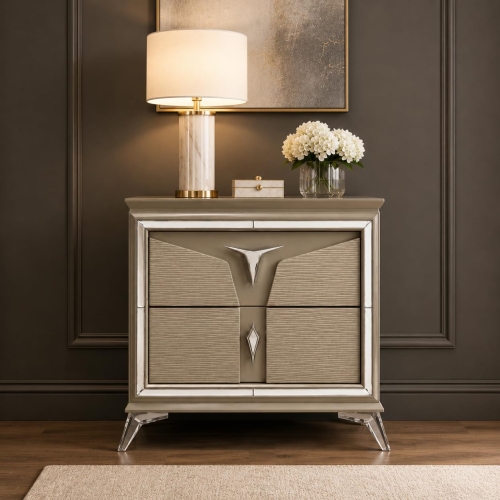
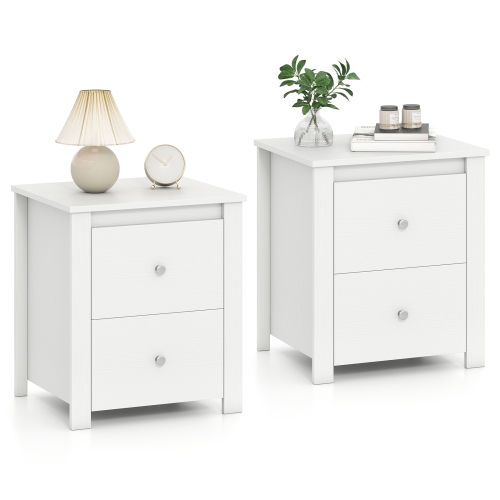
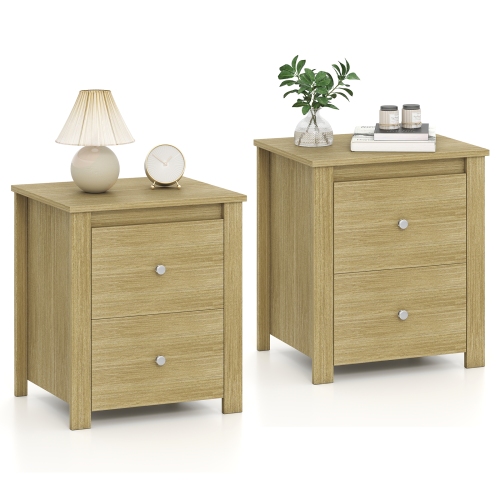
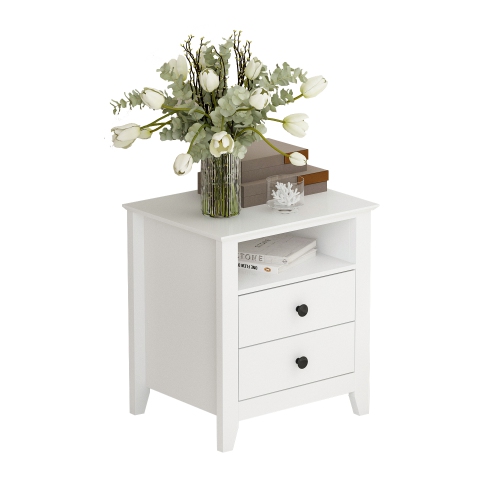
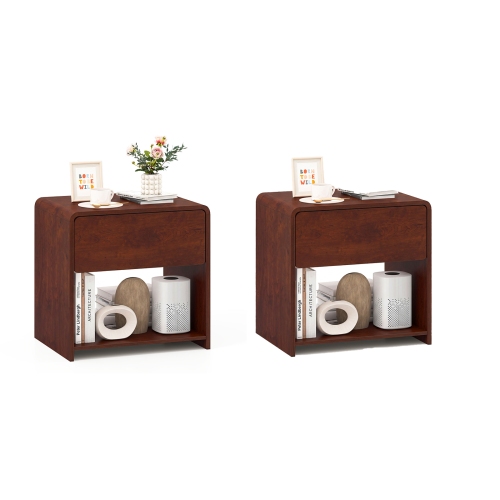
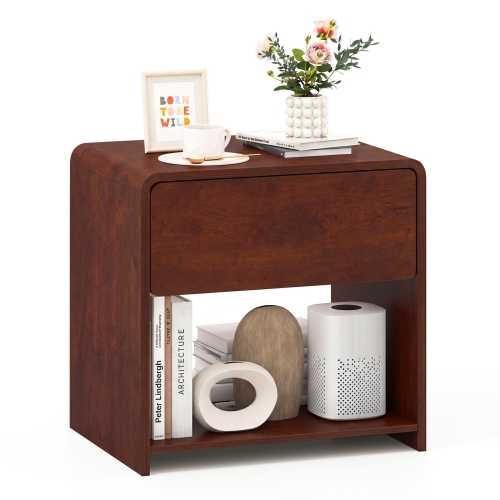
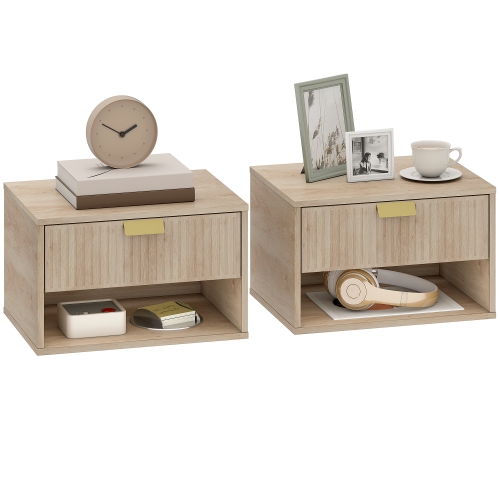
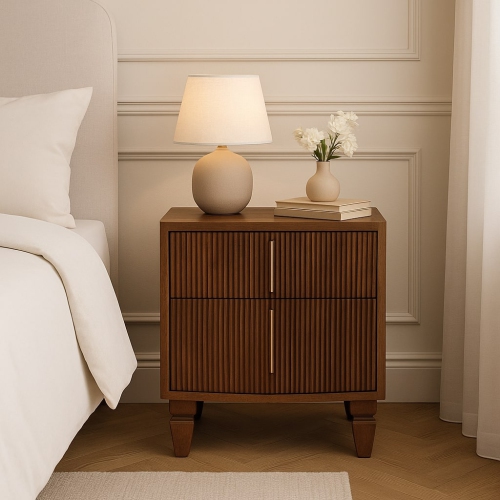
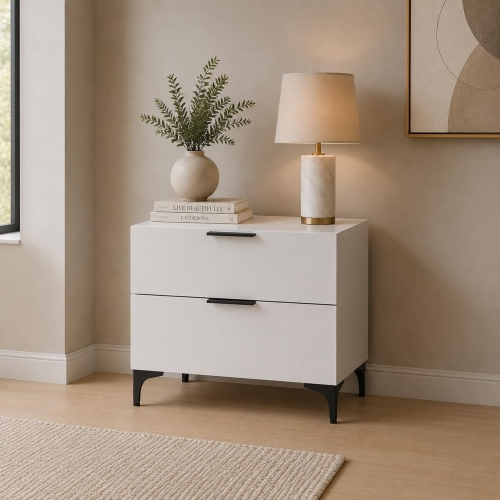
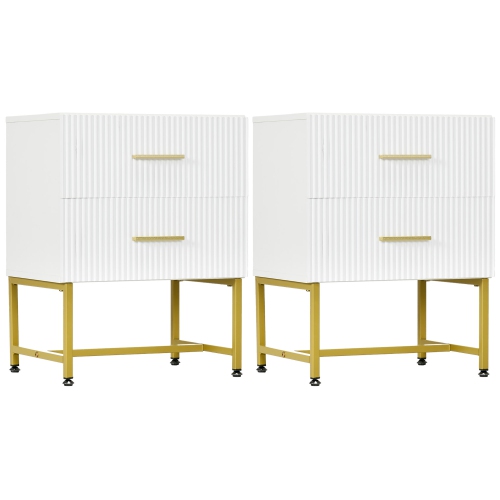
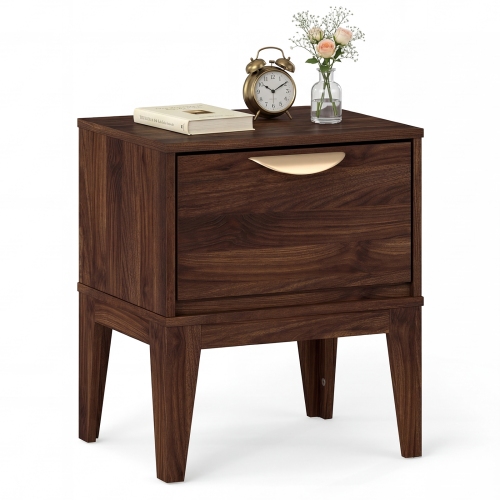
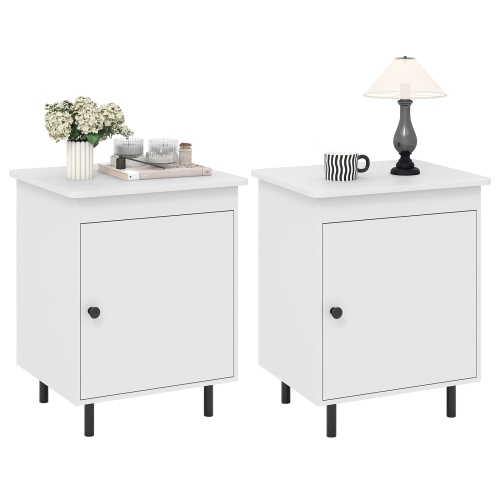
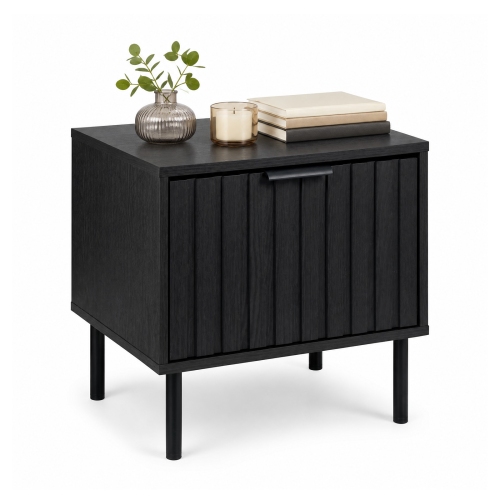
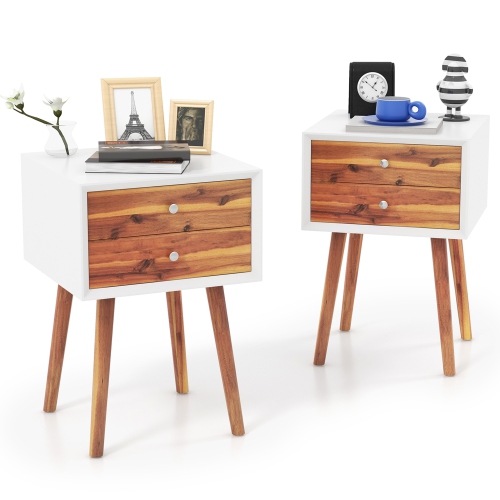
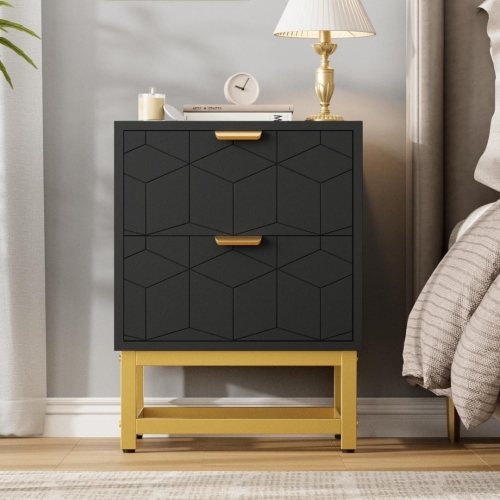
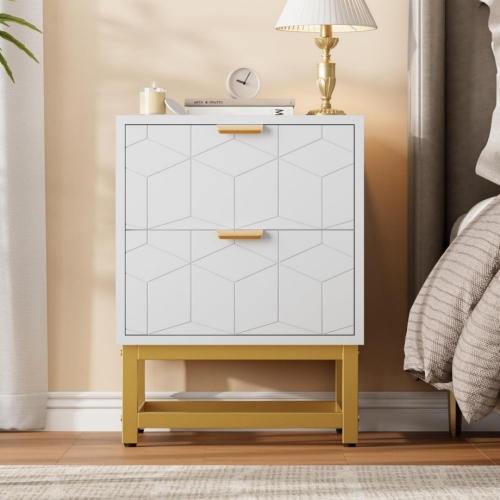
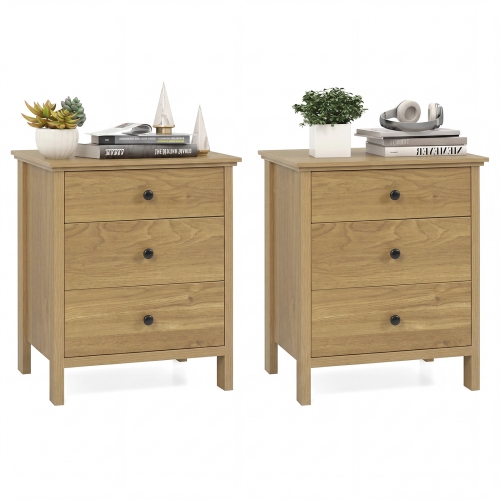
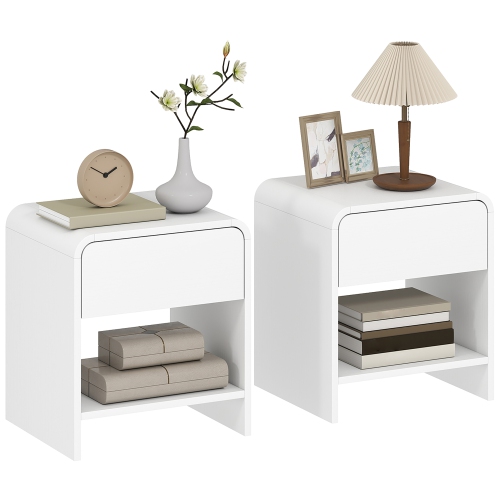
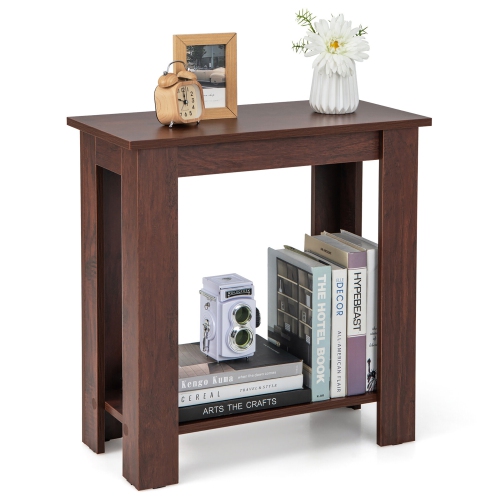
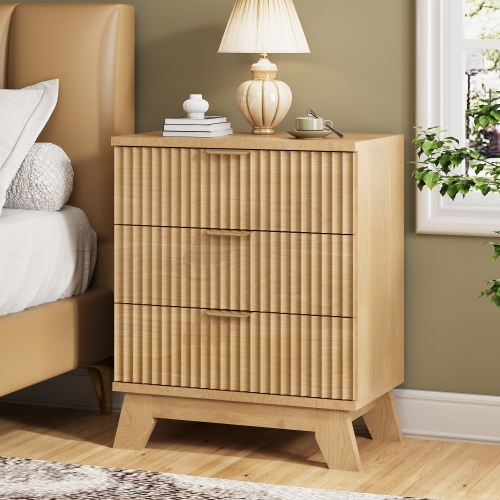
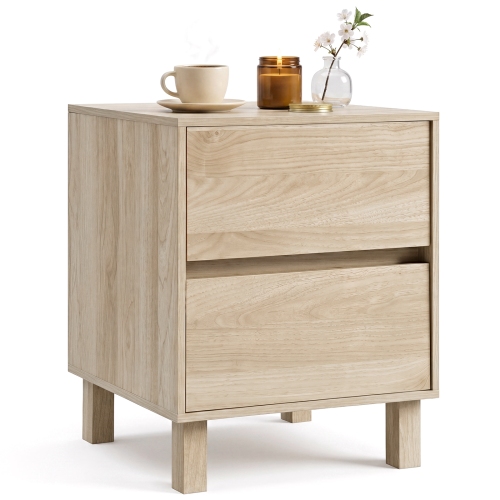
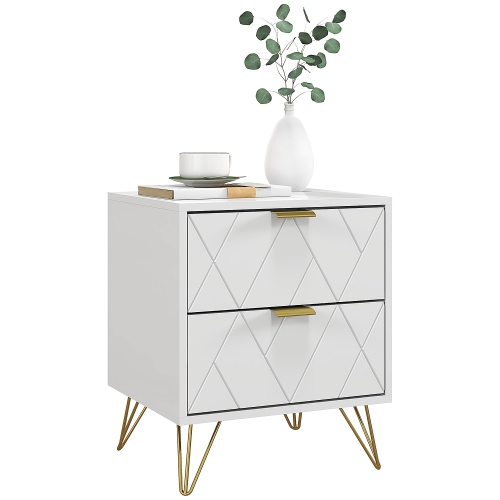
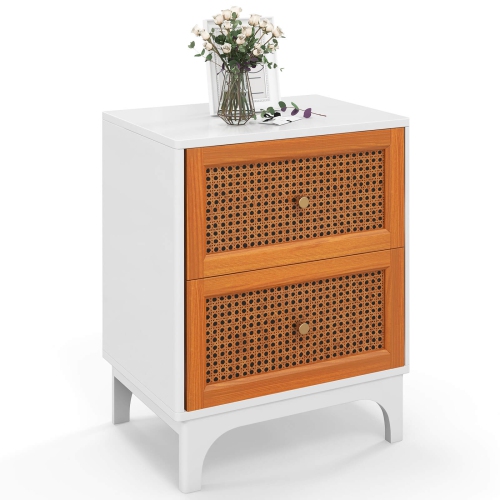
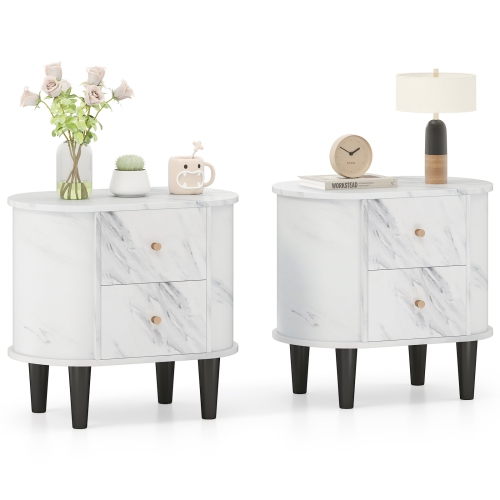
Modern two-tone nightstands bring contrast to the bedside by combining two distinct colours or finishes within a single piece of furniture. A wood-grain drawer front against a white frame can feel light and understated, while a black cabinet with a walnut-look top creates a stronger outline beside pale bedding. The appeal is practical as well as visual: two finishes can connect elements that already exist in a bedroom, such as a wooden bed frame and painted wardrobe, without requiring every piece to match. Clean lines, simple handles, recessed pulls, and uncluttered silhouettes give these bedside tables their modern character. Tapered legs often suggest a mid-century influence, while broad plinth bases and flat drawer fronts suit a more architectural look. The placement of the contrasting finish changes the effect, too. A lighter top draws attention to the surface, contrasting drawers emphasize the storage, and a darker base gives a compact cabinet a grounded appearance. Wood grain adds pattern without introducing another fabric or print, making it useful alongside plain upholstered beds. For a quieter palette, oak-look finishes paired with cream, soft grey, or beige offer gentler contrast than black and white. Bedrooms built around warm neutrals may also suit Modern Beige Nightstands, particularly when subtle tonal differences are preferable to a sharply divided finish. A pair of two-tone bedside tables can frame a bed neatly, but matching pieces are not essential. Different nightstands can still look intentional when their heights, proportions, or finish colours relate to each other. In a shared bedroom, that flexibility allows one person to have more drawer space while the other has an open shelf for books. A single nightstand can serve just as well beside a bed positioned against a wall, giving a smaller room a useful landing place without making the sleeping area feel crowded. The strongest combinations usually echo one or two existing room details rather than adding several unrelated finishes.
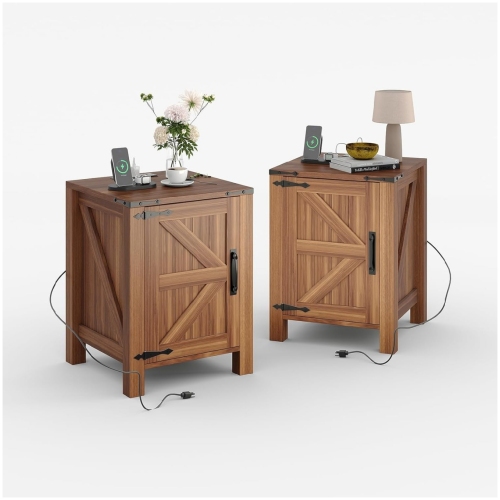
Size and storage determine how comfortably a modern two-tone nightstand fits into everyday life. A useful starting point is a top surface approximately level with the top of the mattress, or slightly higher, so a lamp switch, phone, or glass of water remains within comfortable reach. Measure with the mattress and any topper in place rather than using the height of the bed frame alone. Width matters for both the furniture arrangement and the usable surface: a narrow table may fit beside a bed but leave little room once a lamp is added. Depth deserves equal attention, especially where the path between the bed and a dresser is tight. Drawer clearance, nearby wardrobe doors, electrical outlets, and the position of the headboard all affect placement. A tabletop that projects well beyond the mattress can interrupt a walkway, while a cabinet tucked too far behind a wide headboard may be awkward to reach. Drawer-based storage suits small belongings that are easier to keep out of sight, including reading glasses, charging cables, and notebooks. An open compartment keeps a book or tablet accessible and can make a solid cabinet appear less bulky. Designs combining a drawer with a shelf offer both options without needing a large footprint. Internal drawer dimensions are more useful than the drawer front alone when judging whether belongings will fit, and smooth runners make a difference when opening storage from bed. For frequent readers, surface space for an adjustable lamp may matter more than an extra drawer. For someone who charges several devices overnight, an accessible outlet and a clear cable route can help keep the top organized. Some nightstands include charging connections, but port types, power requirements, and cord placement vary by design. In guest rooms, a straightforward surface and a small amount of accessible storage give visitors somewhere convenient to place their essentials without filling the room with furniture.
Materials influence the appearance, weight, care needs, and long-term performance of two-tone bedside tables. Solid wood brings natural grain variation, while wood veneer places a thin layer of real wood over a supporting core. Engineered wood with a laminate or other applied finish can provide consistent colour and a uniform wood-look pattern. These constructions are different, and a wood-look surface should not be assumed to be solid wood. Painted or lacquered sections create a crisp contrast with grain, although the sheen can change how visible fingerprints and fine scratches become. Metal legs and handles add another texture, while stone or stone-look tops introduce a different surface character; genuine stone, composite materials, and printed finishes have distinct care requirements. Durability depends on construction as well as material, including stable joints, secure hardware, well-finished edges, and drawers that remain aligned during use. A bedside table expected to hold a substantial lamp or a stack of hardcovers needs a suitable top weight capacity, and drawer load limits also deserve attention. For routine care, a soft cloth and a cleaning method approved for the finish are generally preferable to abrasive pads or harsh cleaners. Spills should be wiped up promptly, particularly near seams and edges, and coasters help limit marks from bedside drinks. Veneered and laminated surfaces can be damaged by prolonged moisture, while some stone surfaces need specific cleaning products or sealing. Raised legs provide access beneath the cabinet for cleaning, although the clearance must suit the tools being used; a low base leaves less visible space underneath. Assembly quality also affects everyday use, so fittings should be secured as directed and any supplied anchoring hardware installed according to the manufacturer's instructions. In children's or family bedrooms, rounded corners and stable construction may be especially useful, though no nightstand should be treated as climbing furniture. For a first apartment, a refreshed primary bedroom, or a thoughtfully furnished guest space, modern two-tone nightstands offer a balance of bedside storage and visual contrast that works best when their proportions and features suit the person using them.
Top selling and popular products
-
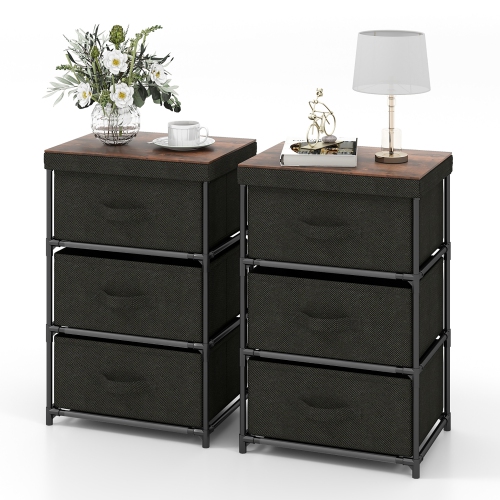 Your price for this item is $99.99
-
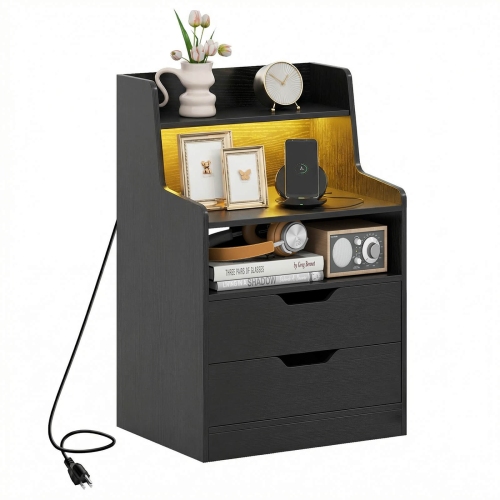 Your price for this item is $107.99
-
 Your price for this item is $188.99
-
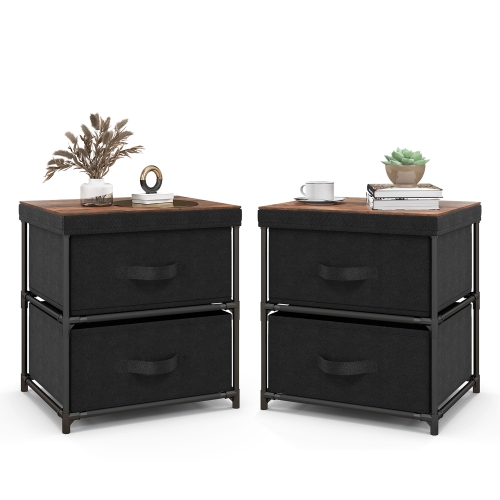 Your price for this item is $79.99
-
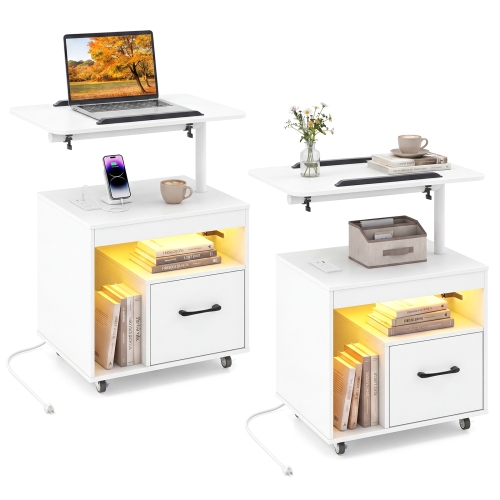 Your price for this item is $218.49
-
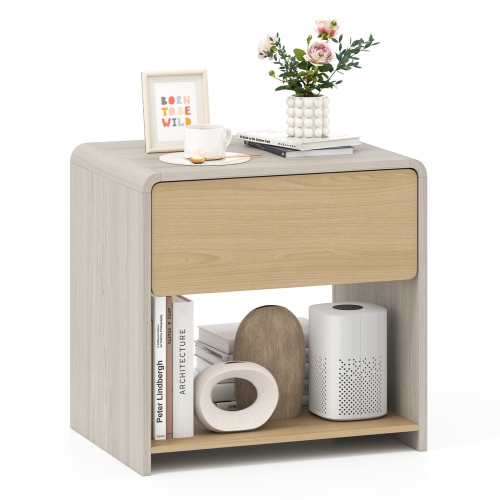 Your price for this item is $119.99
-
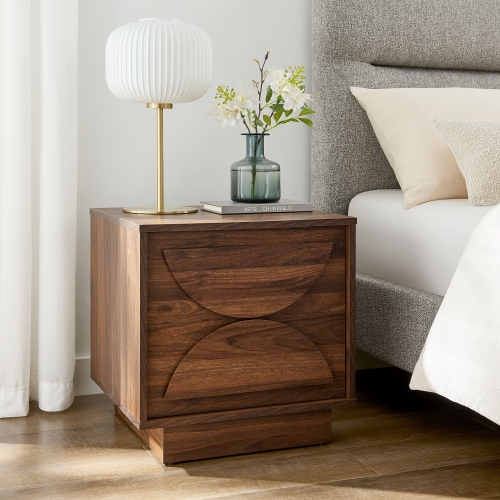 Your price for this item is $260.94
-
 Your price for this item is $169.99
Discover more categories related to Modern Two Tone Nightstands
Top Collections:
Best Black Friday Deals This Year, Best Black Friday Deals On Electronics, Kindle Devices, Dyson Airwrap, Best Cameras for Sports Photography, Best Budget Office Chairs, Canon G7X Cameras, PS5 Pro Consoles, Best Black Friday Deals On Apple Products, XBOX One S Consoles
Some products may be subject to Environmental Handling Fees
(EHF) depending on your province.
Learn more about EHFs.