Moroccan Tile Pattern Rugs
Moroccan Tile Pattern Rugs bring a touch of global-inspired style to any room, featuring intricate designs and vibrant motifs reminiscent of traditional Moroccan artistry. These rugs are an easy way to enhance your living space with eye-catching patterns and rich textures that complement a variety of décor styles. Whether you're looking to add warmth to your bedroom, create a focal point in your living room, or refresh your entryway, Moroccan Tile Pattern Rugs offer versatile options to elevate your home's aesthetic. Explore the collection to find the perfect rug that suits your taste and completes your space.
Sort


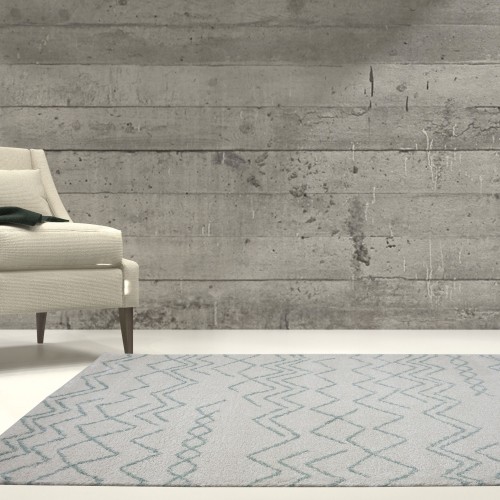
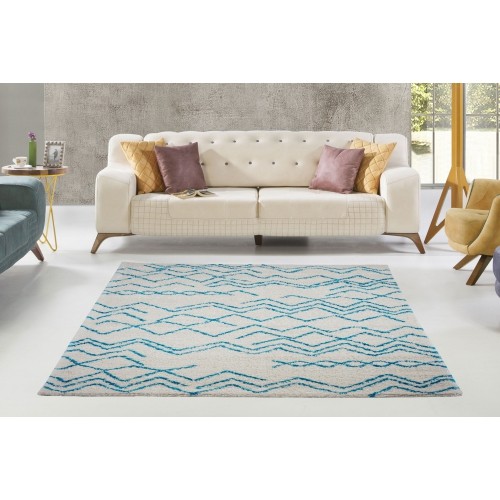
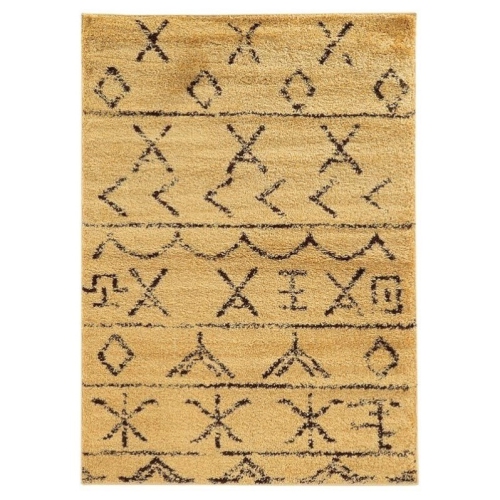
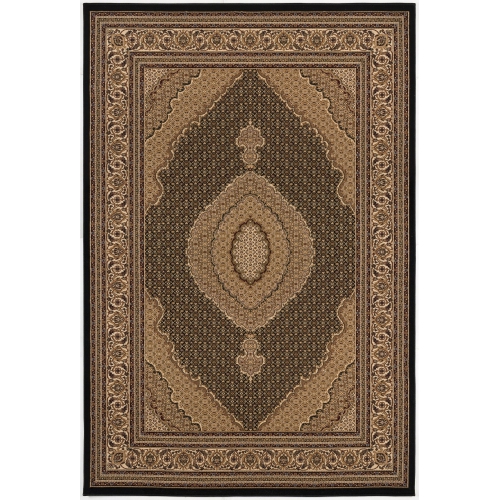
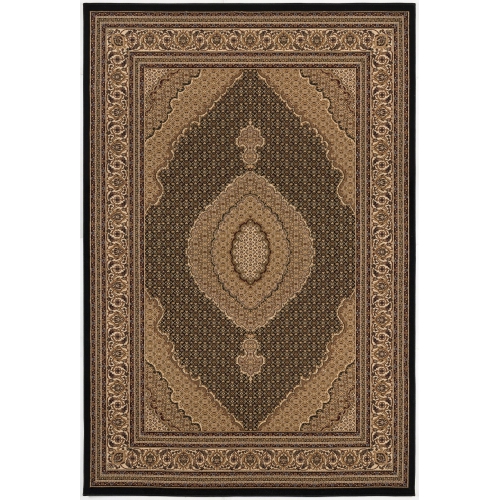
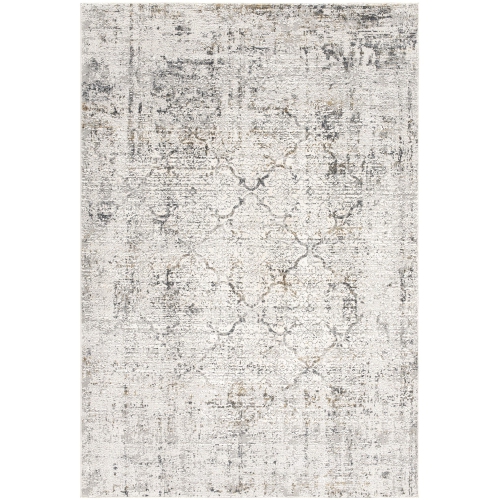
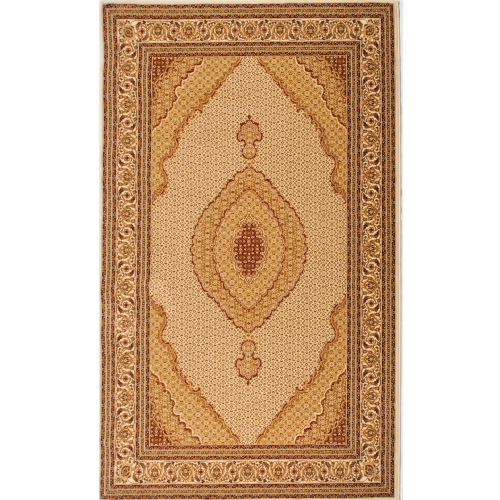

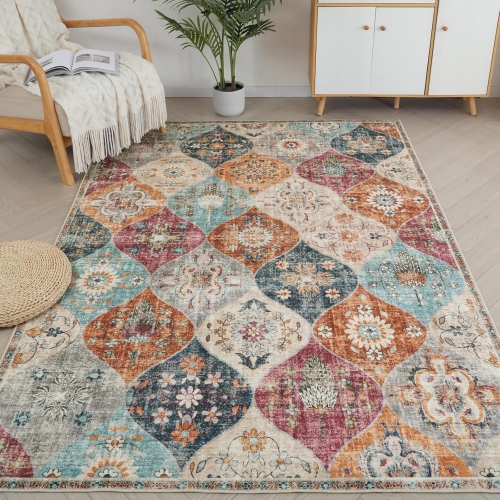

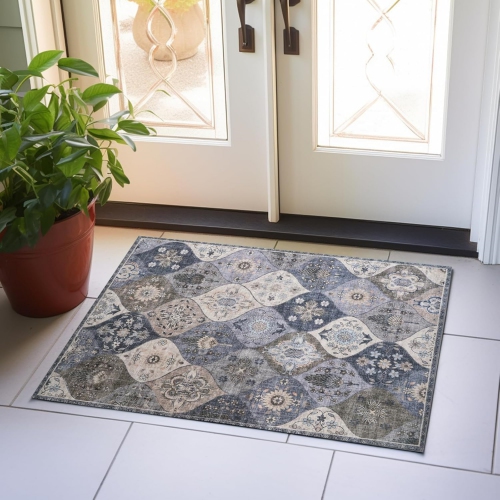
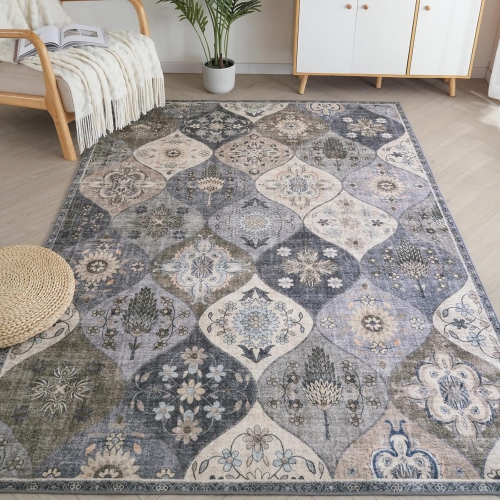
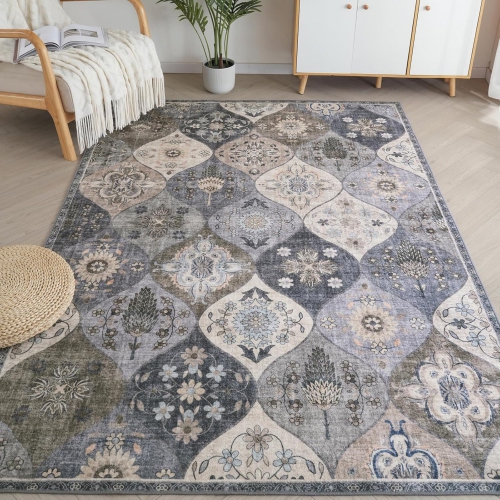
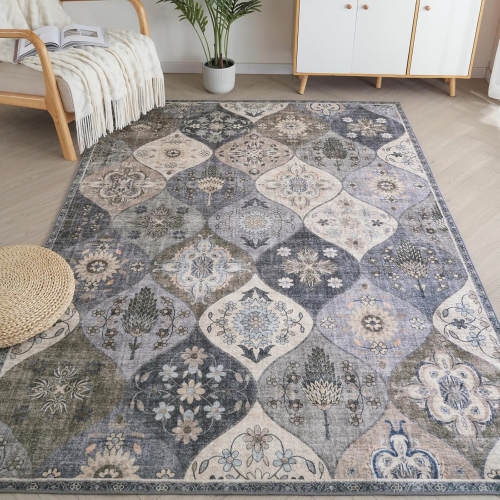
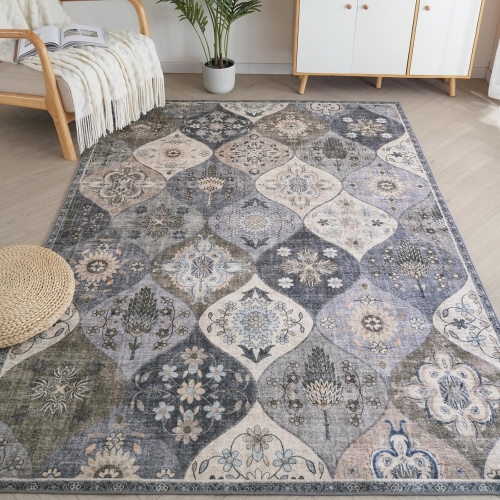
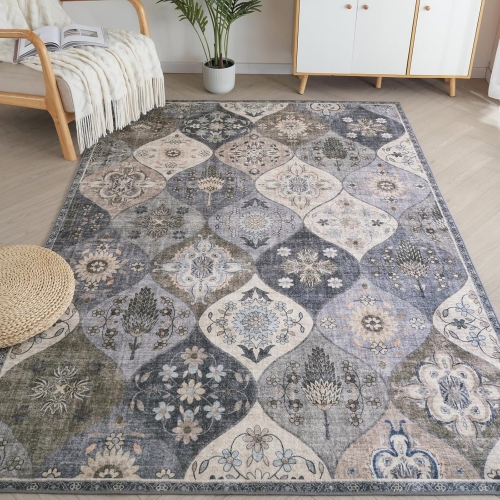
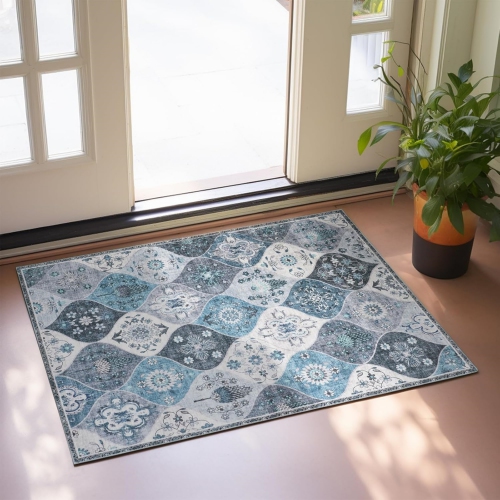
The look of tilework with softness underfoot
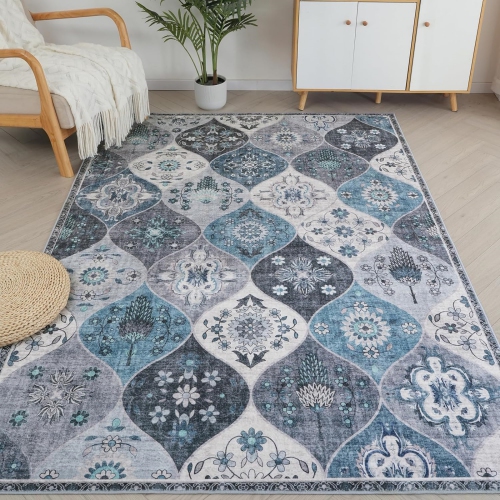
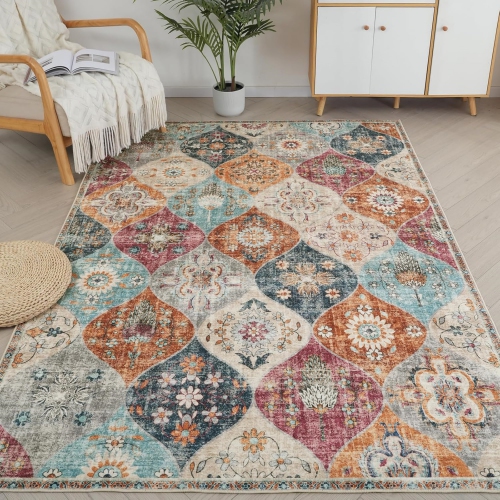
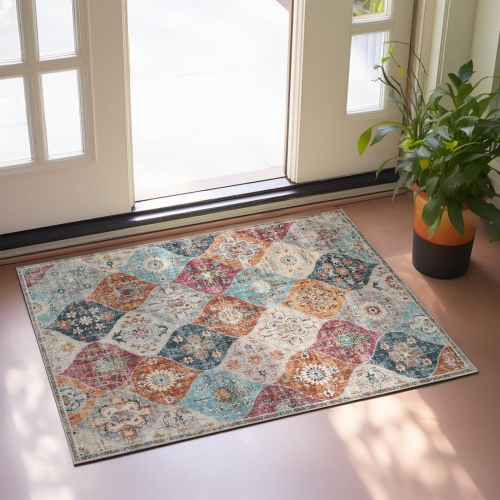
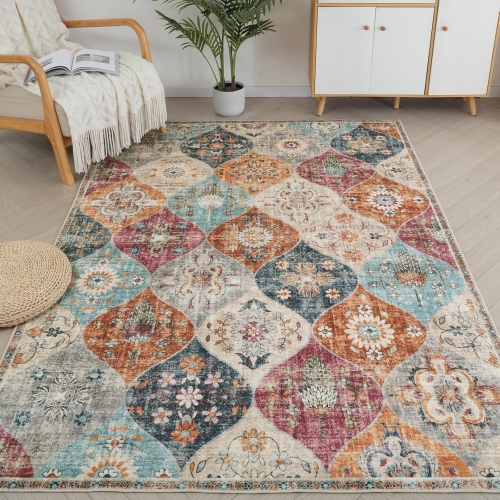
Moroccan tile pattern rugs bring the rhythm of repeating tilework to a softer floor covering, using interlocking shapes, star motifs, diamonds, and lattice lines to define a room. The look draws inspiration from the geometric arrangements associated with Moroccan architectural tilework, including zellige, without requiring a tiled floor or a permanent renovation. A tile-inspired pattern describes the rug’s appearance; it does not necessarily mean the rug was made in Morocco or woven using a traditional Moroccan technique. Within this style, closely spaced motifs can create the impression of a mosaic, while a larger repeat gives each shape more room to stand out. Colour makes an equally noticeable difference. Blue and ivory patterns can feel crisp against pale wood, terracotta tones sit comfortably beside leather and natural textures, and charcoal outlines on a cream background give a restrained room a clear focal point. Multicoloured designs can also connect furnishings that might otherwise feel unrelated, picking up a shade from a sofa, artwork, or dining chairs. For a living room with mostly solid-colour upholstery, a detailed geometric area rug adds visual interest without needing several additional patterns. In a room that already has patterned curtains or cushions, a simpler tile repeat with fewer colours often feels less crowded. Pattern scale matters as much as the palette: small motifs tend to read as texture from a distance, whereas oversized shapes remain distinct across an open room. A border can frame a seating arrangement, while an edge-to-edge design creates a more continuous effect. Moroccan tile pattern rugs suit more than one decorating style, working with clean-lined furniture, relaxed layered spaces, and rooms with traditional wood pieces. Their repeating geometry can establish order beneath an eclectic mix of furnishings, particularly when one or two rug colours appear elsewhere in the room. The result can be expressive without being overpowering, whether the rug anchors a large seating area or adds character to a compact reading corner.
Material and construction determine how a Moroccan tile pattern rug feels underfoot and how it handles everyday use. Wool has a naturally springy feel and can be a durable choice with appropriate care, although some wool rugs shed loose fibres, particularly early in use. Cotton often lends itself to lighter, more flexible constructions, making it useful where a substantial pile is not needed. Synthetic fibres such as polypropylene and polyester are common in patterned rugs, with performance varying according to fibre, density, backing, and finish. Some resist certain stains or absorb less moisture than other materials, but no fibre makes a rug immune to spills or wear. Printed rugs can show intricate tile details on a relatively smooth surface, while woven or tufted designs may introduce more texture and dimension. A low-pile or flatweave rug generally allows dining chairs to move more easily and is less likely to interfere with a door than a thick, plush construction. A deeper pile provides more cushioning in a sitting area or beside a bed, though it may require more attention to remove crumbs and trapped debris. Tile-effect vinyl floor mats offer a different approach, providing a smooth, wipeable surface rather than the softness of a textile rug. They can be practical near a kitchen work area when their intended use and floor compatibility suit the space, but they should not be assumed to provide anti-fatigue support unless that feature is specified. For households with pets, tightly constructed surfaces without long fringe may be easier to manage than loose loops or tasselled edges that can catch claws. Washable rugs can be useful in family spaces, but the care label should confirm whether the whole rug is machine washable, whether a separate pad needs different care, and whether the rug fits the washing machine’s capacity. For a balcony or patio, Moroccan Style Outdoor Rugs carry a related geometric look into spaces that require materials specifically rated for outdoor use; a similar-looking indoor rug is not automatically suitable.
Size, placement, and routine care help a tile-pattern rug feel like part of the room rather than an isolated accent. In a living room, a rug large enough to sit beneath the front legs of the sofa and nearby chairs can visually connect the seating group. A smaller rug works better when it has a clearly defined purpose, such as marking a reading nook, rather than floating between furniture pieces. Beneath a dining table, allow enough rug beyond the tabletop for chairs to remain on it when pulled out for sitting; this makes movement smoother and helps prevent chair legs from catching an edge. In a bedroom, consider where feet land beside the bed and how much of the pattern will remain visible once the furniture is in place. Runners can bring tile geometry to a hallway or a narrow kitchen, provided there is clearance for doors and the edges do not obstruct walking routes. Measuring the intended footprint and marking it with removable tape makes proportions easier to judge before choosing a size. A suitable rug pad can reduce movement and add cushioning, but its material should be compatible with both the rug backing and the floor finish. Non-slip performance also depends on the surface beneath it, so clean, dry floors and flat edges remain important. Regular vacuuming helps remove grit that can work into the fibres; suction settings and brush attachments should follow the rug’s care instructions, especially for loops, fringe, or delicate surfaces. Blot spills promptly rather than rubbing them into the pattern, and test any permitted cleaner in an inconspicuous area. Rotating the rug periodically can distribute foot traffic more evenly, while checking beneath it helps catch moisture or debris before these affect the floor. For a housewarming gift, a rug is most thoughtful when the recipient’s measurements, colour preferences, and care needs are already known. Those same practical details make a rug more comfortable to live with every day, allowing its tile-inspired pattern to remain a defining feature rather than a maintenance burden.
Material and construction determine how a Moroccan tile pattern rug feels underfoot and how it handles everyday use. Wool has a naturally springy feel and can be a durable choice with appropriate care, although some wool rugs shed loose fibres, particularly early in use. Cotton often lends itself to lighter, more flexible constructions, making it useful where a substantial pile is not needed. Synthetic fibres such as polypropylene and polyester are common in patterned rugs, with performance varying according to fibre, density, backing, and finish. Some resist certain stains or absorb less moisture than other materials, but no fibre makes a rug immune to spills or wear. Printed rugs can show intricate tile details on a relatively smooth surface, while woven or tufted designs may introduce more texture and dimension. A low-pile or flatweave rug generally allows dining chairs to move more easily and is less likely to interfere with a door than a thick, plush construction. A deeper pile provides more cushioning in a sitting area or beside a bed, though it may require more attention to remove crumbs and trapped debris. Tile-effect vinyl floor mats offer a different approach, providing a smooth, wipeable surface rather than the softness of a textile rug. They can be practical near a kitchen work area when their intended use and floor compatibility suit the space, but they should not be assumed to provide anti-fatigue support unless that feature is specified. For households with pets, tightly constructed surfaces without long fringe may be easier to manage than loose loops or tasselled edges that can catch claws. Washable rugs can be useful in family spaces, but the care label should confirm whether the whole rug is machine washable, whether a separate pad needs different care, and whether the rug fits the washing machine’s capacity. For a balcony or patio, Moroccan Style Outdoor Rugs carry a related geometric look into spaces that require materials specifically rated for outdoor use; a similar-looking indoor rug is not automatically suitable.
Size, placement, and routine care help a tile-pattern rug feel like part of the room rather than an isolated accent. In a living room, a rug large enough to sit beneath the front legs of the sofa and nearby chairs can visually connect the seating group. A smaller rug works better when it has a clearly defined purpose, such as marking a reading nook, rather than floating between furniture pieces. Beneath a dining table, allow enough rug beyond the tabletop for chairs to remain on it when pulled out for sitting; this makes movement smoother and helps prevent chair legs from catching an edge. In a bedroom, consider where feet land beside the bed and how much of the pattern will remain visible once the furniture is in place. Runners can bring tile geometry to a hallway or a narrow kitchen, provided there is clearance for doors and the edges do not obstruct walking routes. Measuring the intended footprint and marking it with removable tape makes proportions easier to judge before choosing a size. A suitable rug pad can reduce movement and add cushioning, but its material should be compatible with both the rug backing and the floor finish. Non-slip performance also depends on the surface beneath it, so clean, dry floors and flat edges remain important. Regular vacuuming helps remove grit that can work into the fibres; suction settings and brush attachments should follow the rug’s care instructions, especially for loops, fringe, or delicate surfaces. Blot spills promptly rather than rubbing them into the pattern, and test any permitted cleaner in an inconspicuous area. Rotating the rug periodically can distribute foot traffic more evenly, while checking beneath it helps catch moisture or debris before these affect the floor. For a housewarming gift, a rug is most thoughtful when the recipient’s measurements, colour preferences, and care needs are already known. Those same practical details make a rug more comfortable to live with every day, allowing its tile-inspired pattern to remain a defining feature rather than a maintenance burden.
Top selling and popular products
-
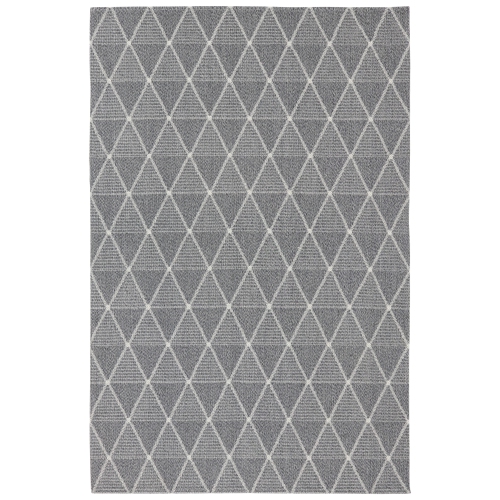 Your price for this item is $130.55
 -
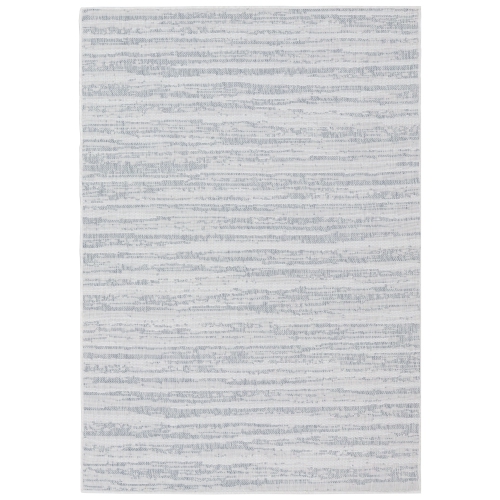 Your price for this item is $129.15
 -
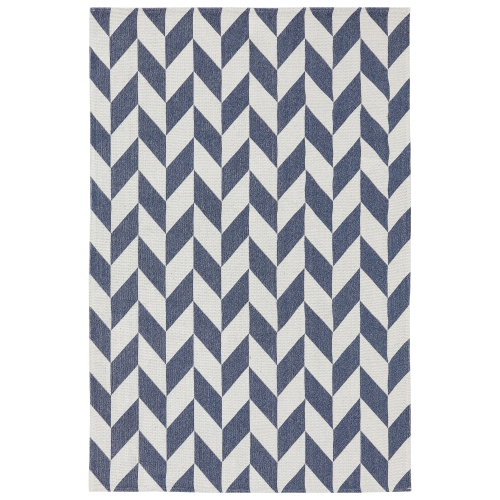 Your price for this item is $130.55
 -
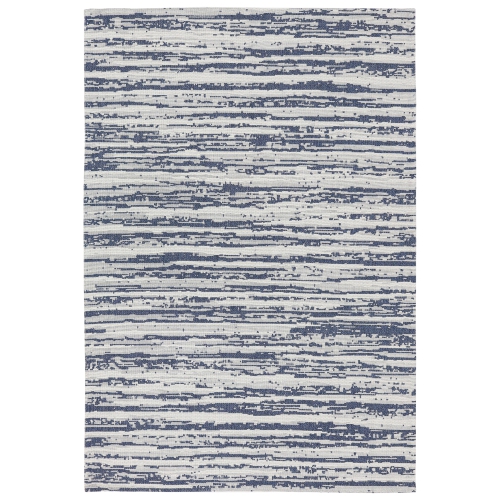 Your price for this item is $130.55
 -
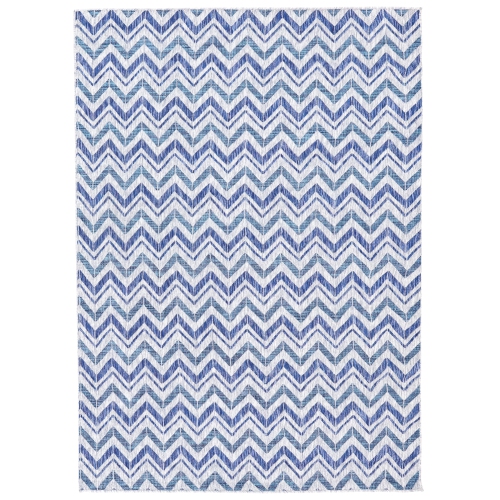 Your price for this item is $129.15
 -
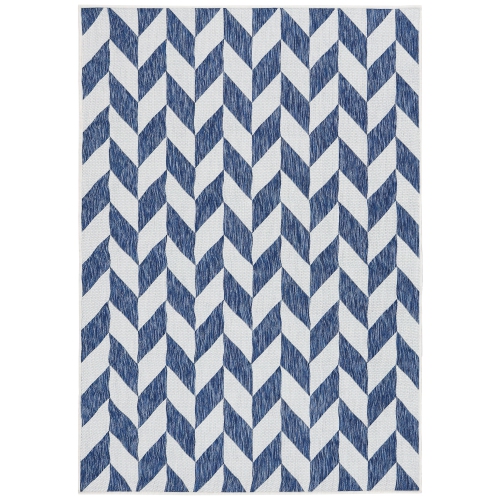 Your price for this item is $129.15
 -
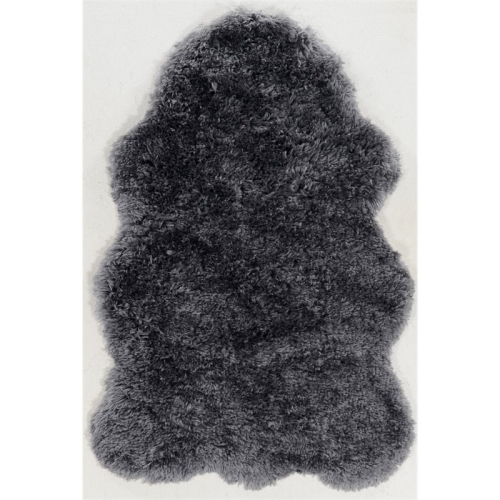 Your price for this item is $269.46
 -
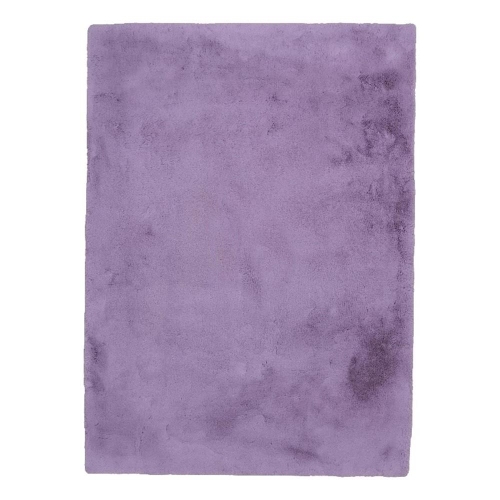 Your price for this item is $219.8
Discover more categories related to Moroccan Tile Pattern Rugs
Top Collections:
Pokemon Centers, Kindle Devices, Best Budget Office Chairs, Apple iPhones 16, Best Laptops for Writers, iPhone 15 Apple, Canon G7X Cameras, Refurbished Apple Laptops, Alarm Clock, Motorola Razr Phones
Some products may be subject to Environmental Handling Fees
(EHF) depending on your province.
Learn more about EHFs.