Moroccan Style Outdoor Rugs
Moroccan Style Outdoor Rugs bring a touch of timeless elegance and intricate design to any patio, deck, or garden space. These rugs are inspired by classic patterns and vibrant colors, making them a standout addition to your outdoor décor. Whether you're looking to create a cozy lounge area or add visual interest to your backyard, Moroccan Style Outdoor Rugs offer a versatile solution that complements a wide range of furniture and accessories. Enhance your outdoor living experience with the distinctive charm and inviting atmosphere these rugs provide.
Sort
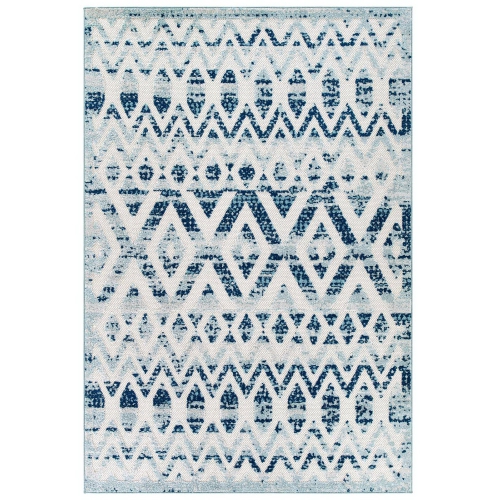
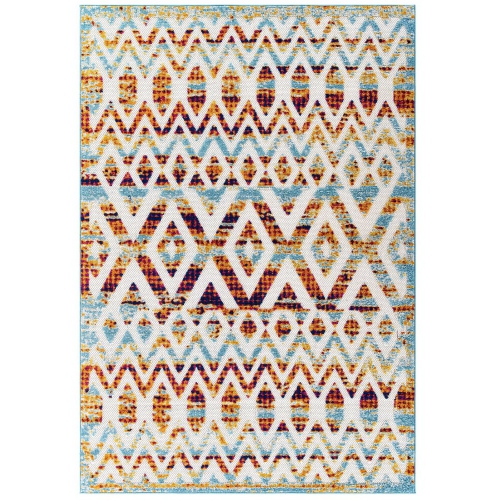
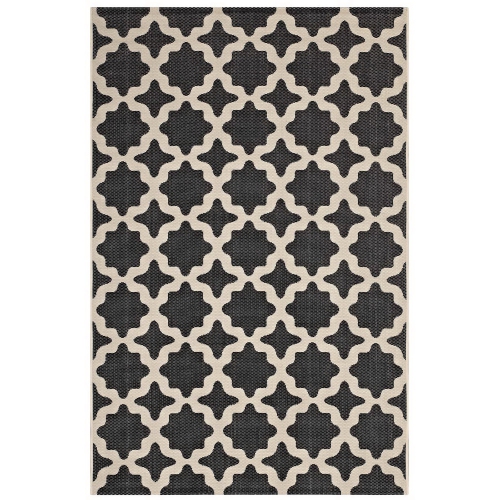
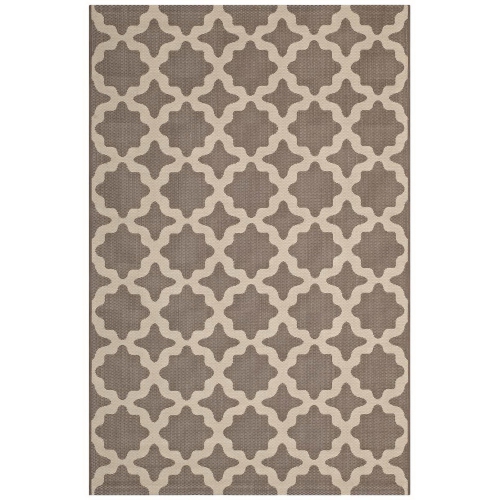
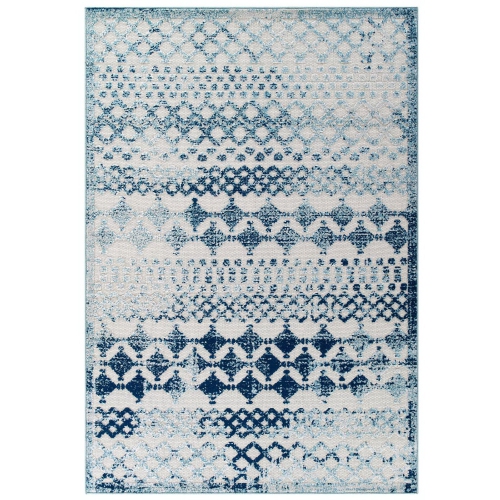
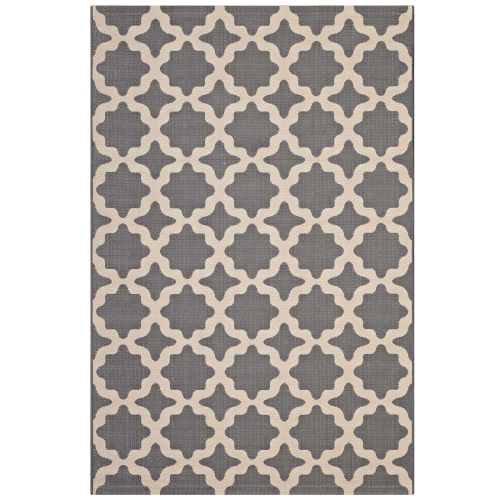
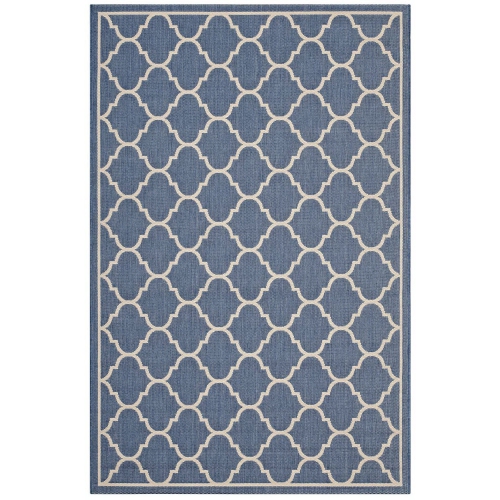
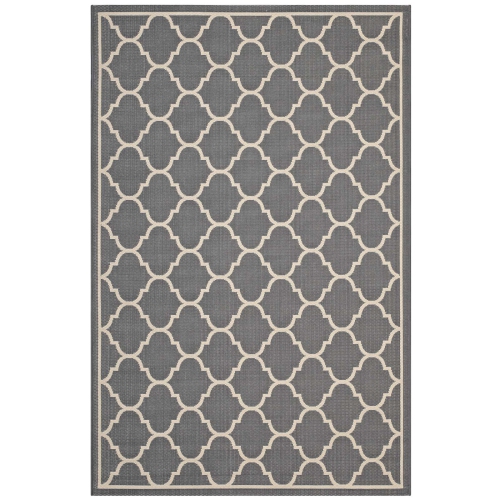
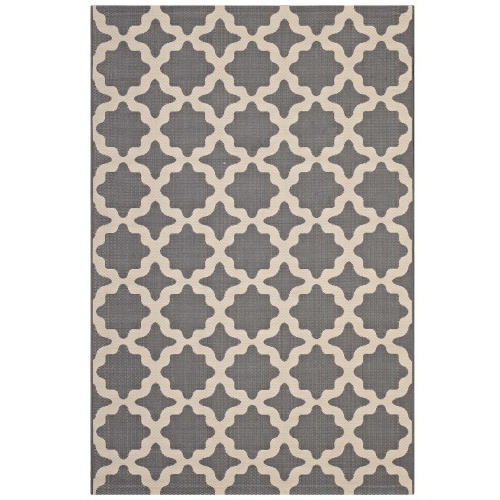
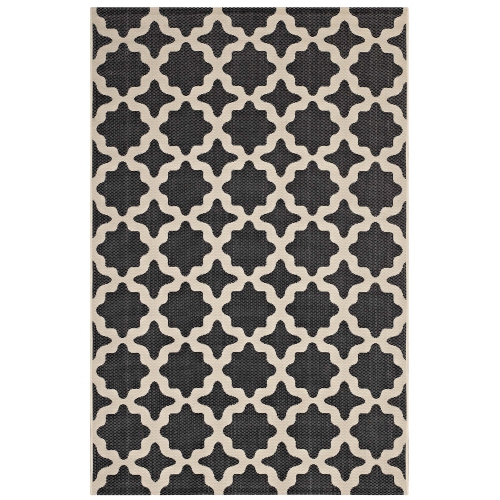
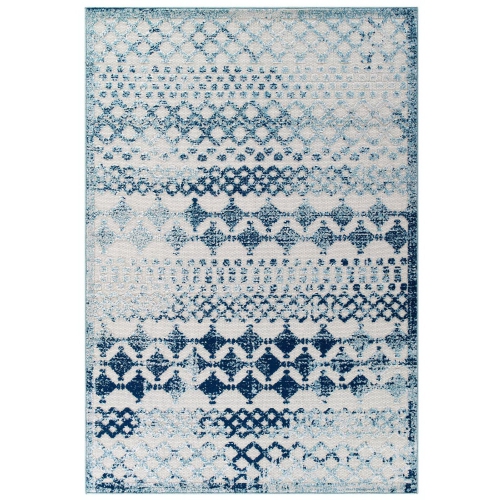
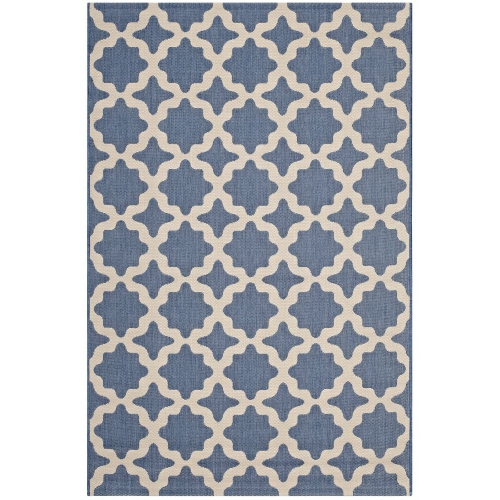
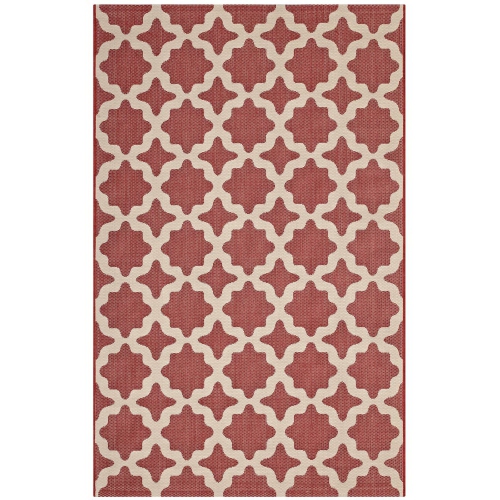
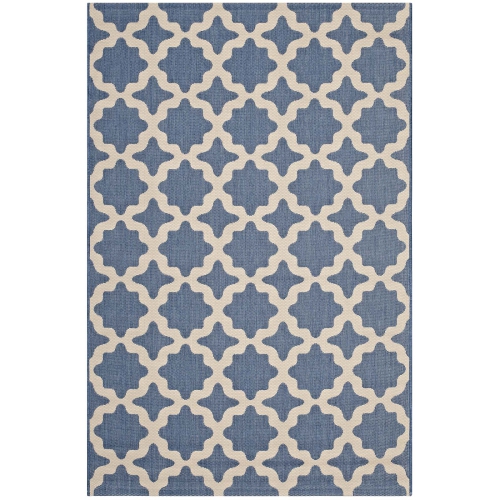
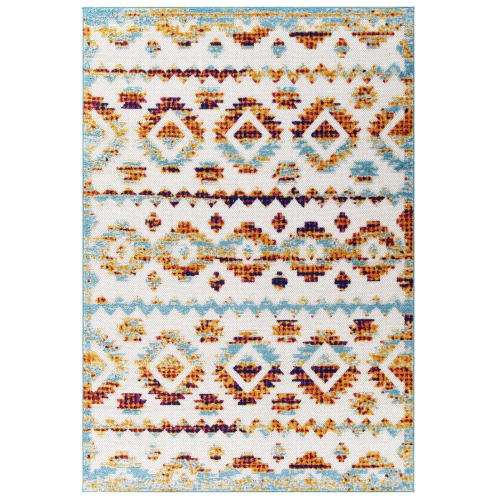
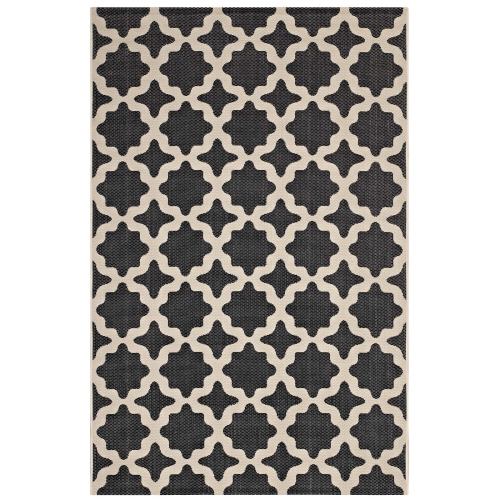
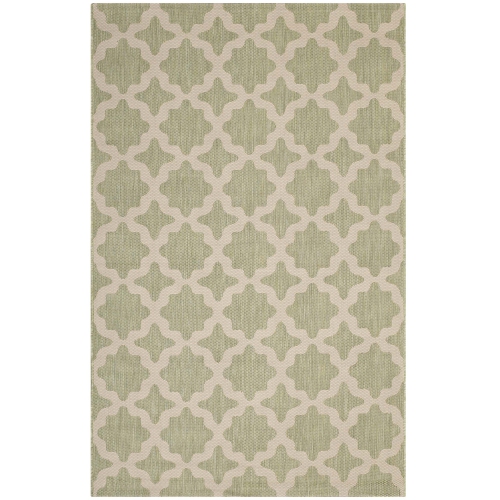
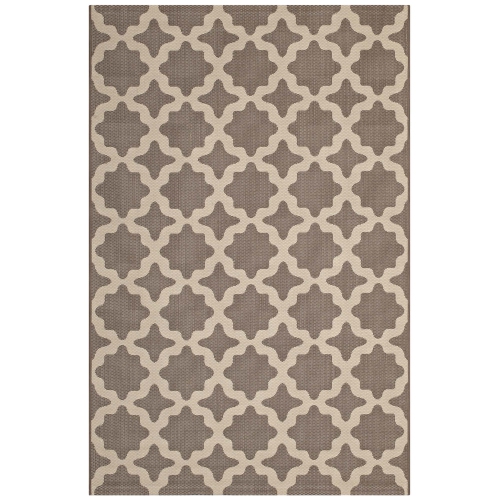
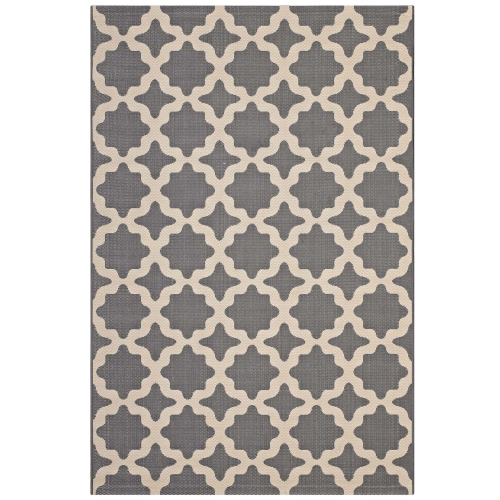
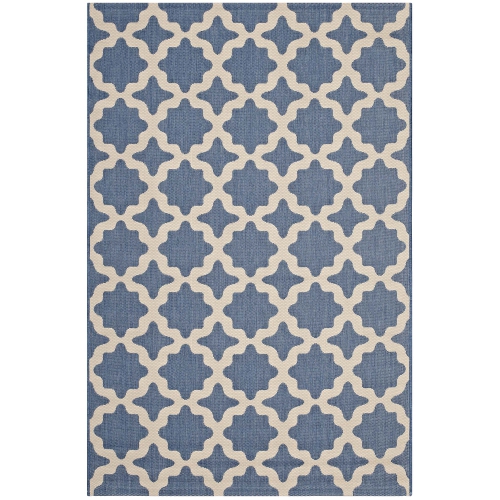
Geometric patterns that pull outdoor seating areas together
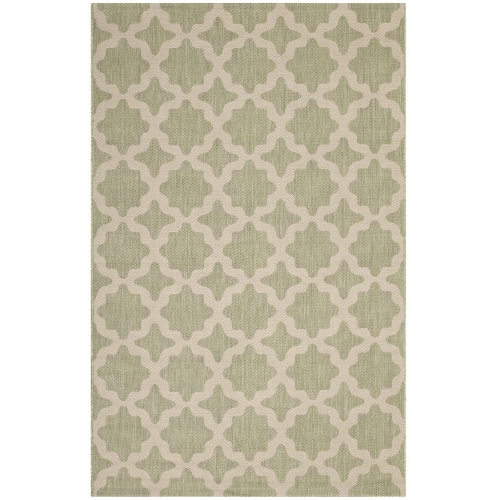
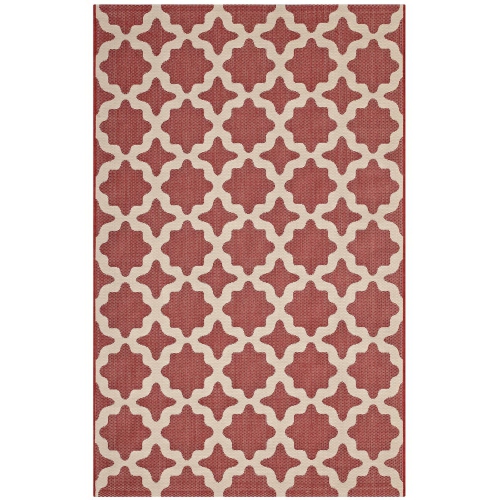
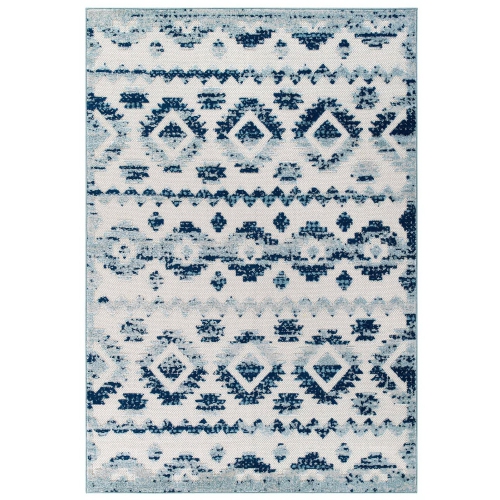
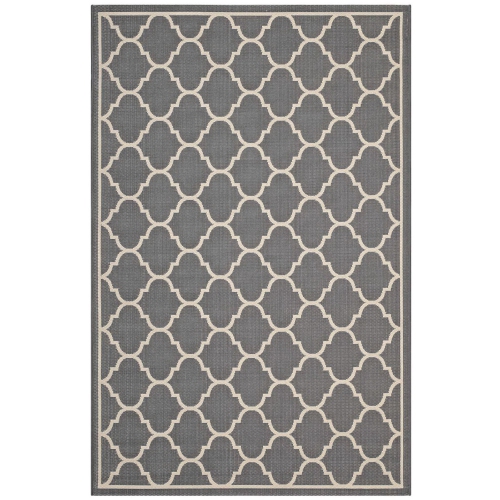
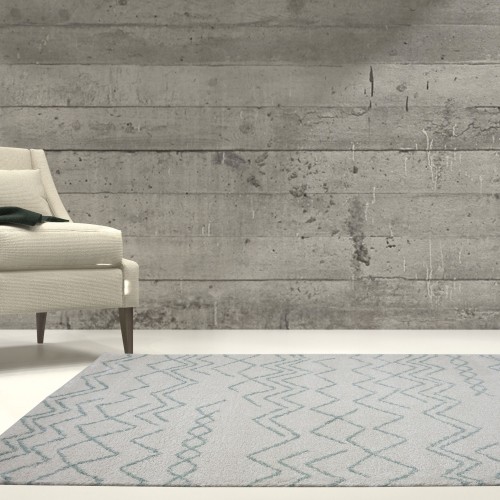
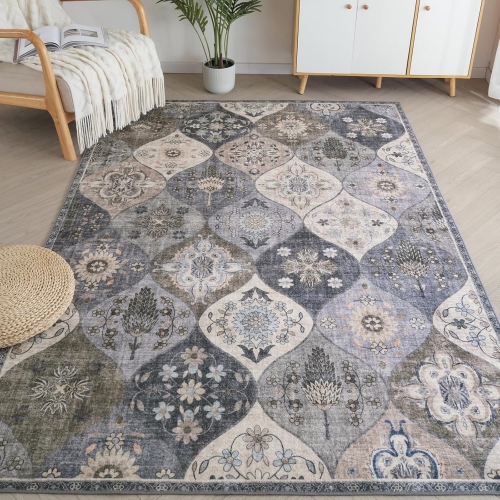
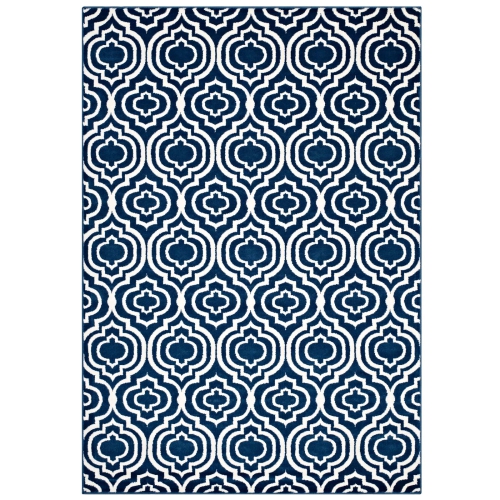
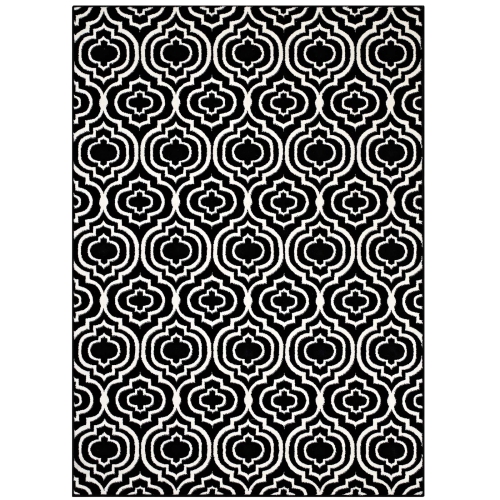
Moroccan-style outdoor rugs bring geometric diamonds, trellis patterns, zigzags, and richly textured designs to patios, decks, and balconies. Made for outdoor use, these rugs combine the visual character of Moroccan-inspired textiles with materials and construction suited to exposure to sunlight, moisture, and everyday foot traffic. Their appeal lies in the balance between pattern and practicality: a repeating diamond design can give a plain concrete balcony a more finished appearance, while a softly contrasting lattice can anchor a seating area without competing with cushions or planters. The look draws inspiration from varied Moroccan weaving traditions, but an outdoor rug’s pattern alone does not indicate where or how it was made. Outdoor versions often interpret these designs through flatter weaves and easy-care synthetic fibres rather than the deep wool pile associated with some indoor Moroccan rugs. Colour makes a noticeable difference to the overall effect. Cream and charcoal create a crisp graphic contrast, sand and ivory sit comfortably beside pale wood, and terracotta or blue can introduce a stronger accent among neutral furnishings. An irregular diamond motif tends to feel relaxed, while a tightly repeated trellis gives a space more visual structure. On a narrow balcony, an elongated pattern can emphasize the length of the seating area; beneath a broad conversation set, a larger motif gives individual chairs and tables a shared foundation. Moroccan-style patterns also work across different furniture styles, from streamlined metal frames to woven seating and rustic wood benches. For a coordinated look between adjacent indoor and outdoor spaces, the wider selection of Moroccan Rugs offers another way to explore the style, with outdoor suitability assessed separately for each rug. The result need not be a fully themed space. A single patterned rug can provide enough detail to make a modest balcony, covered porch, or backyard sitting area feel thoughtfully arranged.
Material and construction determine how a Moroccan-style outdoor rug performs beyond its appearance. Polypropylene is a common choice because the fibre absorbs little moisture and is generally straightforward to clean, although the weave, backing, and overall construction still affect drying time. Polyester is another material used in outdoor rugs, with performance depending on the specific fabric and finish. Woven plastic designs can offer a lightweight, low-profile surface, while textile-style flatweaves may feel more familiar underfoot. A raised or high-low pattern adds dimension, but its textured sections can also collect more crumbs, dust, and pet hair than a flatter surface. Natural-fibre rugs are not automatically suitable for exposed outdoor placement; jute, for example, is generally better kept away from persistent dampness unless the manufacturer explicitly states otherwise. An outdoor-use designation matters more than a rug’s resemblance to an indoor style. Water resistance does not necessarily mean waterproof construction, and fade resistance does not mean colours will remain unchanged indefinitely in direct sunlight. Backings deserve attention as well, since they can affect drainage, grip, and compatibility with the surface underneath. Size is equally important to daily comfort. In a lounge arrangement, a rug that reaches beneath the front legs of the main seats helps connect the furniture visually and reduces the chance of an exposed edge landing directly under someone’s feet. Beneath a dining table, enough coverage for chairs to remain on the rug when pulled back makes meals more comfortable. Door clearance, walkway width, and the position of balcony drains also influence fit. A low-profile weave is often practical near a frequently used doorway, provided the door moves freely and the rug stays securely in place. Where additional grip is needed, an outdoor-rated rug pad should suit both the rug and the flooring beneath it; some backings or pads may mark particular deck finishes. Even a lightweight rug needs secure placement, especially along exposed edges where movement could create a trip hazard.
Everyday care helps preserve both the pattern and the usable life of an outdoor rug. Loose dirt is easier to remove before it settles deeply into the weave, so regular sweeping, shaking when manageable, or vacuuming with a suitable attachment can keep the surface looking cleaner. For a textured rug, the manufacturer’s care directions are particularly useful because an aggressive brush or rotating beater bar may catch raised threads. Food spills are best blotted promptly rather than rubbed into the fibres, and any cleaning solution should be compatible with the rug’s material and colour treatment. Some outdoor rugs can be rinsed with a garden hose and mild soap, but washable construction should never be assumed from the outdoor label alone. Thorough drying matters after cleaning or rain: moisture trapped between the rug and the deck can affect both surfaces, even when the rug fibres themselves resist water absorption. Periodically lifting the rug also provides an opportunity to clear away grit, leaves, and debris beneath it and check that drainage remains unobstructed. Covered placement can reduce exposure, but it does not eliminate wind-driven rain, tracked-in dirt, or prolonged dampness. For Canadian outdoor spaces exposed to snow, ice, or extended wet conditions, a clean, completely dry rug stored according to its care instructions is generally easier to maintain than one left beneath accumulated moisture. Rolling rather than sharply folding may help avoid pronounced creases, where the construction allows it. In households with children or pets, a flatter weave can simplify cleanup, while a moderately varied pattern can make small traces of everyday use less noticeable between cleanings. That same balance of visual interest and manageable upkeep suits apartment balconies, busy family patios, and outdoor dining areas. With dimensions, surface compatibility, and care requirements matched to the setting, a Moroccan-style outdoor rug can add a distinctive patterned foundation without making the space feel crowded or difficult to maintain.
Top selling and popular products
-
 Your price for this item is $130.55
-
 Your price for this item is $129.15
-
 Your price for this item is $130.55
-
 Your price for this item is $129.15
-
 Your price for this item is $129.15
-
 Your price for this item is $130.55
-
 Your price for this item is $144.99
-
 Your price for this item is $103.99
Discover more categories related to Moroccan Style Outdoor Rugs
Top Collections:
Best Black Friday Deals This Year, Best Black Friday Deals On Electronics, Kindle Devices, Dyson Airwrap, Best Cameras for Sports Photography, Best Budget Office Chairs, Canon G7X Cameras, PS5 Pro Consoles, Best Black Friday Deals On Apple Products, XBOX One S Consoles
Some products may be subject to Environmental Handling Fees
(EHF) depending on your province.
Learn more about EHFs.