UV Bug Zappers
If you're looking to keep pesky bugs at bay during those warm summer nights, look no further than these UV bug zappers. These innovative devices use ultraviolet light to attract and eliminate flying insects, providing you with a bug-free outdoor experience. Whether you're hosting a backyard barbecue or simply enjoying a quiet evening on the patio, this range of UV bug zappers will help create a more comfortable and enjoyable environment.
Sort









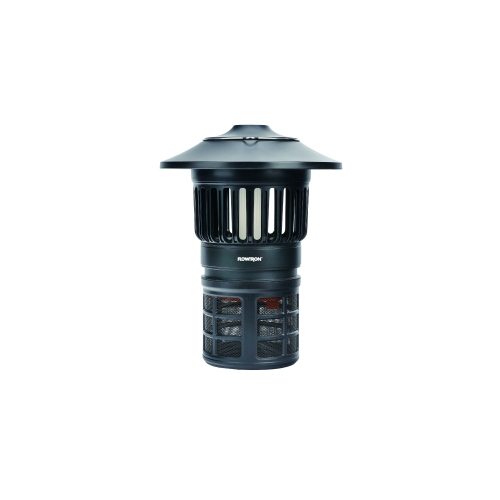
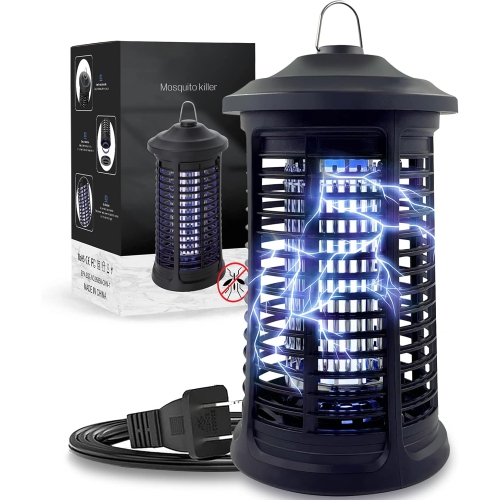


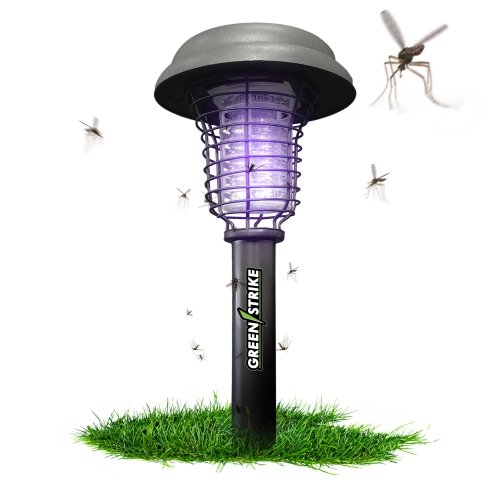


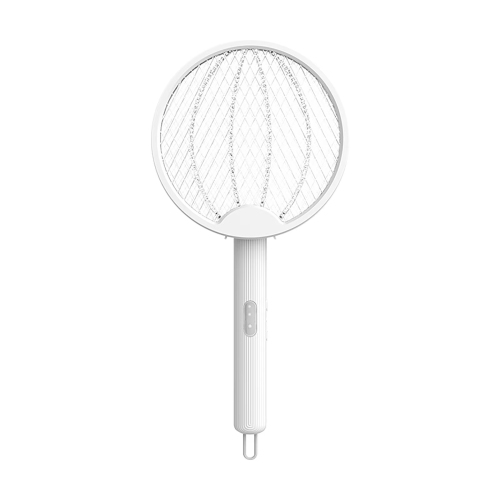




Why insect type and placement matter more than brightness
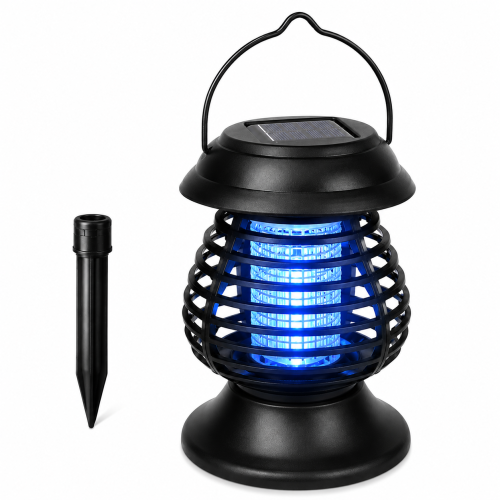
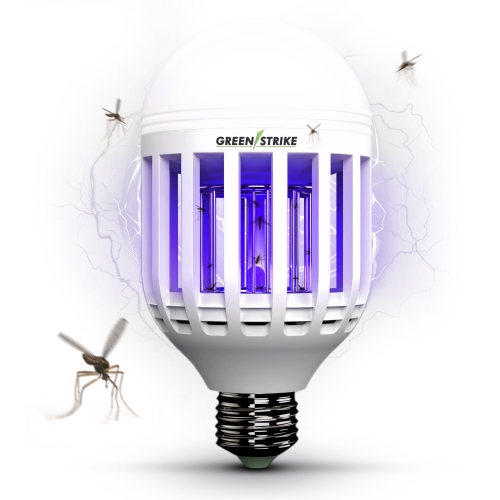
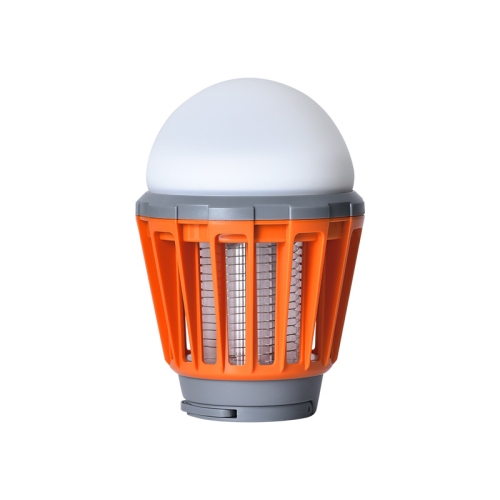
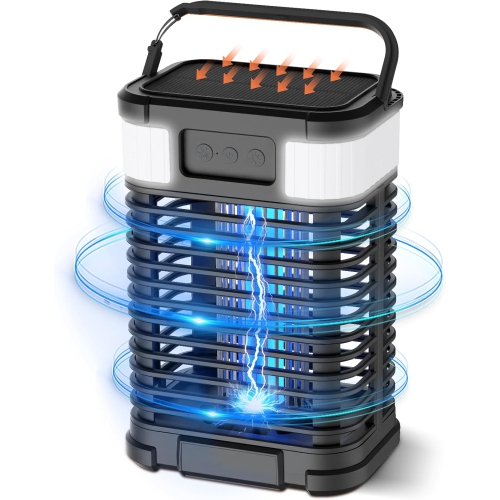
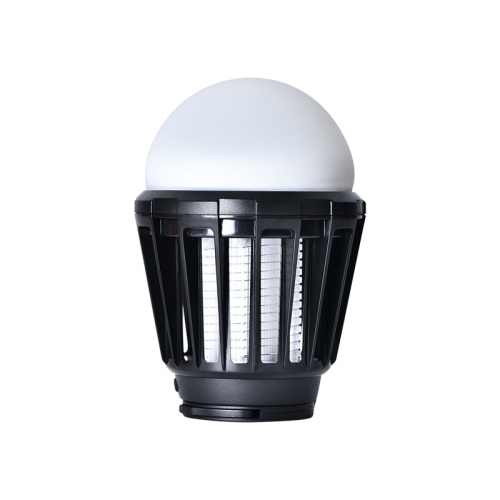
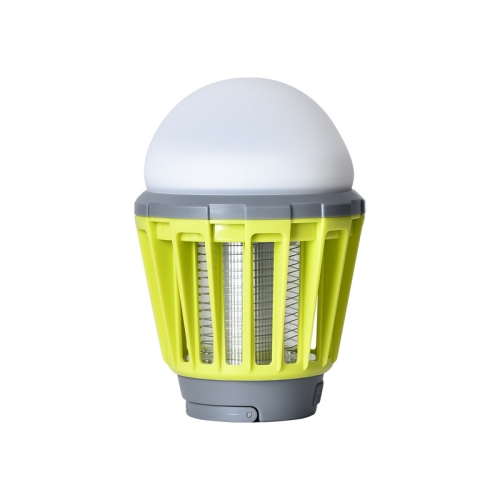
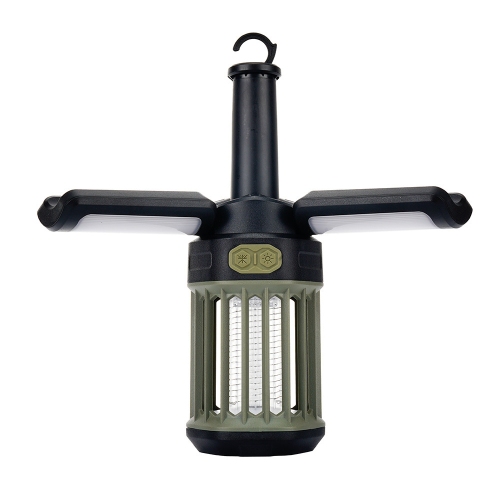
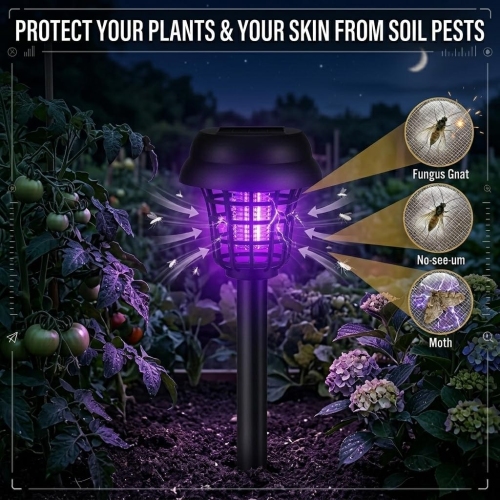
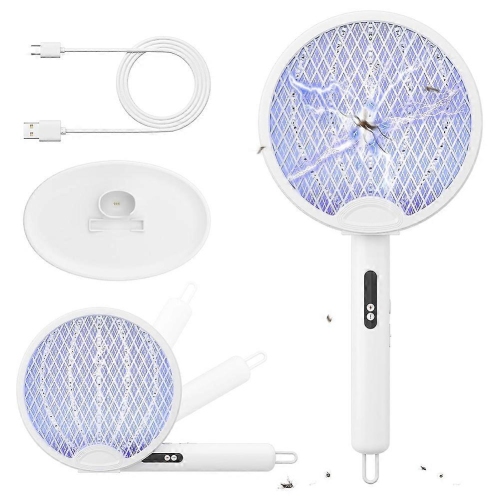
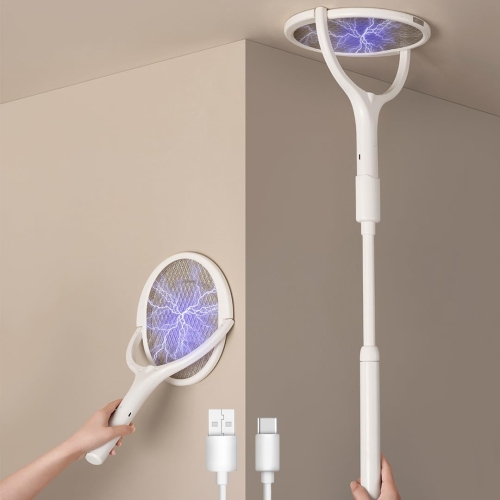
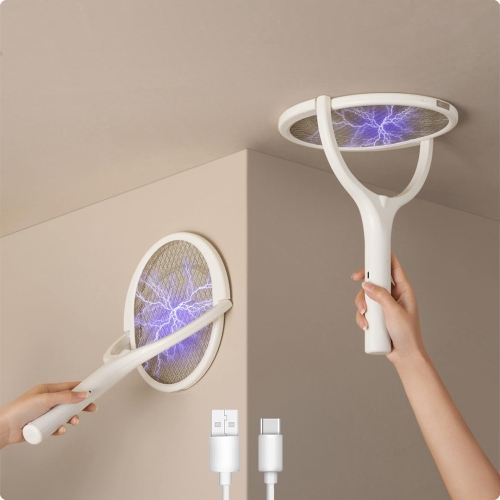
UV bug zappers use ultraviolet light to attract certain flying insects towards an electrically charged grid, where contact kills them. A protective outer housing surrounds the grid, and many designs include a tray that catches fallen insects. These electric insect control devices come in tabletop, hanging, and portable formats, with different power sources and housings suited to different locations. Their usefulness depends on the insects present, the placement of the unit, and whether its light is visible without competing strongly with other lighting. Many moths and some flies and gnats respond to UV light, but not every flying insect is equally attracted to it. Traditional UV bug zappers generally have limited effectiveness against mosquitoes, which rely heavily on cues such as exhaled carbon dioxide and body odour to locate people. A zapper should therefore not be treated as reliable protection against mosquito bites or insect-borne illness. For a household dealing with occasional flying insects, it can be one part of a broader approach that includes intact window screens, closed doors, covered rubbish bins, and removal of insect breeding sources. The distinction between a zapper and other light-based insect traps also matters: some devices use adhesive boards or fans rather than an electrical grid, even though their light may look similar. A true UV zapper can produce an audible snap when an insect touches the grid, something worth considering for a quiet reading area or a room used for video calls. The visible glow is another practical detail in bedrooms and other spaces where low light matters. UV attraction lamps are not general-purpose room lights, and they should not be confused with UV-C germicidal equipment. For shoppers comparing UV insect killers, the intended location and target insect are more meaningful starting points than the brightness of the lamp alone.
The right physical design depends on where the zapper will sit or hang and how it will receive power. Corded UV bug zappers suit a fixed location near a suitable outlet, while rechargeable designs offer flexibility where a trailing cable would be inconvenient. Battery runtime varies with the device, its operating mode, and battery condition; a combined lantern and zapper may have different runtimes depending on which functions are switched on. Solar-powered designs also depend on adequate daylight for charging, so their operating time should not be assumed to match that of a plug-in unit. For patios, decks, and other outside spaces, Outdoor Bug Zappers offer a related category to explore, with suitability for exposure determined by each device’s stated rating and installation instructions. An indoor-only housing should never be treated as suitable for outside use simply because it fits beneath an overhang. Likewise, a water-resistant rating does not mean a unit can be submerged or cleaned with a hose. Typical construction may include moulded plastic housings, metal guards, and a handle, hook, or hanging loop. A sturdy base helps a tabletop design sit securely, while a suspended unit needs a mounting point that can safely support its weight. Dimensions matter beyond the footprint: space is also needed to remove the collection tray, access serviceable parts, and maintain the clearances specified by the manufacturer. Advertised coverage areas are useful for comparing intended scale, but they are not guarantees that a room or patio will be insect-free. Walls, partitions, obstructions, competing lights, and insect behaviour all affect results. A compact lamp beside a doorway and a larger hanging unit in an open area serve different layouts, even when their basic operating principle is the same. For balconies or shared outdoor spaces, cable routing, secure placement, and the visibility of the light to nearby seating deserve just as much attention as the stated coverage.
Daily convenience often comes down to cleaning access, safe handling, and the durability of parts that see repeated use. A removable collection tray makes routine emptying simpler, particularly when it slides out without requiring the whole unit to be lifted or taken down. Insect debris can accumulate on the grid and reduce performance, so the cleaning method specified for the device matters. Power should be disconnected before maintenance, with any required waiting time observed because electrical components may retain a charge. Fingers, metal tools, and improvised cleaning implements do not belong inside the housing; only the recommended brush or cleaning method should be used. Unless expressly permitted, electrical sections should not be rinsed or immersed. A protective cage reduces access to the grid but does not make a bug zapper safe for children or pets to handle. Placement should keep it out of their reach, away from combustible materials and flammable vapours, and clear of splashing water. Food preparation counters, uncovered serving dishes, and dining tables are poor locations because electrocuting insect devices can scatter insect fragments. The aim is not to put the attraction light directly beside the people or food being protected, but to follow the manufacturer’s placement directions for that setting. Outdoor use also warrants restraint: UV zappers can catch non-target insects, including beneficial species, so continuous operation is not automatically the best choice. Long-term ownership considerations include whether the attraction lamp is replaceable, whether replacement parts are compatible, and whether the tray and guard remain secure after repeated cleaning. Some lamps lose useful UV output before they stop producing visible light, making the recommended replacement interval important. Homeowners, renters, and people outfitting a permitted camping setup may value different combinations of portability, mounting flexibility, and easy upkeep. As a practical gift, a UV bug zapper is most suitable when the recipient’s intended location, power access, and insect concerns are already known. Those details help match the device to a real use rather than an expectation of eliminating every flying pest.
Top selling and popular products
-
 Your price for this item is $199
-
 Your price for this item is $430.99
-
 Your price for this item is $480.99
-
 Your price for this item is $130.99
-
 Your price for this item is $221.99
-
 Your price for this item is $69.45
-
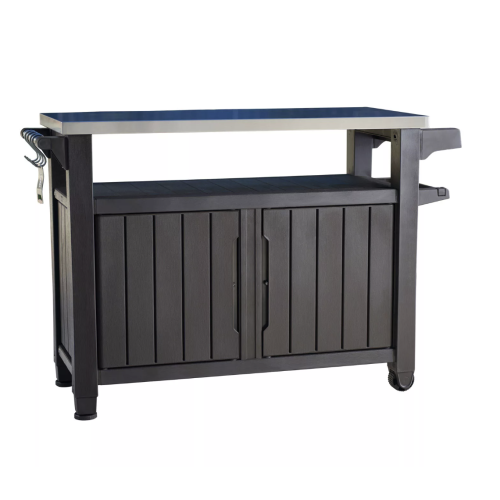 Your price for this item is $520.99
-
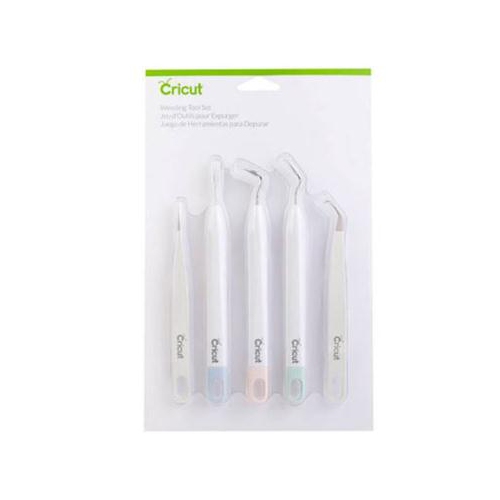 Your price for this item is $26.99
Discover more categories related to UV Bug Zappers
Top Collections:
Pokemon Centers, Kindle Devices, Best Budget Office Chairs, Canon G7X Cameras, Apple iPhones 16, Samsung Galaxy Phones, Refurbished Apple Laptops, Laptops for Students, iPhone 15 Apple, Budget Smartphones
Some products may be subject to Environmental Handling Fees
(EHF) depending on your province.
Learn more about EHFs.