Motorcycle Storage Sheds
If you're looking for a secure and convenient way to store your motorcycle, this collection of motorcycle storage sheds offers the perfect solution for keeping your ride safe from the elements. These sheds are designed to provide protection against rain, snow, UV rays, and more, ensuring that your motorcycle stays in top condition when not in use. With a variety of sizes and features available, you can find the ideal storage shed to meet your needs and keep your motorcycle looking its best for years to come.
Sort
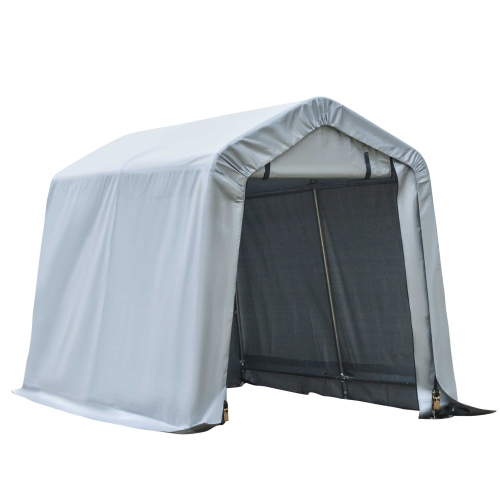
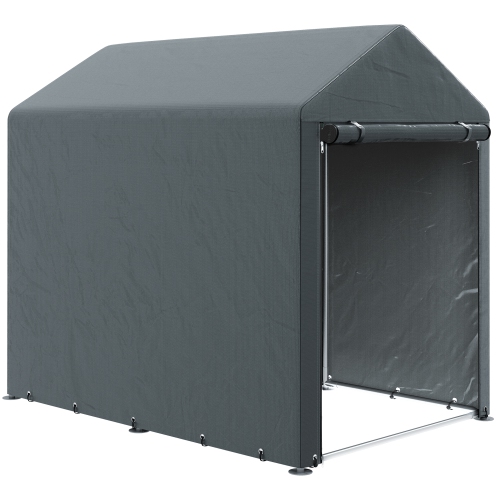
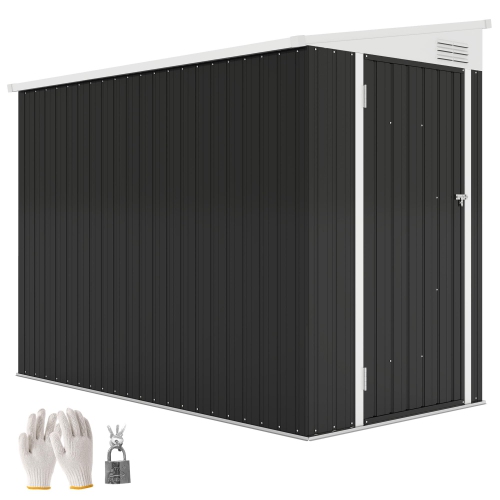
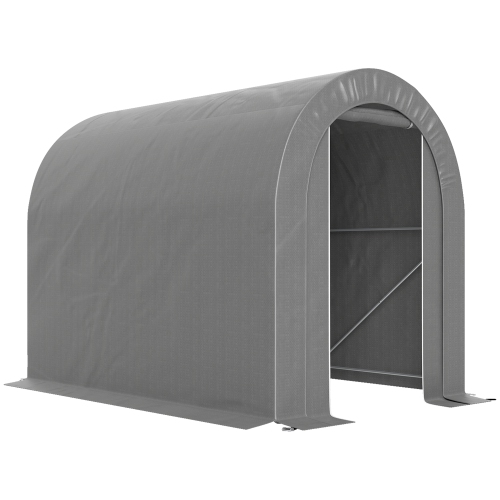
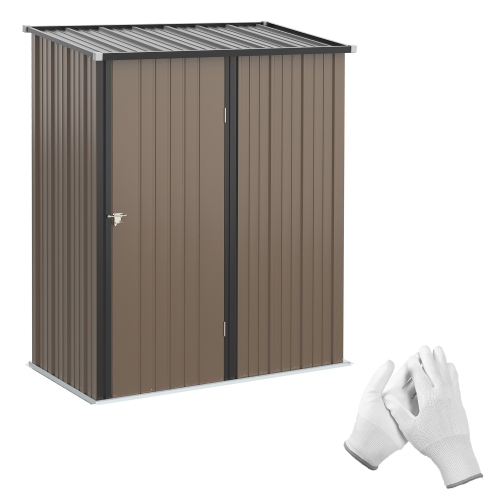
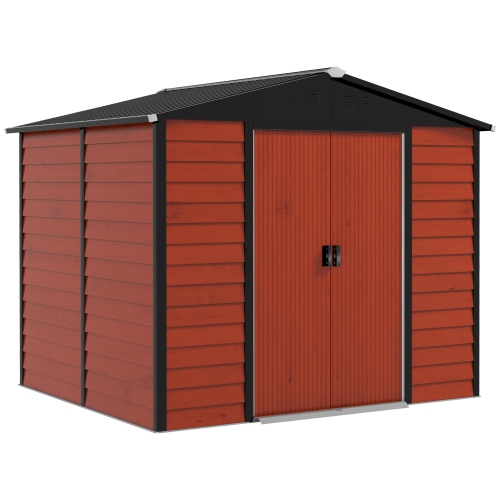
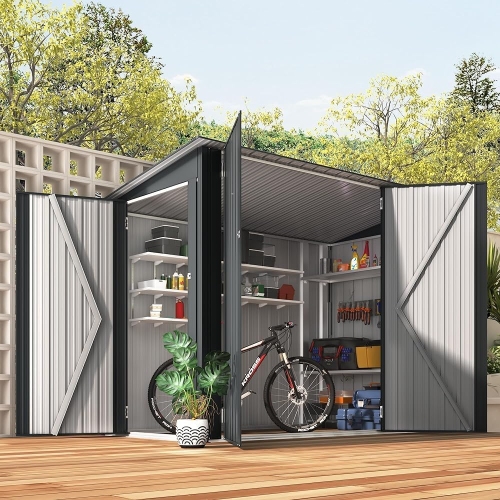

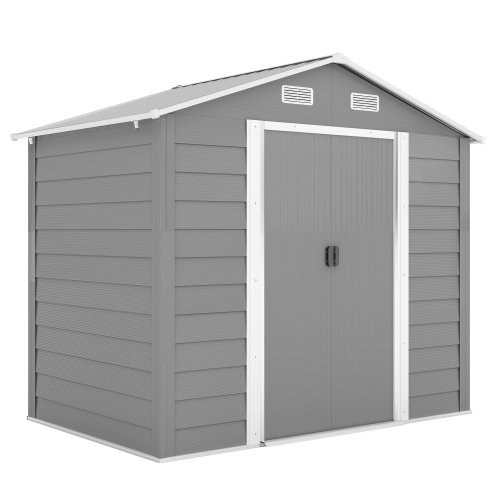
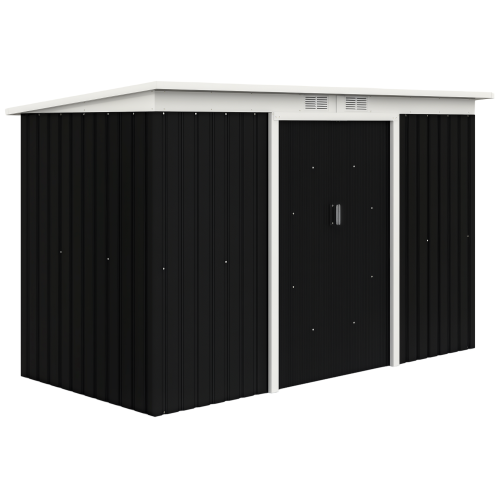
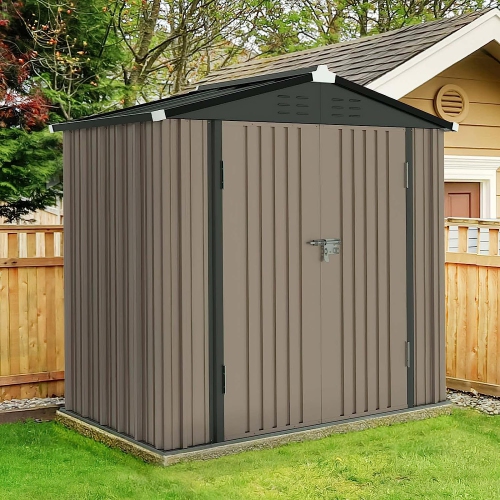
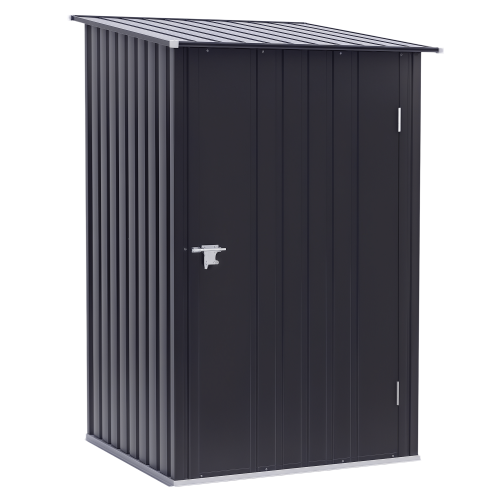
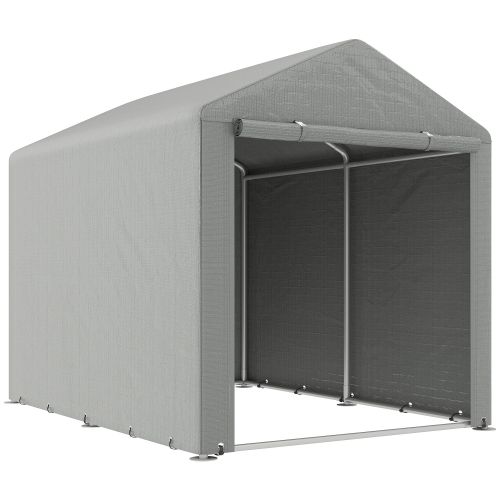
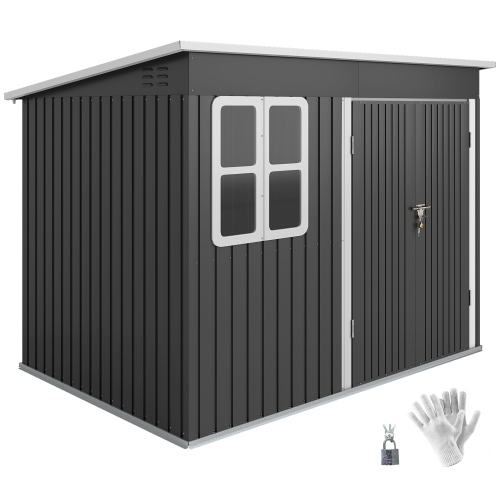
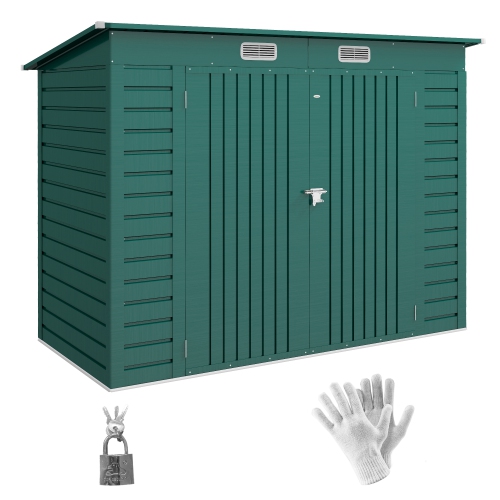
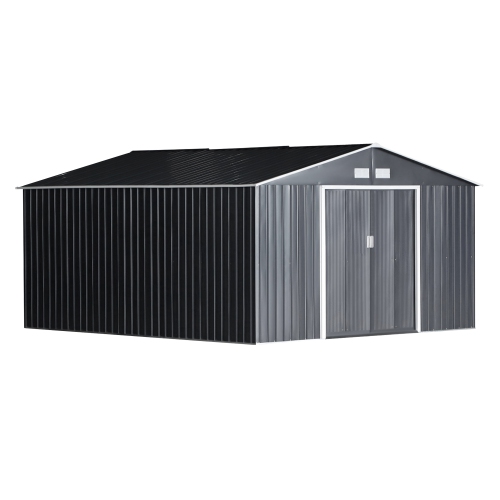
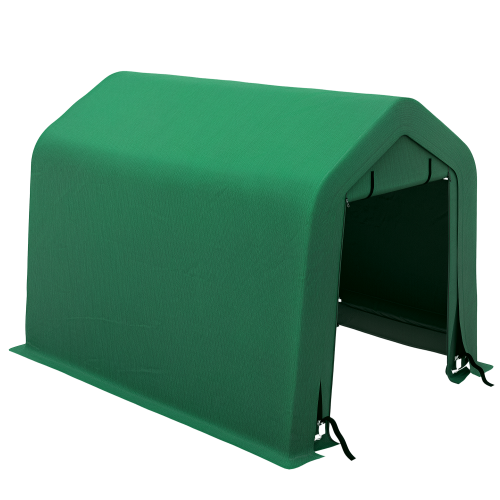

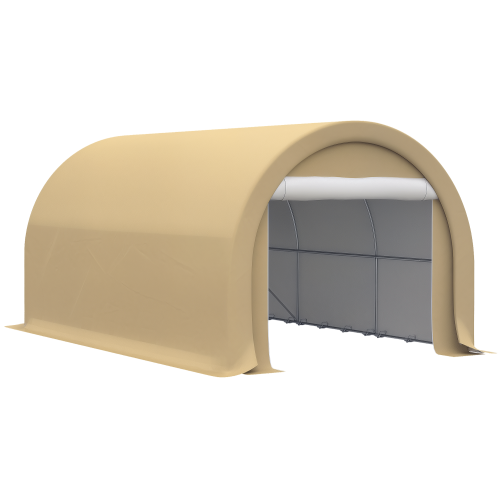
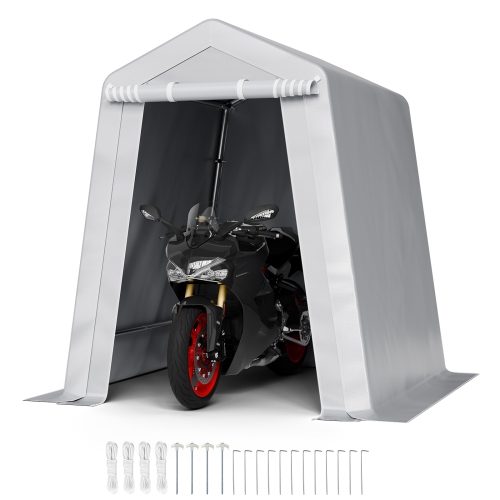
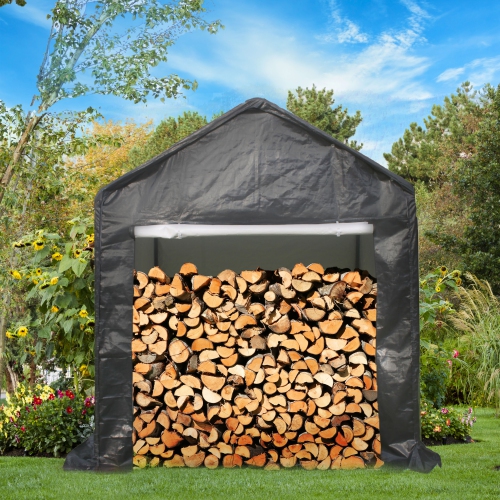
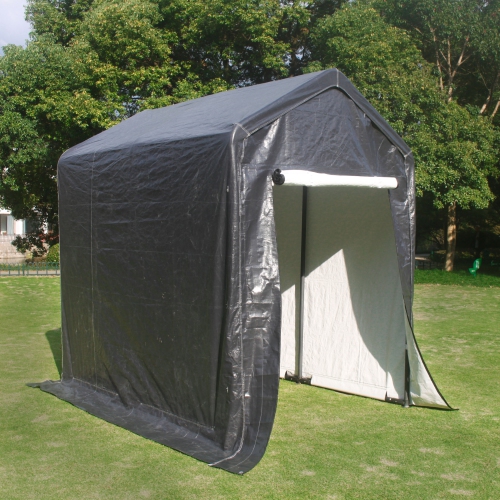
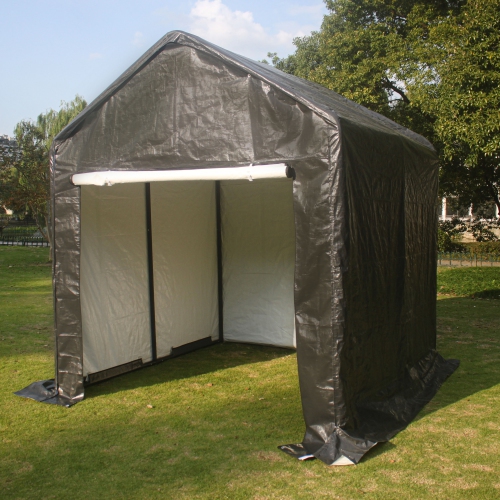
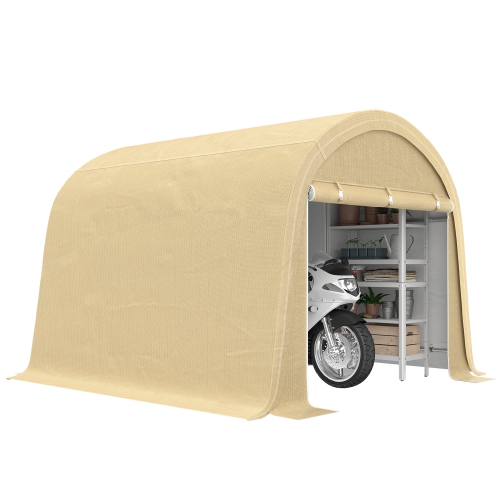
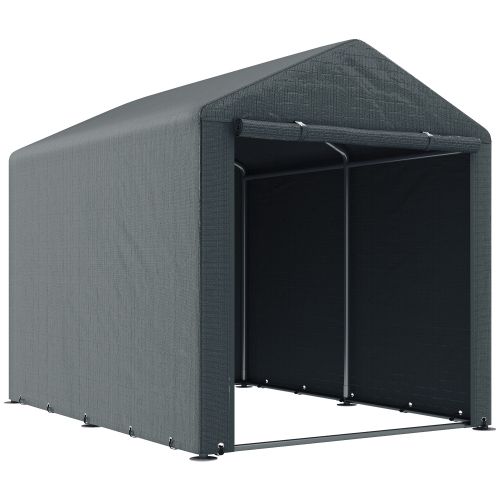
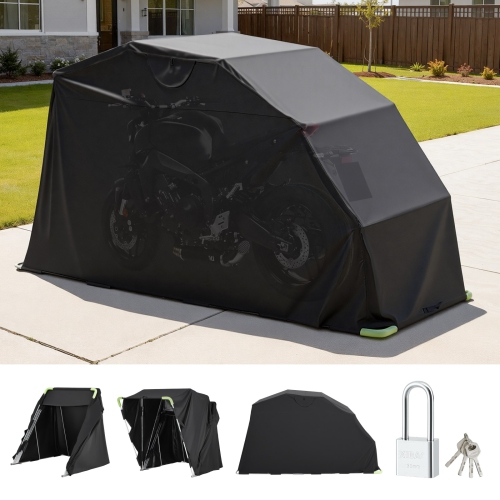
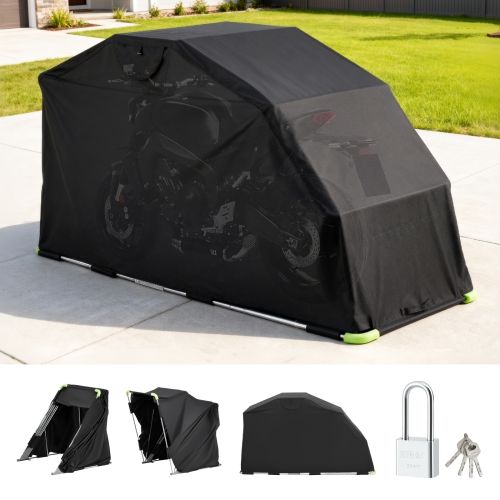
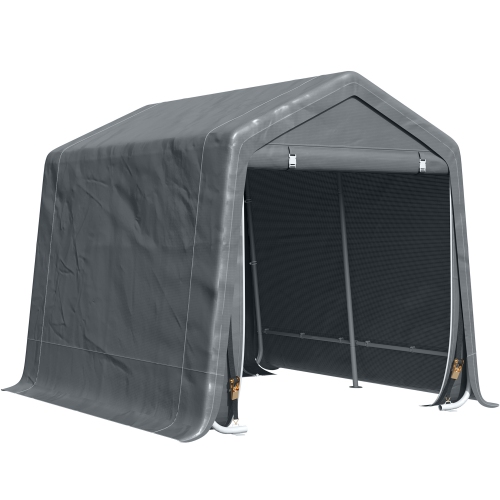
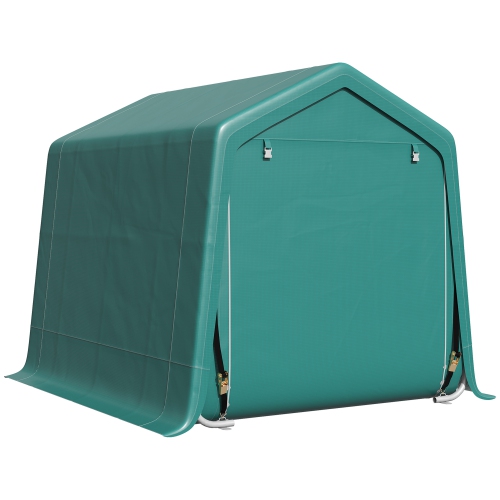
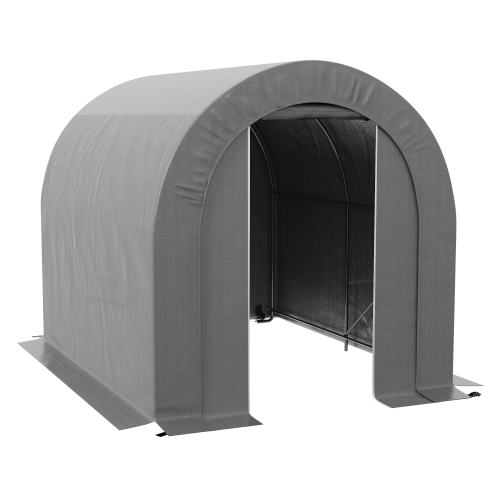
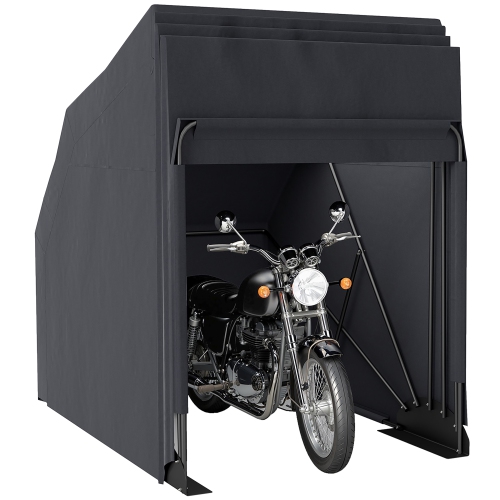
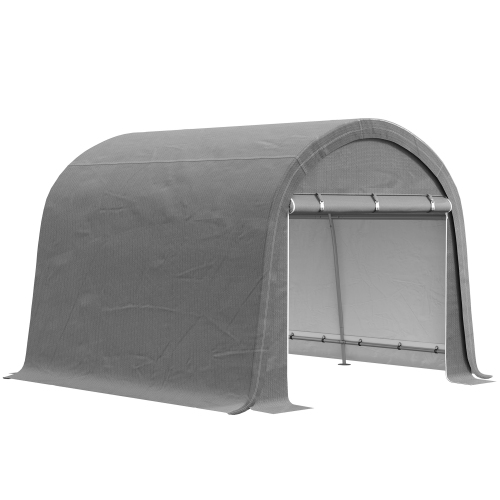
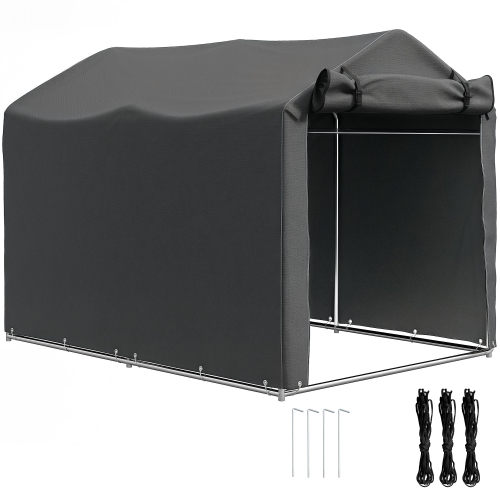
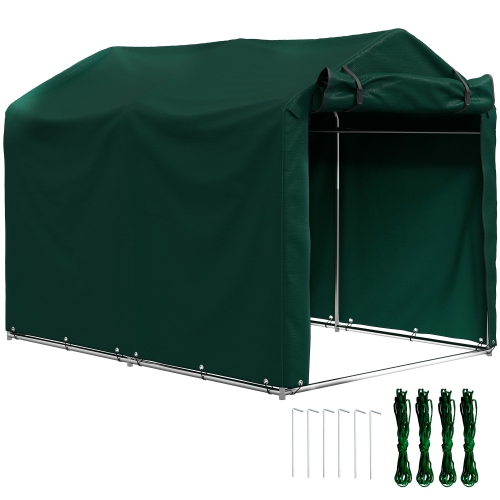
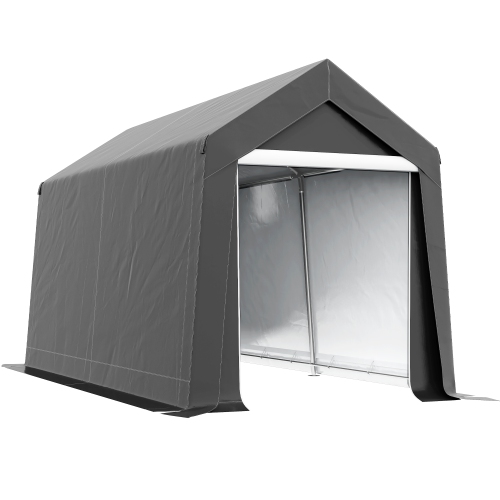
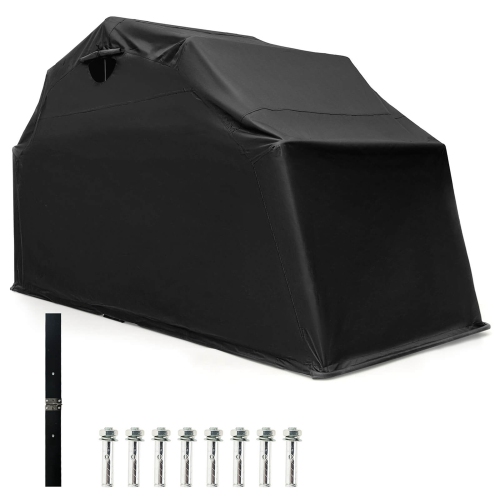
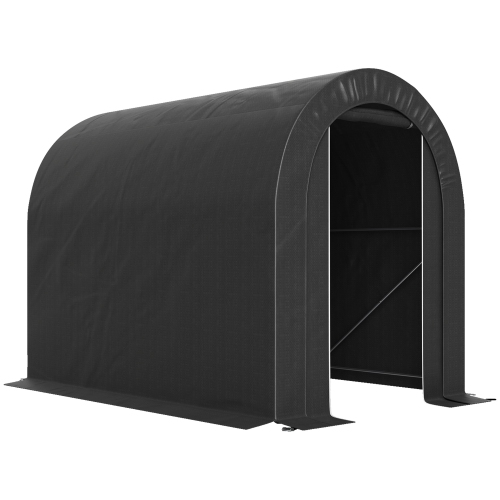
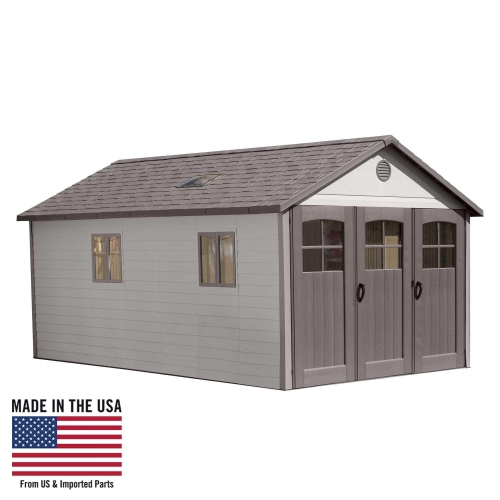
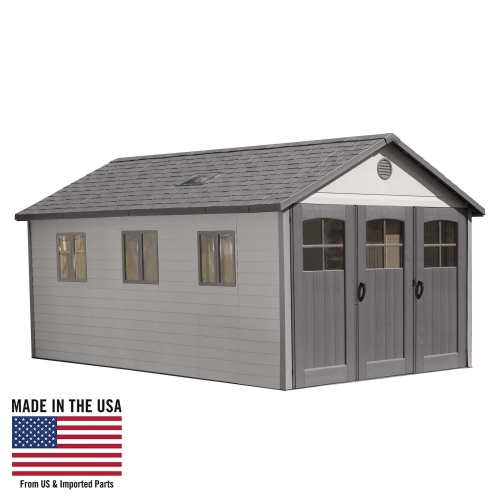
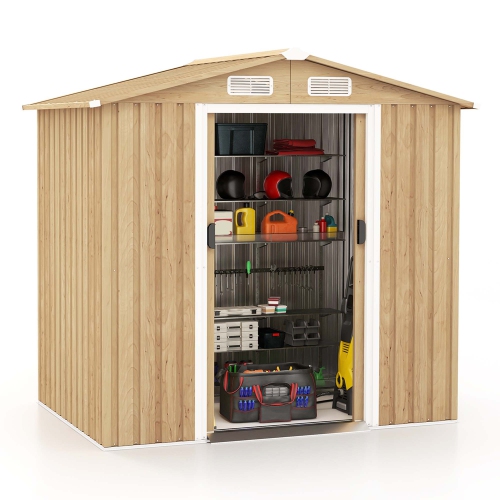
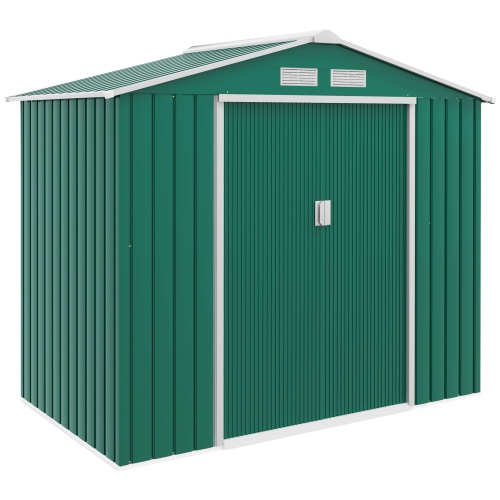
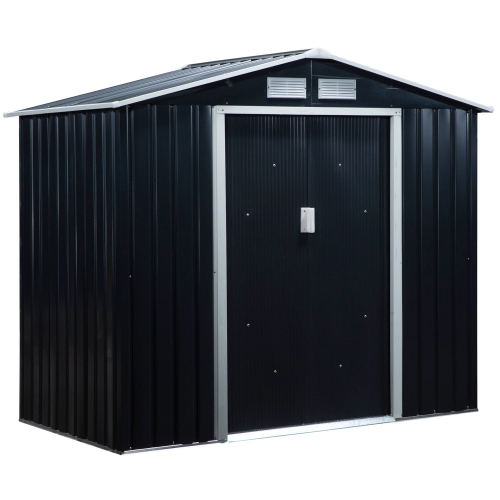
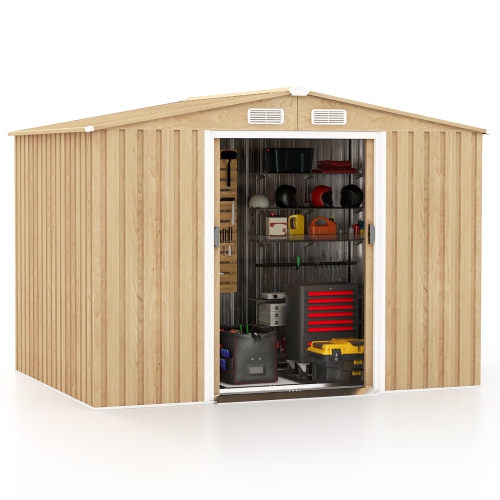
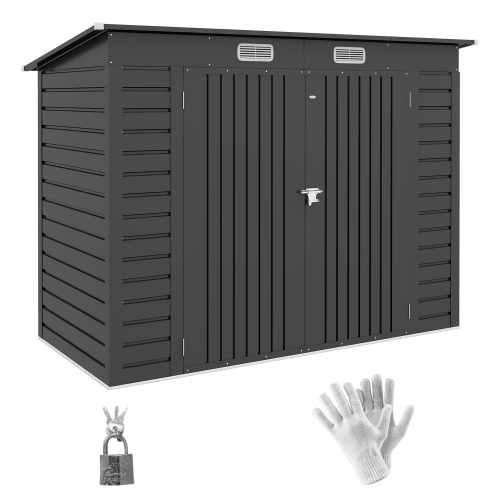
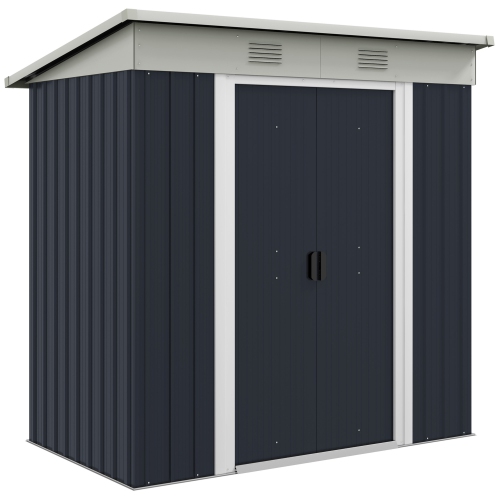
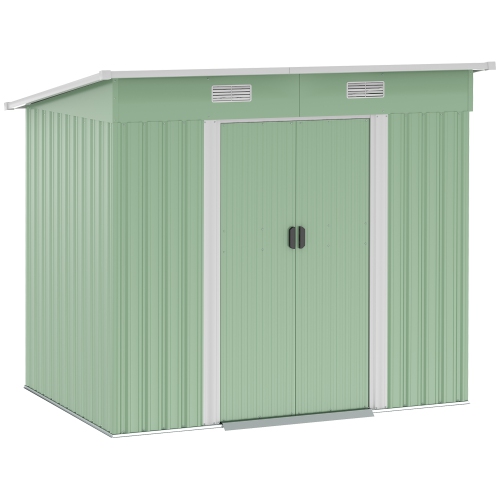
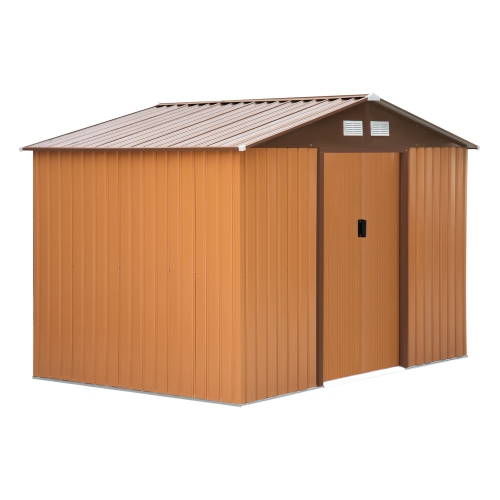
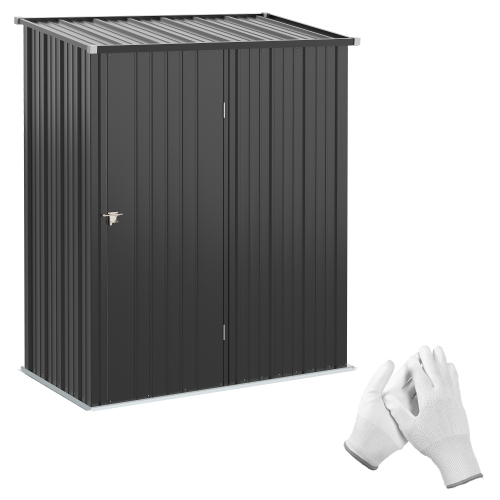
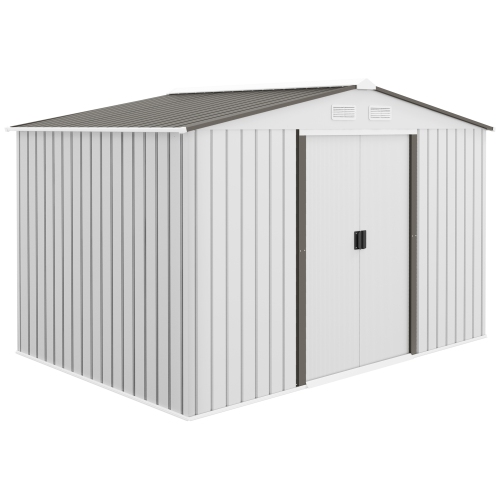
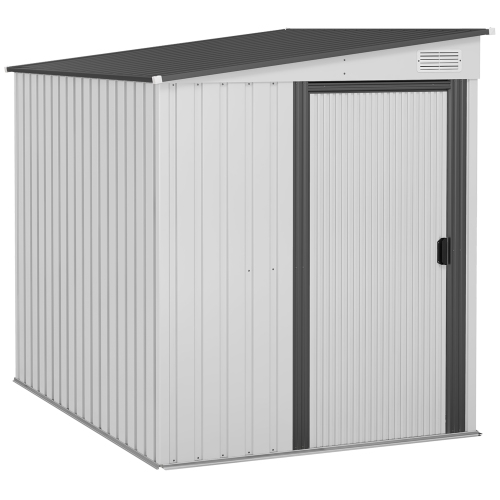
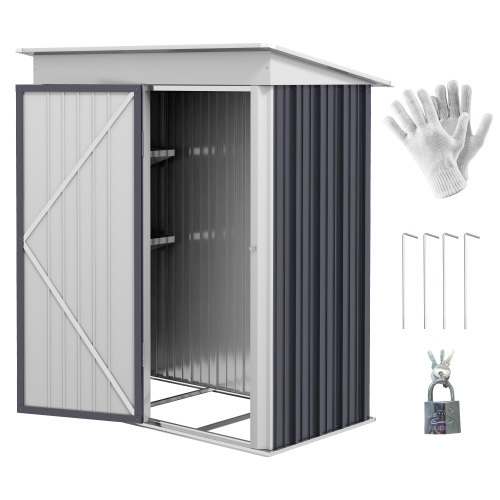
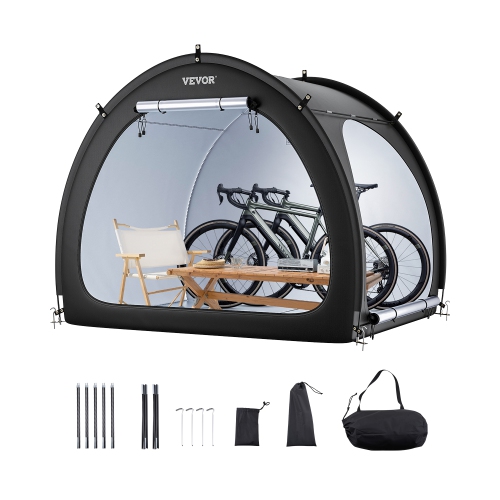
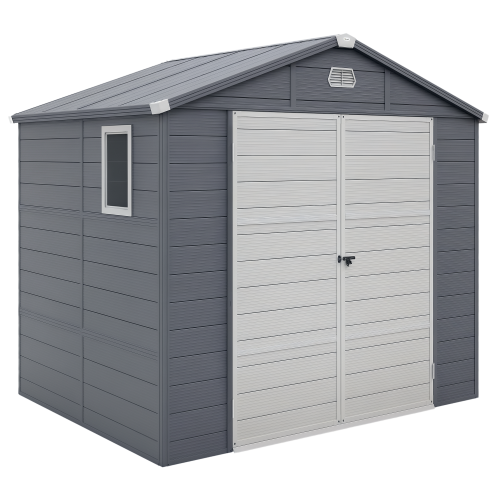
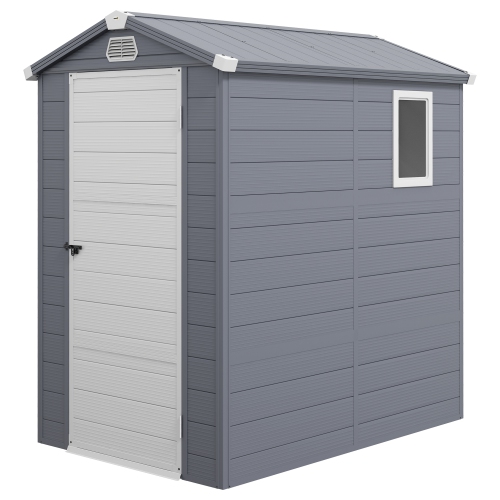
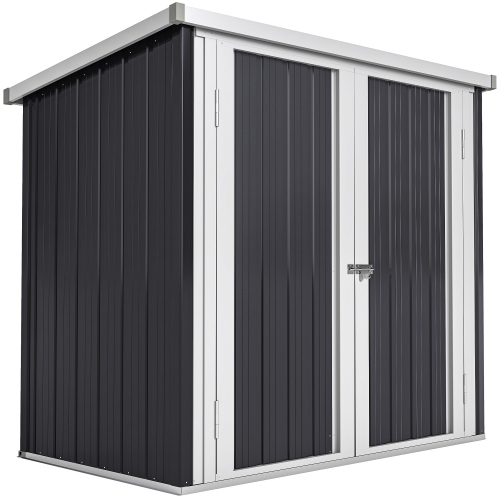
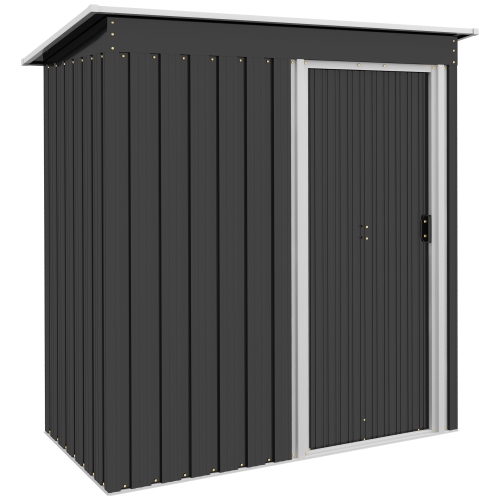
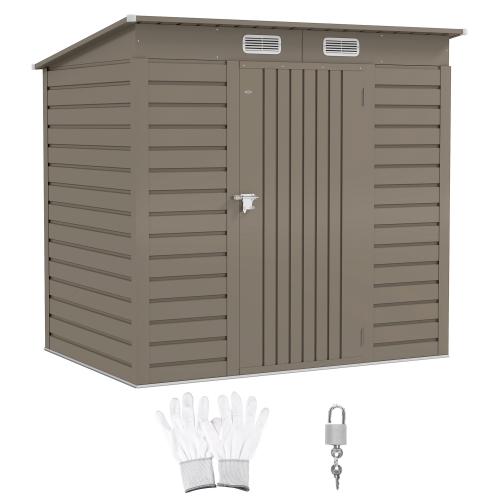
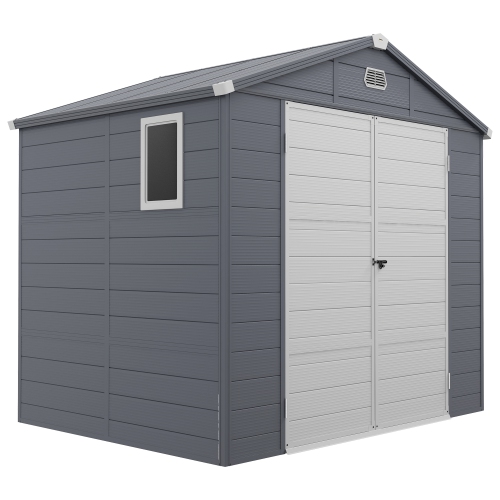
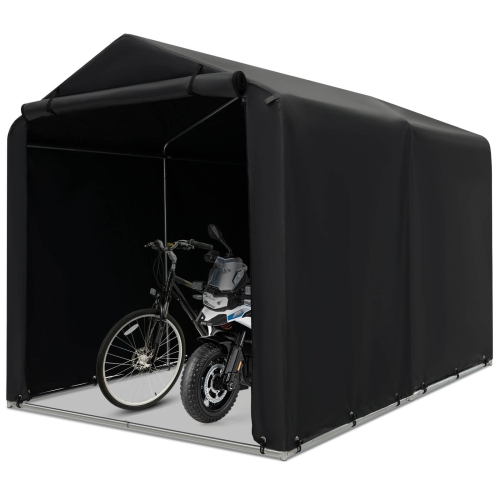
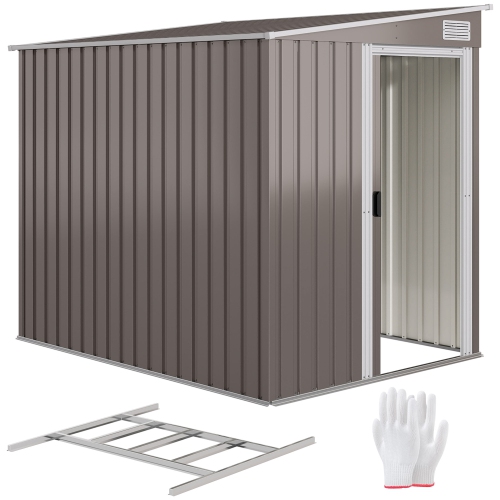
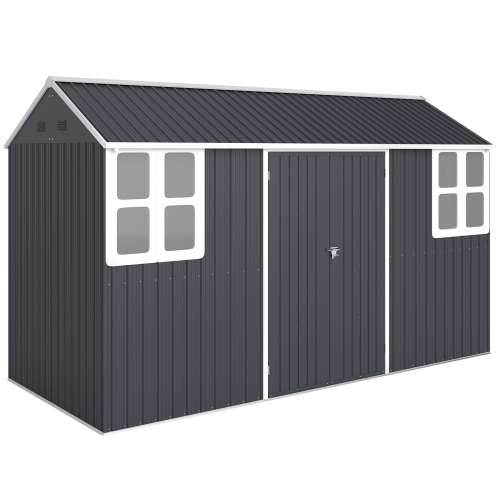
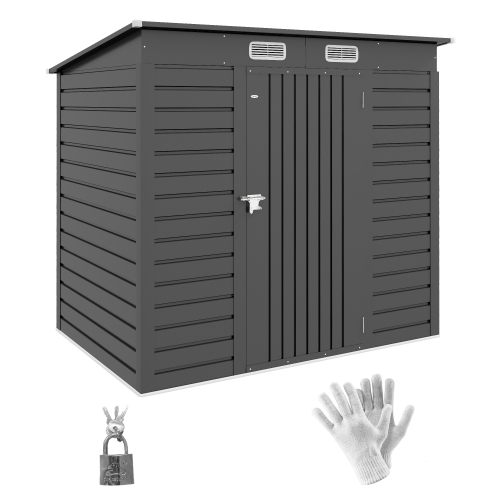
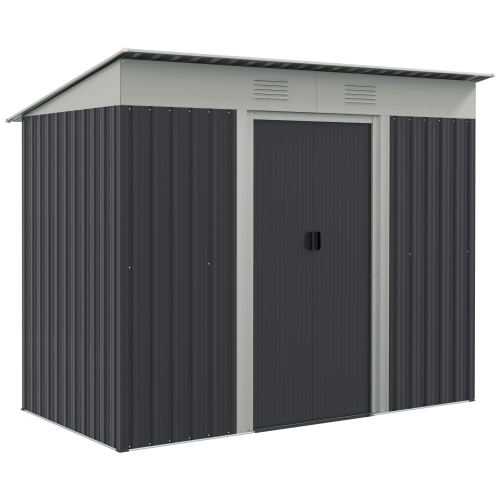
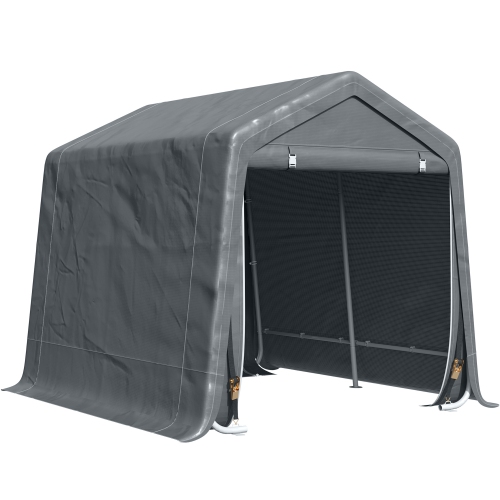
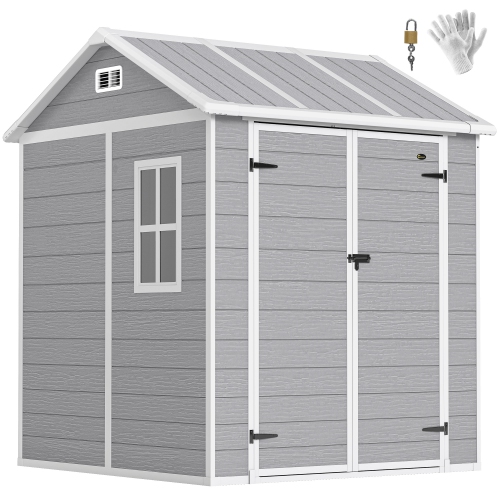
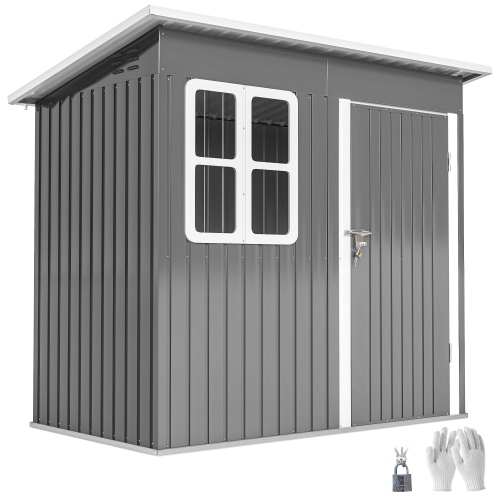
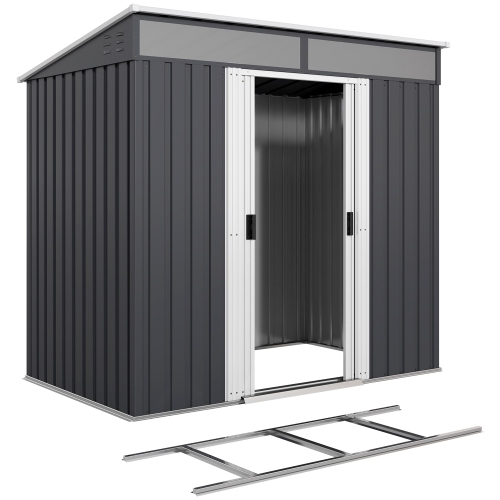
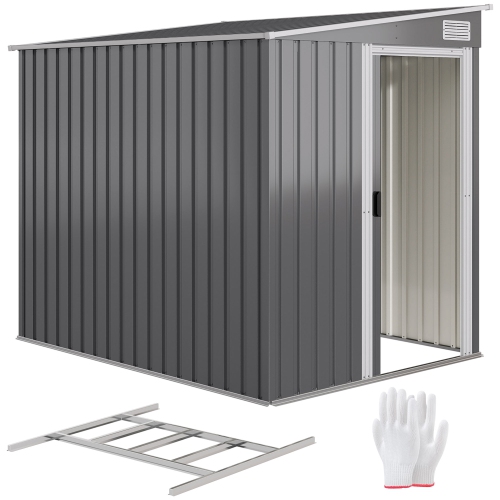
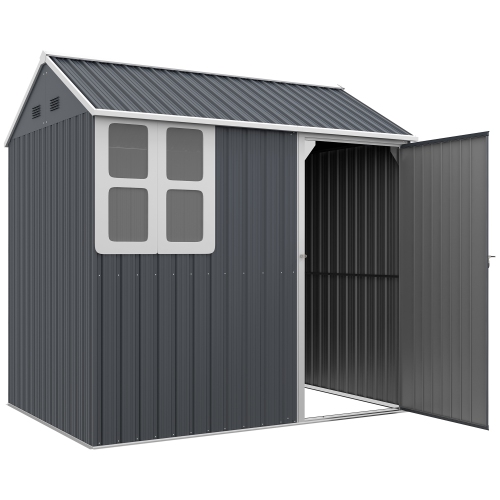
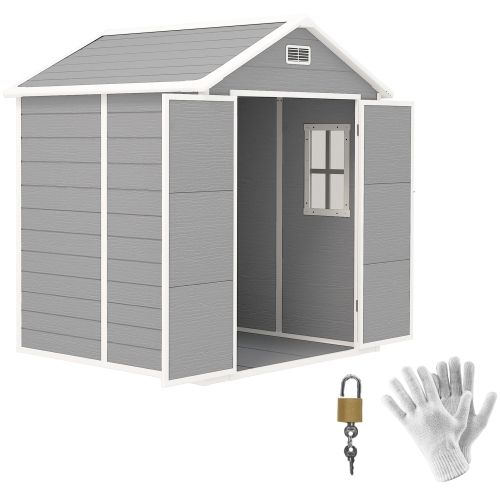
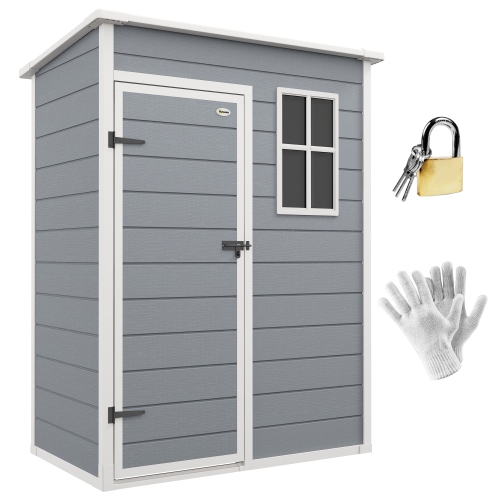
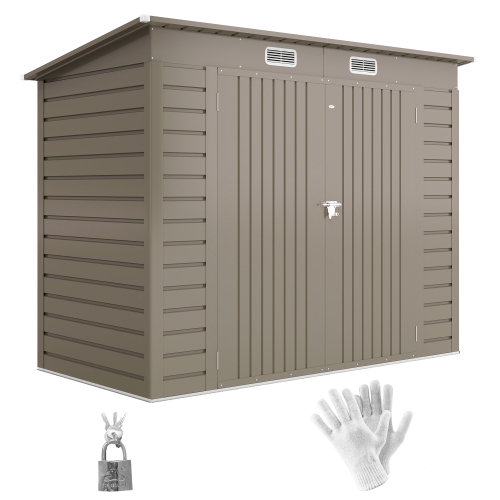
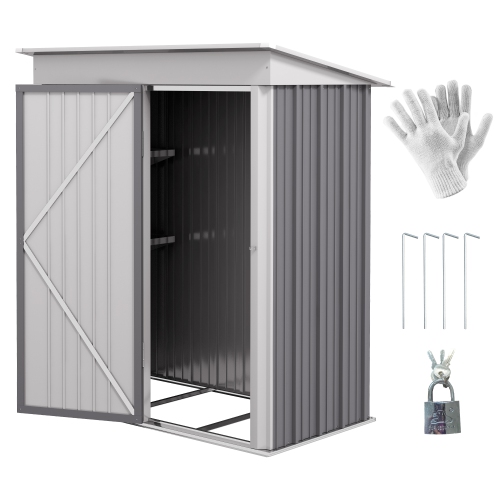
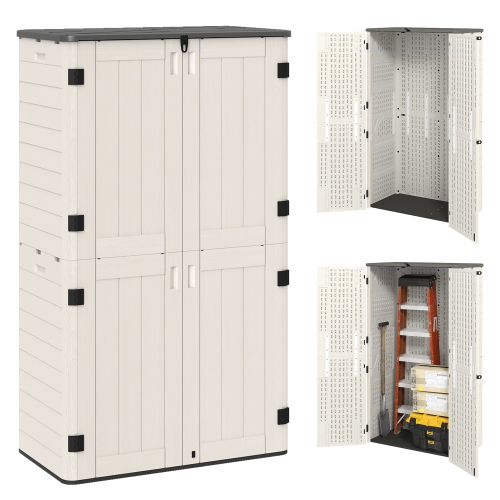
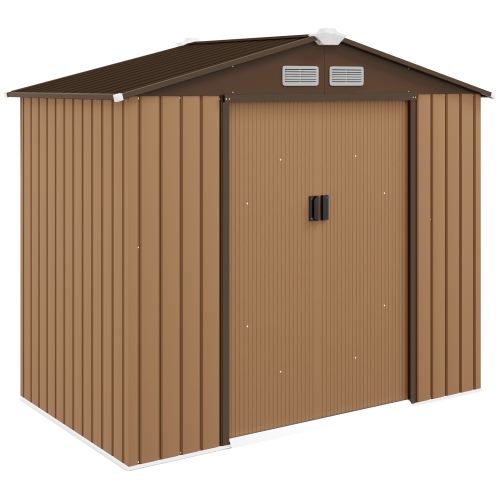
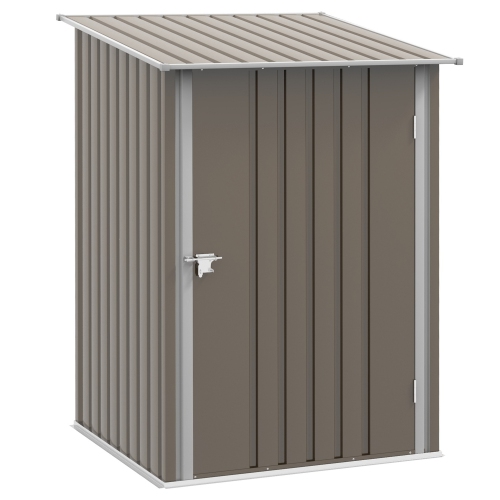
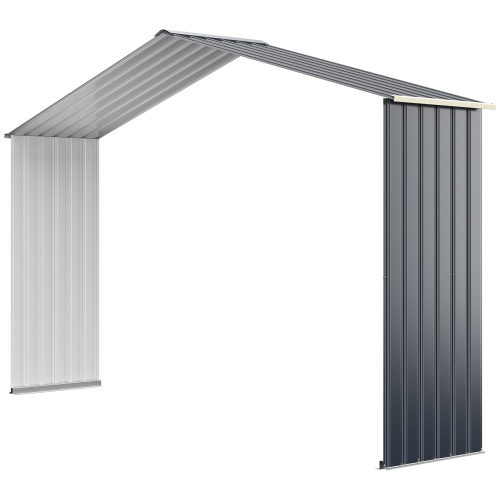
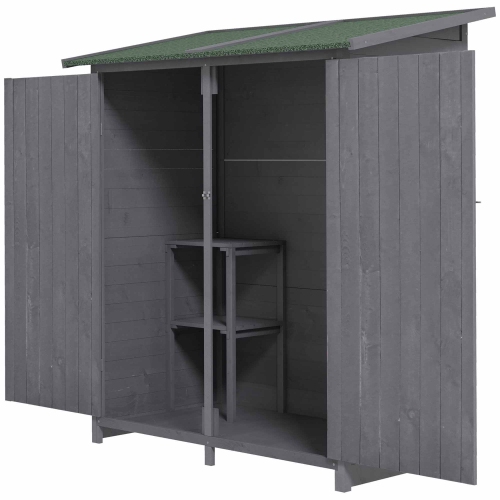
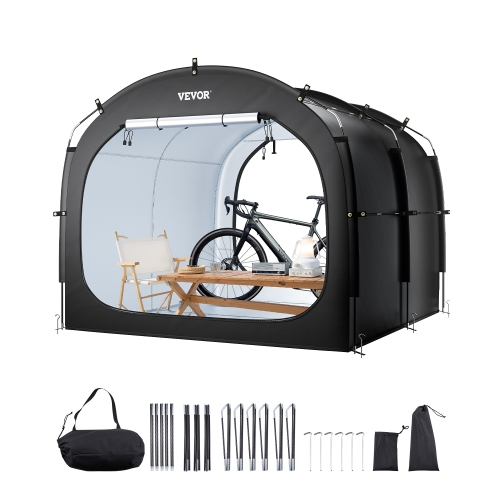
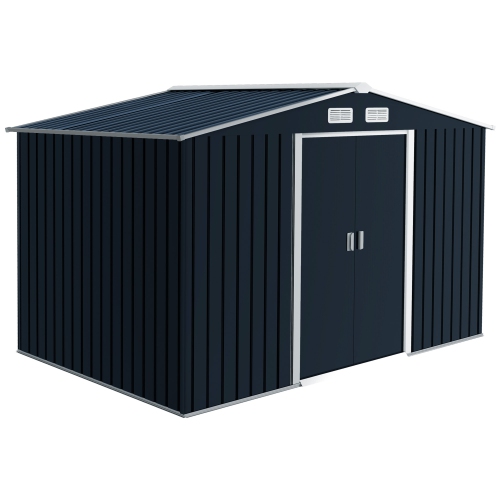
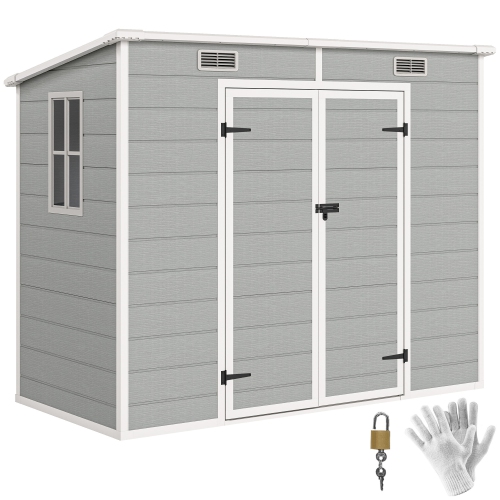
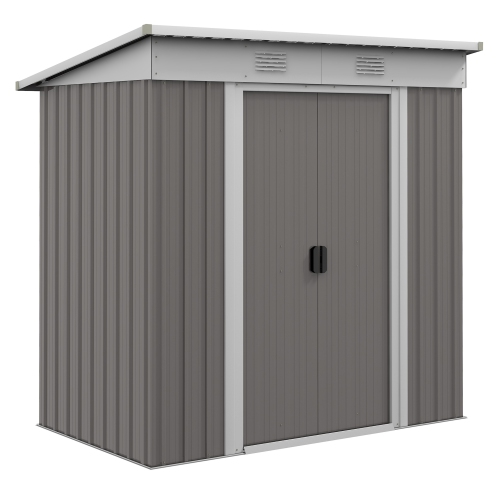
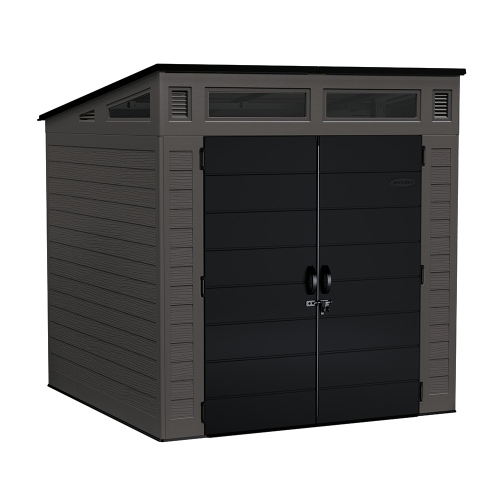
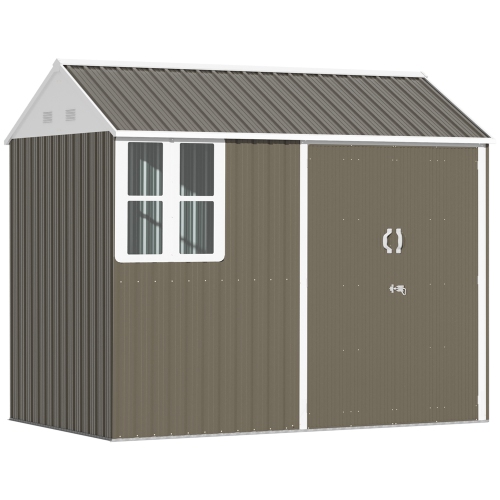
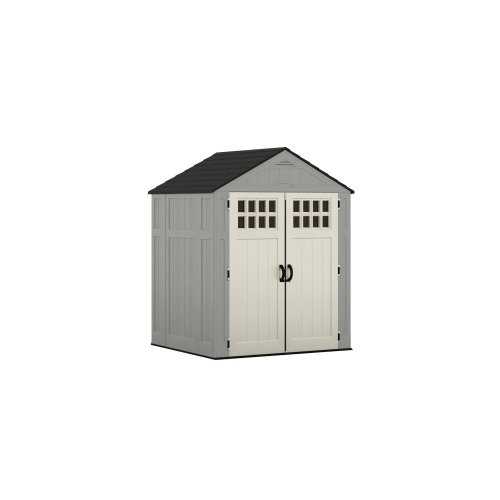
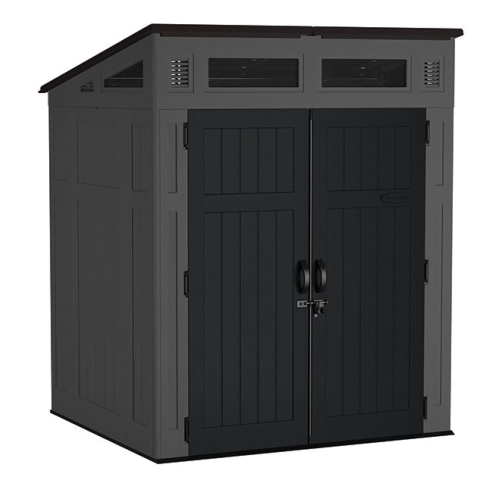
Practical outdoor protection for motorcycles and riding gear
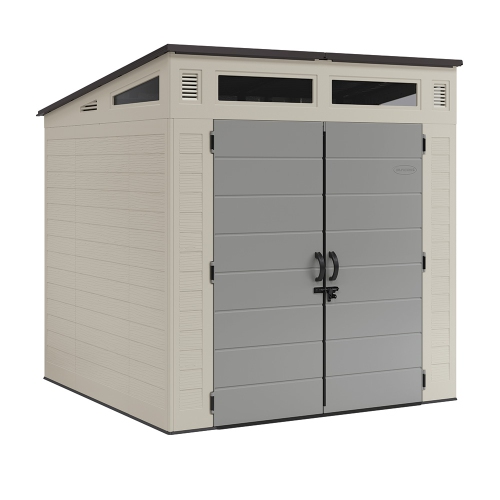
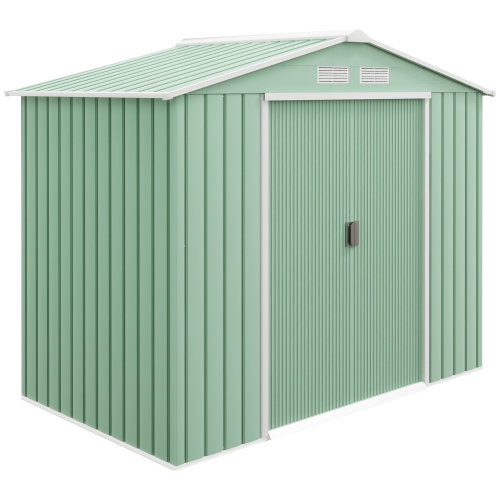
Motorcycle storage sheds offer a practical way to keep a bike protected, organised, and ready to ride when it is not in use. Rather than leaving a motorcycle exposed to rain, snow, wind, falling leaves, and airborne dirt, riders can use a dedicated shelter to create a cleaner, more controlled storage area in a yard, driveway, side passage, or other suitable outdoor space. These structures range from portable fabric shelters that can be assembled and relocated to resin sheds and more substantial metal or wooden garages designed for longer-term use. A covered storage area can also help keep helmets, riding jackets, boots, gloves, ramps, tools, battery tenders, and maintenance supplies together instead of scattered through a garage or home. For riders who use their motorcycle regularly, a shed can make the start of a trip feel less like a chore: open the doors, move around the bike comfortably, and retrieve the gear needed for the road. It can also be a thoughtful gift for a motorcycle owner who has recently moved into a home without a garage, added another bike to the household, or needs a better place to store riding equipment during the cooler months. Those shopping for related outdoor storage may also wish to explore a Bike Storage Shed for bicycles and other compact recreational equipment.
The right motorcycle storage shed depends first on the available space and the size of the motorcycle. A shelter measuring approximately 6 x 8 feet may suit one standard-sized bike with room for basic equipment, while an 8 x 10-foot or larger structure can provide more comfortable access, additional storage, or space for more than one motorcycle. Check the overall exterior dimensions, door opening, roof height, and interior clearance rather than relying only on the listed footprint. Handlebars, mirrors, saddlebags, top cases, and touring screens can make a motorcycle wider or taller than expected, and a few extra feet around the bike make it easier to park, cover, clean, or perform minor maintenance. Door style matters as well. A wide hinged door may work well in a compact yard, while a roll-up or double-door opening can make it easier to guide a heavy touring motorcycle inside. Portable fabric shelters are often chosen for quick setup, seasonal use, or locations where a permanent structure is not practical. Resin and plastic sheds generally provide rigid walls and low-maintenance storage, while prefabricated metal or wooden garages may appeal to riders looking for a sturdier enclosure with a more substantial feel. Before installation, confirm that the surface is level and stable, measure the route used to move the motorcycle into place, and check local property, placement, and anchoring requirements.
Security and moisture control deserve close attention, particularly when a motorcycle will remain stored outdoors for an extended period. Look for lockable doors, reinforced entry points, or anchor locations that allow the shed or frame to be secured to a suitable base. Anchoring helps improve stability in strong wind and makes the structure more difficult to move, while a separate disc lock, chain, or alarm can add another layer of protection for the motorcycle itself. No outdoor shed should be treated as a complete substitute for sensible security practices, so consider visibility from the home, lighting, and the surrounding access points when choosing a location. Ventilation is equally important. Temperature changes can create condensation inside an enclosed shelter, and built-in vents, mesh openings, or carefully positioned airflow can help reduce damp conditions that may affect metal surfaces, upholstery, riding gear, and stored tools. Avoid sealing a wet motorcycle inside immediately after a ride; allow water and heat to dissipate first, and keep the floor clear of standing moisture. During colder weather, a clean, dry shelter can make seasonal storage more manageable, especially when paired with a motorcycle cover, battery maintainer, fuel-stabilising routine, and occasional checks for pests or moisture. Think about everyday convenience as well as protection: a ramp-friendly threshold, smooth door operation, interior hooks, shelving, and enough space to turn the handlebars can make the difference between a shed that is merely large enough and one that fits naturally into a rider’s routine.
The right motorcycle storage shed depends first on the available space and the size of the motorcycle. A shelter measuring approximately 6 x 8 feet may suit one standard-sized bike with room for basic equipment, while an 8 x 10-foot or larger structure can provide more comfortable access, additional storage, or space for more than one motorcycle. Check the overall exterior dimensions, door opening, roof height, and interior clearance rather than relying only on the listed footprint. Handlebars, mirrors, saddlebags, top cases, and touring screens can make a motorcycle wider or taller than expected, and a few extra feet around the bike make it easier to park, cover, clean, or perform minor maintenance. Door style matters as well. A wide hinged door may work well in a compact yard, while a roll-up or double-door opening can make it easier to guide a heavy touring motorcycle inside. Portable fabric shelters are often chosen for quick setup, seasonal use, or locations where a permanent structure is not practical. Resin and plastic sheds generally provide rigid walls and low-maintenance storage, while prefabricated metal or wooden garages may appeal to riders looking for a sturdier enclosure with a more substantial feel. Before installation, confirm that the surface is level and stable, measure the route used to move the motorcycle into place, and check local property, placement, and anchoring requirements.
Security and moisture control deserve close attention, particularly when a motorcycle will remain stored outdoors for an extended period. Look for lockable doors, reinforced entry points, or anchor locations that allow the shed or frame to be secured to a suitable base. Anchoring helps improve stability in strong wind and makes the structure more difficult to move, while a separate disc lock, chain, or alarm can add another layer of protection for the motorcycle itself. No outdoor shed should be treated as a complete substitute for sensible security practices, so consider visibility from the home, lighting, and the surrounding access points when choosing a location. Ventilation is equally important. Temperature changes can create condensation inside an enclosed shelter, and built-in vents, mesh openings, or carefully positioned airflow can help reduce damp conditions that may affect metal surfaces, upholstery, riding gear, and stored tools. Avoid sealing a wet motorcycle inside immediately after a ride; allow water and heat to dissipate first, and keep the floor clear of standing moisture. During colder weather, a clean, dry shelter can make seasonal storage more manageable, especially when paired with a motorcycle cover, battery maintainer, fuel-stabilising routine, and occasional checks for pests or moisture. Think about everyday convenience as well as protection: a ramp-friendly threshold, smooth door operation, interior hooks, shelving, and enough space to turn the handlebars can make the difference between a shed that is merely large enough and one that fits naturally into a rider’s routine.
Top selling and popular products
-
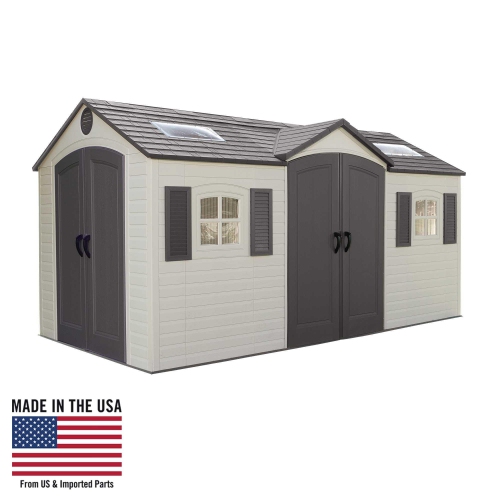 Your price for this item is $3999
 -
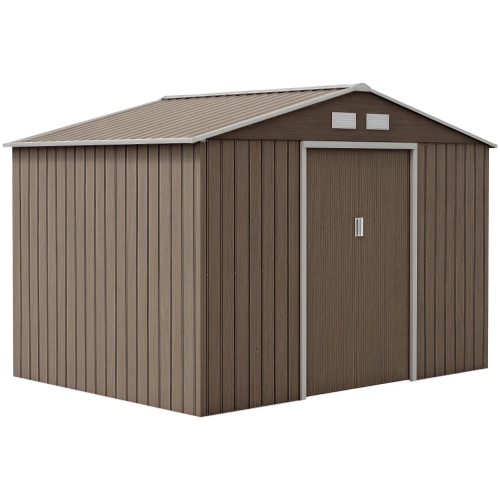 Your price for this item is $554.99
 -
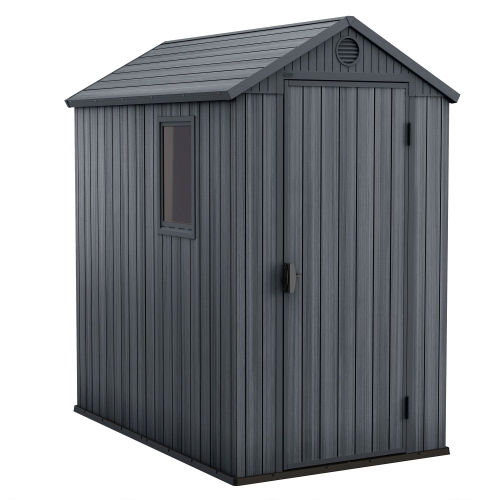 Your price for this item is $1205.99
 -
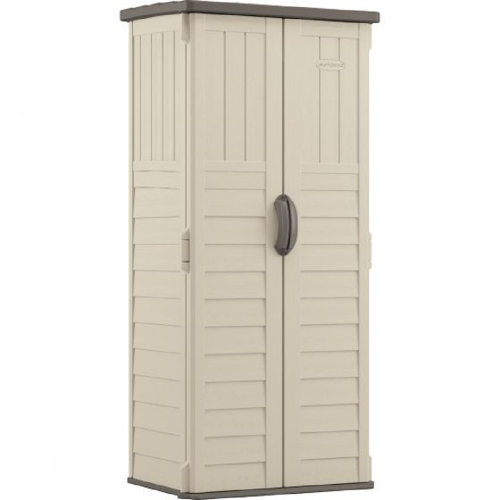 Your price for this item is $385.99
 -
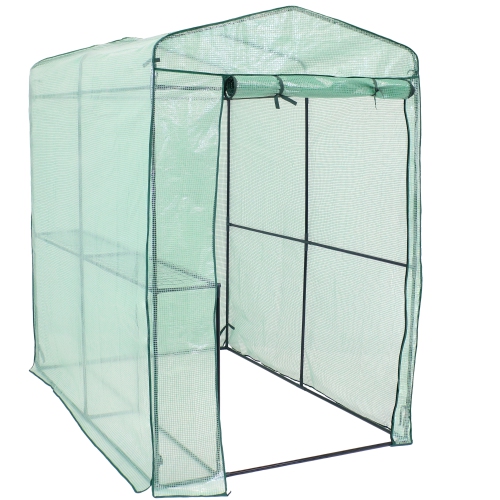 Your price for this item is $113.35
 -
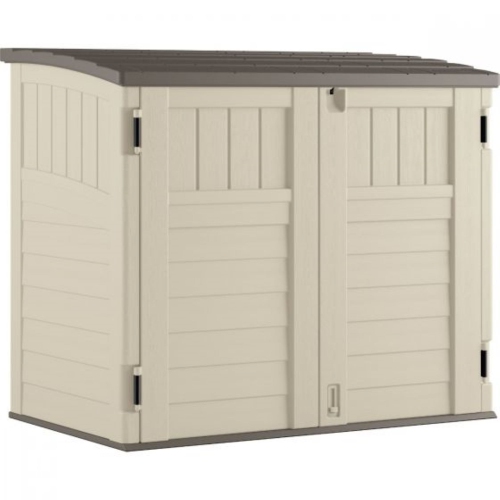 Your price for this item is $459.99
 -
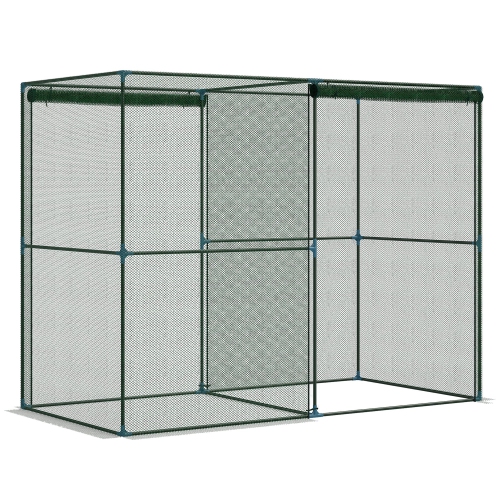 Your price for this item is $89.99
 -
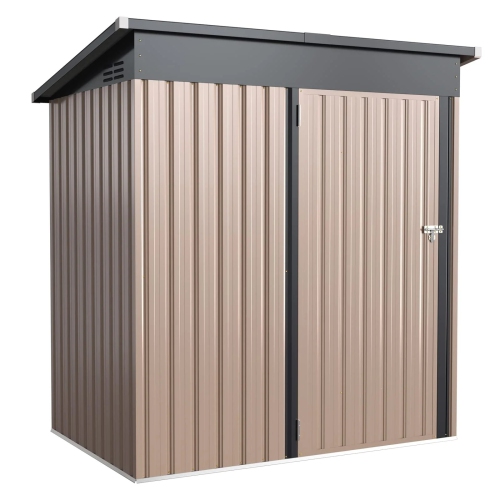 Your price for this item is $189.99
Discover more categories related to Motorcycle Storage Sheds

Top Collections:
Pokemon Centers, Budget 4K TVs, Kindle Devices, Canon G7X Cameras, Apple iPhones 16, iPhone 15 Apple, Laptops for Business Work, Flip Phones, Xiaomi Phones, Refurbished Apple Laptops
Some products may be subject to Environmental Handling Fees
(EHF) depending on your province.
Learn more about EHFs.