Bike Storage Shed
If you're looking for a convenient and secure solution to store your bike, these bike storage sheds offer a variety of options to keep your bicycles safe from the elements while maximizing space in your home or backyard. Whether you're an avid cyclist in need of a dedicated storage space or simply looking to declutter your living area, this selection of bike sheds provides durability, functionality, and style. Explore this range of bike storage sheds to find the perfect fit for your needs and keep your wheels ready for the next adventure.
Sort


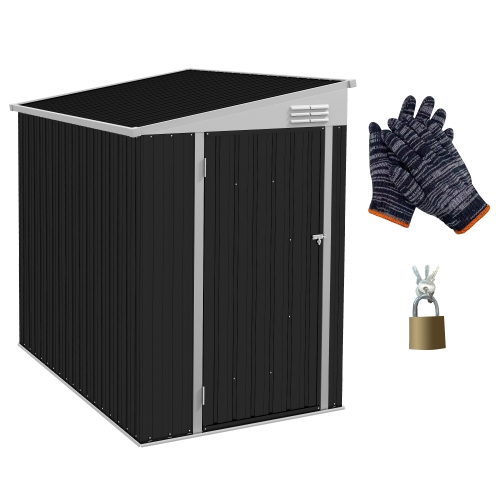
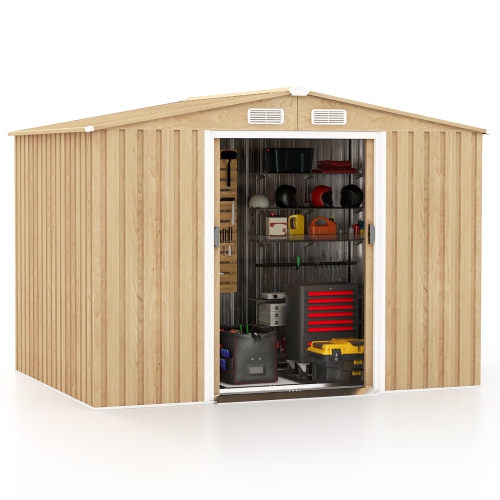
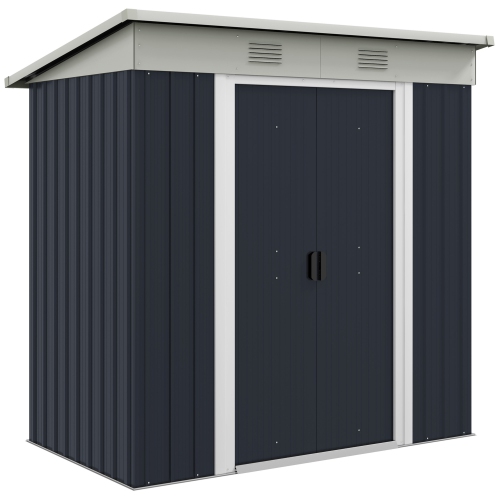
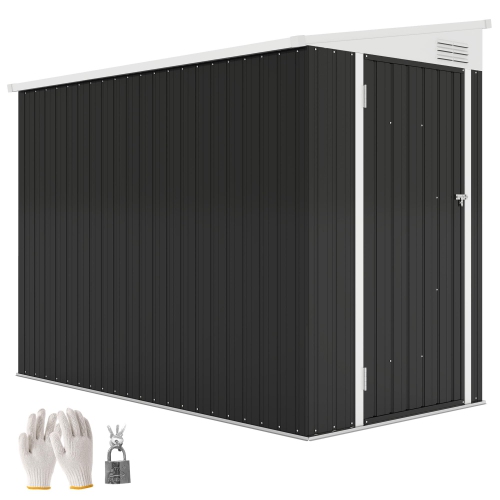

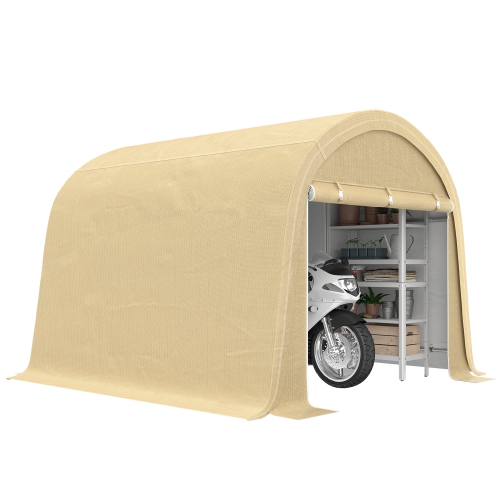
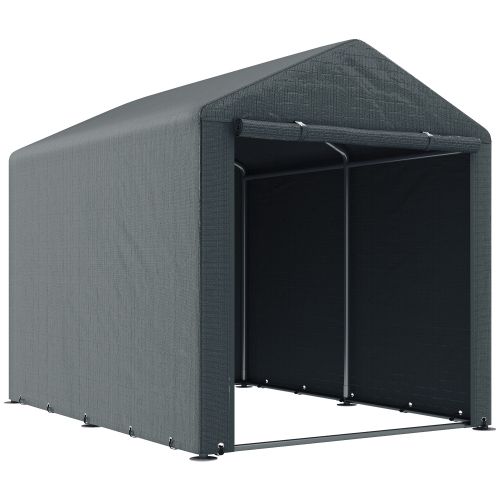
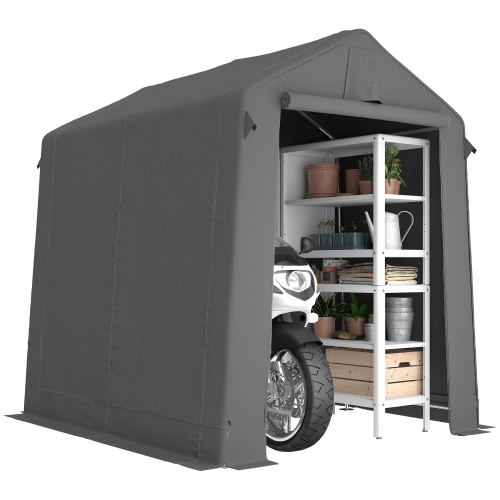
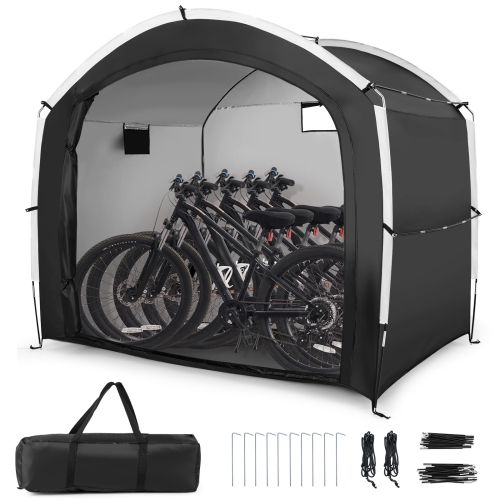

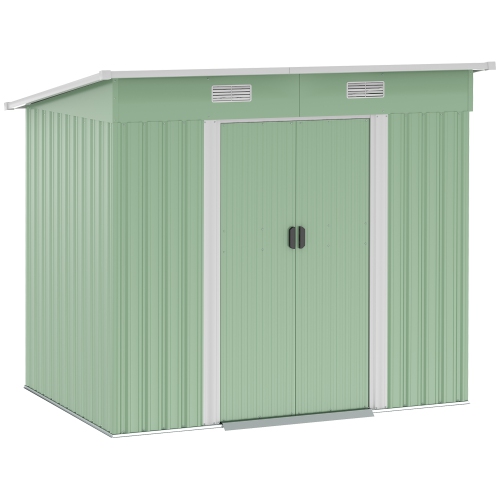
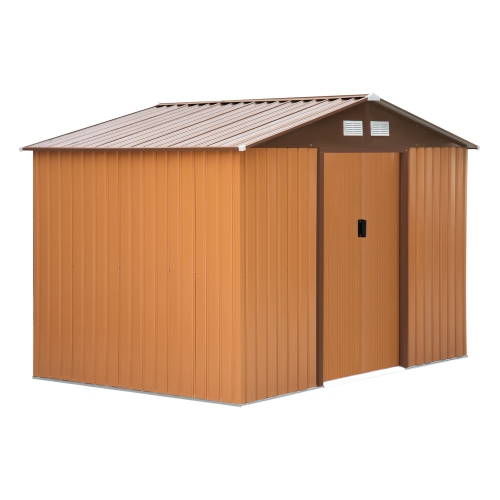
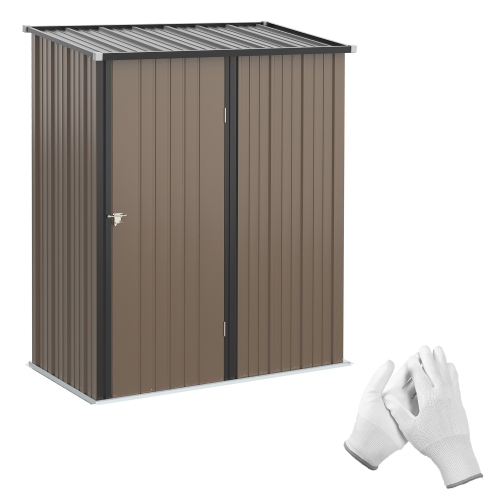
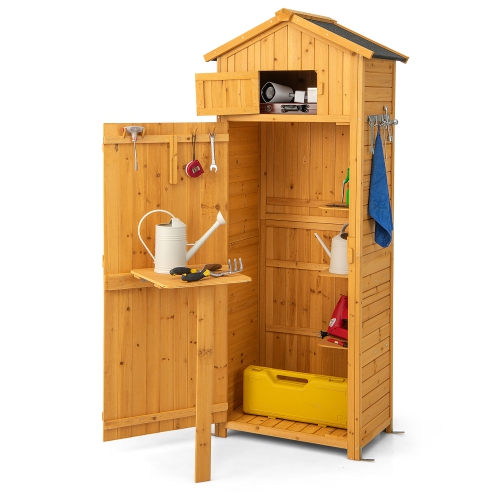
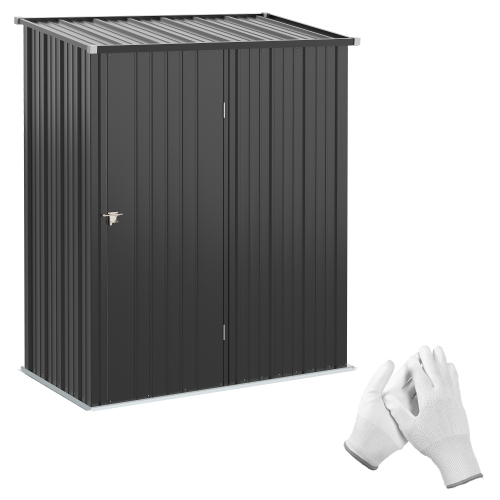
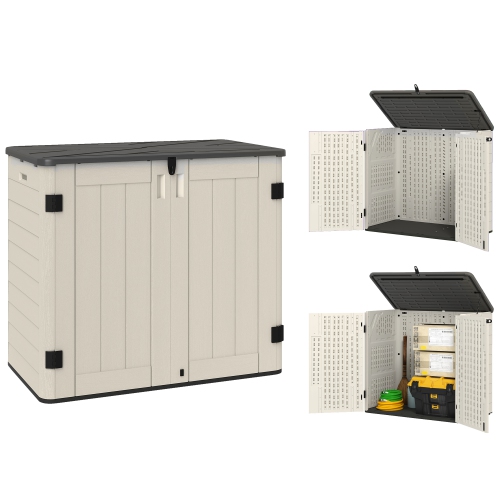
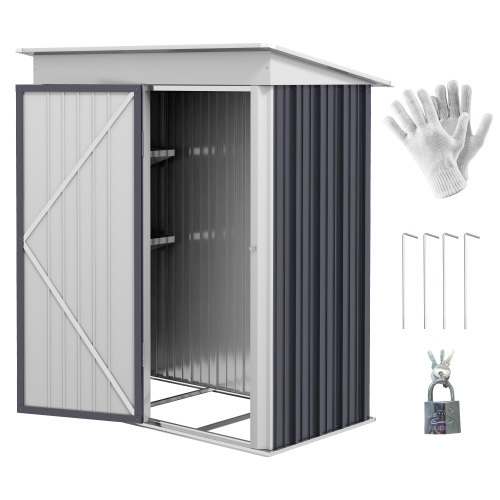
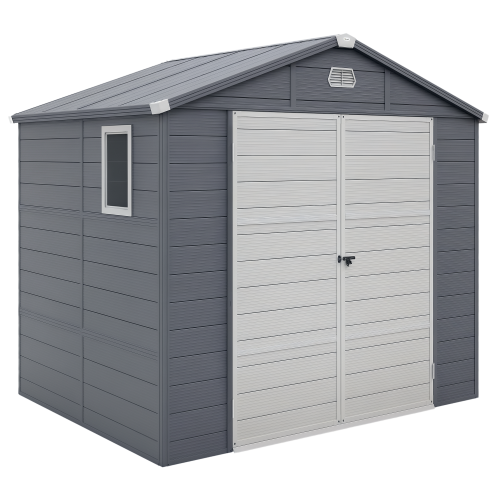
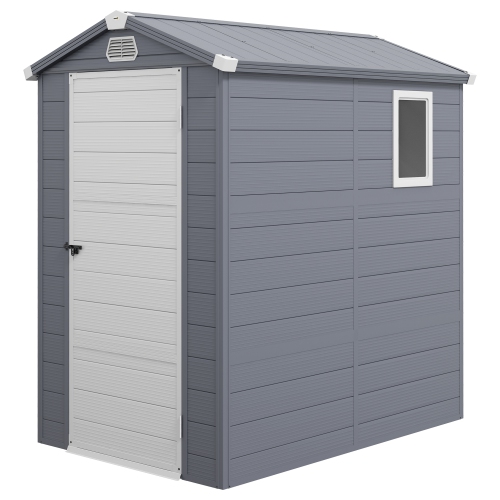
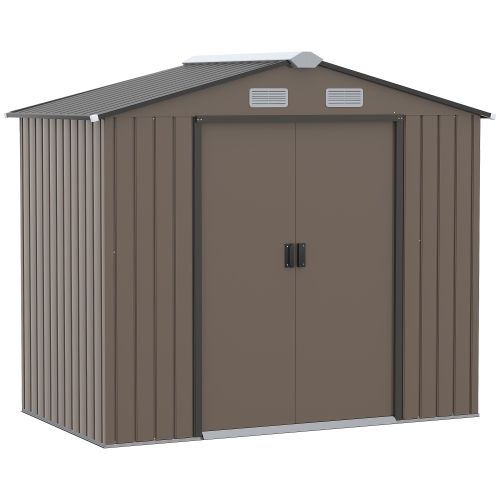
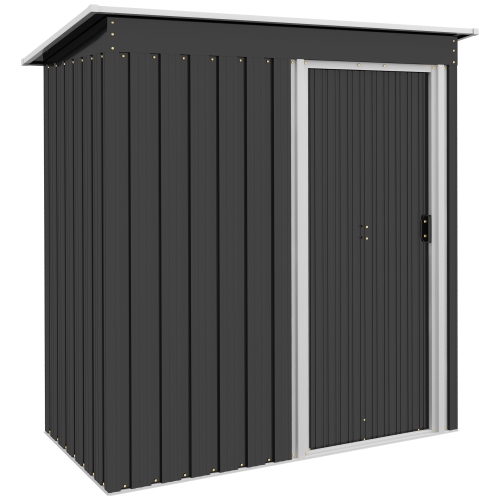
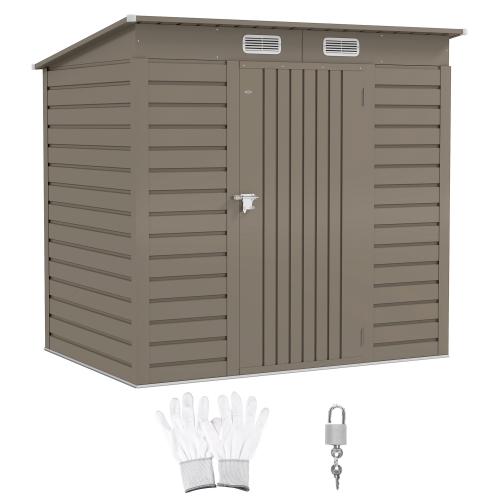
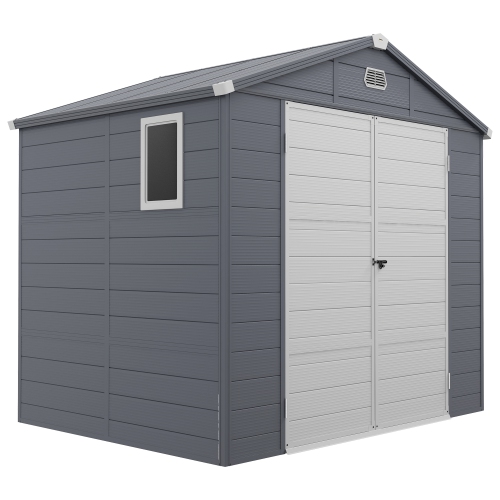
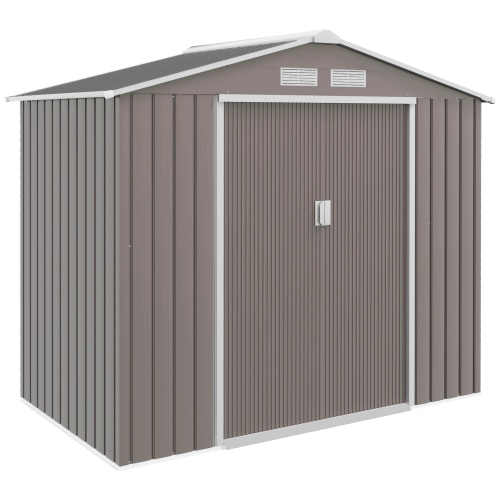
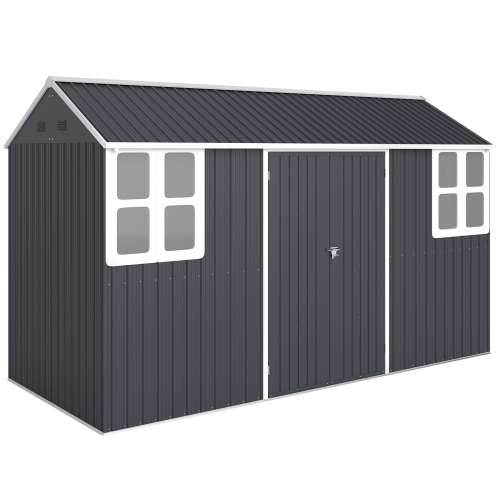
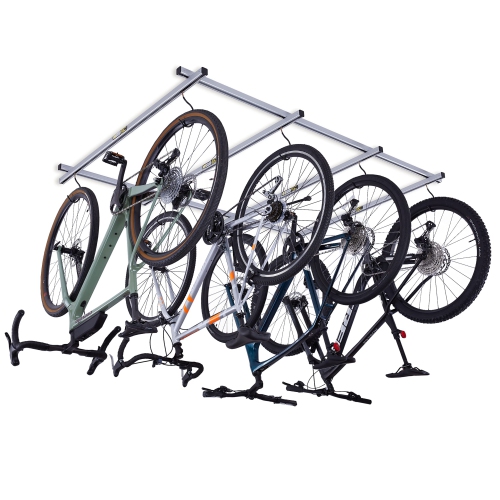
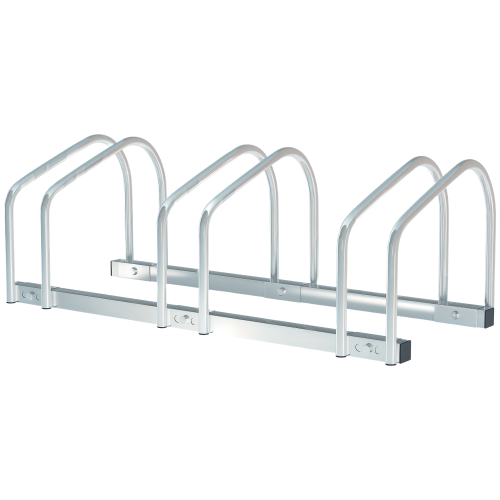
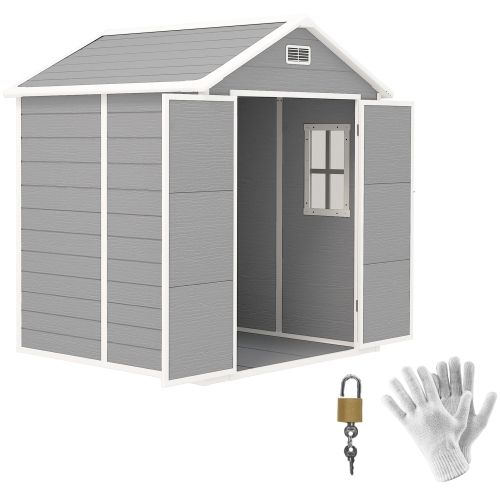
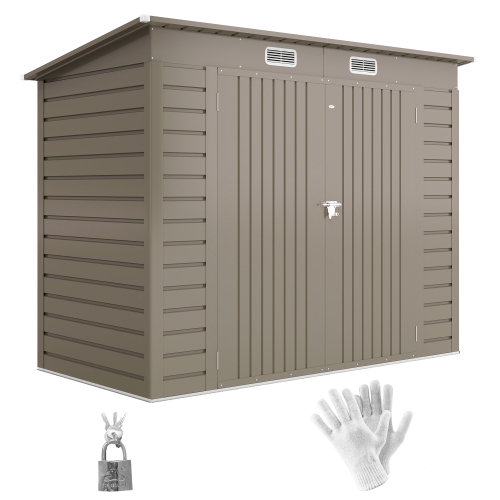
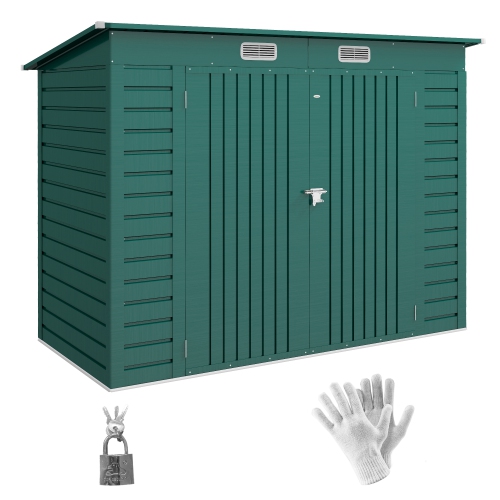
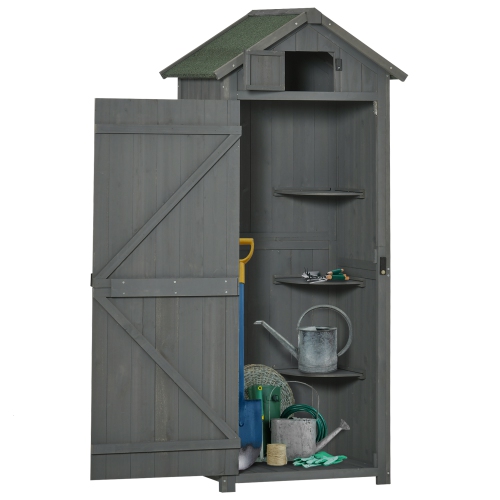
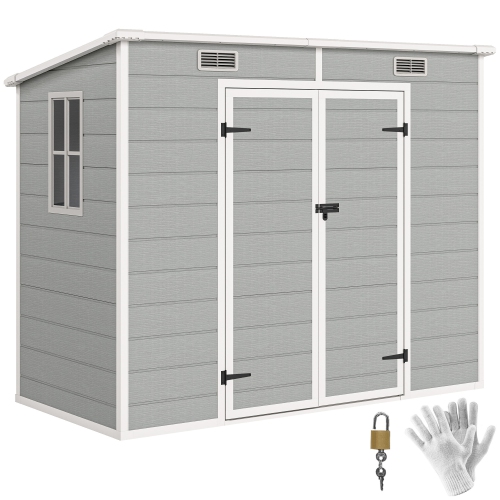
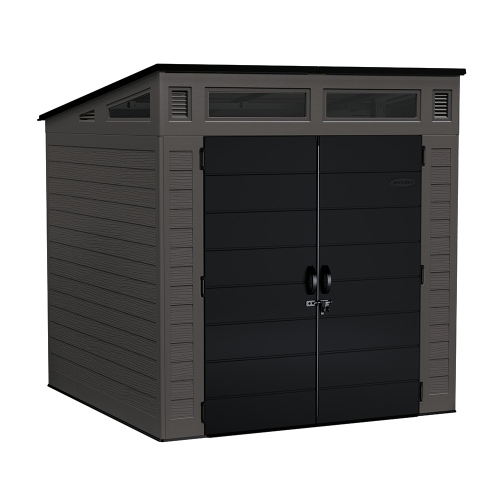
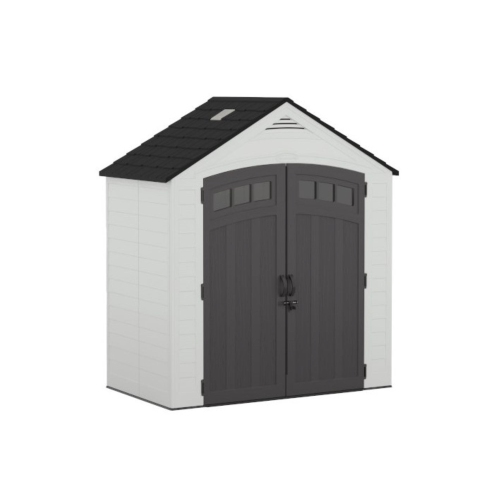

More room indoors with bikes sheltered outside
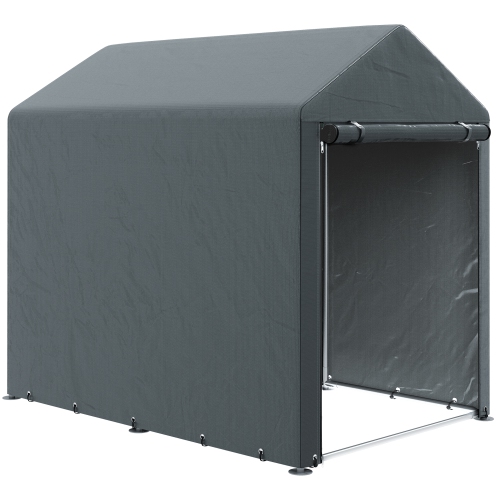
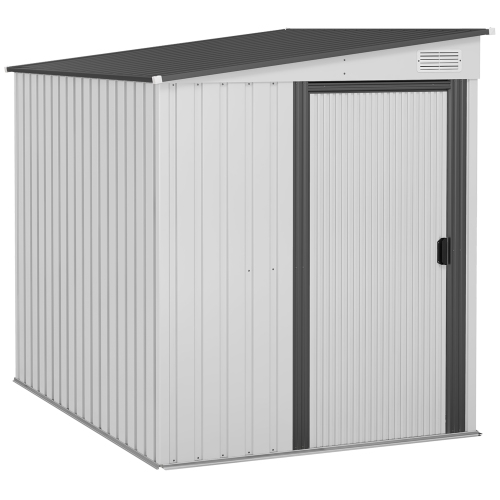
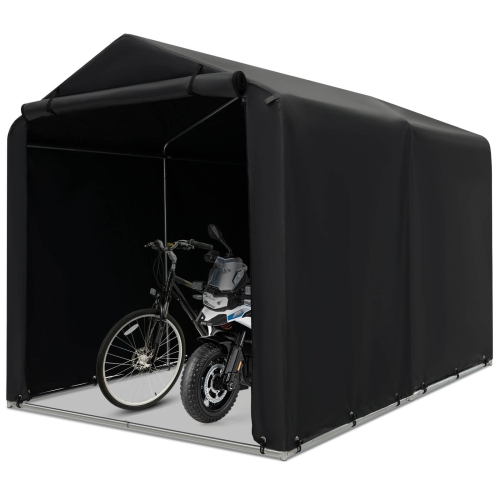
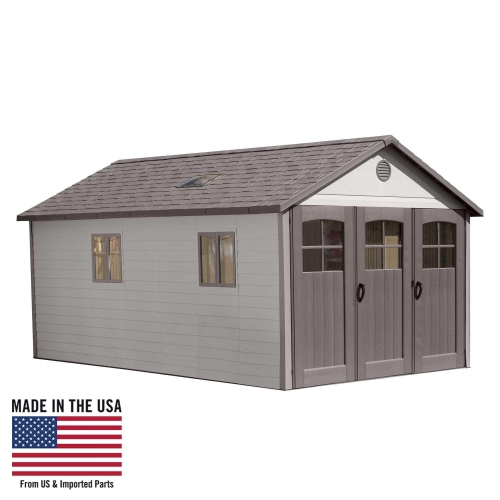
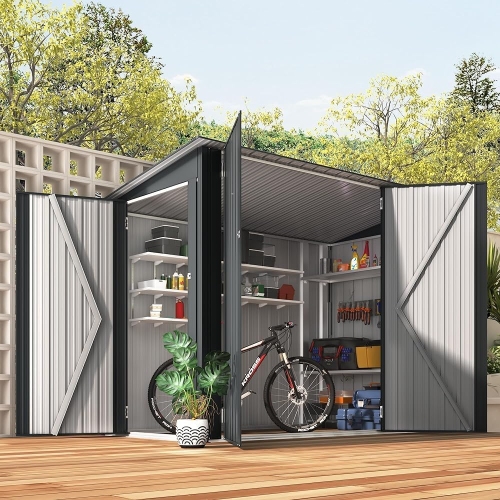
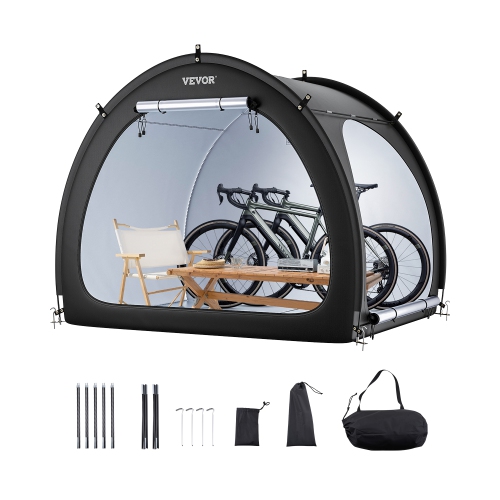
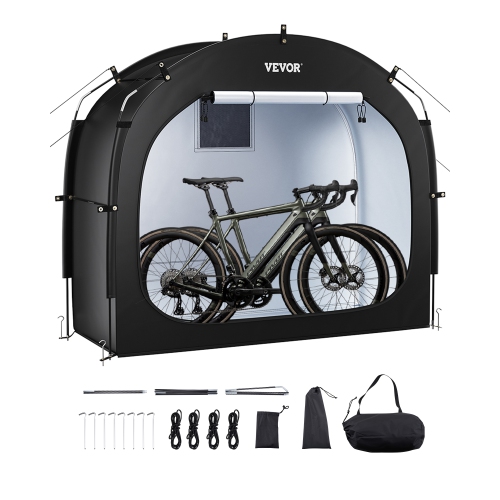
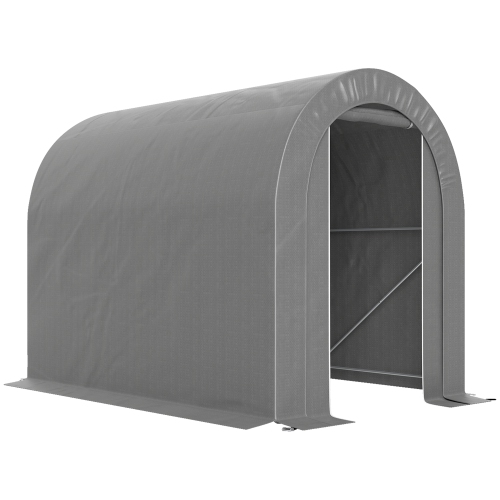
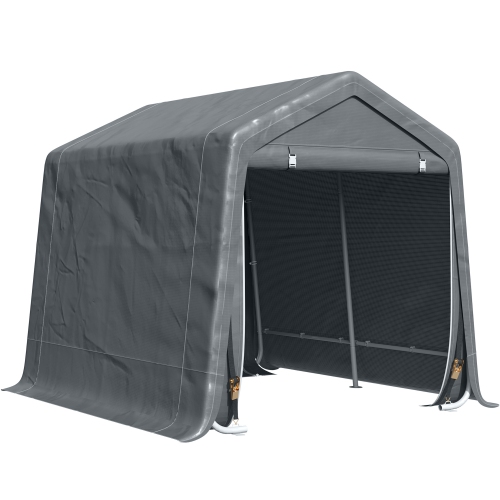
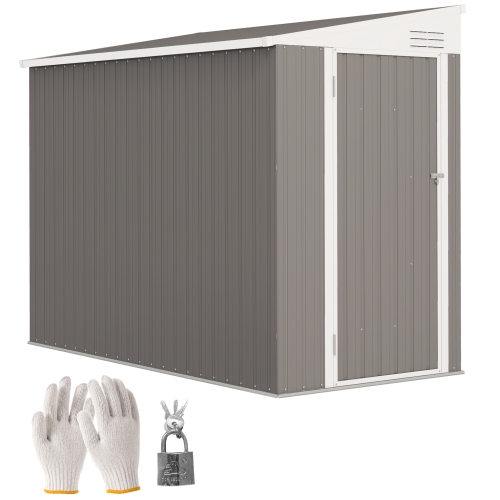
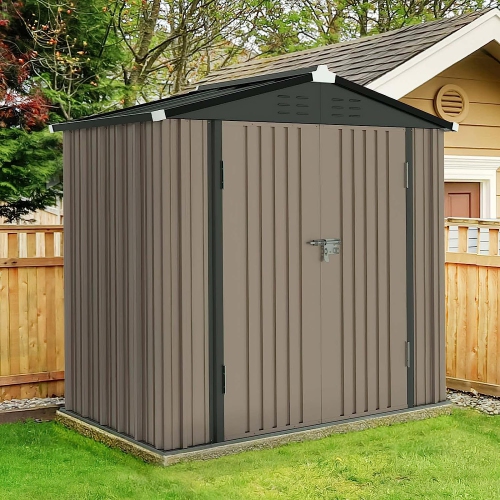
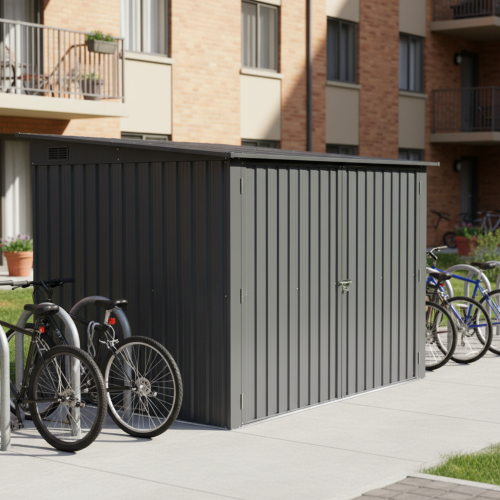
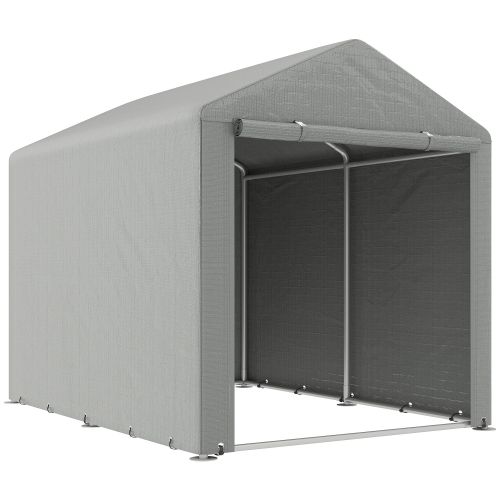
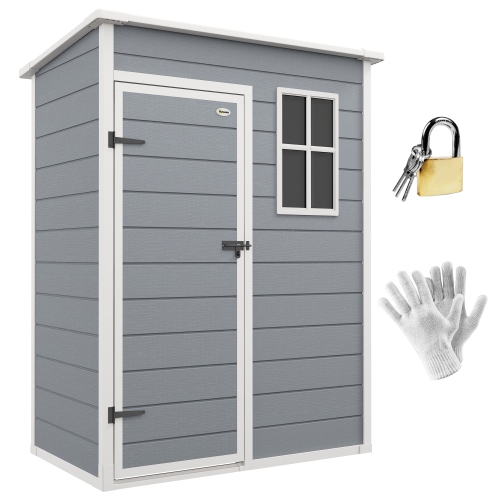
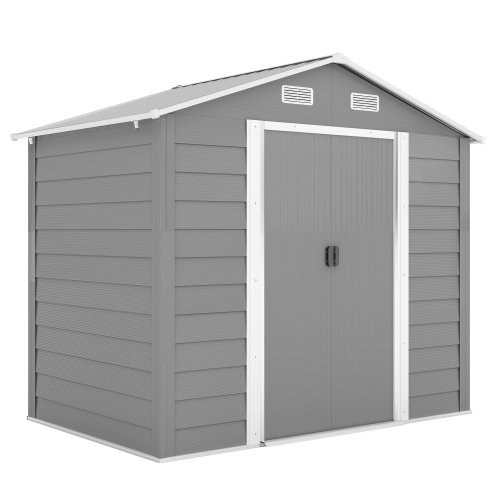
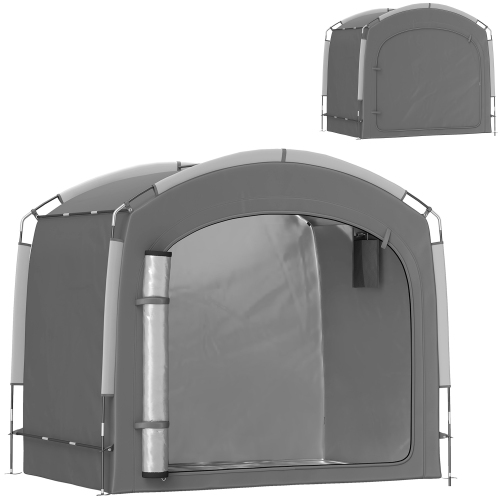
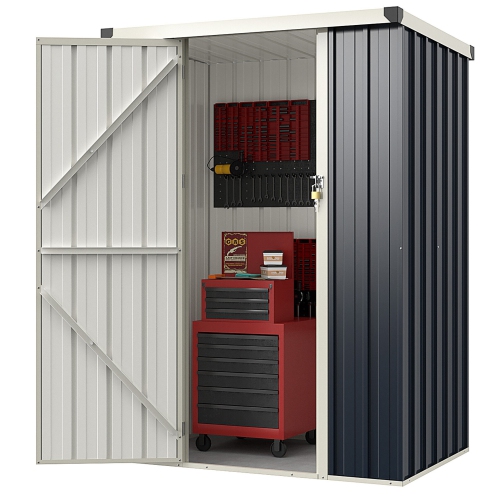
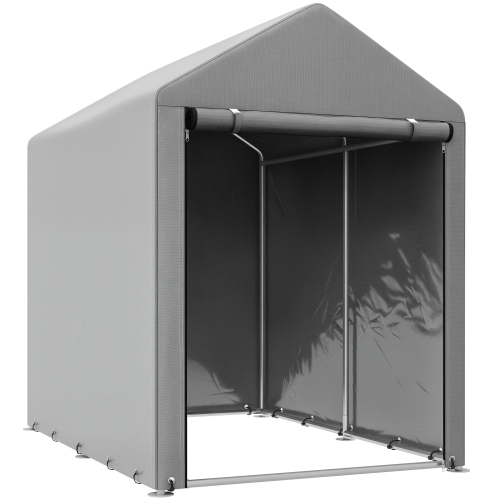
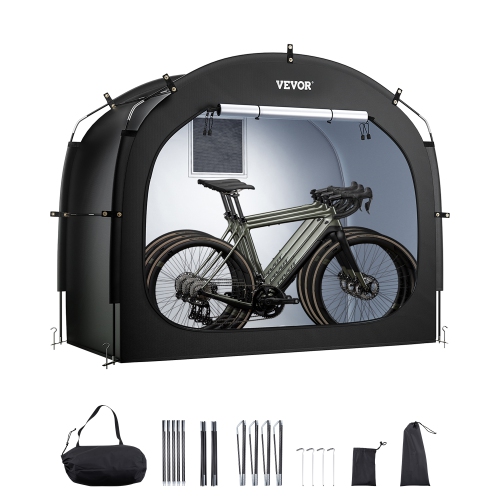
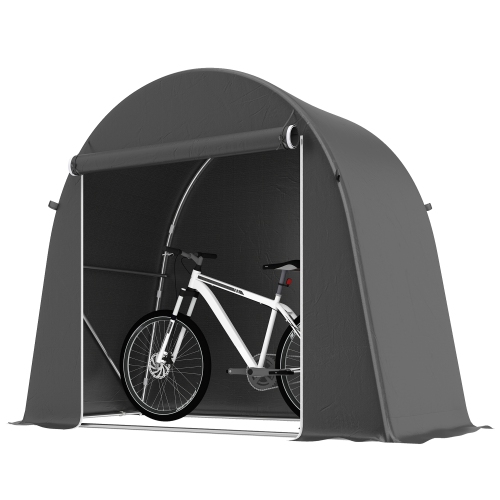
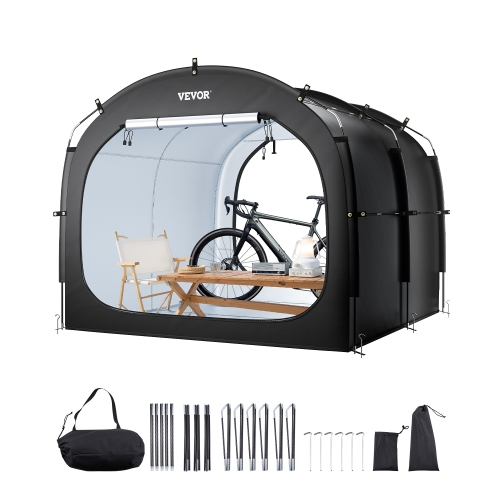
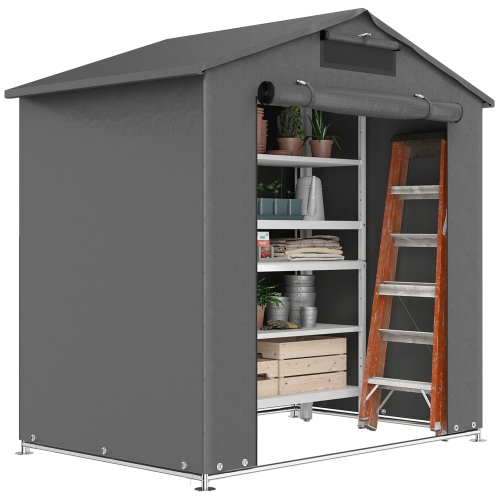
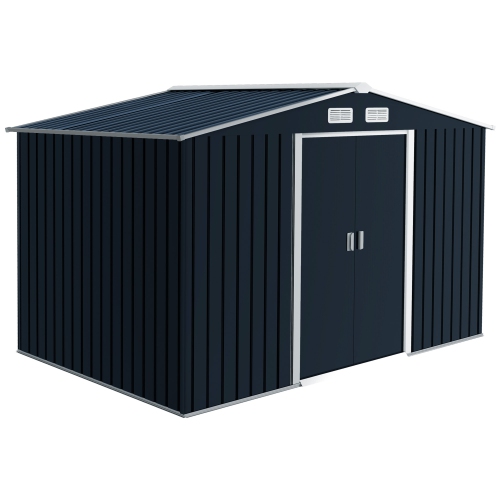
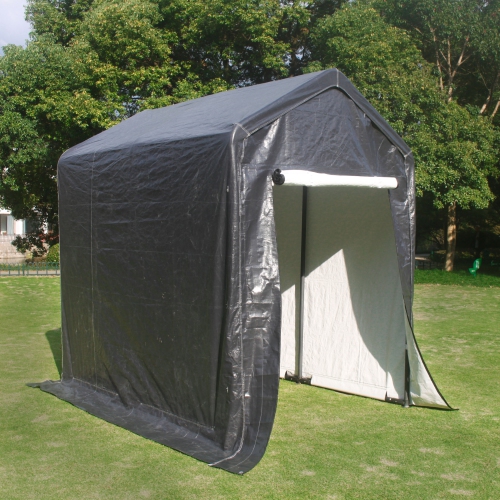
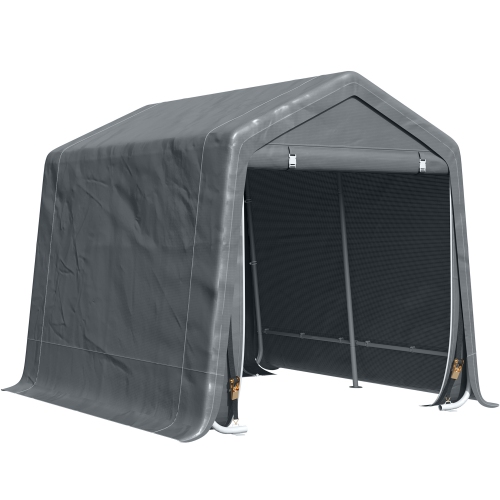
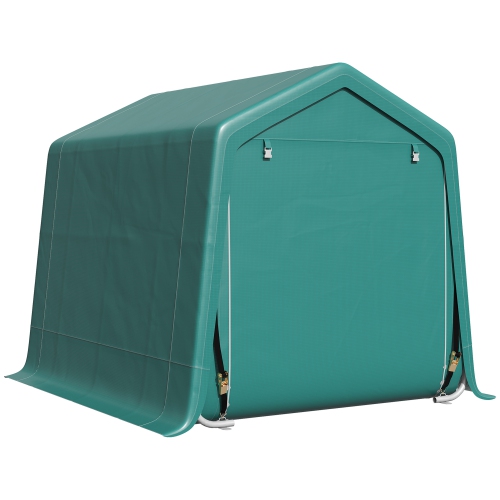
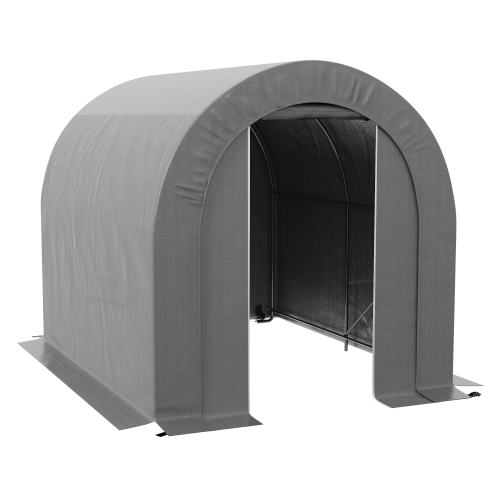
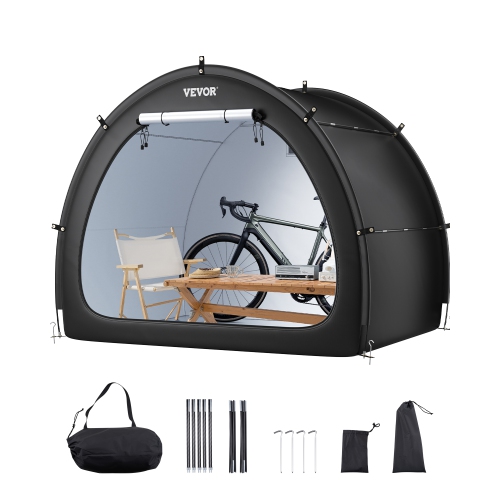
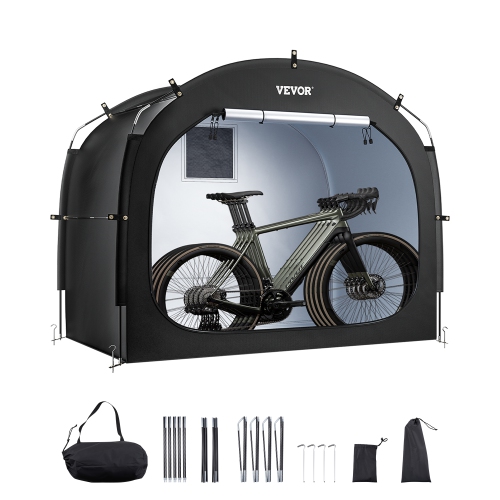
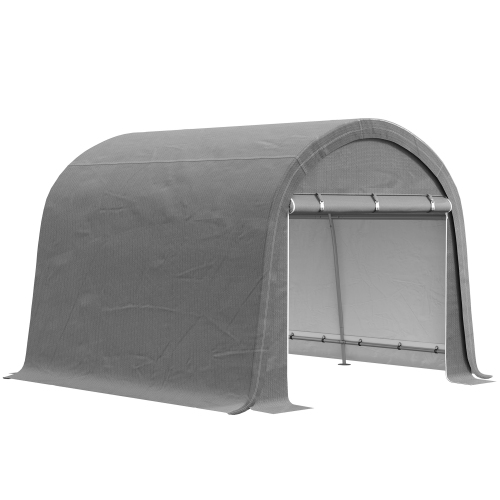
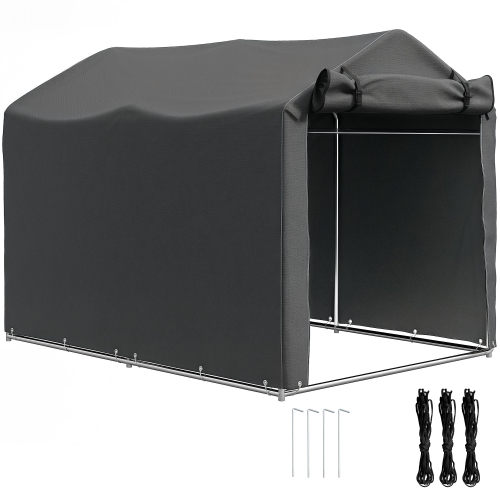
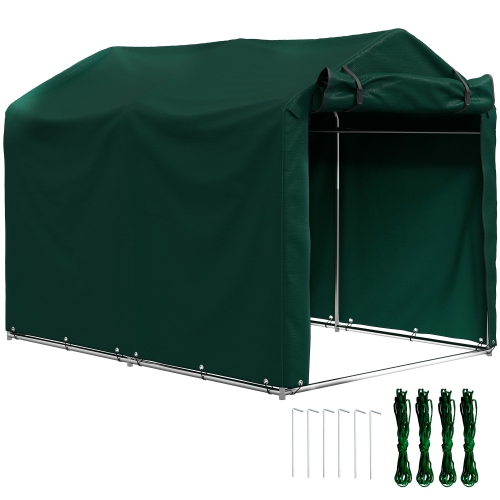
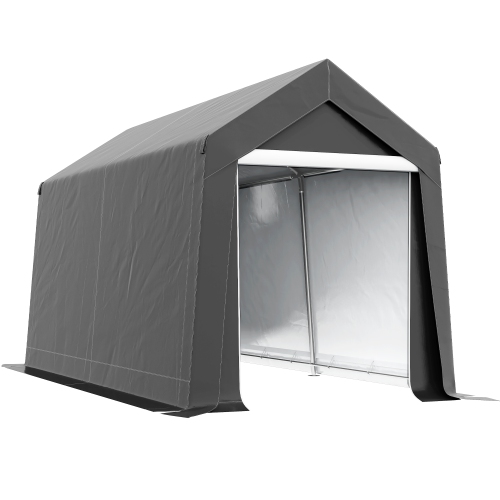
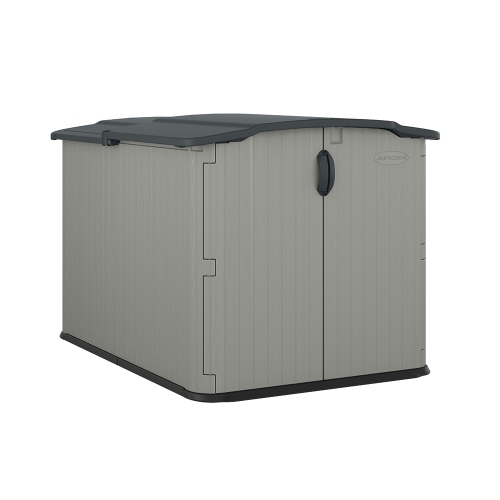
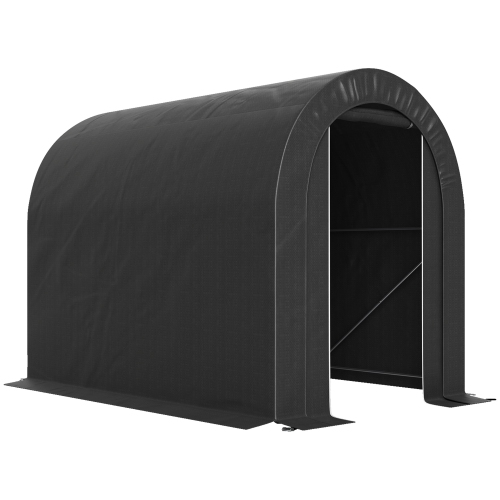
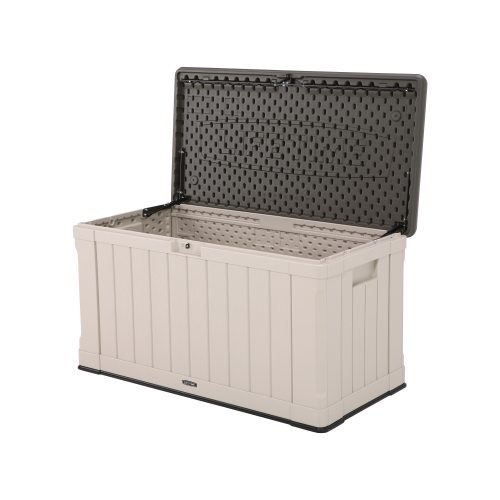
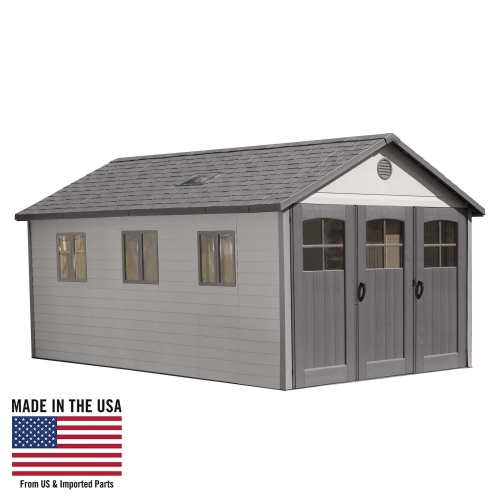
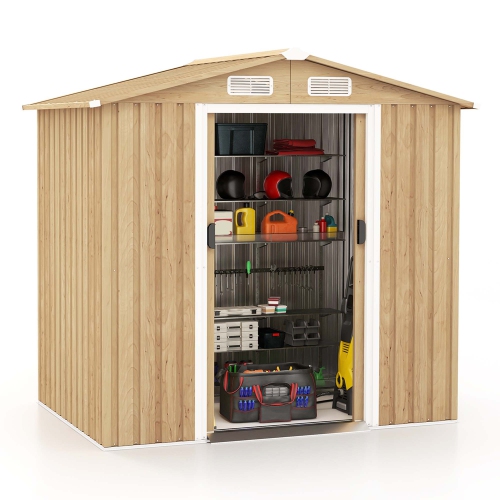
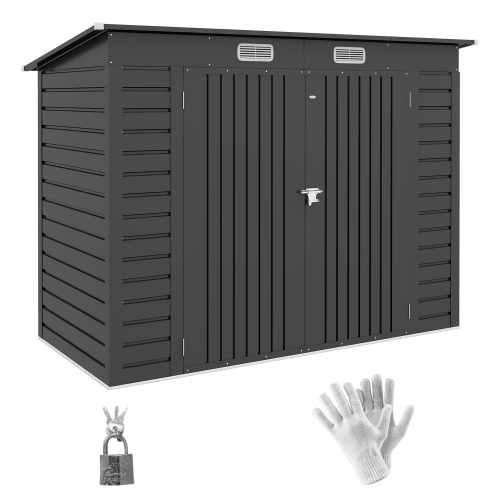
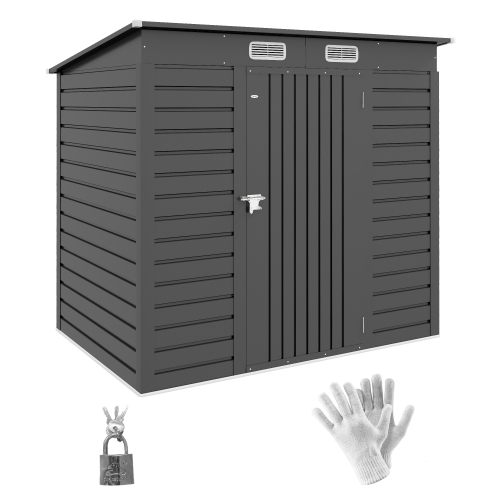
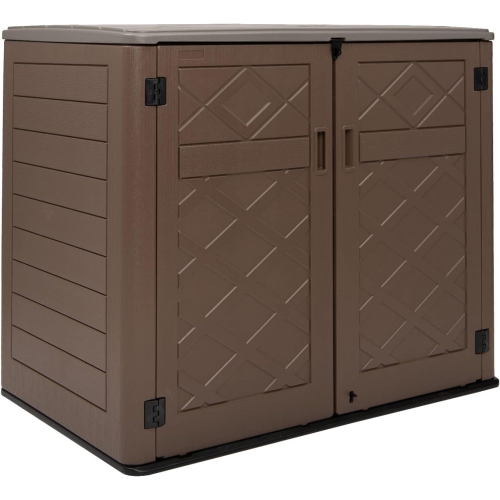
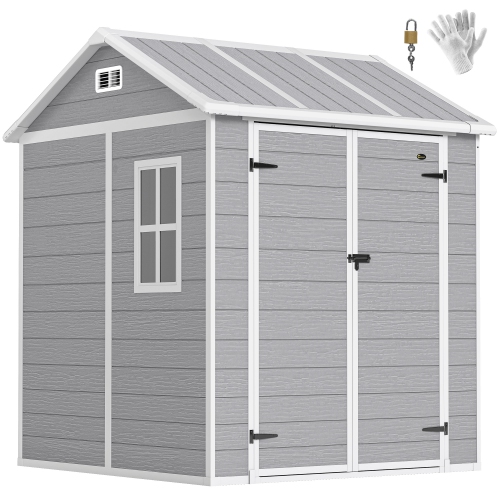
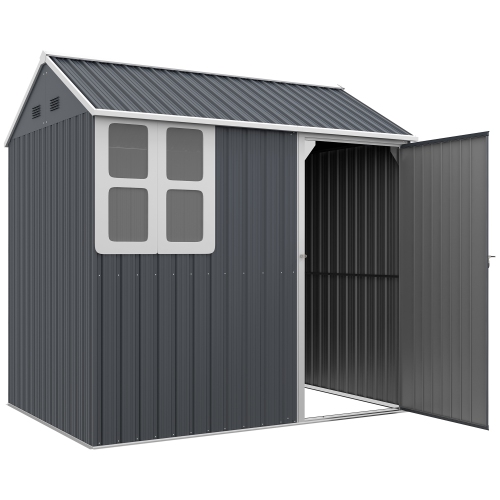
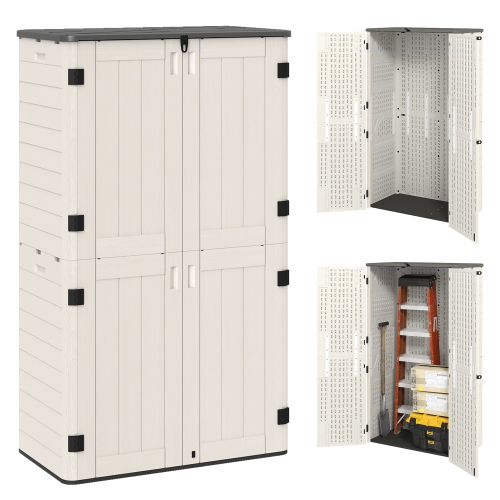
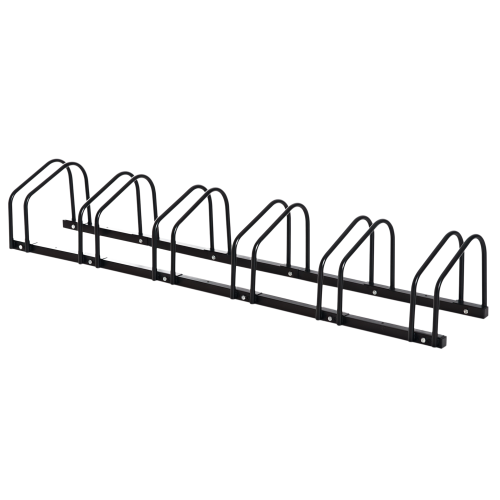
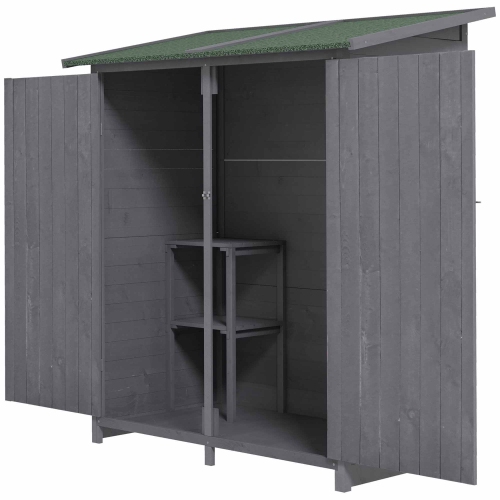
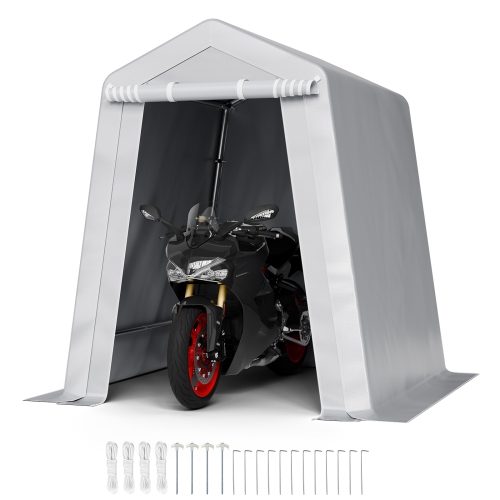
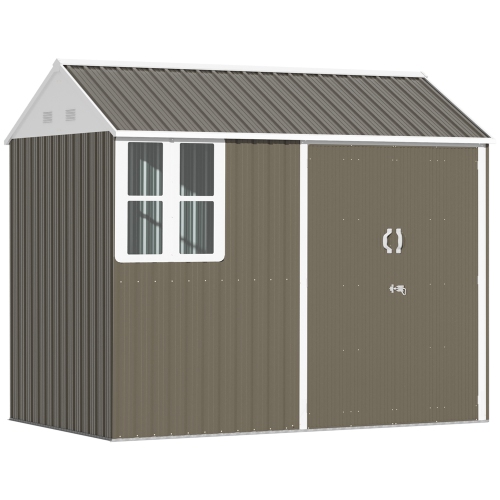
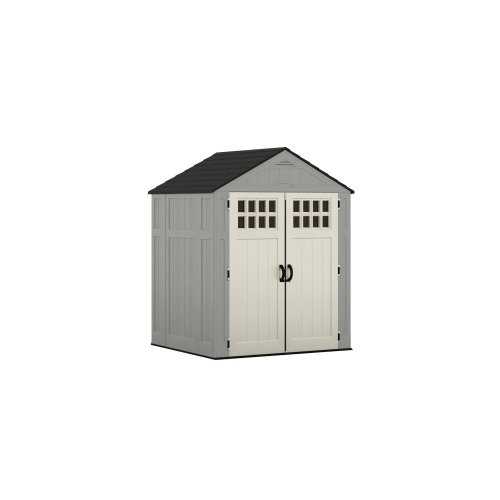
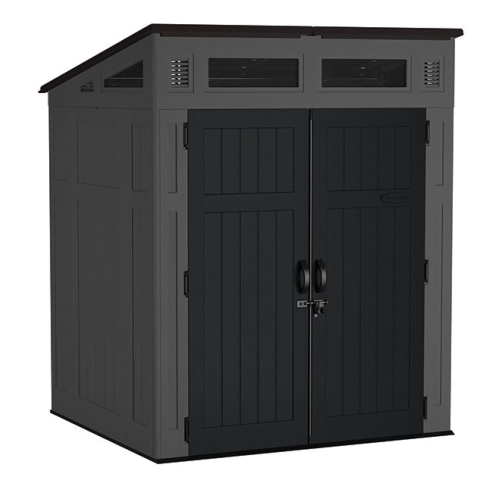
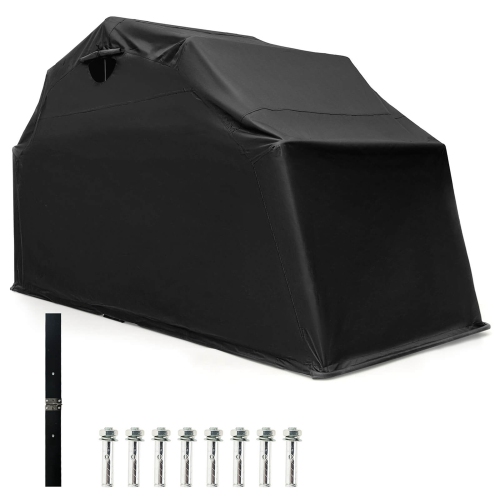
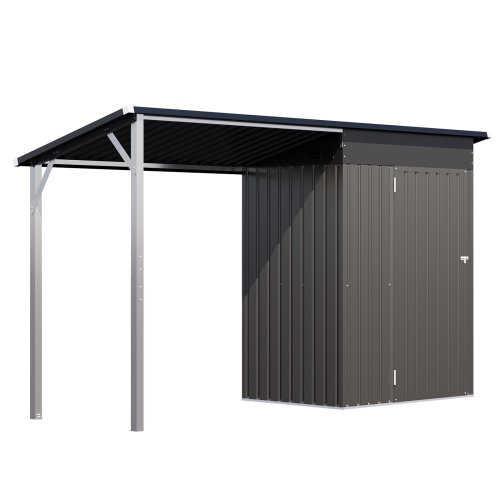
A bike storage shed is a dedicated outdoor shelter that keeps bicycles out of direct rain, snow, and sunlight while freeing up room in a garage, entryway, or basement. It gives everyday riding equipment a place of its own, whether that means a commuter bicycle beside the back door or several family bikes tucked along a fence. Unlike an open rack or a loose cover, an enclosed bicycle shed provides a defined storage space with walls, a roof, and an access opening; protection against moisture and theft depends on the construction, installation, and locking hardware. Metal, resin, wood, and fabric shelters suit different spaces and routines. Galvanized steel sheds have rigid panels and a protective coating that helps resist rust, although scratches, exposed edges, and fasteners still need attention. Resin or plastic sheds are generally easy to clean and do not rot, with some designs offering moulded floors, textured panels, and ventilation openings. Their long-term performance depends on factors such as panel thickness, framing, anchoring, and suitability for local temperatures. Wooden bike sheds can blend naturally with fences, decks, and garden structures, and may allow more flexibility for mounting hooks or shelving where the framing supports them. Wood needs periodic care to protect it from moisture, especially around the base, joints, and roof edges. Fabric bike shelters use a flexible covering over a frame and can suit temporary storage or spaces where a permanent structure is not practical. They offer less resistance to forced entry than a well-built rigid enclosure, and their suitability for wind or snow depends on the stated ratings and installation requirements. For a rider who uses a bicycle most days, convenient access may matter as much as the exterior finish. A shed that opens easily onto a clear path makes putting a bike away less of a chore, especially when the tyres are wet and the hallway is already crowded with boots and bags.
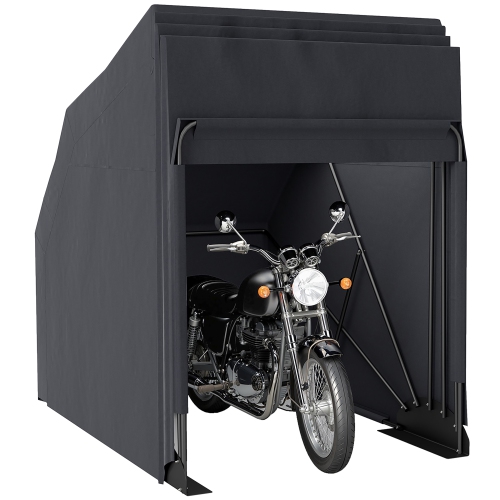
The useful size of a bicycle storage shed is determined by its interior dimensions and door opening, not just its overall footprint or suggested bike capacity. Handlebars, pedals, baskets, child seats, and rear racks all occupy space beyond the frame, so two bicycles of similar length can need quite different amounts of room. Mountain bikes with wide handlebars may be awkward to park side by side, while step-through frames and smaller children's bikes can change how neatly a group fits together. Alternating the direction of adjacent bicycles can help separate handlebars, but each bike still needs enough clearance to move without snagging brake cables or knocking a neighbouring frame. Electric bikes and cargo bikes deserve particular attention because of their weight, wheelbase, and accessories. A low threshold and a broad opening can make a heavy bicycle easier to roll inside without lifting, while a narrow doorway may leave little room for panniers or a front basket. Double doors, sliding doors, and lifting lids each affect how the shed works in a tight yard. Hinged doors need clear space to swing, sliding panels need an unobstructed track, and a lifting lid needs overhead clearance beneath branches or an overhang. Daily access also changes the value of a layout: a household with several riders may prefer being able to remove one bicycle without taking out the others. Extra interior space can hold a pump, repair tools, helmets, or a folded child trailer, provided these do not block the entrance or press against the bicycles. Shelves and hanging accessories need suitable support rather than attachment to thin wall panels alone. For households storing both bicycles and motorized two-wheelers, Motorcycle Storage Sheds offer a related category to explore, though doorway dimensions, floor strength, and ventilation requirements remain important distinctions. A comfortable fit includes space for the person parking the bicycle, not simply enough room to close the door around it.
Placement and everyday care have a large influence on how well an outdoor bike shed performs through the cooler months. A firm, level base helps doors stay aligned and keeps the structure supported, while good drainage reduces puddling around the floor and lower panels. Some sheds include a floor and others require a separate foundation, so the floor arrangement and anchoring method need to suit both the structure and the surface beneath it. A narrow strip beside the house may look convenient, but roof runoff, downspouts, utility access, and the route used to wheel bikes in and out all affect whether that location works. Local bylaws, property setbacks, and condominium or rental rules may also apply to outdoor structures. In areas with substantial snowfall, the shed's stated snow-load capacity matters more than the appearance of a sloped roof; snow removal should follow the manufacturer's directions without requiring anyone to climb onto the structure. Weather resistance also differs from airtightness. Water brought in on tyres and frames can leave moisture inside an enclosure, and ventilation helps that moisture escape rather than linger around chains, cables, and metal fittings. Brushing off loose snow, wiping away excess water, and keeping vents clear can make a noticeable difference. Road salt and grit should not remain on bicycle components or accumulate around door tracks and hinges. Routine shed care may include washing resin panels with mild soap, touching up damaged metal coatings as directed, and renewing protective finishes on wood. Lockable doors add a barrier, but the strength of the hinges, hasp, walls, and anchors all contribute to security. Where practical, securing bicycles to a suitably installed anchor adds another layer beyond the shed lock. For electric bicycles, battery storage and charging should follow the bicycle manufacturer's temperature and safety instructions; an unheated shed may not be suitable for either. With a sound base, manageable access, and materials suited to the setting, a bike storage shed can keep cycling equipment together without taking over the spaces used for everyday living.
The useful size of a bicycle storage shed is determined by its interior dimensions and door opening, not just its overall footprint or suggested bike capacity. Handlebars, pedals, baskets, child seats, and rear racks all occupy space beyond the frame, so two bicycles of similar length can need quite different amounts of room. Mountain bikes with wide handlebars may be awkward to park side by side, while step-through frames and smaller children's bikes can change how neatly a group fits together. Alternating the direction of adjacent bicycles can help separate handlebars, but each bike still needs enough clearance to move without snagging brake cables or knocking a neighbouring frame. Electric bikes and cargo bikes deserve particular attention because of their weight, wheelbase, and accessories. A low threshold and a broad opening can make a heavy bicycle easier to roll inside without lifting, while a narrow doorway may leave little room for panniers or a front basket. Double doors, sliding doors, and lifting lids each affect how the shed works in a tight yard. Hinged doors need clear space to swing, sliding panels need an unobstructed track, and a lifting lid needs overhead clearance beneath branches or an overhang. Daily access also changes the value of a layout: a household with several riders may prefer being able to remove one bicycle without taking out the others. Extra interior space can hold a pump, repair tools, helmets, or a folded child trailer, provided these do not block the entrance or press against the bicycles. Shelves and hanging accessories need suitable support rather than attachment to thin wall panels alone. For households storing both bicycles and motorized two-wheelers, Motorcycle Storage Sheds offer a related category to explore, though doorway dimensions, floor strength, and ventilation requirements remain important distinctions. A comfortable fit includes space for the person parking the bicycle, not simply enough room to close the door around it.
Placement and everyday care have a large influence on how well an outdoor bike shed performs through the cooler months. A firm, level base helps doors stay aligned and keeps the structure supported, while good drainage reduces puddling around the floor and lower panels. Some sheds include a floor and others require a separate foundation, so the floor arrangement and anchoring method need to suit both the structure and the surface beneath it. A narrow strip beside the house may look convenient, but roof runoff, downspouts, utility access, and the route used to wheel bikes in and out all affect whether that location works. Local bylaws, property setbacks, and condominium or rental rules may also apply to outdoor structures. In areas with substantial snowfall, the shed's stated snow-load capacity matters more than the appearance of a sloped roof; snow removal should follow the manufacturer's directions without requiring anyone to climb onto the structure. Weather resistance also differs from airtightness. Water brought in on tyres and frames can leave moisture inside an enclosure, and ventilation helps that moisture escape rather than linger around chains, cables, and metal fittings. Brushing off loose snow, wiping away excess water, and keeping vents clear can make a noticeable difference. Road salt and grit should not remain on bicycle components or accumulate around door tracks and hinges. Routine shed care may include washing resin panels with mild soap, touching up damaged metal coatings as directed, and renewing protective finishes on wood. Lockable doors add a barrier, but the strength of the hinges, hasp, walls, and anchors all contribute to security. Where practical, securing bicycles to a suitably installed anchor adds another layer beyond the shed lock. For electric bicycles, battery storage and charging should follow the bicycle manufacturer's temperature and safety instructions; an unheated shed may not be suitable for either. With a sound base, manageable access, and materials suited to the setting, a bike storage shed can keep cycling equipment together without taking over the spaces used for everyday living.
Top selling and popular products
-
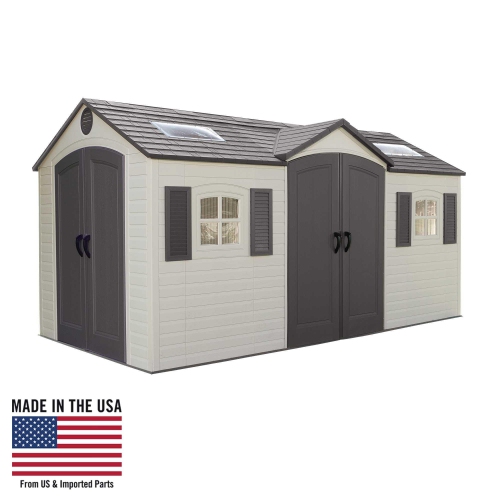 Your price for this item is $3999
 -
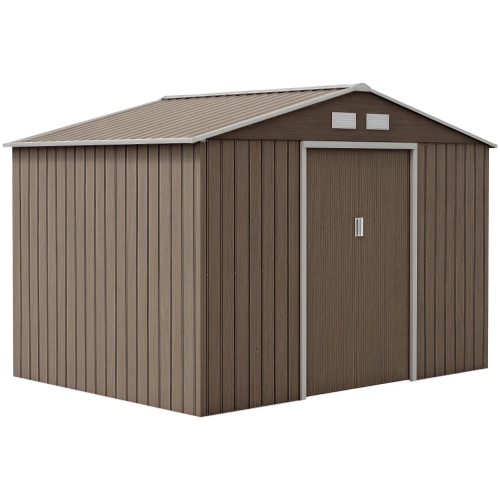 Your price for this item is $554.99
 -
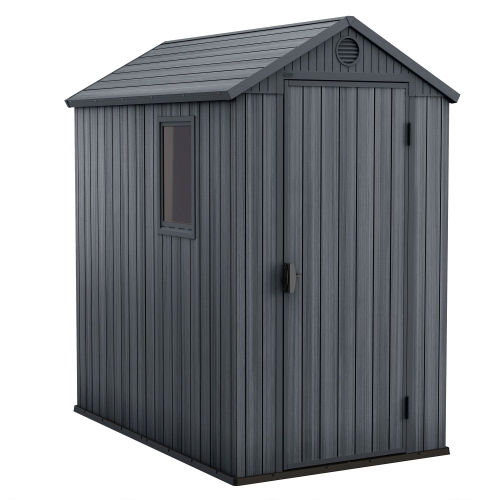 Your price for this item is $1205.99
 -
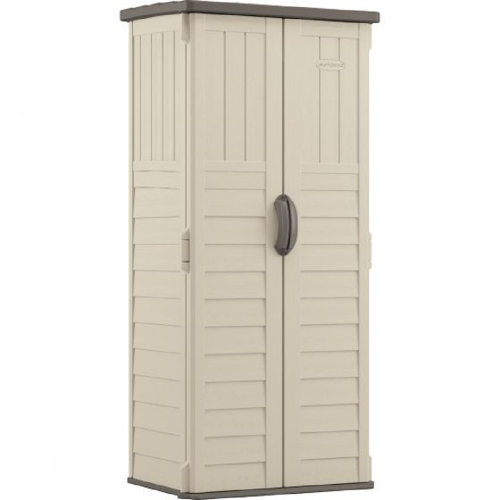 Your price for this item is $385.99
 -
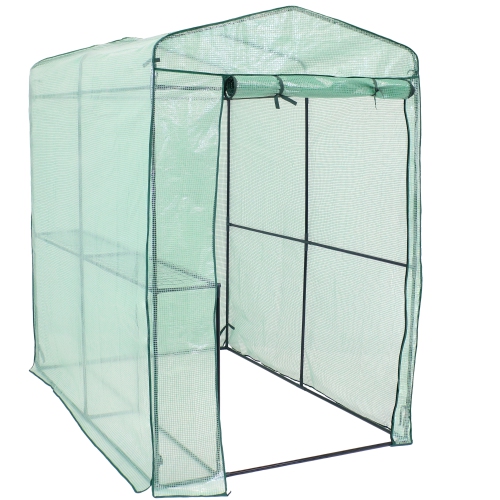 Your price for this item is $113.35
 -
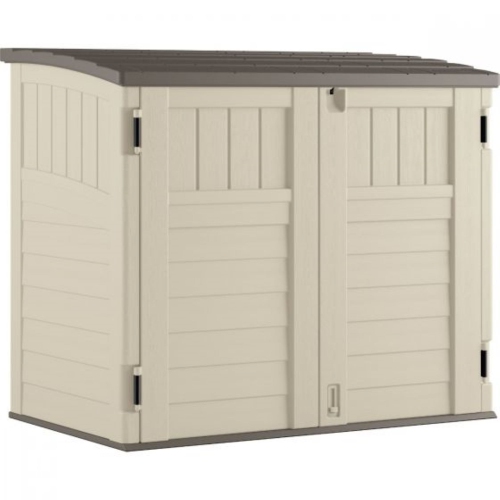 Your price for this item is $459.99
 -
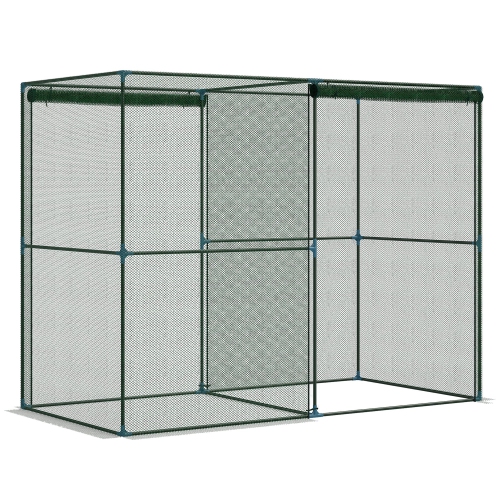 Your price for this item is $89.99
 -
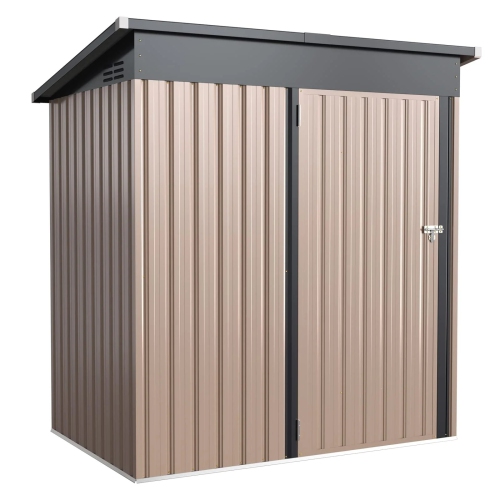 Your price for this item is $189.99
Discover more categories related to Bike Storage Shed
Top Collections:
Pokemon Centers, Budget 4K TVs, Kindle Devices, Canon G7X Cameras, Apple iPhones 16, iPhone 15 Apple, Laptops for Business Work, Flip Phones, Xiaomi Phones, Refurbished Apple Laptops
Some products may be subject to Environmental Handling Fees
(EHF) depending on your province.
Learn more about EHFs.