Music Room Decor
Transform your music space into a harmonious oasis with our collection of music room decor. Whether you're looking to add a touch of melody to your walls, create a cozy nook for jam sessions, or set the stage for musical inspiration, our curated selection of decor pieces will help you strike the right chord. From wall art and lighting fixtures to stylish furniture and accent pieces, elevate your music room with these carefully chosen items that blend style and functionality seamlessly.
Sort


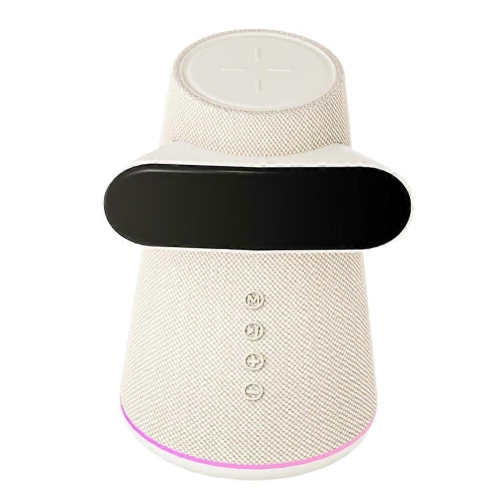
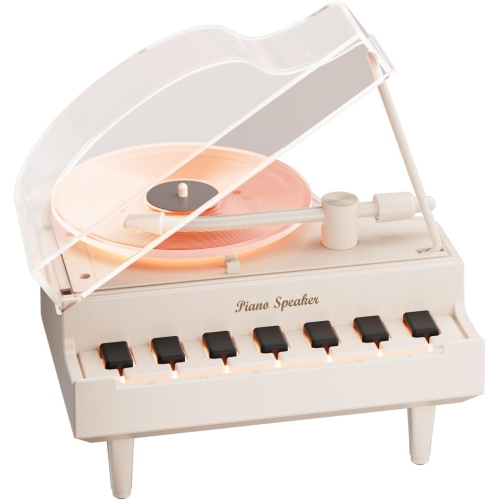
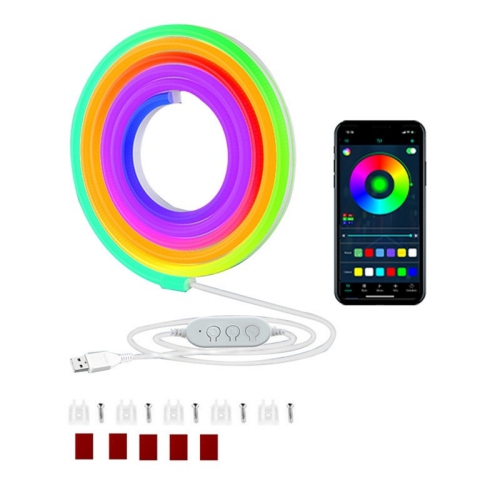
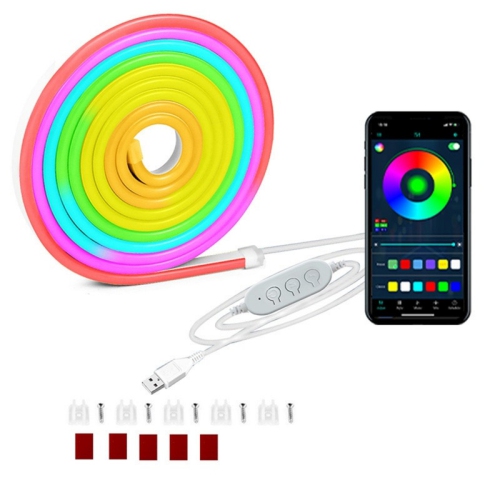
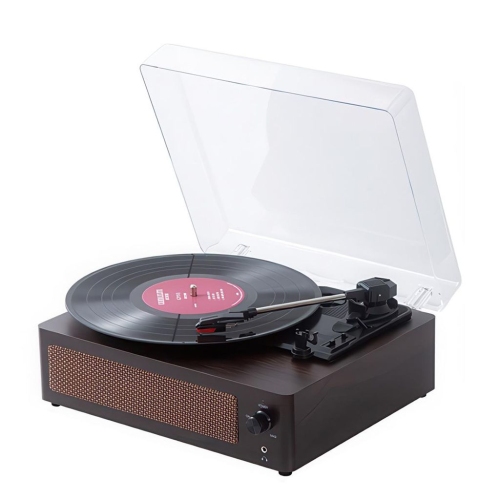

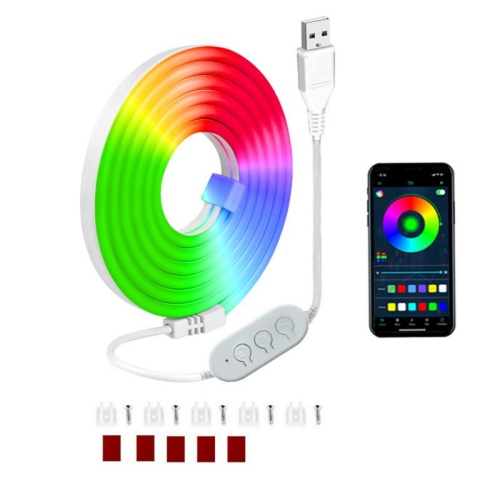
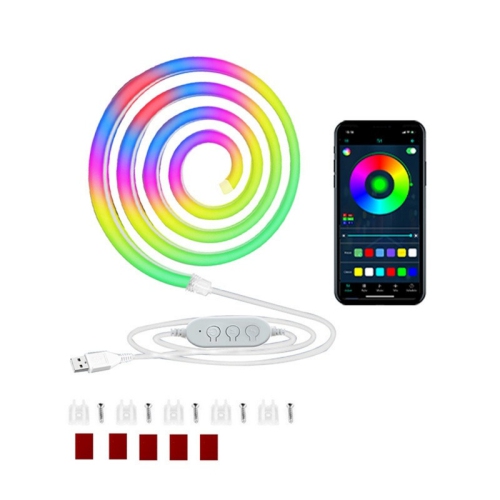
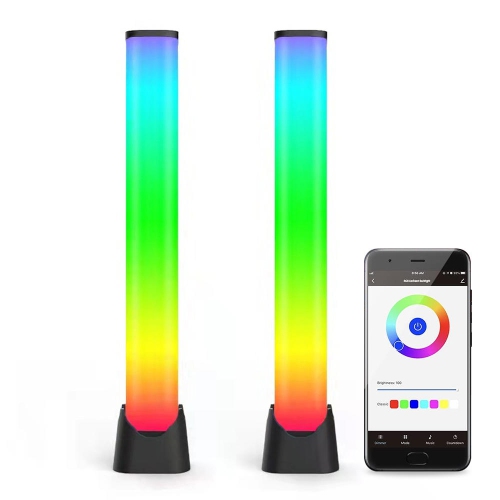
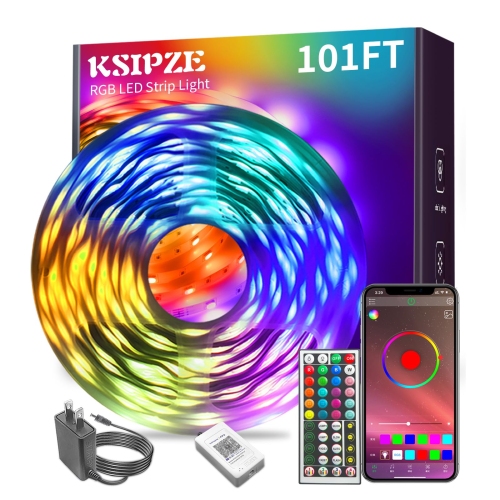

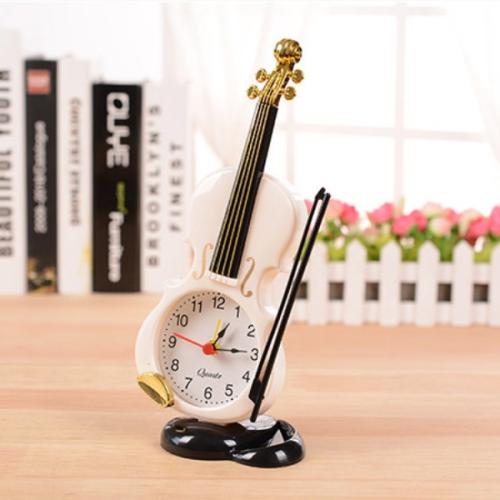
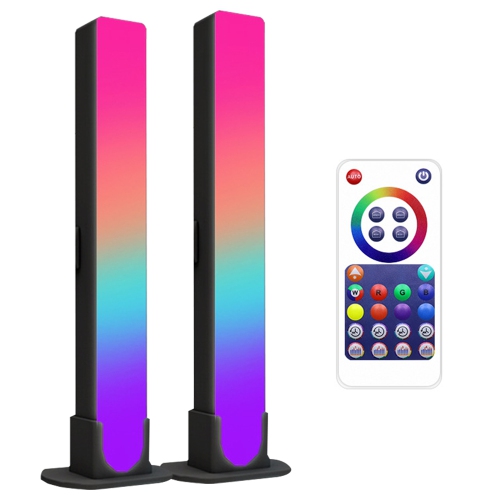
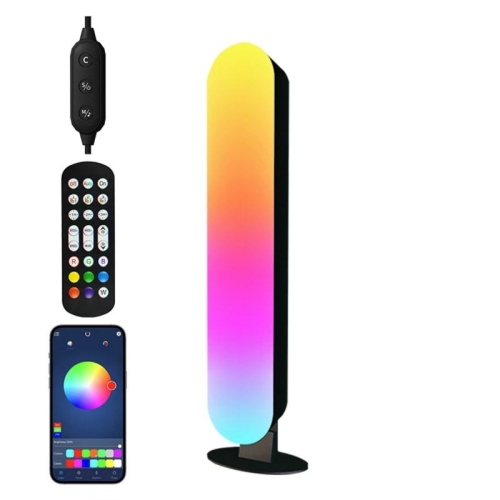
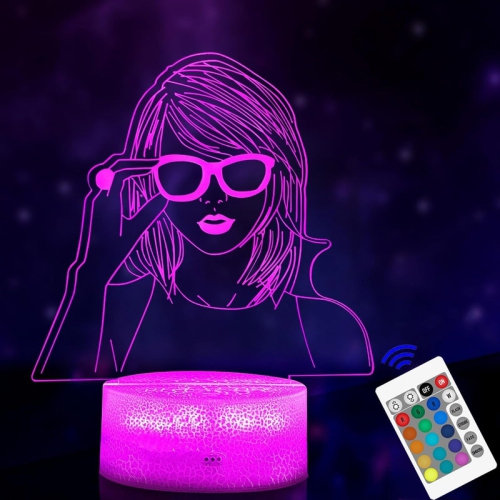
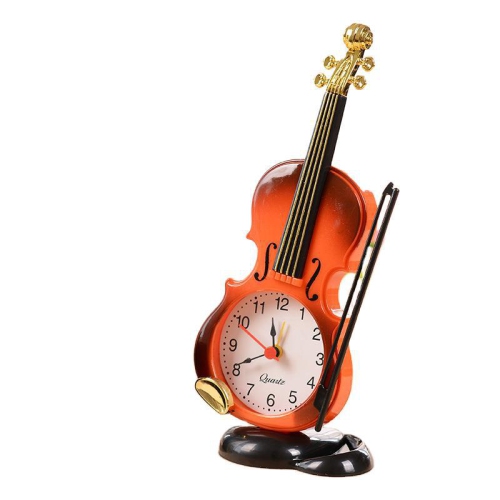
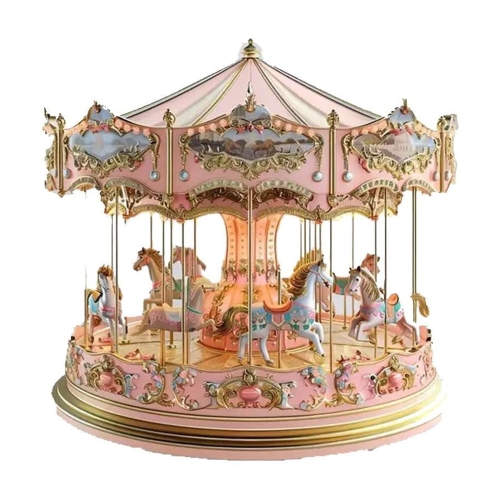
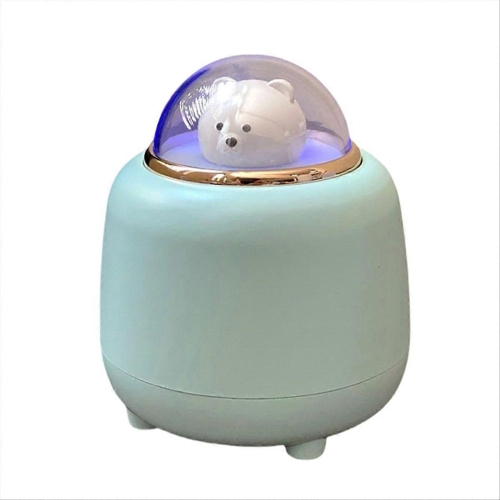
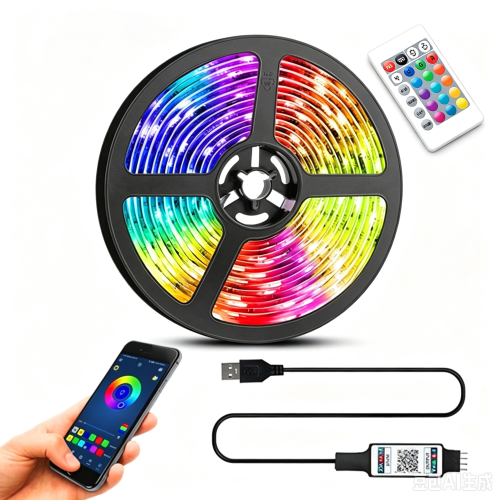

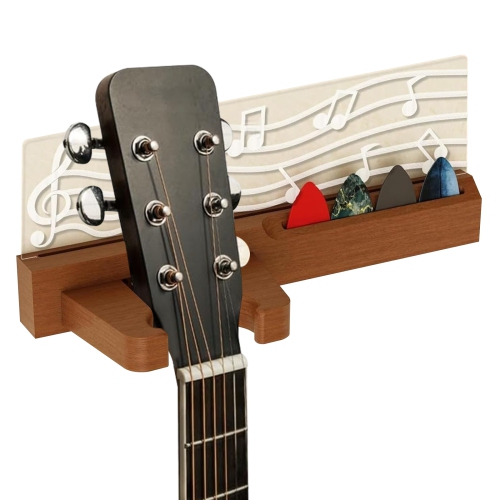
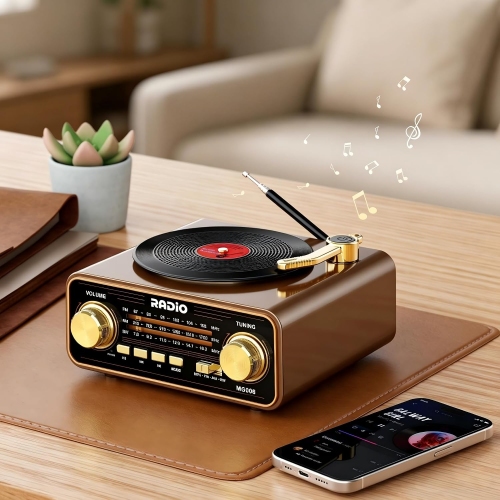
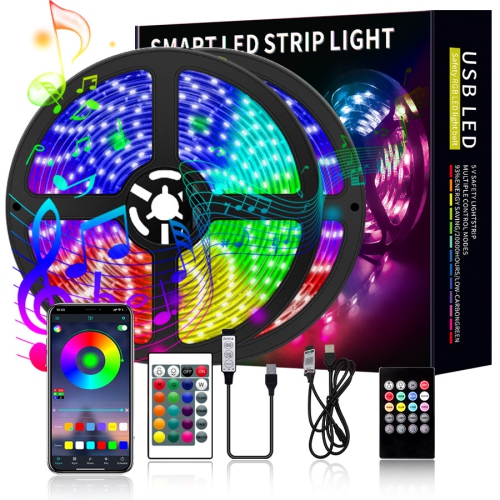

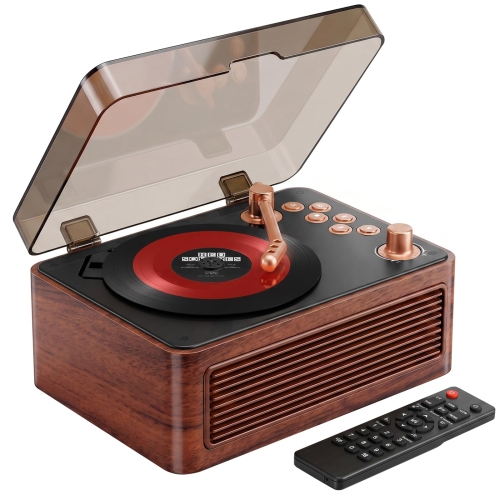
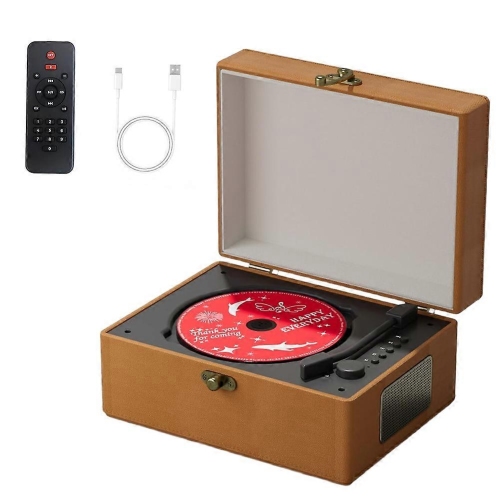
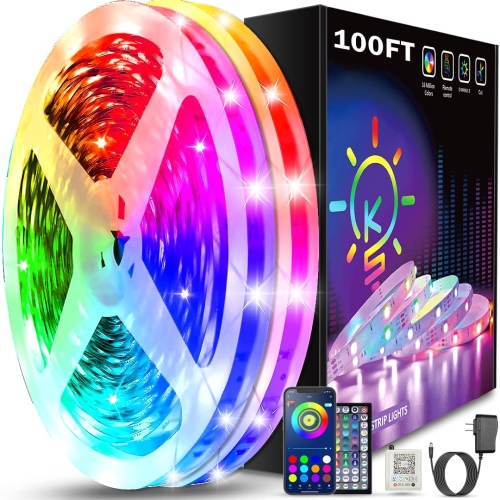
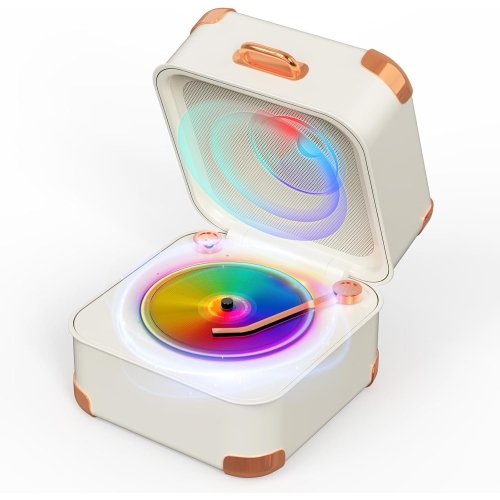
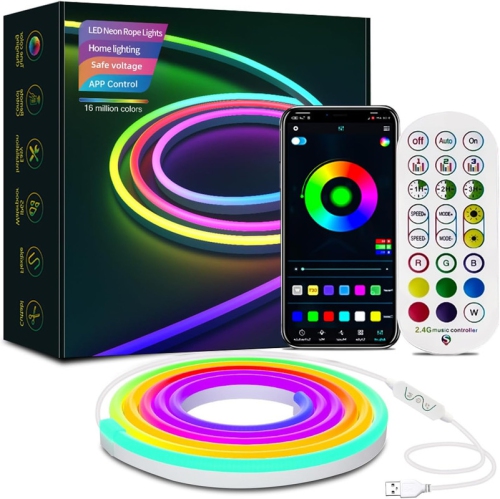
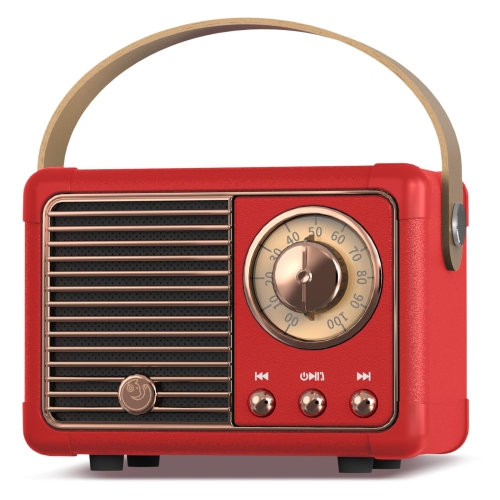

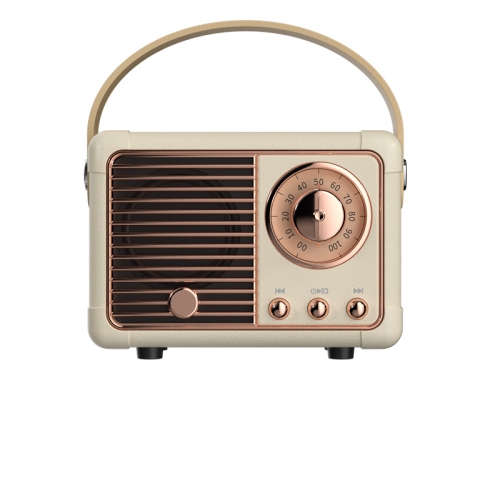
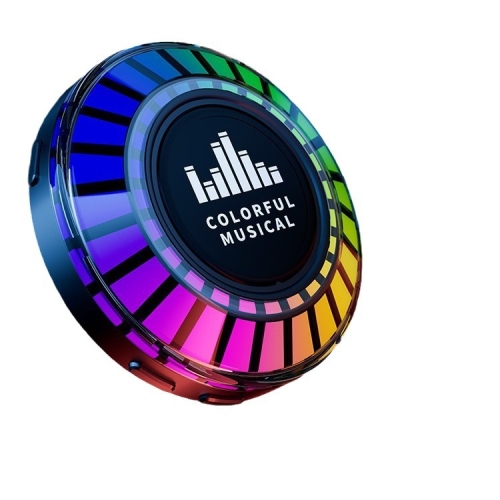
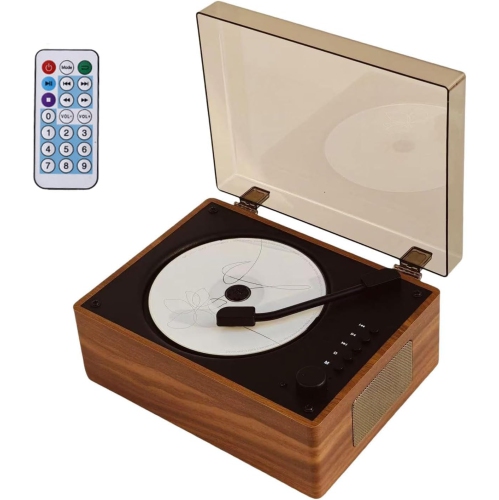
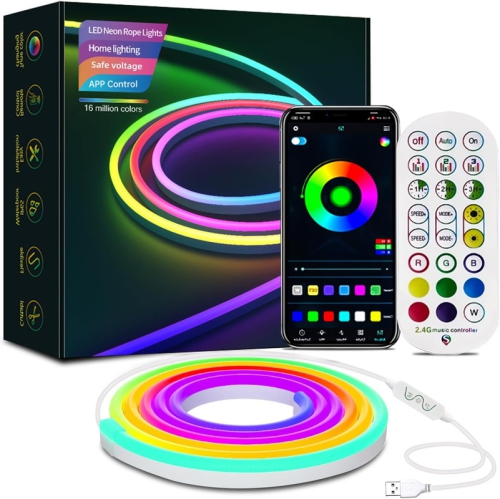
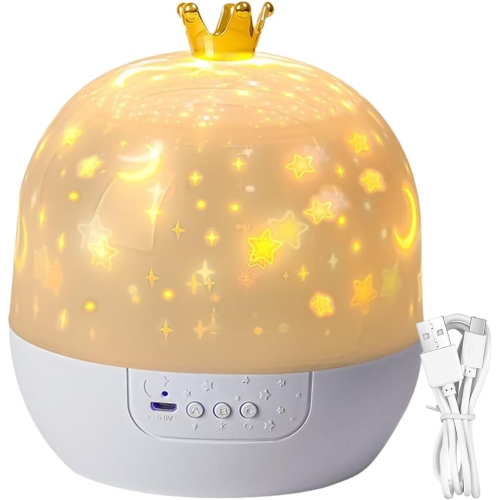
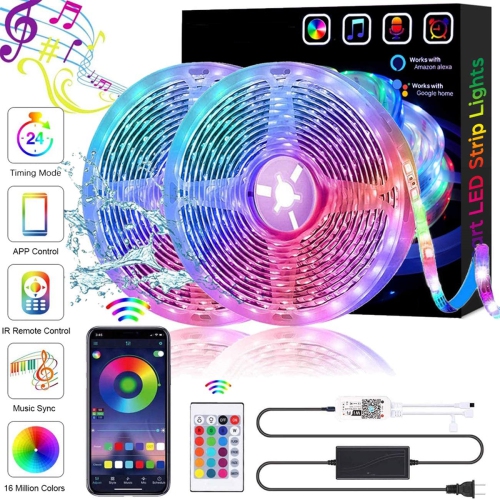
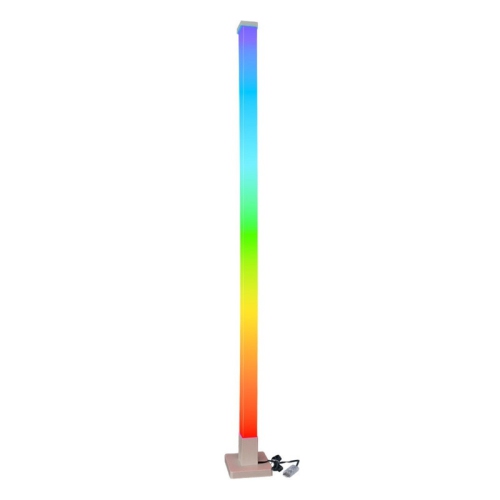

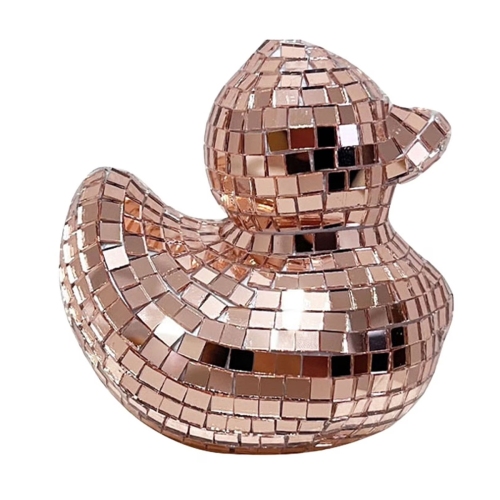
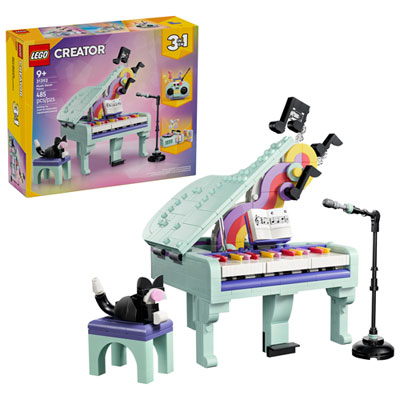
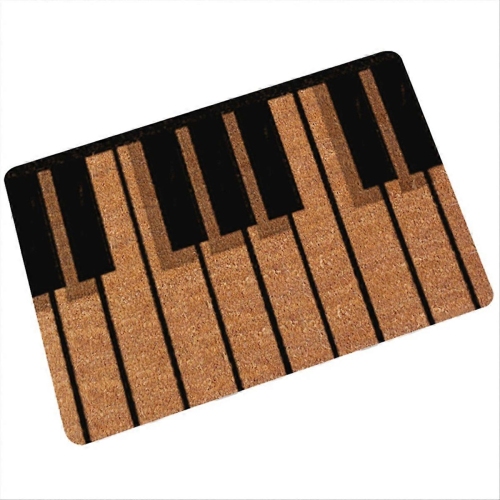
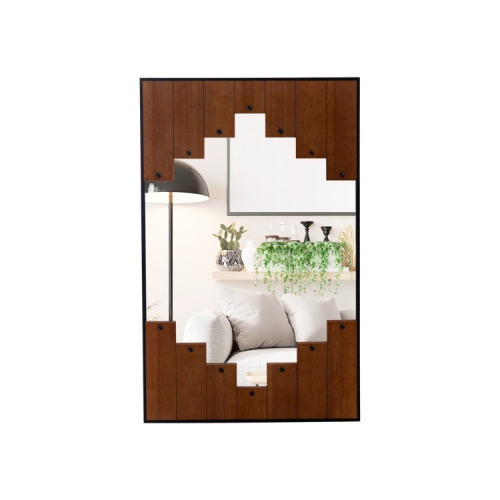
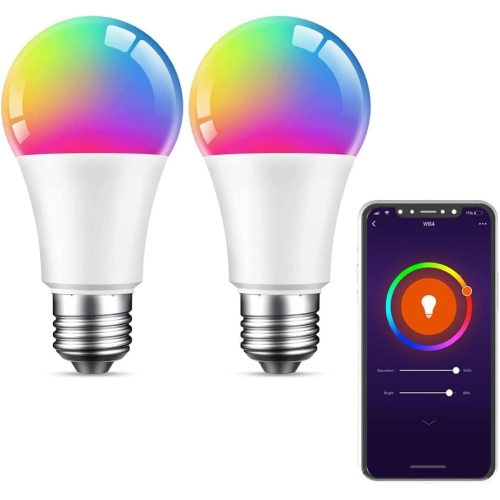
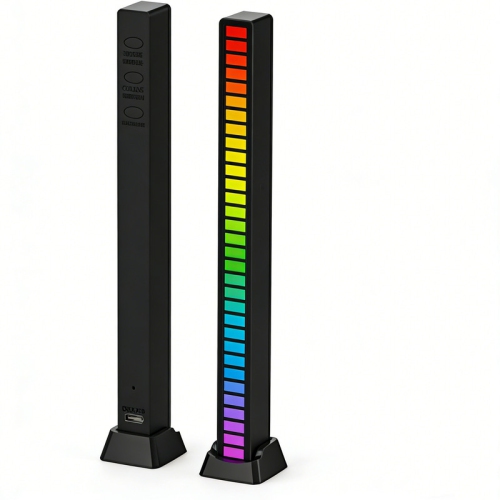
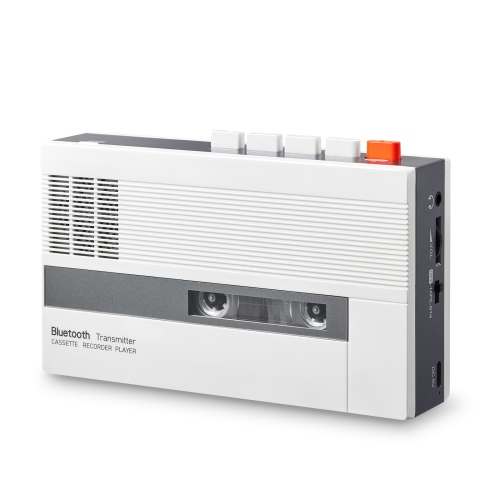
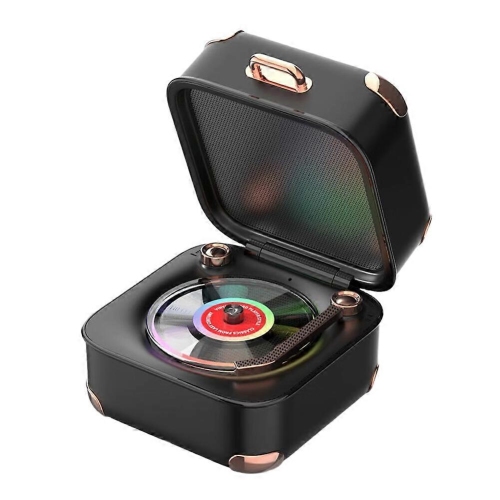
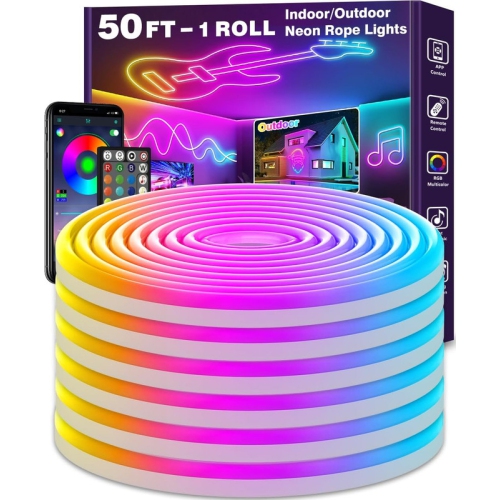
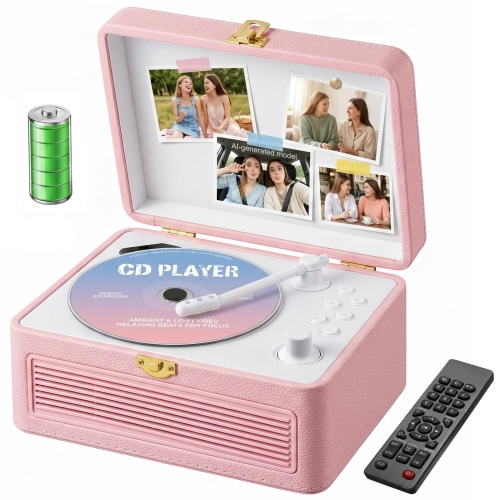
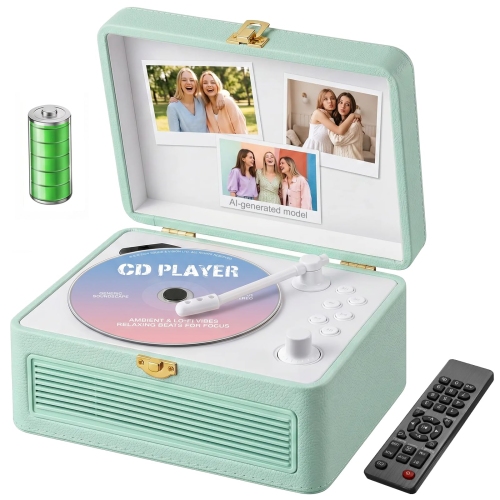


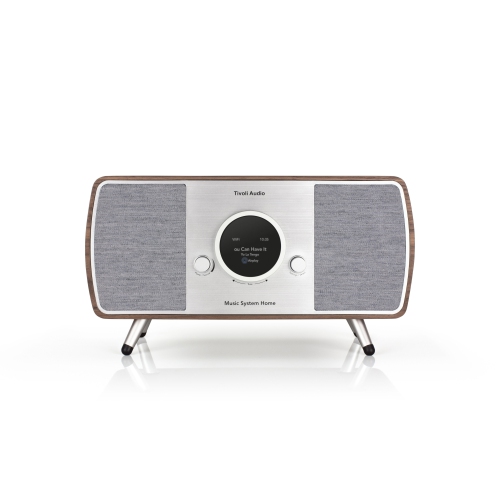
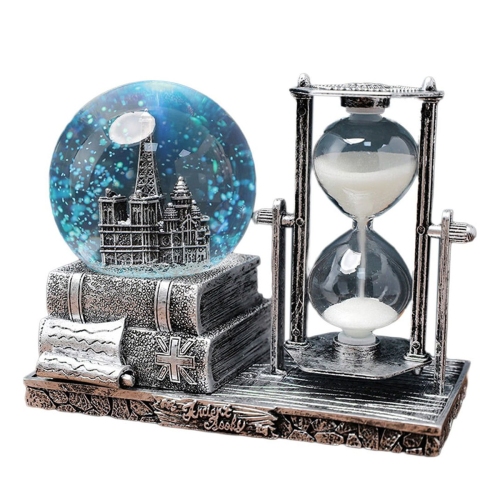
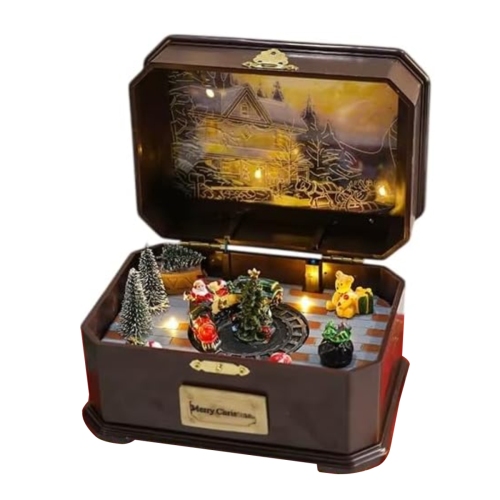

Personal touches that support practice, listening, and storage
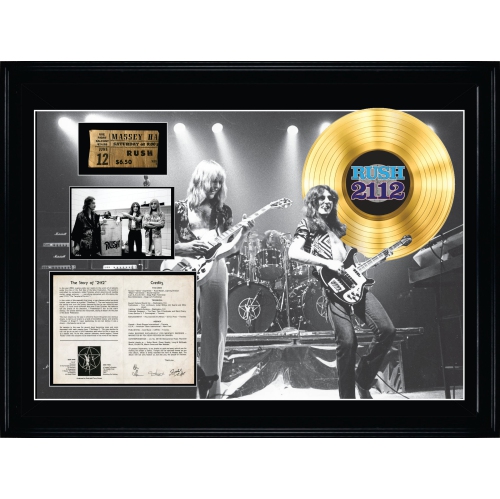
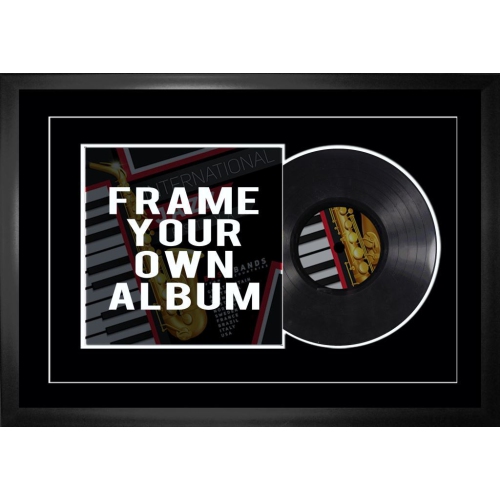
Music room decor brings personality to a space while helping it feel comfortable for listening, practising, recording, or simply spending time around music. Whether the room is a dedicated practice area, a corner of a living room, a basement studio, or a media space shared with family, decorative details can make the setting feel intentional rather than improvised. Wall-mounted instrument hangers are a practical way to display guitars, ukuleles, violins, and other instruments, turning cherished pieces into part of the room’s visual character while keeping them accessible between sessions. When choosing a hanger, consider the instrument’s weight, shape, finish, and the wall surface where it will be installed. Framed sheet music, concert tickets, album artwork, and vintage-inspired music posters can create a gallery wall with a personal story behind every piece. A balanced arrangement might combine different frame sizes, typography, and imagery, while a more streamlined display can focus on a single style or colour palette. Record displays and ledges also make it easy to rotate favourite album covers or showcase meaningful releases without placing every item in long-term storage. For a softer look, fabric wall art, woven accents, and decorative cushions can add warmth around seating areas. Area rugs are especially useful beneath a piano, drum kit, keyboard stand, or listening chair, where they help define the zone, soften the feel of hard flooring, and reduce some of the echo created by open surfaces. In rooms used for recording or focused listening, acoustic treatment can complement the decor as well as the room’s sound. Fabric-wrapped acoustic panels, decorative sound-absorbing artwork, and other thoughtfully placed surfaces can provide a more finished appearance than exposed studio foam, while helping make conversations, vocals, and playback feel more controlled.
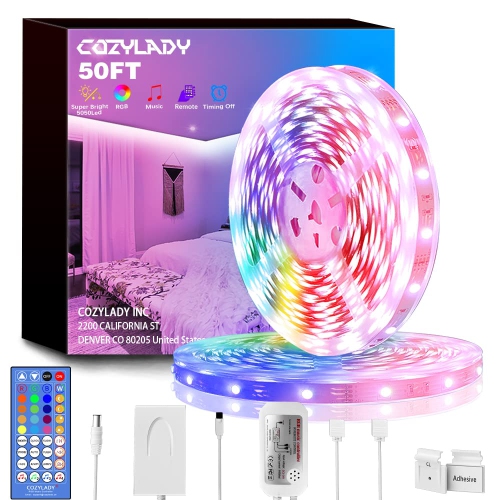
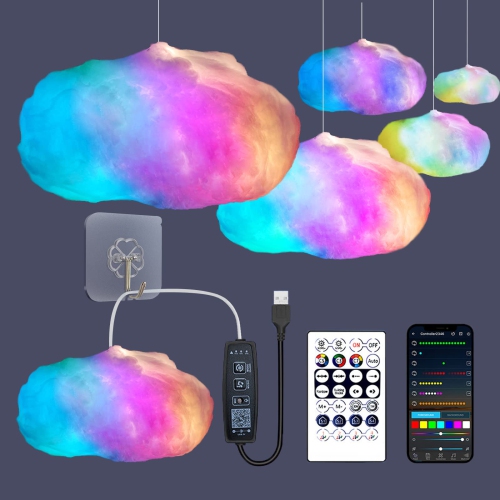
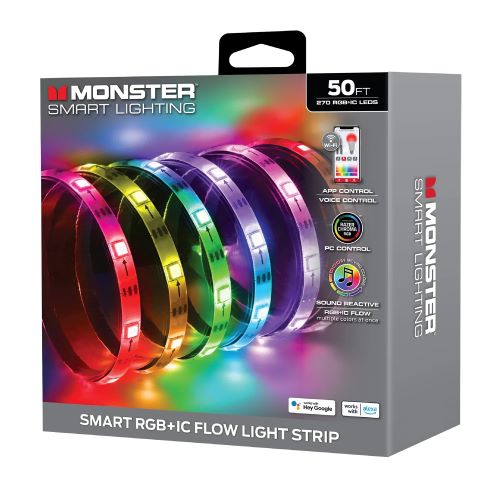
Storage is another important part of music room decor, particularly when a room needs to hold records, sheet music, books, cables, headphones, stands, and other accessories. Open shelving and sturdy cubbies keep frequently used items visible and easy to reach, while baskets, boxes, and closed compartments can contain smaller pieces that might otherwise collect around a keyboard or amplifier. Shelving should be selected with the size and weight of the collection in mind; record storage, in particular, benefits from strong, level support and enough room to browse without overcrowding. A dedicated area for music stands, instrument cases, and headphones can help the room stay ready for use without making it feel overly utilitarian. Lighting has a similar effect on both function and atmosphere. An adjustable lamp beside a music stand or keyboard can provide focused illumination for reading notation and making adjustments, while softer ambient lighting can make the room more inviting during listening sessions or relaxed evenings. Warm-toned bulbs, dimmable fixtures, smart lighting, and LED strips placed behind furniture or displays can add a subtle studio feel without competing with framed art or instruments. Lighting placement matters: glare can make screens and glossy album sleeves difficult to view, and strong overhead light may feel harsh in a room intended for unwinding. Layered lighting gives the space flexibility, allowing it to shift from a bright practice setting during the day to a quieter listening environment during the cooler months. Colour and texture can tie the separate elements together. Deep, rich tones may suit a room inspired by jazz clubs or classic rock, while lighter neutrals and clean lines can support a modern recording nook. A mix of wood-look finishes, fabric, metal, and soft textiles often creates visual depth without requiring every piece to match. For a smaller room, vertical displays and compact shelving can make good use of wall space, whereas a larger room may benefit from a clearly defined listening area, practice area, and storage zone.
Music room decor can also be a thoughtful gift for musicians, collectors, performers, DJs, music teachers, and anyone who enjoys making a home feel connected to sound. A decorative item may be especially meaningful when it reflects the recipient’s instrument, favourite era, rehearsal space, or way of enjoying music. A framed display can suit someone who values memorabilia, while an instrument hanger may be appreciated by a player who wants a favourite instrument close at hand. Lighting, rugs, acoustic decor, and storage can be useful choices for a new studio, a student’s practice corner, or a shared family room where several people listen and play. These items can also suit people who do not perform but enjoy vinyl, live music, musical theatre, or collecting album artwork. For more inspiration when choosing a present or adding a finishing touch to a newly arranged space, explore Gifts for Music Room. As the weather warms, a music room may become a lively gathering place for casual listening, rehearsals, and creative projects, while during the cooler months it can offer a comfortable retreat for headphones, records, reading, or quiet practice. The most successful decor choices are the ones that fit the way the room is actually used: durable enough for regular activity, accessible enough to support spontaneous playing, and distinctive enough to make the space feel personal. With considered displays, practical storage, sound-conscious textiles, and adaptable lighting, a music room can feel welcoming whether it is hosting a full collection, a single instrument, or a growing interest in music.
Storage is another important part of music room decor, particularly when a room needs to hold records, sheet music, books, cables, headphones, stands, and other accessories. Open shelving and sturdy cubbies keep frequently used items visible and easy to reach, while baskets, boxes, and closed compartments can contain smaller pieces that might otherwise collect around a keyboard or amplifier. Shelving should be selected with the size and weight of the collection in mind; record storage, in particular, benefits from strong, level support and enough room to browse without overcrowding. A dedicated area for music stands, instrument cases, and headphones can help the room stay ready for use without making it feel overly utilitarian. Lighting has a similar effect on both function and atmosphere. An adjustable lamp beside a music stand or keyboard can provide focused illumination for reading notation and making adjustments, while softer ambient lighting can make the room more inviting during listening sessions or relaxed evenings. Warm-toned bulbs, dimmable fixtures, smart lighting, and LED strips placed behind furniture or displays can add a subtle studio feel without competing with framed art or instruments. Lighting placement matters: glare can make screens and glossy album sleeves difficult to view, and strong overhead light may feel harsh in a room intended for unwinding. Layered lighting gives the space flexibility, allowing it to shift from a bright practice setting during the day to a quieter listening environment during the cooler months. Colour and texture can tie the separate elements together. Deep, rich tones may suit a room inspired by jazz clubs or classic rock, while lighter neutrals and clean lines can support a modern recording nook. A mix of wood-look finishes, fabric, metal, and soft textiles often creates visual depth without requiring every piece to match. For a smaller room, vertical displays and compact shelving can make good use of wall space, whereas a larger room may benefit from a clearly defined listening area, practice area, and storage zone.
Music room decor can also be a thoughtful gift for musicians, collectors, performers, DJs, music teachers, and anyone who enjoys making a home feel connected to sound. A decorative item may be especially meaningful when it reflects the recipient’s instrument, favourite era, rehearsal space, or way of enjoying music. A framed display can suit someone who values memorabilia, while an instrument hanger may be appreciated by a player who wants a favourite instrument close at hand. Lighting, rugs, acoustic decor, and storage can be useful choices for a new studio, a student’s practice corner, or a shared family room where several people listen and play. These items can also suit people who do not perform but enjoy vinyl, live music, musical theatre, or collecting album artwork. For more inspiration when choosing a present or adding a finishing touch to a newly arranged space, explore Gifts for Music Room. As the weather warms, a music room may become a lively gathering place for casual listening, rehearsals, and creative projects, while during the cooler months it can offer a comfortable retreat for headphones, records, reading, or quiet practice. The most successful decor choices are the ones that fit the way the room is actually used: durable enough for regular activity, accessible enough to support spontaneous playing, and distinctive enough to make the space feel personal. With considered displays, practical storage, sound-conscious textiles, and adaptable lighting, a music room can feel welcoming whether it is hosting a full collection, a single instrument, or a growing interest in music.
Top selling and popular products
-
 Your price for this item is $39.99
 -
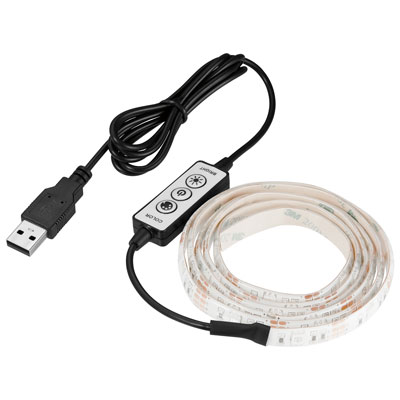 Your price for this item is $34.95
 -
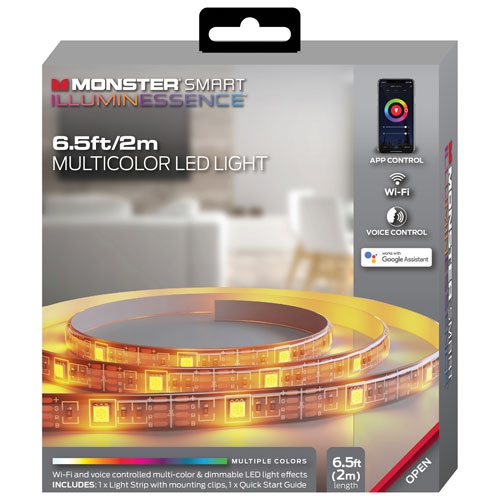 Your price for this item is $57.99
 -
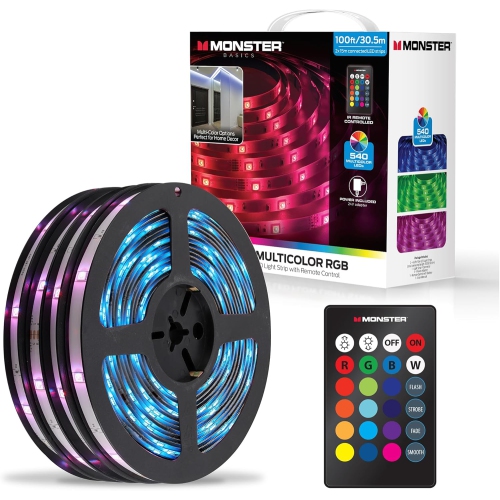 Your price for this item is $49.99
 -
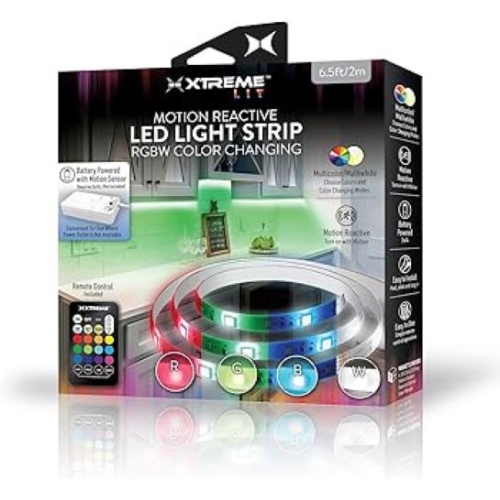 Your price for this item is $19.99
 -
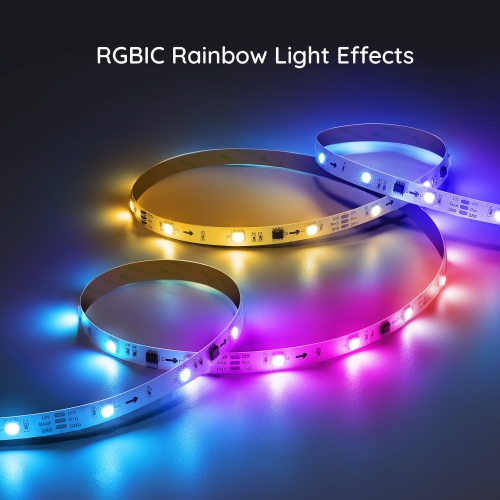 Your price for this item is $46.99
 -
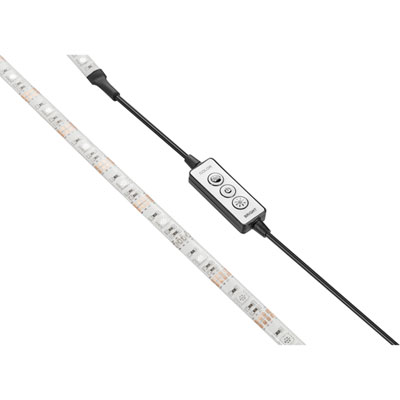 Your price for this item is $15.97
 -
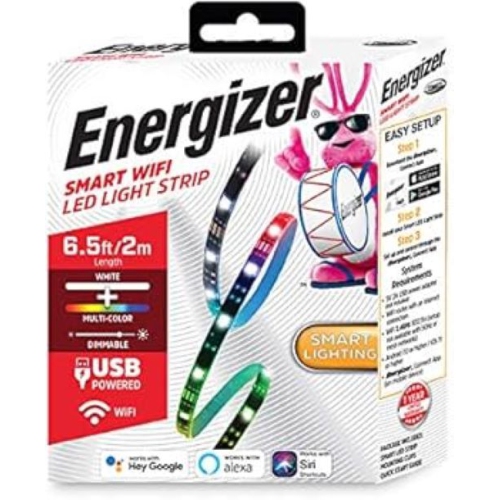 Your price for this item is $25.99
Discover more categories related to Music Room Decor
Top Collections:
Pokemon Centers, Best Cameras for Sports Photography, Kindle Devices, Samsung Galaxy Phones, Canon G7X Cameras, Pokémon 30th Celebration Cards, Refurbished Apple Laptops, iPhone 15 Apple, Laptops for Students, Budget Smartphones
Some products may be subject to Environmental Handling Fees
(EHF) depending on your province.
Learn more about EHFs.