Music Room Acoustic Panels
Music Room Acoustic Panels are essential for creating an optimal listening environment, whether you're practicing, recording, or simply enjoying your favorite tunes. Designed to enhance the acoustics of any space, these panels help transform ordinary rooms into dedicated music areas. Explore a wide selection of Music Room Acoustic Panels to find options that complement your space and elevate your audio experience.
Sort
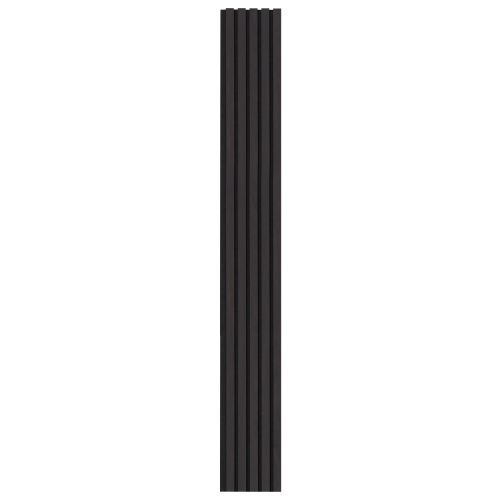
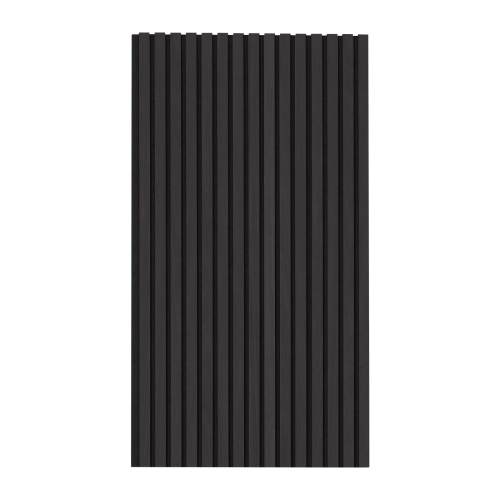
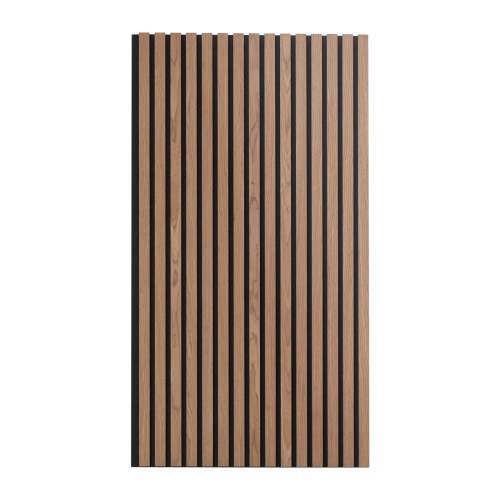
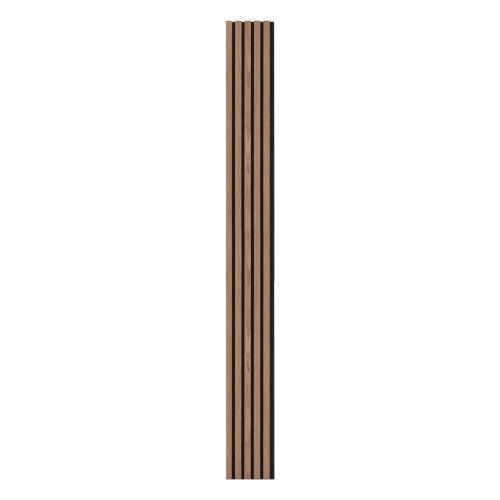
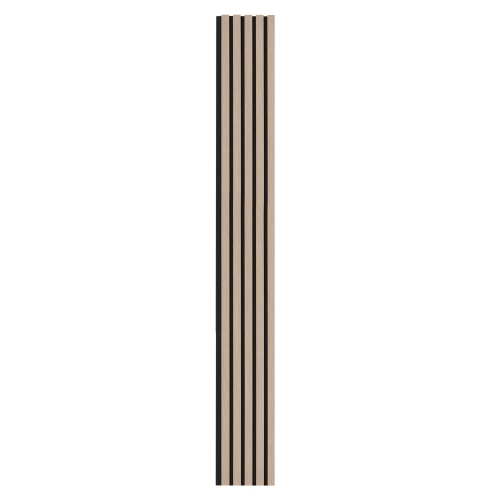
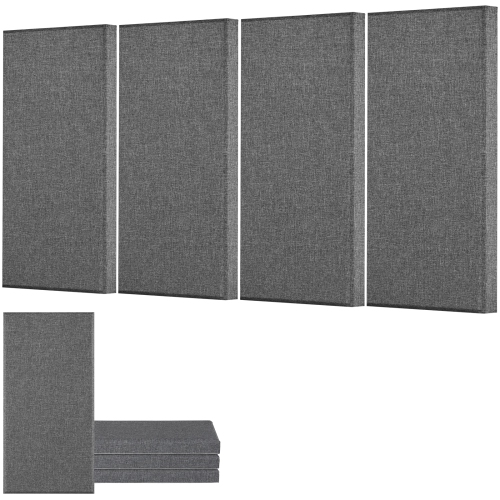
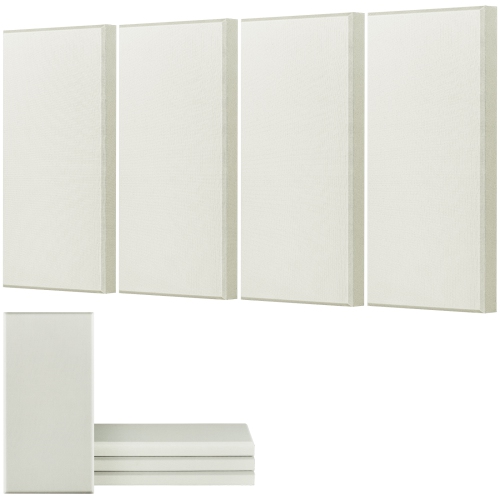
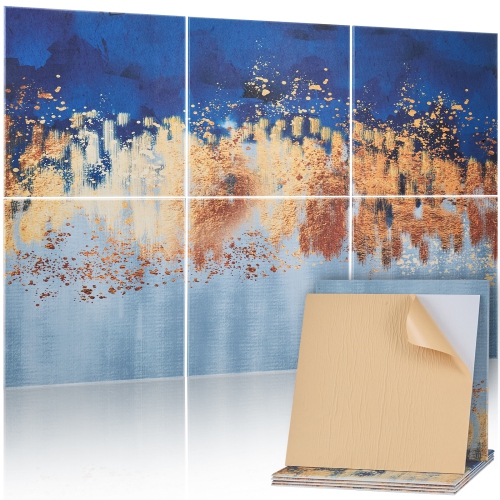
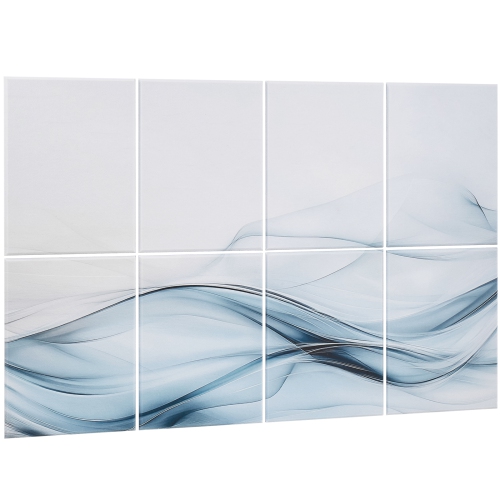
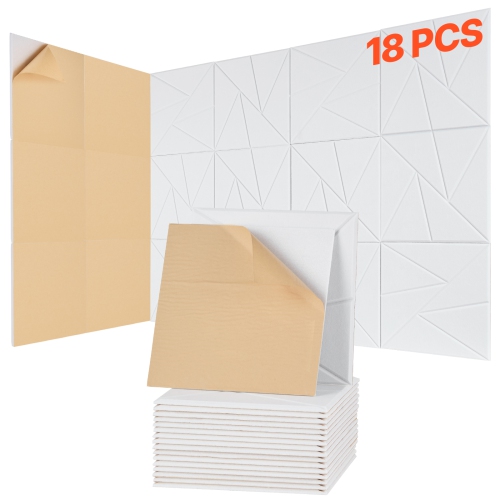
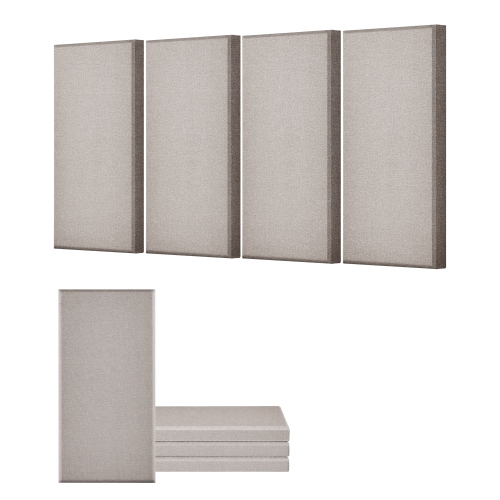
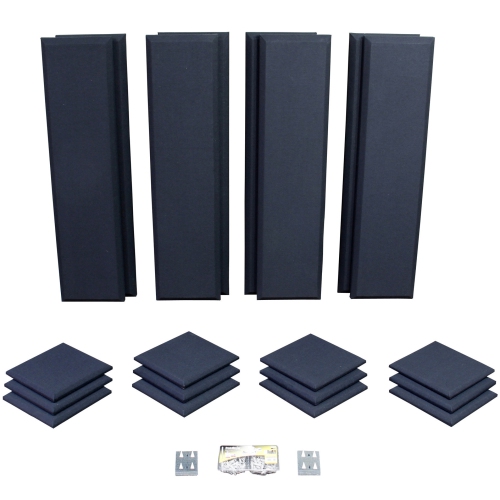
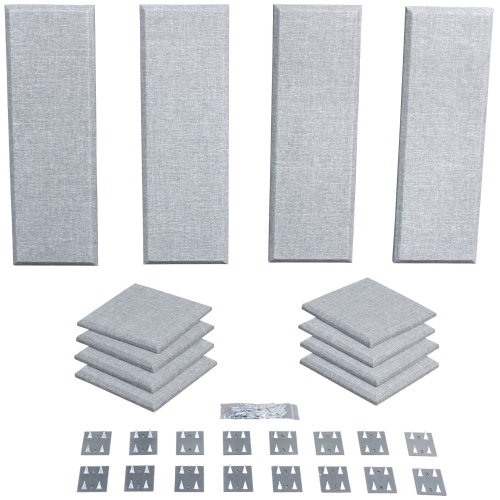
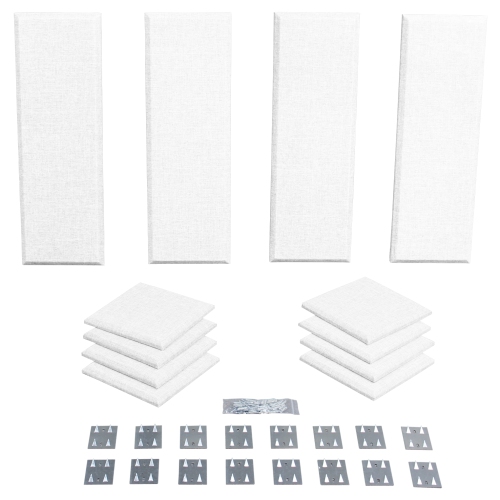
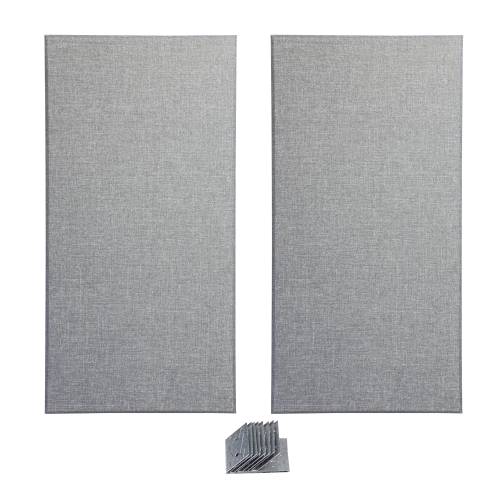
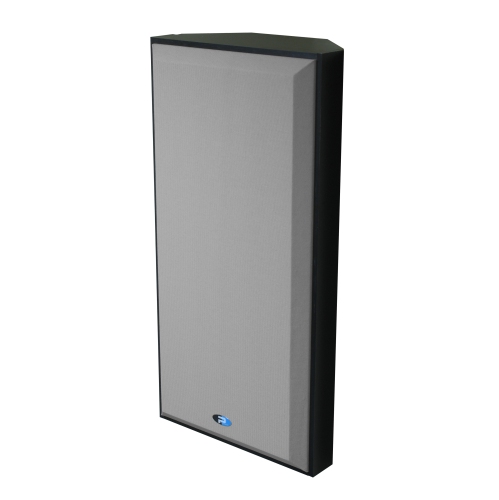
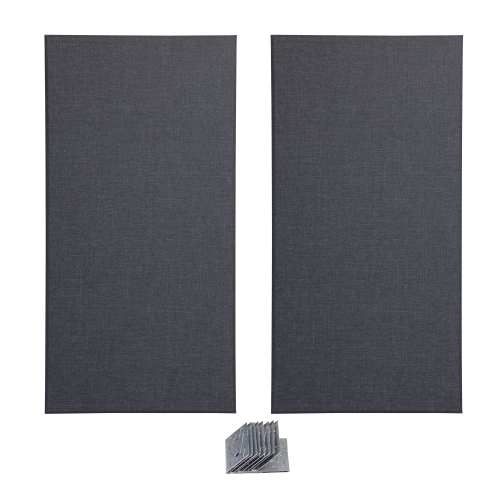
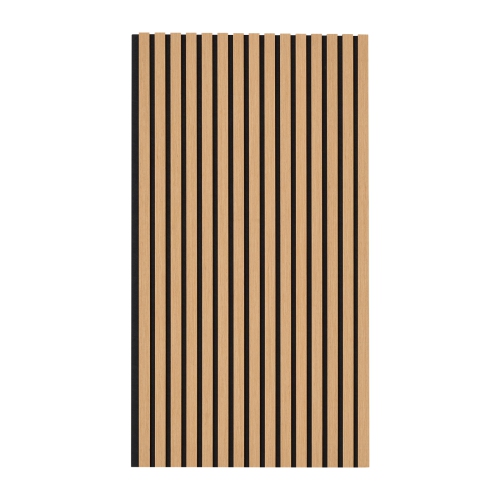
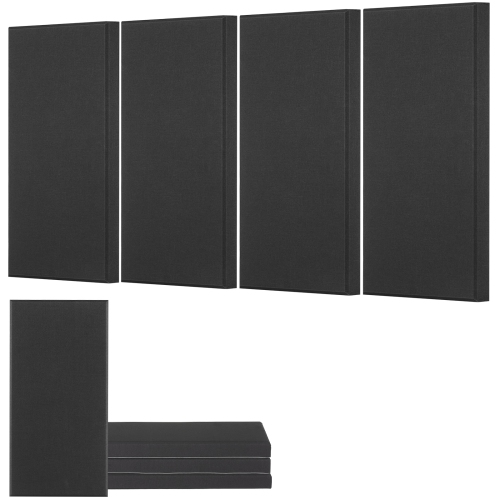
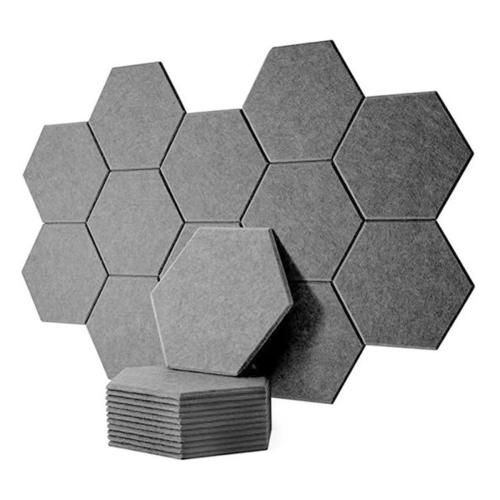
Less reflected sound can reveal more musical detail
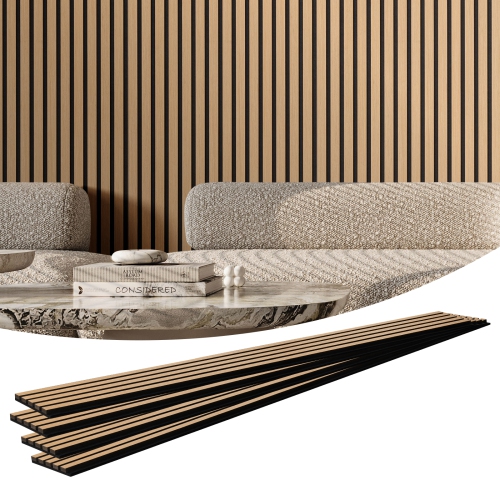
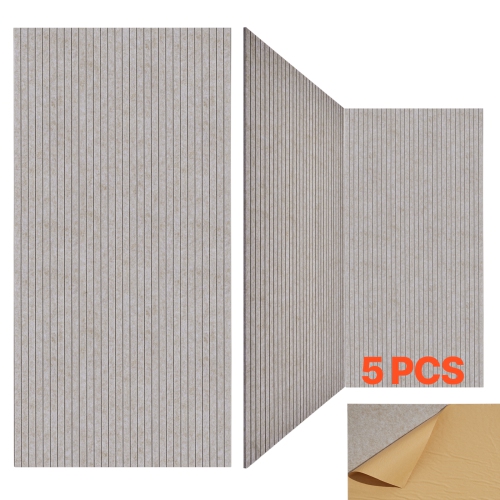
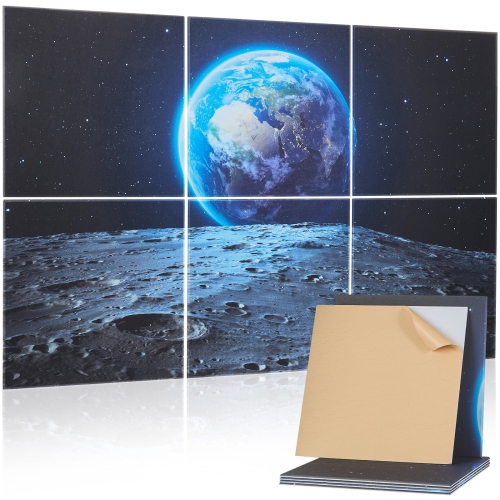
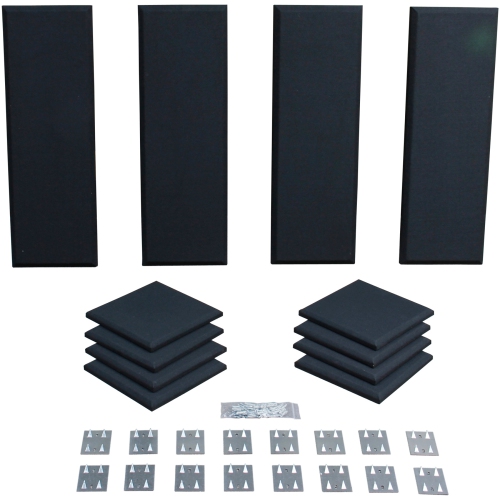
Music room acoustic panels absorb sound reflections within a room, helping reduce echo, shorten reverberation, and make music easier to hear clearly. They treat the sound inside the space rather than stop it from travelling through walls, floors, or doors. That distinction matters in a home studio, piano room, rehearsal space, or dedicated listening room: a more controlled sound does not necessarily mean less noise reaching the next room. Hard surfaces such as bare drywall, glass, and concrete reflect sound, allowing notes to overlap and linger after an instrument has stopped playing. With suitable absorption, a singer’s words can become easier to distinguish, a guitar’s picking detail can stand out, and a piano passage can sound less blurred. For someone mixing music through studio monitors, managing early reflections can also make the stereo image more stable and help reveal details that the room might otherwise obscure. The aim is usually a balanced room that retains some natural liveliness, not a space where every surface absorbs sound. A practice room for acoustic instruments may benefit from a different balance than a small vocal booth or a listening space built around a pair of speakers. Music room acoustic panels belong to the broader range of Acoustic Panels, with differences in construction, thickness, mounting, and finish that suit different uses. Wall-mounted absorbers can address reflections around a desk or instrument area, ceiling panels can treat overhead reflections, and freestanding panels can provide movable absorption in a shared room. These options can appeal to musicians, music teachers, audio enthusiasts, and people recording vocals or instruments at home. Their value comes from matching the treatment to the space and the activity. A panel beside a recording position serves a practical purpose that decorative wall covering alone may not fulfil, even when both have a similar colour or textured appearance.
Materials and depth play a large part in how acoustic panels perform. Fabric-wrapped panels often contain porous cores made from fibreglass, mineral wool, or polyester fibre. As sound passes through these materials, friction converts a small amount of its energy into heat, reducing the energy reflected back into the room. Performance varies with the core, thickness, construction, and mounting arrangement, so appearance alone does not reveal how much sound a panel will absorb. Thicker porous panels generally provide useful absorption farther into the lower frequencies than thin panels made from comparable materials. A roughly 4-inch-deep absorber, for example, can offer broader frequency coverage than a thin surface treatment, although its actual performance still depends on its design. An air gap behind a wall panel can improve lower-frequency absorption in some installations, provided the mounting system supports that arrangement. Acoustic foam can help control higher-frequency reflections, but shallow foam should not be expected to resolve deep bass build-up. Purpose-designed bass traps are more relevant to persistent low-frequency problems, such as a bass note that booms near a corner while sounding weak at the listening position. Slatted wood panels can add a warm visual finish, but their acoustic behaviour depends on the backing, cavity, and complete assembly; the wood face by itself is not proof of broad absorption. Published absorption data is useful when comparing constructions, especially results that show performance across individual frequency bands. A single rating such as the noise reduction coefficient, or NRC, summarizes part of a material’s absorption performance but does not fully describe bass control. Fabric also needs to allow sound to reach the absorbing core, while the covering and frame should securely contain the material inside. For a visible wall in a music room, colour, weave, edge shape, and panel spacing all contribute to the finished look. Neutral fabric can blend into a living space, while contrasting panels can define an instrument corner without making the entire room feel like a studio.
Fit involves more than finding an empty patch of wall. Room dimensions, ceiling height, furniture, speaker position, and the distance between performers and nearby surfaces all affect where reflections occur. In a monitor-based setup, side-wall reflection points and the ceiling above the listening area are common locations for absorption, with other treatment depending on the room layout. Balanced placement around the listening position can help preserve left-to-right consistency. Behind a singer or near a microphone, a movable absorber may reduce reflected sound reaching the recording, but its effect depends on microphone direction and the surrounding surfaces. There is no single wall-coverage percentage that suits every music room: a sparsely furnished space with hard floors behaves differently from one with a sofa, curtains, and bookshelves. Panel dimensions and weight also need to work with the available surfaces. Door swings, light switches, shelving, and instrument storage can limit usable wall area, while ceiling installations require hardware suited to both the panel and the building surface. Adhesive mounting is not suitable for every panel or wall finish, and removal may damage paint or drywall. Freestanding designs offer flexibility where permanent mounting is impractical, although stable bases and clear walking routes are important around guitar stands, cables, and keyboard benches. Durability matters in busy practice spaces, where exposed corners may be brushed by instrument cases and surfaces may collect dust. Secure frames, neatly finished edges, and well-attached coverings help panels maintain their shape through everyday use. Care should follow the manufacturer’s directions; gentle dusting or a vacuum’s soft brush attachment may be suitable for some fabric finishes, while soaking, vigorous scrubbing, or painting an absorbing surface can damage it or alter its performance. Panels should remain clear of heaters, fixtures, and ventilation openings, with applicable fire-performance information considered for the intended setting. As a gift for a musician or home-recording enthusiast, acoustic treatment is most useful when the room size, mounting preferences, and visual style are already known. Well-matched panels support the everyday pleasure of hearing a clean vocal take, following the attack of a snare drum, or enjoying a favourite album with fewer distracting reflections.
Materials and depth play a large part in how acoustic panels perform. Fabric-wrapped panels often contain porous cores made from fibreglass, mineral wool, or polyester fibre. As sound passes through these materials, friction converts a small amount of its energy into heat, reducing the energy reflected back into the room. Performance varies with the core, thickness, construction, and mounting arrangement, so appearance alone does not reveal how much sound a panel will absorb. Thicker porous panels generally provide useful absorption farther into the lower frequencies than thin panels made from comparable materials. A roughly 4-inch-deep absorber, for example, can offer broader frequency coverage than a thin surface treatment, although its actual performance still depends on its design. An air gap behind a wall panel can improve lower-frequency absorption in some installations, provided the mounting system supports that arrangement. Acoustic foam can help control higher-frequency reflections, but shallow foam should not be expected to resolve deep bass build-up. Purpose-designed bass traps are more relevant to persistent low-frequency problems, such as a bass note that booms near a corner while sounding weak at the listening position. Slatted wood panels can add a warm visual finish, but their acoustic behaviour depends on the backing, cavity, and complete assembly; the wood face by itself is not proof of broad absorption. Published absorption data is useful when comparing constructions, especially results that show performance across individual frequency bands. A single rating such as the noise reduction coefficient, or NRC, summarizes part of a material’s absorption performance but does not fully describe bass control. Fabric also needs to allow sound to reach the absorbing core, while the covering and frame should securely contain the material inside. For a visible wall in a music room, colour, weave, edge shape, and panel spacing all contribute to the finished look. Neutral fabric can blend into a living space, while contrasting panels can define an instrument corner without making the entire room feel like a studio.
Fit involves more than finding an empty patch of wall. Room dimensions, ceiling height, furniture, speaker position, and the distance between performers and nearby surfaces all affect where reflections occur. In a monitor-based setup, side-wall reflection points and the ceiling above the listening area are common locations for absorption, with other treatment depending on the room layout. Balanced placement around the listening position can help preserve left-to-right consistency. Behind a singer or near a microphone, a movable absorber may reduce reflected sound reaching the recording, but its effect depends on microphone direction and the surrounding surfaces. There is no single wall-coverage percentage that suits every music room: a sparsely furnished space with hard floors behaves differently from one with a sofa, curtains, and bookshelves. Panel dimensions and weight also need to work with the available surfaces. Door swings, light switches, shelving, and instrument storage can limit usable wall area, while ceiling installations require hardware suited to both the panel and the building surface. Adhesive mounting is not suitable for every panel or wall finish, and removal may damage paint or drywall. Freestanding designs offer flexibility where permanent mounting is impractical, although stable bases and clear walking routes are important around guitar stands, cables, and keyboard benches. Durability matters in busy practice spaces, where exposed corners may be brushed by instrument cases and surfaces may collect dust. Secure frames, neatly finished edges, and well-attached coverings help panels maintain their shape through everyday use. Care should follow the manufacturer’s directions; gentle dusting or a vacuum’s soft brush attachment may be suitable for some fabric finishes, while soaking, vigorous scrubbing, or painting an absorbing surface can damage it or alter its performance. Panels should remain clear of heaters, fixtures, and ventilation openings, with applicable fire-performance information considered for the intended setting. As a gift for a musician or home-recording enthusiast, acoustic treatment is most useful when the room size, mounting preferences, and visual style are already known. Well-matched panels support the everyday pleasure of hearing a clean vocal take, following the attack of a snare drum, or enjoying a favourite album with fewer distracting reflections.
Top selling and popular products
-
 Your price for this item is $3000
 -
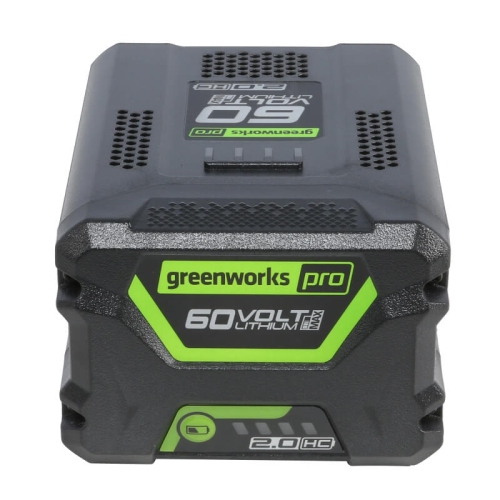 Your price for this item is $124.45
 -
 Your price for this item is $329.99
 -
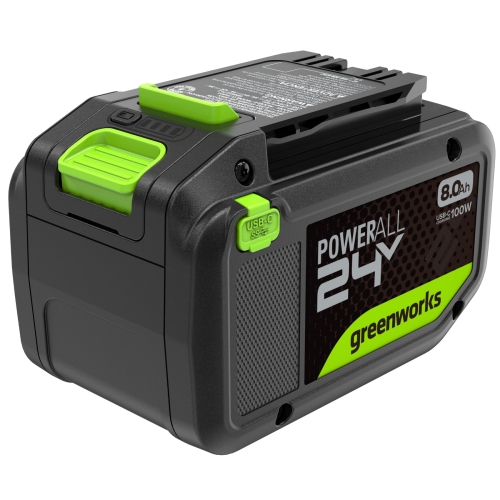 Your price for this item is $139.99
 -
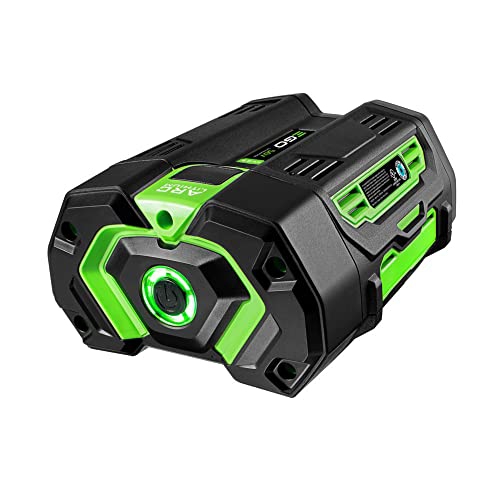 Your price for this item is $264
 -
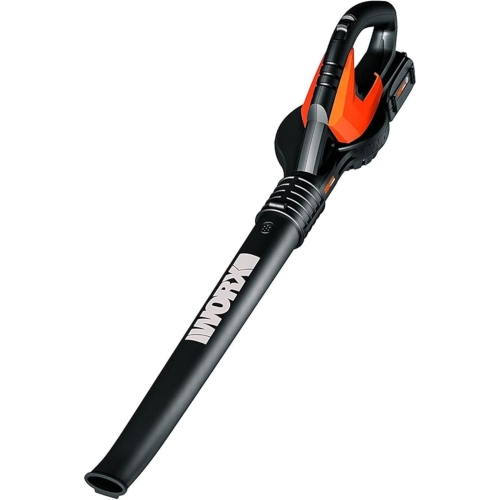 Your price for this item is $217.55
 -
 Your price for this item is $739.99
 -
 Your price for this item is $599.99
Discover more categories related to Music Room Acoustic Panels
Top Collections:
Pokemon Centers, Kindle Devices, Best Budget Office Chairs, Apple iPhones 16, Canon G7X Cameras, iPhone 15 Apple, Alarm Clock, Refurbished Apple Laptops, Flip Phones, Best Laptops for Writers
Some products may be subject to Environmental Handling Fees
(EHF) depending on your province.
Learn more about EHFs.