Narrow Dressers for Closets
Our narrow dressers for closets are designed to fit seamlessly into any closet, providing you with the perfect storage solution for your clothing and accessories. With their slim profiles and cleverly crafted compartments, our narrow dressers offer ample storage while taking up minimal floor space. Whether you have a small apartment or simply want to declutter your bedroom, these versatile dressers are the perfect addition to any closet organization system.
Sort
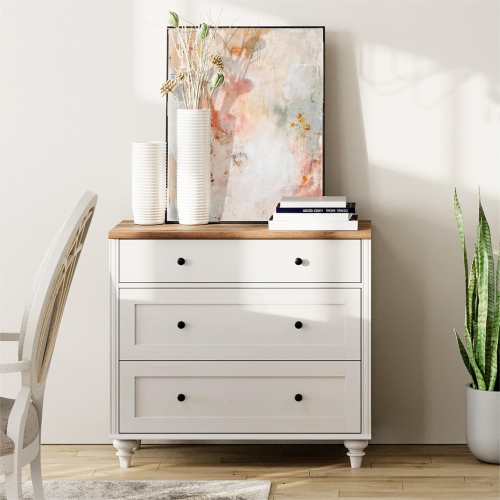
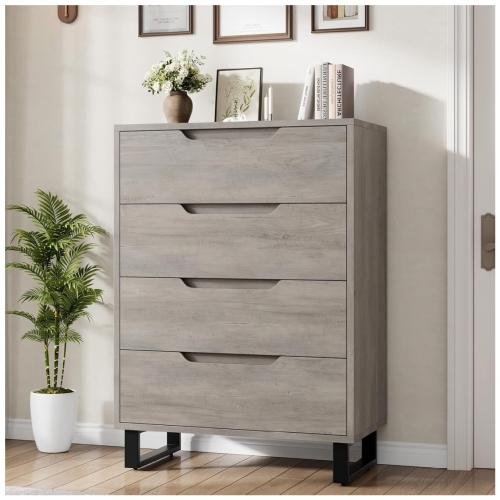
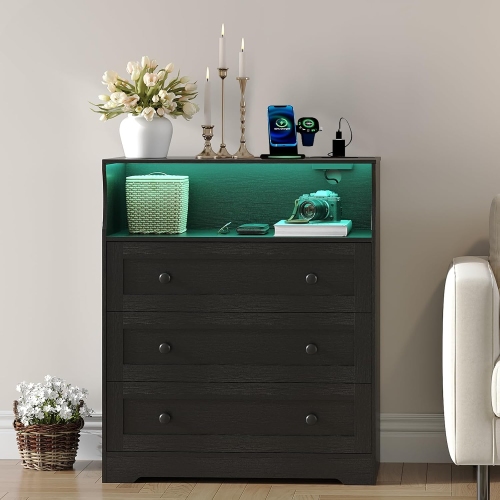
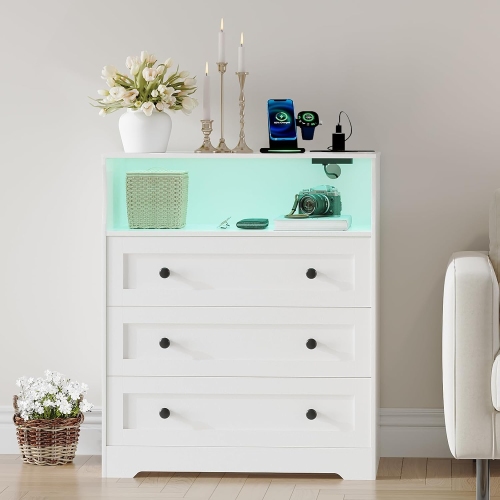
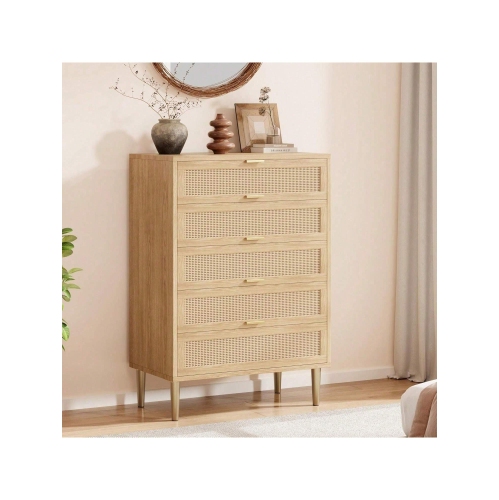
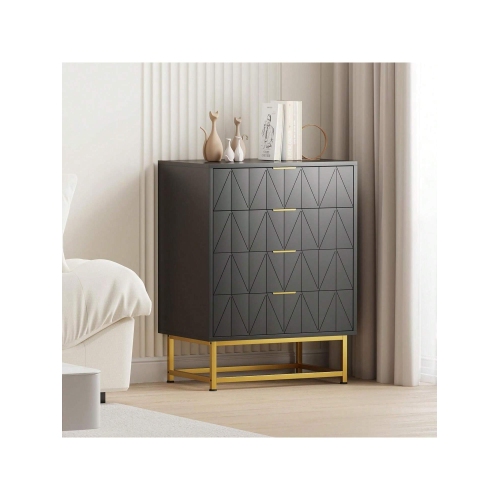
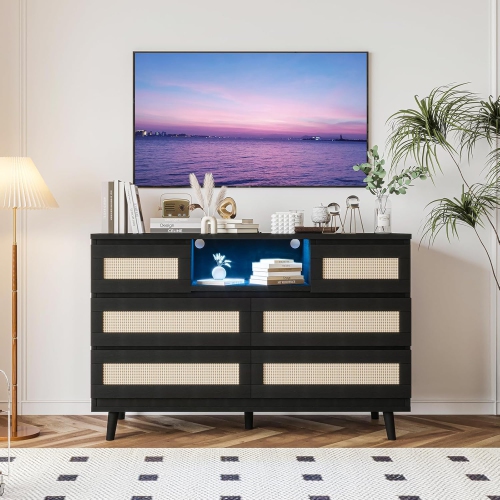
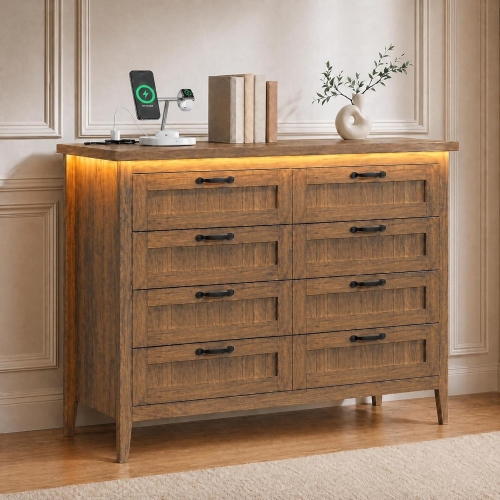
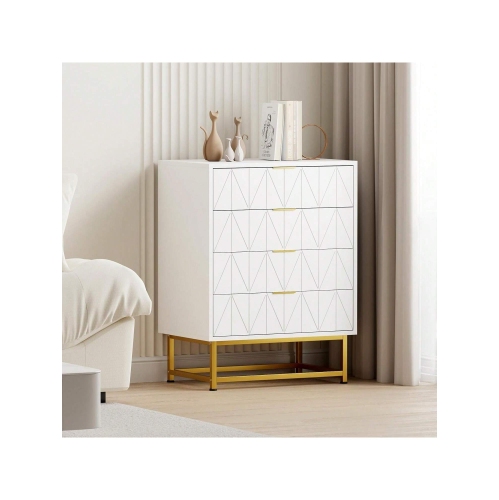
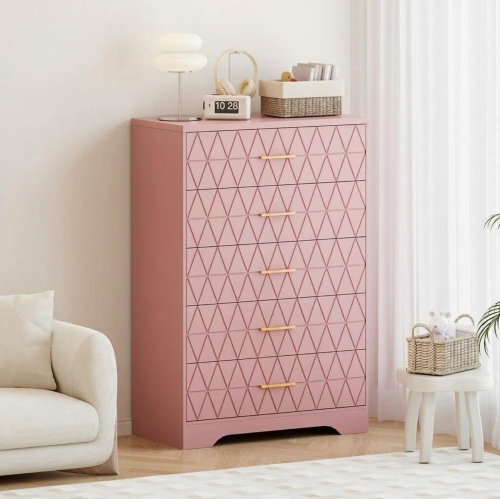
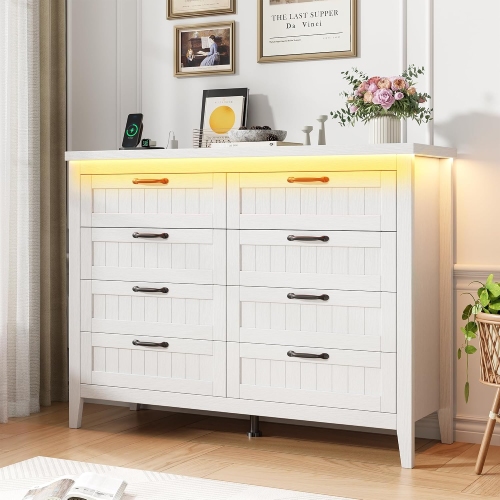
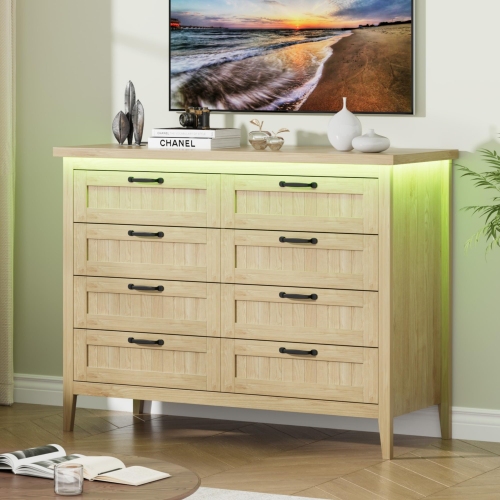
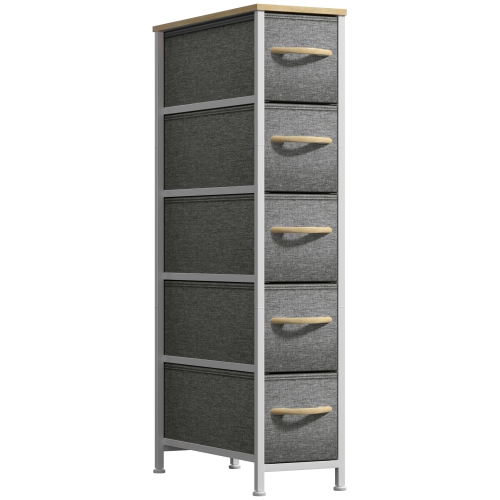
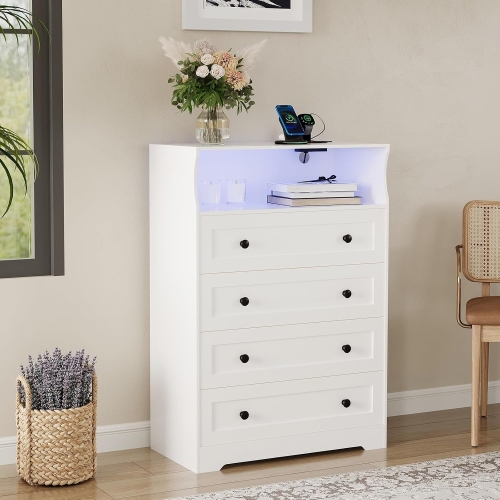
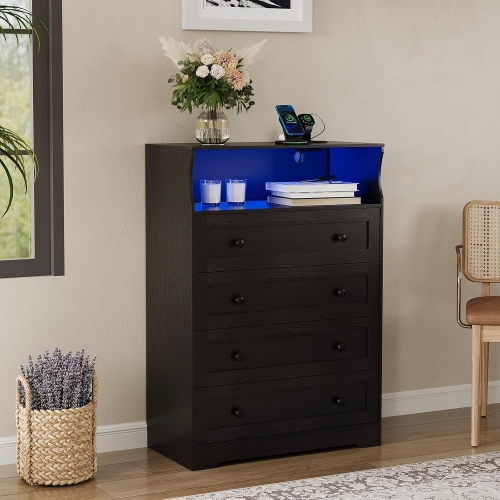
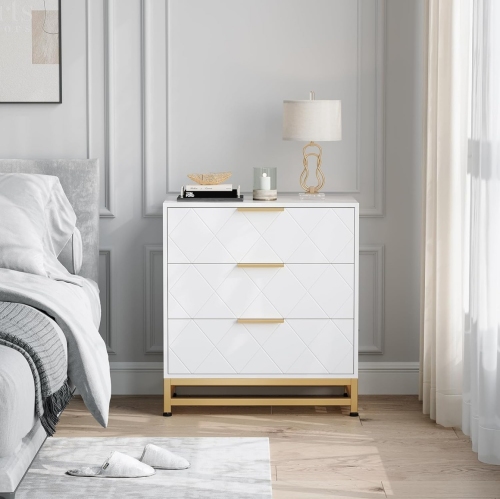
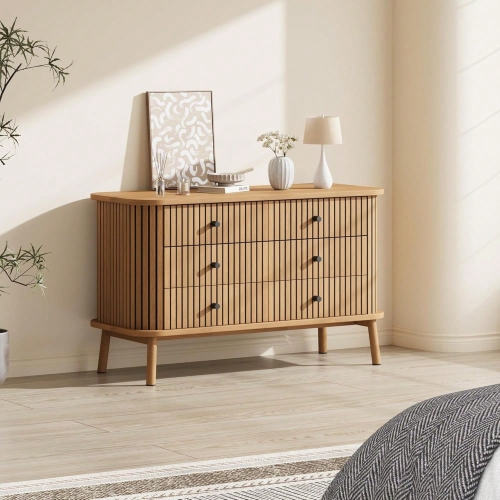
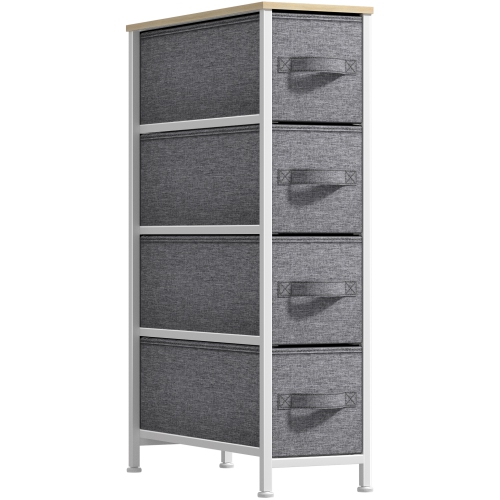
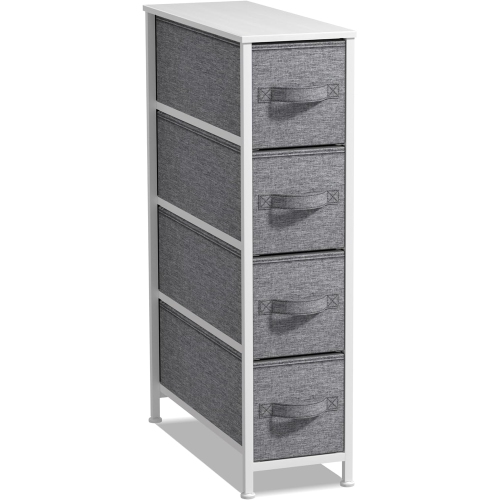
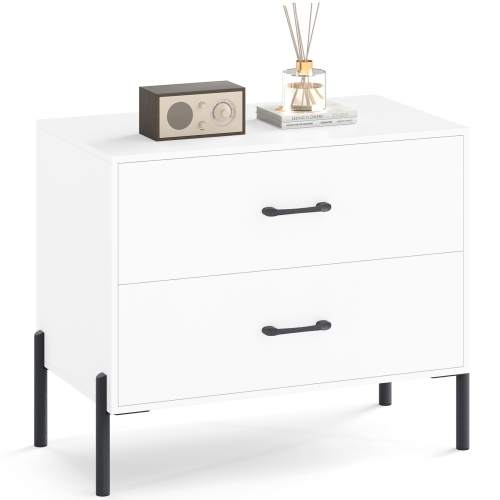
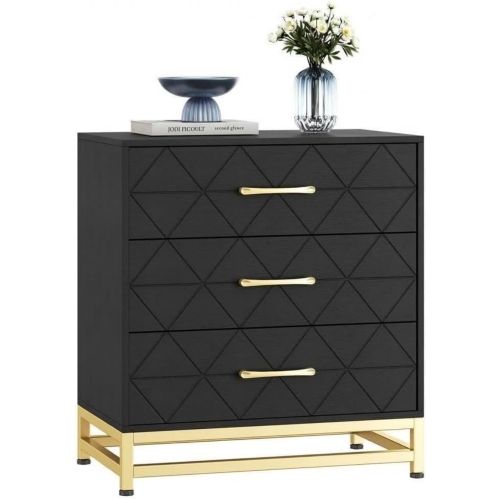
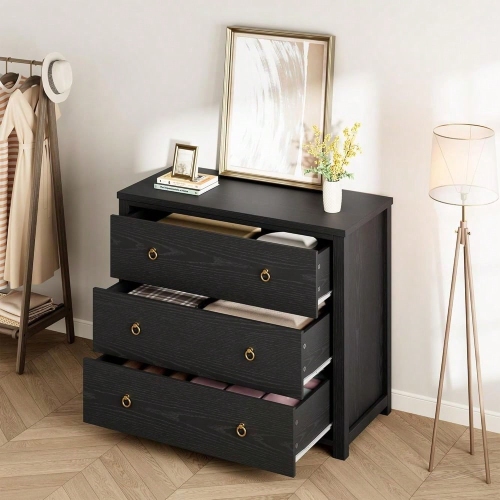
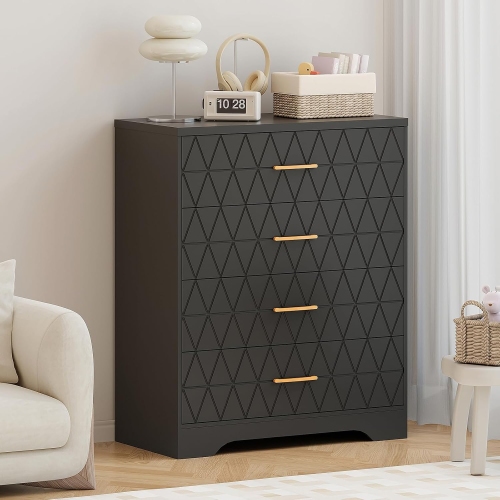
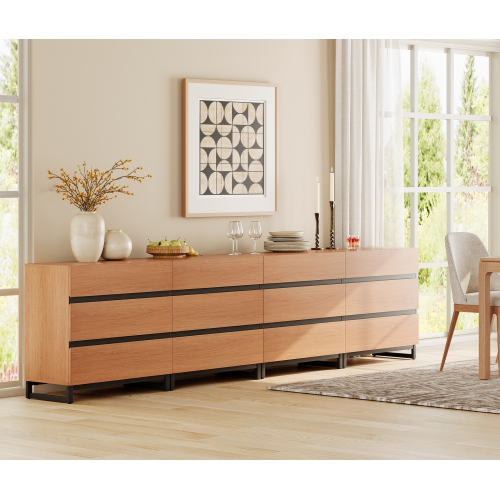
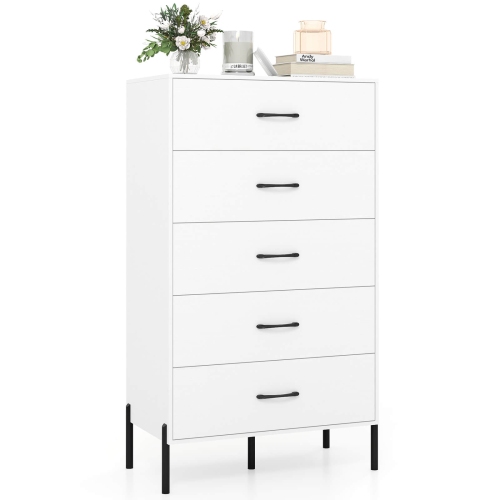
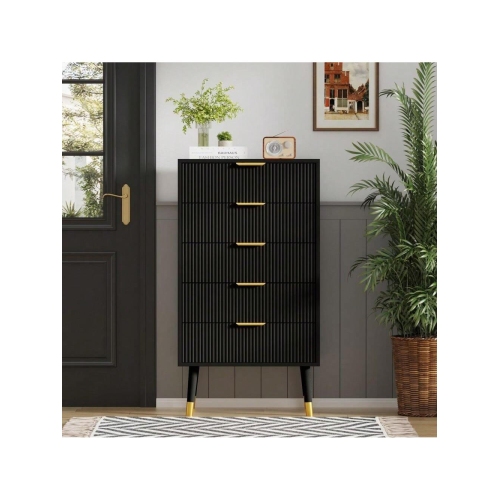
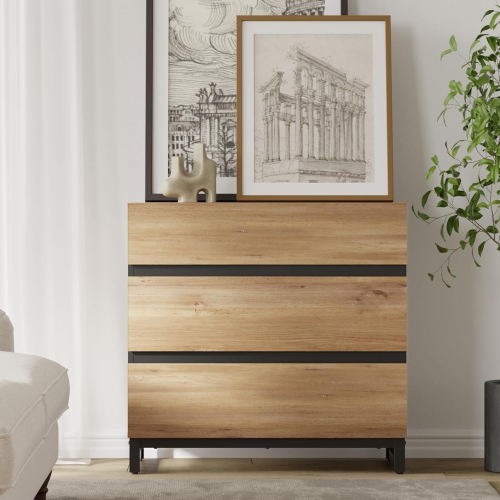
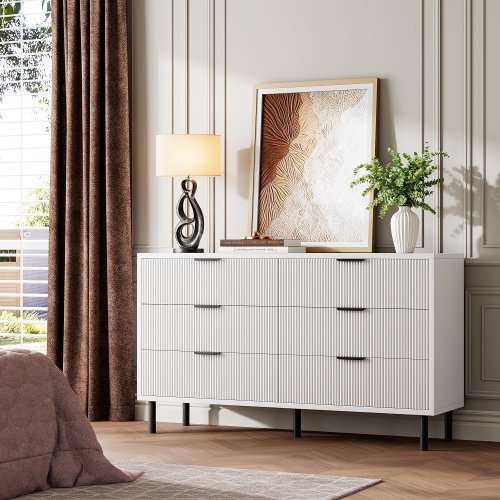
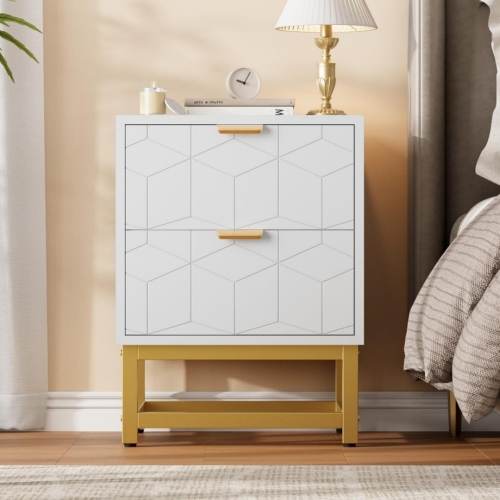
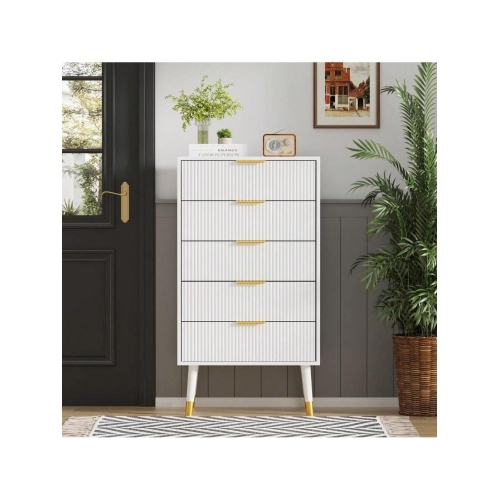
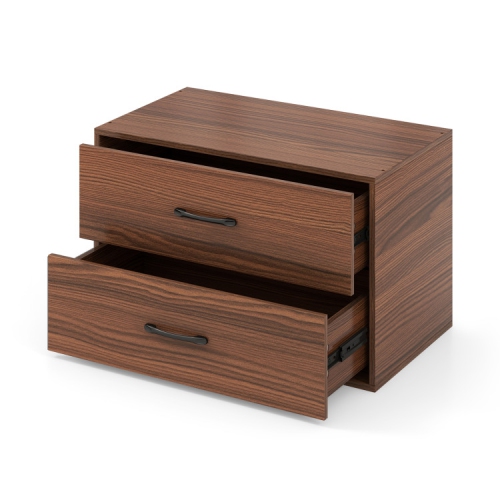
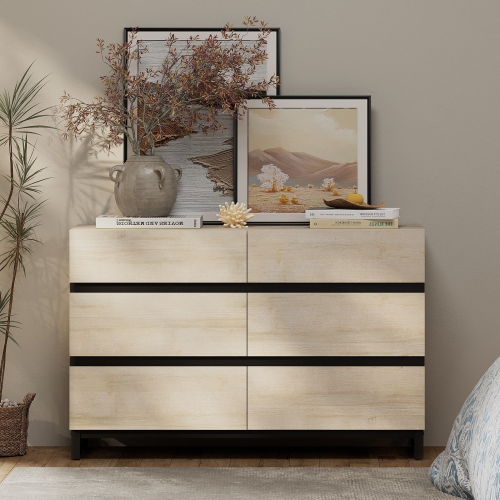
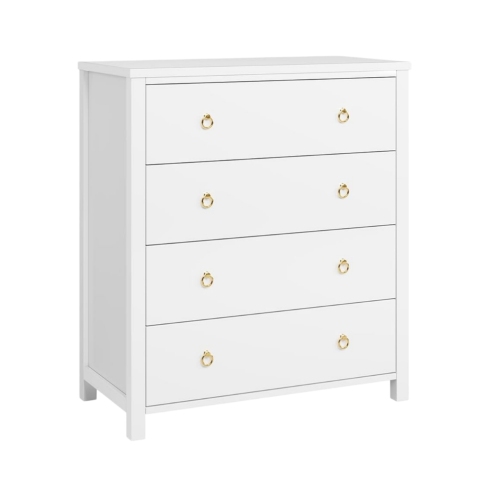
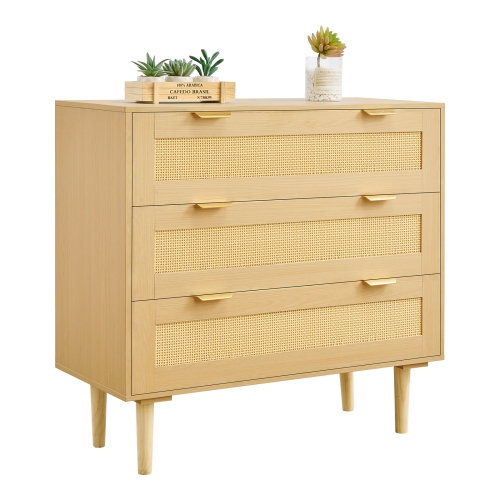

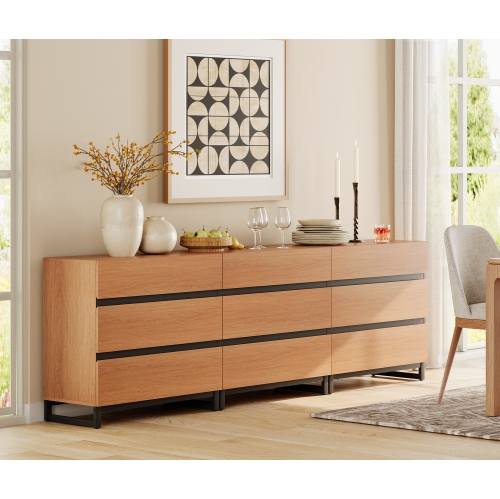
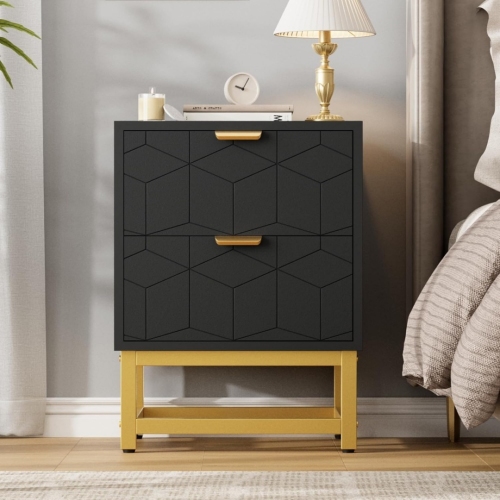
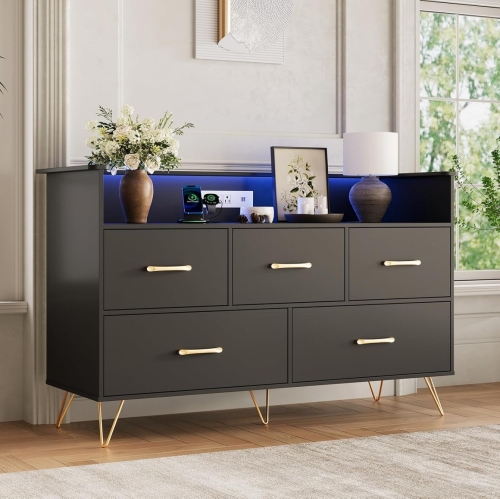
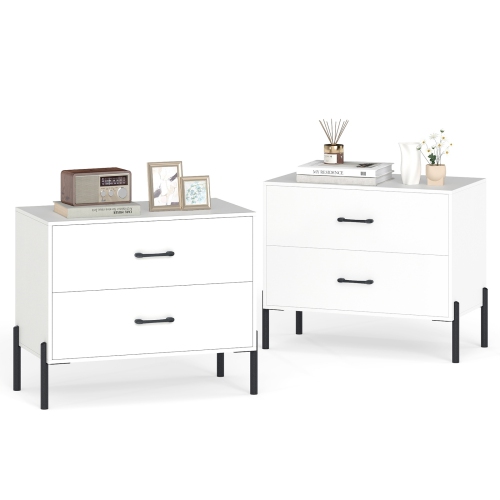
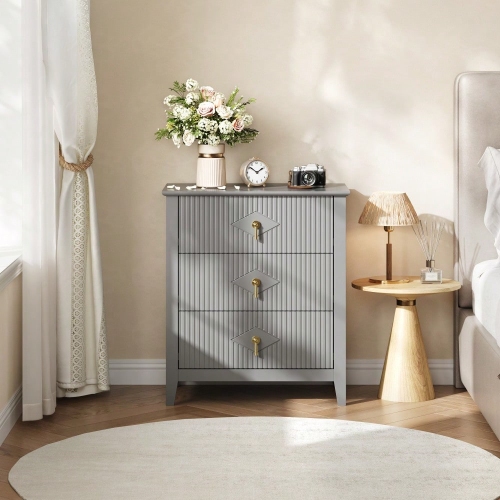
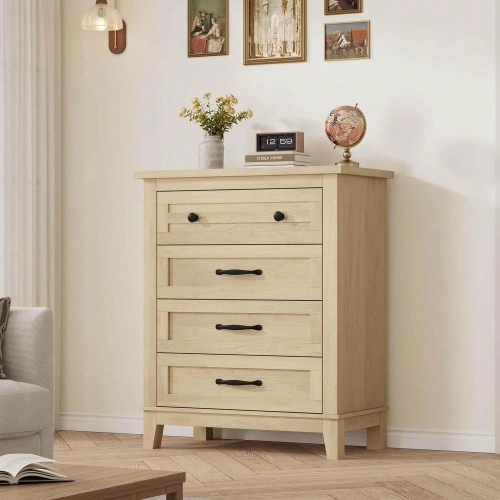
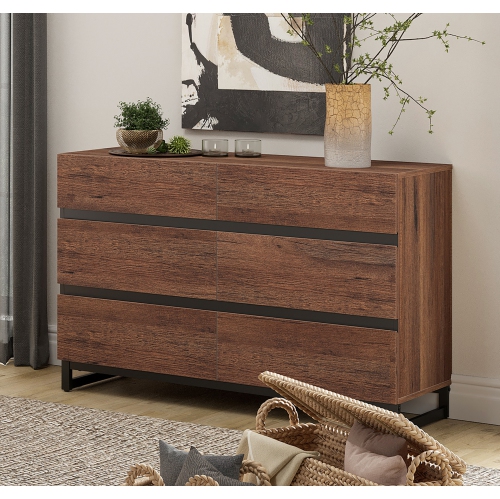
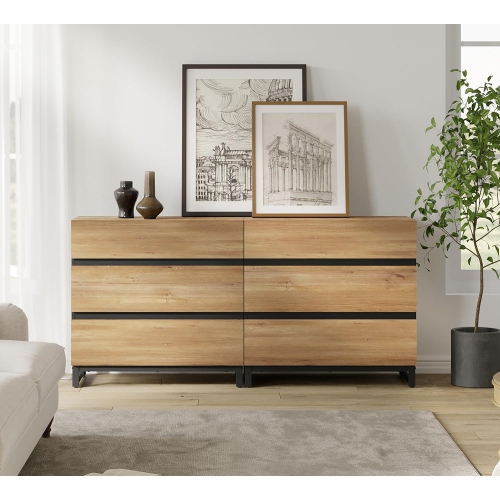
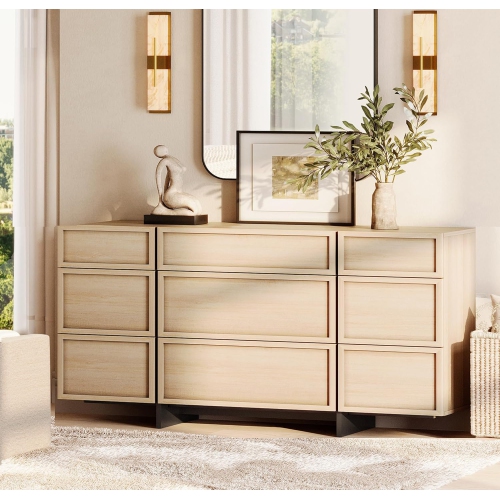

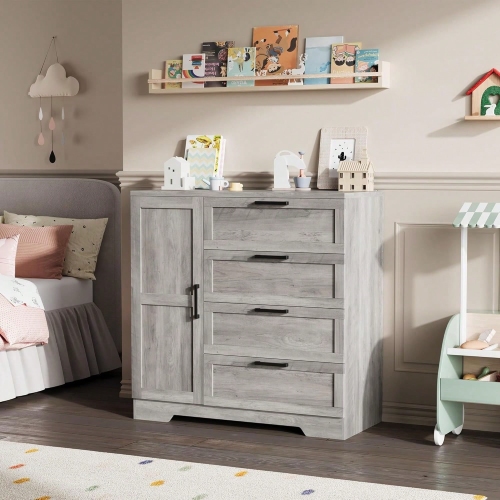
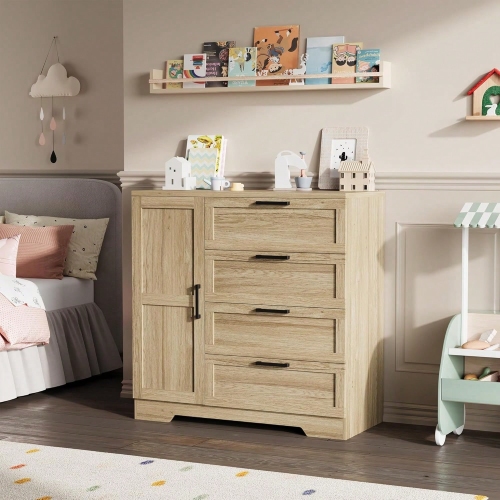
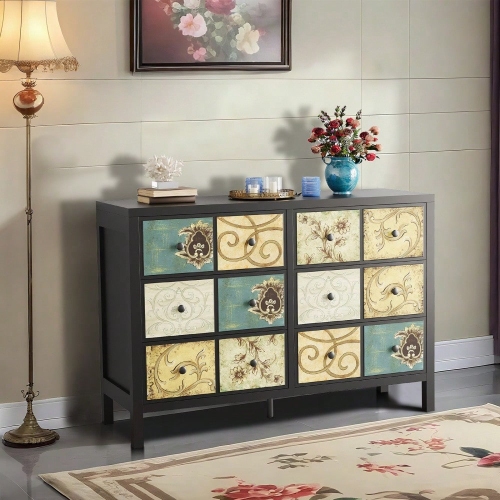
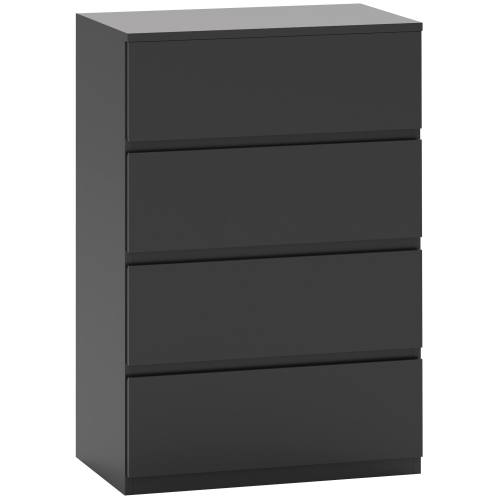
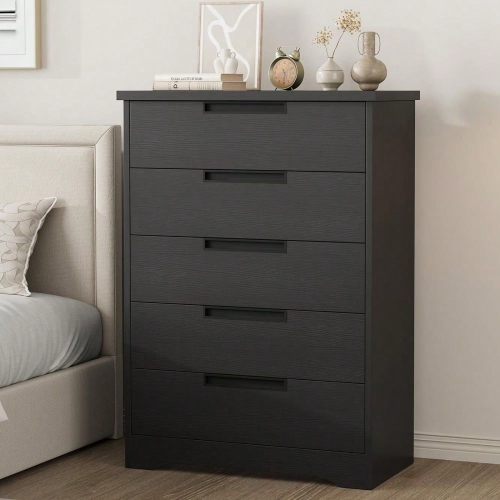
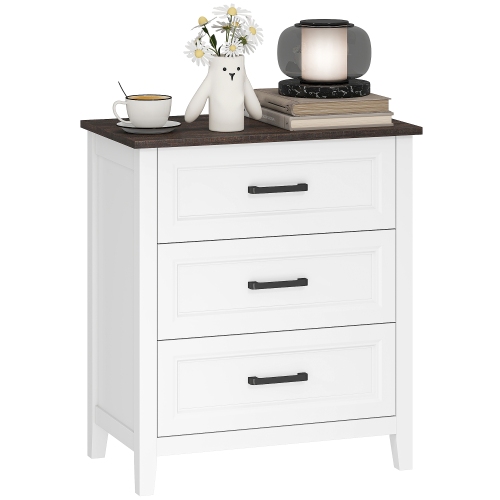
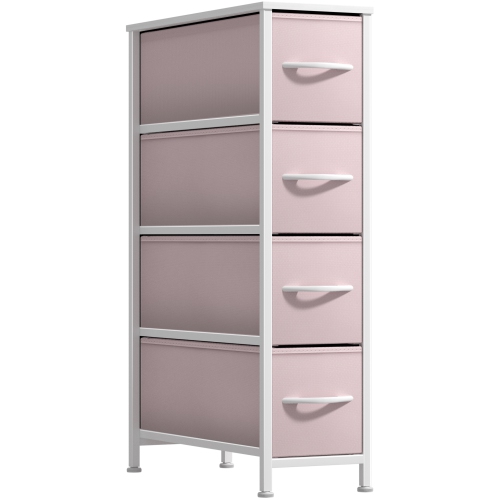
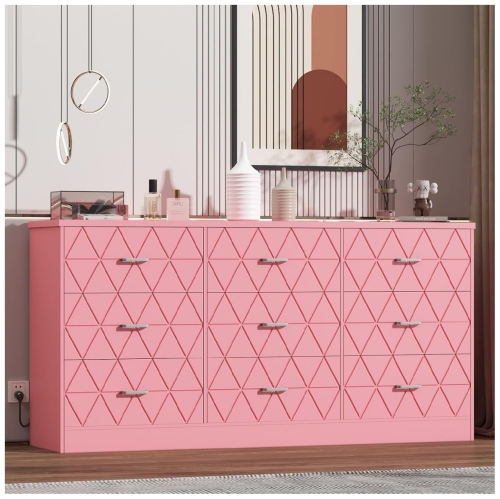
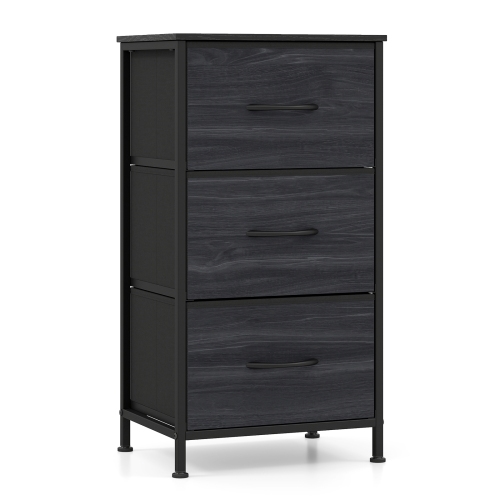
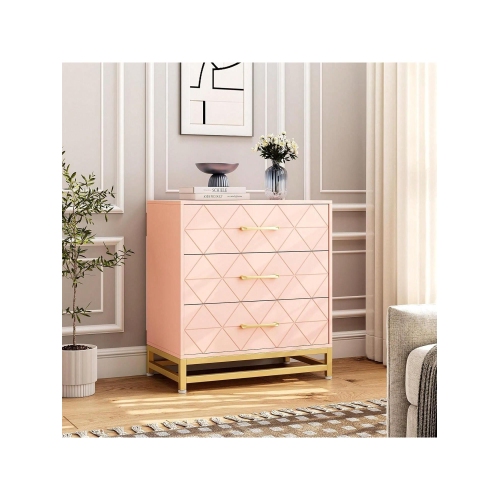
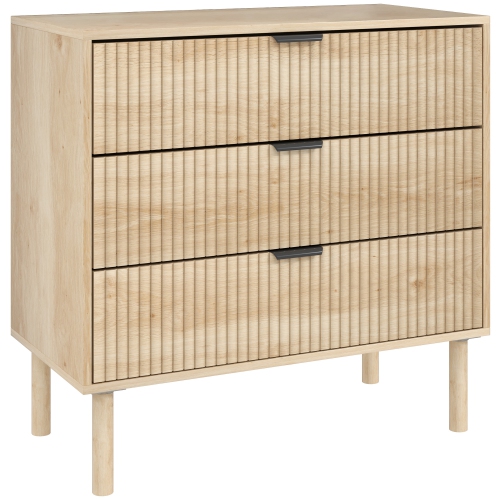
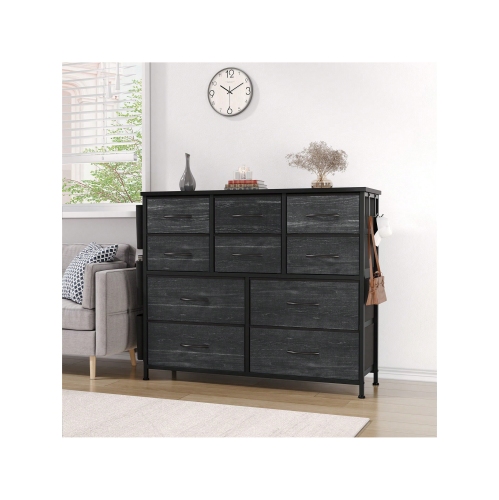
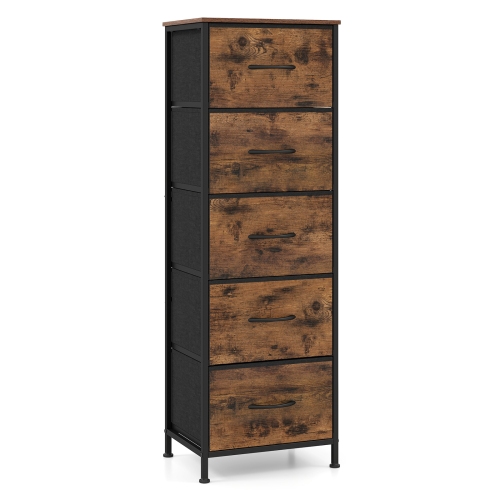
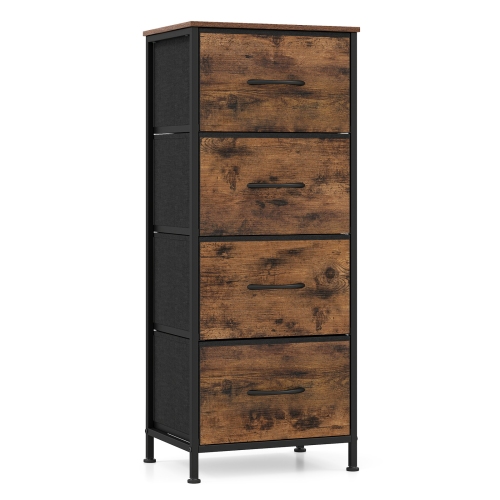
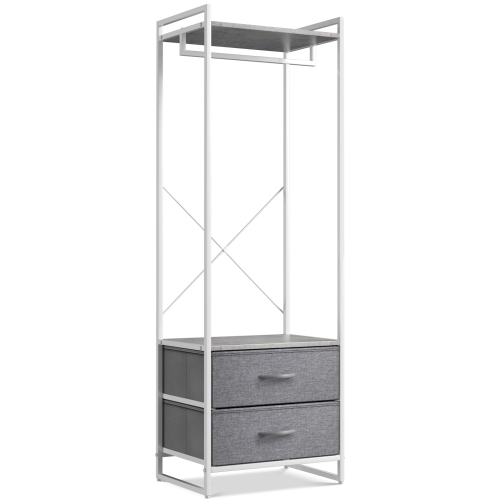
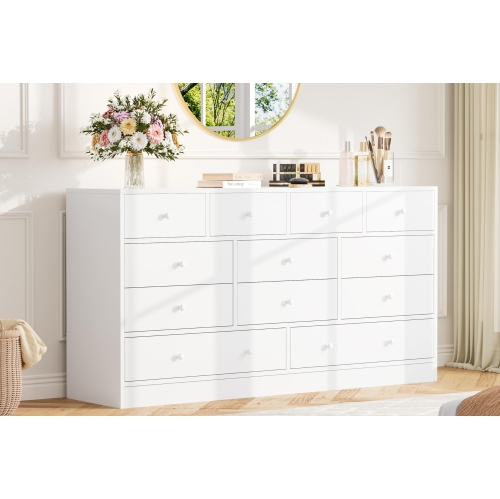
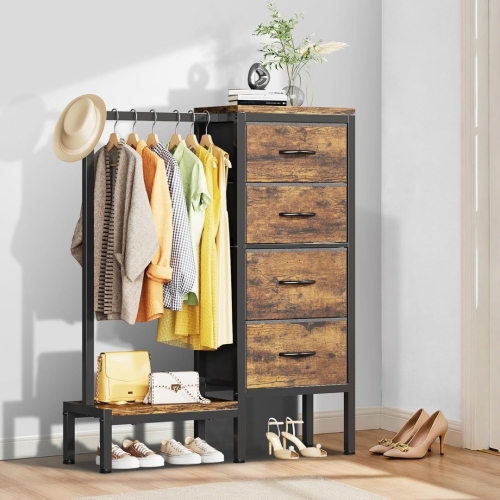
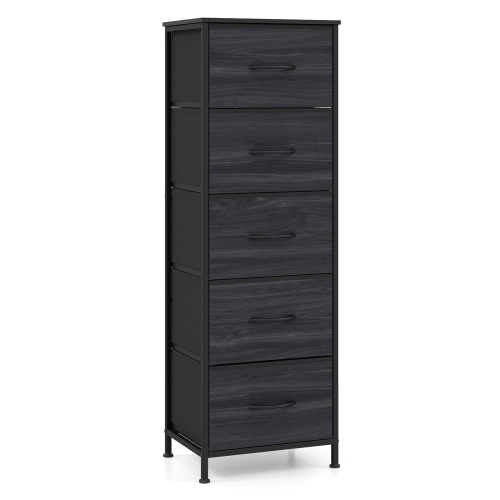
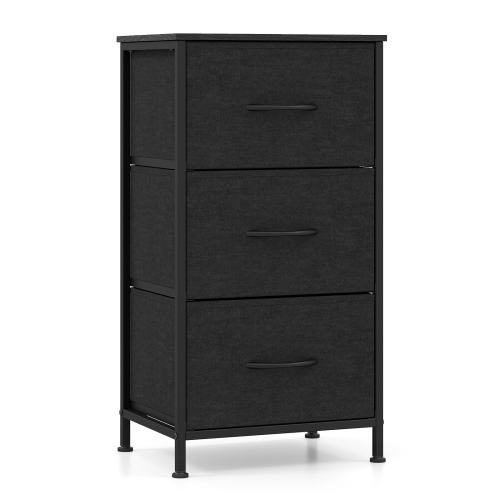
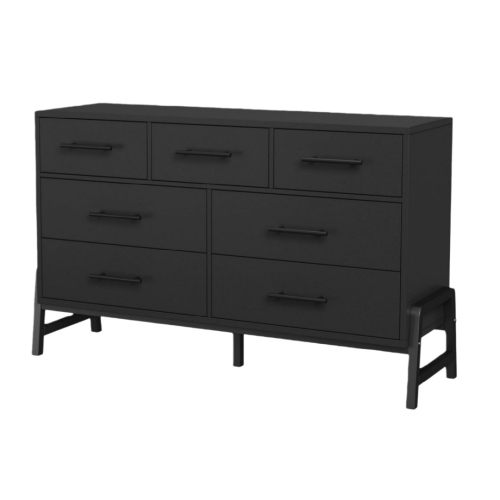
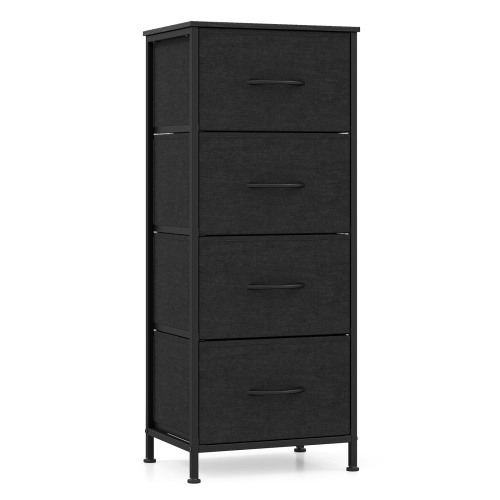
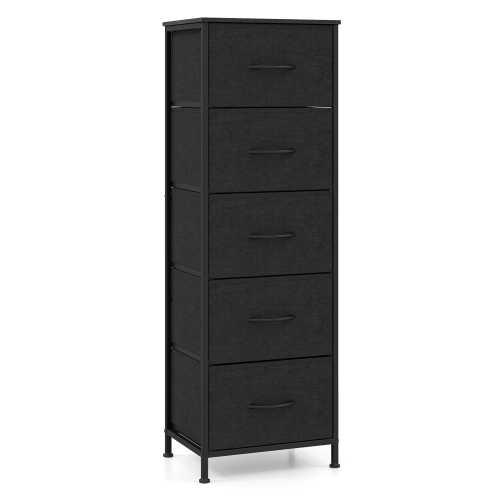
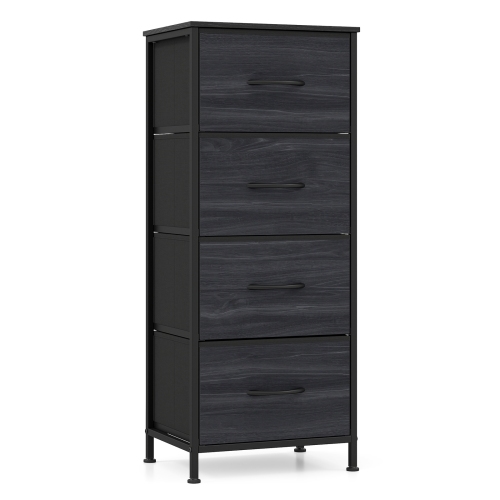
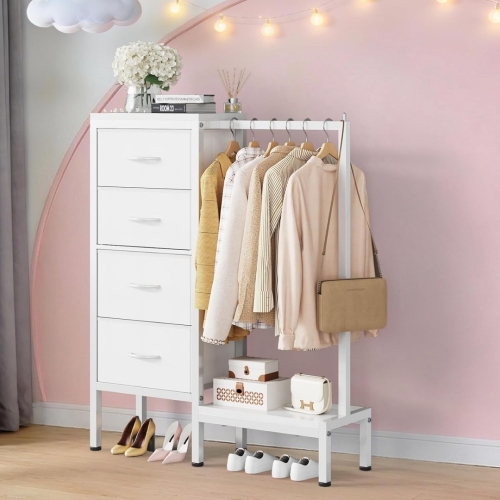
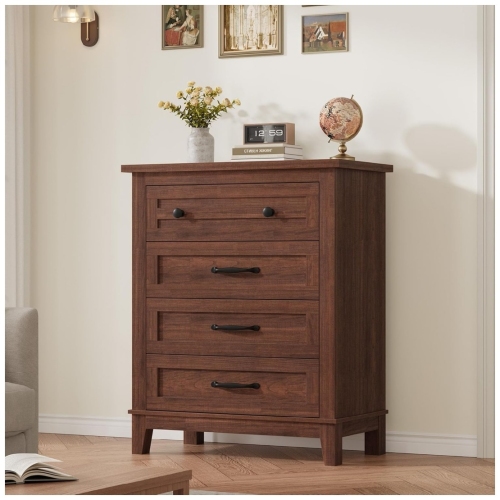
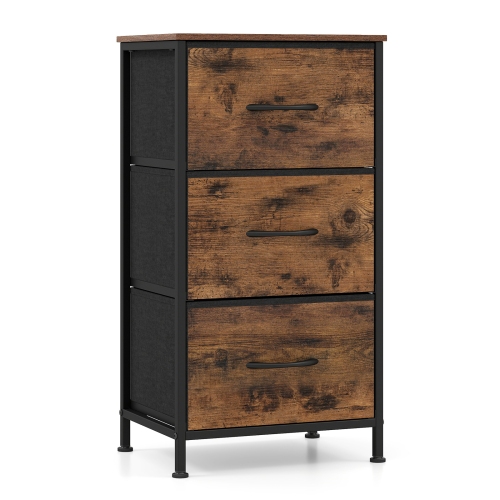
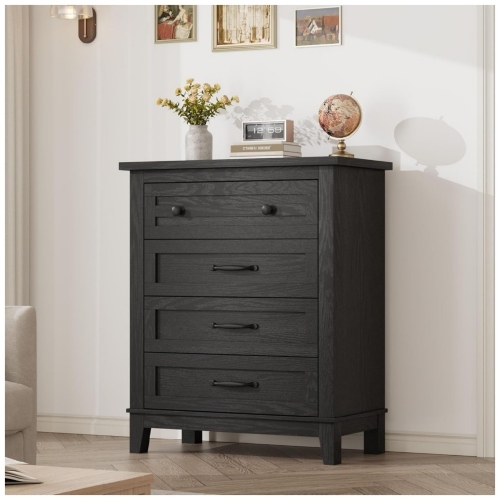
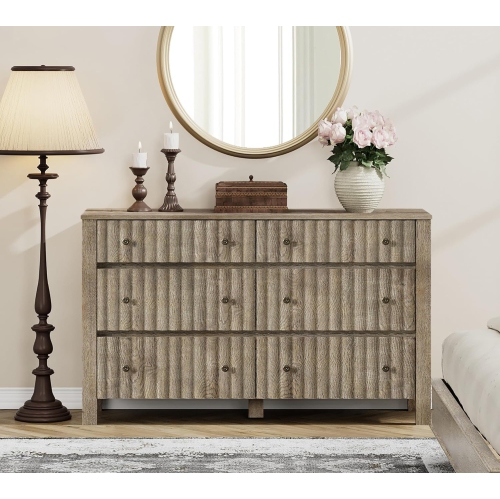
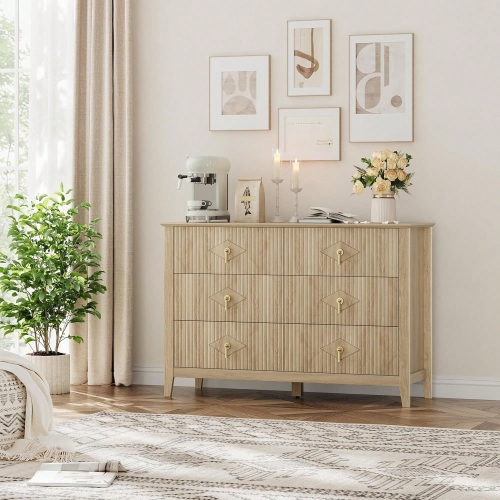
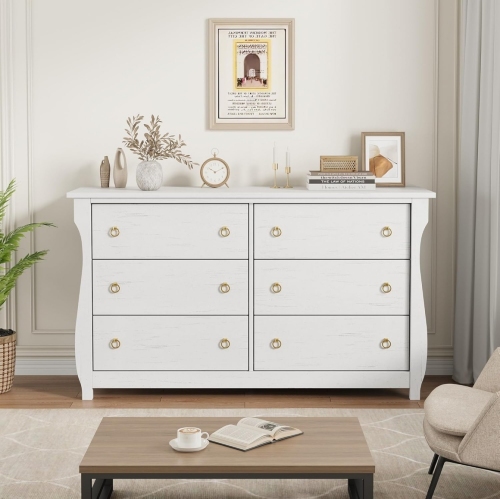
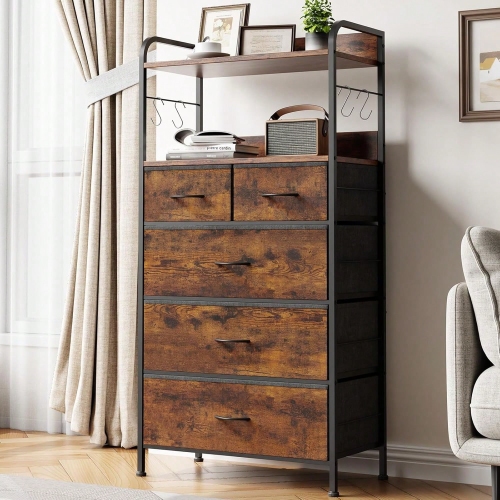
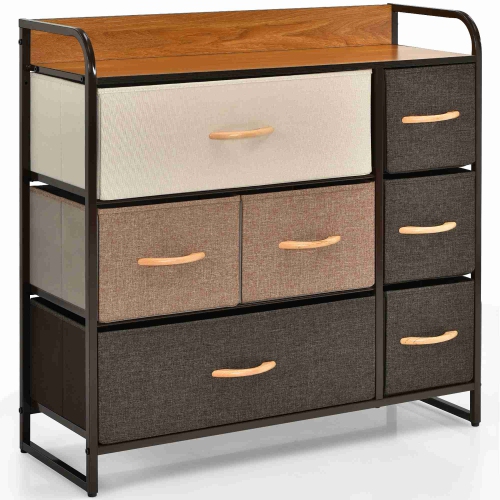
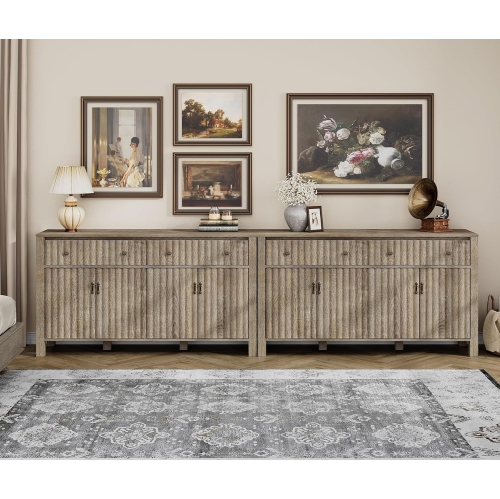
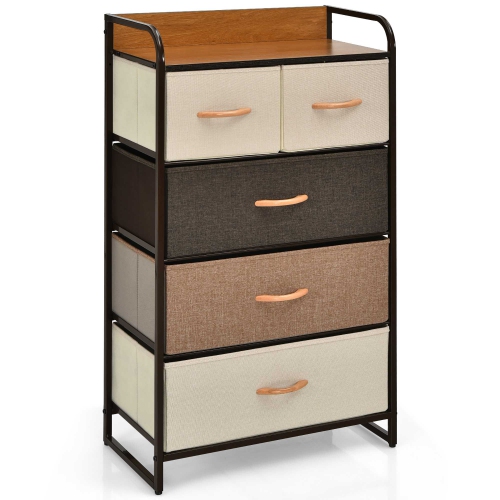
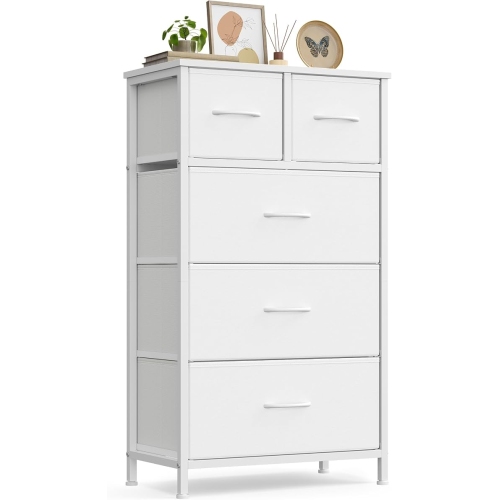
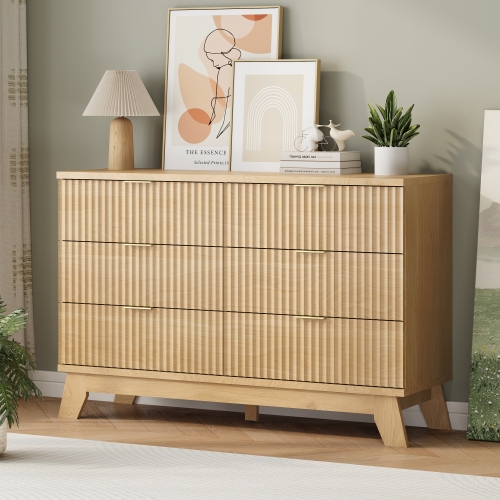
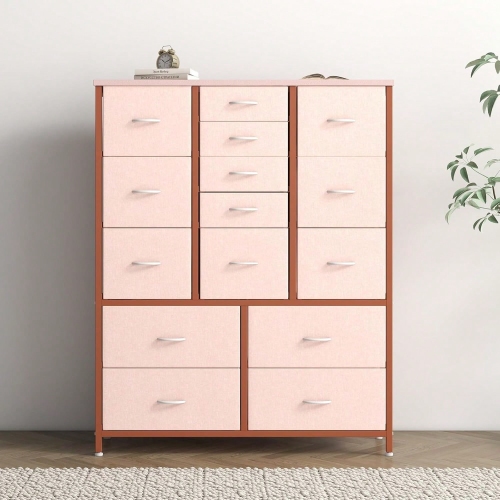
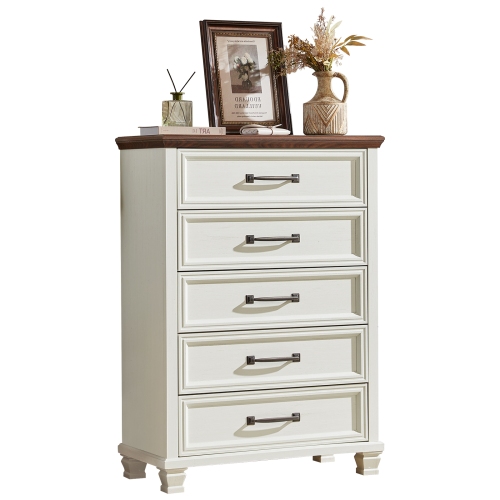
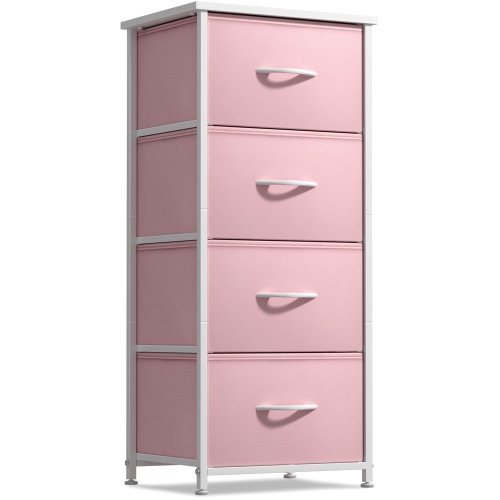
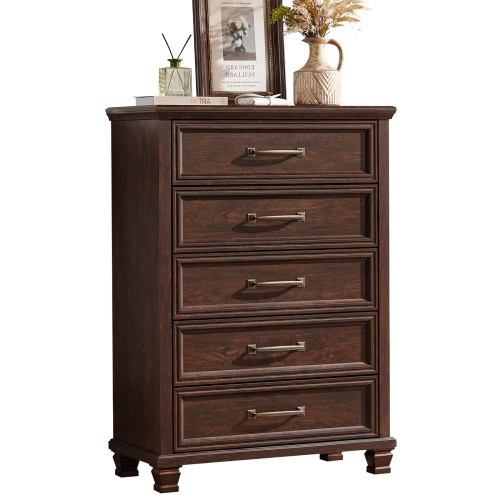
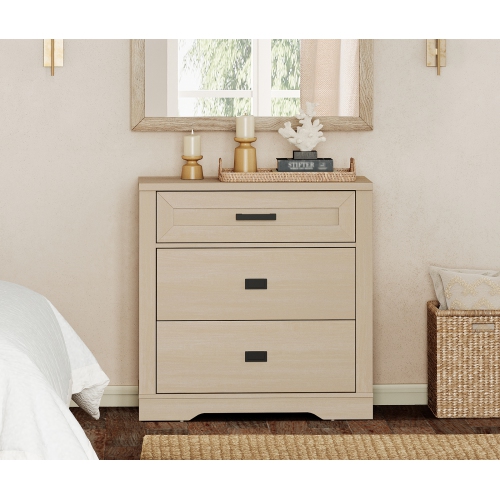
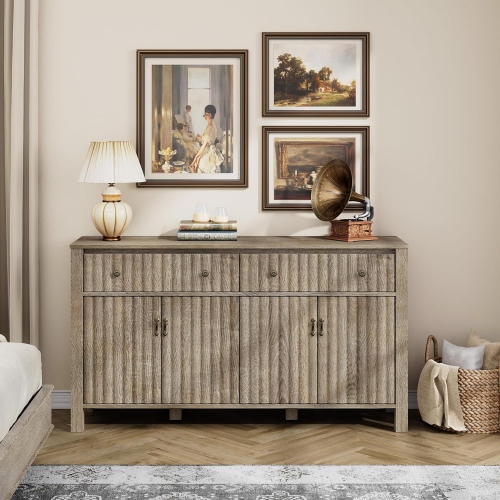
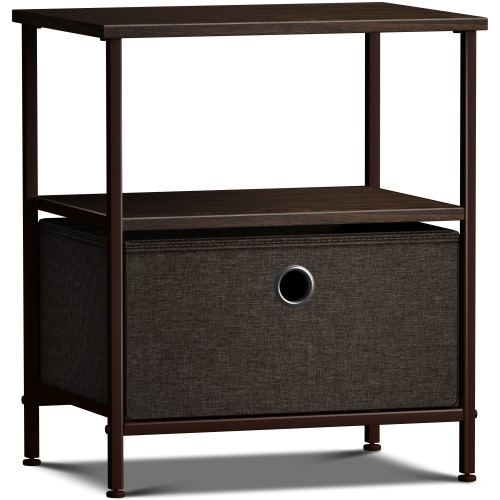
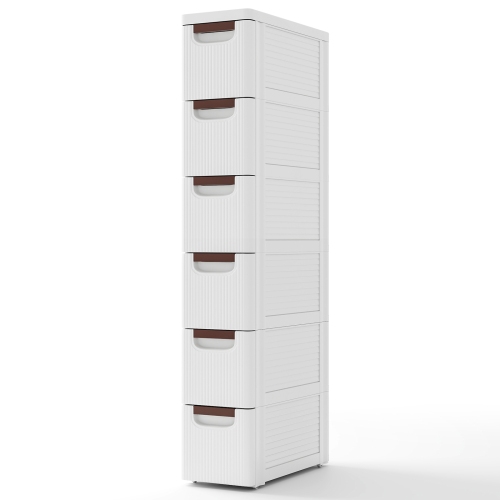
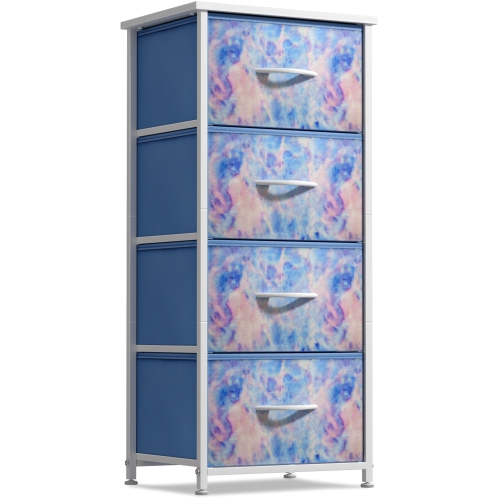
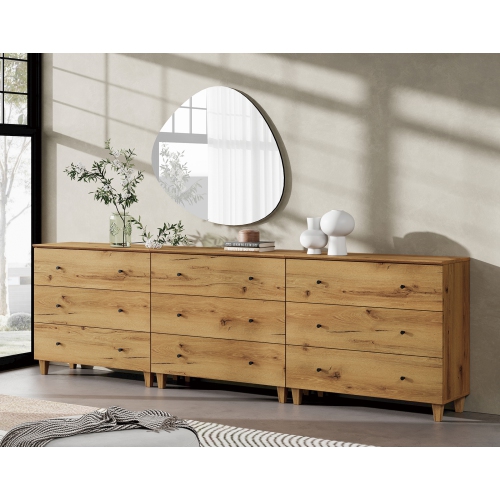
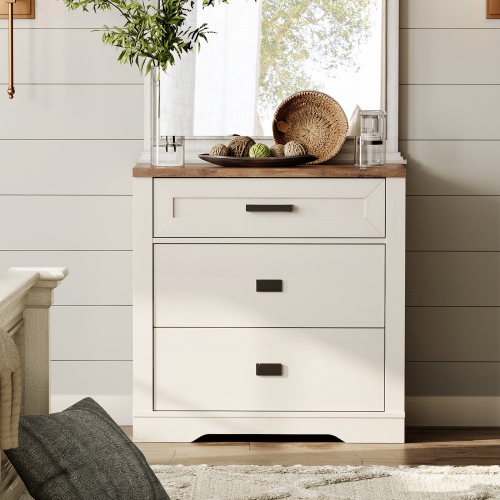
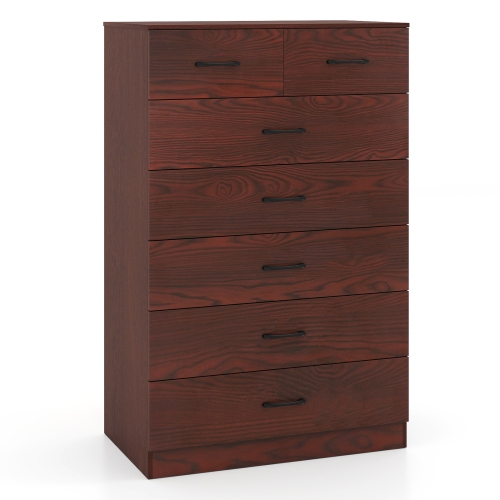
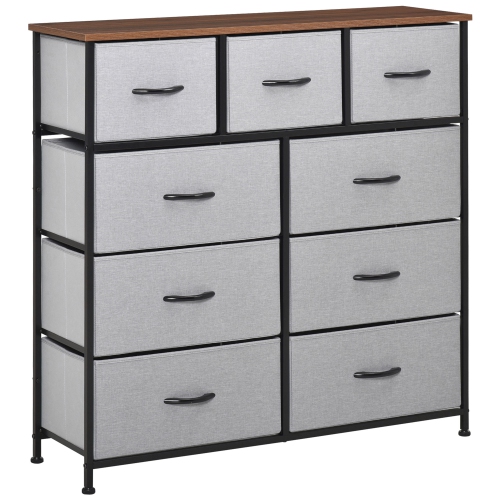
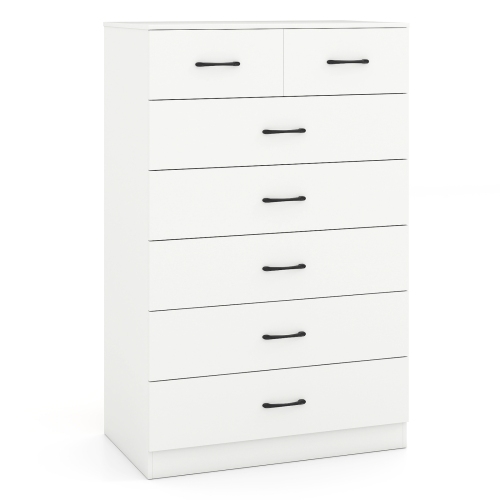
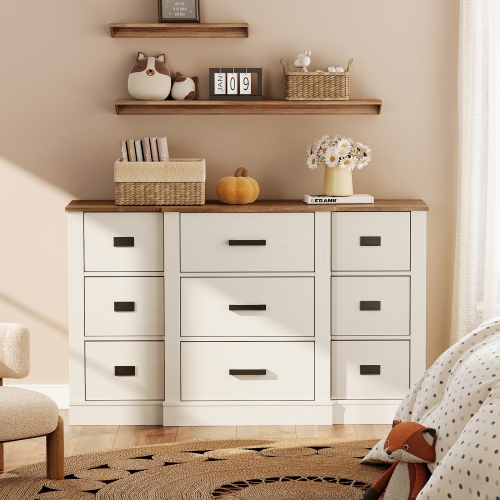
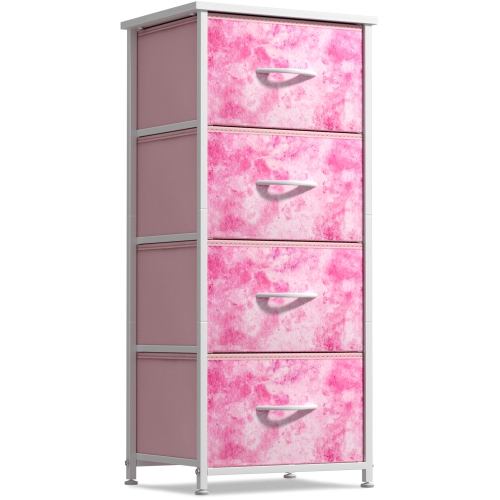
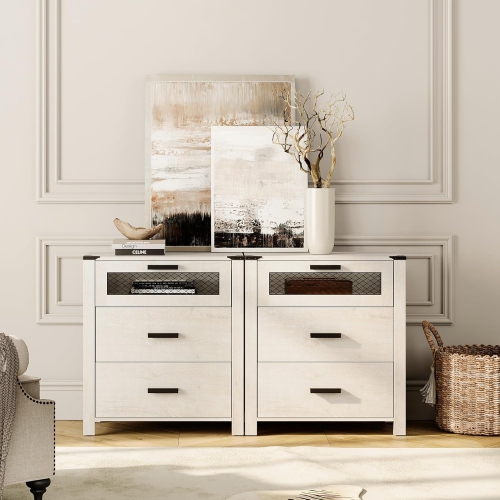
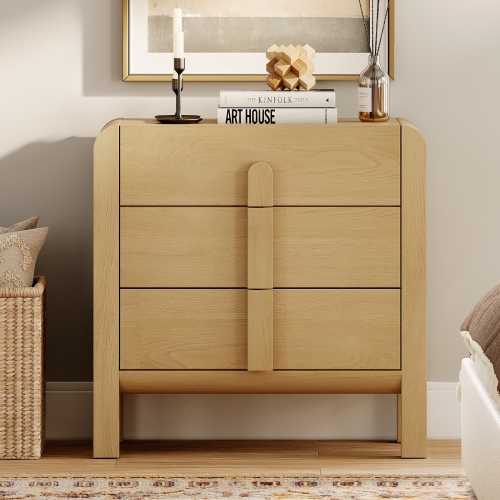
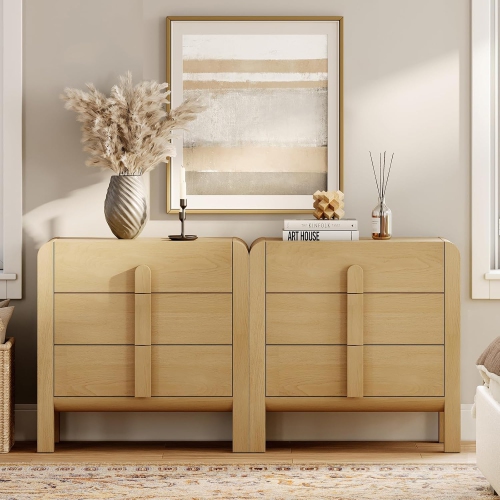
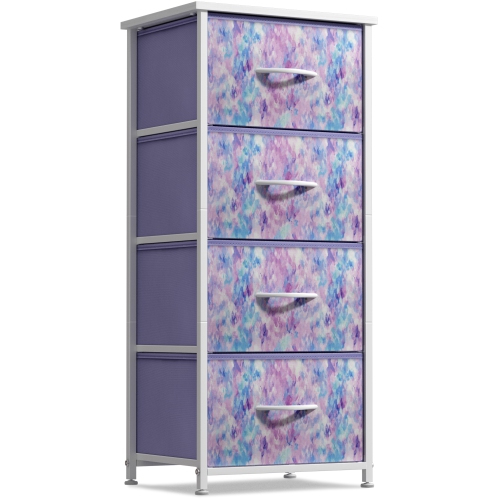
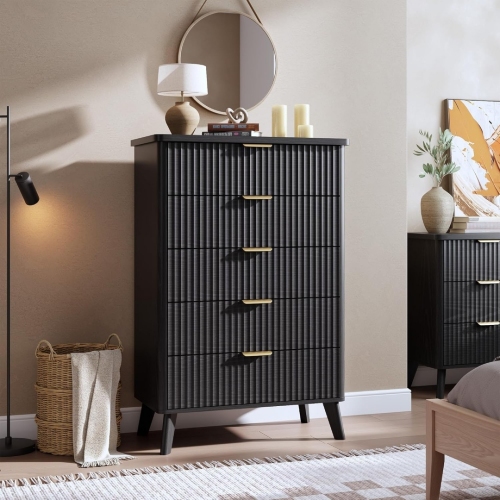
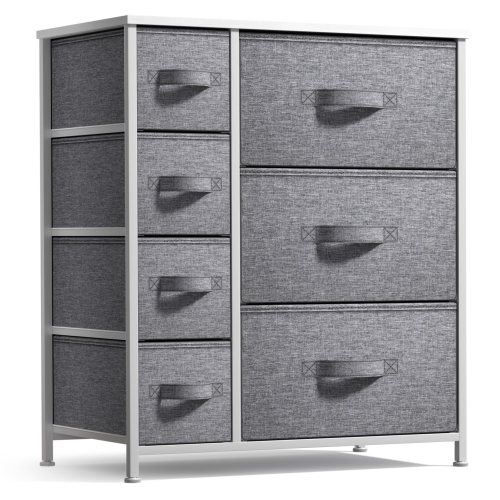
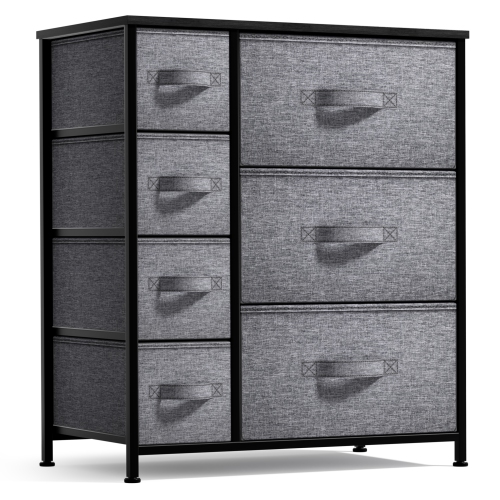
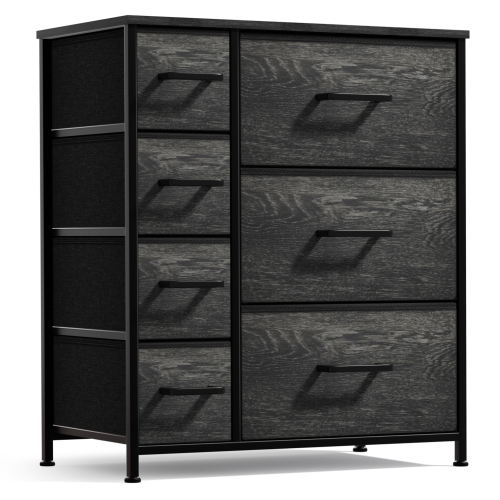
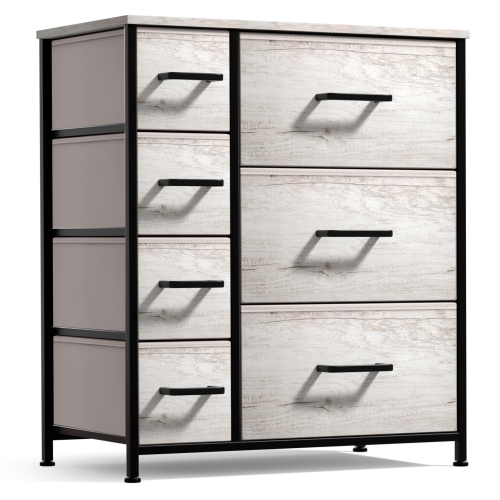
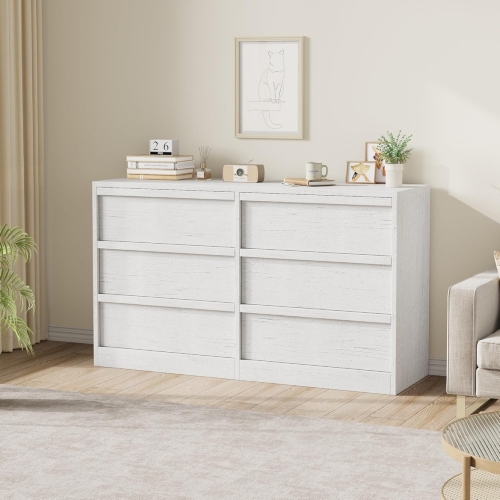
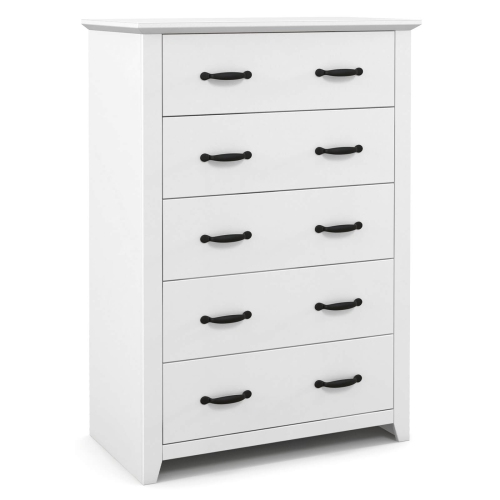
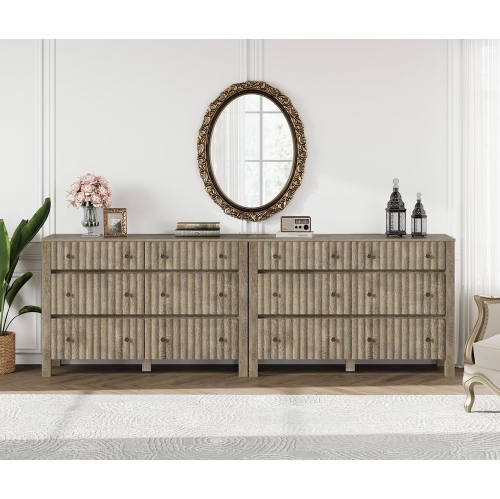
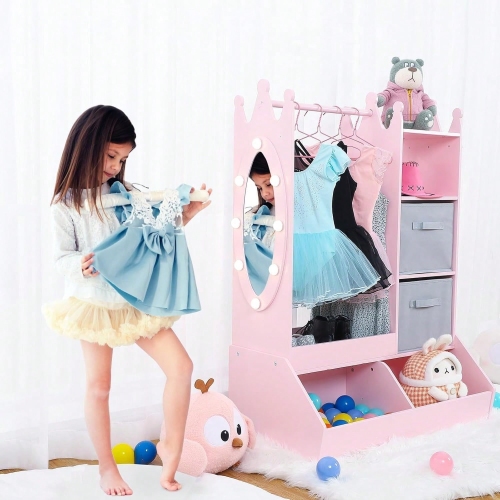
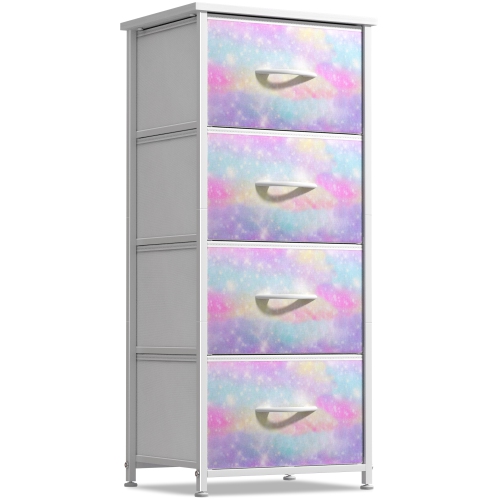
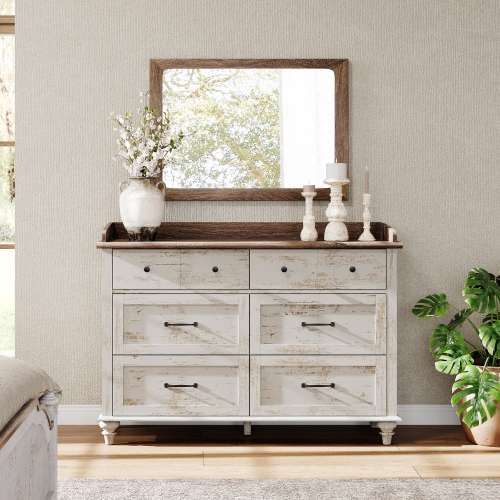
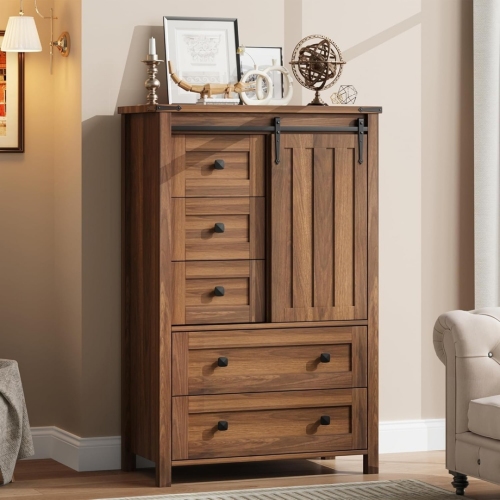
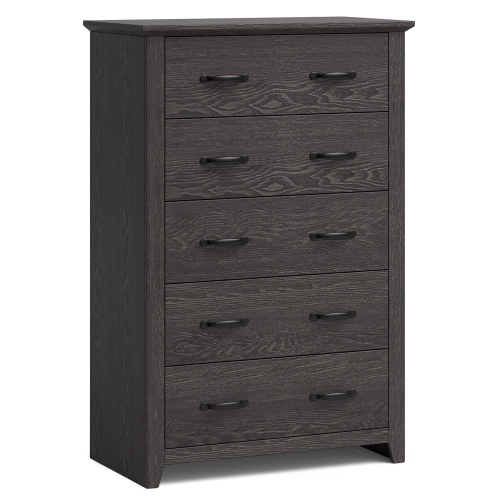
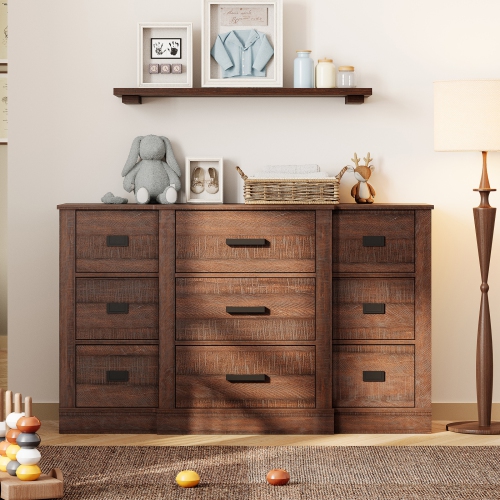
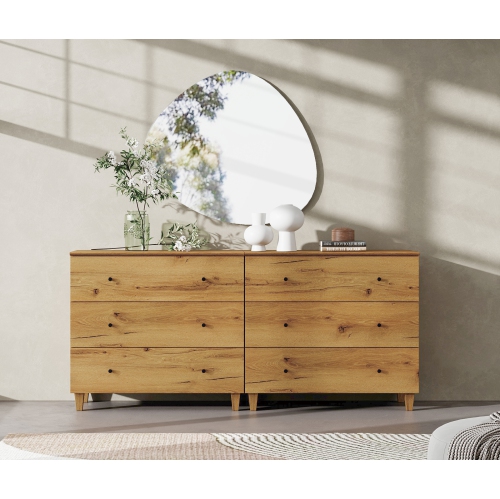
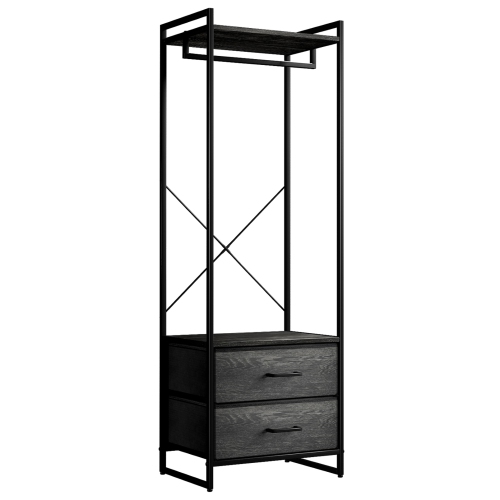
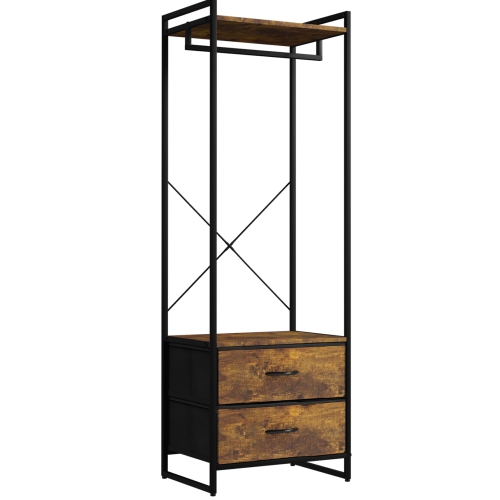
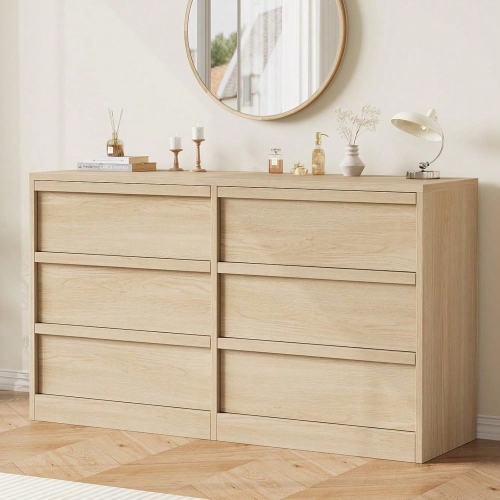
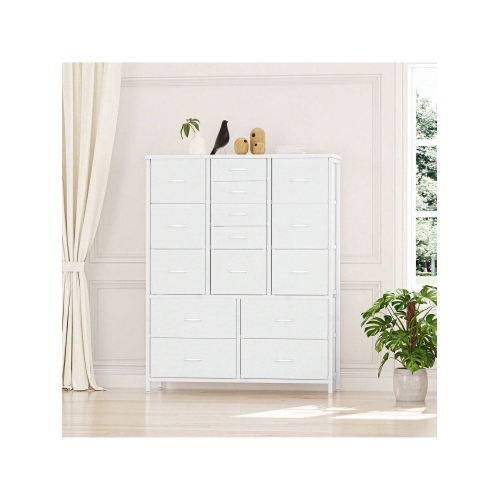
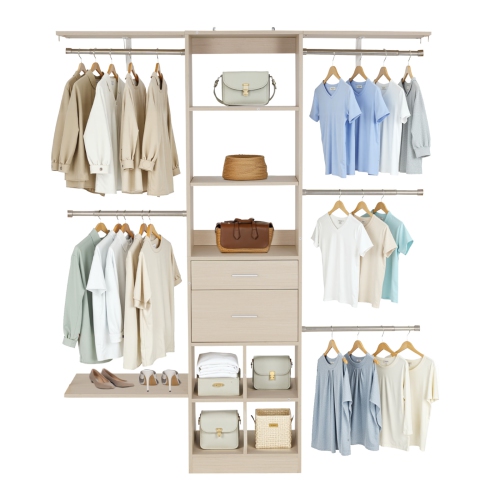
Smart vertical storage for clothing in compact spaces
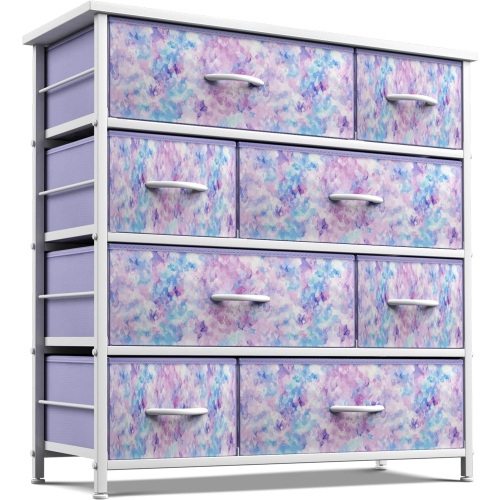
Narrow dressers for closets make it easier to use vertical space when every square inch matters. Their slim profile can fit into a walk-in closet, reach-in closet, bedroom nook, hallway, or compact dressing area without taking up the floor space required by a wide chest of drawers. These storage towers are especially useful for organizing smaller garments and accessories, including socks, undergarments, folded T-shirts, leggings, scarves, sleepwear, and children’s clothing. Instead of allowing loose items to collect on a shelf or become buried in a deep bin, separate drawers give each category a designated place. A narrow dresser can also complement a closet rod by storing the items that do not hang well, helping keep shirts, dresses, jackets, and other garments easier to see. In a smaller bedroom, it may serve as a primary clothing unit; in a larger wardrobe, it can act as a dedicated accessory or seasonal storage station. During the cooler months, the drawers can hold gloves, hats, base layers, and thicker folded clothing, while lighter items can be moved in as the weather warms. Families may find a tall, compact dresser helpful in a child’s room, where limited floor area needs to accommodate a bed, play space, and other essentials. It can also be useful in a guest room, apartment, dorm-style space, or first home, offering practical storage without visually overwhelming the room.
Measuring carefully is the most important step before choosing a narrow dresser for a closet. Record the available width, depth, and height, then check for baseboards, trim, shelves, closet rods, sloped ceilings, and door frames that could affect the fit. A unit that fits the opening may still be difficult to use if the drawers cannot slide out fully. Leave enough clearance to stand comfortably in front of the dresser and pull each drawer open without hitting a door, nearby wall, bed, hamper, or other furniture. Pay close attention to the dresser’s total depth, including drawer fronts and handles, rather than relying only on the cabinet measurement. If the closet has folding or sliding doors, confirm that the doors can operate freely after the dresser is installed. A tall design can make excellent use of vertical space, but compare its height with the closet ceiling and any overhead shelf. Consider how often you will access the contents as well: everyday essentials are best kept in drawers that are easy to reach, while less frequently used clothing can go higher up. For an even taller storage profile, shoppers may also wish to browse Narrow Tall Chest Of Drawers to compare related configurations. Construction and drawer style also influence how a dresser feels in daily use. Fabric drawers are lightweight and often convenient for apartments or temporary rooms, while wood or engineered-wood drawers can provide a more substantial look and feel. Metal frames may add a clean, structured appearance, and smooth drawer glides can make frequent access more comfortable. Check the drawer dimensions rather than judging capacity by the outside silhouette, since internal space varies between designs. A narrow drawer is ideal for small categories, but folded sweaters or bulky denim may require greater depth and height. Think about the items you already own, measure a typical folded stack, and choose a layout that matches those habits.
Placement and safety deserve equal attention, particularly with tall, narrow furniture. A slim dresser has a small footprint, which is helpful in a closet but can make the unit more vulnerable to tipping if several drawers are opened at once or if weight is concentrated near the top. Use the included anti-tip hardware and secure the dresser to a suitable wall surface according to the installation instructions. Keep heavier clothing in the lower drawers and lighter items above to improve stability and make the unit easier to use. Avoid overloading drawers, blocking ventilation around any nearby electrical equipment, or placing the dresser where it could interfere with a heater or light switch. For children’s rooms, choose a stable design, anchor it properly, and keep climbable objects away from the dresser. A neat drawer arrangement can save time during busy mornings: reserve one drawer for daily basics, another for sleepwear, and others for accessories or seasonal clothing. Labels may help children, housemates, or guests return items to the right place, while drawer dividers can prevent smaller pieces from shifting into a single pile. Narrow dressers can also make thoughtful practical gifts for someone moving into a first apartment, setting up a nursery, organizing a guest room, or refreshing a crowded wardrobe. The best choice depends on the recipient’s available measurements, storage habits, preferred appearance, and need for portability. With the right dimensions, a secure placement, and a drawer arrangement suited to the clothing being stored, a narrow dresser can turn an awkward closet corner into an orderly, accessible part of the room.
Measuring carefully is the most important step before choosing a narrow dresser for a closet. Record the available width, depth, and height, then check for baseboards, trim, shelves, closet rods, sloped ceilings, and door frames that could affect the fit. A unit that fits the opening may still be difficult to use if the drawers cannot slide out fully. Leave enough clearance to stand comfortably in front of the dresser and pull each drawer open without hitting a door, nearby wall, bed, hamper, or other furniture. Pay close attention to the dresser’s total depth, including drawer fronts and handles, rather than relying only on the cabinet measurement. If the closet has folding or sliding doors, confirm that the doors can operate freely after the dresser is installed. A tall design can make excellent use of vertical space, but compare its height with the closet ceiling and any overhead shelf. Consider how often you will access the contents as well: everyday essentials are best kept in drawers that are easy to reach, while less frequently used clothing can go higher up. For an even taller storage profile, shoppers may also wish to browse Narrow Tall Chest Of Drawers to compare related configurations. Construction and drawer style also influence how a dresser feels in daily use. Fabric drawers are lightweight and often convenient for apartments or temporary rooms, while wood or engineered-wood drawers can provide a more substantial look and feel. Metal frames may add a clean, structured appearance, and smooth drawer glides can make frequent access more comfortable. Check the drawer dimensions rather than judging capacity by the outside silhouette, since internal space varies between designs. A narrow drawer is ideal for small categories, but folded sweaters or bulky denim may require greater depth and height. Think about the items you already own, measure a typical folded stack, and choose a layout that matches those habits.
Placement and safety deserve equal attention, particularly with tall, narrow furniture. A slim dresser has a small footprint, which is helpful in a closet but can make the unit more vulnerable to tipping if several drawers are opened at once or if weight is concentrated near the top. Use the included anti-tip hardware and secure the dresser to a suitable wall surface according to the installation instructions. Keep heavier clothing in the lower drawers and lighter items above to improve stability and make the unit easier to use. Avoid overloading drawers, blocking ventilation around any nearby electrical equipment, or placing the dresser where it could interfere with a heater or light switch. For children’s rooms, choose a stable design, anchor it properly, and keep climbable objects away from the dresser. A neat drawer arrangement can save time during busy mornings: reserve one drawer for daily basics, another for sleepwear, and others for accessories or seasonal clothing. Labels may help children, housemates, or guests return items to the right place, while drawer dividers can prevent smaller pieces from shifting into a single pile. Narrow dressers can also make thoughtful practical gifts for someone moving into a first apartment, setting up a nursery, organizing a guest room, or refreshing a crowded wardrobe. The best choice depends on the recipient’s available measurements, storage habits, preferred appearance, and need for portability. With the right dimensions, a secure placement, and a drawer arrangement suited to the clothing being stored, a narrow dresser can turn an awkward closet corner into an orderly, accessible part of the room.
Top selling and popular products
-
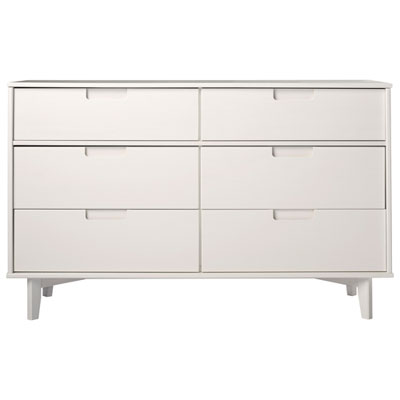 Your price for this item is $569.99
 -
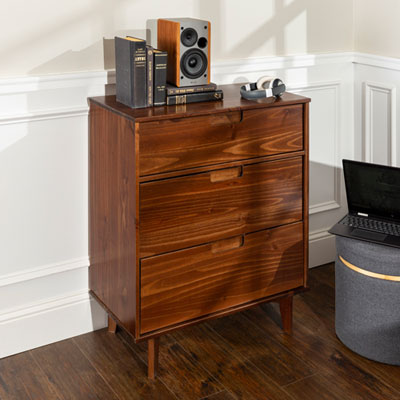 Your price for this item is $364.99
 -
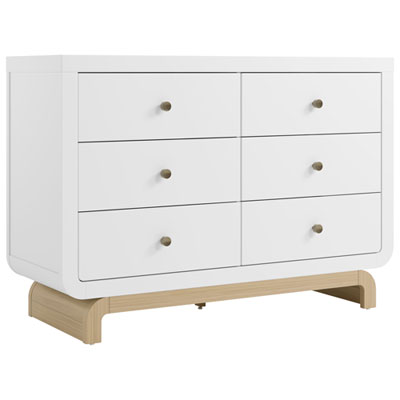 Your price for this item is $899.99
 -
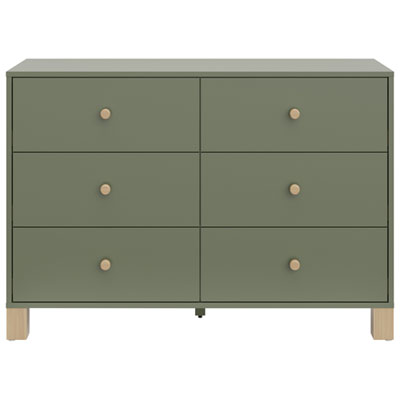 Your price for this item is $699.99
 -
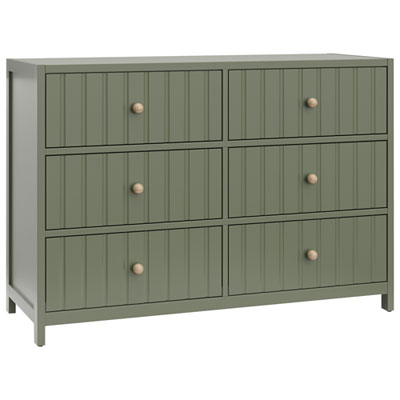 Your price for this item is $699.99
 -
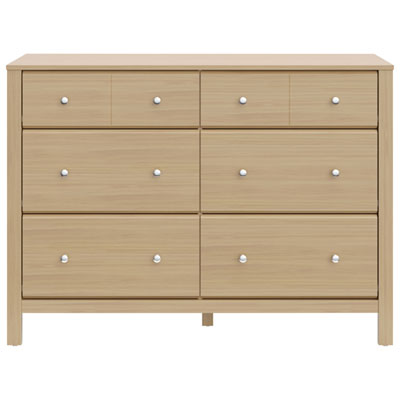 Your price for this item is $399.99
 -
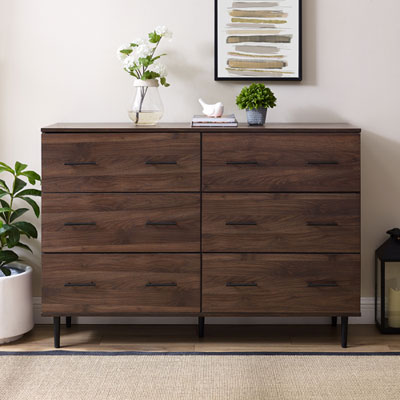 Your price for this item is $886.99
 -
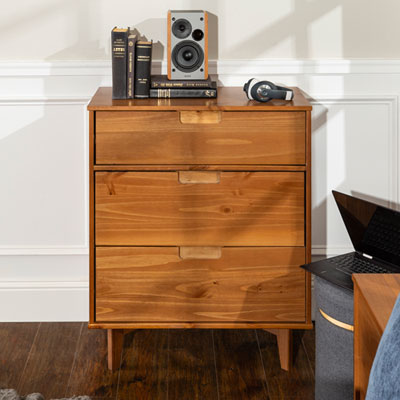 Your price for this item is $364.99
Discover more categories related to Narrow Dressers for Closets
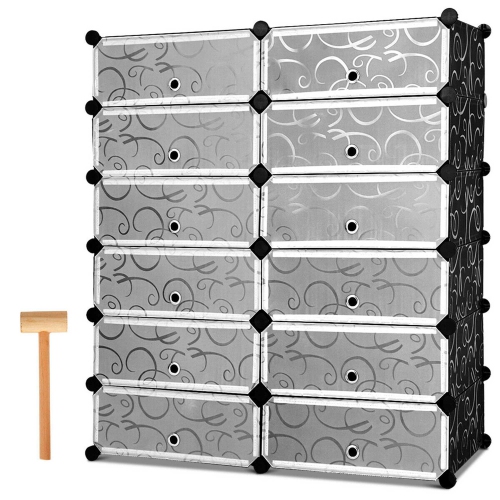

Top Collections:
Pokemon Centers, Best Cameras for Sports Photography, Kindle Devices, Samsung Galaxy Phones, Canon G7X Cameras, Pokémon 30th Celebration Cards, Refurbished Apple Laptops, iPhone 15 Apple, Laptops for Students, Budget Smartphones
Some products may be subject to Environmental Handling Fees
(EHF) depending on your province.
Learn more about EHFs.