Solid Wood Office Desks
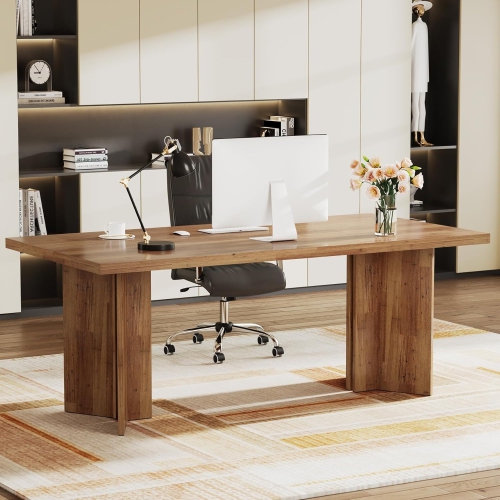
Looking for a sturdy and elegant addition to your home office? Our selection of solid wood office desks offers the perfect blend of functionality and style. Crafted with precision and attention to detail, these desks are designed to provide a reliable workspace while adding a touch of sophistication to any room. With a variety of sizes and finishes to choose from, you can find the perfect desk to fit your needs.
Sort


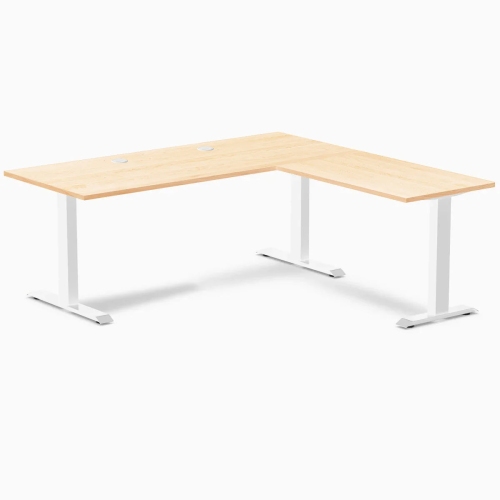

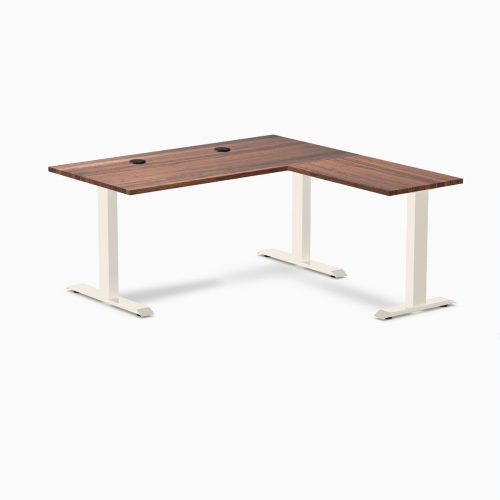
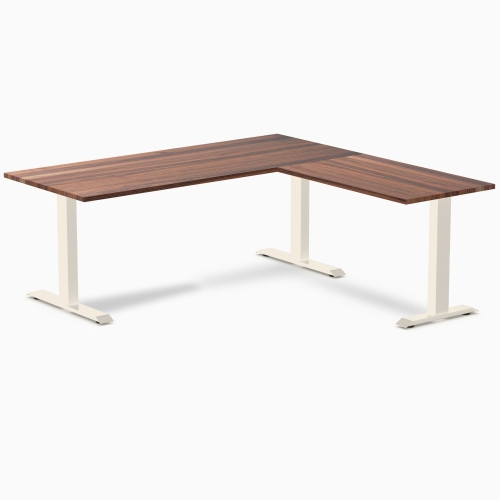
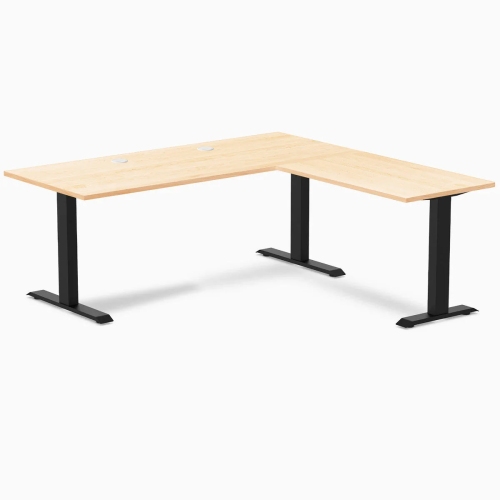


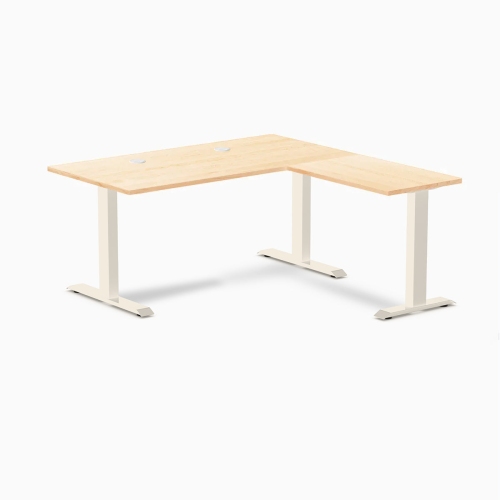
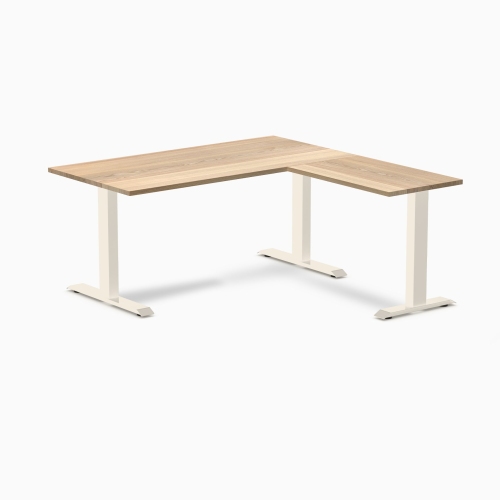

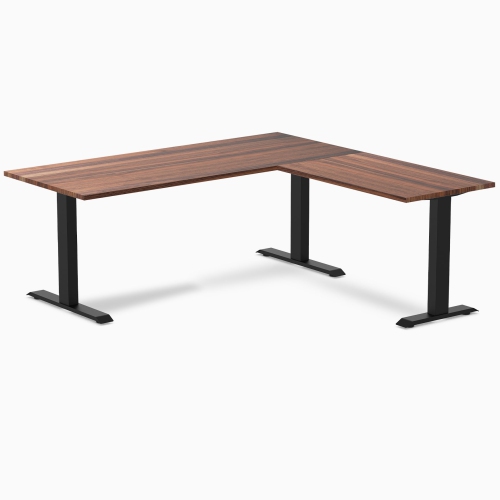
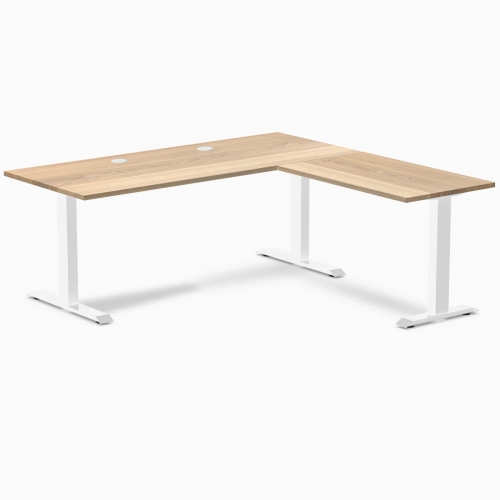
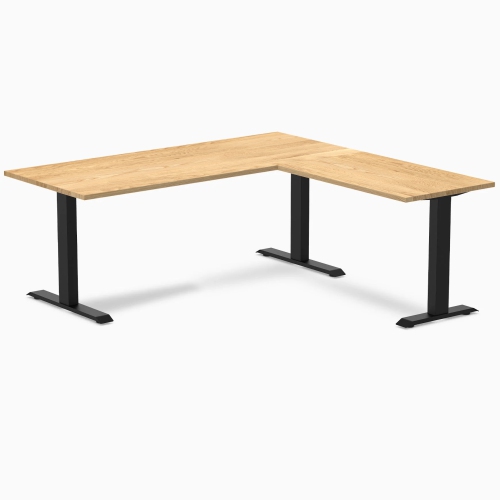
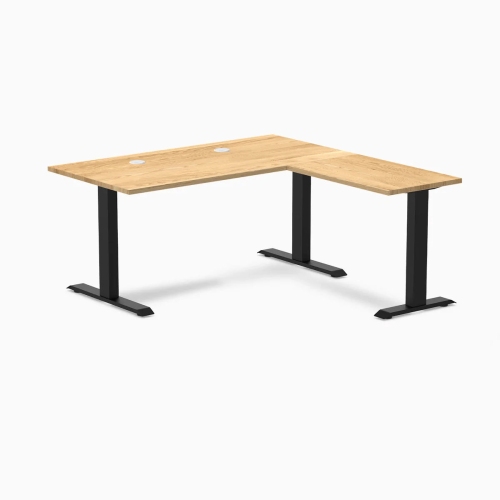
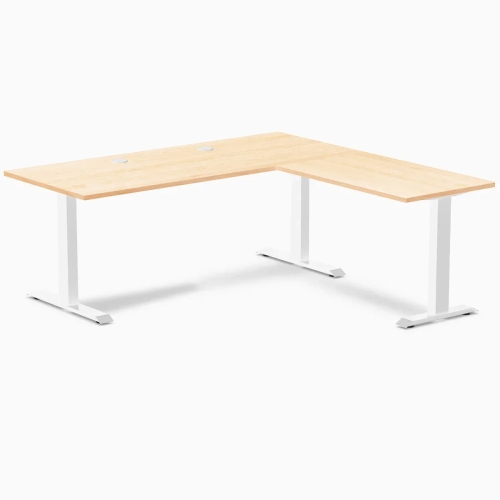

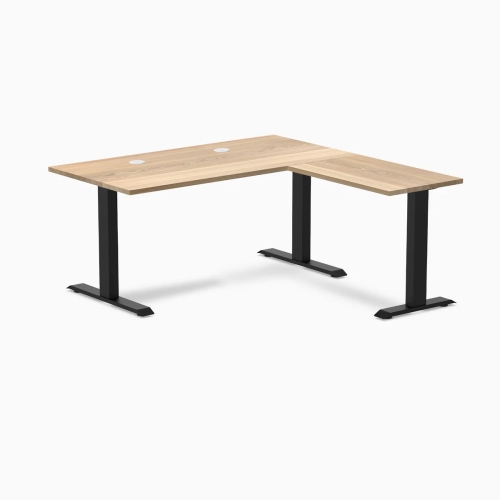















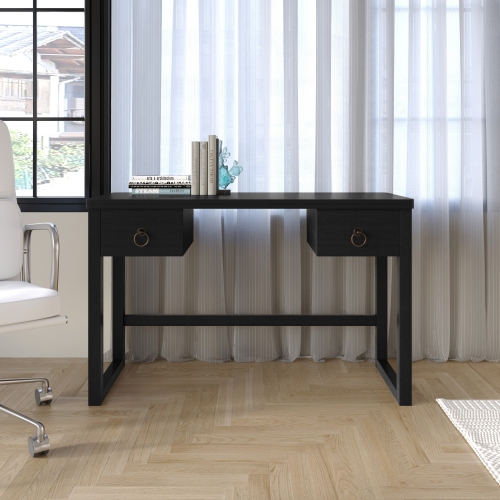
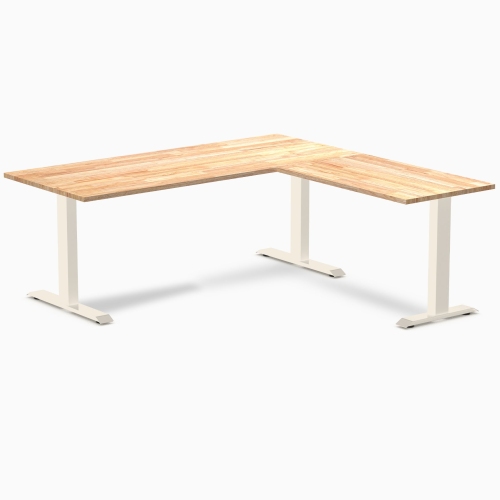
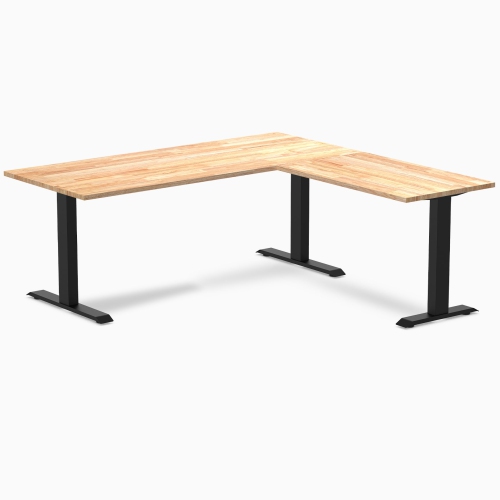
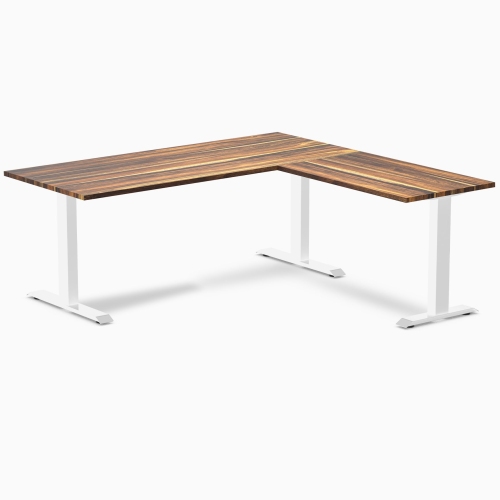









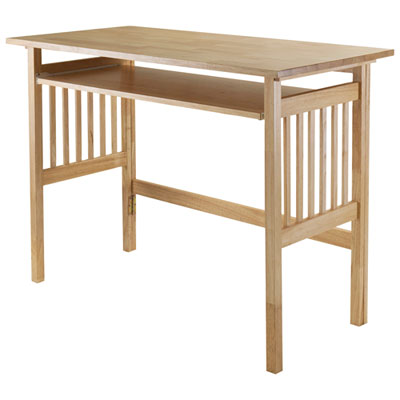
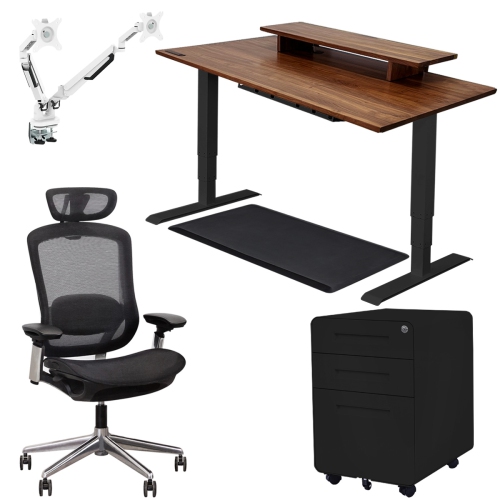

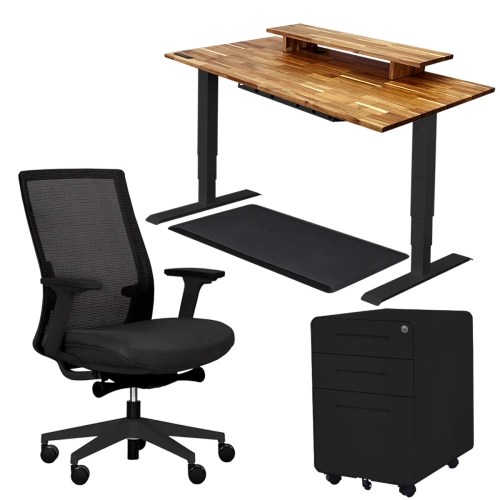
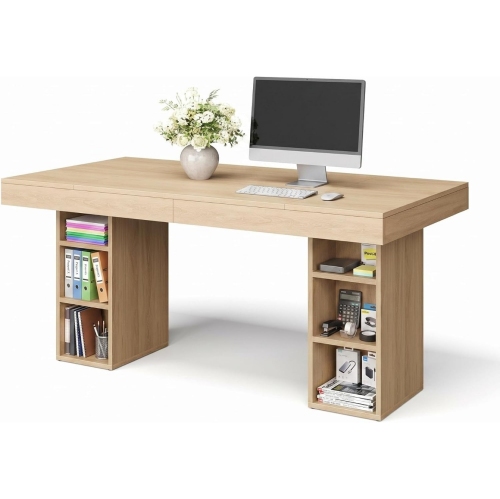
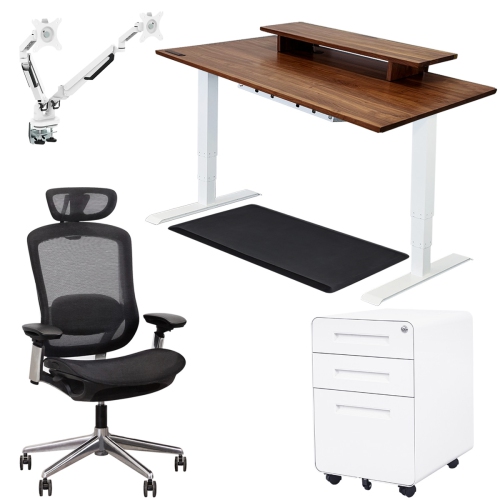
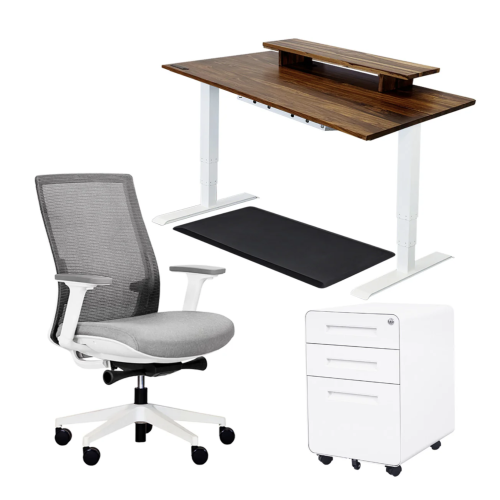
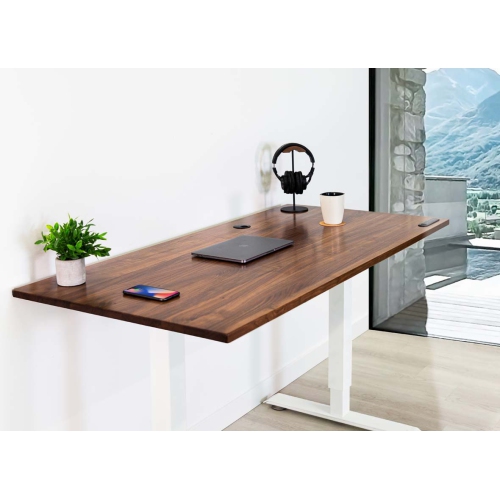

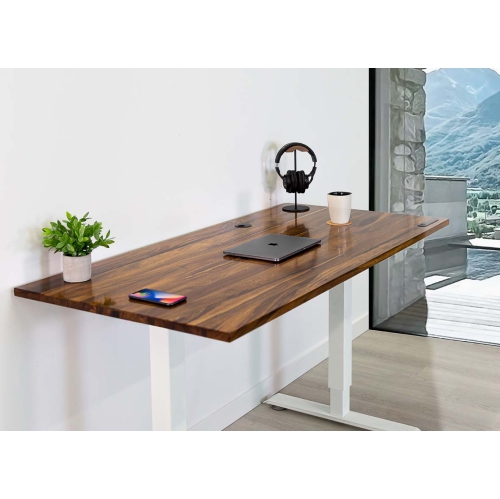
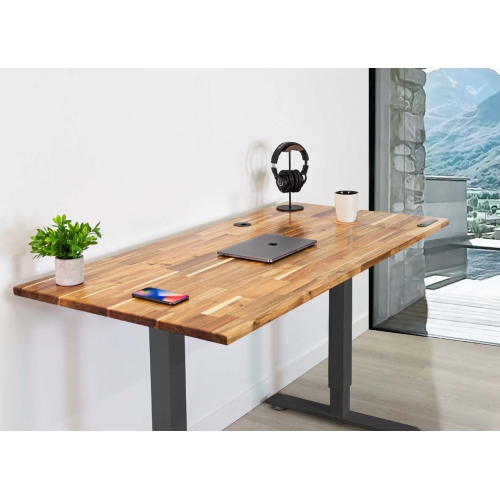
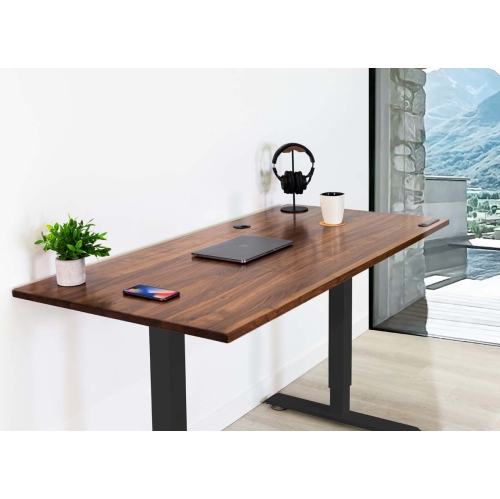
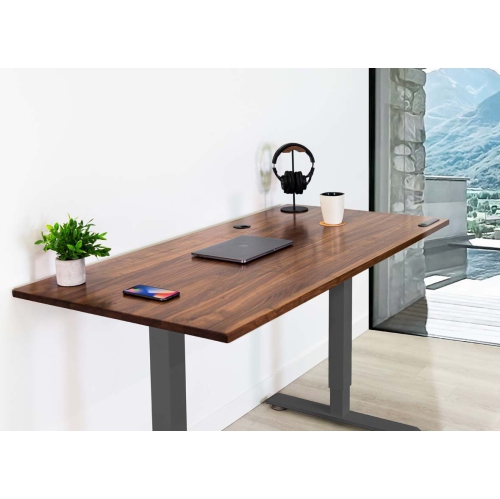


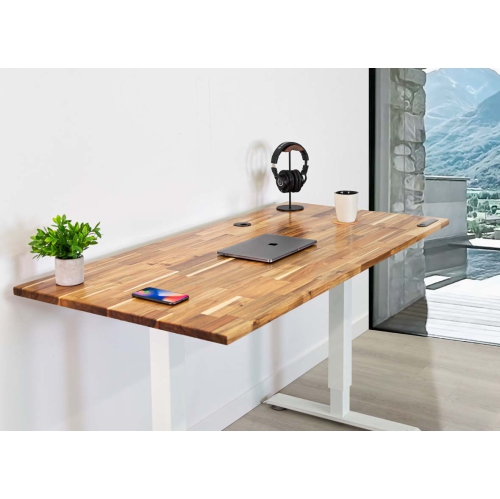
















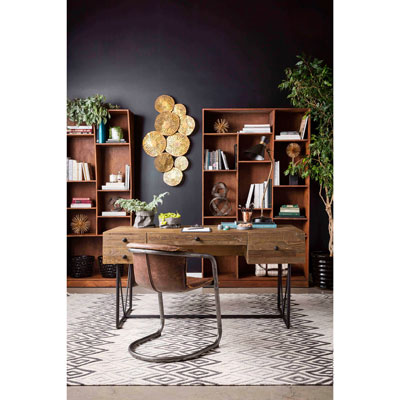


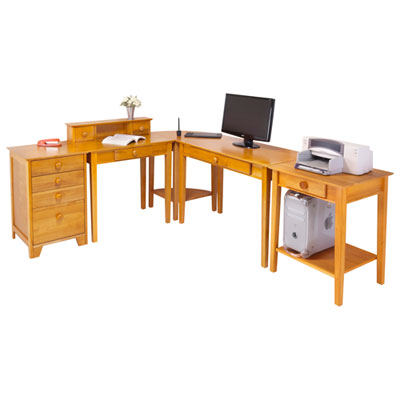

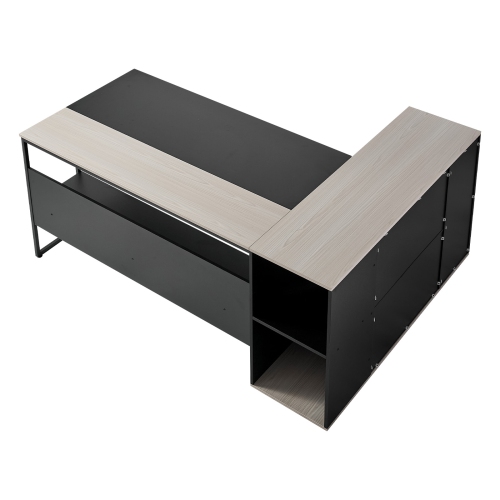
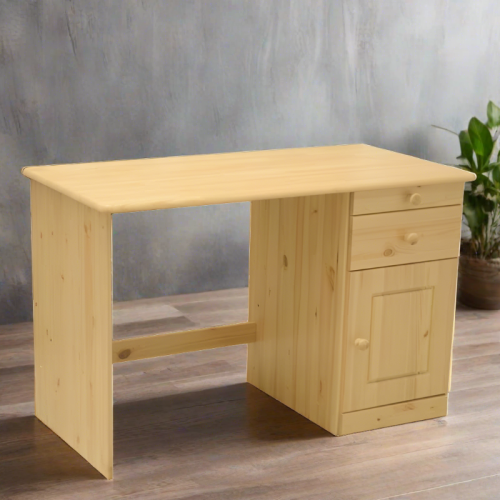



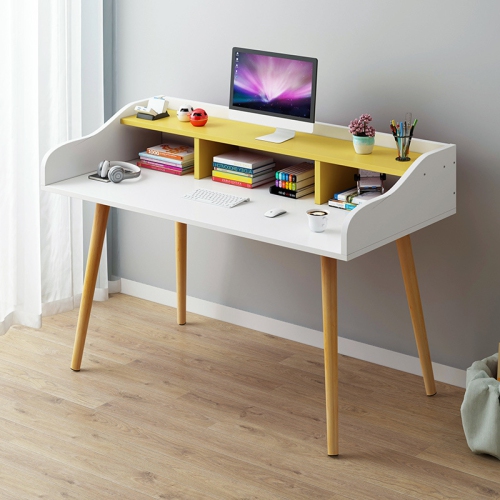
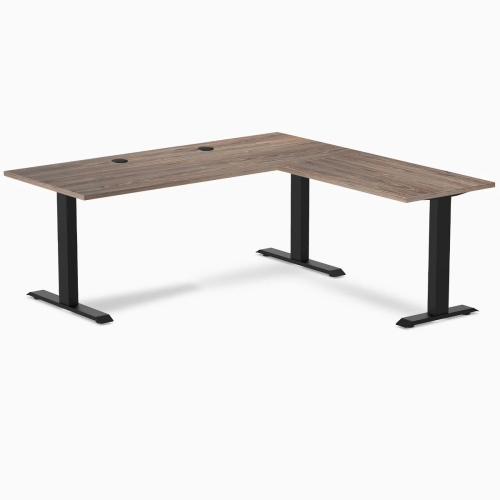
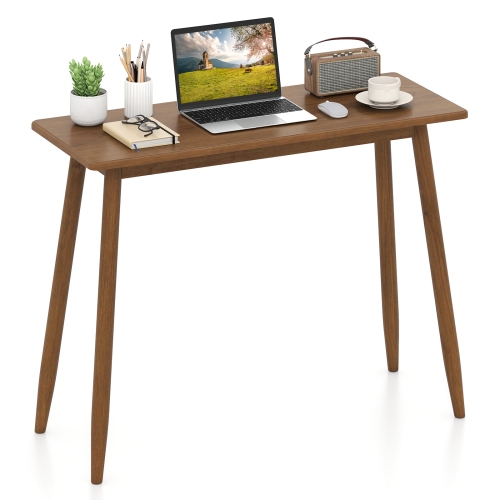

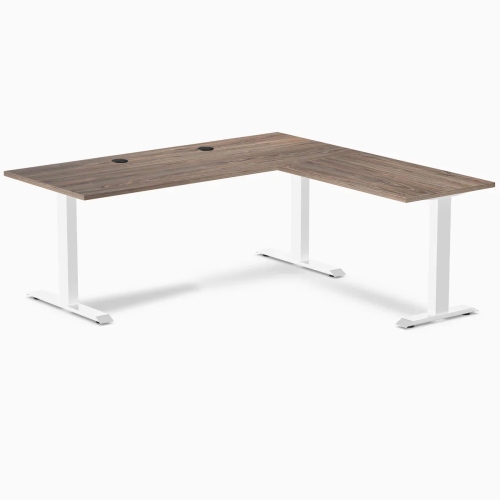

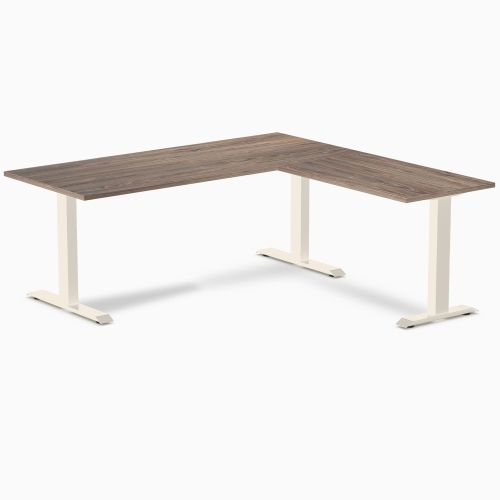
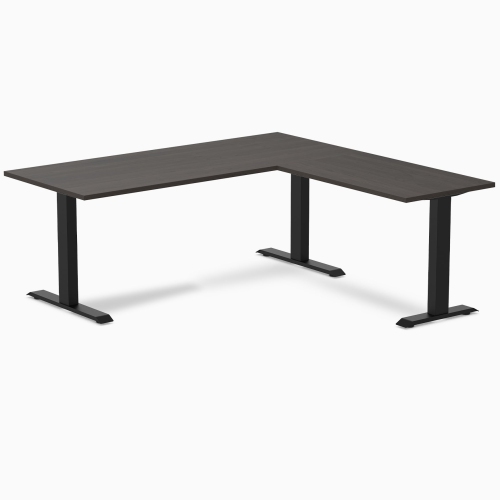
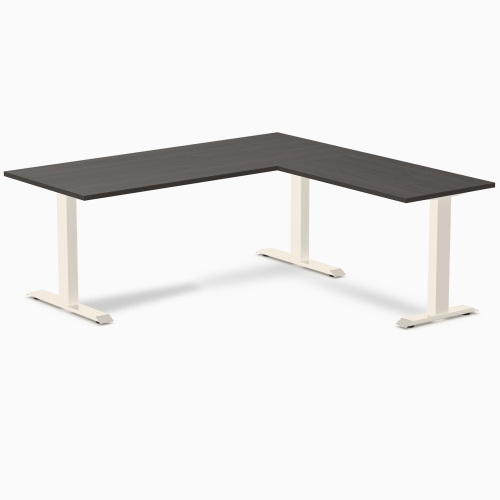
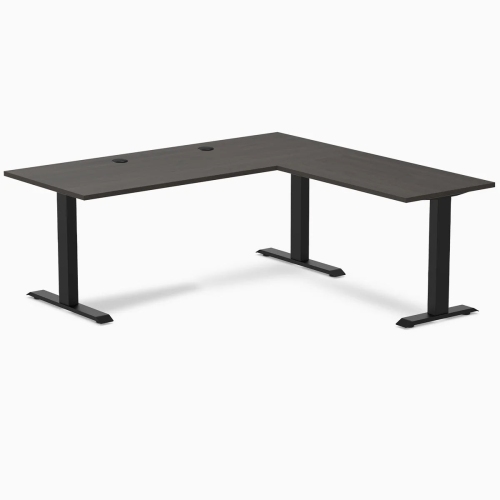

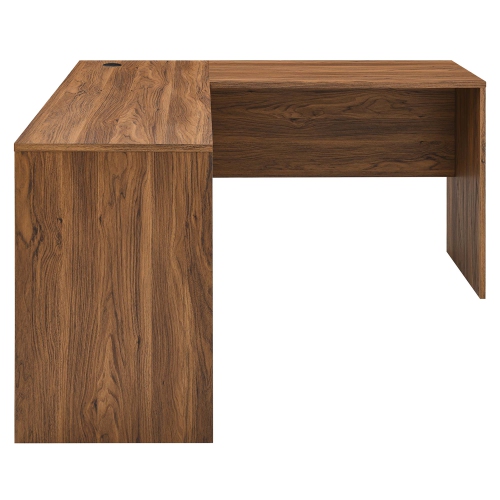


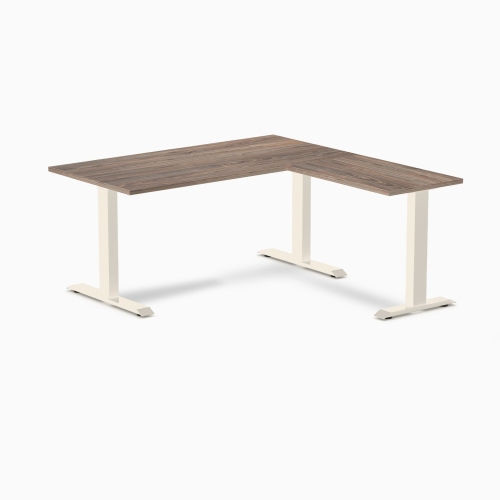

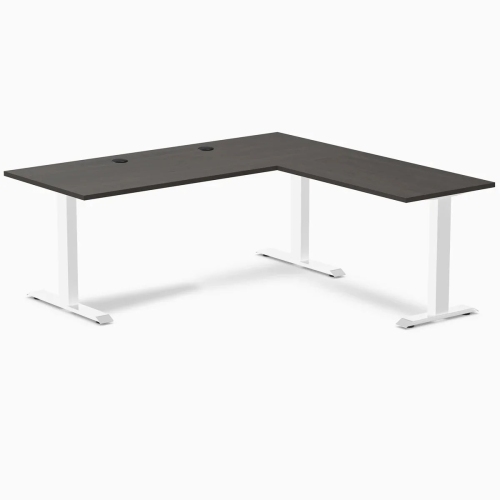


Why wood grain is only part of the story
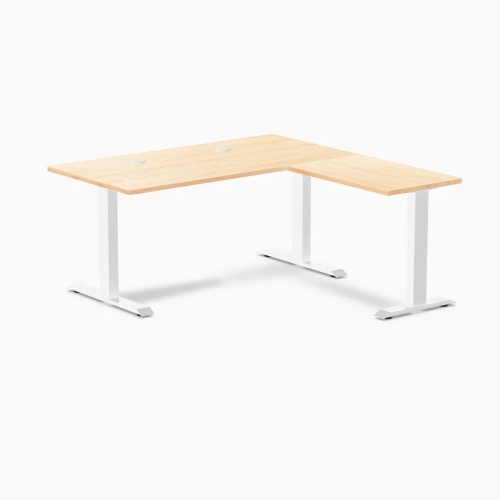
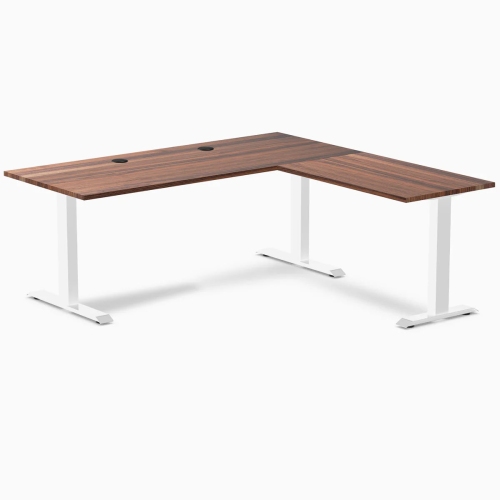
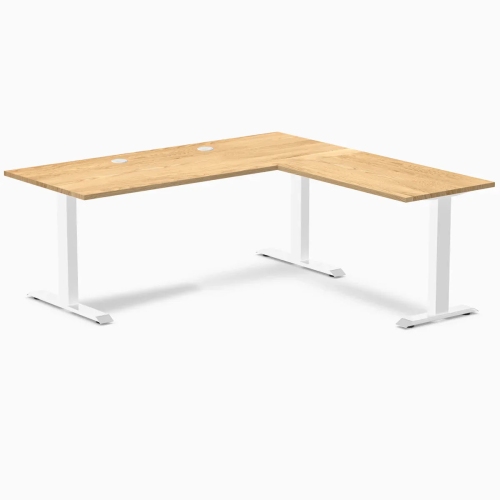
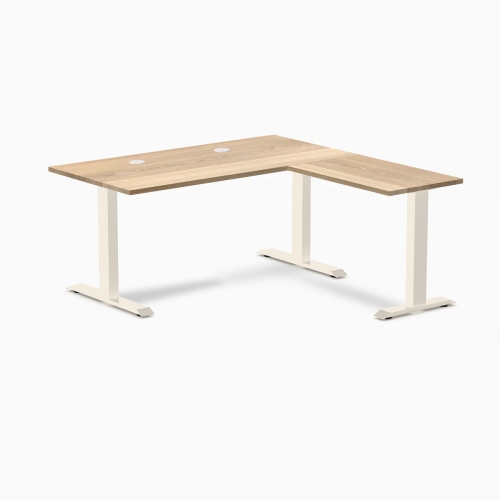
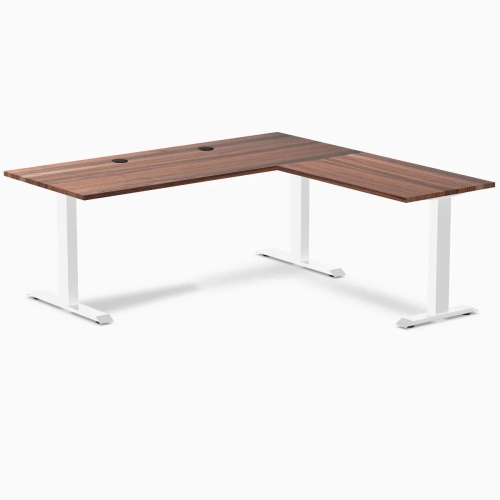
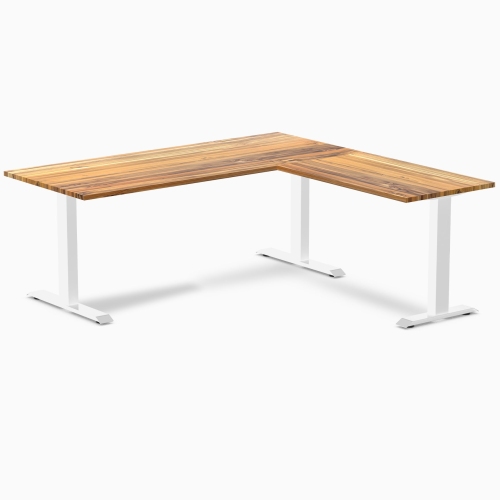
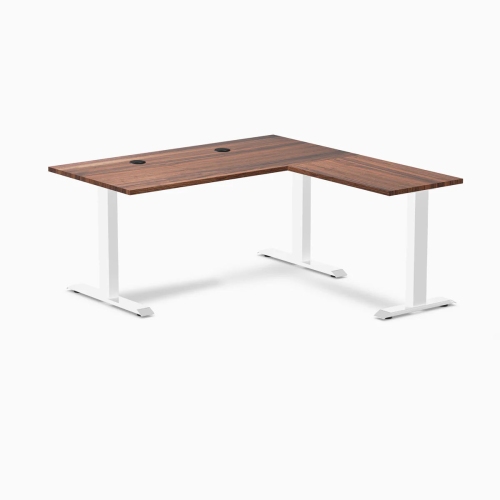
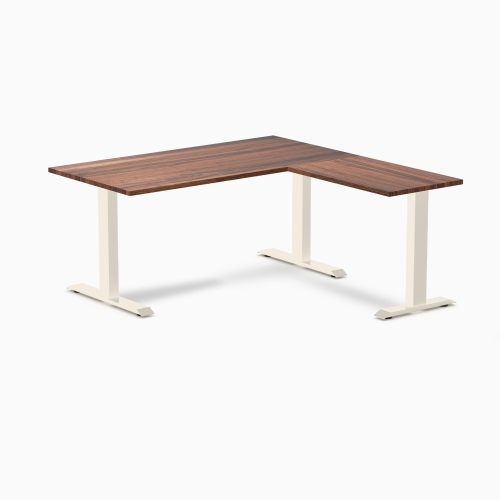
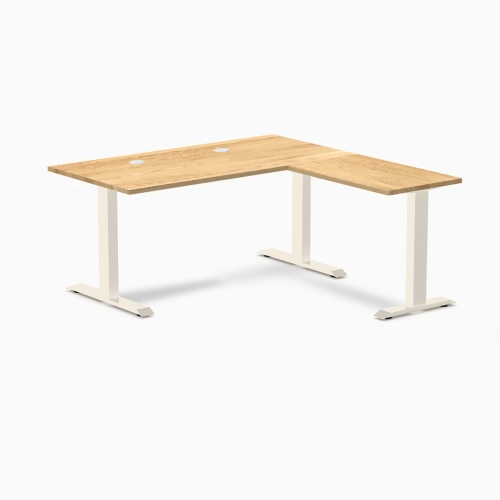
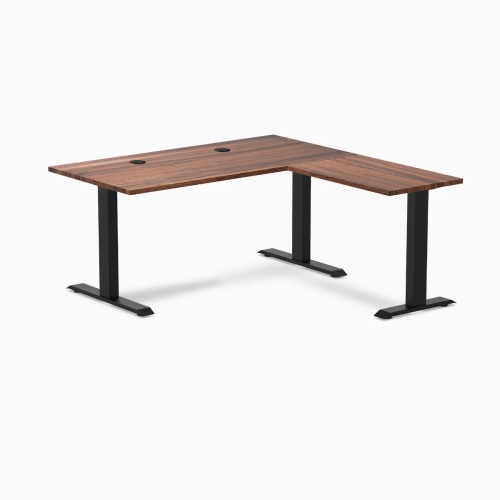
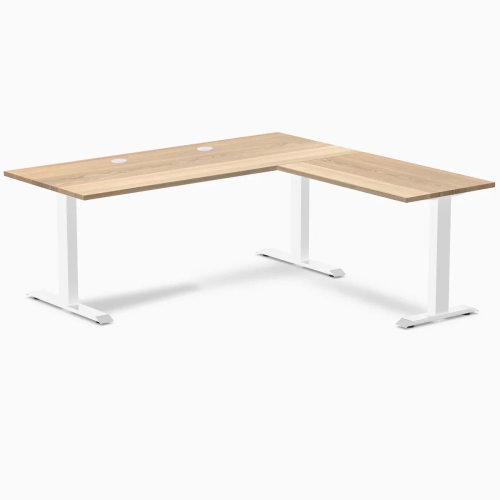
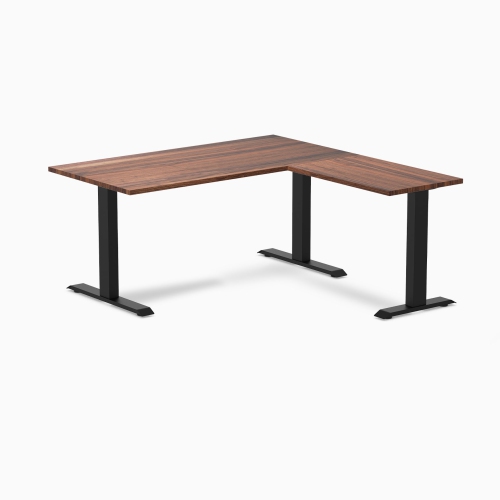
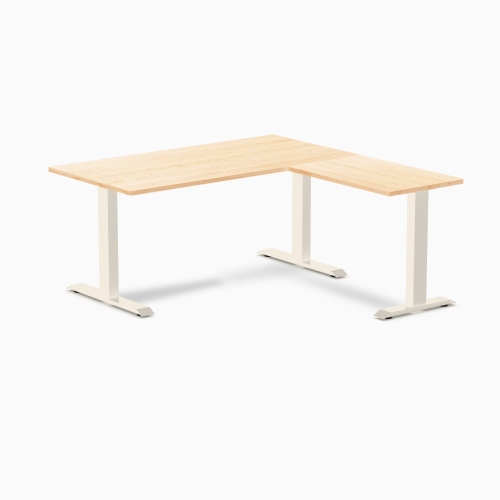
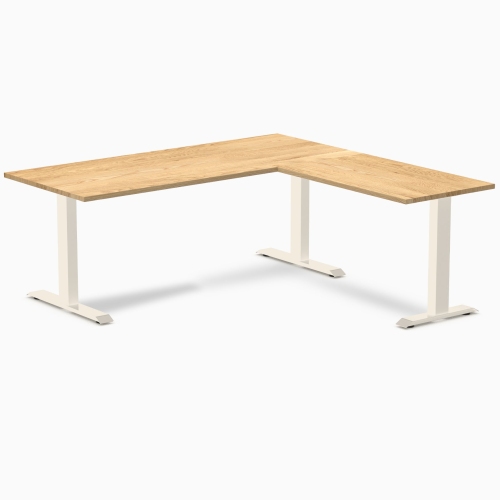
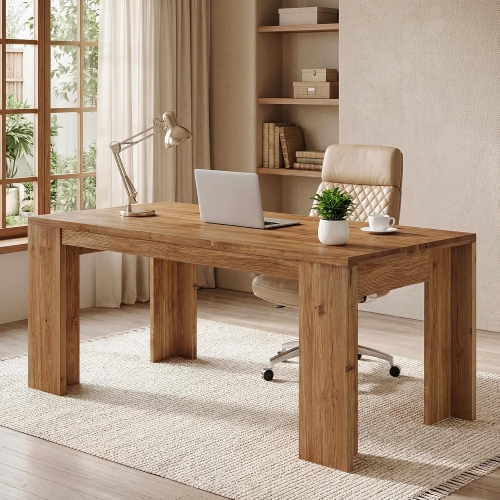
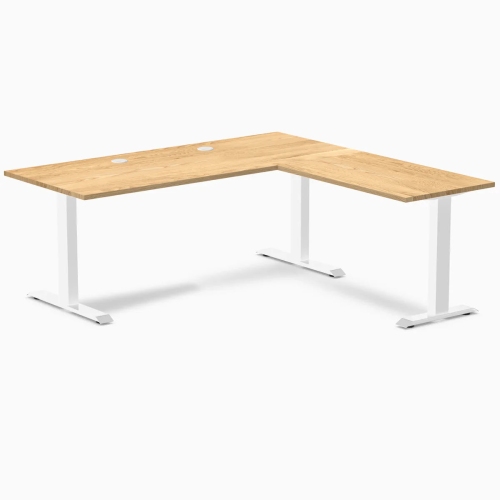
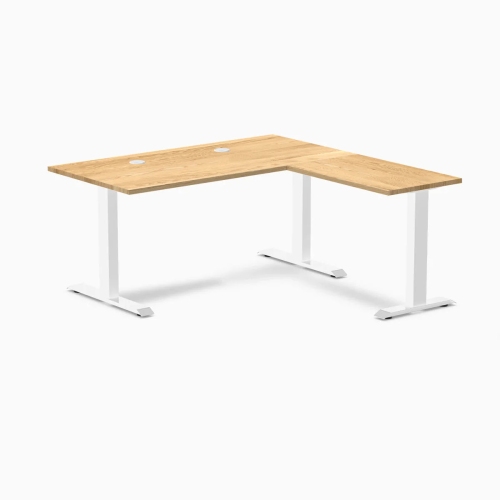
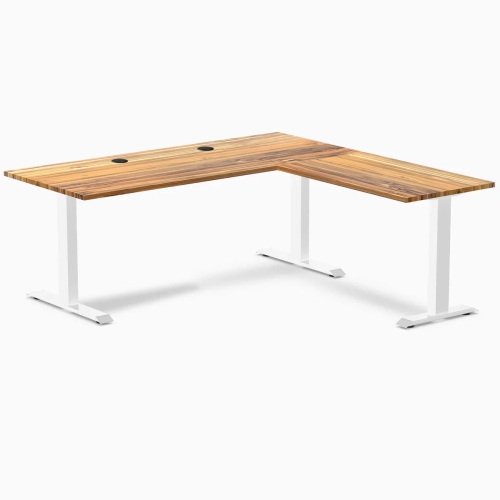
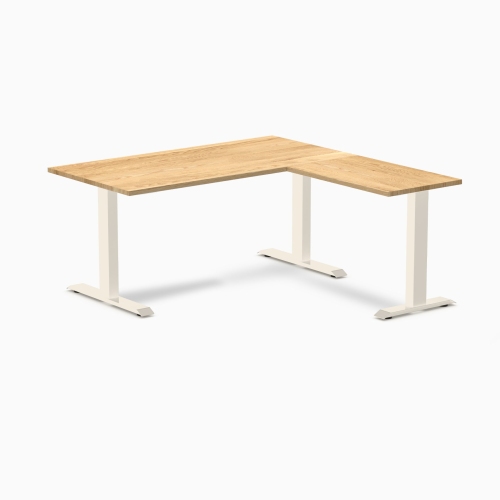
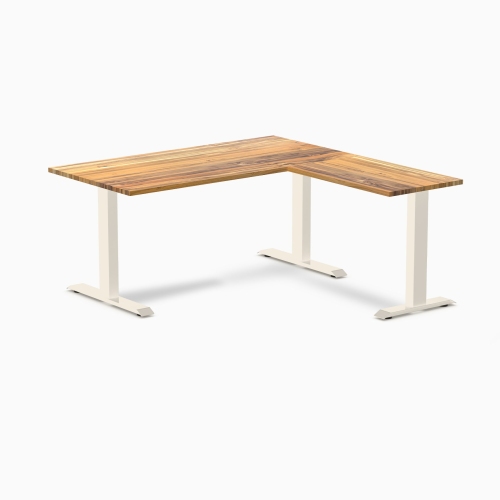
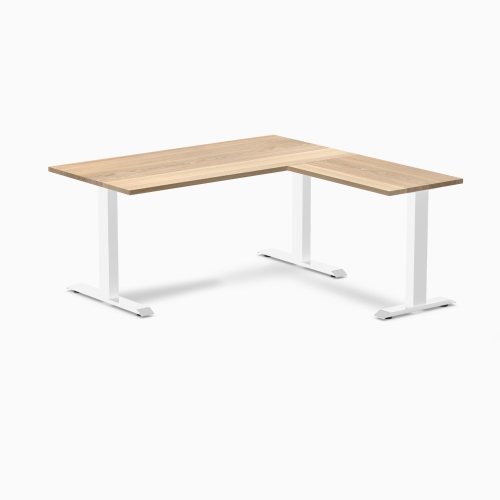
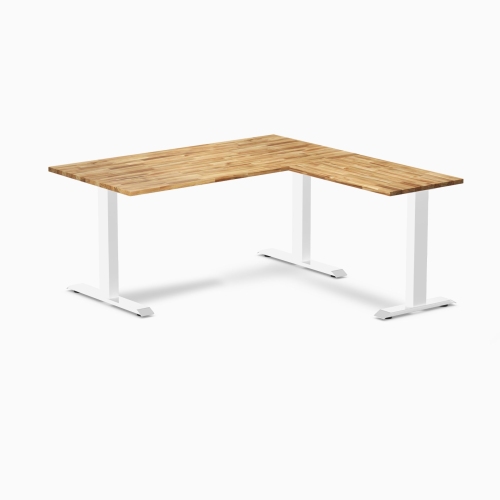
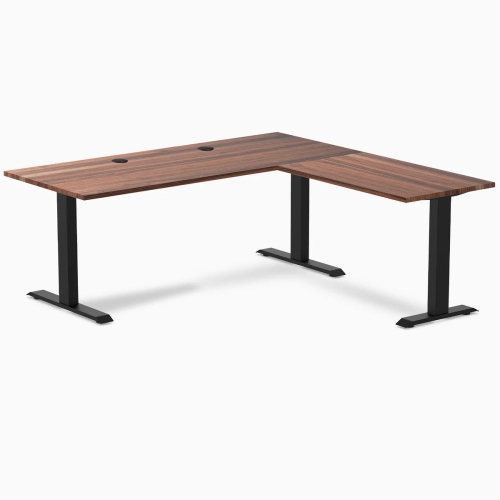
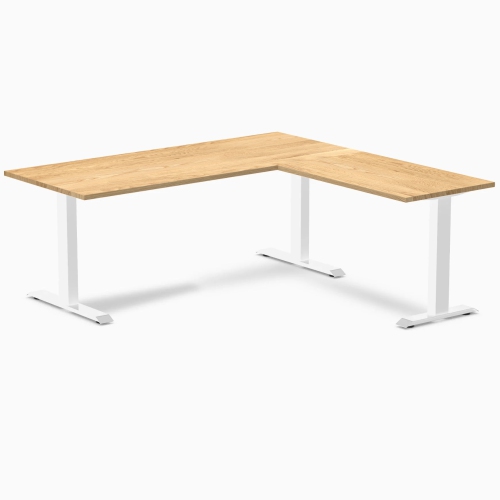
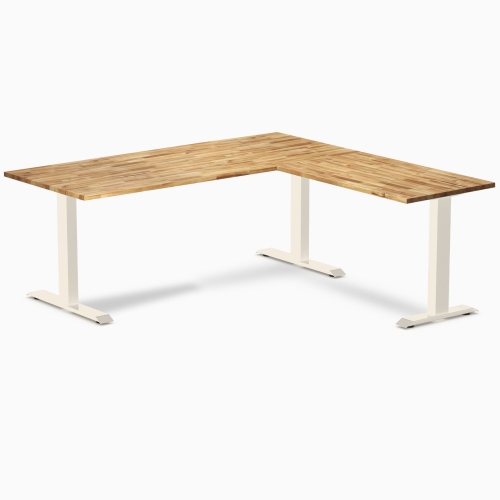
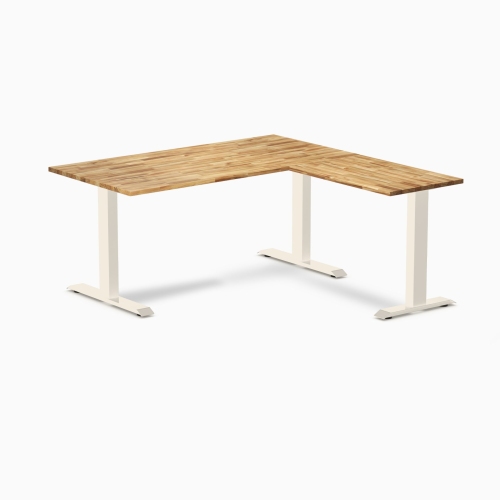
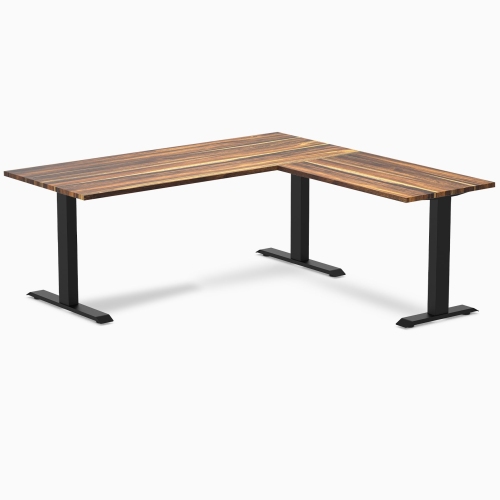
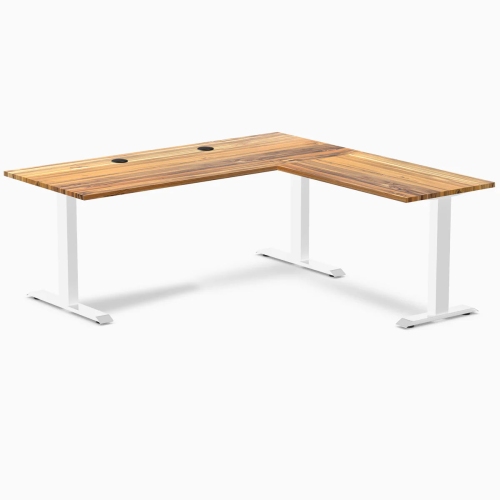
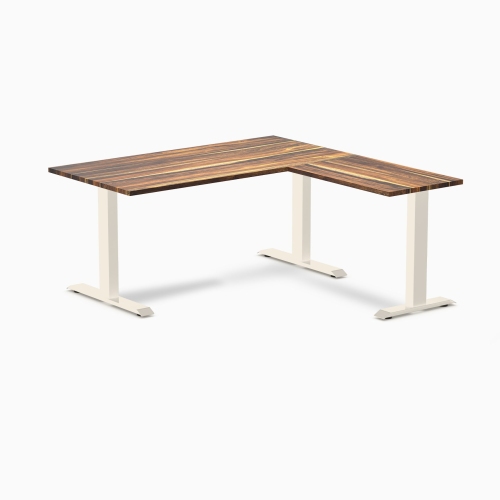
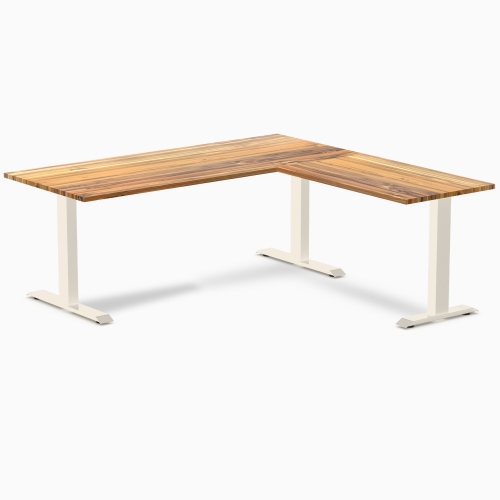
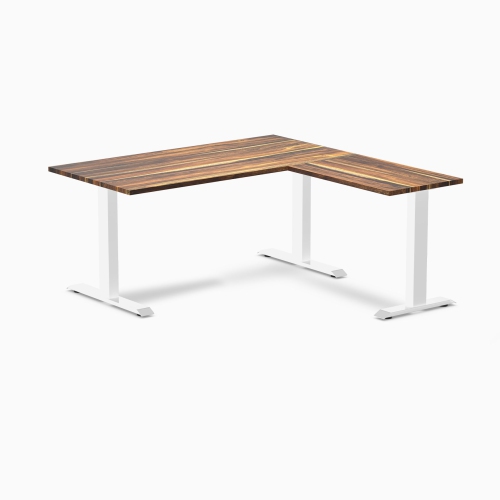
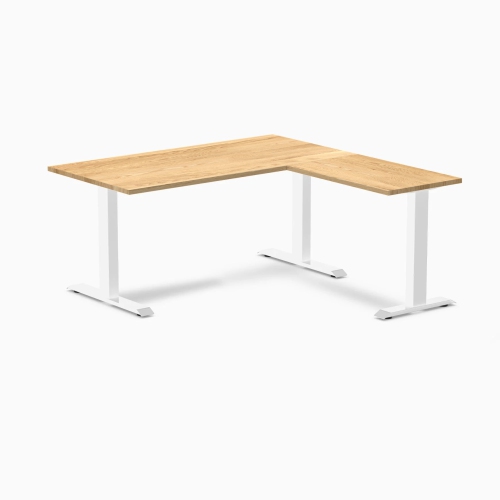
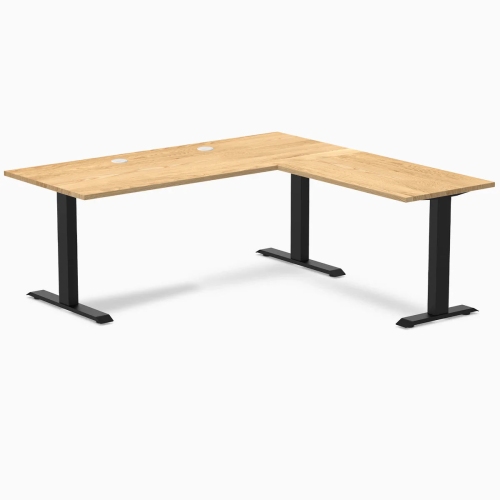
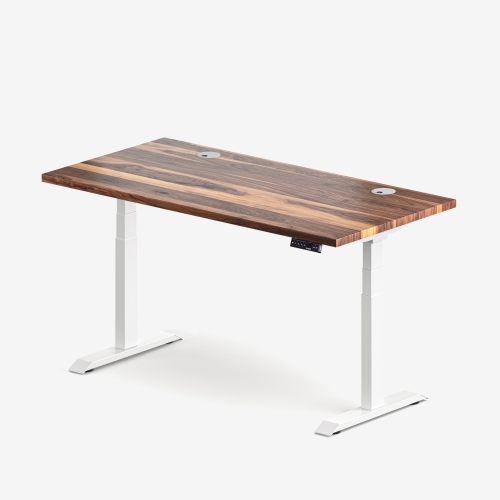
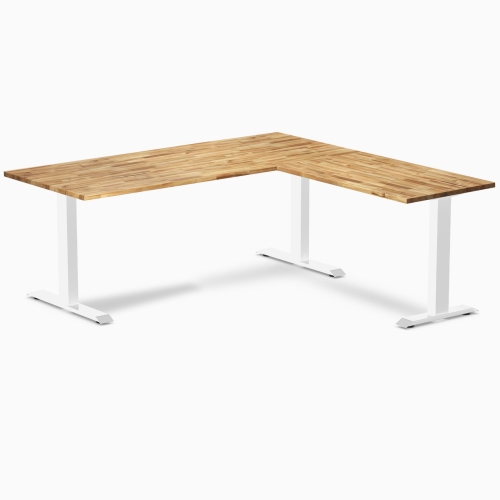
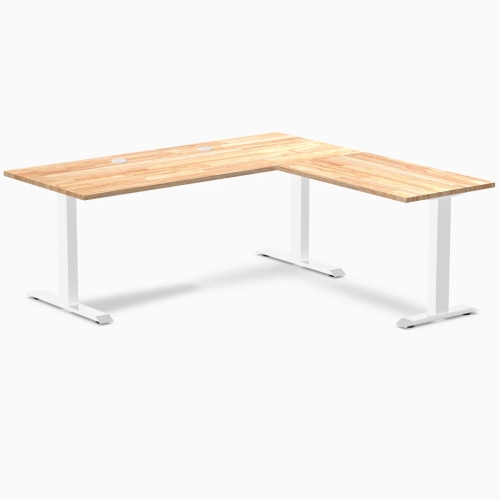
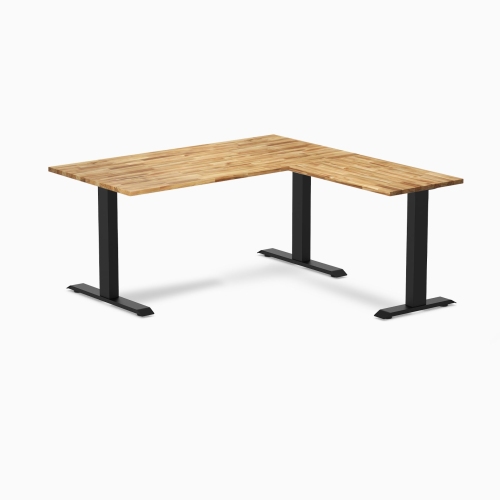
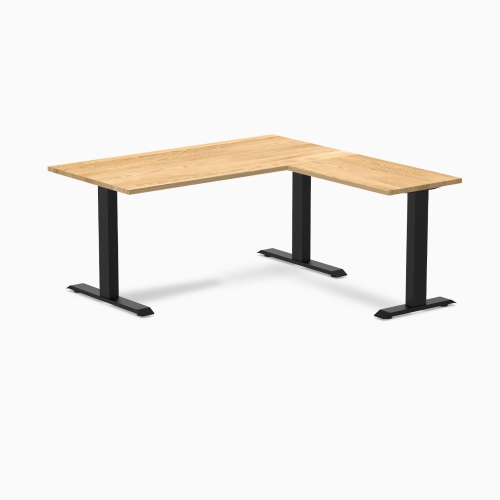
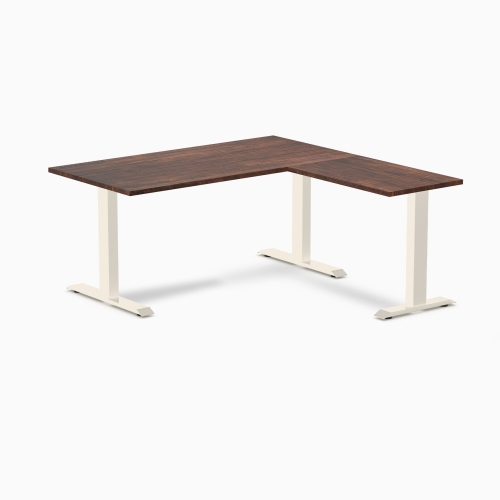
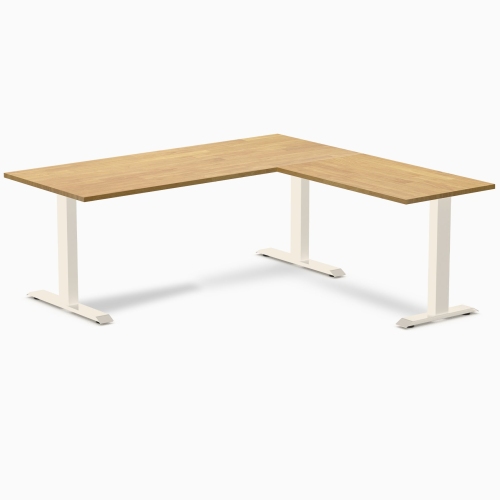
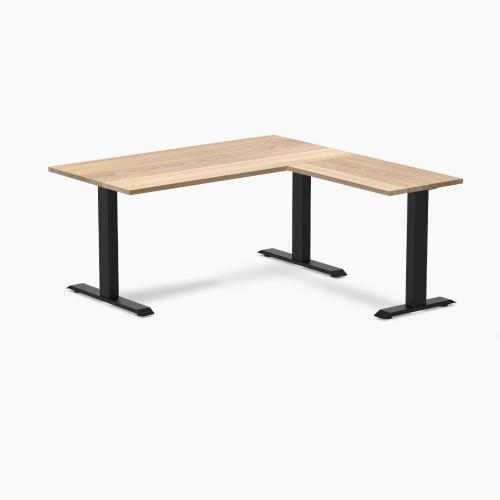
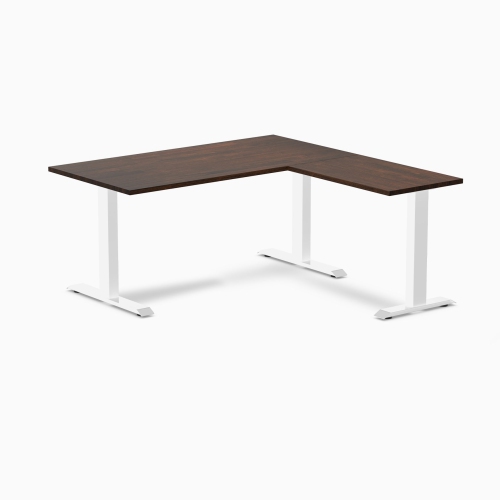
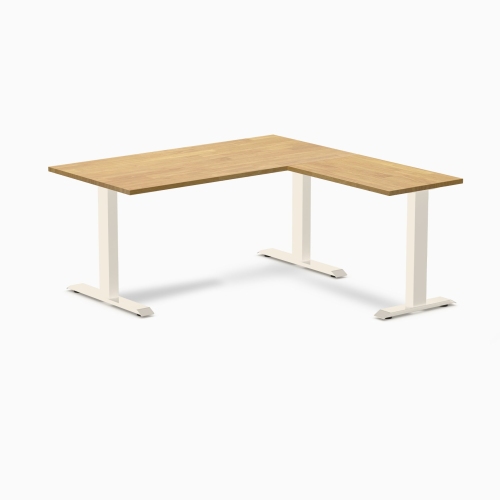
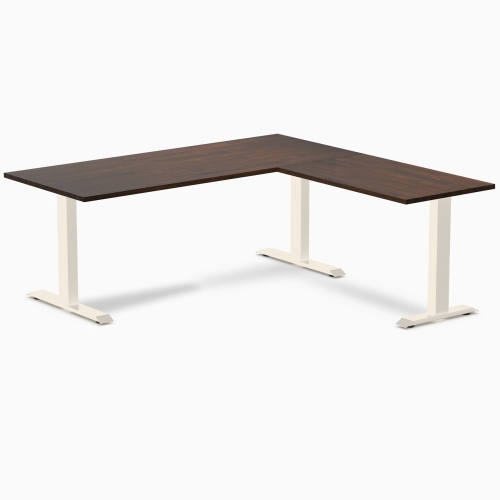
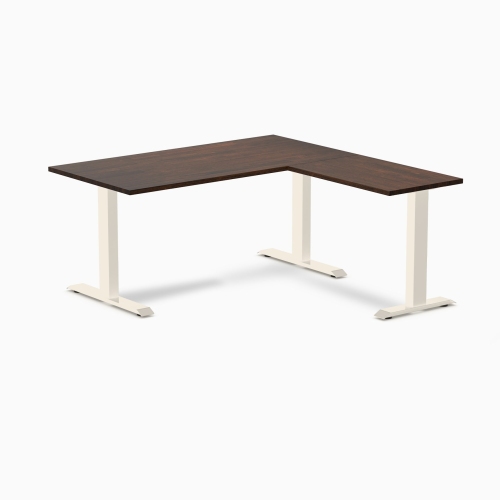
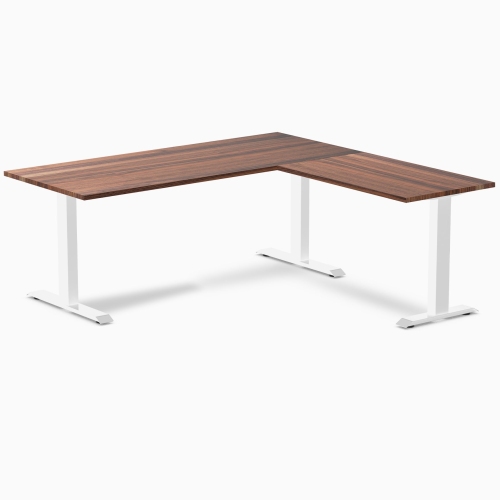
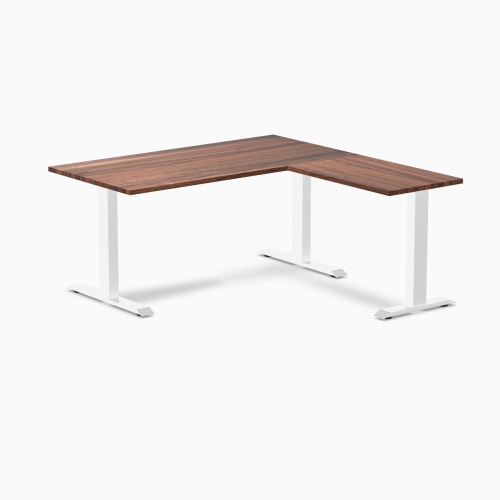
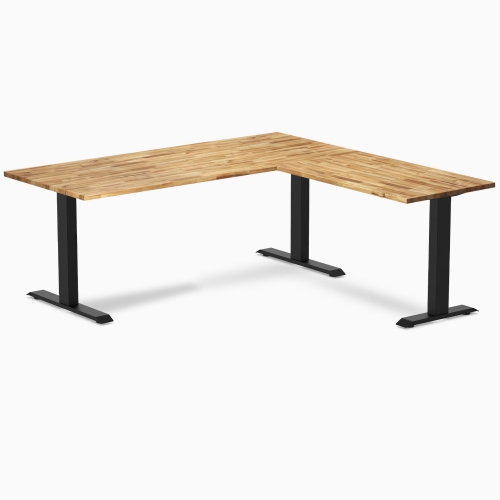
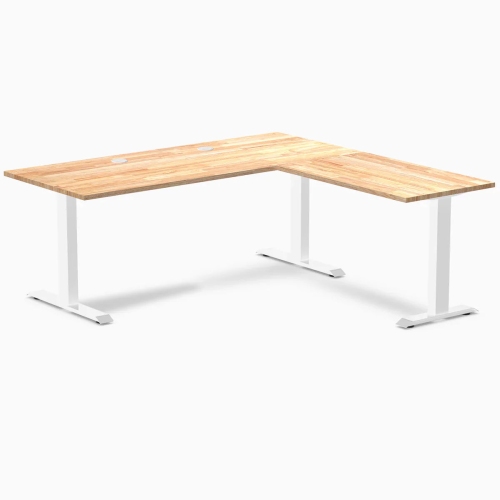
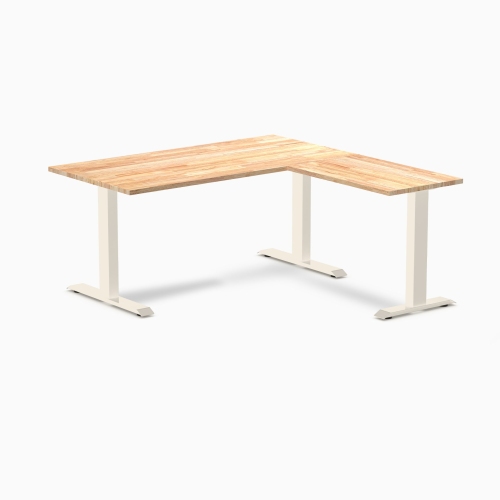
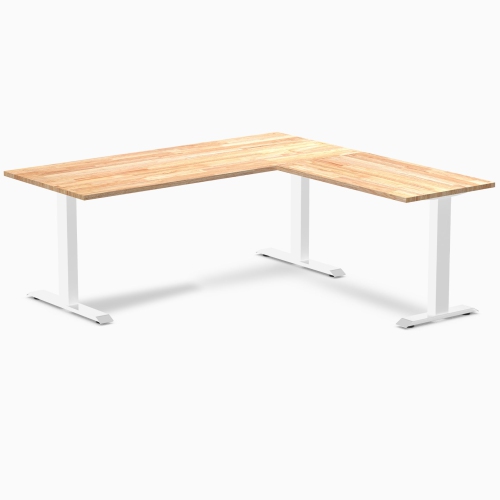
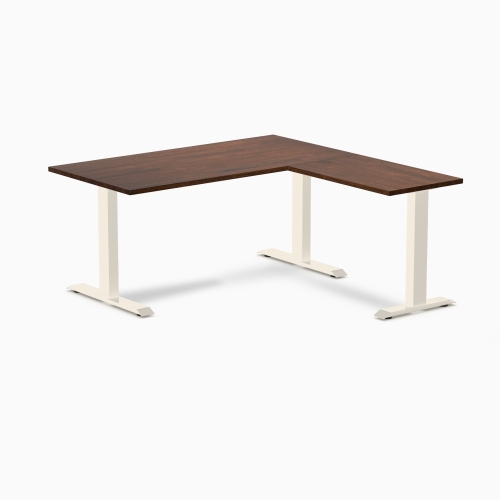
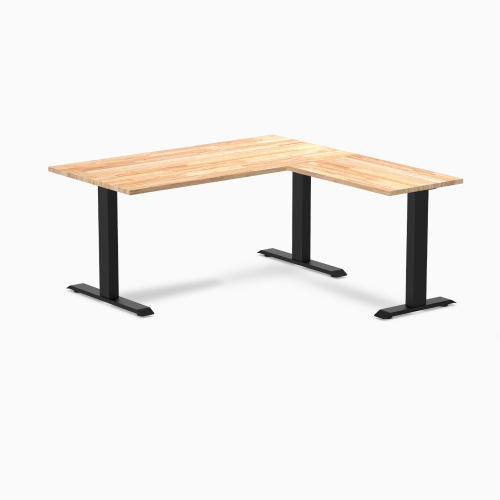
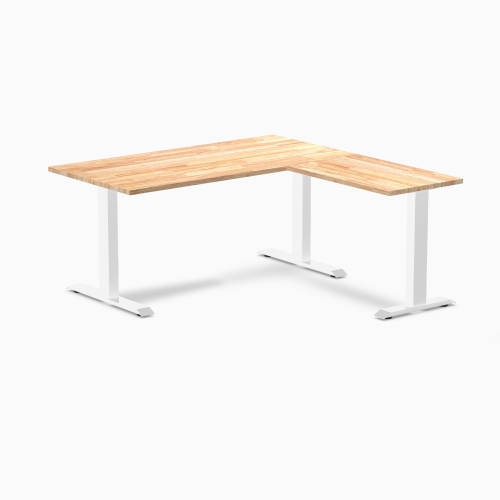
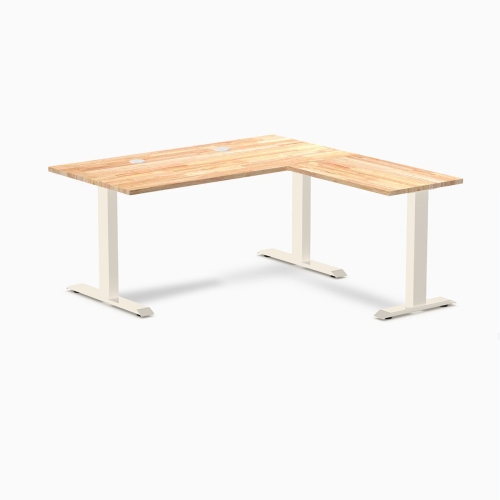
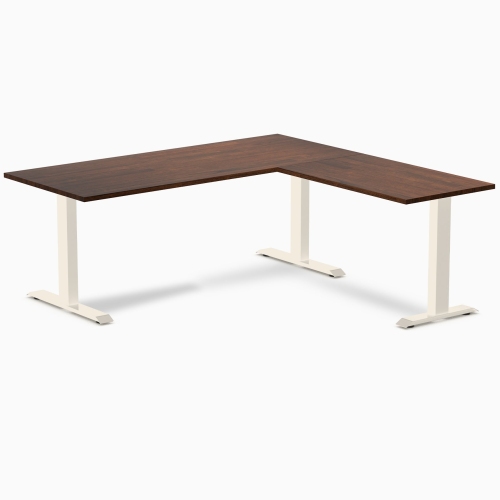
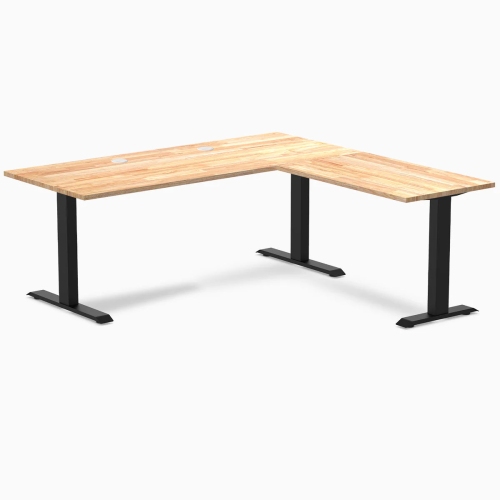
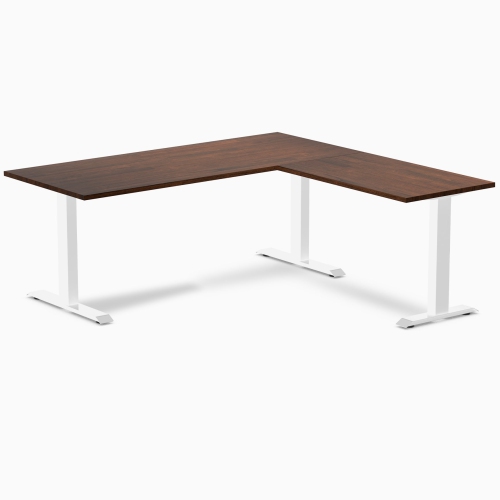
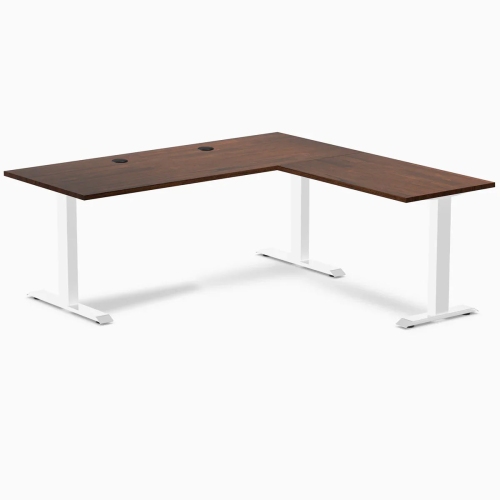
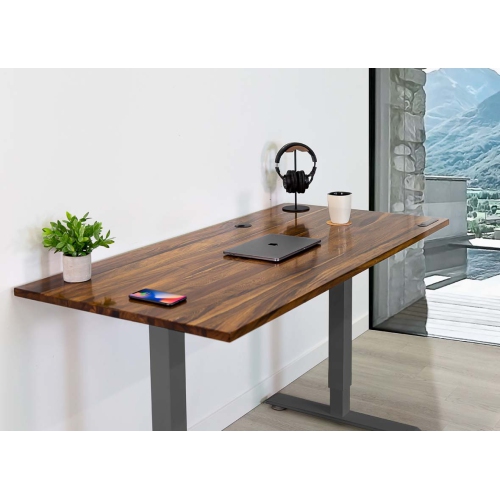
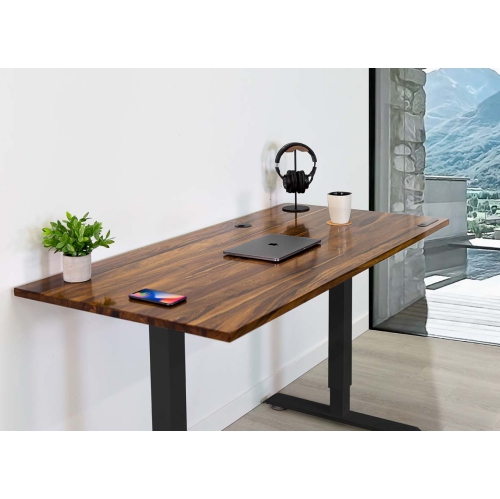
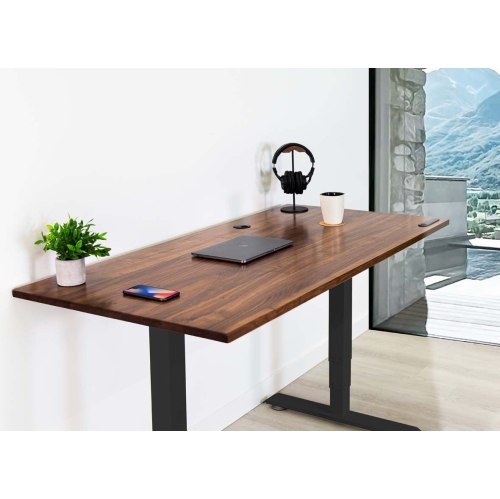
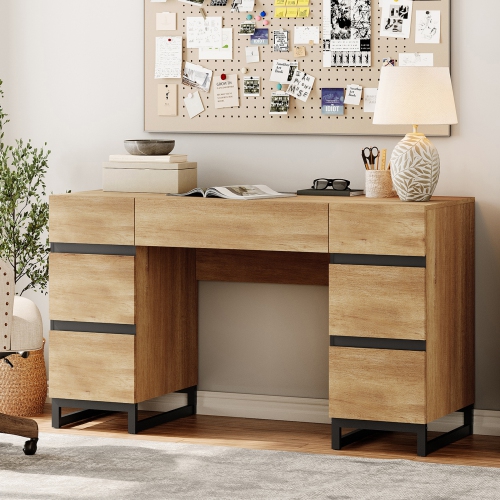
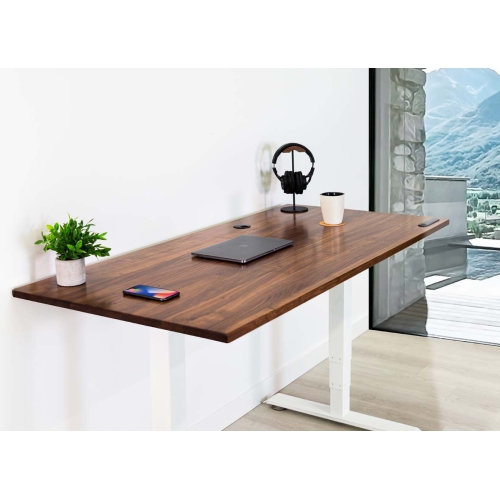
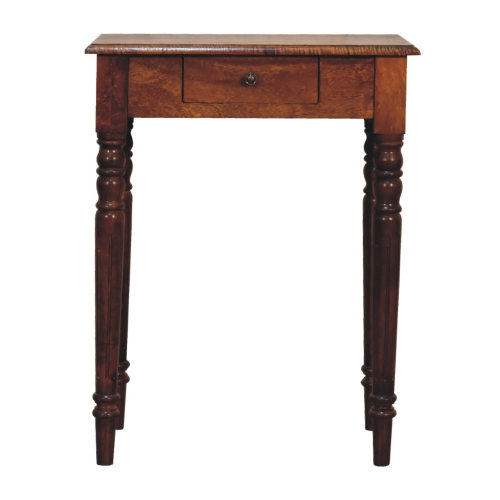
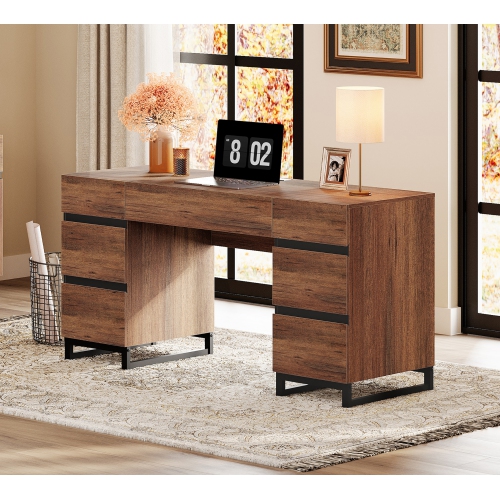
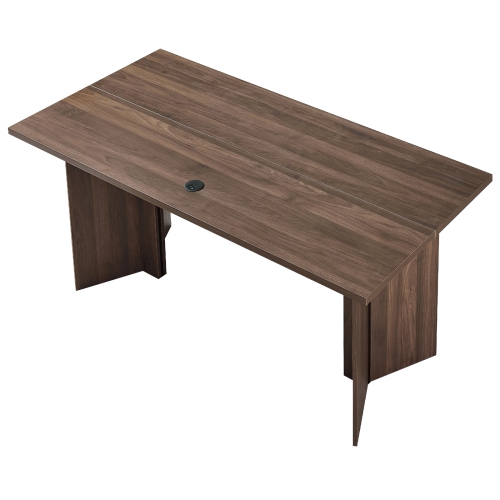
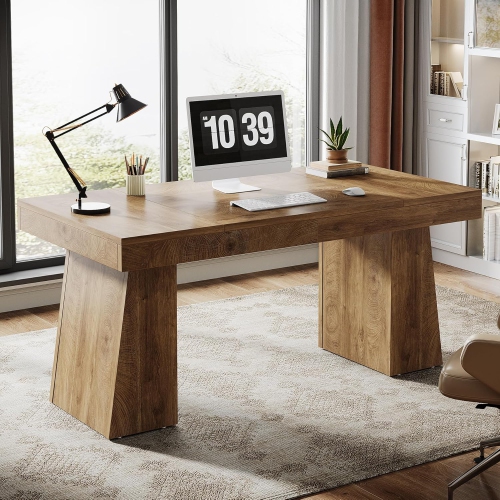
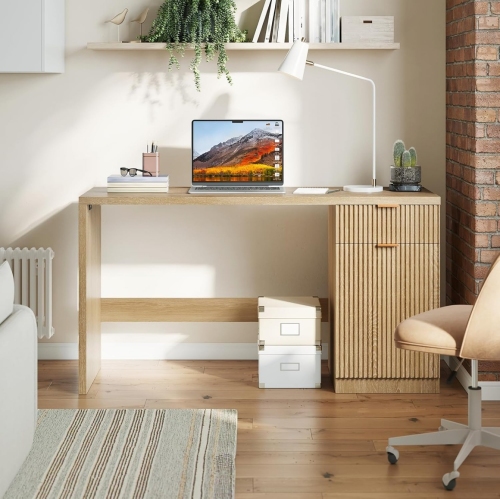
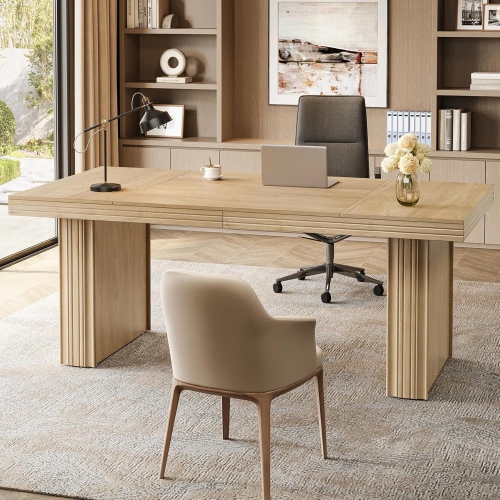
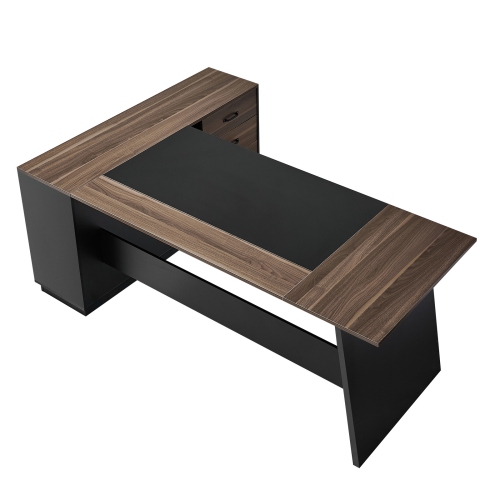
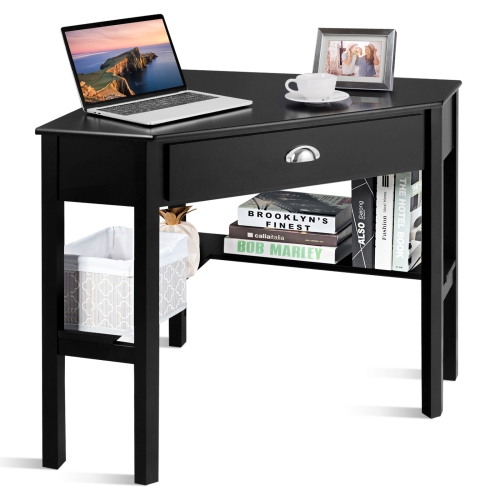
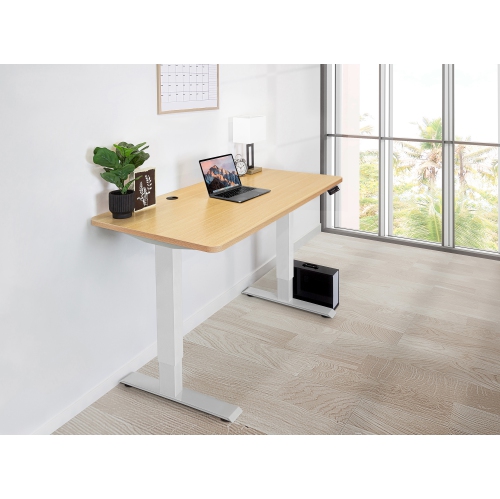
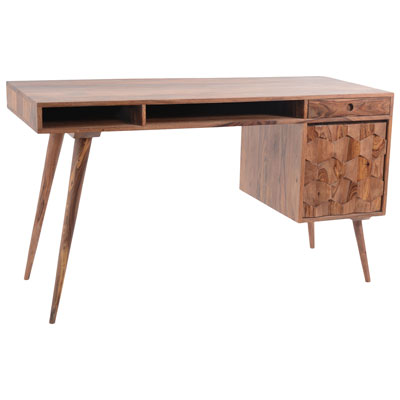
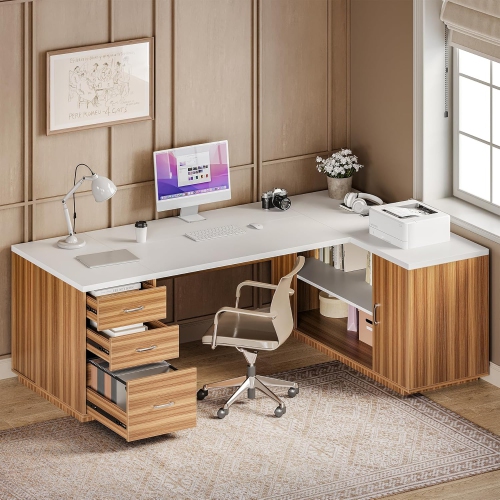
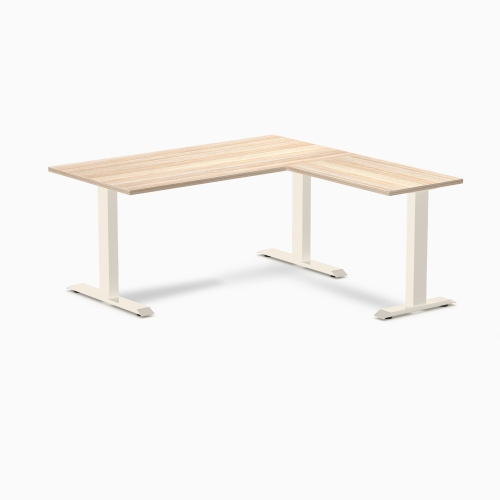
Solid wood office desks bring natural grain, a substantial feel, and lasting character to a workspace, whether that means a dedicated study or a quiet corner of a shared room. Their appeal lies in both appearance and construction: real wood has variations in colour and texture that give each surface its own identity, while sound joinery and a well-supported desktop help a desk handle everyday work. Oak often shows a pronounced grain, maple tends to have a finer, more understated pattern, and walnut is known for its rich brown tones. Pine usually has a softer surface that can pick up dents more readily, giving it a different wear pattern from many hardwoods. Wood species matters, but it is only part of the picture; board thickness, leg placement, connections, and the protective finish all affect how a desk feels and performs. A solid wood desktop may be made from several boards joined together rather than a single slab, and that construction is normal. It is also worth distinguishing a solid wood top from a wood veneer applied over an engineered core, since the materials can look similar while requiring different approaches to repair. Descriptions of the top, frame, drawer fronts, and drawer interiors help clarify which parts are solid wood. In terms of layout, writing desks typically favour an open surface and a lighter profile, while executive desks generally offer a broader work area and more substantial storage. Computer desks may add cable openings, keyboard trays, or compartments for equipment, depending on the design. L-shaped desks provide separate zones for screen work and paperwork, and adjustable-height designs can pair a solid wood top with a lifting base. Each style serves a different routine: a student may need room for a laptop and an open textbook, while someone working from home full-time may need two monitors, a keyboard, and a clear space for handwritten notes. The most useful design leaves enough room for the work itself, not just the equipment.
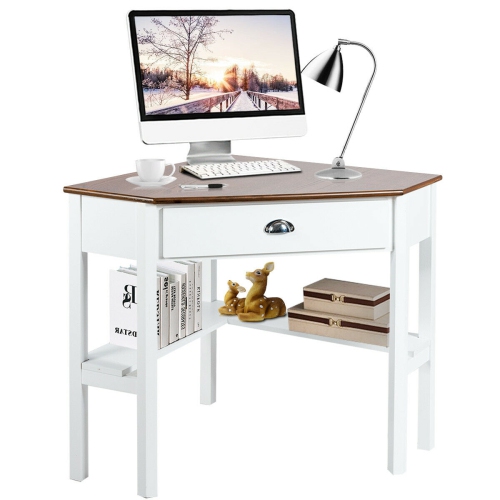
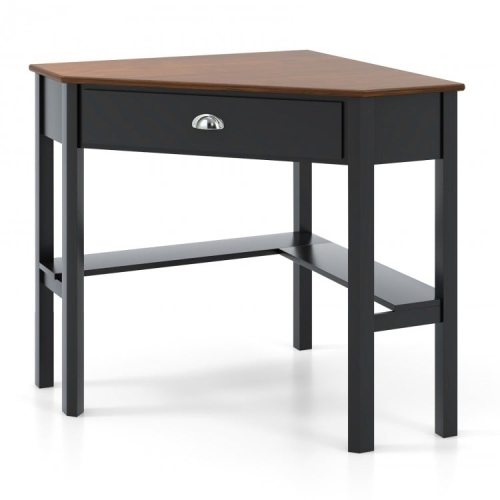
The fit of a solid wood office desk depends as much on the space around it as on the desktop dimensions. Width determines whether screens, task lighting, and supplies can sit comfortably side by side, while depth helps establish a practical viewing distance and leaves space for forearms in front of a keyboard. A shallow desk can suit occasional laptop use, but a monitor on a large stand may leave little usable surface behind the front edge. For a dual-screen setup, the shape of the monitor bases and the position of cable openings can matter almost as much as the overall width. Underneath, drawer pedestals, crossbars, and low aprons may limit knee room or prevent an office chair from sliding fully inward. A comfortable arrangement allows feet to rest on the floor or a footrest, shoulders to stay relaxed, and frequently used supplies to remain within easy reach. Fixed-height desks need to work with the chair and the person using them; adjustable-height desks also require attention to the lifting range, controls, and rated load, including the weight of the wood top where applicable. Monitor arms can free up surface space, though clamp clearance, desktop thickness, and manufacturer guidance should be checked before attaching one. In smaller rooms, a slim writing desk can keep a workspace visually open, while a corner or L-shaped layout may separate computer tasks from sketching, studying, or sorting documents. Related Solid Wooden Desks for Home Office can also suit rooms where the work area needs to sit comfortably alongside living room or bedroom furniture. Allow space to pull out the chair, open drawers fully, and walk past without brushing against sharp corners. Delivery access deserves the same attention: solid wood can be heavy, and narrow stairs or tight doorways may affect whether a desk can reach its intended room. Assembly requirements, removable legs, and the size of the largest component are useful details to check before planning the layout.
Daily care helps a solid wood office desk retain its finish and remain pleasant to use through years of typing, writing, and study. Wood naturally responds to changes in indoor humidity, so a relatively stable setting is preferable to a spot beside a radiator, heating vent, or damp exterior wall. Strong direct sunlight can gradually alter the colour of the wood or finish, sometimes leaving a visible contrast beneath a desk mat or monitor base. A soft cloth is usually suitable for routine dusting, while spills should be wiped up promptly rather than left around cable openings or along board joints. Cleaning methods should follow the finish manufacturer's directions; soaking the surface, using harsh cleaners, or applying furniture oil to an incompatible finish can cause damage. Coasters protect against condensation and hot mugs, and a smooth-backed desk pad can help reduce marks from pens and repeated mouse movement. Felt pads beneath desk accessories can limit scratches, provided they are clean and suitable for the finish. Different finishes have different maintenance needs: some oil finishes may require periodic attention, whereas many film-forming finishes are intended to be cleaned without additional oil or wax. Scratches and dents are still possible, even in dense hardwood, but some solid wood surfaces can be repaired or refinished when their construction and finish permit it. That potential should not be mistaken for a guarantee that every mark will disappear. Durability also comes from thoughtful use, such as keeping heavy equipment within the desk's stated weight limit and checking assembled connections as directed. For a shared household workspace, accessible drawers can keep chargers, notebooks, and stationery from spreading across the top; for a professional office, deeper storage may help keep working documents close without crowding the writing area. A well-chosen desk can support a student's changing workload, a remote worker's daily routine, or a creative hobby that needs a steady surface. Natural wood brings warmth to each of those settings, while the right proportions, storage, and construction make that warmth practical rather than purely visual.
Top selling and popular products
-
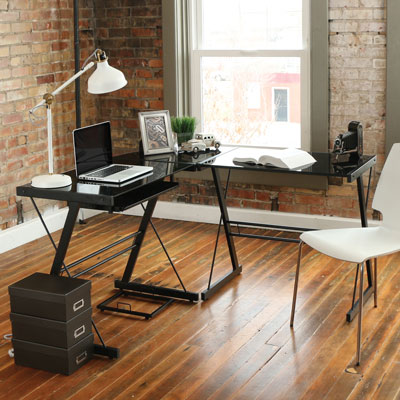 Your price for this item is $304.99
-
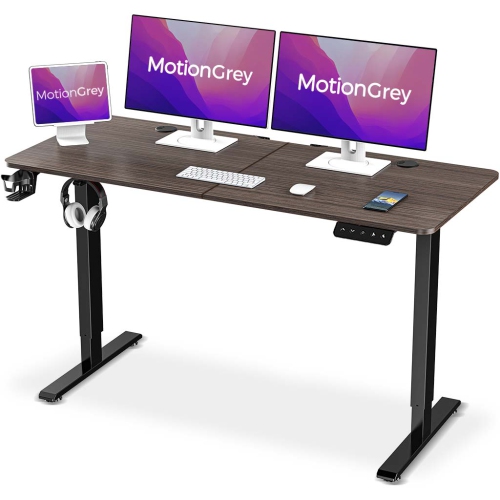 Your price for this item is $142.92
-
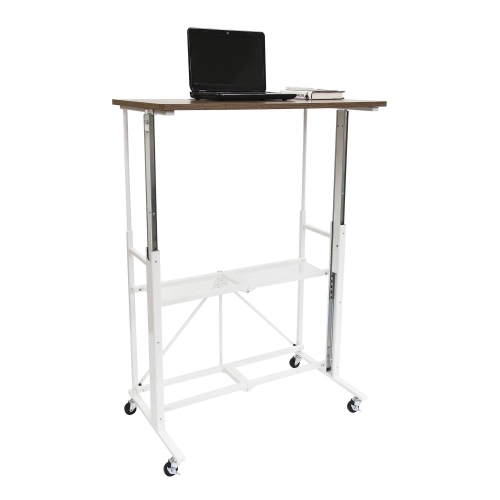 Your price for this item is $248.99
-
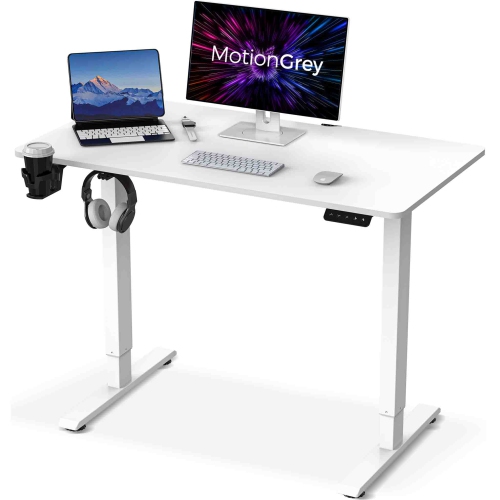 Your price for this item is $133.91
-
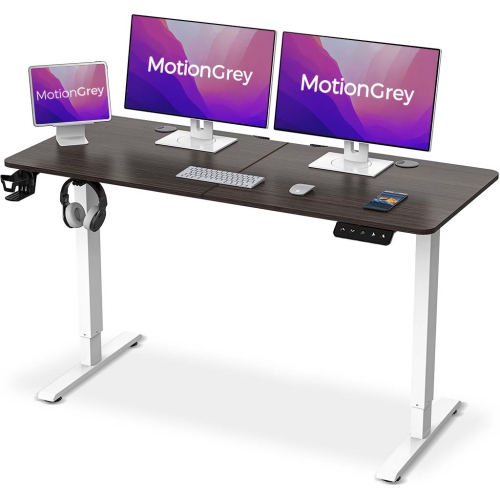 Your price for this item is $158.99
-
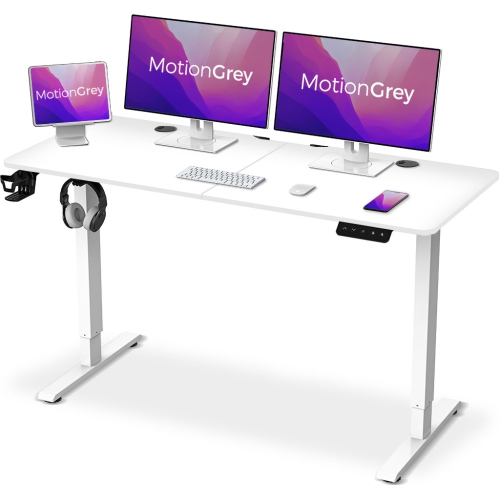 Your price for this item is $142.94
-
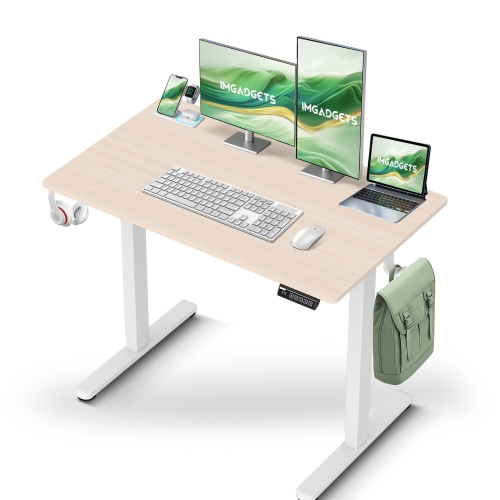 Your price for this item is $119.99
-
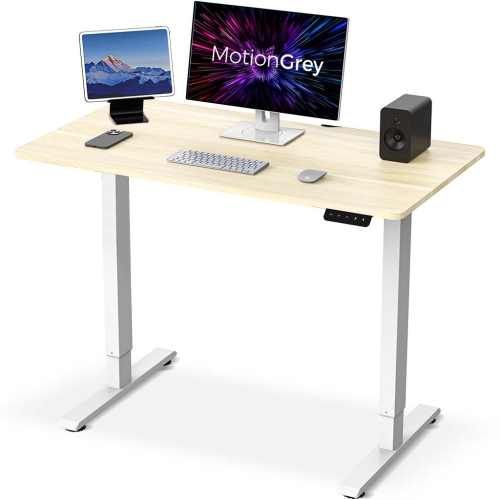 Your price for this item is $133.91
Discover more categories related to Solid Wood Office Desks
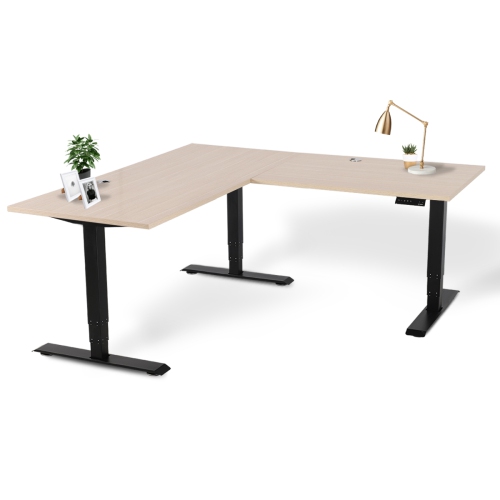
Top Collections:
Pokemon Centers, Best Cameras for Sports Photography, Kindle Devices, Samsung Galaxy Phones, Canon G7X Cameras, Pokémon 30th Celebration Cards, Refurbished Apple Laptops, iPhone 15 Apple, Laptops for Students, Budget Smartphones
Some products may be subject to Environmental Handling Fees
(EHF) depending on your province.
Learn more about EHFs.