Oak Wood Kitchen Cabinets
Create a warm and inviting atmosphere in your kitchen with these timeless oak kitchen cabinets. Known for their durability and natural beauty, oak wood cabinets add a touch of warmth and sophistication to almost any kitchen décor. Whether you are looking for a classic, traditional look or something more contemporary, oak wood kitchen cabinets can provide the perfect solution. Here are some great options available.
Sort
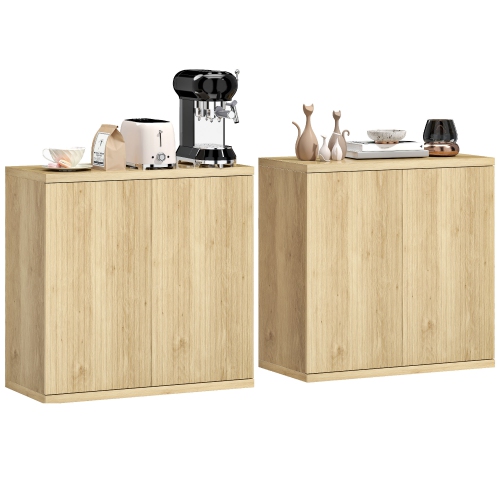
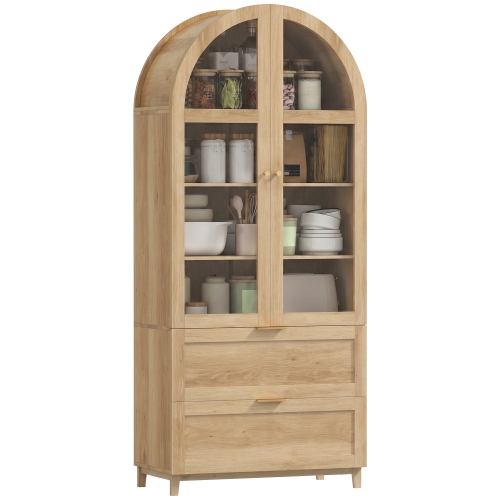
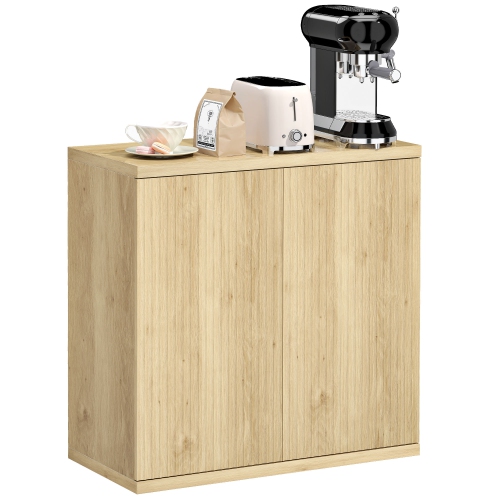
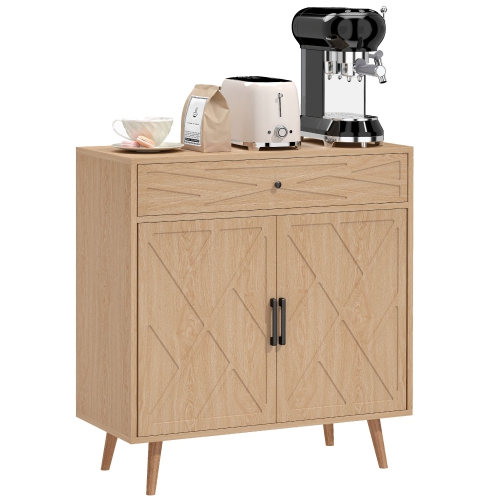
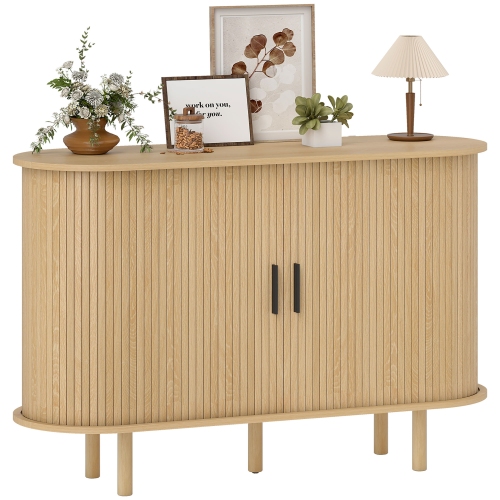
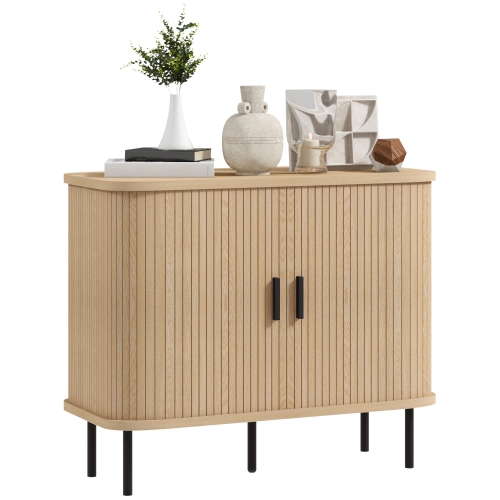

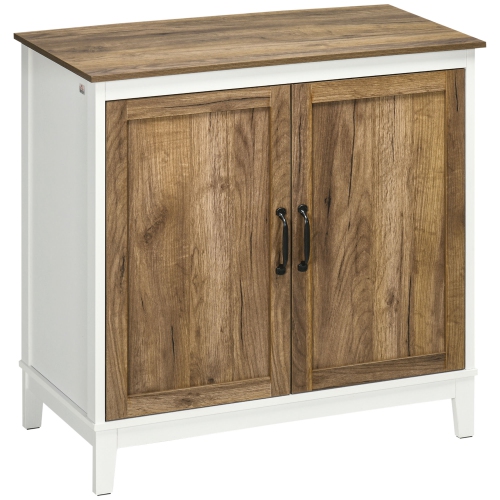
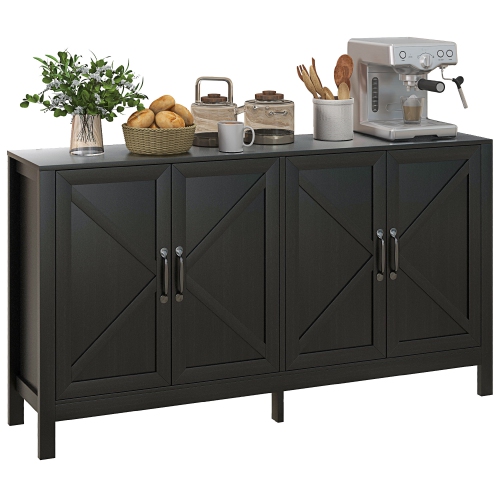
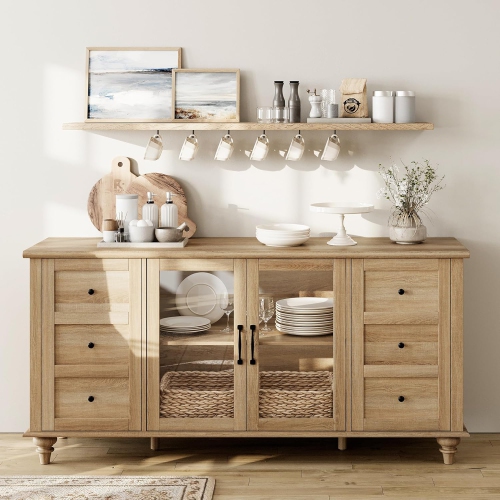
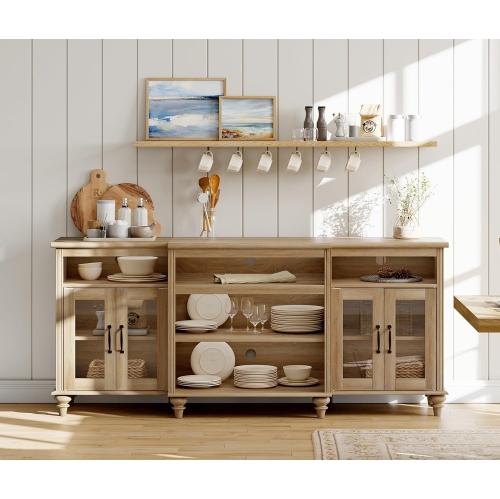
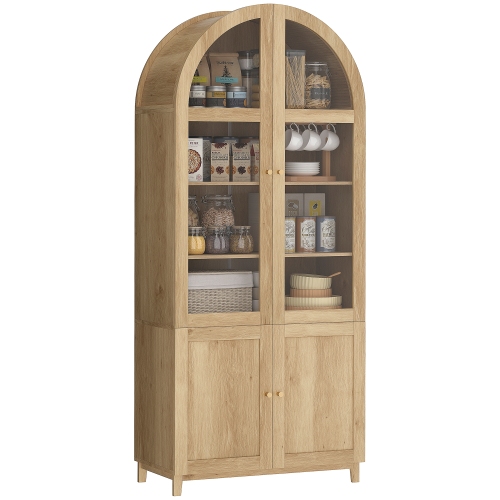
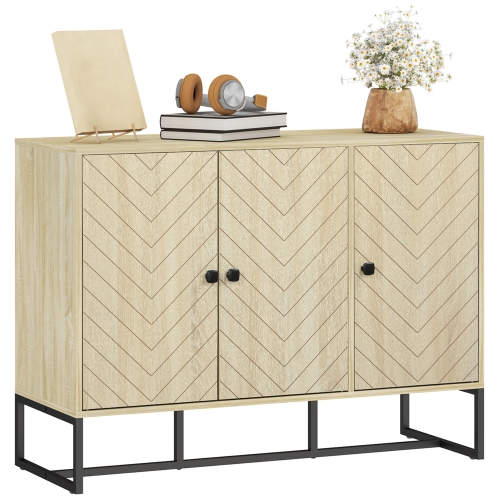
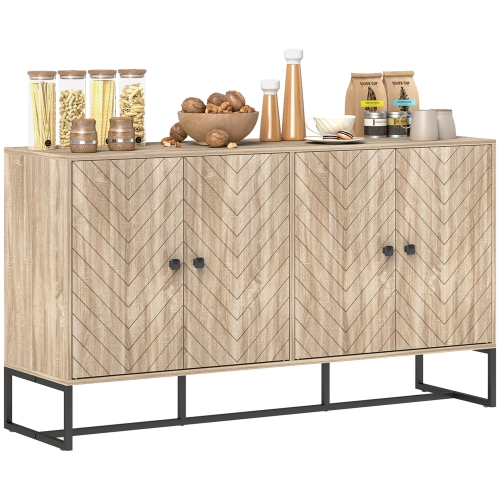

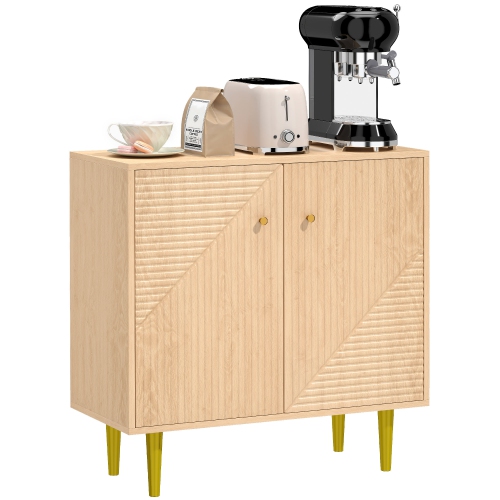
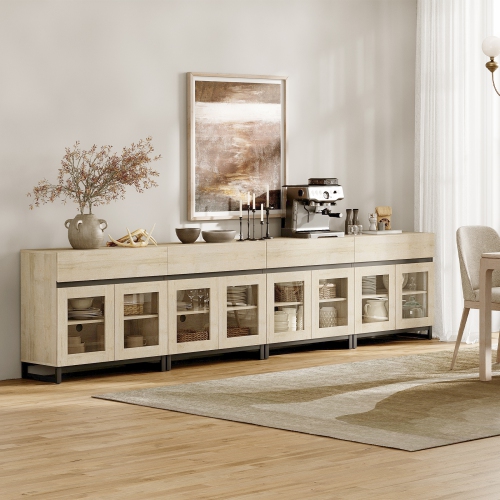
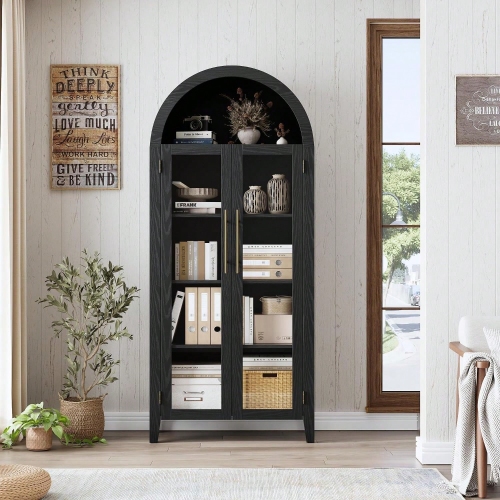
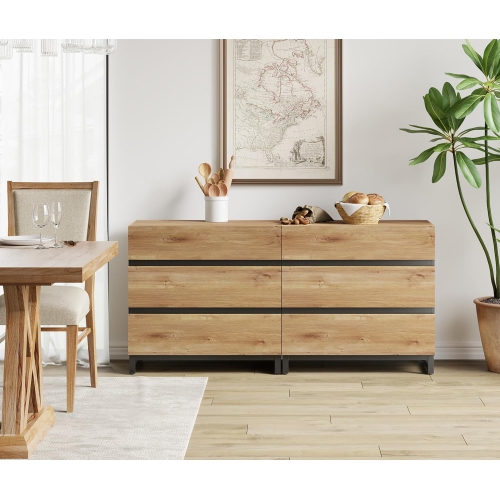
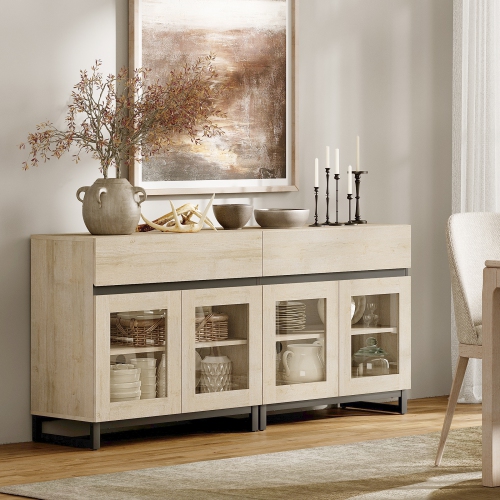
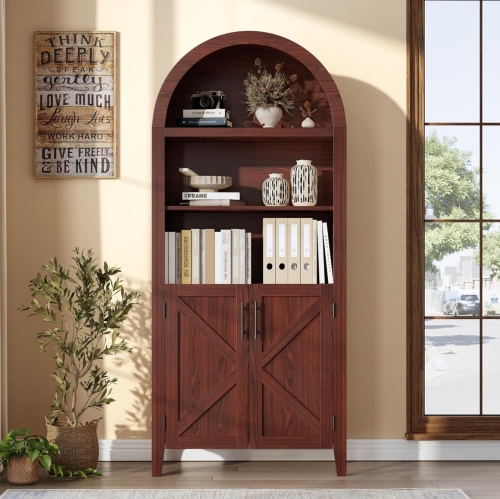
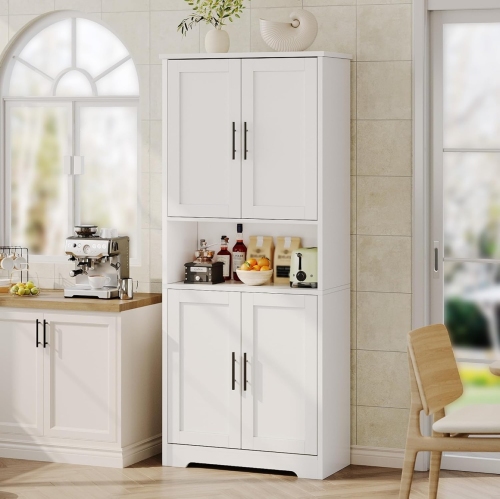
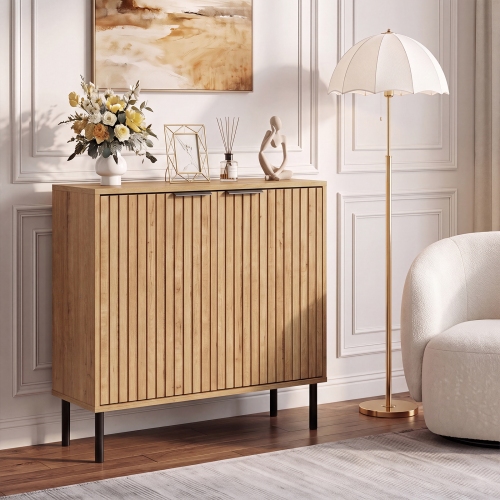
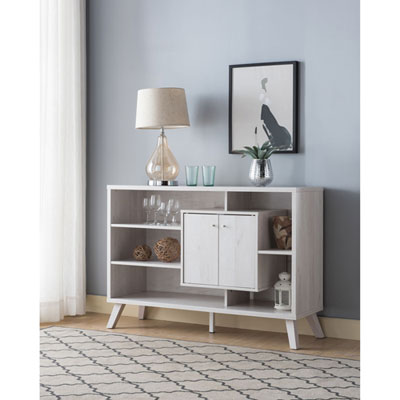
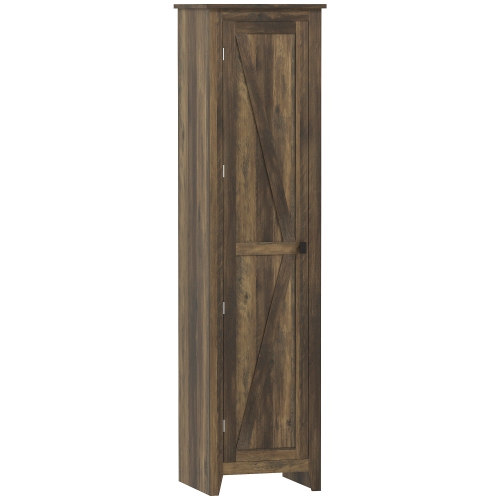
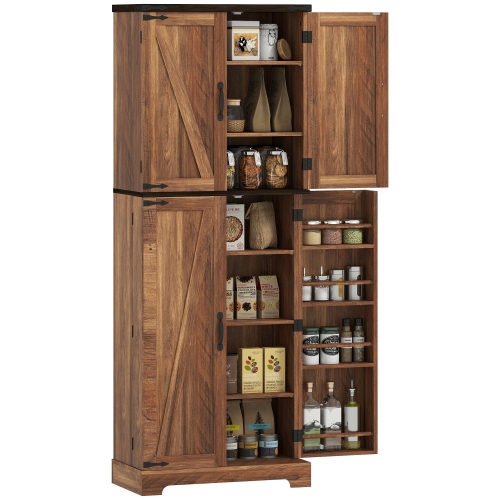
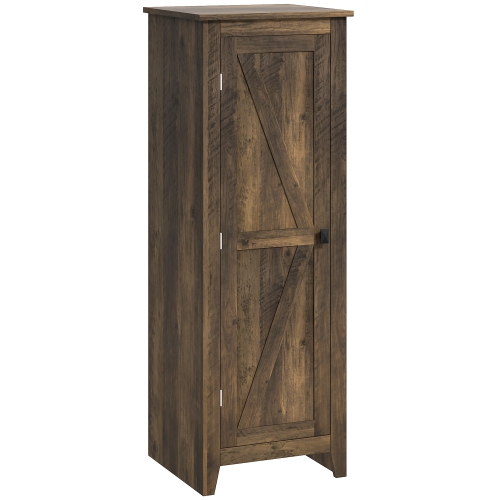
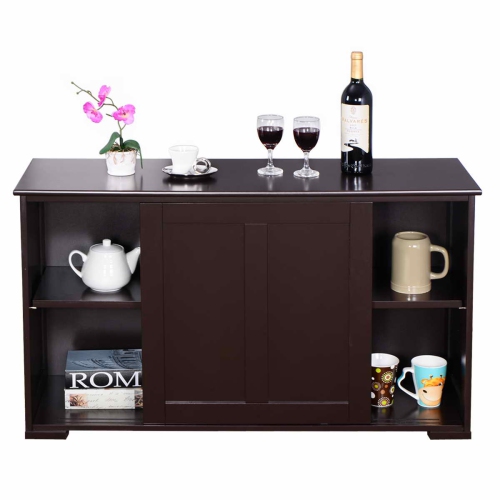
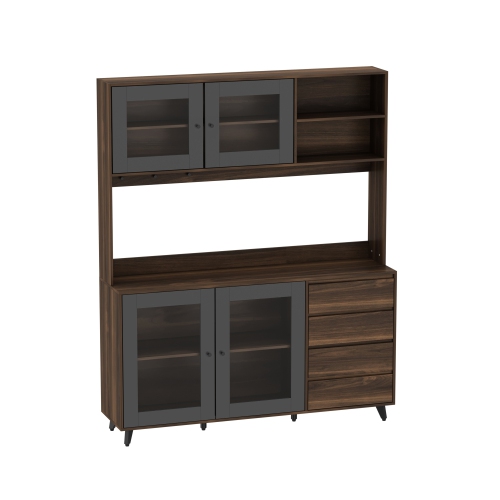
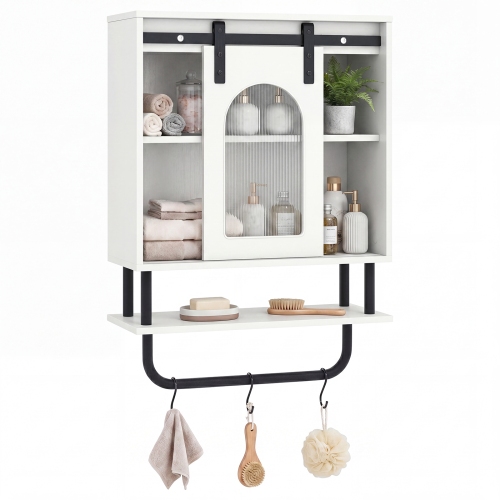
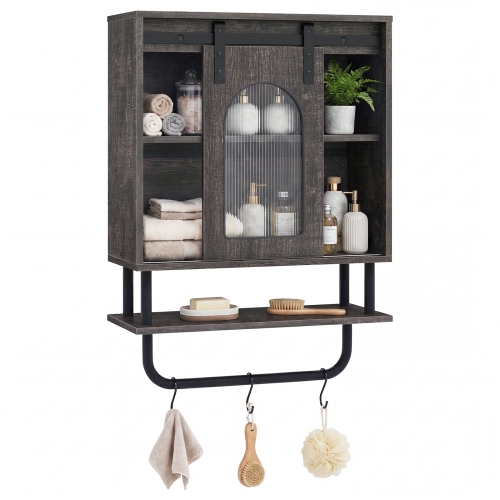
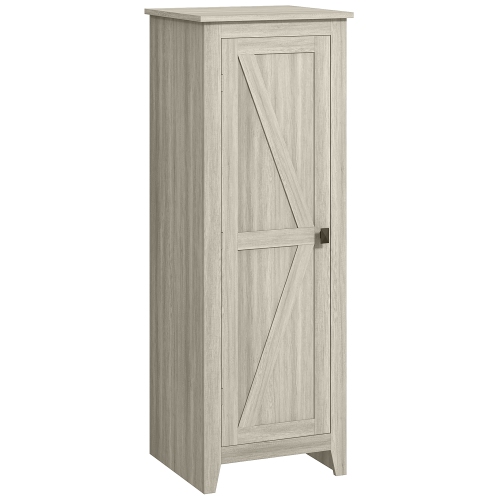
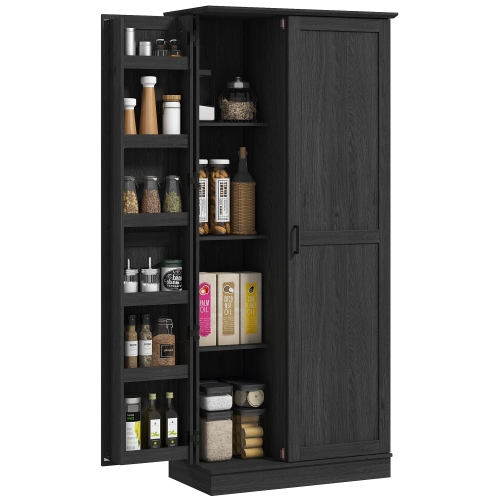
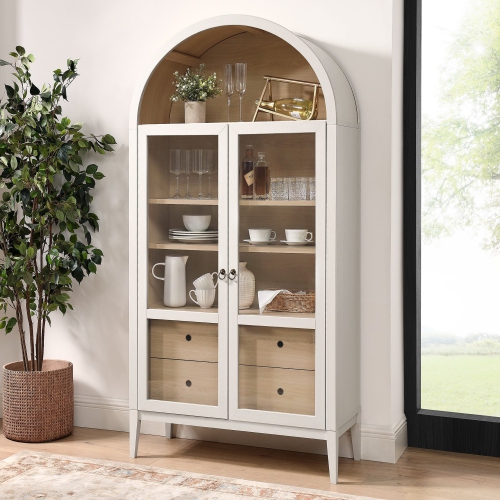

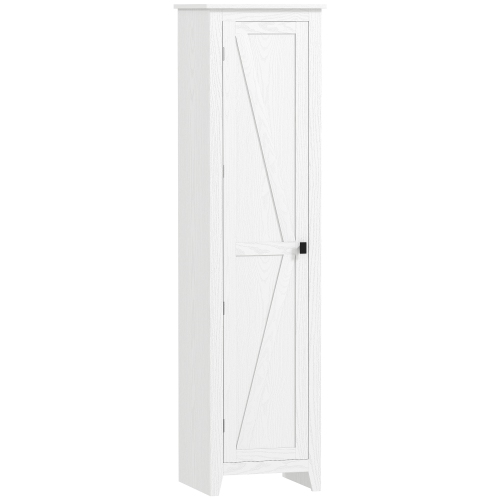
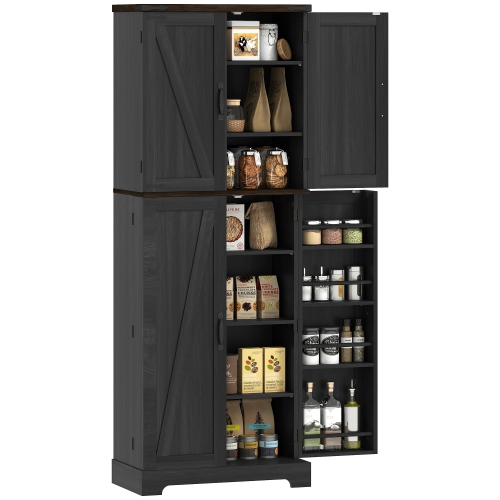
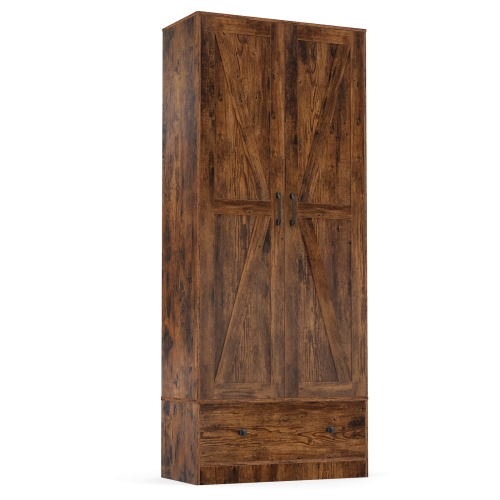
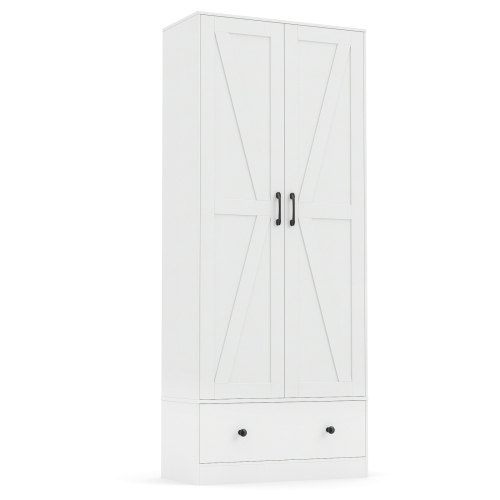
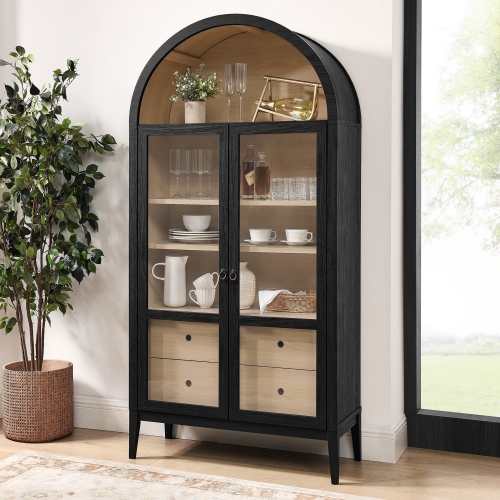
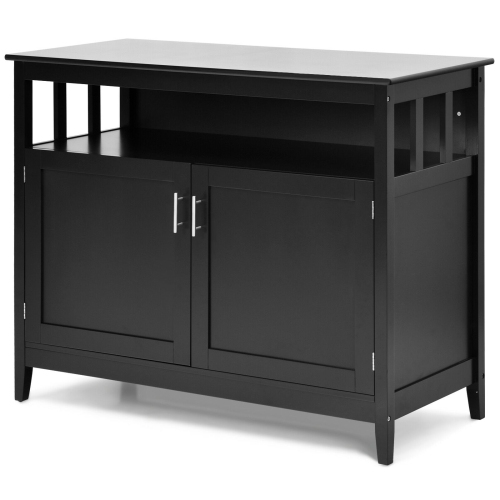
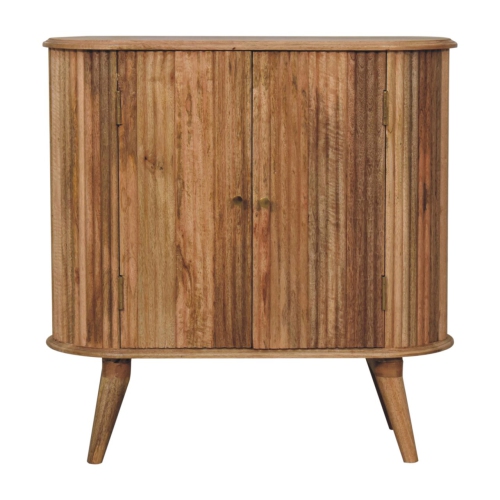
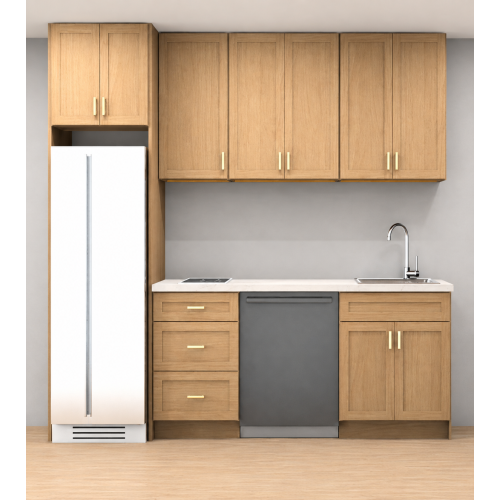
Why oak cabinetry is more than its grain
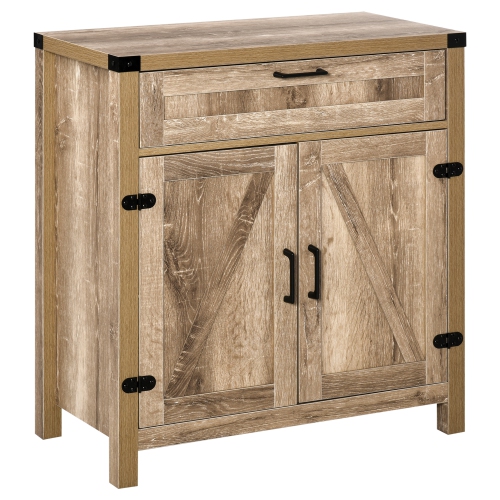
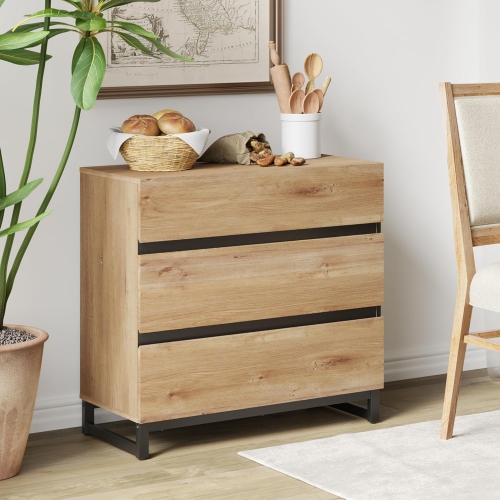
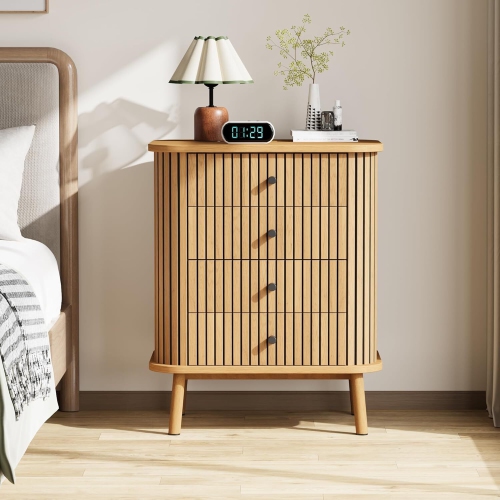
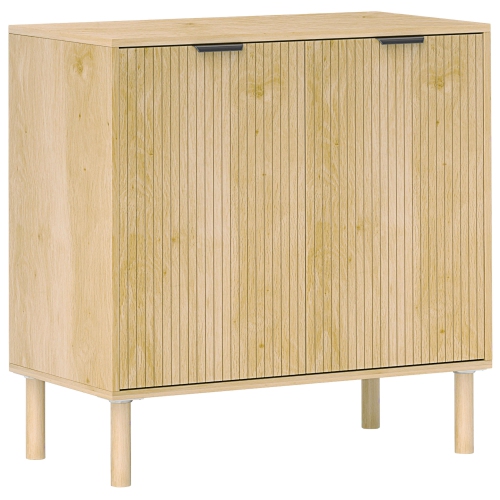
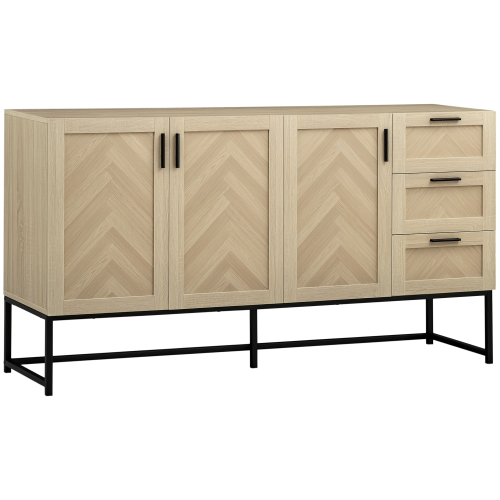
Oak wood kitchen cabinets bring visible grain, warm colour, and a substantial feel to a space used for everything from breakfast preparation to putting away the weekly groceries. Oak is a hardwood valued for its strength and distinctive texture, making it a practical choice for cabinet doors, drawer fronts, and other surfaces that receive frequent handling. Its appearance varies with the species, cut, stain, and finish. Red oak often has pinkish or reddish undertones and a pronounced grain, while white oak generally leans towards tan or brown, sometimes with a muted olive cast. Neither name describes a single, uniform colour, so natural variation between boards is part of the finished look. Plain-sawn oak commonly displays sweeping, cathedral-shaped grain; rift-sawn oak tends to show straighter lines; and quarter-sawn oak can reveal distinctive ray flecks across the surface. These differences help explain why two oak kitchens can feel quite different even when their overall colour is similar. Construction matters just as much as appearance. A cabinet described as oak may have solid oak doors, oak veneer over an engineered core, or a combination of materials throughout the cabinet box and front. Genuine oak veneer is a thin layer of real wood, not simply a printed wood pattern, and its performance depends on the quality of the core, bonding, edges, and protective finish. Solid wood also responds to changes in indoor humidity, which is one reason framed doors often use a panel designed to allow some movement. Cabinet boxes may be plywood or particleboard, with different thicknesses, joinery, and surface treatments. Looking beyond the door face helps distinguish decorative details from the construction that supports dishes, cookware, and repeated daily use. Clear material descriptions are especially helpful when matching new cabinetry to existing woodwork or choosing between a prominent grain pattern and a quieter, more uniform appearance.
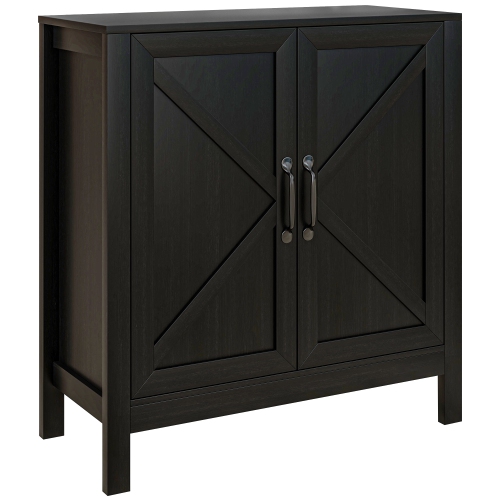
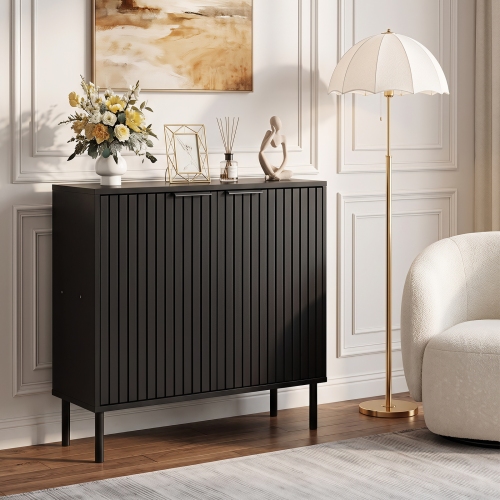
The visual character of oak cabinetry depends on how its grain and colour work with the rest of the kitchen. Light oak finishes can keep the wood texture visible without making the cabinetry feel visually heavy, particularly alongside simple backsplashes and pale countertops. Honey-toned oak introduces a more golden appearance, while brown stains create a deeper contrast with lighter walls. The richer tones of dark oak kitchen cabinets can give an island or a full bank of cabinetry greater visual weight, especially when balanced with lighter surrounding surfaces. Stain does not erase the character of the wood: grain direction, open pores, and differences between boards can remain noticeable beneath the colour. Shaker-style doors frame that texture with a recessed centre panel, while flat-panel doors give it a broader, uninterrupted surface. More detailed profiles suit kitchens with traditional trim and decorative hardware, although the overall effect also depends on the countertop edge, backsplash, and lighting. A two-tone arrangement can pair oak lower cabinets with painted upper cabinets, or use oak on an island to connect the kitchen with nearby wood furniture. Exact matching is not always necessary; related undertones often create a more comfortable result than several nearly identical finishes that differ slightly. Hardware adds another layer of contrast. Matte black handles make a clear outline against lighter oak, brushed metal finishes offer a quieter accent, and warmer metallic finishes can echo golden tones in the wood. Handle shape is functional as well as decorative: a pull that comfortably accommodates a hand may be easier to use on a wide, heavily loaded drawer than a small knob. Finish samples viewed beside flooring, countertops, and backsplash materials help show how the combination will read in the actual room. Daylight and electric lighting can reveal different undertones, so a finish that appears neutral in one setting may look noticeably warmer in another.
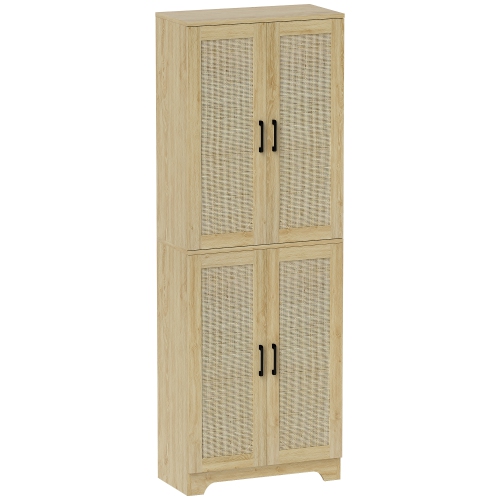
A good fit involves more than filling the width of a wall. Oak kitchen cabinets need to suit the room’s dimensions, appliance openings, storage needs, and everyday movement. Base cabinets, wall cabinets, and tall pantry cabinets serve different purposes, and their proportions affect both usable storage and access. Deep drawers can make pots and stacked dishes easier to reach, while adjustable shelves accommodate changing combinations of mugs, serving bowls, and pantry staples. A household that cooks frequently may value storage close to preparation surfaces; a smaller kitchen may benefit more from carefully sized cabinets that leave comfortable clearance around appliances. Door swings and drawer extensions deserve particular attention near corners, walls, and projecting handles. A cabinet may fit its allotted opening yet still need a filler panel so the door can open properly without striking adjacent trim. Countertop thickness, finished floor height, plumbing, outlets, and any unevenness in the walls also influence installation. Wall-mounted cabinets require secure attachment appropriate to the wall construction and the load they will carry. For everyday durability, useful details include sound joints, well-finished edges, hinges suited to the door weight, and drawer slides rated for their intended contents. Soft-close hardware can reduce abrupt closing, but it does not replace sturdy construction. Care is generally straightforward: a soft cloth, prompt attention to spills, and cleaning products approved for the finish help preserve the surface. Excess water around the sink, dishwasher, joints, and lower edges can damage wood or the material beneath a veneer. Abrasive pads, harsh cleaners, and direct steam can also affect the finish, so small appliances that release steam need appropriate clearance from overhead cabinetry. With suitable construction, careful fitting, and routine care, oak cabinetry can provide lasting storage while retaining the grain and variation that give real wood its character. That balance of useful organization and visible texture suits both busy family kitchens and compact spaces where every cabinet has a clear purpose.
Top selling and popular products
-
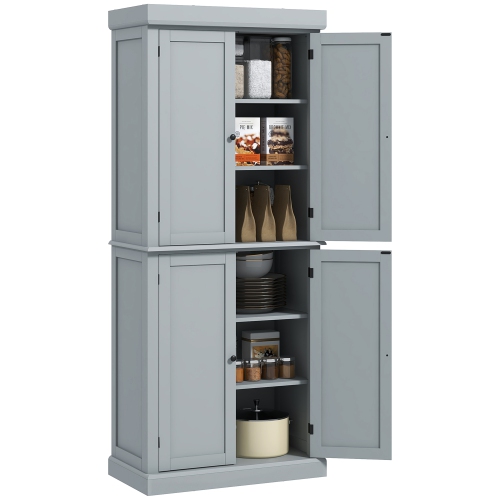 Your price for this item is $285
-
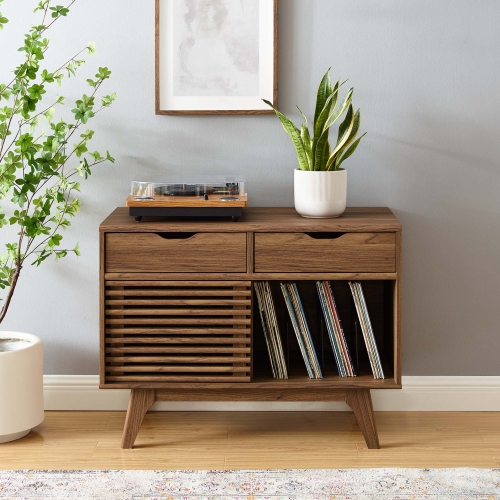 Your price for this item is $452.93
-
 Your price for this item is $155.99
-
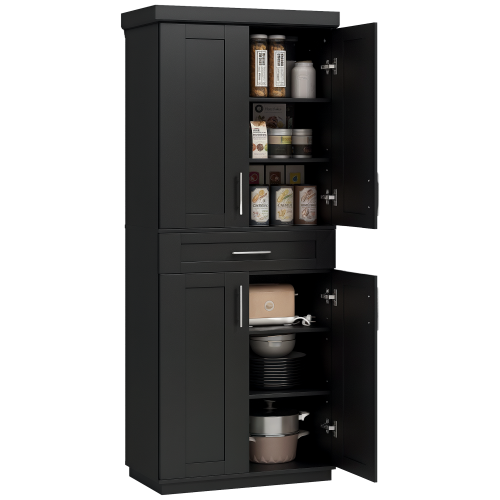 Your price for this item is $269.99
-
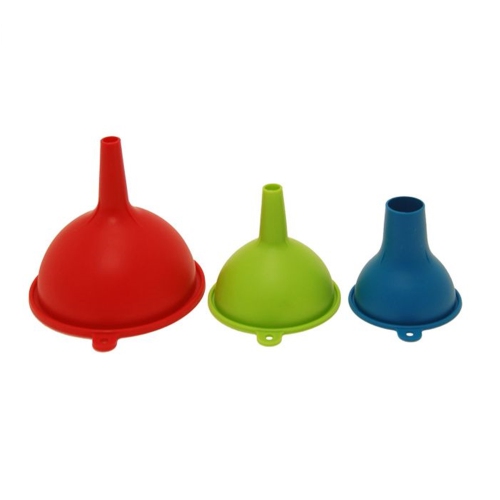 Your price for this item is $12.97
-
 Your price for this item is $155.99
-
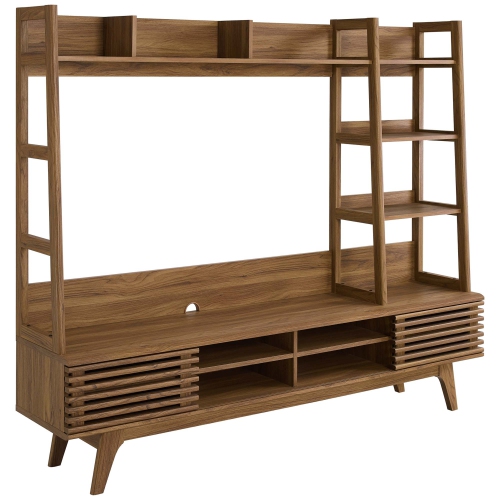 Your price for this item is $885.06
-
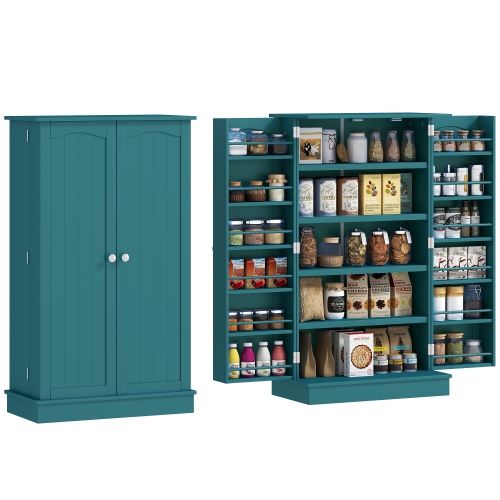 Your price for this item is $132.99
Discover more categories related to Oak Wood Kitchen Cabinets
Top Collections:
Best Black Friday Deals This Year, Best Black Friday Deals On Electronics, Kindle Devices, Dyson Airwrap, Best Cameras for Sports Photography, Best Budget Office Chairs, Canon G7X Cameras, PS5 Pro Consoles, Best Black Friday Deals On Apple Products, XBOX One S Consoles
Some products may be subject to Environmental Handling Fees
(EHF) depending on your province.
Learn more about EHFs.