Navy Blue Comforters
Create a serene and stylish retreat in your bedroom with our collection of navy blue comforters. Whether you're looking to update your master suite or revamp a guest room, navy blue comforters offer both comfort and style. They are a great way to add a pop of color to your bedroom while still keeping the overall look and feel neutral. Here are some great options available.
Sort
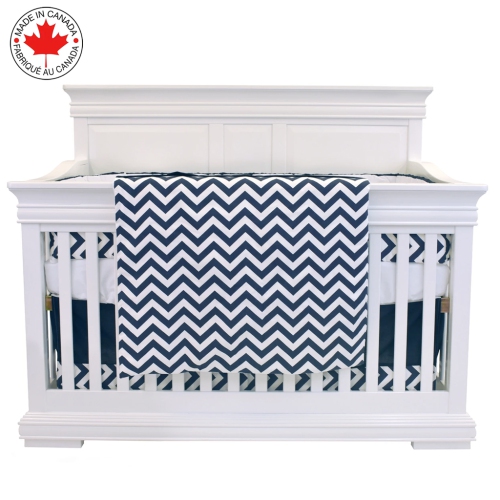

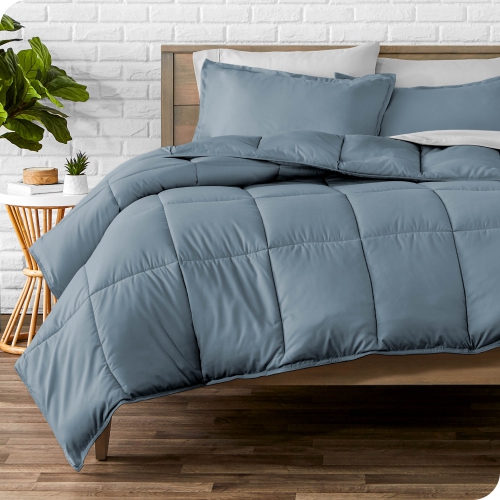
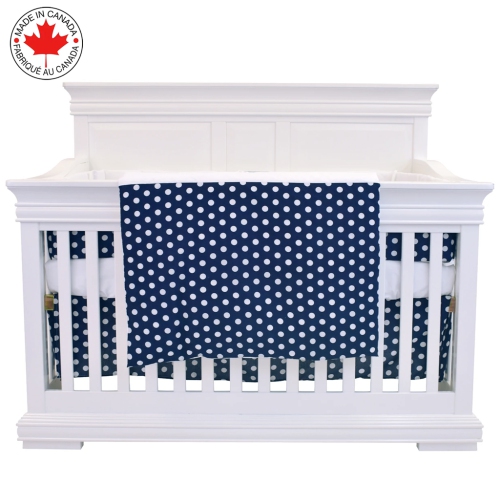
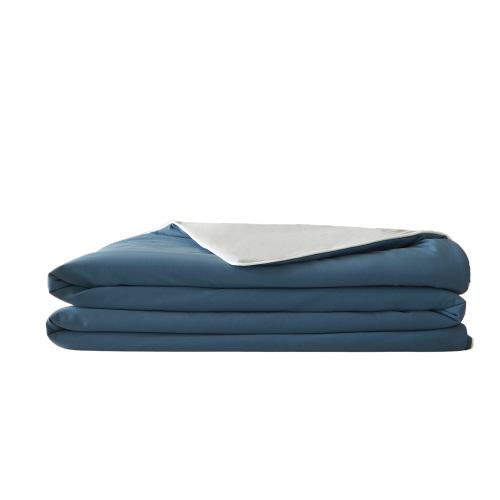
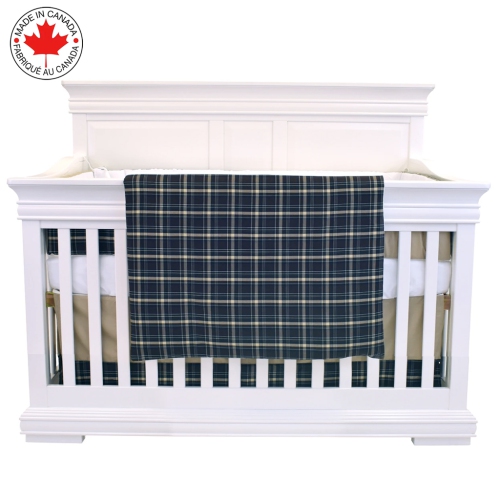
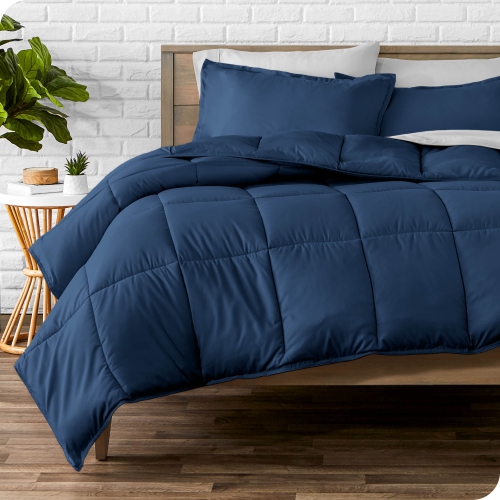
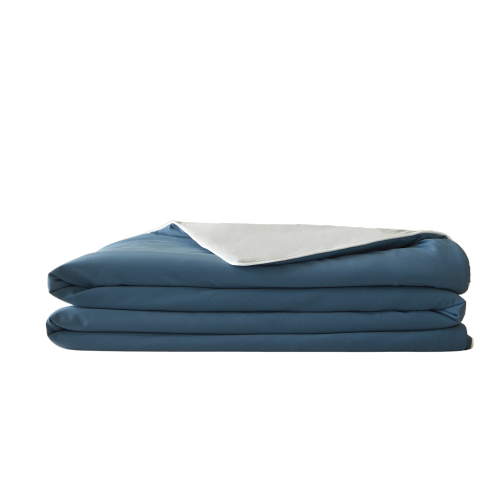

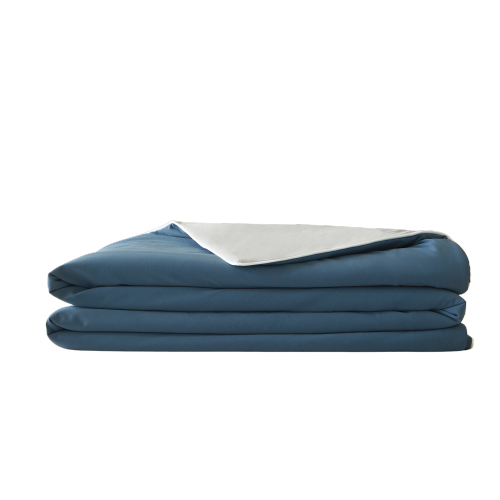


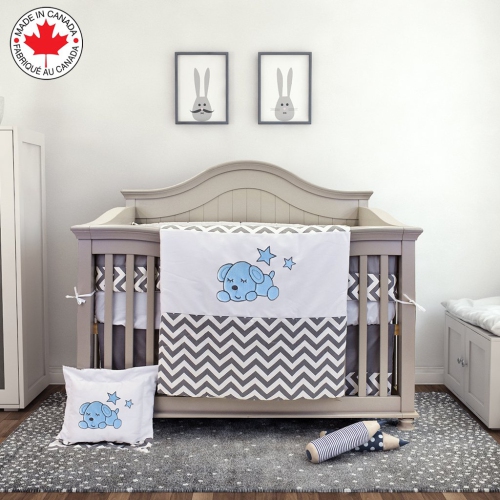


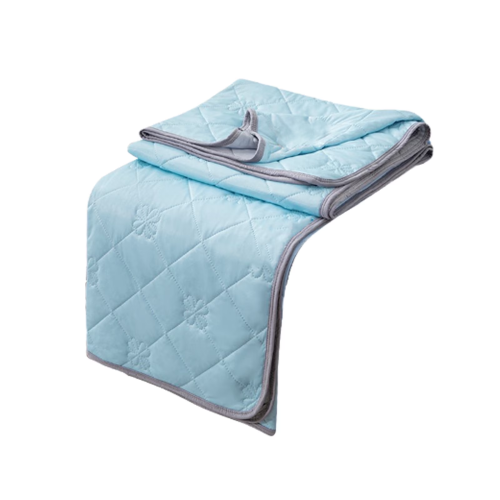


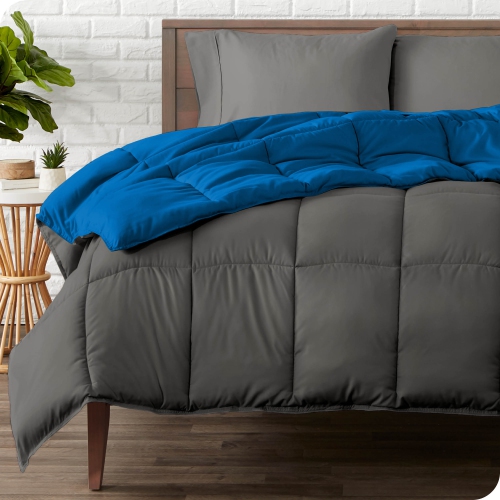
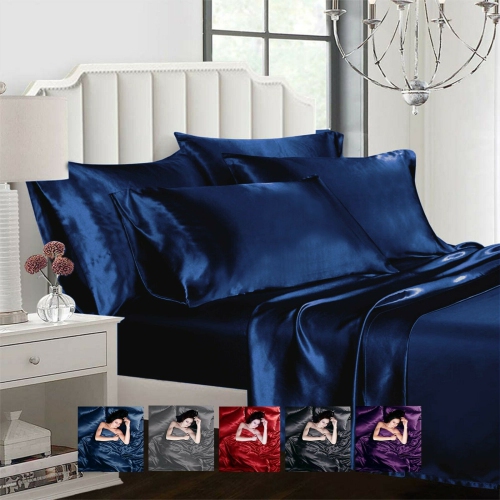


Deep blue style with comfort beneath the surface
Navy blue comforters are filled bed coverings that bring a deep, versatile colour to the bedroom while providing a soft layer for sleep. Unlike a thin coverlet, a comforter has an outer shell and an inner filling, with stitching that helps keep the fill distributed. It generally has a finished appearance that works without a separate cover, making it a straightforward centrepiece for a made bed. Navy sits comfortably alongside crisp white sheets, pale grey pillowcases, natural wood furniture, and upholstered headboards. Against lighter bedding, it creates a clear contrast; paired with charcoal, muted blue, or earthy brown, it gives the room a more tonal look. The shade can feel tailored without making the space look formal, which suits primary bedrooms, guest rooms, teen bedrooms, and compact student living spaces. A smooth, solid-colour surface keeps attention on the richness of the blue, while quilting, pleats, or a woven texture add definition without introducing another colour. Patterned navy comforters offer a different effect: narrow stripes can create a neat, ordered appearance, while larger geometric designs make the bed more prominent. Reversible designs can provide two distinct looks, although the colour and fabric on each side should be checked rather than assumed. Coordinating the bed with Navy Blue Bedroom Rugs can repeat the colour elsewhere in the room without requiring every textile to match exactly. A rug with a touch of navy may be enough to connect the bedding with the rest of the space. For a housewarming gift or a bedroom refresh, navy is a practical starting point when the recipient’s bed size and preferences are known. Its appeal comes from that balance: a noticeable colour with enough flexibility to work around existing furniture, artwork, and everyday bedding.
The feel of a navy blue comforter depends on both its shell fabric and its filling, so colour alone does not tell the whole story. Cotton shells can have a breathable, familiar feel, with differences in softness and surface texture depending on the weave. Polyester microfibre often feels smooth and can resist wrinkling, although breathability and moisture handling vary with the fabric’s construction and finish. Blended shells combine fibres to achieve a particular balance of feel, strength, and care requirements. Someone who enjoys a crisp sheet-like finish may prefer a different shell from someone who wants a brushed, velvety surface against their hands. The filling adds another layer of variation. Down offers loft with relatively little weight, while feather-containing fills can feel more substantial; the proportions matter when comparing their characteristics. Polyester fills, often described as down alternatives, provide a non-down option, but their softness, loft, and weight still vary. The term “down alternative” does not by itself establish that a comforter will meet a particular allergy need. For anyone with sensitivities, the stated shell and fill composition are more useful than broad comfort claims. Fill weight can help explain how substantial a comforter may feel, but it is not a universal measure of warmth across different materials and constructions. A fuller appearance also does not necessarily mean a heavier covering. Quilted boxes, channels, and other stitched patterns help control where filling sits, influencing both the look and the way the comforter drapes. Sewn-through stitching joins the outer layers directly, while internal baffles create compartments that allow more room for loft. Secure seams and even filling are useful signs of careful construction. For someone who dislikes a bulky bed covering, a lower-profile design may be more comfortable than a deeply puffed style, even when both share the same navy colour.
Fit is especially important because bed-size names do not guarantee the same comforter dimensions across different designs. Twin, twin XL, double, queen, and king labels are useful starting points, but the stated length and width should be compared with the mattress and the amount of overhang wanted. A deep mattress, a tall bed frame, or a thick mattress topper can make a covering look shorter at the sides than expected. On a shared bed, extra side coverage may also matter when two sleepers turn or pull the bedding in different directions. Measuring from the top of the mattress to the desired stopping point along each side gives a clearer picture than relying on the size label alone. A platform bed with visible side rails may suit a shorter drape, while a bed with an exposed foundation may call for more coverage. Comforter sets deserve the same attention to detail: included pieces can vary, and matching pillow shams are not necessarily the same as sleeping pillowcases. Care requirements should fit the household as well as the bed. A large comforter may need more drum space than a home washer or dryer provides, even if its label permits machine washing. Following the stated washing and drying directions helps protect the shell, stitching, and fill. Navy fabric benefits from the detergent and wash settings specified on the label, and bleaching agents should not be used unless expressly permitted. Some fabrics may release dye during initial washes, making any separate-washing directions important. Thorough drying matters for filled bedding, since moisture can remain inside after the outer fabric feels dry. Regularly smoothing and gently redistributing the filling can help maintain an even appearance between washes. In homes where pets spend time on the bed, a tightly woven surface may be easier to brush clean than a heavily textured one, though pale fur and lint can be noticeable against navy. Ultimately, a well-suited comforter combines the desired shade with comfortable fabric, adequate coverage, sound construction, and care that fits everyday life.
Top selling and popular products
-
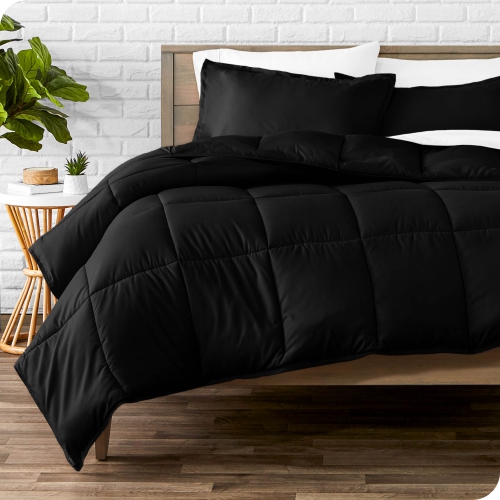 Your price for this item is $114.99
-
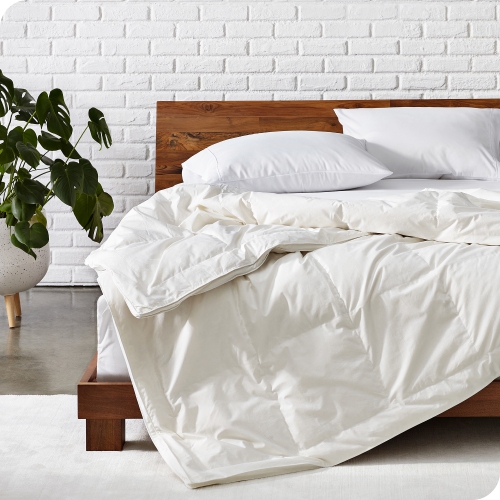 Your price for this item is $300.99
-
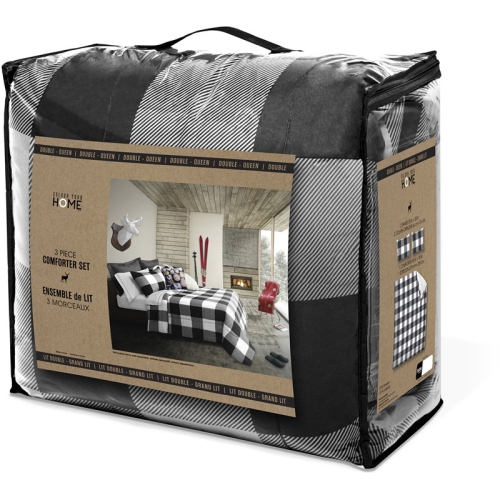 Your price for this item is $69.99
-
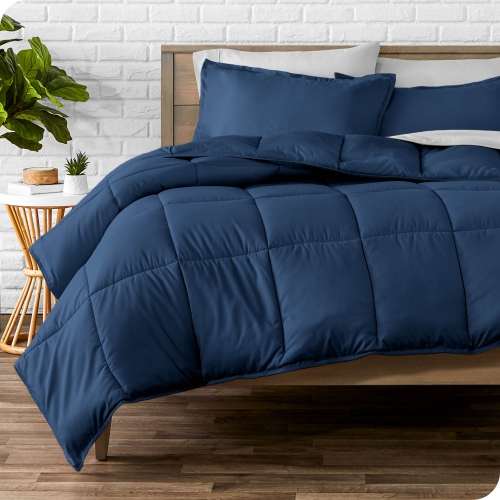 Your price for this item is $114.99
-
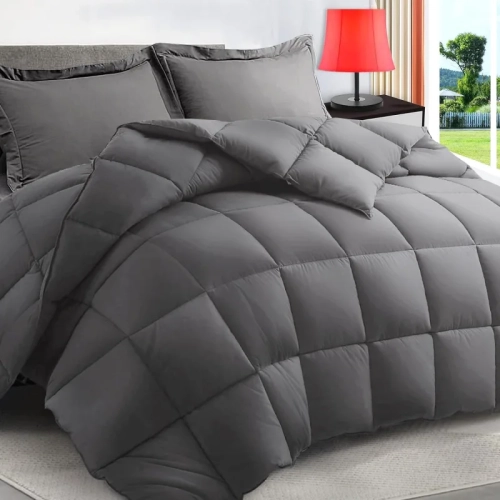 Your price for this item is $69.99
-
 Your price for this item is $114.99
-
 Your price for this item is $165.18
-
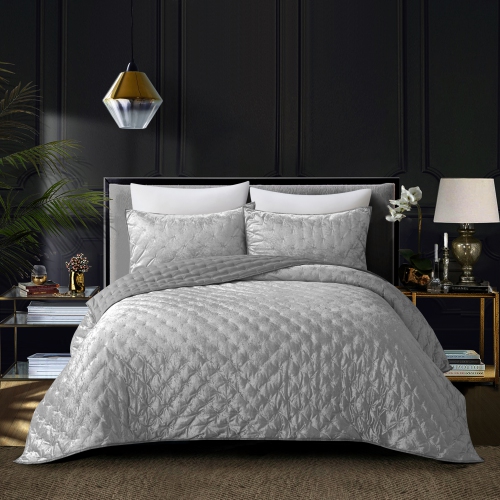 Your price for this item is $88
Discover more categories related to Navy Blue Comforters

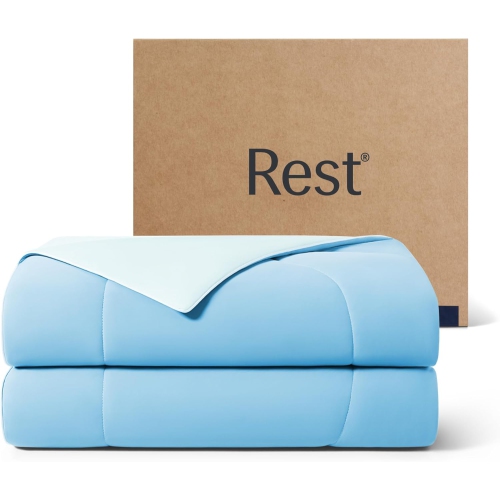
Top Collections:
Pokemon Centers, Kindle Devices, Best Cameras for Sports Photography, Pokémon 30th Celebration Cards, Canon G7X Cameras, Samsung Galaxy Phones, iPhone 15 Apple, Best Black Friday Deals On Electronics, Jackery Power Stations, Solar Generators for Home
Some products may be subject to Environmental Handling Fees
(EHF) depending on your province.
Learn more about EHFs.