Neck Support Chairs
Neck Support Chair options are designed to enhance comfort and relaxation in any setting, whether at home or in the office. Explore a selection of chairs crafted to provide reliable neck support, helping you maintain proper posture throughout your day. From sleek modern designs to classic styles, find the perfect Neck Support Chair to complement your space and daily routine. Discover choices that suit a variety of preferences and needs, making it easier to enjoy lasting comfort wherever you sit.
Sort
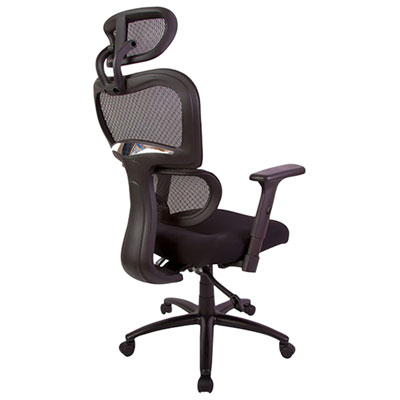

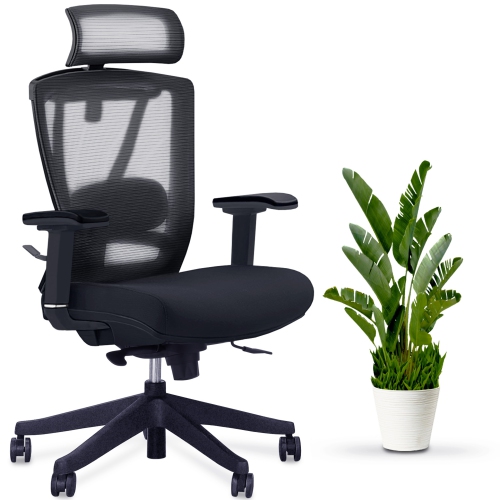
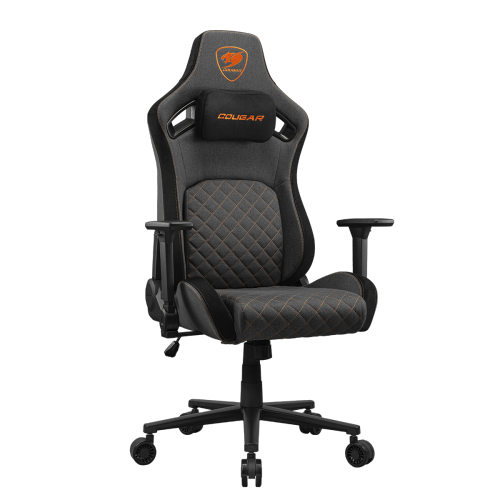
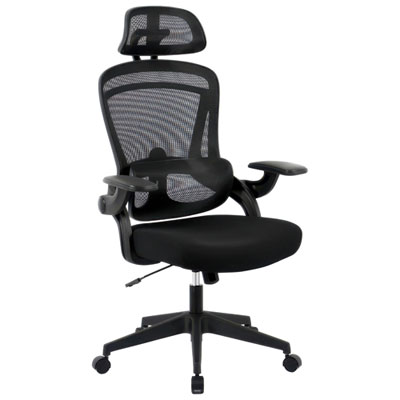
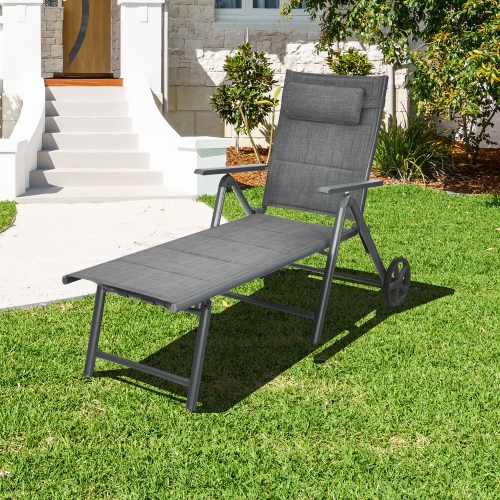
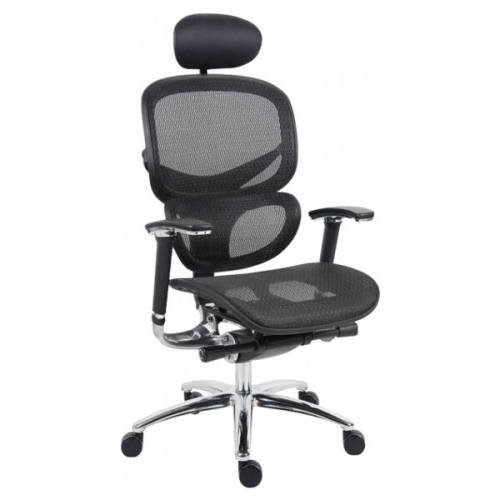
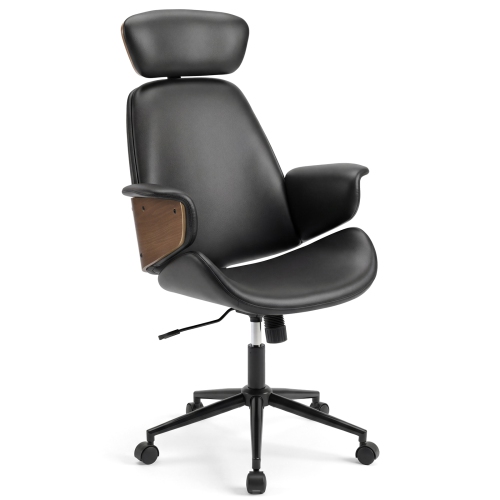
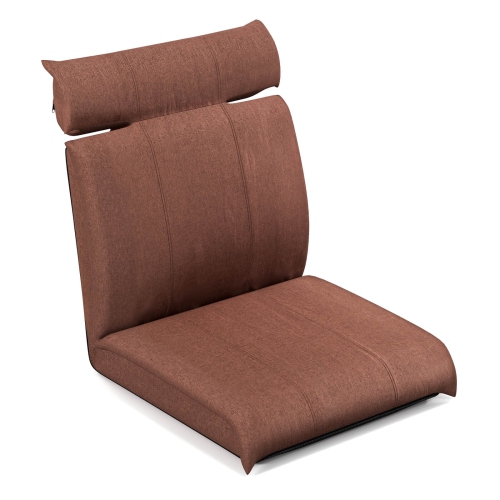
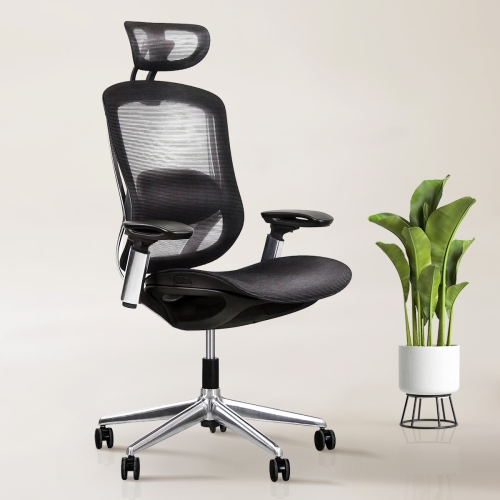
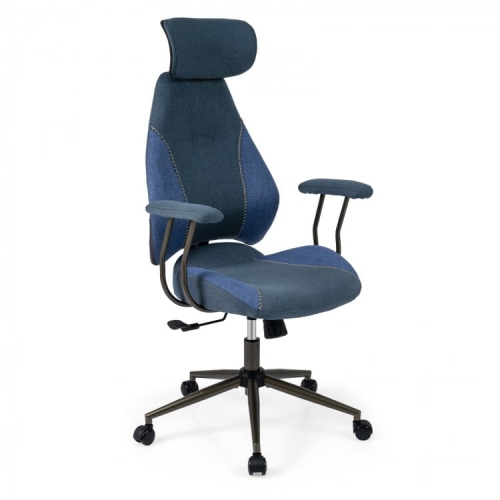
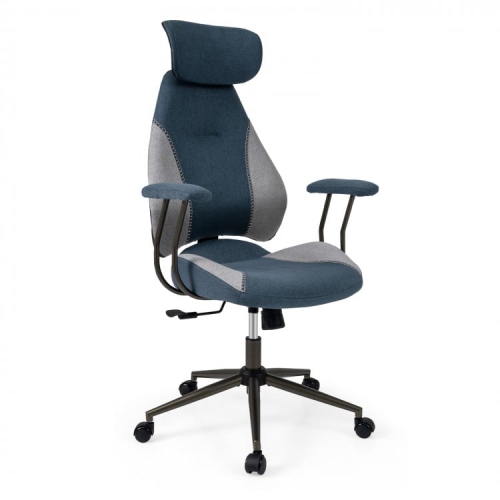
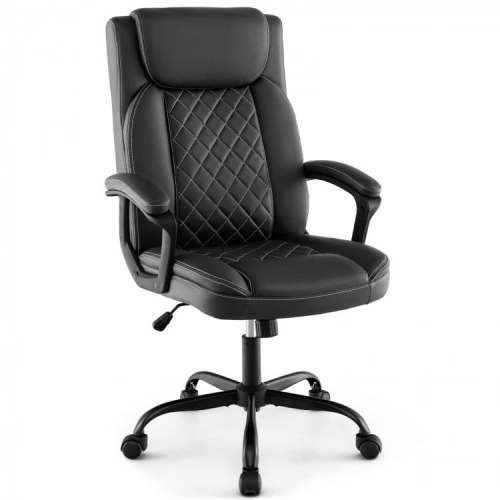
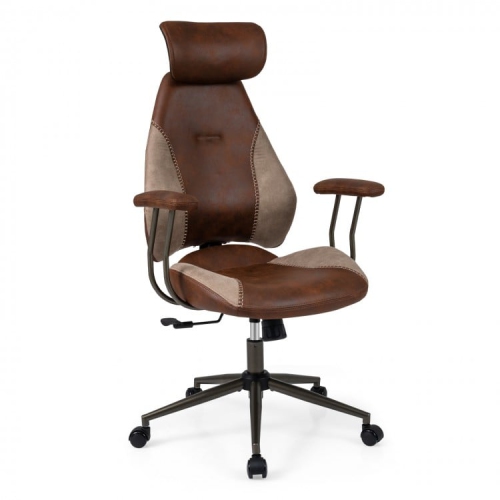
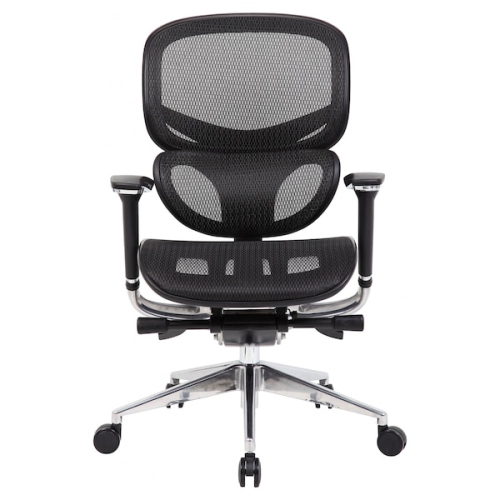
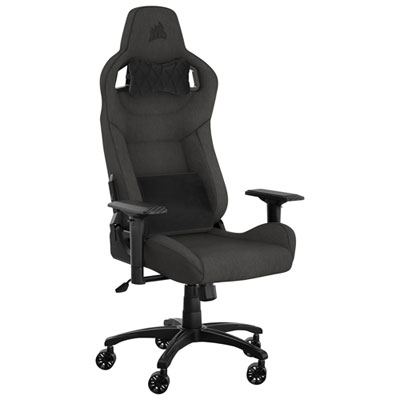
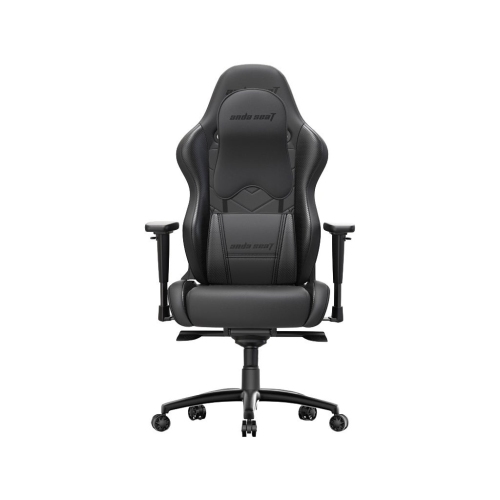

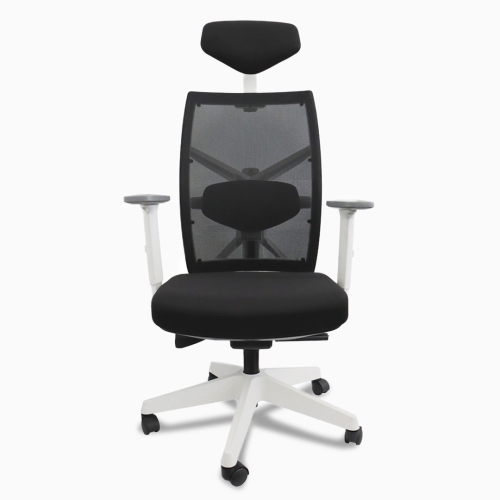
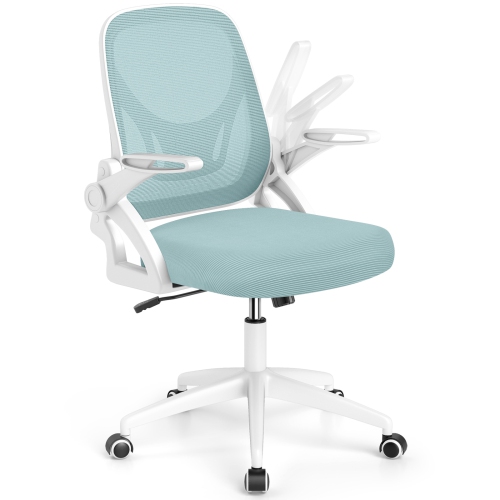
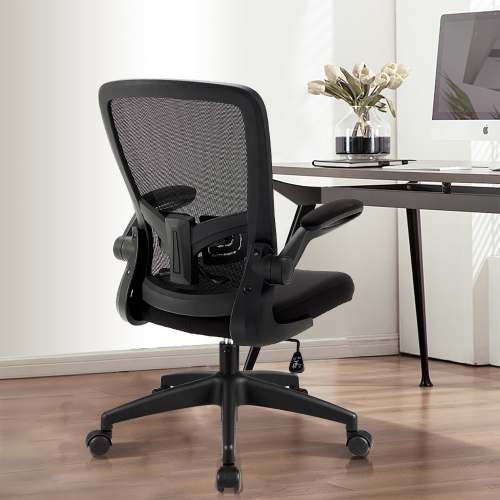
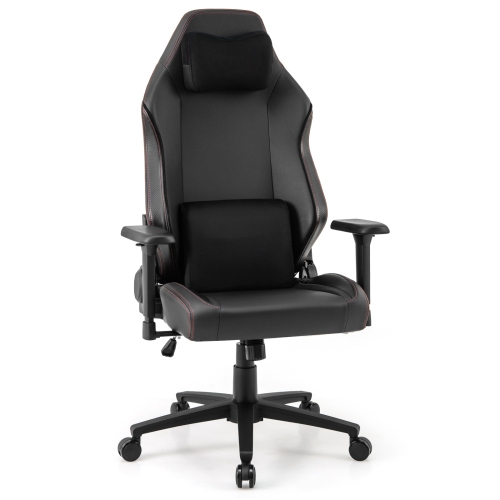
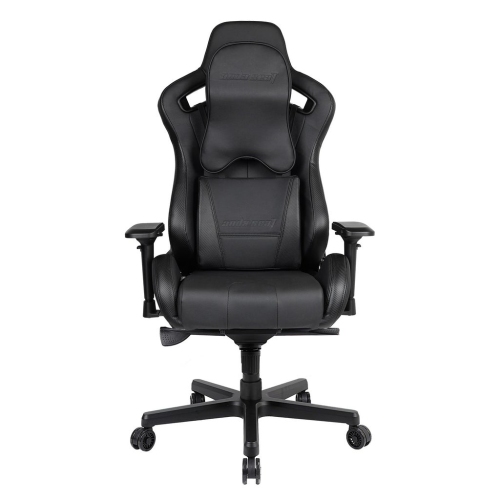
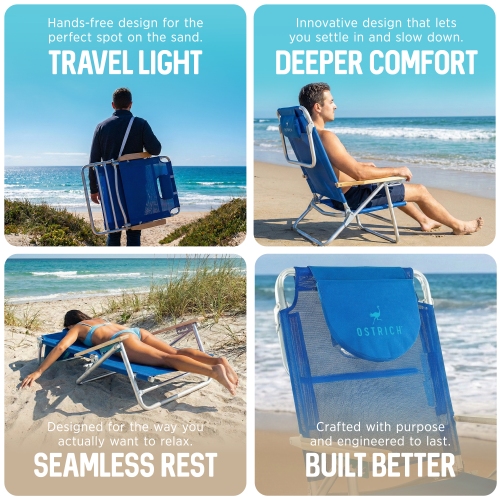
A high back does not guarantee head support
Neck support chairs provide a place for the head and neck to rest through a built-in headrest, an adjustable upper backrest, or a separate support designed for a compatible chair. Chairs with integrated headrests are one option; attachable neck pillows and frame-mounted headrests can add support to some existing office, task, or gaming chairs. The distinction matters because a high back alone does not necessarily reach the head or provide support at the right height. A useful fit brings the support to the person rather than requiring the person to stretch upward, slide forward, or tip their chin to meet it. Height adjustment helps position a headrest behind the appropriate part of the head or upper neck, while angle and depth adjustments can make it easier to find a comfortable resting position. Someone reviewing documents at a desktop may want the headrest clear of their head while sitting upright, then within reach when leaning back between tasks. Someone reading or using a controller may prefer more consistent contact in a reclined position. Neither arrangement should force the head forward or encourage an awkward bend in the neck. Overall chair proportions are just as important as the headrest: seat height, seat depth, backrest shape, and armrest placement all influence how naturally the upper body settles. A seat that is too deep can make it difficult to use the backrest without pressure behind the knees, while armrests that sit too high may encourage raised shoulders. Taller and shorter users can need quite different combinations of back height and headrest travel, even when a chair looks generously sized. For a shared home office, a support that adjusts easily and holds its position can be particularly useful. Neck support is one part of a comfortable seating arrangement, alongside lower-back support, suitable desk and screen placement, and regular changes of position.
Materials affect how neck support feels during everyday use and how well it keeps its shape. A padded headrest may combine an upholstered outer layer with foam that cushions contact without allowing the head to sink too far backward. Memory foam tends to respond gradually to pressure, while other foam constructions can feel springier or firmer; thickness alone does not indicate which will suit a particular person. Contoured cushions may sit neatly against the curve of the upper neck, but the contour still needs to match the user's proportions and preferred sitting position. Mesh headrests offer a different feel, with a tensioned surface rather than a thick cushion, and their comfort depends on the mesh tension, frame shape, and placement. Fabric upholstery can provide a soft contact surface, while leather and leather-look finishes have their own cleaning requirements and may feel smoother against hair or clothing. Seams, edges, and adjustment hardware deserve attention because the headrest may be used repeatedly throughout the day. Separate cushions and headrest attachments are another form of Neck Support for compatible seating, especially when an existing chair already fits well through the seat and lower back. Strap-mounted pillows need a backrest shape that keeps them from sliding, and clamp-on or bolt-on headrests require a compatible frame or designated mounting points. A curved plastic shell, thick padded edge, or exposed mesh frame may not accept the same attachment, even if two chairs have similar overall dimensions. Compatibility should follow the chair and accessory manufacturers' specifications rather than appearance alone. Care also depends on construction: removable covers should only be washed as directed, while fixed upholstery may require gentle spot cleaning. Keeping cleaners away from adjustment mechanisms and checking accessible fasteners as instructed can help maintain reliable operation. Cushions that remain compressed, fraying straps, or headrests that no longer hold their position are signs that the support needs attention.
Intended use helps distinguish a suitable neck support chair from one that simply has a tall silhouette. For computer work, the chair needs to function as part of the whole workstation, allowing the feet to rest securely, the forearms to reach the work surface comfortably, and the screen to remain at a suitable viewing height. A headrest cannot make up for a laptop placed so low that the user spends every meeting looking down. In a compact workspace, overall chair width, armrest clearance, and the space needed to recline can matter as much as the backrest height. A chair may tuck neatly beneath a desk while upright but need considerably more room behind it when tilted. For gaming or watching a film, a supported recline can offer a comfortable change from an upright posture, provided the recline mechanism, armrests, and headrest work together without leaving the head unsupported. A reading chair has a different set of demands: the headrest may feel comfortable when looking ahead, yet less suitable when a book rests low in the lap. Bringing reading material to a comfortable height can reduce the need to bend forward. Durability considerations extend beyond upholstery to the base, casters, adjustment levers, and locking mechanisms. The stated weight capacity, assembly requirements, floor compatibility, and any limits on reclined use all help establish whether a chair suits its setting. Adjustment controls should also be reachable without awkward twisting, particularly for someone who changes position often. As a gift for a student, remote worker, or frequent gamer, a neck support chair is most thoughtful when the recipient's measurements, workspace, and preferences are known; a broad adjustment range is useful, but it does not guarantee a personal fit. The most practical choice is a chair whose support remains comfortable through the activities it is meant for, with adjustments that are straightforward enough to use every day.
Top selling and popular products
-
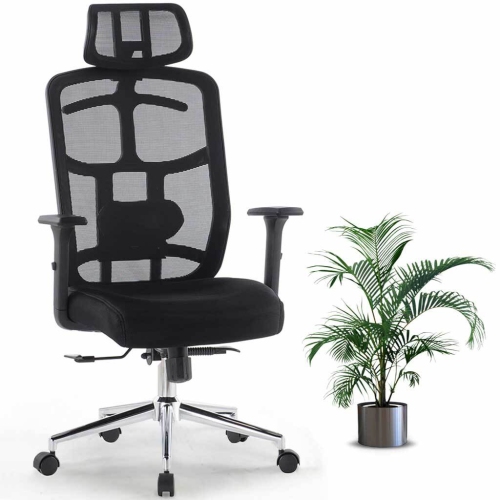 Your price for this item is $129.99
-
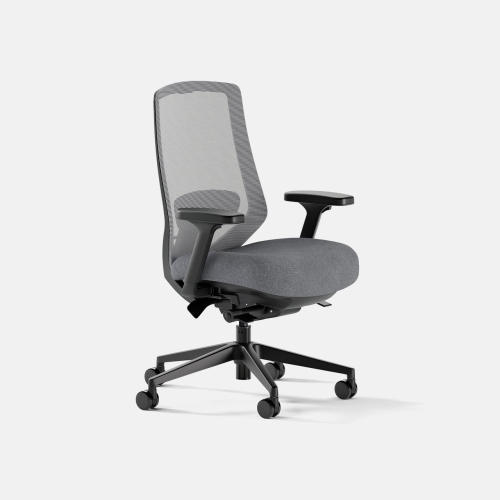 Your price for this item is $539.1
-
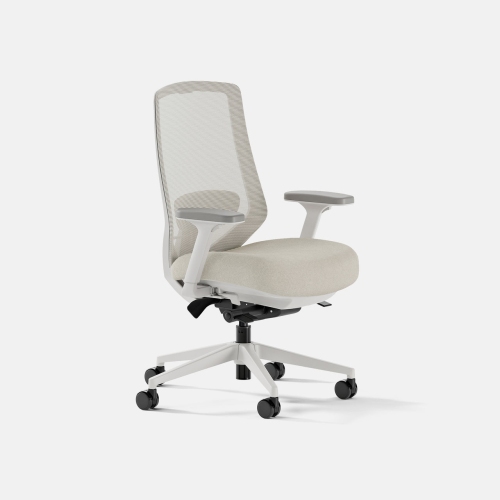 Your price for this item is $539.1
-
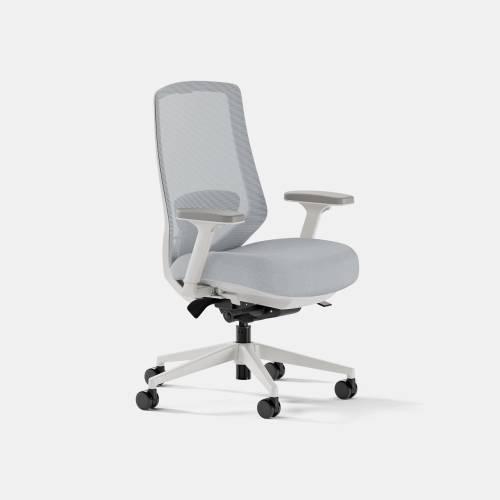 Your price for this item is $539.1
-
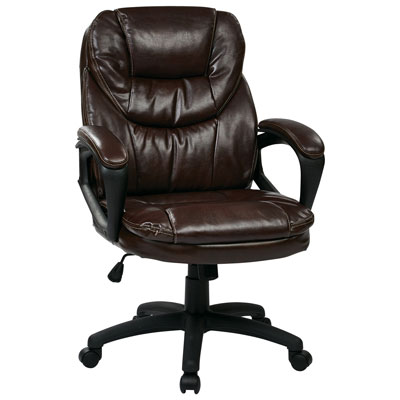 Your price for this item is $459.99
-
 Your price for this item is $343.2
-
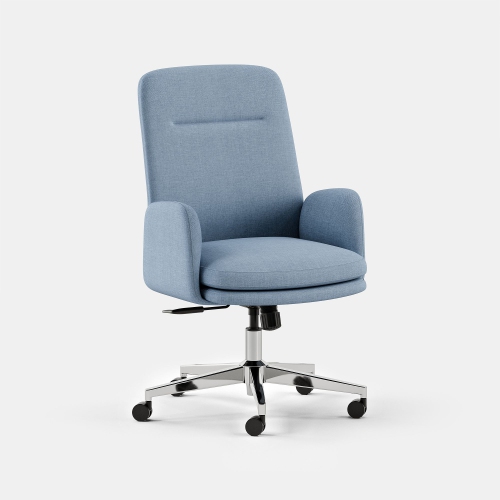 Your price for this item is $343.2
-
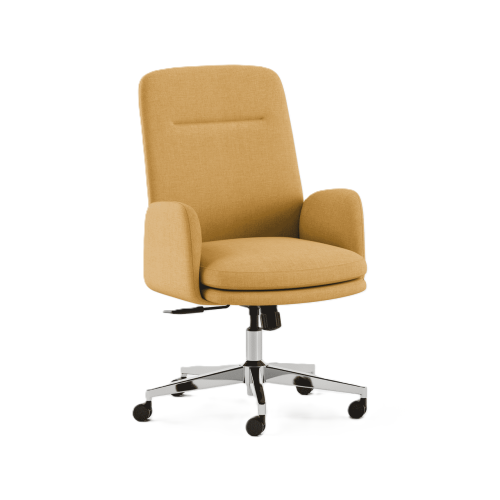 Your price for this item is $343.2
Discover more categories related to Neck Support Chairs
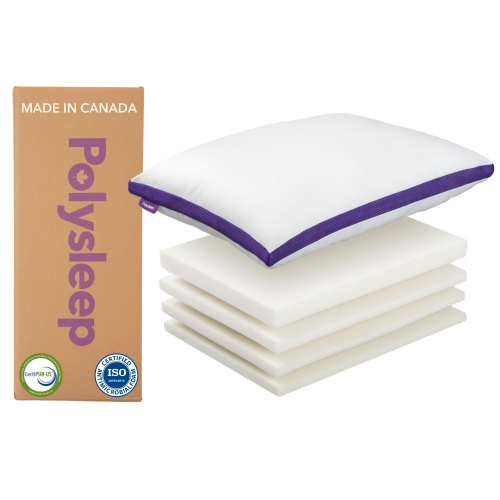
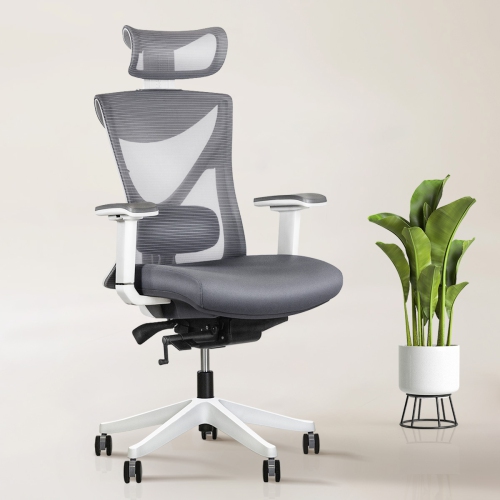
Top Collections:
Best Black Friday Deals This Year, Best Black Friday Deals On Electronics, Kindle Devices, Best Black Friday Deals On Apple Products, Best Budget Office Chairs, Best Cameras for Sports Photography, Dyson Airwrap, Canon G7X Cameras, Best Laptops for Writers, Samsung Galaxy Phones
Some products may be subject to Environmental Handling Fees
(EHF) depending on your province.
Learn more about EHFs.