Neon Lights
Transform any space into a vibrant oasis with neon lights that add a splash of color and personality to your surroundings. Perfect for creating an inviting ambiance, these luminous wonders are ideal for homes, offices, or event settings. Whether you're looking to set the mood for a party or simply brighten up a room, neon lights offer endless possibilities for customization and creativity. Their eye-catching glow not only enhances décor but also brings an element of fun and excitement to any environment. Discover the magic of neon lights and let your imagination shine bright!
Sort



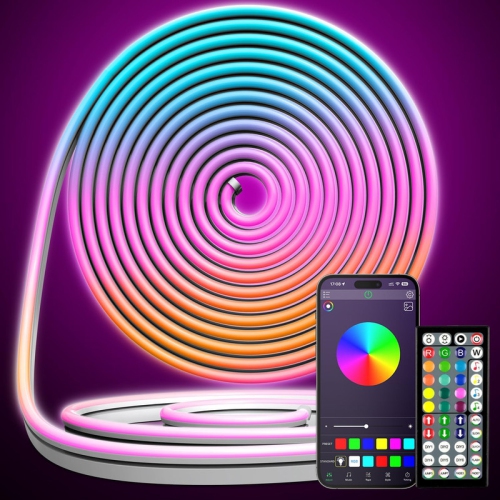
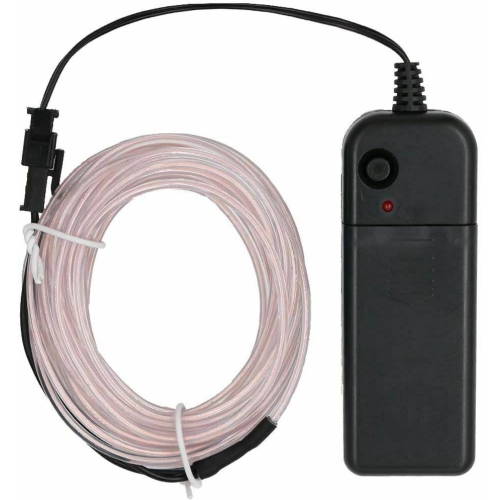
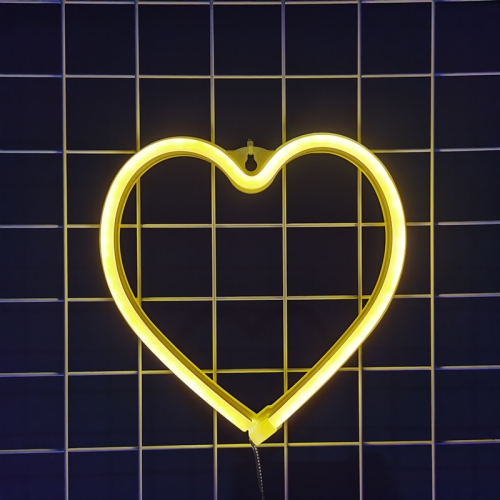
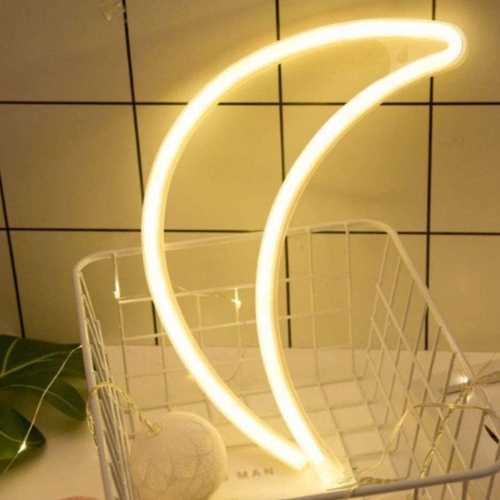



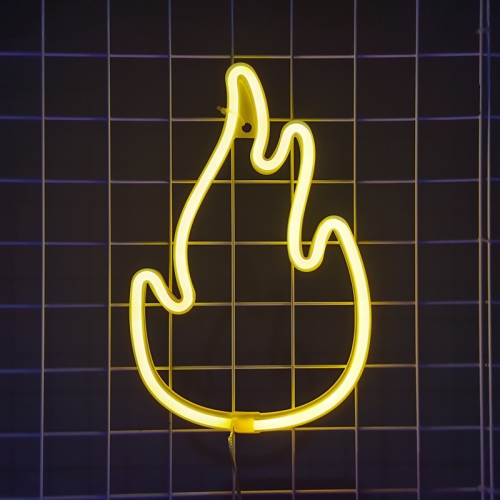

How glowing shapes give a room its character
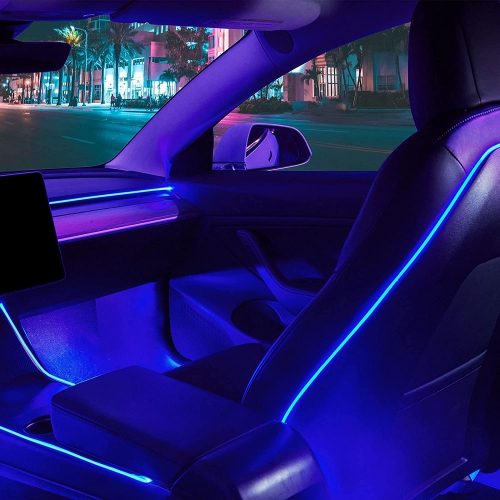
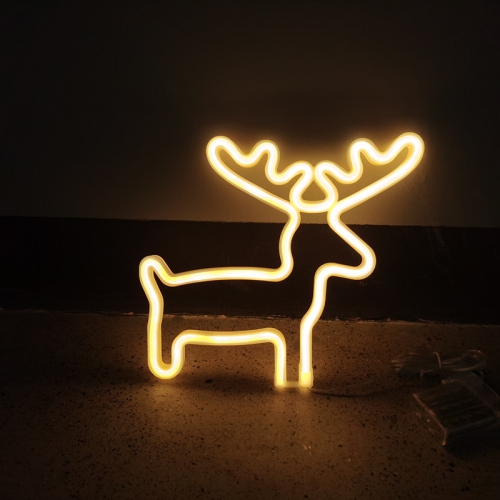
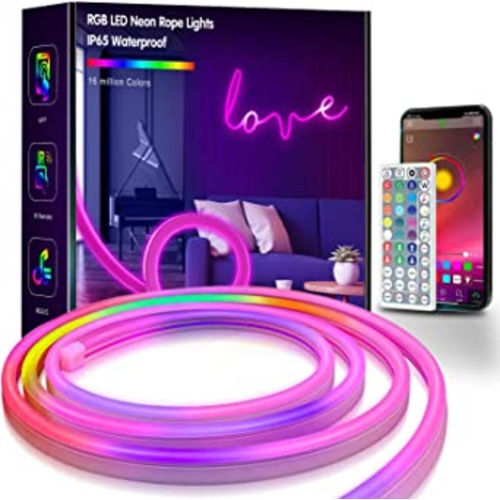
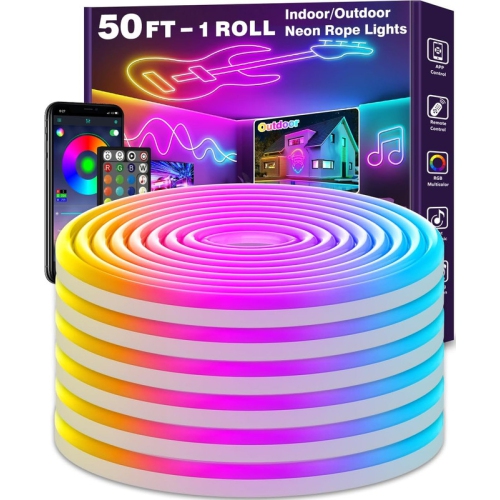
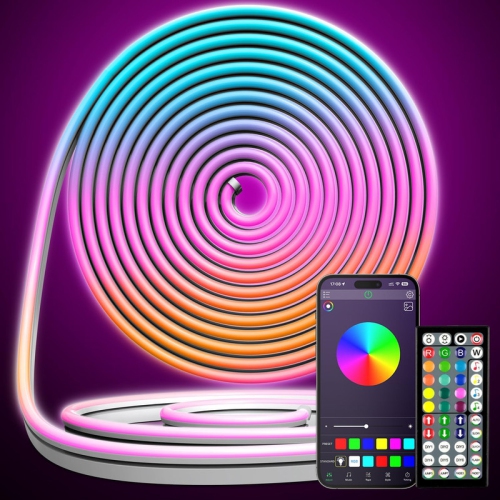
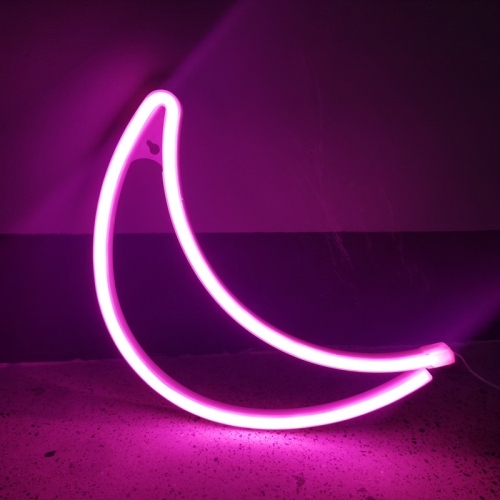
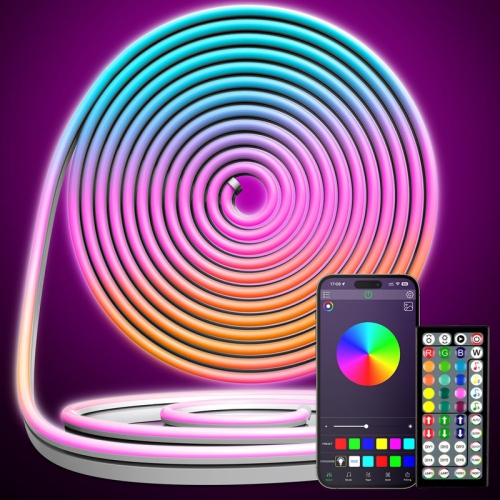
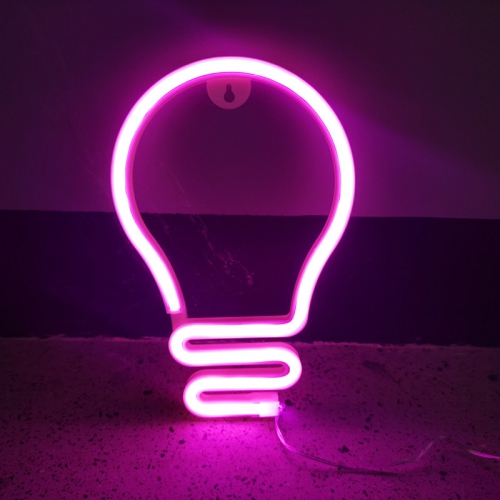
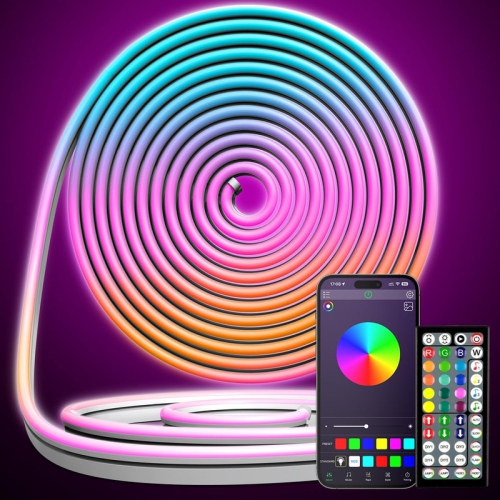
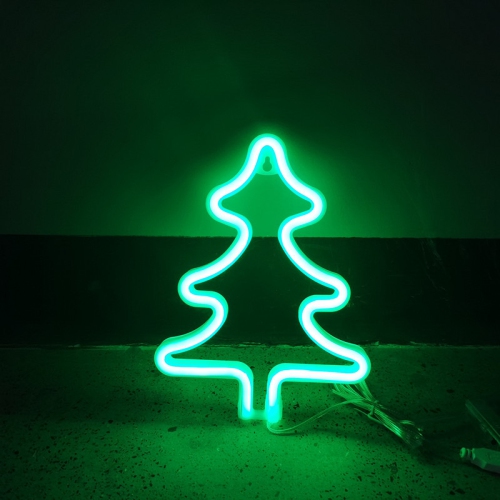
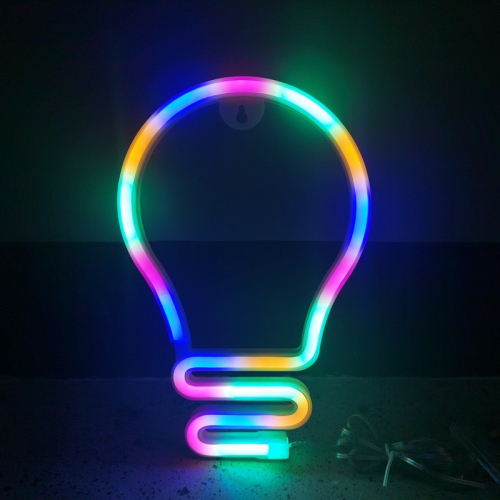
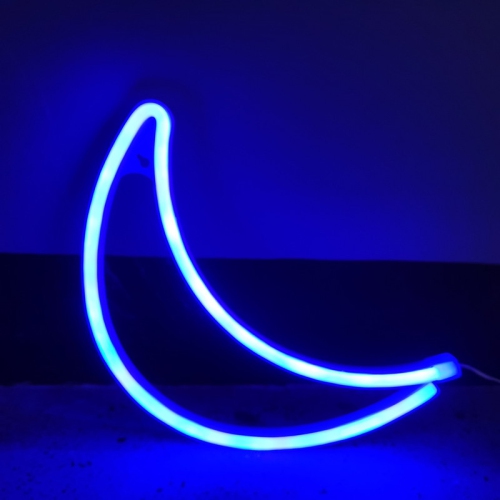
Neon lights are illuminated signs, tubes, and flexible strips used to create a bright, continuous-looking glow for decorative and accent lighting. Traditional neon lights produce light by passing electricity through gas sealed inside glass tubes, while LED neon lights use light-emitting diodes beneath a flexible, light-diffusing cover. Both styles are associated with luminous outlines, expressive lettering, and colours that stand out against the surface behind them. The familiar reddish-orange glow comes from neon gas; other gases and coatings can produce different colours in glass-tube lighting. LED versions create a similar visual effect through a different technology, often allowing compact shapes and lightweight designs suited to home displays. Their appeal extends beyond the classic storefront look: a glowing word above a desk, a simple outline beside a record collection, or a colourful accent behind a gaming setup can give a room a distinct focal point. Unlike overhead lighting, neon-style lighting draws attention to a particular wall, corner, or arrangement. A single shape can introduce a playful detail without changing the rest of the room, while a larger sign can anchor a seating area or bring character to a home entertainment space. Colour makes a noticeable difference to the result. Pink can feel soft or lively depending on its intensity and surroundings, blue can add a crisp visual accent, and warm white can sit comfortably alongside wood furniture and neutral fabrics. For a colour-focused look, Pink Neon Signs bring that glowing effect into spaces ranging from vanity areas to creative studios. A pale wall tends to catch more of the surrounding glow, while a dark wall can make the illuminated shape appear more sharply defined. Nearby mirrors and glossy surfaces may repeat the light, adding depth or creating reflections that deserve consideration. Lettering, symbols, and abstract shapes each offer a different mood, making the design itself just as important as the colour it casts.
Materials and construction affect how neon lights fit into a space and how they should be handled. Traditional glass tubing has a distinctive appearance, but it is fragile and needs secure support and careful handling. LED neon designs commonly use flexible silicone or PVC covers, sometimes attached to an acrylic backing that holds lettering or a detailed outline in place. That backing contributes to the overall dimensions, so the illuminated portion alone does not tell the whole story of how much wall space a sign needs. A wide wordmark may suit the space above a sofa, while a smaller shape may feel better balanced beside a shelving unit or on a desktop. Depth matters, too, especially in a narrow hallway or anywhere a projecting edge could be knocked. Mounting arrangements vary: some designs are intended for hanging, others attach to a wall, and some are made to stand on a flat surface. The appropriate hardware depends on the weight of the light and the wall material, with drywall, brick, and wood each requiring suitable fixings. A secure installation should support the complete assembly without placing strain on the tubing, backing, or power cable. Access to an outlet also shapes placement. Cable length, the location of an inline switch, and space for a power adapter can determine whether an otherwise appealing arrangement is practical. A light centred over a desk looks tidier when its cable has a clear route that does not cross drawers or become pinched behind furniture. Power requirements are specific to the design, and a replacement adapter must match the manufacturer's electrical requirements rather than simply fit the connector. Outdoor use requires explicit suitability for that purpose, including the light, its connections, and its power supply. An indoor decorative light is not made suitable for a patio simply by placing it beneath a roof. These details help distinguish a light that looks attractive in a photograph from one that fits comfortably into everyday use.
Brightness and controls influence how enjoyable neon lights are once they become part of a room. Decorative lighting is generally intended to add atmosphere rather than replace the task lighting needed for reading, studying, or preparing food. Near a computer monitor or television, a strong glow can create distracting reflections, while a gentler setting may provide an appealing accent around the screen area. Dimming, timers, remote controls, and colour adjustment are features that vary by design, rather than standard characteristics of every neon light. Where dimming is supported, it can make the same sign feel lively during a gathering and less prominent during a film. In a bedroom, an accessible switch or timer can be more useful than elaborate lighting effects, particularly for someone who prefers darkness when sleeping. For gaming spaces, music rooms, and creative work areas, a recognizable shape or short phrase can express an interest without taking up valuable shelf space. Neon lights can also make thoughtful birthday, graduation, or housewarming gifts when the design reflects the recipient's tastes and there is a suitable place to display it. Size, access to power, and permission to mount something on the wall matter as much as the message, especially in a shared home or rental. In children's rooms, decorative lights need secure installation and cords kept out of reach; they should not be treated as toys. Everyday care is usually straightforward but should follow the manufacturer's directions. Disconnecting power before cleaning, using a soft cloth, and avoiding abrasive cleaners help protect covers and backing surfaces. Moisture should be kept away from electrical connections, and flexible sections should not be bent beyond their stated limits. Glass-tube lighting requires particular care, with damage or electrical faults left to qualified service professionals. Secure mounting, suitable power connections, and gentle cleaning help preserve the appearance and dependable operation of neon lights, allowing their colour and shape to remain the focus.
Top selling and popular products
-
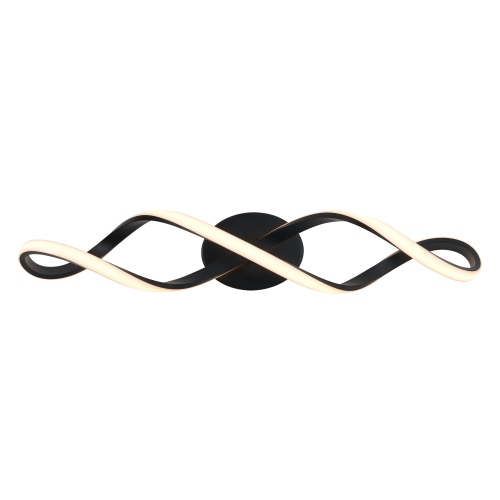 Your price for this item is $79.99
-
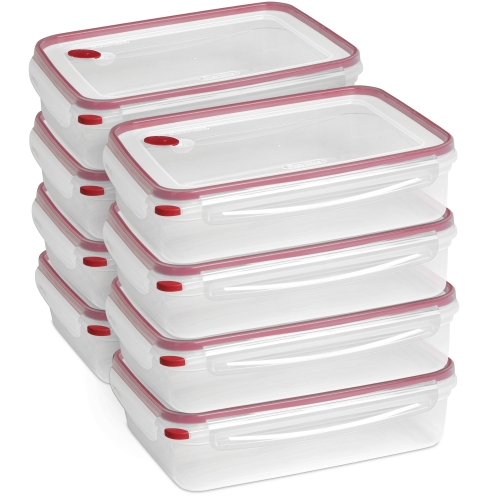 Your price for this item is $299.99
-
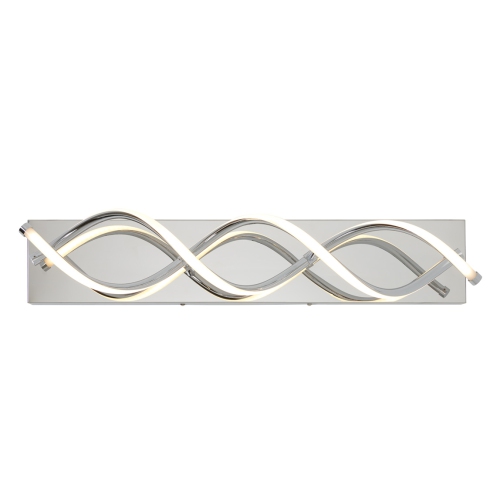 Your price for this item is $169.99
-
 Your price for this item is $159
-
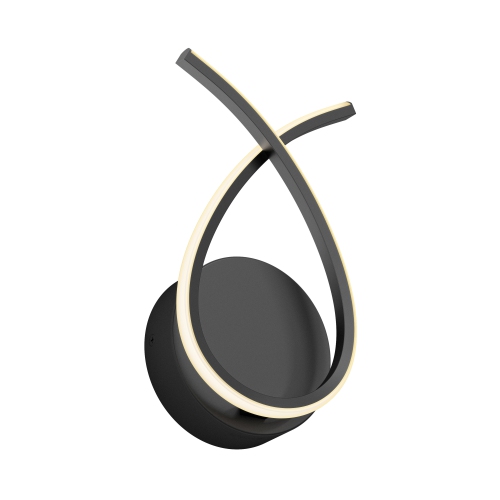 Your price for this item is $49.99
-
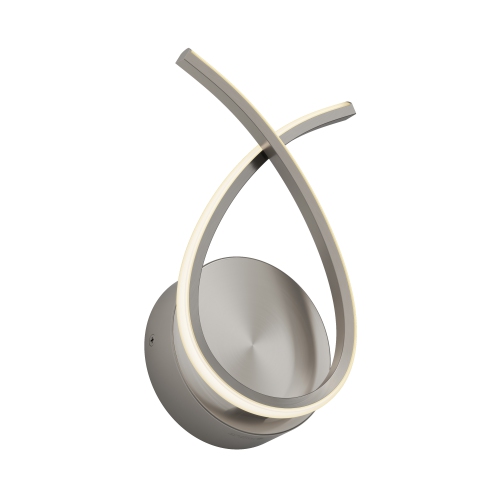 Your price for this item is $59.99
-
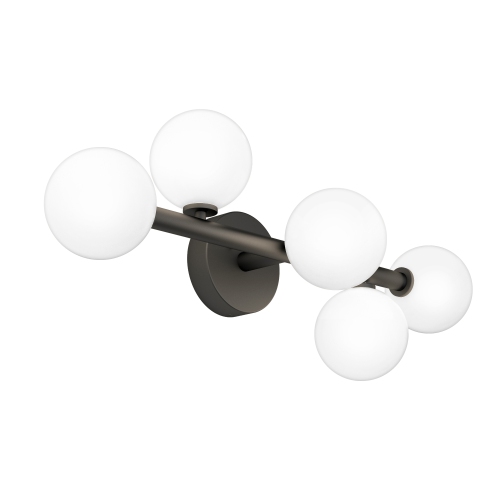 Your price for this item is $139
-
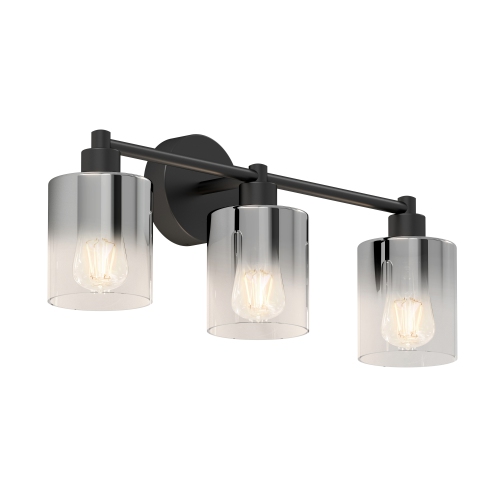 Your price for this item is $129.99
Discover more categories related to Neon Lights


Top Collections:
Best Black Friday Deals This Year, Best Black Friday Deals On Electronics, Kindle Devices, Best Black Friday Deals On Apple Products, Best Budget Office Chairs, Best Cameras for Sports Photography, Dyson Airwrap, Canon G7X Cameras, Best Laptops for Writers, Samsung Galaxy Phones
Some products may be subject to Environmental Handling Fees
(EHF) depending on your province.
Learn more about EHFs.