Warm Neutral Area Rugs
Warm Neutral Area Rugs bring timeless elegance and inviting comfort to any room. These versatile rugs effortlessly complement a variety of décor styles, making them a popular choice for living rooms, bedrooms, and more. With their soothing tones and classic appeal, Warm Neutral Area Rugs create a cozy atmosphere while enhancing the overall look of your space. Discover options that blend seamlessly with your furniture and personal style, helping you achieve a balanced and harmonious home environment.
Sort
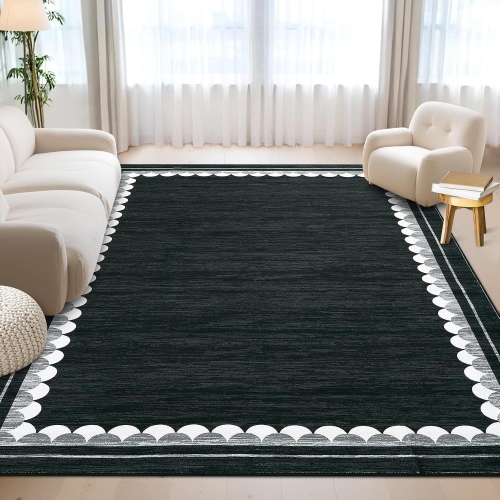
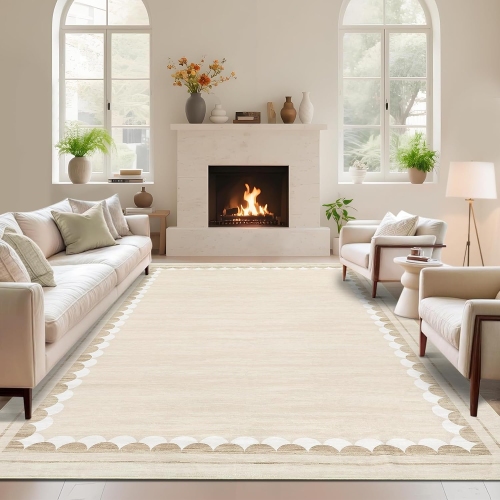
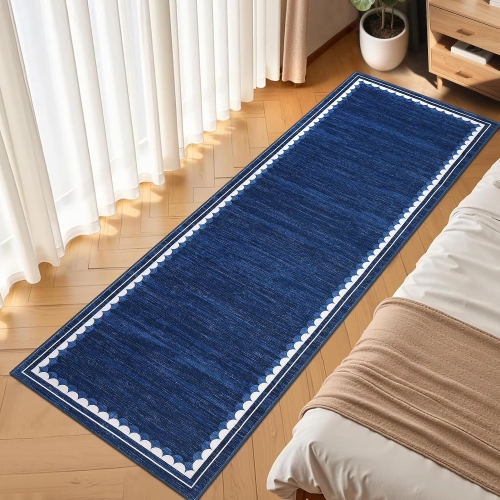
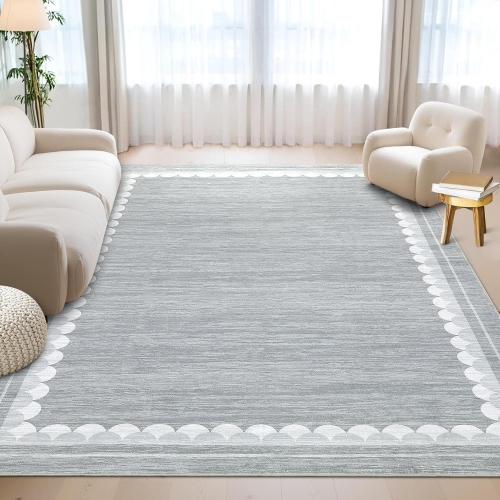
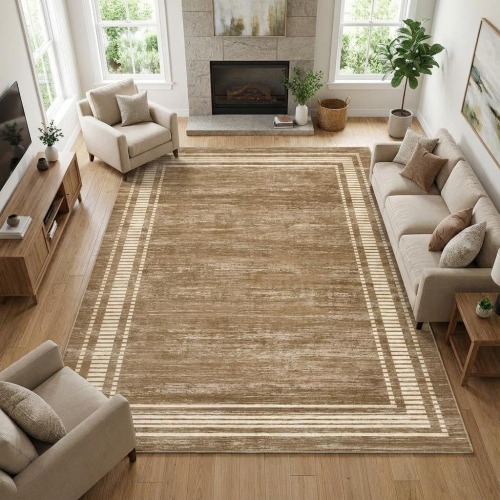
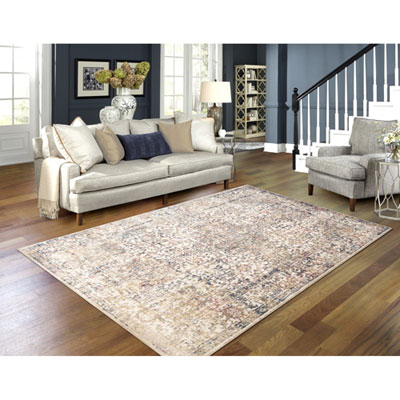
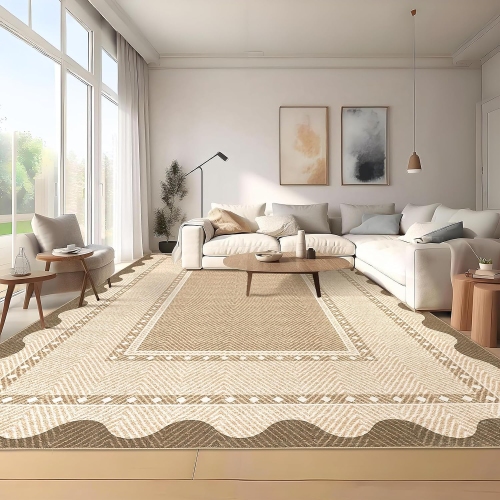
How warm undertones help a room feel connected
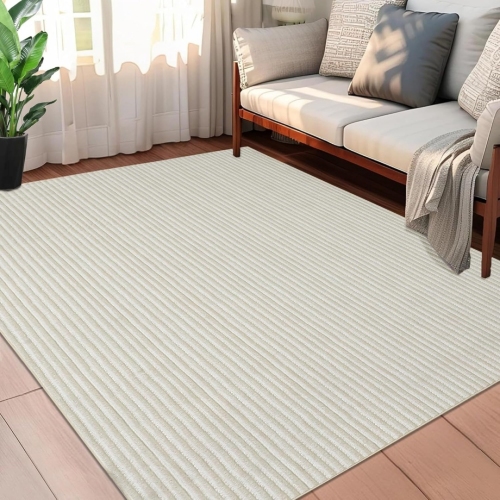
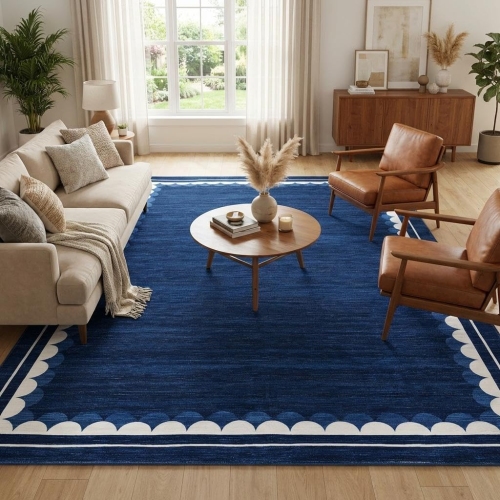
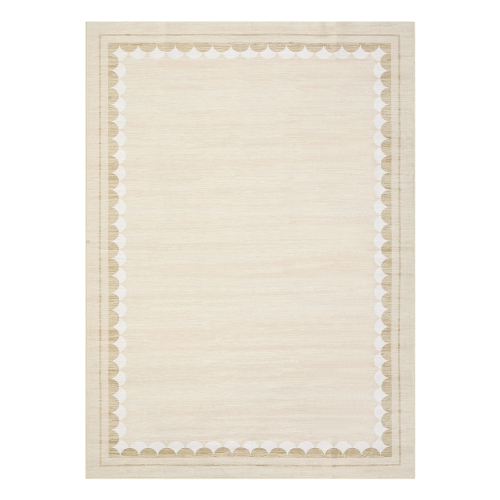
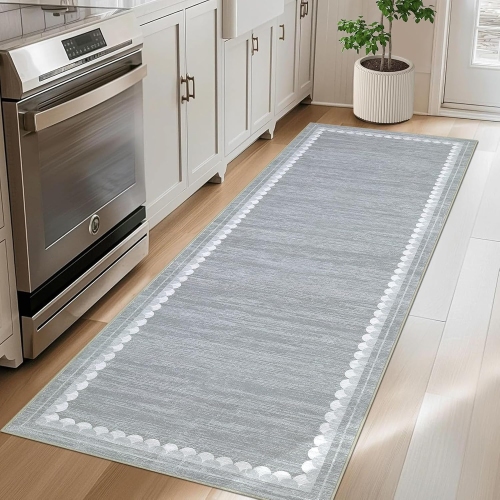
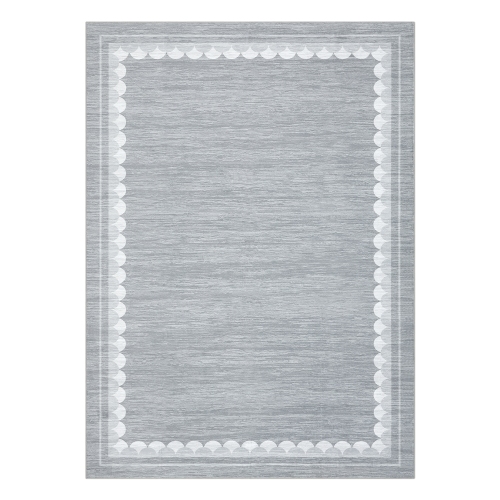
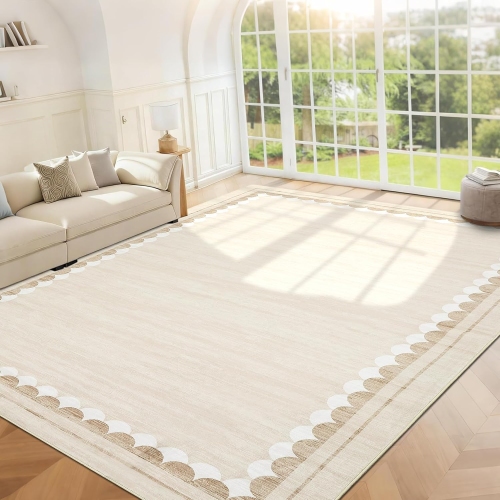
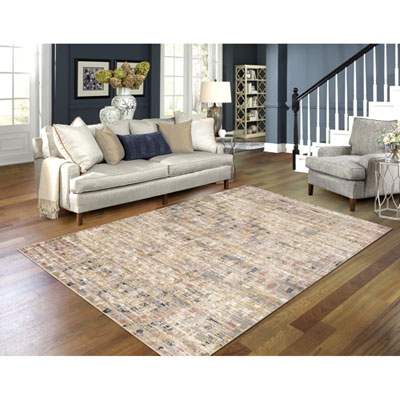
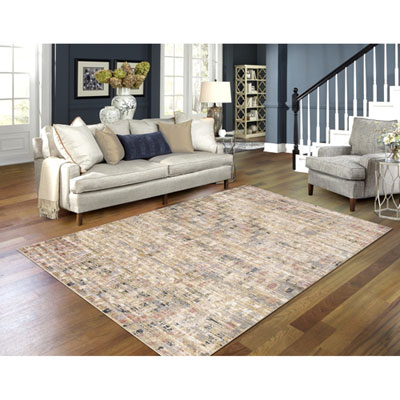
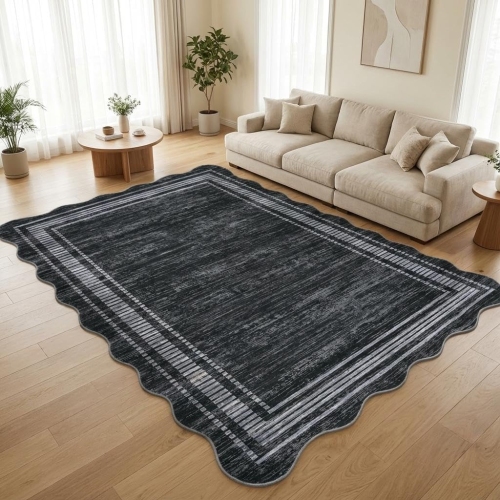
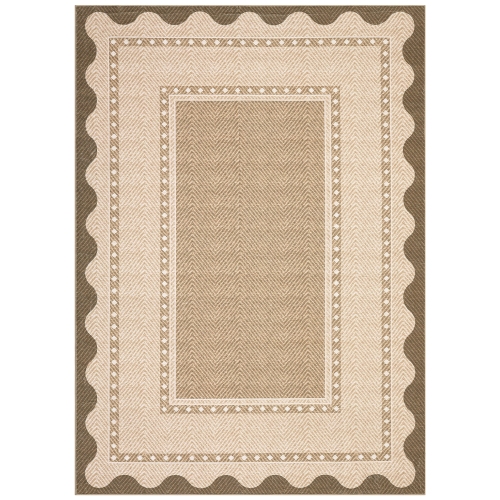
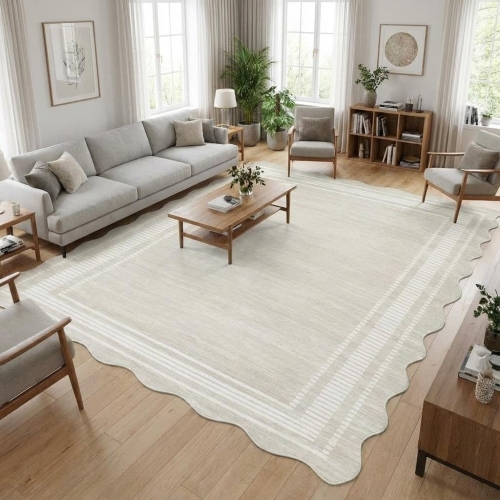
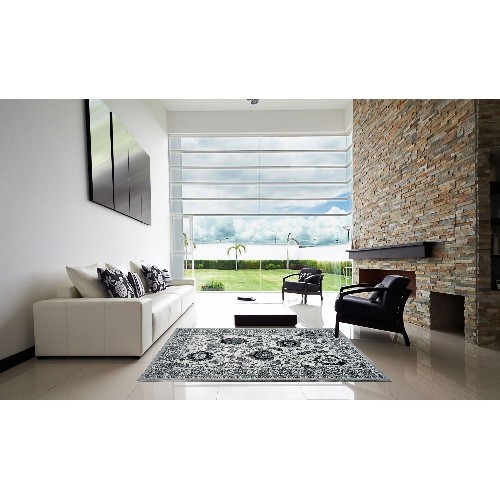
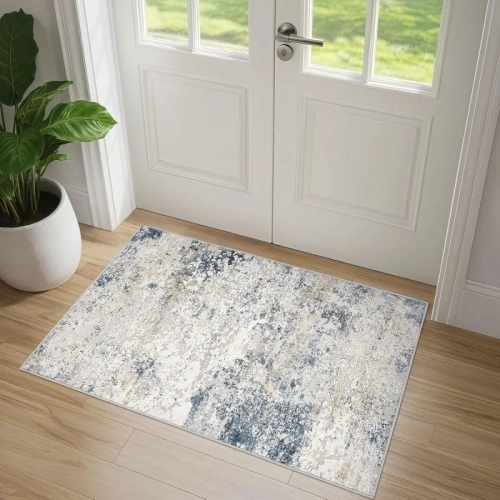
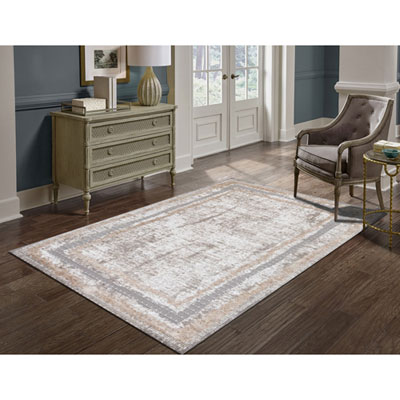
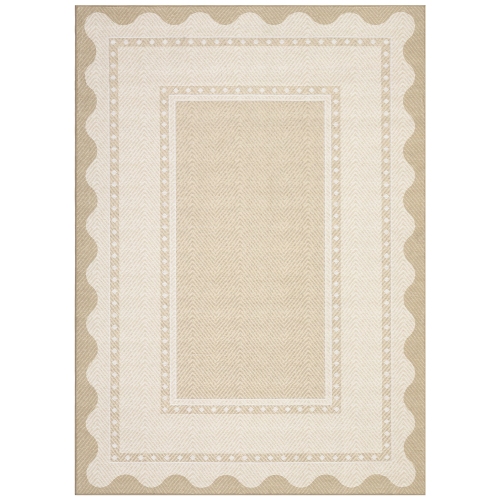
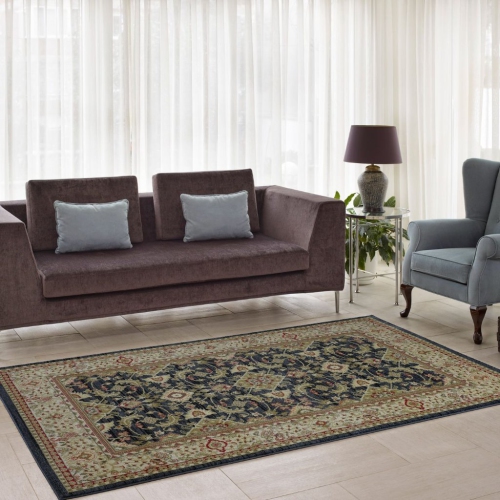
Warm neutral area rugs bring together soft earth tones such as ivory, cream, oatmeal, beige, warm taupe, and camel to give a room a comfortable, grounded look. Their warmth comes from subtle yellow, pink, or brown undertones rather than the blue undertones often found in cooler greys. That distinction can make a difference beside a honey-coloured wood floor, a cognac leather chair, or a cream sofa. An oatmeal rug with a little tonal variation can soften the contrast between dark furniture and pale walls, while a deeper sand or camel shade can add definition to a room furnished mostly in white. Neutral does not have to mean plain: woven stripes, subtle geometric shapes, faded motifs, and raised textures create interest without making the floor the strongest visual feature. A softly mottled surface can also make everyday lint and small marks less noticeable than a completely uniform field of ivory. For an understated, timeworn look, Neutral Vintage Area Rugs offer a related style direction, with muted patterns that can sit comfortably alongside both traditional and contemporary furniture. The right balance depends on the room’s existing finishes. A textured cream rug can bring depth to smooth cabinetry and simple upholstered seating, whereas a quiet, flat surface gives patterned cushions and richly grained wood more room to stand out. In an open-plan space, similar neutral tones can connect a seating area and dining area without requiring matching patterns. Natural and artificial light also change how these shades appear: a beige that looks creamy beside a window may read more golden under a lamp. Looking at the dominant undertone alongside flooring, upholstery, and curtains helps create a cohesive result rather than a room in which several nearly matching colours seem slightly at odds. A little variation is often useful, especially when it repeats a colour already present in wood, artwork, or upholstery.
Material and construction shape how a warm neutral rug feels underfoot and how well it suits everyday use. Wool offers a resilient pile and a soft, substantial feel, making it appealing for living rooms and bedrooms where comfort matters. Some shedding is normal, particularly when a wool rug is new, and its cleaning requirements deserve attention before it goes into a busy family space. Cotton rugs are often lighter and more flexible, with a relaxed appearance that works well in casual rooms; whether they can be machine washed depends on their backing, construction, dimensions, and care label. Polypropylene and polyester are common synthetic options, with performance varying by fibre, weave, and finish. Polypropylene generally resists moisture absorption, while polyester can provide a soft feel and clear colour definition, but neither makes a rug immune to stains or wear. Jute and sisal bring visible fibre variation and a tactile, woven surface to beige and sandy palettes. They tend to feel firmer than plush pile and need protection from excessive moisture, so their suitability depends on the household and placement. Viscose can add a delicate sheen, although it is more sensitive to spills and may be better suited to areas with lighter use. Pile height is just as important as fibre. A low-pile or flatwoven rug usually allows dining chairs to move more easily and can be simpler to vacuum around furniture. A deeper pile offers a cushioned feel beside a bed or in a reading corner, but can hold more debris and interfere with doors that have limited clearance. Homes with pets may benefit from a close, dense surface rather than loose loops that claws can catch. For a child’s play area, a soft surface, secure placement, and manageable cleaning requirements are practical priorities. Where mobility aids or frequent foot traffic are part of daily life, a stable, low-profile rug with edges that lie flat can be more suitable than a thick, loosely placed design.
Size and placement determine whether an area rug feels like part of the room or a small patch beneath the furniture. In a living room, a rug large enough to sit beneath at least the front legs of the main seating pieces helps connect the arrangement, while keeping it centred only under a coffee table can leave the surrounding chairs looking detached. In a dining space, enough rug should extend beyond the tabletop for chairs to remain on it when pulled out for sitting. The allowance needed depends on the table and chairs, so measuring their actual footprint is more useful than relying on the table dimensions alone. Beside a bed, the most useful coverage is where feet land when getting in and out; a larger rug beneath the lower portion of the bed creates a different effect from separate rugs along either side. Door swings, floor vents, walkways, and furniture legs all deserve space in the layout. A rug pad matched to the rug and the flooring can help reduce shifting, add cushioning, and limit rubbing against the floor, provided it is approved for that surface. Care then becomes part of keeping pale, warm-toned fibres looking their best. Regular vacuuming with a setting appropriate to the pile removes dry grit before it settles deeply, and rotating the rug periodically helps distribute foot traffic and light exposure. Spills are best blotted promptly with a clean cloth rather than scrubbed, which can spread the mark or disturb the fibres. Cleaning solutions should follow the manufacturer’s directions and be tested in an inconspicuous area. A washable label is useful only when the rug also fits the washing machine’s capacity and can be dried as directed. For larger or delicate constructions, professional cleaning may be the more suitable option. These practical details matter as much as colour: a rug that fits the room, feels comfortable in daily use, and suits the household’s cleaning routine is more likely to remain a well-used part of the space.
Top selling and popular products
-
 Your price for this item is $130.55
-
 Your price for this item is $129.15
-
 Your price for this item is $130.55
-
 Your price for this item is $129.15
-
 Your price for this item is $129.15
-
 Your price for this item is $130.55
-
 Your price for this item is $144.99
-
 Your price for this item is $103.99
Discover more categories related to Warm Neutral Area Rugs
Top Collections:
Best Black Friday Deals This Year, Best Black Friday Deals On Electronics, Kindle Devices, Dyson Airwrap, Best Cameras for Sports Photography, Best Budget Office Chairs, Canon G7X Cameras, PS5 Pro Consoles, Best Black Friday Deals On Apple Products, XBOX One S Consoles
Some products may be subject to Environmental Handling Fees
(EHF) depending on your province.
Learn more about EHFs.