Non Stick Aluminum Pans
Upgrade your cooking game with non-stick aluminum pans. These versatile kitchen essentials offer a seamless cooking experience, allowing you to effortlessly whip up your favorite dishes without worrying about food sticking to the surface. Whether you're sautéing vegetables, frying eggs, or searing meat, these non-stick wonders make cooking a breeze. They also boast a sturdy construction, with aluminum providing excellent heat conduction to ensure even cooking.
Sort


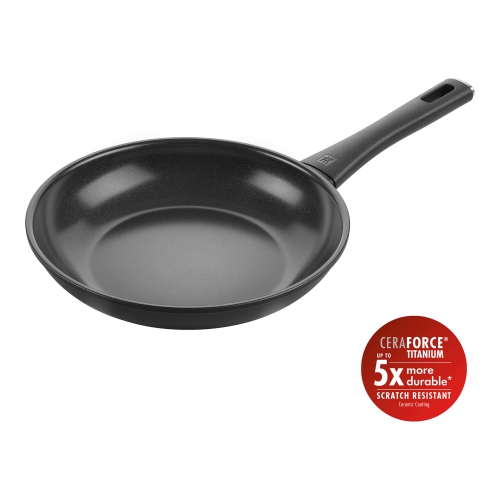

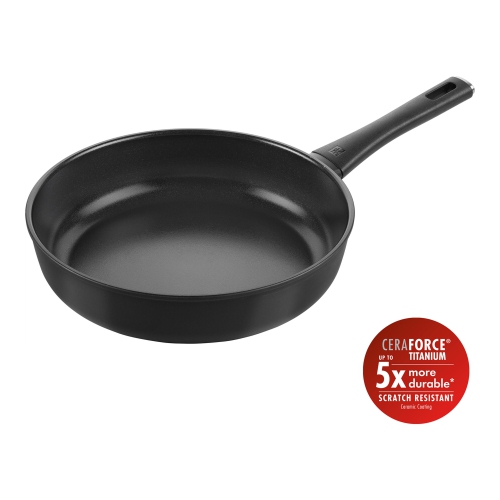


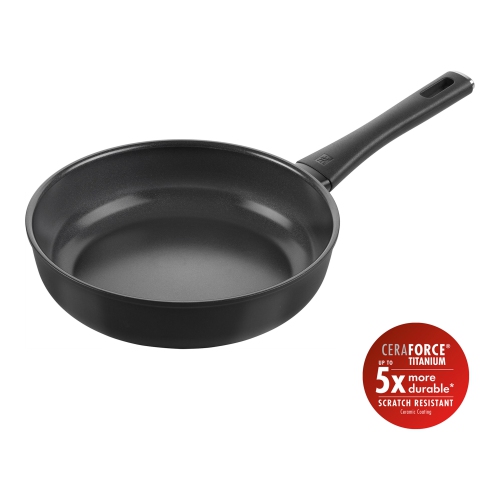
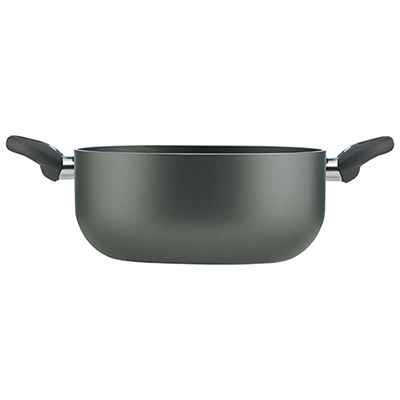
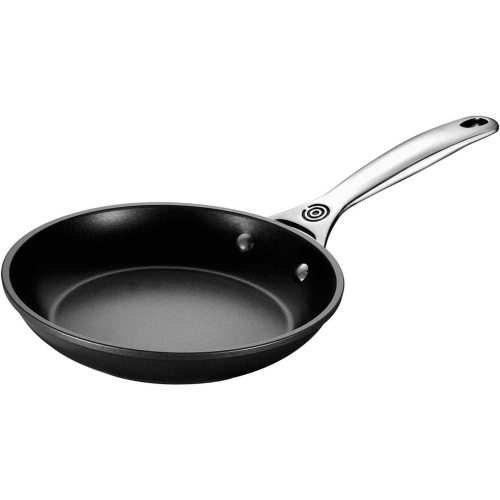
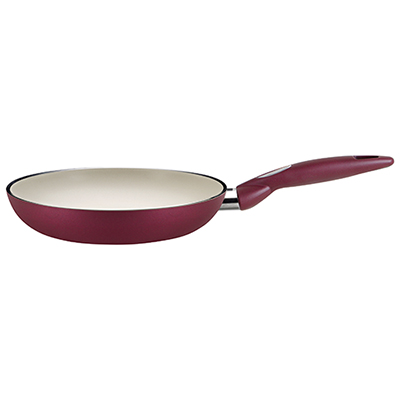

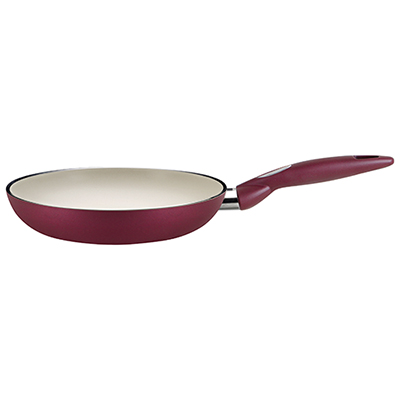

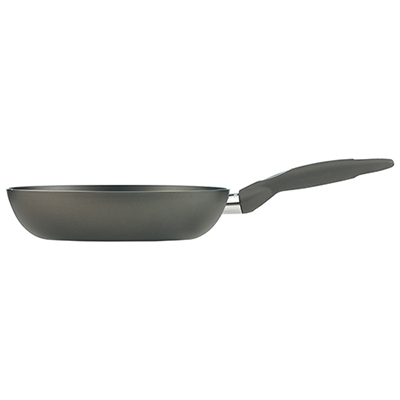
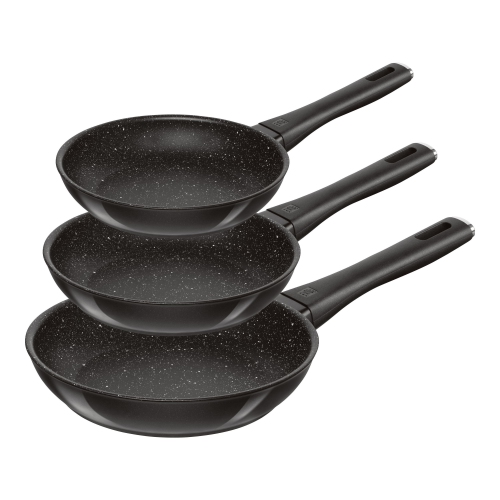

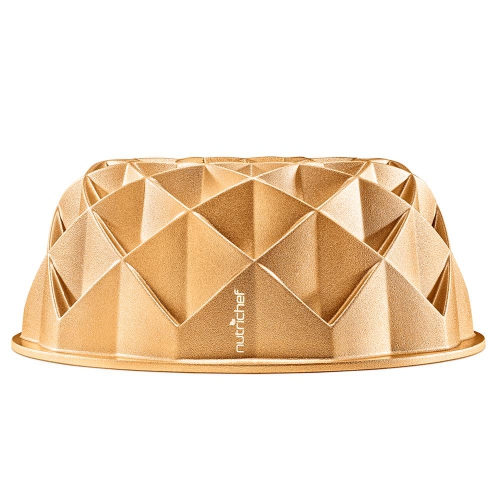

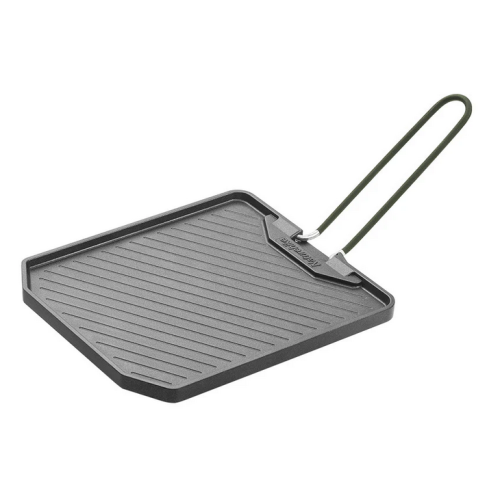
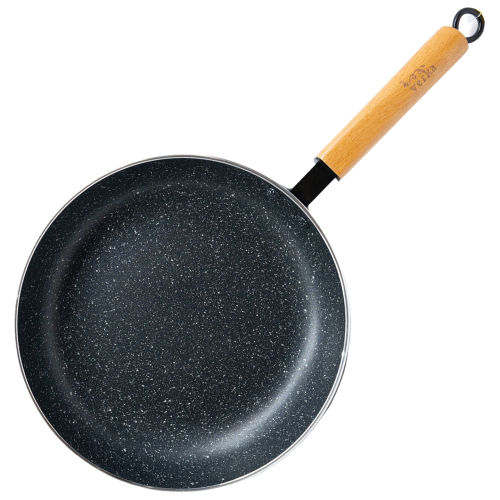

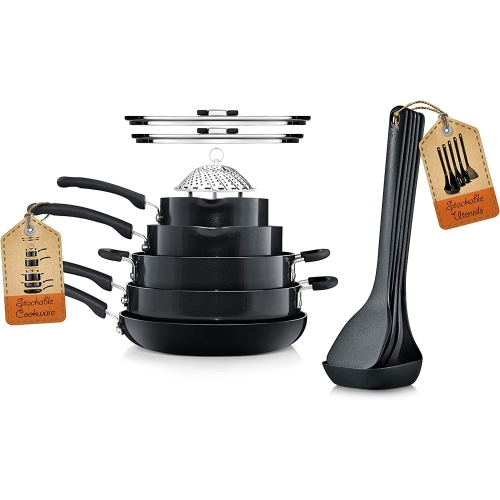


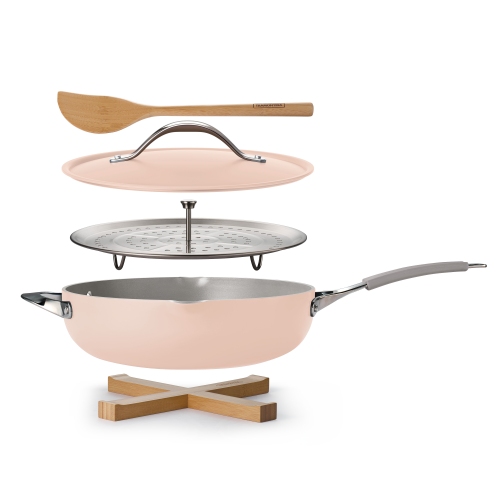


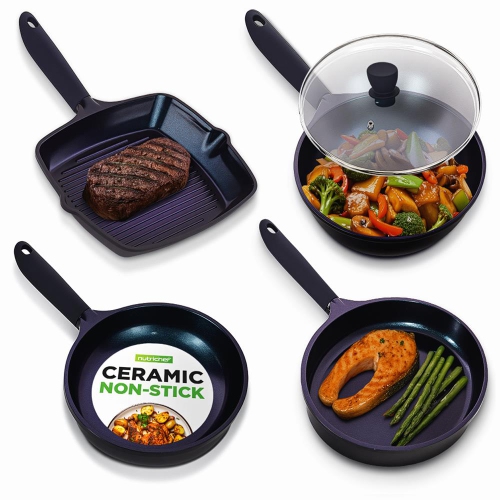
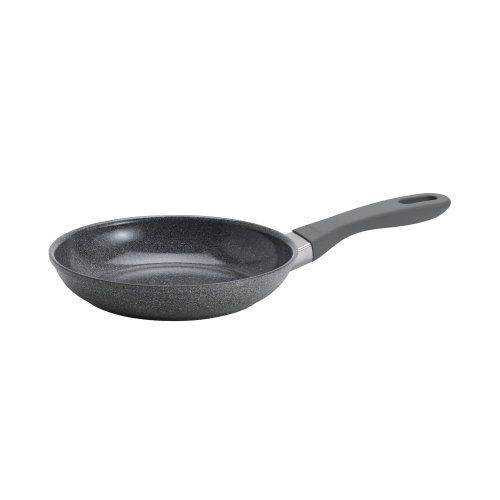
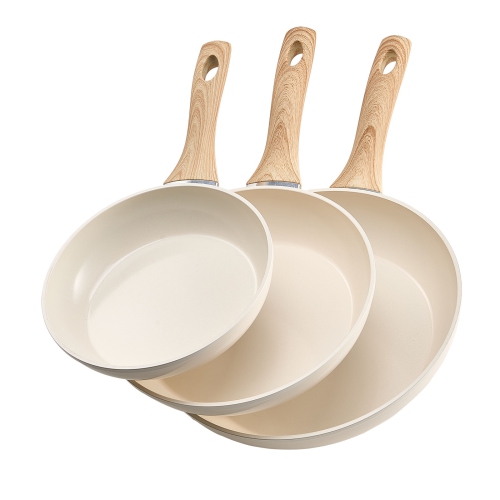


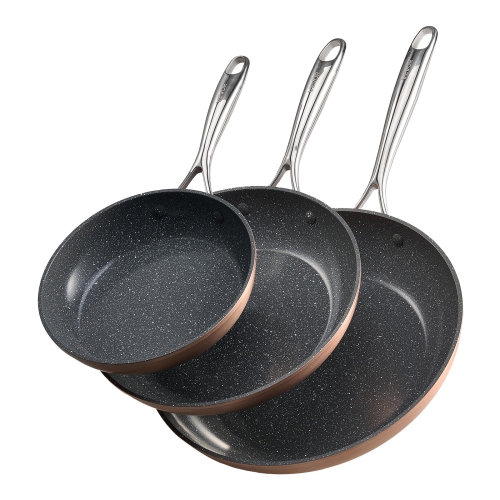


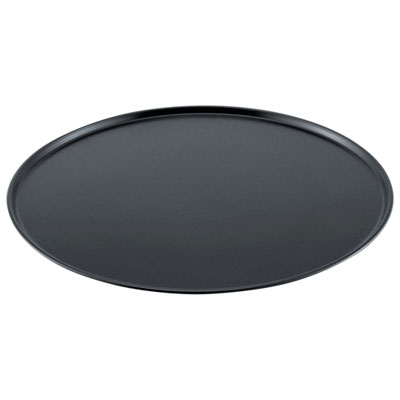
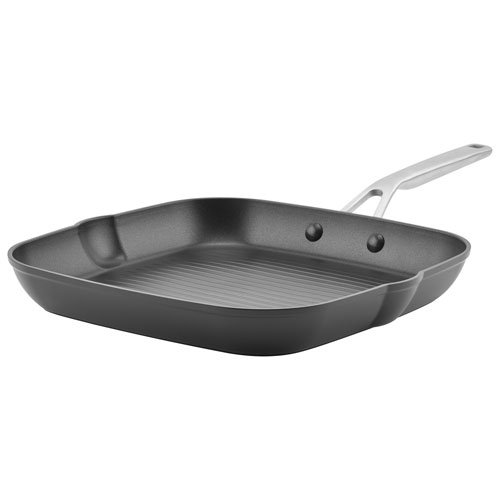

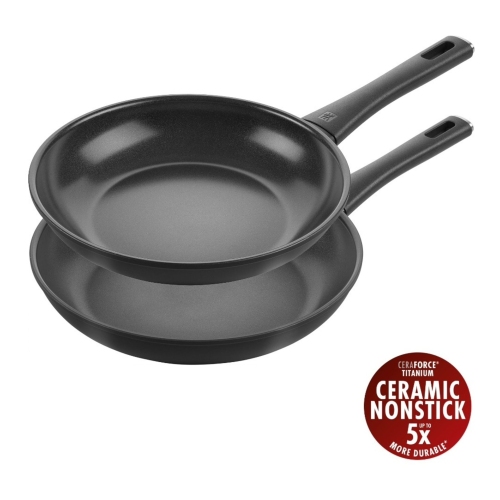

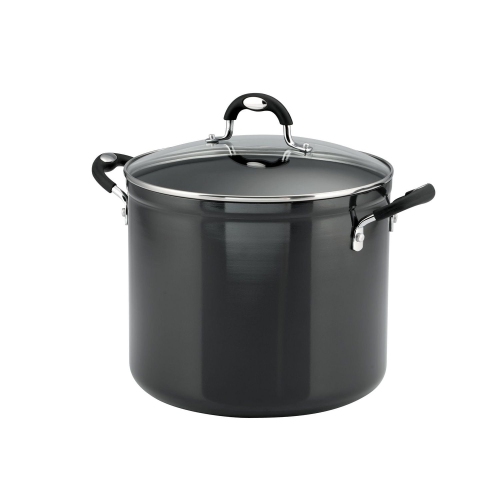

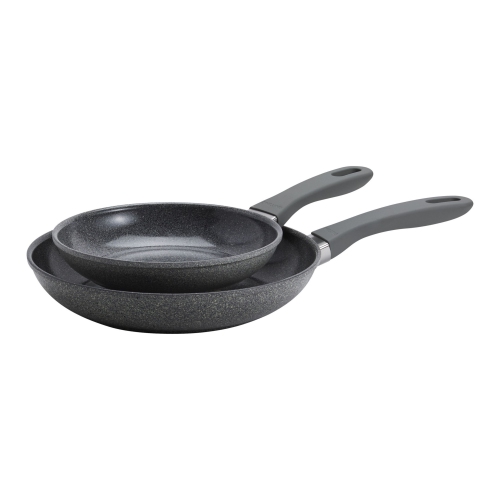
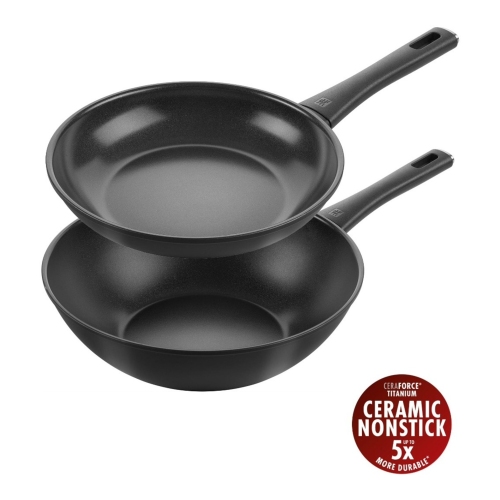
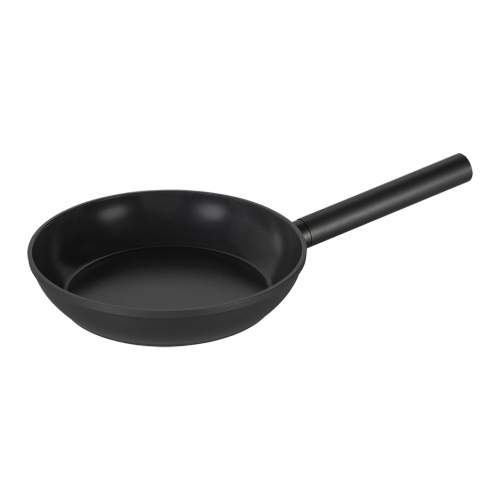
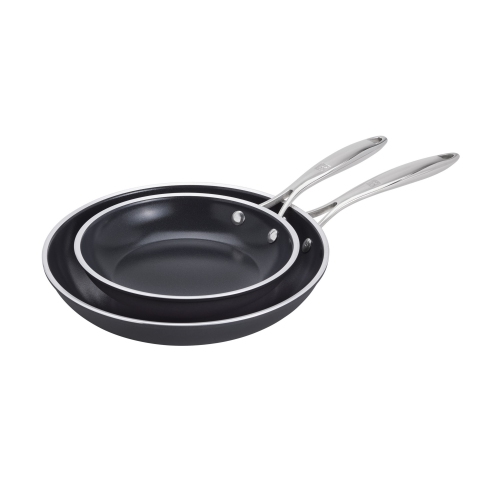
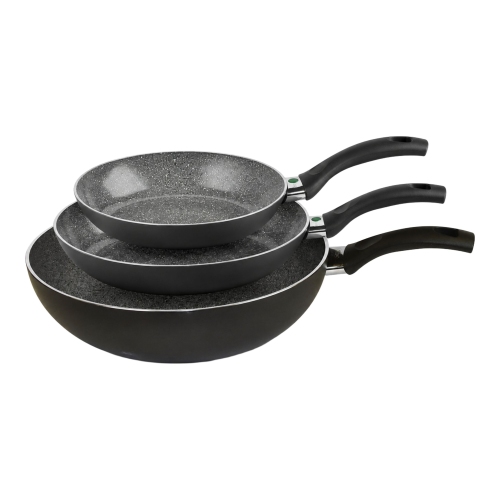

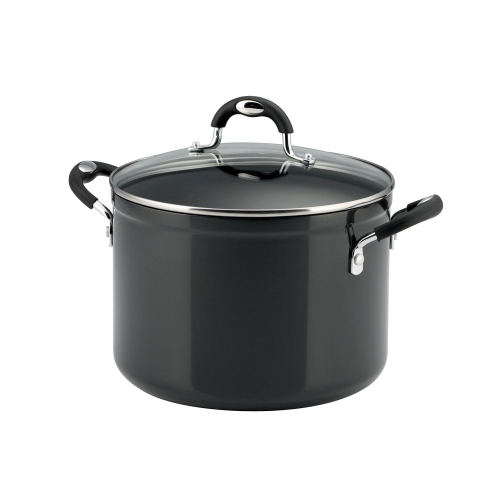


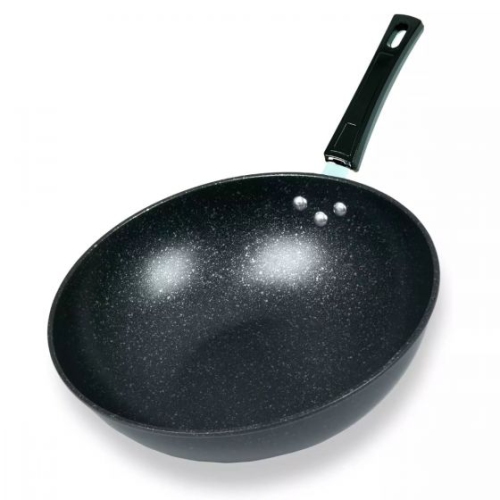
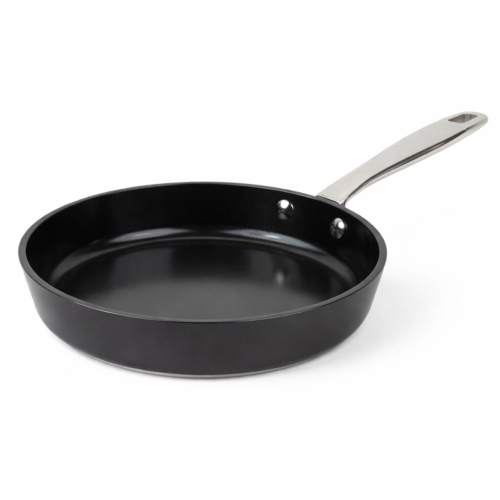
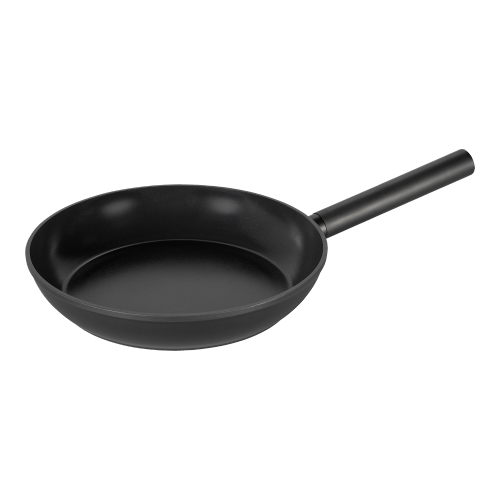


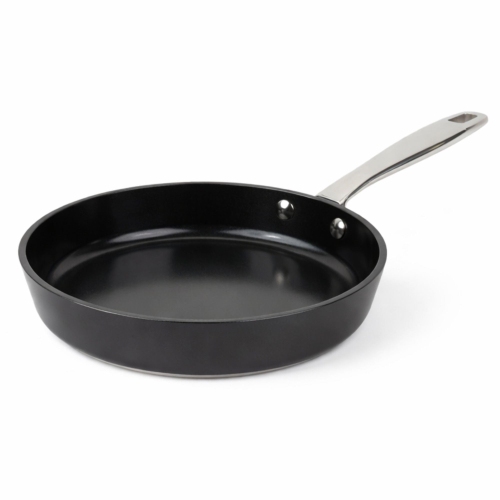

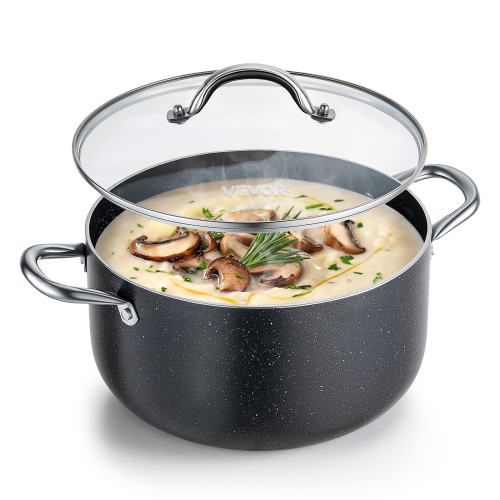

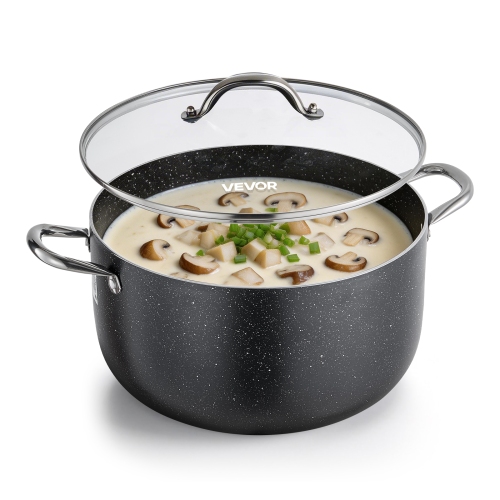

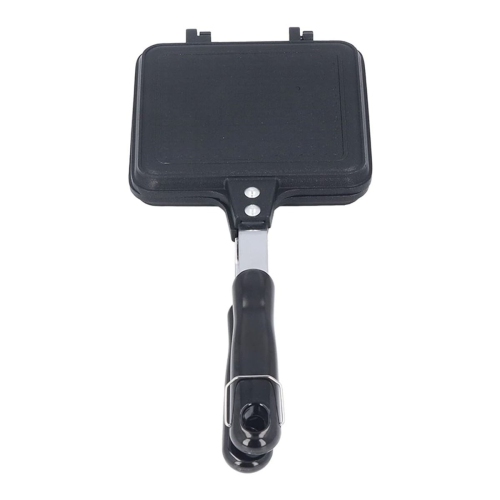





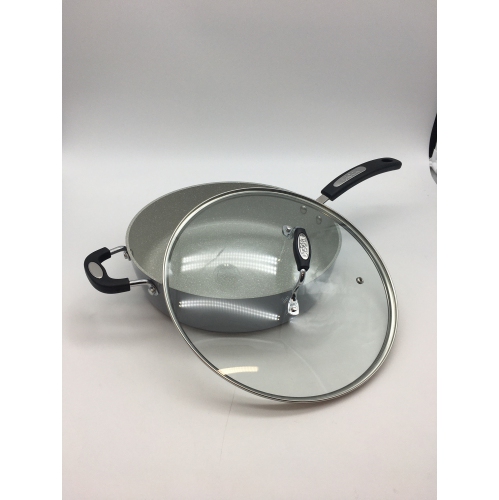
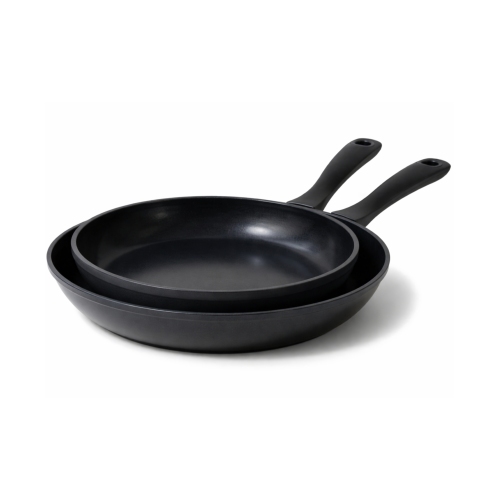


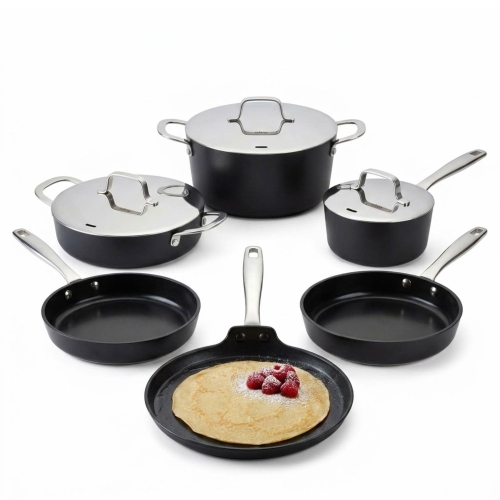

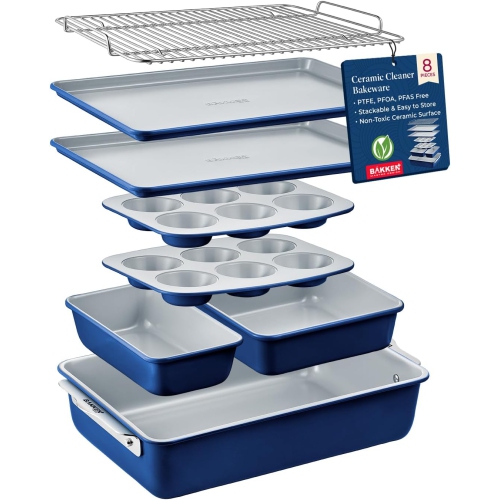
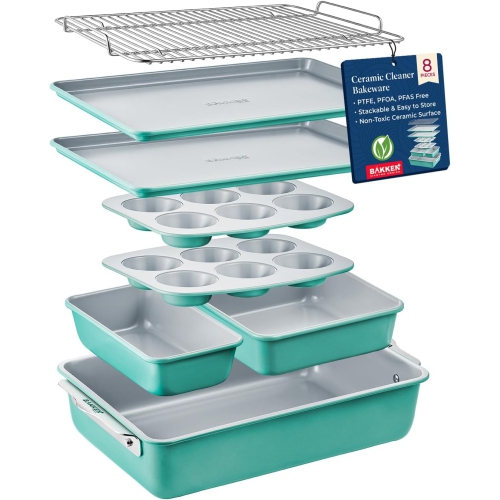
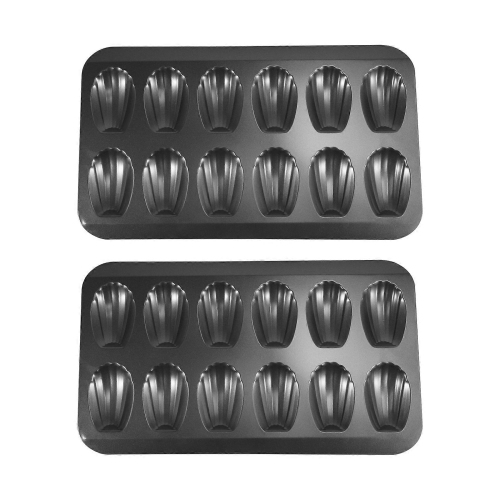


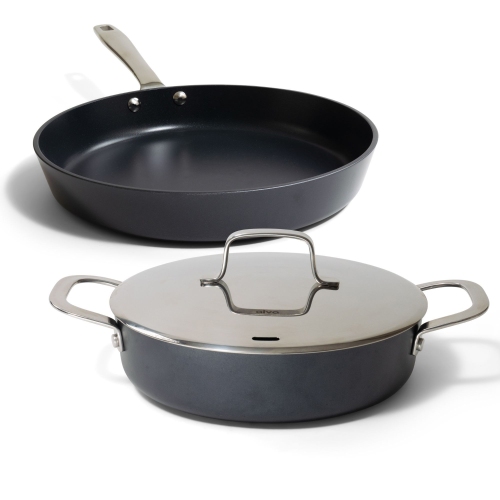

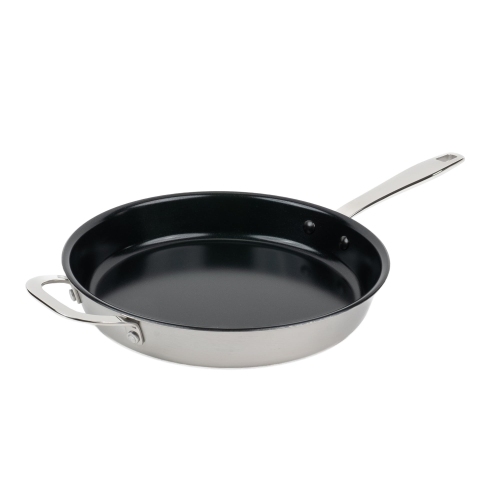


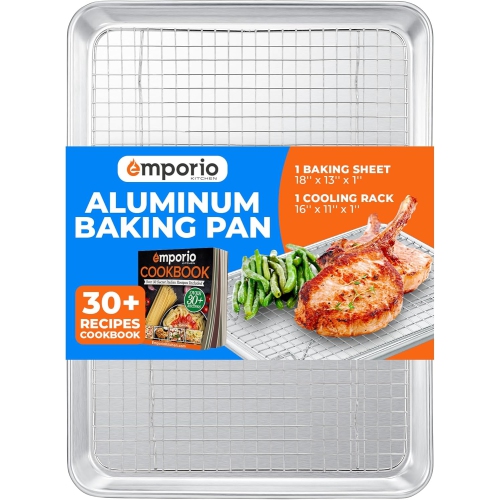

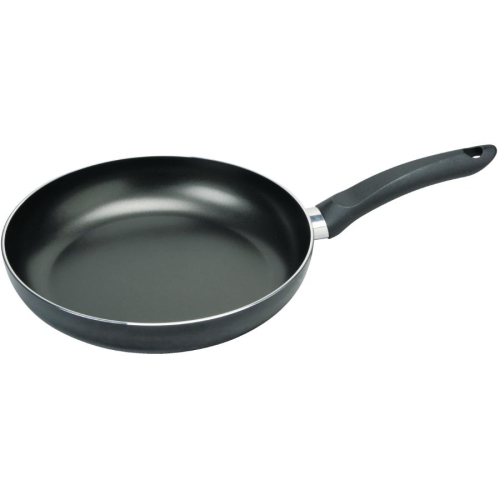
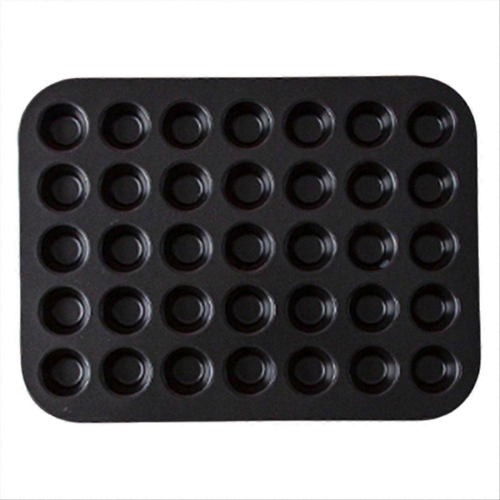
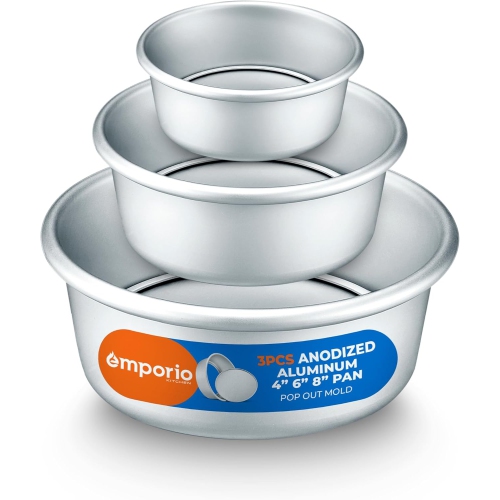



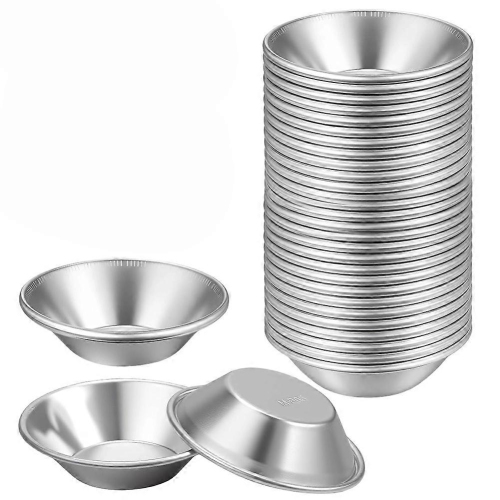

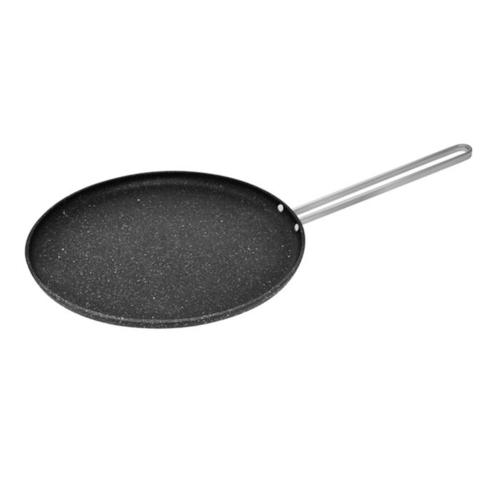
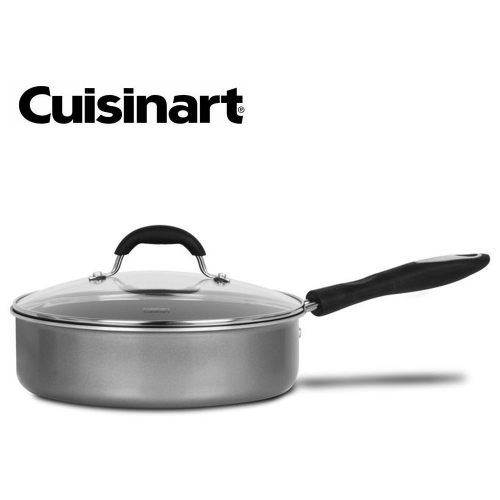
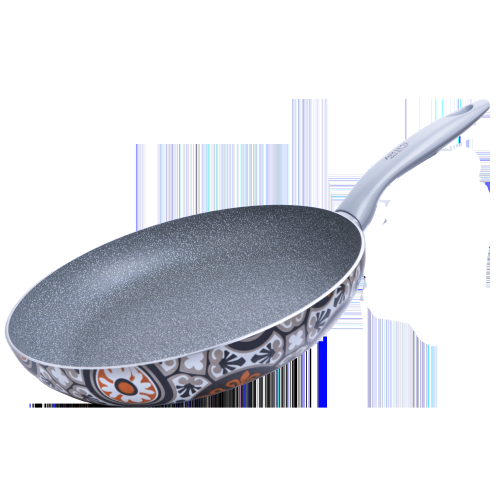
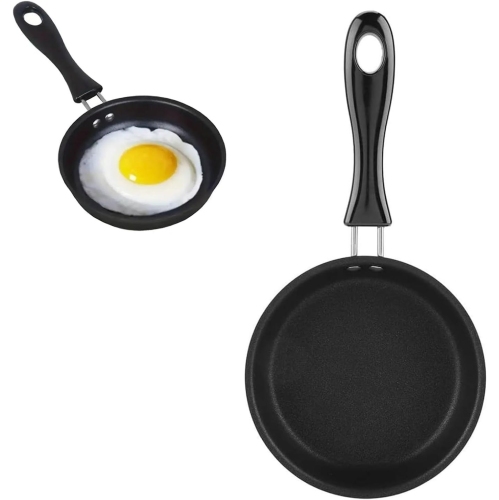

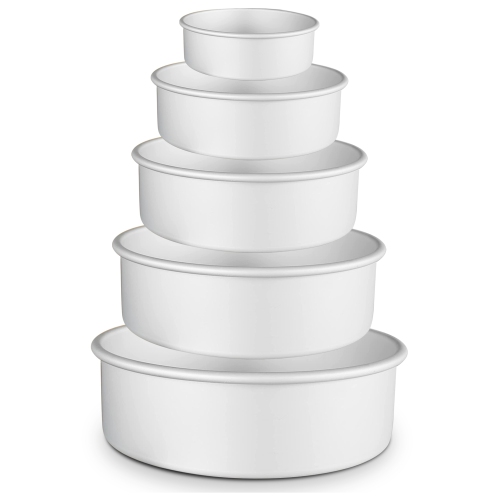

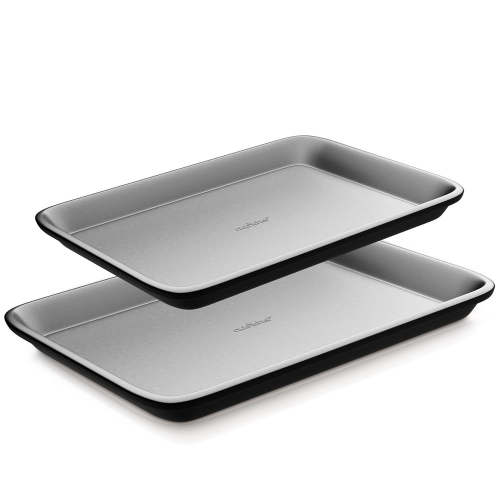


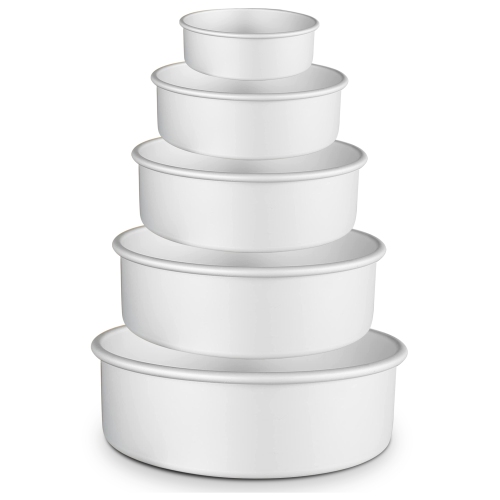
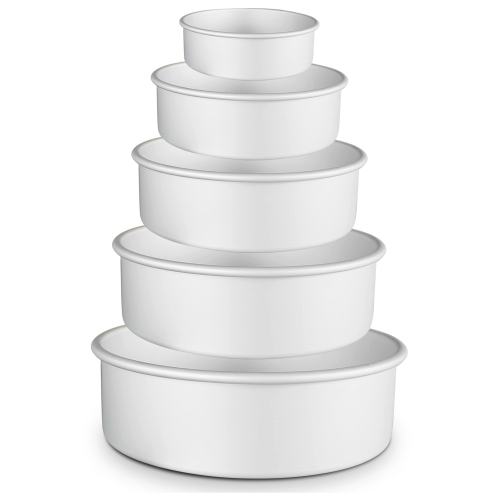
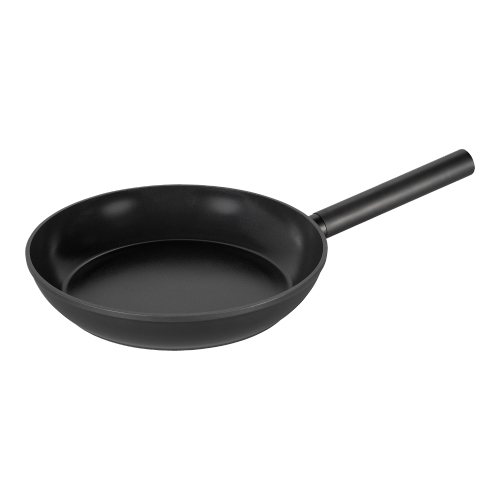

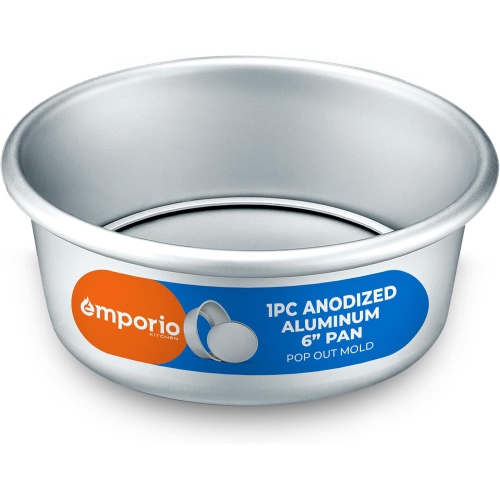


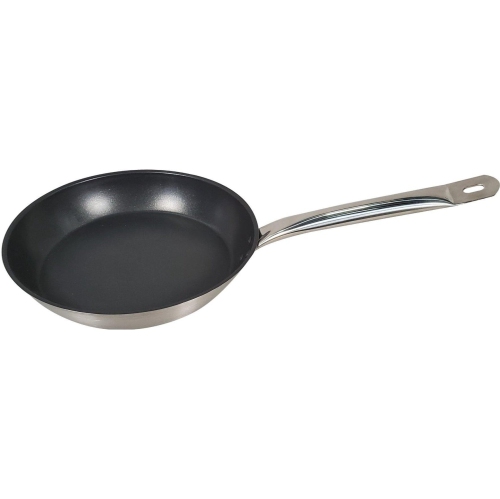
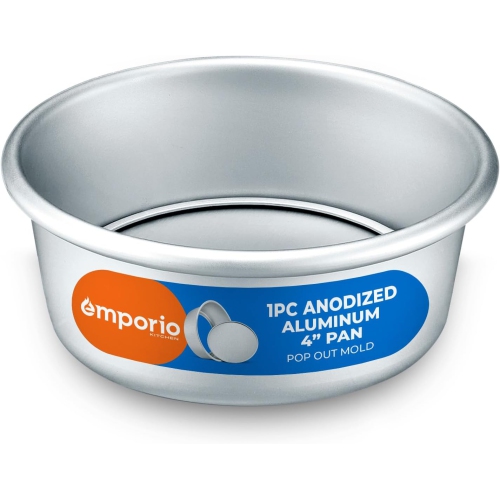
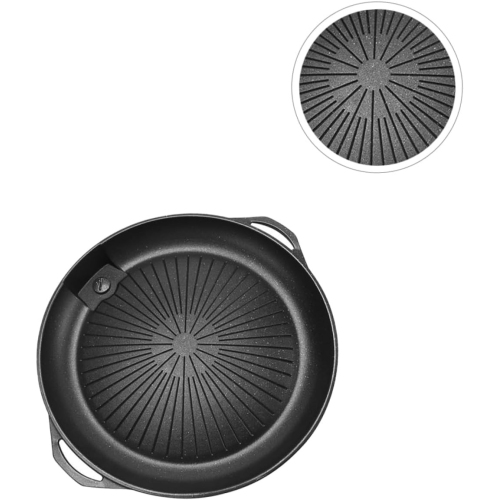
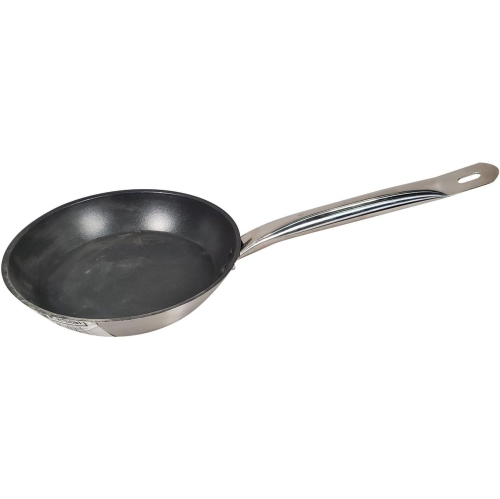
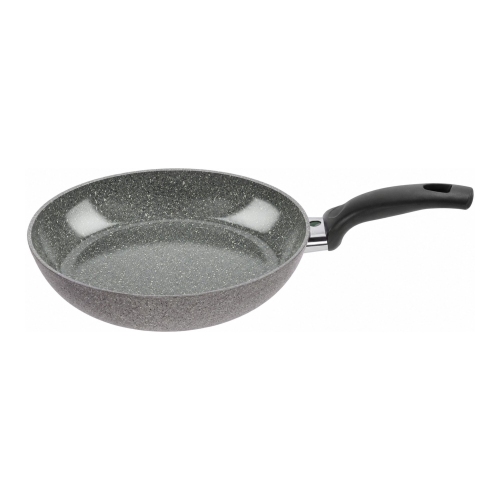


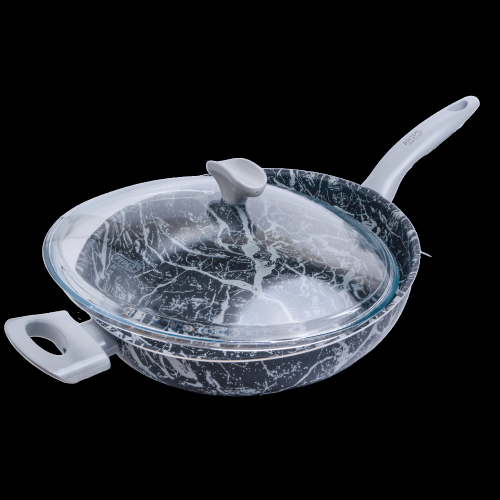
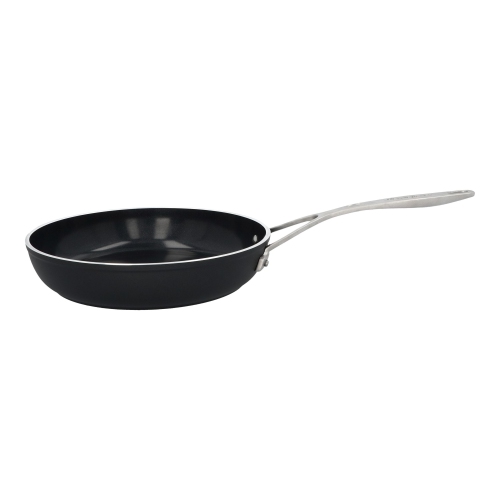
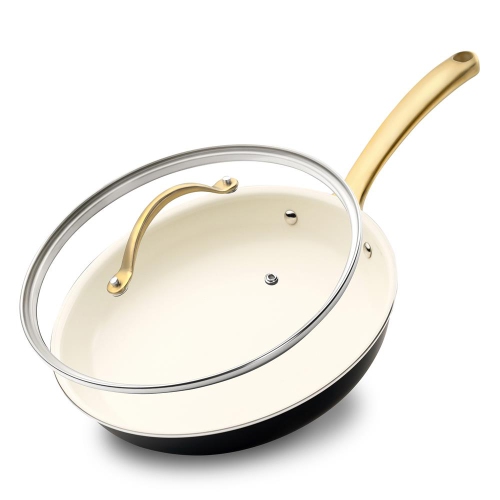

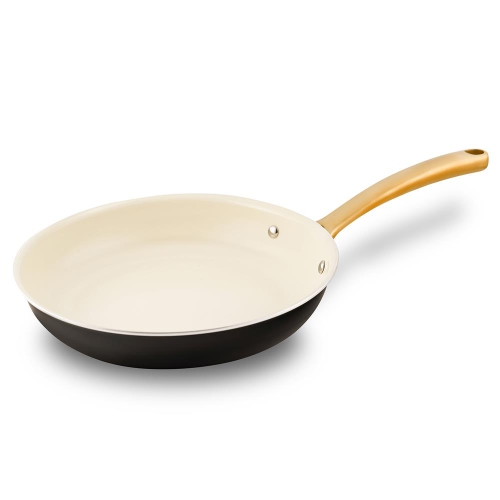

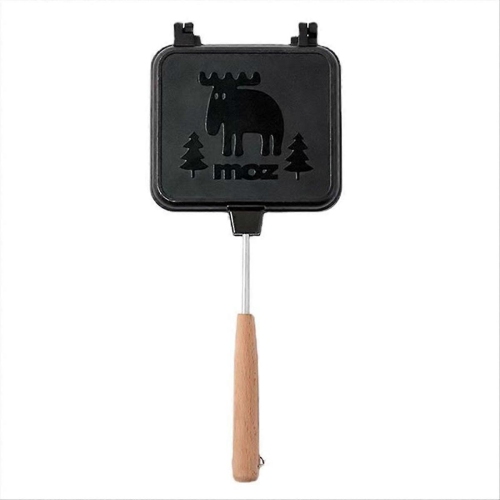

Quick heat response meets easy release for delicate foods
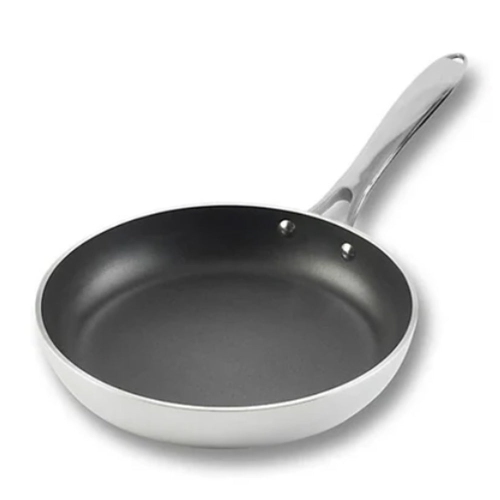
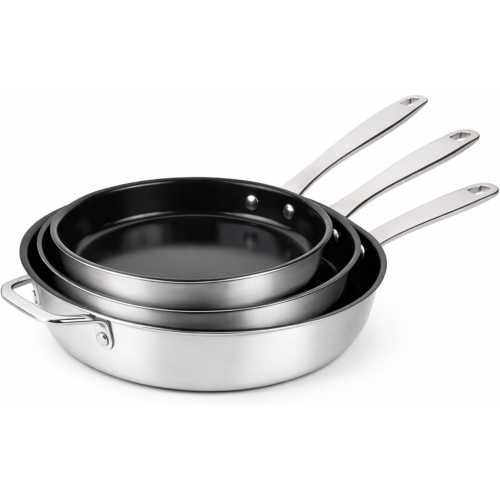
Non-stick aluminum pans combine a lightweight, heat-conducting metal body with a coating designed to help food release from the cooking surface. Aluminum transfers heat readily, so these pans respond quickly when the burner setting changes, while the coating makes delicate foods easier to lift, turn, and serve. Eggs can slide onto toast without leaving a stubborn layer behind, pancakes are easier to flip, and tender fish fillets are less likely to break apart during cooking. Many everyday recipes also need less added oil or butter than they would on an uncoated cooking surface, although the amount depends on the food and cooking method. The aluminum body and the non-stick coating serve different purposes: the metal distributes heat, while the coating reduces sticking. Common coating types include polytetrafluoroethylene, usually called PTFE, and ceramic-based finishes. Their performance and care requirements vary, so the coating description matters alongside the construction of the pan itself. Hard-anodized aluminum has a hardened surface created through an electrochemical process, but that treatment alone does not make cookware non-stick; a separate coating provides the easy-release finish. Body thickness also affects how a pan handles everyday cooking. A thin, lightweight pan is easy to move and heats quickly, while a heavier-gauge body generally distributes heat more evenly and resists distortion better. A flat base helps maintain steady contact with an electric or glass cooking surface, and matching the base to the burner supports more even results. Shape makes a practical difference, too. Sloped sides leave room to slide a spatula beneath an omelette, while straight, deeper sides help contain vegetables, sauces, and dishes that need stirring. Broad, shallow pans give foods more contact with the cooking surface, making them useful for pancakes or several portions cooked side by side. These distinctions make non-stick aluminum cookware useful for a range of kitchens, from a compact space used for quick breakfasts to a family kitchen where several components of dinner are prepared at once.
Size, stovetop compatibility, and handling help determine how comfortably a non-stick aluminum pan fits into a cooking routine. The stated diameter often refers to the width across the top rim rather than the flat cooking area, so two pans with similar measurements may hold different amounts of food in a single layer. Enough space between ingredients allows moisture to escape; a crowded pan can leave mushrooms or sliced vegetables steaming in their own juices instead of browning. Smaller pans suit a single serving or a side dish, while wider pans accommodate larger batches but need a suitably sized burner and enough storage space. Handle length, grip shape, and overall weight matter when lifting a full pan, especially when transferring food from the stove to a serving dish. A helper handle can make a larger pan easier to support with both hands. Handles described as stay-cool can still become hot under some conditions, so oven mitts should remain close at hand. For induction cooking, aluminum alone is not sufficient because it is not magnetic. Induction-compatible aluminum pans need a suitable magnetic base, commonly a bonded steel plate, and should be explicitly identified as compatible. Gas, electric, and glass cooking surfaces also have their own requirements; a smooth, flat base is particularly helpful on glass, where lifting rather than sliding cookware reduces the risk of scratches. Oven suitability depends on the complete pan, including its coating, handle, lid, and any fittings. A metal body does not automatically mean the assembled cookware is oven-safe, and a lid may have a lower temperature limit than the pan. Baking uses call for different shapes and dimensions, with Aluminum Cake Pans offering a related option for cakes and other oven-baked recipes. For a housewarming or a first kitchen, cookware is a practical gift when its size, weight, and compatibility match the recipient’s stove and usual meals.
Care has a direct effect on how long a non-stick aluminum pan remains pleasant to use. Low to medium heat is generally appropriate for everyday cooking, subject to the manufacturer’s directions, because aluminum heats efficiently and the coating does not need intense heat to release food. An empty pan can become hot quickly, so prolonged empty preheating is best avoided. For tasks that depend on sustained high heat, such as developing a deeply browned crust on a thick steak, cookware intended for that method is a better fit. A little oil or butter can contribute flavour and browning, but it should not be allowed to smoke heavily. Some manufacturers advise against aerosol cooking sprays because they can leave a residue that is difficult to remove and may reduce release performance. Wooden, silicone, or other approved non-scratching utensils help protect the coating when stirring scrambled eggs or turning a fillet. Cutting food directly in the pan and scraping it with sharp edges can damage the finish. After cooking, allowing the pan to cool before washing helps prevent distortion from a sudden temperature change. Warm water, mild dish soap, and a soft sponge are usually enough for routine cleaning; a short soak can loosen food without aggressive scrubbing. Even when cookware is labelled dishwasher-safe, handwashing may help preserve its finish, and the care directions remain the best reference for the coating and exterior. Drying the base and the areas around handle attachments keeps the pan ready for storage. A soft separator between nested pans prevents another pan’s base from rubbing against the cooking surface. Non-stick coatings wear with use, and their useful life varies with construction, cooking habits, cleaning, and storage rather than following a fixed replacement schedule. Peeling or flaking coating, substantial damage, or a base that no longer sits flat are reasons to replace the pan. With appropriate use, non-stick aluminum pans offer convenient food release and manageable cleanup for familiar meals, leaving less scraping after breakfast and an easier wash-up after dinner.
Top selling and popular products
-
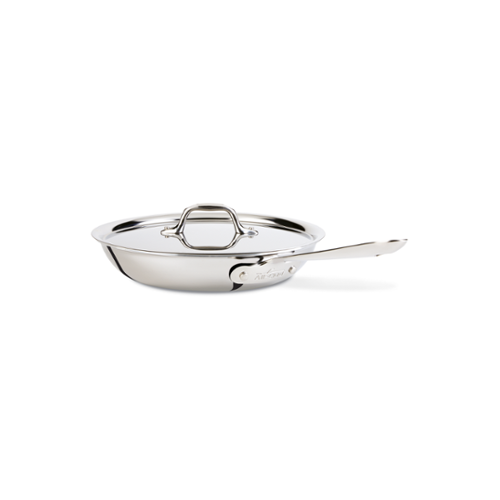 Your price for this item is $137.7
-
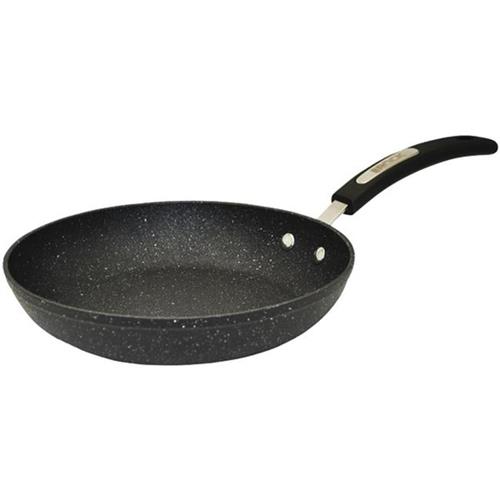 Your price for this item is $33.97
-
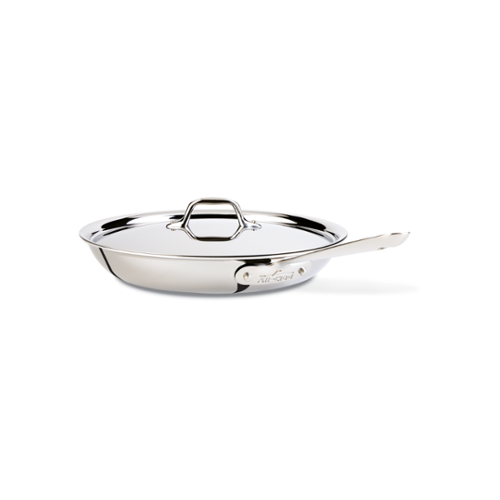 Your price for this item is $289.04
-
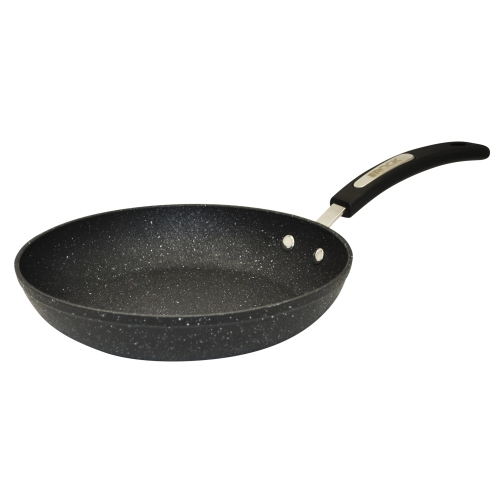 Your price for this item is $29.99
-
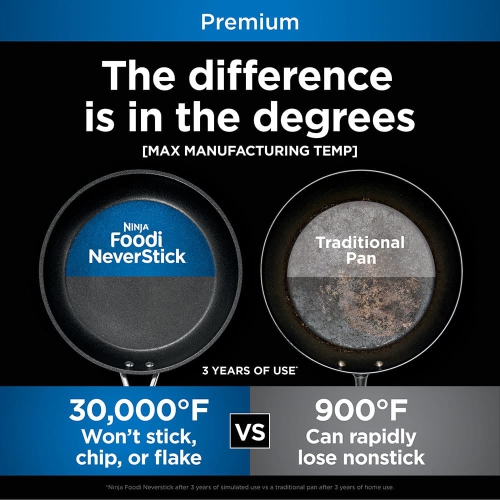 Your price for this item is $139.53
-
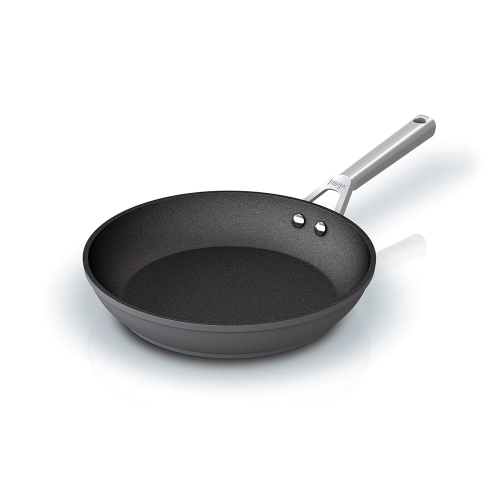 Your price for this item is $100.73
-
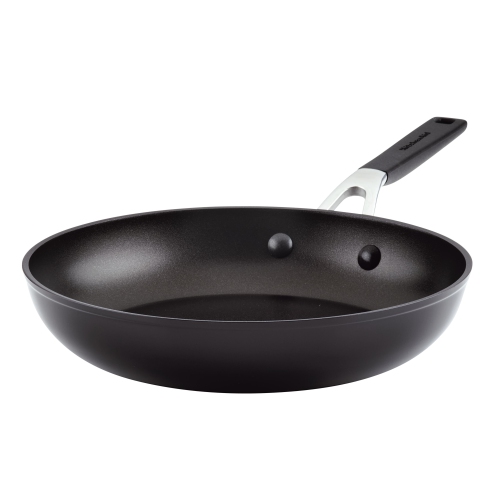 Your price for this item is $49.99
-
 Your price for this item is $399
Discover more categories related to Non Stick Aluminum Pans

Top Collections:
Pokemon Centers, Kindle Devices, Best Budget Office Chairs, Canon G7X Cameras, Apple iPhones 16, Samsung Galaxy Phones, Refurbished Apple Laptops, Laptops for Students, iPhone 15 Apple, Budget Smartphones
Some products may be subject to Environmental Handling Fees
(EHF) depending on your province.
Learn more about EHFs.