Aluminum Cake Pans
Aluminum cake pans are essential tools for any baking enthusiast looking to achieve perfectly baked cakes with even heat distribution. These versatile and durable pans are a must-have in every kitchen, whether you're a seasoned baker or just starting out. With their non-stick properties and sturdy construction, aluminum cake pans make baking a breeze and ensure your creations come out beautifully every time. Explore our selection of aluminum cake pans to find the perfect addition to your bakeware collection.
Sort



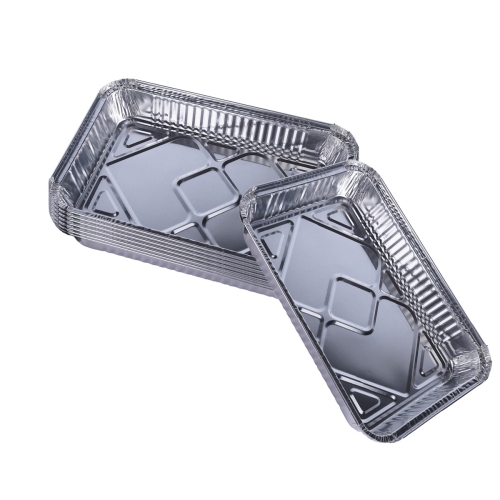
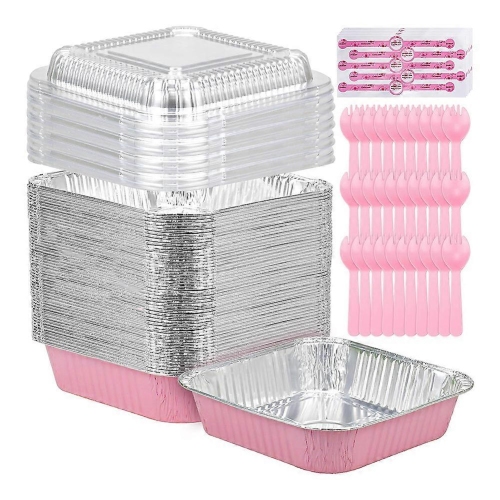
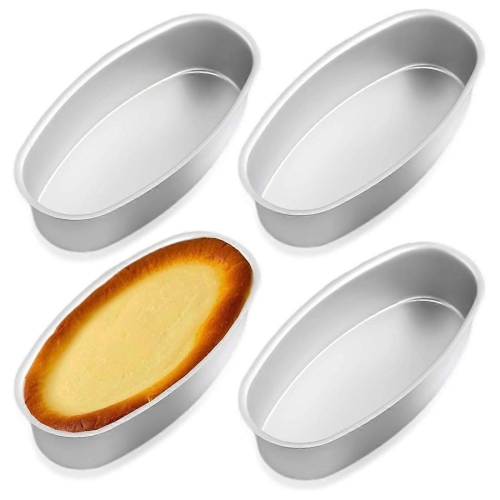
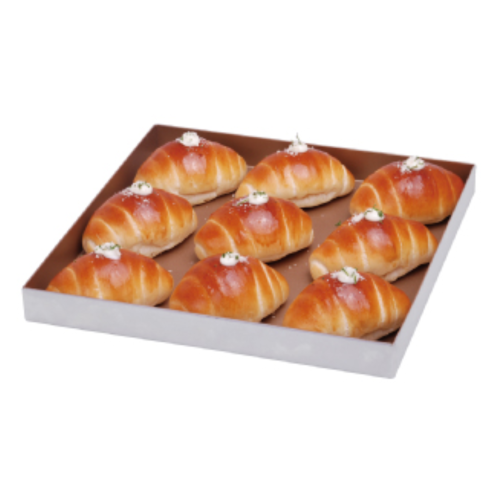



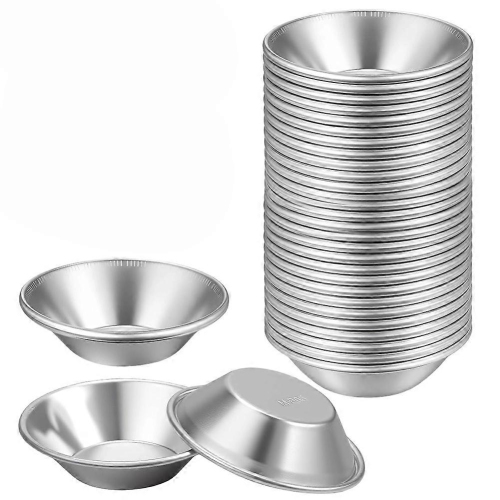
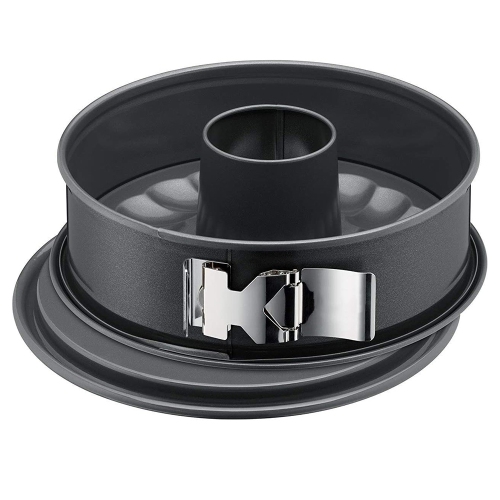
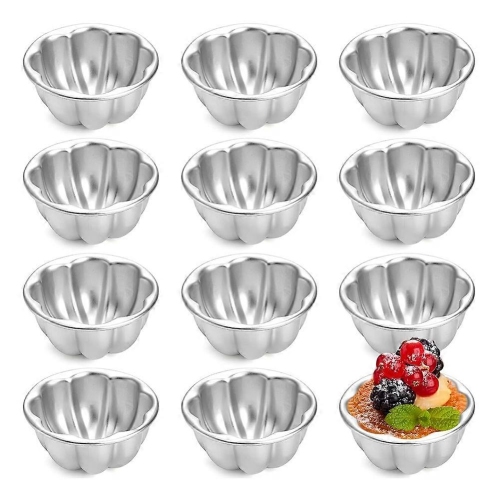
How aluminum helps cakes bake more evenly
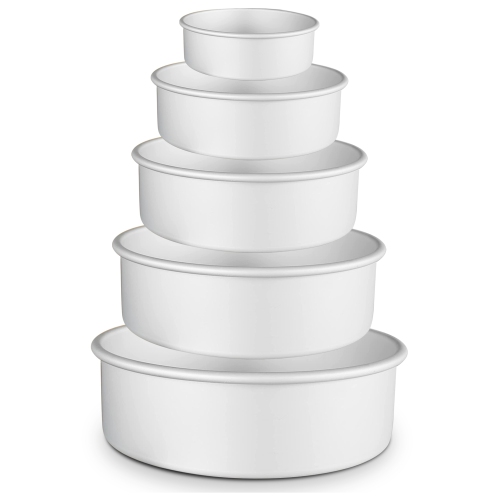
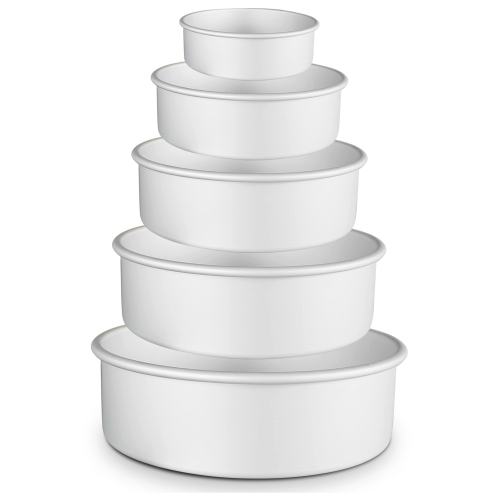
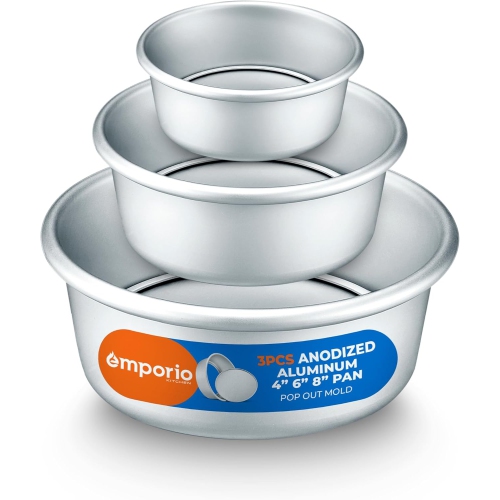
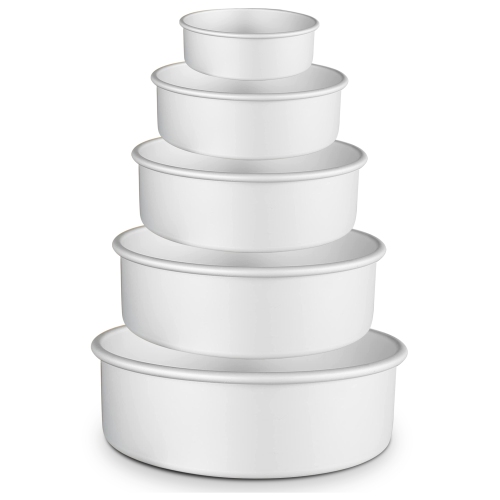
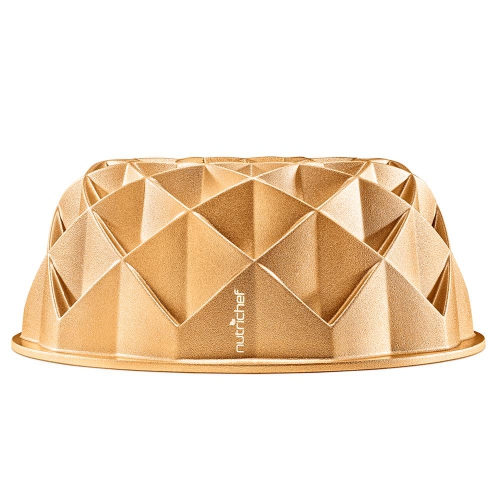
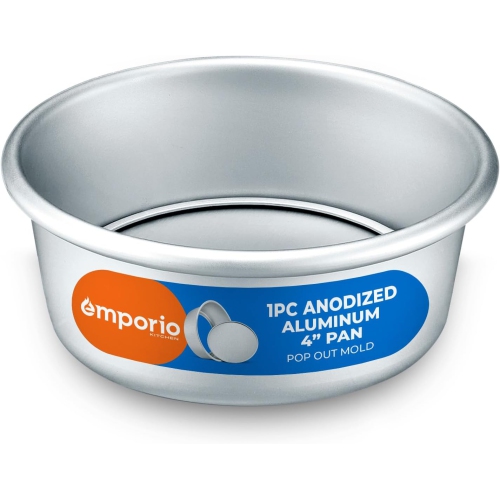
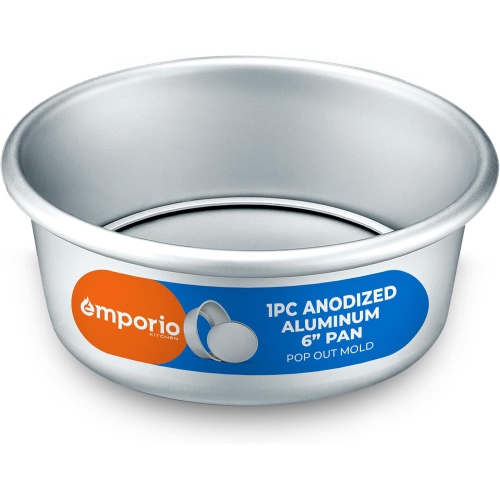
Aluminum cake pans are valued for their efficient heat conduction, relatively light weight, and versatility across everyday baking and celebration cakes. Aluminum transfers heat readily from the oven to the batter, helping cakes bake evenly when the pan size, recipe, and oven settings are well matched. A light-coloured aluminum surface generally absorbs less radiant heat than a dark finish, which can help limit excessive browning around the edges before the centre has set. That makes this material a useful choice for vanilla layers, tender butter cakes, and other recipes where a delicate crumb and an evenly coloured crust matter. The metal also responds quickly to changes in heat, although the finished result still depends on batter depth, pan thickness, and airflow around the bakeware. Round aluminum cake pans suit stacked birthday cakes and simple single-layer desserts, while square and rectangular shapes lend themselves to snack cakes, sheet cakes, and neatly portioned squares. Shaped pans add definition to celebration bakes, and tube designs help heat reach the middle of certain taller cakes. A fixed-base pan provides a continuous baking surface, while a removable base can make it easier to lift out a delicate cake when the recipe and pan design are compatible. These distinctions matter in familiar kitchen moments: turning out a sponge without tearing its base, cutting tidy portions for a gathering, or stacking layers that meet evenly at the edges. For bakers considering bakeware beyond cake shapes, Aluminum Pans covers the broader category. Within cake bakeware, the appeal is practical rather than complicated: manageable weight, responsive heating, and shapes that support everything from a first homemade birthday cake to a carefully filled and frosted centrepiece. A well-matched pan supports more consistent results without requiring an elaborate baking setup, making aluminum a useful material for occasional home bakers, enthusiastic decorators, and anyone who enjoys bringing a homemade dessert to the table.
The differences between bare aluminum, anodized aluminum, and coated aluminum cake pans affect both baking and care. Bare aluminum has no added non-stick coating and usually needs preparation appropriate to the recipe, such as greasing, flouring, or lining the base with parchment. Acidic ingredients can react with exposed aluminum, potentially affecting flavour or causing discolouration, particularly with prolonged contact. Anodizing creates a harder oxide layer on the surface of the metal, improving resistance to corrosion and reducing reactivity with acidic ingredients. An anodized surface is not necessarily non-stick, so it may still need greasing or lining. Aluminum pans with a separate non-stick coating are another option, with release performance and utensil requirements determined by the coating. Surface colour matters here, too: a dark-coated aluminum pan may brown cake edges more readily than a light, uncoated pan, even though both have an aluminum body. Pan thickness contributes to sturdiness and heat distribution, while reinforced rims can help a pan hold its shape through repeated handling. Shape and dimensions deserve equal attention. Straight sides produce layers that are easier to align and frost, whereas sloped sides can leave a more noticeable gap between stacked cakes. An 8-inch round pan and a 9-inch round pan are not interchangeable without affecting batter depth and baking time; the same amount of batter spreads more thinly in the wider pan. Depth also changes how a pan performs. A 3-inch-deep pan offers more room than a 2-inch-deep pan of the same diameter, but that extra capacity does not mean every recipe should be filled higher. Tall cakes need recipes and baking methods suited to their depth, and batter needs space to rise without overflowing. For a layer cake, matching pans in diameter, depth, material, and finish helps the layers bake more consistently. Exterior dimensions, including rims or handles, determine whether a pan fits comfortably in the oven with space for air to circulate. Storage space matters as well, especially when deeper rounds or larger rectangular pans share a cupboard with other bakeware.
Care and intended use help determine which aluminum cake pans will be the most practical over time. Many aluminum pans are intended for handwashing with mild dish soap, warm water, and a soft sponge rather than dishwasher cleaning. Dishwasher detergents can dull or discolour exposed aluminum, and coated or anodized surfaces may have their own restrictions, so the manufacturer's care directions remain important. Allowing a hot pan to cool before washing helps avoid abrupt heat changes that can contribute to warping. Stubborn cake residue is generally easier to loosen with a gentle soak, where permitted, than with harsh scouring. Thorough drying helps keep the surface clean and ready for storage, while a soft separator between nested pans can protect finishes from scratches. Knives and metal utensils can mark bare aluminum and damage non-stick coatings; turning the cake out before slicing protects the baking surface. Preparation also varies by cake type. A butter cake may benefit from a parchment-lined base and greased sides, while some foam cakes need an ungreased surface to climb and a specific cooling method to retain their height. Cooling time before unmoulding should follow the recipe rather than a fixed rule for every cake. These details make aluminum cake pans useful to different kinds of bakers for different reasons. A household that regularly makes a single snack cake may find an easy-to-store square or rectangular shape practical, while someone who builds layered celebration cakes may prefer several matching rounds. Bakers who carry desserts to family dinners or community gatherings may value a compatible lid, provided it is intended for that pan and used according to its directions. Someone learning cake decorating can benefit from straight-sided pans that produce a consistent outline for smoothing buttercream and positioning fillings. As a gift, cake bakeware is most thoughtful when its dimensions suit the recipient's favourite recipes, oven, and storage space, rather than simply offering the largest capacity. With suitable handling, sturdy aluminum cake pans can support repeated baking, from a soft sponge released onto a cooling rack to a neatly finished cake ready to share.
Top selling and popular products
-
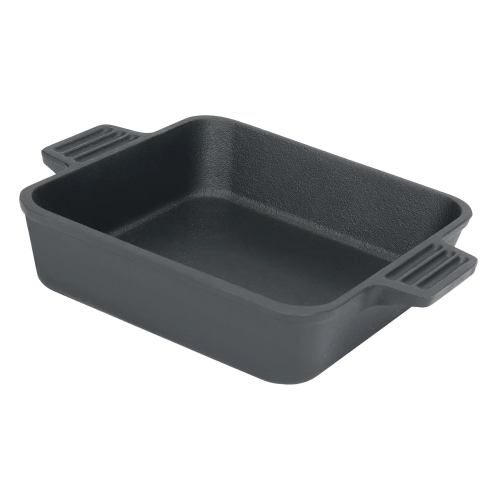 Your price for this item is $84.99
-
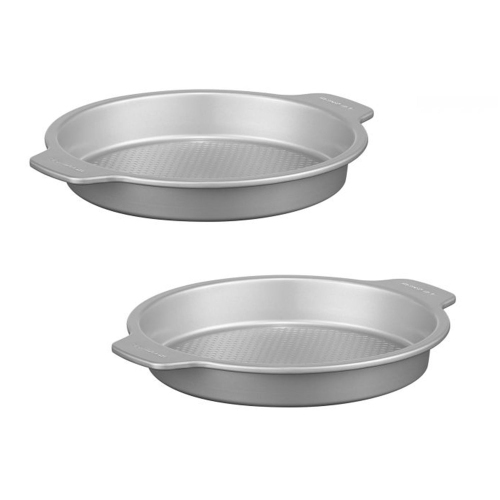 Your price for this item is $25.97
-
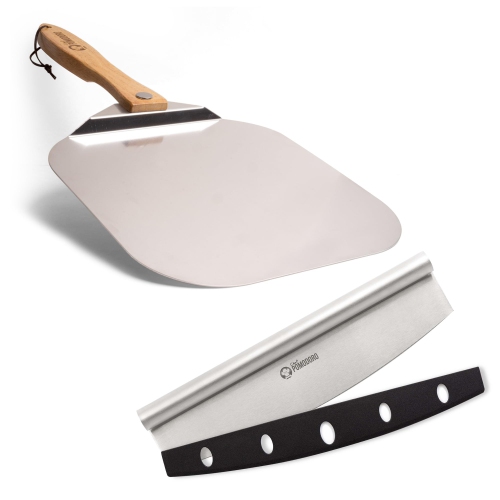 Your price for this item is $44.99
-
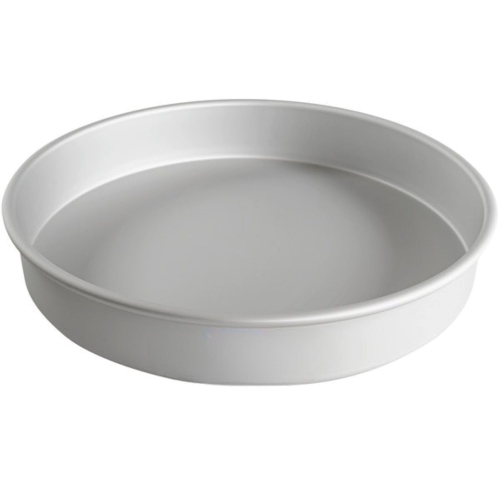 Your price for this item is $19.25
-
 Your price for this item is $10.95
-
 Your price for this item is $118.84
-
 Your price for this item is $27.99
-
 Your price for this item is $5.25
Discover more categories related to Aluminum Cake Pans

Top Collections:
Pokemon Centers, Kindle Devices, Best Budget Office Chairs, Canon G7X Cameras, Apple iPhones 16, Samsung Galaxy Phones, Refurbished Apple Laptops, Laptops for Students, iPhone 15 Apple, Budget Smartphones
Some products may be subject to Environmental Handling Fees
(EHF) depending on your province.
Learn more about EHFs.