Oak Coffee Table And End Tables
Looking to add a touch of timeless elegance to your living room? Oak coffee tables and end tables are the perfect solution. Whether you prefer a classic design or a modern twist, our range offers a variety of options to suit almost any taste and complement almost any decor. With their sturdy construction and durable finish, oak coffee tables and end tables are built to last, ensuring years of enjoyment in your home. Here are some great options available.
Sort
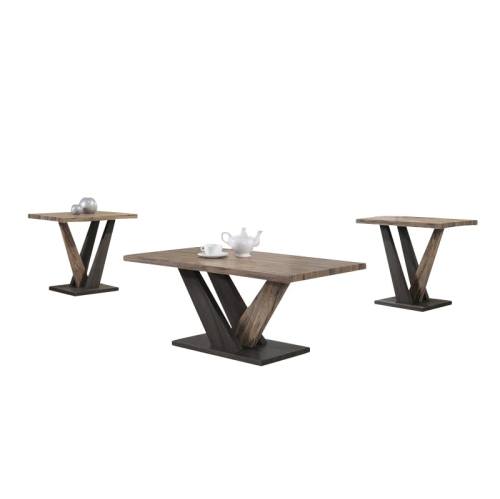
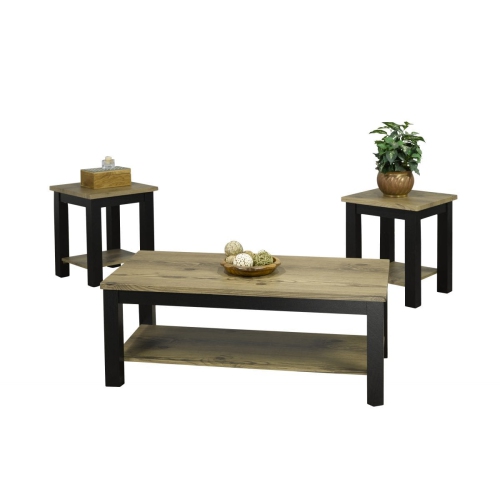

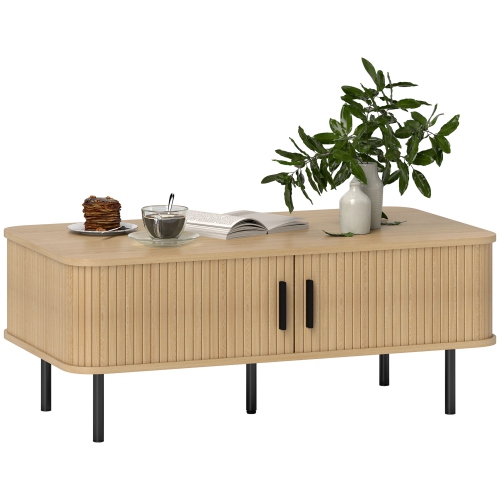
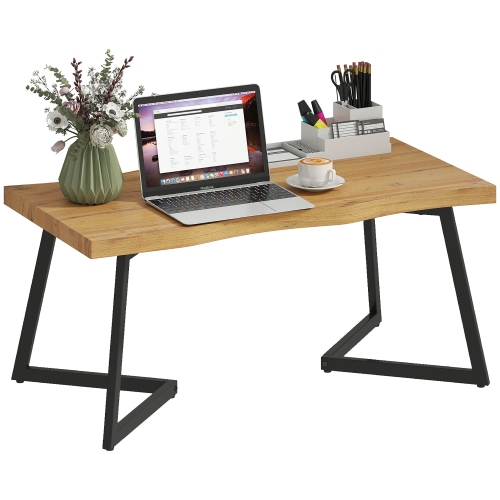
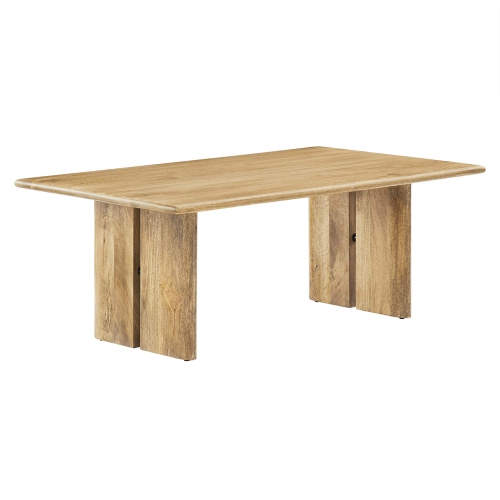


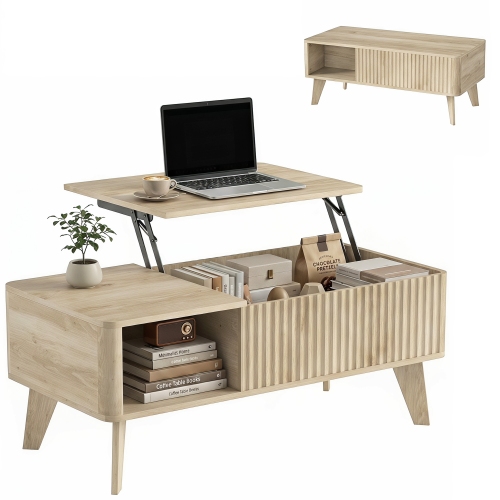

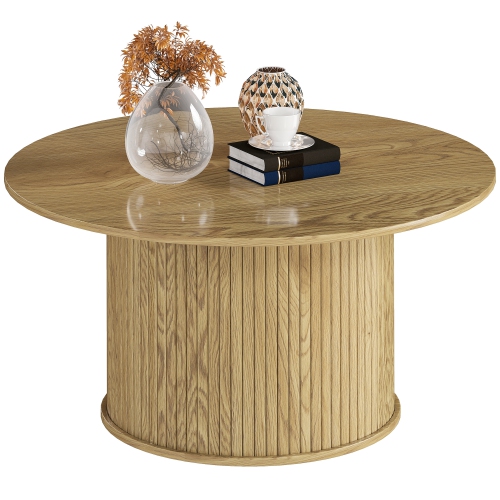


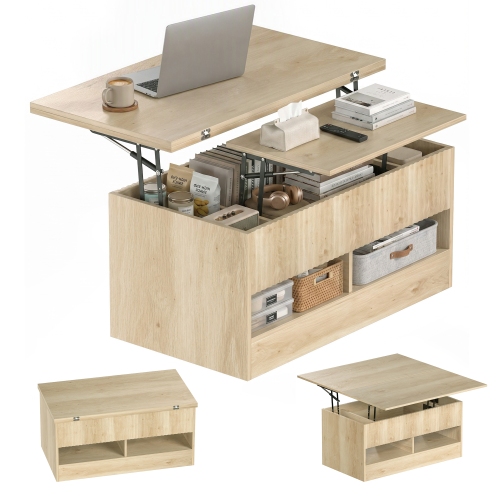


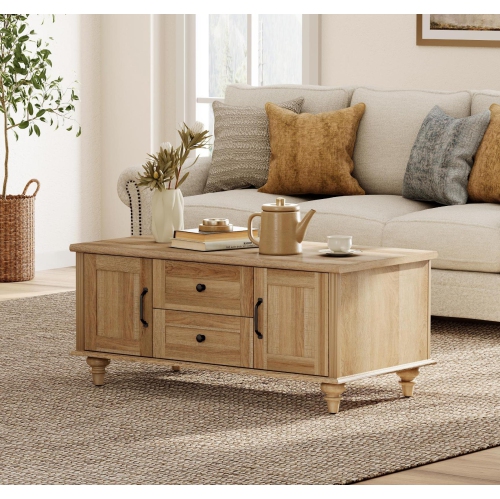


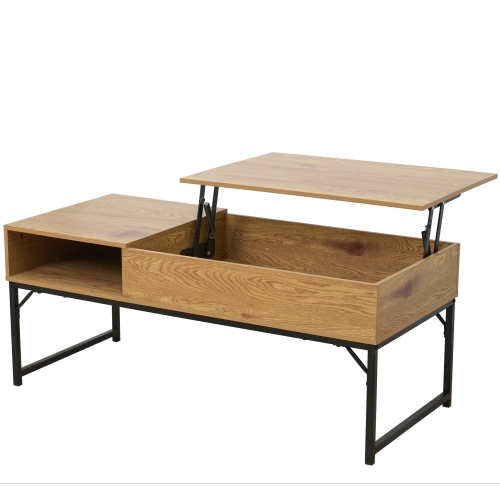

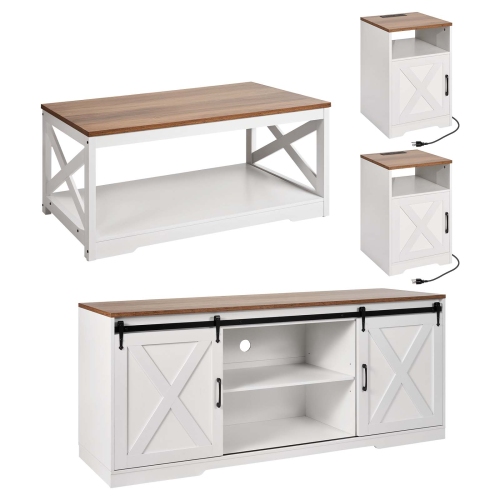


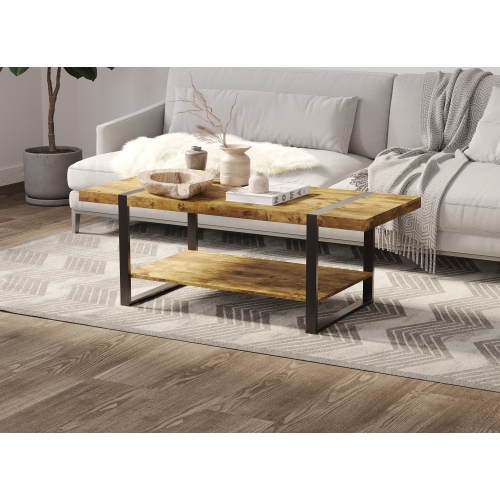
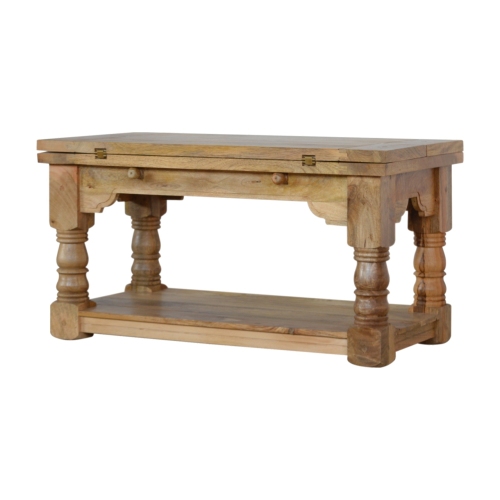
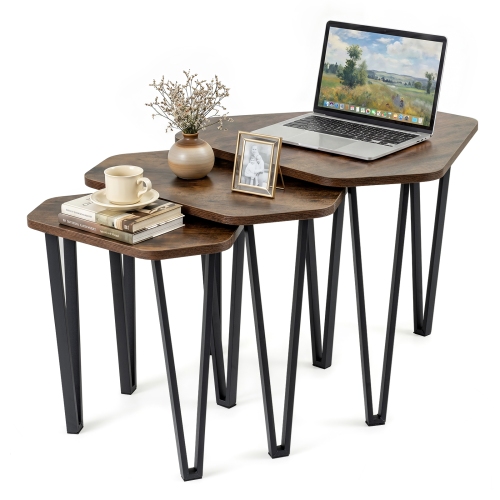


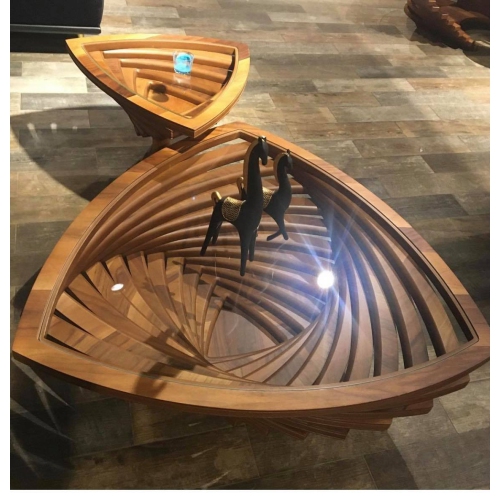


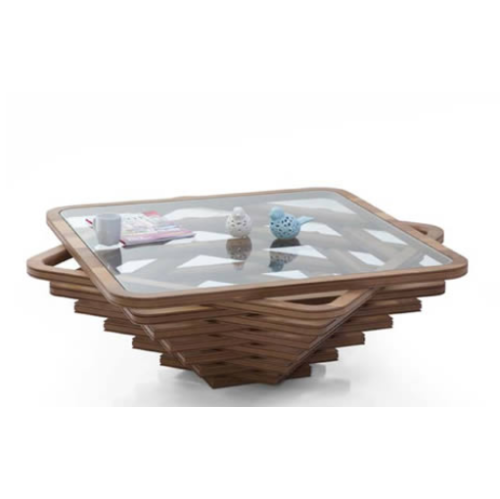
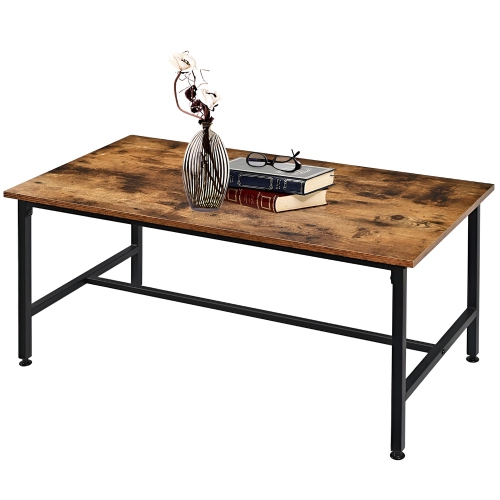
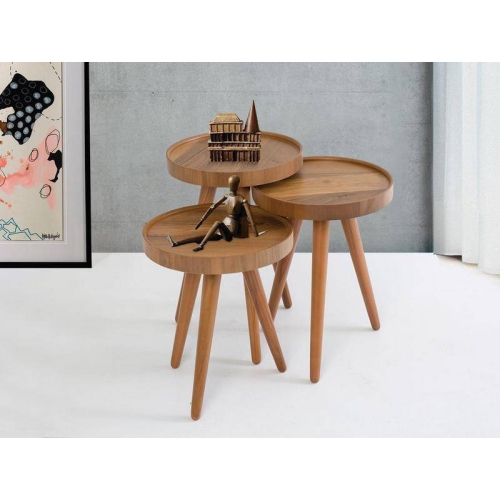
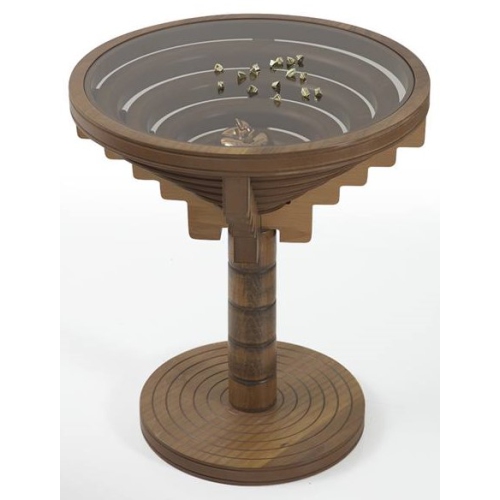


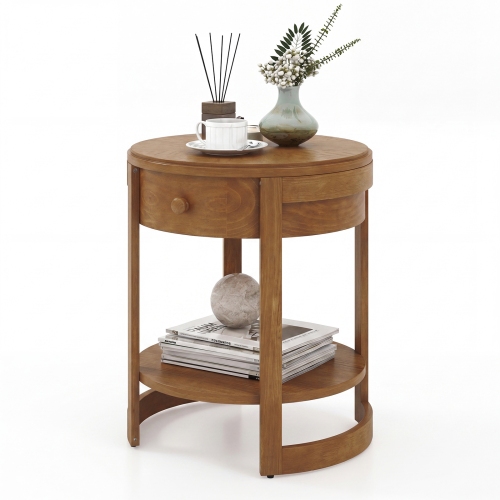
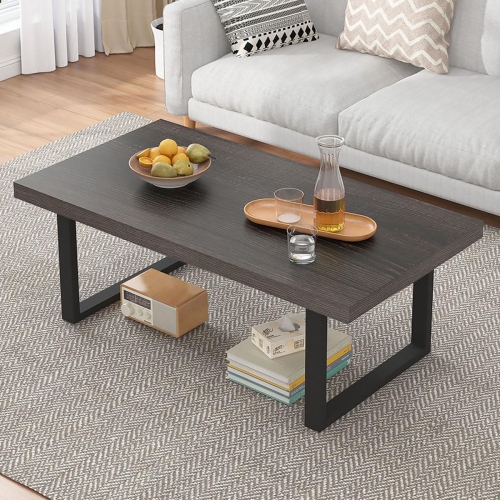


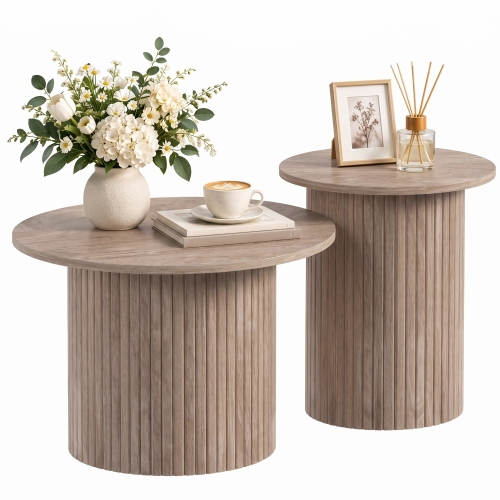

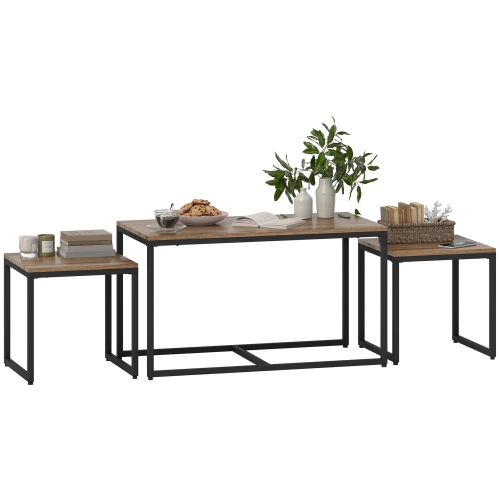
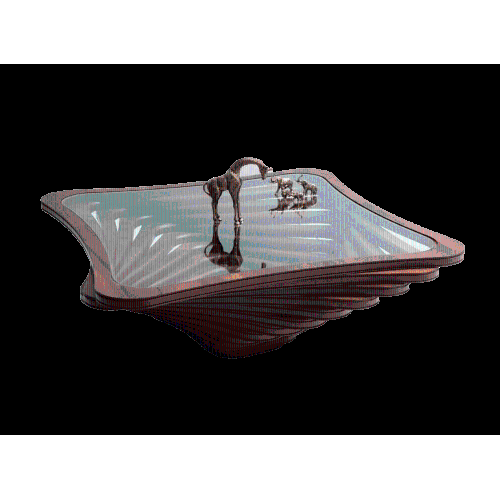

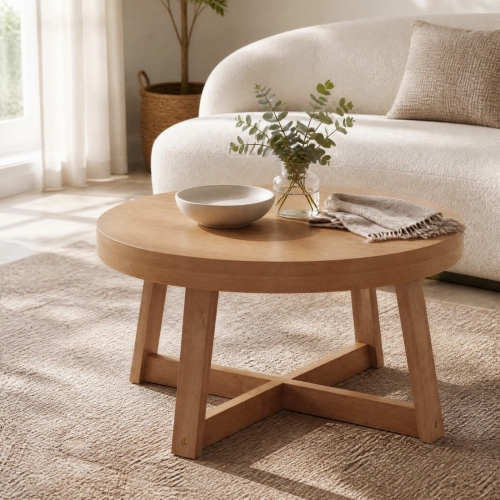


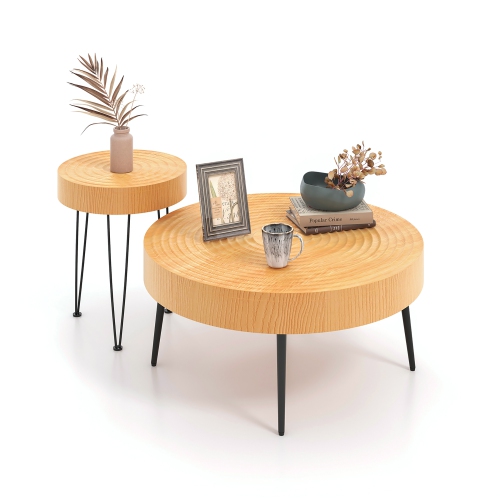


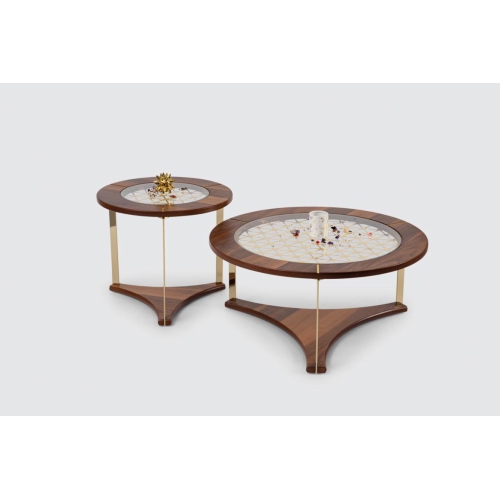
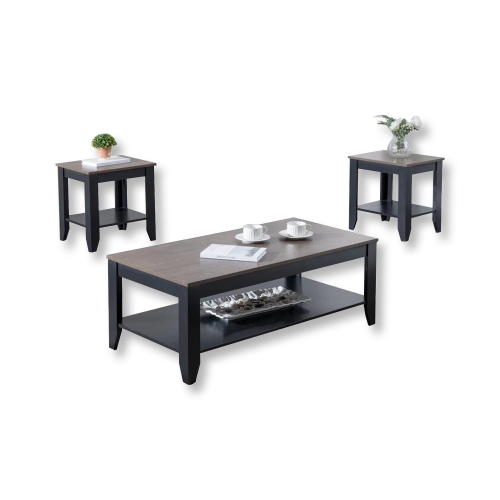
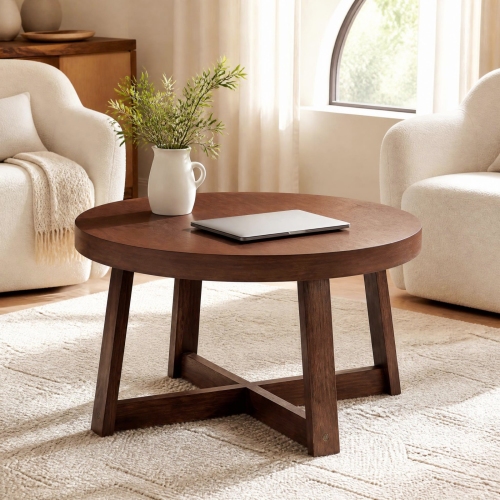
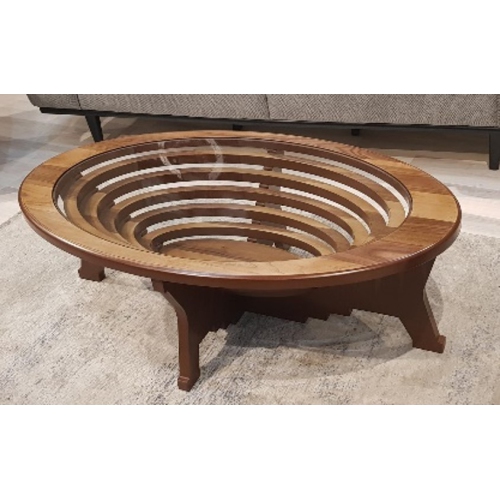

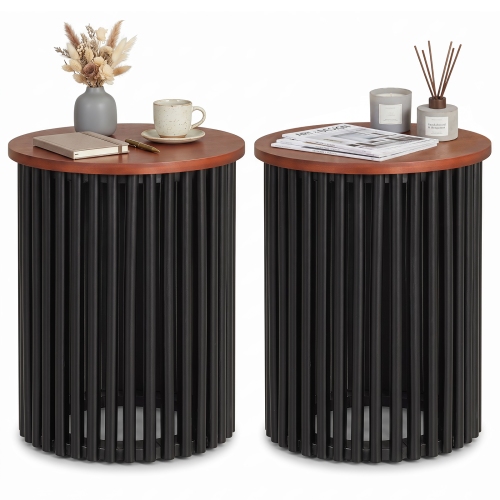

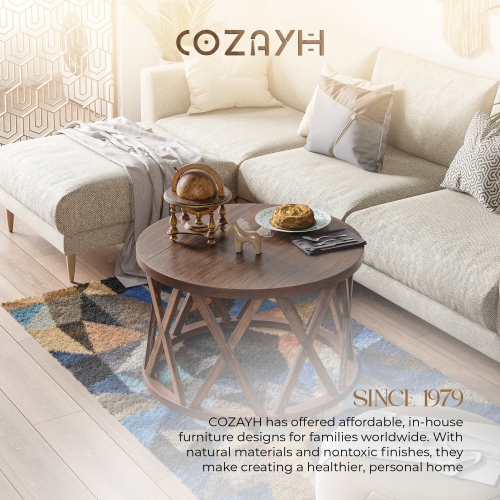

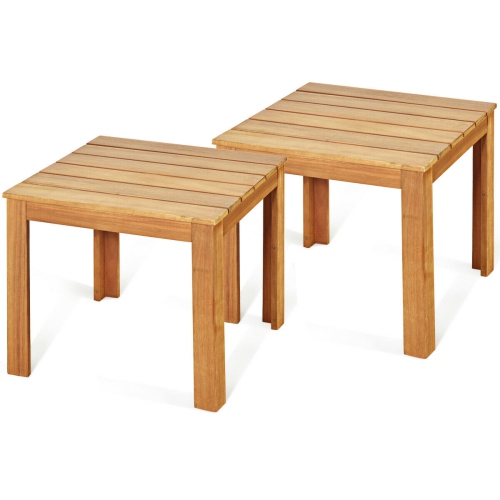
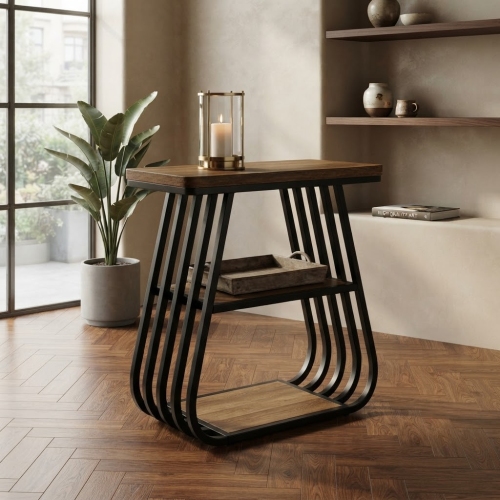

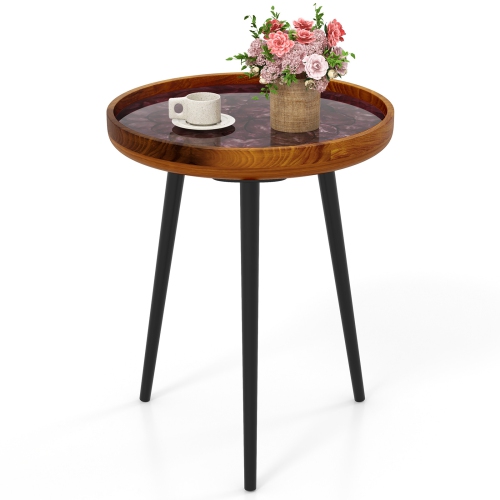

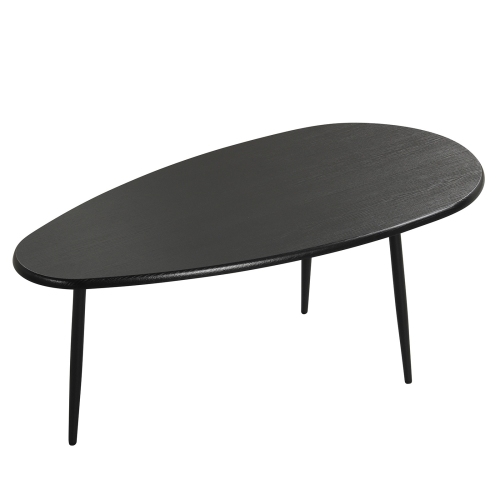


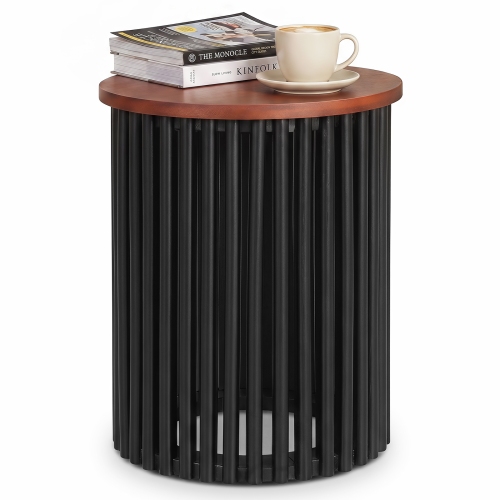

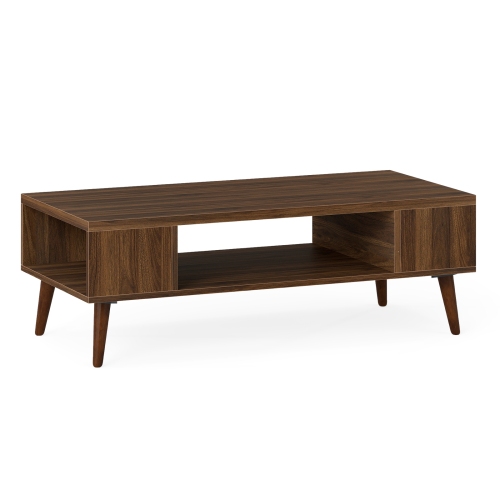

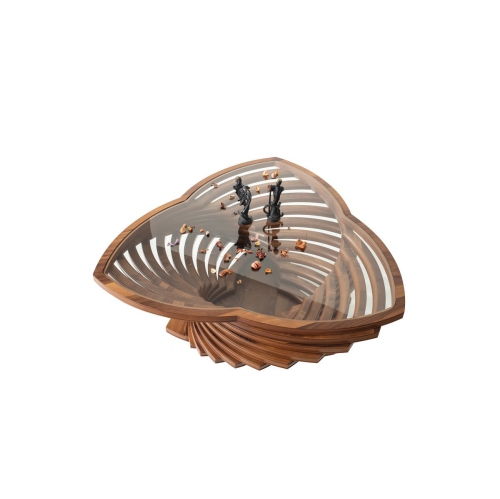
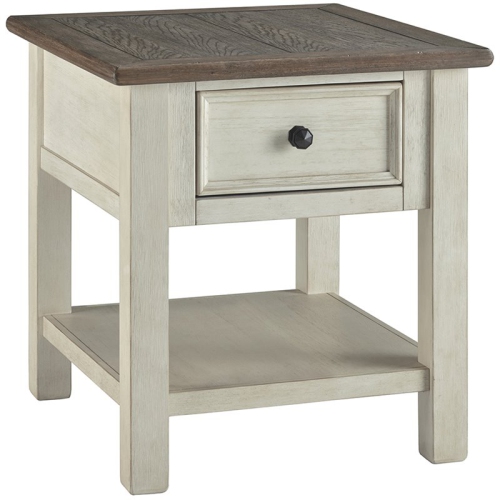


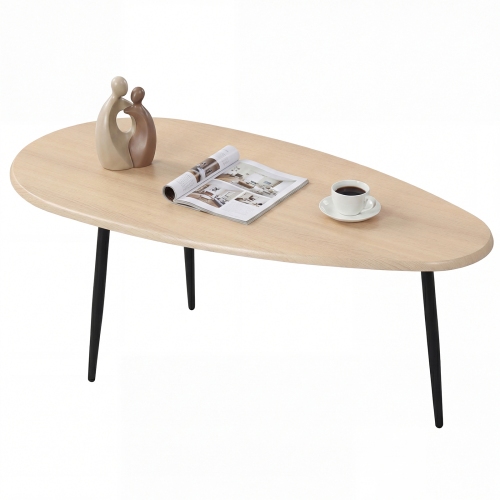
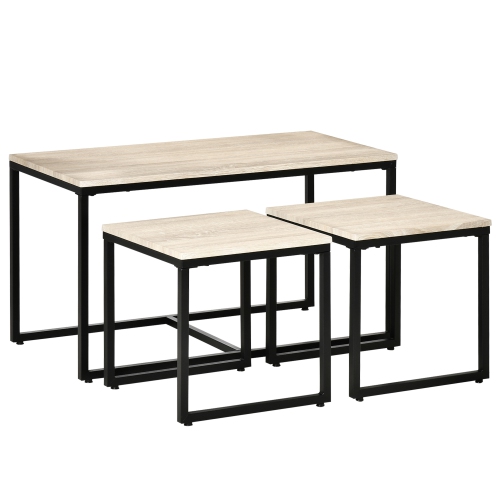
Warm oak grain meets practical living room design
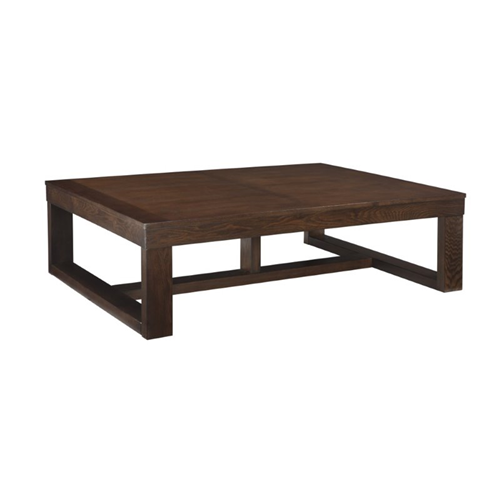
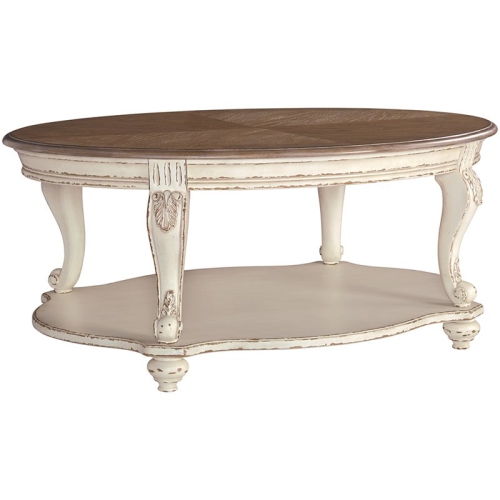
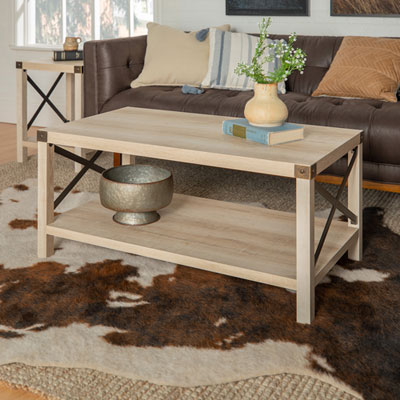
Oak coffee tables and end tables bring a warm wood grain and practical surface space to living rooms, family rooms, and smaller sitting areas. A coffee table anchors the seating arrangement, keeping drinks, reading material, and remote controls within reach, while end tables provide a convenient spot for a lamp or a mug beside a sofa or armchair. Together, these pieces can give a room a consistent look without making every furnishing feel identical. Oak’s distinctive grain suits a range of styles: pale, clear finishes sit comfortably alongside linen upholstery and simple silhouettes, while deeper brown stains pair well with leather seating, patterned rugs, and more substantial furniture. Straight legs and slim tops create a lighter visual footprint; turned legs, panelled sides, and thicker tops have a more traditional presence. The construction matters as much as the colour. Solid oak furniture uses oak boards for the components described as solid wood, although drawer bottoms, backs, or other parts may use different materials. Oak veneer consists of a thin layer of real oak bonded to a supporting core, offering genuine wood grain with a different construction from solid timber. An oak-look finish may reproduce the appearance of oak on another material rather than use an oak surface. These distinctions affect weight, care, and repair options, so the material description is more informative than the finish name alone. Oak is a hard, durable wood, but its surface can still scratch, dent, or develop marks from moisture. A protective finish helps with everyday use, though performance depends on the coating and construction. Grain patterns, knots, and slight colour variation give real wood its individual character, so coordinated tables may complement one another rather than look perfectly identical. That variation can be particularly appealing in a room where wood shelving, picture frames, or flooring already add texture.
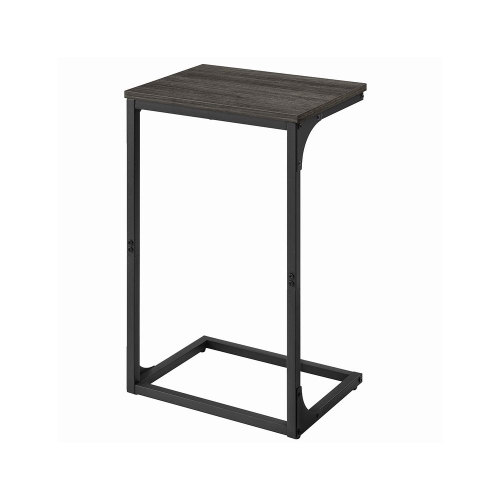
The right proportions allow oak coffee tables and end tables to feel useful without crowding the seating area. A coffee table around two-thirds the length of a sofa is a common starting point, rather than a fixed rule; the shape of the room and the way people move through it matter just as much. A gap of roughly 14 to 18 inches between the sofa and coffee table often leaves enough space for legs while keeping the surface accessible. Busy walking routes may need more clearance, particularly in a home where someone uses a mobility aid. Coffee table height typically works best close to the height of the sofa’s seat cushions, while an end table near the height of the adjacent arm makes it easier to set down a glass without reaching awkwardly. Low lounge seating, upright armchairs, and deep sectionals can therefore call for quite different table dimensions. Rectangular coffee tables suit many standard sofas, while round or oval shapes can soften a layout with several straight-edged furnishings. Rounded corners remove sharp points along a route through the room, although they do not make furniture childproof. Square tables can work well within an L-shaped seating arrangement when there is sufficient clearance on both sides. End tables have their own space demands: a narrow top may fit beside a sofa in a condo, but the lamp base, charging cable, and everyday essentials still need room. Reclining seats require additional clearance for moving footrests, and drawers need space to open without hitting nearby upholstery. Matching sets offer a straightforward way to coordinate colour, leg style, and proportions, but separate tables allow more flexibility when one side of the room is tighter than the other. A round end table beside a rectangular coffee table can look intentional when the wood tone or base detail connects them. For a stronger contrast with oak shelving or flooring, black coffee tables and end tables bring a darker finish into the seating arrangement.
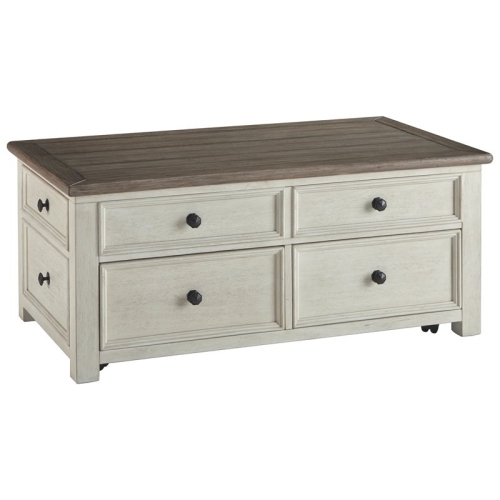
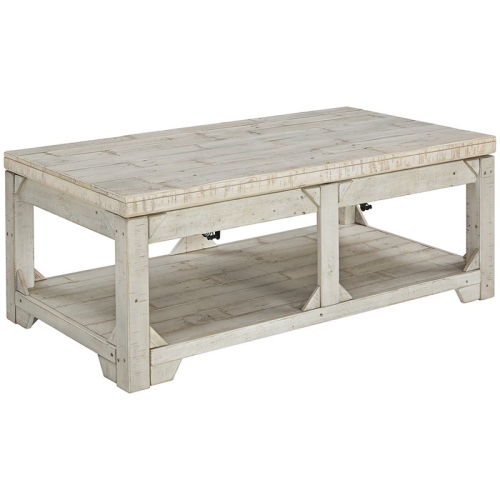
Storage and surface design influence how well these tables support daily routines. An open shelf beneath an oak coffee table keeps books or a tray close at hand, while drawers can tuck away charging cables, game controllers, and other small belongings that tend to collect near the sofa. Enclosed storage gives a calmer appearance, but open compartments make frequently used objects easier to reach. A lift-top design may bring the surface closer for a casual meal or a short session with a laptop; its usefulness depends on the raised height, mechanism, stability, and stated load limit. It is not a substitute for a properly arranged desk when working for extended periods. Nesting end tables offer extra surface space for visitors and can tuck together afterwards, while a lower shelf on a stationary end table can hold reading material without taking over the top. Households with children may favour stable bases, rounded profiles, and storage that keeps small accessories out of the main seating area. Someone furnishing a first apartment may value pieces that work beside different sofas over time, while an established living room may benefit from tables chosen to match a particular seat height or fill an awkward gap. Long-term satisfaction also depends on details that are easy to overlook: secure joints, properly fitted hardware, smooth drawer movement, and a base that sits evenly on the floor. Care is usually straightforward, but the manufacturer’s directions should take priority because oil, wax, lacquer, and other finishes have different requirements. A soft cloth removes dust, and spills are best wiped up promptly rather than left beneath a glass or plant pot. Coasters, trivets, and felt pads help protect against moisture rings, heat marks, and scratches from accessories. Harsh cleaners and abrasive pads can damage the finish, and prolonged direct sunlight may change the wood’s colour. Solid wood can move as indoor humidity changes, so consistent indoor conditions help limit movement. Lifting a table rather than dragging it protects both its joints and the flooring, helping a well-chosen piece remain part of everyday life for years.
Top selling and popular products
-
 Your price for this item is $949
-
 Your price for this item is $449
-
 Your price for this item is $649
-
 Your price for this item is $599
-
 Your price for this item is $549
-
 Your price for this item is $311.99
-
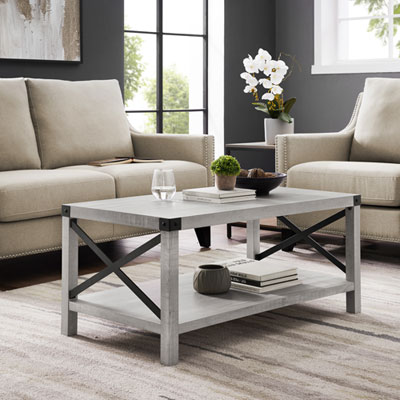 Your price for this item is $249.99
-
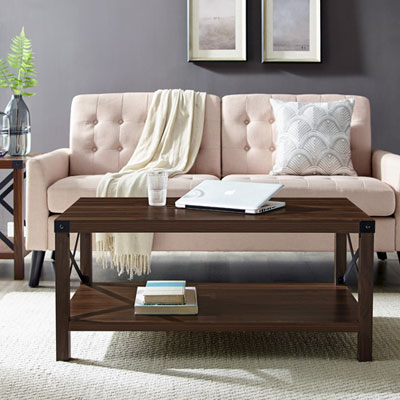 Your price for this item is $311.99
Discover more categories related to Oak Coffee Table And End Tables

Top Collections:
Pokemon Centers, Kindle Devices, Best Cameras for Sports Photography, Pokémon 30th Celebration Cards, Apple iPhones 16, Canon G7X Cameras, iPhone 15 Apple, Flip Phones, Samsung Galaxy Phones, Alarm Clock
Some products may be subject to Environmental Handling Fees
(EHF) depending on your province.
Learn more about EHFs.