Oak End Tables
Oak end tables are timeless and classic pieces of furniture that can add a touch of sophistication to almost any room. Crafted from high-quality materials, these tables are as sturdy as they are stylish. With a variety of shapes and sizes, oak end tables can fit in almost any space, from small apartments to large homes. Here are some of the great options.
Sort
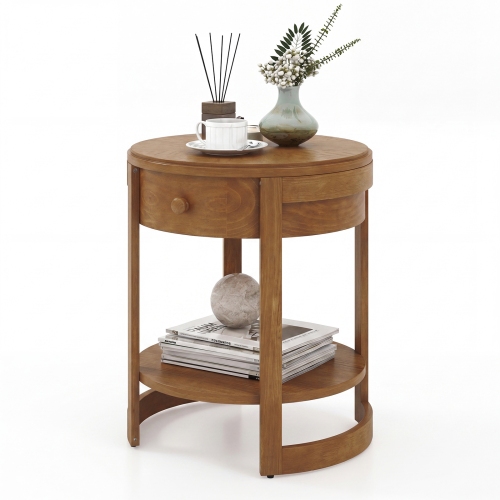


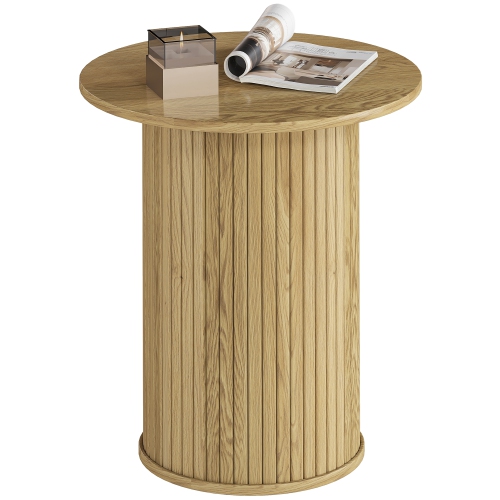


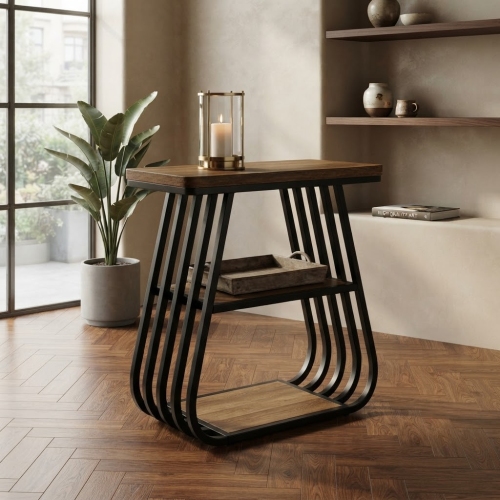
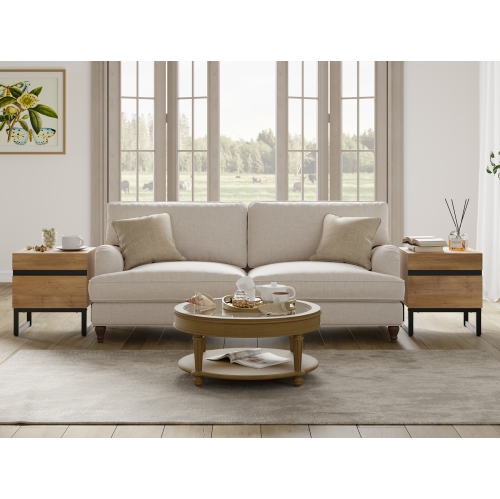
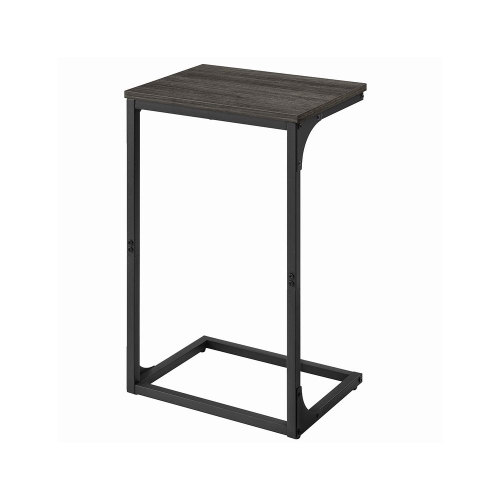
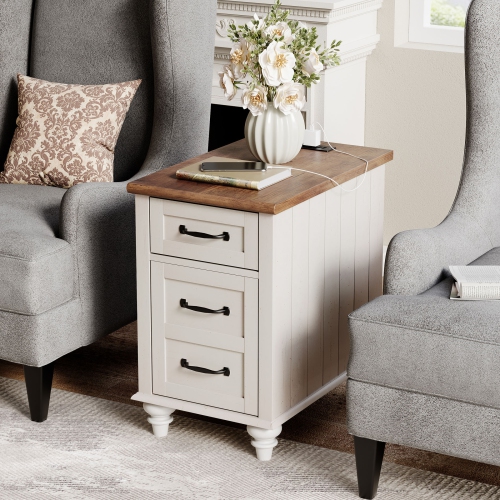


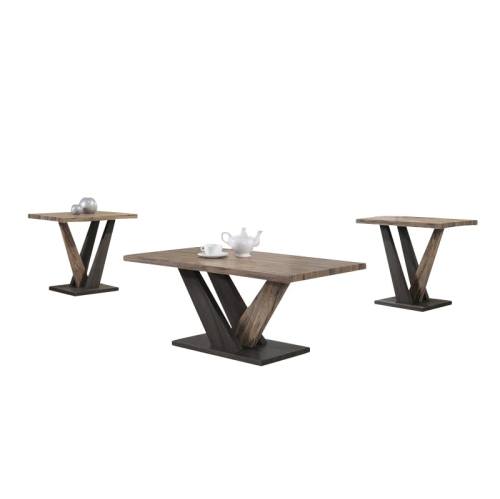


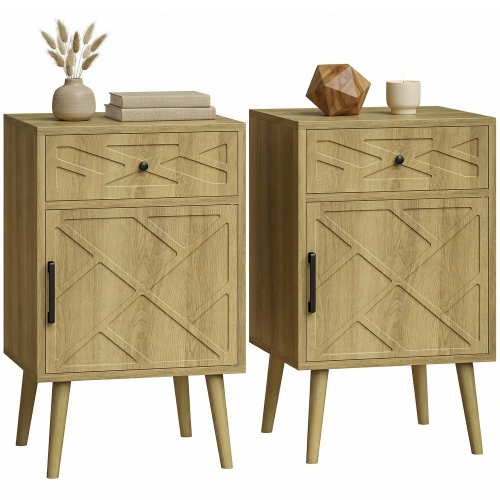

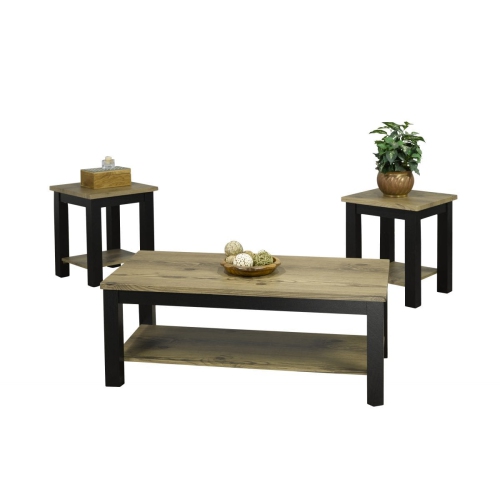


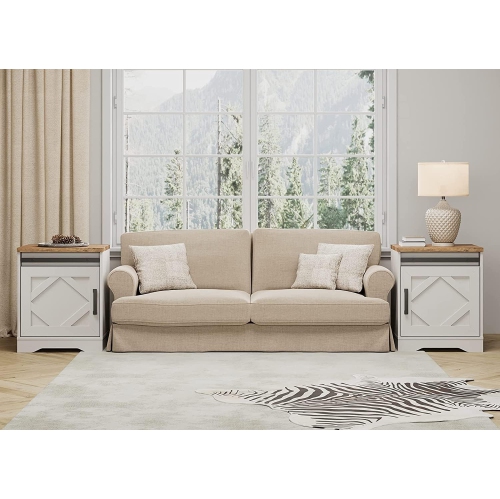
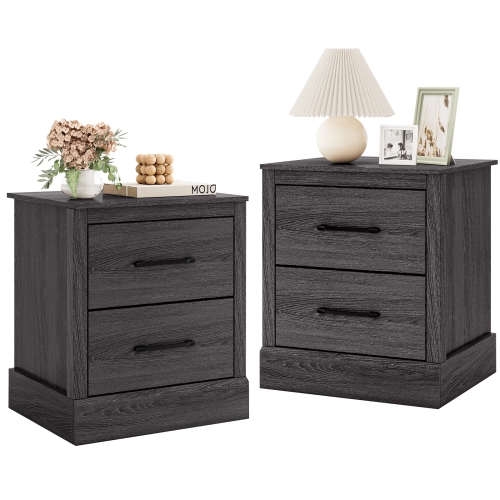
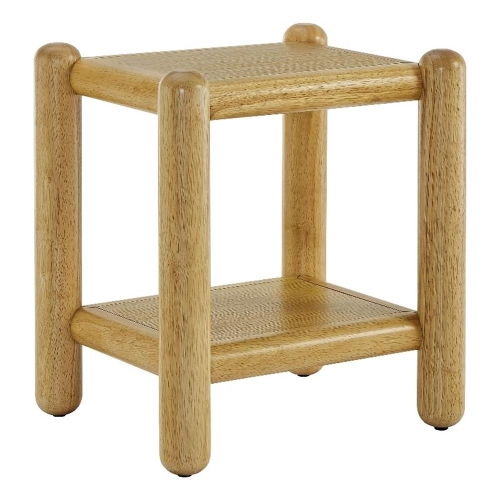
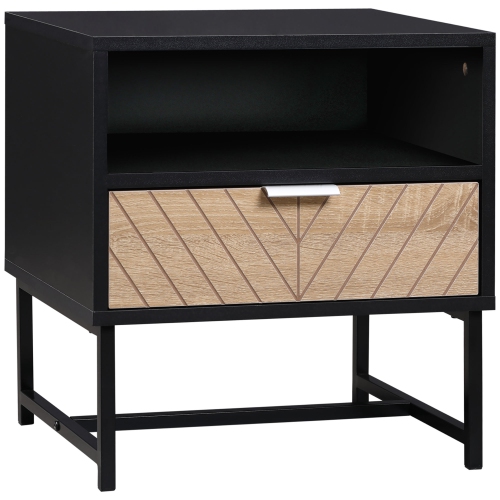


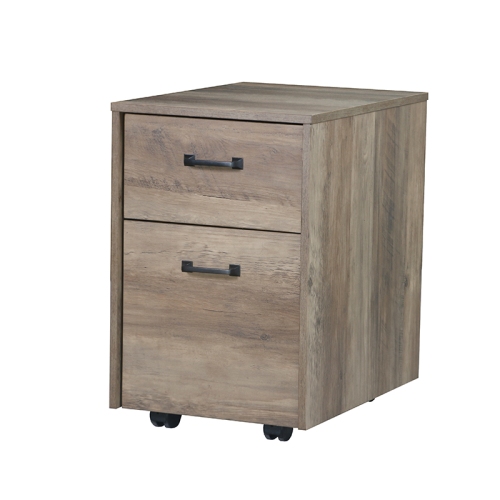


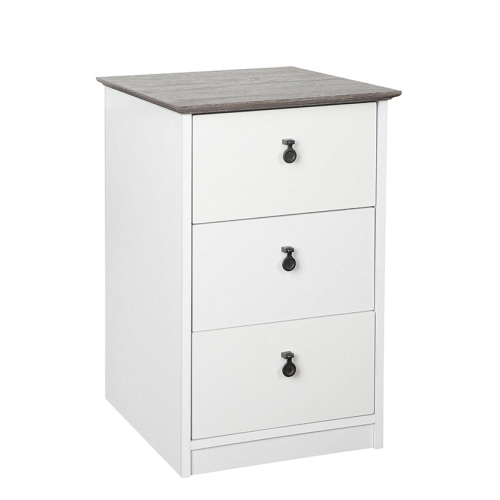


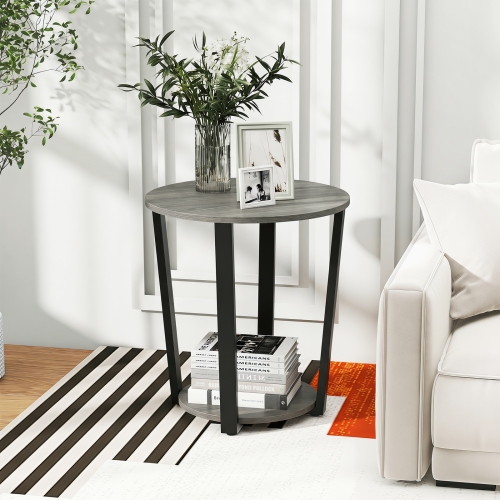

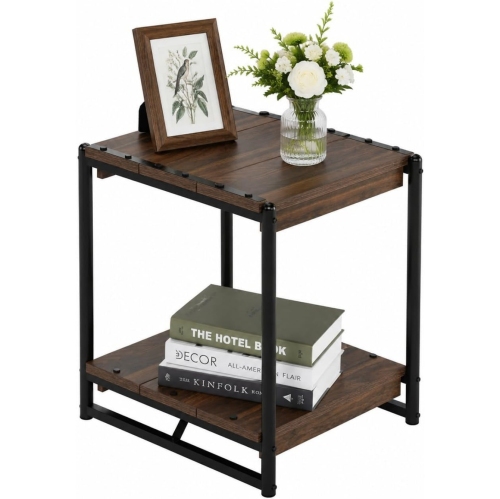
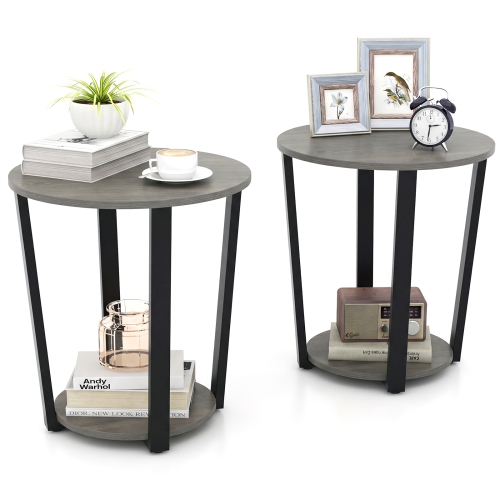


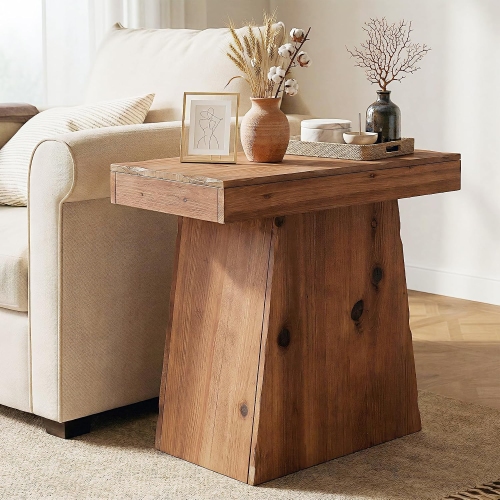

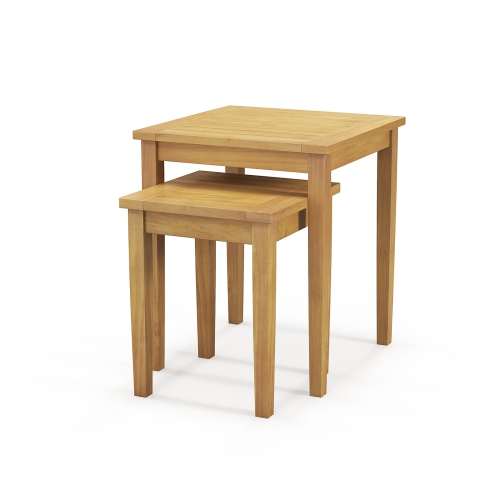


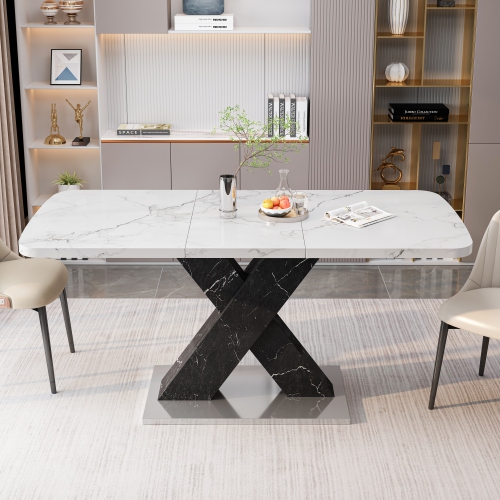

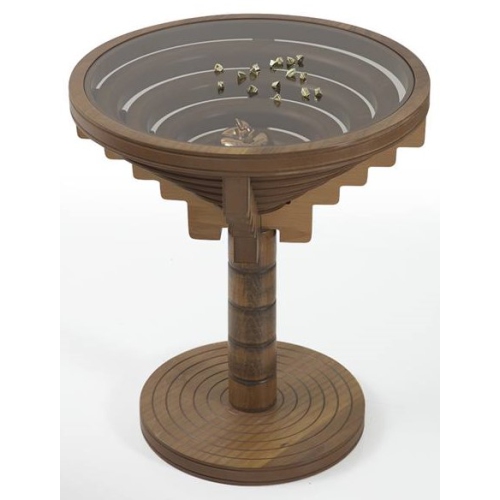
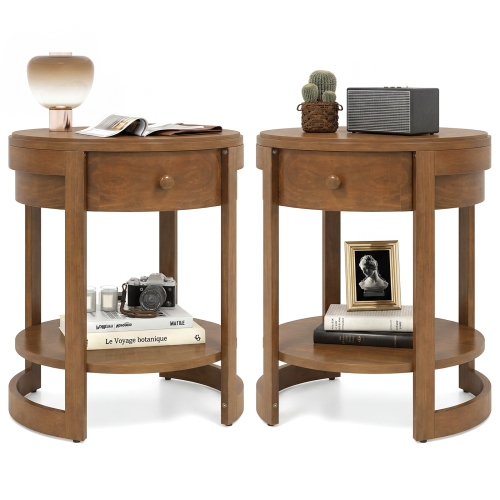

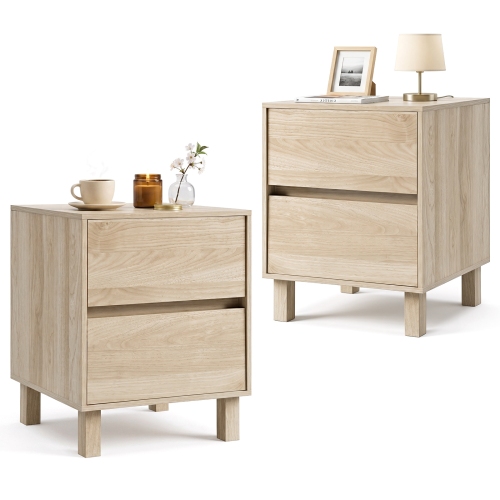

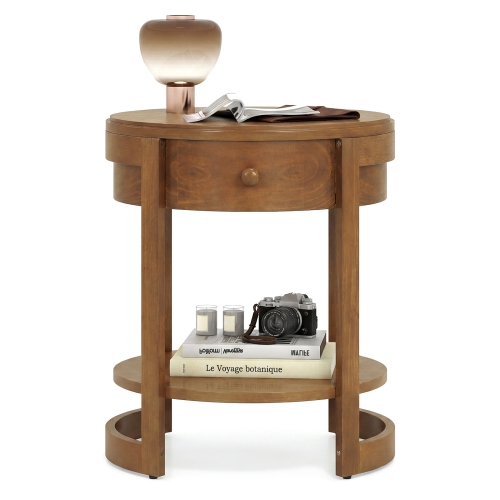
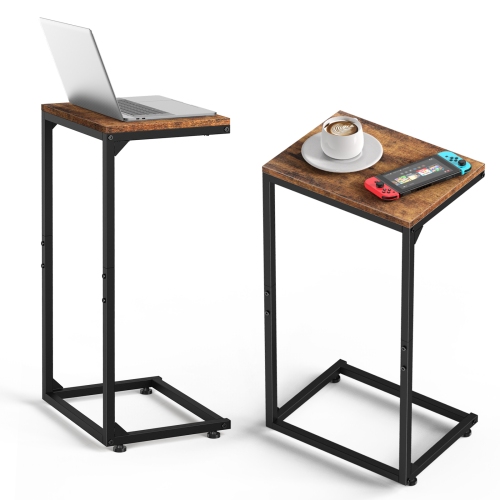


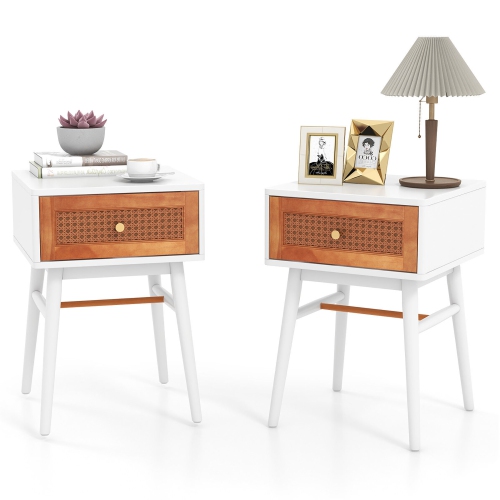
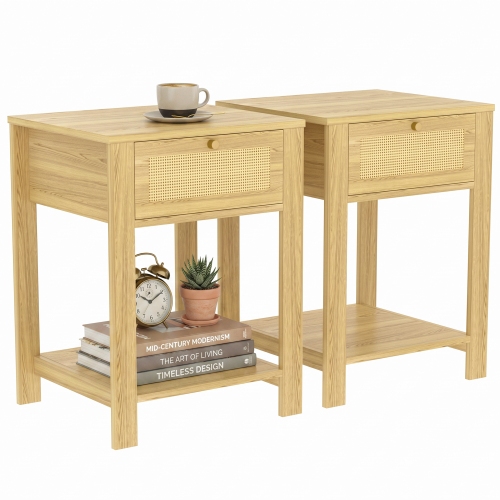
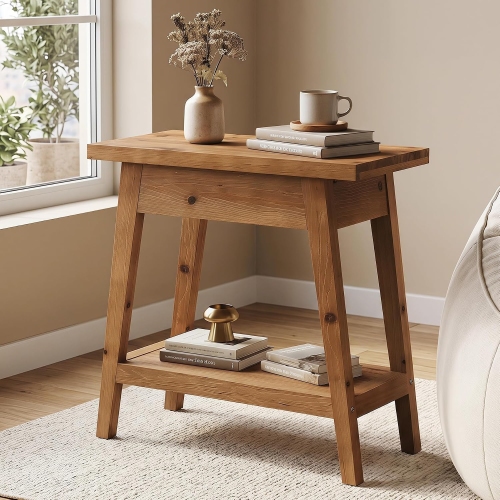
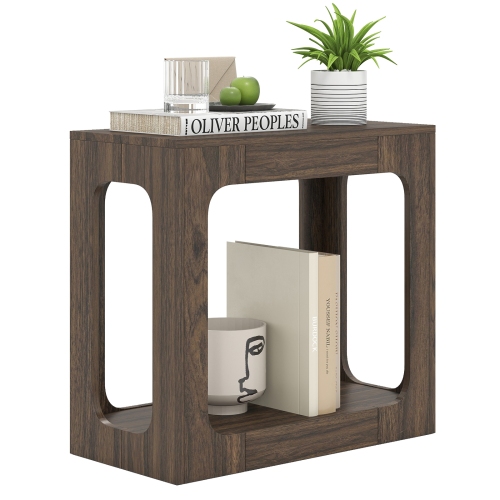

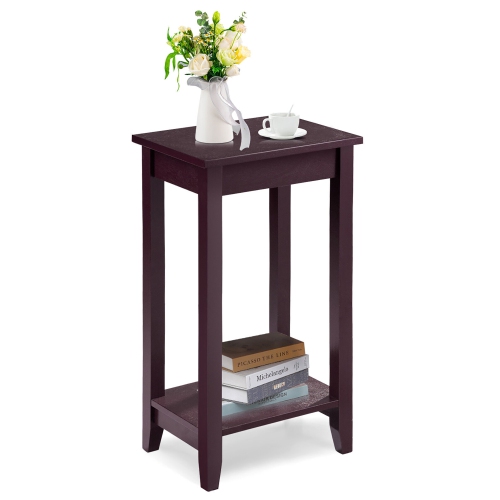
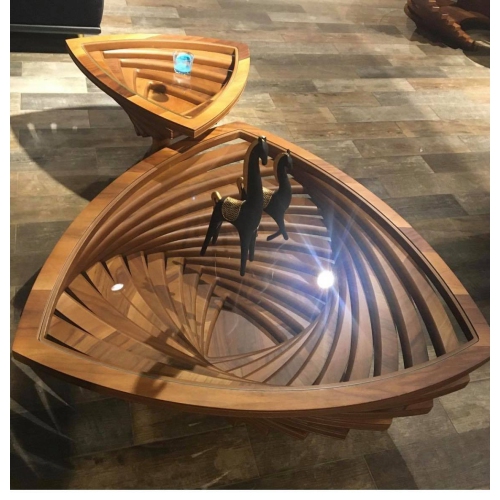
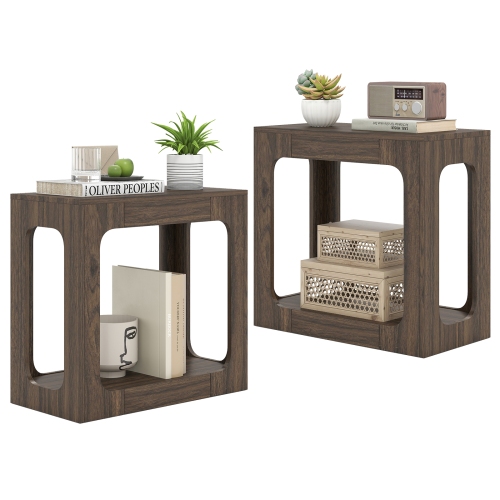
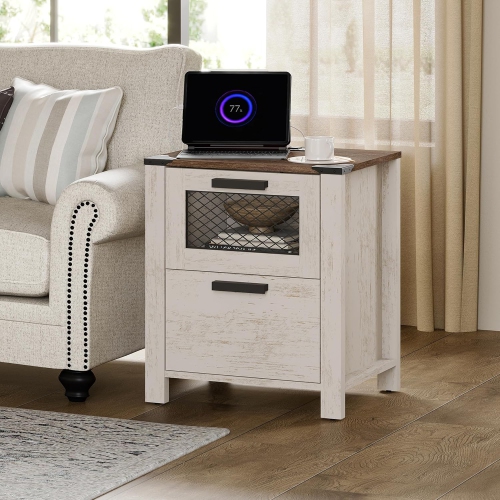
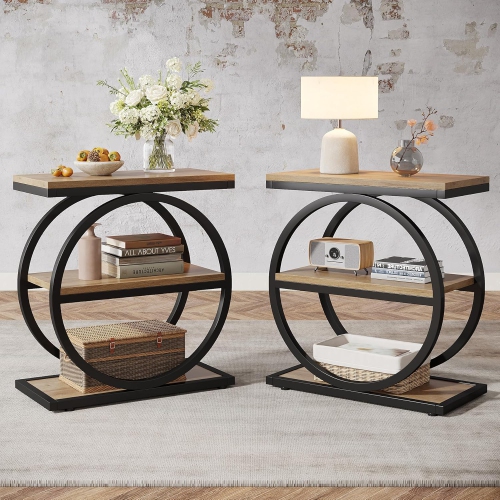
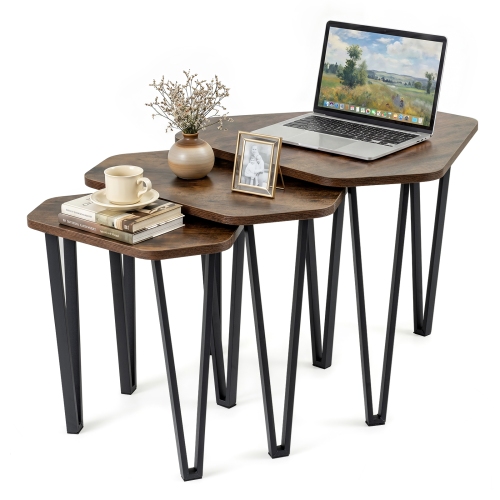
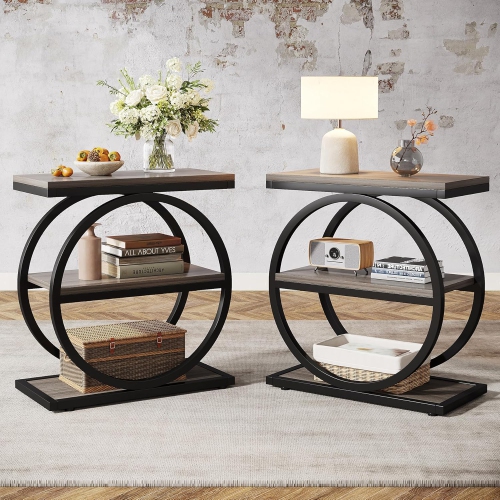


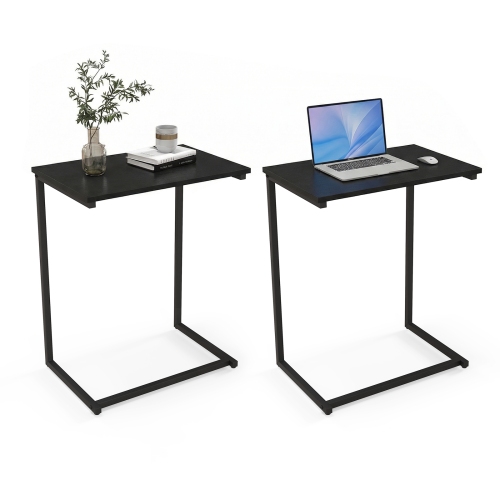

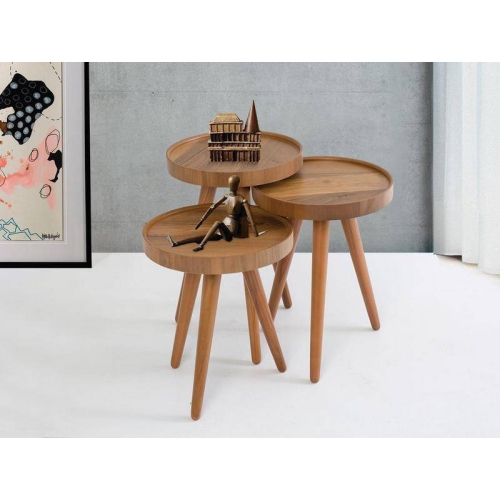


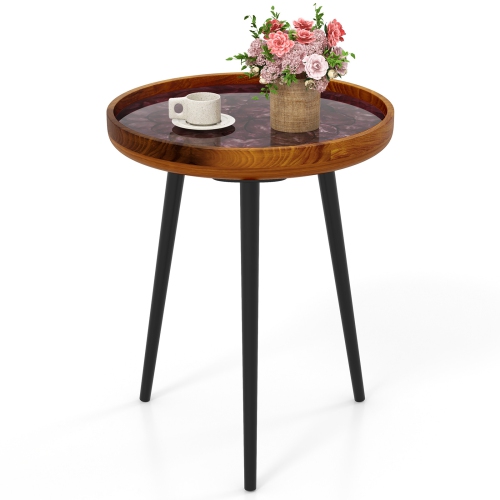
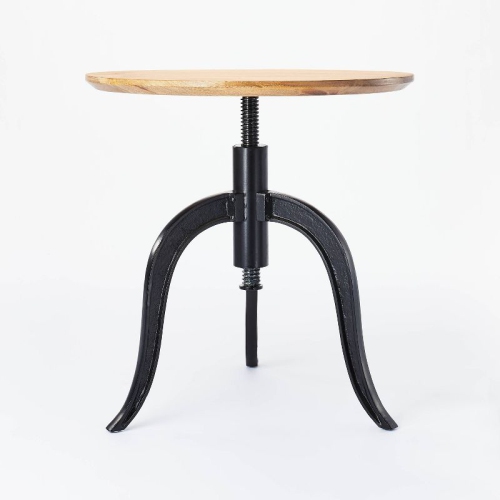

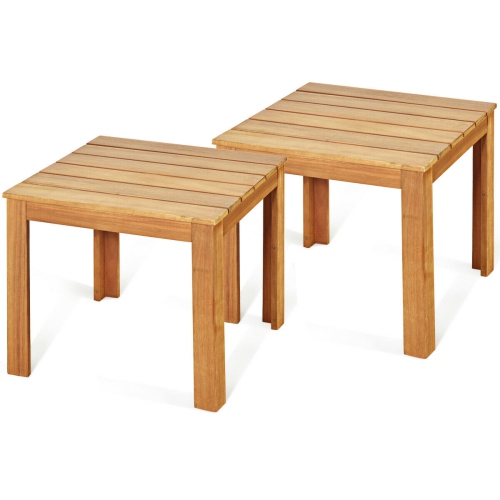

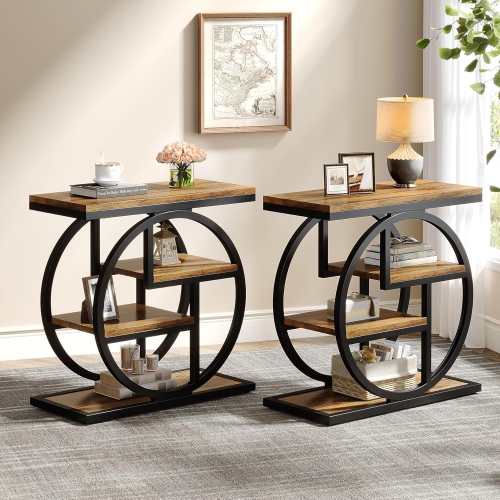


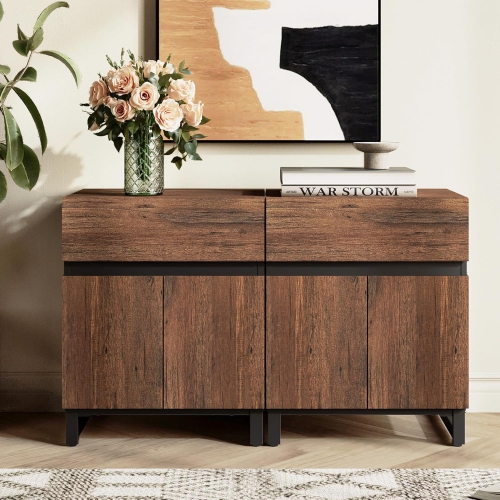

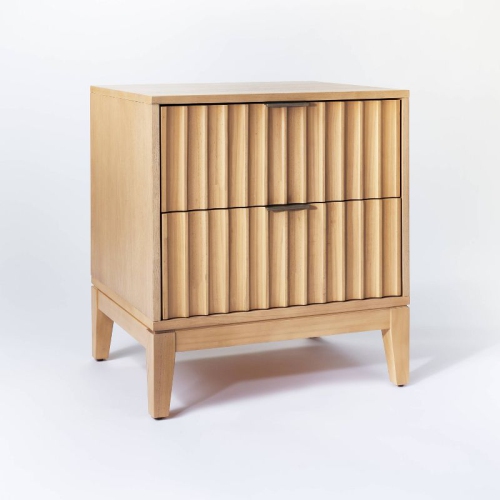

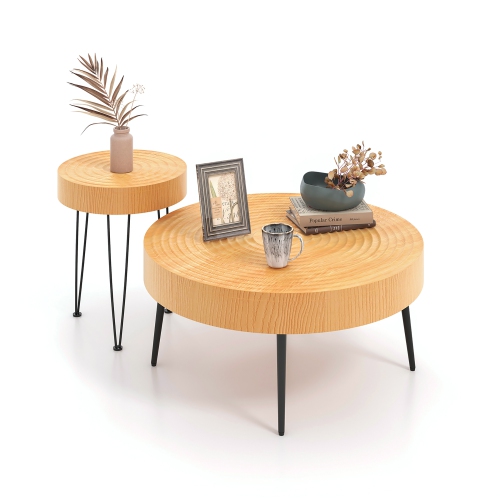


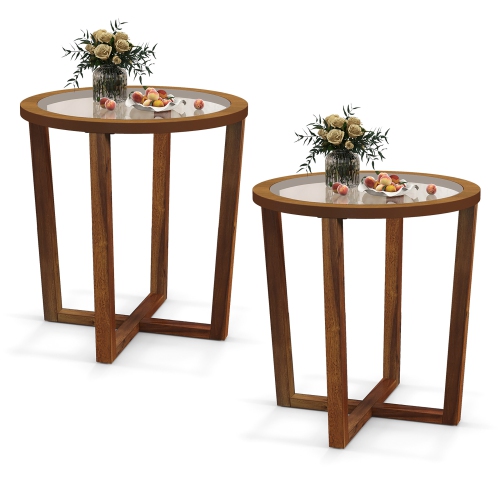
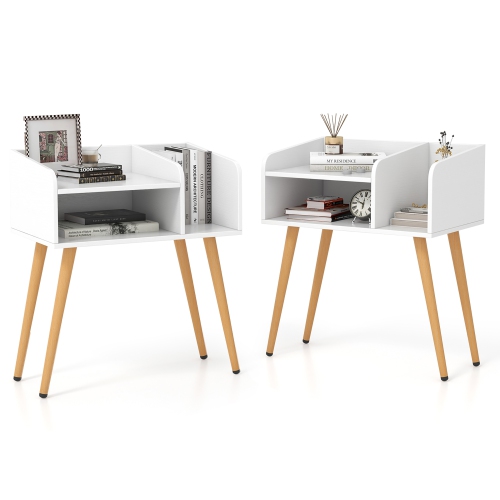
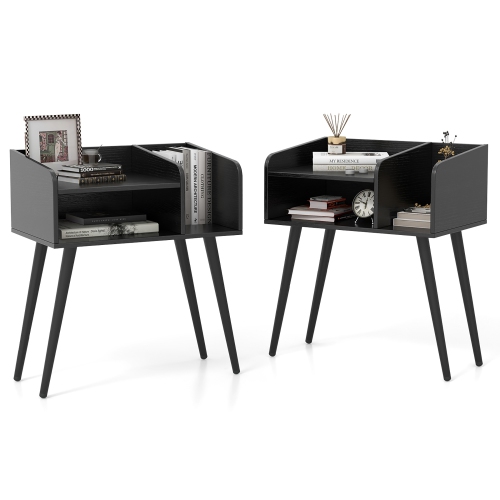

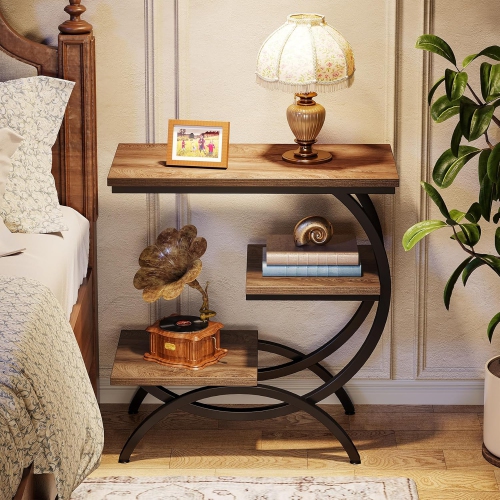


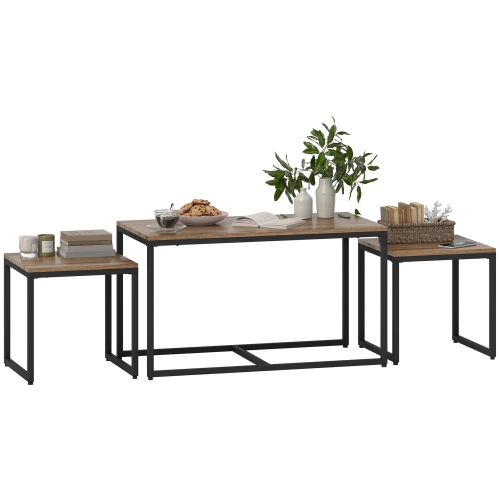

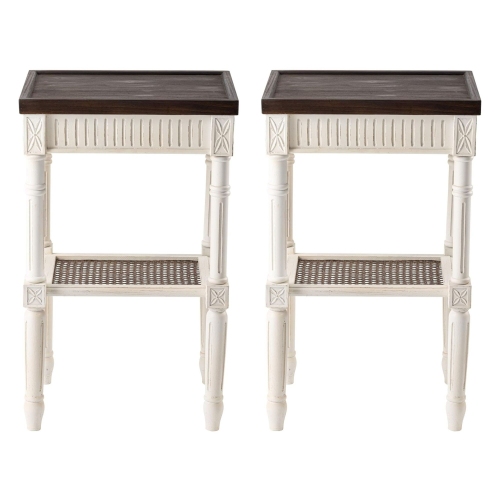


Distinctive wood grain with everyday essentials within reach
Oak end tables bring the texture of real wood into the small spaces beside sofas, armchairs, and beds, providing a useful surface without the footprint of a larger accent table. Oak is a hardwood known for its pronounced grain, which can appear as flowing lines, subtle flecks, or broader patterns depending on how the timber is cut. That visible character gives each piece a slightly different appearance, even when the shape and finish are similar. Natural finishes tend to highlight the grain, while darker stains can create a more formal look or help an end table sit comfortably alongside deeper-toned furniture. Red oak often has warmer, sometimes pinkish undertones; white oak generally leans towards beige and brown, although stain, finish, and lighting all affect the final colour. In rooms with cream upholstery, pale rugs, or muted wall colours, White Oak End Tables can add wood texture without creating a strong visual contrast. Construction matters as much as appearance. Solid oak tables use oak timber for the components described as solid, while oak veneer tables have a thin layer of oak bonded to an underlying material. A veneer surface still displays real wood grain, and its supporting core can provide dimensional stability, but it does not have the same depth of wood available for future sanding. Some designs combine a solid oak frame with a veneered top or shelf, so the material description helps distinguish how each part is made. Shape and detailing give these practical pieces their personality: a round top softens a grouping of straight-lined seating, a square top sits neatly beside a sofa arm, and an oval or pebble-shaped surface offers a gentler outline. Tapered legs suggest a mid-century influence, substantial block forms feel grounded, and simple open frames suit interiors where the wood itself is the main feature.
The everyday value of an oak end table depends on how well it fits the furniture and routines around it. A tabletop close to the height of the adjacent sofa or chair arm usually makes it easier to set down a mug, reach a book, or switch on a lamp without an awkward stretch. Height is only one part of the fit: the width and depth need to leave room for walking, opening nearby doors, and extending a recliner where relevant. A compact round table can work beside an occasional chair, while a broader rectangular surface may better accommodate a lamp, reading glasses, and a drink at the same time. The lamp base deserves particular attention because a wide shade or heavy base can occupy more space than expected. There should still be a comfortable landing area for the things used most often, rather than a tabletop filled edge to edge. Open lower shelves offer a place for books, a small basket, or a folded throw, keeping the upper surface clearer while leaving essentials visible. Drawers conceal remotes, charging cables, and other small belongings, though their usefulness depends on accessible opening space beside the seating. A cabinet-style base provides more enclosed storage, whereas an airy leg design keeps more floor visible and can make a small room feel less crowded. Tables used beside a bed need enough surface for a reading light and nightly essentials, with a height that relates comfortably to the mattress rather than the sofa arm. In a living room, matching tables can create balance at either end of a sofa, but a single oak table can also sit alongside furniture in other materials. The most cohesive combinations often repeat one detail, such as a similar wood undertone or leg shape, without making every piece identical. A lighter finish can provide contrast against dark upholstery, while a richer stain can add definition beside a pale chair.
Oak end tables are suited to regular household use, but their longevity depends on construction, finish, and care rather than the wood name alone. Oak is a hard timber, yet a finished surface can still develop scratches from abrasive objects, marks from spills, or dents from a sharp impact. Coasters beneath drinks and a protective pad under a planter help separate the finish from moisture and rough edges. Water that collects beneath a plant pot is particularly easy to overlook, so a tray should contain any overflow rather than allowing it to reach the wood. Routine cleaning is generally straightforward: a soft cloth removes dust, and a lightly dampened cloth can address everyday marks when permitted by the care instructions, followed by drying. Harsh cleaners, abrasive pads, and unapproved polishes may dull or alter the finish. Oiled, waxed, and lacquered surfaces have different maintenance needs, making the manufacturer's care directions more useful than a single treatment applied to every oak table. Placement also affects wear. Direct sunlight can change the colour of wood over time, and positioning a table immediately beside a heating vent can expose it to conditions that encourage movement in solid timber. Moving a lamp or other tabletop objects occasionally can help avoid a sharply defined difference between exposed and covered areas. For busy households, rounded corners may reduce bumps in narrow walkways, but a rounded shape does not replace a stable base or appropriate placement. Firm joints, secure fasteners, and a level stance matter when a table holds a lamp or stands beside frequently used seating. Assembly instructions and stated weight limits are especially relevant for tables with separate legs, shelves, or drawers; an end table is not intended to serve as a seat or step. These pieces can suit apartment dwellers furnishing a compact lounge, families adding accessible storage, or readers creating a comfortable corner around a favourite chair. An oak end table can also be a thoughtful housewarming gift when the recipient's room dimensions and style are known. Its usefulness comes from a simple combination: a surface within reach, storage where needed, and a wood finish that feels at home with the surrounding furniture.
Top selling and popular products
-
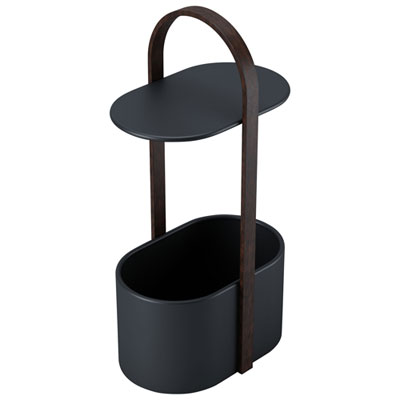 Your price for this item is $93.98
-
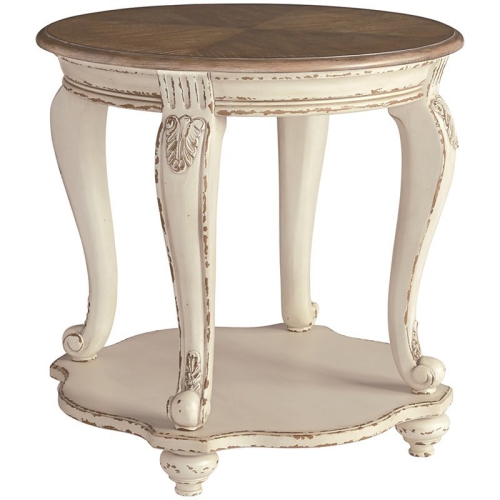 Your price for this item is $369
-
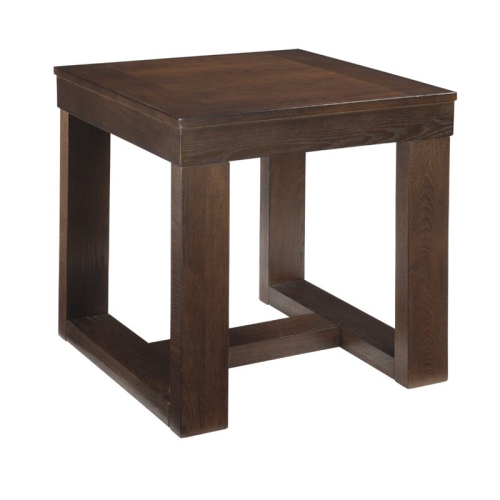 Your price for this item is $199
-
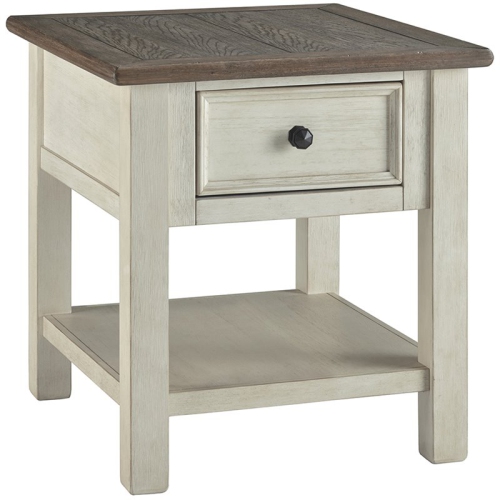 Your price for this item is $399
-
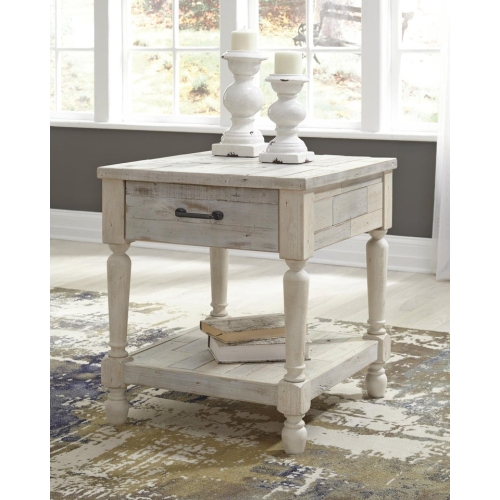 Your price for this item is $249
-
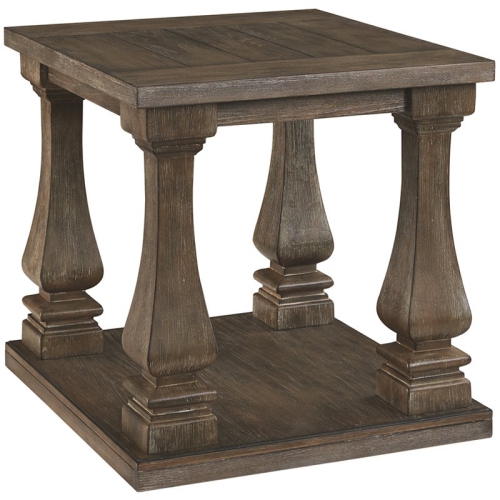 Your price for this item is $375
-
 Your price for this item is $452.99
-
 Your price for this item is $224.99
Discover more categories related to Oak End Tables
Top Collections:
Pokemon Centers, Kindle Devices, Best Cameras for Sports Photography, Pokémon 30th Celebration Cards, Apple iPhones 16, Canon G7X Cameras, iPhone 15 Apple, Flip Phones, Samsung Galaxy Phones, Alarm Clock
Some products may be subject to Environmental Handling Fees
(EHF) depending on your province.
Learn more about EHFs.