Oak Floating Wall Shelves
Oak Floating Wall Shelves bring a touch of timeless style and practical storage to any room. Perfect for showcasing your favorite décor, organizing books, or adding extra space for everyday essentials, these shelves complement a wide range of interiors. The natural oak finish blends seamlessly with both modern and classic settings, making them a versatile choice for living rooms, bedrooms, offices, and more. Discover how Oak Floating Wall Shelves can help you create an organized and visually appealing space throughout your home.
Sort
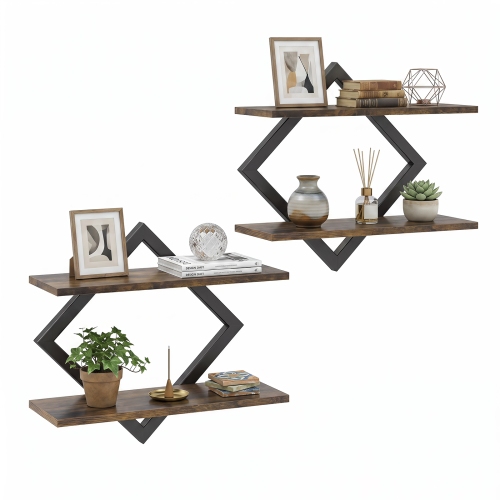
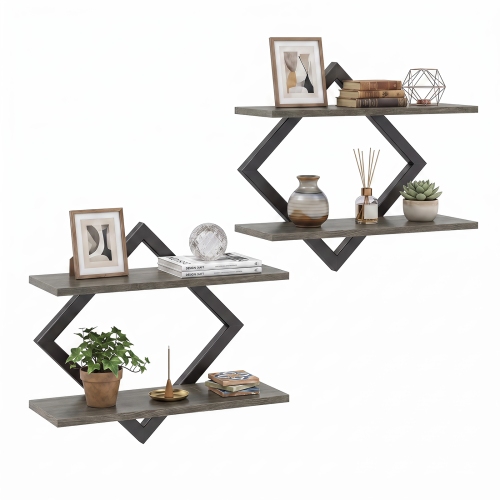
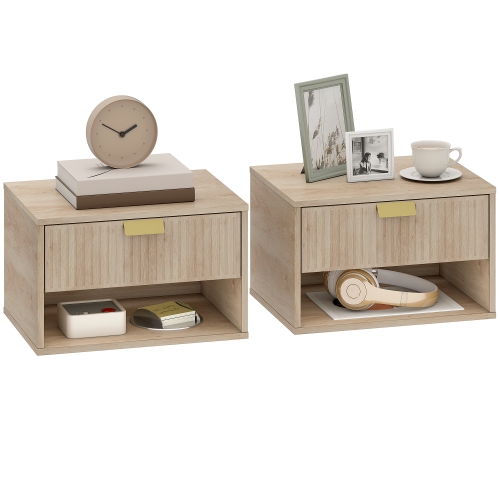
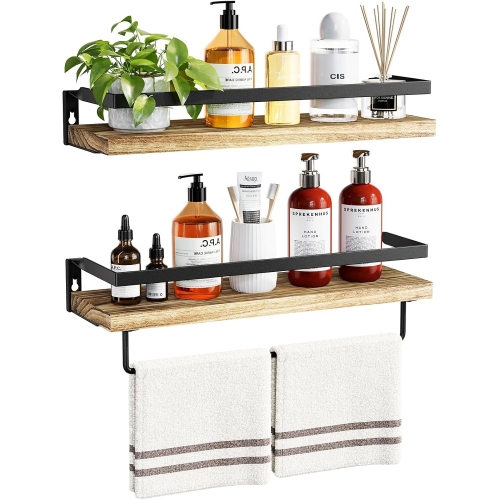
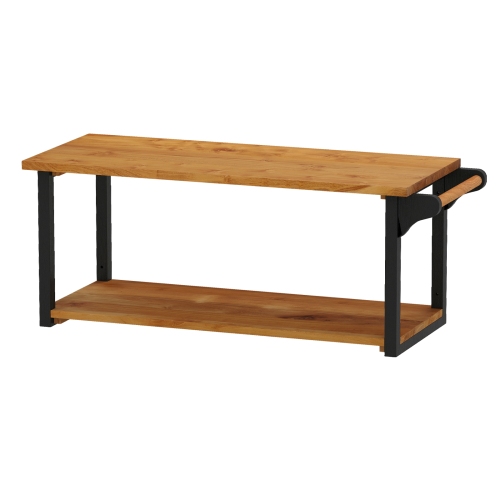
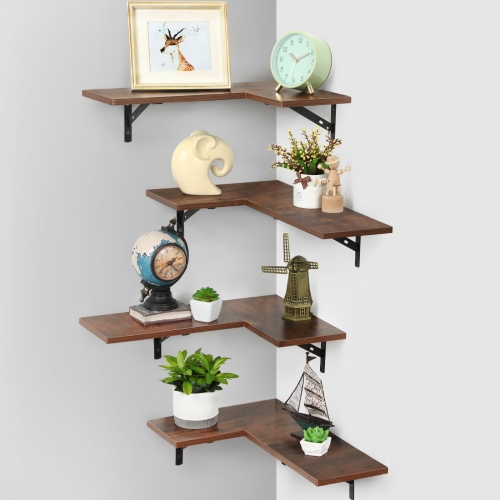
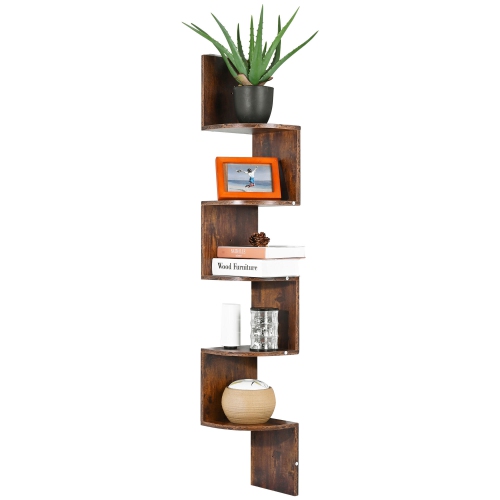
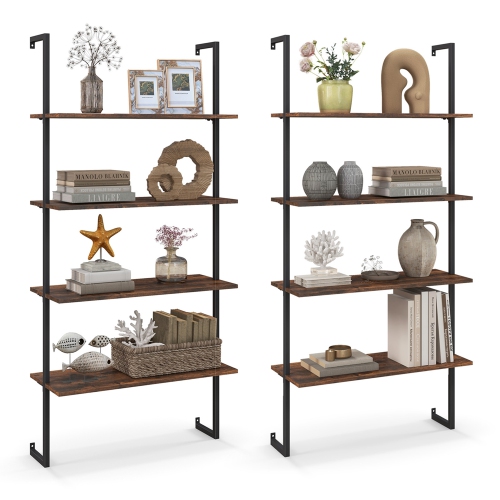
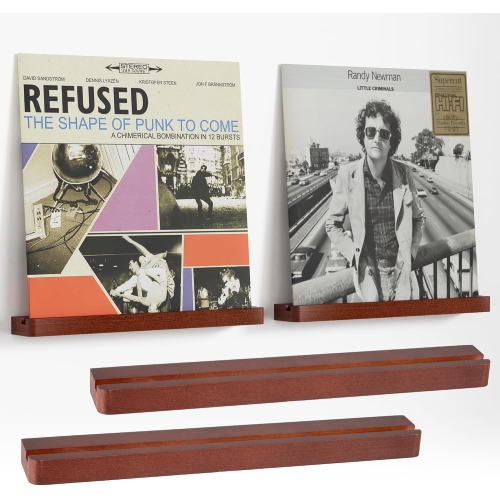
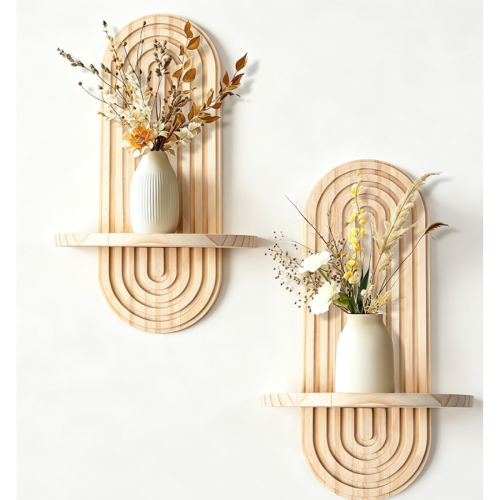
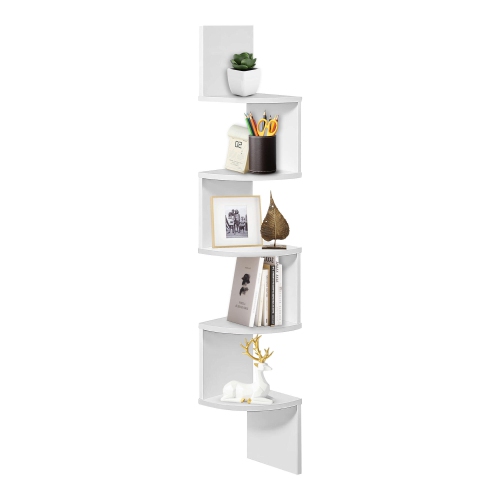
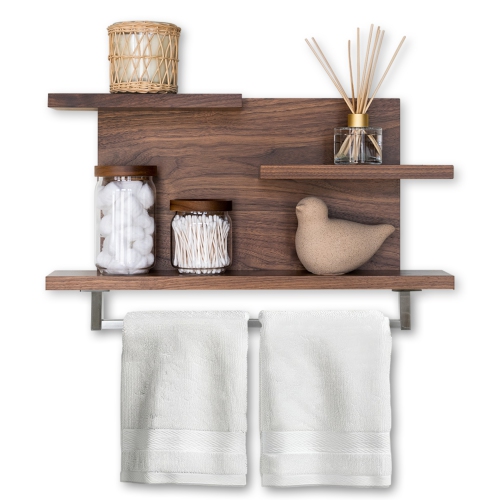
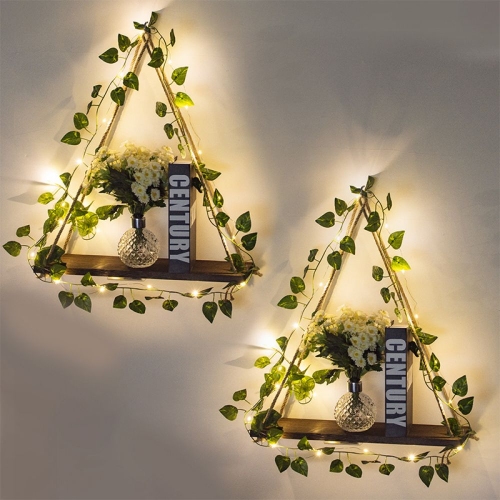
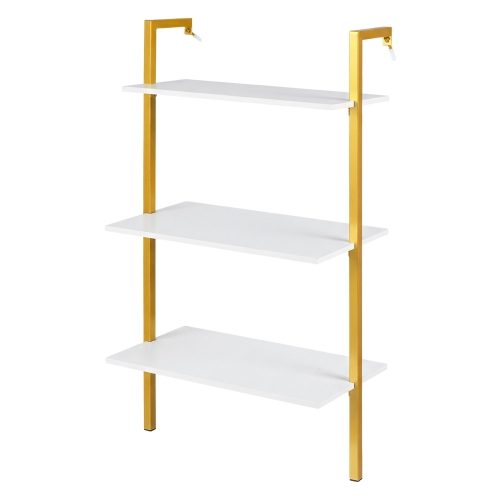
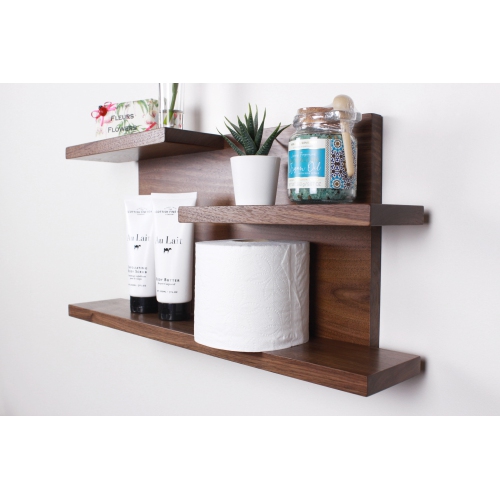
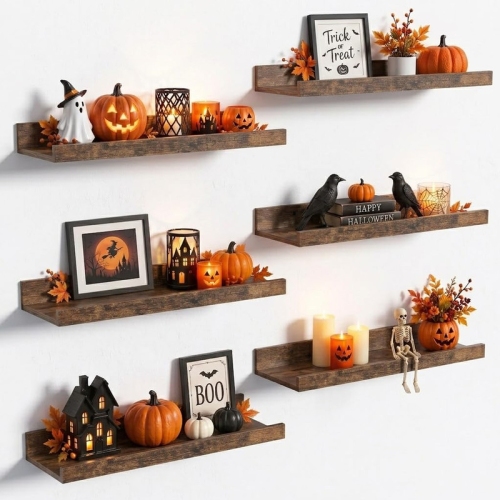
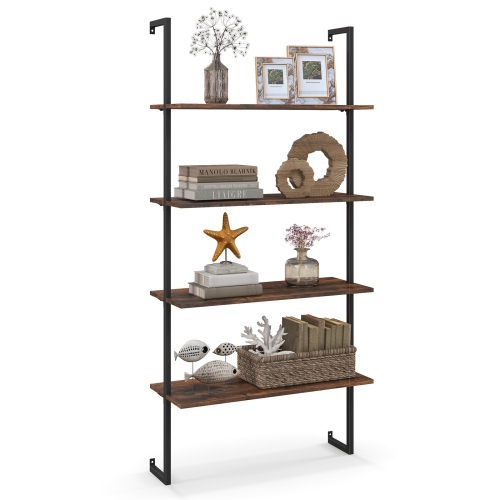
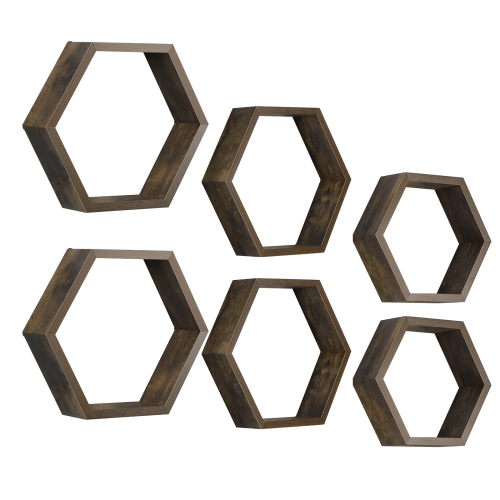
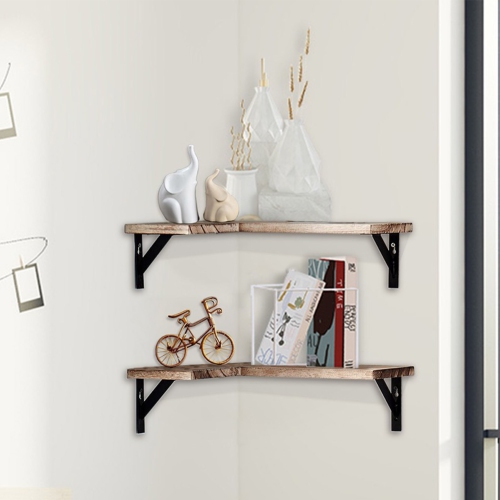
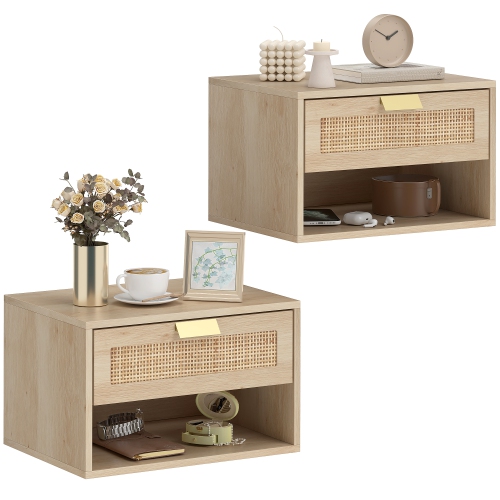
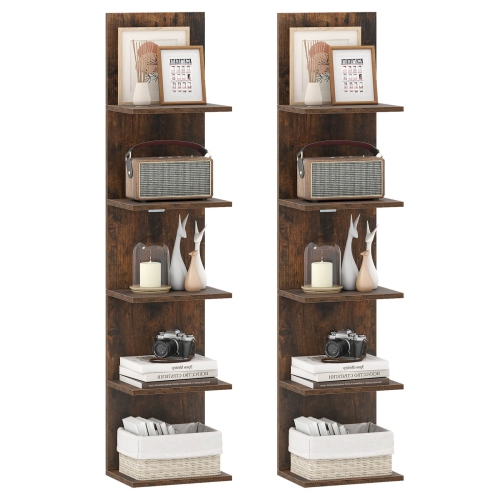
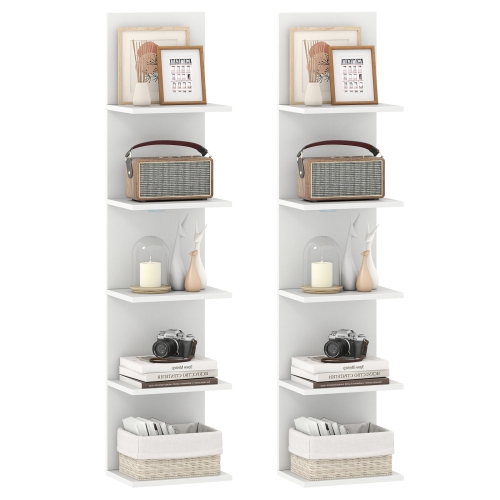
Hidden supports let oak grain take centre stage
Oak floating wall shelves provide open storage and display space with concealed supports that keep the focus on the wood rather than visible brackets. Their appeal comes from that balance of practical storage and a clean, uncluttered profile: a shelf can hold everyday essentials while leaving the floor clear and making an unused stretch of wall feel considered. Oak’s distinctive grain brings texture to simple interiors, whether the surrounding furniture is contemporary, traditional, or somewhere between the two. Colours can range from pale beige and honey tones to deeper brown, depending on the species, stain, and finish. Grain patterns also vary, so two pieces of genuine oak may look related without appearing identical. Smooth surfaces and straight edges create a more tailored appearance, while pronounced grain, knots, and irregular edges give the wood a more rustic character. For a stronger emphasis on visible grain and a lived-in look, Rustic Oak Wall Shelves offer a closely related style direction. Material descriptions are an important distinction within this category. Solid oak shelves are made from oak timber, while oak veneer places a thin layer of genuine oak over a supporting core. Oak-effect finishes reproduce the appearance of the wood without necessarily containing an exposed layer of real oak. These constructions can differ in weight, edge detailing, repair options, and care requirements. A thick-looking shelf may also have a hollow construction rather than being a solid block, so its appearance alone does not establish how it is built or how much it can support. Surface finish matters just as much as colour: a matte finish can make the grain feel understated, while a more reflective coating gives the surface a different appearance under room lighting. Together, these details help determine whether oak floating shelves blend quietly into a room or become a noticeable feature above a desk, beside a reading chair, or along a dining-room wall.
The right fit depends on the shelf’s length, depth, thickness, mounting system, and intended contents. A shallow ledge can suit framed photographs or small keepsakes, while deeper shelving gives books, bowls, and larger display pieces more room to sit securely. Usable depth matters more than the impression created in a photograph; a book or planter needs enough surface beneath it without hanging awkwardly over the front edge. Longer shelves can connect a broad stretch of wall visually, whereas shorter shelves can fit into an alcove or create a compact arrangement beside existing furniture. Several shelves placed vertically can add storage without taking up more floor area, although the space between them needs to accommodate both the objects and the hand movement required to lift them out. Floating shelves rely on hidden hardware, and their load capacity depends on the complete installation, not simply the strength of oak. Bracket design, fasteners, wall construction, and attachment points all play a part. Drywall, timber studs, masonry, and other wall surfaces require suitable fixing methods, and hardware supplied with a shelf may not suit every wall. A stated weight limit should be read alongside the manufacturer’s mounting requirements and any guidance about load distribution. A row of hardback books or a ceramic pot filled with soil can weigh considerably more than a few small ornaments. Keeping heavier objects close to supported areas and avoiding concentrated weight at an unsupported edge helps the installation perform as intended. Placement also affects everyday comfort. Shelves above seating need sufficient head clearance, and those near doors or cupboards should not interfere with opening movement. Above a workspace, depth and height should leave room for comfortable use of the desk below. Electrical cables, plumbing, and other concealed services need consideration before drilling. In a rental property or shared building, installation permissions may also affect the choice. These practical details are especially relevant when the desired result is a crisp, bracket-free appearance that remains secure under normal use.
Oak floating wall shelves work well in rooms where useful objects can also contribute to the overall look. In a living room, a short run of books, a framed print, and a ceramic bowl can create a personal display without covering every centimetre of the surface. Above a home-office desk, shelving can keep reference materials within reach while preserving the worktop for a monitor, keyboard, and writing space. In an entryway, a suitably positioned shelf can provide a landing place for a small tray, provided it does not narrow a busy passage or leave sharp corners at an awkward height. Kitchen and bathroom use calls for closer attention to the finish and the manufacturer’s suitability guidance, since splashes, steam, and frequent cleaning can be harder on wood than ordinary living-room use. A protective finish helps, but it does not automatically make a shelf waterproof. Plant pots benefit from watertight saucers, and spills are best wiped up promptly rather than left beneath objects where moisture can sit unnoticed. Routine care is generally straightforward: gentle dusting with a soft cloth removes loose particles, while any damp cleaning should follow the finish-specific instructions and leave the surface dry. Abrasive cleaners and rough pads can damage coatings or alter the sheen. Solid oak and oak veneer also respond differently to repairs, so sanding or refinishing should never be assumed suitable for every construction. For everyday styling, a little open space makes individual objects easier to appreciate and keeps frequently used belongings accessible. Repeating a wood tone elsewhere in the room can make the shelf feel connected to existing furniture, but an exact match is not necessary; a shared warm or cool undertone often creates a comfortable relationship. Light-coloured walls emphasize the shelf’s outline, while darker walls can draw attention to pale grain and natural variation. Whether used for a small collection, practical household storage, or a thoughtful finishing touch in a new home, oak floating shelves bring useful surface space and the character of wood to a room without the footprint of a freestanding unit.
Top selling and popular products
-
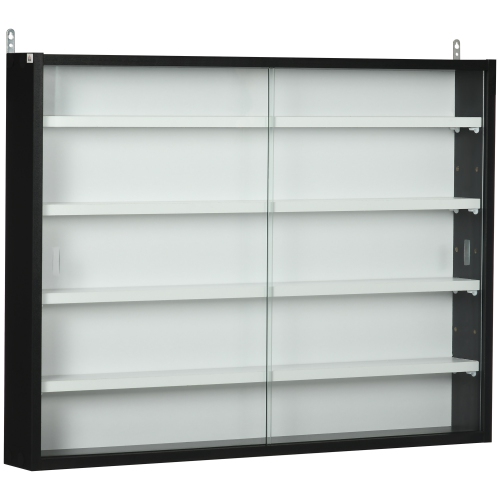 Your price for this item is $86.99
-
 Your price for this item is $496.99
-
 Your price for this item is $27.19
-
 Your price for this item is $59.99
-
 Your price for this item is $49.98
-
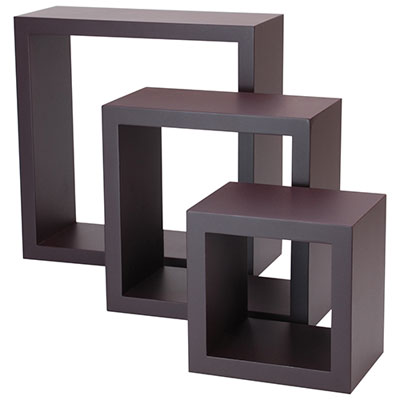 Your price for this item is $30.98
-
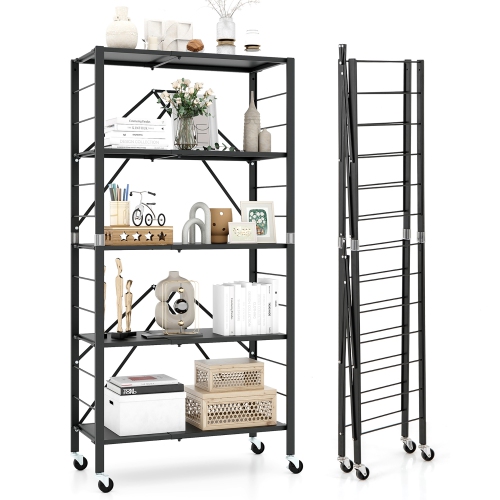 Your price for this item is $129.99
-
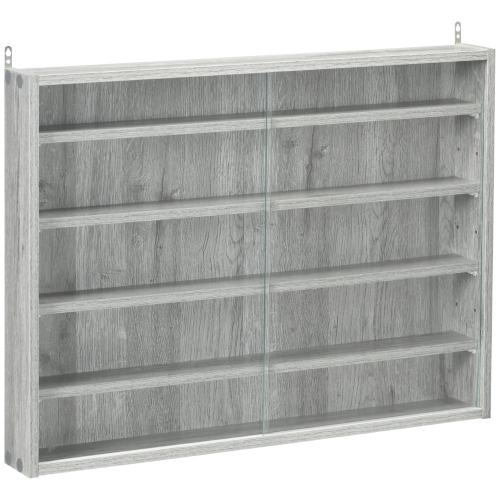 Your price for this item is $79.99
Discover more categories related to Oak Floating Wall Shelves
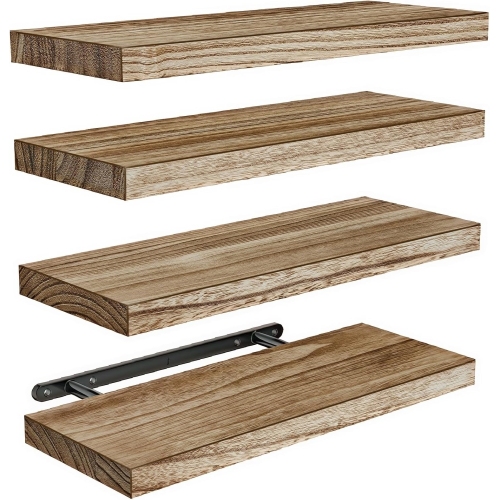
Top Collections:
Best Black Friday Deals This Year, Best Black Friday Deals On Electronics, Kindle Devices, Pokemon Centers, Best Black Friday Deals On Apple Products, Best Cameras for Sports Photography, Dyson Airwrap, Pokémon 30th Celebration Cards, Apple iPhone 17 Pro, Canon G7X Cameras
Some products may be subject to Environmental Handling Fees
(EHF) depending on your province.
Learn more about EHFs.