Office Cabinet Organizers
Organize your workspace with our selection of office cabinet organizers, designed to streamline your storage solutions and enhance productivity. From sleek drawer inserts to versatile shelving units, these organizers are perfect for decluttering your office space and keeping essentials within easy reach. Whether you're looking to tidy up your home office or revamp a corporate setting, our range of office cabinet organizers offers a blend of functionality and style to suit your needs.
Sort
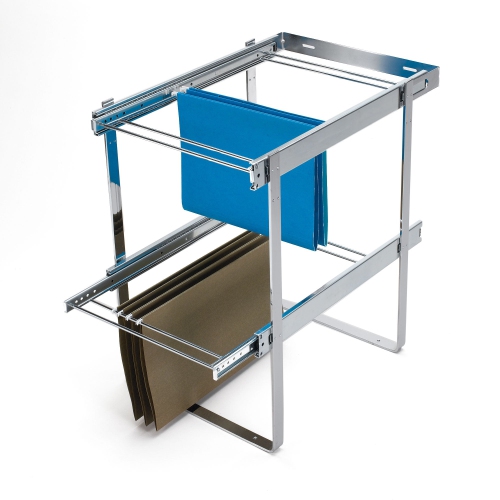
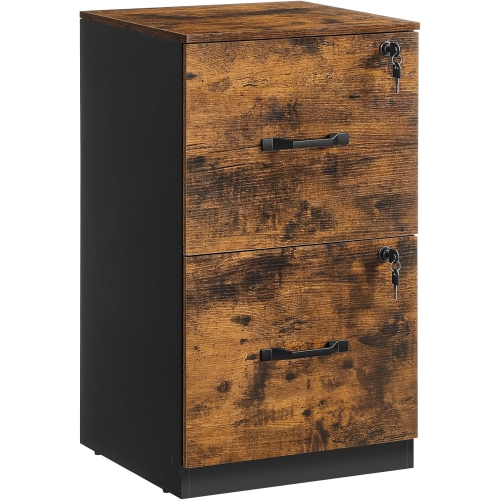
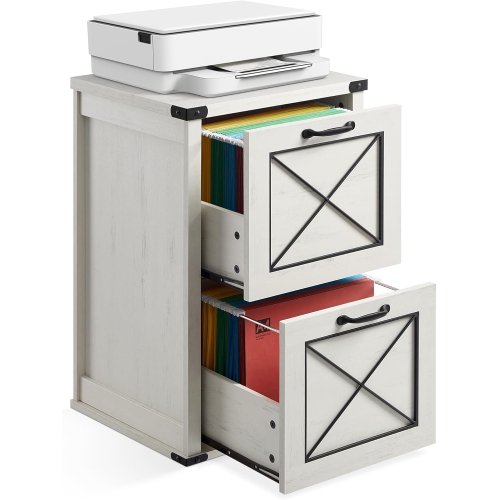
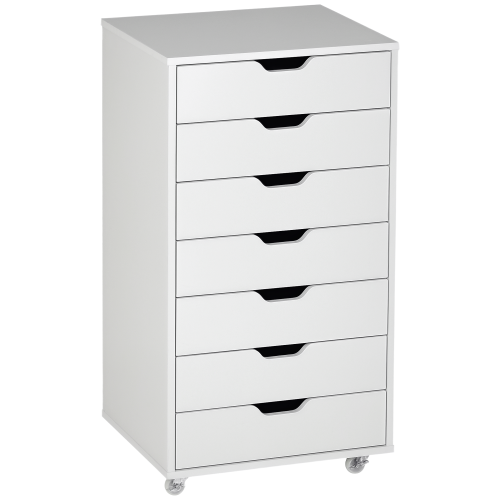
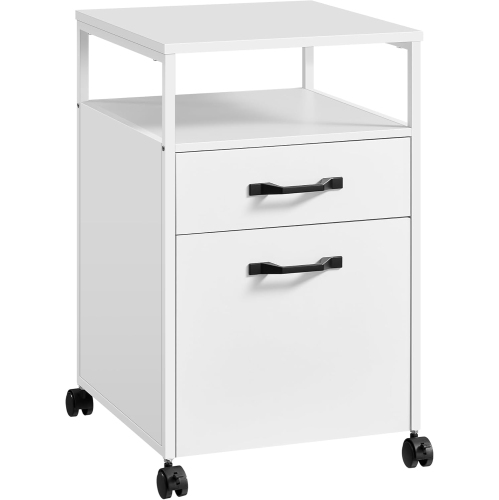
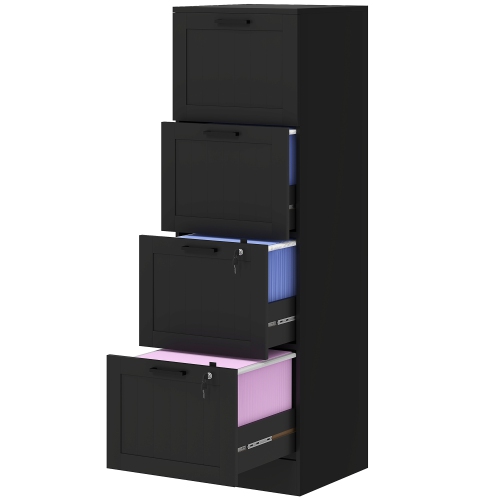
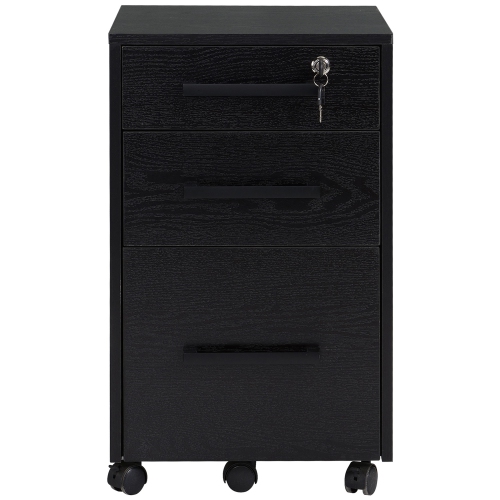
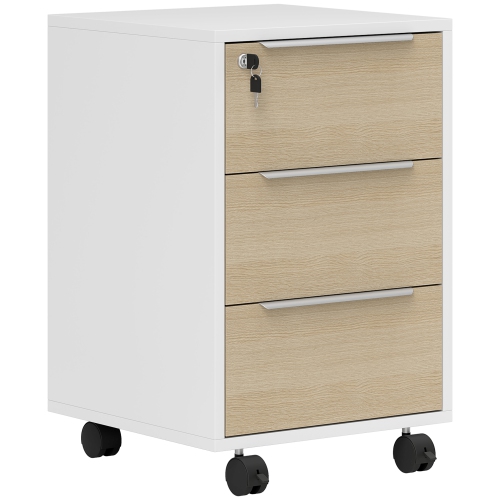
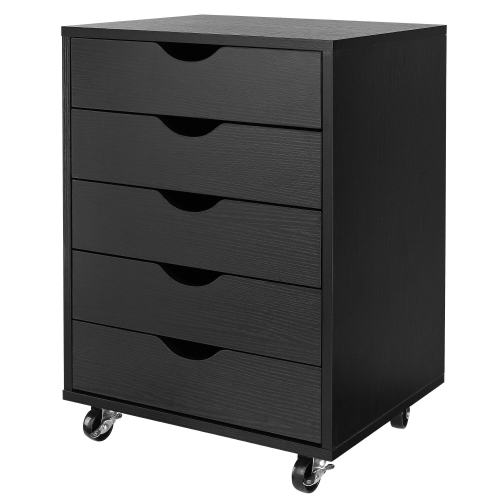
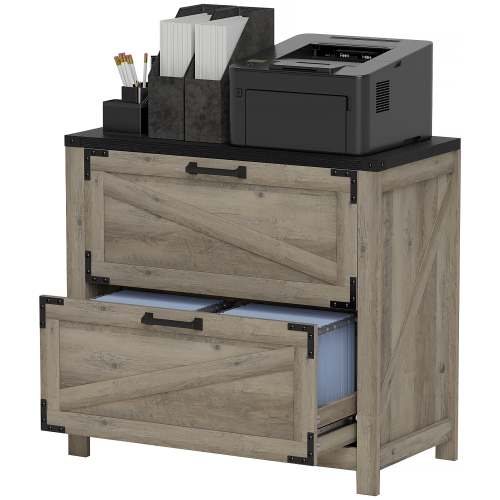
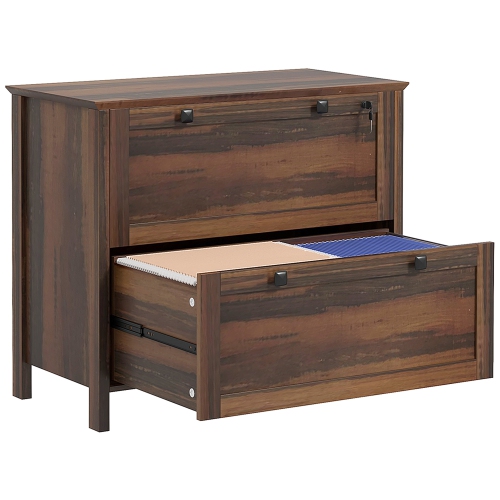
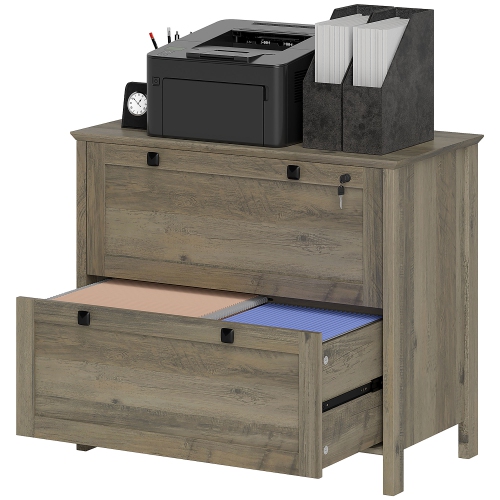
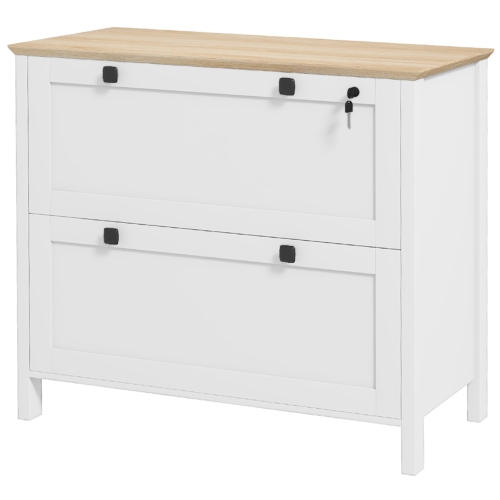

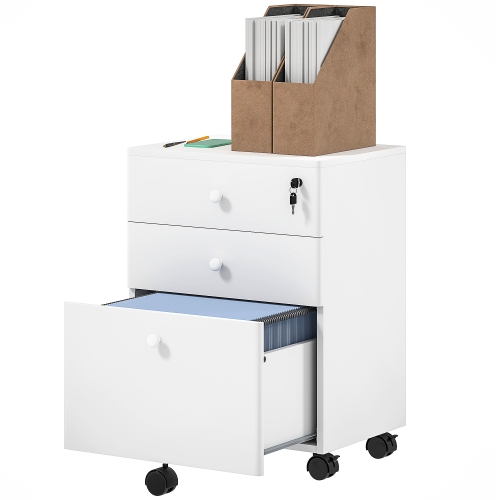
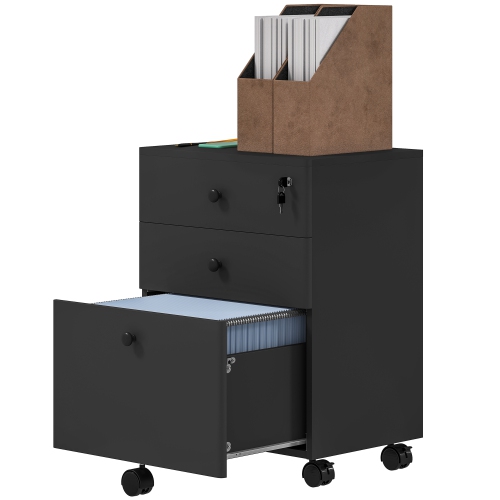
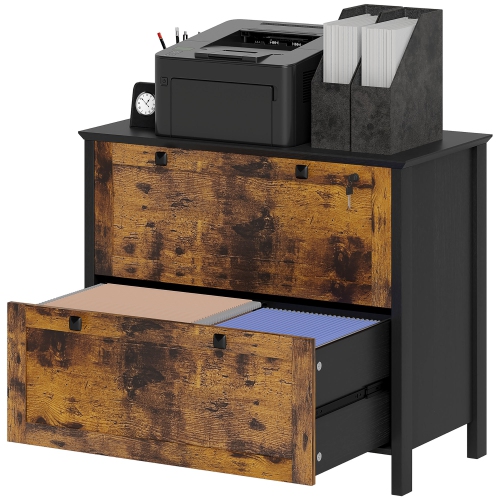
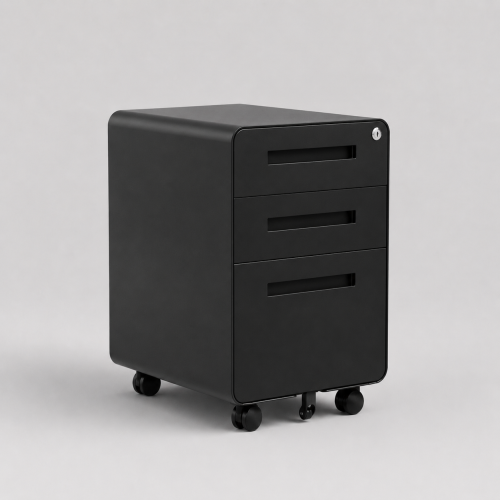
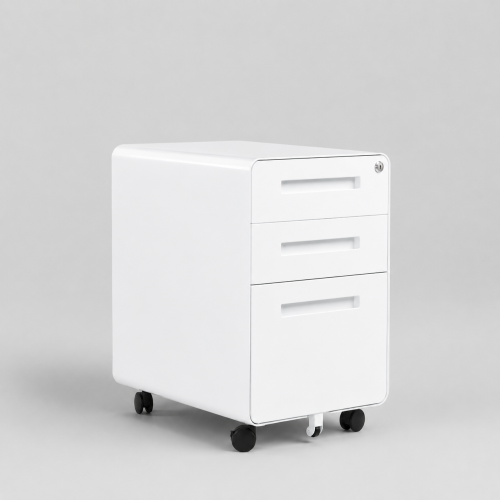
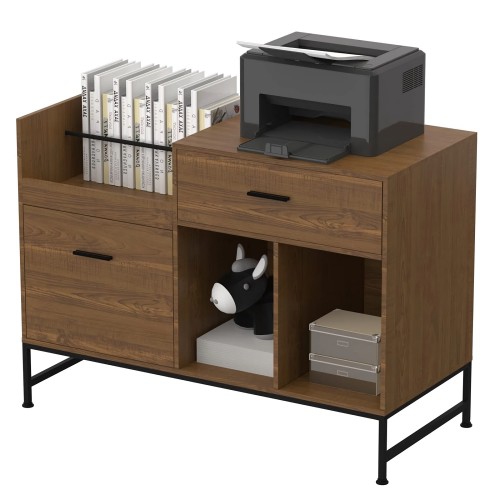

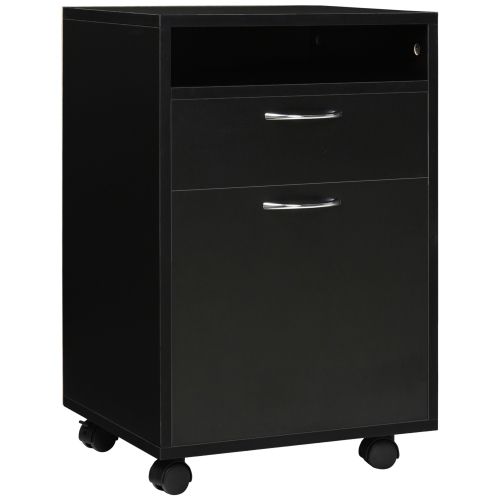
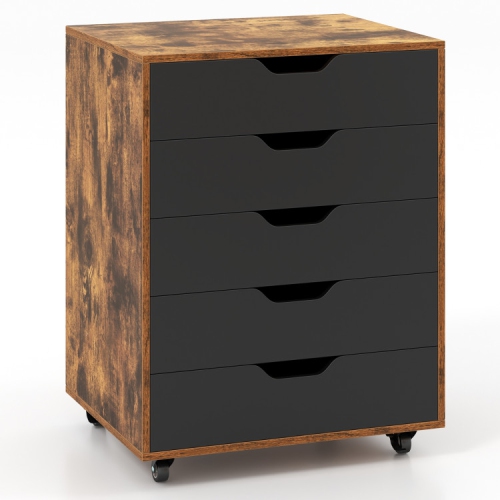

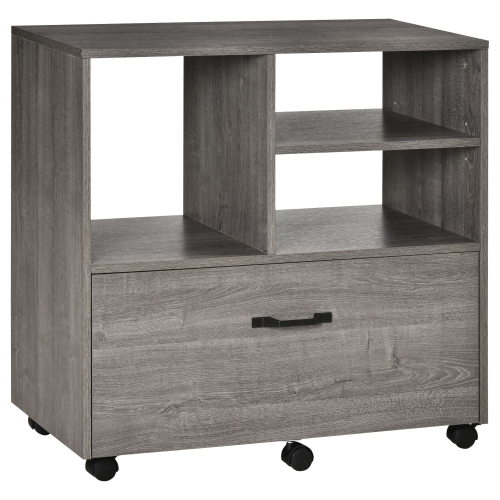
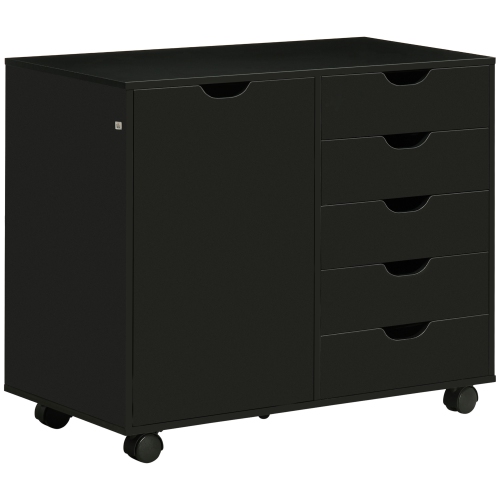

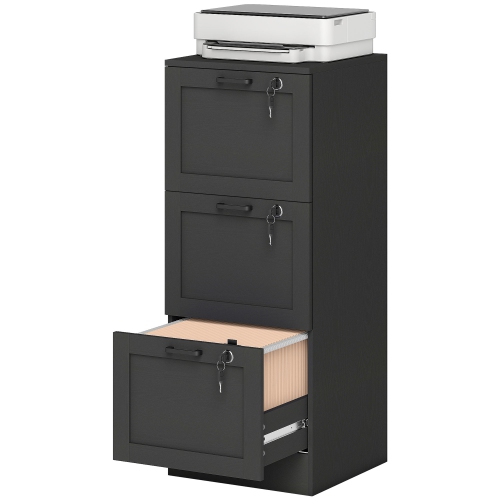
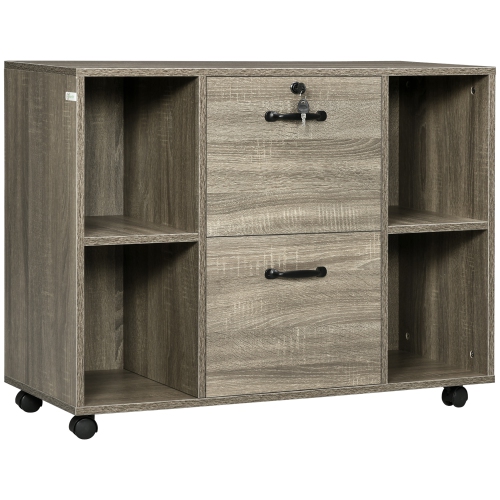

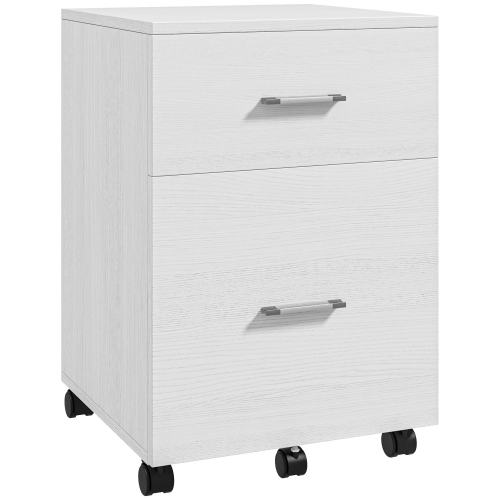
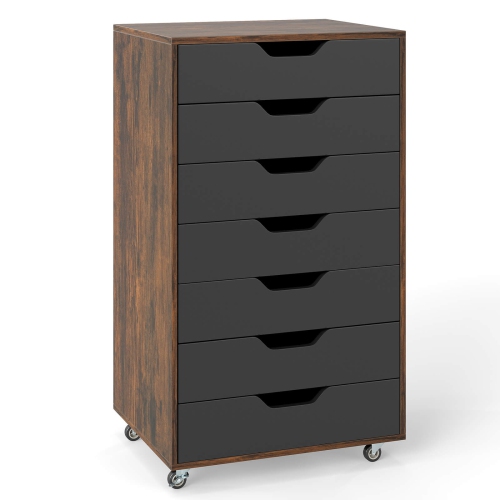
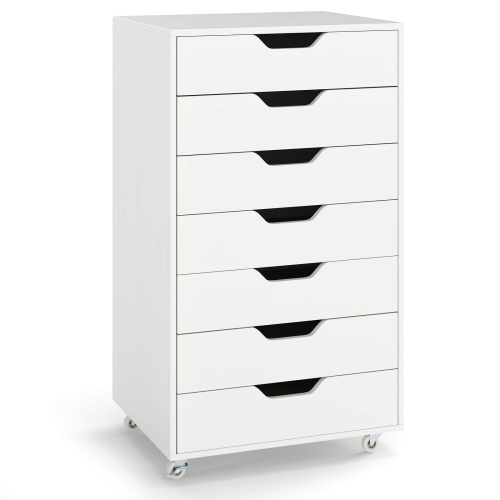
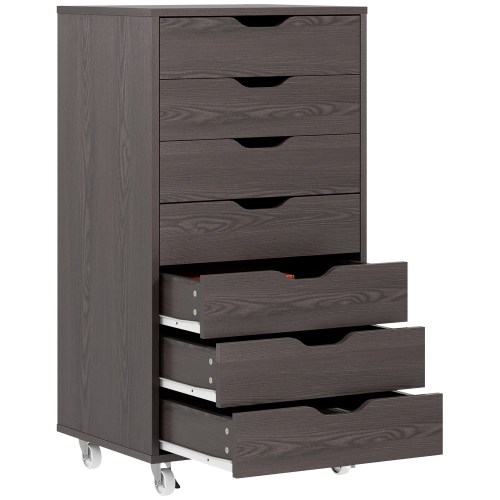
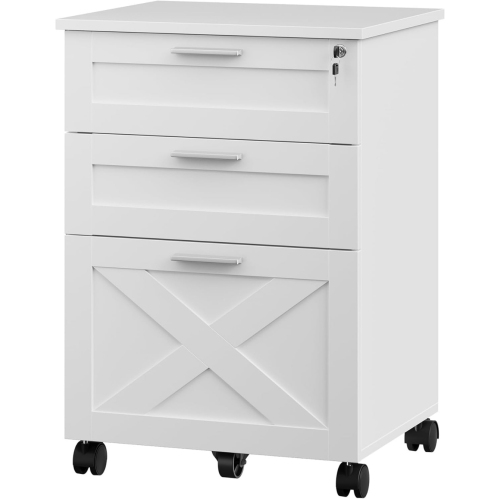
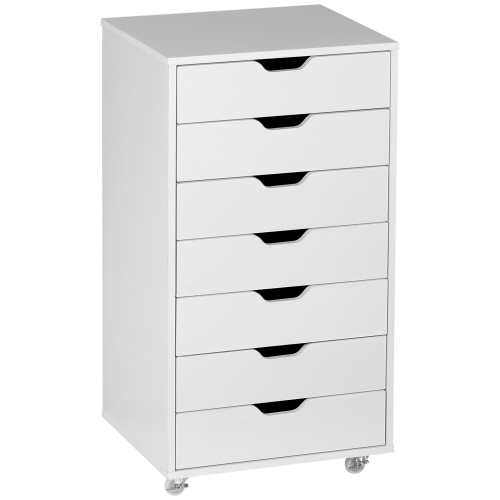
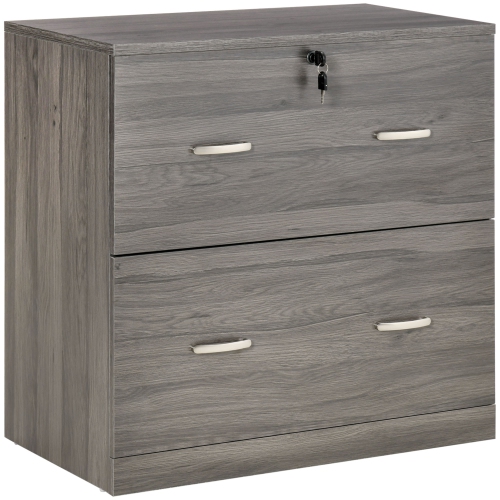
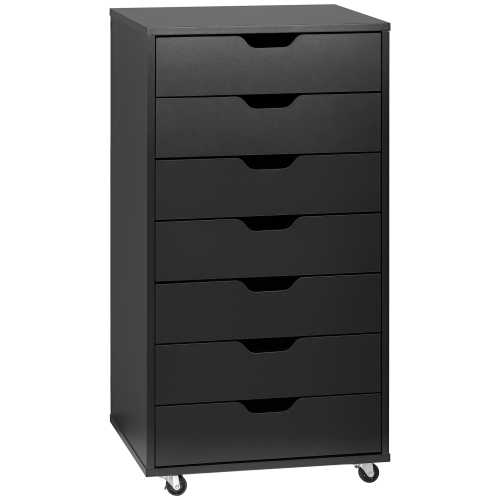
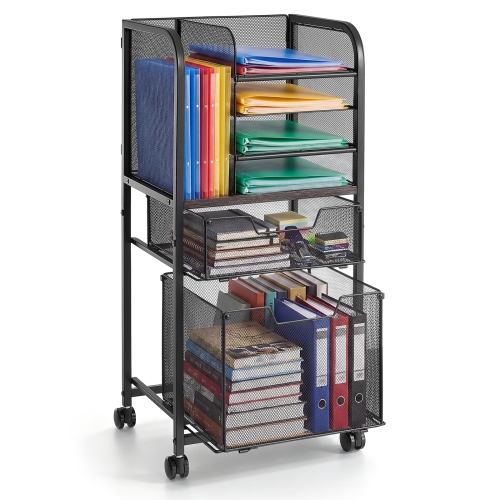
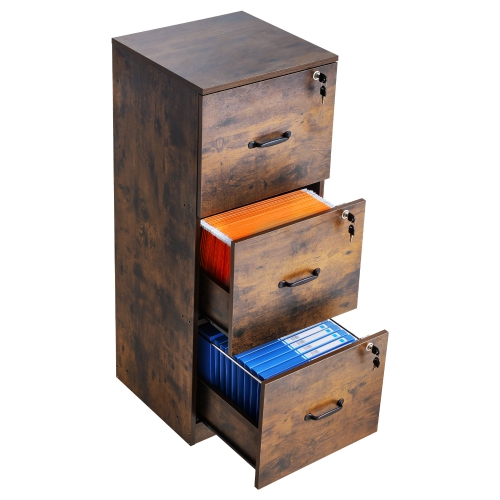
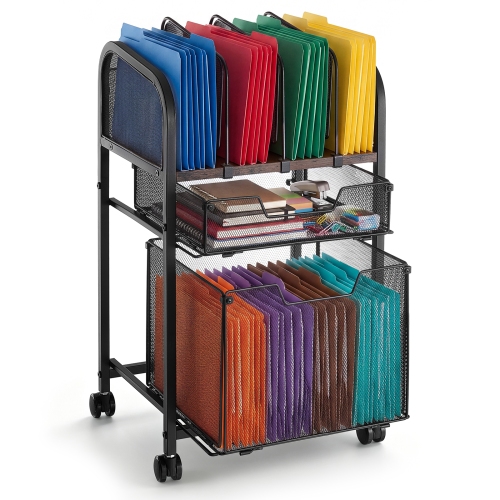
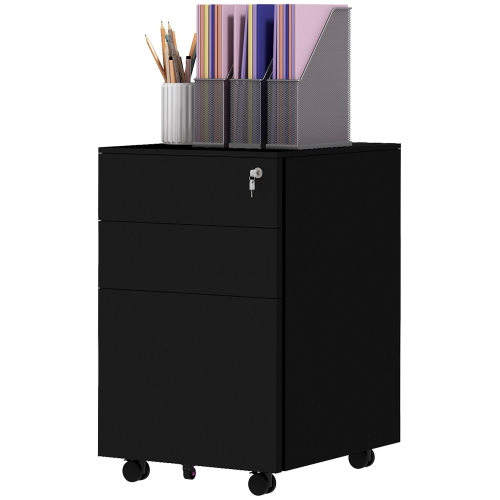
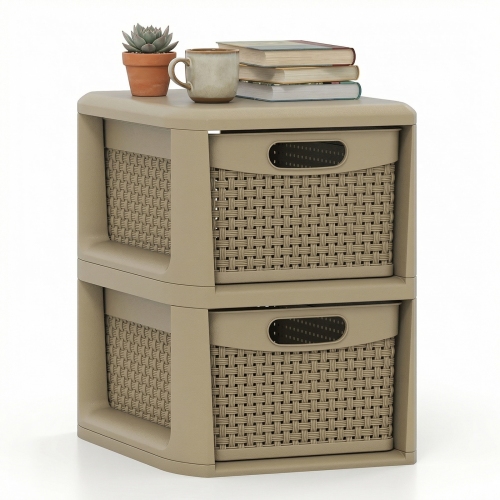
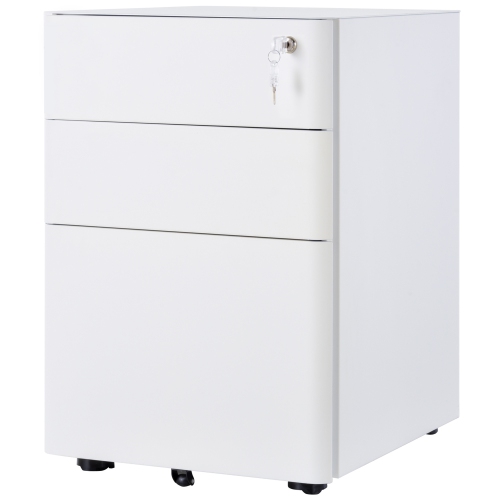
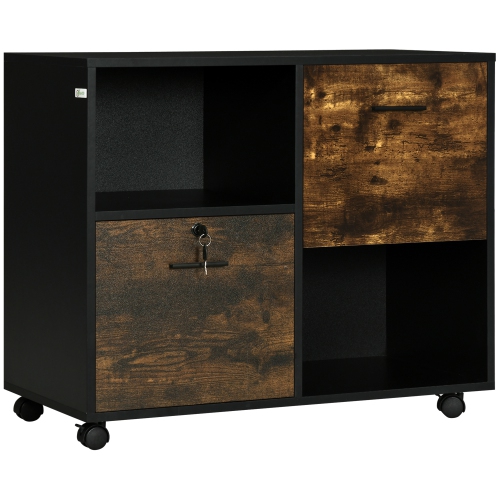
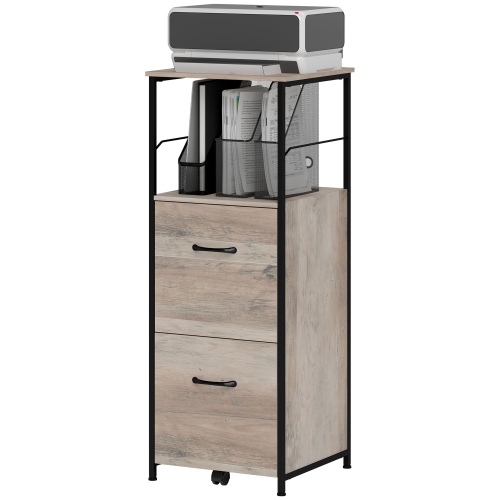
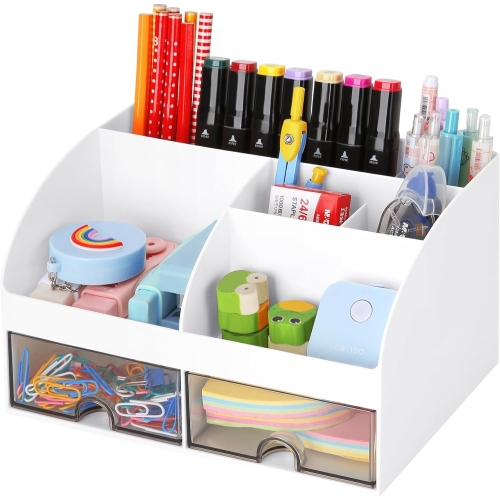
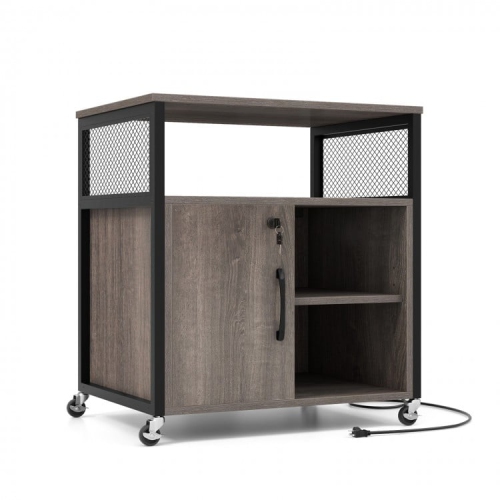
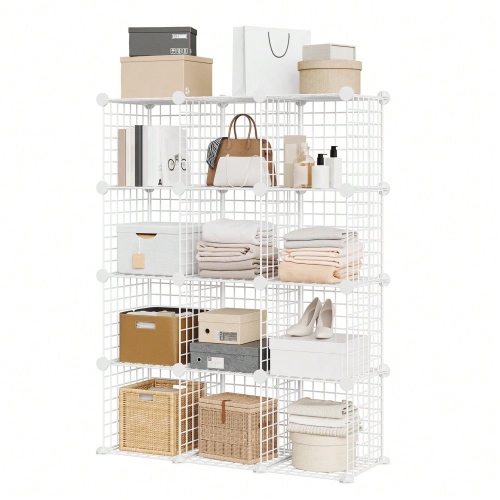
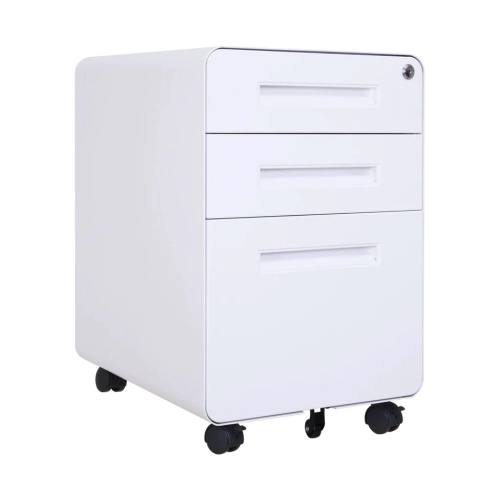
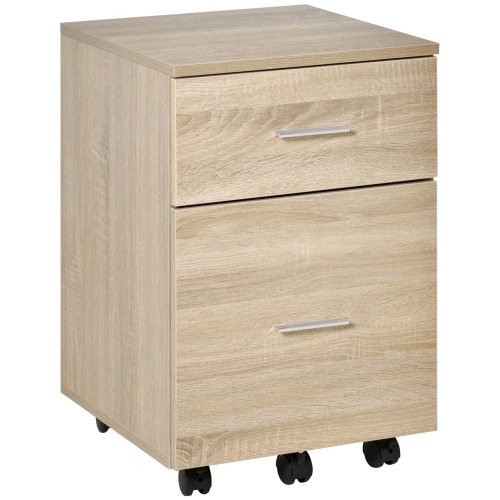
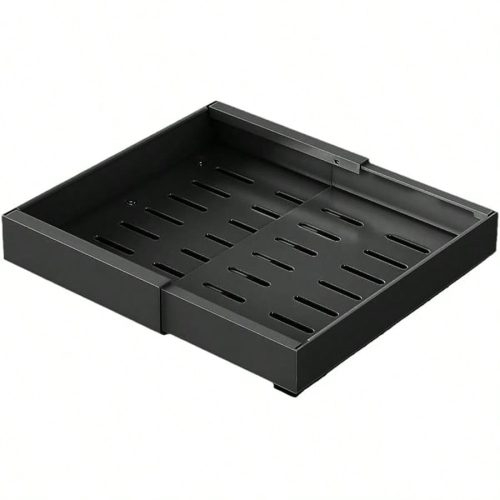
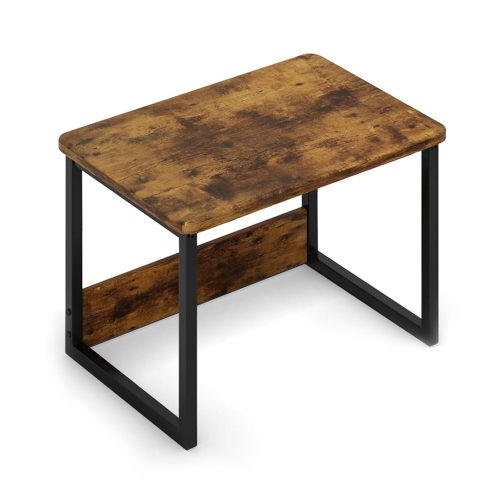
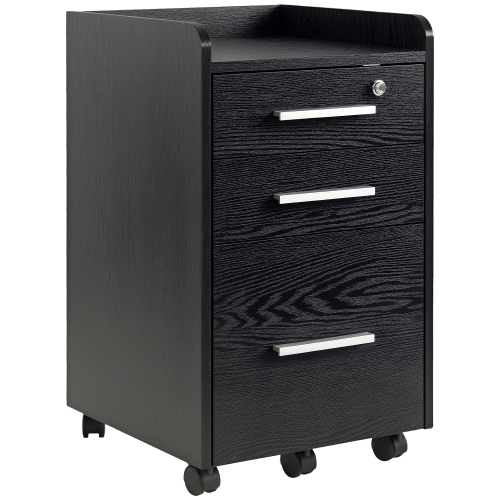
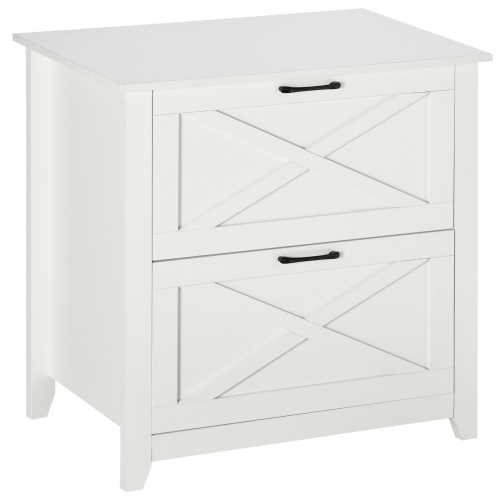
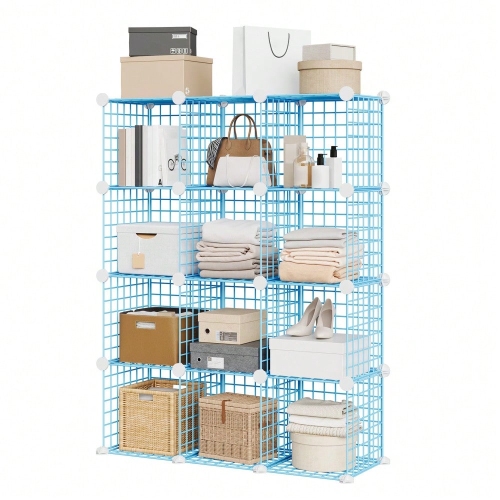
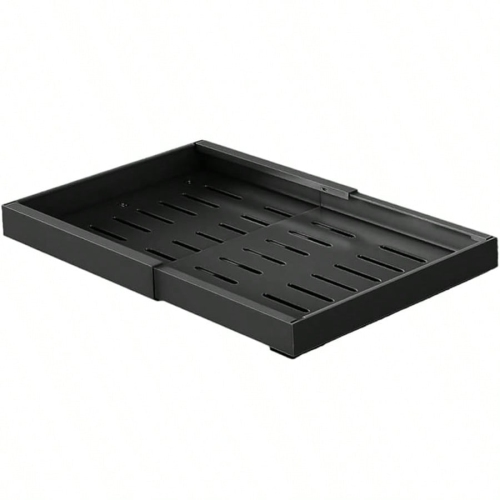
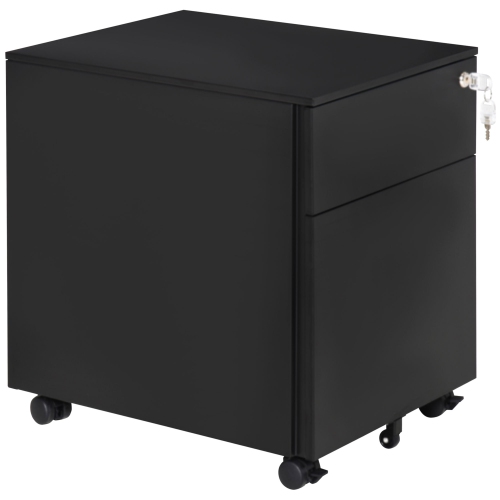
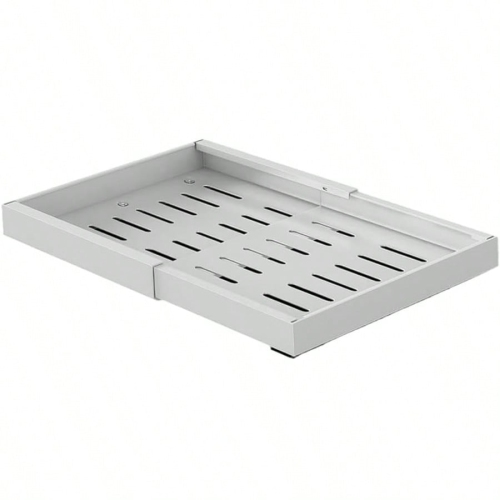
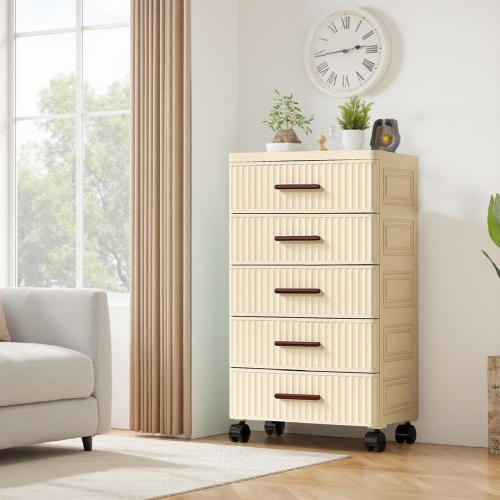
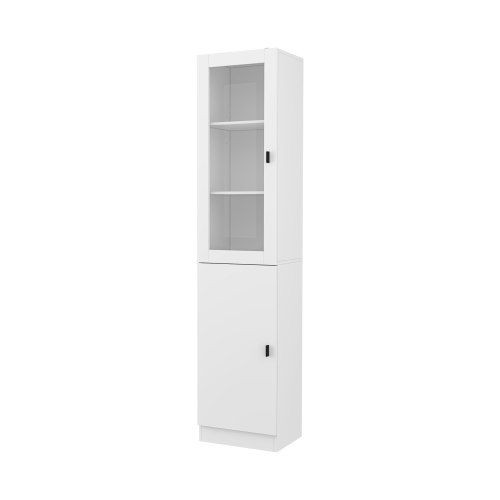
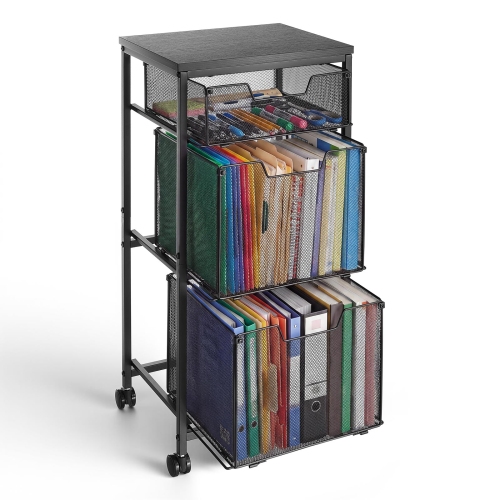
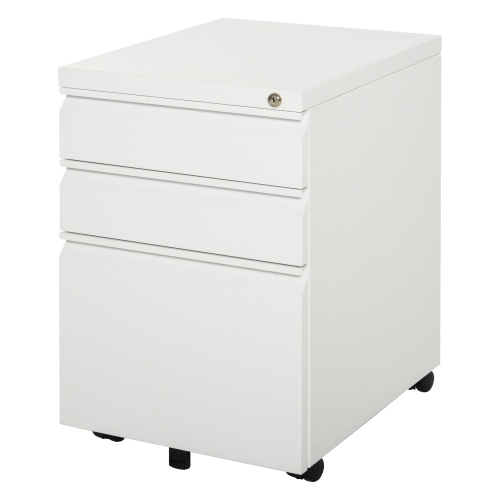
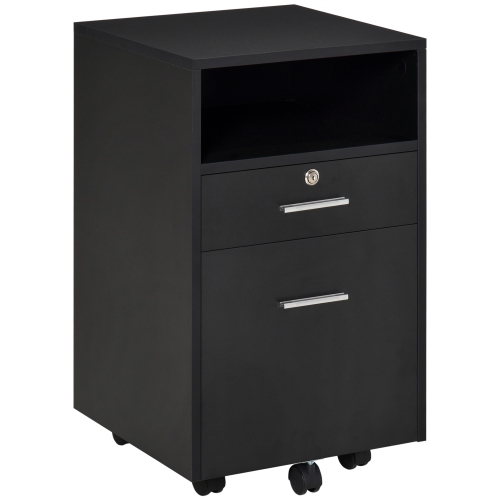
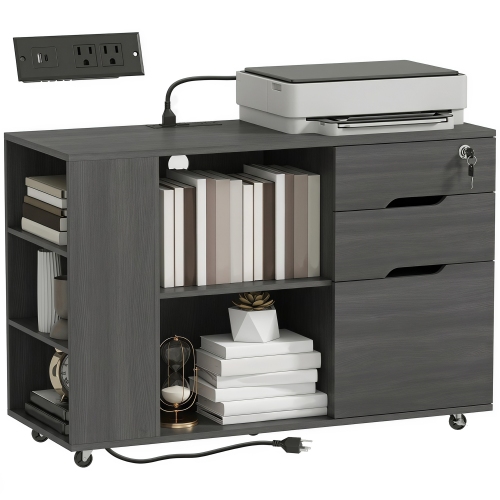
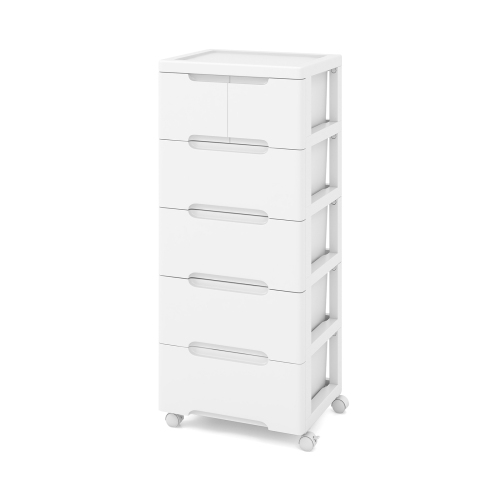
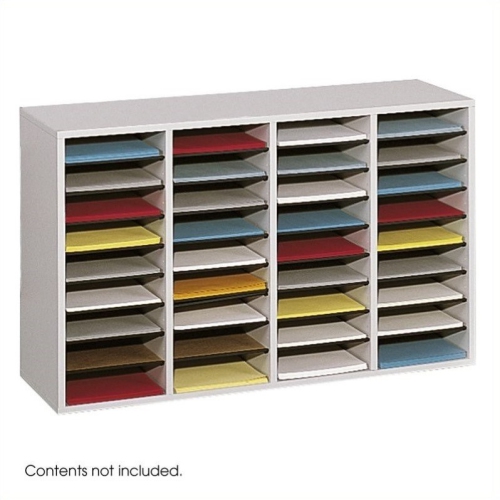

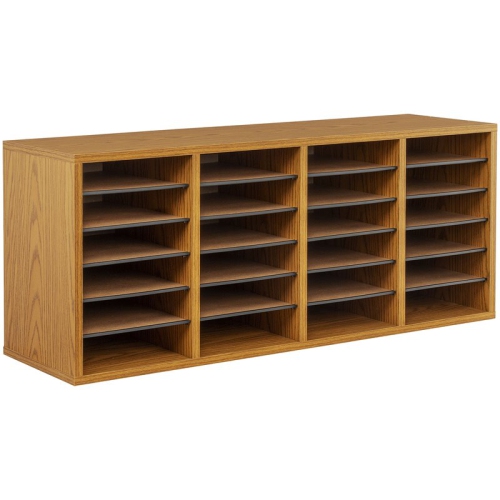
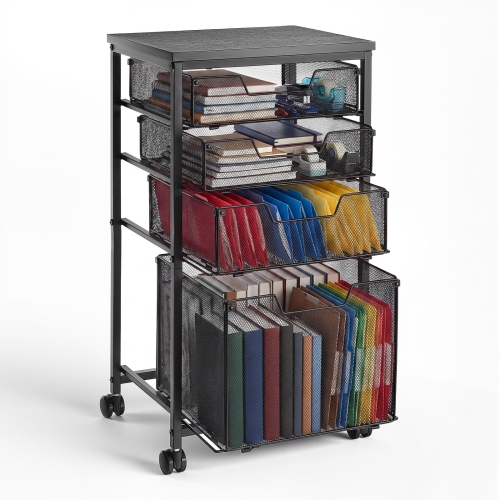
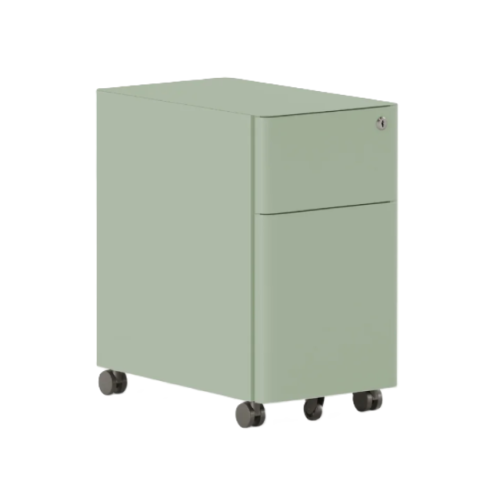
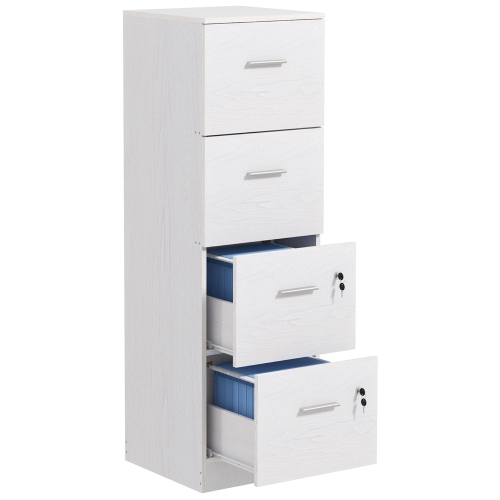
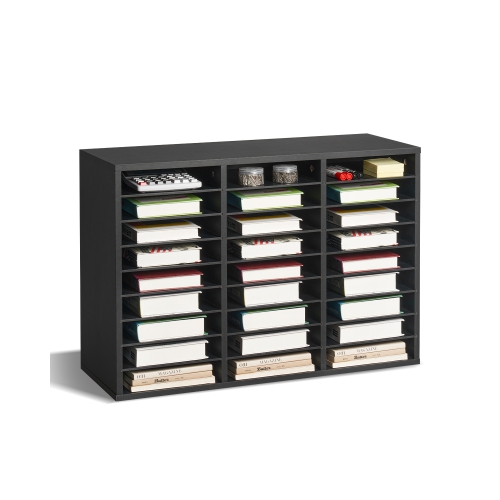
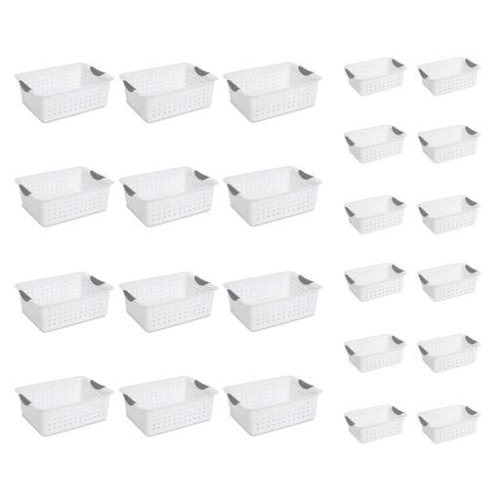
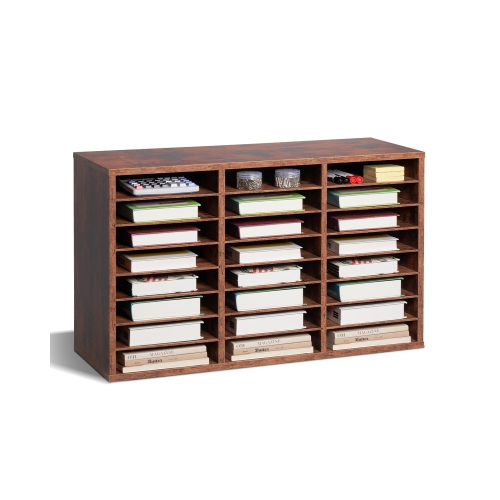
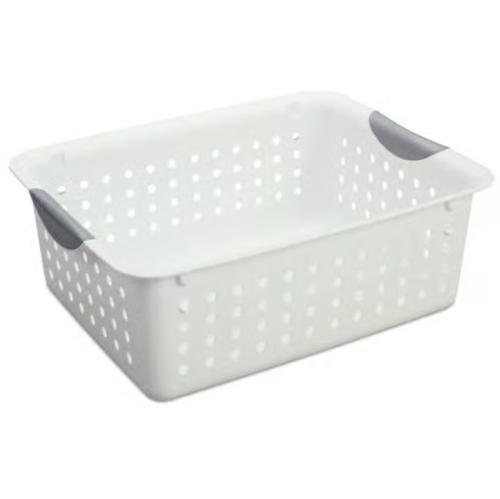
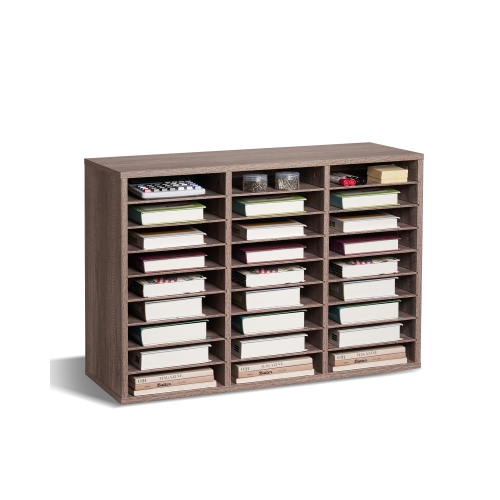
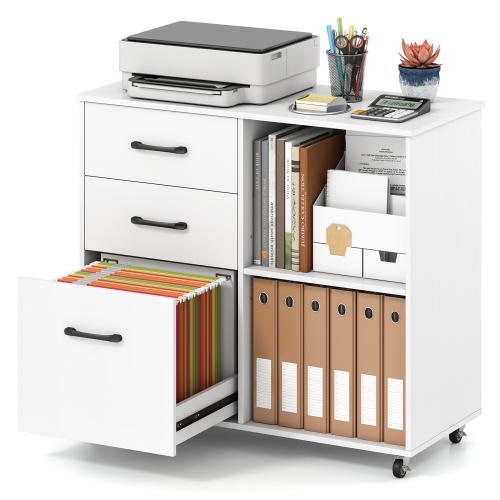
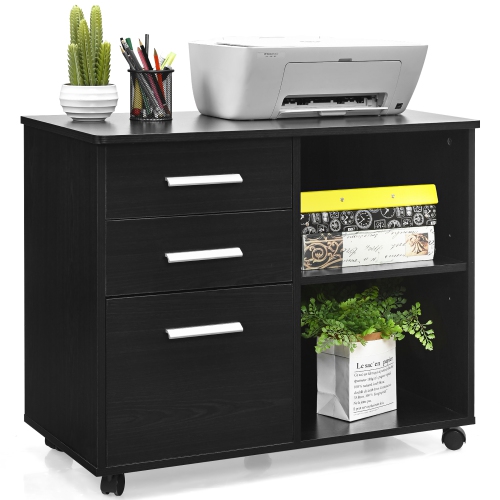
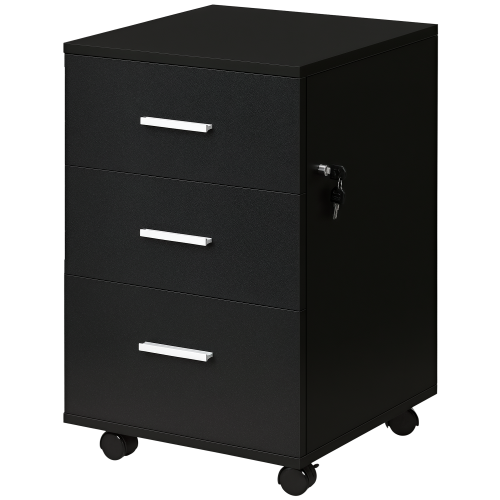
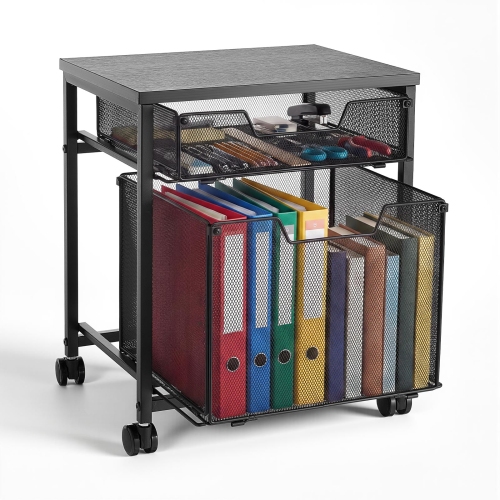
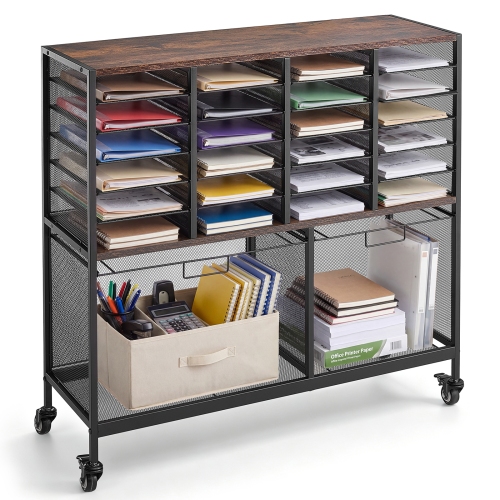
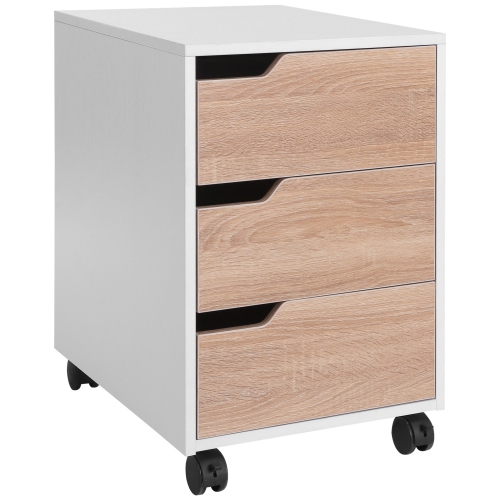
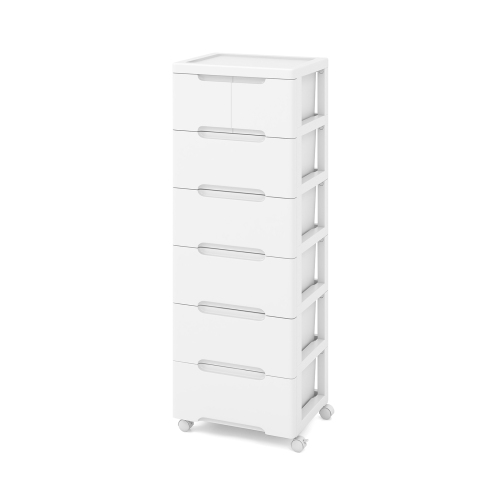
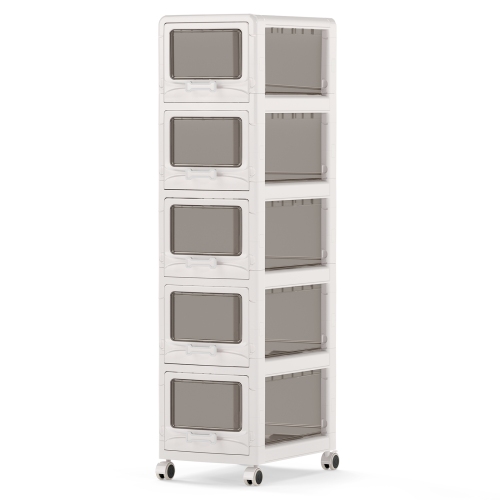
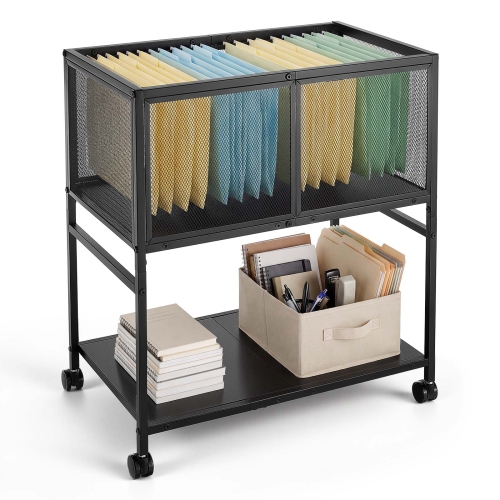
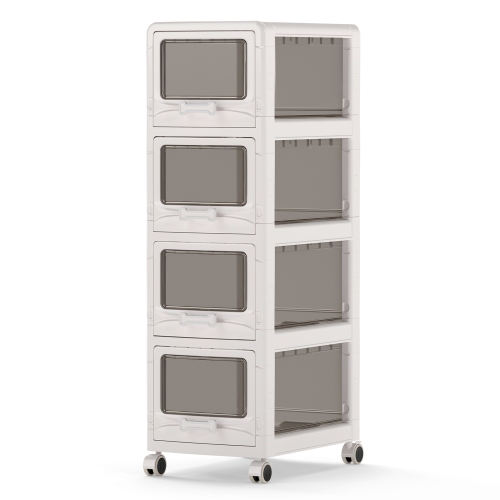
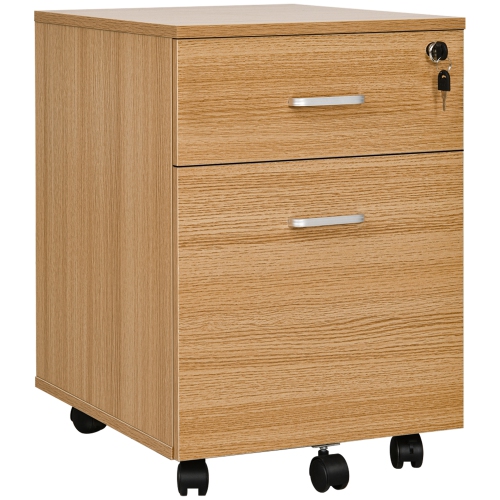
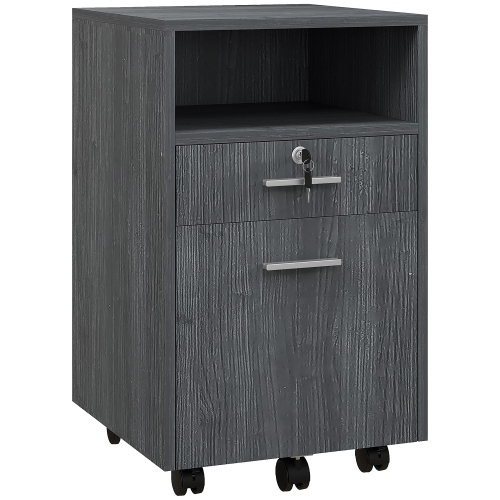
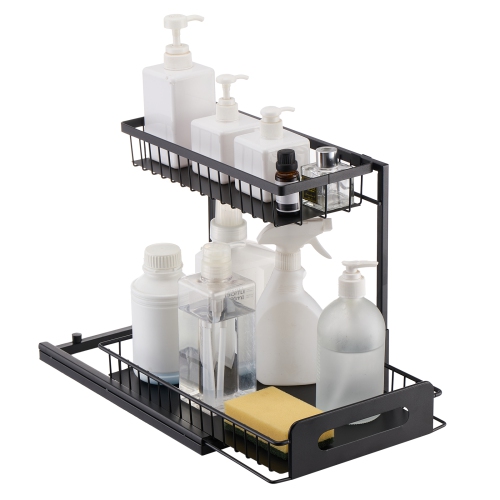
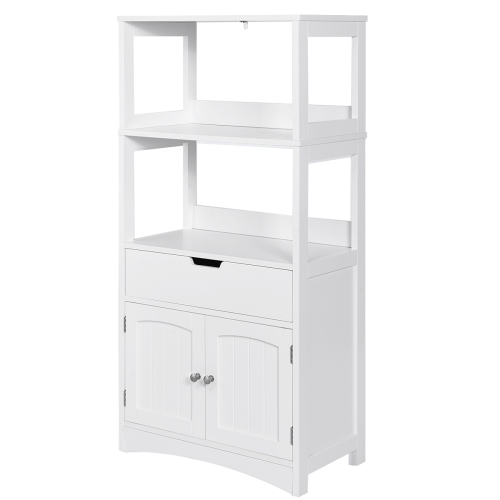
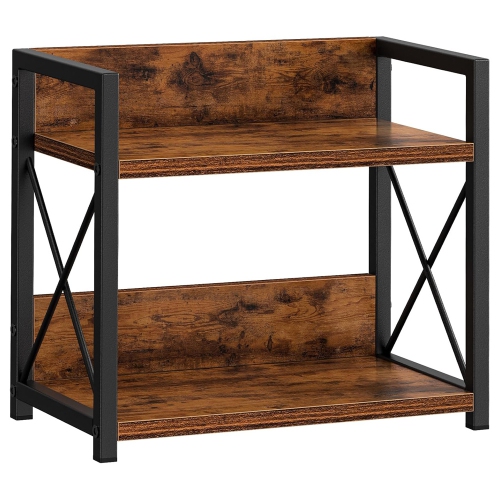
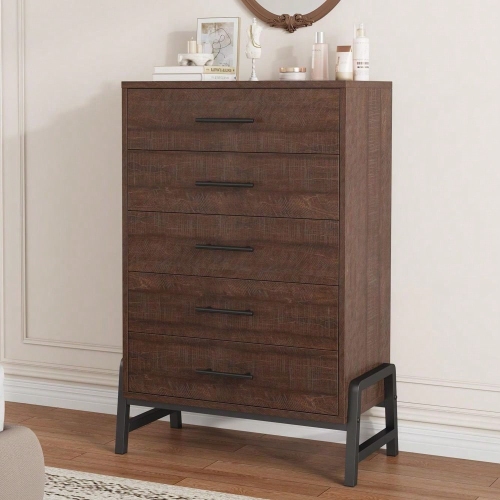
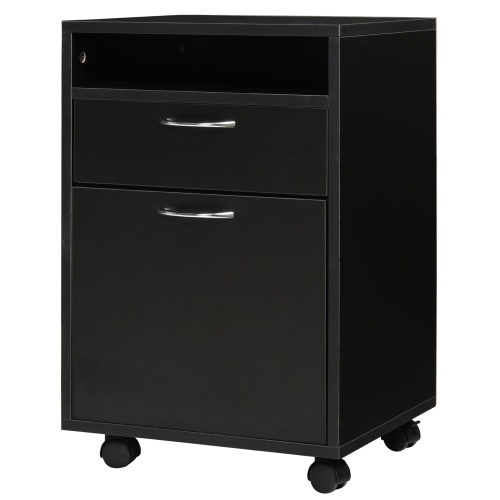
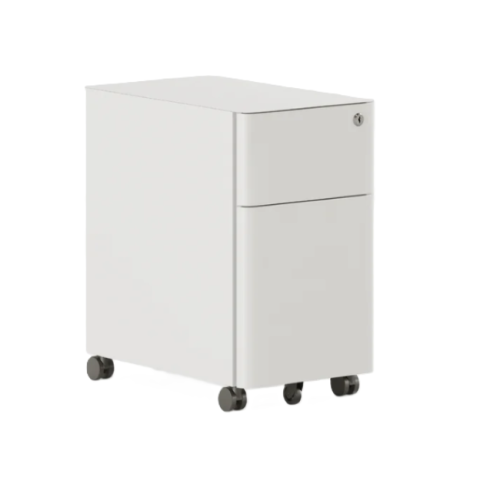
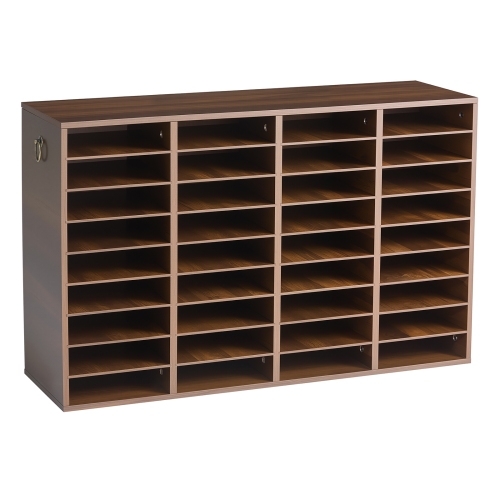
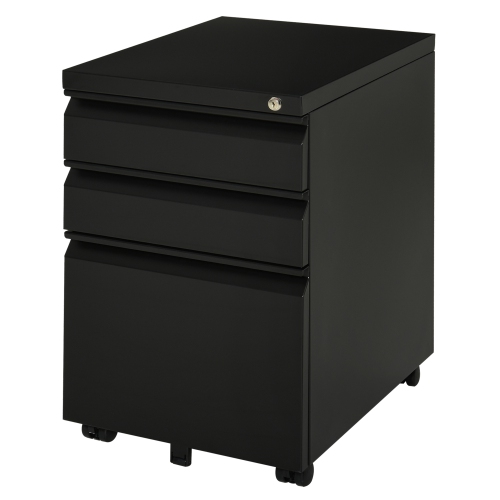
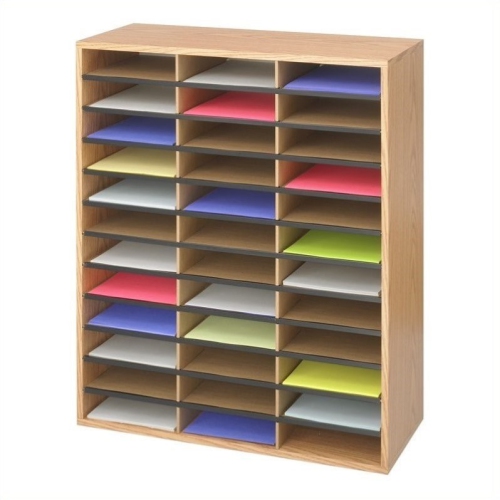
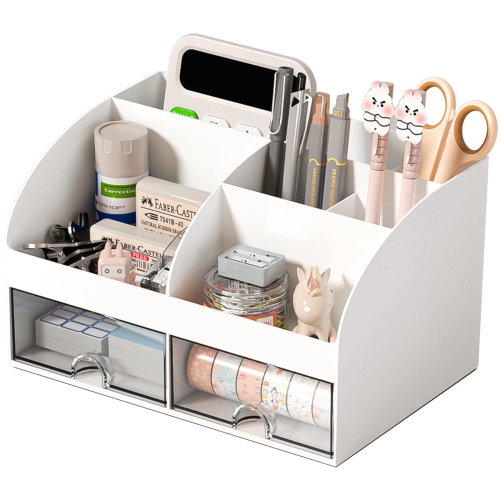

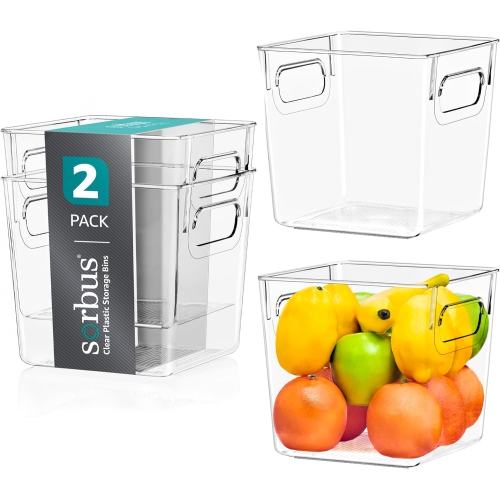
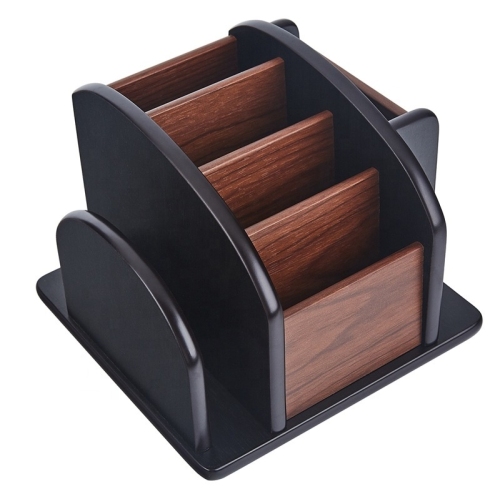
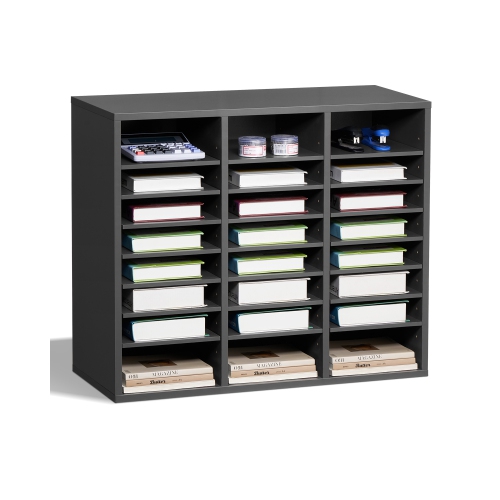
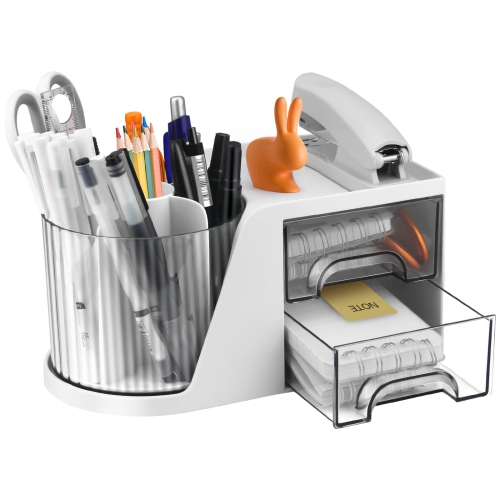
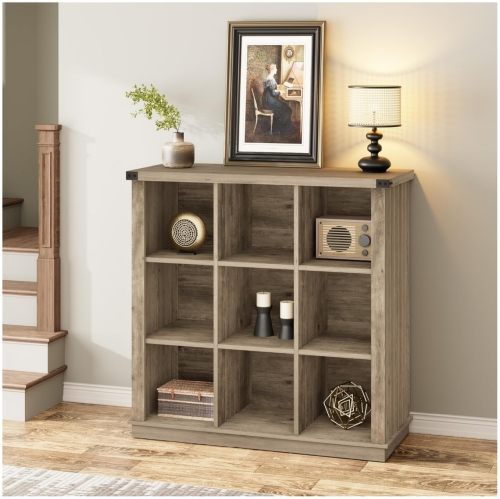
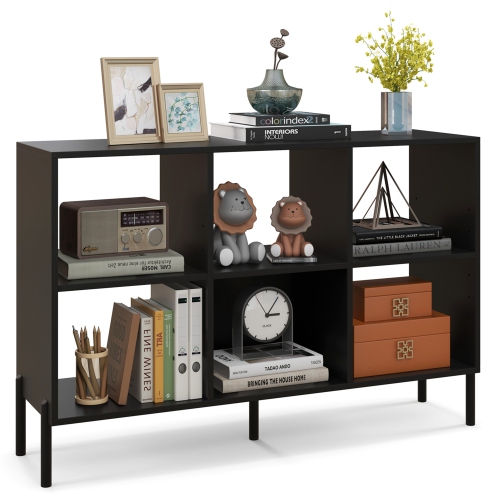
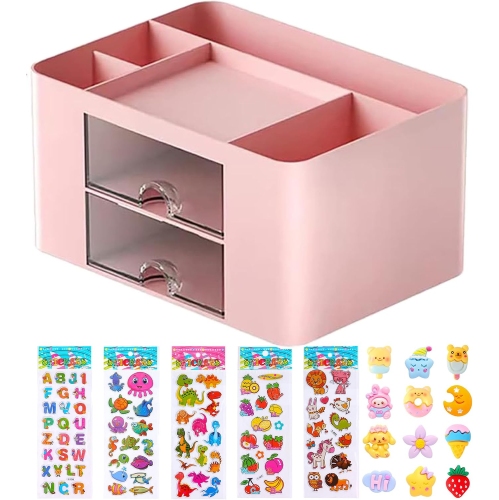
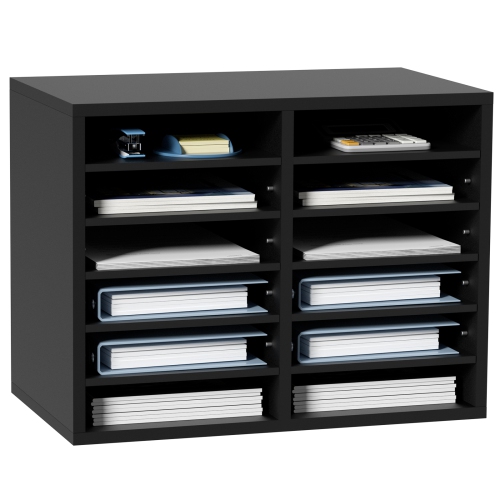
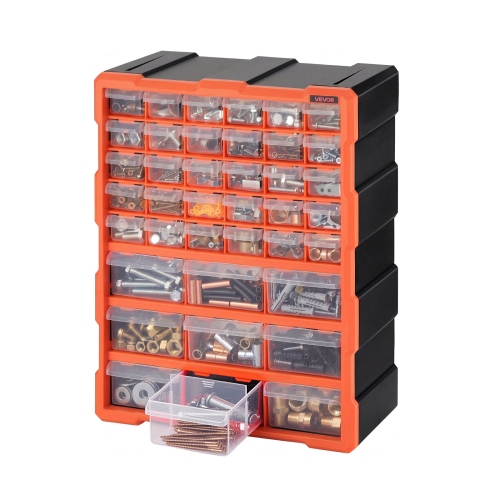
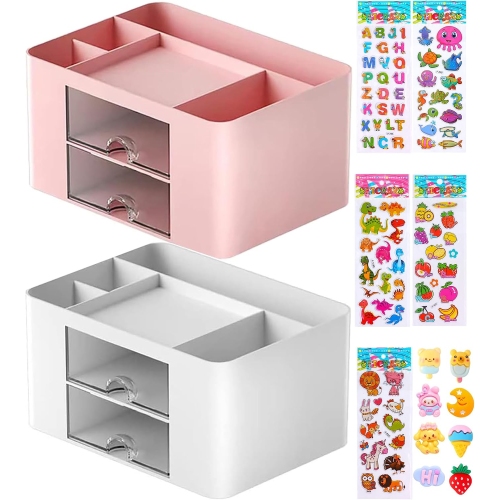
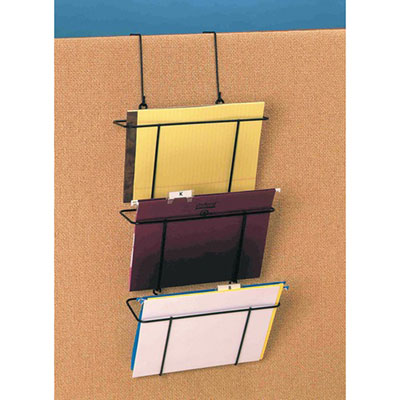
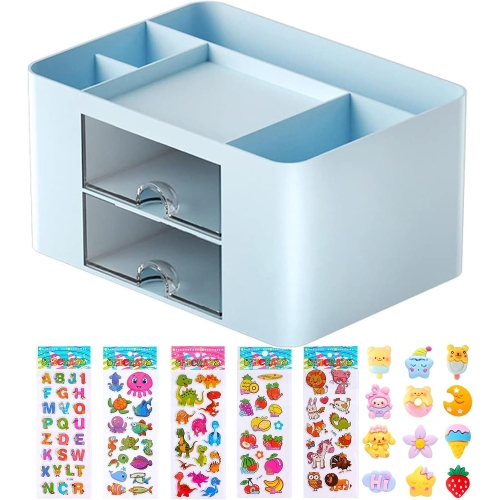
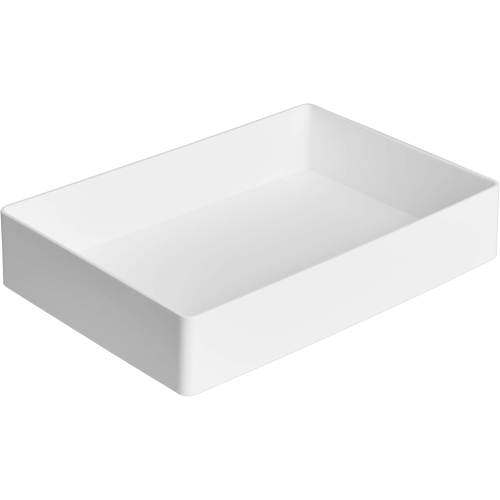
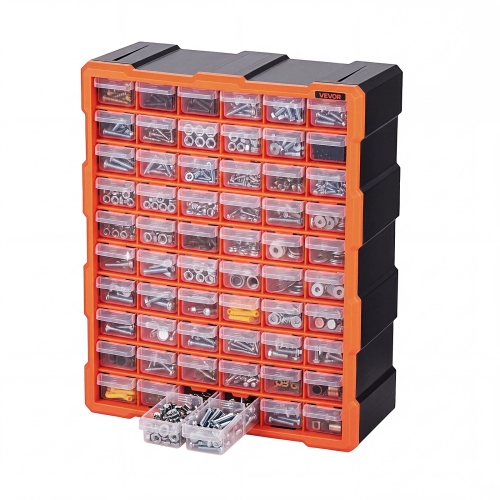
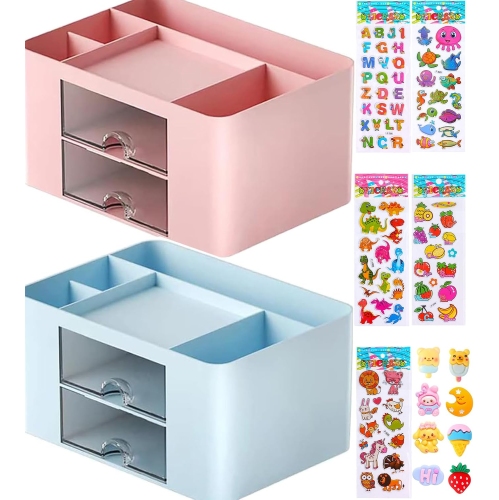
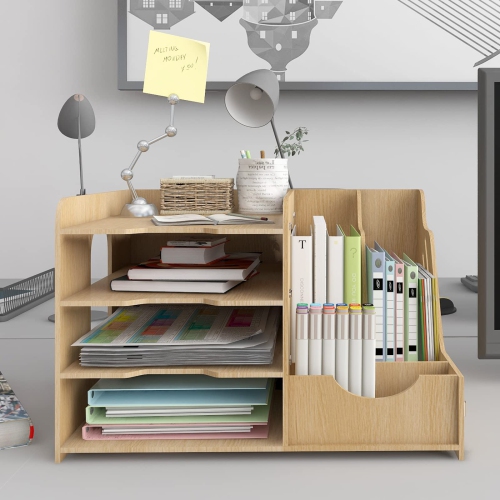
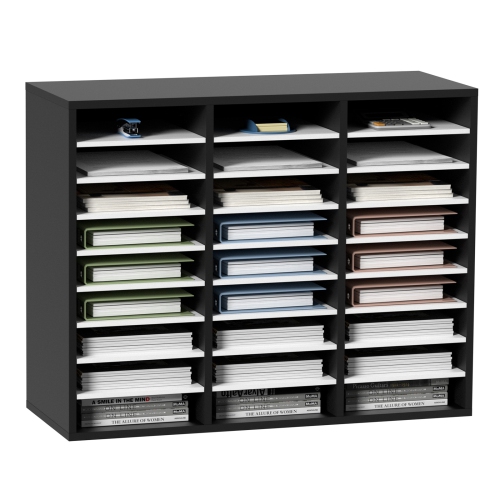
What fits behind cabinet doors and stays within reach
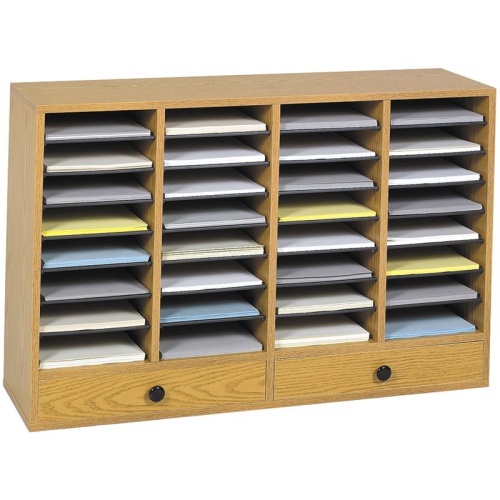
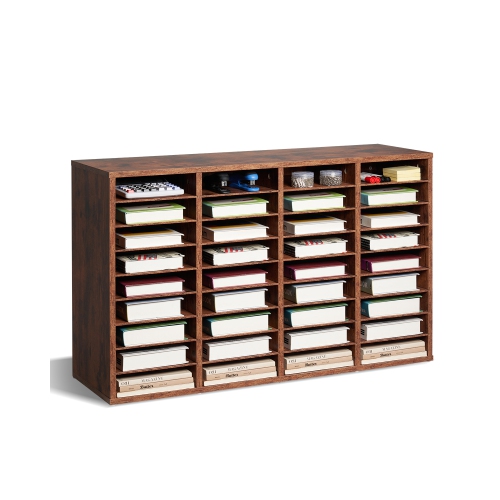
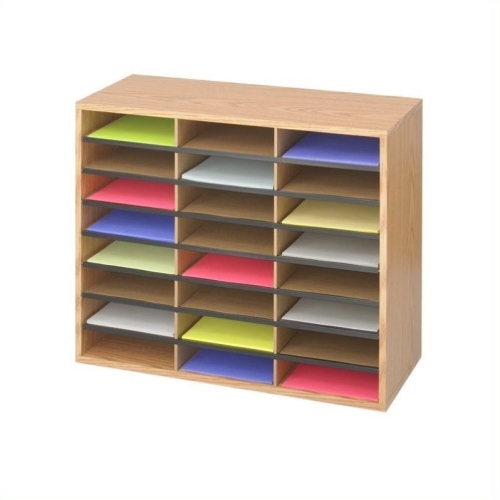
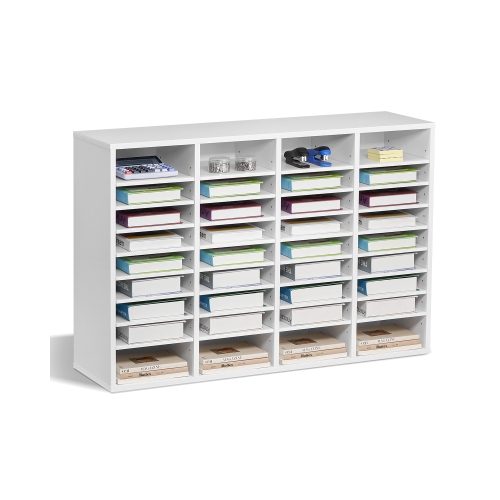
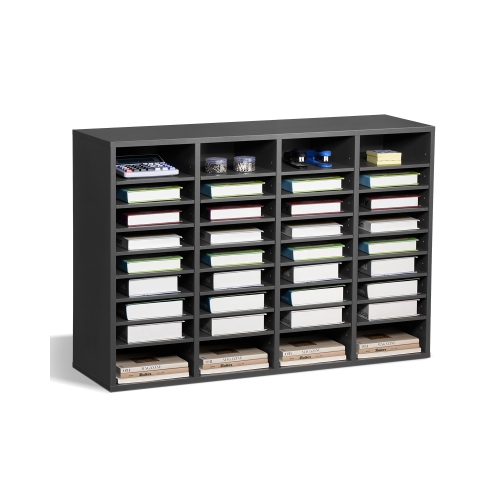
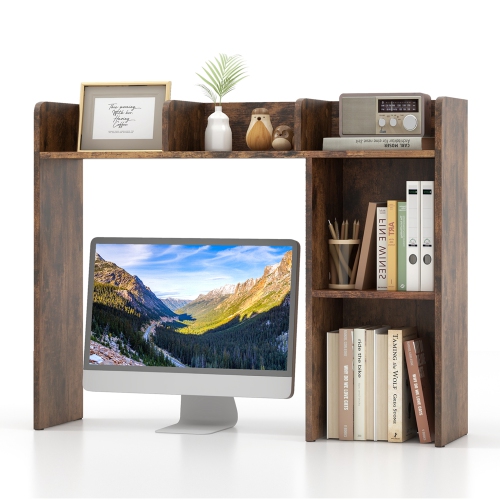
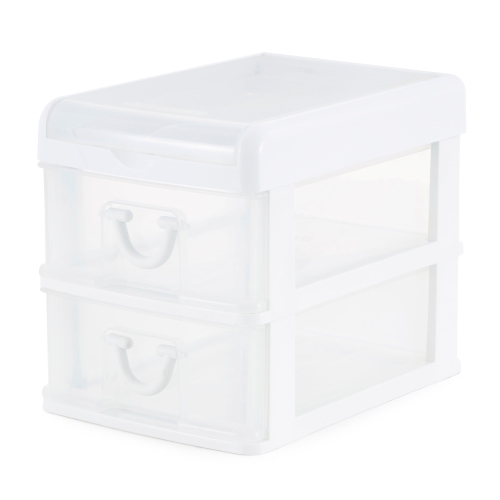
Office cabinet organizers make the space behind cabinet doors easier to use, whether it holds paperwork, shared supplies or the accessories that tend to pile up on a desktop. The most useful format depends on what needs to come out of the cabinet and how often. Tiered paper sorters keep forms, envelopes and folders flat, with separate slots for materials that would otherwise disappear into a single stack. In a shared office, one slot can hold blank forms while another holds paperwork awaiting review, so neither pile needs to be lifted to get at the other. File holders keep folders upright for browsing by tab and can fit on a shelf inside a credenza or supply cupboard. Their usable dimensions matter: a holder meant for letter-size folders may not have room for legal-size paperwork, and A4 sheets need more front-to-back space than letter-size sheets when stored flat. Open-front bins suit supplies that several people reach for throughout the day, while lidded bins help keep less frequently used materials free of dust. Clear sides make it possible to tell similar containers apart without pulling them down, and a label on the front can be just as useful when a bin sits above eye level. For small supplies, divided trays make better use of a shallow drawer than a single deep container. Clips and fasteners stay apart, and spare cables can be stored by connection type or length rather than coiled together in a tangle. In a home office, a combination of paper slots and divided storage can keep household paperwork separate from work materials without giving up two shelves. The difference is most noticeable when putting things away: a folder can slide back into an open slot, and a cable can go straight into its compartment instead of landing in whatever space happens to be clear.
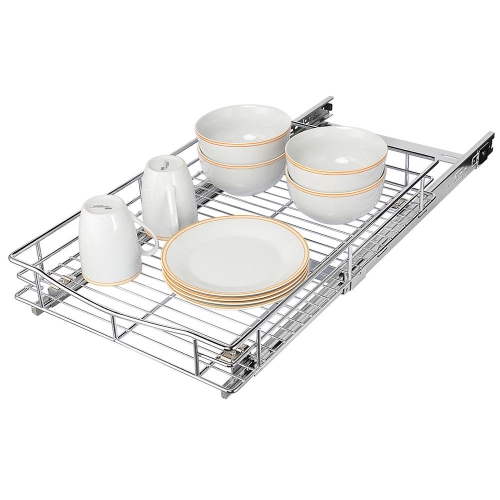
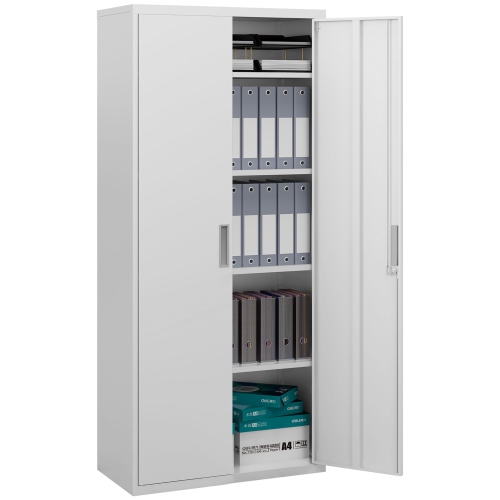
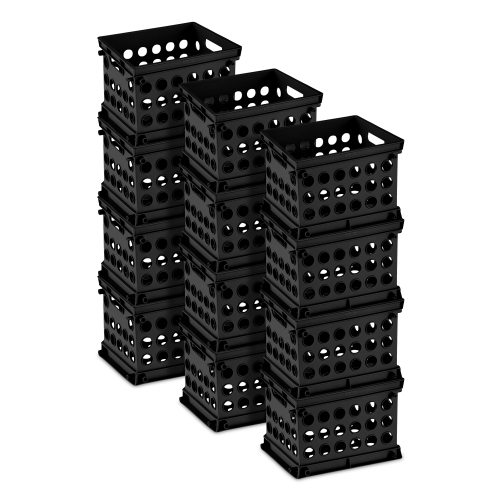
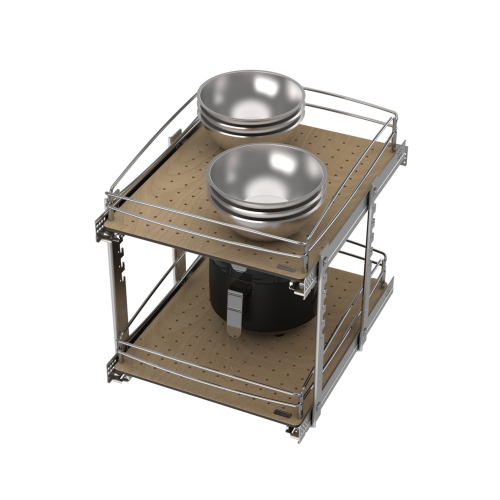
Cabinet dimensions matter as much as the kind of storage an organizer provides. A shelf can be wide enough for a bin even when the opening between the hinges is too narrow to slide it through. In a cabinet with inset doors, the front edge of an organizer also needs to sit far enough back for the doors to close. Pull-out bins and trays are especially useful on deep shelves, where a row of supplies at the front can hide everything behind it. Along with the depth of the cabinet, it helps to consider how far the tray extends, whether the door opens wide enough to clear it and how much room there is to stand in front of it. A simple handled bin may be easier to lift out of a tall cupboard, while a low-profile tray makes sense where shelf spacing is tight. Stackable bins use the height between shelves, but the bottom bin is easier to reach if it has a front opening or a drawer. Otherwise, a stack works better for supplies that are taken out in batches than for materials needed one at a time. Adjustable dividers are useful when a cabinet drawer holds both long and short accessories, though the dividers need to stay in place when the drawer opens and closes. Leaving a little room above folder tabs and alongside handles makes a cabinet easier to use than filling every gap. Weight matters, too: a full tray of paper is heavier than its size suggests, so both the organizer and the shelf need to support the load. Heavy supplies are generally easier to handle from a sturdy shelf below waist level, with lighter, frequently used supplies at a comfortable reach. For a narrow office or a workspace along a hallway, compact organizers inside an existing cabinet can free up the work surface without taking up floor space.
Materials influence how an office cabinet organizer feels in daily use and how well it holds up. Smooth plastic and acrylic are easy to wipe, and clear versions let the contents show through, though frequent sliding can leave marks. Metal mesh keeps contents visible and works well for folders or larger supplies, but small loose pieces can slip through the openings. Solid metal trays give those pieces a flat base, and rolled edges or protective feet can help prevent scratches on cabinet shelves. Wood and finished fibreboard suit paper sorters and other rigid compartments; a dry or lightly damp cloth is generally more suitable than soaking, especially around unfinished edges. Felt and fabric inserts soften the sound of accessories shifting in a drawer, though lint and paper dust are usually easier to remove from a smooth tray. Durability also comes down to the parts that get handled most. A reinforced rim helps a bin keep its shape when lifted, and a handle with space for a full grip is more comfortable when the contents are heavy. In a shared supply cupboard, a few broad categories can be easier to maintain than a set of highly specific compartments, particularly when several people restock the shelves. A dedicated home office can make better use of narrow slots or adjustable sections sized around one person’s routine. A compact organizer can be a practical gift for someone setting up a home office, especially when the cabinet dimensions and the kind of supplies they need to store are known. For storage elsewhere in the home, browse Cabinet Organizers. In a cabinet that serves both work and household needs, keeping the office supplies in their own trays or bins makes it easier to take out a whole set of materials, use it at the desktop and put it back without sorting through the rest of the cupboard.
Top selling and popular products
-
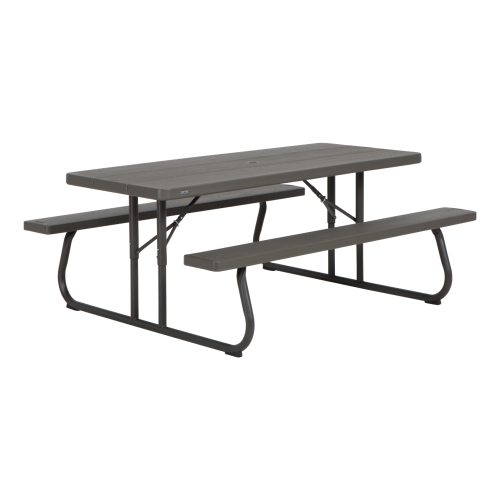 Your price for this item is $399.99
-
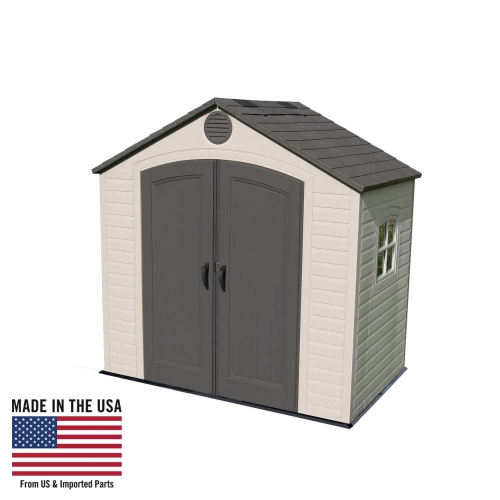 Your price for this item is $2399.99
-
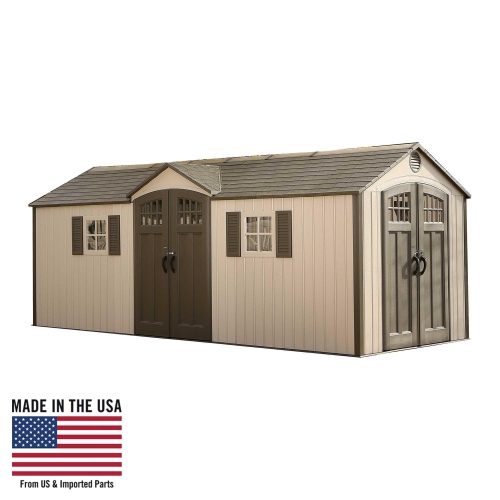 Your price for this item is $5999.99
-
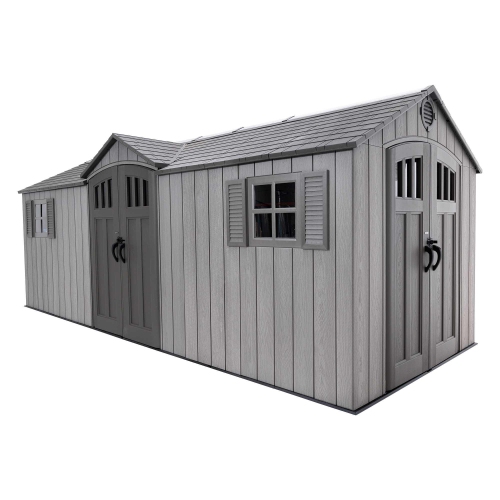 Your price for this item is $5999.99
-
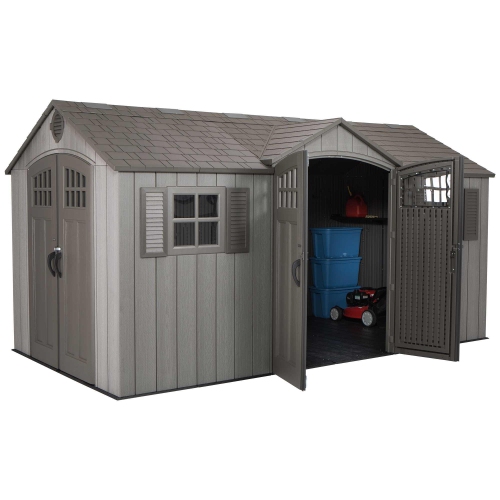 Your price for this item is $4499.99
-
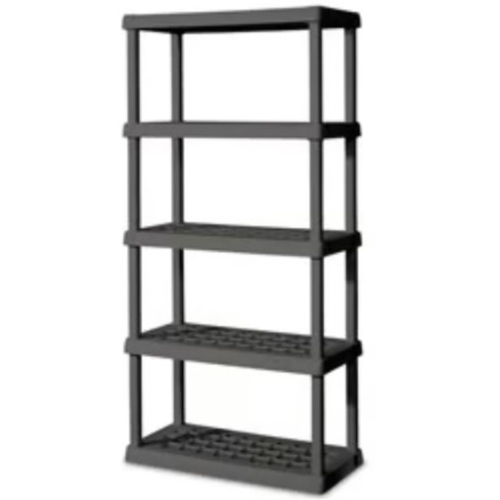 Your price for this item is $691.99
-
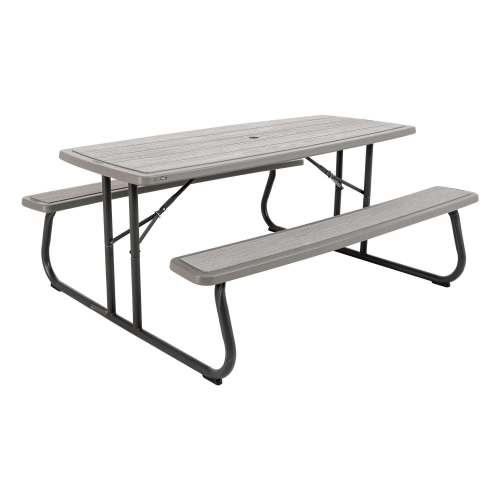 Your price for this item is $399.99
-
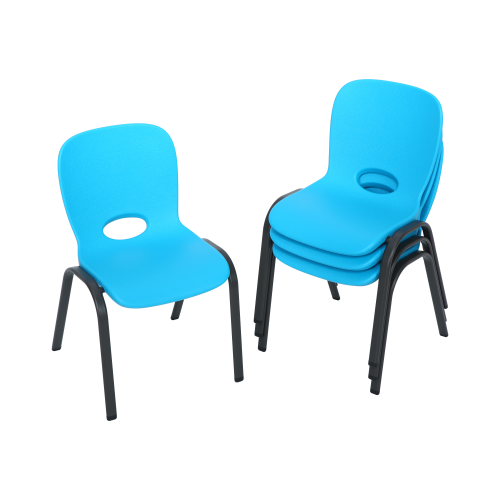 Your price for this item is $134.99
Discover more categories related to Office Cabinet Organizers
Top Collections:
Best Black Friday Deals This Year, Best Black Friday Deals On Electronics, Kindle Devices, Pokemon Centers, Best Black Friday Deals On Apple Products, Best Cameras for Sports Photography, Dyson Airwrap, Pokémon 30th Celebration Cards, Apple iPhone 17 Pro, Canon G7X Cameras
Some products may be subject to Environmental Handling Fees
(EHF) depending on your province.
Learn more about EHFs.