Office Chairs With Flip Up Arms
Office Chairs With Flip Up Arms offer a versatile seating solution for any workspace, making it easy to transition between tasks and maximize your office layout. These chairs are designed to provide comfort and adaptability, allowing you to customize your seating experience throughout the day. Whether setting up a home office or upgrading your business environment, Office Chairs With Flip Up Arms help create a functional and organized workspace that supports productivity. Explore a variety of styles and features to find the perfect fit for your needs.
Sort
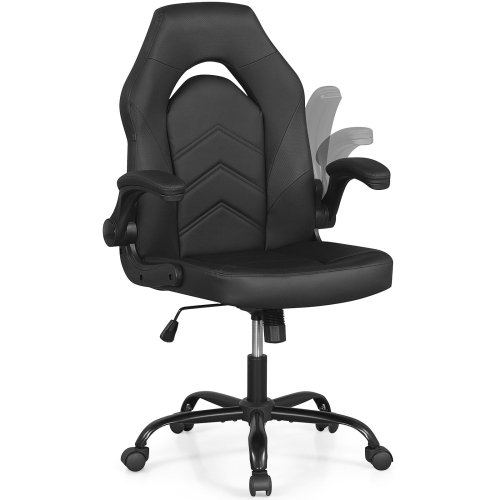


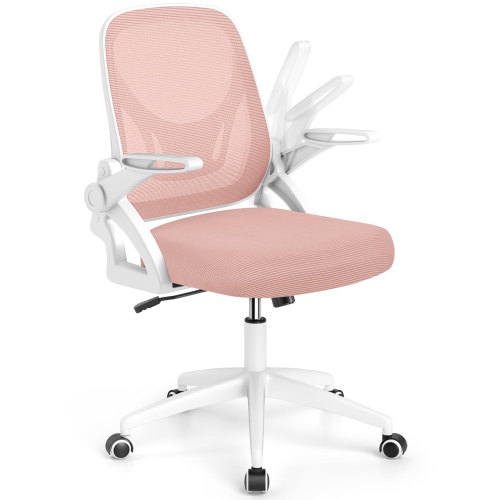
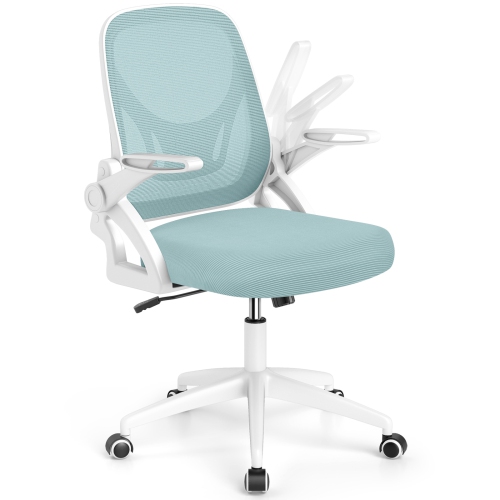
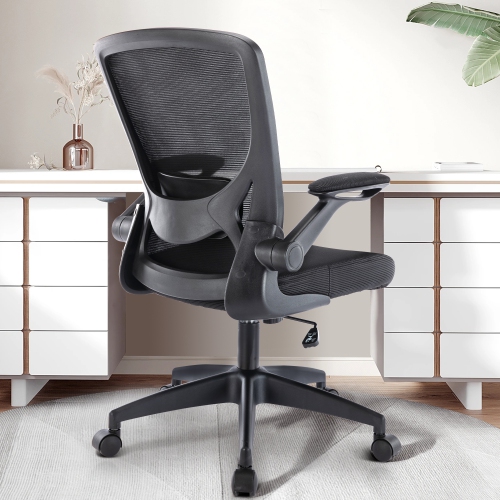
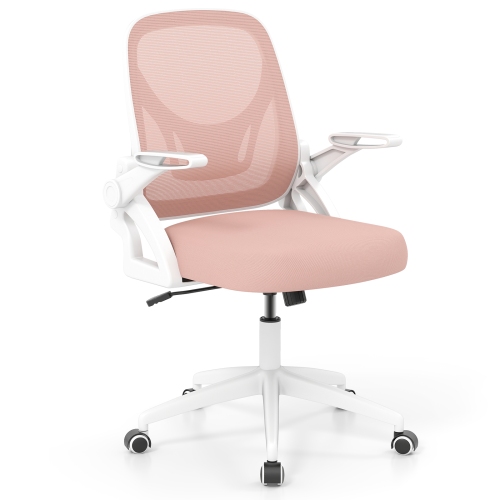
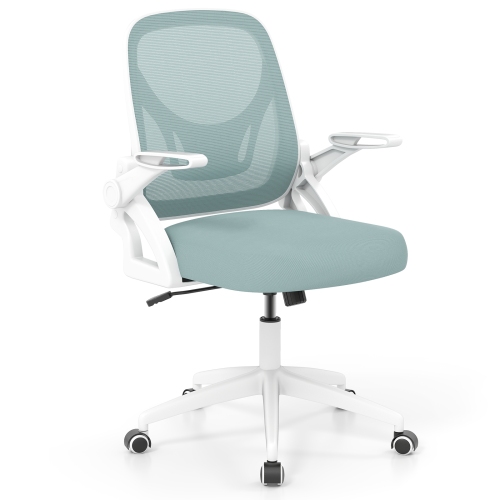
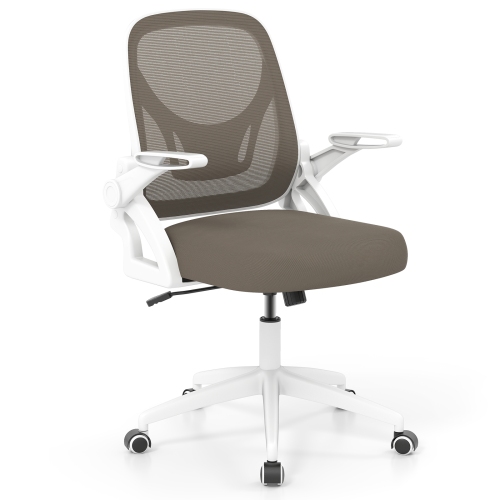
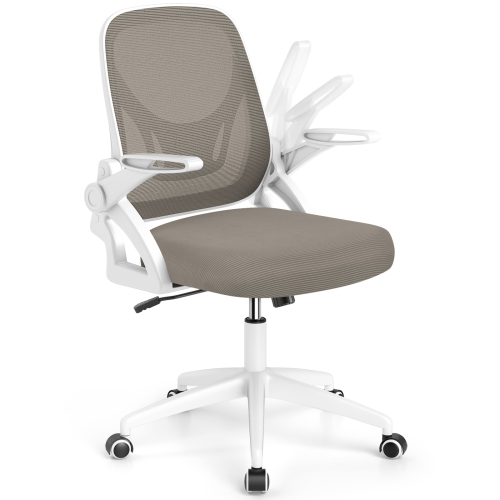
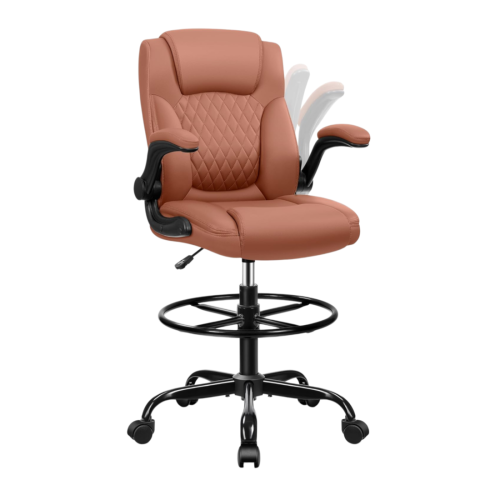
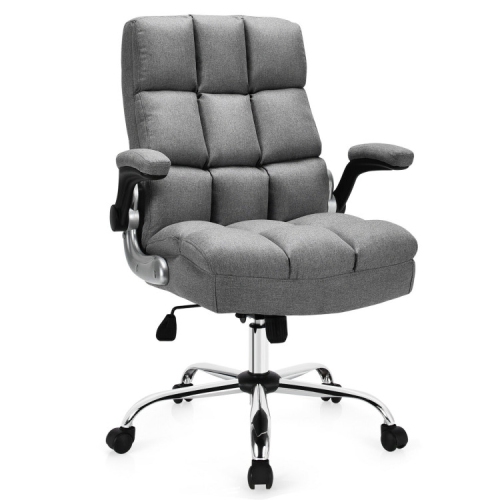
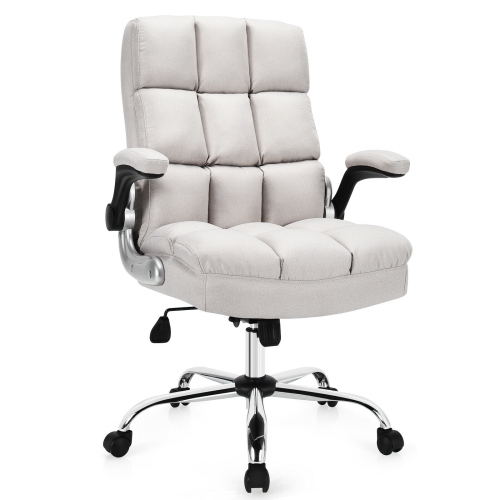
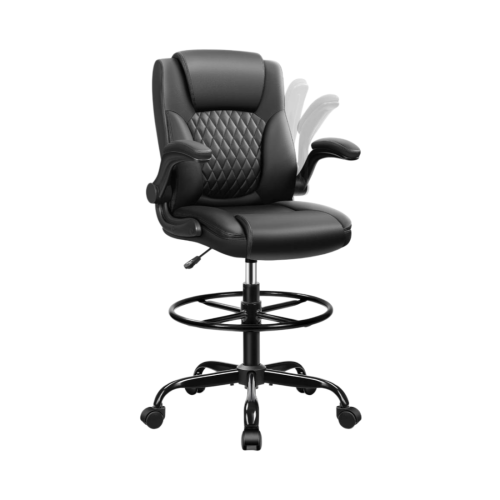
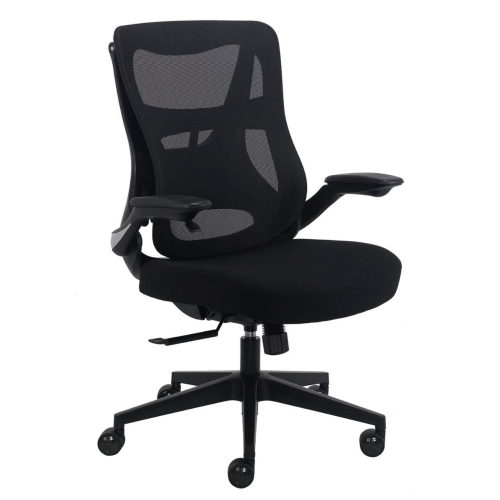
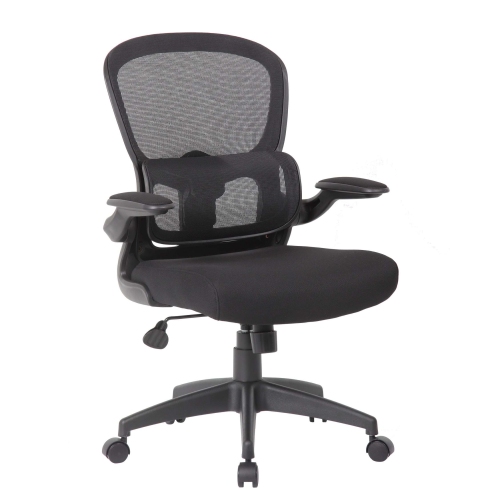
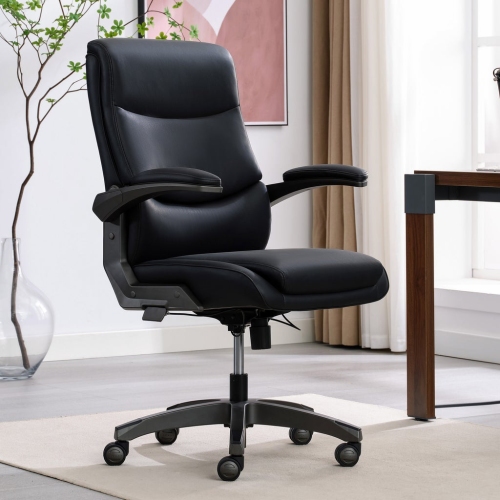
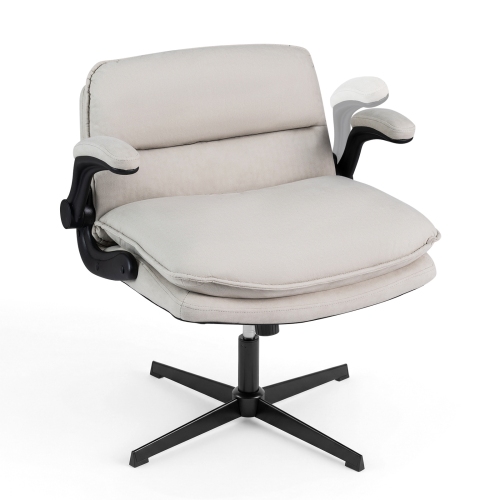
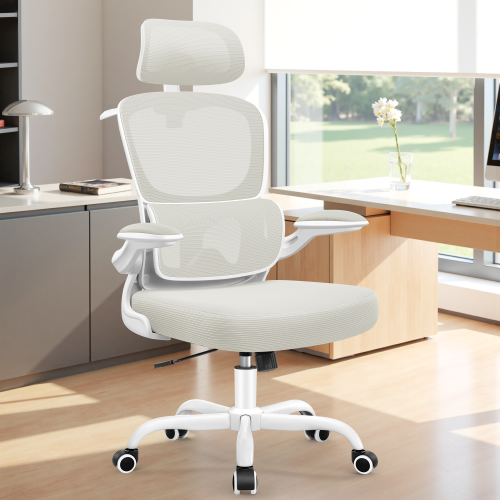
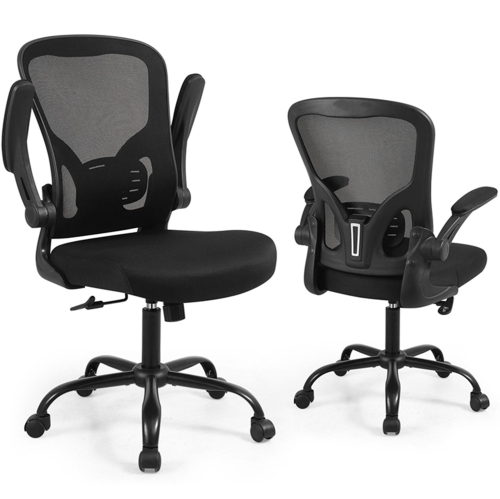
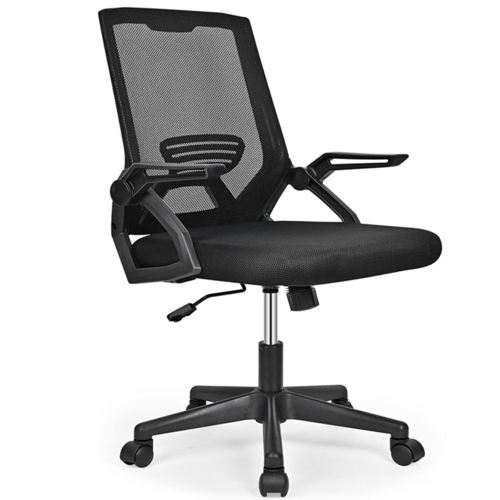
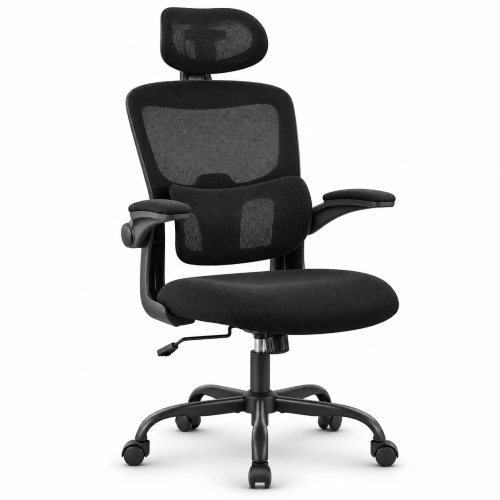
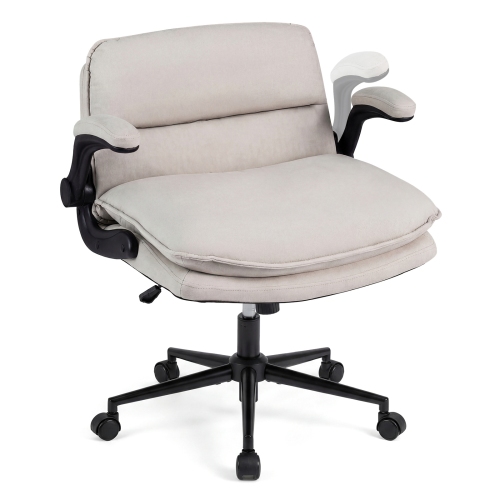
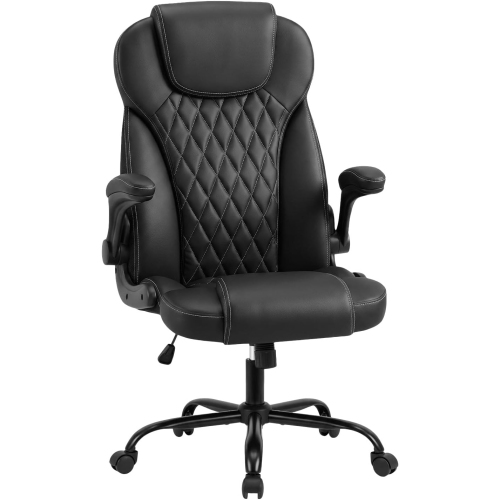
Arm support that moves aside when tasks change
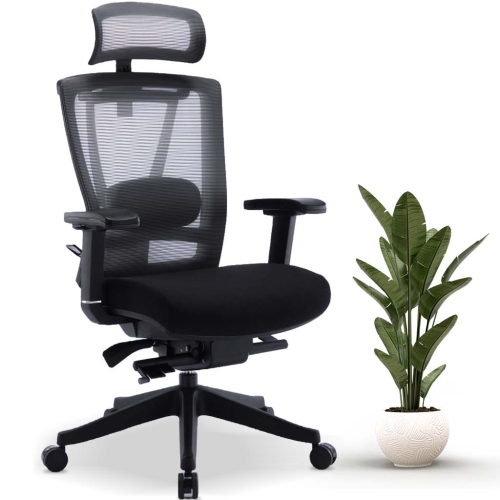
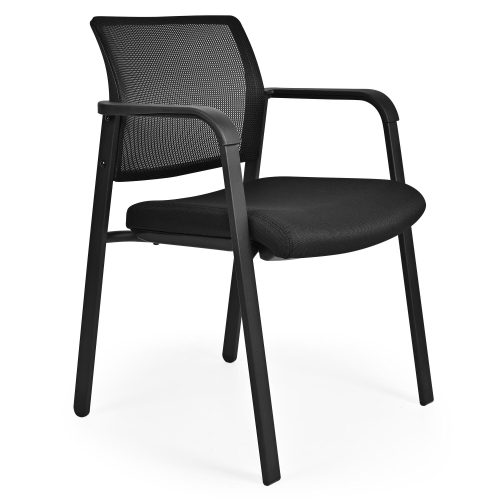
Office chairs with flip-up arms bring flexibility to a workspace where the same seat may serve several purposes throughout the day. With the arms lowered, they offer a place to rest the forearms between tasks; raised out of the way, they leave the sides of the seat more open for moving closer to a desk, changing position, or reaching across a work surface. That versatility can be useful in a dedicated home office, a student’s study area, or a shared room where a desk sits beside other furniture. Someone who types for much of the day may appreciate arm support during pauses, while someone who alternates between computer work and sketching on paper may prefer the extra elbow room of raised arms. The mechanism usually pivots the armrests upward rather than removing them, so flip-up arms do not necessarily make the whole chair foldable or narrower. Desk clearance still depends on the chair’s dimensions, the height of the seat, and where the arms sit once lifted. A drawer beneath the desktop, a keyboard tray, or a low crossbar can affect how far the chair slides underneath. In a compact room, the space needed behind the backrest also matters, particularly if the chair sits near a wall or bookcase. Armrest padding, length, and positioning help shape the sitting experience: broad pads can feel comfortable during reading, while shorter supports may leave more freedom around the front of the seat. Flip-up movement is also different from armrest height adjustment. Some designs combine both features, but a lifting arm alone does not provide a way to fine-tune elbow height. For keyboard and mouse use, a comfortable arrangement lets the shoulders stay relaxed and the elbows remain close to the body without the armrests pushing them upward. The most useful design is one that suits the desk and the person using it, rather than simply offering the greatest number of adjustments.
Seat fit and back support are just as important as the arm mechanism, especially when a chair will be used for extended stretches of work or study. Seat height needs enough adjustment to suit the work surface while allowing the feet to rest on the floor or a suitable footrest. Seat depth affects whether the back can meet the backrest without the front edge pressing into the area behind the knees. A shaped seat edge may feel less restrictive than a sharply squared one, while the right seat width leaves room to shift without making the armrests difficult to reach. Lumbar contours, adjustable back support, and tilt controls vary between chair designs, and each changes how the chair feels when sitting upright or leaning back to read. A tilt lock and adjustable tilt tension serve different purposes, so their usefulness depends on the positions preferred during everyday tasks. Upholstery adds another layer of choice. Mesh backrests allow airflow and often have a lighter visual presence, while fabric-covered cushioning brings texture and a softer surface to a room. Leather and leather-look upholstery create a more enclosed, padded feel, though their care needs and response to wear differ. Thick cushioning is not automatically more supportive; foam firmness, the shape of the seat, and how evenly it supports the body all contribute to comfort over time. Arm pads deserve the same attention as the seat, since a firm edge or a seam beneath the forearm may become noticeable during repeated use. For spaces where upholstery and padded arm support are a priority, Upholstered Office Chairs With Arms offers a related seating category to consider alongside the flexibility of flip-up designs. Colour and finish can help connect the chair to the rest of the room, whether that means understated black beside computer equipment, a pale fabric against wood furniture, or a textured finish in a multipurpose living space.
Durability comes from the whole chair working together: the base, seat structure, adjustment controls, upholstery, and arm hinges all take regular use. A stable base and a stated weight capacity suited to the user are important starting points, while the chair’s intended use helps establish whether it is appropriate for occasional paperwork or longer daily sessions. Flip-up arms add moving parts that should operate smoothly and remain in the positions described by the manufacturer. The hinge area also needs clear space during movement, with fingers, clothing, and cables kept away from the pivot. In a shared workspace, easy-to-reach controls make it simpler to reset the seat height and tilt between users rather than leaving everyone to adapt to the same position. Swivel movement can help with reaching nearby storage, although frequently used supplies are best kept within comfortable reach instead of requiring repeated twisting. Casters should suit the flooring, since wheels intended for carpet may behave differently on a hard surface. A compatible chair mat can help protect the floor and provide a more consistent rolling area, particularly where a desk sits partly over a rug. Routine care is usually straightforward but depends on the materials: fabric may need gentle vacuuming, mesh benefits from dust removal, and coated upholstery generally needs cleaning with products approved for its finish. Cleaning instructions matter around stitched seams, textured surfaces, and padded armrests, where residue can collect. Periodic checks of accessible fasteners, following the assembly and care directions, can help keep the chair feeling steady. In a small apartment, a home office, or a homework corner, flip-up arms are most useful when they solve a real space or movement issue without compromising everyday fit. Combined with suitable dimensions, supportive seating, and practical materials, they allow one chair to accommodate focused computer work, handwritten notes, reading, and the changing demands of a shared desk.
Top selling and popular products
-
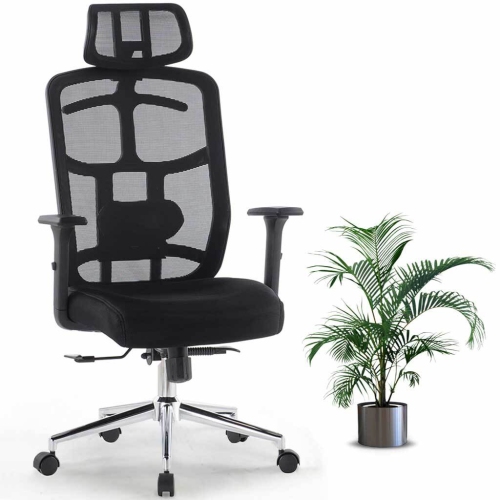 Your price for this item is $129.99
-
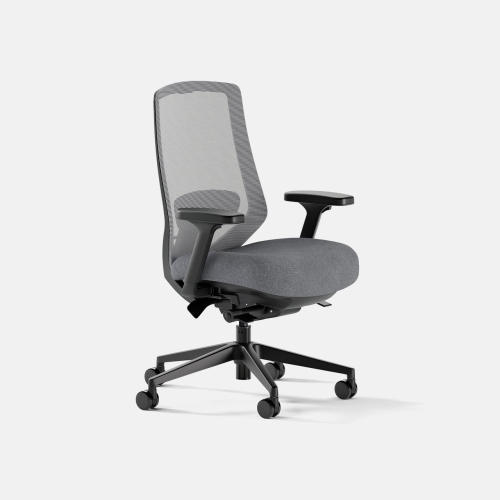 Your price for this item is $599
-
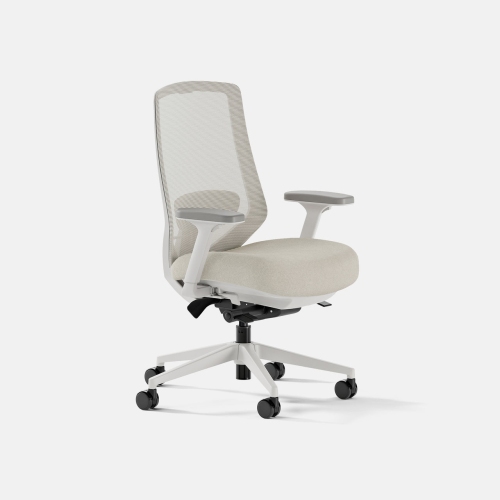 Your price for this item is $599
-
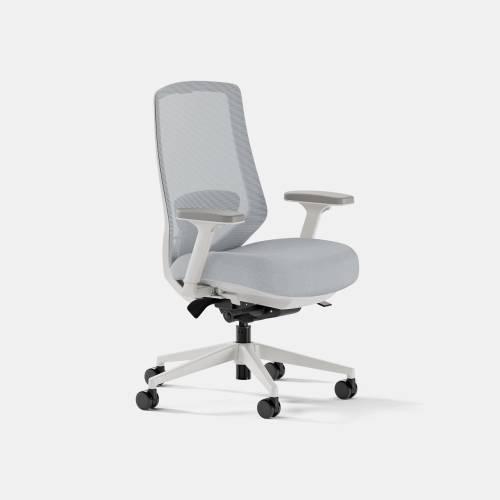 Your price for this item is $599
-
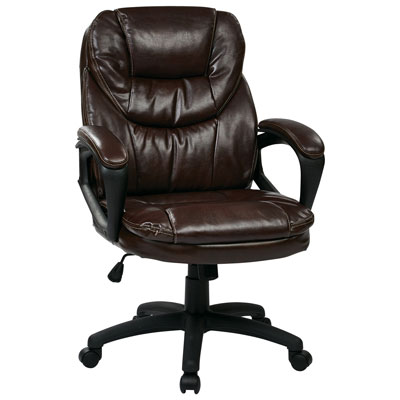 Your price for this item is $459.99
-
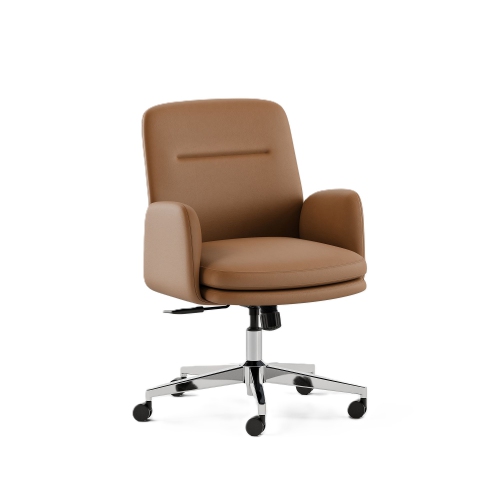 Your price for this item is $429
-
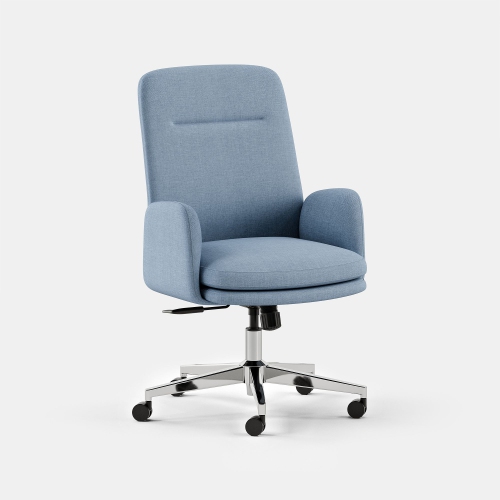 Your price for this item is $429
-
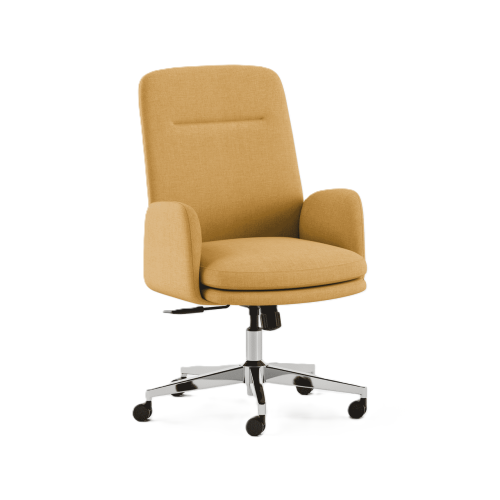 Your price for this item is $429
Discover more categories related to Office Chairs With Flip Up Arms
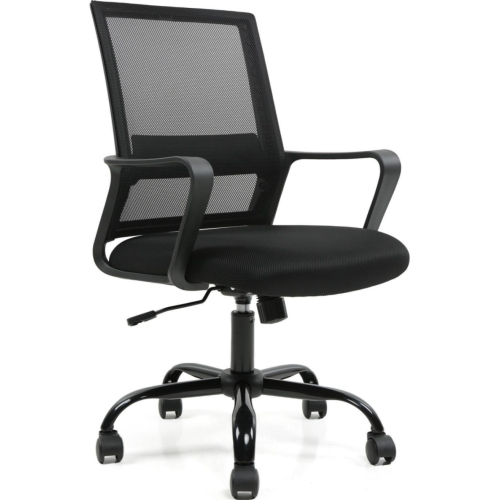
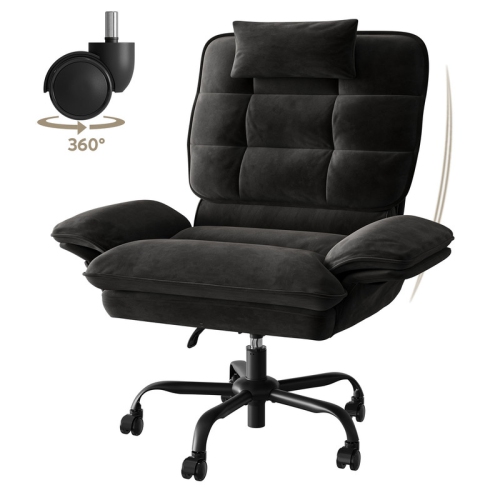
Top Collections:
Best Black Friday Deals This Year, Best Black Friday Deals On Electronics, Kindle Devices, Dyson Airwrap, Best Cameras for Sports Photography, Best Black Friday Deals On Apple Products, PS5 Pro Consoles, Portable Snow Blowers, Canon G7X Cameras, Pokémon 30th Celebration Cards
Some products may be subject to Environmental Handling Fees
(EHF) depending on your province.
Learn more about EHFs.