Orange Ergonomic Office Chairs
An orange office chair is a classic. It's a staple in many offices and it's a great way to add a pop of color to your workspace. An ergonomic office chair is a popular choice for people who spend a lot of time sitting at a desk. This type of chair has an adjustable seat and backrest, as well as wheels that allow for easy maneuvering.
Sort
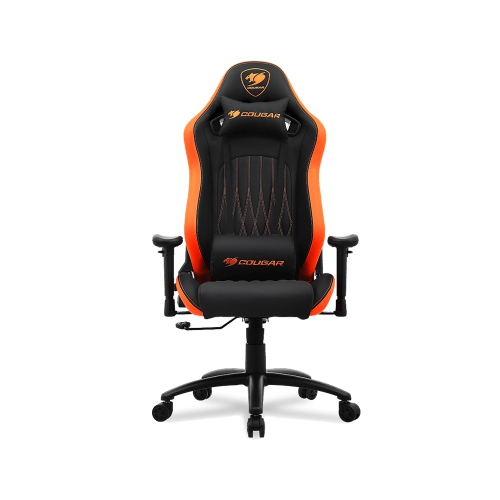
How colour and ergonomic support shape your workspace
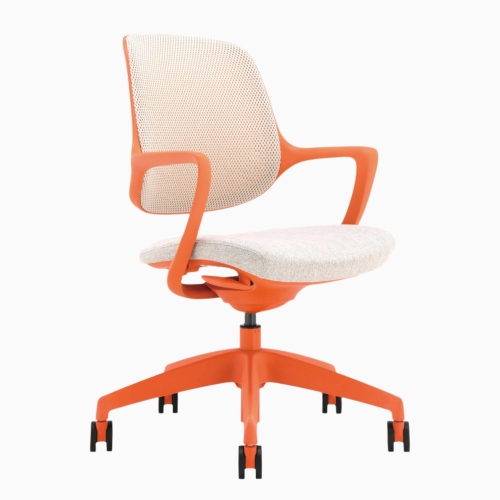
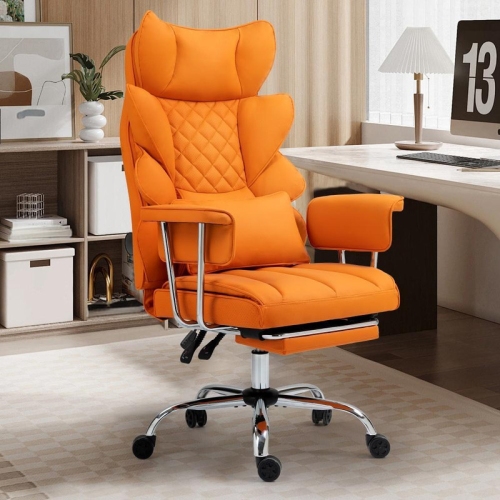
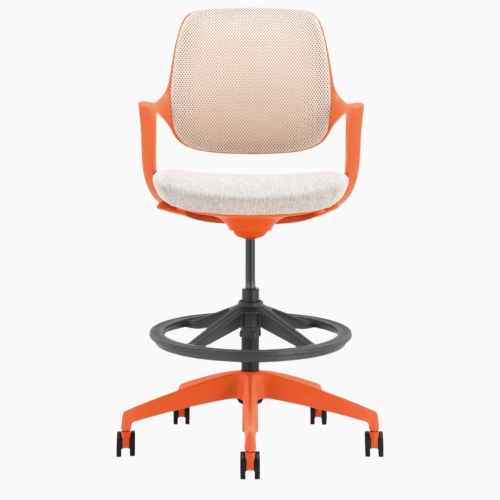
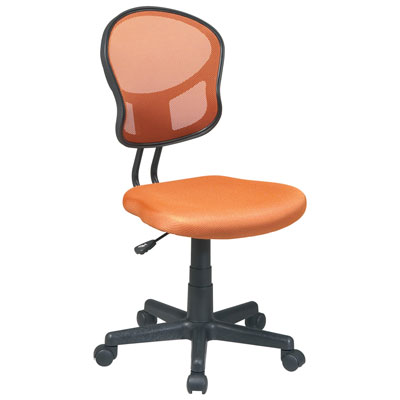
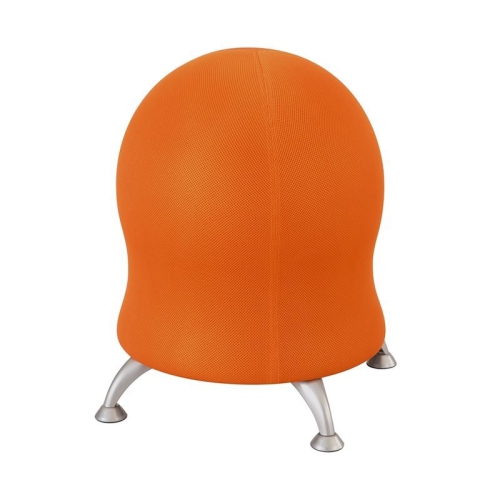
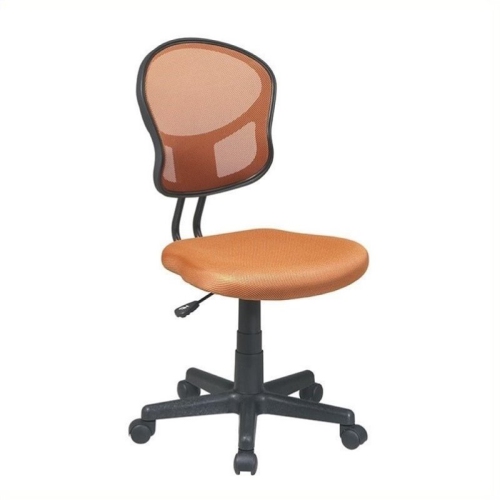
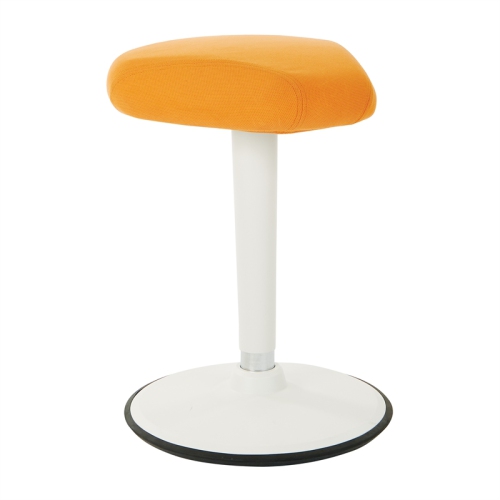
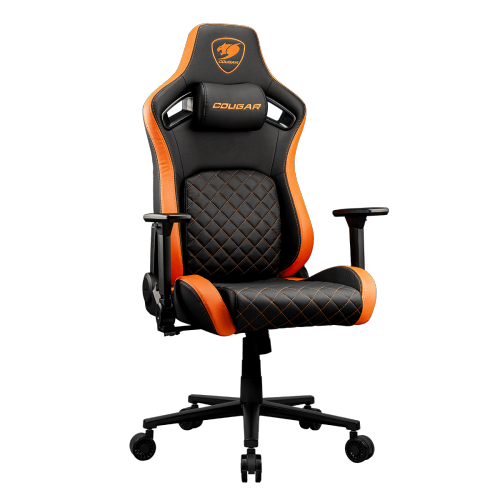
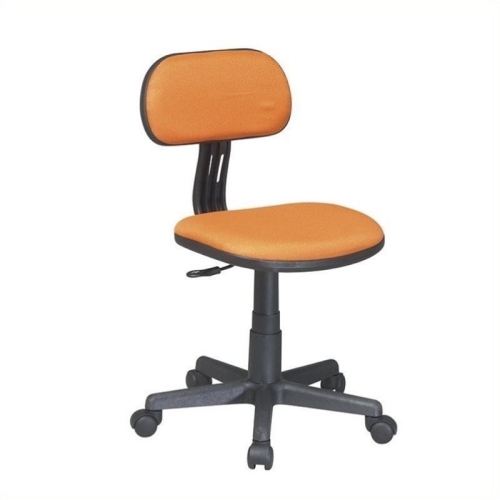
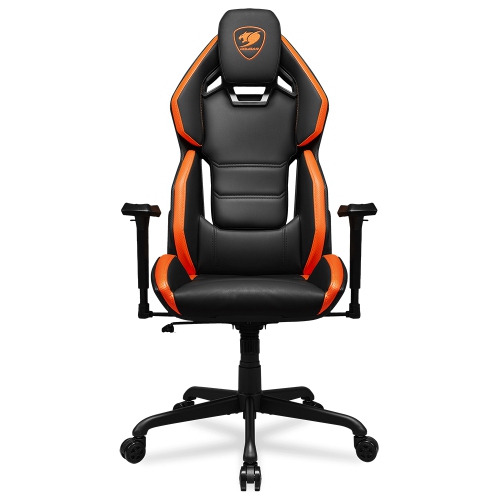
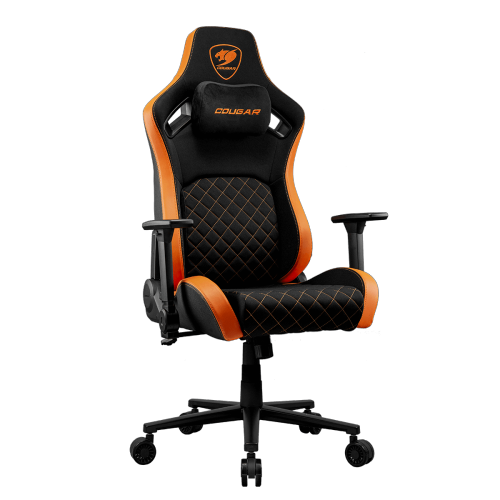
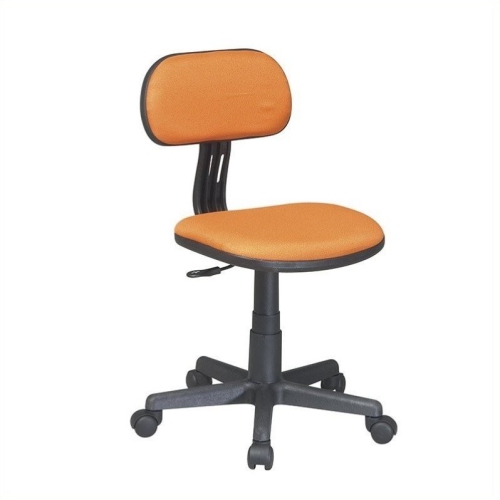
Orange ergonomic office chairs bring practical comfort and a confident burst of colour to workspaces, study areas, gaming stations, reception desks, and creative studios. Their warm tone can make a room feel more energetic without requiring a complete redesign, whether you prefer a vivid tangerine shade, a softer pumpkin hue, or a muted burnt orange that pairs easily with wood, black, white, and neutral décor. The ergonomic features matter just as much as the colour. A well-designed chair can support a more comfortable sitting posture during computer work, online learning, paperwork, crafting, or extended planning sessions. Look for a seat with height adjustment so your feet can rest flat on the floor while your knees remain comfortably positioned, and consider the relationship between the seat and your desk height. A 360-degree swivel base makes it easier to reach nearby work surfaces without twisting, while smooth-rolling casters can help the chair move across an office floor with less effort. If the chair will be used for a full workday, a supportive backrest and a properly shaped seat can make a noticeable difference over several hours. Orange ergonomic office chairs can suit a home office that needs a lively focal point, a student’s desk that benefits from a little personality, or a shared workspace where an easy-to-identify chair adds visual character. They can also be a thoughtful gift for someone settling into a new apartment, preparing a home study area, or refreshing a workspace before the cooler months bring more time spent indoors.
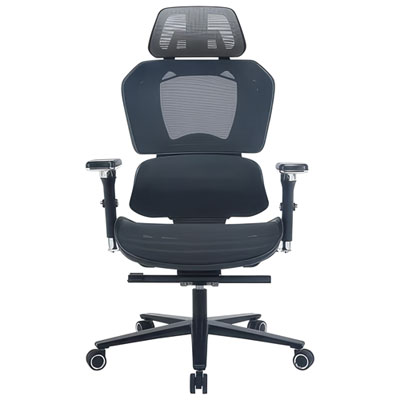
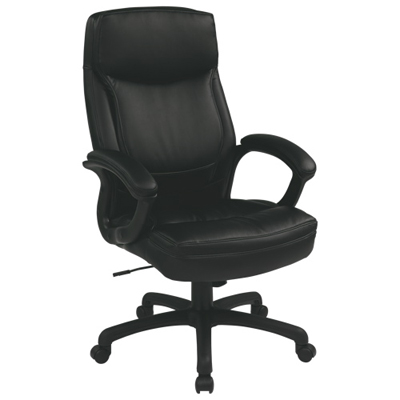
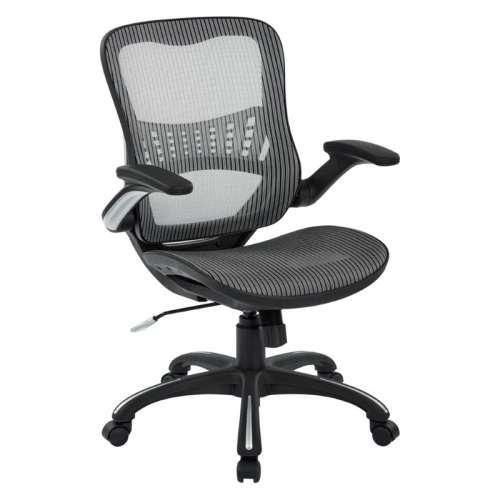
Lumbar support is one of the most important details to examine when comparing ergonomic office chairs. Some chairs have a built-in lower-back contour, while others include an adjustable lumbar panel that can be raised, lowered, or moved closer to the user. The right position should support the natural curve of the lower back without pushing uncomfortably into it. A taller backrest may provide more support for people who prefer coverage through the mid-back and shoulders, while a mid-back design can feel more open and flexible in a compact room. Seat depth is also worth considering: a seat that is too deep may press behind the knees, while one that is too shallow may not provide enough thigh support. Materials affect the experience as well. Breathable mesh backs allow air to circulate and can feel comfortable during long periods at a desk, particularly in a warm room, while padded fabric or moulded foam seats offer a softer, more cushioned feel. Some designs combine a mesh back with a padded seat to balance airflow and support. Adjustable armrests can help keep the shoulders relaxed by allowing the forearms to rest close to desk height; pivoting or width-adjustable arms may be useful for people who change tasks throughout the day. Tilt tension and tilt-lock controls let users choose between an upright position for focused typing and a gentle recline for reading or video calls. A sturdy base, dependable dual-wheel casters, and a weight capacity suited to the intended user are practical specifications to review before purchasing. The chair should also fit the available area, with enough room for the backrest to recline and the base to move without catching on walls, filing cabinets, or other furniture.
When setting up an orange ergonomic office chair, begin with the seat height and adjust it until your feet are supported and your elbows can sit comfortably near the desk surface. Keep the monitor close to eye level to limit repeated neck bending, and place the keyboard and mouse where the shoulders can remain relaxed rather than reaching forward. The chair’s colour can be used as a design anchor: pair a bright orange chair with simple neutral accessories for a crisp, modern workspace, or echo the shade through a desk lamp, storage bin, artwork, or cushion for a more coordinated look. In a compact room, a mesh back and streamlined frame can help the area feel less crowded, while a padded executive-style silhouette may suit a larger office with more traditional furnishings. For shared spaces, easy-to-clean upholstery and adjustable settings make it simpler for different people to find a comfortable position. A young adult may appreciate an orange chair that makes a study corner feel personal, while a remote worker may value the combination of lumbar support, arm adjustment, and breathable materials during a long day of meetings and focused tasks. If a subtler palette better matches the room, explore Gray Ergonomic Office Chairs for a neutral alternative with the same focus on supportive design. Whichever style fits the space, consider how the chair will be used from morning through afternoon, how often its settings may be changed, and whether its dimensions work with the desk, flooring, and surrounding furniture. A carefully matched ergonomic chair can make a work area feel more inviting while providing the adjustability needed for comfortable everyday use.
Lumbar support is one of the most important details to examine when comparing ergonomic office chairs. Some chairs have a built-in lower-back contour, while others include an adjustable lumbar panel that can be raised, lowered, or moved closer to the user. The right position should support the natural curve of the lower back without pushing uncomfortably into it. A taller backrest may provide more support for people who prefer coverage through the mid-back and shoulders, while a mid-back design can feel more open and flexible in a compact room. Seat depth is also worth considering: a seat that is too deep may press behind the knees, while one that is too shallow may not provide enough thigh support. Materials affect the experience as well. Breathable mesh backs allow air to circulate and can feel comfortable during long periods at a desk, particularly in a warm room, while padded fabric or moulded foam seats offer a softer, more cushioned feel. Some designs combine a mesh back with a padded seat to balance airflow and support. Adjustable armrests can help keep the shoulders relaxed by allowing the forearms to rest close to desk height; pivoting or width-adjustable arms may be useful for people who change tasks throughout the day. Tilt tension and tilt-lock controls let users choose between an upright position for focused typing and a gentle recline for reading or video calls. A sturdy base, dependable dual-wheel casters, and a weight capacity suited to the intended user are practical specifications to review before purchasing. The chair should also fit the available area, with enough room for the backrest to recline and the base to move without catching on walls, filing cabinets, or other furniture.
When setting up an orange ergonomic office chair, begin with the seat height and adjust it until your feet are supported and your elbows can sit comfortably near the desk surface. Keep the monitor close to eye level to limit repeated neck bending, and place the keyboard and mouse where the shoulders can remain relaxed rather than reaching forward. The chair’s colour can be used as a design anchor: pair a bright orange chair with simple neutral accessories for a crisp, modern workspace, or echo the shade through a desk lamp, storage bin, artwork, or cushion for a more coordinated look. In a compact room, a mesh back and streamlined frame can help the area feel less crowded, while a padded executive-style silhouette may suit a larger office with more traditional furnishings. For shared spaces, easy-to-clean upholstery and adjustable settings make it simpler for different people to find a comfortable position. A young adult may appreciate an orange chair that makes a study corner feel personal, while a remote worker may value the combination of lumbar support, arm adjustment, and breathable materials during a long day of meetings and focused tasks. If a subtler palette better matches the room, explore Gray Ergonomic Office Chairs for a neutral alternative with the same focus on supportive design. Whichever style fits the space, consider how the chair will be used from morning through afternoon, how often its settings may be changed, and whether its dimensions work with the desk, flooring, and surrounding furniture. A carefully matched ergonomic chair can make a work area feel more inviting while providing the adjustability needed for comfortable everyday use.
Top selling and popular products
-
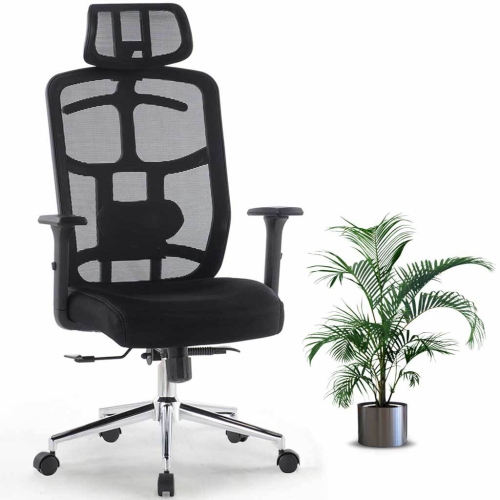 Your price for this item is $119.99
 -
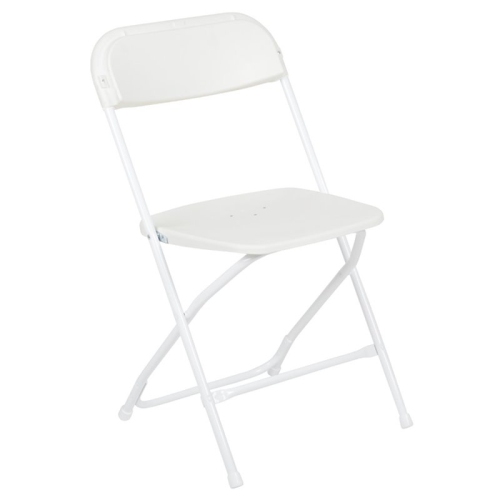 Your price for this item is $123
 -
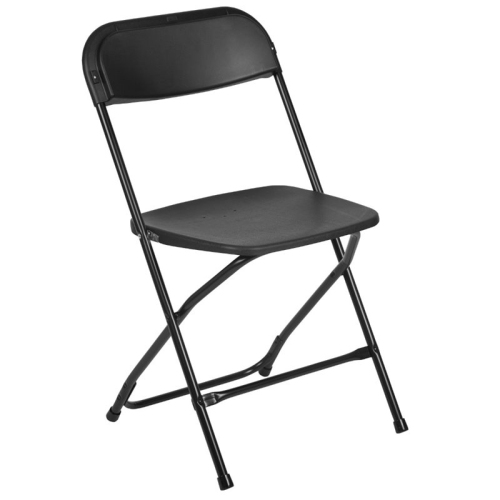 Your price for this item is $139.99
 -
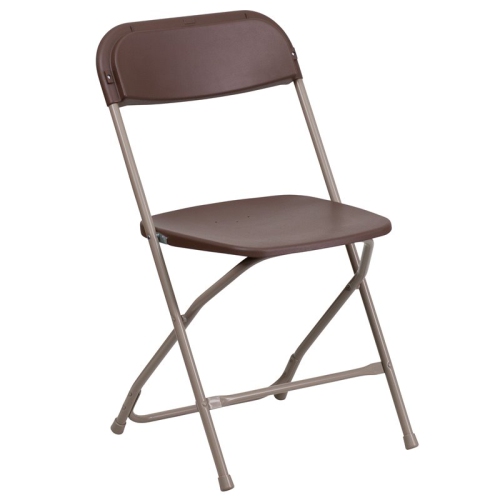 Your price for this item is $139.99
 -
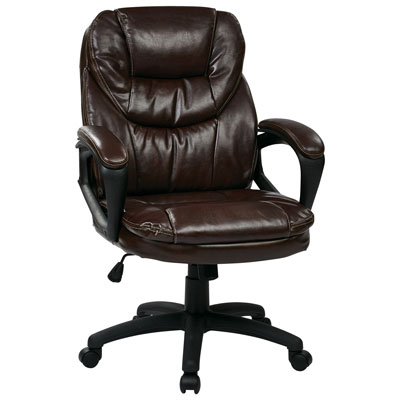 Your price for this item is $203.98
 -
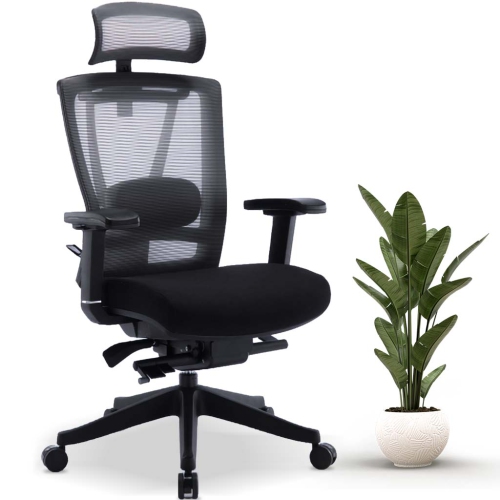 Your price for this item is $379.99
 -
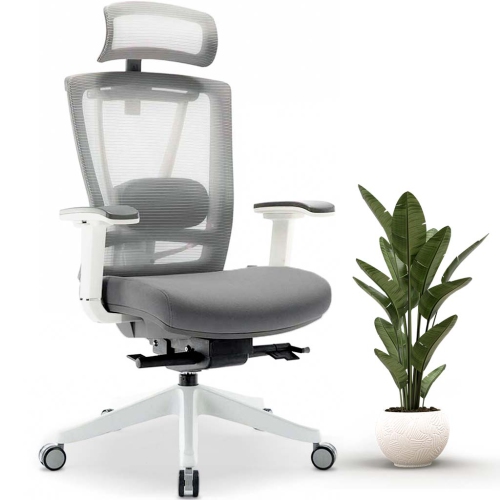 Your price for this item is $379.99
 -
 Your price for this item is $594.99
Discover more categories related to Orange Ergonomic Office Chairs
Top Collections:
Pokemon Centers, Budget 4K TVs, Best Budget Office Chairs, Kindle Devices, Canon G7X Cameras, Apple iPhones 16, iPhone 15 Apple, Laptops for Business Work, Xiaomi Phones, Flip Phones
Some products may be subject to Environmental Handling Fees
(EHF) depending on your province.
Learn more about EHFs.