Orthopedic Foam Mattresses
Orthopedic foam mattresses are a type of mattress designed to provide enhanced support for the body. These mattresses are often recommended for those who suffer from chronic pain or discomfort, as they provide superior support for the spine and other areas of the body. Here are some great options available.
Sort

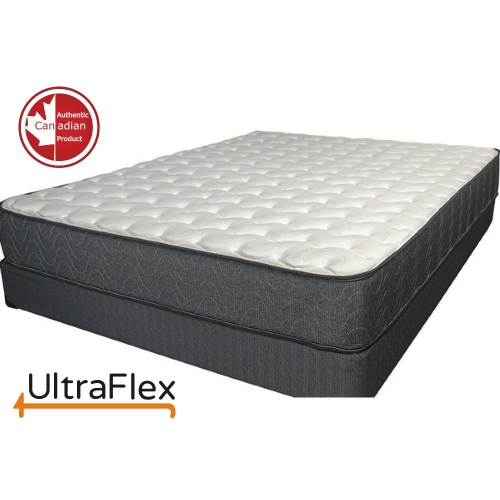
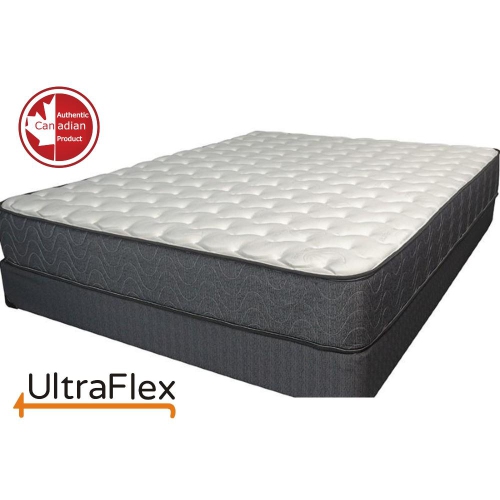



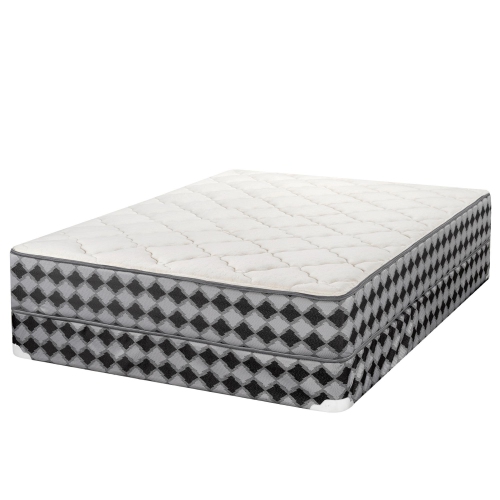

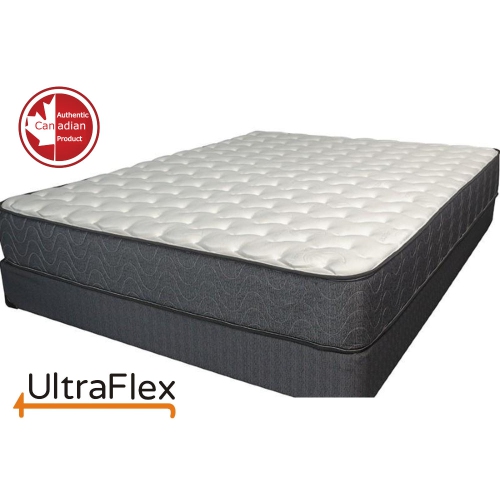
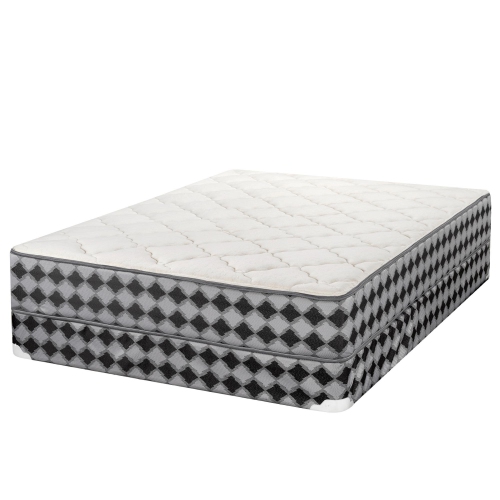
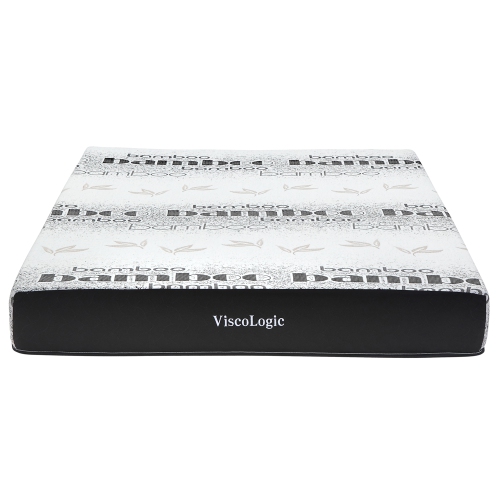

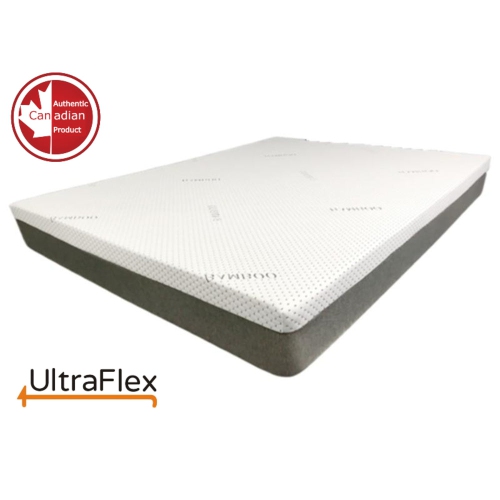

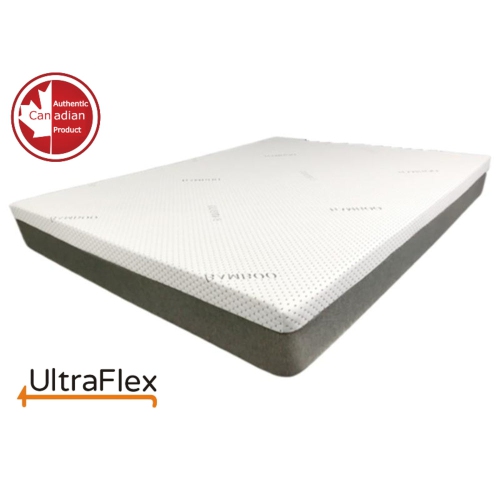
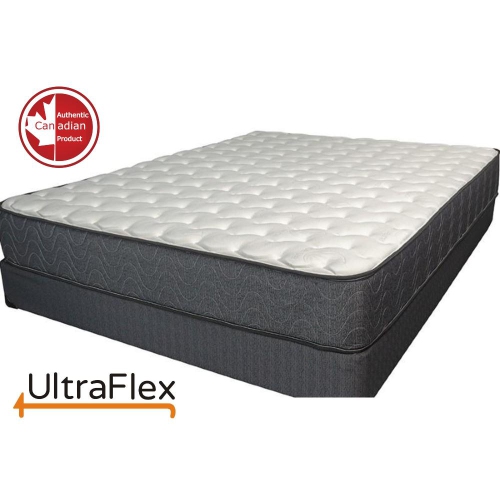
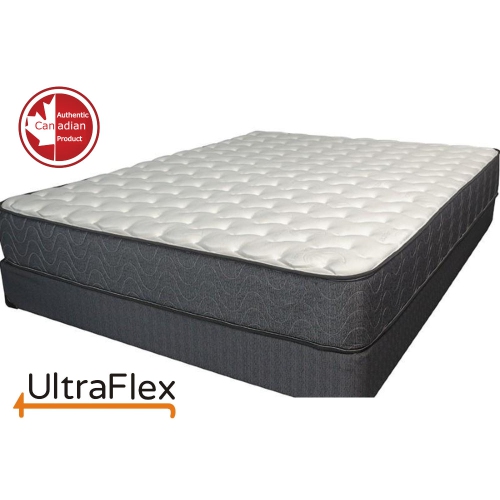
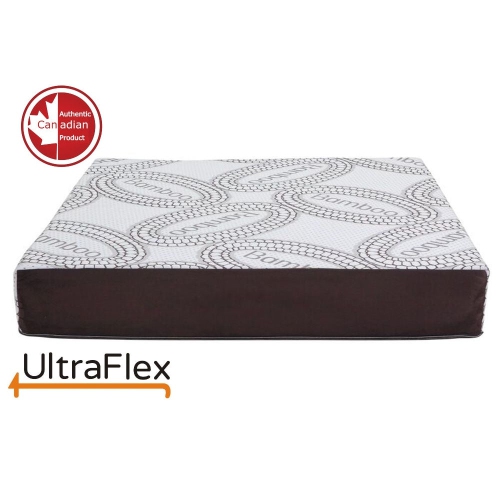
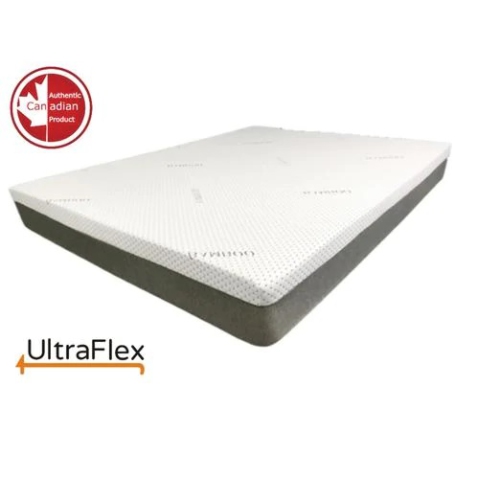

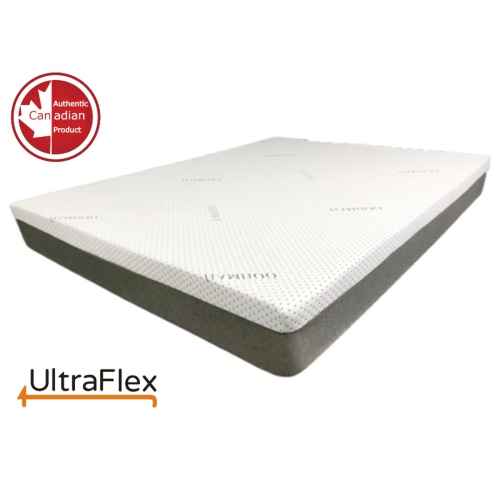
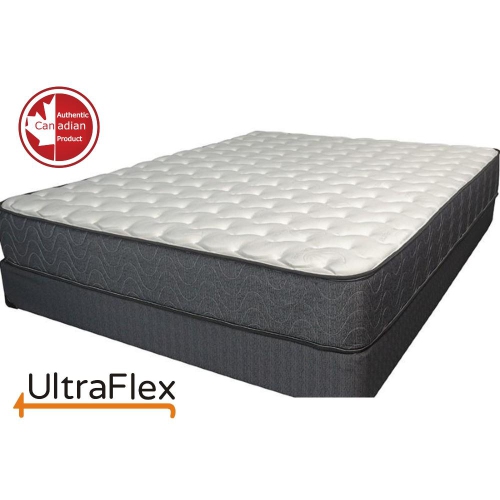
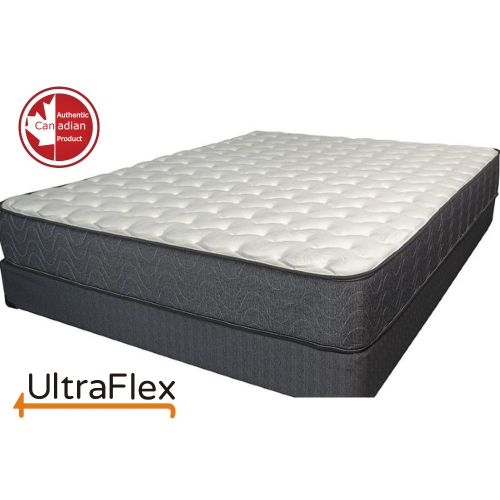





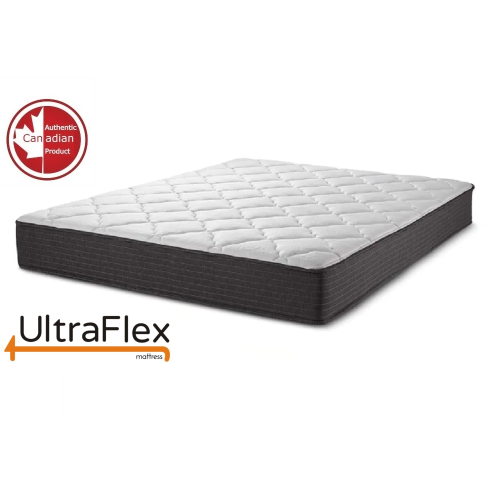
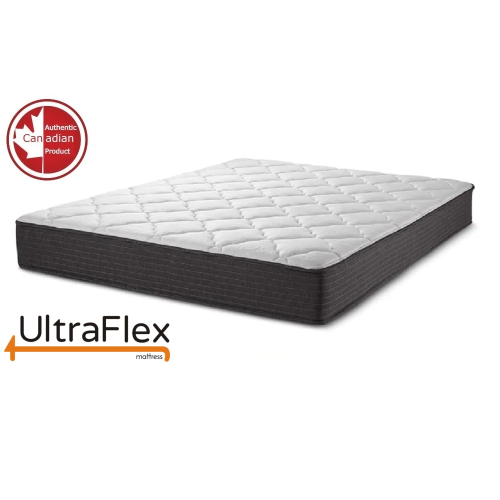


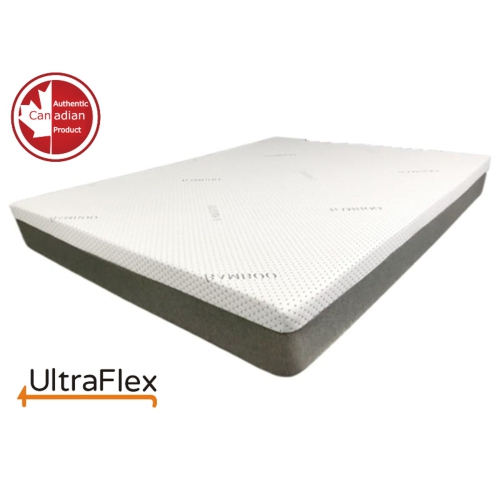
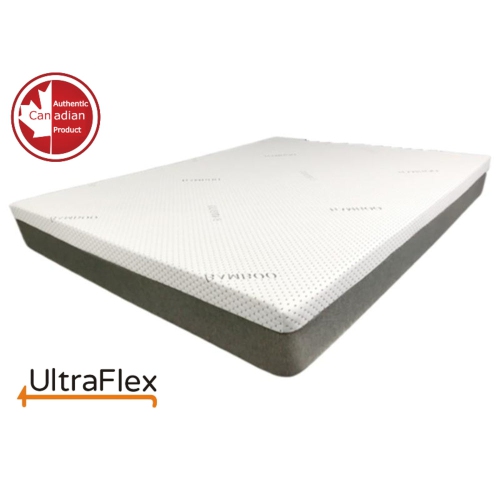
![VISCOLOGIC Hamilton [ ] 11" Orthopedic 5-Zone Pocket Coil Foam Encased Euro Top Eco-Friendly Hybrid Mattress - Twin / Single Size](https://multimedia.bbycastatic.ca/multimedia/products/500x500/155/15588/15588117.jpeg)
![VISCOLOGIC Hamilton [ ] 11" Orthopedic 5-Zone Pocket Coil Foam Encased Euro Top Eco-Friendly Hybrid Mattress - Full / Double Size](https://multimedia.bbycastatic.ca/multimedia/products/500x500/155/15588/15588119.jpeg)
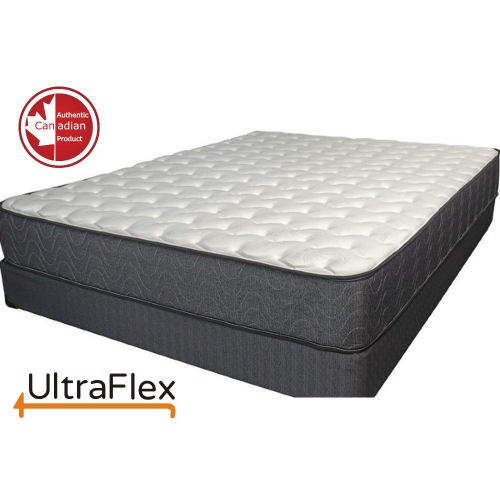
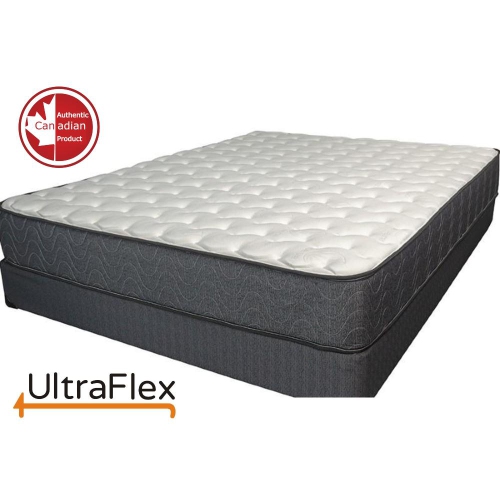
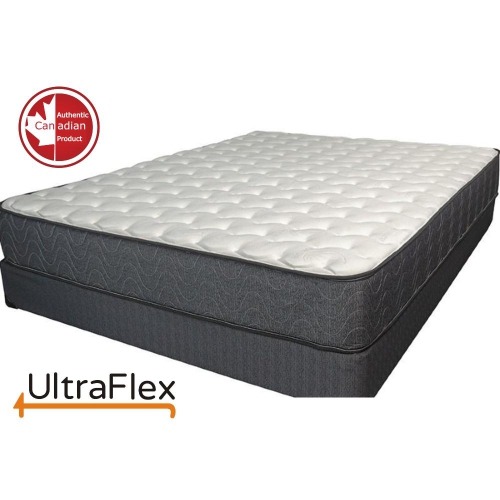
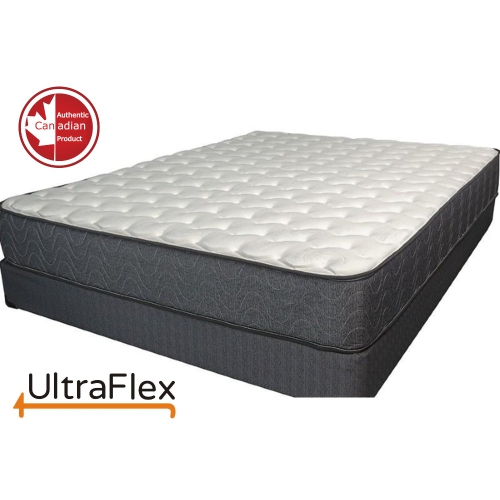
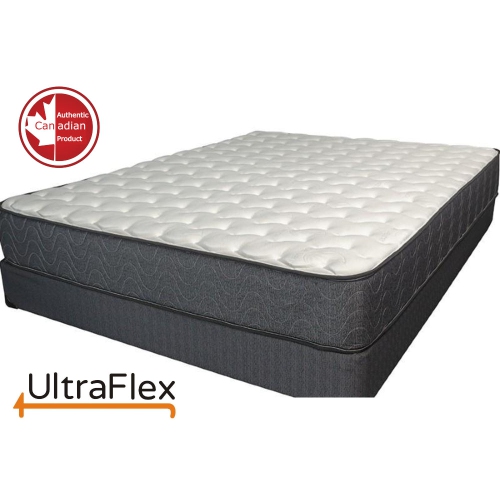
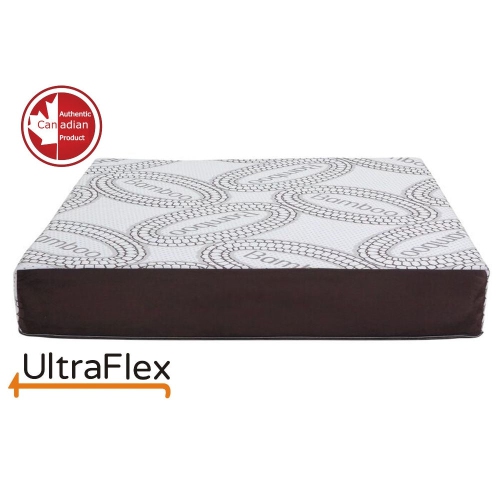

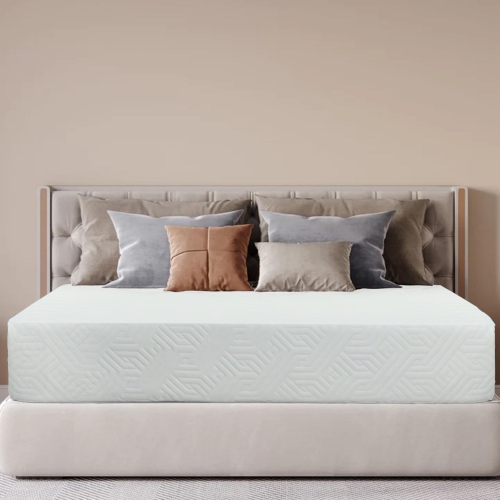
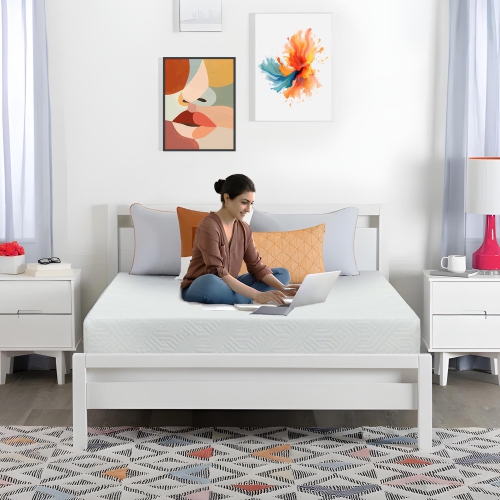
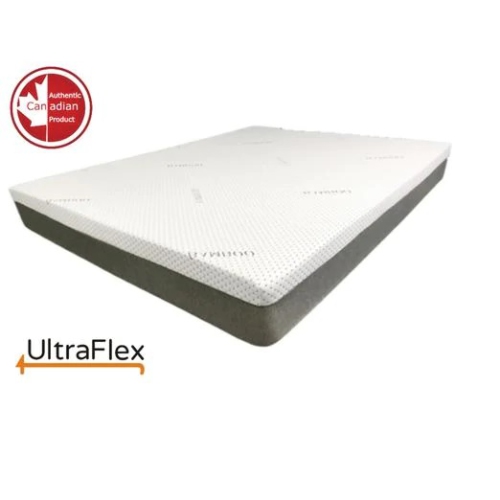
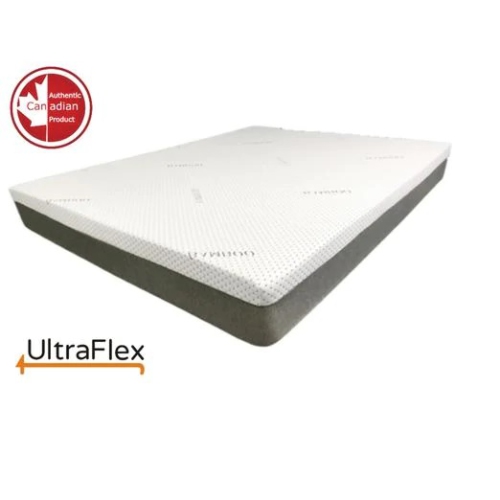
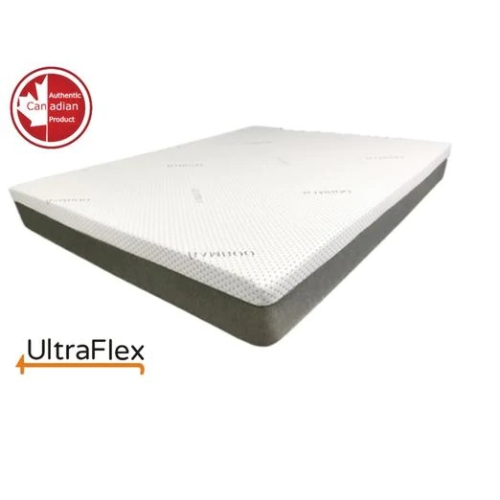
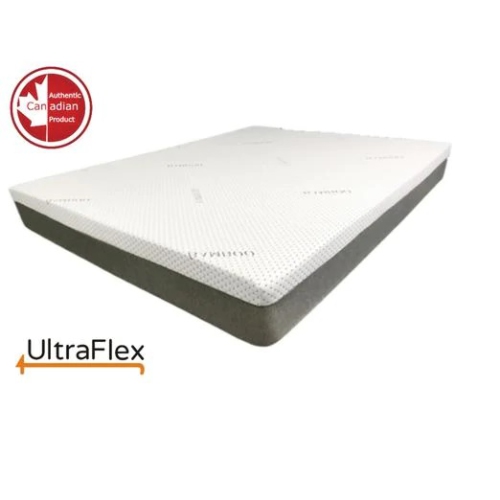
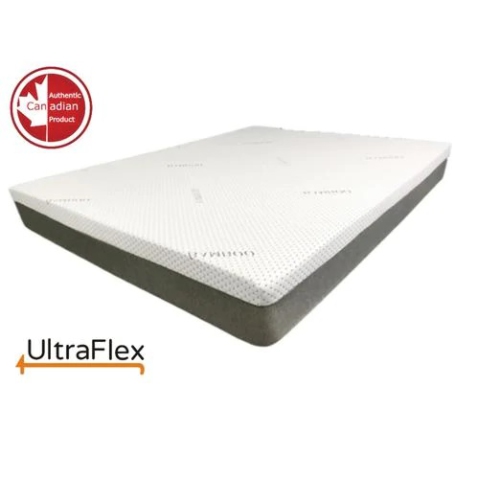
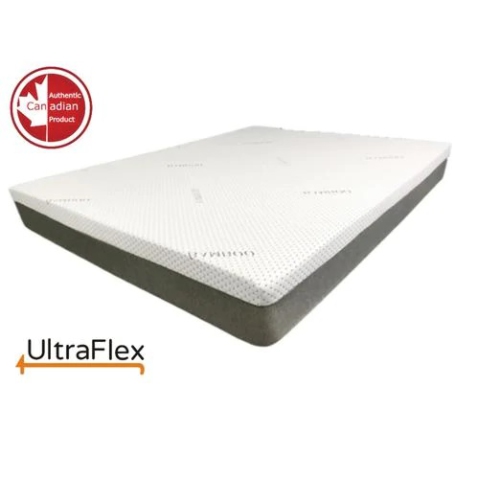
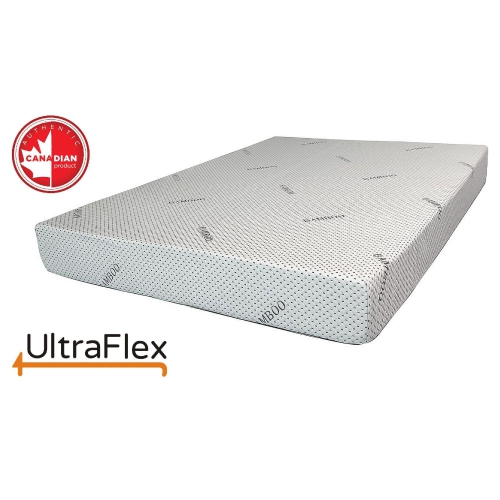
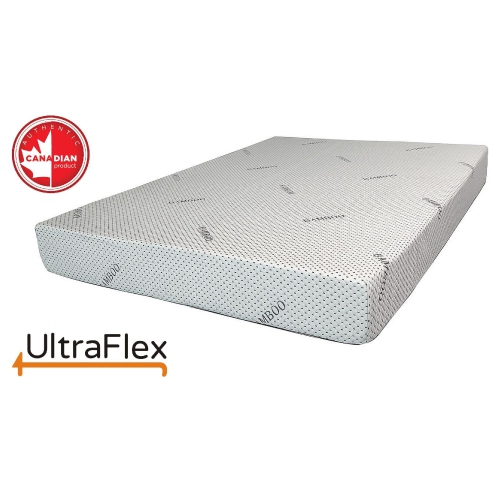

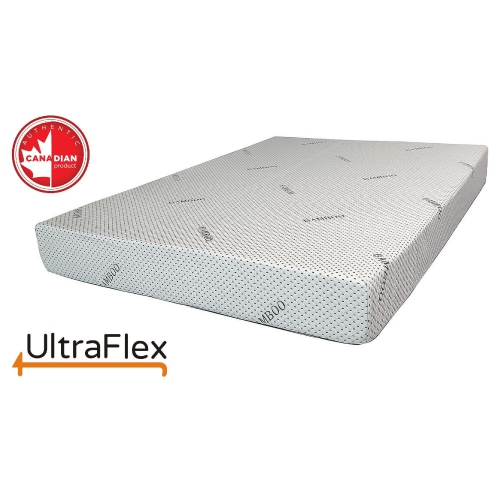
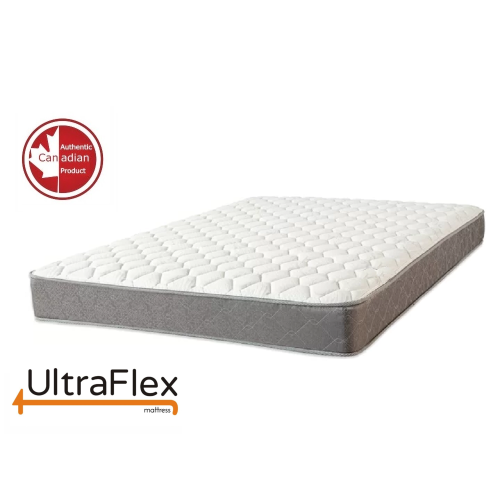
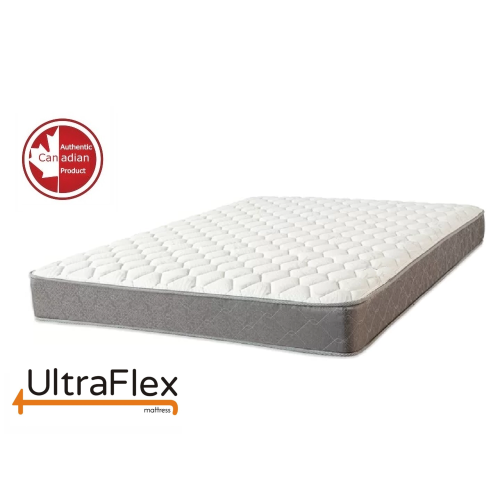
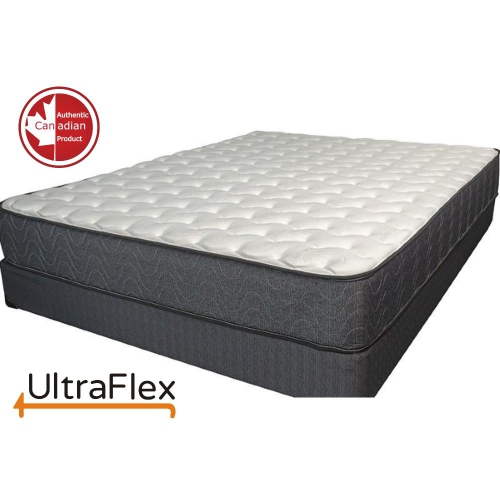
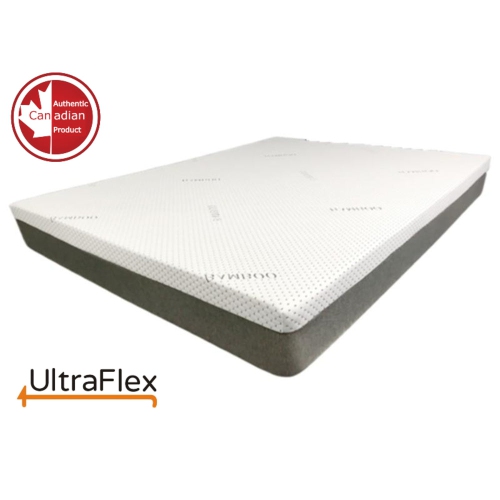
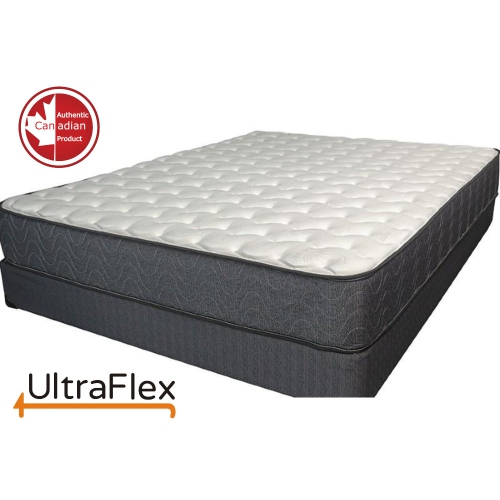
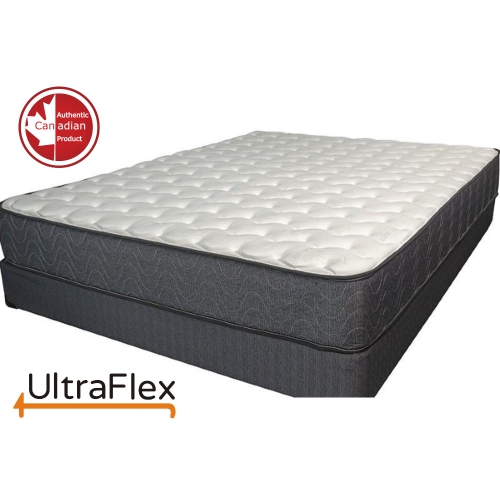
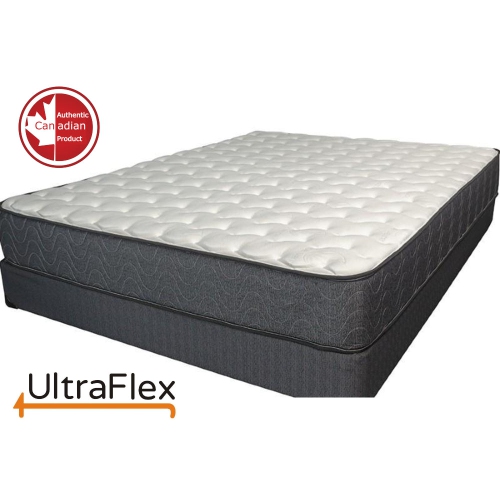


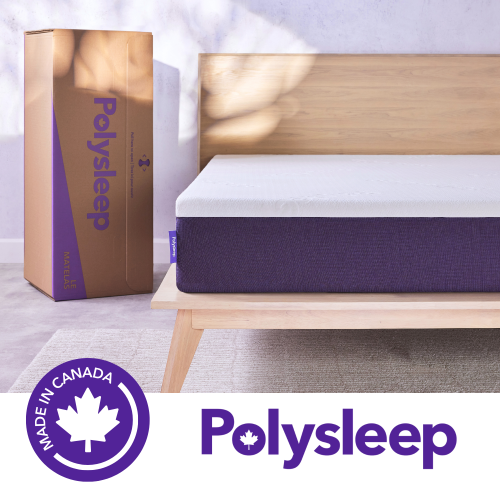
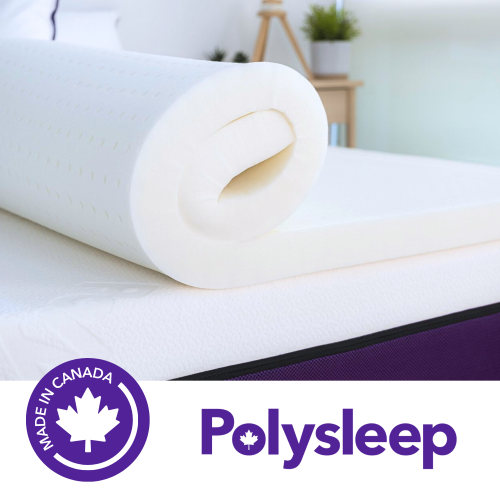
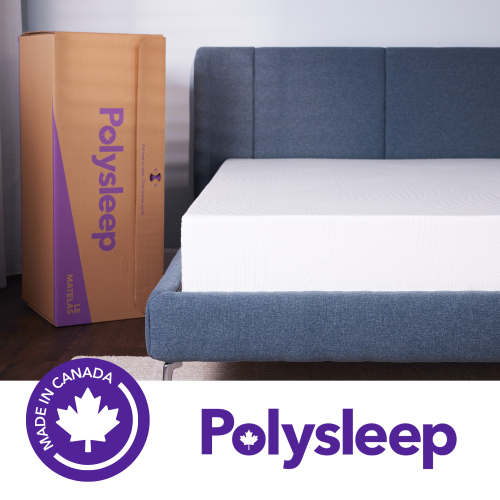
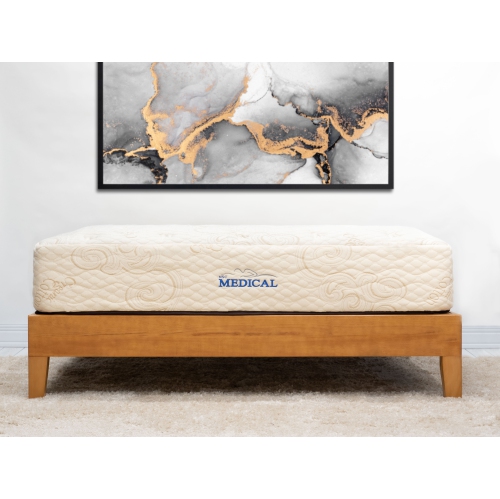
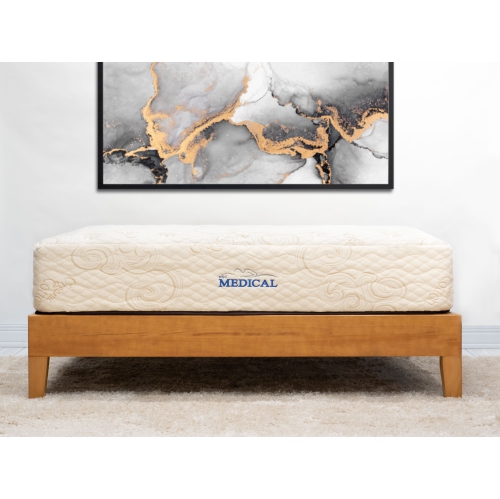
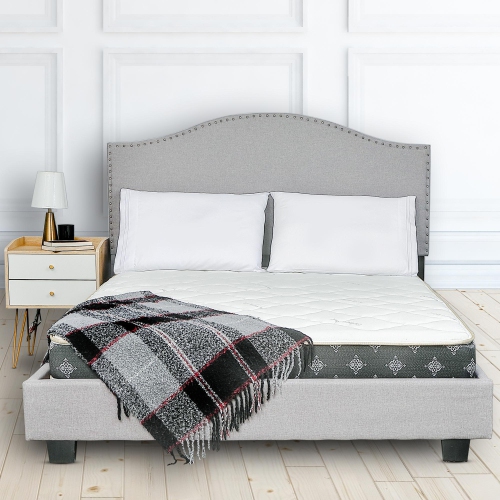
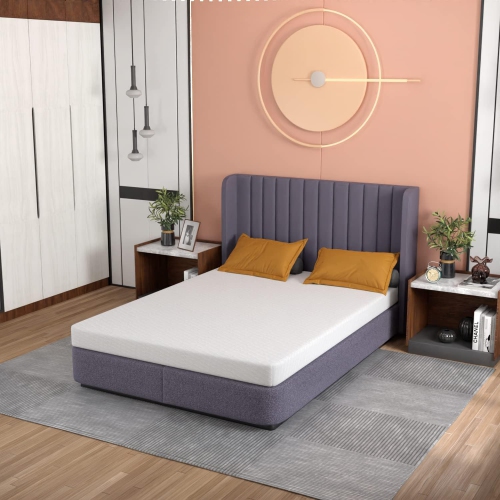
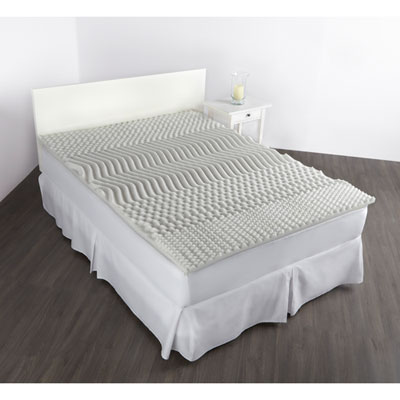
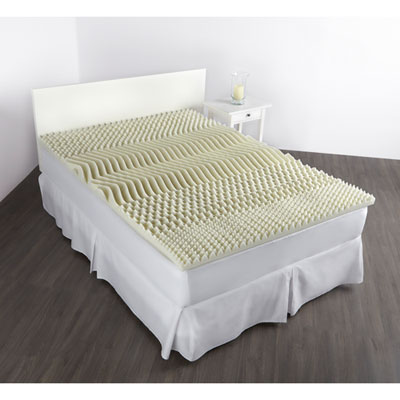
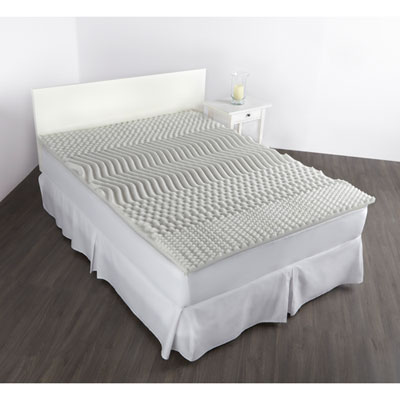
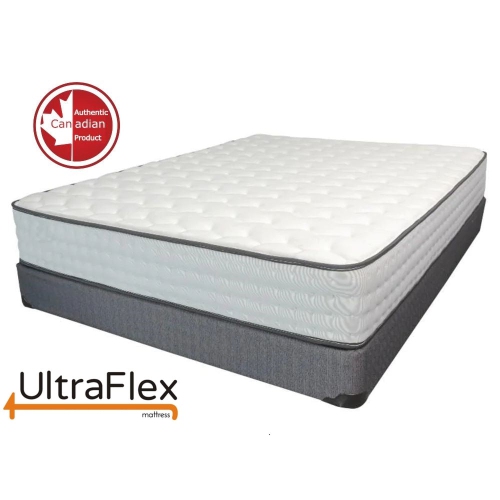
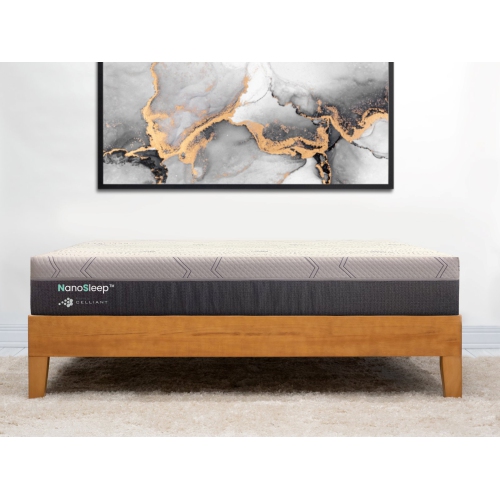
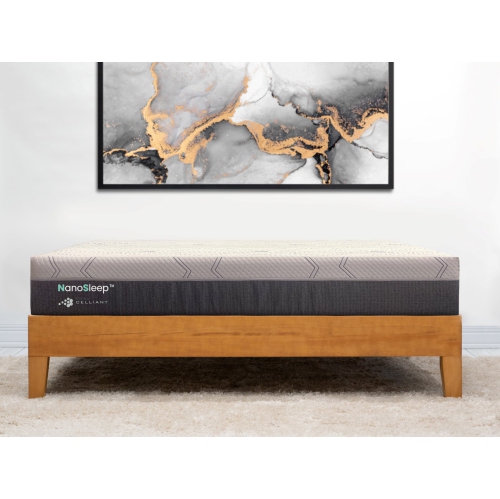
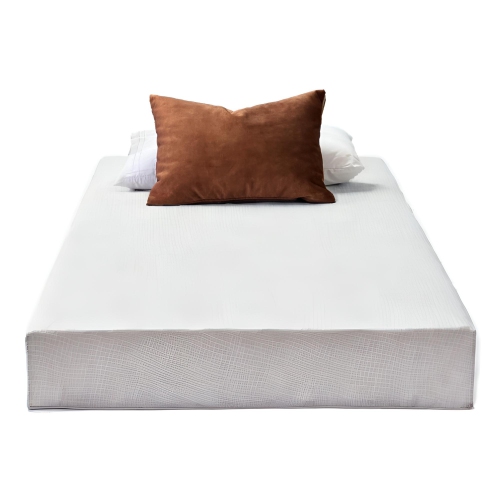
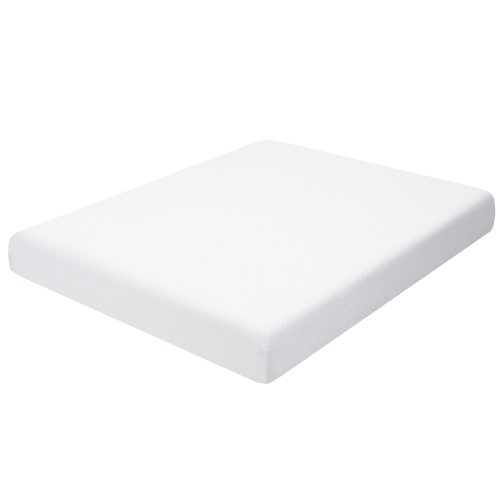
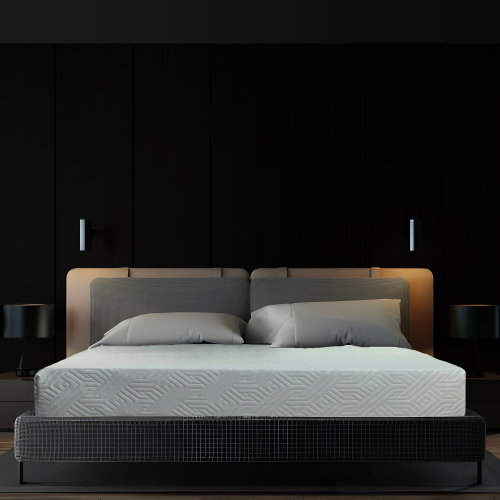
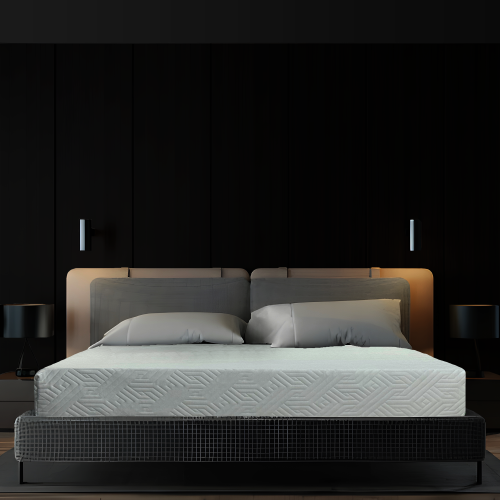
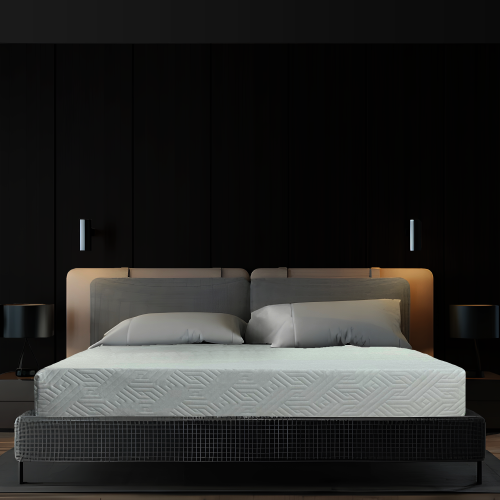
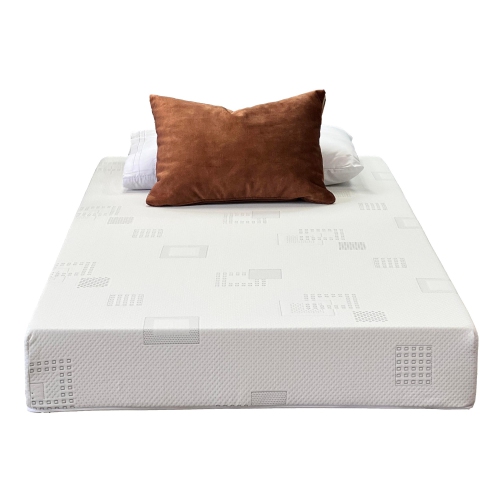
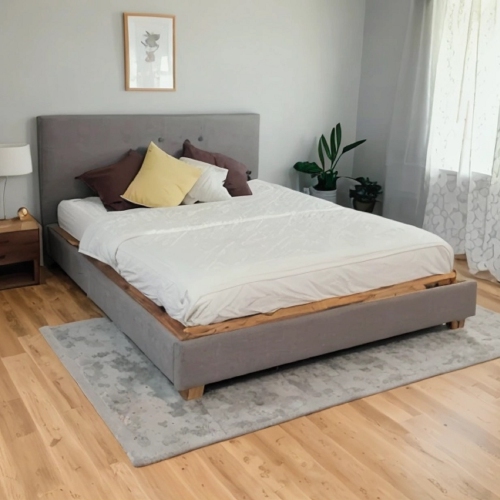


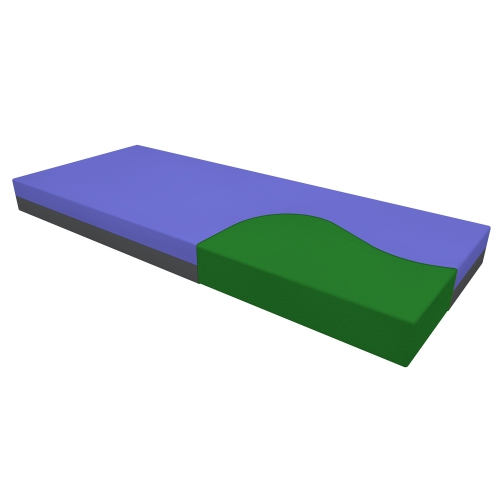
Supportive foam layers for a steadier, more comfortable sleep
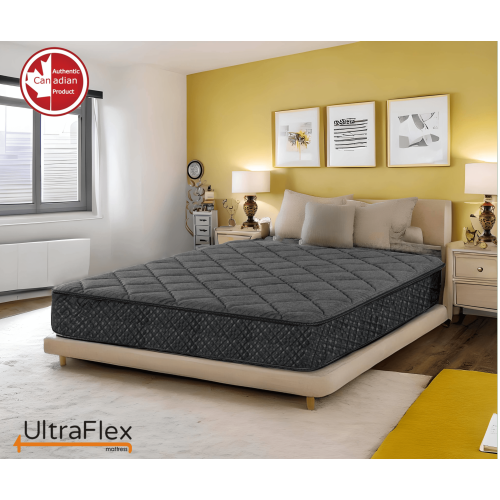
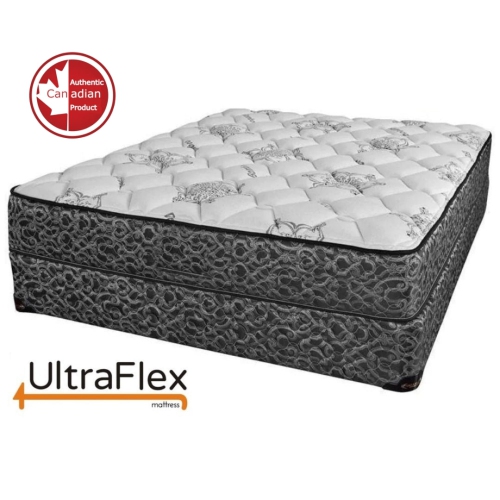
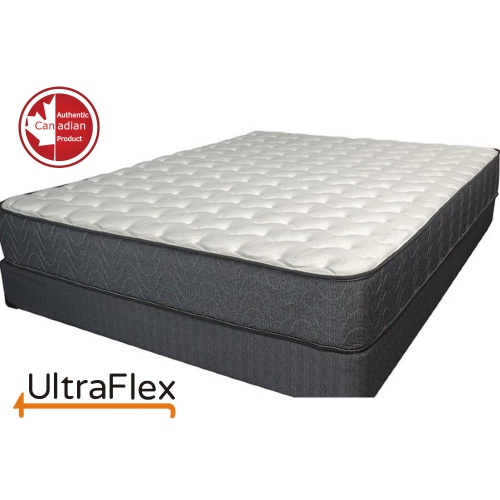
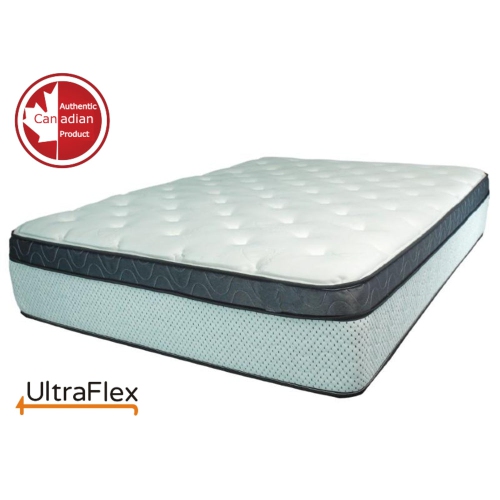
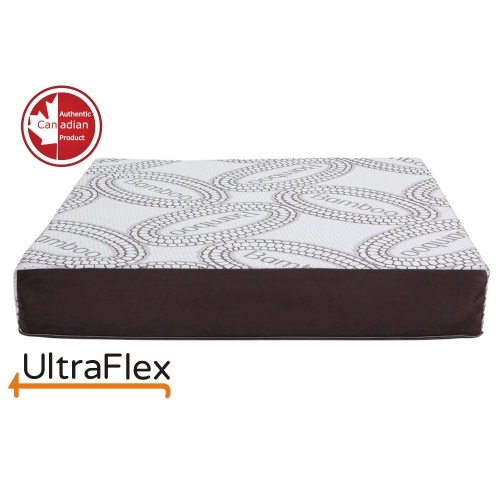
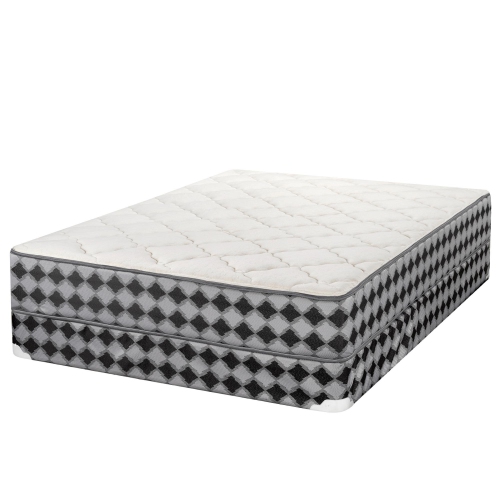
Orthopedic foam mattresses are designed for sleepers who prefer a stable, supportive sleep surface with cushioning that helps distribute body weight. Although “orthopedic” is commonly used to describe mattresses with firmer support and pressure-relieving construction, comfort is personal, and the ideal feel depends on your sleeping position, body shape, and preferred firmness. Many of these mattresses use a layered design: a dense foam support core forms the foundation, while one or more comfort layers provide contouring around the shoulders, hips, and lower back. The support core helps limit excessive sinking, which can be especially important for back and stomach sleepers who prefer to keep their midsection from dipping too deeply into the mattress. A softer upper layer can add welcome cushioning without making the entire bed feel plush or unstable. This balance is often appealing to people who wake up feeling as though their mattress is too soft, uneven, or difficult to move around on. It can also suit sleepers who want a reassuringly solid surface while still enjoying the quiet, body-conforming feel of foam. For a broader selection of supportive sleep solutions, explore Orthopedic Beds.
When comparing orthopedic foam mattresses, start with firmness, but look beyond the firmness label. A mattress described as firm may feel different depending on its foam density, thickness, construction, and the sleeper’s weight. A back sleeper may appreciate a surface that supports the natural curve of the lower back without allowing the pelvis to sink too far, while a stomach sleeper may prefer an even firmer feel that keeps the body level. Side sleepers often need enough cushioning at the shoulder and hip to reduce pressure in those areas, so a very rigid surface may not feel comfortable even if it offers strong underlying support. Combination sleepers should consider how easily the foam responds when changing positions, since deeply contouring materials can make turning feel more effortful. Foam can also help absorb movement across the bed, making it a practical choice for couples with different sleep schedules or for anyone who shares a room with a restless sleeper. Mattress height, perimeter support, and the overall weight of the mattress are also worth considering, particularly when fitting a bed frame, lifting bedding, or getting in and out of bed. People with mobility concerns may find that a mattress with a stable edge and a moderate height makes sitting down and standing up feel more secure. Those with persistent pain, an injury, or a diagnosed condition should use mattress shopping as a comfort decision rather than a replacement for advice from a qualified healthcare professional.
The right mattress should also work well with the rest of the sleep setup. Confirm the size before ordering, measure the bed frame or platform, and check whether the foundation provides continuous support across the mattress. Some foam mattresses arrive compressed and rolled, so allow enough space for unpacking and follow the manufacturer’s instructions for expansion and ventilation before making the bed. A breathable mattress protector can help guard against spills, dust, and everyday wear, while fitted sheets with suitable pocket depth help prevent bunching on a thicker design. Foam may retain more warmth than traditional spring construction, so sleepers who tend to feel hot may wish to look for breathable covers, ventilated foam, gel-infused comfort layers, or other temperature-management features. During the cooler months, the contouring feel of foam can make a bed seem especially inviting, but consistent support remains more important than seasonal comfort. Consider the available sleep trial, return terms, warranty coverage, delivery method, and whether old-mattress removal is offered, since these details can affect the overall value and convenience of a larger purchase. An orthopedic foam mattress can be a thoughtful choice for someone setting up a more supportive guest room, replacing a worn sleep surface, furnishing a new home, or helping a loved one create a steadier bedtime routine. With the right firmness, supportive core, comfortable top layer, and compatible foundation, it can provide a dependable place to rest at the end of the day.
When comparing orthopedic foam mattresses, start with firmness, but look beyond the firmness label. A mattress described as firm may feel different depending on its foam density, thickness, construction, and the sleeper’s weight. A back sleeper may appreciate a surface that supports the natural curve of the lower back without allowing the pelvis to sink too far, while a stomach sleeper may prefer an even firmer feel that keeps the body level. Side sleepers often need enough cushioning at the shoulder and hip to reduce pressure in those areas, so a very rigid surface may not feel comfortable even if it offers strong underlying support. Combination sleepers should consider how easily the foam responds when changing positions, since deeply contouring materials can make turning feel more effortful. Foam can also help absorb movement across the bed, making it a practical choice for couples with different sleep schedules or for anyone who shares a room with a restless sleeper. Mattress height, perimeter support, and the overall weight of the mattress are also worth considering, particularly when fitting a bed frame, lifting bedding, or getting in and out of bed. People with mobility concerns may find that a mattress with a stable edge and a moderate height makes sitting down and standing up feel more secure. Those with persistent pain, an injury, or a diagnosed condition should use mattress shopping as a comfort decision rather than a replacement for advice from a qualified healthcare professional.
The right mattress should also work well with the rest of the sleep setup. Confirm the size before ordering, measure the bed frame or platform, and check whether the foundation provides continuous support across the mattress. Some foam mattresses arrive compressed and rolled, so allow enough space for unpacking and follow the manufacturer’s instructions for expansion and ventilation before making the bed. A breathable mattress protector can help guard against spills, dust, and everyday wear, while fitted sheets with suitable pocket depth help prevent bunching on a thicker design. Foam may retain more warmth than traditional spring construction, so sleepers who tend to feel hot may wish to look for breathable covers, ventilated foam, gel-infused comfort layers, or other temperature-management features. During the cooler months, the contouring feel of foam can make a bed seem especially inviting, but consistent support remains more important than seasonal comfort. Consider the available sleep trial, return terms, warranty coverage, delivery method, and whether old-mattress removal is offered, since these details can affect the overall value and convenience of a larger purchase. An orthopedic foam mattress can be a thoughtful choice for someone setting up a more supportive guest room, replacing a worn sleep surface, furnishing a new home, or helping a loved one create a steadier bedtime routine. With the right firmness, supportive core, comfortable top layer, and compatible foundation, it can provide a dependable place to rest at the end of the day.
Top selling and popular products
-
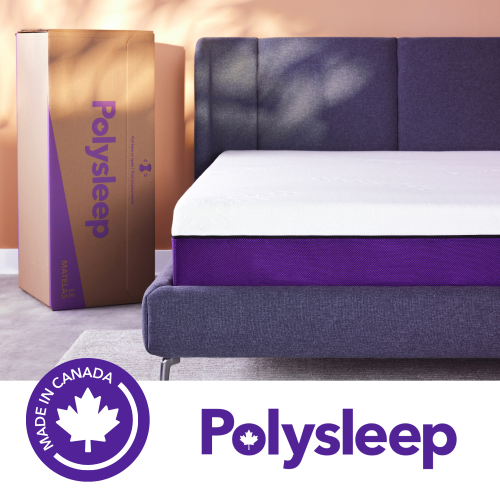 Your price for this item is $1195
 -
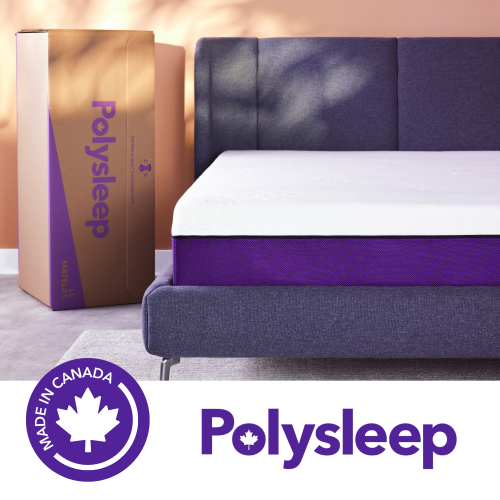 Your price for this item is $1395
 -
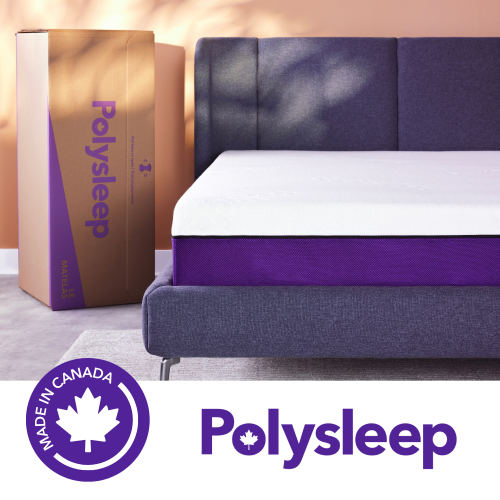 Your price for this item is $945
 -
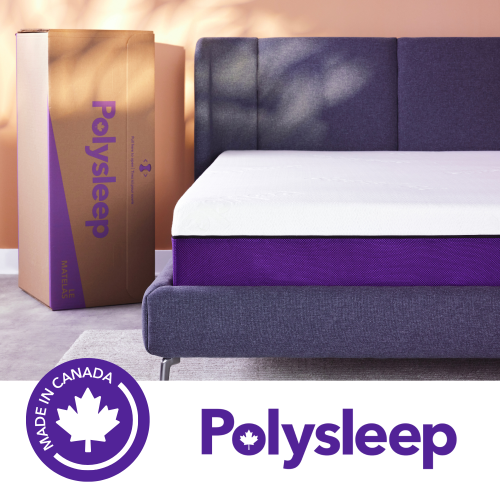 Your price for this item is $1095
 -
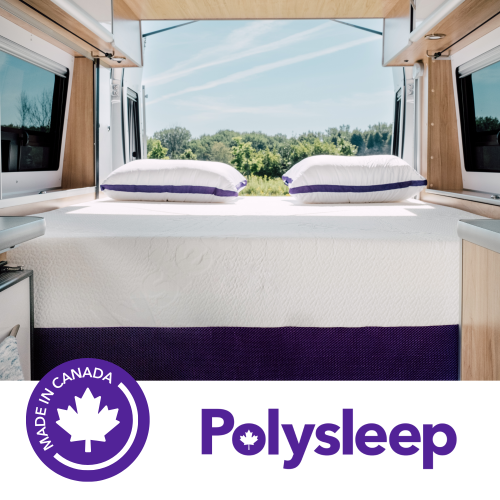 Your price for this item is $1199
 -
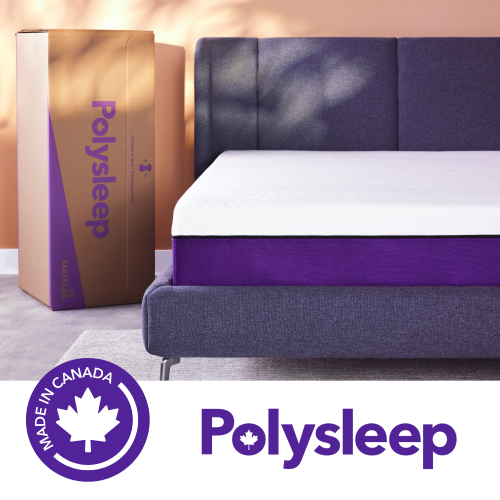 Your price for this item is $895
 -
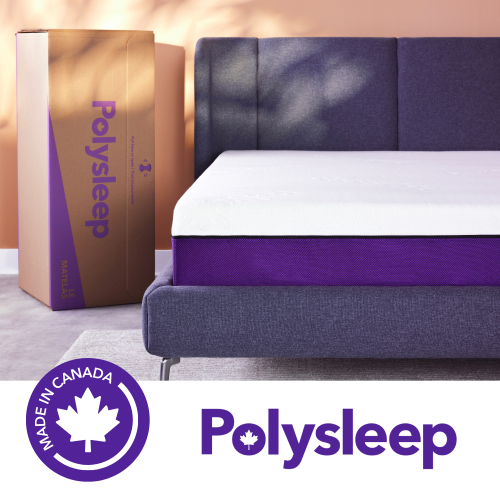 Your price for this item is $1395
 -
 Your price for this item is $690
Discover more categories related to Orthopedic Foam Mattresses
Top Collections:
Pokemon Centers, Budget 4K TVs, Kindle Devices, Canon G7X Cameras, Apple iPhones 16, iPhone 15 Apple, Laptops for Business Work, Flip Phones, Xiaomi Phones, Refurbished Apple Laptops
Some products may be subject to Environmental Handling Fees
(EHF) depending on your province.
Learn more about EHFs.